Alliums
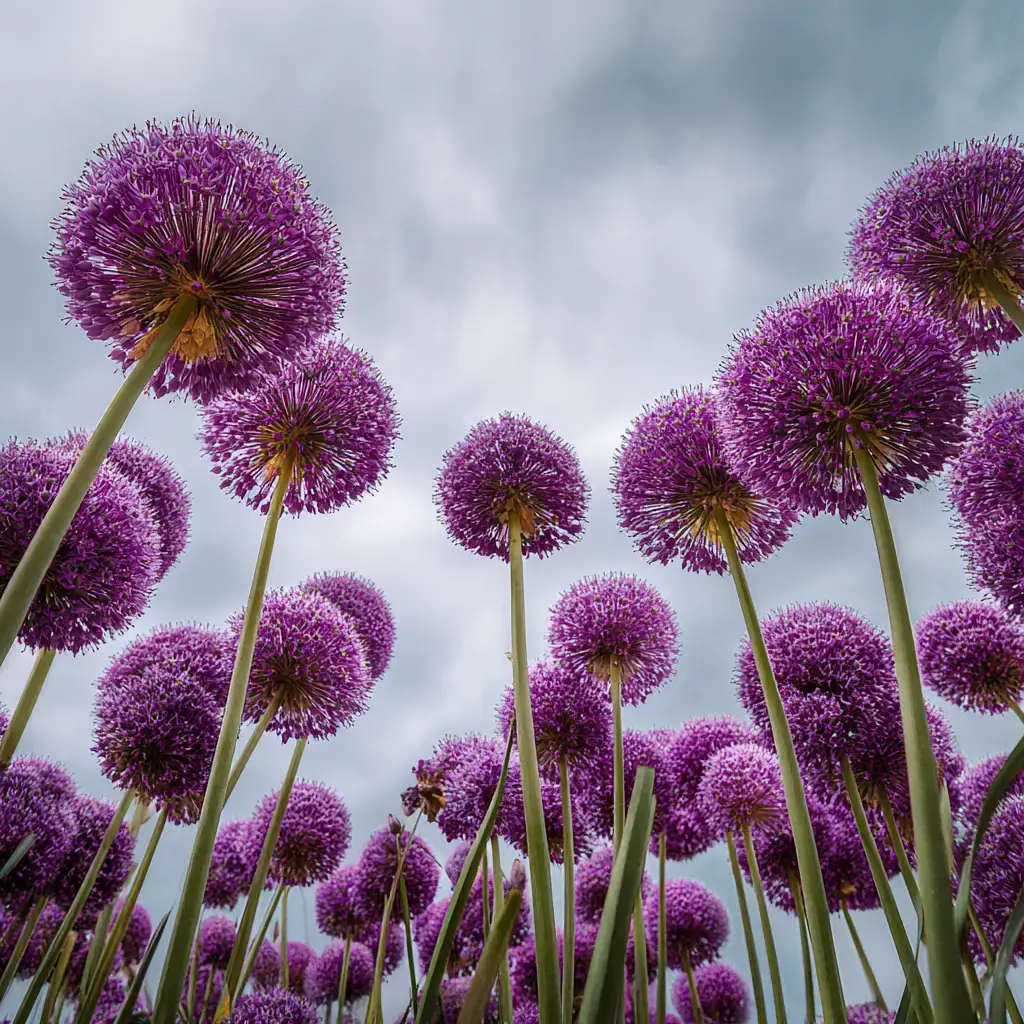
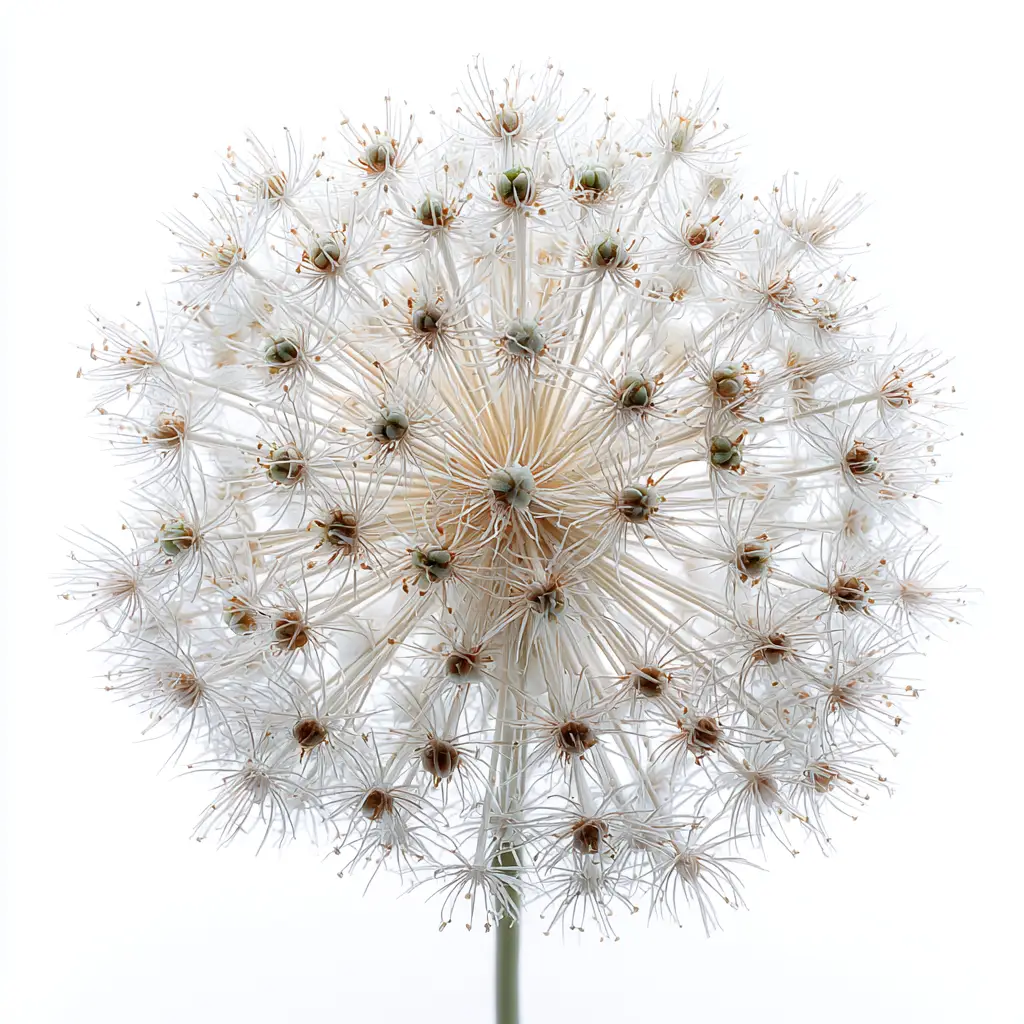
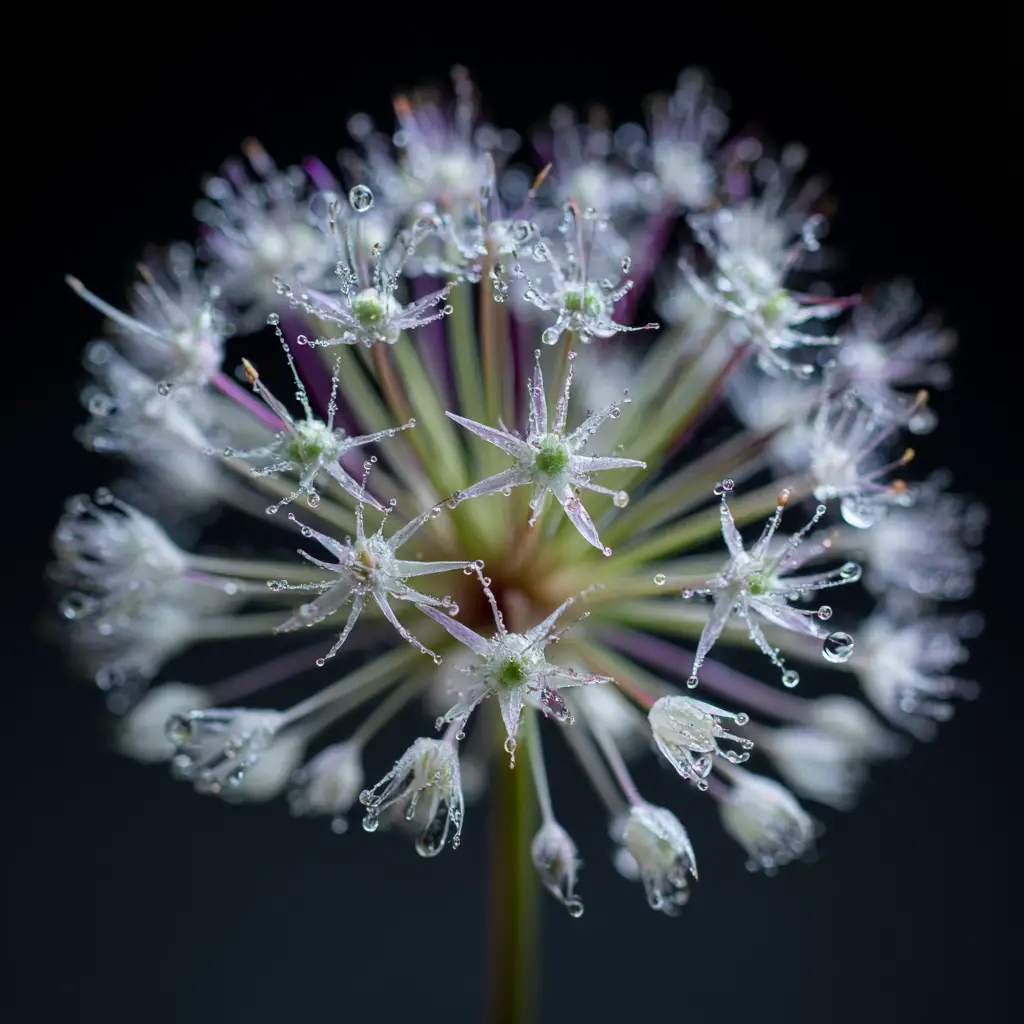
Ornamental alliums are bulbous perennials in the onion family grown for their architectural flower spheres and reliable late spring to early summer color. From compact drumstick alliums to statuesque globes like ‘Globemaster’ and Allium giganteum, they contribute vertical accents and strong form to borders, gravel gardens, and cutting beds. Deer and rabbits avoid their sulfurous foliage, and most selections thrive in full sun with freely draining soil. Alliums pair well with grasses, catmint, salvias, and roses, and the spent seed heads often persist as sculptural features that can be left standing or dried for arrangements.
🌱 Taxonomy and origin
Genus: Allium. Family: Amaryllidaceae (formerly Alliaceae). The genus contains edible onions, garlic, leeks, and chives as well as strictly ornamental species and hybrids. Wild alliums are native across the Northern Hemisphere, with centers of diversity in Central Asia and the Mediterranean. Many garden forms trace to species such as A. giganteum, A. cristophii (syn. A. albopilosum), A. hollandicum, A. karataviense, A. sphaerocephalon, and A. moly.
🌸 Bloom time
Most ornamental alliums flower from late spring to early summer, bridging the gap between spring bulbs and summer perennials. Tall hybrids like ‘Globemaster’ and A. giganteum typically bloom in late spring, while drumstick allium (A. sphaerocephalon) often peaks in early to midsummer. In mild climates with dry winters, some species can be staggered to extend color for six to eight weeks.
📏 Height and spread
Sizes vary widely. Dwarf species such as A. karataviense stay 6 to 10 inches tall, medium selections like A. ‘Purple Sensation’ reach about 24 to 36 inches, and giants like A. giganteum top out around 3 to 4 feet. Flower heads range from golf ball to volleyball size depending on species and cultivar. Bulbs form clumps slowly; allow 4 to 12 inches of space depending on mature size.
☀️ Light
Full sun is best for strong stems and dense flower heads. Light afternoon shade is acceptable in hot summer regions, but too much shade reduces bloom and encourages floppy growth.
💧 Water
Average water during active growth, then keep on the dry side once foliage begins to yellow. The bulbs resent waterlogged conditions, especially in winter, so prioritize drainage over frequent irrigation.
🌍 Soil and pH
Provide well‑drained sandy or loamy soil. Raised beds or gravelly amendments help in clay. A neutral to slightly alkaline pH is ideal, though many cultivars tolerate a broad range if drainage is excellent. Avoid fresh manure and overrich soils that encourage lush, weak foliage.
❄️ USDA hardiness
Most ornamental alliums are hardy in USDA Zones 4 to 8. Some selections extend to Zone 9 with dry winters, and a few prefer the cooler conditions of Zones 3 to 7. Check the specific species or cultivar when purchasing for best results in your climate.
🌼 Propagation and longevity
Divide clumps or lift and separate offsets after foliage dies back in early summer. Replant offsets immediately at the appropriate depth. Species can be grown from seed, though flowering may take two to three years and named cultivars will not come true. Given drainage and sun, bulbs are long‑lived and often persist for a decade or more.
👃 Fragrance
Foliage and bulbs have the characteristic onion scent when bruised. Flowers range from neutral to lightly sweet; most are valued more for form and color than fragrance.
⚠️ Toxicity and pet safety
As with edible onions and garlic, Allium species contain organosulfur compounds that are toxic to cats and dogs if ingested. Ornamental bulbs and leaves should not be eaten by pets or livestock. Wear gloves if you have sensitive skin, and keep spent foliage out of pet-accessible compost.
🌿 Vase life
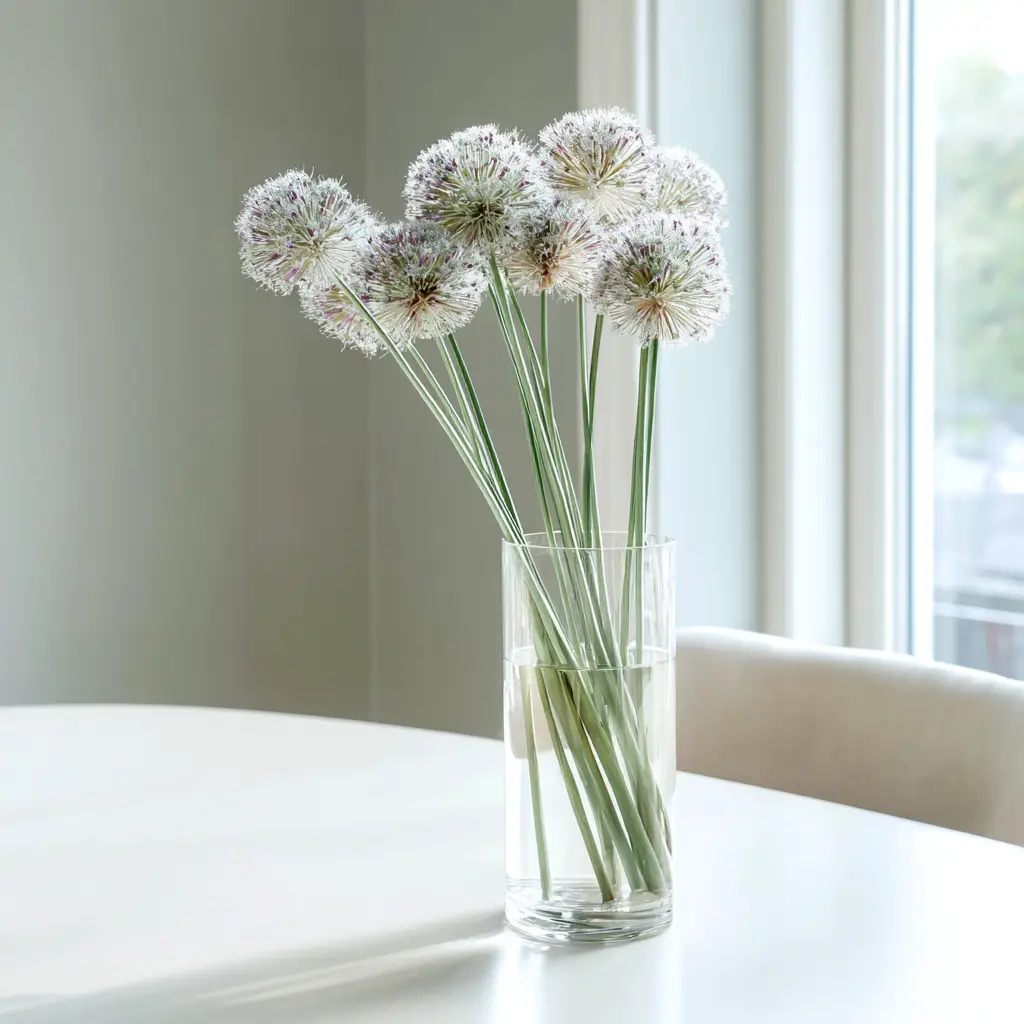
Cut alliums are outstanding for arrangements. Harvest when most florets have opened and condition in clean water. Fresh stems last about 7 to 10 days; seed heads can be dried and will keep their shape for months. Remove foliage, which can carry onion scent, before using in indoor bouquets.
🐛 Pests and diseases
Alliums are generally pest resistant. Deer, rabbits, and rodents usually avoid them. Problems arise mainly from poor drainage, leading to basal rot or bulb loss. In some regions, thrips or allium leaf miners target edible onions more than ornamentals, but monitoring is wise. Practice crop rotation if you also grow edible alliums nearby, and avoid overhead watering to limit leaf spots.



Alliums FAQs
Are ornamental alliums perennial bulbs?
Yes. Most garden alliums are hardy, returning from bulbs each year when planted at the proper depth in well‑drained soil.
When should I plant allium bulbs?
Plant in fall, about 4 to 6 weeks before the ground freezes, so roots establish before winter. In mild winter climates, plant in late fall to early winter.
How deep do I plant the bulbs?
A common rule is two to three times the bulb’s height. Large bulbs are often set 6 to 8 inches deep; smaller ones 3 to 4 inches.
Do alliums spread or become invasive?
Most ornamental types clump slowly and are not invasive. A few species self‑seed lightly if seed heads are left to mature.
Why are my allium leaves yellowing before the flowers finish?
It is normal for foliage to die back as the flowers peak. Mask the fading leaves with companions like catmint, salvia, or ornamental grasses.
Can I grow alliums in containers?
Yes, provided the pot is deep, the mix drains freely, and you protect the bulbs from saturated winter conditions. Terracotta with a gritty mix works well.
Will alliums rebloom if I deadhead?
Deadheading prevents self‑seeding but does not trigger another flush. Alliums bloom once per season; the seed heads are decorative after flowering.
Are alliums safe around vegetable beds?
Yes. They can even deter some browsing pests, but keep spacing generous to maintain airflow and avoid shading crops.
Which cultivars are best for huge purple globes?
Look for Allium giganteum, ‘Globemaster’, and ‘Gladiator’. For mid‑sized spheres, try ‘Purple Sensation’.
Do I need to lift the bulbs after flowering?
In cold or wet winter climates, leaving bulbs in place is best if drainage is good. Lift only to divide congested clumps or to improve siting.
Interesting tips
Combine tall alliums with billowy perennials like catmint and lady’s mantle so the spheres rise above a soft foam of color. Plant in irregular drifts of odd numbers for a natural look. In heavy soils, line the planting hole with a thin layer of grit to guard against winter wet. Leave a few seed heads to dry on the plant for striking silhouettes and for crafting projects.