Every red flower in the library
42 of the 82 flowers here carry this colour, ordered by how much of it the photograph actually shows. The library keeps one picture per flower and most of these come in several colours.
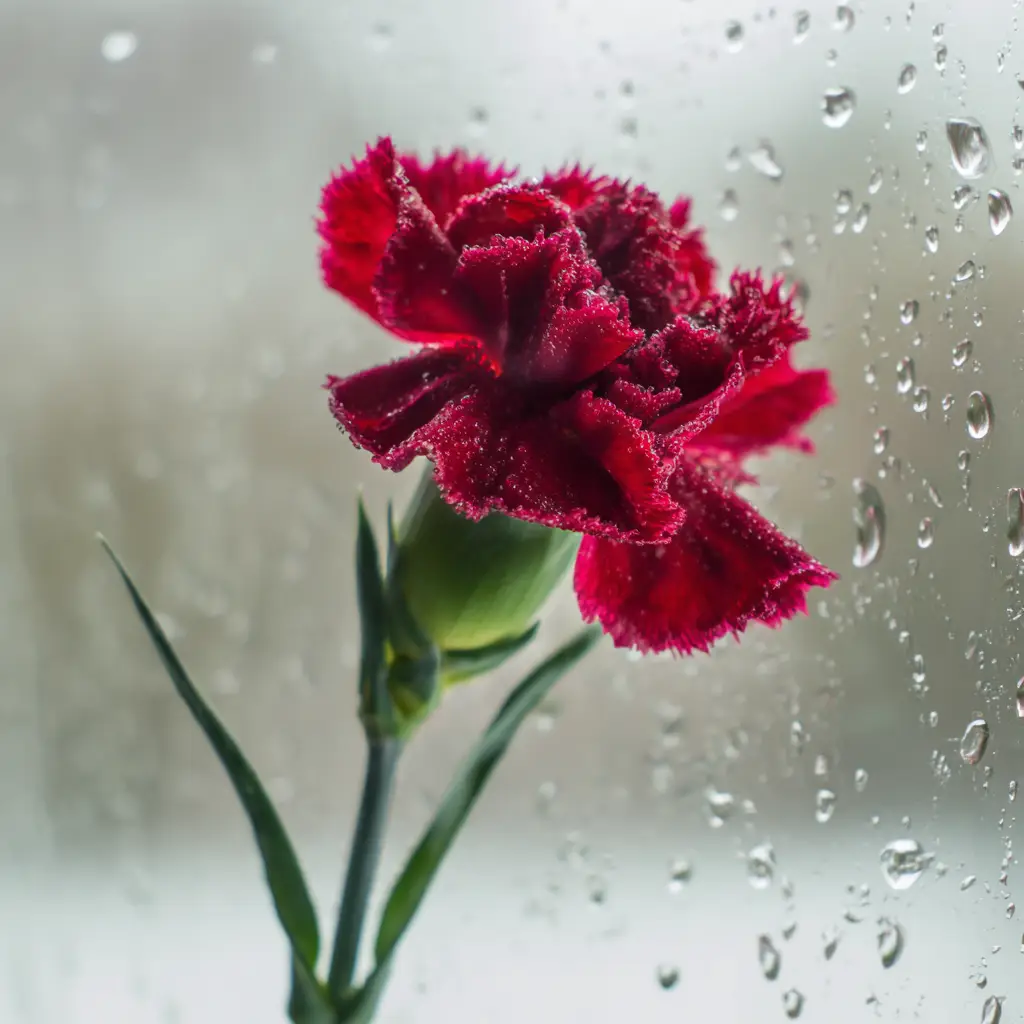
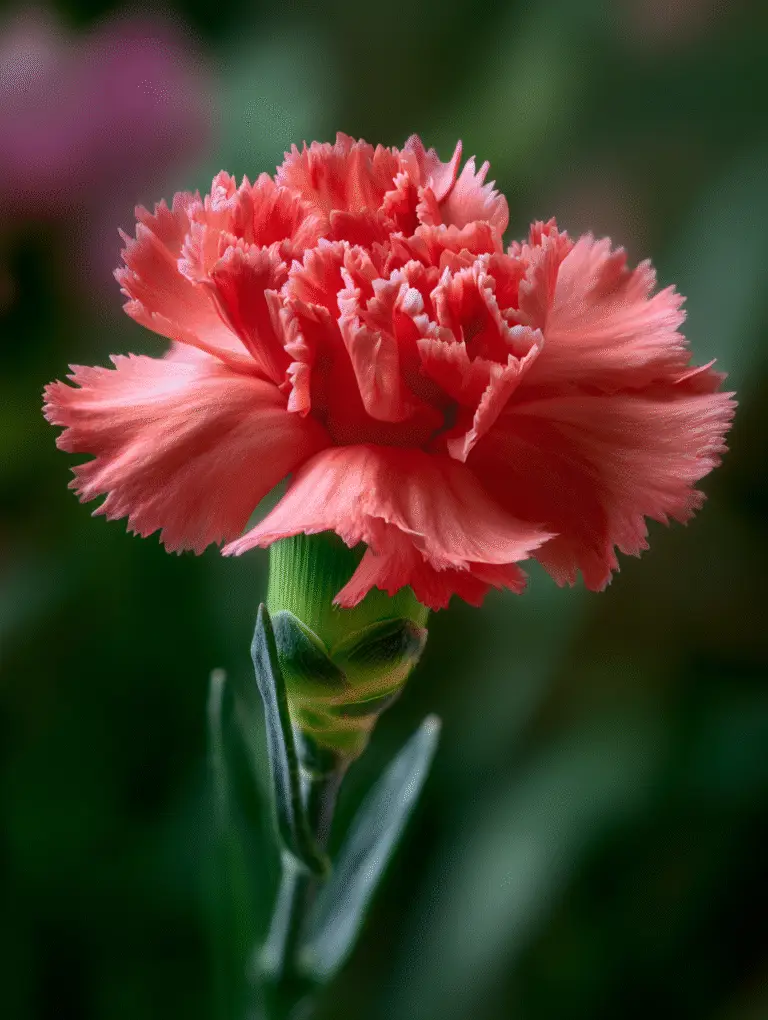 Crimson
CarnationDianthus caryophyllusSummer bloomer
Crimson
CarnationDianthus caryophyllusSummer bloomer
8 photos of Carnation
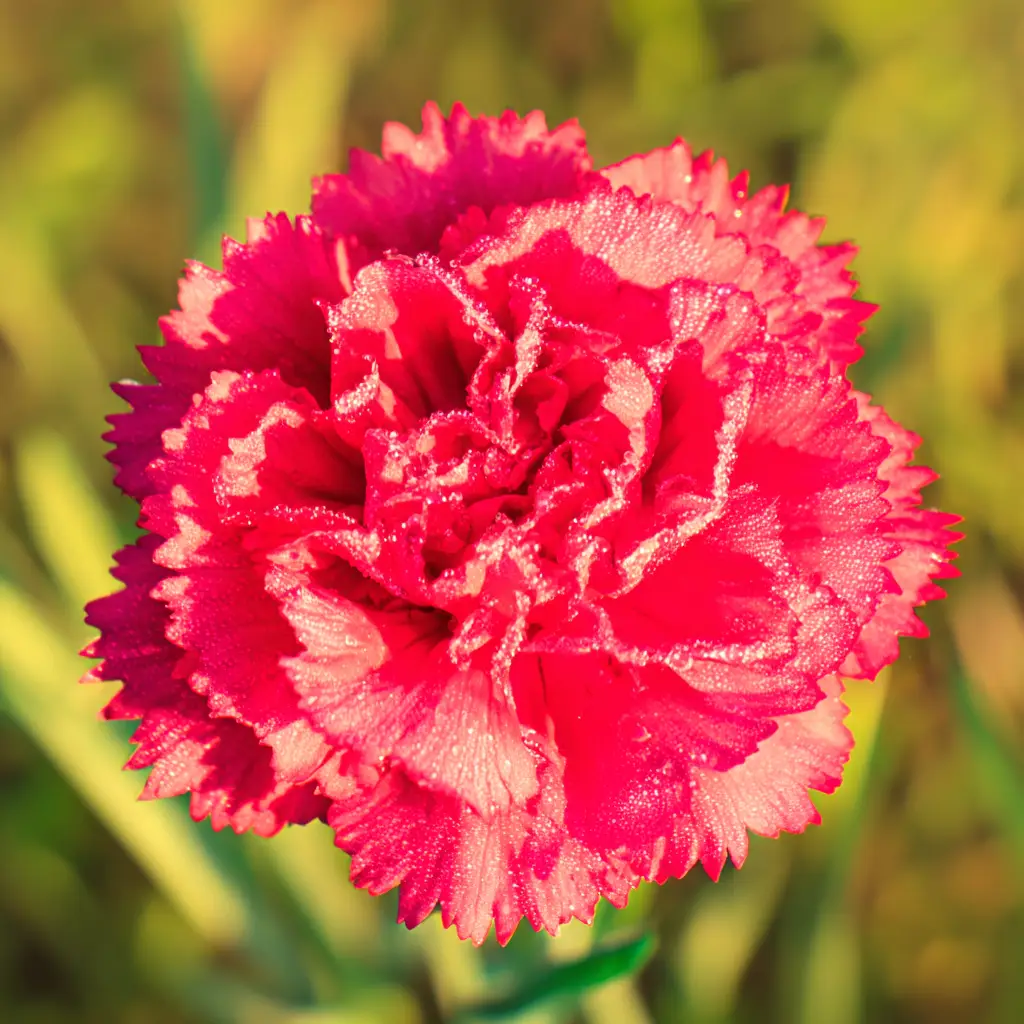
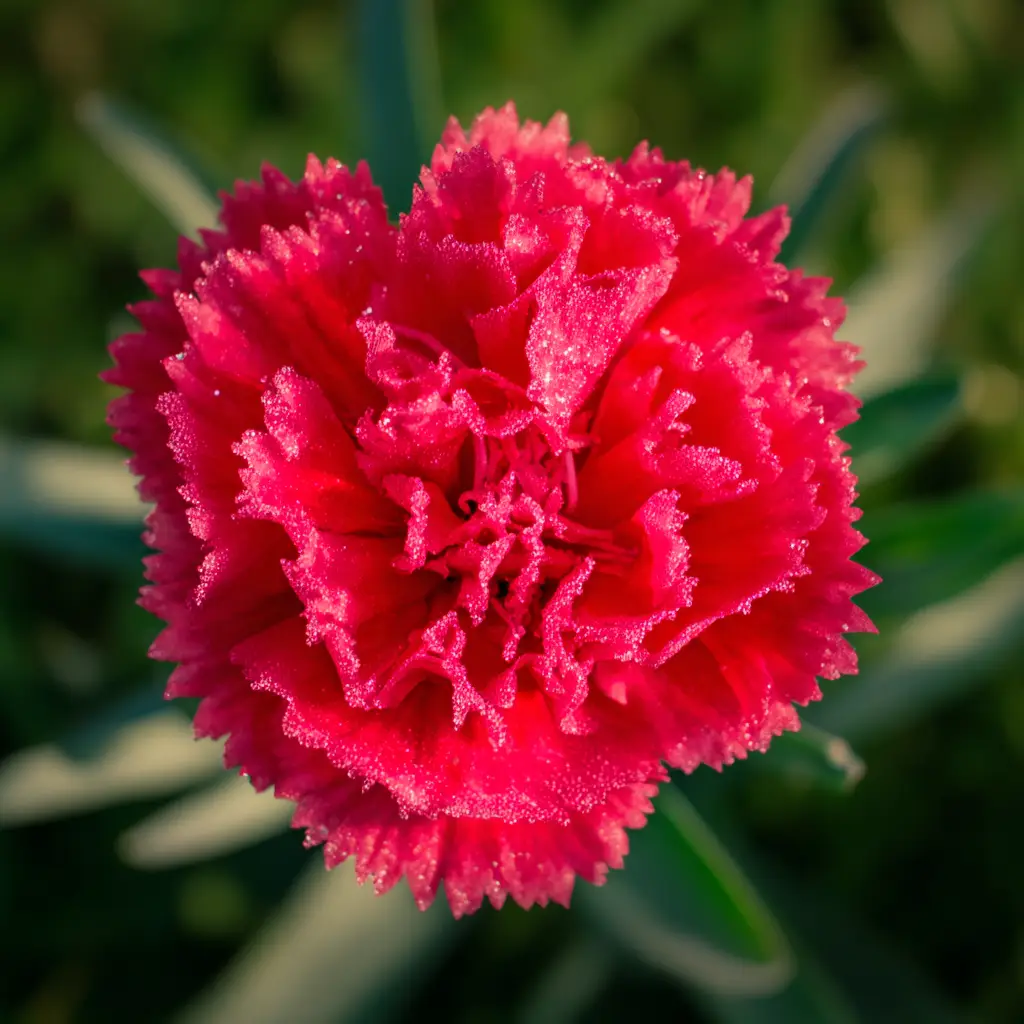
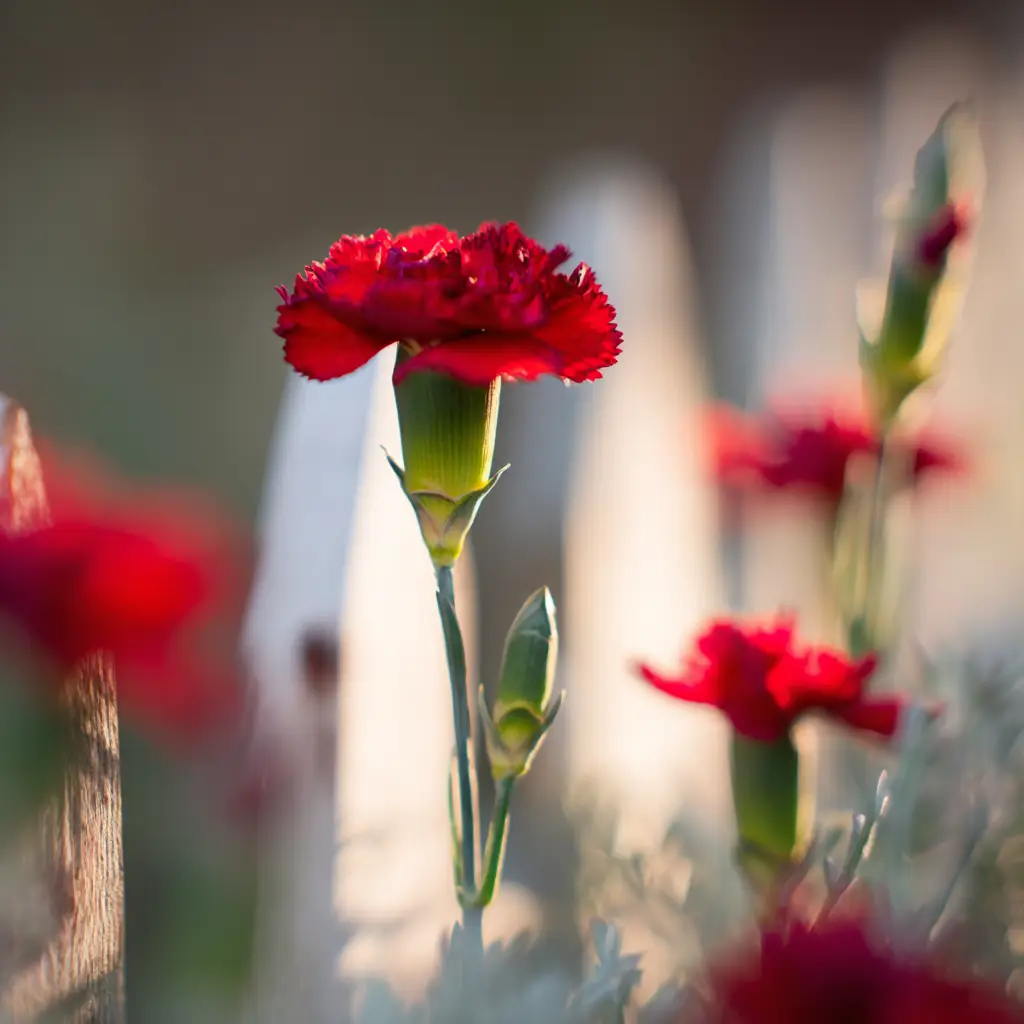
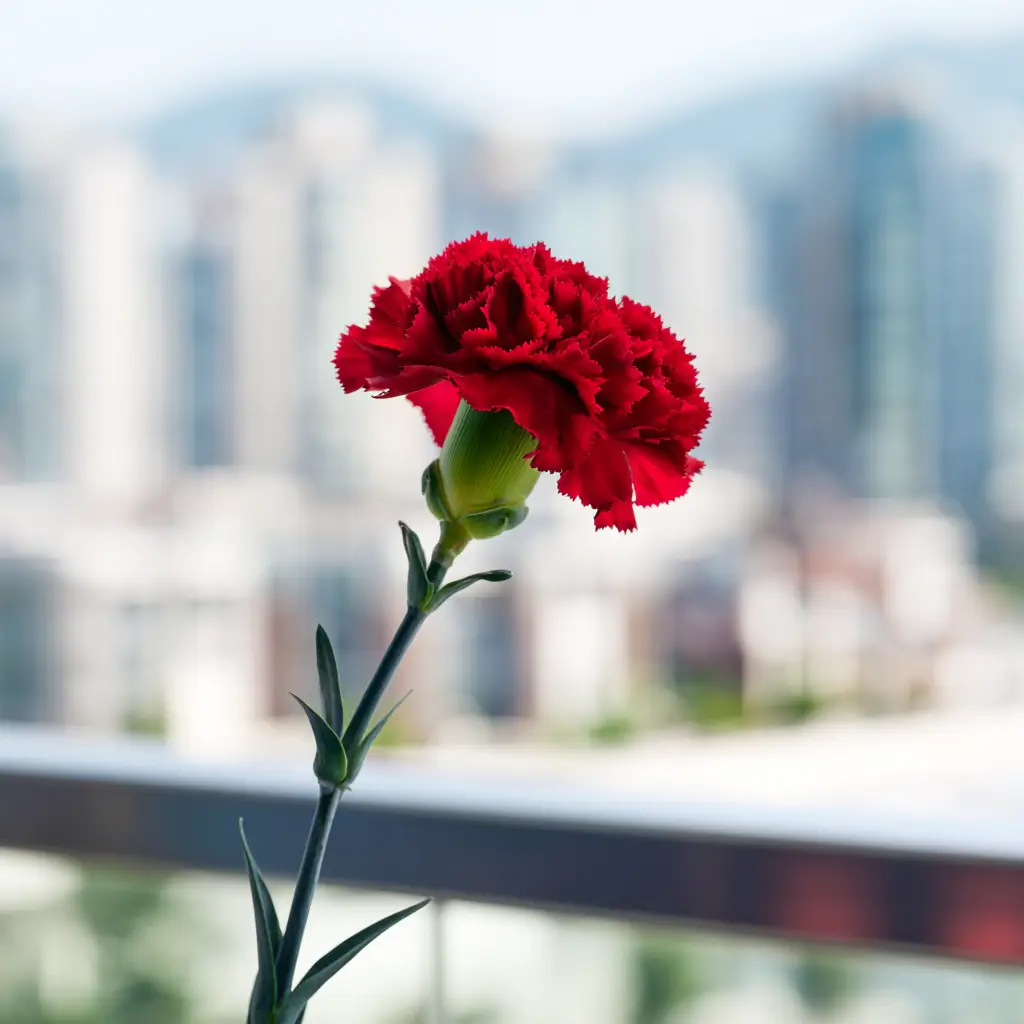
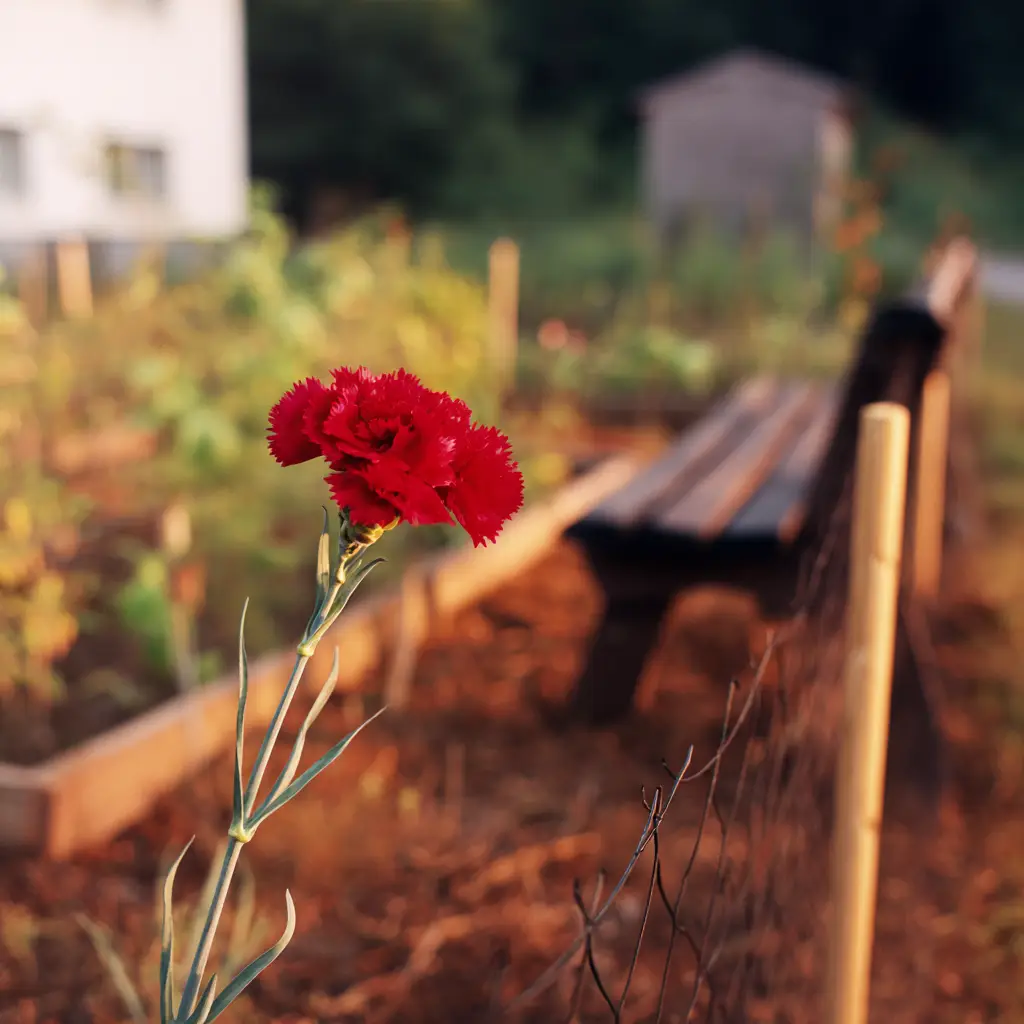
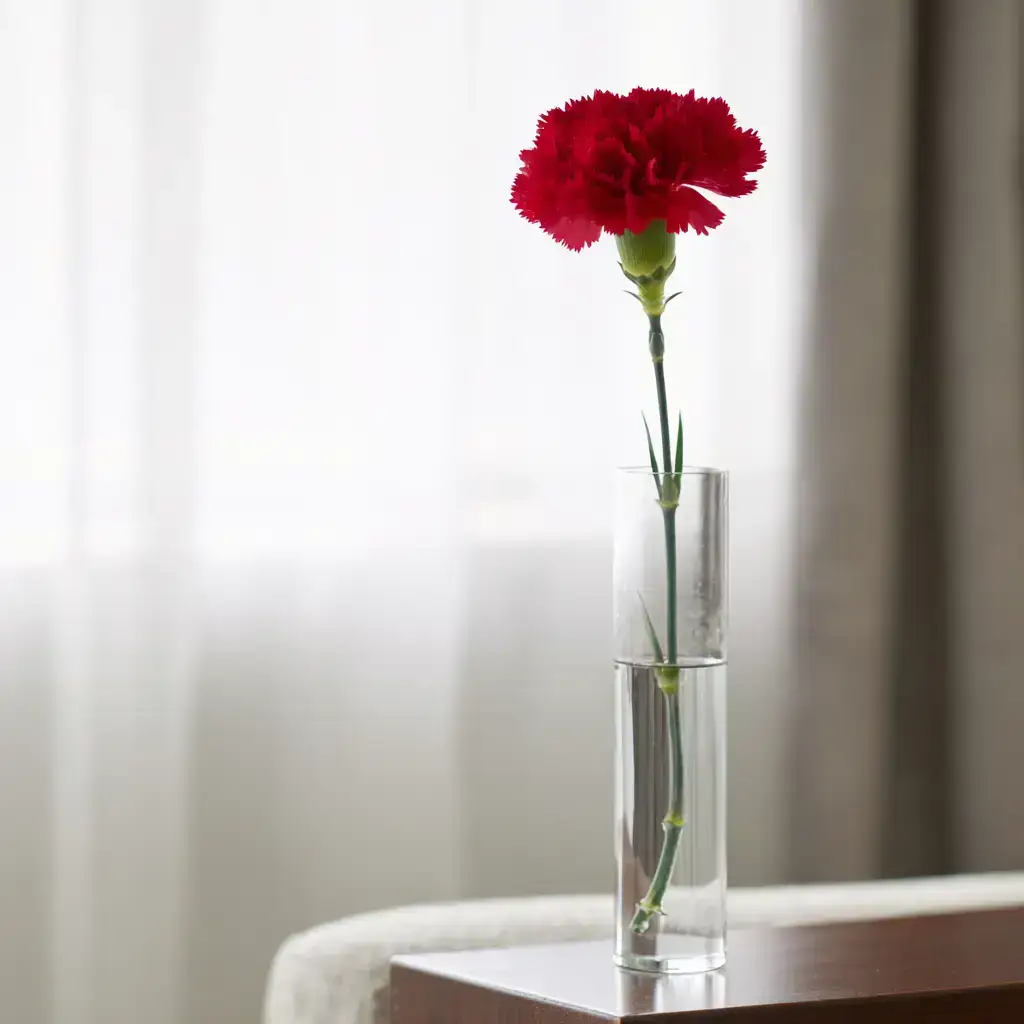
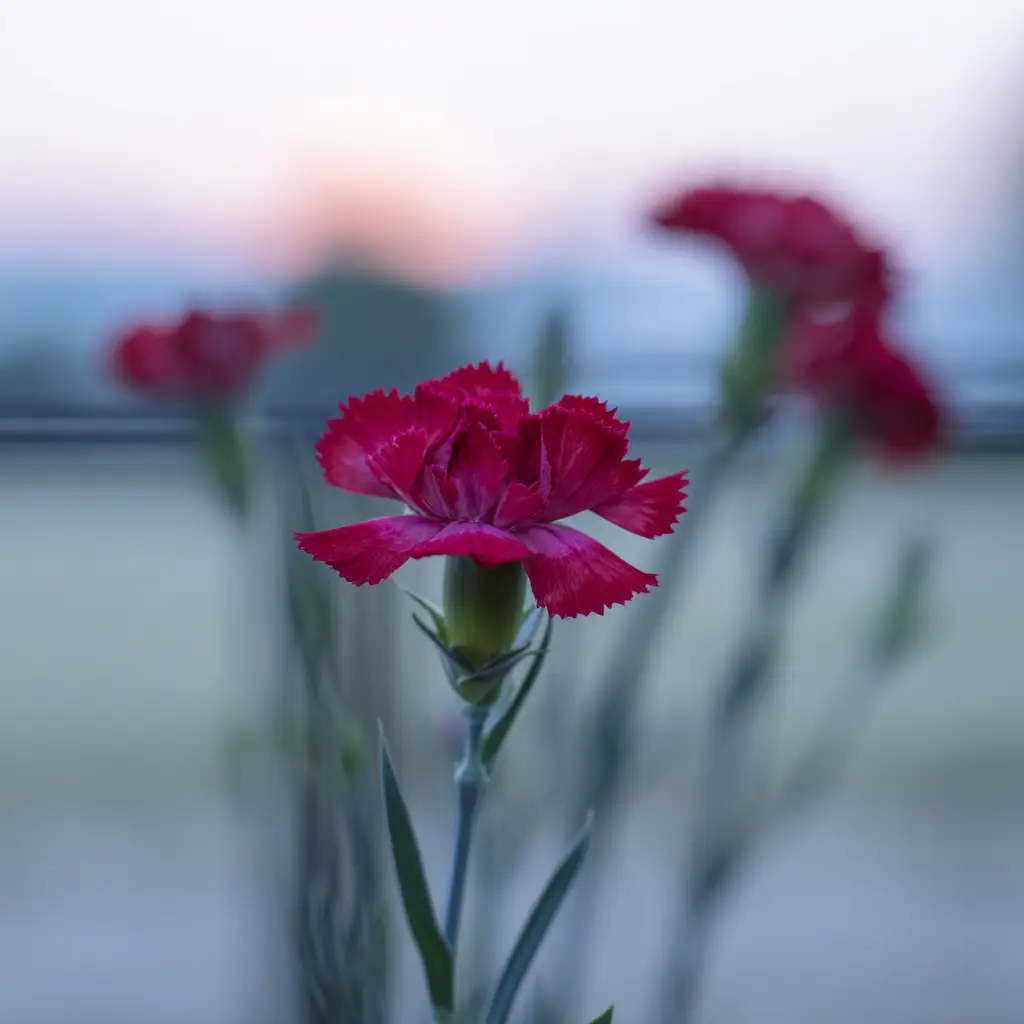
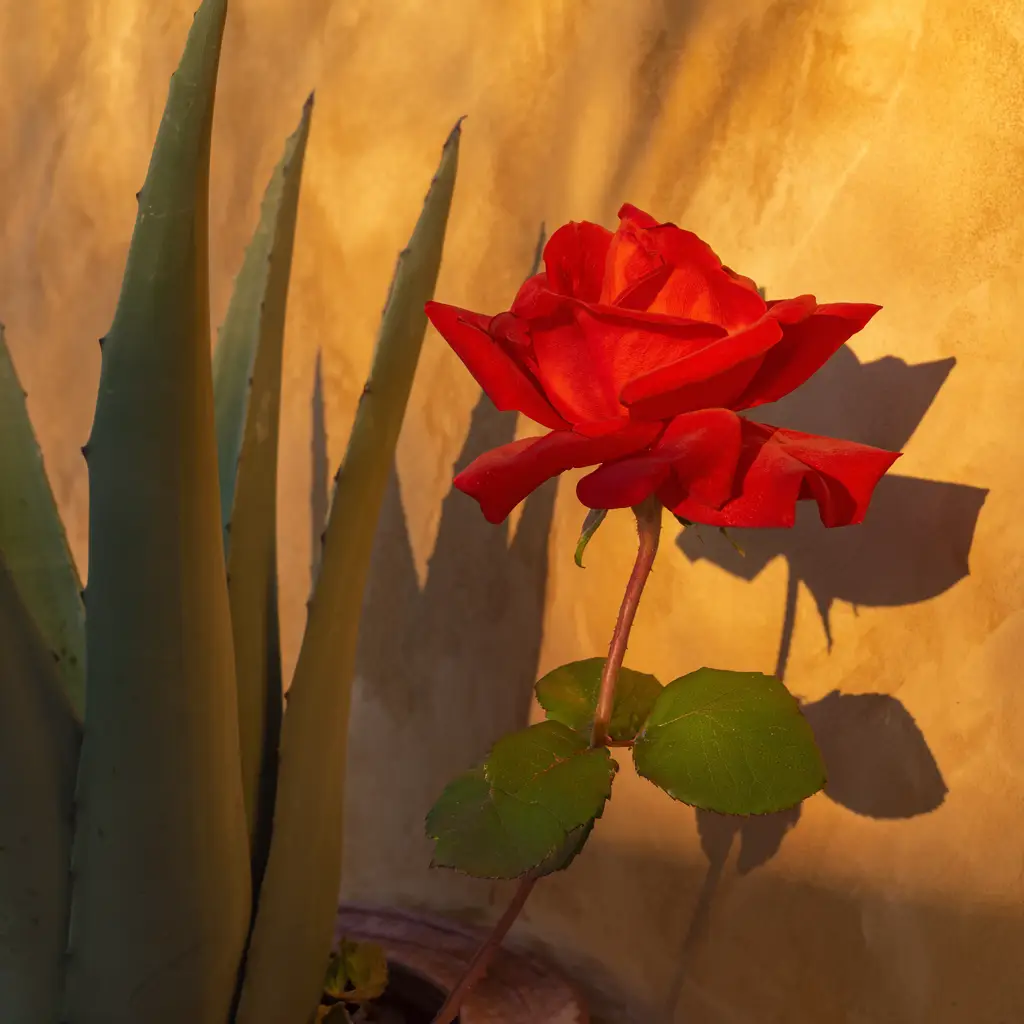
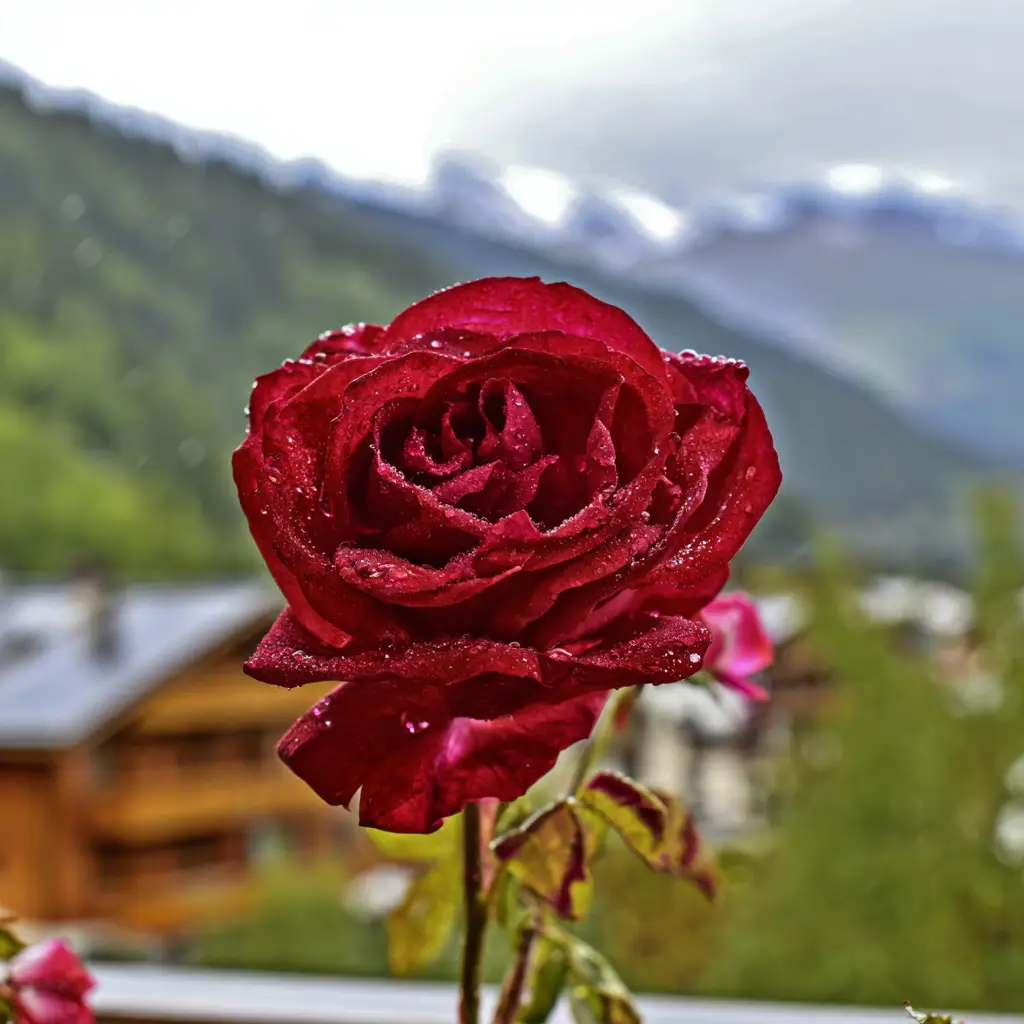
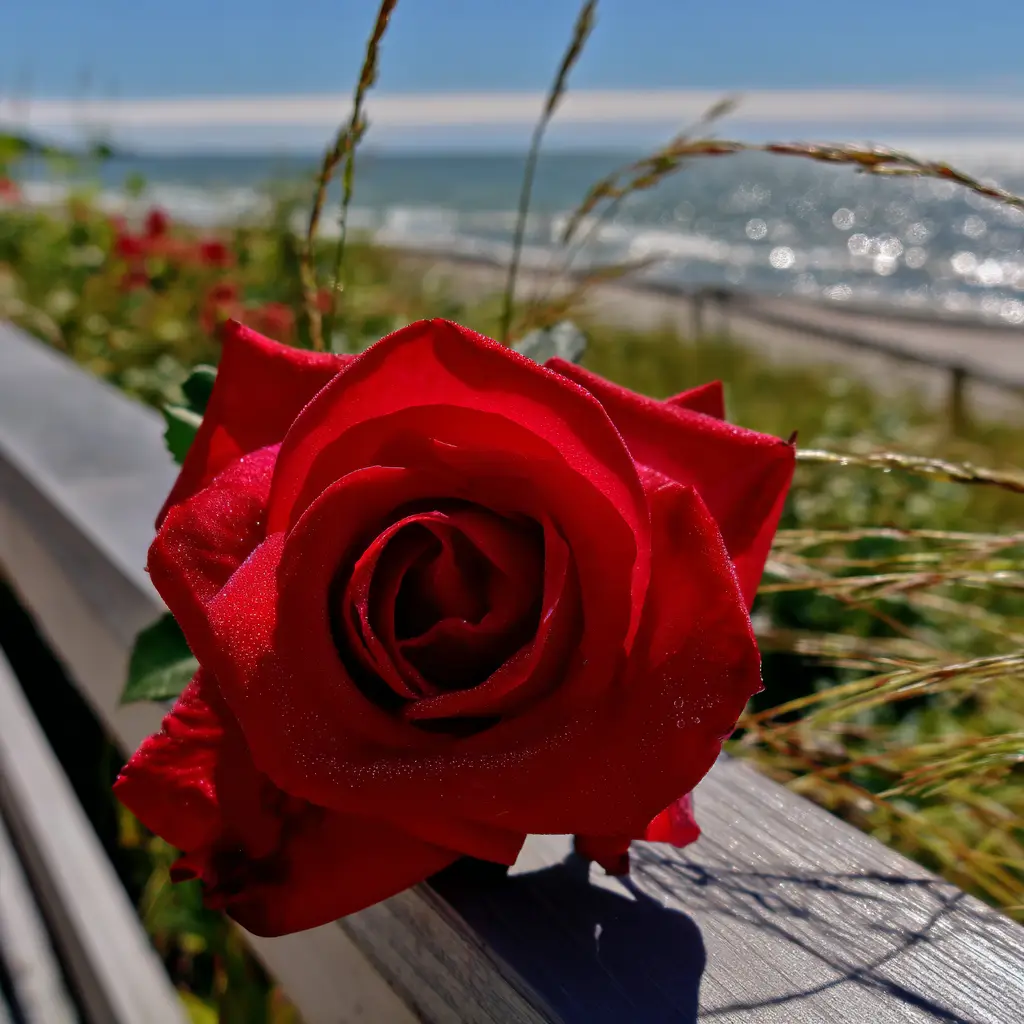
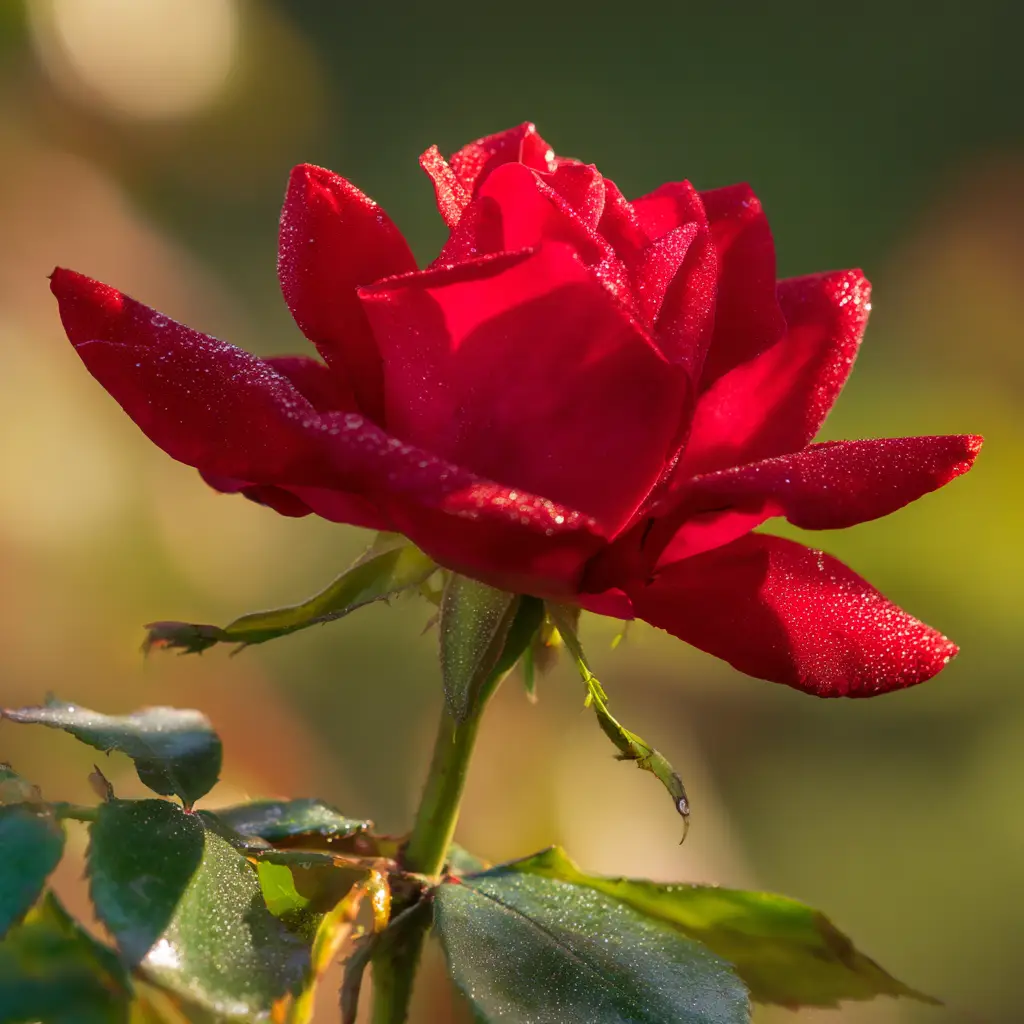
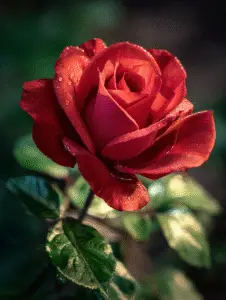 Crimson
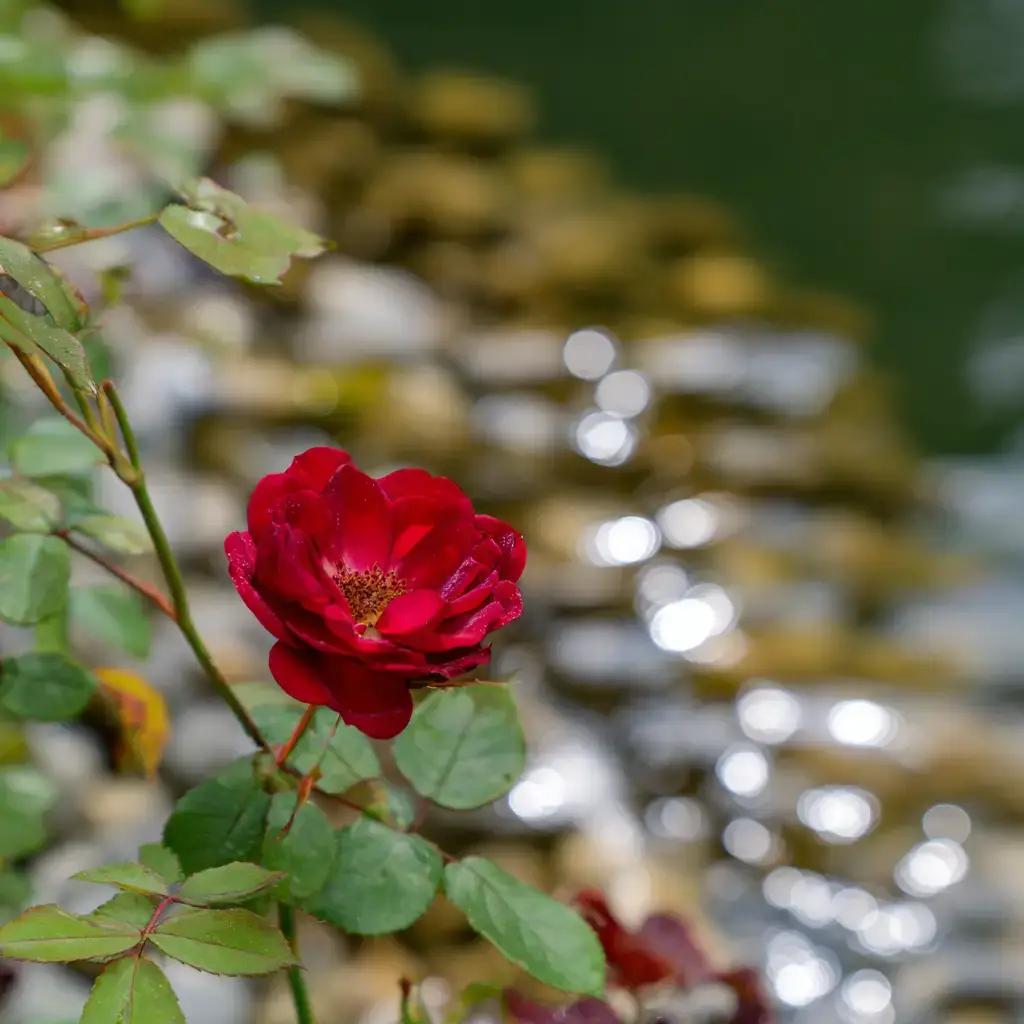
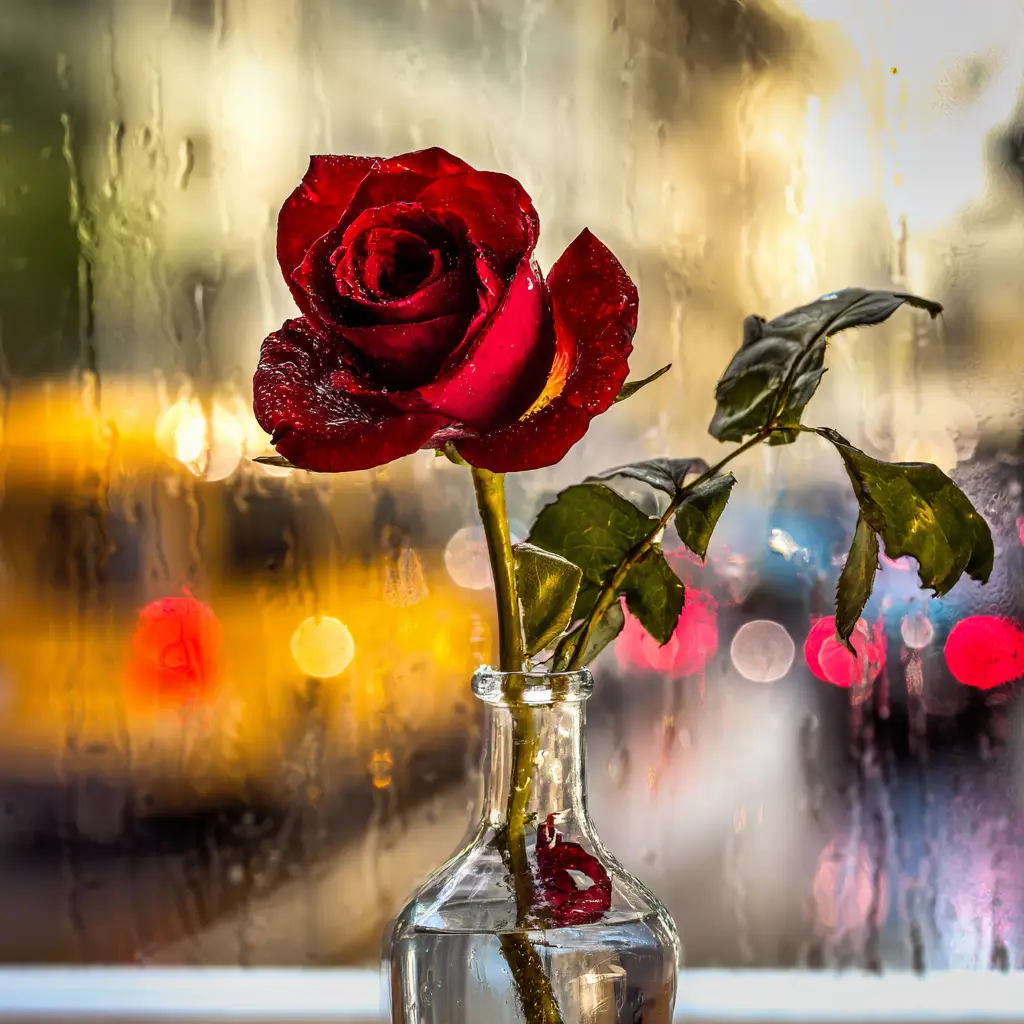
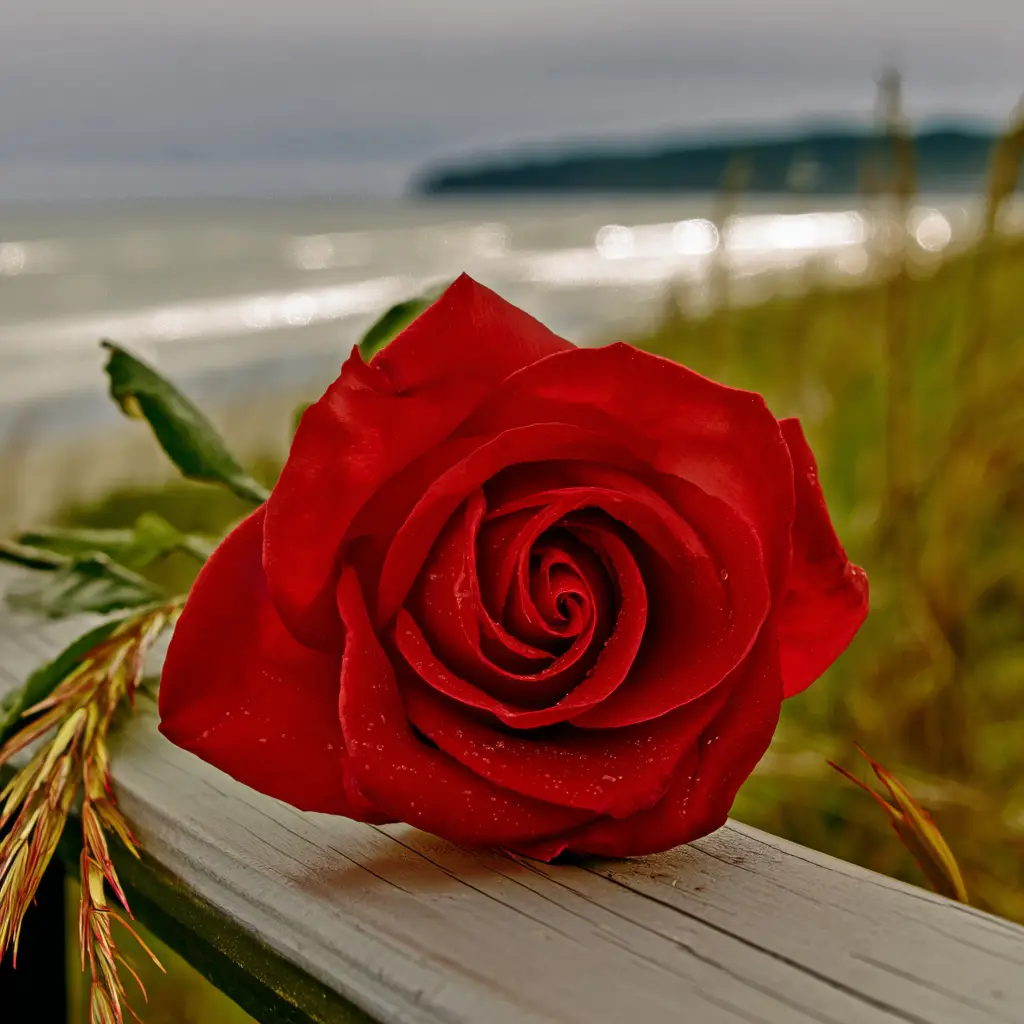
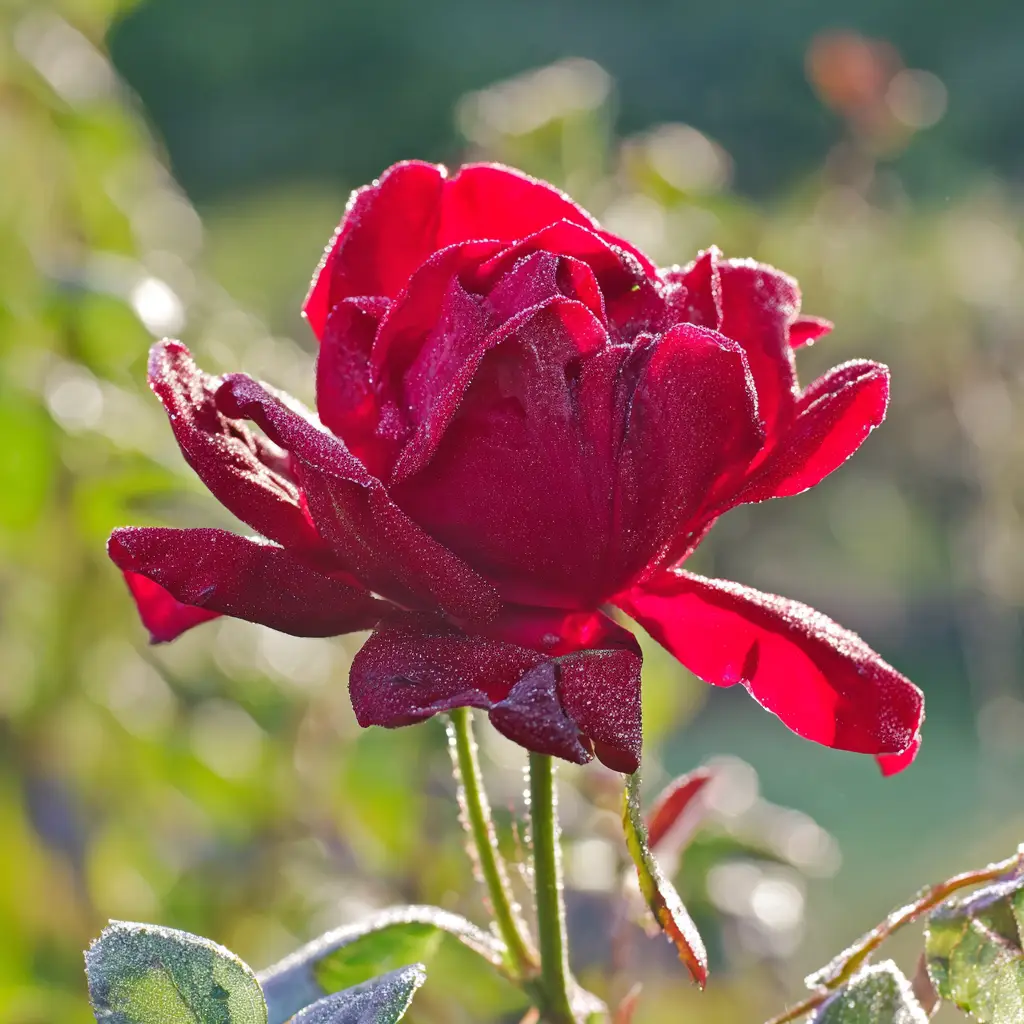
RoseRosaSummer bloomer
Crimson
RoseRosaSummer bloomer
8 photos of Rose
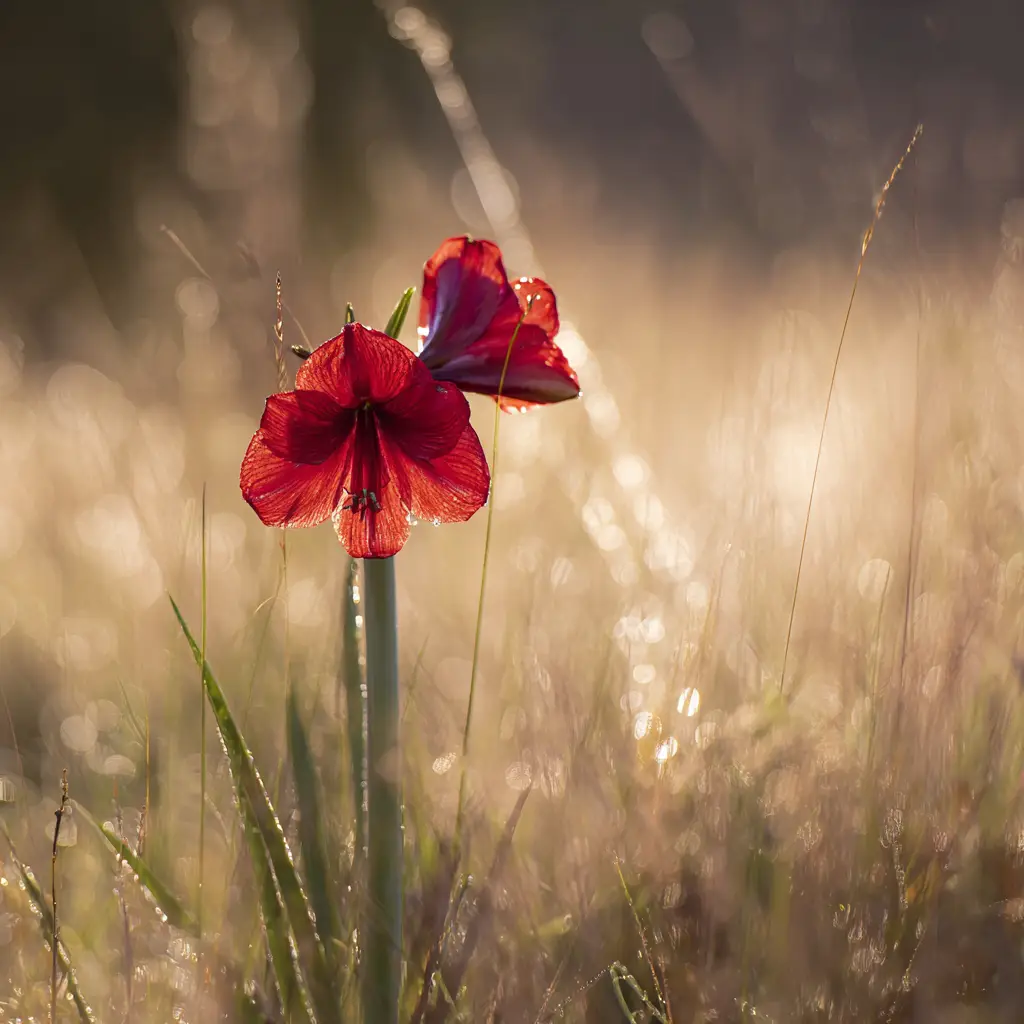
 Scarlet
AmaryllisHippeastrumSpring bloomer
Scarlet
AmaryllisHippeastrumSpring bloomer
8 photos of Amaryllis
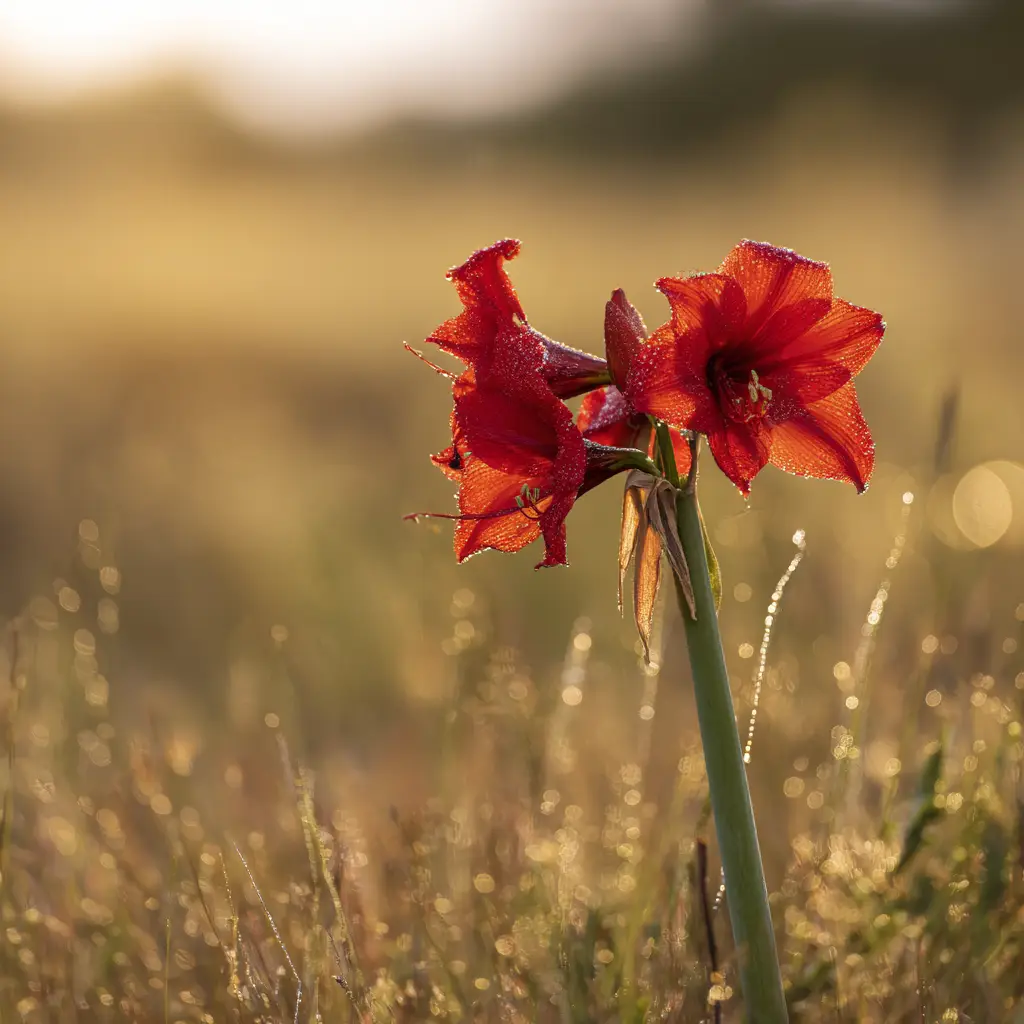
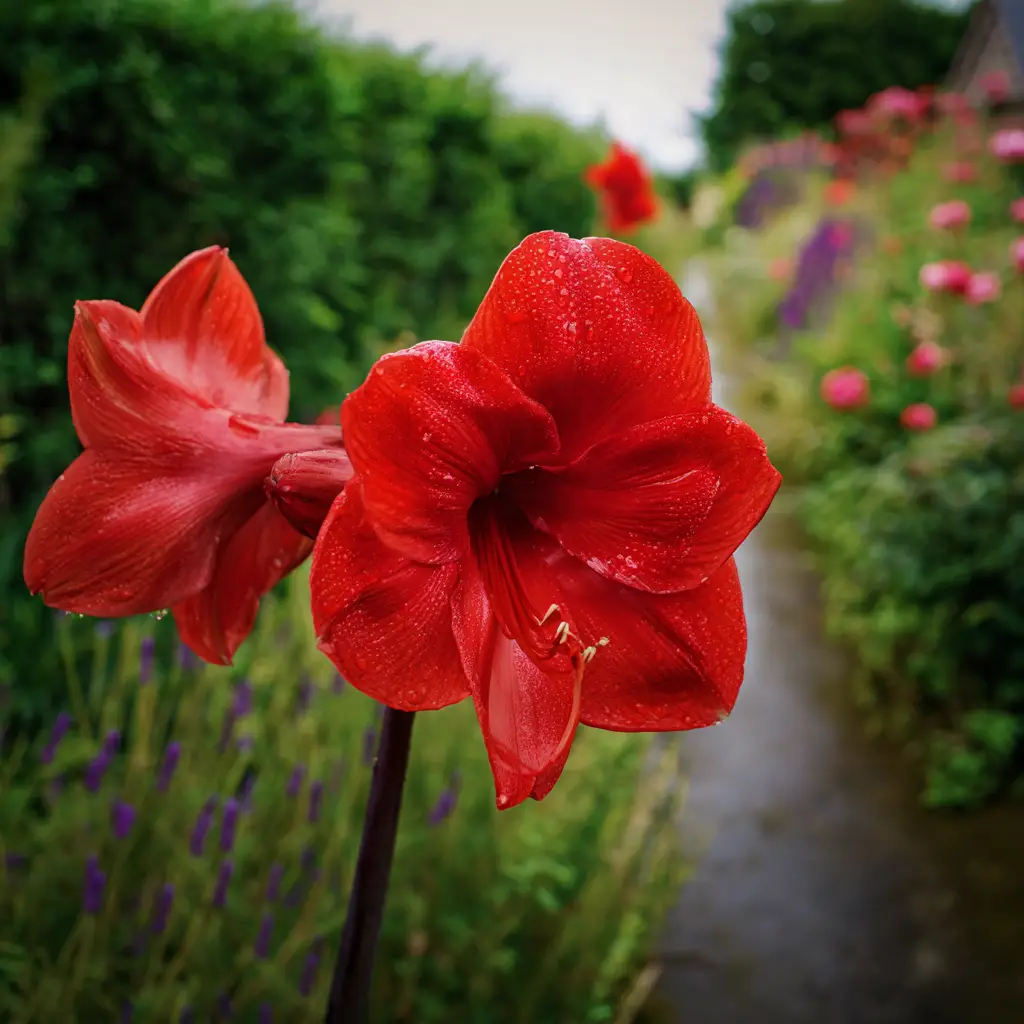


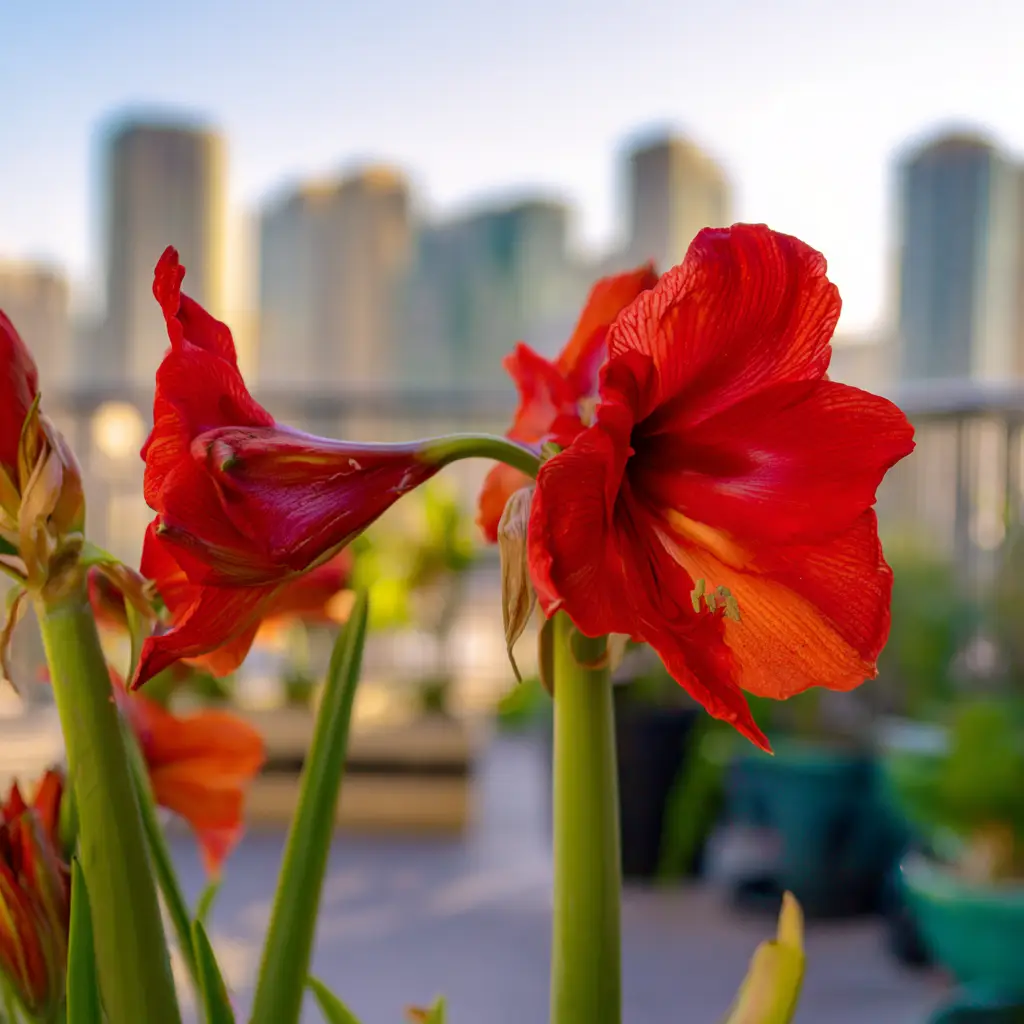

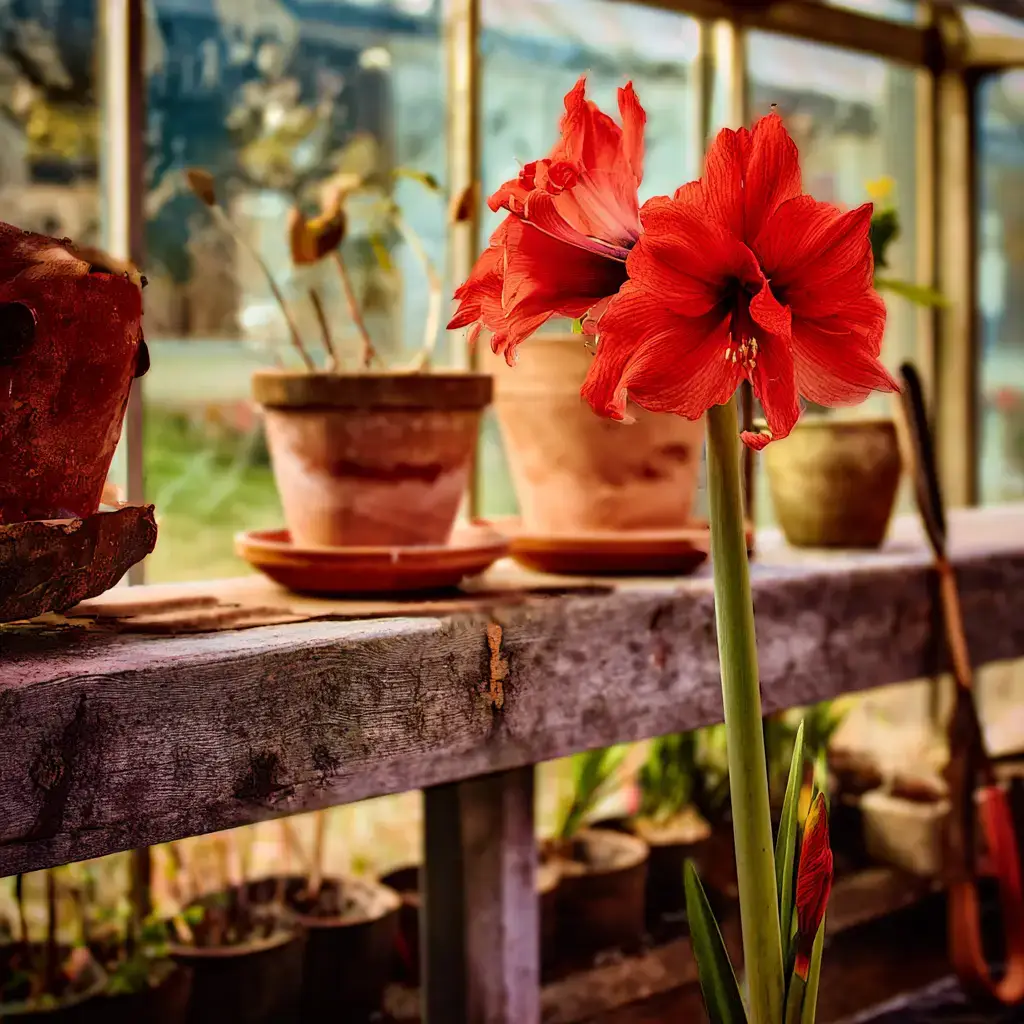
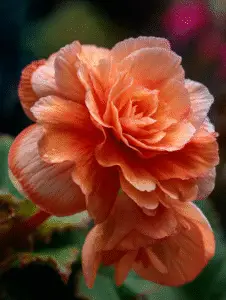 Scarlet
BegoniaBegonia x semperflorensSpring bloomer
Scarlet
BegoniaBegonia x semperflorensSpring bloomer
8 photos of Begonia
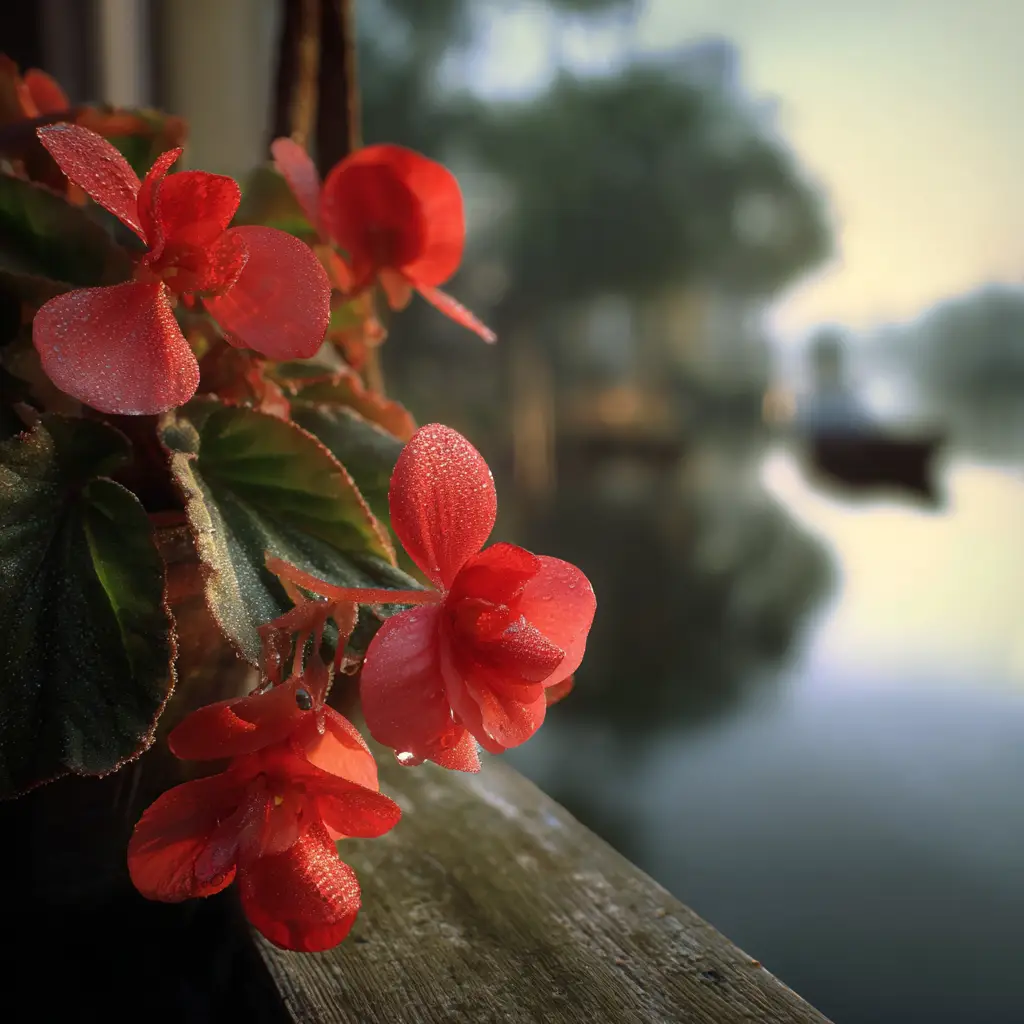
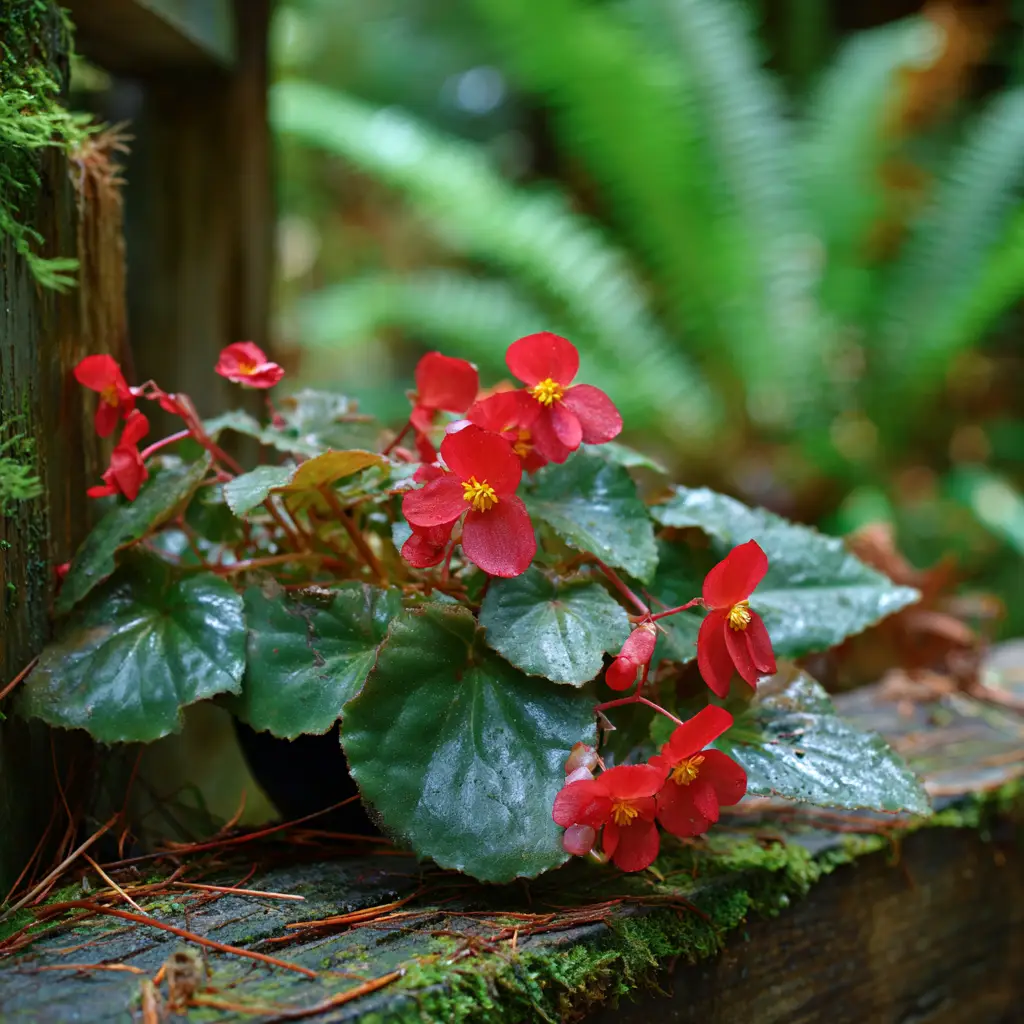
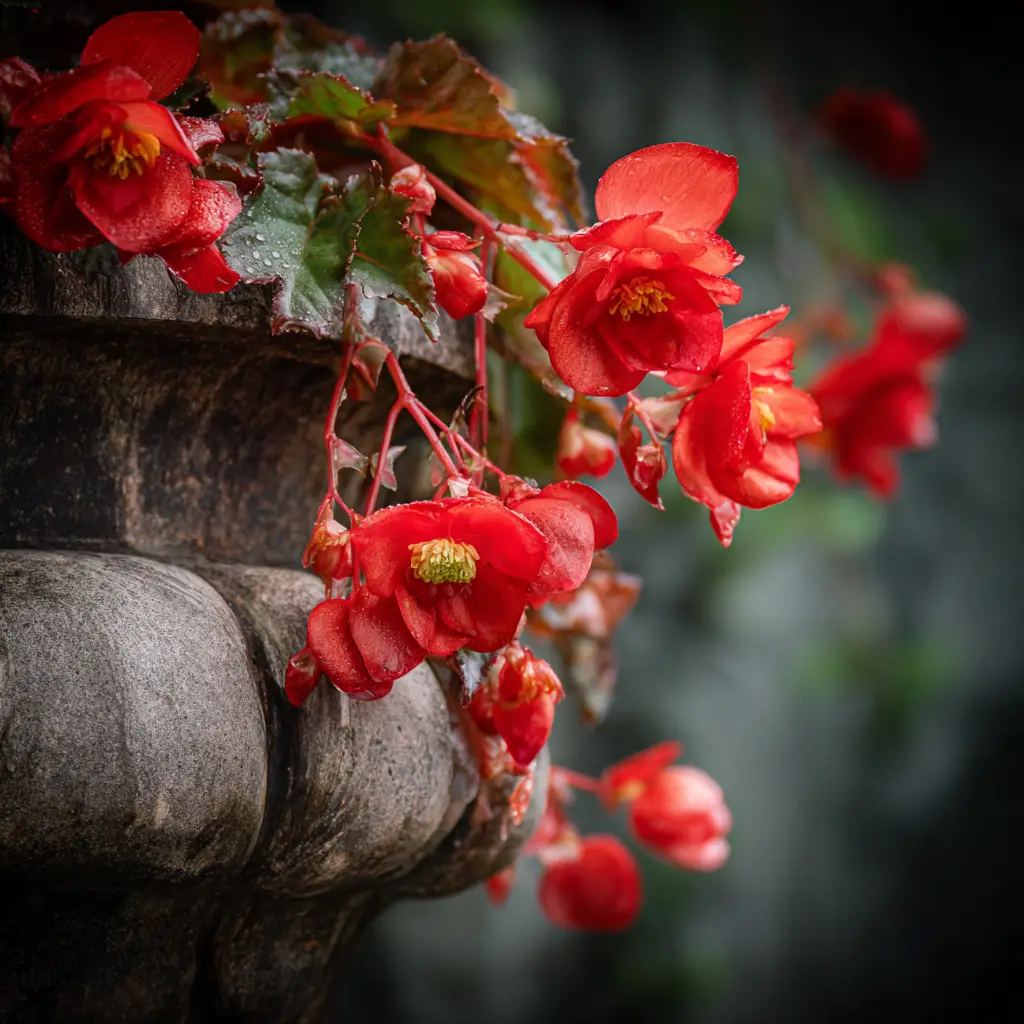


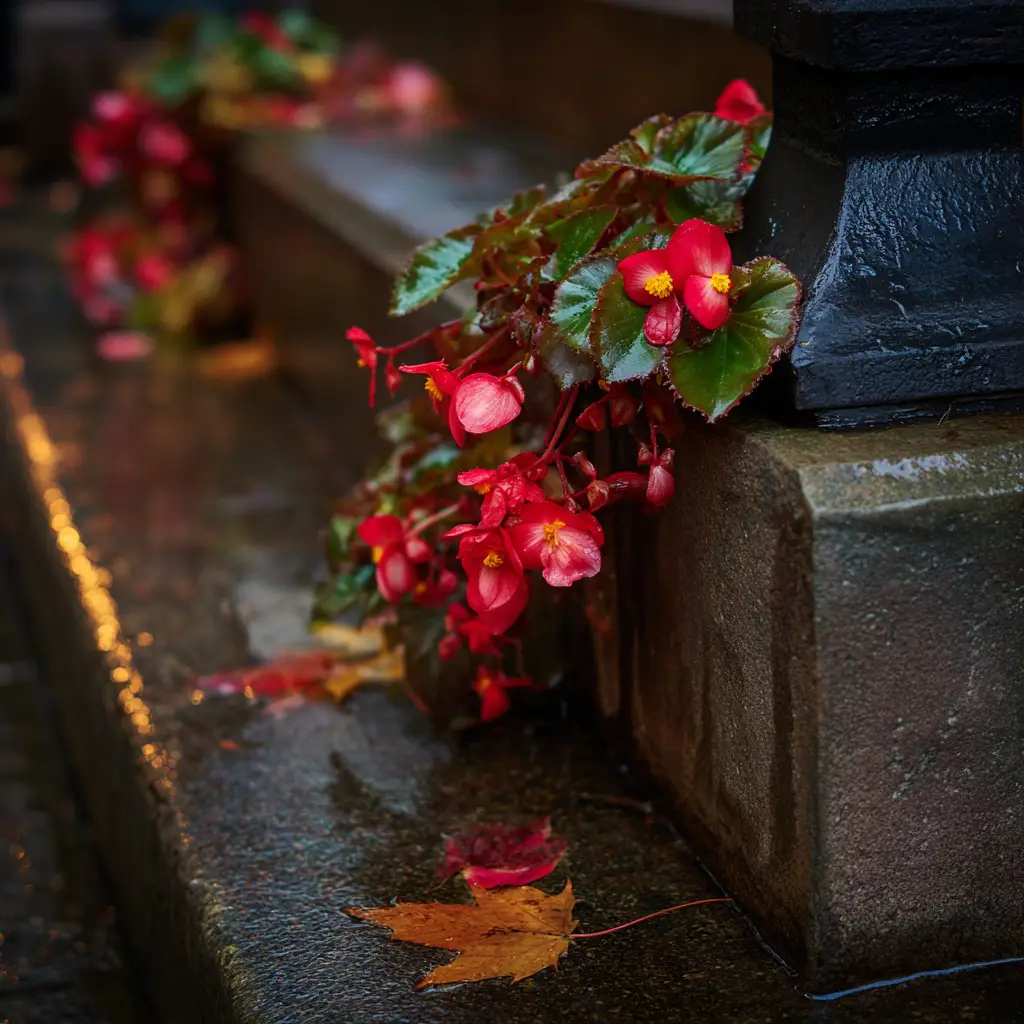
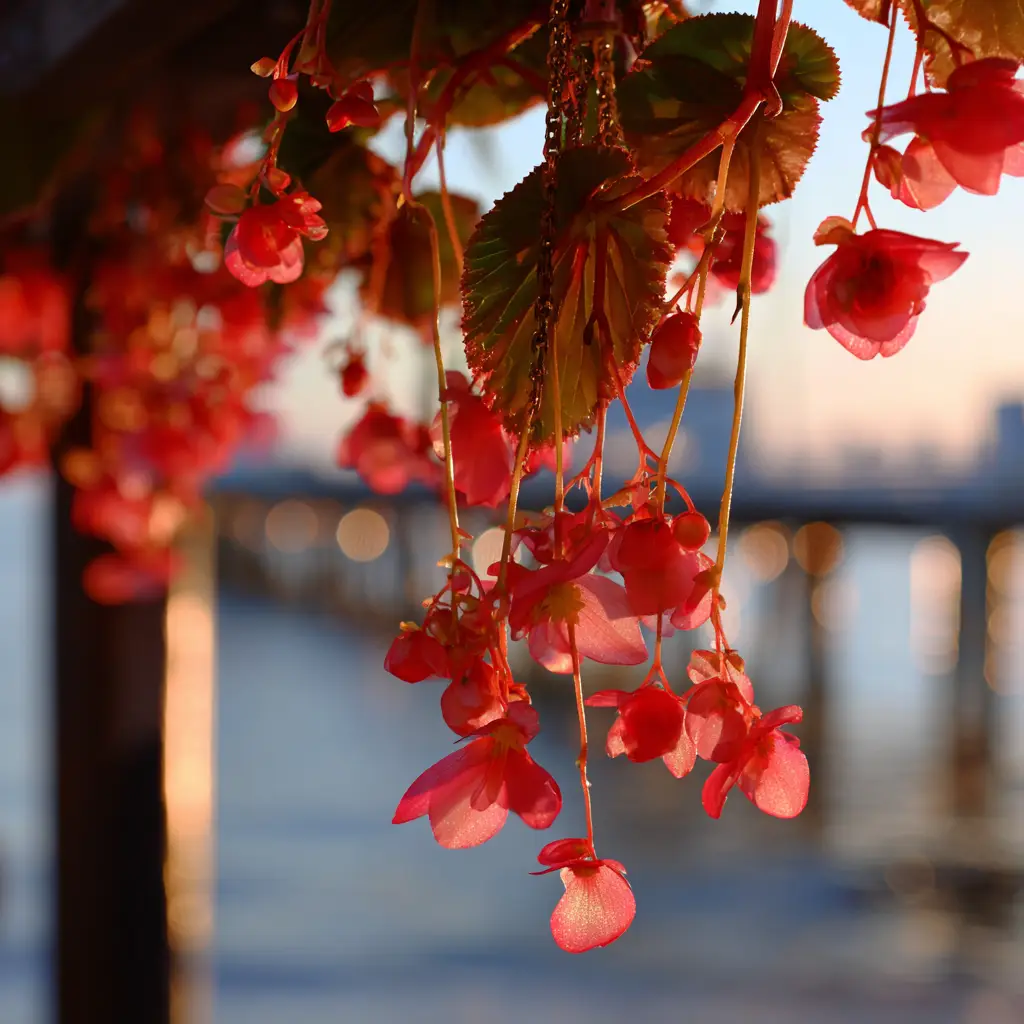
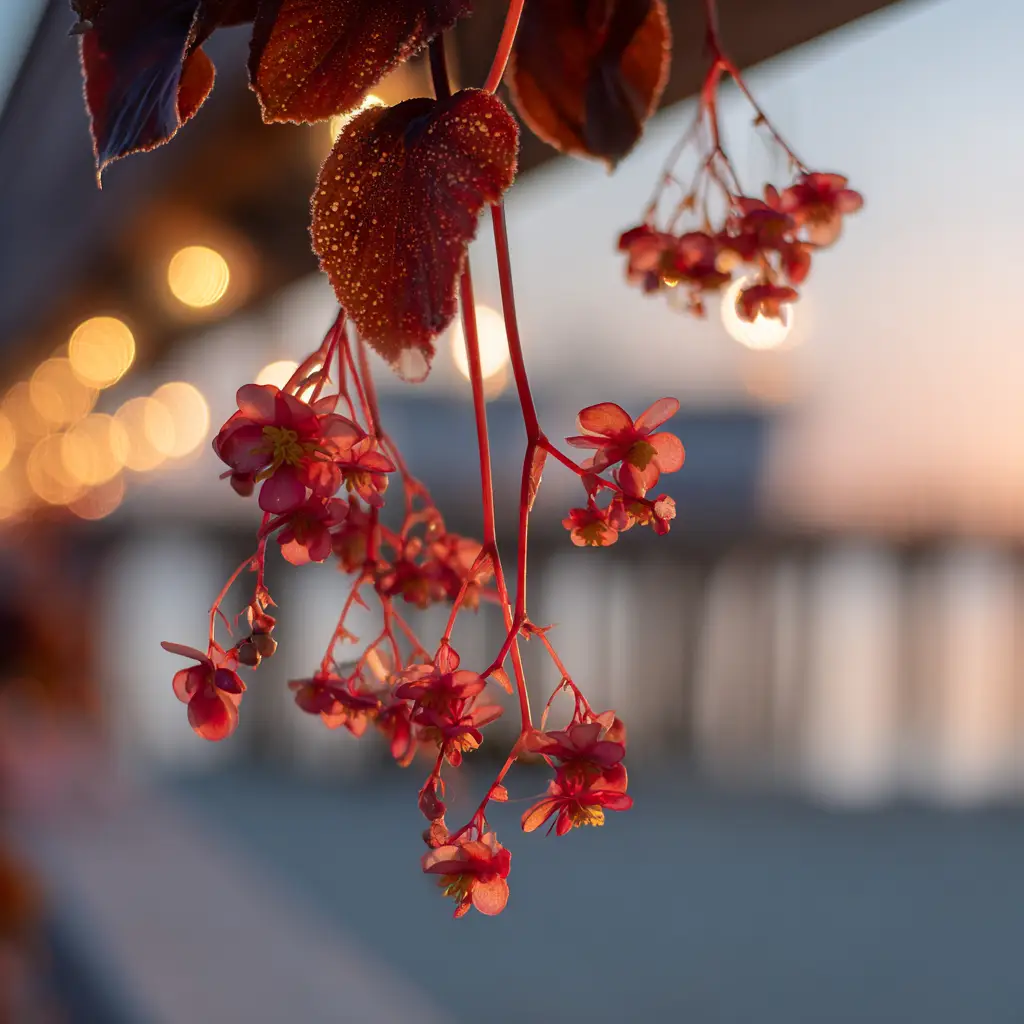
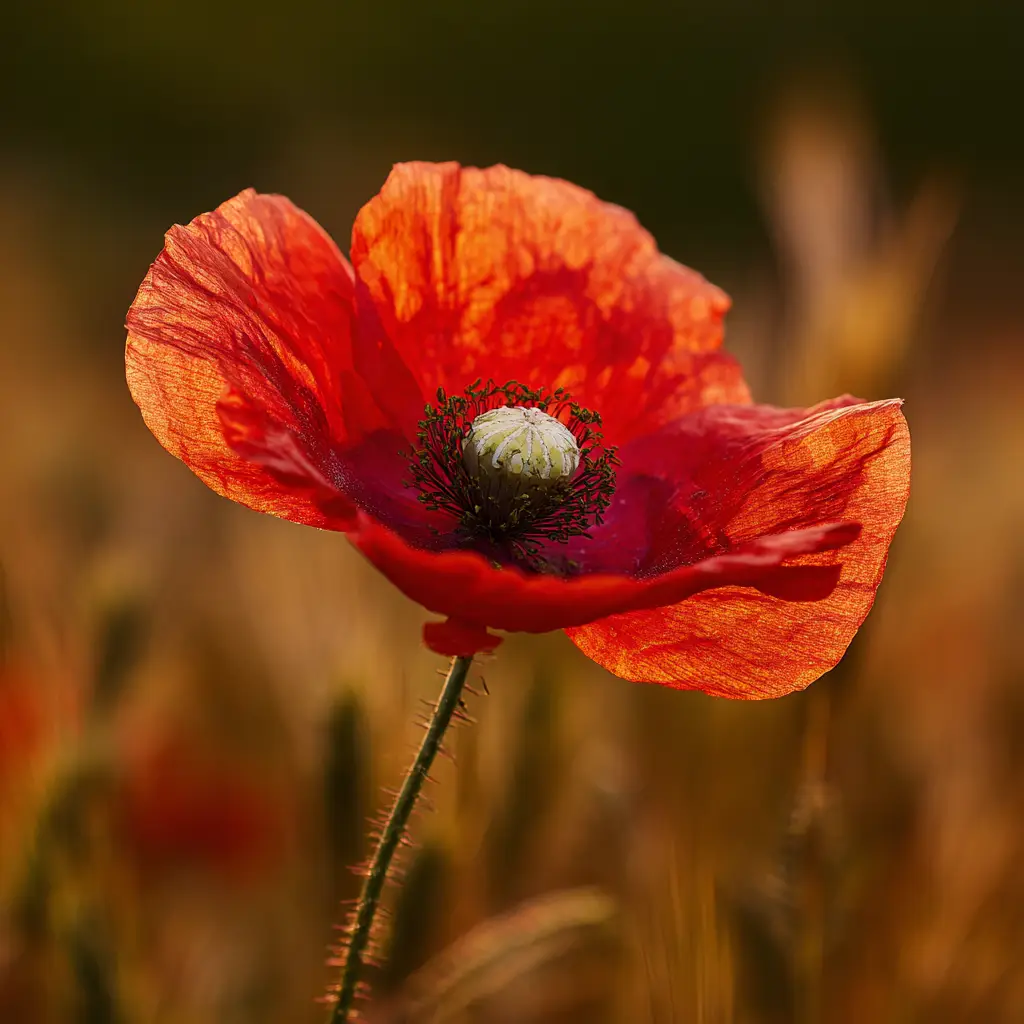
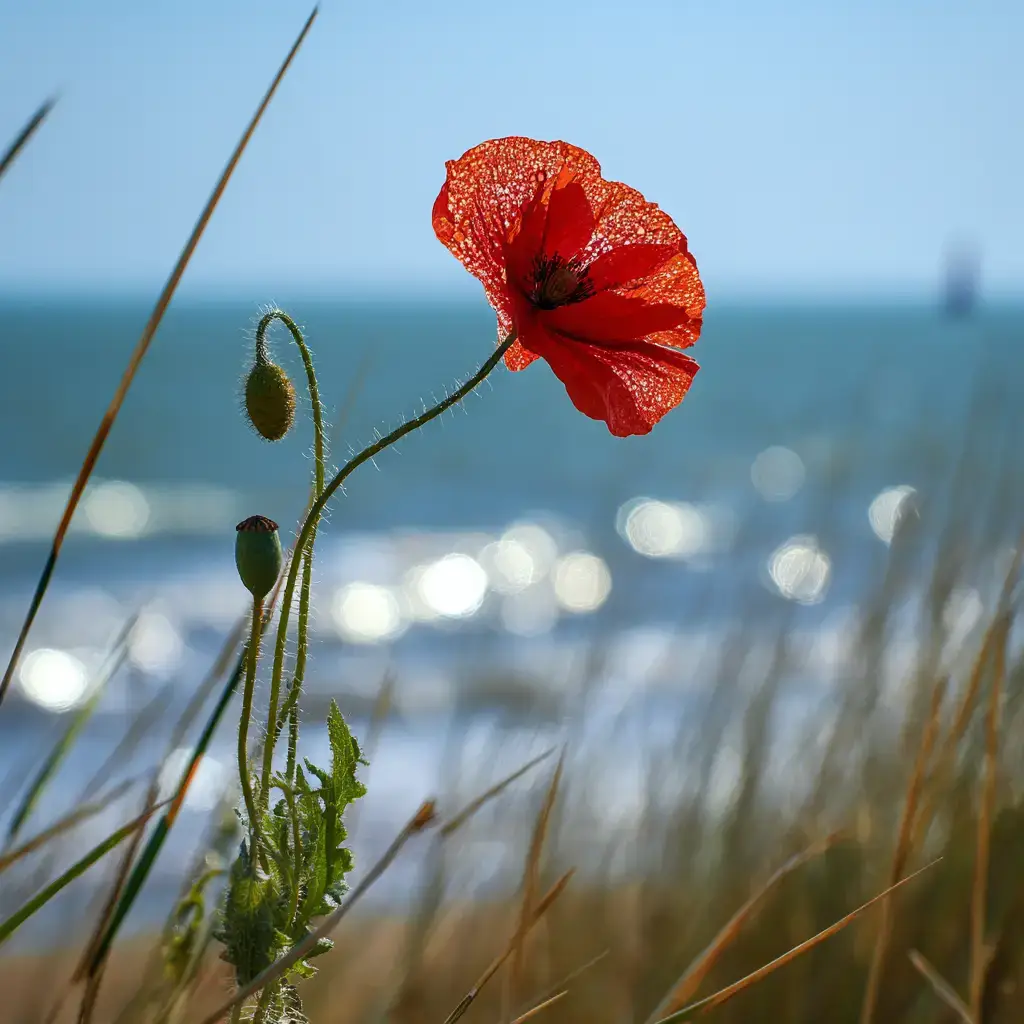
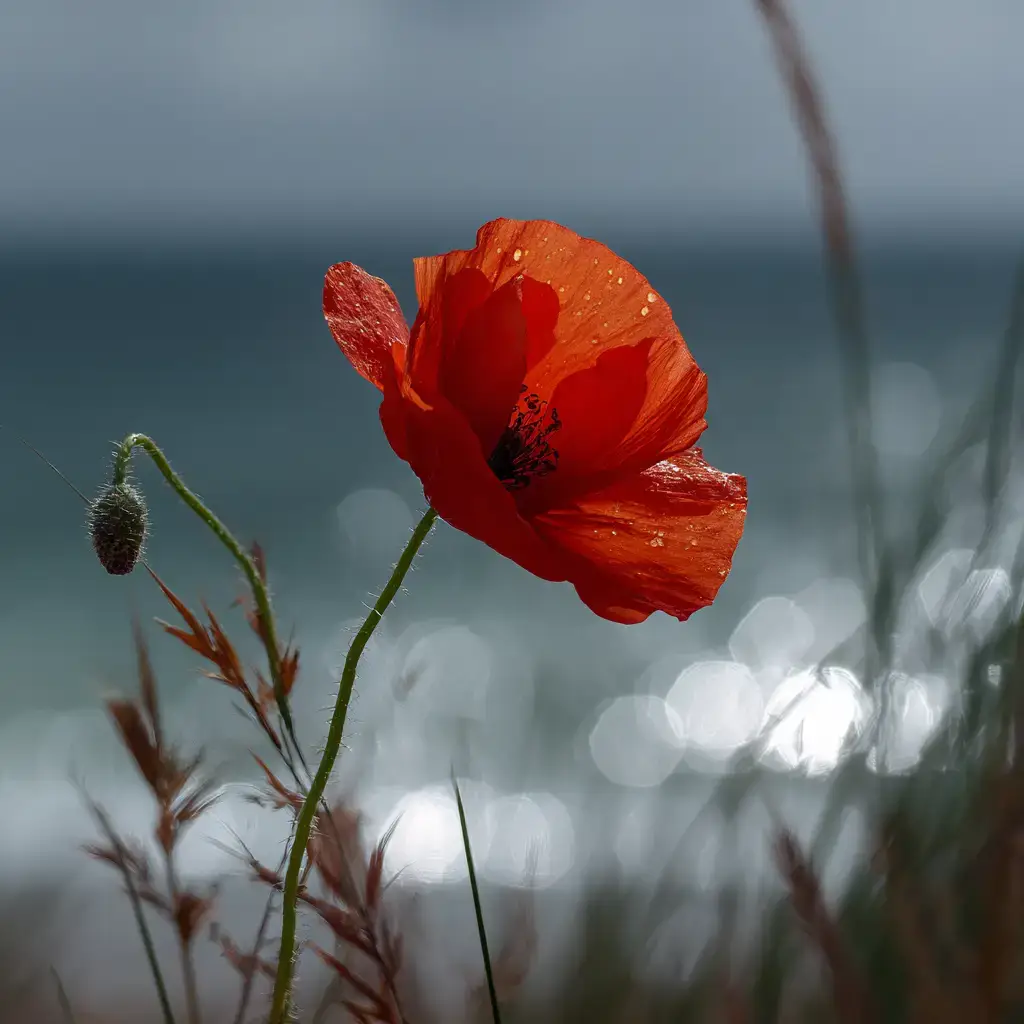
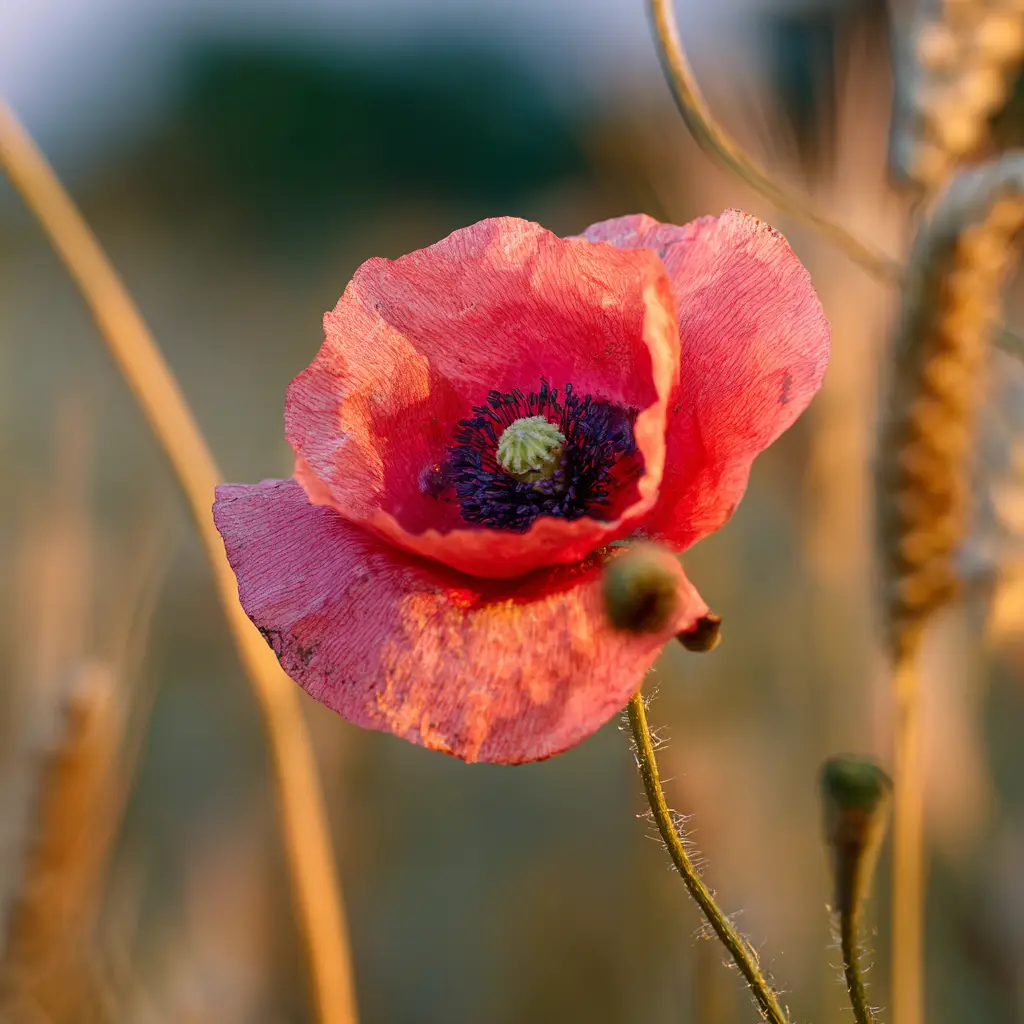
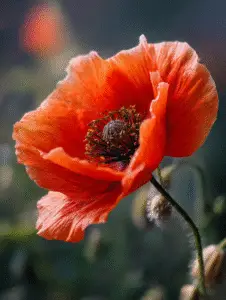 Scarlet
PoppyPapaverSpring bloomer
Scarlet
PoppyPapaverSpring bloomer
8 photos of Poppy
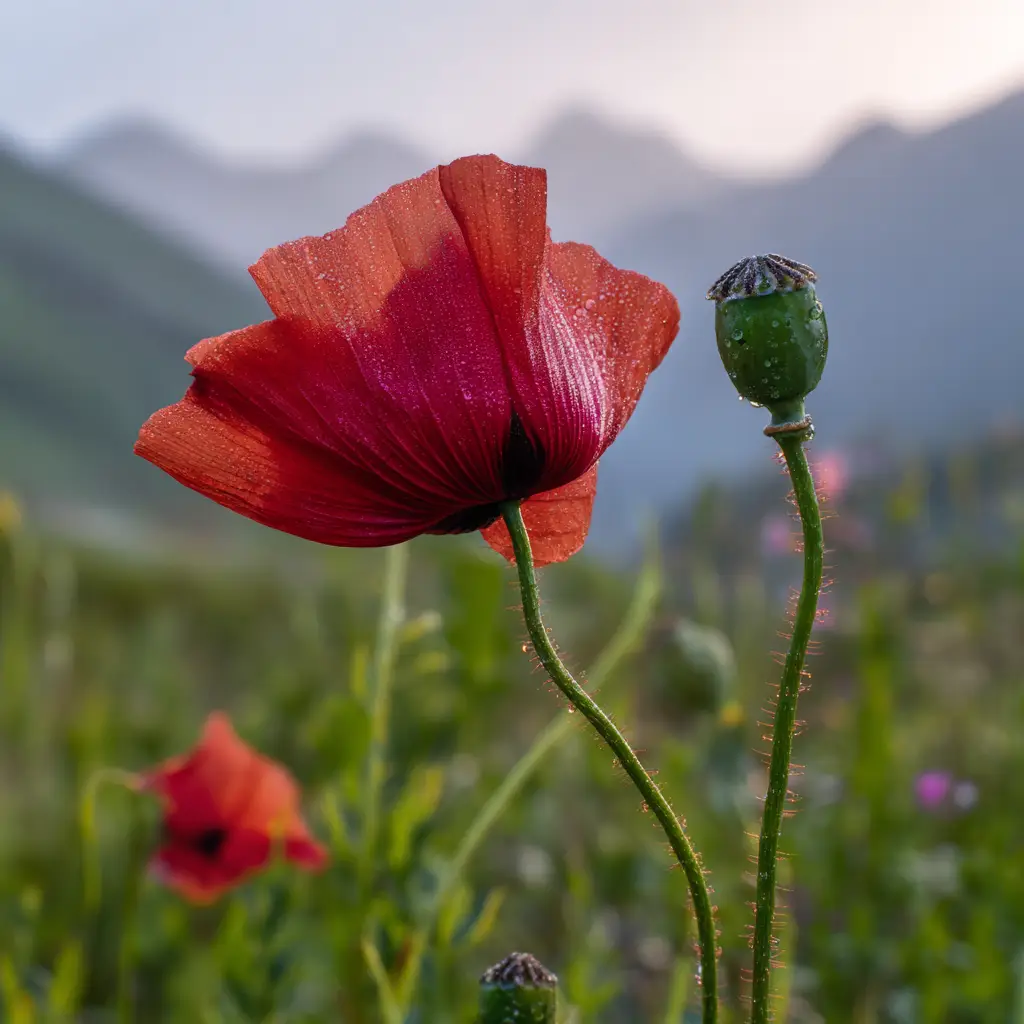
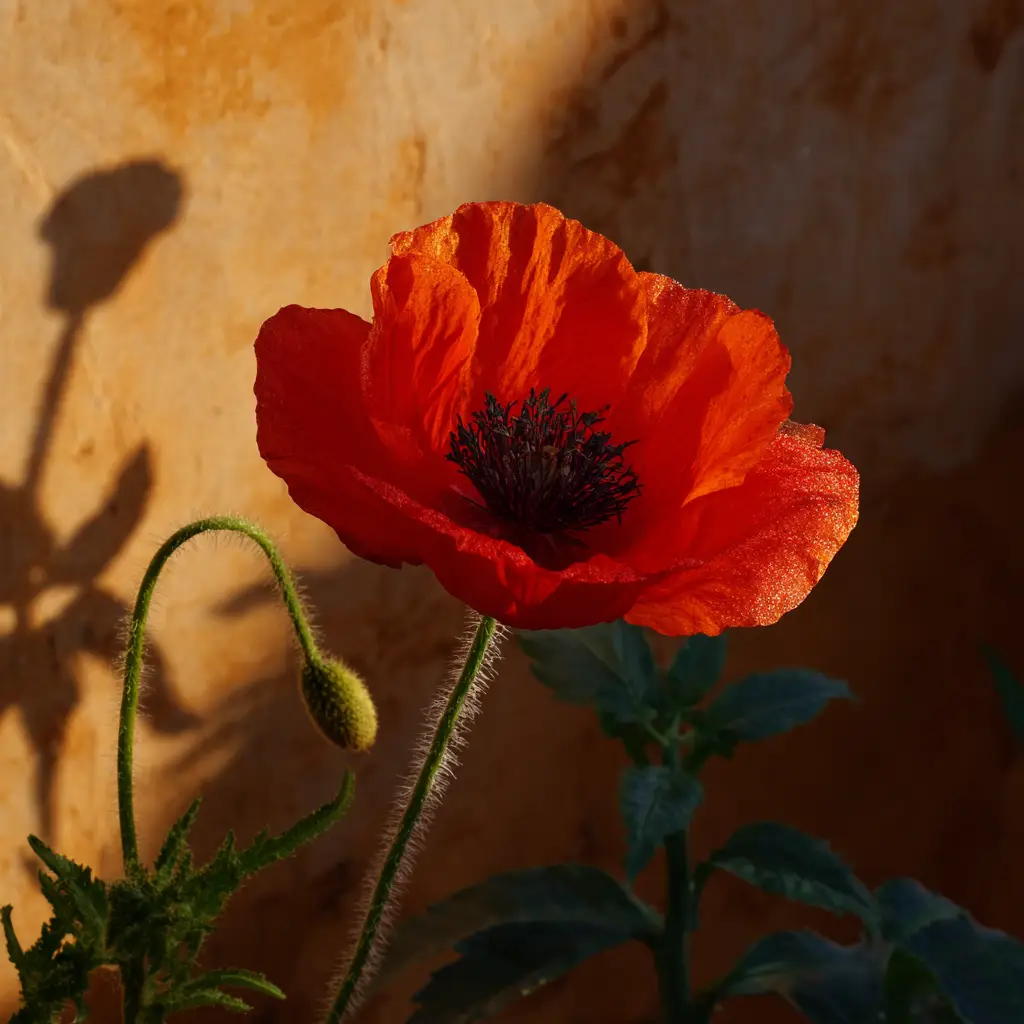
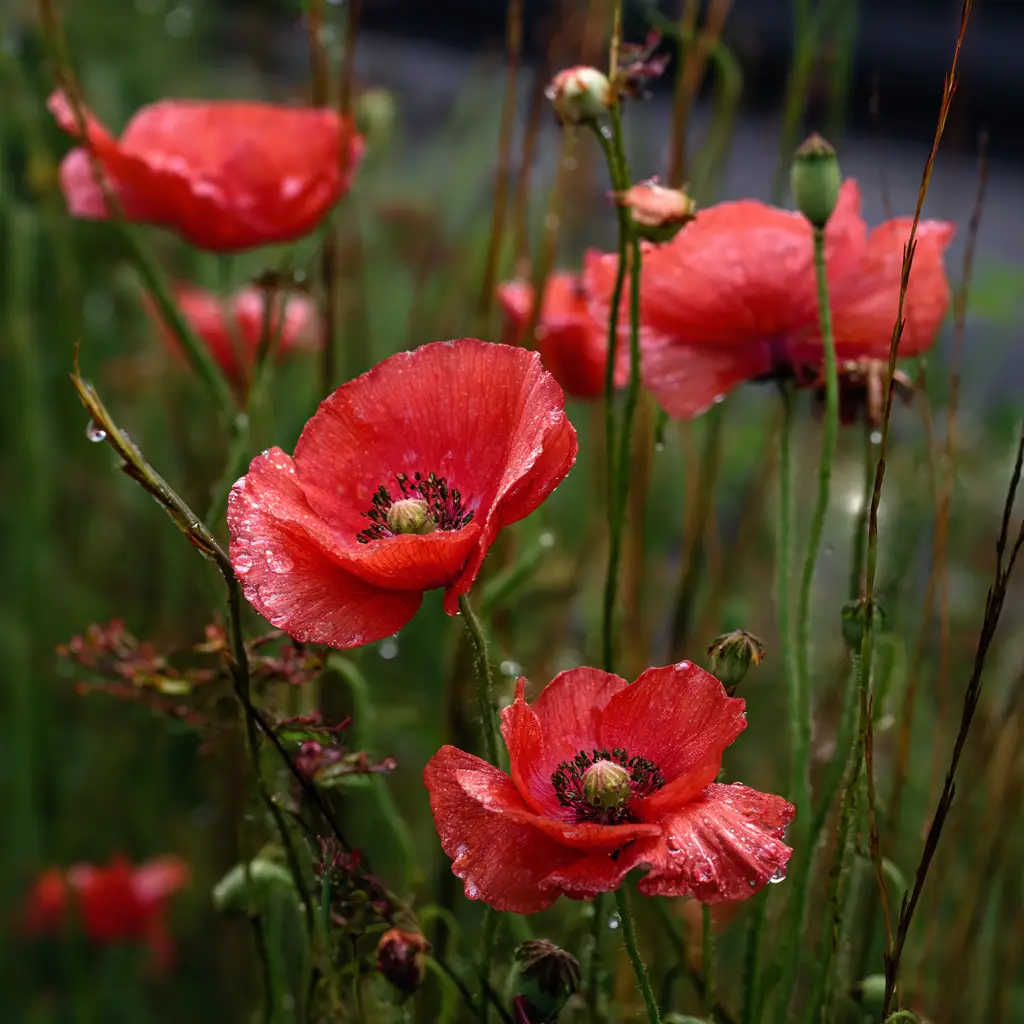
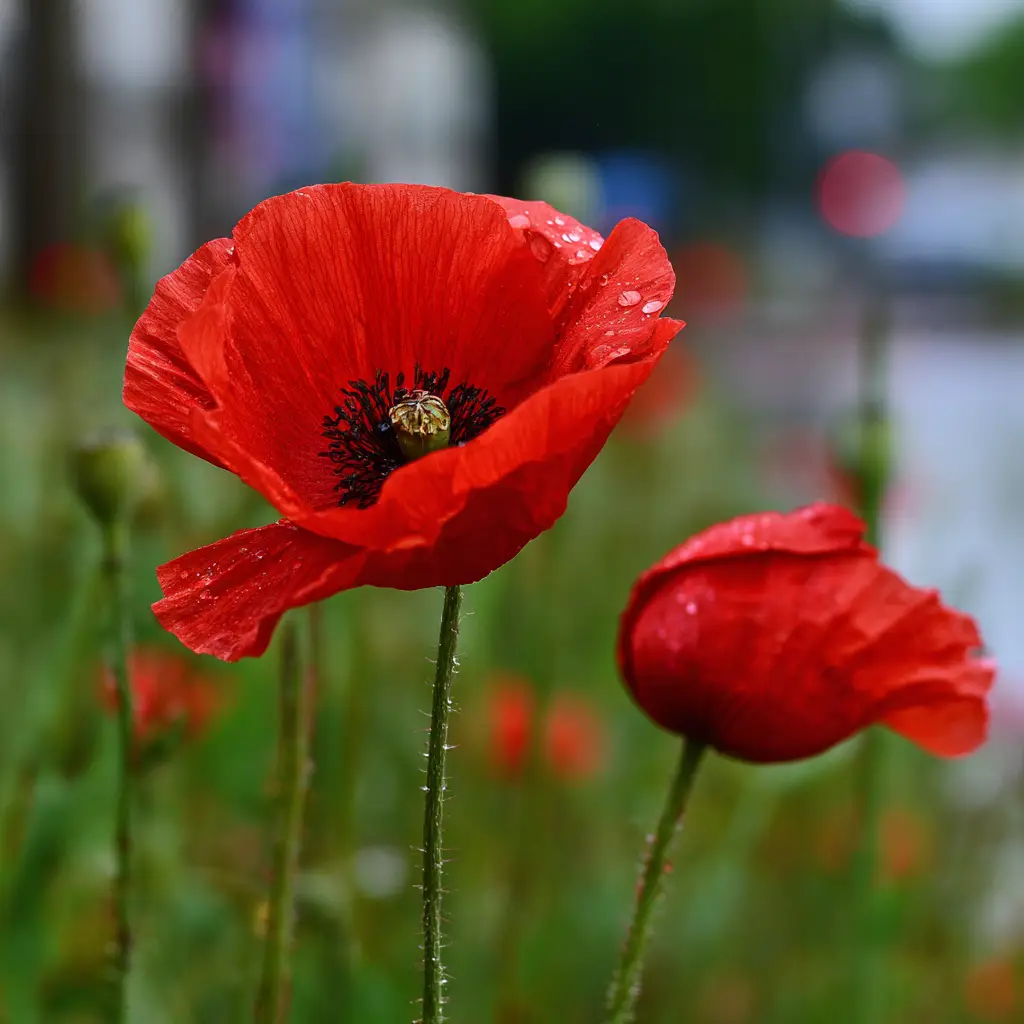
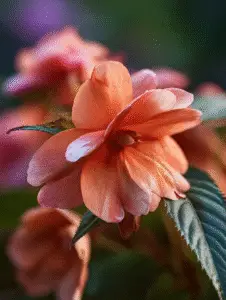
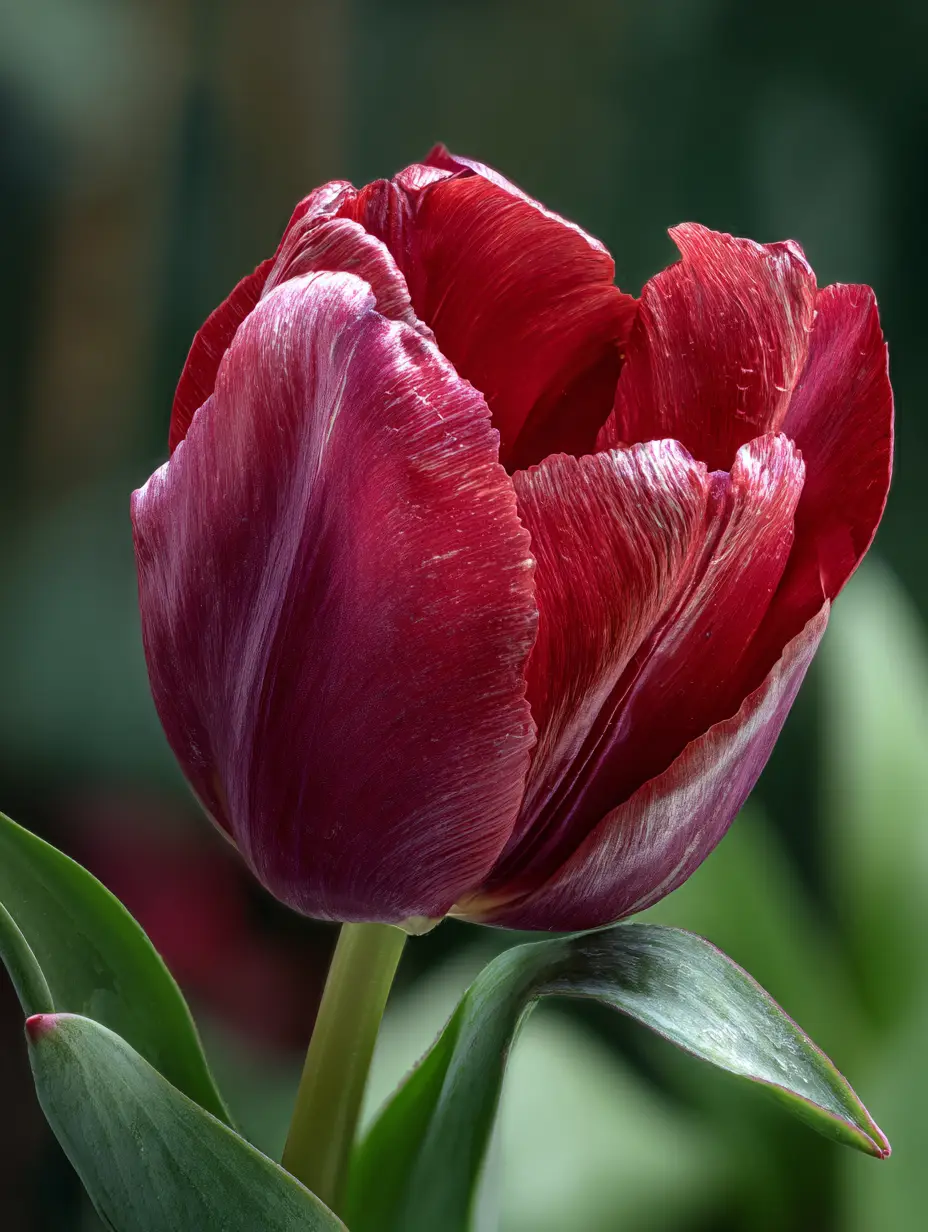 Cherry and mid red
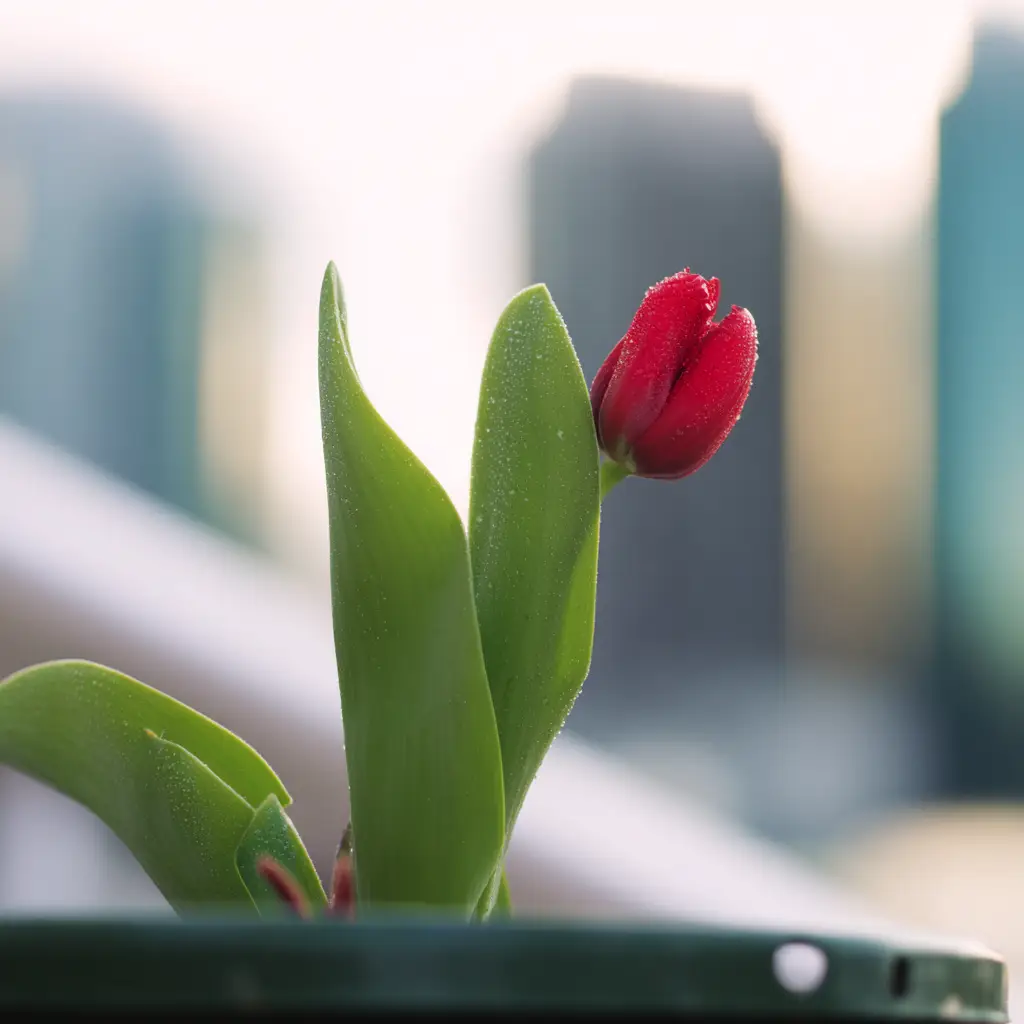
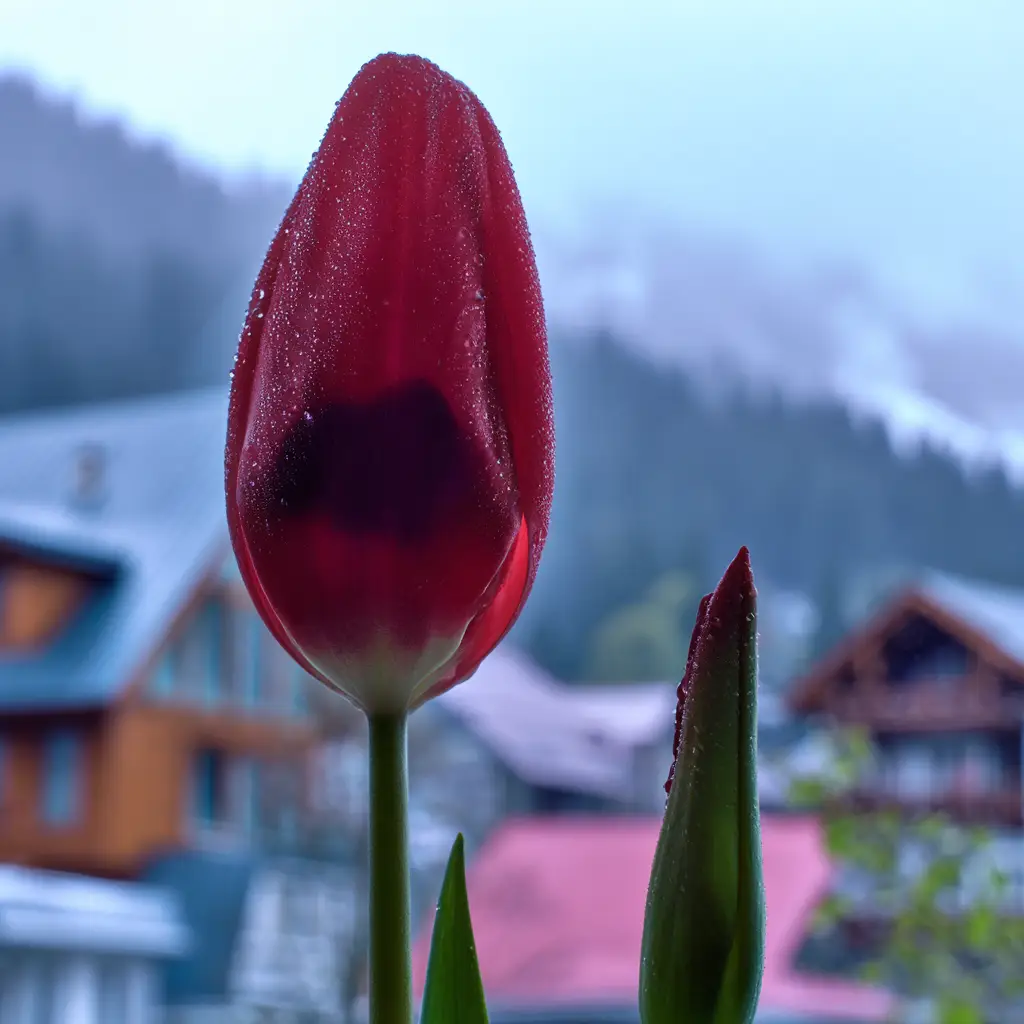
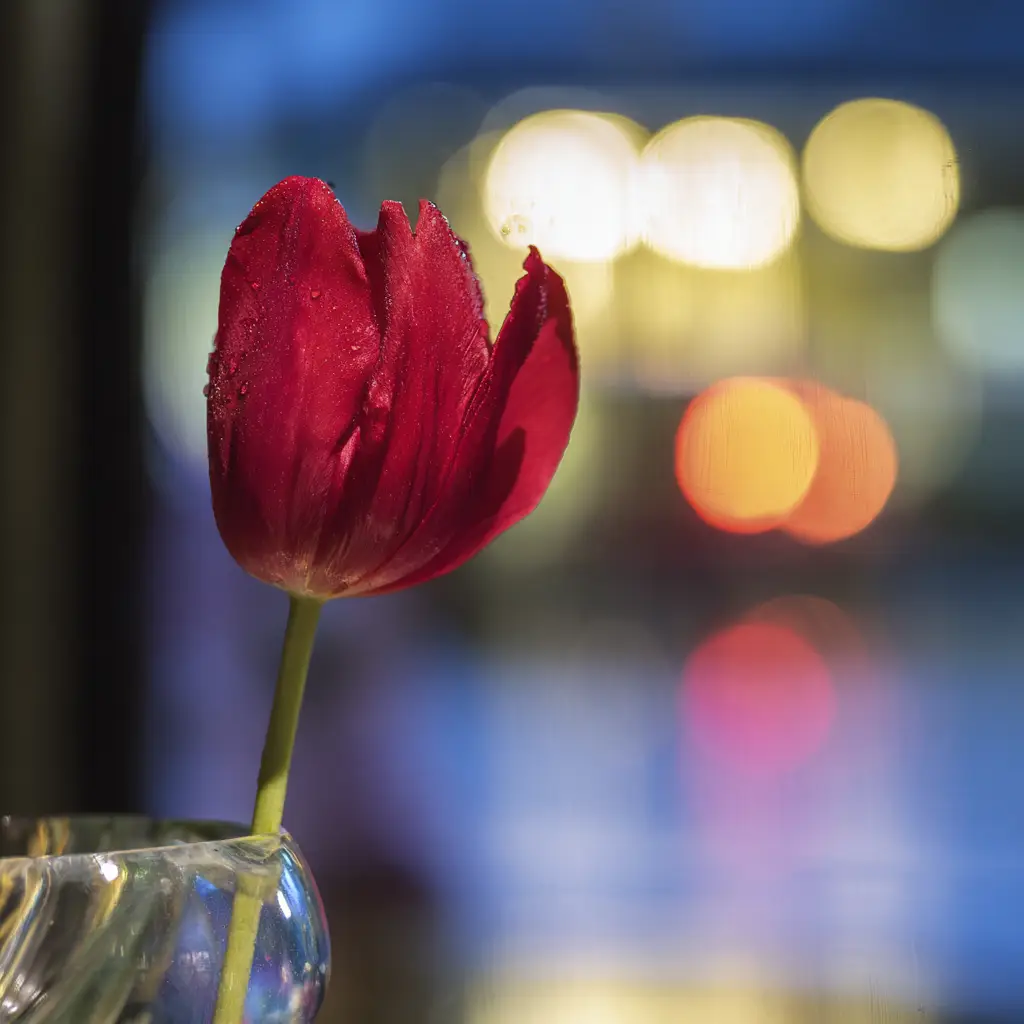
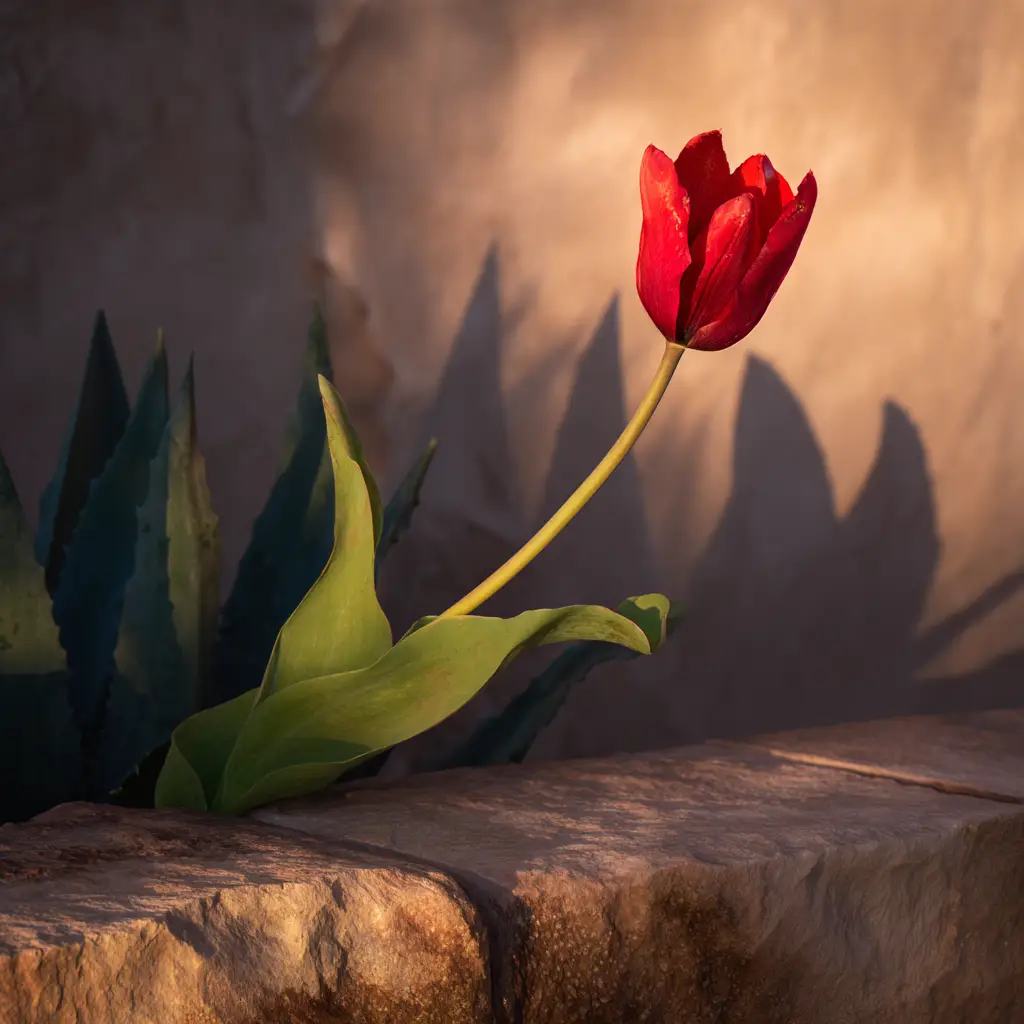
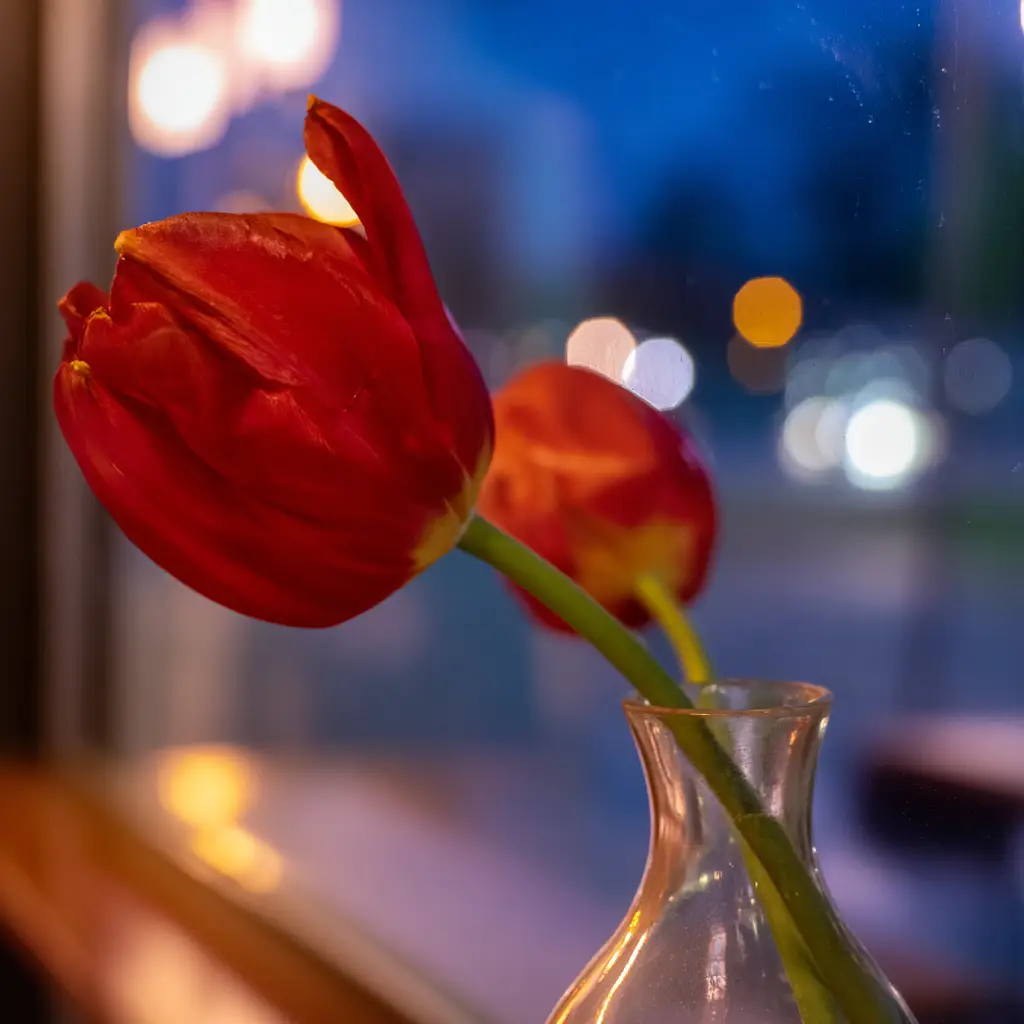
TulipTulipa spp. (incl. Tulipa gesneriana hybrids)Spring bloomer
Cherry and mid red
TulipTulipa spp. (incl. Tulipa gesneriana hybrids)Spring bloomer
8 photos of Tulip

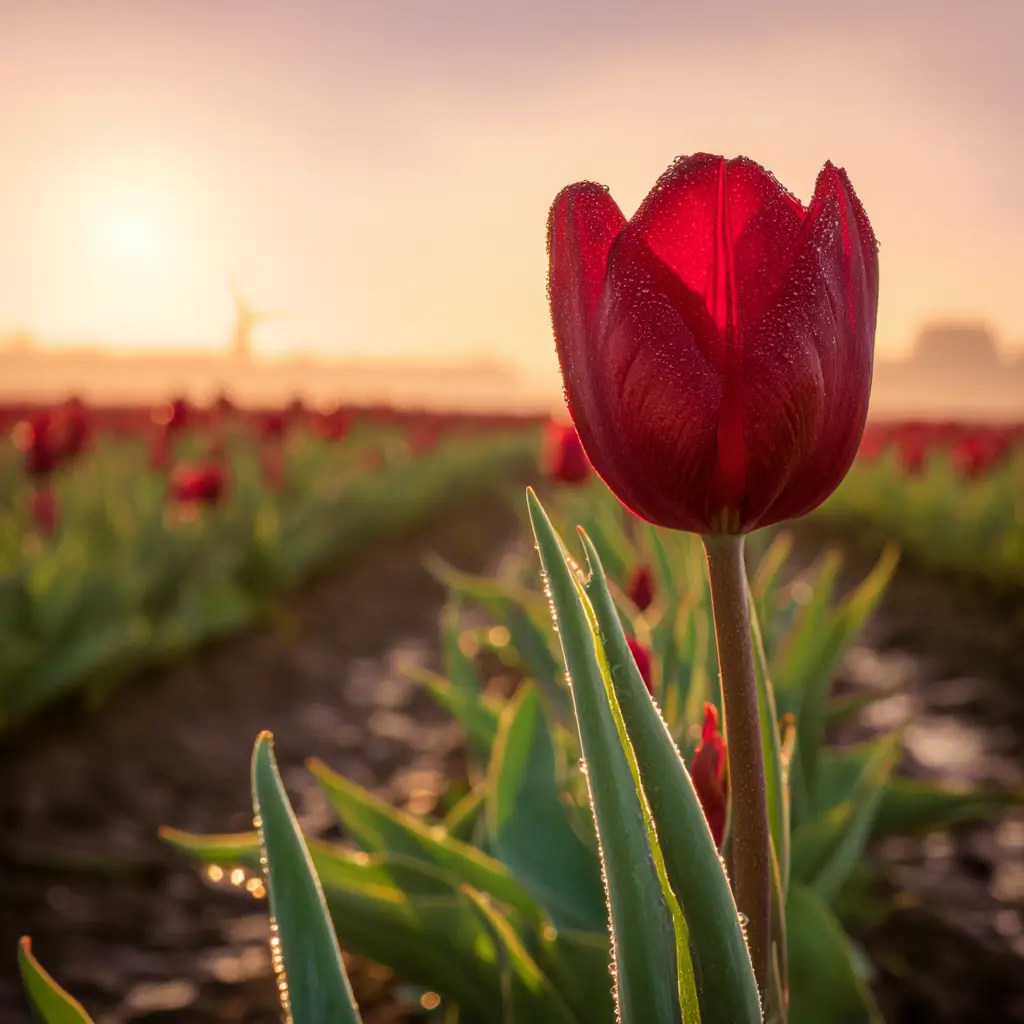
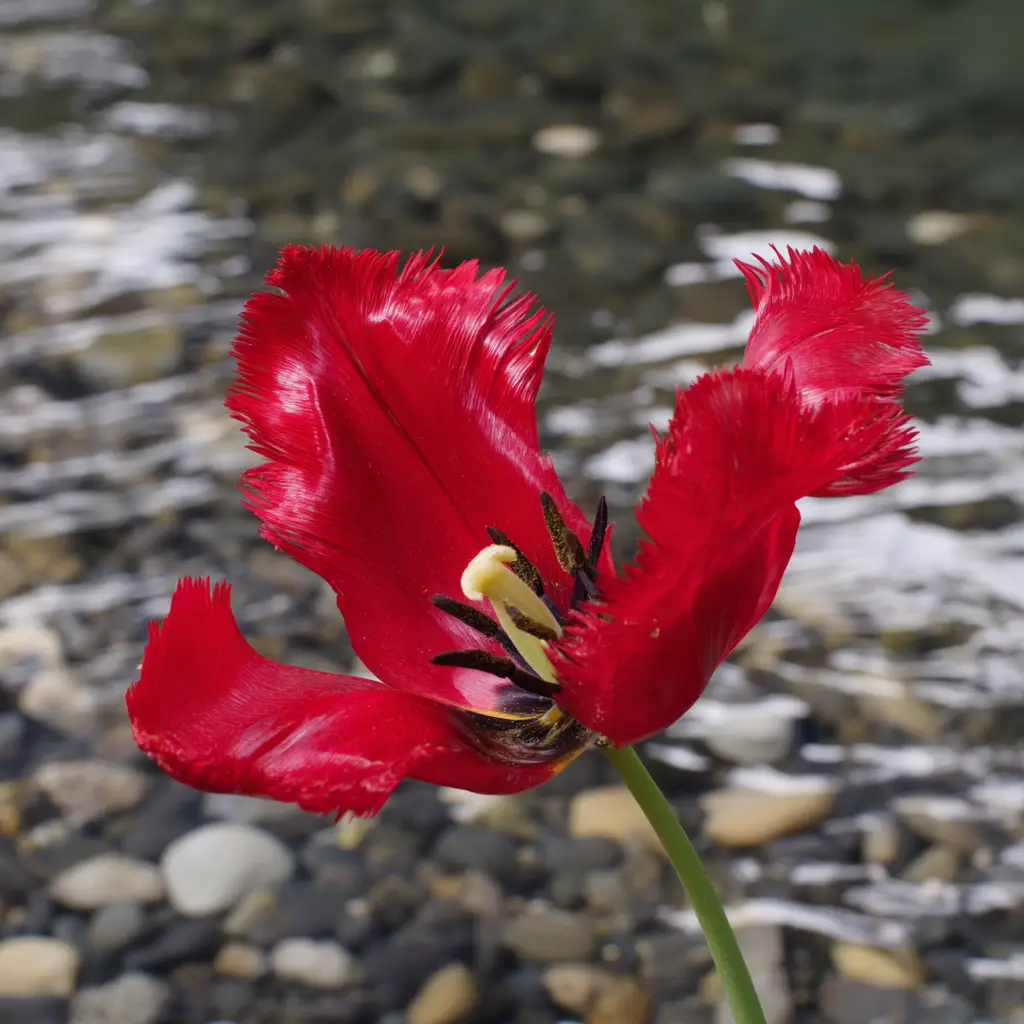
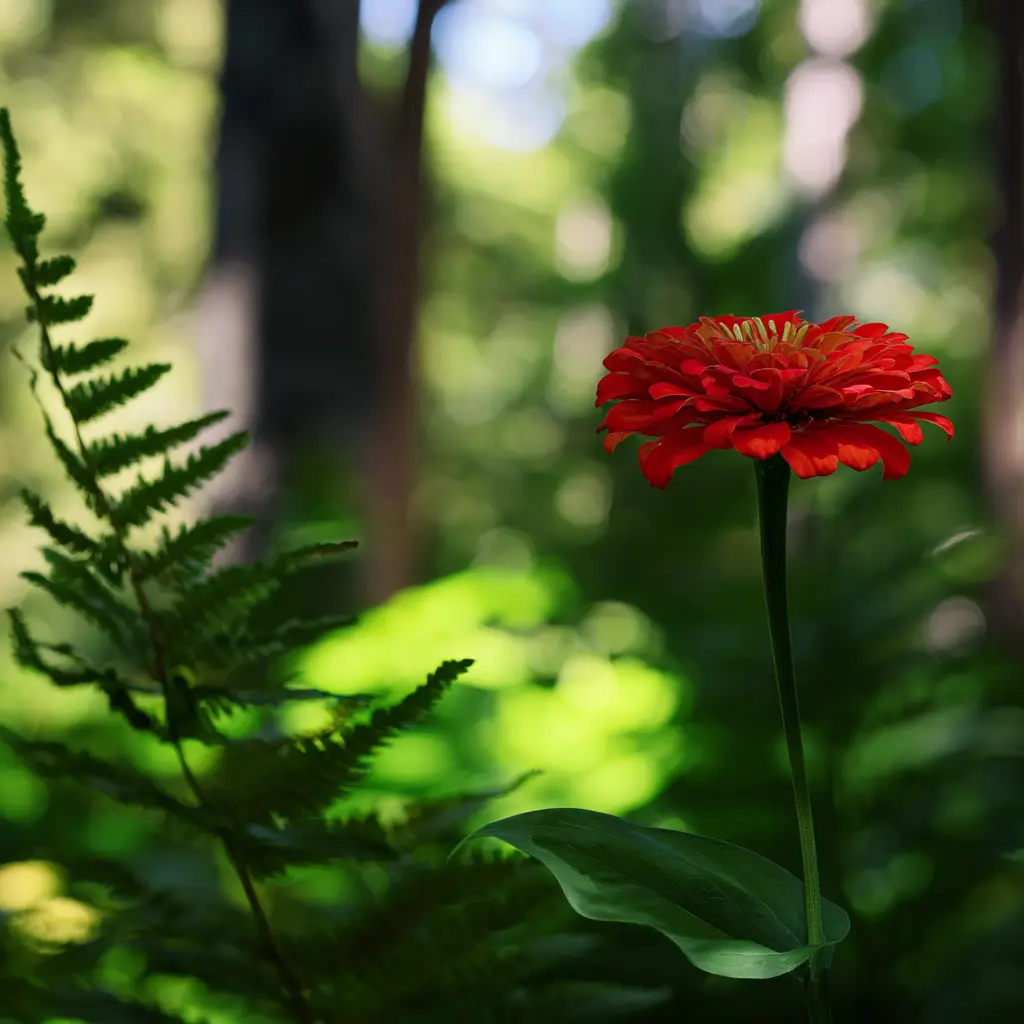
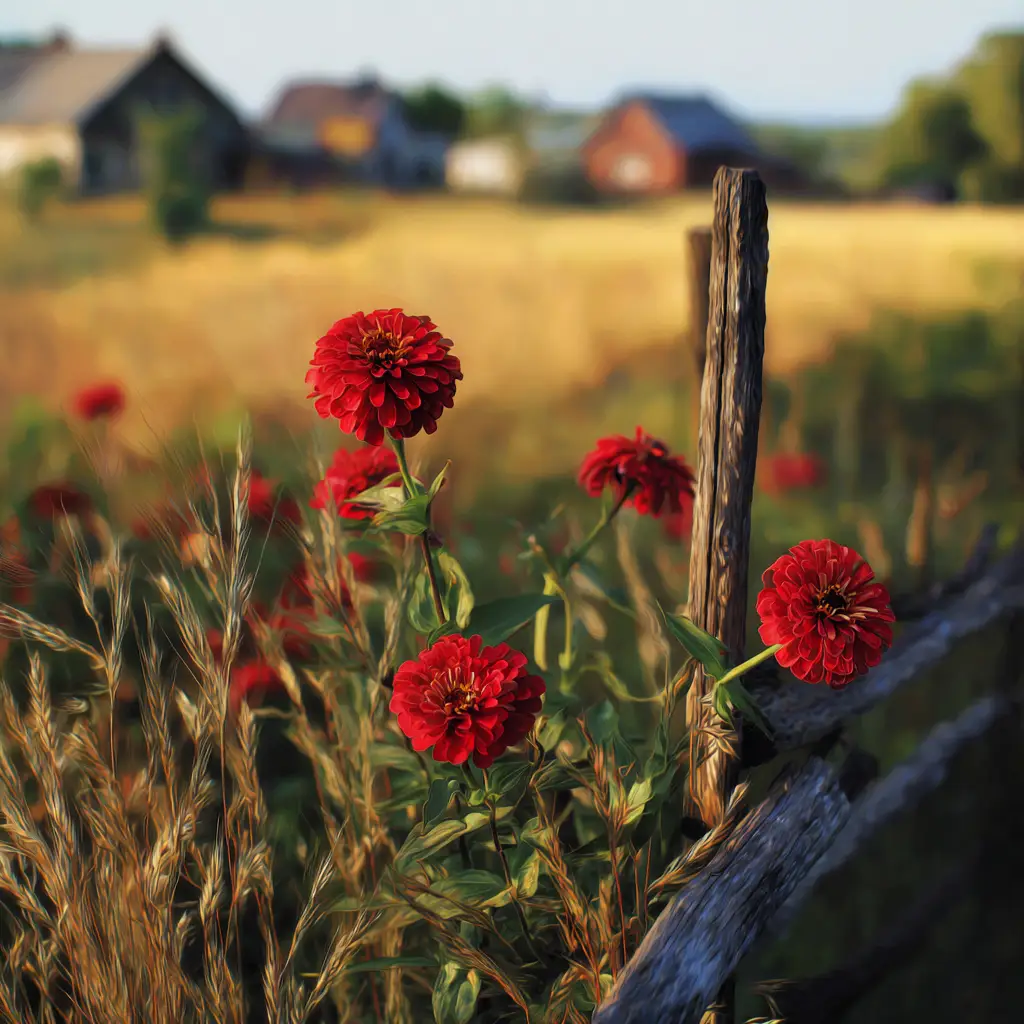
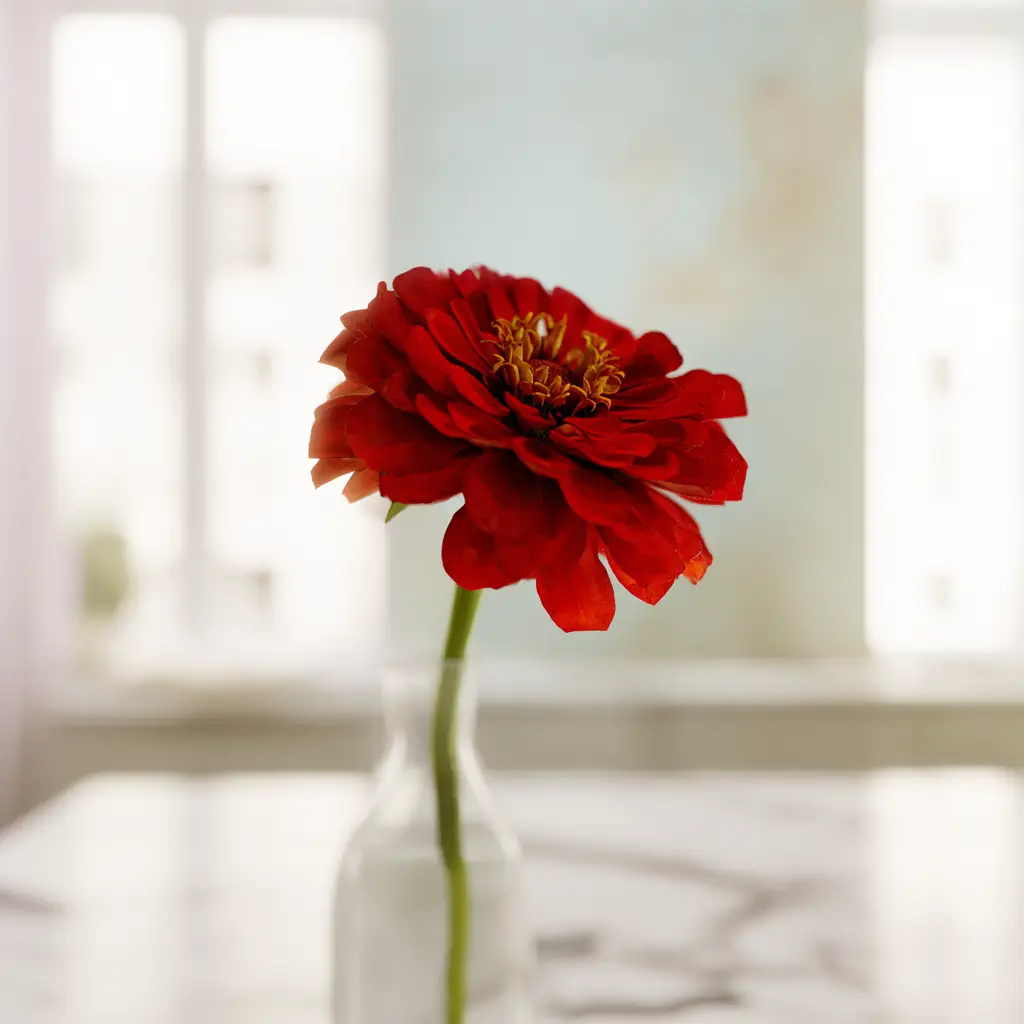
 Scarlet
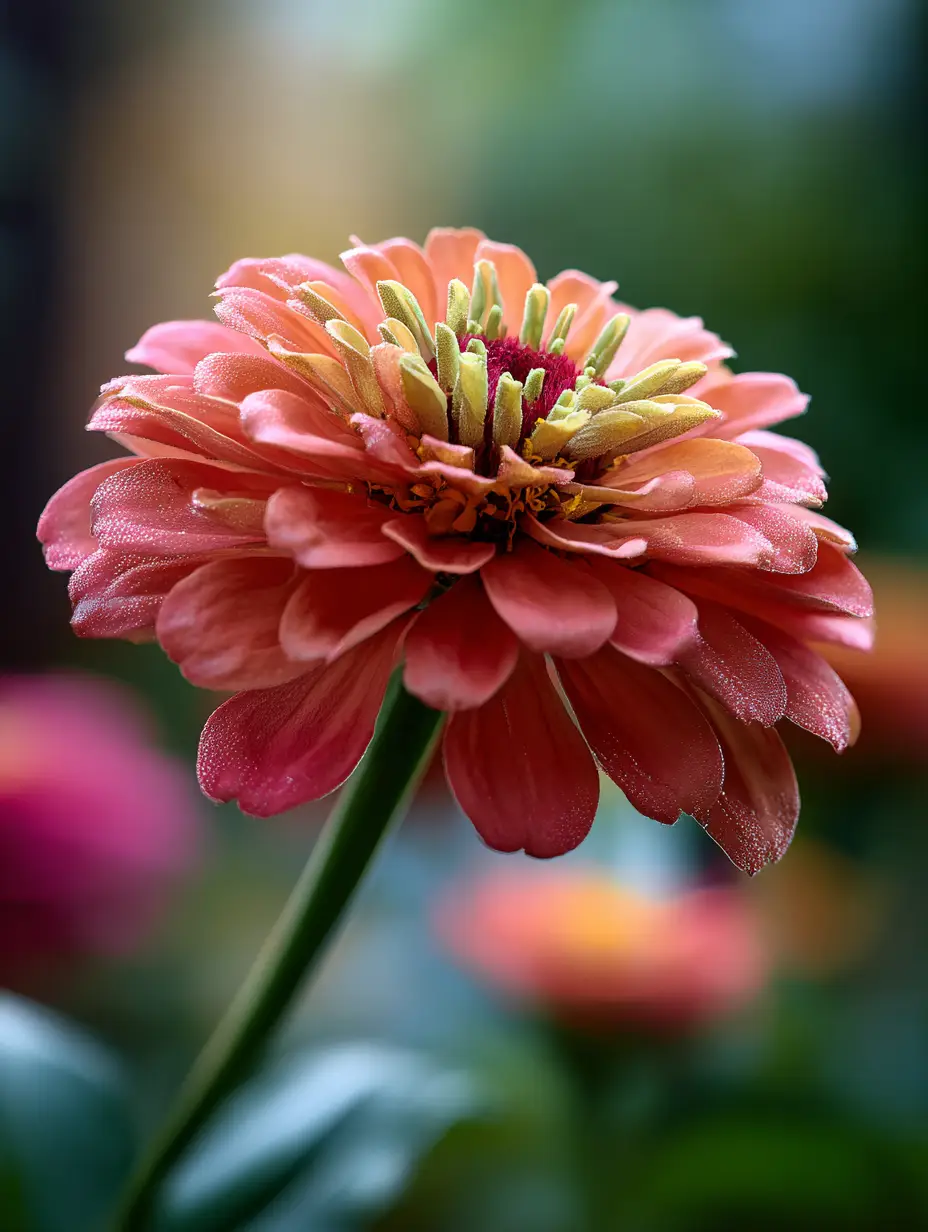
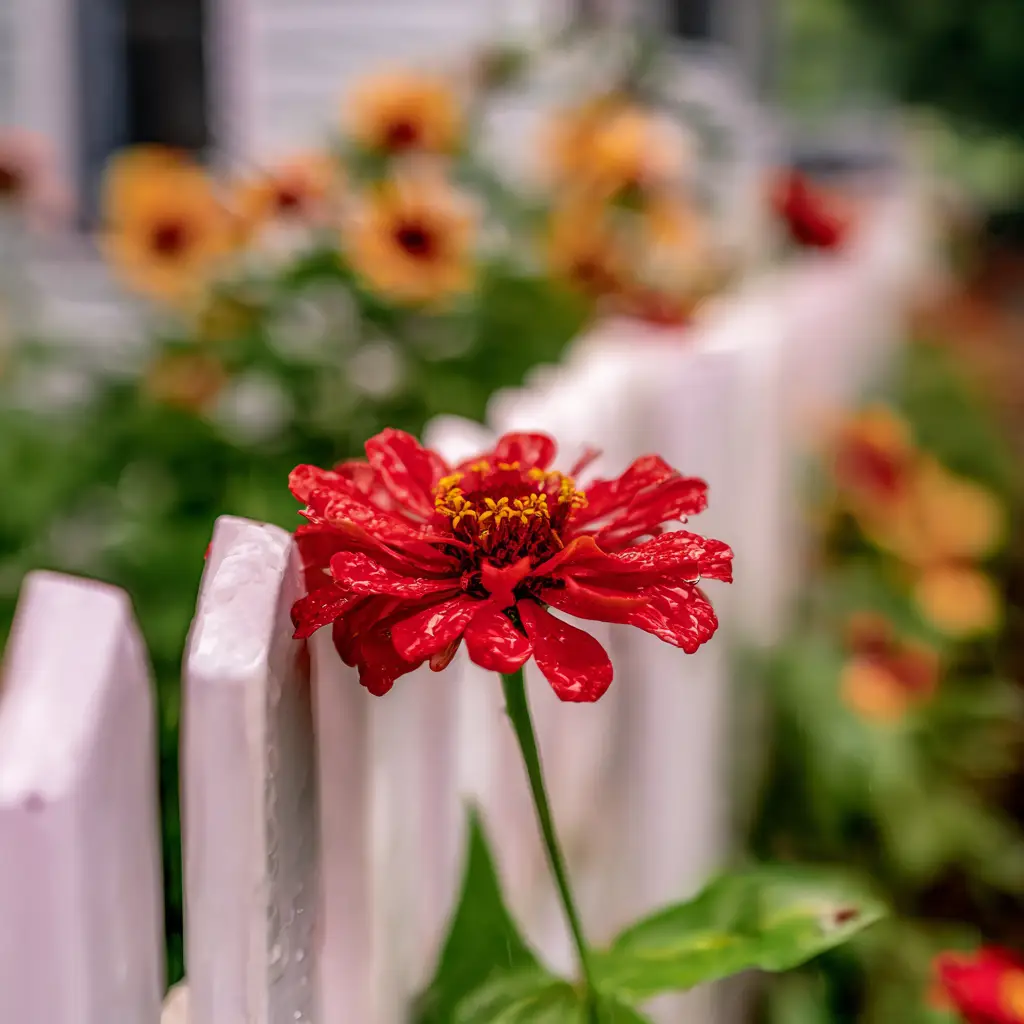
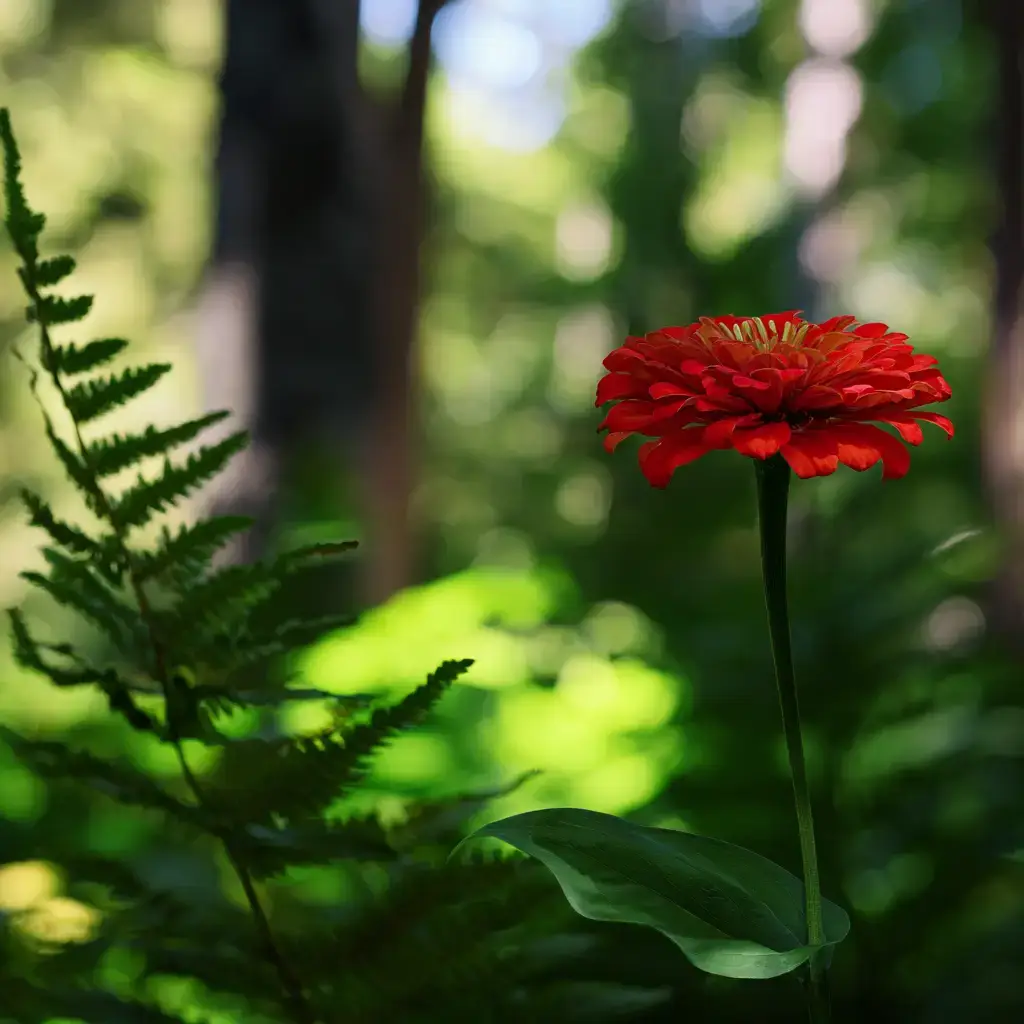
ZinniaZinnia elegansSummer bloomer
Scarlet
ZinniaZinnia elegansSummer bloomer
8 photos of Zinnia



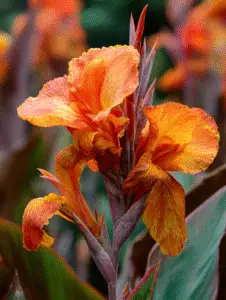
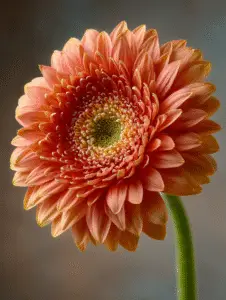
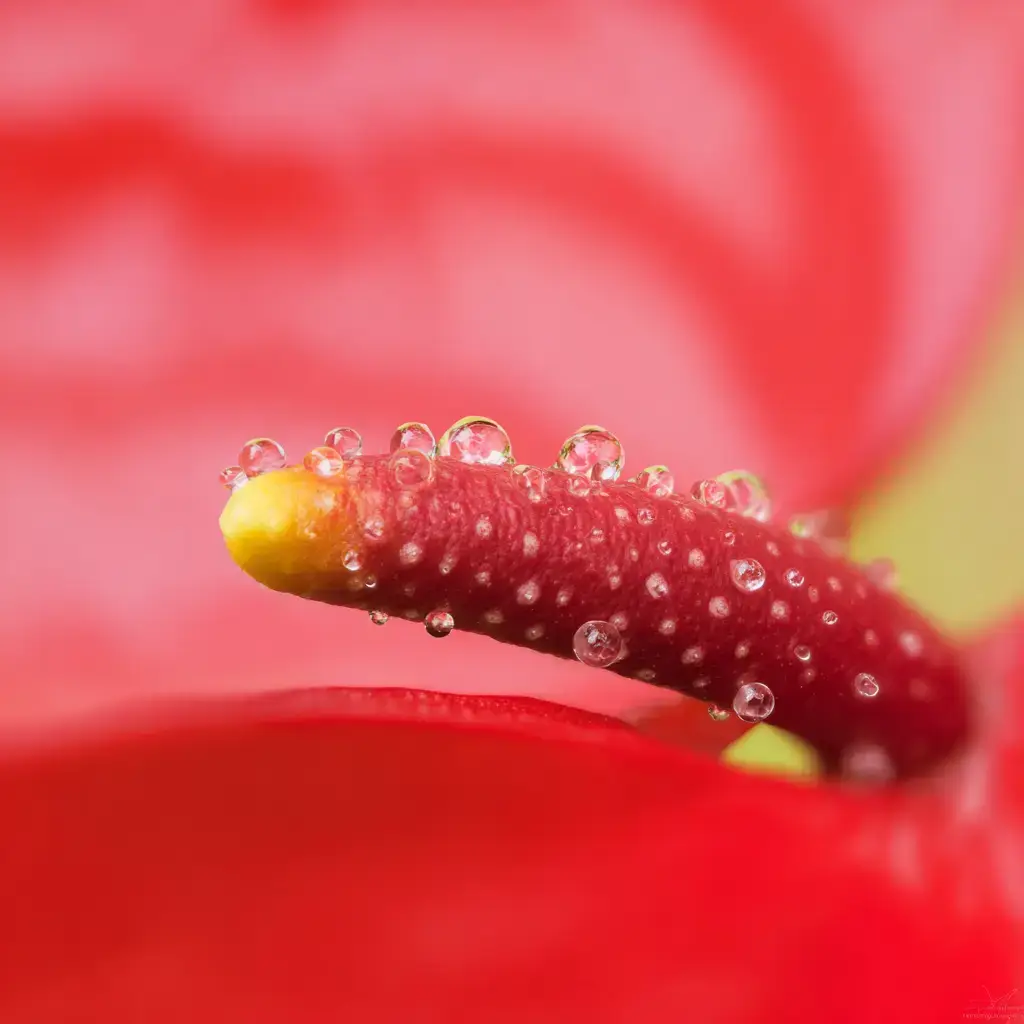
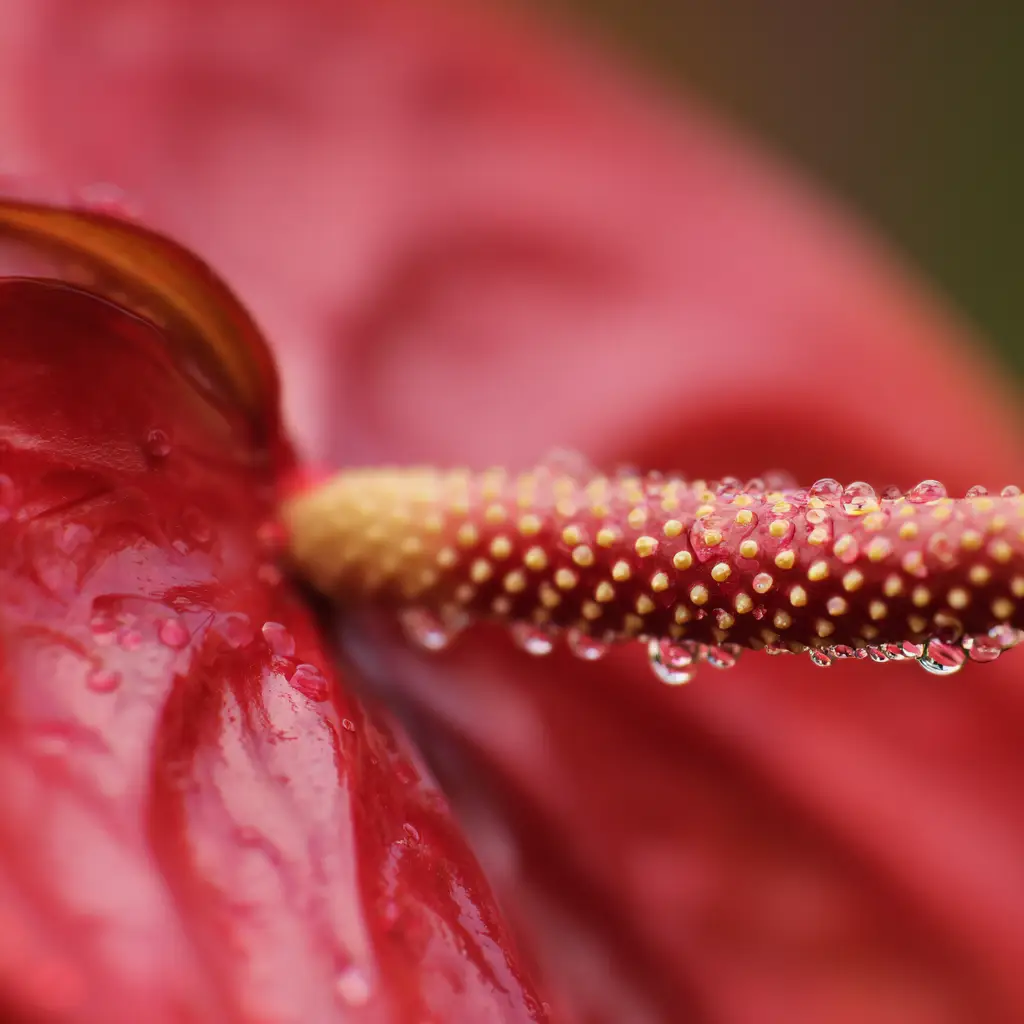
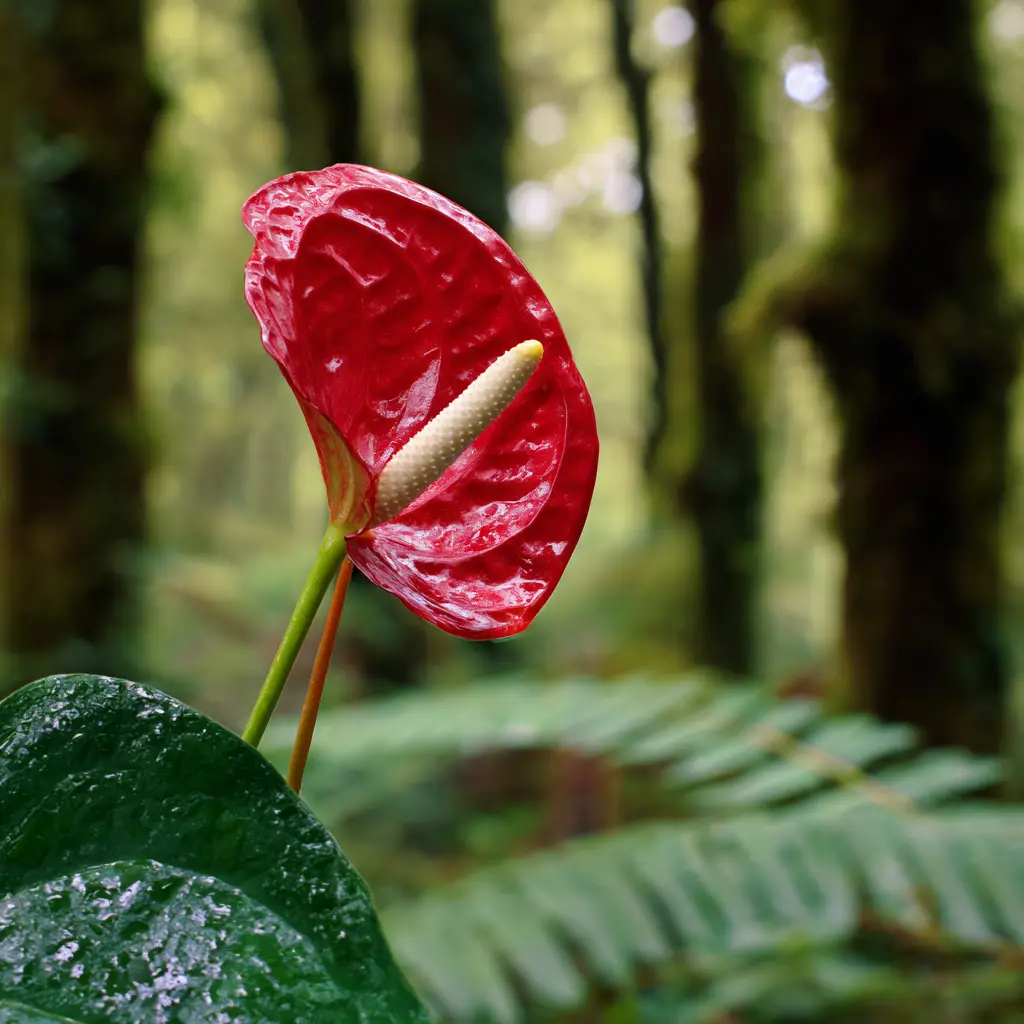
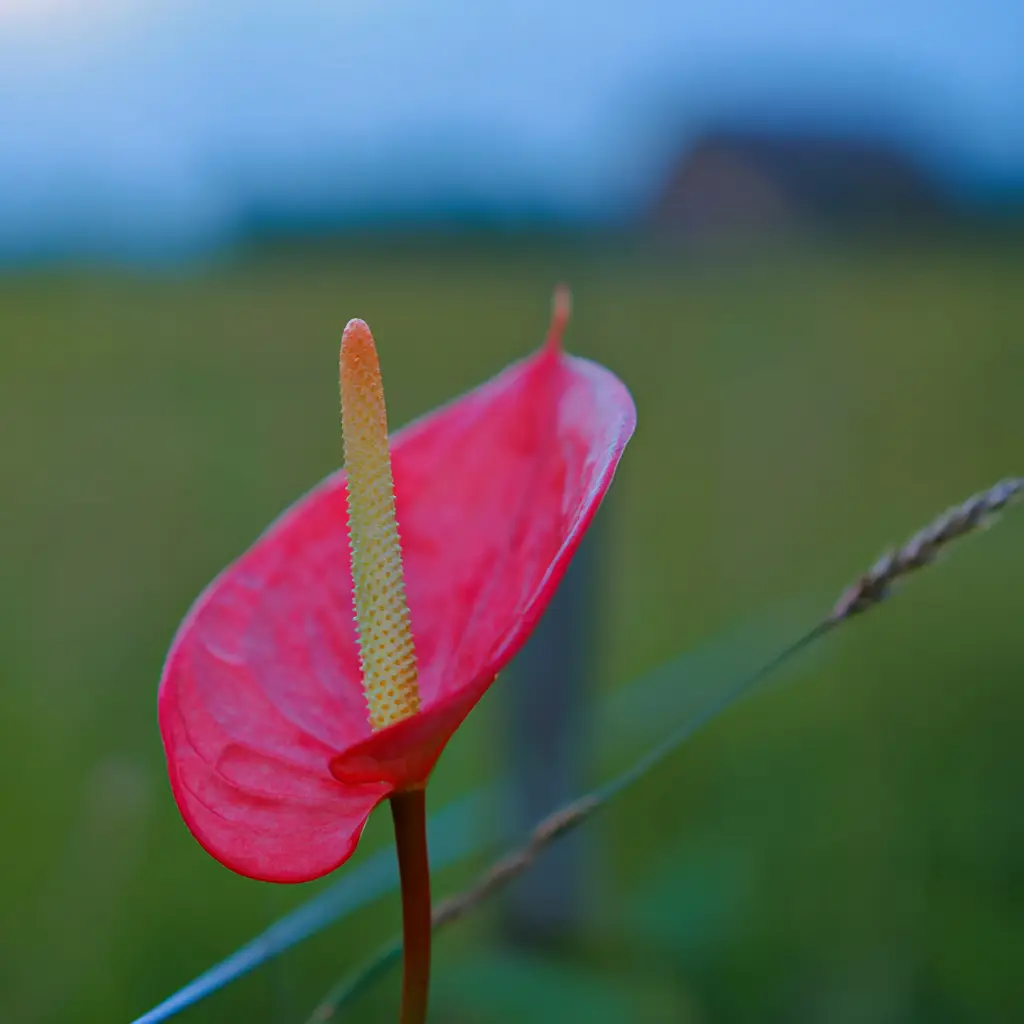
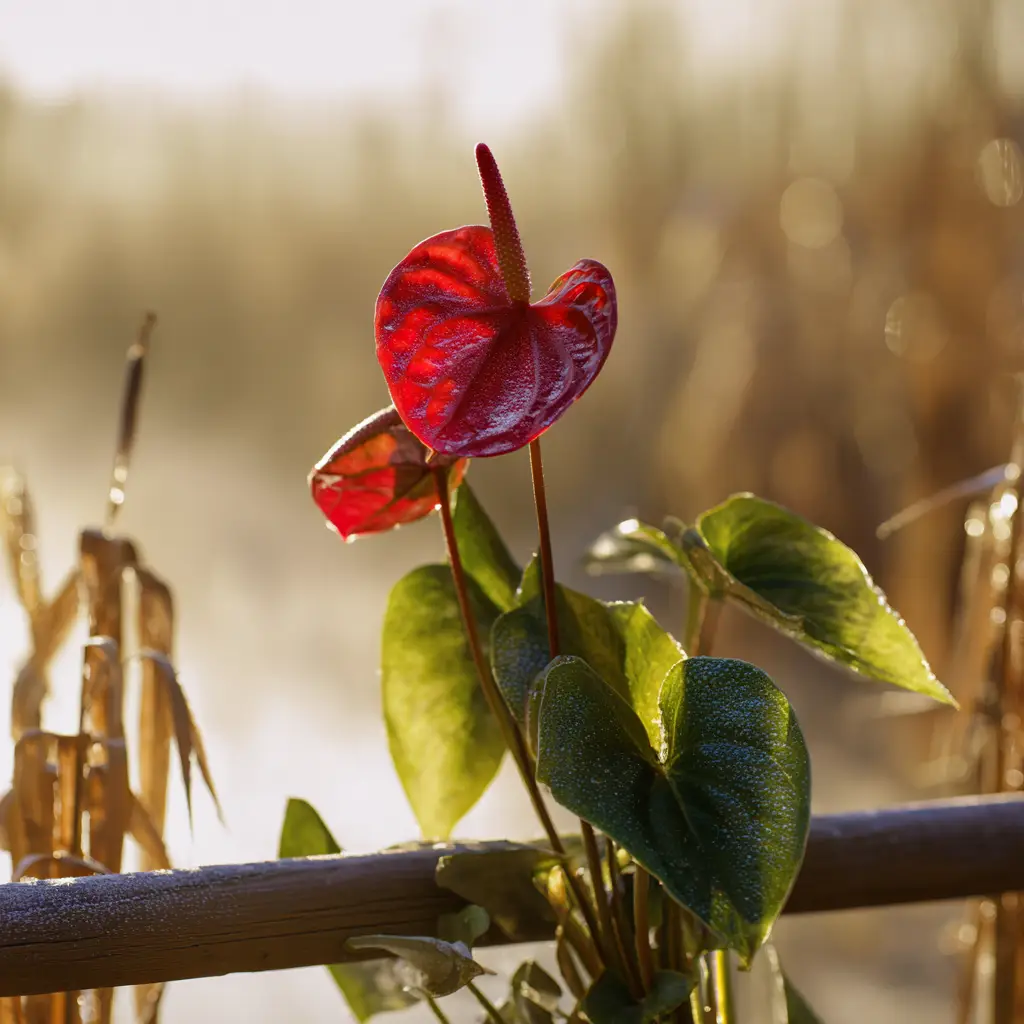
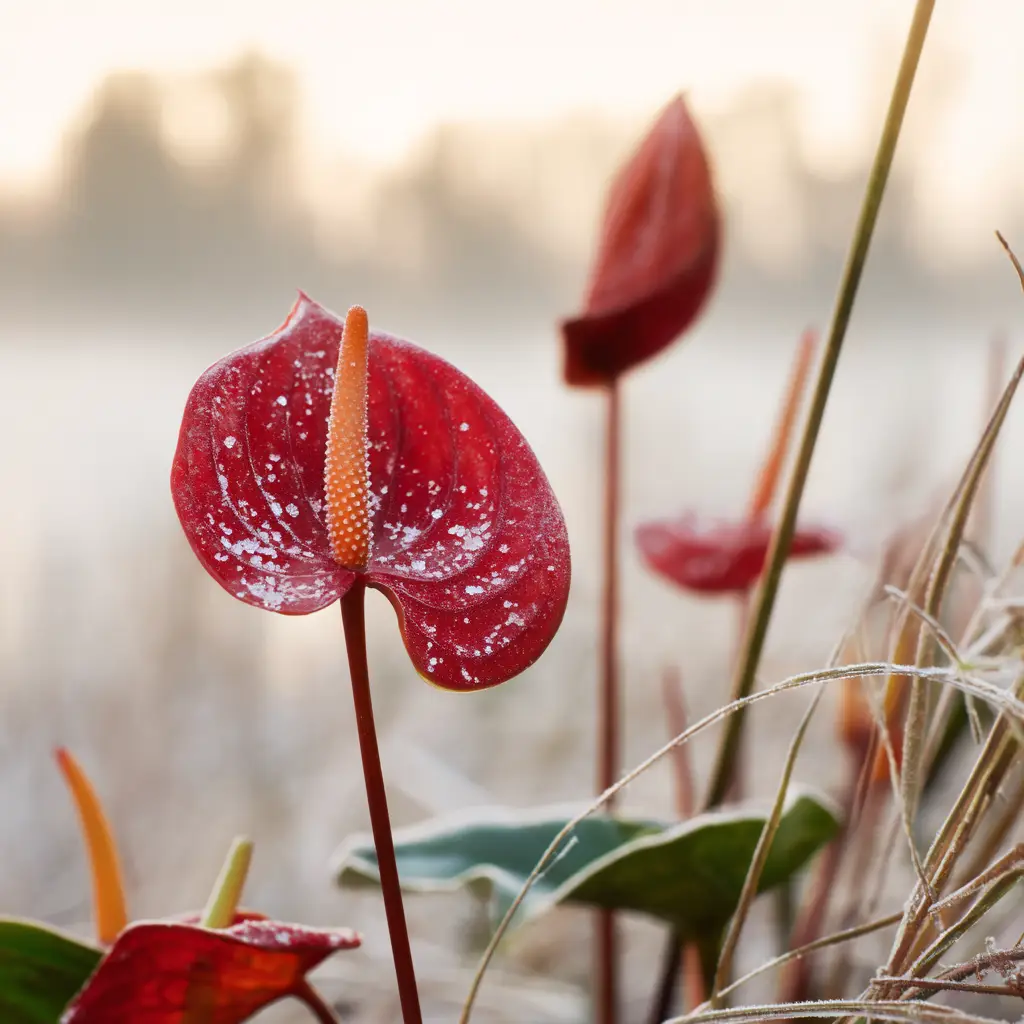
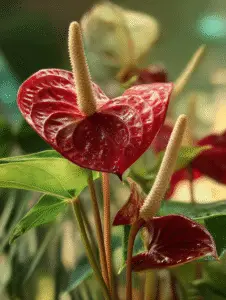 Cherry and mid red
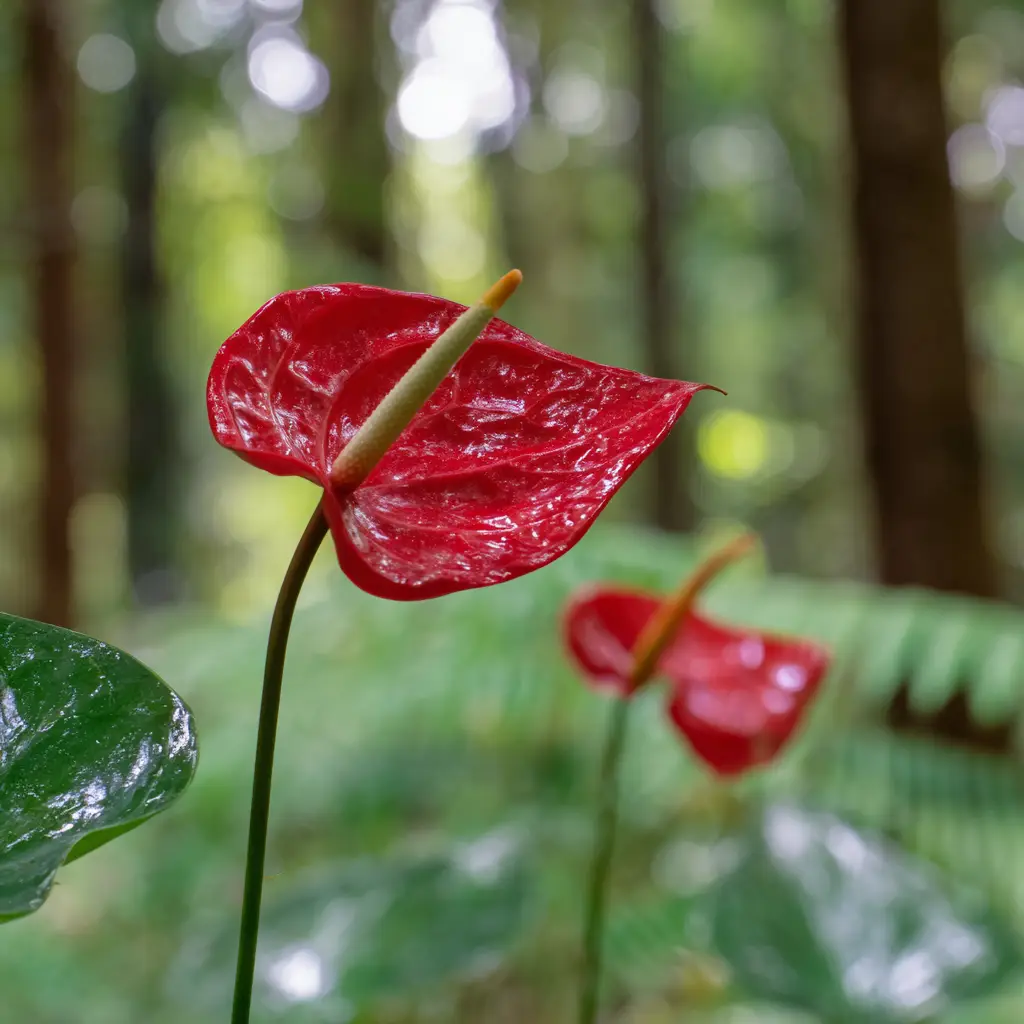
AnthuriumAnthurium andraeanumCool-season bloomer
Cherry and mid red
AnthuriumAnthurium andraeanumCool-season bloomer
8 photos of Anthurium

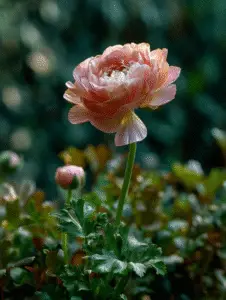
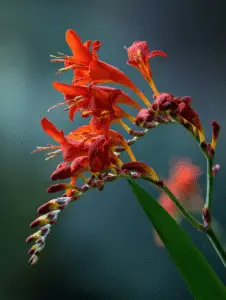
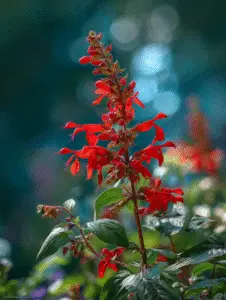 Scarlet
 SageSalvia coccineaSpring bloomer
Scarlet
Scarlet SageSalvia coccineaSpring bloomer
8 photos of Scarlet Sage


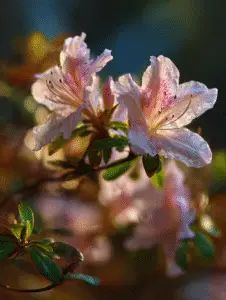 Crimson
AzaleaRhododendron spp.Spring bloomer
Crimson
AzaleaRhododendron spp.Spring bloomer
8 photos of Azalea
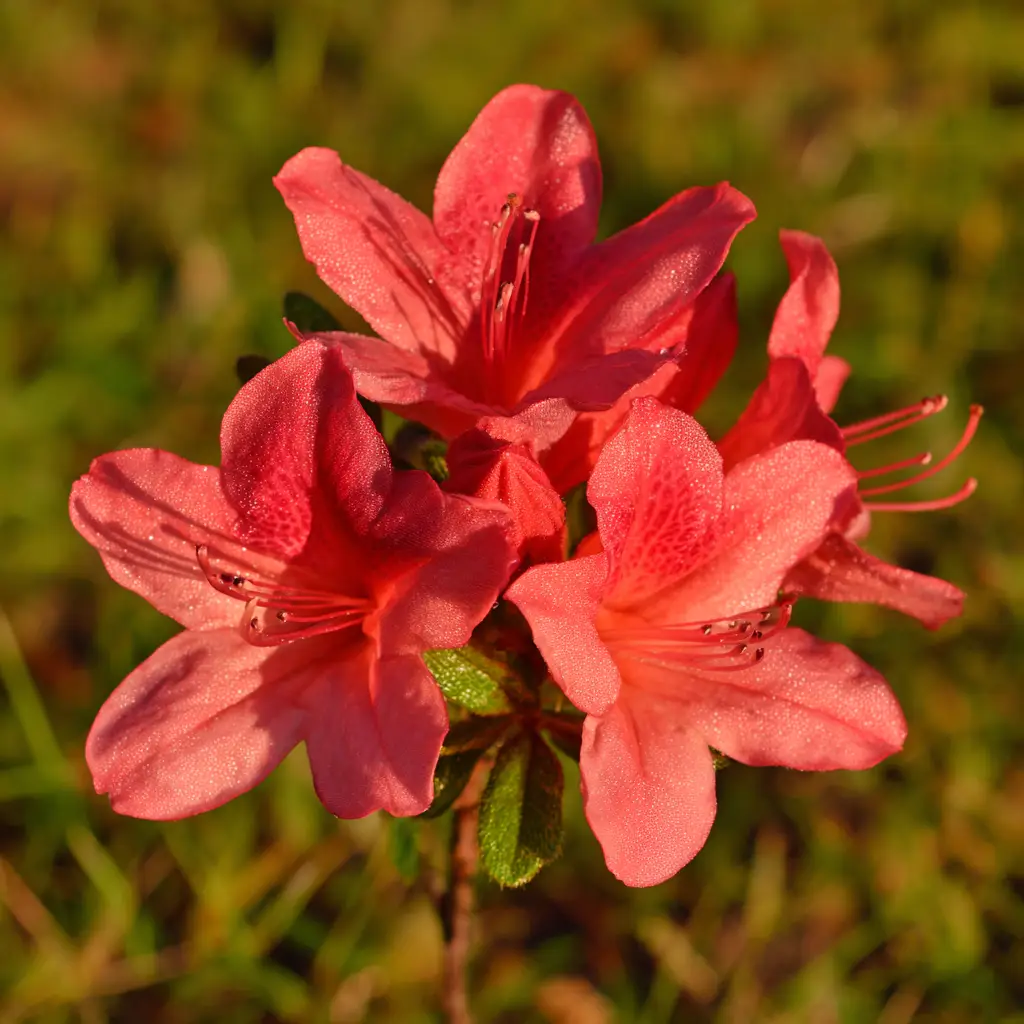
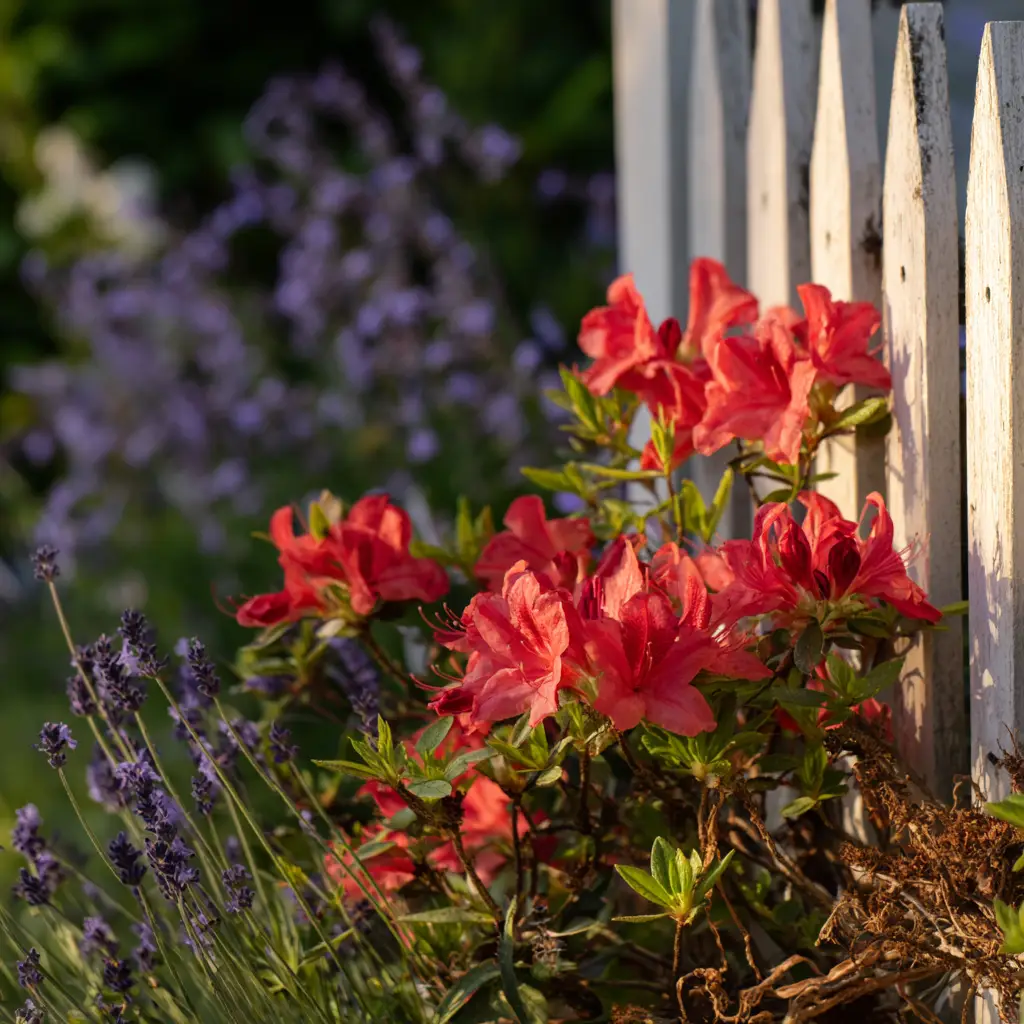
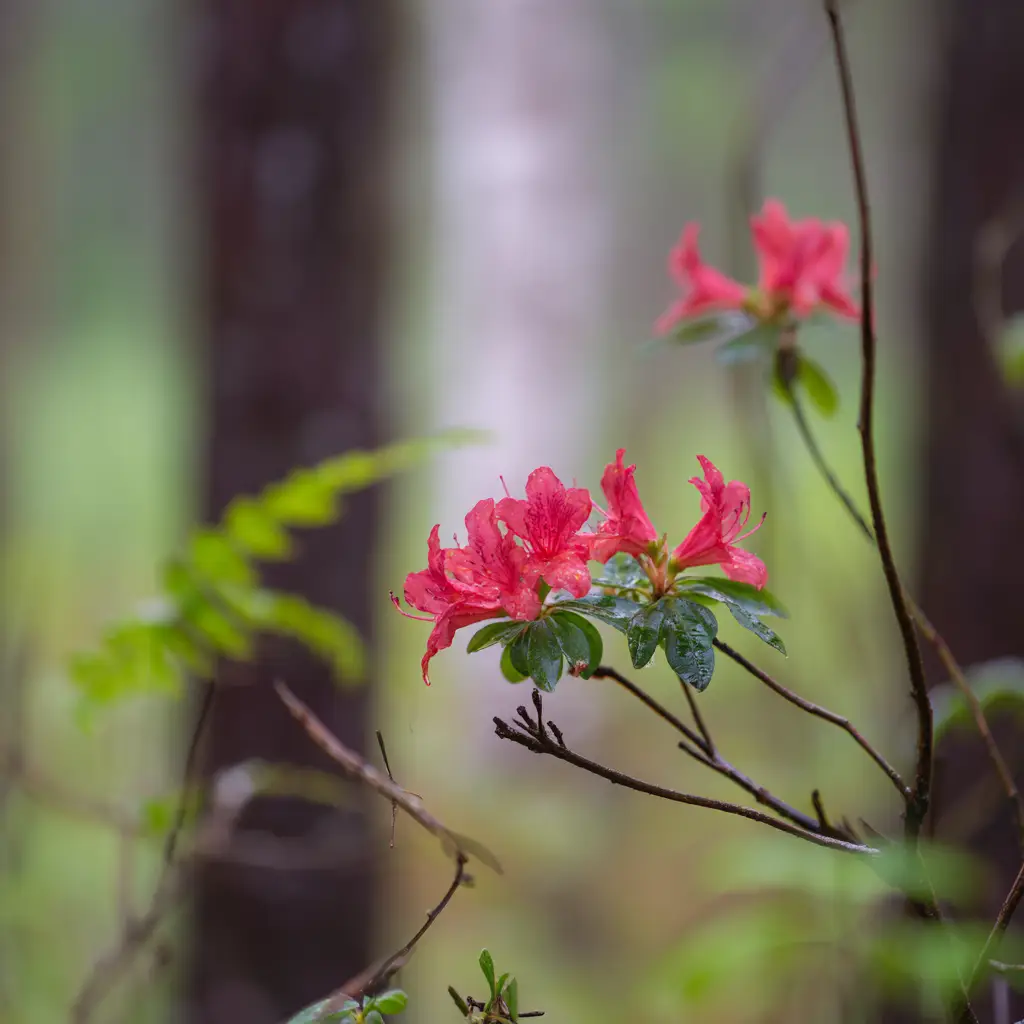
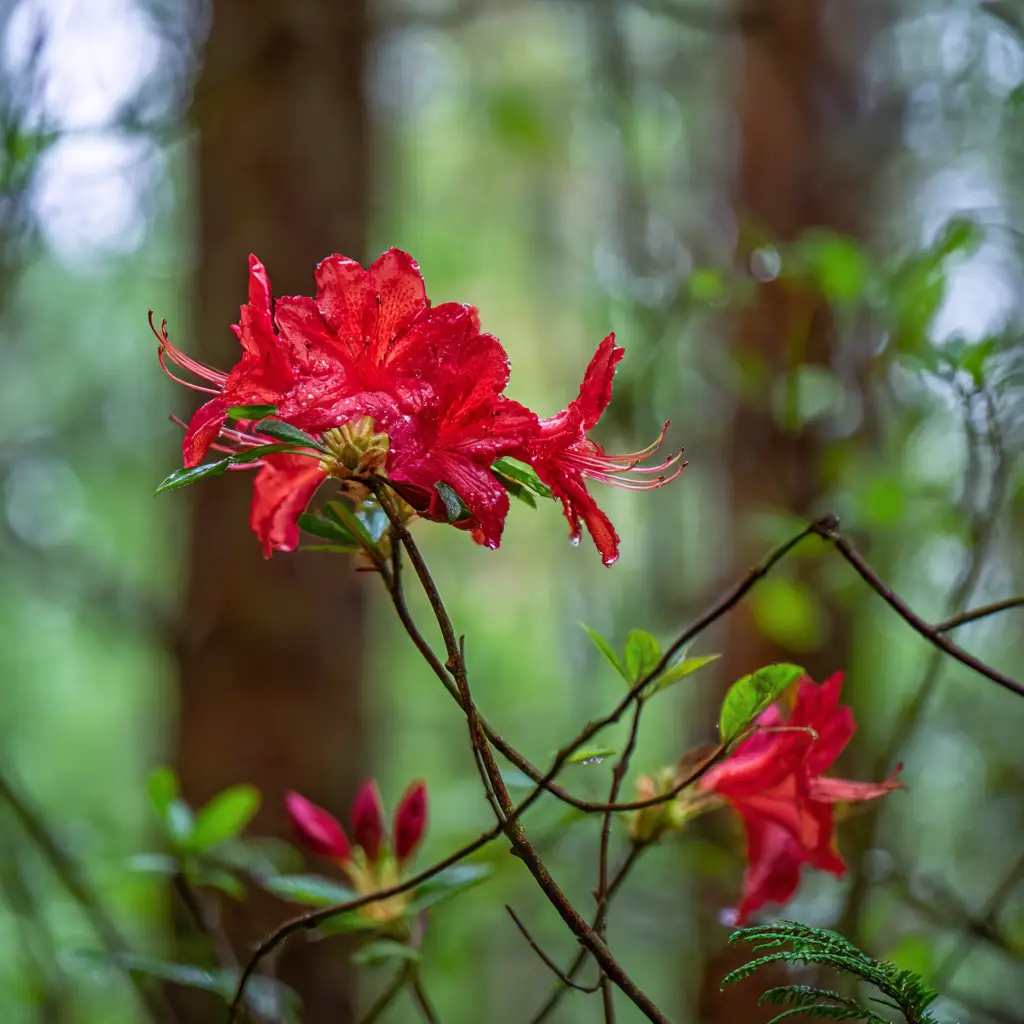
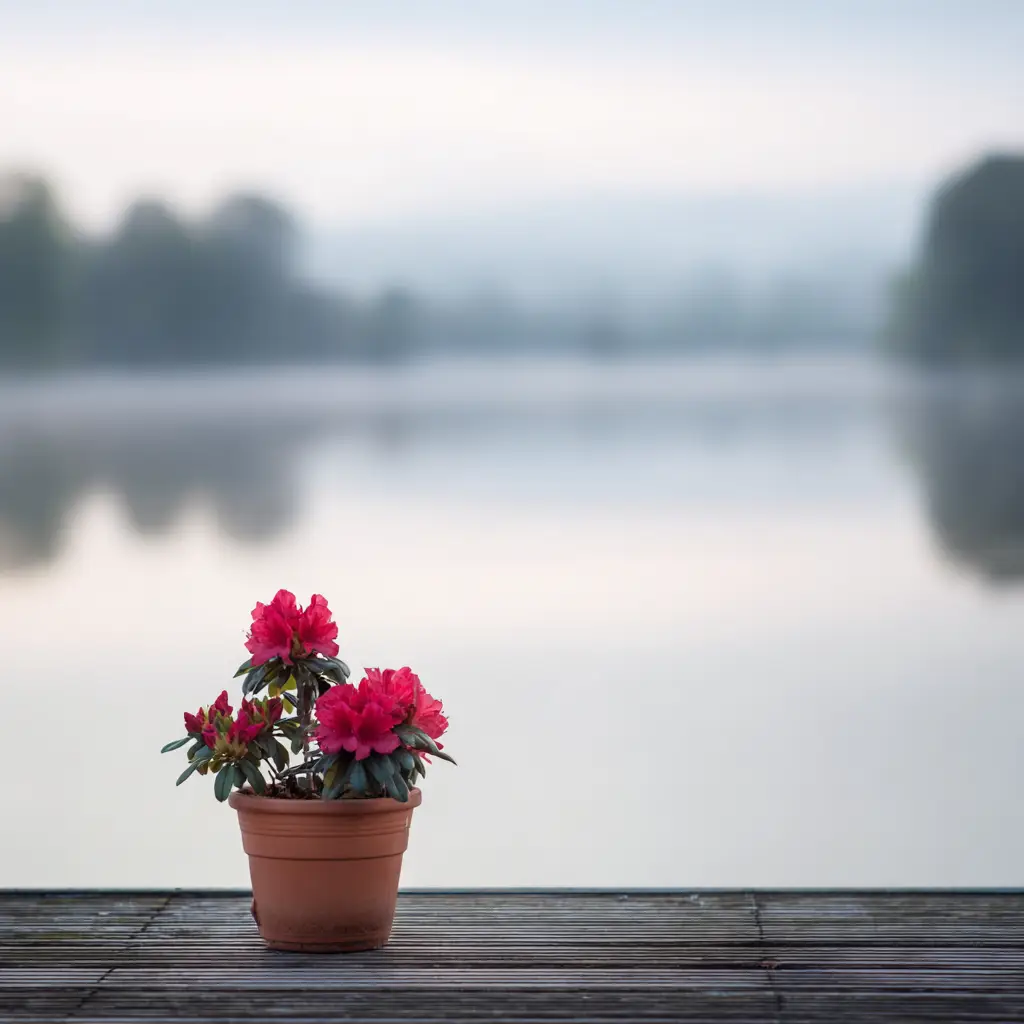
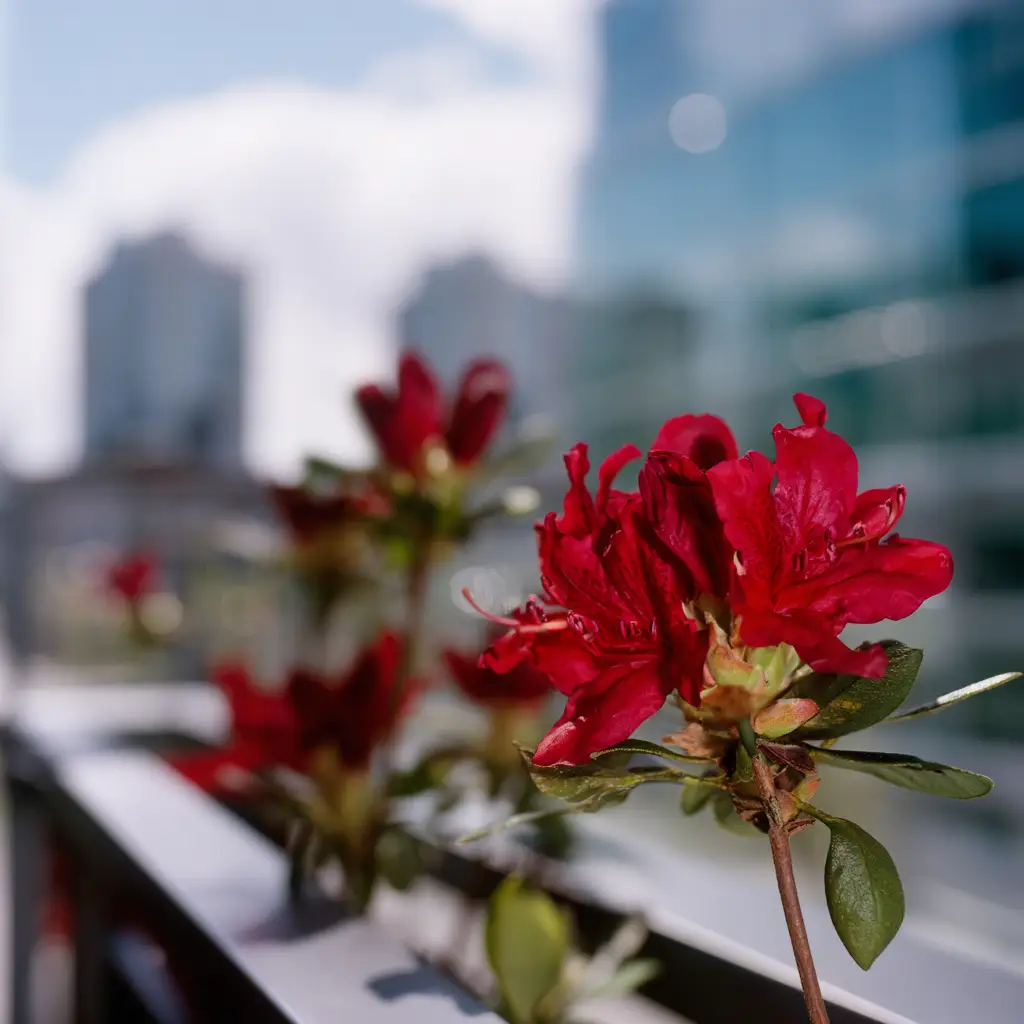
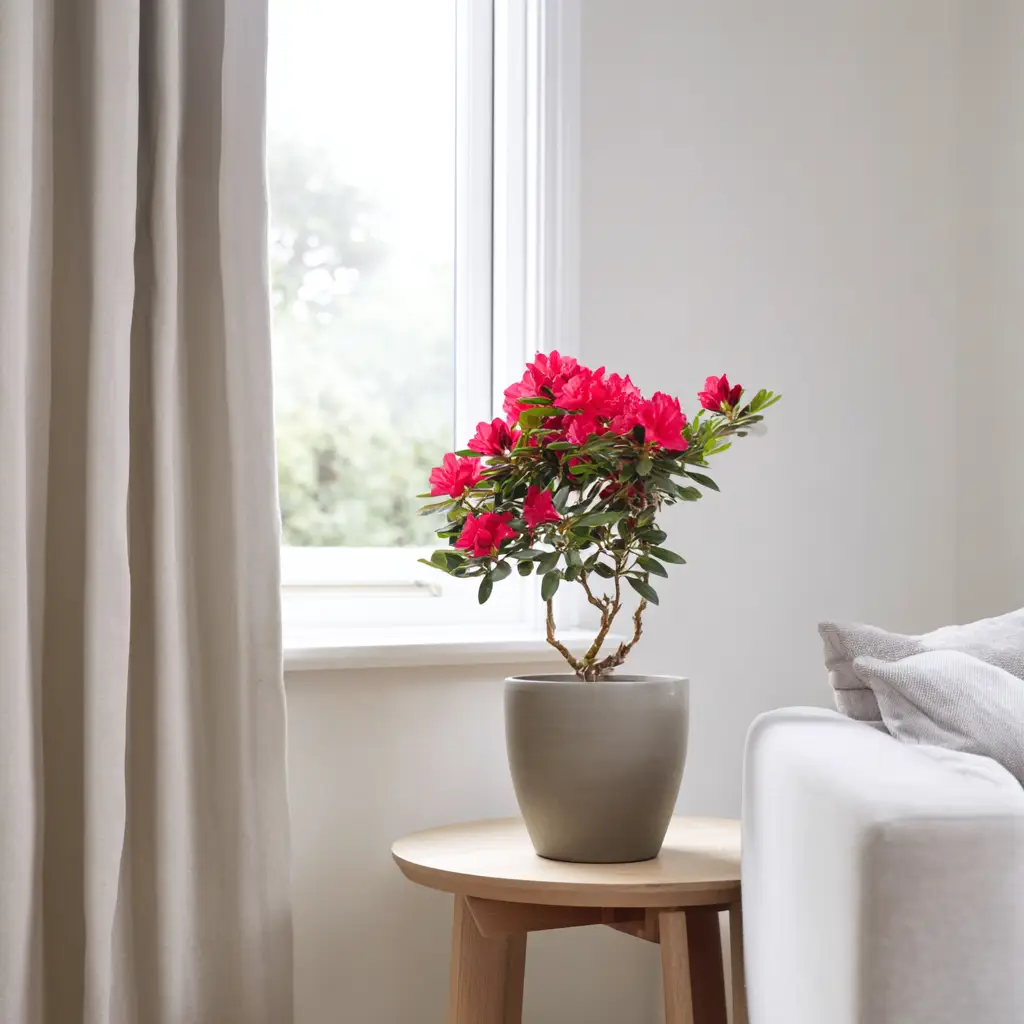
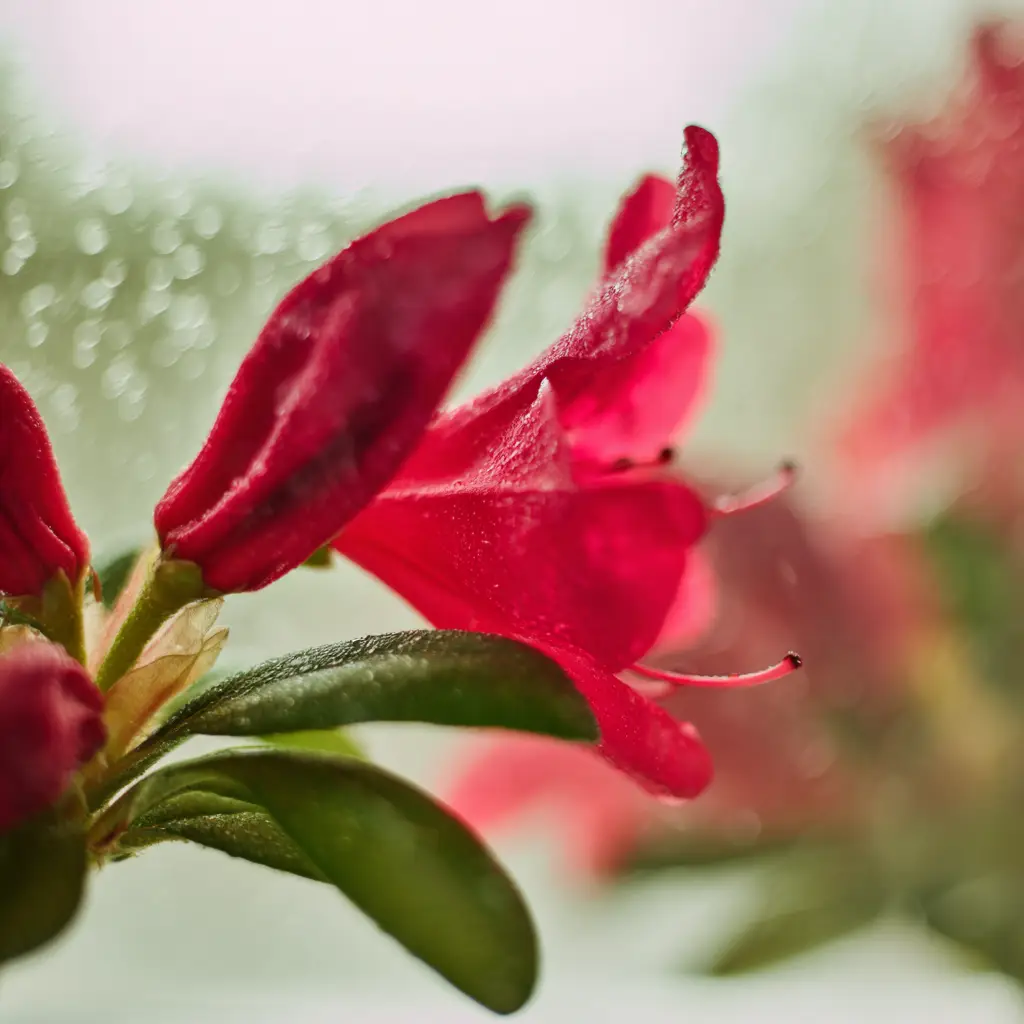
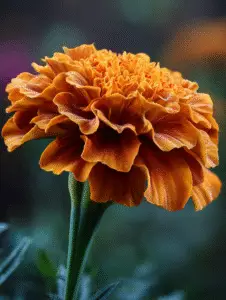
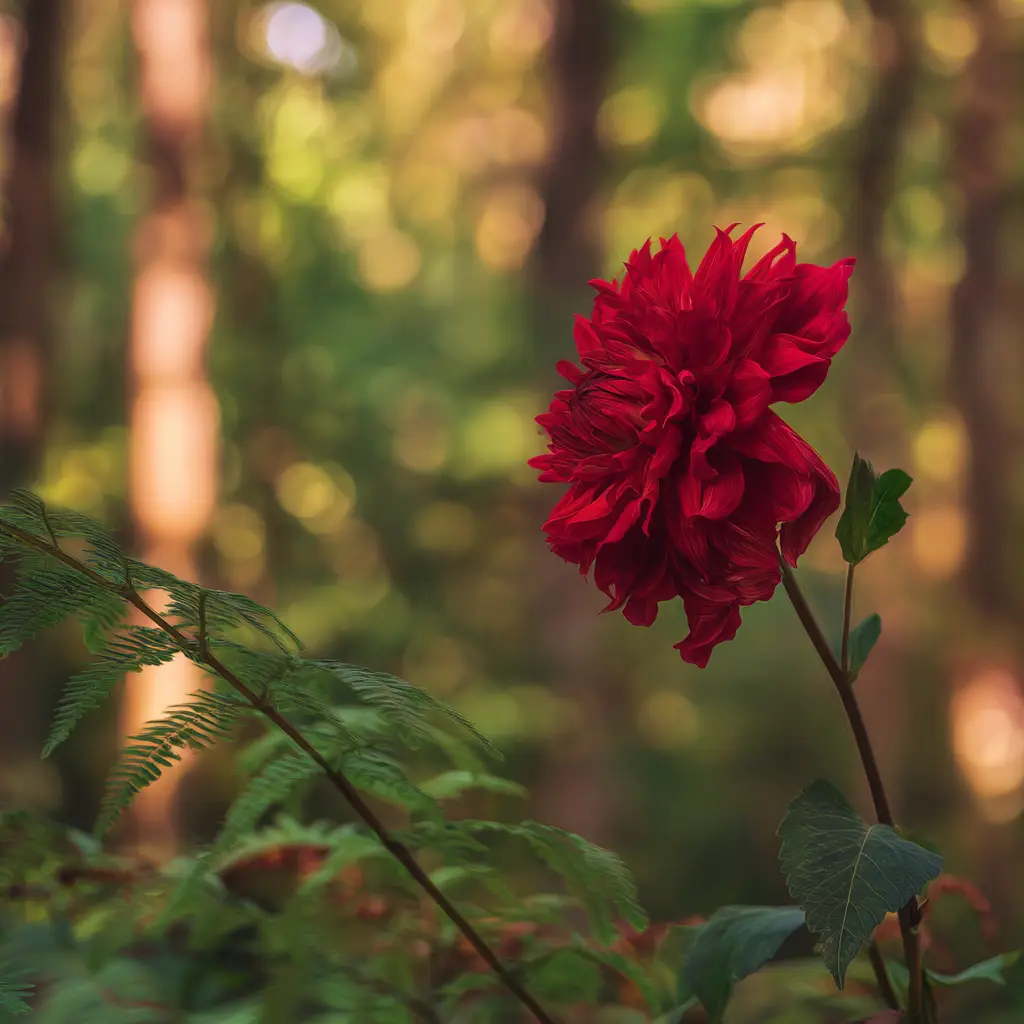
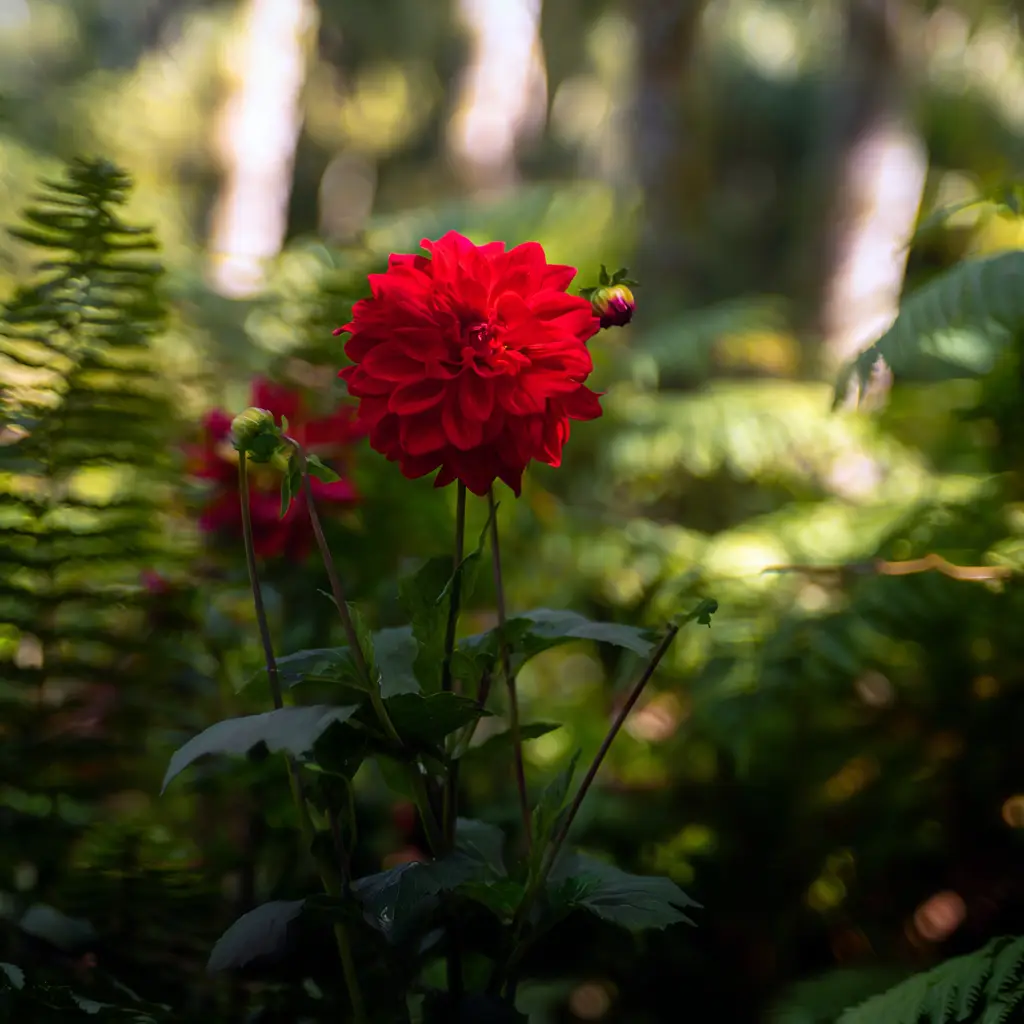
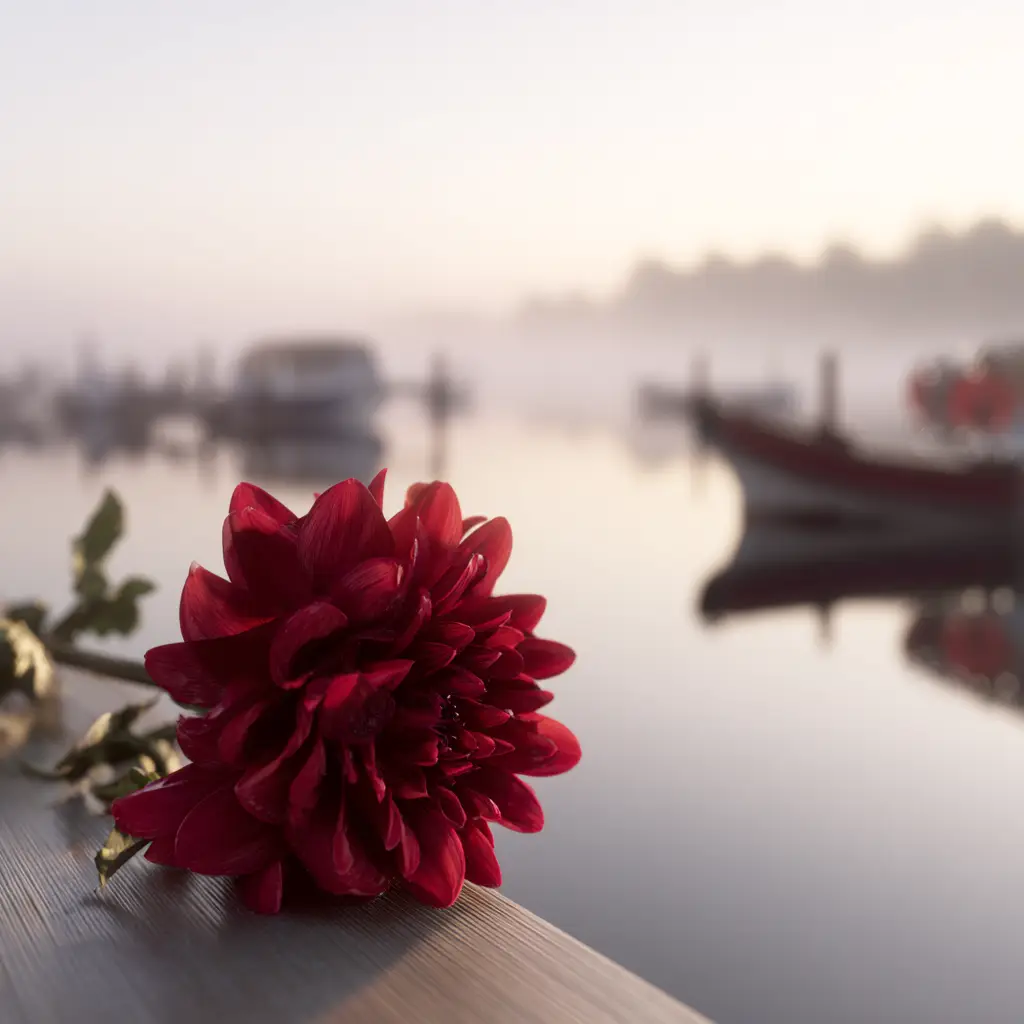
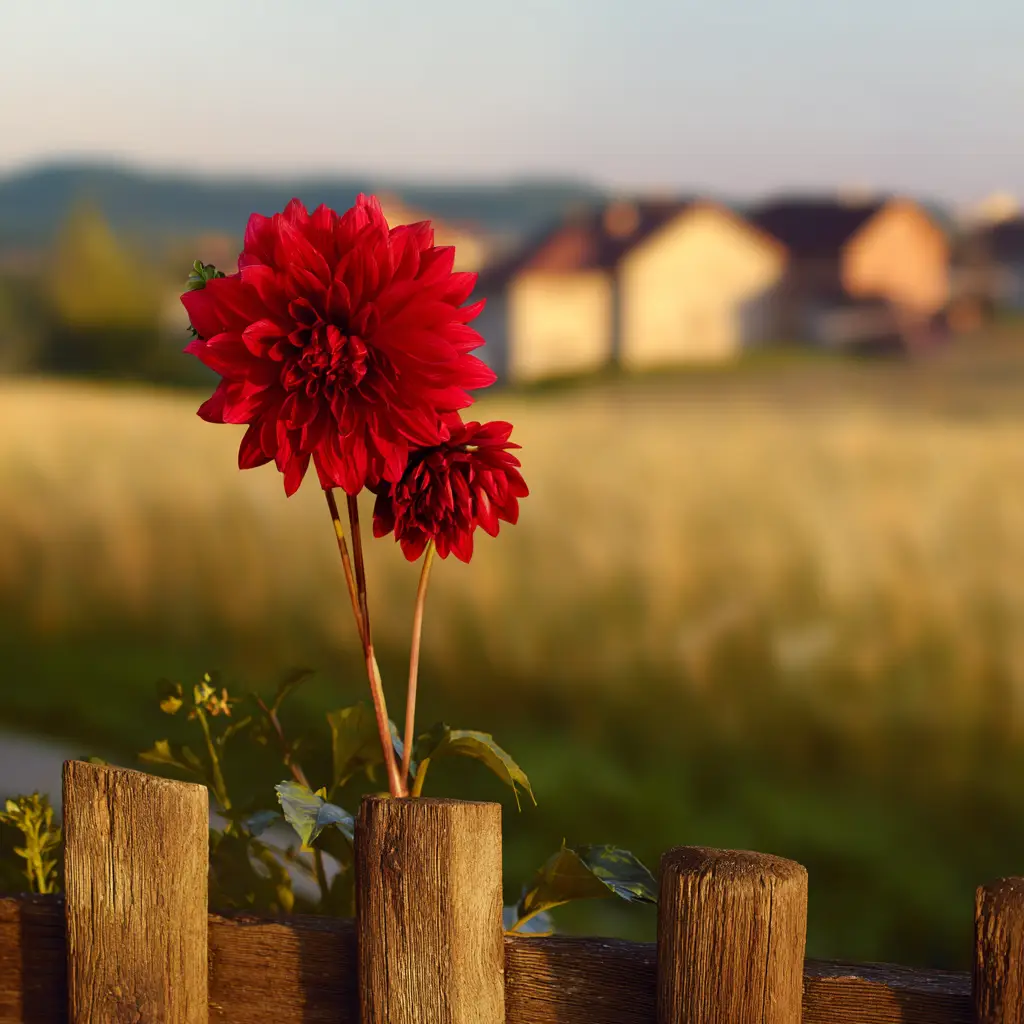
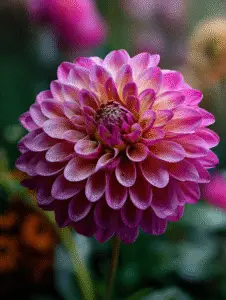 Crimson
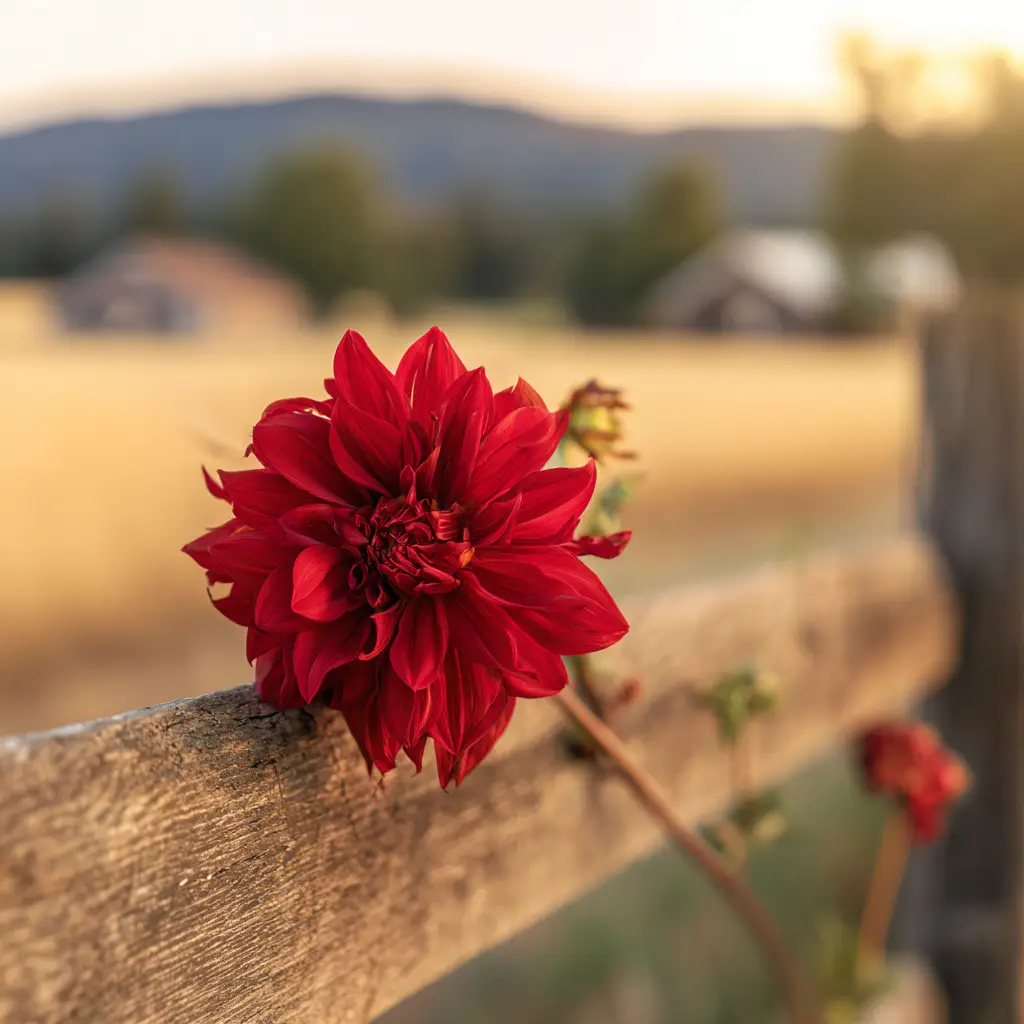
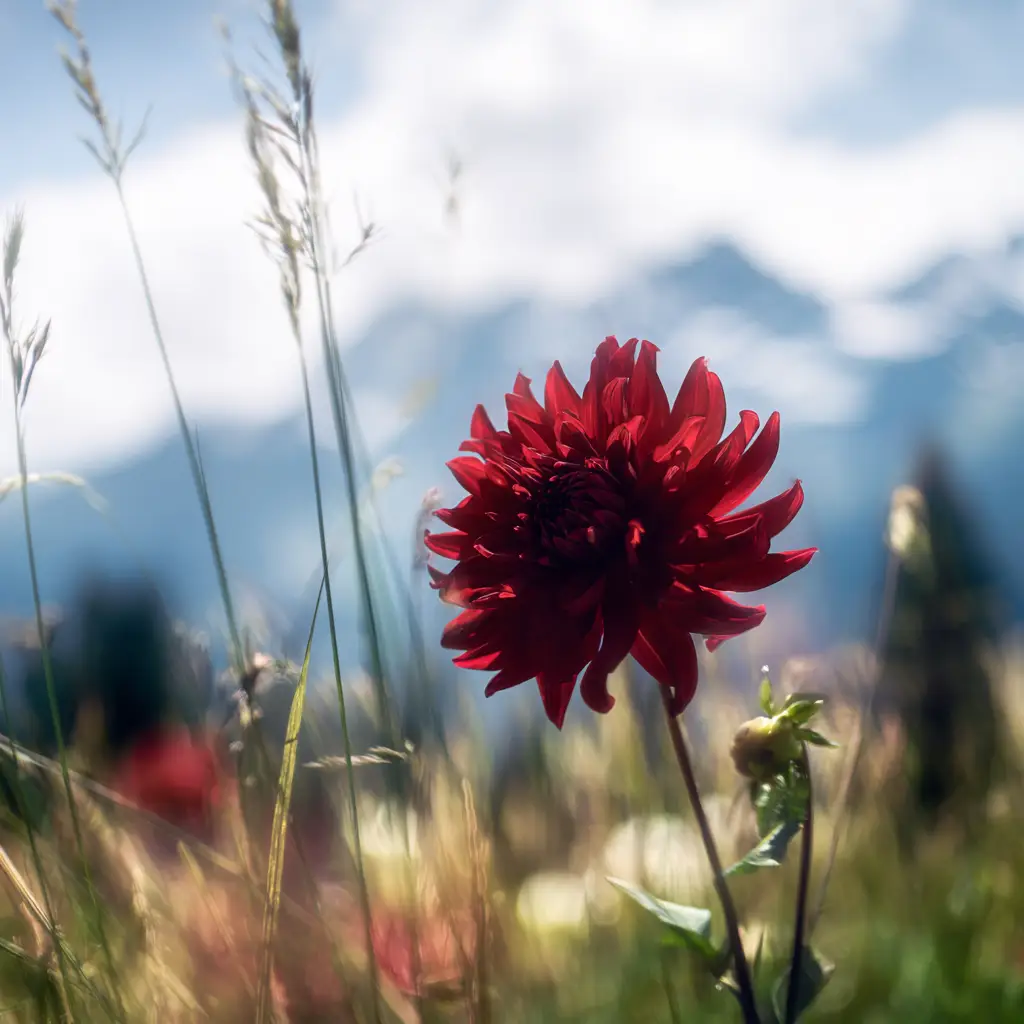
DahliaDahlia pinnataSummer bloomer
Crimson
DahliaDahlia pinnataSummer bloomer
8 photos of Dahlia
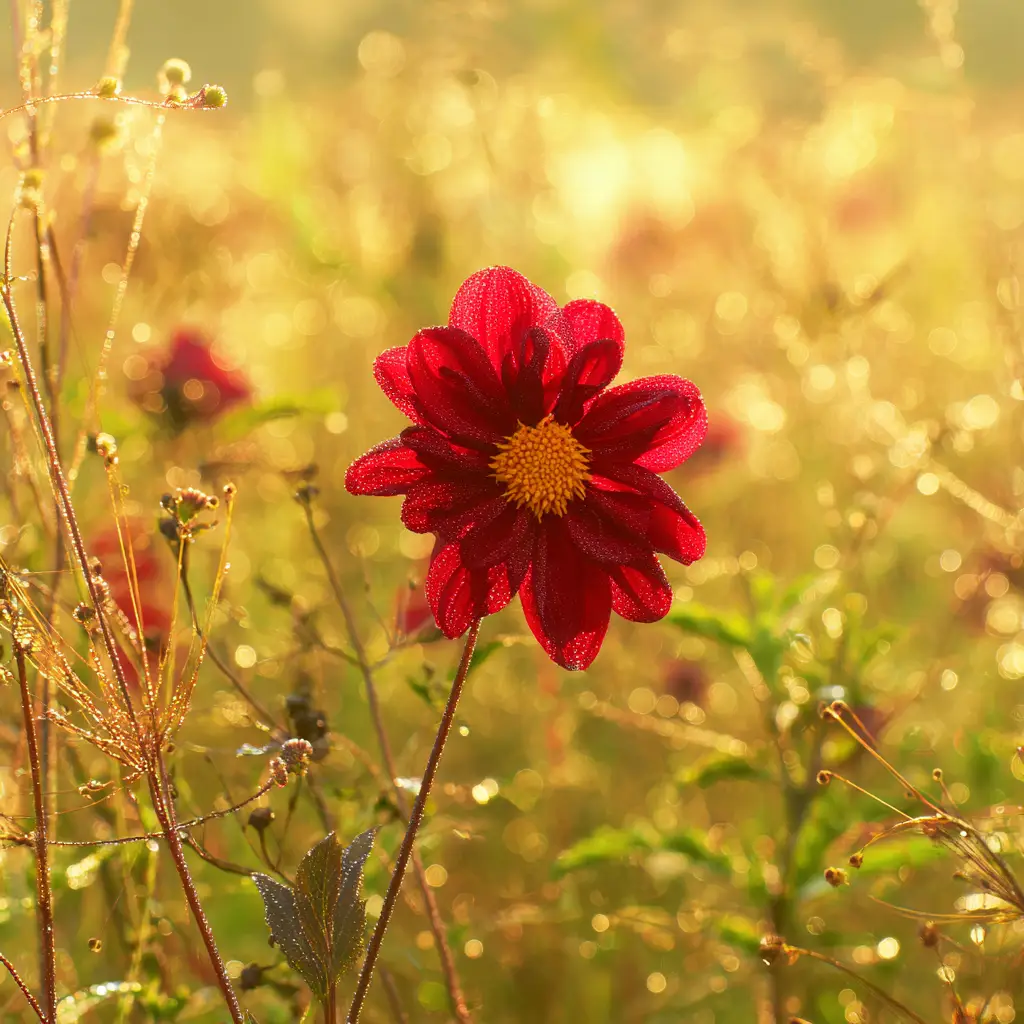
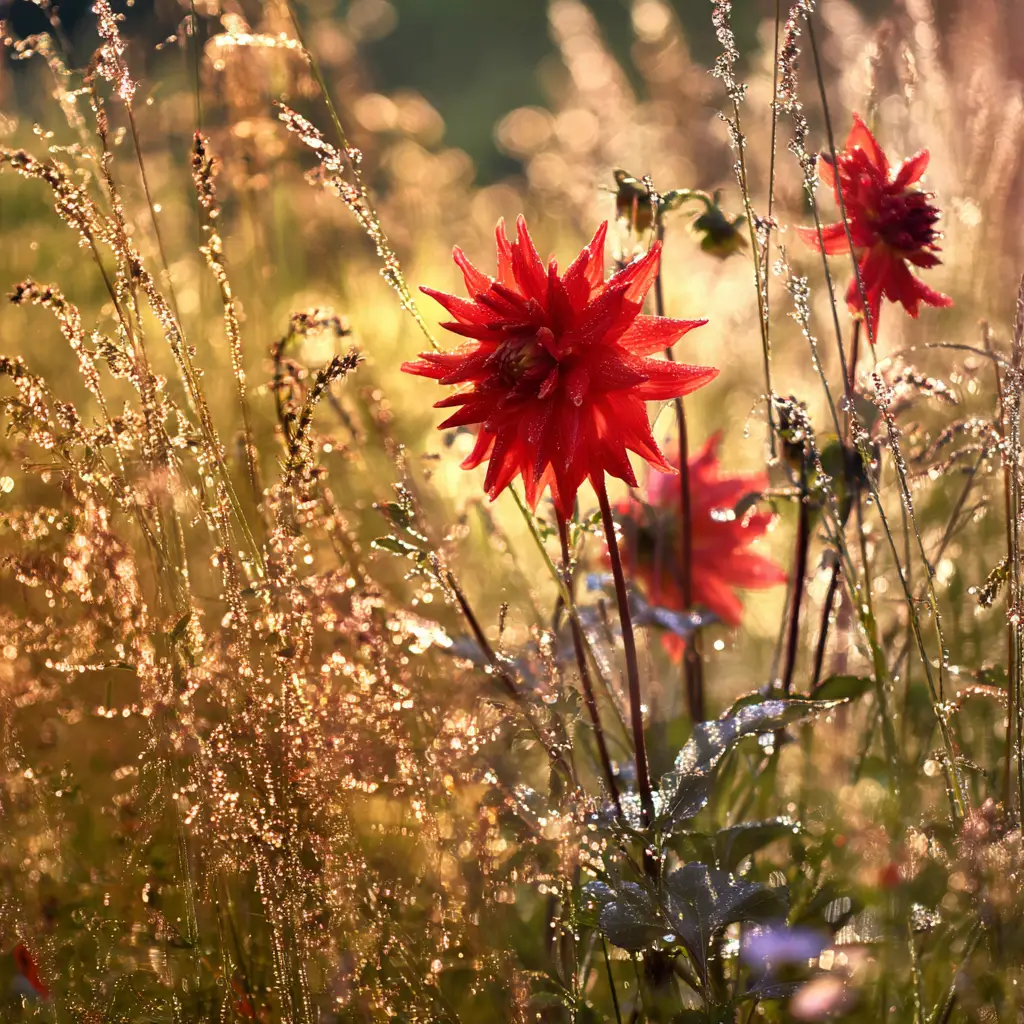
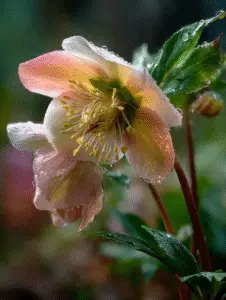 Crimson
Lenten Rose (Hellebore)Helleborus × hybridus (syn. H. orientalis hybrids)Cool-season bloomer
Crimson
Lenten Rose (Hellebore)Helleborus × hybridus (syn. H. orientalis hybrids)Cool-season bloomer
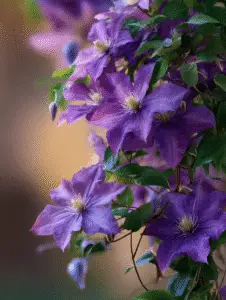
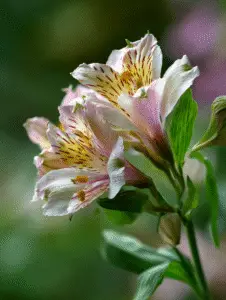 Cherry and mid red
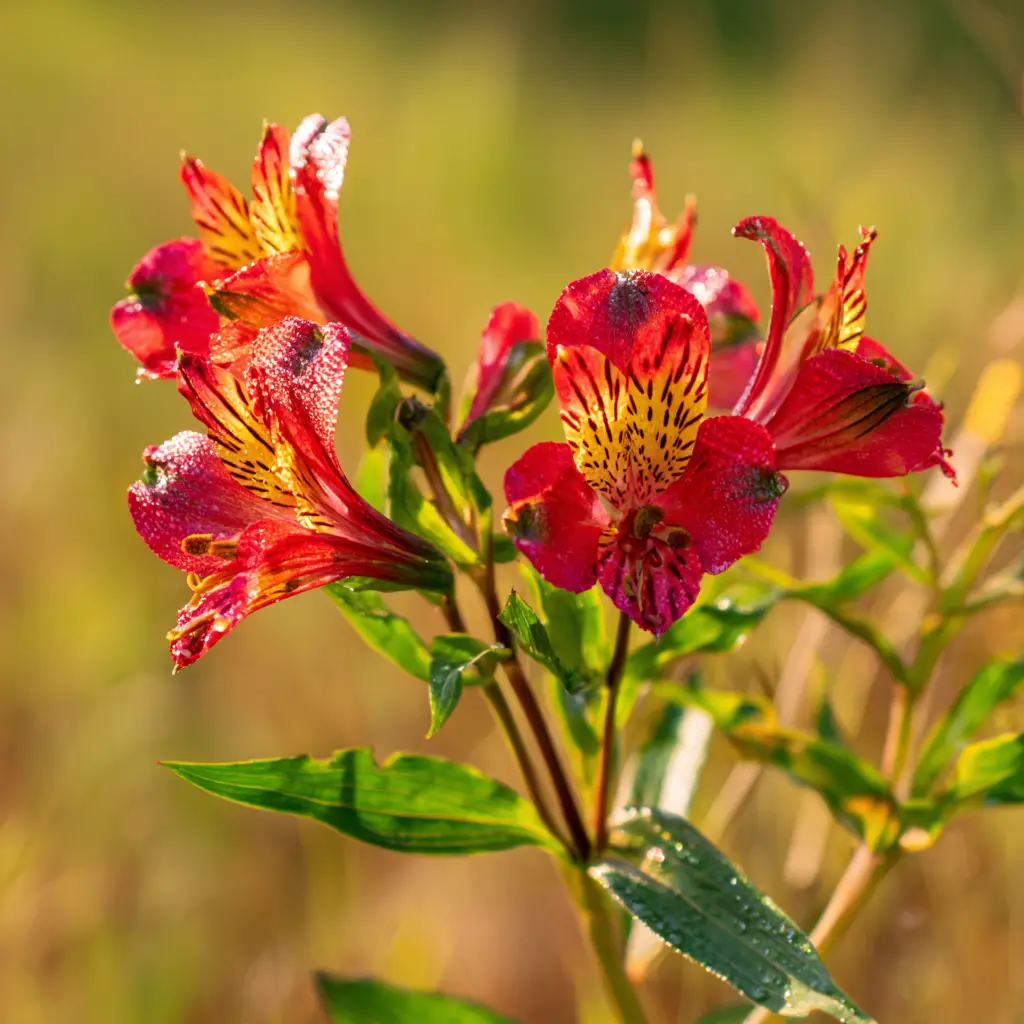
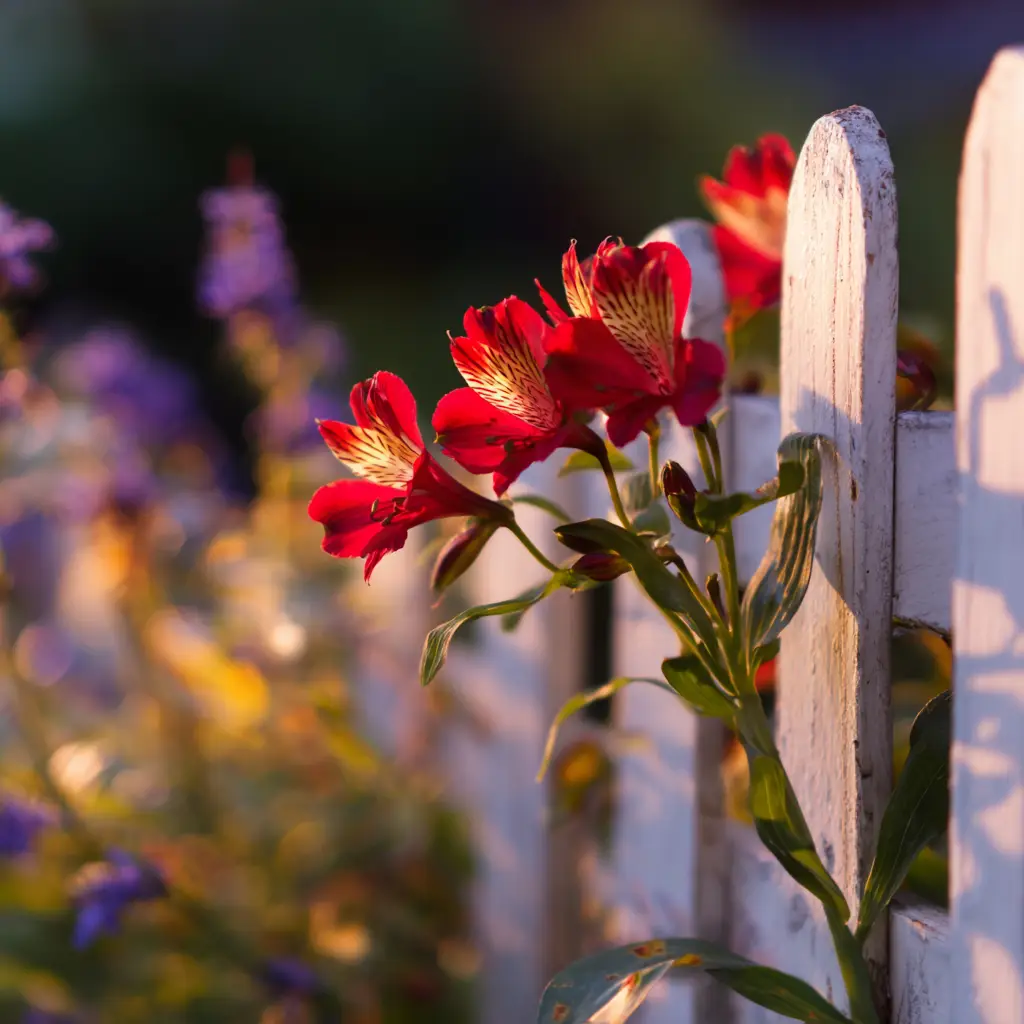
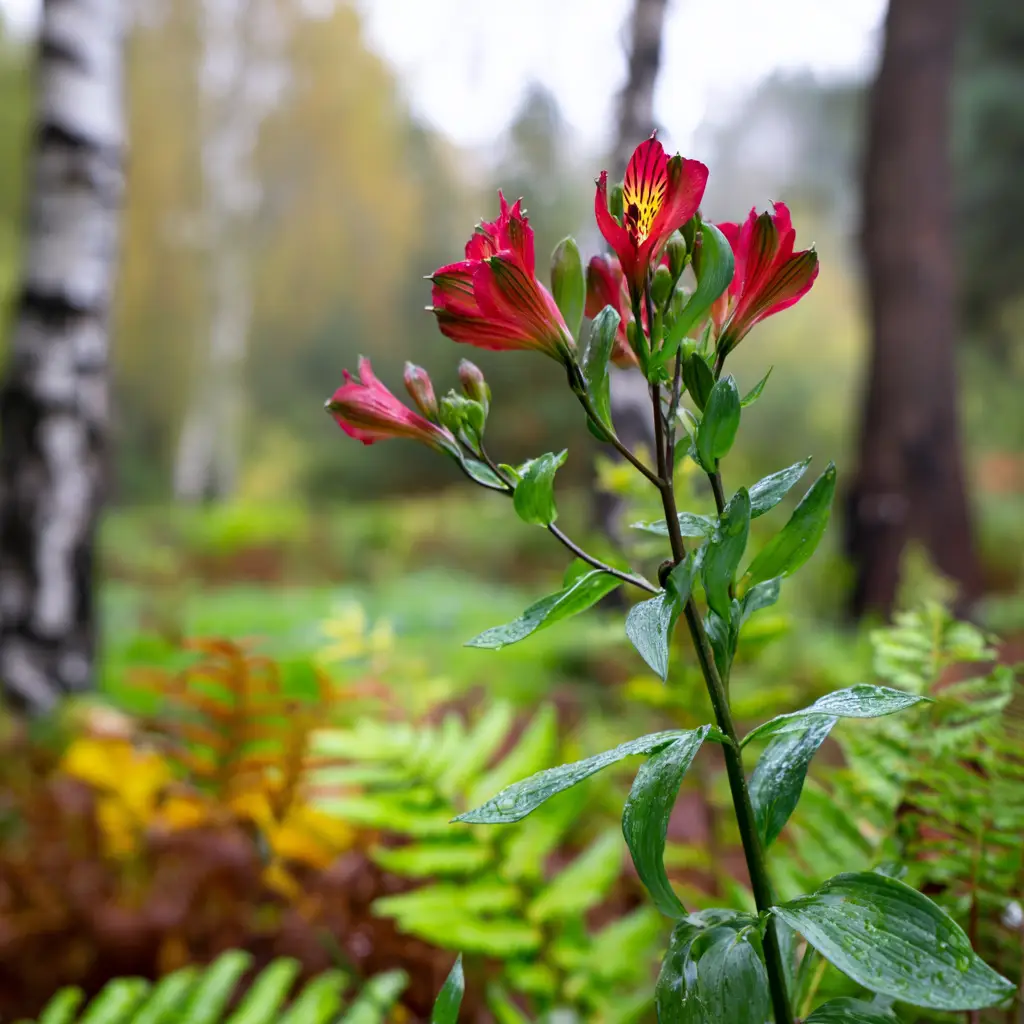
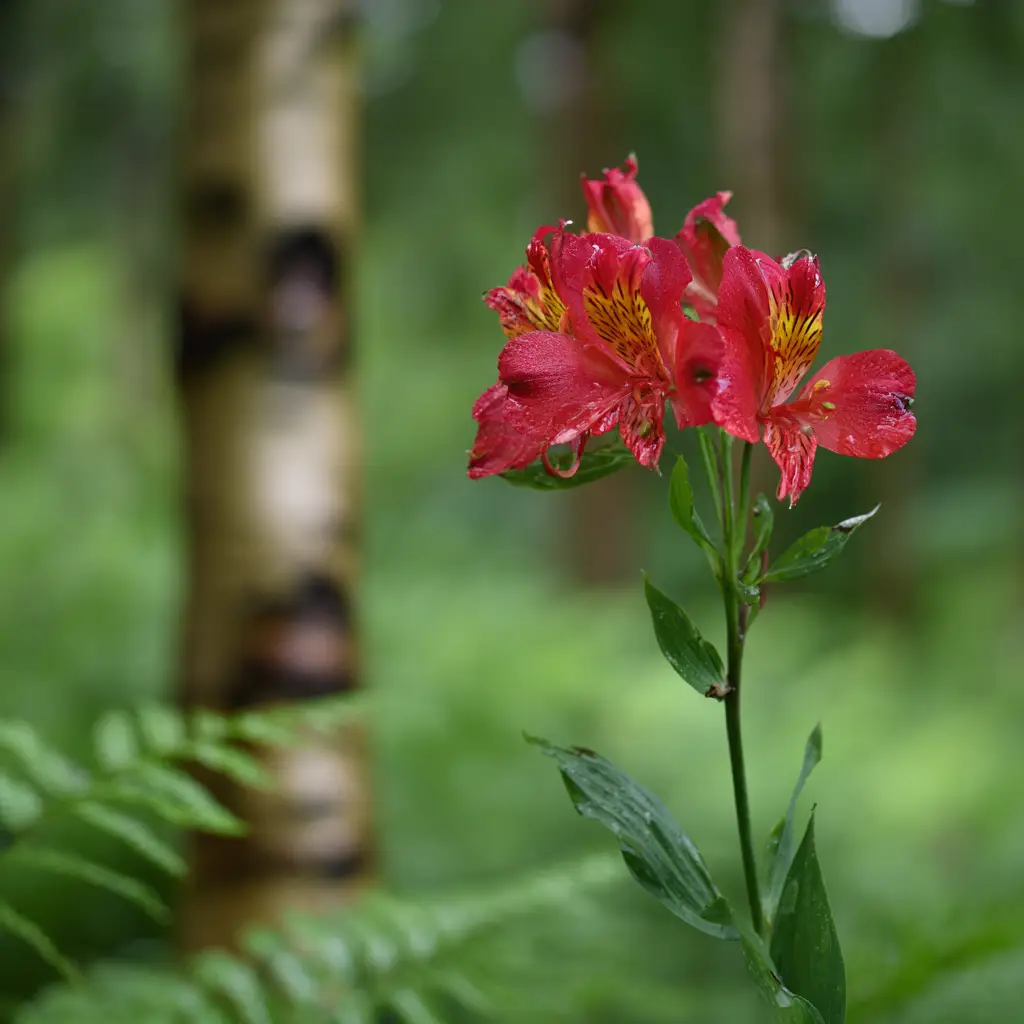
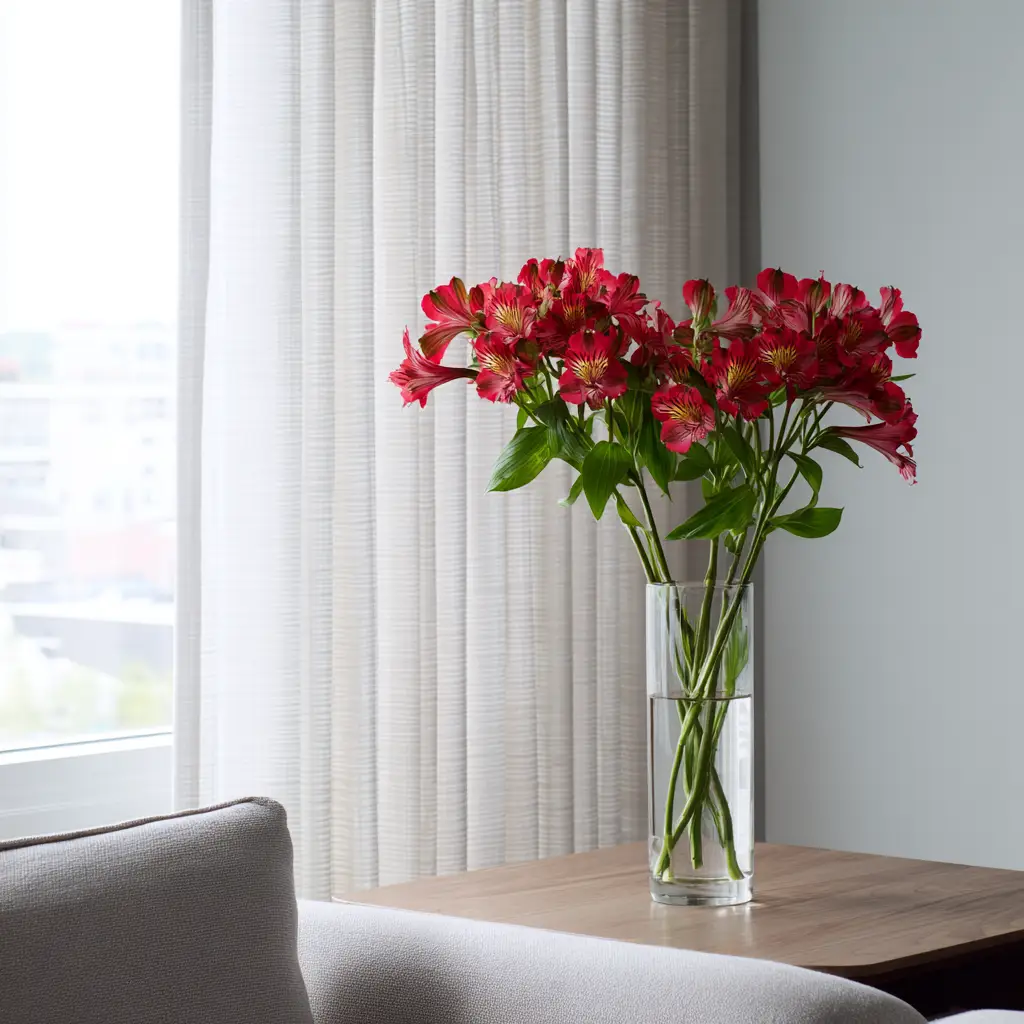
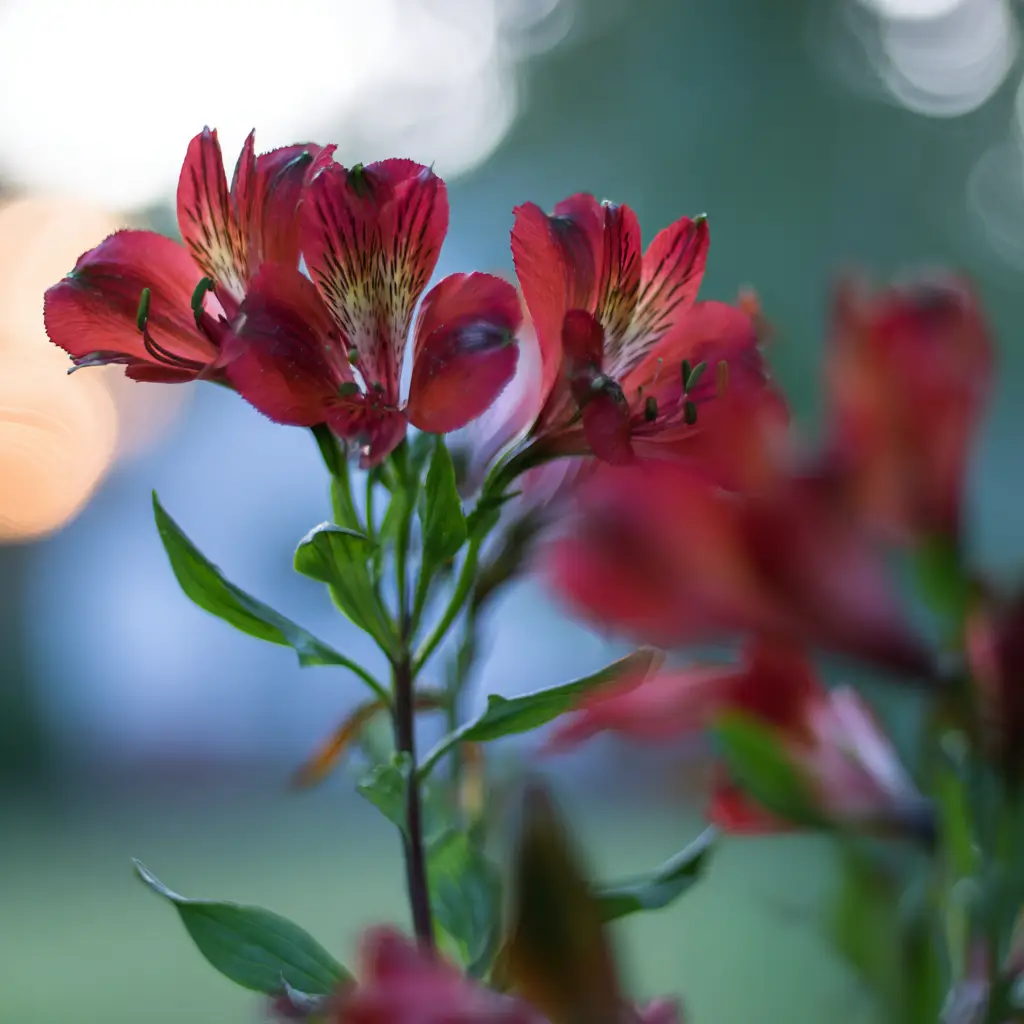
AlstroemeriaAlstroemeria aureaSpring bloomer
Cherry and mid red
AlstroemeriaAlstroemeria aureaSpring bloomer
8 photos of Alstroemeria
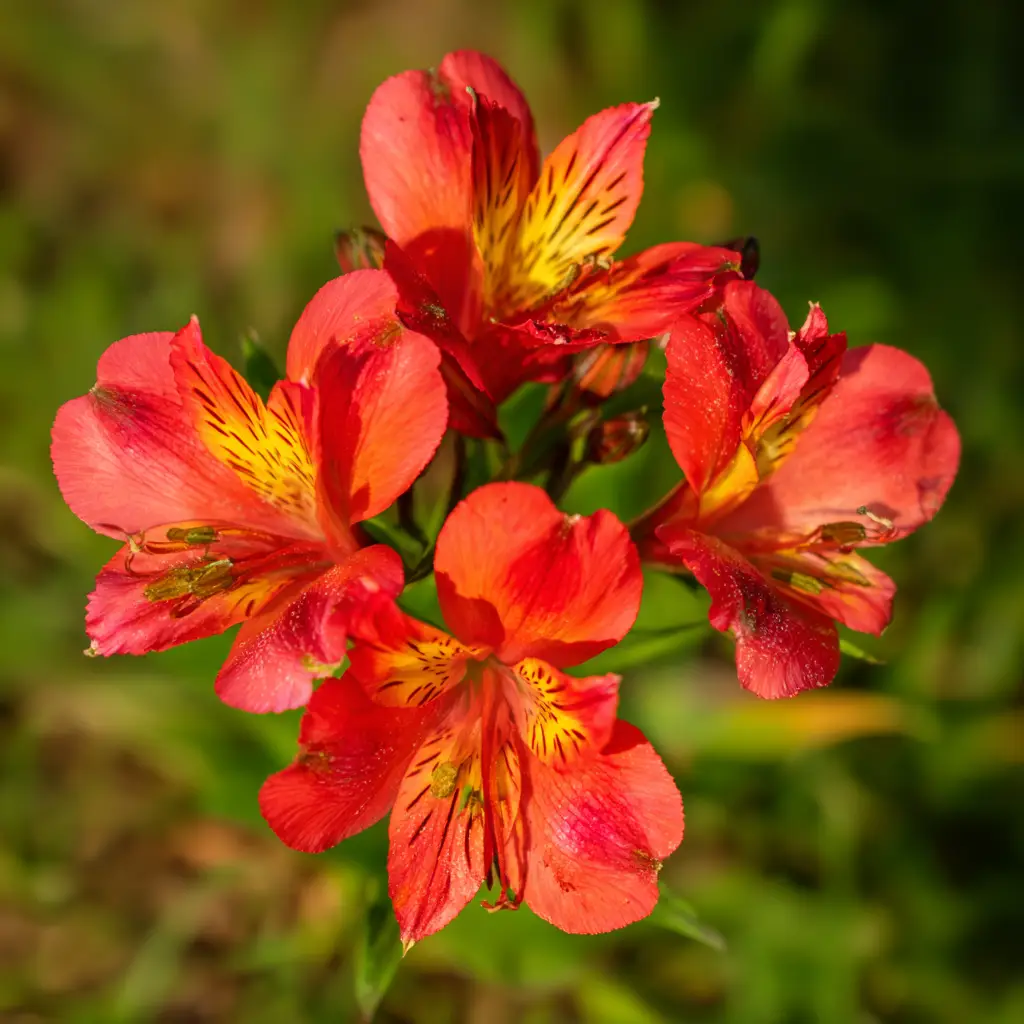

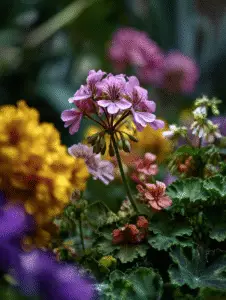 Scarlet
GeraniumPelargonium x hortorumSummer bloomer
Scarlet
GeraniumPelargonium x hortorumSummer bloomer
8 photos of Geranium


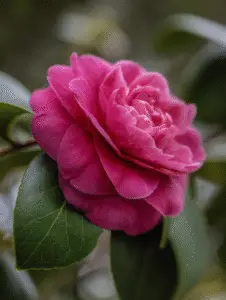 Crimson
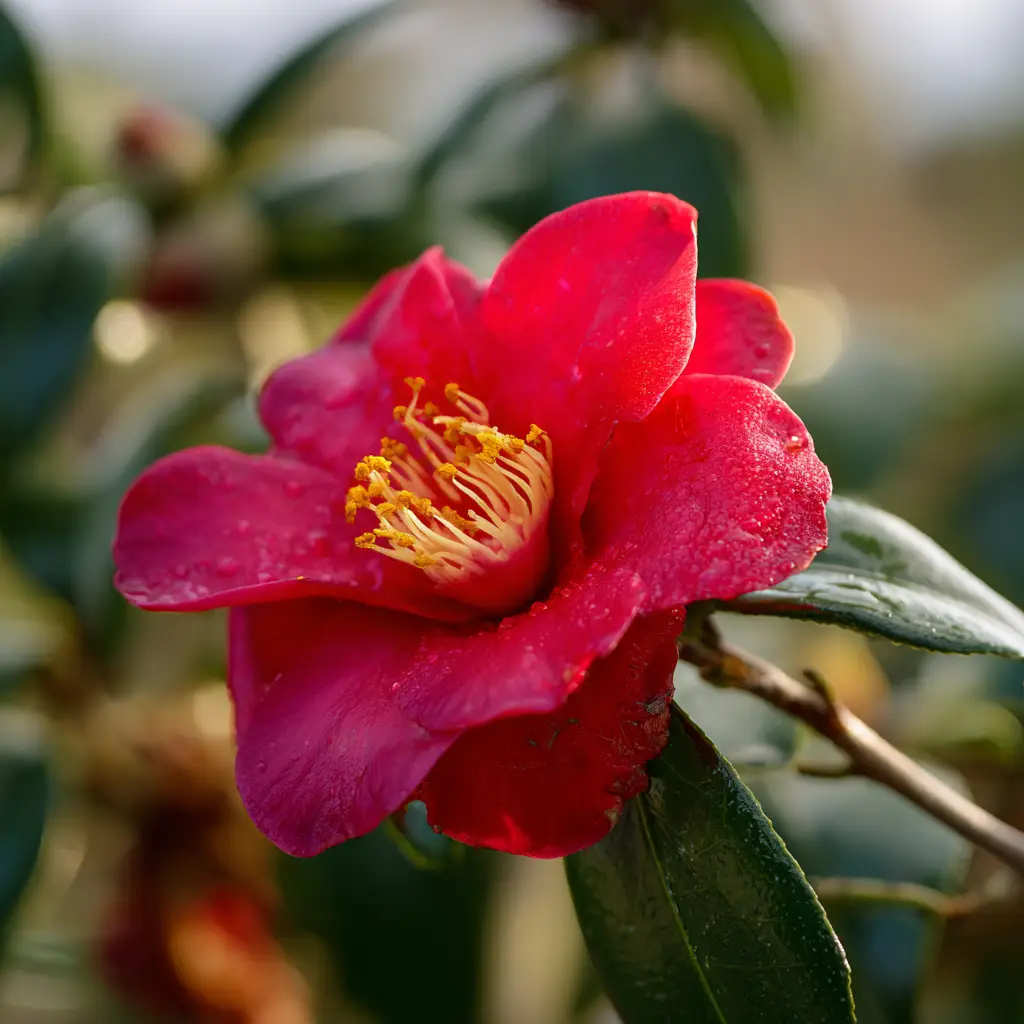
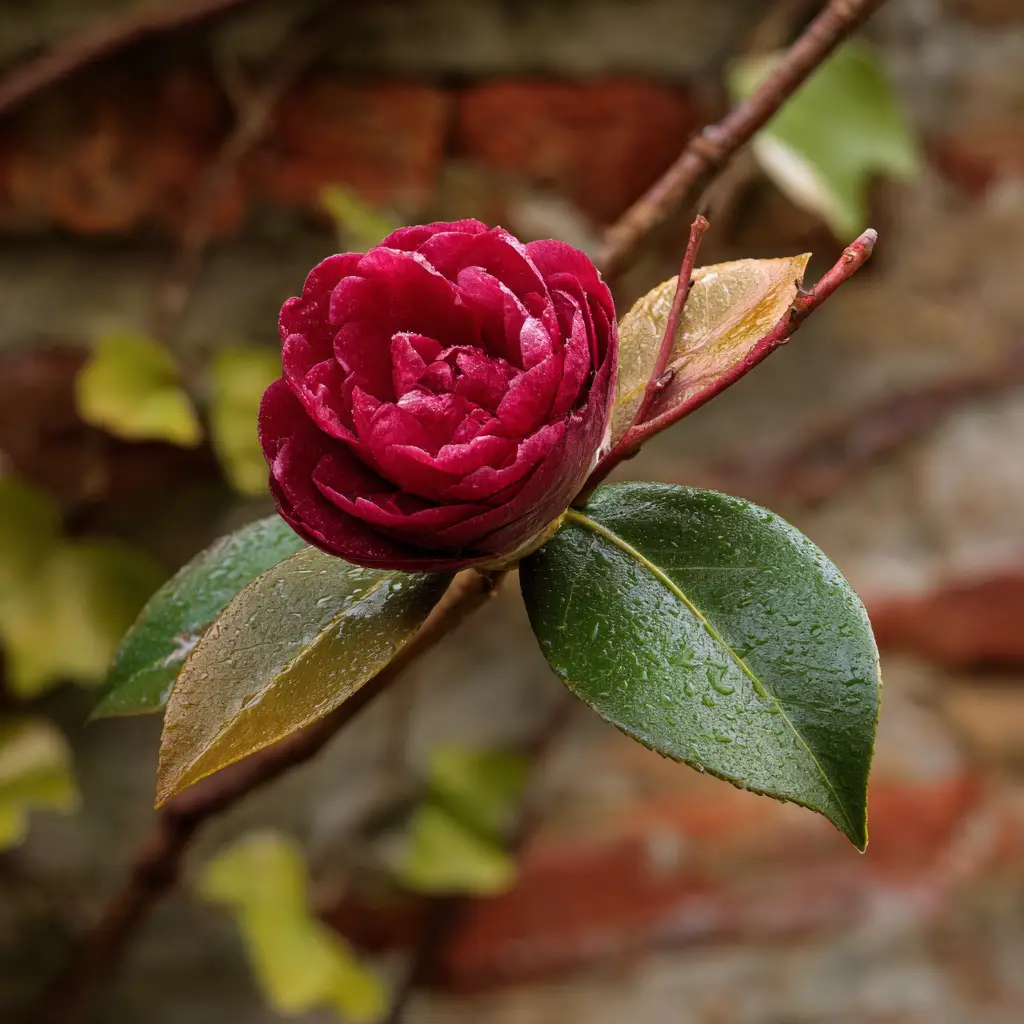
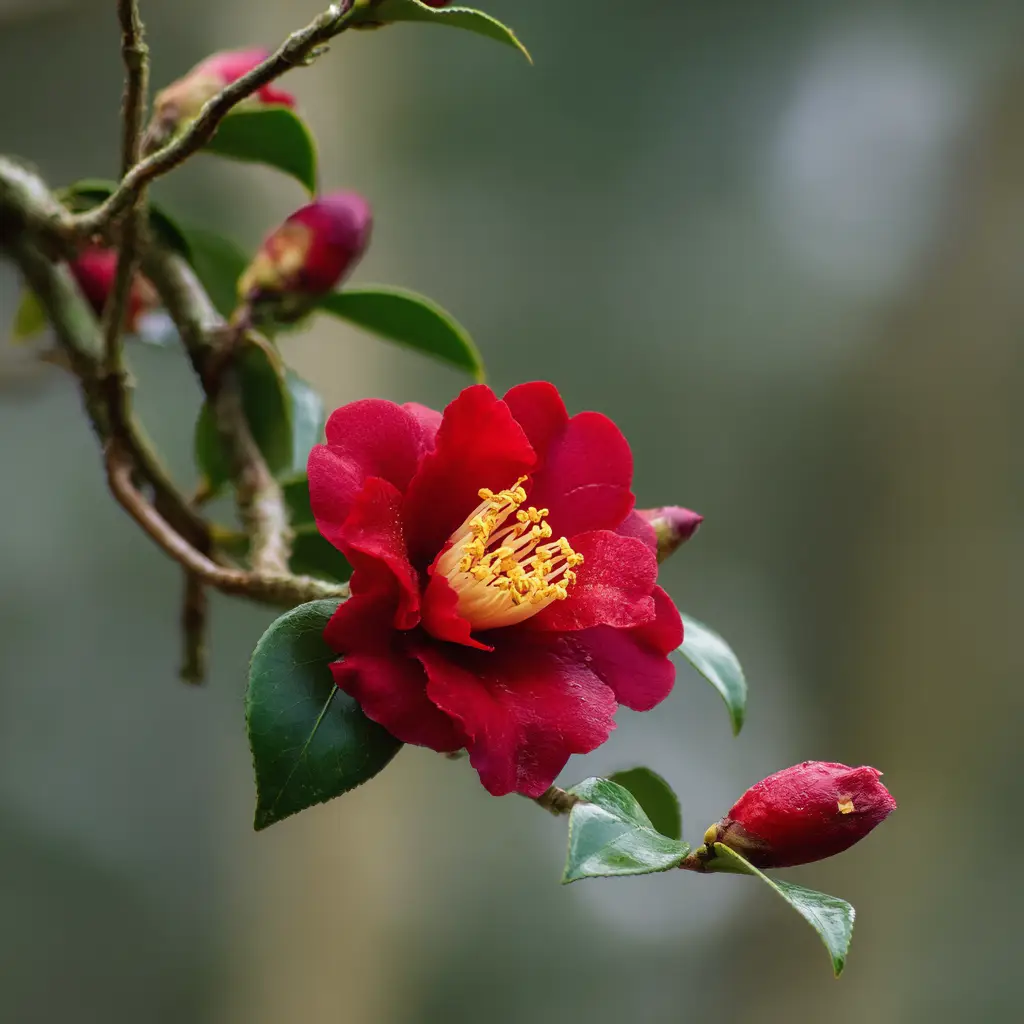
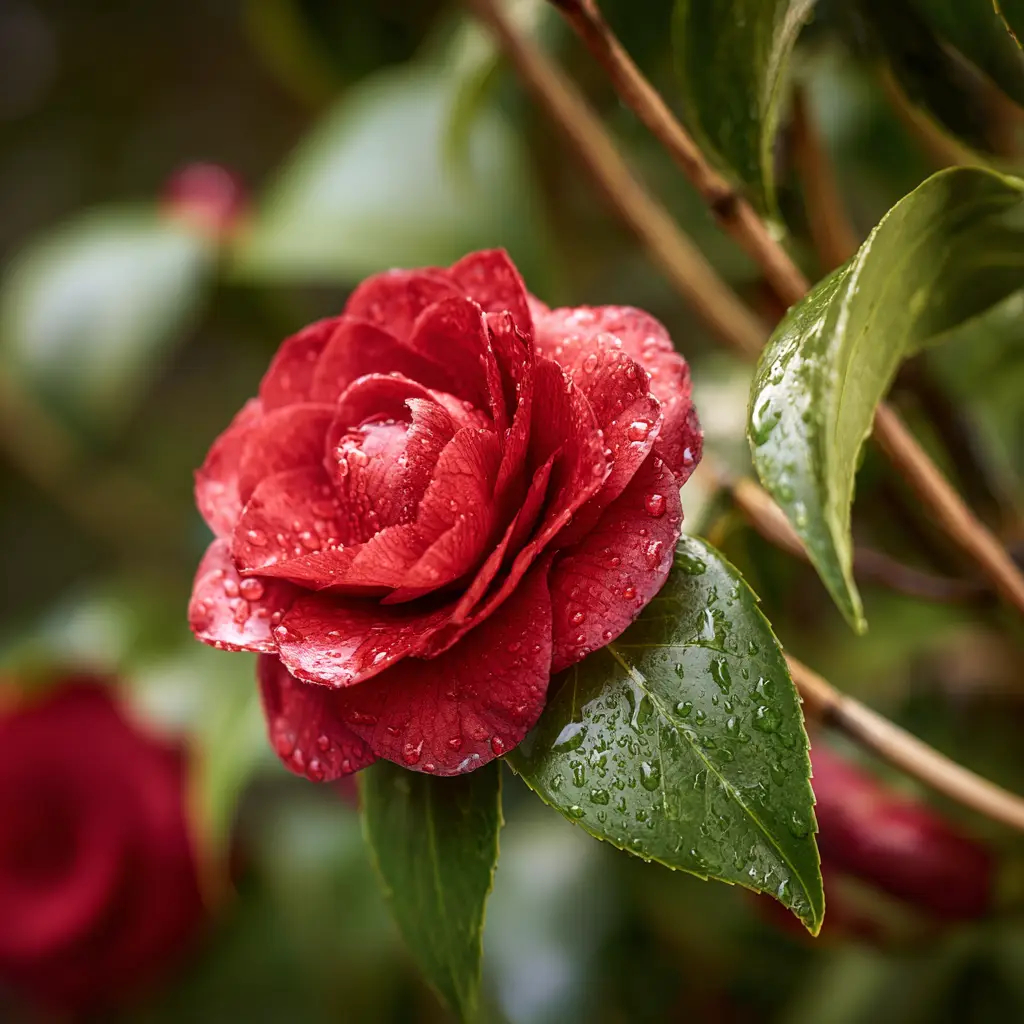
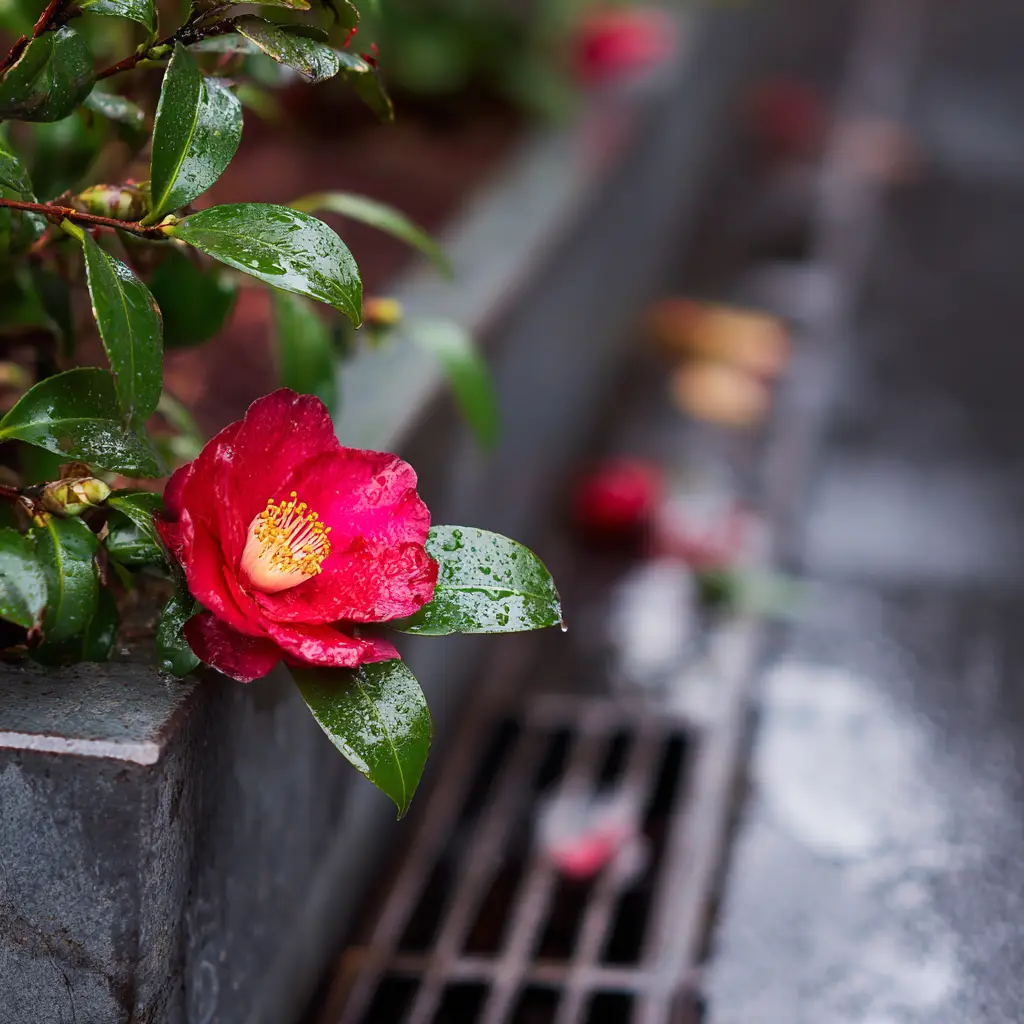
CamelliaCamellia japonicaCool-season bloomer
Crimson
CamelliaCamellia japonicaCool-season bloomer
8 photos of Camellia
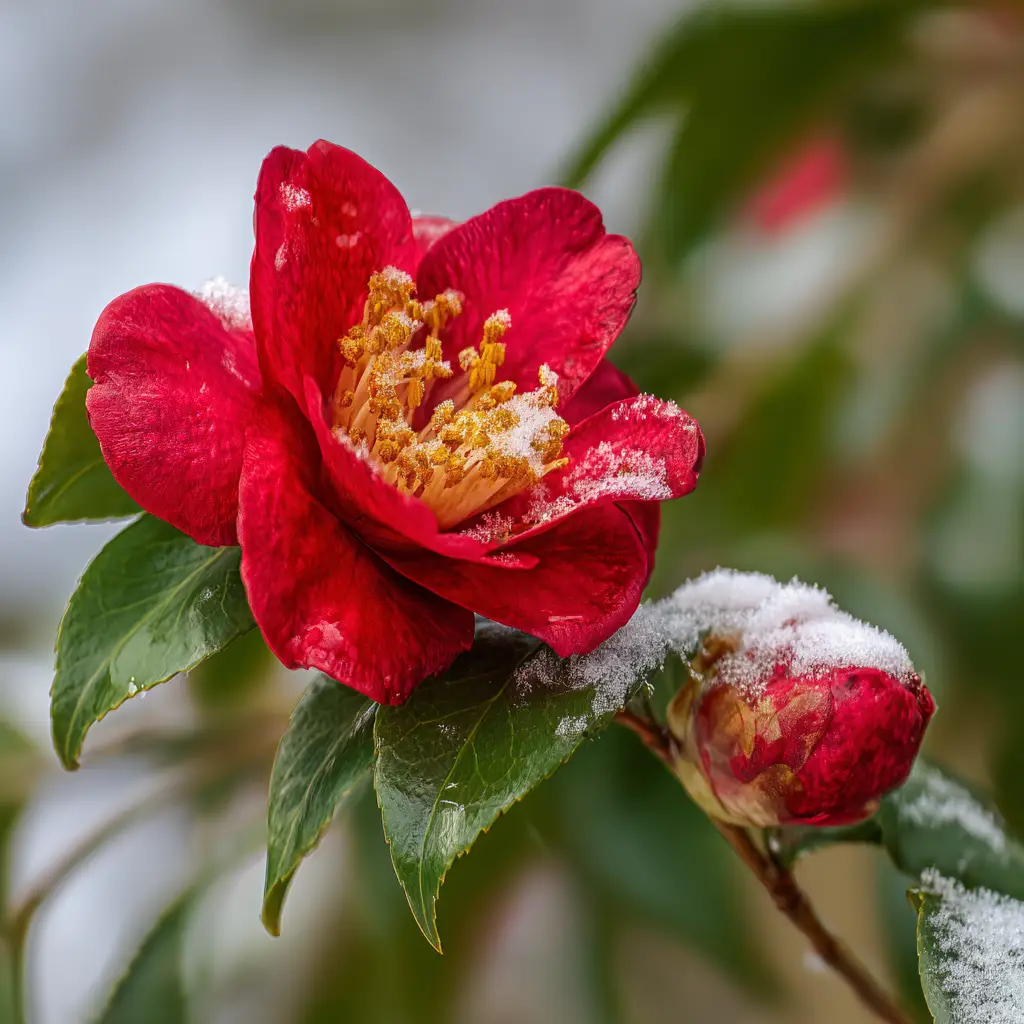
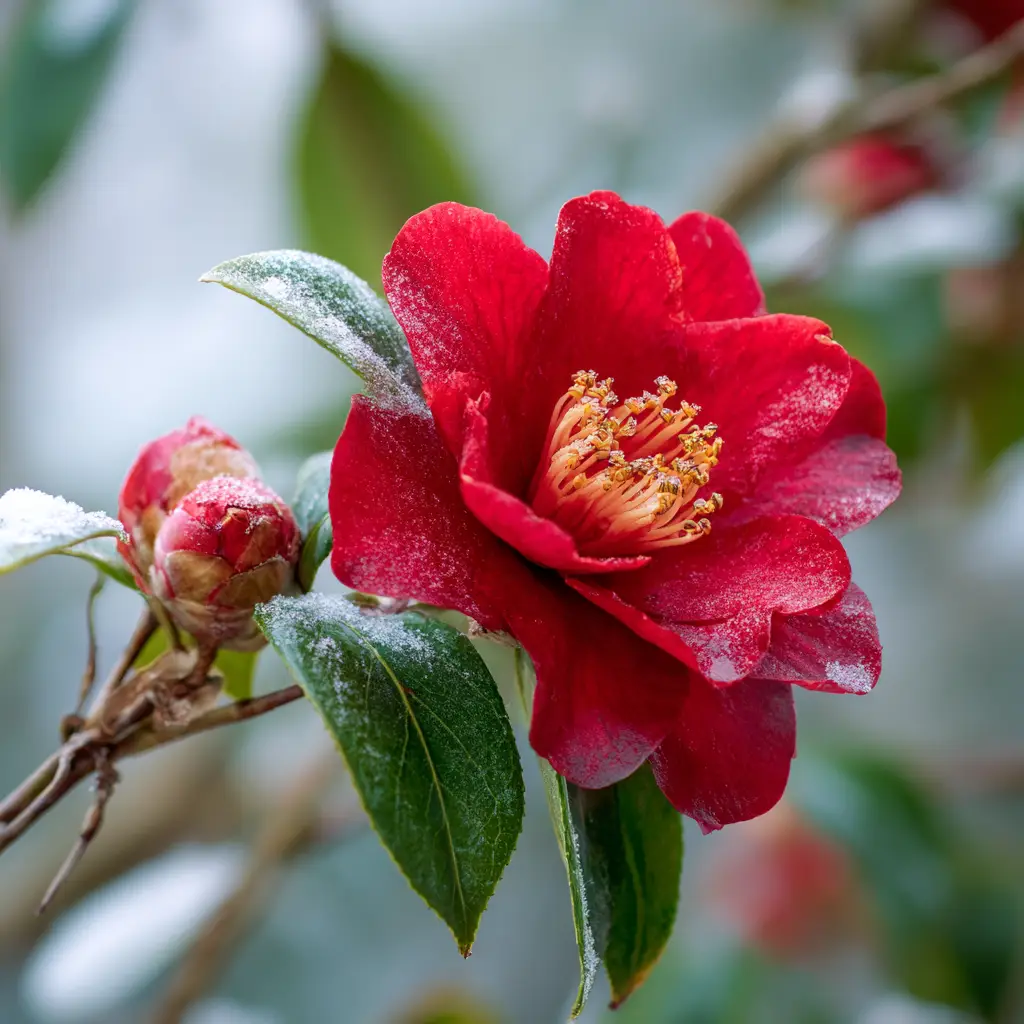

 Cherry and mid red
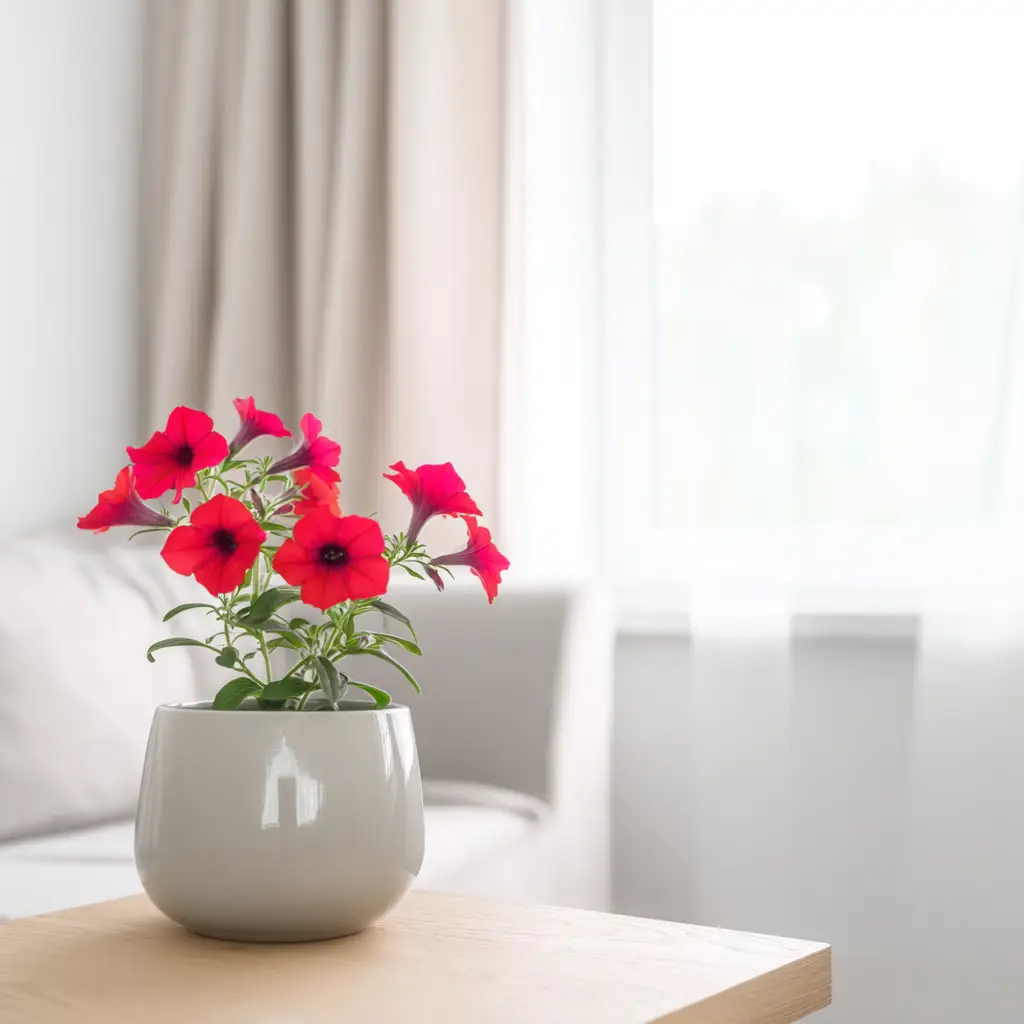
PetuniaPetunia x hybridaSpring bloomer
Cherry and mid red
PetuniaPetunia x hybridaSpring bloomer
8 photos of Petunia
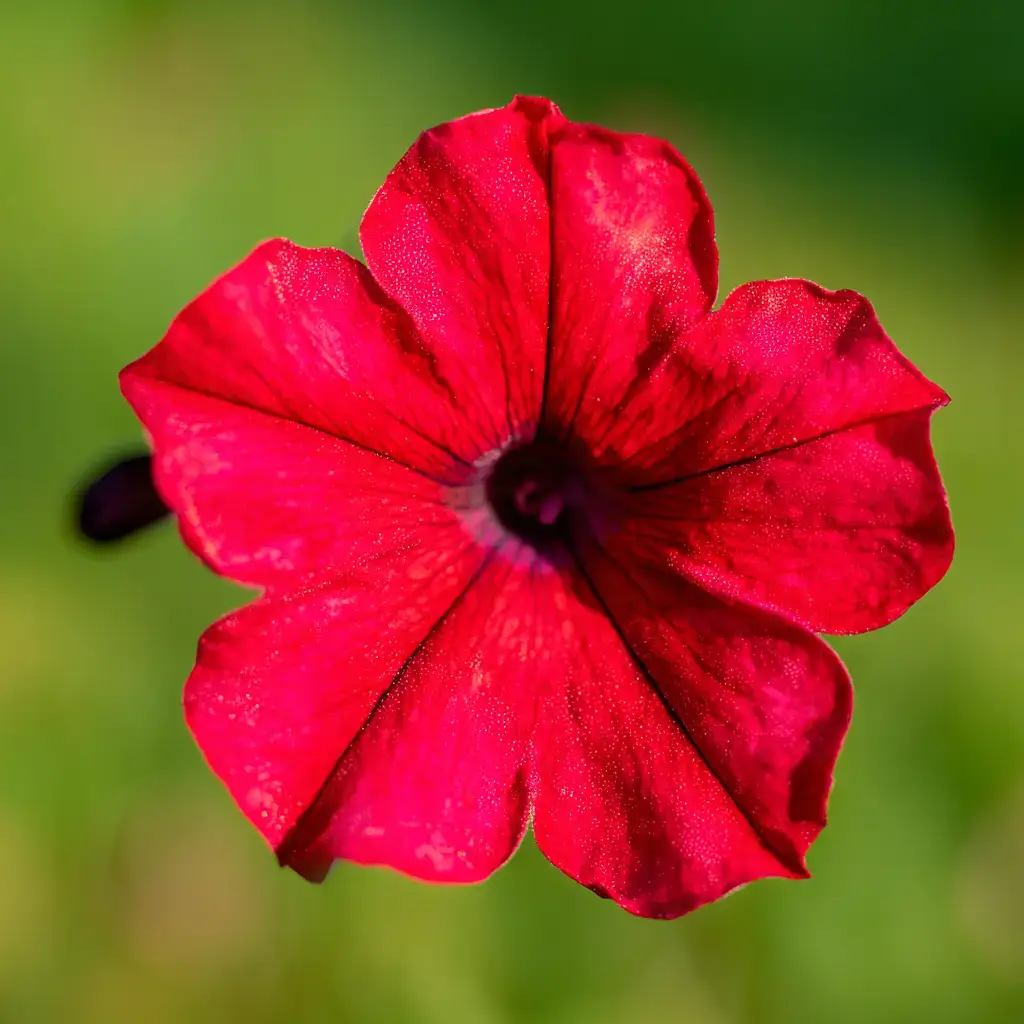
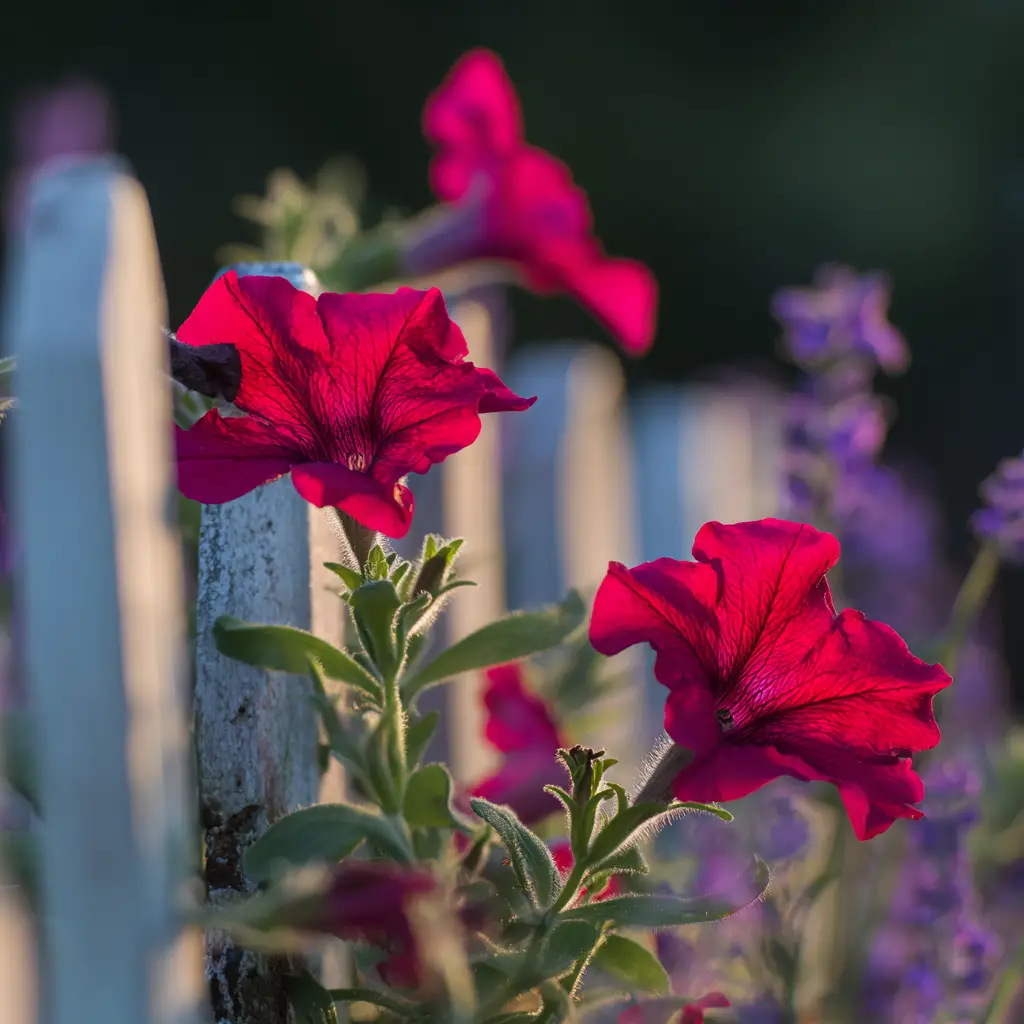
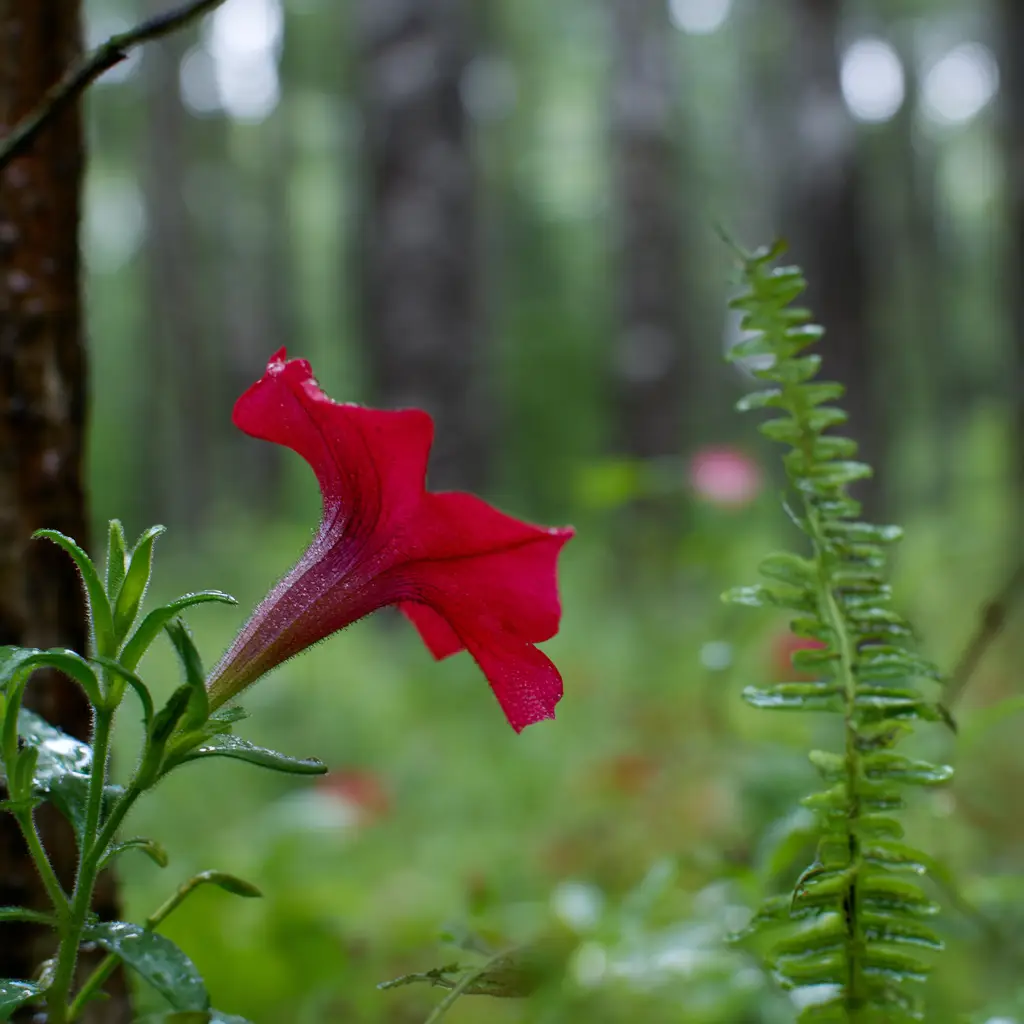

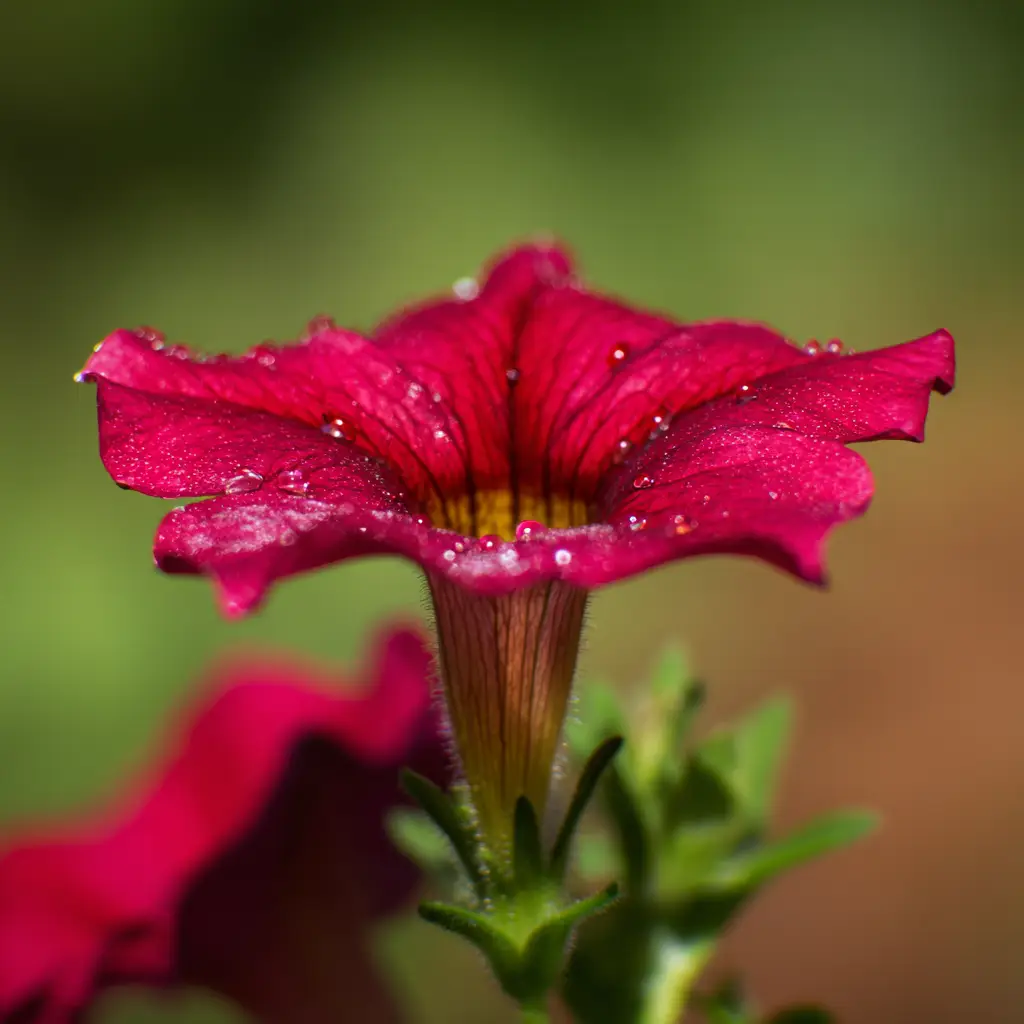
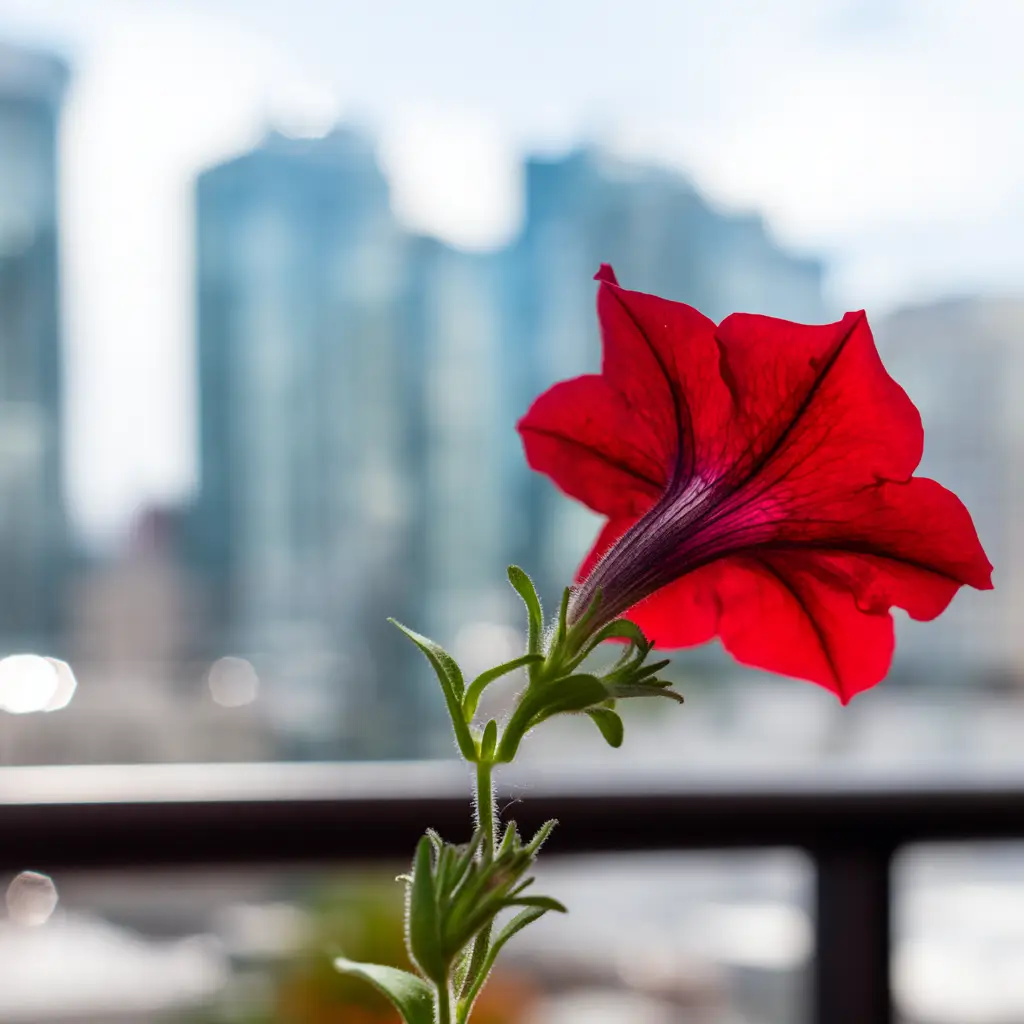
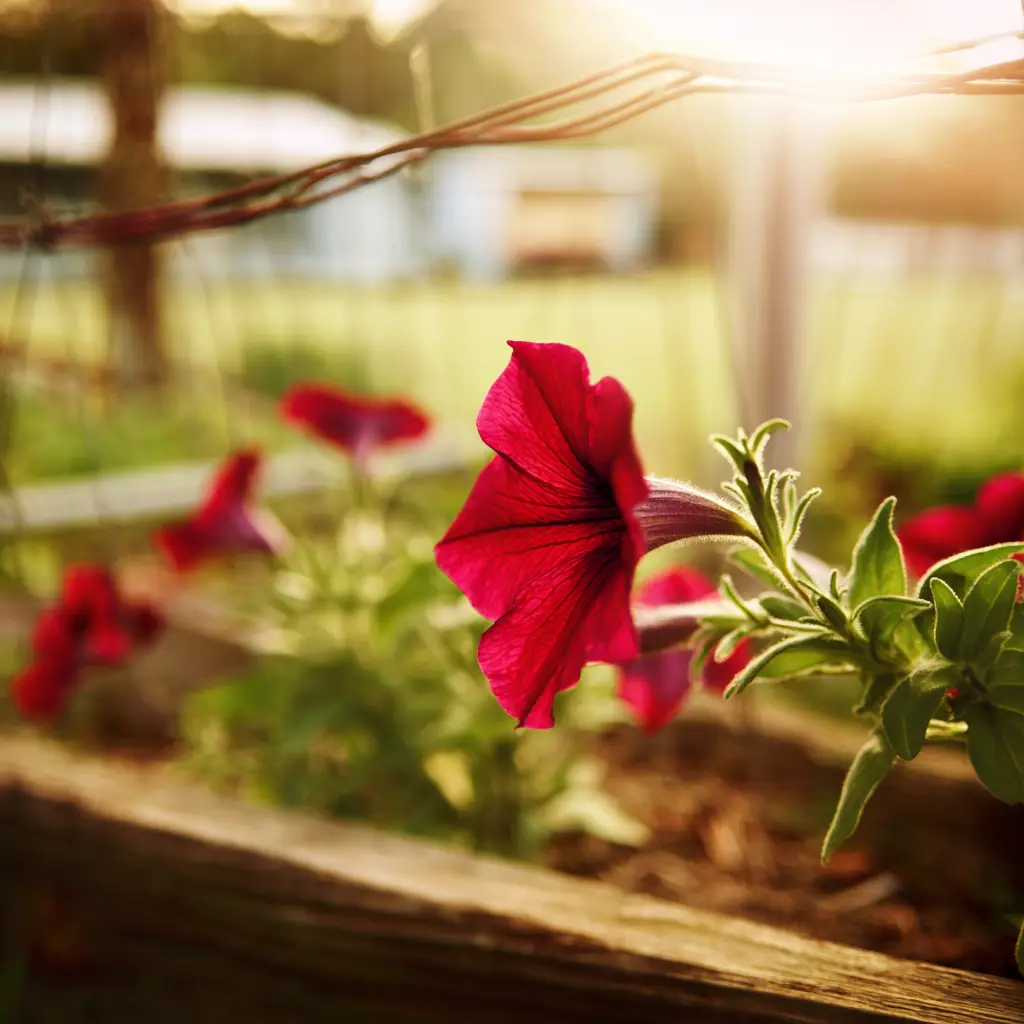
 Cherry and mid red
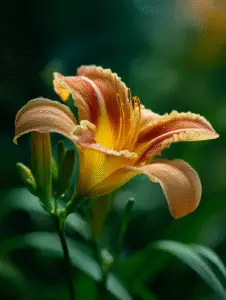
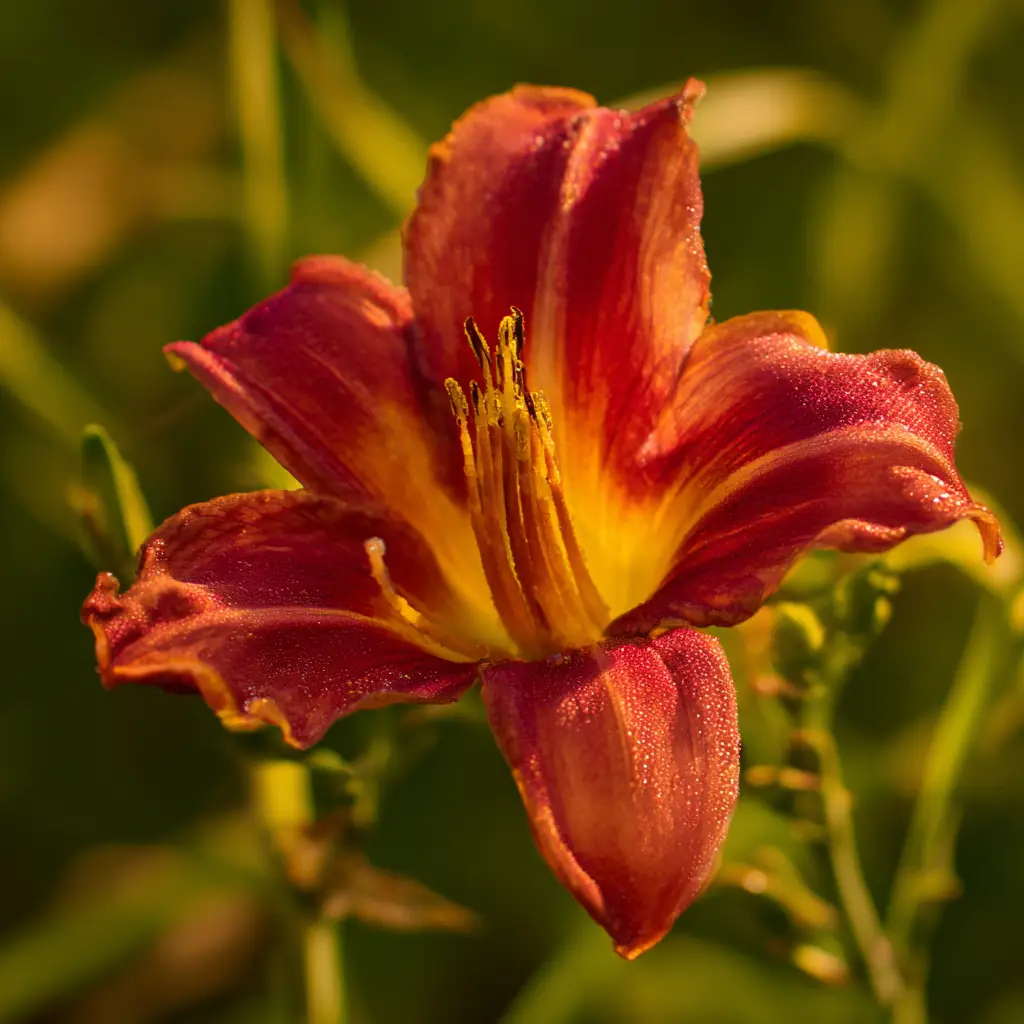
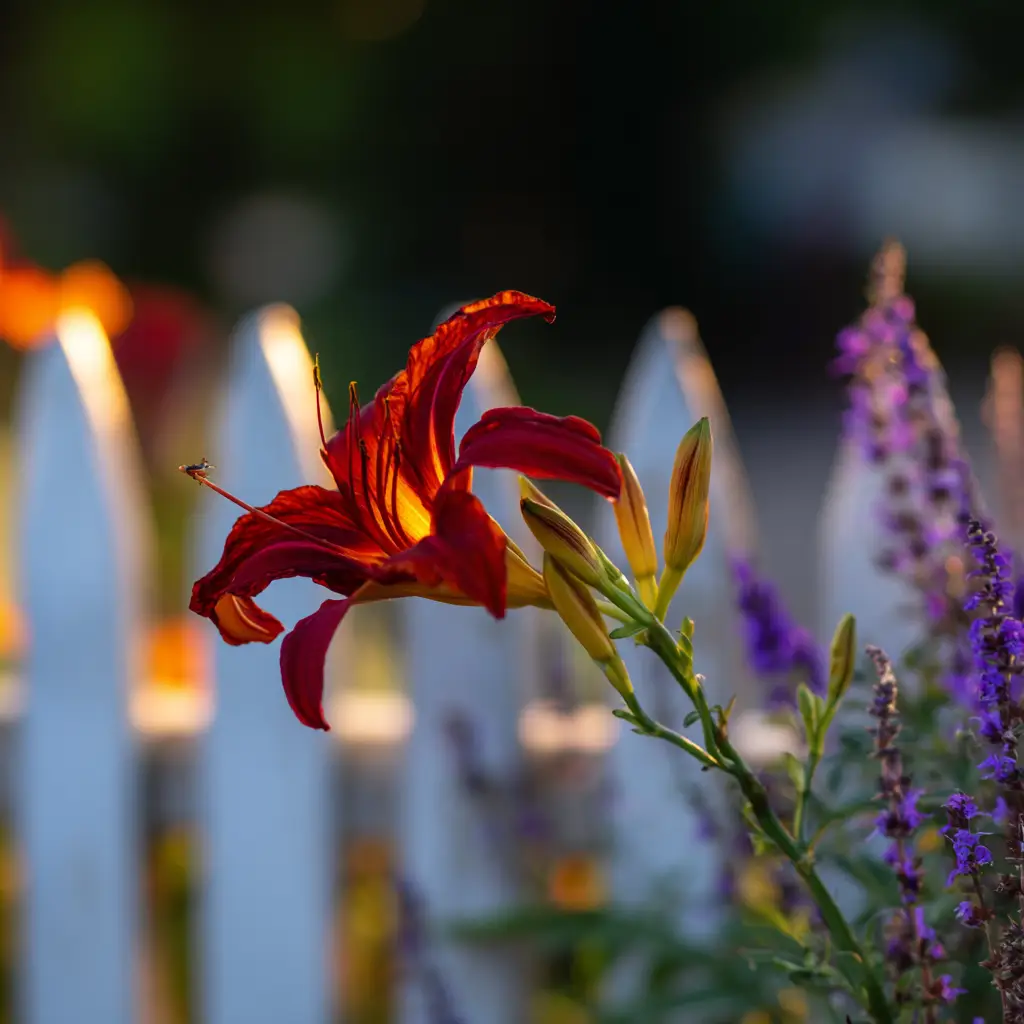
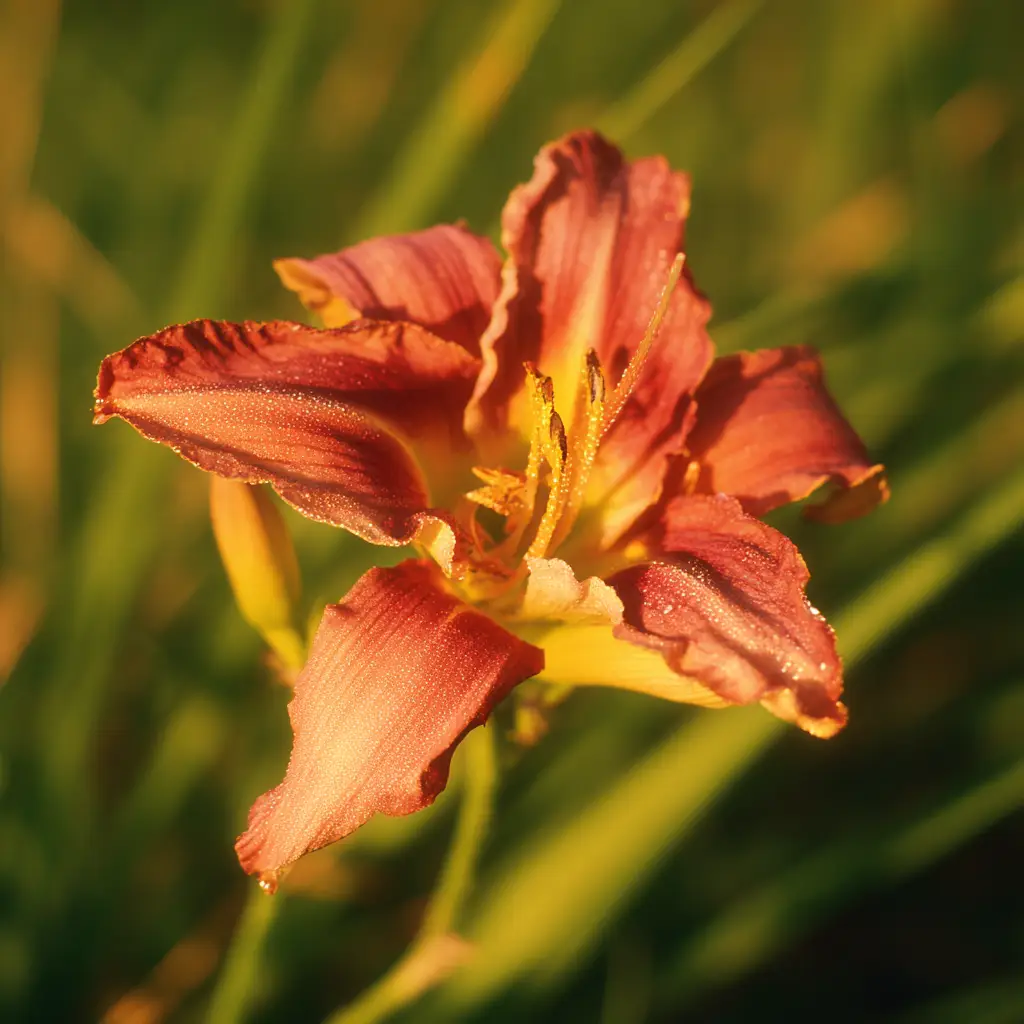
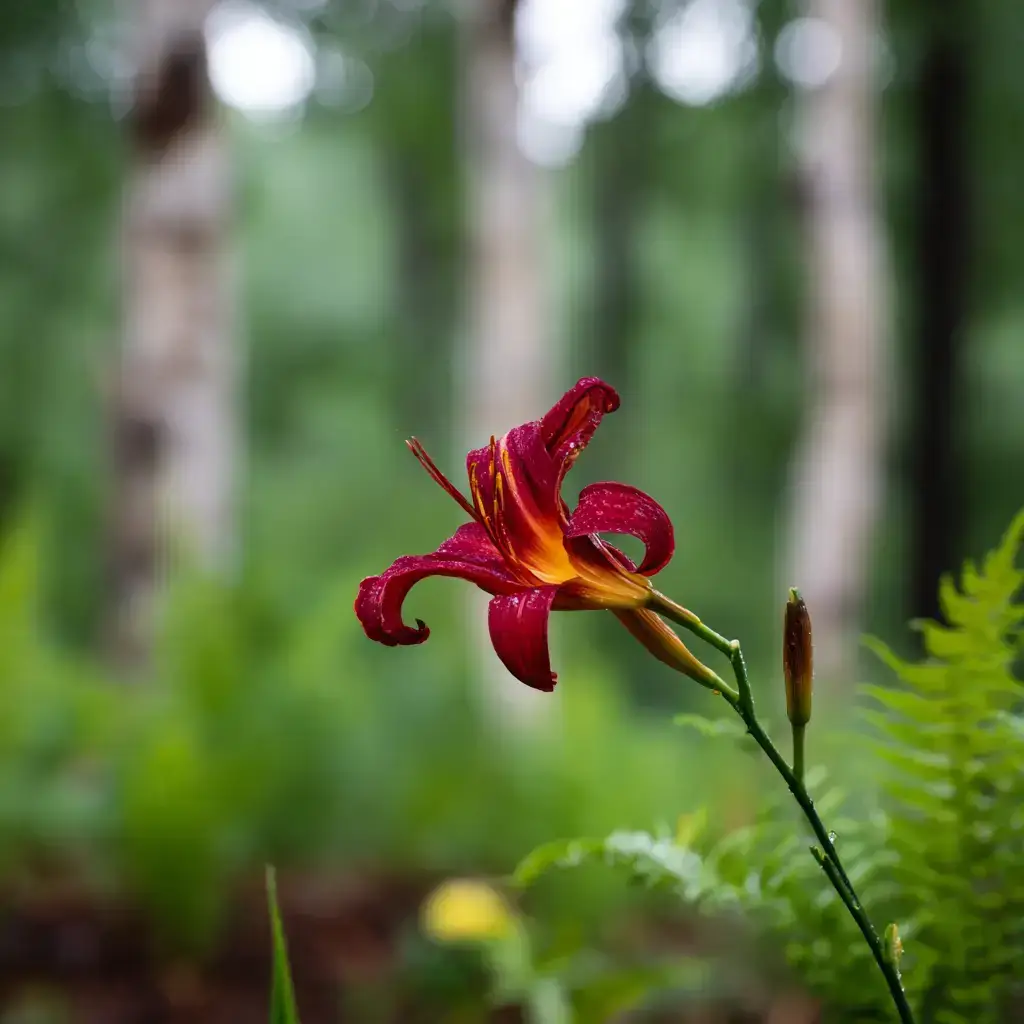
DaylilyHemerocallisSummer bloomer
Cherry and mid red
DaylilyHemerocallisSummer bloomer
8 photos of Daylily
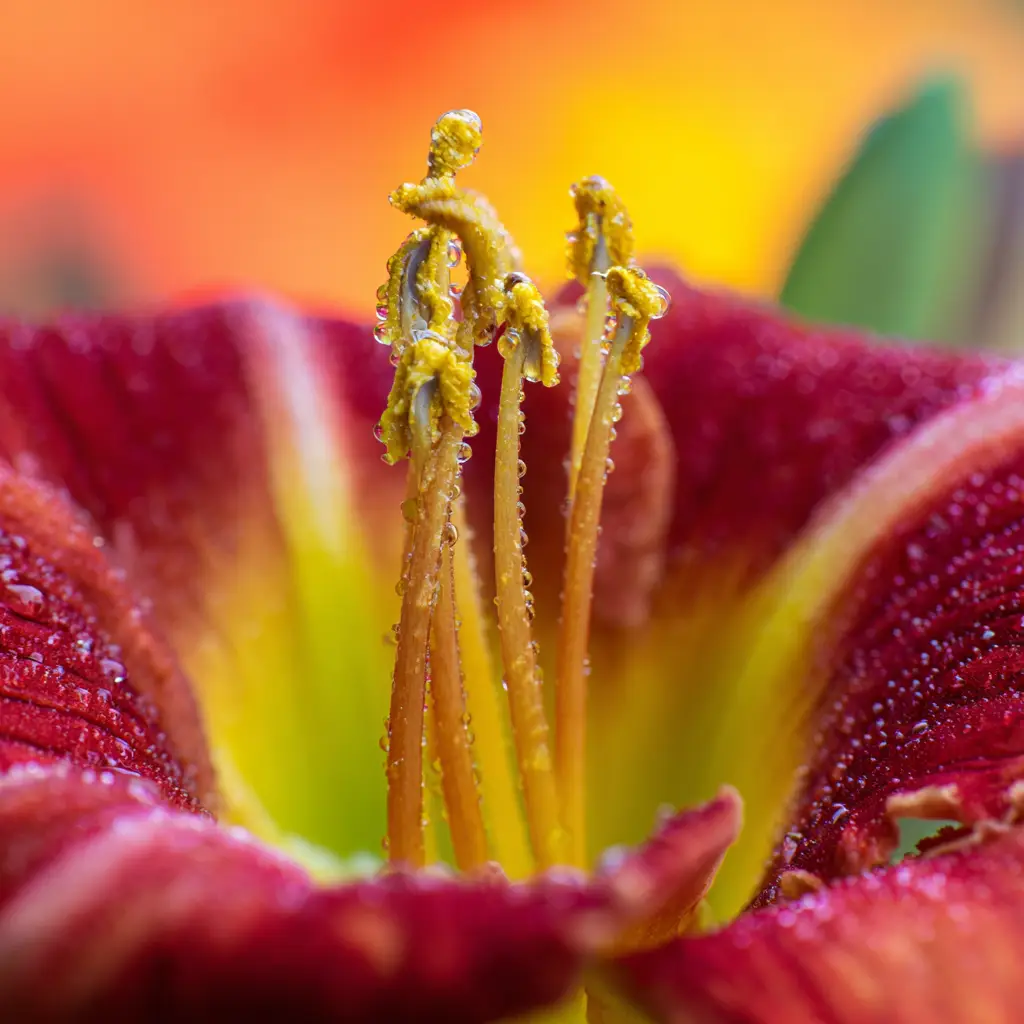
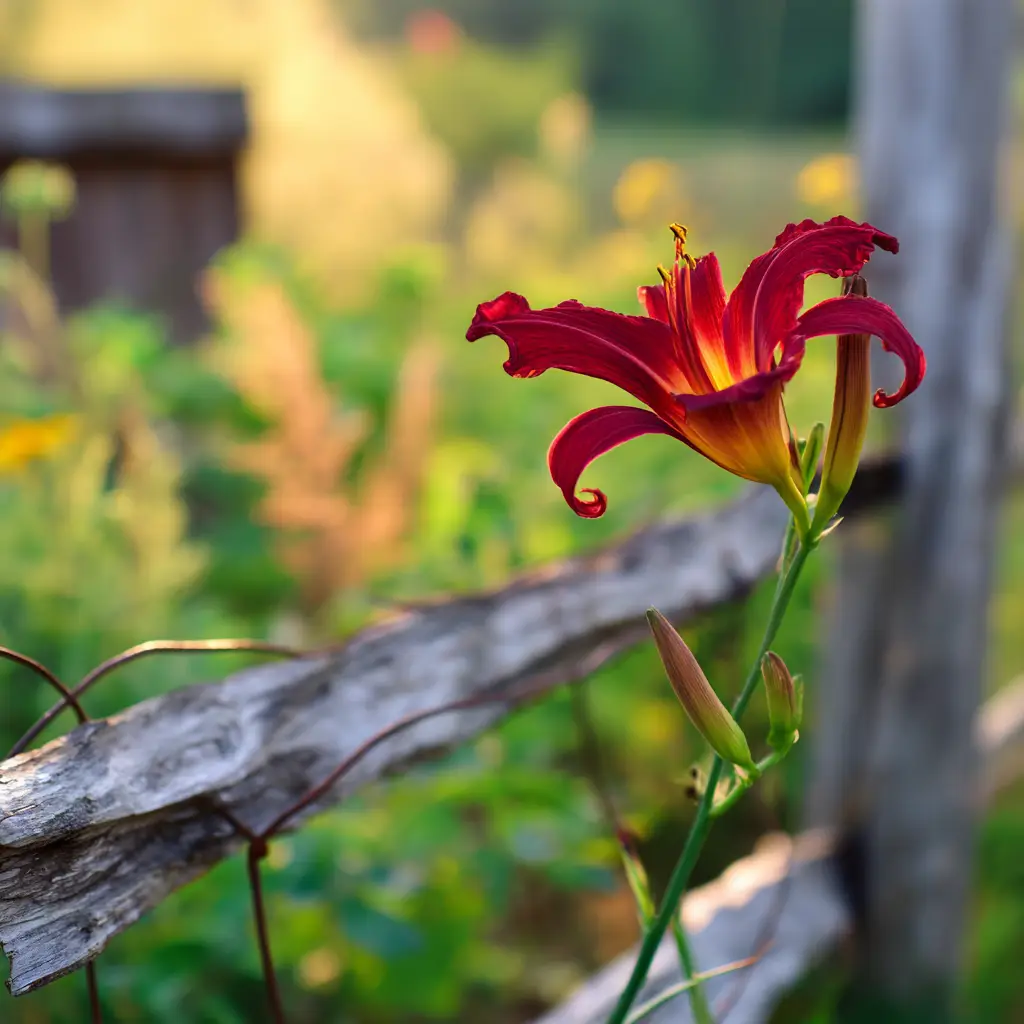
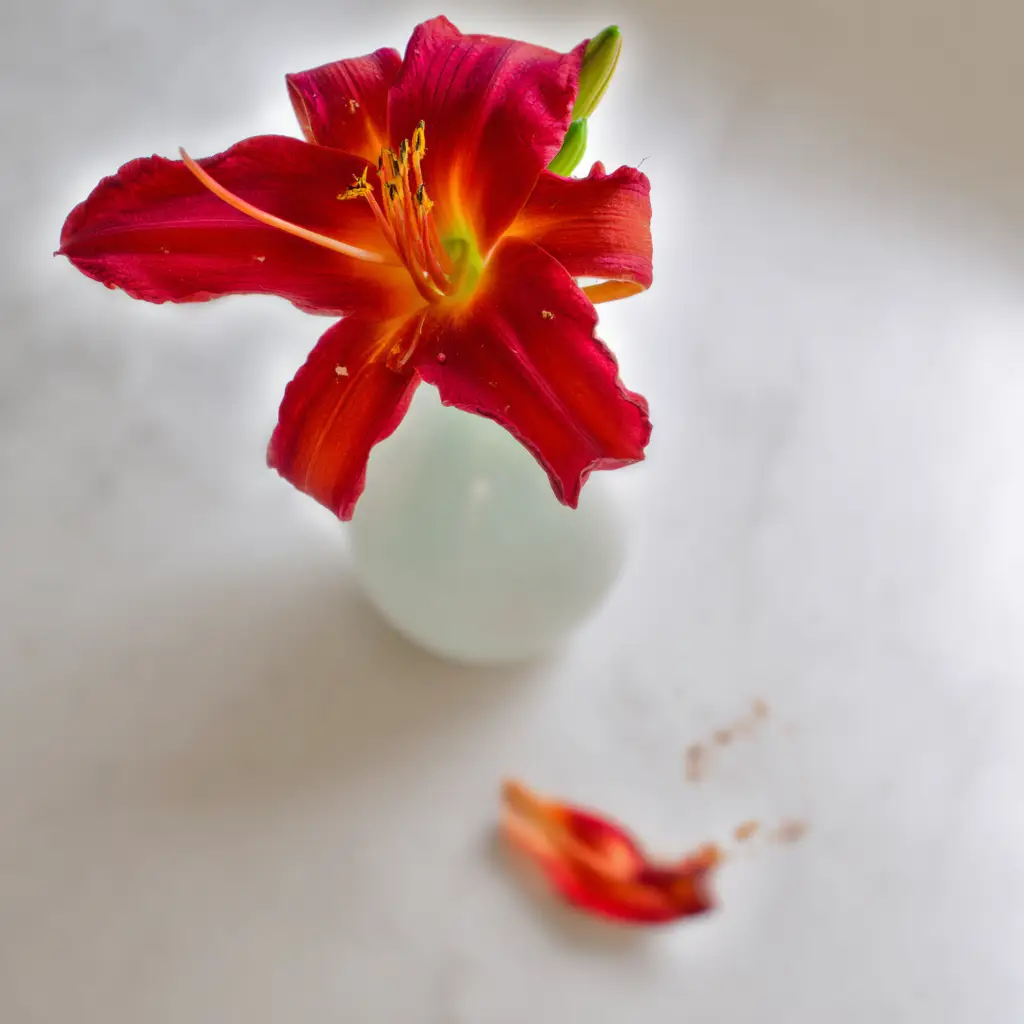
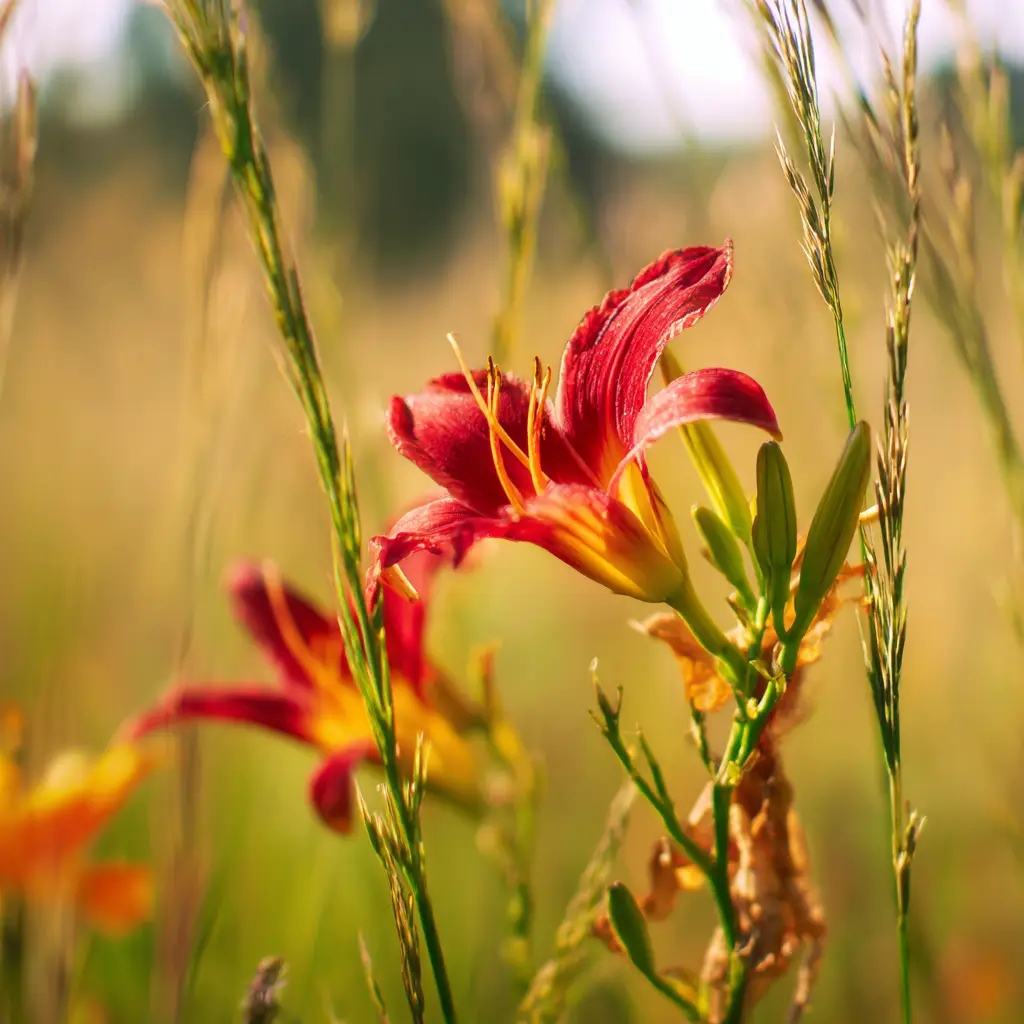
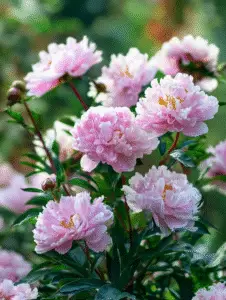 Crimson
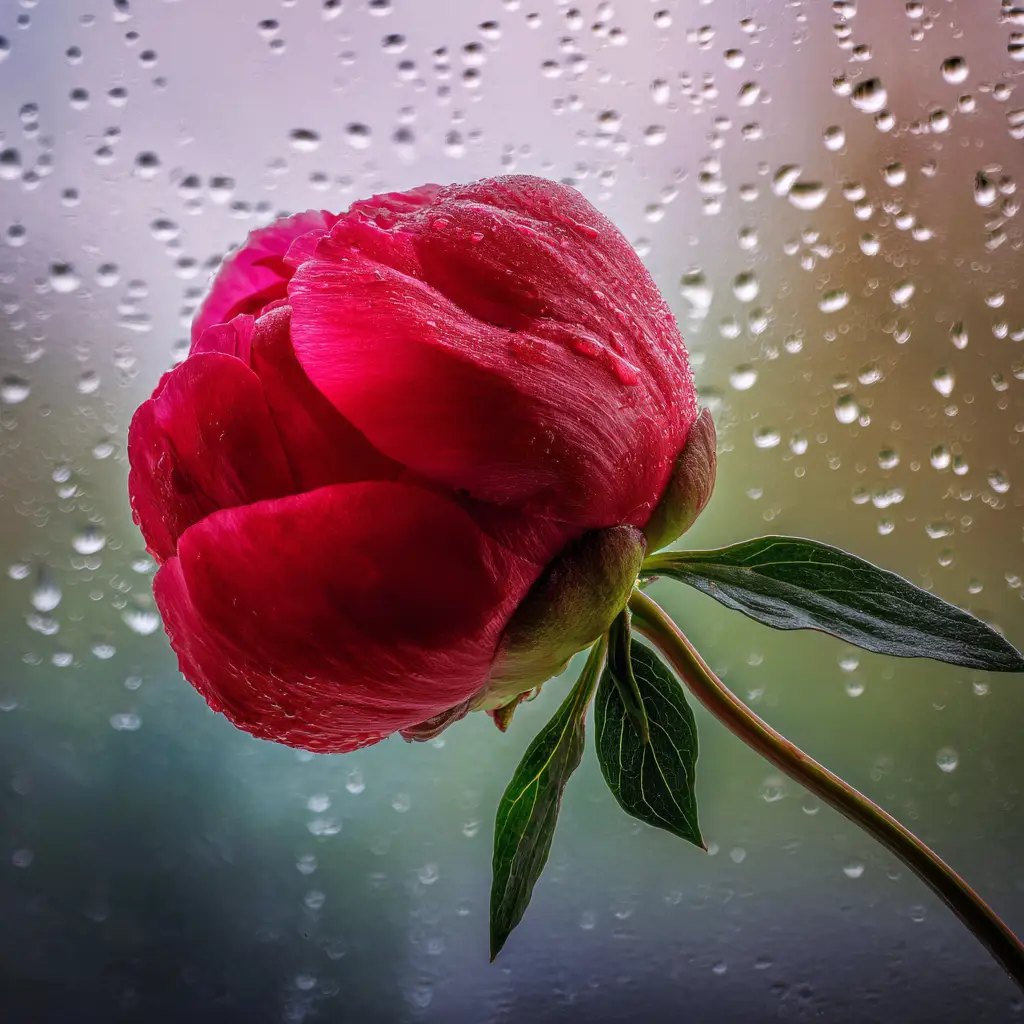
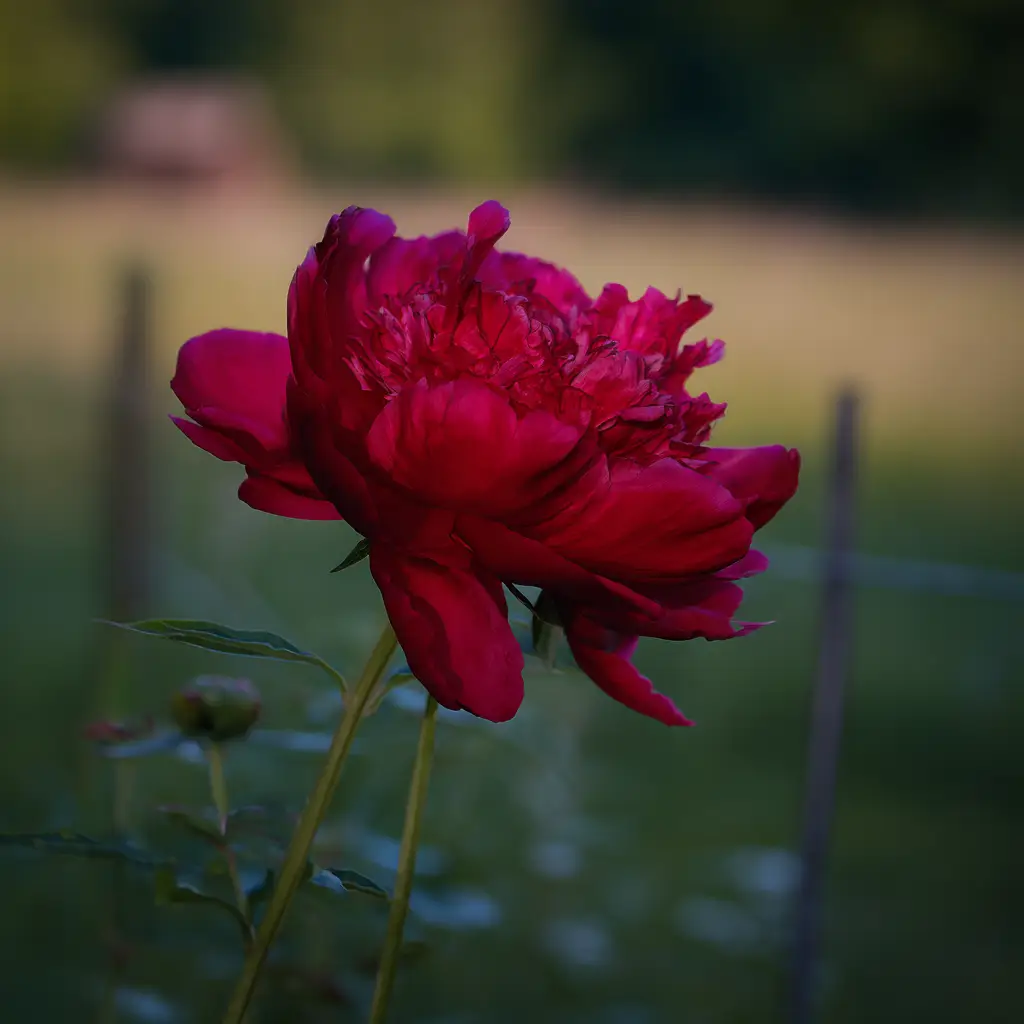
PeonyPaeonia lactifloraSpring bloomer
Crimson
PeonyPaeonia lactifloraSpring bloomer
8 photos of Peony
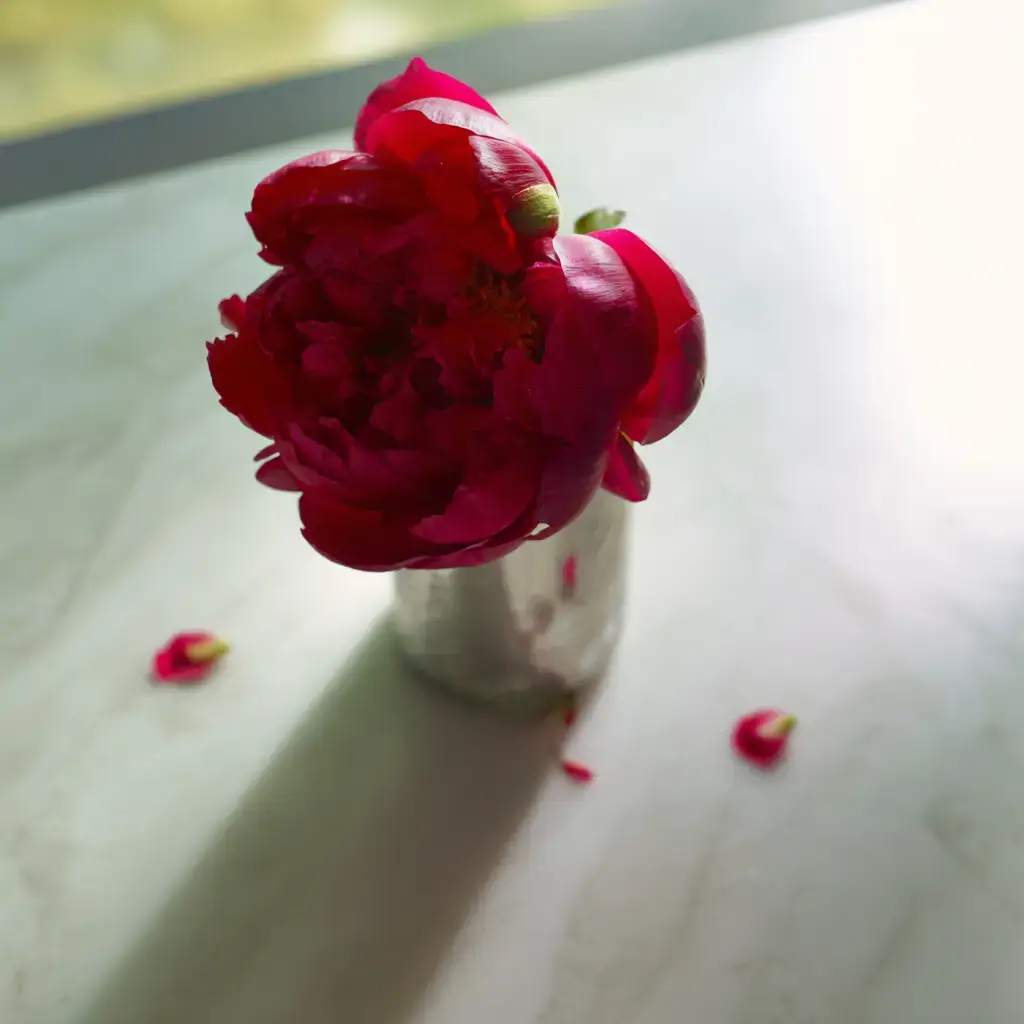
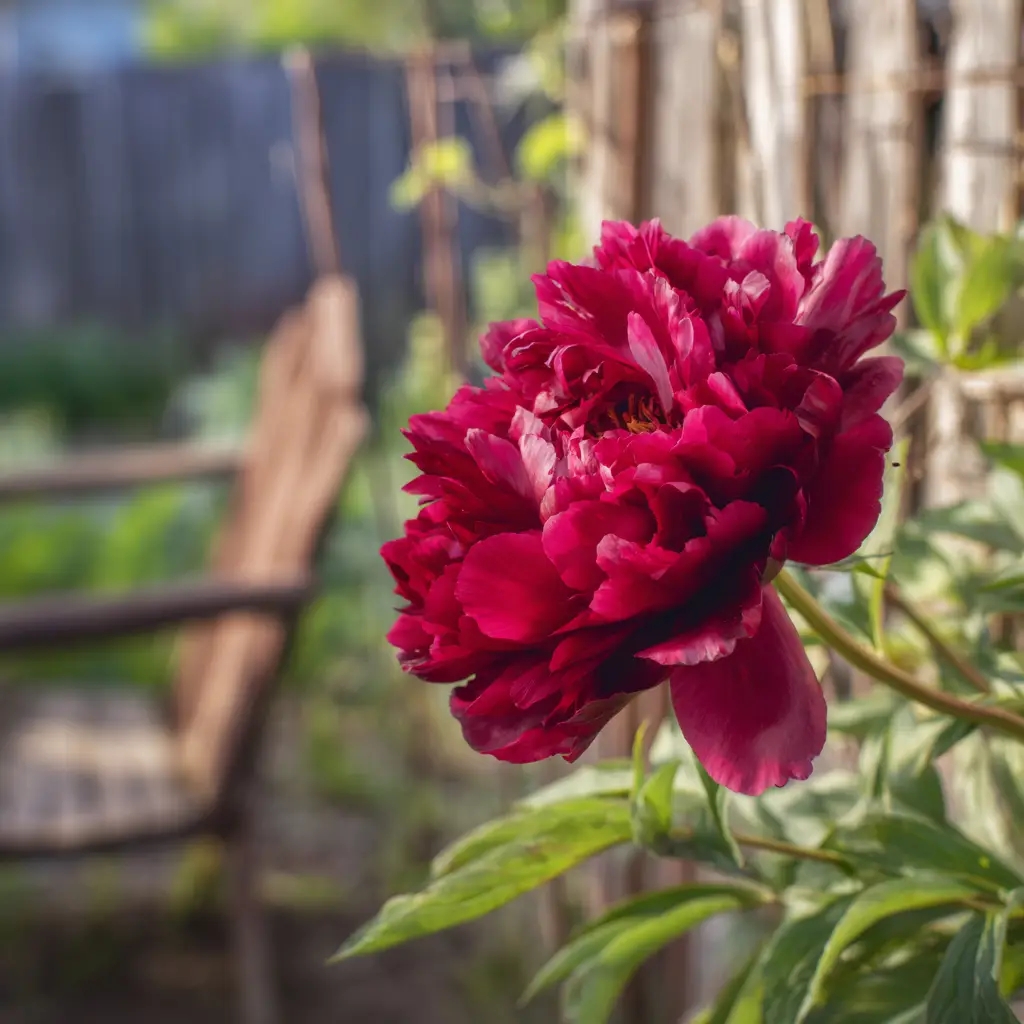
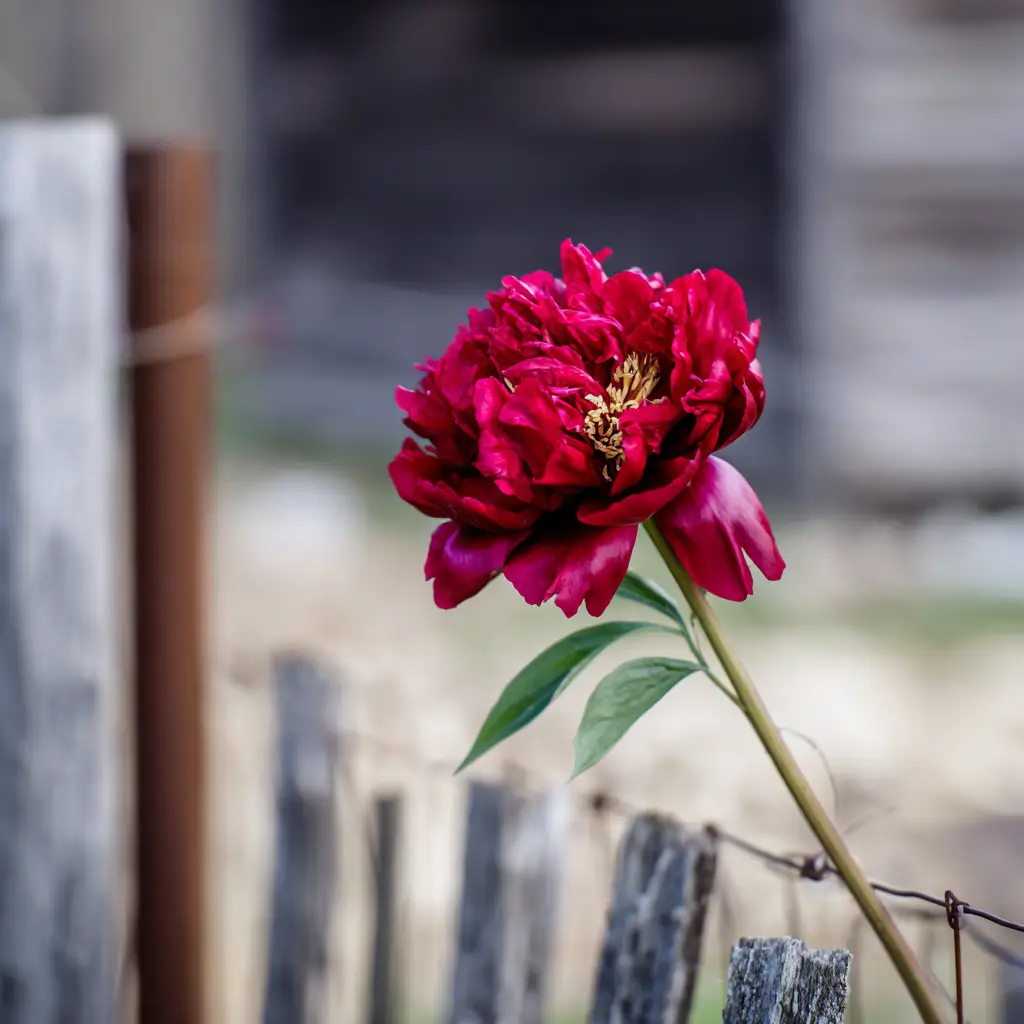



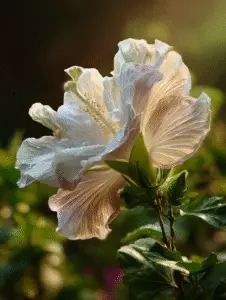 Cherry and mid red
HibiscusHibiscus rosa-sinensisSummer bloomer
Cherry and mid red
HibiscusHibiscus rosa-sinensisSummer bloomer
8 photos of Hibiscus


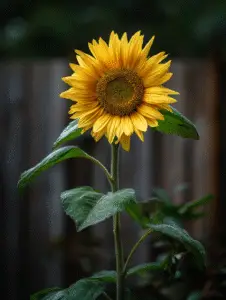
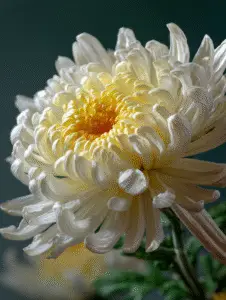 Crimson
ChrysanthemumChrysanthemum × morifoliumFall bloomer
Crimson
ChrysanthemumChrysanthemum × morifoliumFall bloomer
8 photos of Chrysanthemum


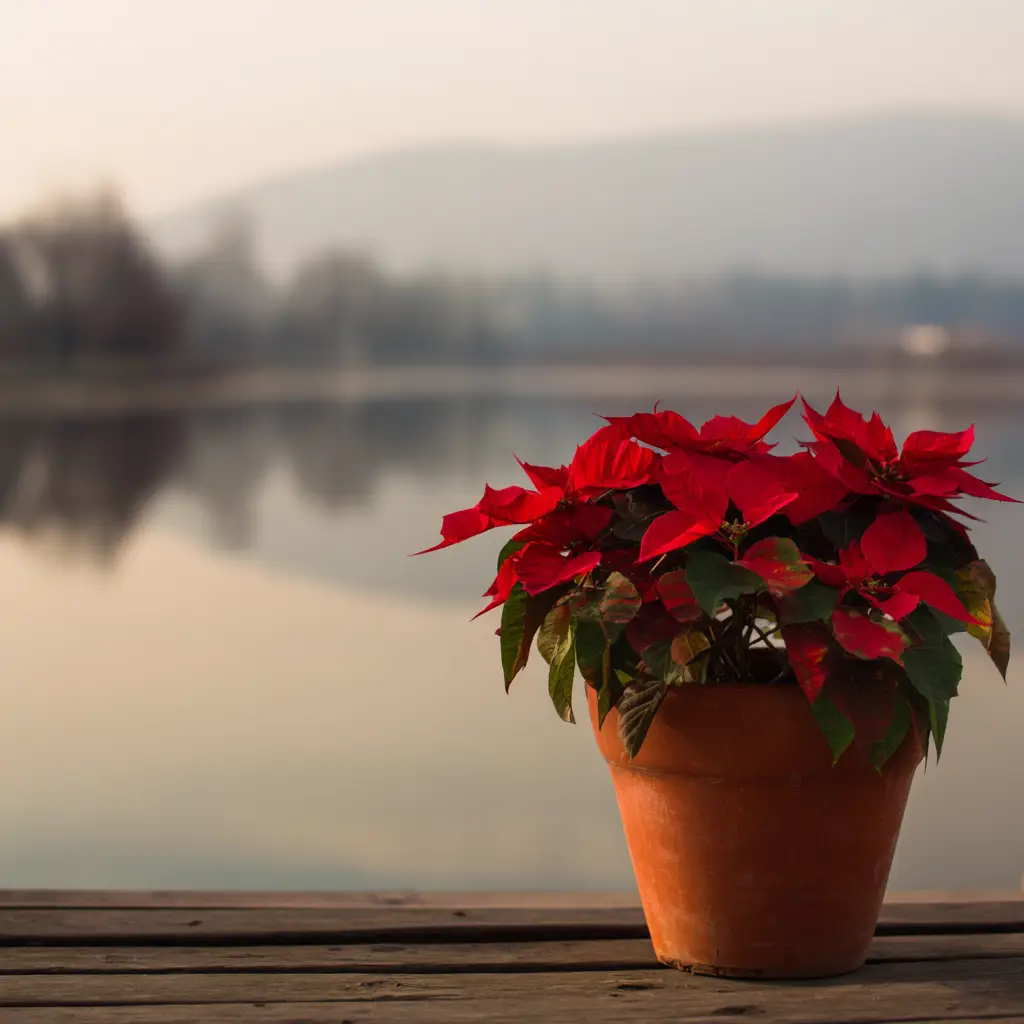
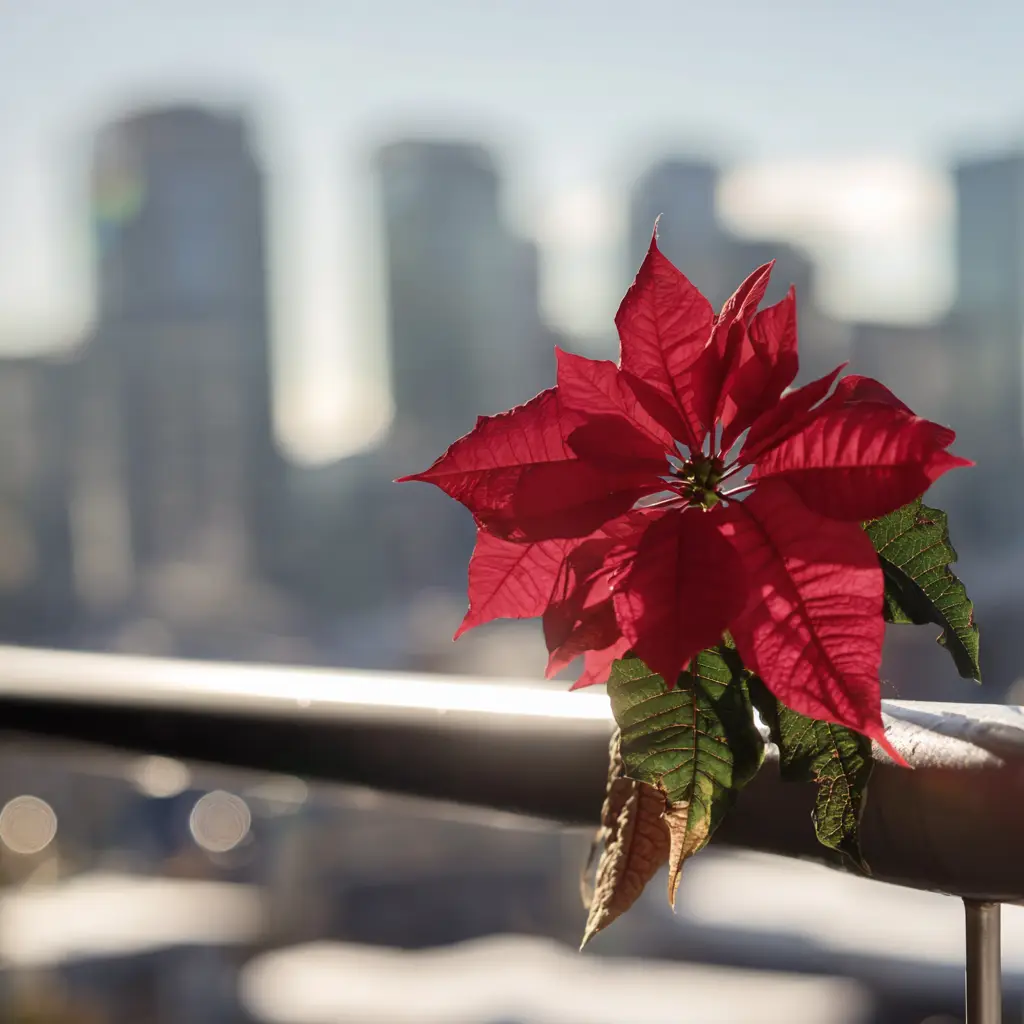
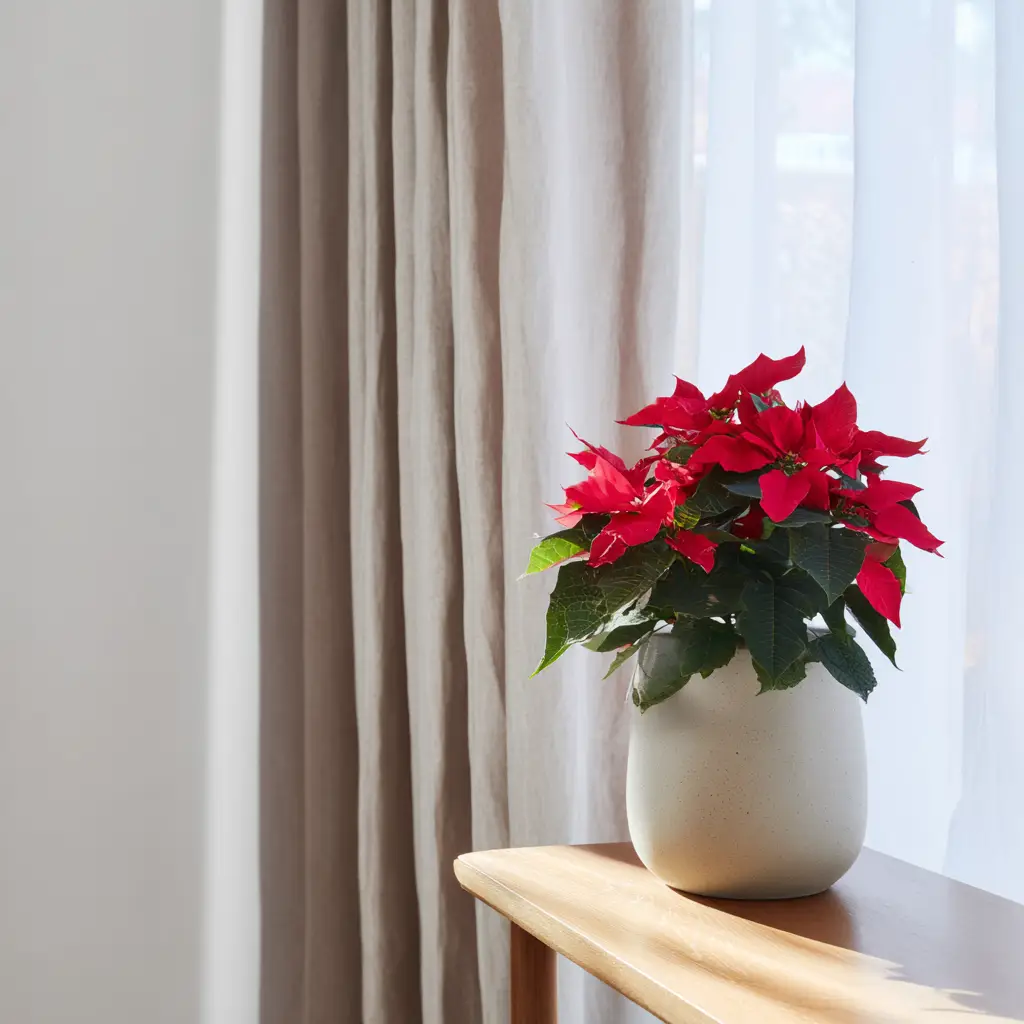
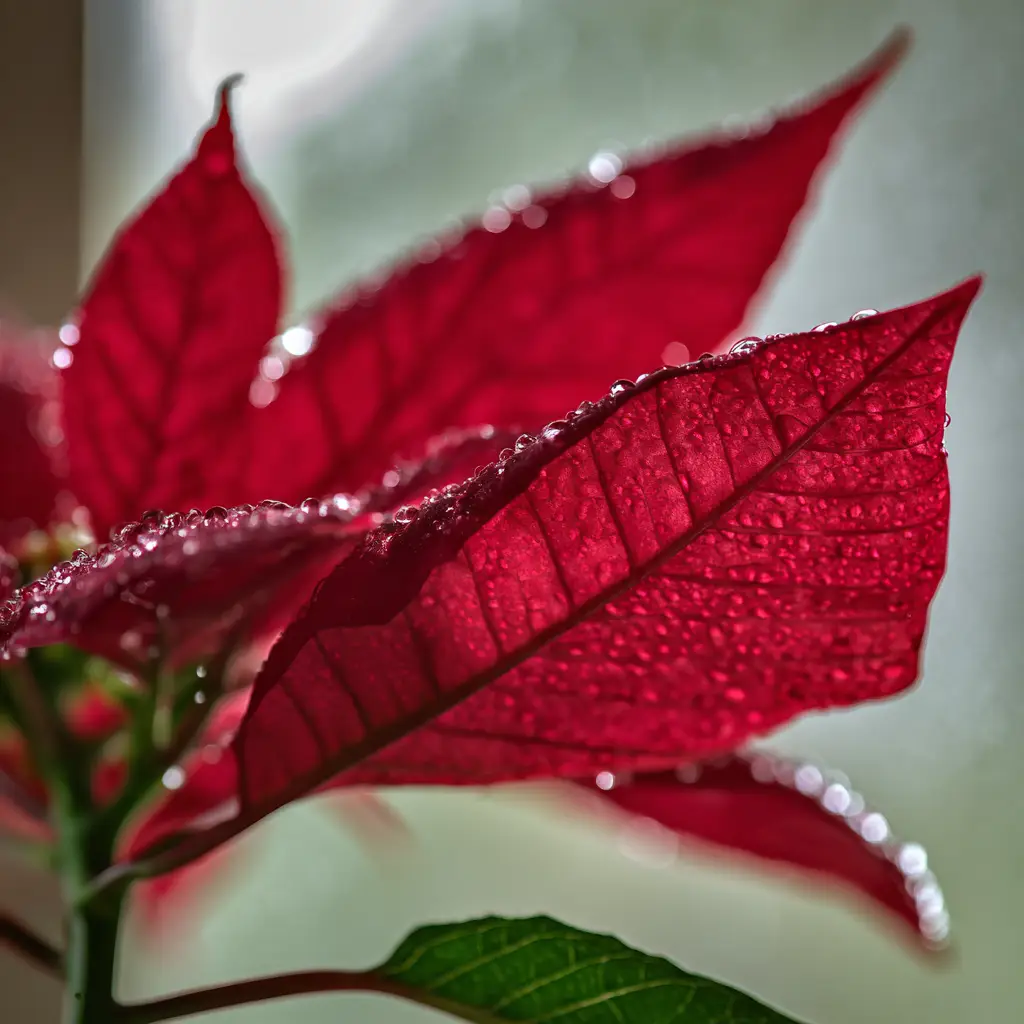
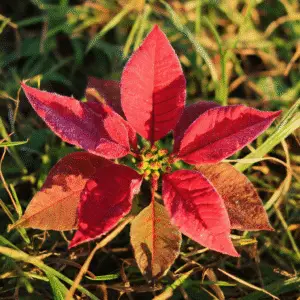 PoinsettiaEuphorbia pulcherrimaWinter bloomer
7 photos of Poinsettia


Why red is the colour it is
Red comes from anthocyanins, and which red depends on which one. Pelargonidin gives scarlet, the red with orange in it, the red of geranium and salvia. Cyanidin gives crimson, the red with blue in it, the red of a dark rose or a peony. A handful of families skip anthocyanins altogether: cacti, bougainvillea and the beet relatives build red from betalains instead, a completely separate chemistry, which is why their magentas never appear in a rose. Red also has a job. Most insects see red poorly, birds see it well, so a red flower is usually a flower that has given up on bees and is advertising to hummingbirds.
Scarlet next to crimson makes both look dirty, the same way two whites of different temperature do. Pick one red per view. If you must have both, put a mass of dark green, bronze or white between them and the eye stops arguing.
How red each one really is
The same flowers again, this time grouped by how much of the colour is actually there in ordinary daylight rather than on a label.
 Scarlet Sage
 Geranium
 Poppy
Poppy Begonia
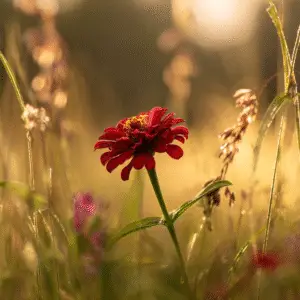 Zinnia
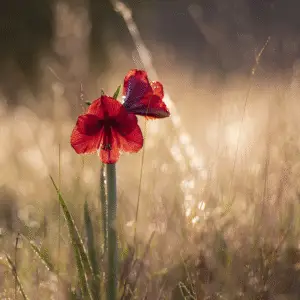 Amaryllis
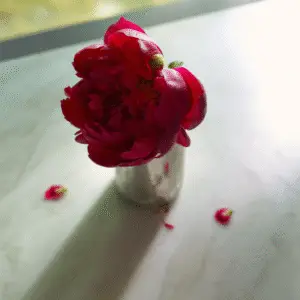 Peony
Peony Rose
Rose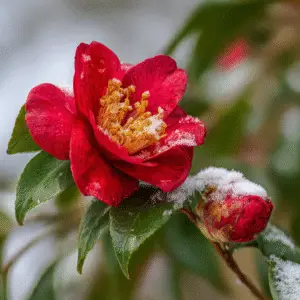 Camellia
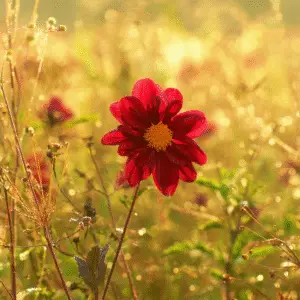 Dahlia
 Chrysanthemum
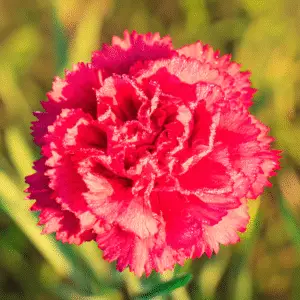 Carnation
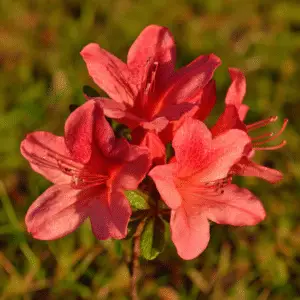 Azalea
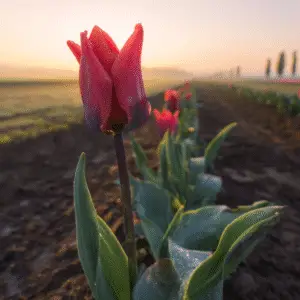 Tulip
Tulip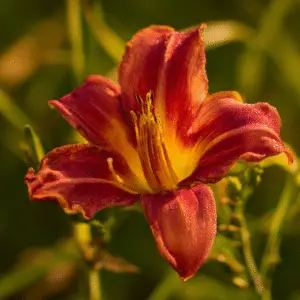 Daylily
 Hibiscus
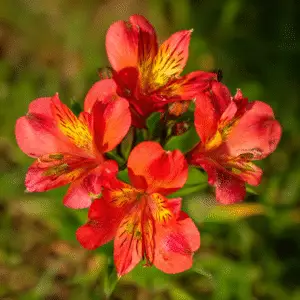 Alstroemeria
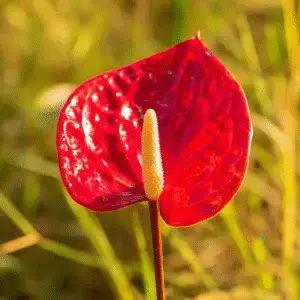 Anthurium
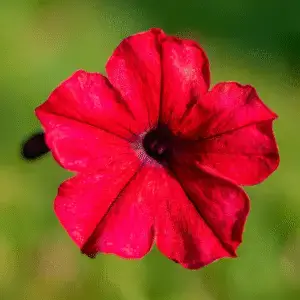 Petunia
What red sits well with
What red says
Red is the least ambiguous flower there is: love, declared and not hedged. The dozen red roses convention is barely two centuries old, but it is now firm enough that red carries the message whether or not it was intended.