Birthday Flowers Guide | Step-by-Step
A birthday bouquet works best when it matches the person first, then the season, then the setting. For classic, widely loved choices, roses and gerbera daisies rarely miss because they read as celebratory in almost any color. If the goal is cheerful and easy, tulips and sunflowers feel bright without looking formal. For a softer, more polished look, peonies (when in season) and ranunculus give a layered, gift-ready style that looks expensive even in a small size. When long-lasting matters, alstroemeria and carnations are the quiet winners. They hold up through travel, warm rooms, and forgetful vase care better than many trendy stems.
Seasonal and easy-to-find picks often depend on what shops are stocking, but there are reliable patterns. Spring usually brings tulips and daffodils. Summer leans on sunflowers, zinnias, and mixed market bouquets. Fall often has chrysanthemums and richer tones. Winter commonly features carnations, alstroemeria, and evergreen touches. A low-fragrance direction usually starts with tulips, hydrangea, and ranunculus, then keeps greenery simple. Heavy-scent flowers can be fun, but they can also feel like too much in tight spaces.
Budget-smart does not mean small or boring. A tight budget can look full by leaning on carnations, chrysanthemums, or daisies, then adding one focal bloom like roses for polish. Potted gifts can be even easier for birthdays, especially a phalaenopsis orchid for a desk, or a flowering pot like kalanchoe for color that lasts. For grow-it-yourself friendly picks, zinnias and sunflowers are straightforward and rewarding, and they photograph well as they grow.
Table of Contents
The Step-by-Step Plan
Birthday flowers feel most successful when they reflect the relationship. A close partner can handle romance and drama. A coworker usually needs clean and neutral. A teen often wants color and fun. The safest plan is to choose one clear vibe, then build the bouquet around it.
The gift path also matters. Cut flowers are immediate and photo-ready. Potted plants last longer and feel practical. Grow-it-yourself gifts feel thoughtful and memorable, especially when the recipient enjoys a small project. The plan below works for all three paths, with small swaps based on setting and budget.
- Decide the tone in one phrase: cheerful, elegant, playful, or romantic.
- Pick the gift path: cut bouquet, potted plant, or a small starter kit.
- Check the setting and space, especially desk size, vase height, and room temperature.
- Choose a simple color plan with 2 main colors and 1 accent at most.
- Pick one focal flower, like roses, ranunculus, or sunflowers, based on that tone.
- Add one reliable filler that lasts, like alstroemeria or carnations, to build volume.
- Choose greenery that will not overpower, like eucalyptus, ruscus, or simple leaf stems.
- Set the size by delivery method: small for carrying, medium for home, compact for hospital.
- Write the card before buying, then match flowers to the message style.
- Plan delivery timing, ideally within 2 to 6 hours of gifting, and keep stems cool.
To adapt for budget and setting, scale stems up or down while keeping the same structure. One focal, one long-lasting support, one greenery choice, and a clean color plan can look good at $30 or at $150.
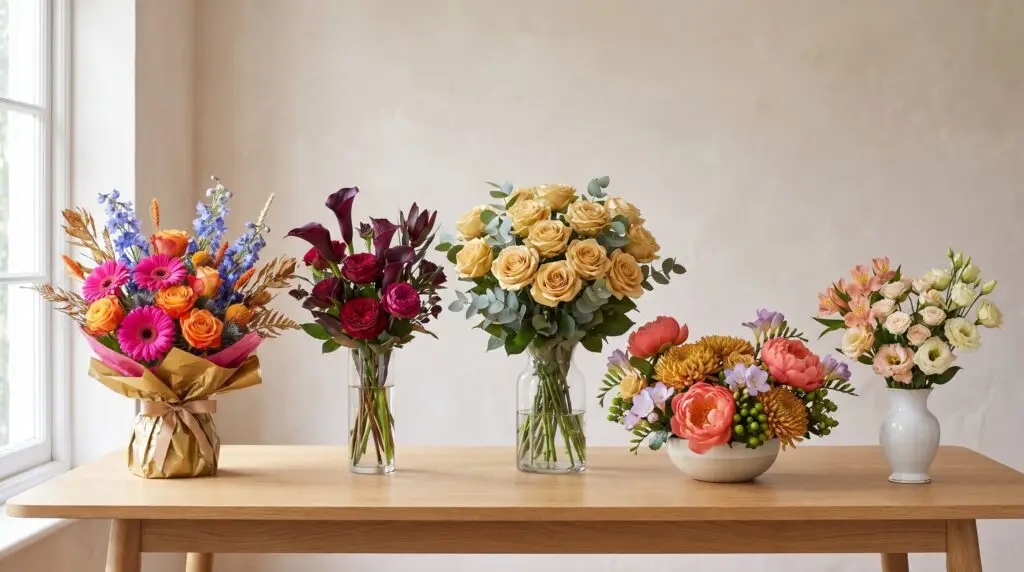
Color Palettes That Always Work
Color is the fastest way to get birthday flowers right, because it sets the mood before anyone reads the card. A good palette looks intentional, not random, and it should fit the recipient’s style and the room where the flowers will sit. The most common palette mistake is using too many different colors because the bouquet looks fun in the cooler. In a vase at home, too many colors can look messy. A second common mistake is picking a palette that fights the wrapping or the vase, so the flowers look dull even when they are fresh.
Pink and cream classic feels warm and flattering. It fits a partner, a close friend, or a mom who likes soft style. The mistake to avoid is adding a bright red accent, which can shift the vibe from birthday to romance too fast.
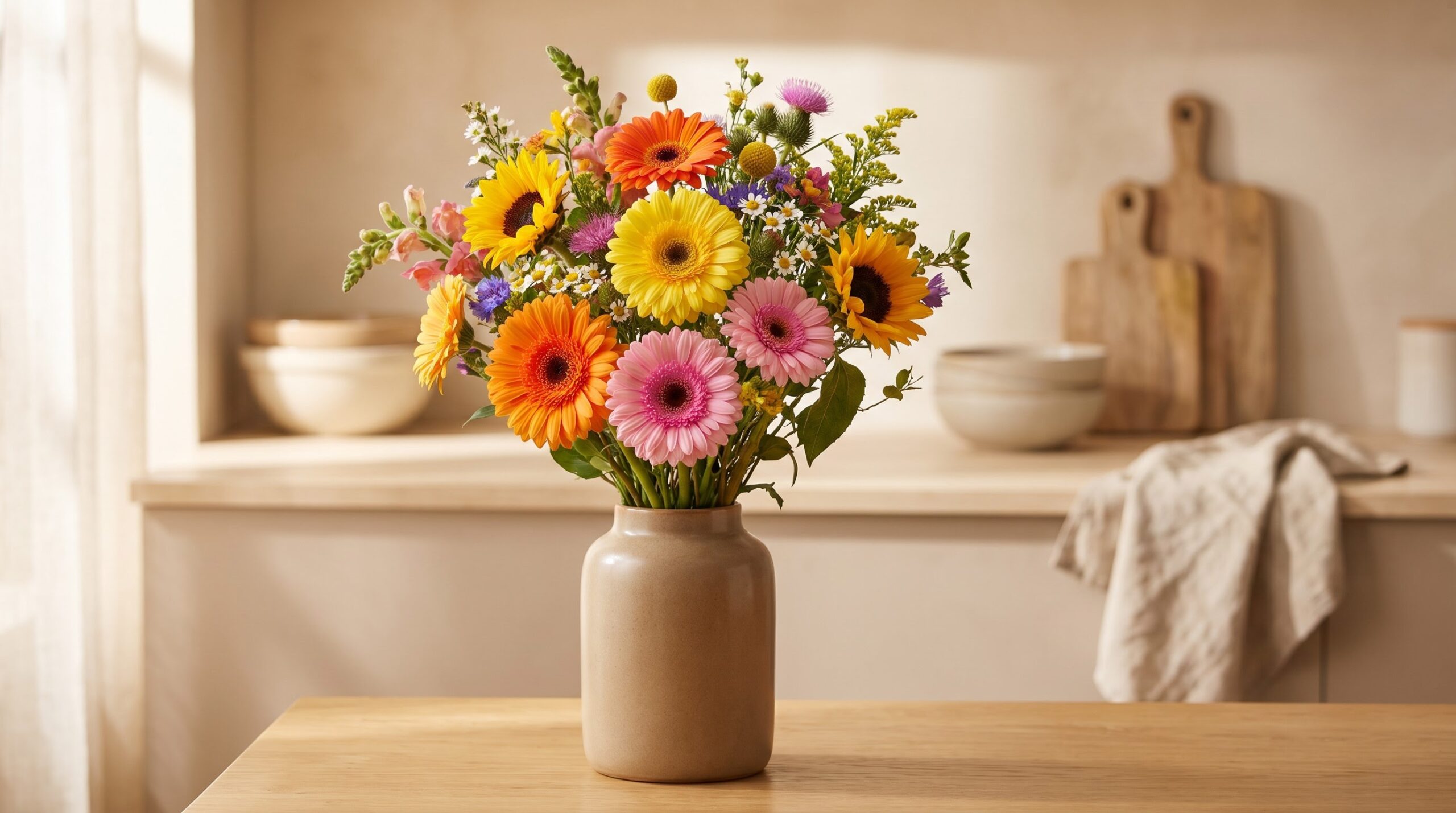
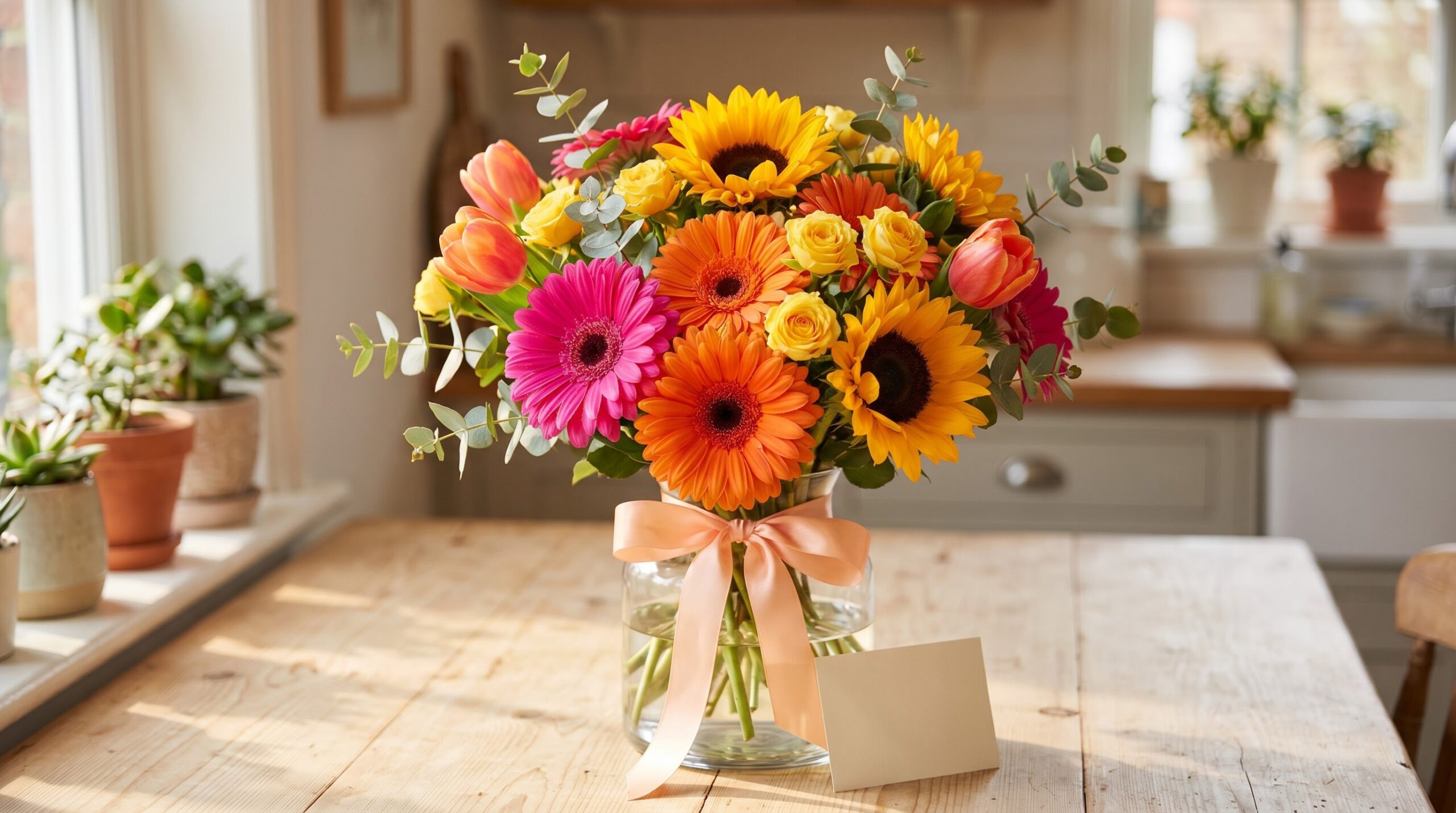
Bright primary pop uses bold pink, yellow, and orange for a party feel. It suits teens, outgoing friends, and anyone who loves color. The mistake to avoid is mixing too many flower shapes, which can make the bouquet feel chaotic instead of playful.
White and green clean feels modern and calm. It fits coworkers, hosts, and people who prefer minimal decor. The mistake to avoid is using overly fragrant white blooms in small rooms, which can feel heavy.
Purple and blush luxe reads stylish and a little dramatic. It fits close friends, partners, and creative personalities. The mistake to avoid is going too dark without a lighter bloom, which can look somber.
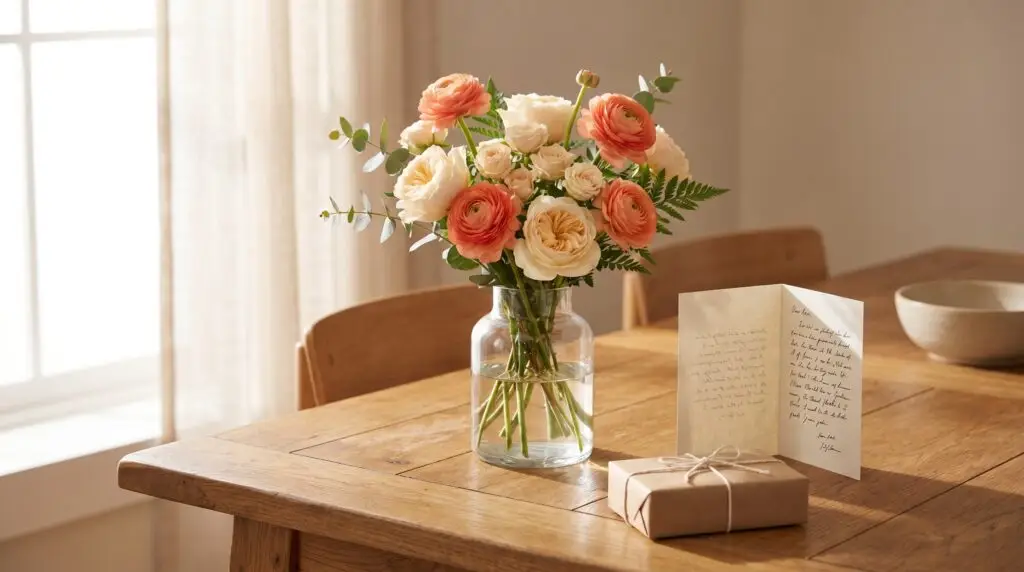
Sunset tones blend peach, coral, and buttery yellow for a happy, flattering look. It suits almost any recipient and works well in photos. The mistake to avoid is pairing it with stark white wrapping, which can make warm tones look muddy.
Bouquet Styles and Sizes (What Looks Expensive vs Budget)
Bouquet style matters as much as flower choice, because style controls how the gift reads from across the room. A round, tightly gathered bouquet looks classic and polished, especially with roses, ranunculus, or carnations. A loose, garden-style bouquet looks premium when it has breathing room and a clear focal, like peonies or sunflowers, plus softer support blooms. The budget version of loose style fails when it becomes sparse and floppy, so the fix is simple: keep stems shorter and group flowers in small clusters. Shorter stems often look fuller in a vase and hide gaps.
Size should match the setting, not the giver’s anxiety. A compact bouquet can look expensive if the flower heads are larger or layered. A medium bouquet looks generous when it has a clear shape and consistent colors. Very large bouquets look impressive, but they can be awkward in an office or hard to transport, and they can wilt faster if they sit warm in a car. A premium look without a premium price usually comes from fewer varieties, better shape, and one standout bloom.
A potted plant gift should be styled like a finished present, not a grocery store purchase. A phalaenopsis orchid looks gift-ready with a clean ceramic pot cover and a simple ribbon. A flowering pot looks better when the pot is clean, the plant is watered lightly, and the card is attached neatly. For a grow-it-yourself gift, presentation is the whole point: a small jar of seeds, a simple label, and a clear first-week instruction card turns a cheap item into something memorable.
Premium look moves that cost little:
- Use one dominant color and repeat it 3 times in the bouquet
- Keep stems shorter so the bouquet sits full in a vase
- Add one focal flower type, then repeat it in odd numbers
- Choose one greenery type only
- Use clean wrapping and a simple ribbon, not extra decorations
By Recipient (Ideas That Match the Relationship)
For a partner, the best path is usually cut flowers, unless the recipient loves plants. A focused bouquet with roses plus ranunculus or tulips feels romantic without looking like a holiday arrangement. Keep the palette tight, like blush and cream, or deep red with soft pink if romance is welcome.
Message line: “Happy birthday, my favorite person. Today is yours.”
For a mom, a potted gift or a medium cut bouquet both work well. A potted phalaenopsis orchid feels lasting and tidy, while cut flowers like tulips, peonies (in season), or gerbera daisies feel bright and celebratory. Avoid overly spiky styles and keep the bouquet easy to place on a kitchen counter.
Message line: “Happy birthday. Thank you for everything you do.”
For a best friend, go for personality. Cut flowers are the easiest, but a small plant can be great if the friend likes home decor. Try bold colors with sunflowers and daisies, or a stylish mix with alstroemeria and roses in a modern wrap. Keep it fun and photo-friendly, with one clear accent color.
Message line: “Happy birthday. More laughs, more wins, more you.”
For a coworker, the safest path is a compact bouquet or a tidy potted plant that can live on a desk. Choose low-mess flowers like tulips, carnations, or alstroemeria in white and green, pink and cream, or soft yellow. Keep fragrance light and skip anything that sheds pollen easily.
Message line: “Happy birthday. Hope your day goes smoothly and bright.”
For a kid or teen, the best path is a small, cheerful bouquet or a simple grow-it-yourself kit. Cut flowers like sunflowers, daisies, or colorful carnations look happy and are easy to enjoy. For a grow gift, zinnias or sunflowers are straightforward and satisfying.
Message line: “Happy birthday. You are getting better and cooler every year.”
For a host, neighbor, or someone not very close, a small bouquet or a potted gift keeps things warm and appropriate. A neutral mix with chrysanthemums and alstroemeria looks generous at a mid-range budget, and a flowering pot like kalanchoe can feel festive without being too personal. Keep the card simple and friendly.
Message line: “Happy birthday. Wishing you a wonderful year ahead.”
By Setting (Home, Office, Hospital, Event Venue, Outdoor)
At home, bouquet size can be a little larger because there is usually space for a medium vase and the recipient can trim stems. A medium arrangement with roses, tulips, or gerbera daisies works well, and a wider vase suits round bouquets. If the home is warm or sunny, keep the bouquet away from windows and kitchens, because heat shortens vase life fast.
In an office, smaller is often better. A compact bouquet fits a desk vase around 8 to 10 inches tall, and it is easier to carry in an elevator and through doors. Choose low-fragrance flowers like tulips, hydrangea, or alstroemeria, and avoid anything that drops pollen or has heavy scent in close quarters. Delivery timing matters too. If a bouquet arrives early morning and sits under bright lights all day, it should be built with sturdy stems and minimal foliage. A potted phalaenopsis orchid is one of the cleanest office gifts because it stays upright, looks neat, and does not require immediate trimming.
In a hospital, fragrance and mess are the main concerns. Keep flowers compact, use a stable vase, and avoid heavy scent and dusty pollen. A potted plant can work in some cases, but policies vary by facility, so a small cut arrangement is often the simplest. If there is any doubt, choose a neutral palette and flowers that look clean, like tulips or carnations, and keep greenery minimal.
For an event venue or outdoor party, transport is the hidden challenge. A bouquet should travel in a box or bag with the stems protected, and it should be given close to the moment it will be displayed. Outdoors, wind and sun can wilt flowers quickly, so avoid delicate stems and choose sturdier options like sunflowers, carnations, and alstroemeria. If the bouquet will sit on a gift table, keep it upright and stable rather than wide and floppy.
Fragrance, Pollen, and Allergy Notes (Always Include)
Fragrance can be a gift or a problem, depending on the person and the room. A light fragrance can feel cozy at home, but it can be distracting in an office or uncomfortable in small spaces. A low-fragrance direction usually starts with tulips, hydrangea, ranunculus, and orchids, then keeps greenery simple. It also avoids strongly scented blooms and heavy perfume sprays on the bouquet wrap. If the recipient is known to enjoy scent, the bouquet can include fragrant touches, but it should still stay balanced.
If allergy sensitivity is unknown, the safest move is to avoid flowers that shed visible pollen and avoid overpowering scent. Pollen is most annoying when it drops onto tables and clothing, then gets spread around the room. Choosing tighter flowers and keeping stamens trimmed where practical can help, but the best protection is flower choice and placement. A compact bouquet that stays slightly closed will usually shed less than fully open blooms.
Simple pollen tips can make a big difference without sounding medical. Keep the bouquet away from fans and air vents so pollen does not blow around. Place flowers in a taller vase so blooms are not brushed constantly by hands and sleeves. If a bouquet includes flowers with prominent stamens, a florist can often remove some before delivery, and that can reduce mess on surfaces.
A safe default bouquet plan is a compact mix in one main color, built with tulips or carnations, supported by alstroemeria, and finished with one clean greenery type. It looks intentional, lasts well, and stays comfortable for most settings.
Pet Safety and Toxicity (Short, Practical)
Some popular flowers can be toxic to pets, especially when chewed or licked. Cats and dogs may nibble petals, drink vase water, or chew leaves when bored. Because reactions can vary by pet and by plant, it is safest to assume that a curious pet will investigate. When pets live in the home, it is smart to avoid high-risk flowers and keep any bouquet out of reach, even if it is meant to be decorative. If the gift is going to a pet household and the giver is not sure, the simplest approach is to choose a more pet-aware mix and keep the arrangement compact so it can be placed high.
Safer swap logic is straightforward: choose flowers that are commonly considered lower risk, skip anything known for serious toxicity, and avoid trailing greens that invite chewing. If the bouquet style calls for a dramatic lily look, swap the vibe rather than forcing the flower. A clean white bouquet can be built with other shapes and still feel special. If the gift is a potted plant, it should be treated like a pet-accessible object, not a shelf ornament, because pets often knock pots over or dig.
Safer alternatives to consider:
- Sunflowers
- Roses
- Gerbera daisies
- Zinnias
- Orchids (common gift types)
Care Tips to Extend Life (Cut Flowers + Potted Gifts + Starter Plants)
A birthday gift looks better longer when care is simple and immediate. Small steps on day one often matter more than special products later.
Cut flowers
Cut flowers last longest when stems are trimmed and water stays clean. A fresh cut of about 1 inch helps stems drink, and a clean vase slows cloudiness and odor. Keep leaves out of the waterline so they do not rot. Flowers should stay away from heat sources, direct sun, and fruit bowls, because ripening fruit can speed aging. If the bouquet arrives in foam, it should stay wet and be checked daily, because foam dries faster than a vase.
Day-1 care checklist:
- Use a clean vase and cool water
- Trim 1 inch off stems before arranging
- Remove leaves below the waterline
- Place away from heat and direct sun
- Top off water the same day
Potted gifts
Potted gifts usually fail from overwatering or from leaving them in a decorative cover pot with trapped water. The easiest rule is to water lightly, then let excess drain. If a plant sits in standing water, roots can struggle fast. Keep the plant in bright, indirect light unless its tag says full sun. A quick wipe of the pot and a tidy saucer keeps the gift looking intentional for weeks.
Grow-it-yourself starters (first 2 weeks)
For the first two weeks, the goal is steady moisture and bright light, not big growth. Use a small pot with drainage and a basic seed-starting mix if available. Water with a gentle stream so seeds do not wash away. Thin seedlings early so they are not crowded, because crowded starts turn weak and leggy. If the kit includes zinnias or sunflowers, move them to a larger pot or outdoors as soon as they have a few true leaves and the weather is mild.
FAQ + Common Mistakes
What is the safest birthday flower choice when nothing is known about preferences?
A compact bouquet in a simple palette works best. Tulips, carnations, and alstroemeria are widely liked and last well.
What size bouquet feels generous without being awkward?
A medium bouquet that fits a standard vase is usually ideal. Very large bouquets can be hard to carry and may not fit office desks.
Are potted plants a good birthday gift?
Yes, especially for offices and for people who like decor. A phalaenopsis orchid is a common choice because it looks polished and lasts.
How can a $30 bouquet look more expensive?
Use fewer flower types and repeat them. Add one focal flower, keep stems shorter, and choose clean wrapping.
What is a low-fragrance birthday bouquet plan?
Choose tulips or hydrangea with alstroemeria support and minimal greenery. Avoid heavy scent and visible pollen.
When should flowers be delivered for a birthday?
Close to the celebration time is best, especially in warm weather. If early delivery is required, choose sturdier blooms and keep them cool.
Should flowers match the recipient’s favorite color exactly?
Matching helps, but a perfect match is not required. A coordinated palette that flatters the room usually looks better than forcing one exact shade.
How long should a birthday bouquet last?
Many bouquets can look good for several days with clean water and fresh trims. Longevity depends on flower type, heat, and care.
Common mistakes tend to happen in timing and transport. Buying too early, leaving flowers in a hot car, or delivering after they have sat in a warm room for hours can make even a beautiful bouquet look tired fast. Another frequent issue is forgetting the vase situation. A bouquet that arrives without a container at an office or event venue can sit dry longer than expected.
Style mistakes often come from mixing too many colors and shapes at once. A bouquet can look busy instead of festive, especially when every stem is a different flower. Oversized arrangements can also backfire in offices and hospitals, where space is limited and fragrance feels stronger. A cleaner palette and a more compact size usually reads more thoughtful.
Allergy and pet considerations get missed because they feel like details, but they change the experience. Strong scent in tight spaces can be unpleasant, and pollen mess can frustrate the recipient. In pet homes, the risk is not worth guessing. A more cautious flower choice and a higher placement is a simple fix that still looks great.
This plan stays easy because it is built around a few repeatable choices: tone, palette, and setting. With those decided, almost any bouquet can look intentional and last longer with basic care.
Written by: Your Flowers Guide editorial team
We are a small independent group of flower lovers who research and review each guide using trusted horticultural and educational sources. Learn more about us