
Taxonomy and origin
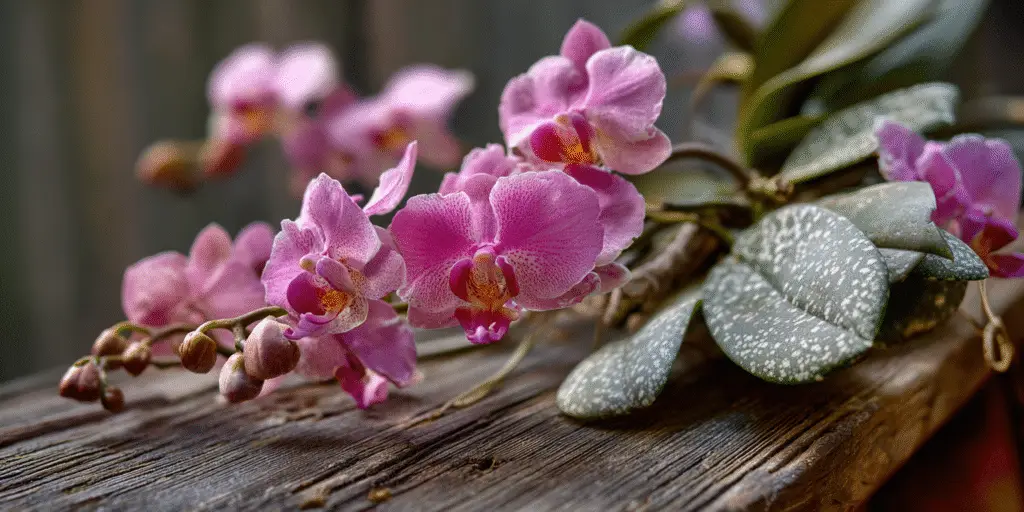
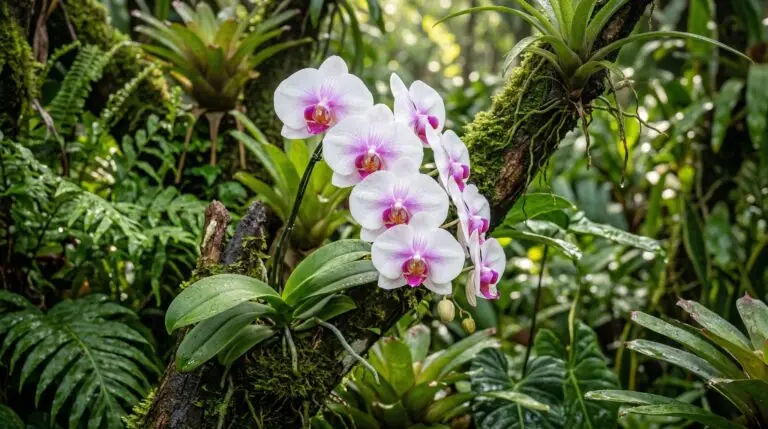
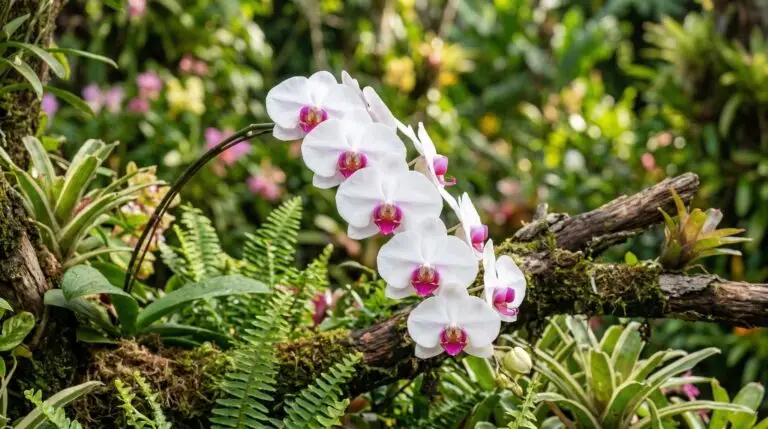
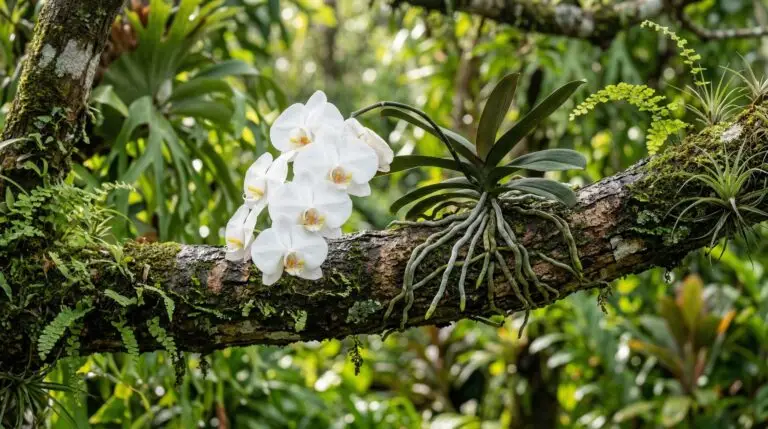
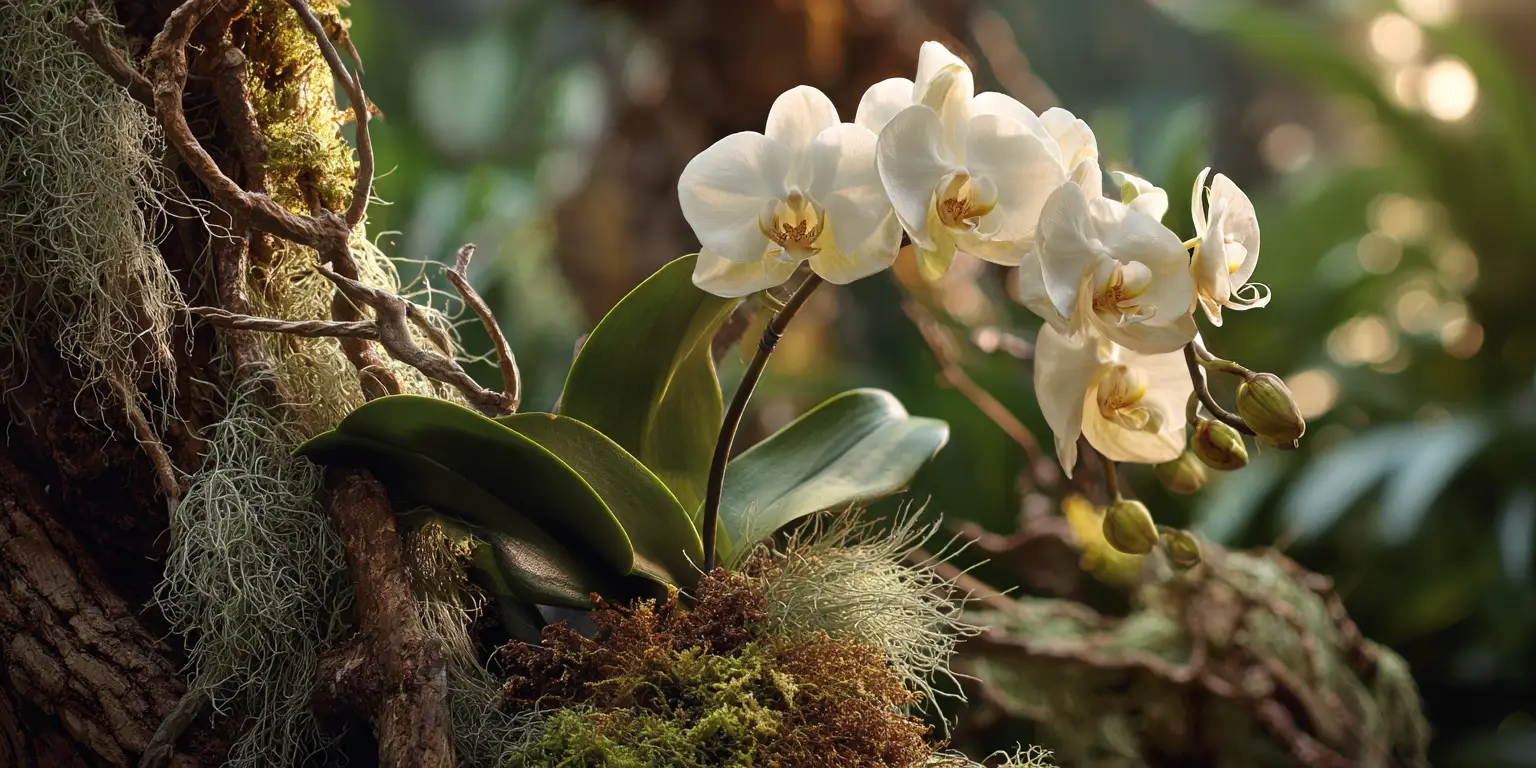
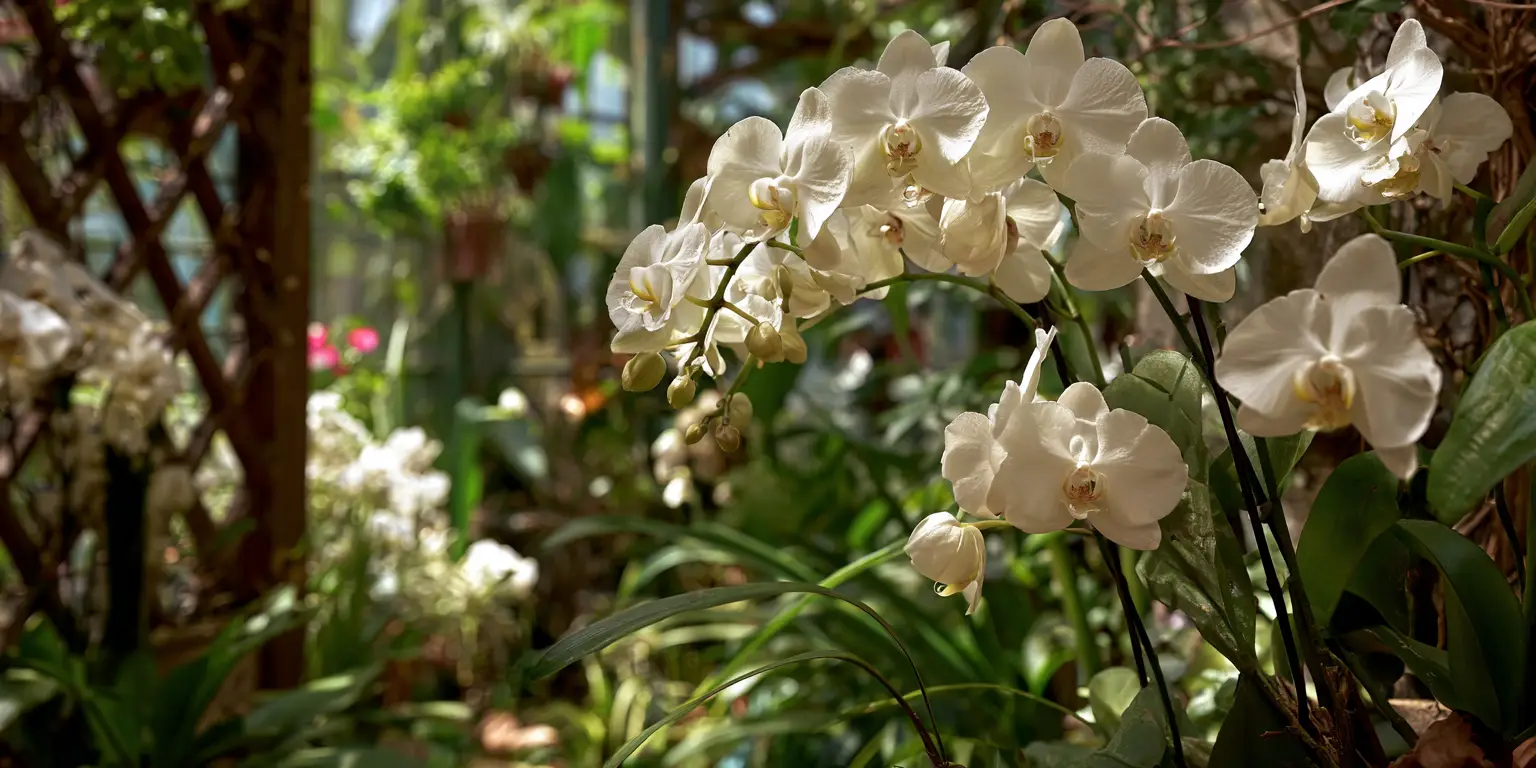
Phalaenopsis is a genus in the orchid family, Orchidaceae, holding roughly 60 to 70 wild species and tens of thousands of registered hybrids. The name joins the Greek phalaina, moth, with opsis, appearance, for the way the open flowers hover along the spike like a row of moths, and the Dutch botanist C.L. Blume formalized the genus in 1825. In the wild these are tropical plants, ranging from the Himalayan foothills and southern India through Southeast Asia to the Indonesian and Philippine islands and northern Australia, where most cling to tree trunks as epiphytes, a few grow on shaded rock, and all live in warm, humid, frost-free air under a broken canopy. That origin sets the care: constant warmth, moisture that drains fast rather than sitting, and filtered rather than direct light. The plant most people buy is a factory hybrid bred in Taiwan or the Netherlands, yet its needs trace straight back to a branch in a rainforest.
The types, with the breeding record behind them
The American Orchid Society is the registering and judging body for this genus, and its own material carries breeding history, named breeders and stated tradeoffs that no care sheet does. No university source found in this research profiles Phalaenopsis market types with the same specificity, which is why AOS is the authority throughout this grid. The badge answers one question: whether the Society names an advantage for the type, or names something you give up.
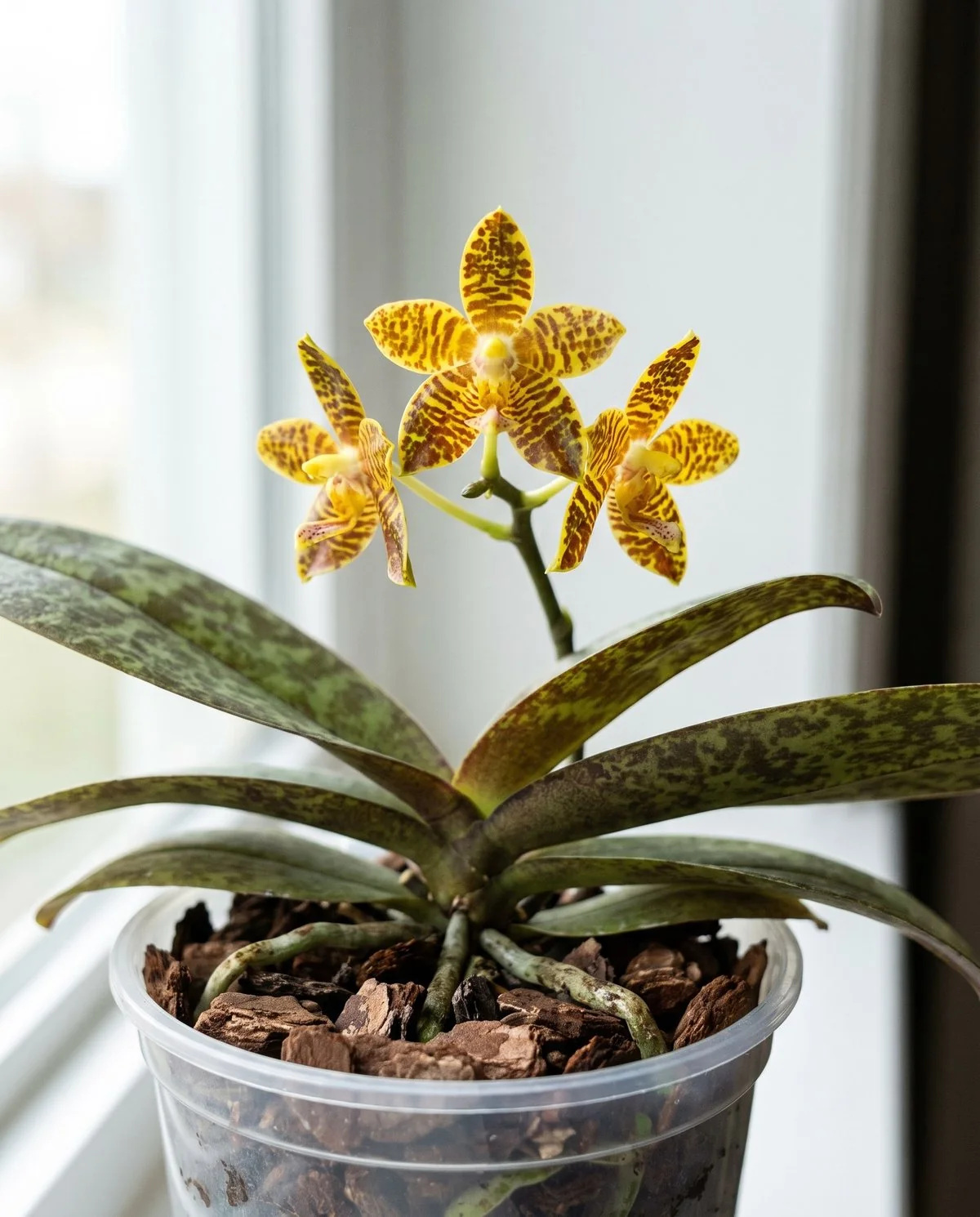
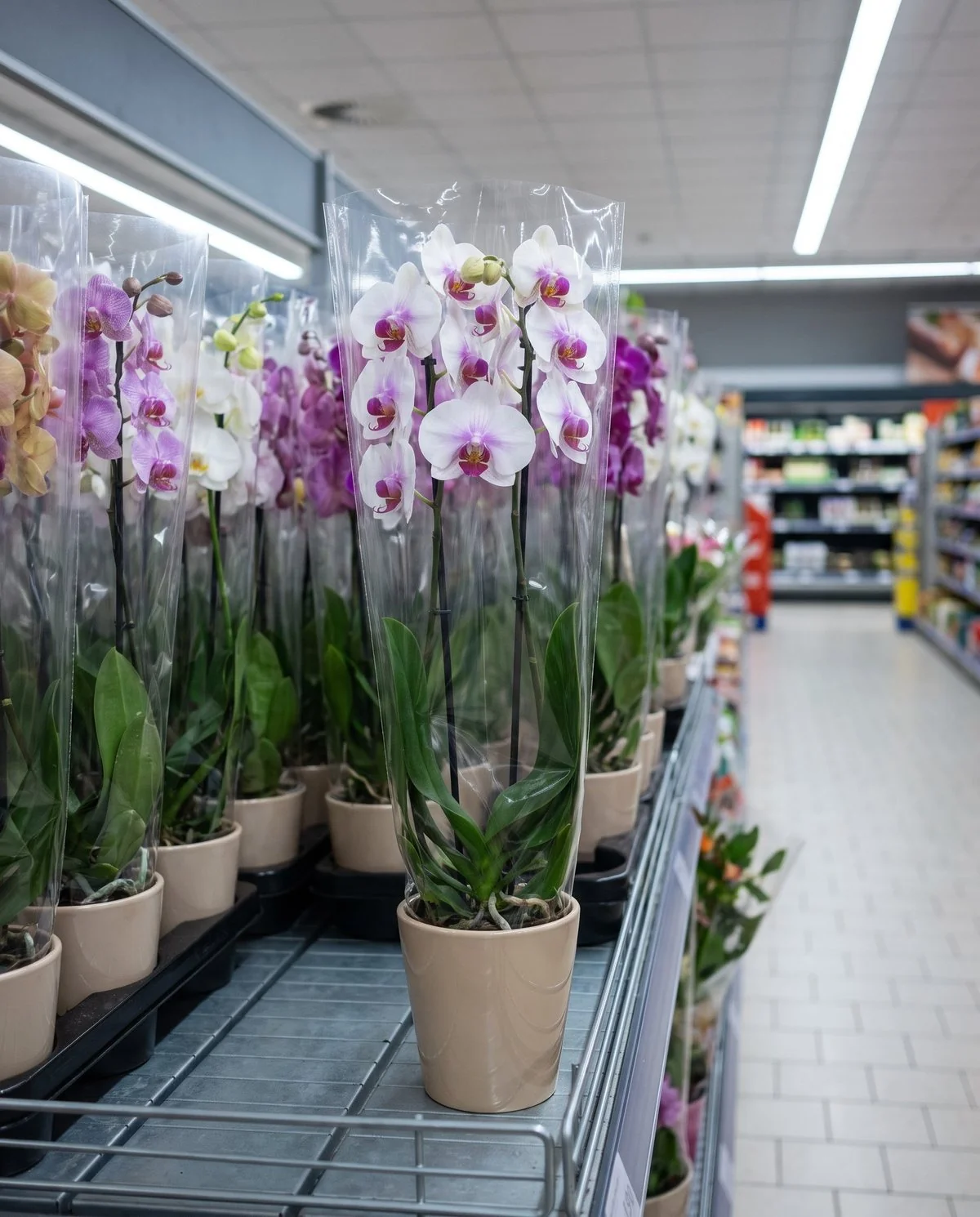
One premise sits under all of this and is worth stating rather than assuming. Orchids are the top selling potted flowering plant in the United States, with a wholesale value of $288 million, which the Ohio State and University of Georgia ice-cube study cites from the USDA 2016 Floriculture Crops Summary. That figure is for orchids as a category and no genus-level breakdown was found or confirmed in this research, so the widely repeated claim that Phalaenopsis dominates the gift and houseplant trade is a well-supported working assumption here rather than a cited statistic. The circumstantial support is real enough to name: the grocery and big-box ubiquity, AOS's own framing of Phalaenopsis as the default beginner orchid, and the fact that a dedicated r/Phalaenopsis subreddit exists but had gone dormant since August 2024 at the time of this research, which suggests casual owners never look for a genus-specific community at all.
Bloom time
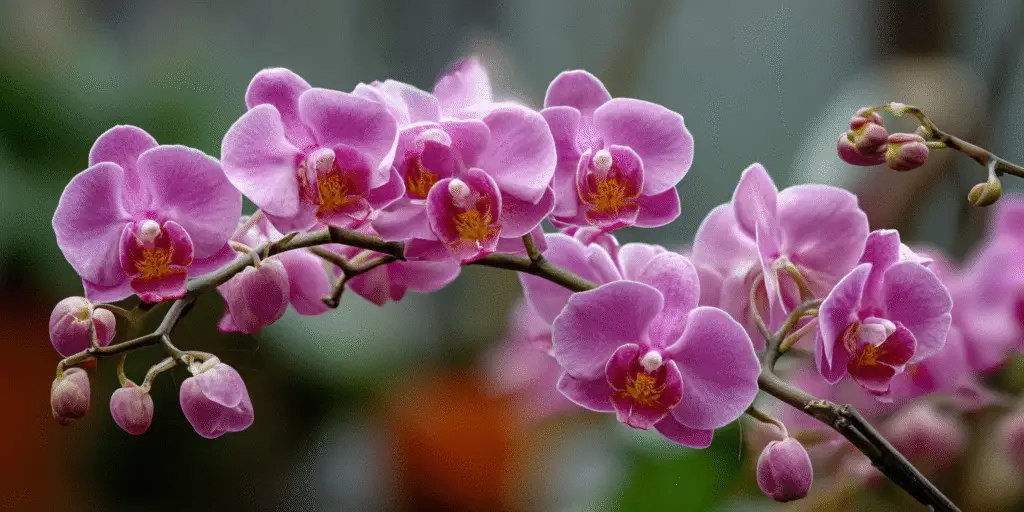
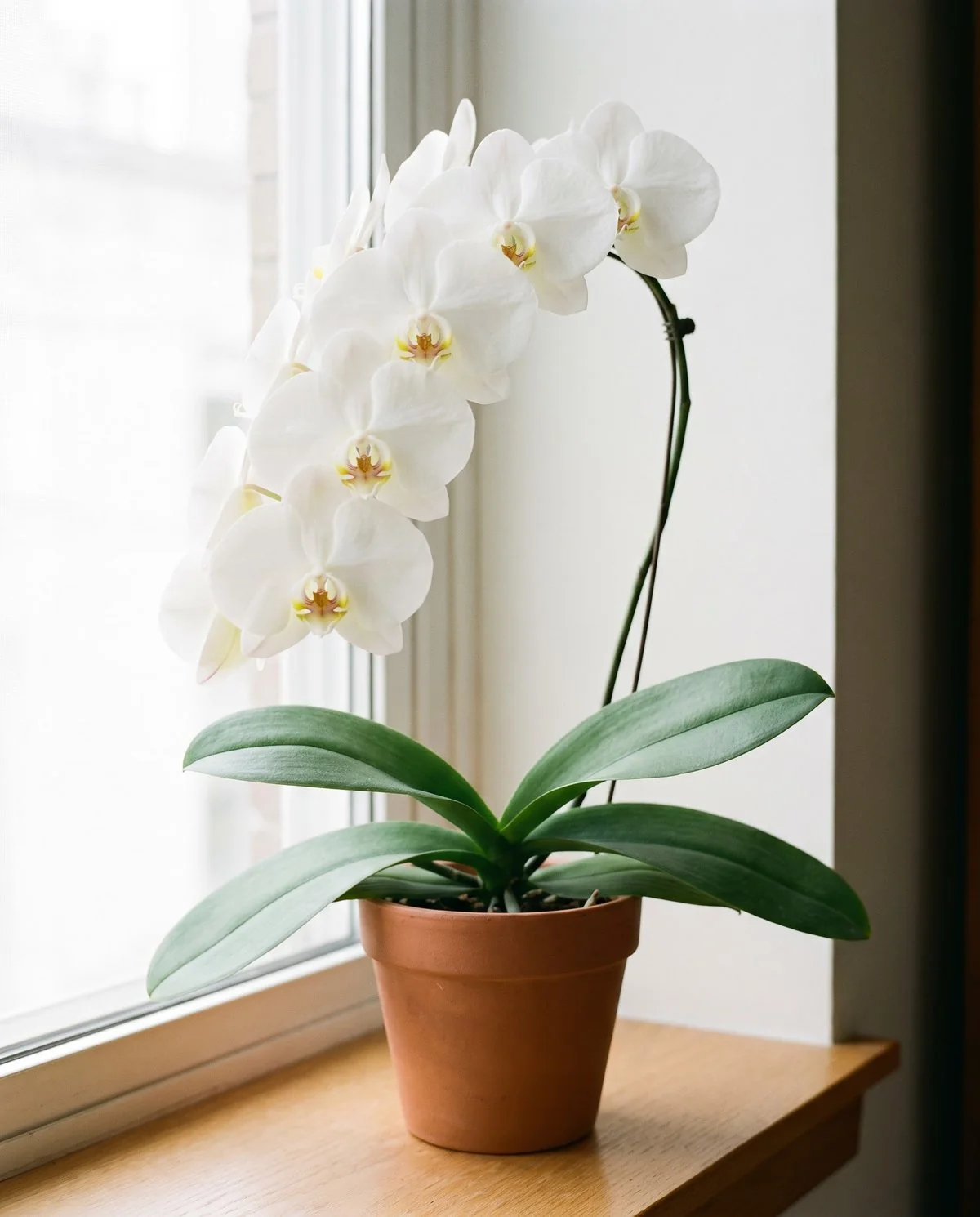
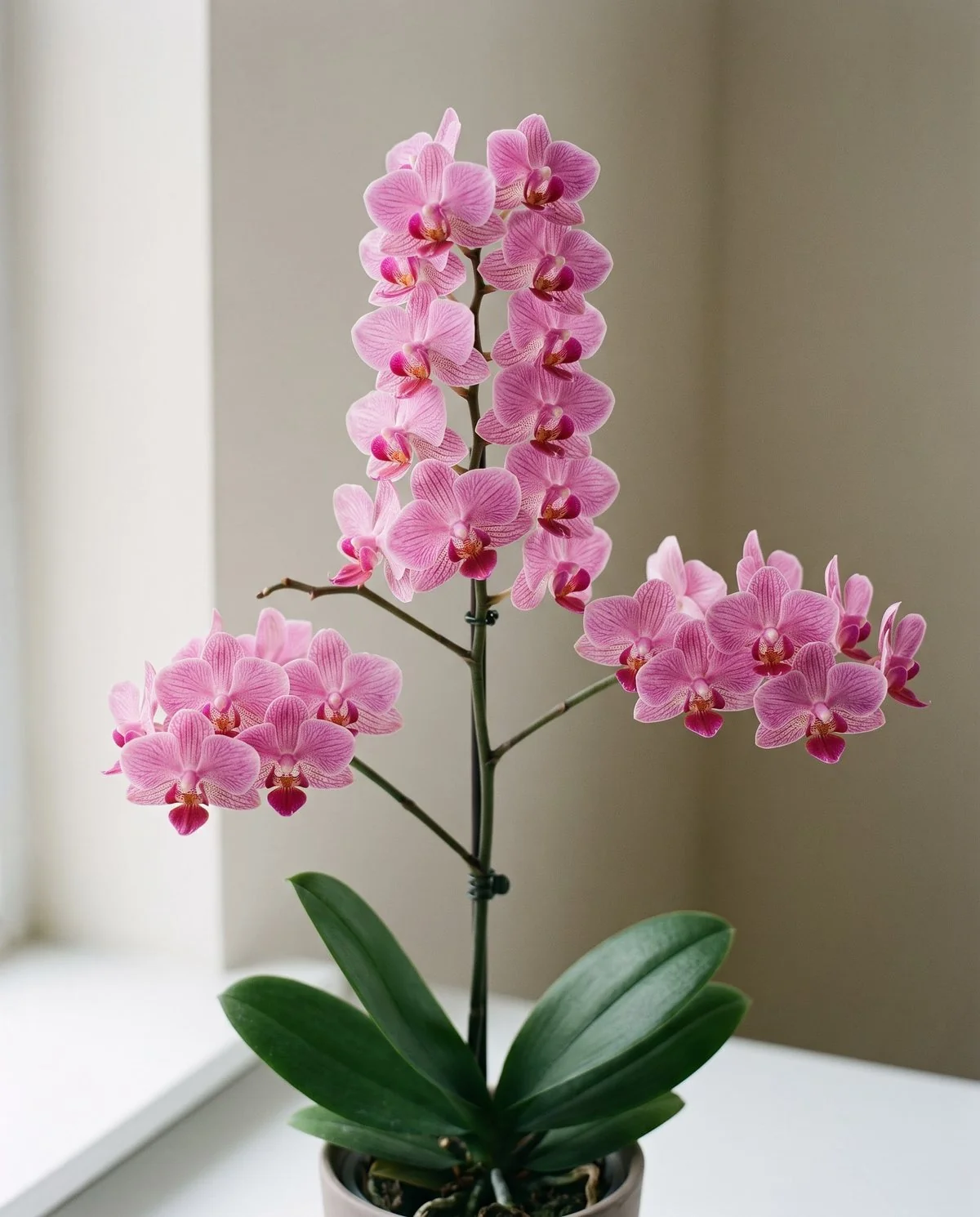
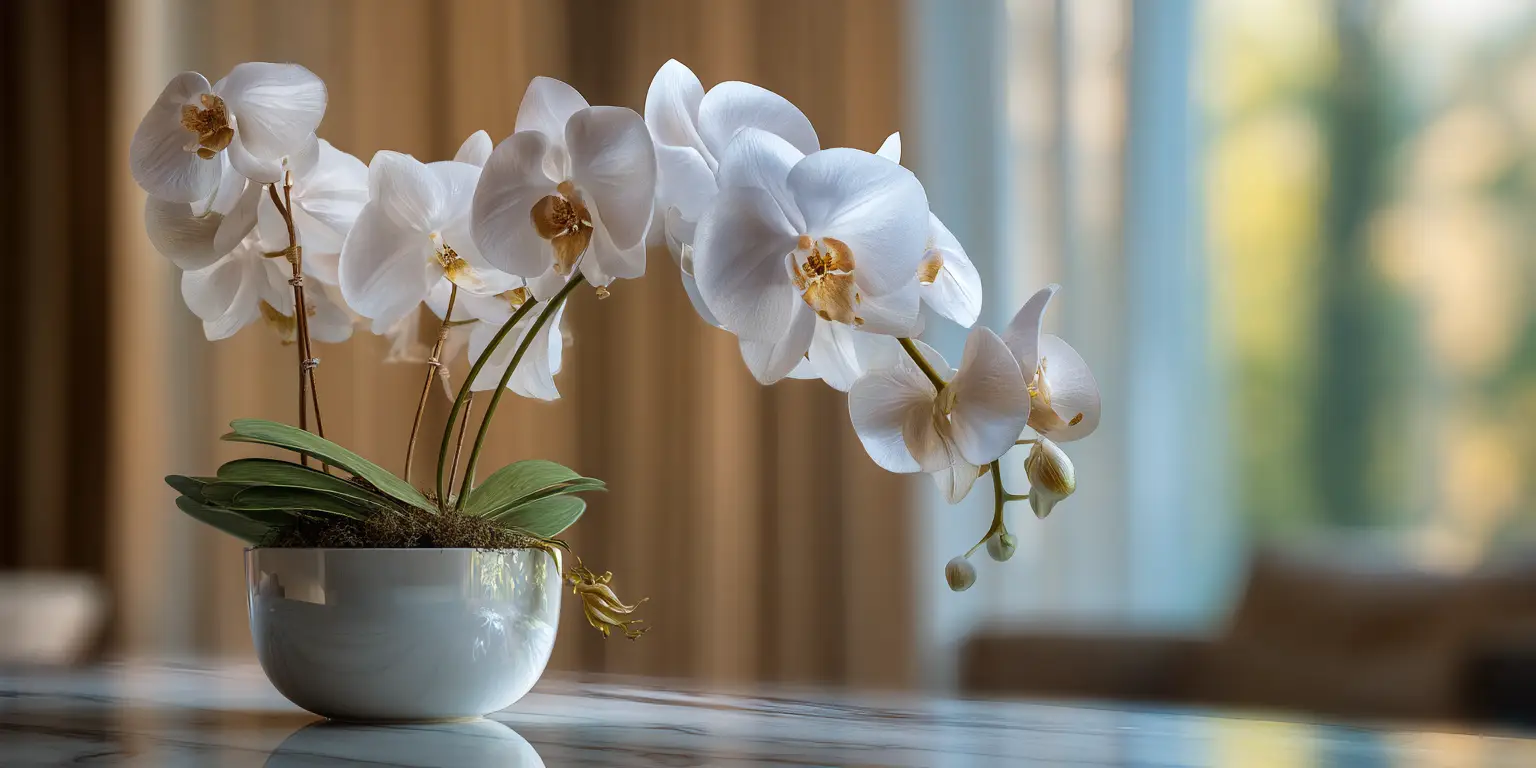
A moth orchid usually blooms once a year, and the timing turns on temperature more than the calendar. Through fall and early winter the plant reads a run of cooler nights and sends up a flower spike from the base of a leaf, the buds swelling slowly and opening in sequence, so it often reaches full flower in late winter or spring. Because the cool spell is the trigger, a plant held at an even room temperature all year frequently grows leaves and roots but never sets buds. The reward for the wait is staying power: each flower lasts weeks, and because the buds open one after another, a single spike commonly holds color for two to three months, sometimes four from the first flower to the last. Once the show ends the plant rests and builds new leaves and roots for months before it can flower again, so patience between rounds is part of owning one.
Two paths, worked in order
The first path is the most-asked question about this plant and its answer has changed with the research. The second decides whether a rebloom is even physically possible, which is why it belongs beside it.
Height and spread
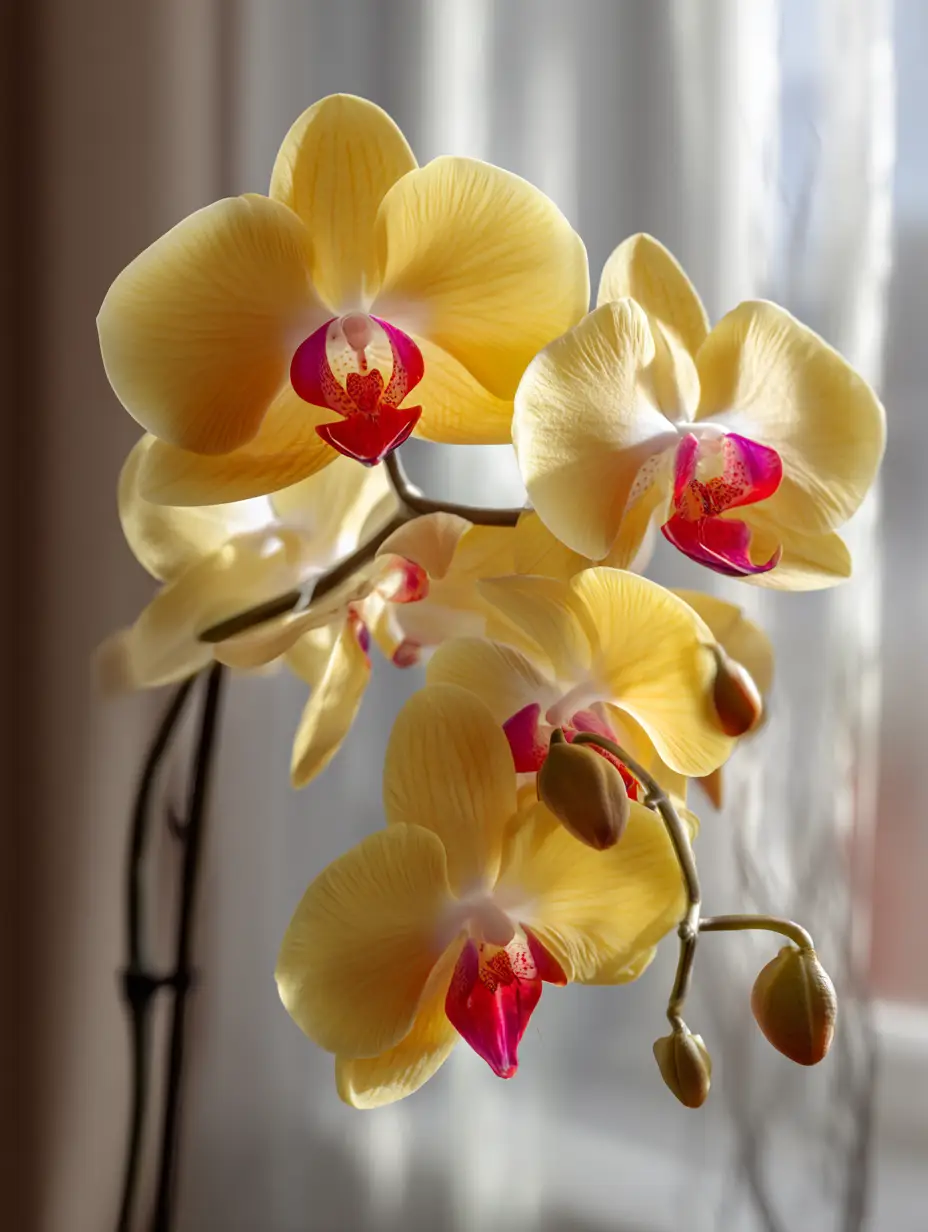
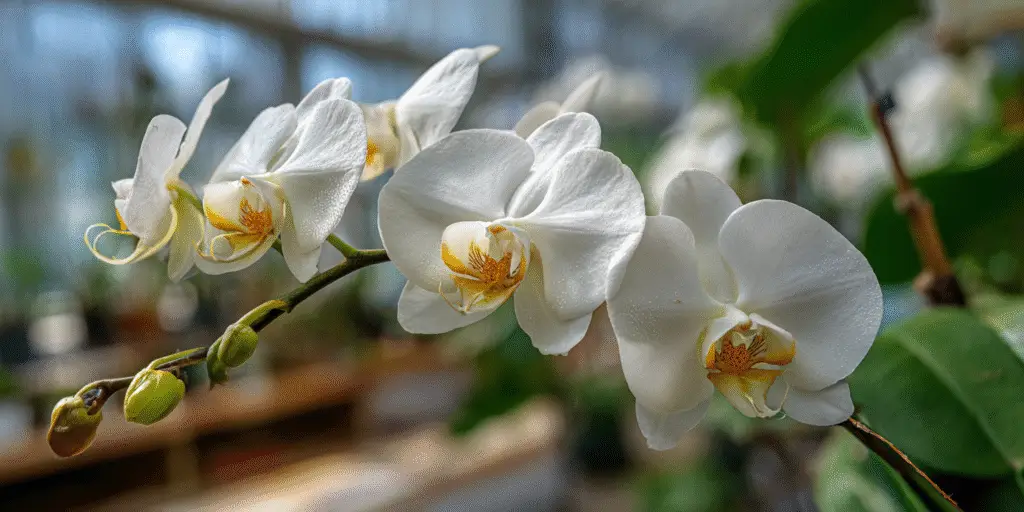
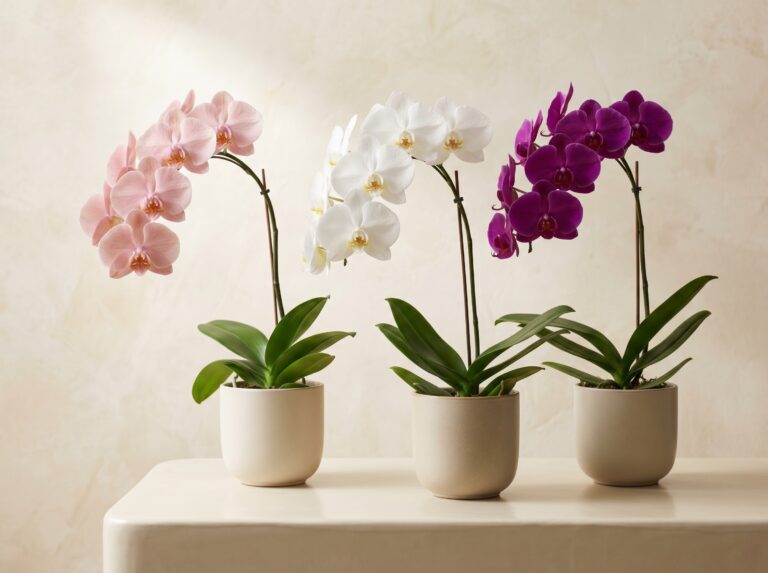
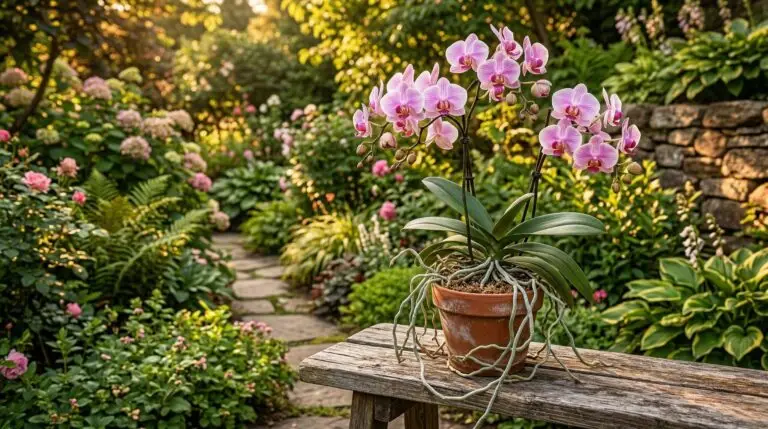
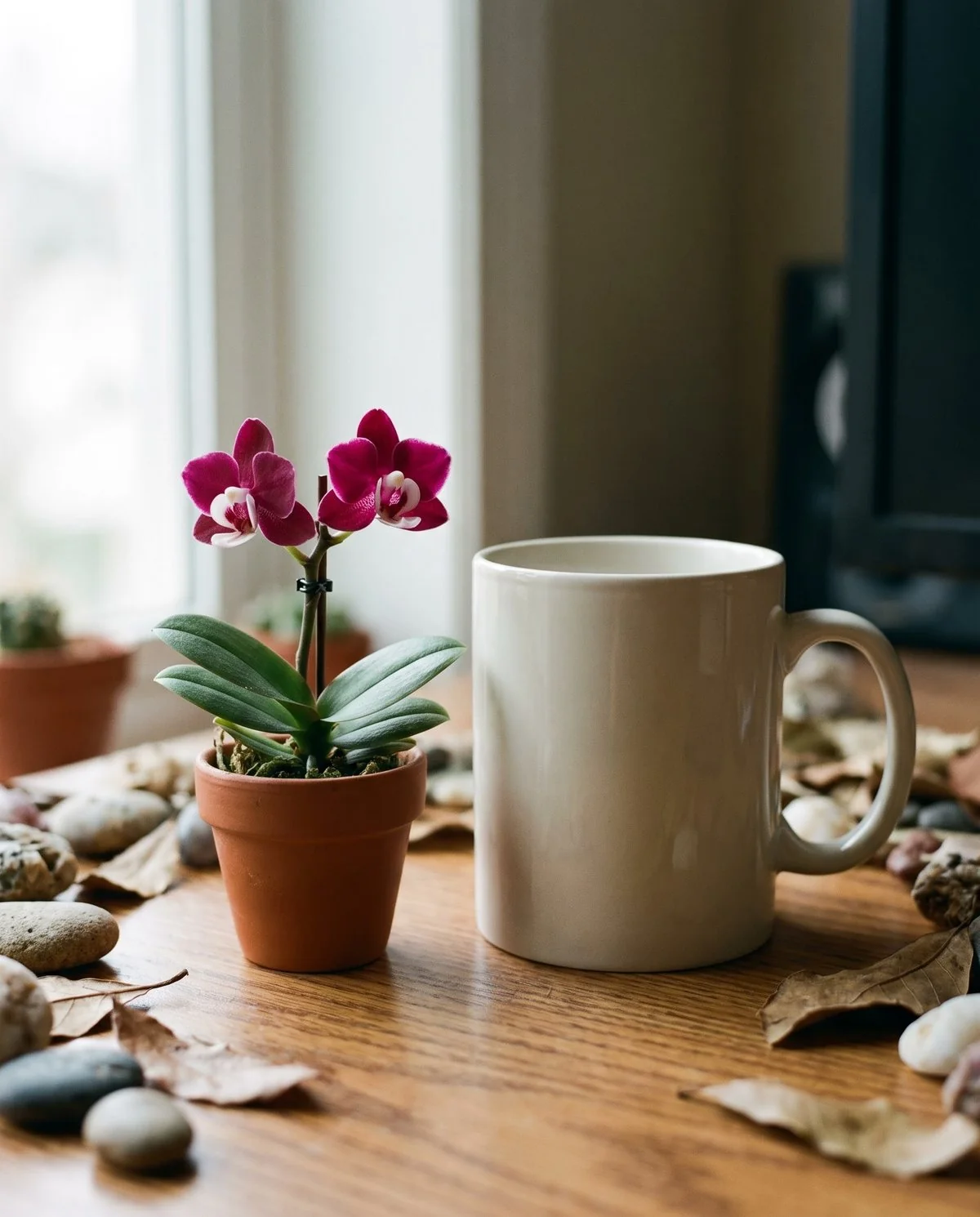
This is a compact plant, which is much of why it suits a windowsill. A mature Phalaenopsis carries four to six broad, leathery leaves in two opposite ranks, each 8 to 12 inches long, so an adult plant spans around 10 to 12 inches across. Growth is monopodial, rising from one growing point without branching, so it stays a neat rosette, and older bottom leaves yellow and drop as new ones form on top, which is normal aging rather than trouble. Height comes almost entirely from the flower spike, which arches to roughly 18 to 24 inches and carries 6 to 20 blooms depending on the hybrid, with individual flowers 3 to 5 inches across on large-flowered types. Miniatures shrink the whole plant to a few inches tall with blooms 1 to 2 inches wide, worth knowing before buying since the label rarely says which scale you are getting.
Light
Light is the single factor that most often decides whether a moth orchid reblooms, and the target is bright but indirect. In the wild the plant sits under a broken canopy, so indoors it wants strong, filtered light with no harsh midday sun on the leaves; an east-facing window with gentle morning sun is close to ideal, and a south or west window works behind a sheer curtain. The leaves report the balance: a well lit plant holds medium olive-green leaves, very dark green limp leaves mean too little light, and a plant in that state can live for years yet never flower, while leaves that flush yellow-green or reddish are getting too much and can scorch in direct summer sun through glass. When a healthy looking orchid refuses to bloom, thin light is the first thing to correct. Where natural light falls short, a grow light on a timer for 12 to 14 hours a day carries it, as long as the plant still gets true darkness at night.
Water
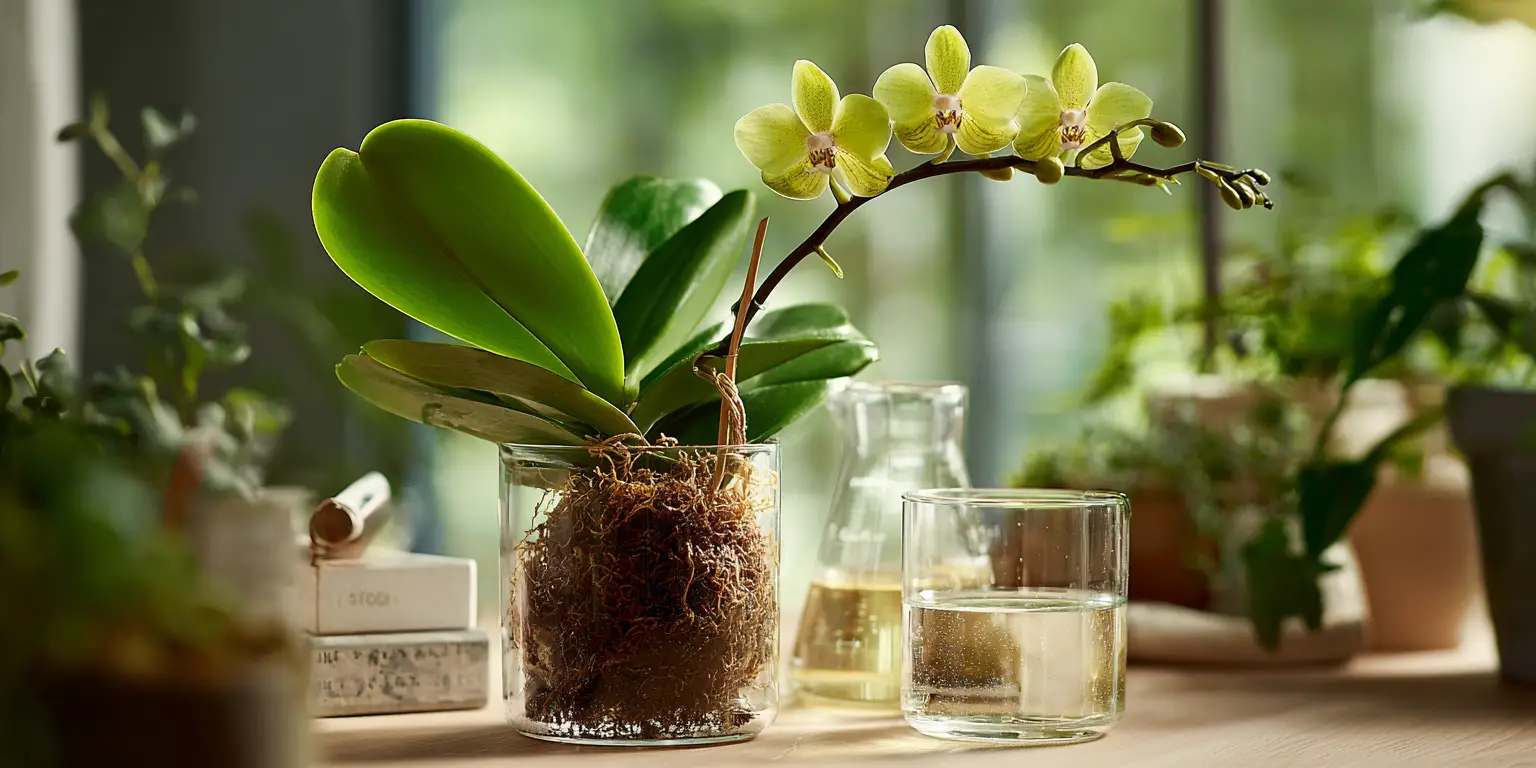
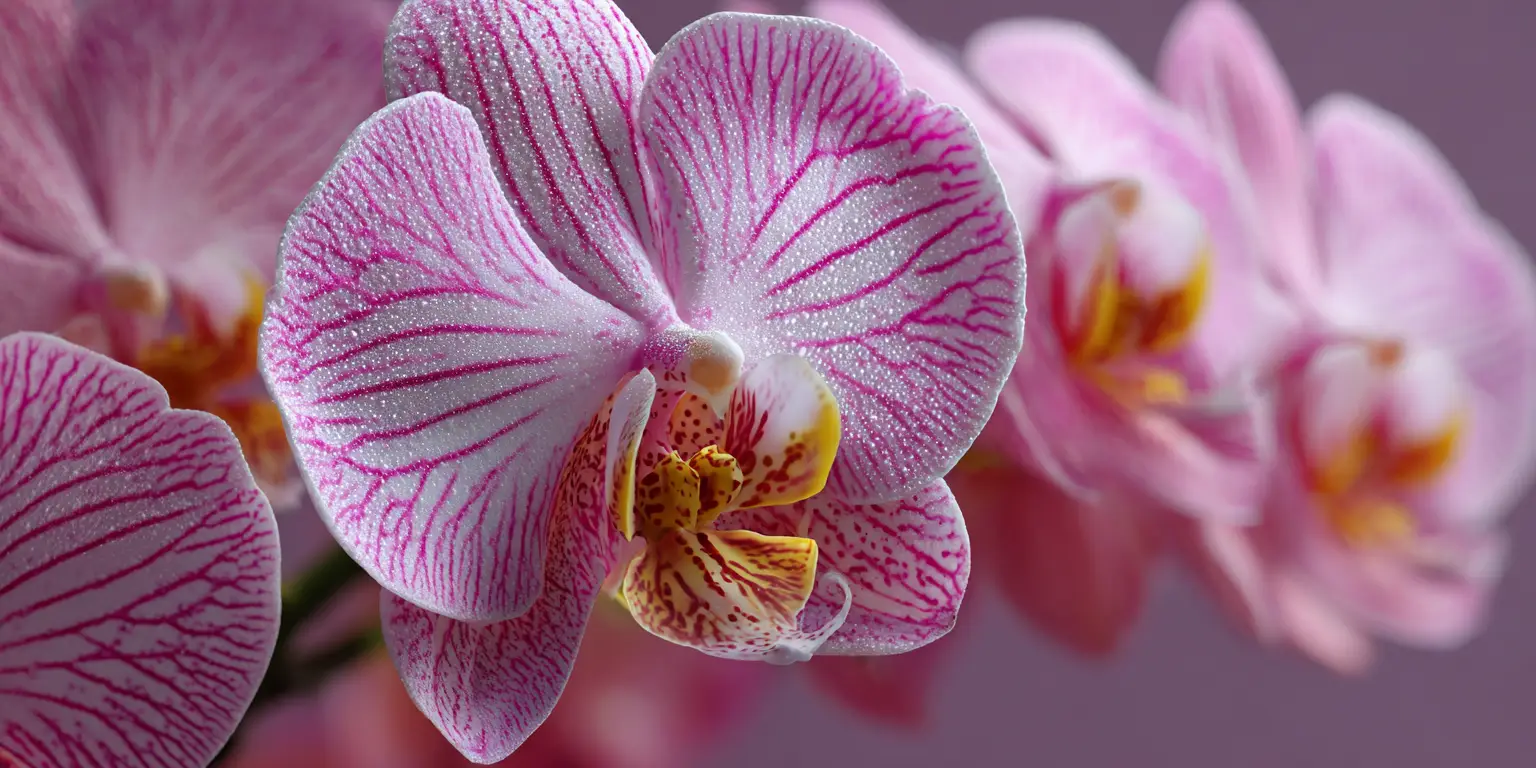
More moth orchids die from watering than from anything else, and almost always from too much rather than too little. The aim is a thorough soak followed by a real drying-out, never constant wet: run tepid water through the bark until it drains, let the pot empty so the plant is not left standing in a saucer, and let the bark approach dry before the next watering, which in an average home means every 7 to 10 days, closer to 5 to 7 in warm dry heat and 10 to 14 in cool humid air. Water by the plant, not the calendar, because the roots are the gauge: in a clear pot, healthy roots read silvery-white when the plant is thirsty and turn green within minutes of a drink, so green roots do not need water and silver ones do. Room-temperature water is the usual advice, and the ice cube habit that comes printed on so many gift tags has actually been tested: Ohio State and the University of Georgia grew 96 plants across two sites, half watered weekly with three ice cubes and half with the same volume of tepid water, and found no difference in flower longevity, display life or root condition over four to six months. Clemson goes further and names three cubes a week as a workable routine. What matters more than the temperature is the volume, since three cubes suit a small bark-filled pot and leave a large one dry. Water in the morning and keep it out of the central crown where the leaves meet, because water trapped there overnight invites crown rot, which kills the single growing point and usually the whole plant. These plants also prefer humidity near 50 to 70 percent, higher than most heated homes, so a pebble-and-water tray under the pot or a cluster of plants nearby keeps the roots content.
Four claims, and the trials that tested them
Two of these are unusually well tested for houseplant advice, and both change the answer rather than confirming it. The named institutions and the actual statistics are given, because the conclusions are strong enough that the evidence should be checkable.
The myth: Ice cubes are too cold for a tropical orchid's roots.
The reality: The controlled trial found no measurable harm. K.A. South and M.L. Jones of The Ohio State University's OARDC Department of Horticulture and Crop Science, with P.A. Thomas, M.W. van Iersel and C. Young of the University of Georgia Department of Horticulture, ran 48 Phalaenopsis at each of two locations, 96 plants in total, across 4 cultivars, half irrigated weekly with three ice cubes and half with the equivalent volume of room-temperature water, and monitored them for 4 to 6 months for flower longevity, display life, chlorophyll content, photosystem-II efficiency and root and leaf dry weight. There was no significant difference on any measure. Bark media temperature after ice application reached a documented low of about 56 F and returned to baseline roughly 5 hours later, and the paper's own conclusion is that media temperatures were not reduced low enough or long enough to induce low temperature damage in the roots. A bonus finding ran the other way: ice-irrigated plants showed lower leachate volume than water-irrigated ones in 3 of 4 measured months at one location, meaning the slow melt may improve uptake rather than merely being harmless. Clemson HGIC states the practical version, three ice cubes per week on top of the bark medium avoiding direct leaf contact, as its own alternative for consumers prone to overwatering. One contrary anecdote turned up in this research, an owner who found mold growing and concluded that ice cubes were not the answer, and it is worth keeping: an averaged result across 96 plants does not rule out a bad outcome for one plant in one room.
The myth: Cool night temperatures are what trigger a Phalaenopsis to rebloom.
The reality: Broadly right in effect and wrong about the mechanism, which is a genuinely useful complication rather than a flat error. Blanchard and Runkle at Michigan State University, publishing in the Journal of Experimental Botany in 2006, found day temperature statistically controls flower initiation at P of 0.001 or better while night temperature does not, at P of 0.09 or higher. Their stated mechanism is that a warm day temperature inhibits flower initiation, and the commercial evidence points the same way: growers deliberately hold Phalaenopsis at 82 F or above precisely to stop it spiking while they bulk the plant up. Cooling a room genuinely does trigger a spike, because it lowers the day temperature past that threshold along with the night temperature. The action stays the same; the variable that actually causes it is the daytime one.
The myth: Misting is an adequate way to keep humidity up for an orchid.
The reality: False, per a direct university statement. University of Maryland Extension puts it plainly: misting an orchid usually does not provide enough moisture. The recommended alternative across all three sources used here is a pebble tray with water below the pot rather than touching it, and the humidity targets are 40 to 60 percent per Clemson and 50 to 80 percent per AOS.
The myth: Cutting the spike after flowering is always the right move.
The reality: It depends entirely on the spike's colour and the plant's type, and cutting the wrong one throws away a real chance at a faster rebloom. AOS's instruction for a green spike with unused nodes is to cut above the second node on the spike, but below any dried, brown, yellowish-brown, or dead-looking part. A fully brown, dry spike has nothing left and should be cut to the base. Novelty star-shaped Phalaenopsis are the exception in the other direction: AOS states the spike should not be cut as long as they remain green, since those types flower repeatedly from the same spike and its branches. A specific week count for a secondary bloom circulates in consumer sources and is not repeated here, because this research did not confirm it against AOS's own material.
Soil and pH
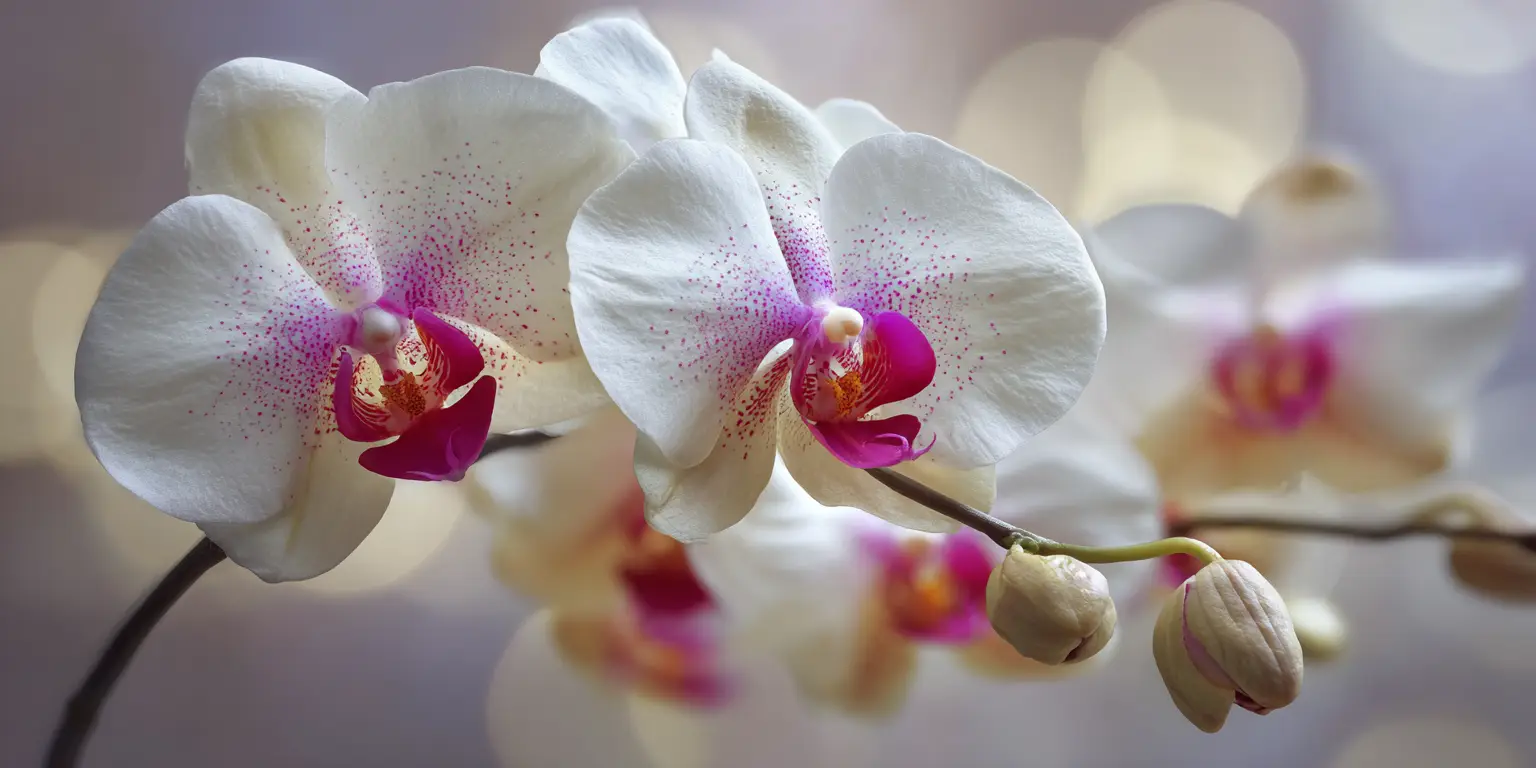
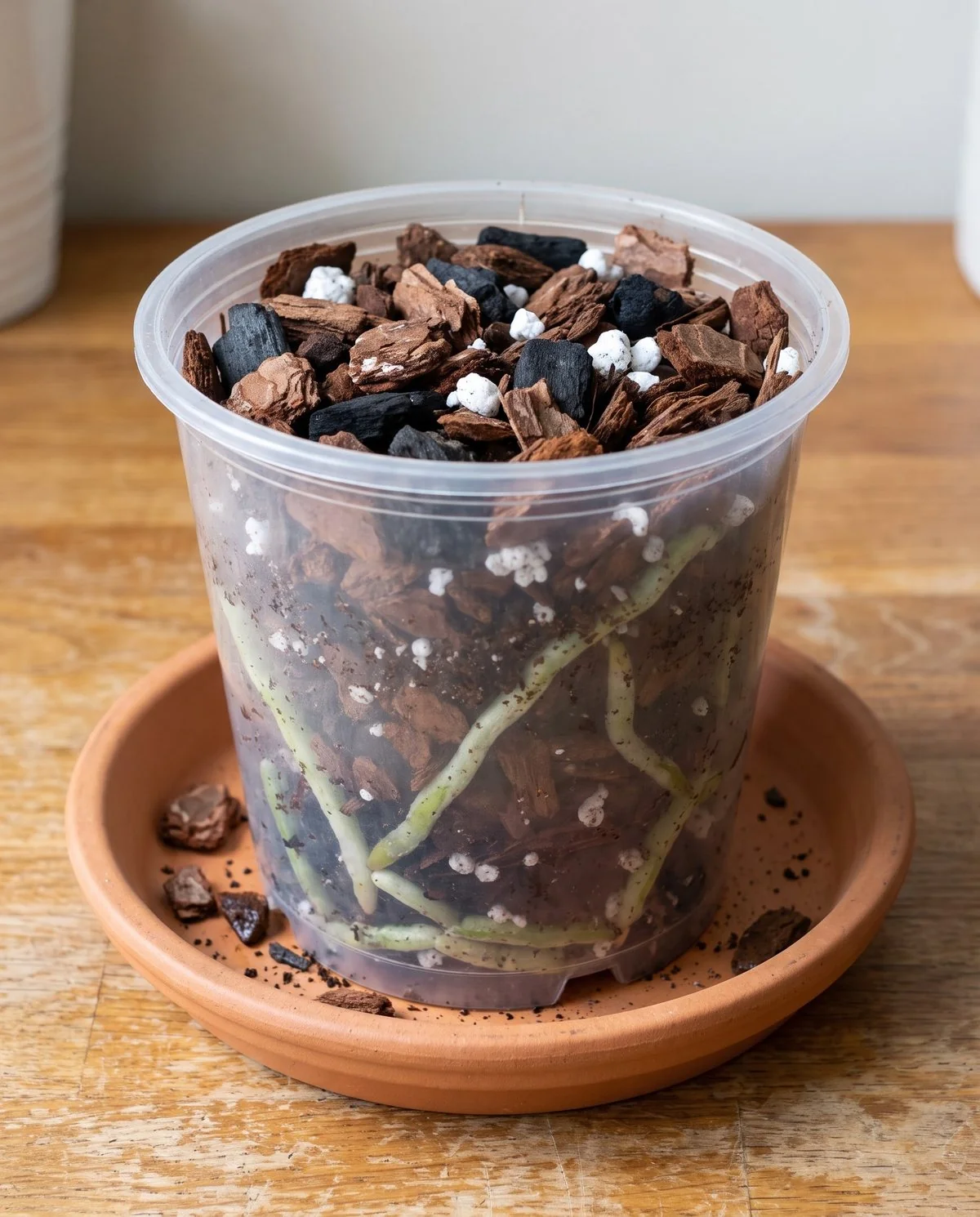
A moth orchid does not grow in soil and will die in ordinary potting mix, which smothers the roots and holds the water that rots them. As an epiphyte its roots need air as much as moisture, so the medium is a loose orchid mix built mostly of coarse fir or pine bark, often with perlite, a little charcoal, and sometimes coconut husk or sphagnum moss for a touch of retention; it stays chunky, and water pours straight through. Bark runs mildly acidic, so the roots sit near a pH of 5.5 to 6.5, which suits them, and few growers ever measure it. Many orchids leave the store packed in pure sphagnum moss, which is the most common way a new owner drowns one, because moss feels dry on top while staying soaked at the core, so the plant that looks thirsty is quietly rotting; if a plant is in moss, let it dry hard between waterings or, better, repot it into bark once it finishes flowering. Repot every one to two years regardless, since old bark breaks down into a dense sour mush, using a clear plastic pot only slightly larger than the last so the roots get light and stay snug, trimming brown mushy roots while keeping the firm green or silver ones, and setting the crown at the surface rather than buried. Bark carries almost no nutrition, so feed with a balanced orchid fertilizer at quarter strength most waterings, the habit growers call weakly weekly, and flush the pot with plain water now and then to clear salts.
USDA hardiness
Phalaenopsis is a warmth-loving tropical plant with no frost tolerance, so for almost everyone it is a houseplant. It can live outdoors year round only in USDA zones 10b through 12, the frost-free tropics such as south Florida, Hawaii, and Puerto Rico, and even there growers keep it in shade houses; anywhere colder it stays inside, because cold below about 50 F (10 C) damages the leaves and flowers and a real chill can kill the plant. The comfortable range is roughly 65 to 85 F (18 to 29 C) by day dropping to 60 to 70 F (15 to 21 C) at night, which ordinary household temperatures meet without effort, and a modest night dip is welcome and helps flowering. Sudden extremes are the thing to avoid, so keep the plant clear of cold drafts by doors and vents and away from radiators that blast hot dry air. Set the zone number aside and hold one rule: never let a moth orchid sit below about 55 F (13 C).
The indoor numbers, as three sources publish them
A houseplant has no planting zone, so this is the equivalent: the measured targets from the American Orchid Society, Clemson HGIC and University of Maryland Extension, given as ranges wherever the three genuinely differ rather than forced into one false-precise figure.
Propagation and longevity
Propagating a moth orchid at home is slow and limited, because the plant grows from a single crown and cannot be split, rooted from a leaf, or cut in half the way a clumping perennial can. Commercial growers raise them from dust-fine seed on sterile media or clone them in tissue-culture labs, neither practical on a windowsill, so the one method open to a home grower is the keiki, Hawaiian for baby, a small plantlet that sometimes forms on a node of an old flower spike; a dab of hormone keiki paste can coax one, though not always. When a keiki appears, leave it on the mother plant until it has a couple of leaves and roots two to three inches long, then cut the spike a half inch above and below it and pot the baby in fresh bark, kept warm and humid until it settles, though it may be a few years before it flowers. Against that slow propagation stands real longevity: a well kept moth orchid lives for many years, often decades, and a 10 to 15 year old plant in good health is common, shedding its oldest bottom leaves as it makes new ones.
What to expect, and the number nobody publishes
The first stretch is the one almost everybody meets, since a gift or grocery-store plant already in bloom is the dominant entry point in this research at 15.2 percent of the corpus. A plant bought in flower holds its existing blooms for weeks to a couple of months before they naturally drop, which is ordinary end-of-cycle behaviour rather than a failure, and the plant then needs a genuine rest of new leaf and root production before it can spike again. Reblooming frequency is where the sources stop agreeing with the internet. AOS and University of Maryland Extension both frame it as an annual, seasonally triggered event for a standard hybrid under correct care, with cooler autumn conditions as the practical trigger and the day-temperature mechanism in the myths block as the actual cause. This research turned up one real data point beyond that consensus and it is a single owner's: a miniature Phalaenopsis malipoensis reported sending up a new spike roughly every five to six months, which is an anecdote about a mini and species-leaning plant rather than a rate for standard hybrids. For the years after that, none of the university or AOS sources used here states an expected lifespan for a well-kept plant, and several consumer figures in circulation were not verifiable against a primary source, so no number is offered in either direction. What the sources do support concretely is more useful than an age anyway: repotting on the 1 to 3 year bark schedule AOS and Clemson give, with Clemson's early signal of bark fragments flushing out of the pot while watering, and correcting the specific failure modes as they arise. The corpus points at which ones. Root health and repotting or medium questions together account for 38.1 percent of the working corpus, by a wide margin the two largest concerns, which means the highest-leverage thing an owner can get right for the long run is root and medium management rather than precision on light and temperature, even though light and temperature take up most of the space in typical care content.
Fragrance
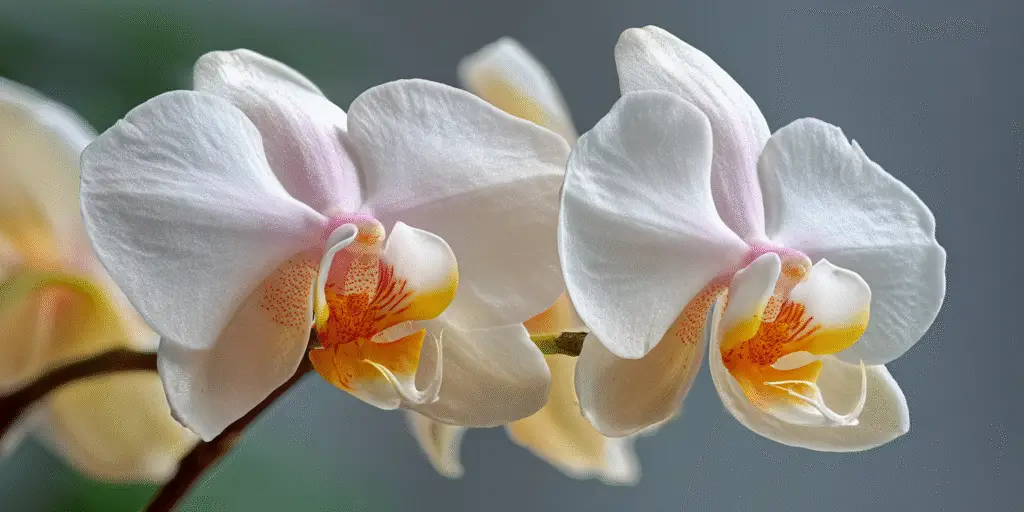
Most moth orchids sold in stores have almost no scent, a direct result of how they were bred: the big white and pink hybrids descend largely from species such as Phalaenopsis amabilis and P. aphrodite that carry little fragrance, and generations of breeders chasing flower size, color, and shelf life rarely selected for smell, so the standard supermarket plant reads as scentless to most noses. The genus does hold fragrance, though, in a handful of species and the newer hybrids bred from them: Phalaenopsis violacea and P. bellina, both from Southeast Asia, carry sweet, spicy, citrus-tinged scents that come out in the morning, and the Philippine P. schilleriana has a light rose note. These tend to be smaller, waxier, more colorful flowers sold as novelty orchids, and the scent is a close-up pleasure rather than a room-filling one, so anyone set on a fragrant orchid should choose a named scented variety or look to a different group such as the oncidium orchids, some of which smell of chocolate or vanilla.
Toxicity and pet safety
Moth orchids are safe around animals. The ASPCA lists Phalaenopsis as non-toxic to cats, dogs, and horses, so a pet that nibbles a leaf or mouths a fallen flower faces no poisoning, and the plant carries no thorns or irritating sap; for a broader picture of which blooms are genuinely safe, the guide to flowers that are safe for cats and dogs sets the orchid alongside its peers. Non-toxic is not the same as edible, since a pet that eats a large amount of leaf may get a passing upset stomach from the fibrous material, but that is a world away from the organ failure that dangerous plants cause: lilies, which are deadly to cats even in tiny amounts, sit at the opposite end of the scale from the moth orchid. The one practical caution is mechanical rather than chemical, since a playful cat may bat at the swaying spike and snap it, so a plant in bloom is better placed out of reach.
Vase life
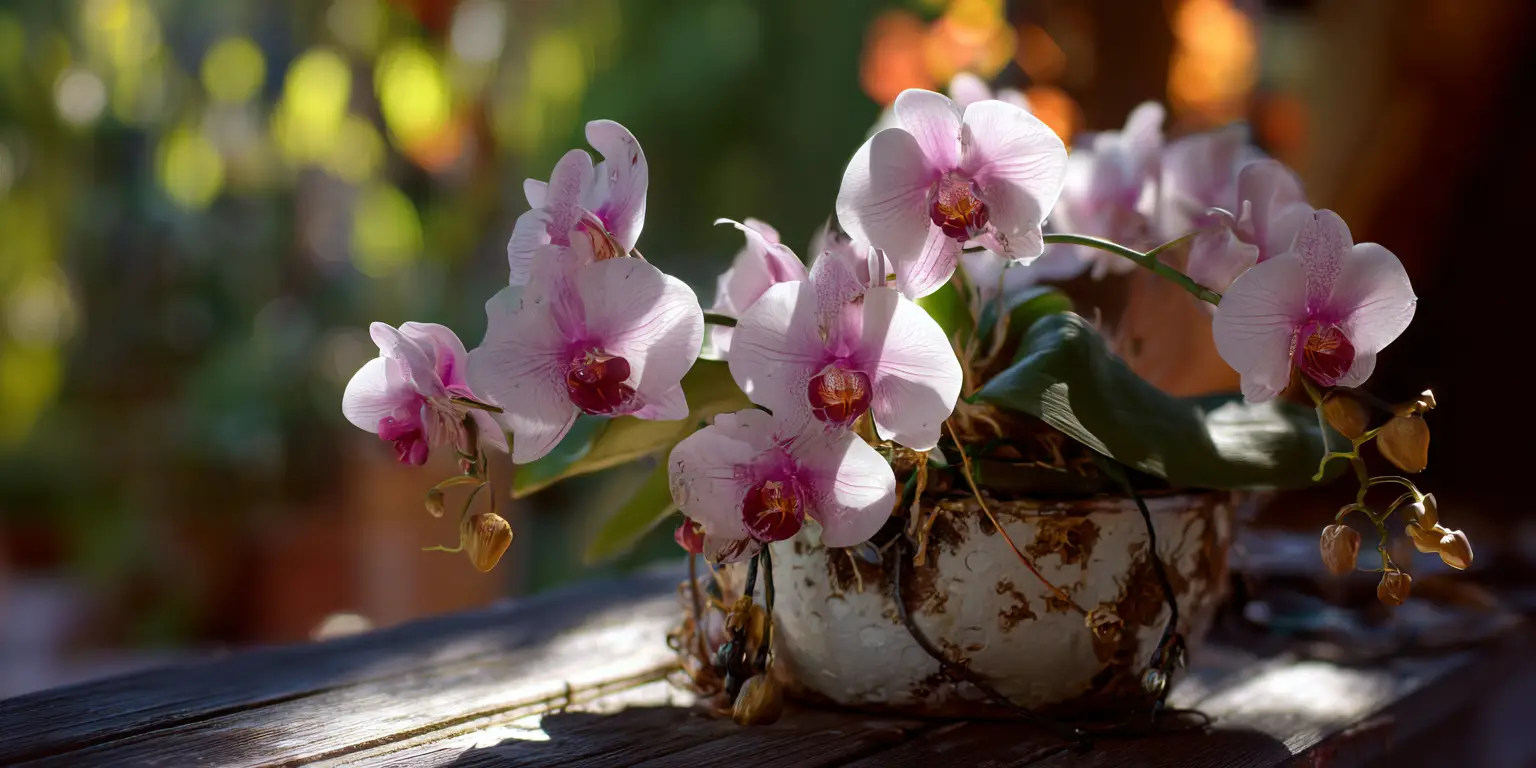
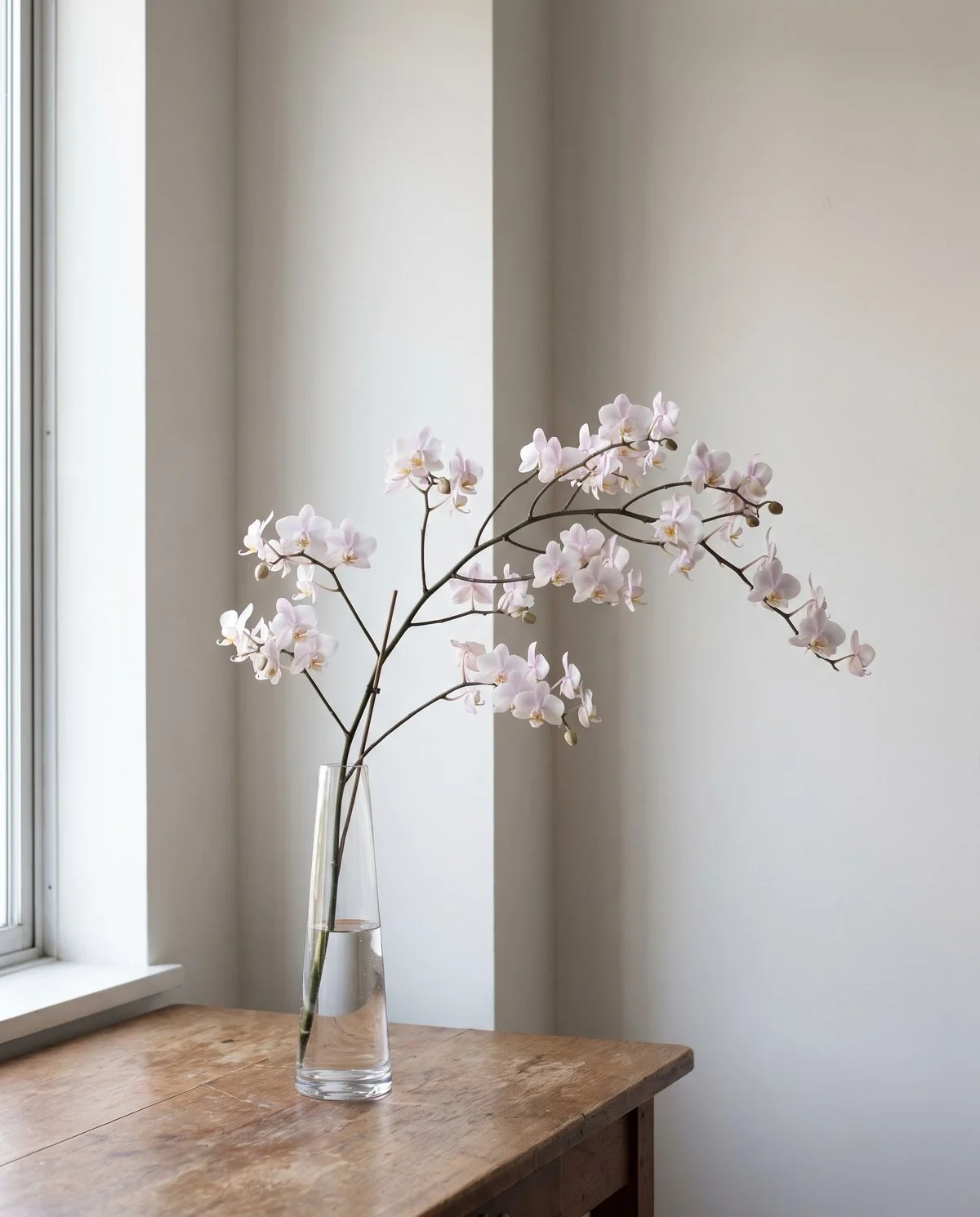
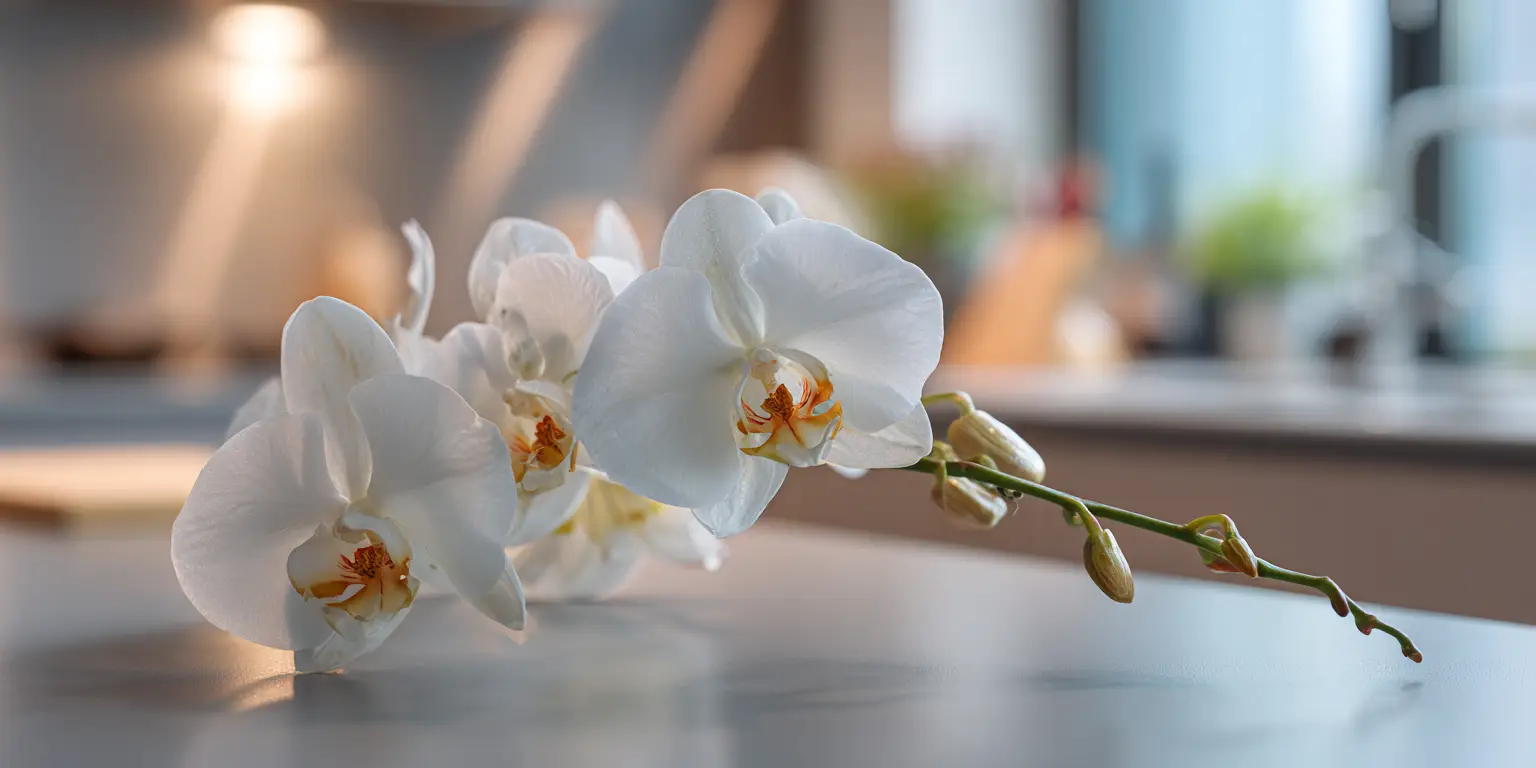
The moth orchid is grown mostly as a living plant, but a cut spike makes a striking, long-lasting arrangement. Stood in water, the cut flowers hold roughly one to two weeks, up to three under good handling, which already beats most cut flowers and is why florists prize them despite the cost, though on the plant those same blooms would last months, so cutting a spike ends its flowering. To get the most from a cut spike, take it early in the day with clean, sharp shears, cut the stem at an angle, and strip any small bracts that would sit below the waterline; stand it in a clean vase with fresh water and a pinch of floral preservative, and keep it out of direct sun and away from ripening fruit, because Phalaenopsis flowers are sensitive to the ethylene gas that fruit gives off and will drop early near a fruit bowl. The arching form and long hold make moth orchid sprays a fixture in wedding flowers, from cascading bouquets to single blooms floated in a bowl.
What the postharvest research covers, and what it does not
This is the block where the honest answer is that the numbers are not available, and the reason is worth more than a figure would be. Peer-reviewed postharvest research on cut Phalaenopsis exists, this research could not read it, and the rigorous trial that was read measured something different from vase life.
The ice-cube study's display-life numbers tell you how long a cut spike lasts in a vase.
They do not, and conflating them is the easy mistake here. South and colleagues followed whole potted plants from arrival to last-flower-wilt over 4 to 6 months. A cut spike in a florist's vase is a different object under different physiology, and no part of that trial measured it.
There is a published peer-reviewed vase-life figure for cut Phalaenopsis, so quote it.
The paper exists and this research could not read it. Two fetch attempts on the 2021 Horticulturae study returned HTTP 403, including one with a browser user-agent, so its existence is noted and its numbers are not borrowed from a search-engine summary. That is a smaller claim than a figure, and it is the one this research can actually stand behind.
Keeping a cut orchid spray away from fruit is fussiness.
It is the one handling rule with a mechanism behind it here. Ethylene from ripening fruit causes premature flower abscission in an ethylene-sensitive flower, and the UC Davis finding that Anthurium is not sensitive is what shows the rule is species-specific rather than general florist folklore.
Pests and diseases
Grown well indoors, a moth orchid stays fairly trouble-free, and most of what goes wrong traces back to water and air rather than insects. The pests that appear are sap-suckers: mealybugs, white cottony specks tucked where leaves meet the stem, and scale, small brown or clear bumps on the undersides of leaves, both of which leave sticky honeydew and come off with a cotton swab dipped in isopropyl alcohol followed by insecticidal soap, repeated weekly until clear, so isolate an affected plant to stop the spread; spider mites stipple leaves silver in dry air and answer to higher humidity and a miticide, while thrips scar buds and flowers. The diseases are mostly rots born of standing moisture: root rot follows overwatering and shows as yellow floppy leaves over black mushy roots, so unpot the plant, cut away every dead root, repot into fresh dry bark, and water sparingly until new roots form, while crown rot, a black slimy decay at the center where water sat trapped, is usually fatal because the crown is the plant's only growing point, which makes dry-crown watering the whole game. Botrytis freckles the petals with brown dots in cool damp still air and answers to warmth and airflow, and orchid viruses that streak flowers and distort leaves have no cure and mean discarding the plant. Many scares are not disease at all, and the table sorts the common ones with what actually fixes them.
| Problem | What you see | Cause | Fix |
|---|---|---|---|
| No rebloom | Healthy plant, no new spike | Too little light or no autumn night drop | Brighter indirect light; cooler nights around 55 to 60 F for two to three weeks in fall |
| Wrinkled, limp leaves | Leathery leaves pleated or floppy | Roots not taking up water, too dry or rotted | Check roots; water correctly; repot if roots are brown and mushy |
| Yellow bottom leaf | The lowest leaf yellows and drops | Normal aging | Leave it; remove once it lifts away freely |
| Black, mushy crown | Rot at the center, foul smell | Water trapped in the crown | Usually fatal; keep water out of the crown; dab cinnamon if caught at once |
| Roots outside the pot | Silvery-green roots in the air | Normal aerial roots | Leave them; do not bury or cut healthy roots |
| White cottony or brown bumps | Mealybugs or scale on joints and spike | Sap-sucking insects | Wipe with alcohol, treat with insecticidal soap, isolate the plant |
| Buds shrivel and drop | Buds fall before opening | Chill, draft, or ethylene from fruit | Stabilize warmth; keep away from vents and fruit |
Which moth orchid to buy
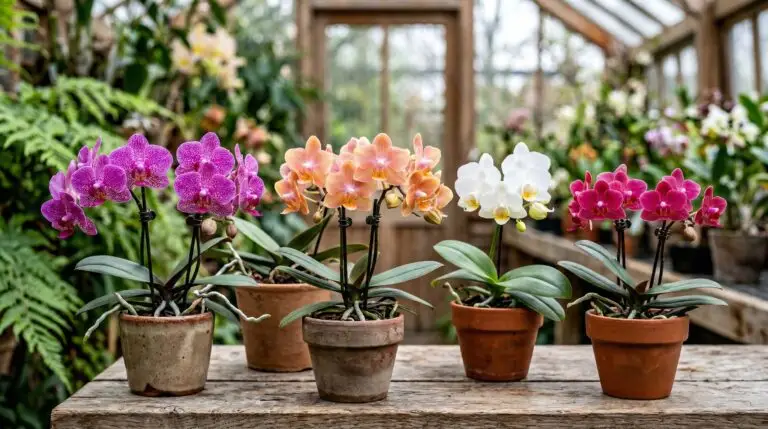
The label on a supermarket orchid rarely tells you what you are getting, yet the type decides the plant's scale and character more than the color does. The table sorts the groups a buyer actually meets, so the plant can match the spot and the expectation before color enters the choice.
| Type | What you get | Flower size | Best for |
|---|---|---|---|
| Standard large-flowered | Big round flat blooms on a long arching spike | 3 to 5 in | Classic gift, maximum impact |
| Multiflora (midi) | More, smaller blooms on a branching spike | 2 to 3 in | Fuller sprays, bright windowsills |
| Miniature | Compact plant, small flowers, short spike | 1 to 2 in | Desks and tight spaces |
| Novelty or species-type | Waxy star-shaped blooms, often scented | 1.5 to 3 in | Fragrance and collectors |
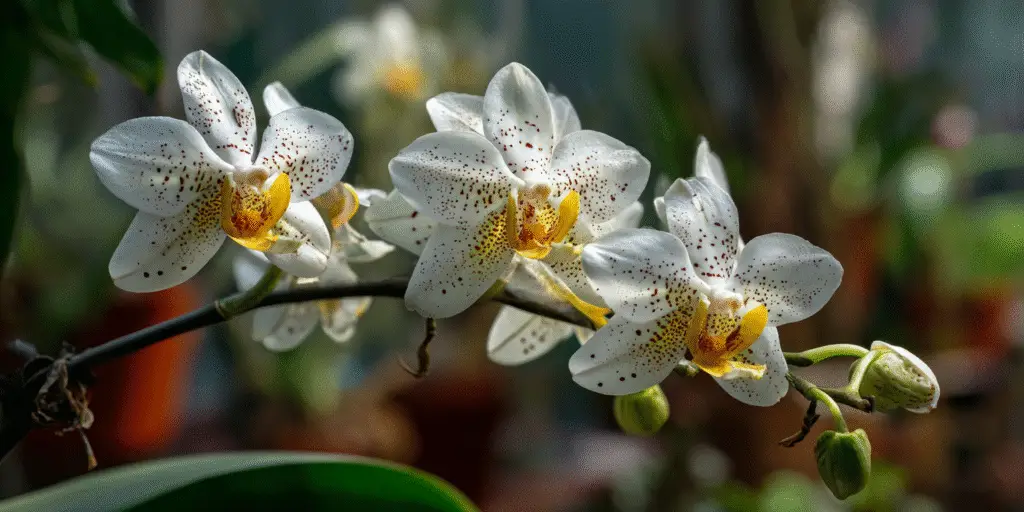
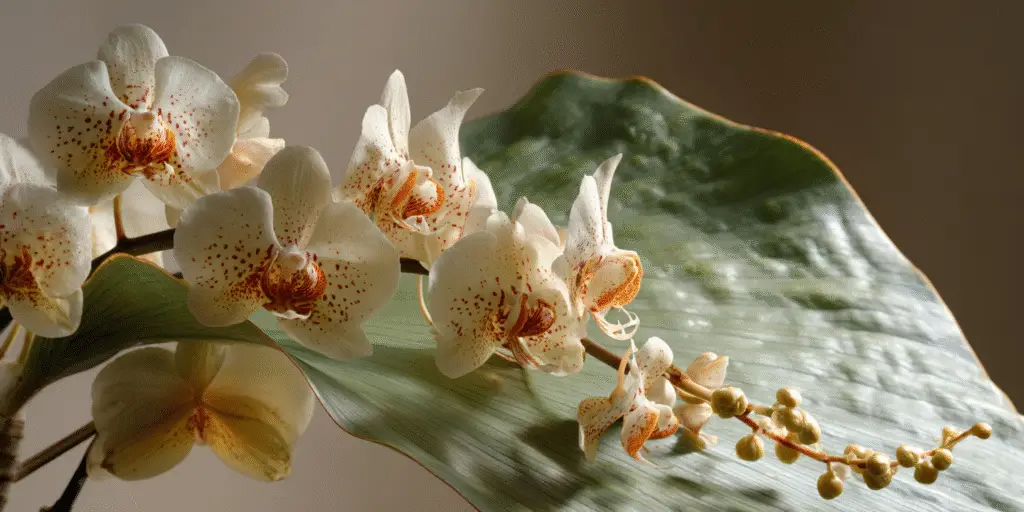
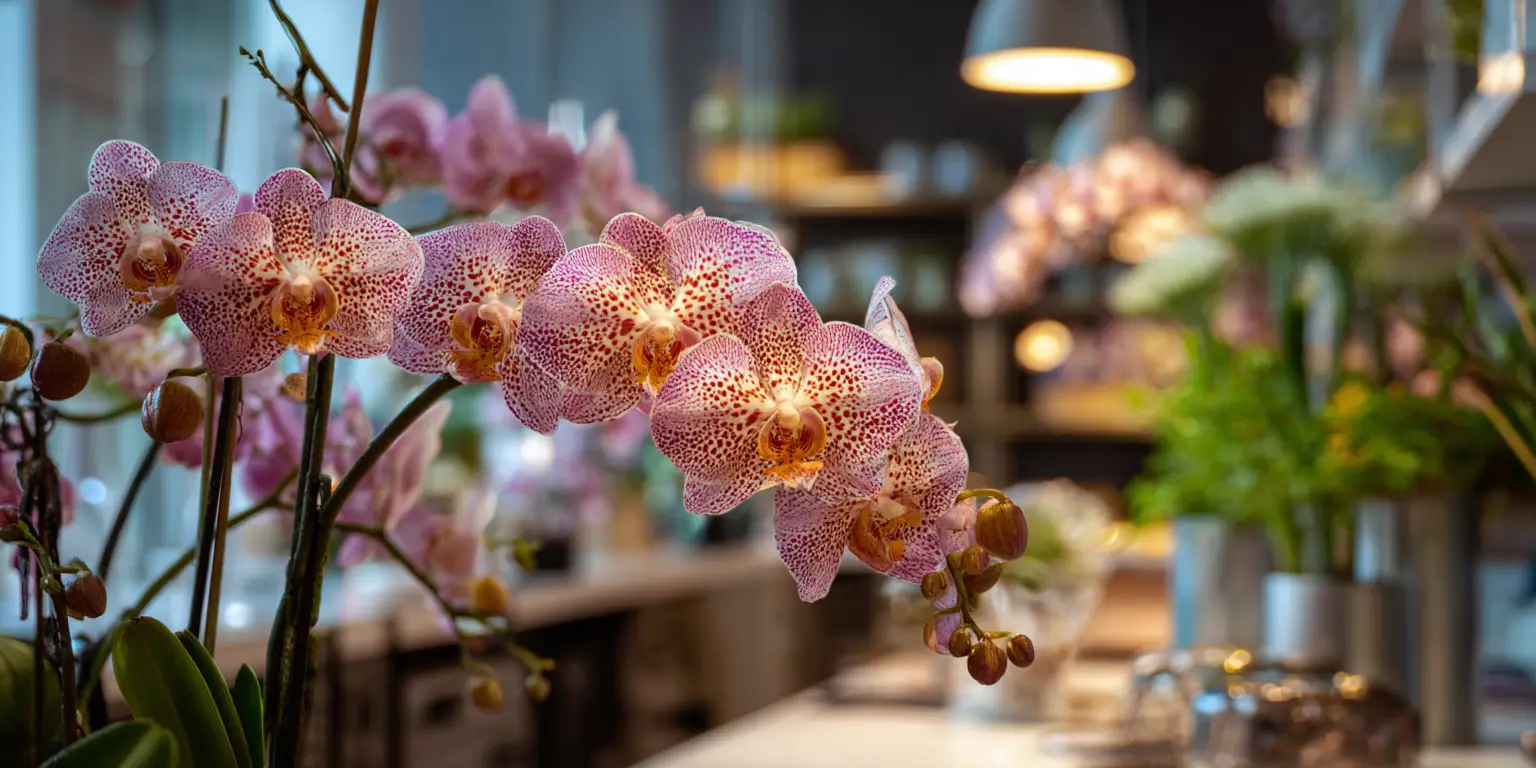
| Big-lip or harlequin | Heavy spotting and an enlarged lip | 2 to 4 in | Bold color and pattern |
For a first orchid, a standard large-flowered plant in bud gives the longest, easiest show. A healthy plant has firm green or silver roots, stiff unblemished leaves, and several fat unopened buds rather than a spike already fully open, and any plant sitting in soggy moss with soft brown roots or a marked crown is worth passing over. If scent matters more than size, look to a named novelty type bred from a fragrant species.
Seven photo forks, and which sides are deliberately unphotographed
Root colour and texture, leaf turnover, spike condition and keiki formation are normal states and are photographed here in full. The pathogen sides are not: bacterial brown spot's blister-to-sunken progression, crown rot's water-soaked translucency and virus colour break are checkable fingerprints, and for the last of those AOS states outright that symptoms alone cannot confirm a diagnosis even for an expert.
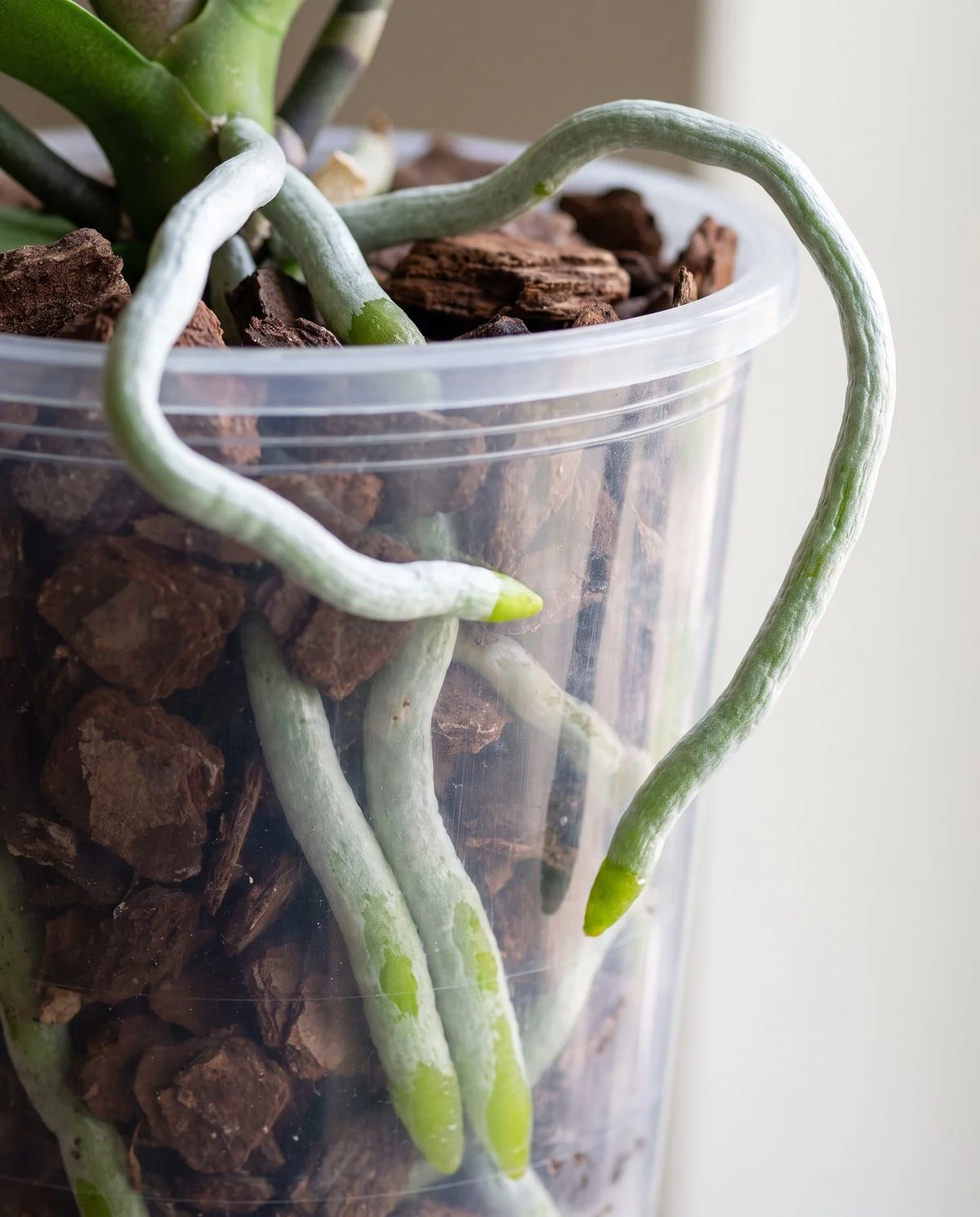
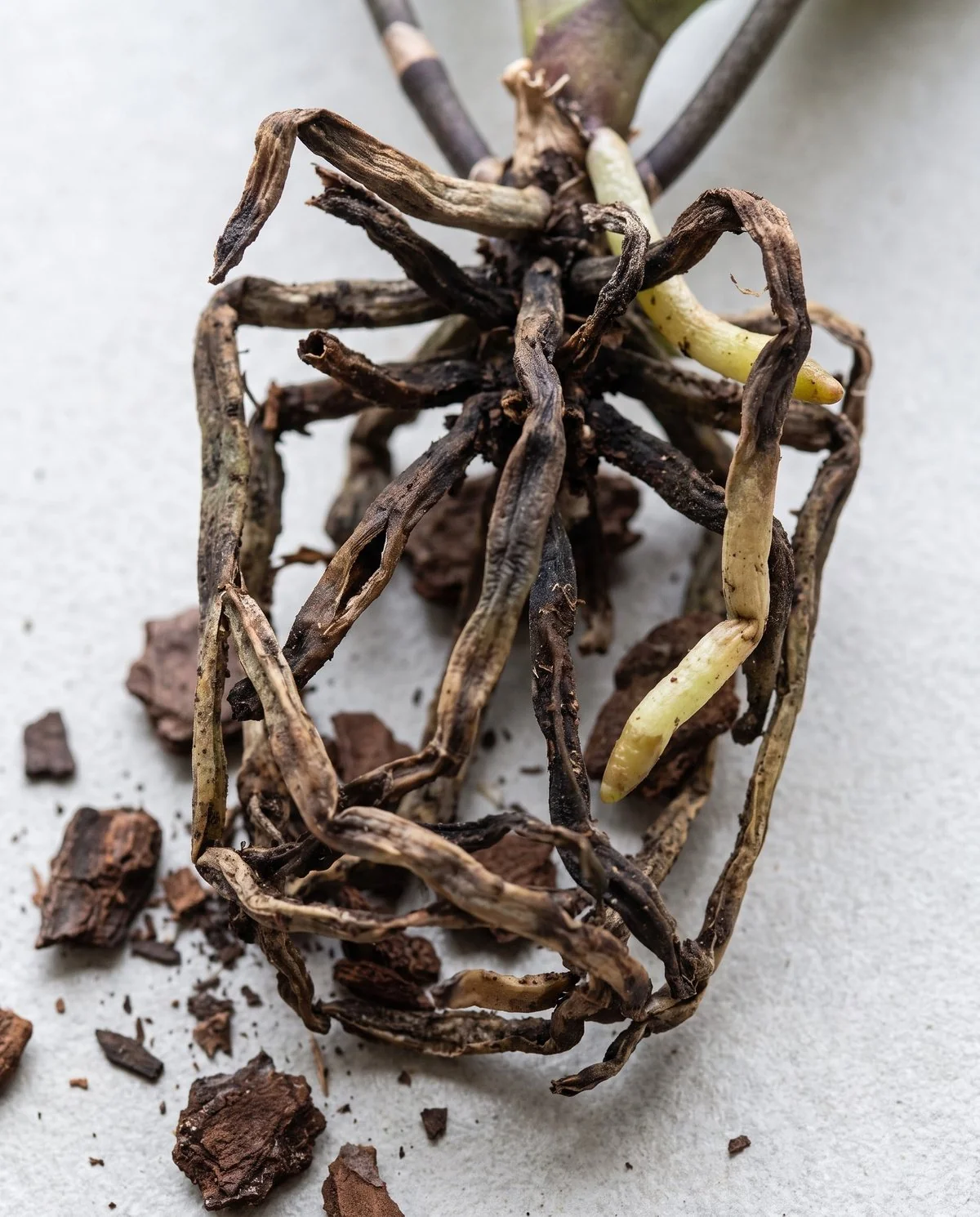
Squeeze before you judge the colour. Clemson calls healthy, actively growing roots white with green tips, and a root can be firm and plump while reading either bright green, recently watered, or dull silvery-white, dry but alive. The texture is the whole tell: dead roots are brown or black and mushy when wet or hollow and papery when dry, which is a different thing from a silver root that is simply thirsty. UMD gives the confirming signal from the other direction, that adequately watered aerial roots turn from a dull silver or white to a pale green colour. Root health is the second largest theme in this research and multiple posts ask whether silver roots mean the plant is dying.
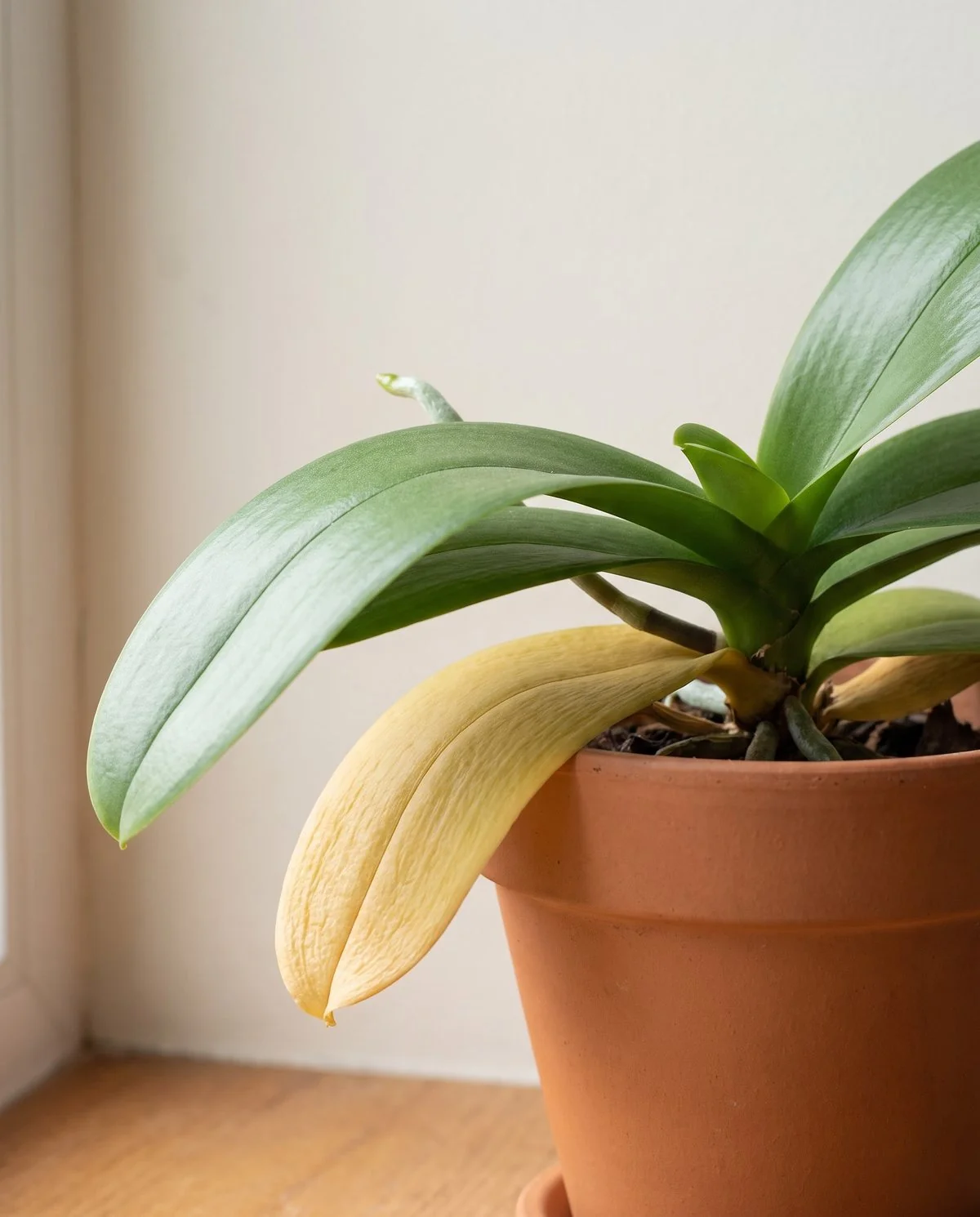
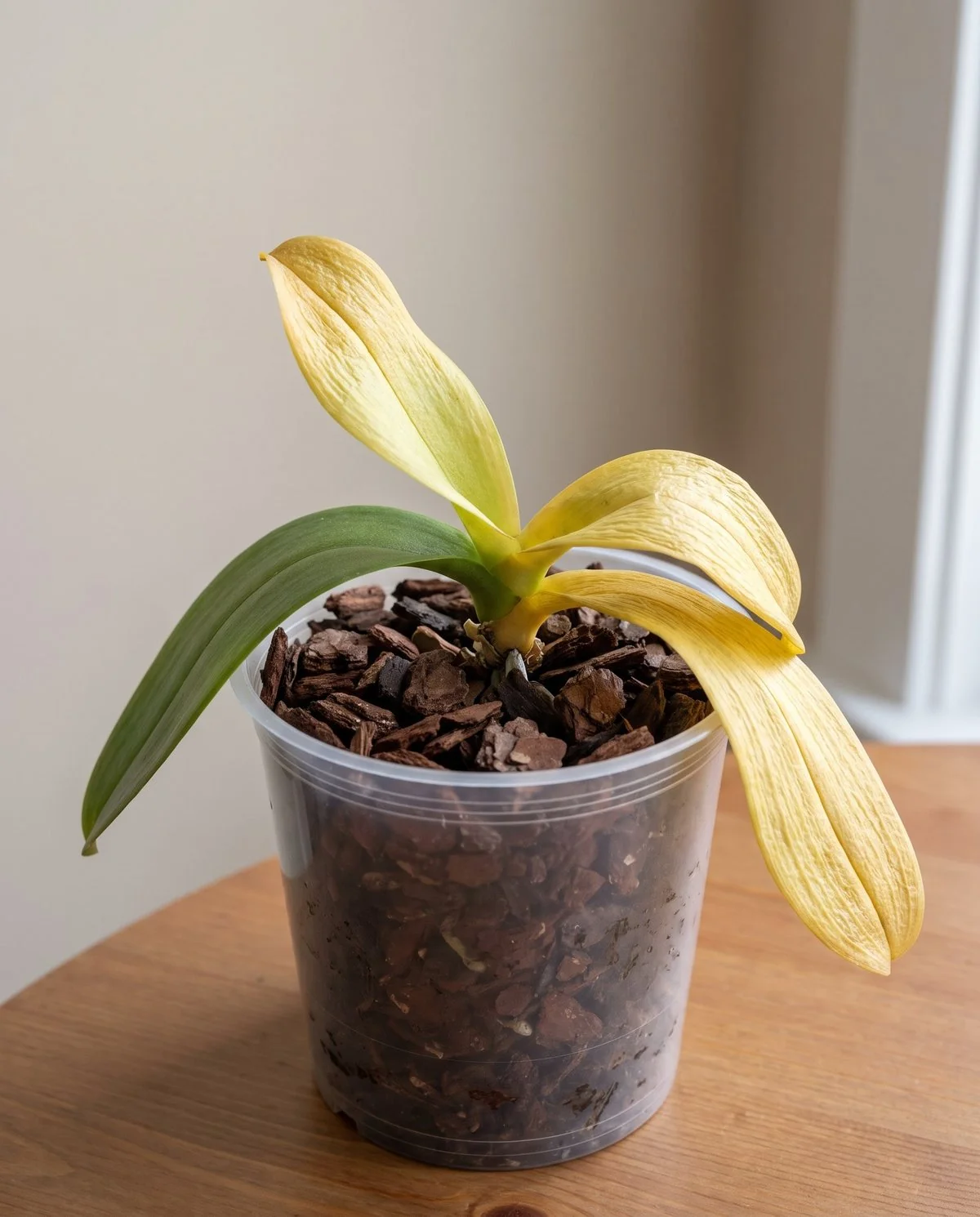
Count them and note which ones. The single oldest, lowest leaf yellowing and eventually detaching is ordinary Phalaenopsis leaf turnover, the same senescence pattern seen across houseplants. Multiple leaves yellowing at once, yellowing paired with root loss, or yellowing following a repotting or root-rot event is a different question, and this research found the two symptoms explicitly linked in real posts rather than coincidental.
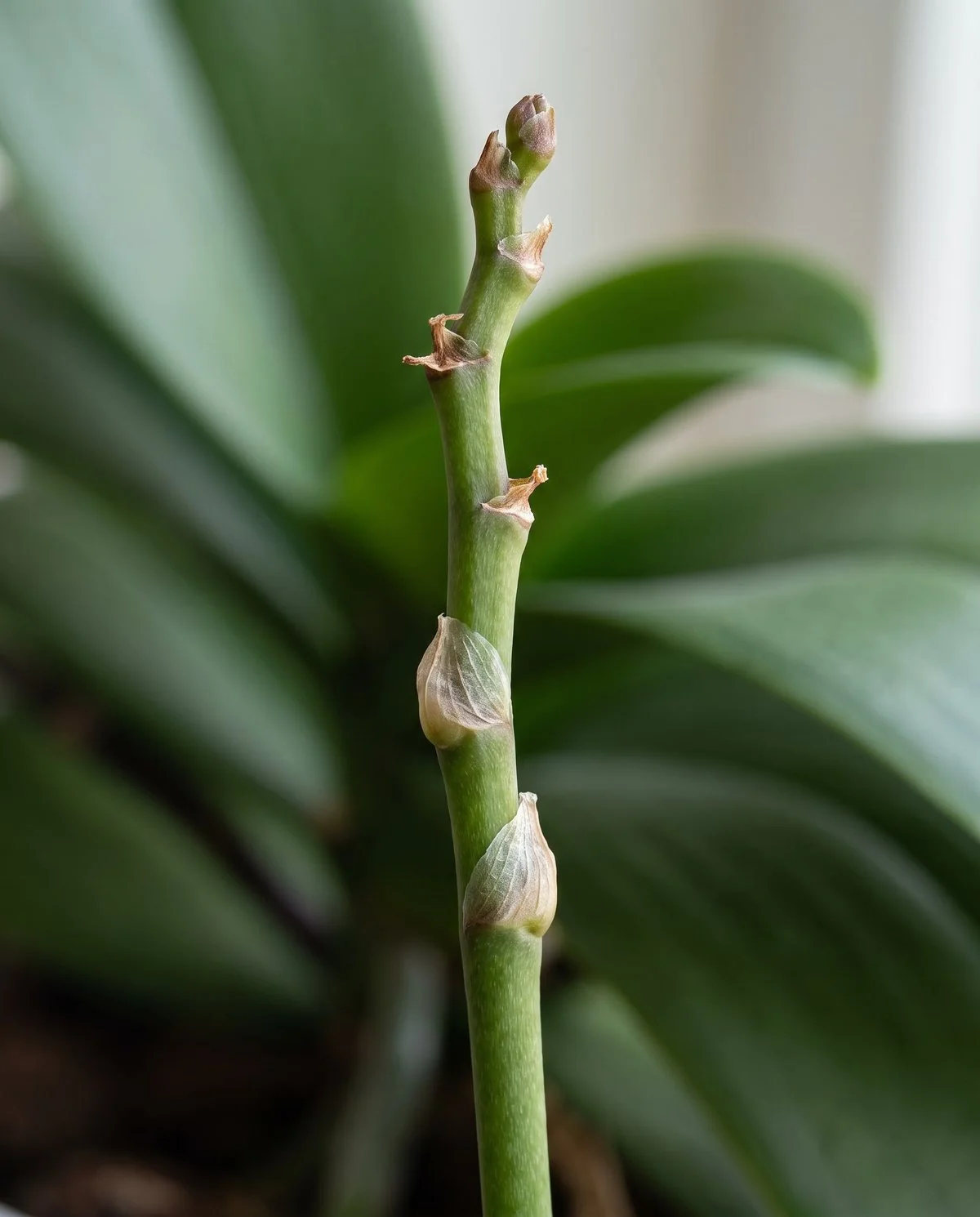
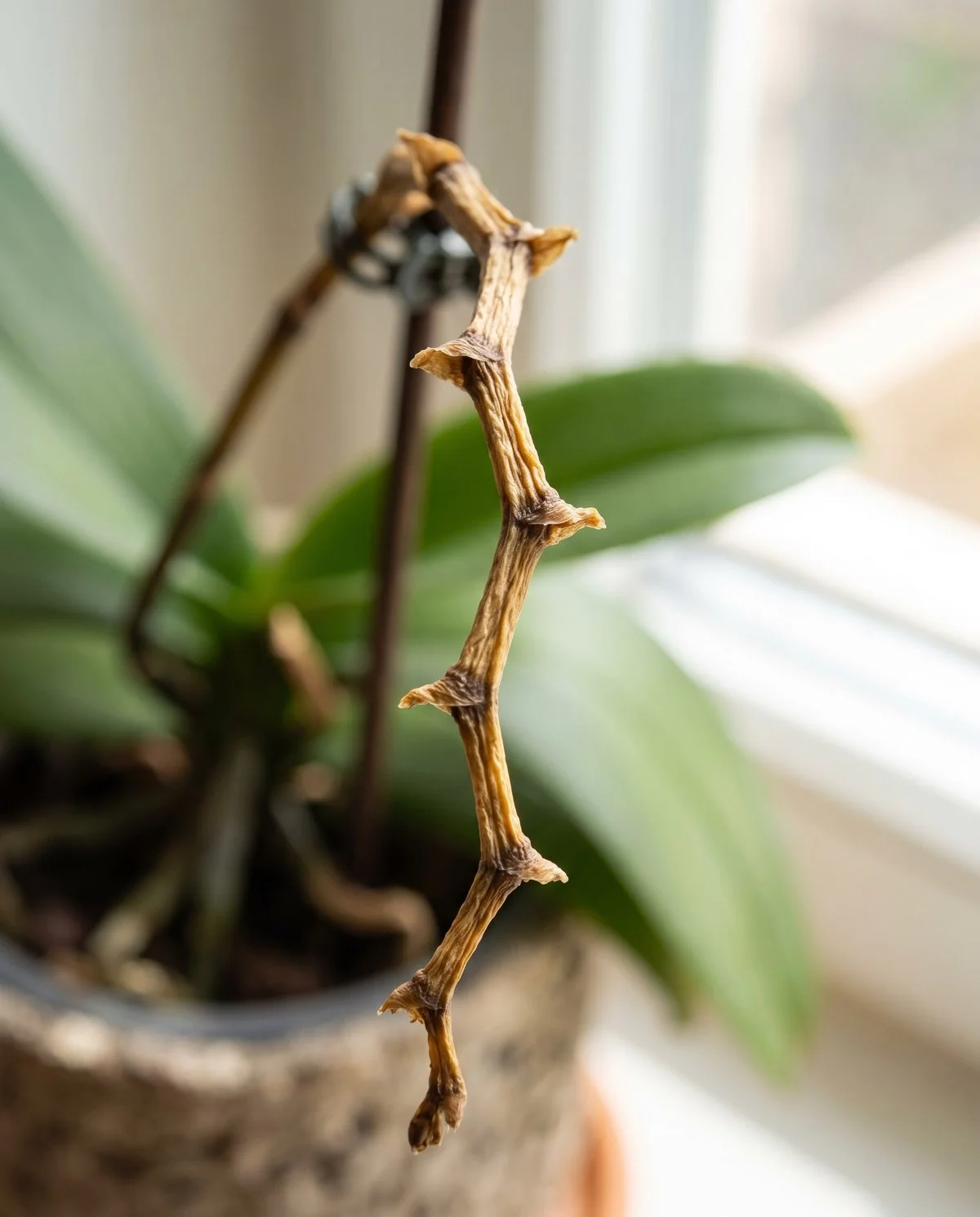
Judge the spike by colour and firmness, because AOS's own instruction turns on it. A spike that stays green and firm after the last flower drops still has unused nodes, and AOS's advice for that state is to cut above the second node on the spike, but below any dried, brown, yellowish-brown, or dead-looking part, which can produce a secondary bloom. For novelty star-shaped Phalaenopsis specifically AOS states the spike should not be cut as long as they remain green, as they will flower repeatedly from the same spike and its branches. A spike turning brown, dry and brittle along its length has nothing left, and AOS's cutoff is that once it is turning brown it should be cut back, for novelty types all the way to where it emerges from the crown if no green tissue remains.
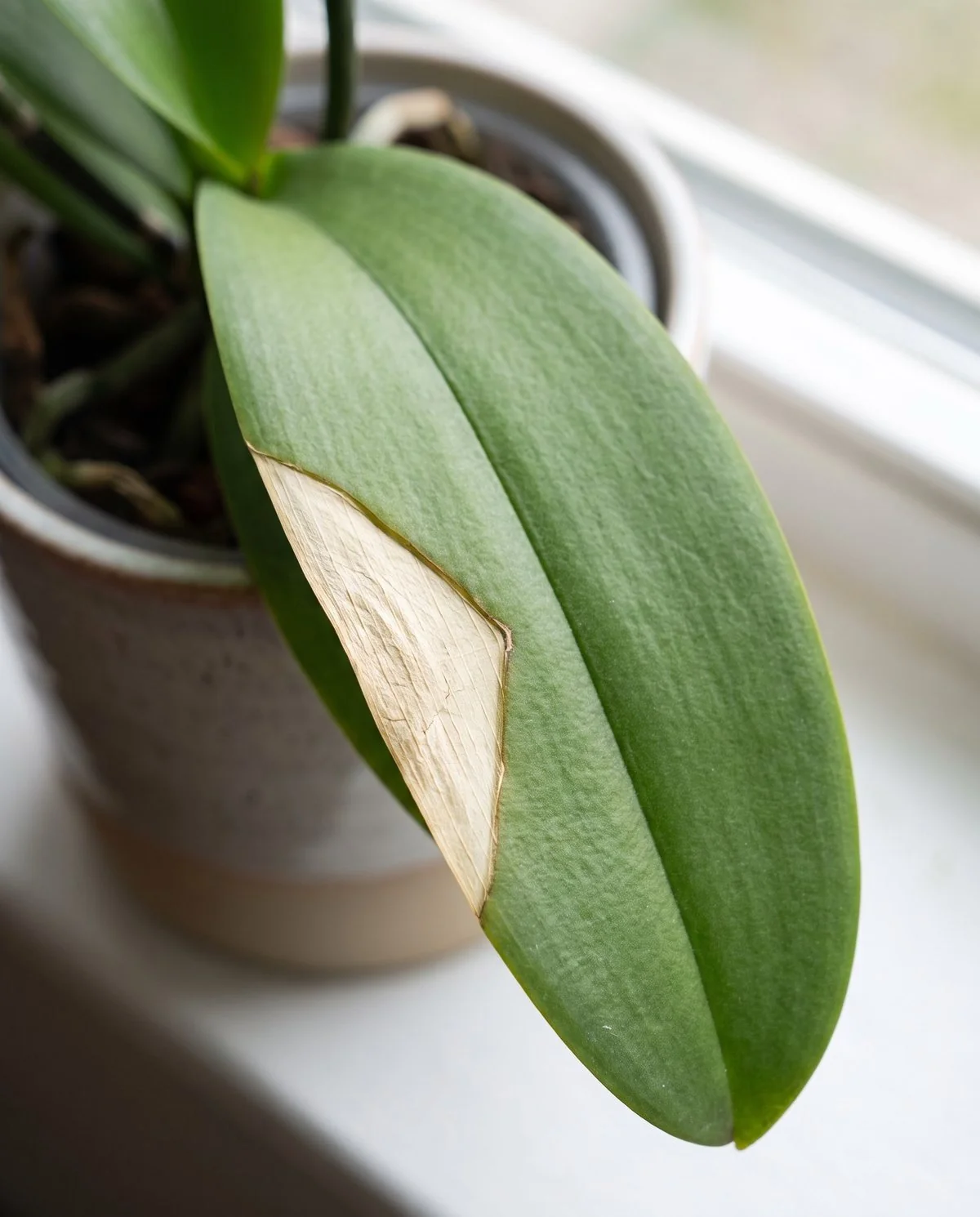
Move the plant and watch for two days. Sunburn is a bleached or blanched patch on the side of the leaf that faced direct sun, sharply bounded by the angle of the light, with no odor and no progression once the plant is moved. AOS describes bacterial brown spot, which it calls the most common and severe disease of phalaenopsis, as beginning as a small, soft, water soaked blister, initially dirty green in color, that enlarges, coalesces and eventually becomes brown or black, dried up and sunken. That is a progression over days, not a static mark from one exposure, which is what separates them. Only the sunburn side is photographed.
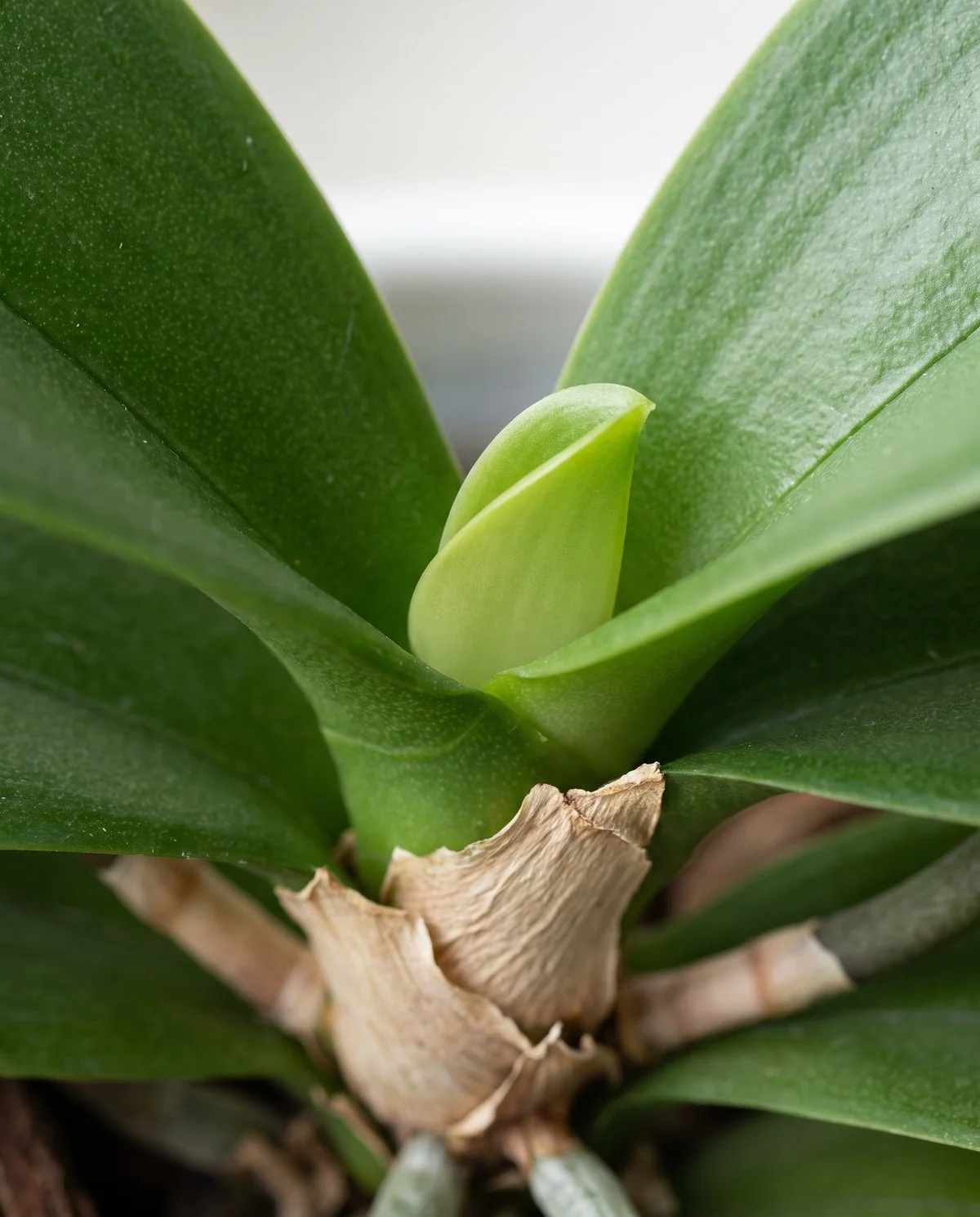
This is the one fork where the answer has to be same-day. AOS describes Erwinia soft rot as water soaked spots that may appear first on the leaves and rapidly spread to the rest of the leaf, with the foul odor of infected tissue, and states that in Phalaenopsis the disease enters through wounds and can spread so rapidly that plants may be completely rotted in 2 to 3 days. Healthy new growth from the same place looks nothing like it: a firm, tightly furled new leaf, pale green, no odor and no water-soaked translucency. The odor is not photographable and is part of the diagnosis, which is one reason only the healthy side is generated here.
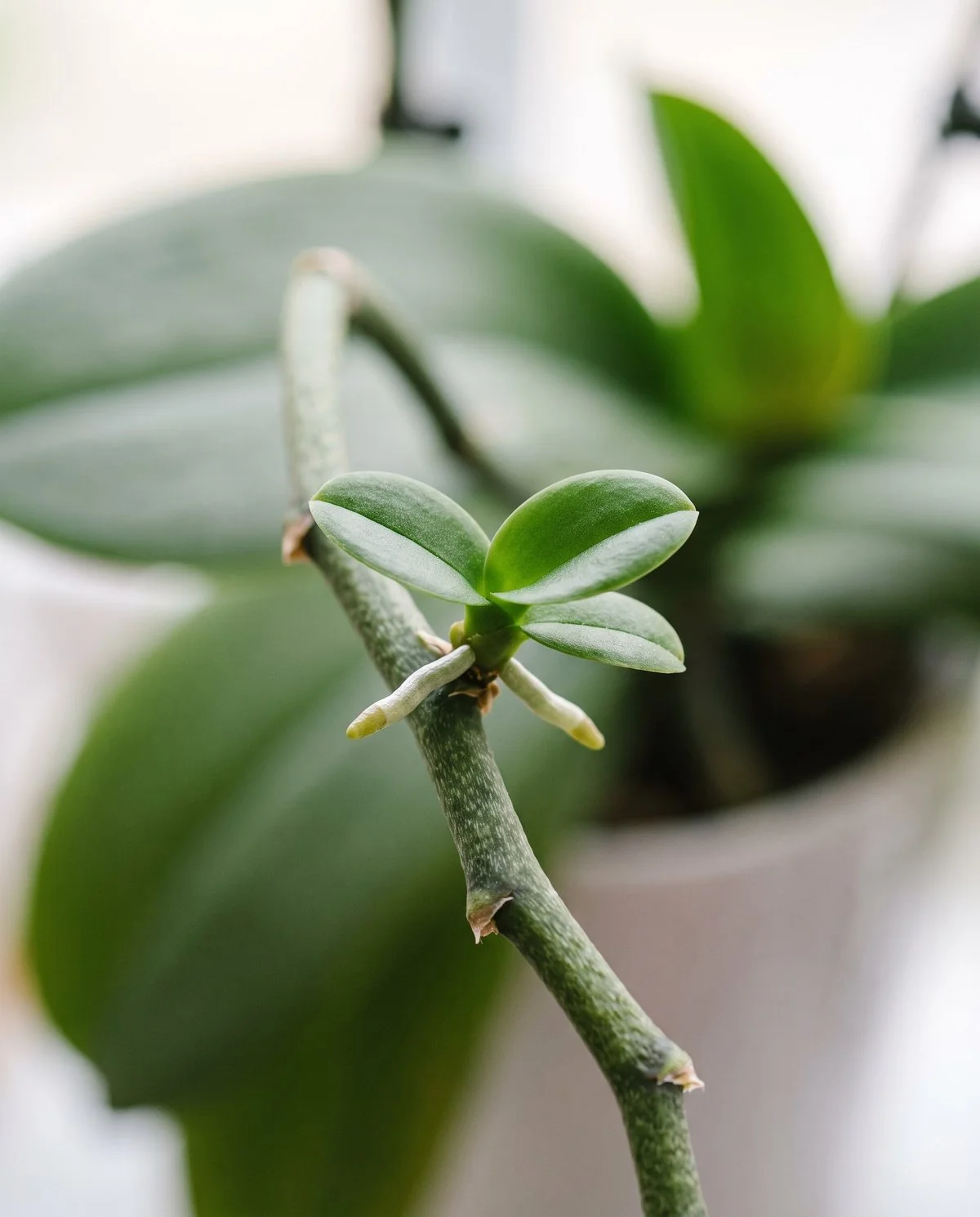
Look for leaves and root buds. A keiki is a small plantlet with tiny leaves and its own developing roots forming at a node on the flower spike, or less commonly at the base of the plant, and it is a well-documented, benign and often celebrated growth habit rather than a fault. What is not a keiki is a callused, undifferentiated lump or gall with no leaf or root structure forming, or a deformed node, and that side is not photographed here on the same reasoning as the pathogen sides above. Keiki confusion is a genuinely Phalaenopsis-specific question with no equivalent in the comparable Anthurium corpus from this research.
AOS says so itself, which is why neither side is shown. Its Viruses page records that Phalaenopsis flowers often exhibit necrosis or color break, variations in the colour of the petals, with downward leaf curling less common but observed in Phalaenopsis, and then states the limit plainly: ORSV-infected Cymbidium can exhibit a mild mosaic that resembles nutrient deficiency, and viral flower necrosis can be caused by CyMV and by fungi such as Botrytis cinerea, so confirmation needs ELISA or a comparable lab method rather than an eye. There is also no cure, in AOS's words, at the present time there are no proven methods for removing virus from adult plants. A generated image here risks a reader either panicking or relaxing about an incurable, spreadable disease on the strength of a fabricated pattern.
What orchid owners actually ask about, ranked by frequency
1,500 unique posts pulled from r/orchids, r/plantclinic and r/houseplants, deduplicated by post id, reduced to a 1,327-post working corpus. The sampling limit has to come first, because it is real: r/orchids covers every orchid genus, and only 144 of the 1,500 posts, 9.6 percent, explicitly name Phalaenopsis, phal or moth orchid. 173 posts, 11.5 percent, name a different genus and were excluded outright. The remaining 1,183, 78.9 percent, say only orchid with no genus stated at all, and they are included here on the assumption that an unlabeled gift or grocery-store orchid is Phalaenopsis far more often than not. That is an assumption, not a confirmed fact. The internal check is reassuring rather than conclusive: the 144 explicit-Phalaenopsis posts produce the same top three themes in the same order. A separate split found 1,041 of the 1,327 posts, 78.4 percent, problem-framed against 286 showcase posts, and themes overlap so the shares do not sum to 100.
Which medium the plant is actually in, because it changes the watering rule rather than being a detail. Clemson splits it directly: bark media about once a week, moss when the top feels dry to the touch. This is the largest theme in the corpus and it matches the real complexity of orchid culture, where the medium is a genuine debated choice rather than just use potting soil.
Texture before colour. Clemson calls healthy roots white with green tips, and firm plump roots are alive whether they read bright green or dull silvery-white. Dead roots are brown or black and, critically, mushy when wet or hollow and papery when dry. Multiple posts in this sample ask whether silver roots, which are fine, mean the plant is dying.
Not a problem in the technical sense, and the most structurally important row in the table. Most Phalaenopsis owners in this sample did not choose to become orchid owners, they were given one, which is why the care instructions that arrived with the plant matter as much as the plant does.
The day temperature, not the night temperature. Blanchard and Runkle at Michigan State University found day temperature highly significant for flower initiation while night temperature was not, and commercial growers deliberately hold Phalaenopsis warm specifically to prevent spiking.
How many, and which ones. This rarely arrives as a standalone complaint in this corpus, tangling instead with the root and watering rows above, and one representative post reads leaves are going yellow and it barely has any roots too, which is the leaf and the root symptom clearly linked rather than coincidental.
The spike's colour, since AOS's rule turns on it. A distinctively Phalaenopsis question with no equivalent in most houseplant care, and one of the two themes that shows up more strongly in the explicit-Phalaenopsis subset than in the corpus as a whole.
Whether a repotting or a period of root loss came first, because this theme overlaps the repotting and root rows rather than standing on its own.
Whether the instruction came with the plant. The ice cube method is not a fringe question here: it shows up repeatedly as care instructions printed on the tag the plant arrived with, which means many first-time owners are asking whether to trust something already in hand rather than seeking advice from scratch.
The leaf joints and undersides. Notably lower than the pest share in the comparable Anthurium corpus from this research, which is consistent with Phalaenopsis having smooth, non-fuzzy leaves and a typically indoor-only life cycle.
Whether it matters for the care answer, and usually it does not. This theme is smaller than its equivalent in the Anthurium corpus, and the honest read is that most Phalaenopsis buyers care less about the cultivar than about keeping the plant alive.
Whether the mark is progressing. AOS describes bacterial brown spot, which it calls the most common and severe disease of phalaenopsis, as starting as a small, soft, water soaked blister that enlarges, coalesces and eventually becomes brown or black, dried up and sunken, which is a progression over days rather than a static mark.
How fast it is moving, and read this row for stakes rather than for frequency. AOS states that bacterial soft rot enters through wounds and can spread so rapidly that plants may be completely rotted in 2 to 3 days, which makes a low count the most time-critical entry in the table.
Whether it has its own leaves and root buds. A genuinely Phalaenopsis-specific point of confusion with no equivalent in the Anthurium corpus, and the second theme that appears more strongly in the explicit-Phalaenopsis subset than in the corpus overall.
The leaf colour, using UMD's reading: light green leaves mean the light is right, dark green and stiff leaves mean there is too little of it. AOS's target is 1,000 to 2,000 foot-candles and Clemson's is a narrower 1,500 to 1,700.
The roots, not the watering schedule. This is a distinctive Phalaenopsis symptom rather than a generic droop: the thick, water-storing leaves visibly deflate when the plant cannot take up water, and root loss is almost always why.
The smallest theme in the corpus and the one carrying some of its most emotionally weighted posts, including plants kept alive after a family member's death and struggling through a cold Canadian or Alaskan winter. A small count here is a real care-anxiety cluster rather than a rare problem.
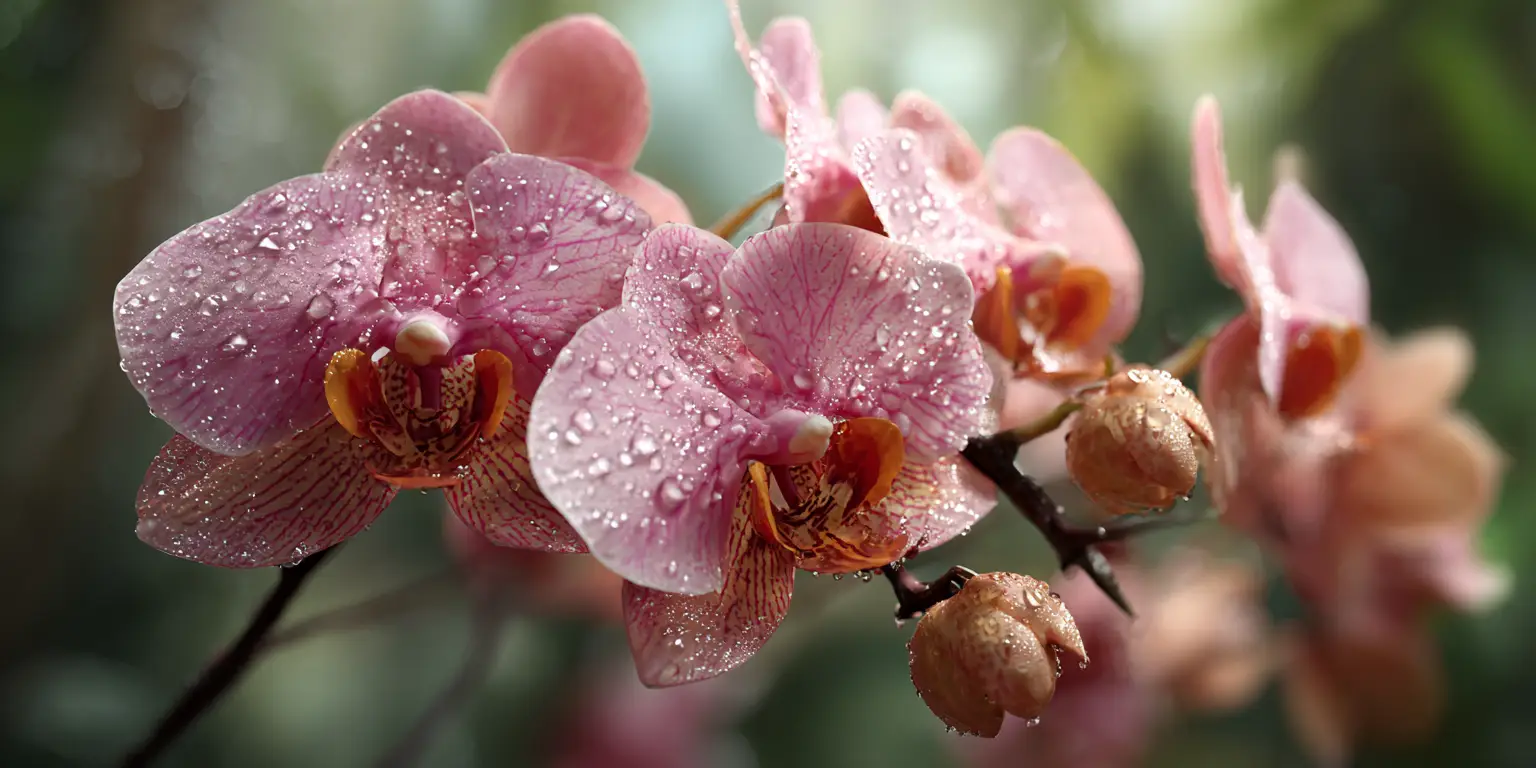
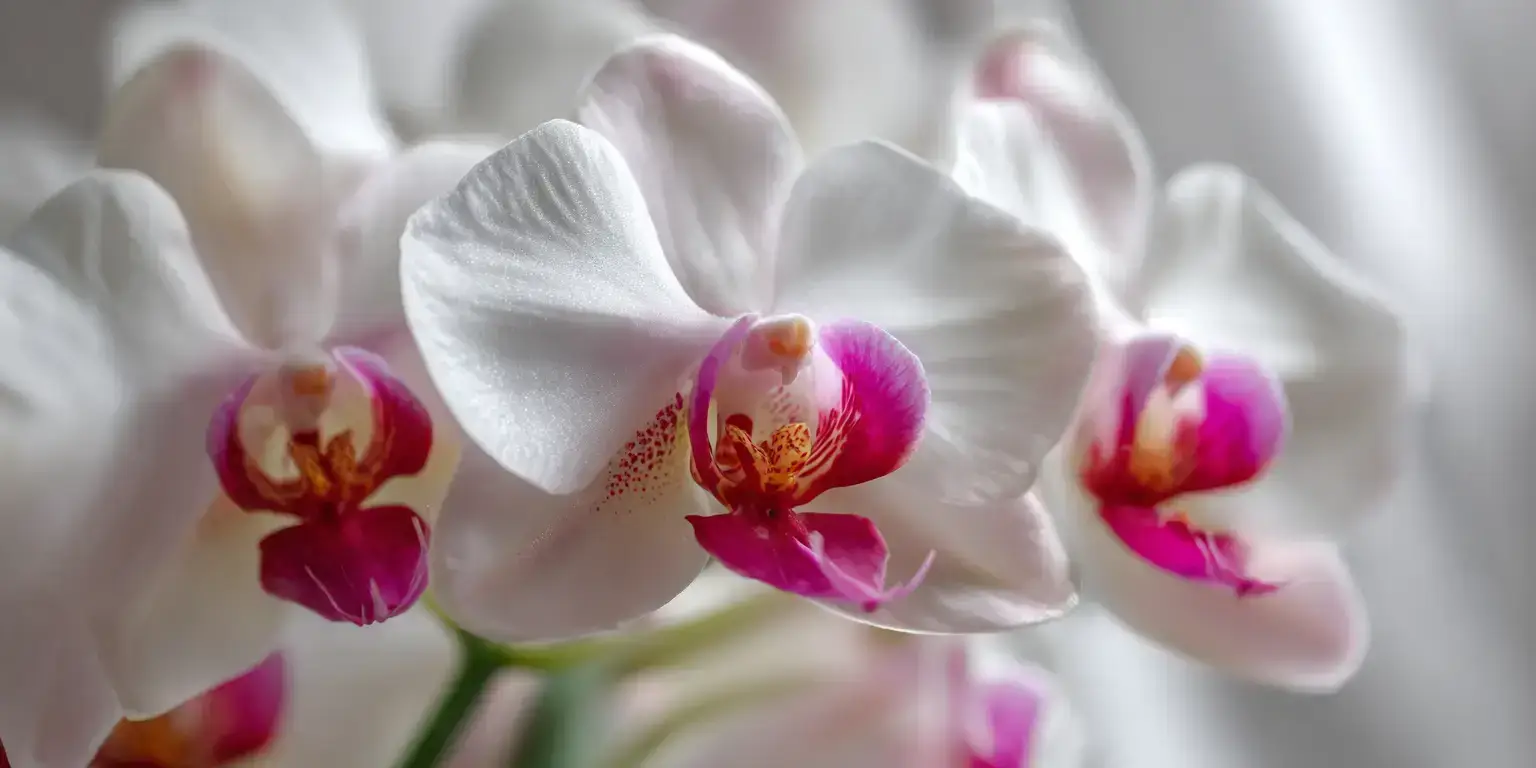
Flower photos
FAQ
How do I water a moth orchid, and do ice cubes really work?
Soak the bark with room-temperature water until it drains, then let the pot empty and the mix approach dry before watering again, usually every 7 to 10 days. Read the roots in a clear pot, since silvery means water and green means wait. Ice cubes are fine, contrary to their reputation: a two-site trial of 96 plants at Ohio State and the University of Georgia found no harm, and Clemson recommends three a week, though three cubes only wet a small pot. Keep water out of the central crown either way, since water sitting there overnight invites crown rot.
How do I get my moth orchid to rebloom?
Give it brighter indirect light first, since thin light is the top reason a plant will not respike. Then let it feel cooler autumn nights, around 55 to 60 F (13 to 15 C), for two to three weeks to trigger a spike, and return it to normal warmth once the spike shows. Expect it to reflower about a year after the last round.
Do I cut the flower spike after the flowers drop, and where?
It depends on the spike's color. A spike that has turned yellow or brown is spent, so cut it to the base. A spike still green can be left, or cut back to about half an inch above a plump node lower on the stem, which sometimes pushes a side branch with a few more flowers. Forcing that flush costs the plant energy, so many growers cut a green spike too and let it build strength for a stronger one next season.
Roots are growing out of the pot. Is something wrong?
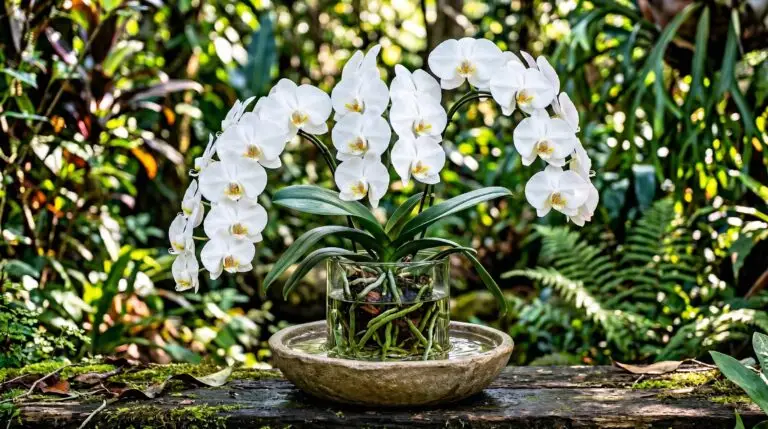
No. Those are aerial roots, and a moth orchid makes them naturally as an epiphyte that clings to bark and gathers moisture from the air. Silvery-green wandering roots are a sign of health, so do not cut them or force them back into the pot, and just water the ones in the mix as usual.
Why did a bottom leaf turn yellow?
A single lowest leaf yellowing and dropping while the rest of the plant looks fine is normal aging, as the orchid sheds old leaves and makes new ones on top. It becomes a concern only when several leaves yellow at once, or the yellowing comes with black mushy roots or a soft crown, which points to rot rather than age.
What do I pot a moth orchid in?
A loose, chunky orchid bark mix, not regular potting soil, which holds too much water and kills the roots. Fir or pine bark with some perlite and charcoal is standard. If your plant came packed in dense sphagnum moss, either let it dry hard between waterings or repot it into bark after flowering, and repot every one to two years as the bark breaks down.
Are moth orchids safe for cats and dogs?
Yes. The ASPCA lists Phalaenopsis as non-toxic to cats, dogs, and horses, and the plant has no thorns or irritating sap. A pet that eats a lot of leaf might get a mild, passing stomach upset, but there is no poisoning risk. The main caution is that a cat can snap the flower spike, so a blooming plant is best kept out of reach.
How long do Moth Orchid flowers last?
Phalaenopsis flowers are famous for their longevity. On the plant, the blooms can last for an extraordinarily long time, often 2 to 3 months, and sometimes up to 4 months under ideal conditions. Each individual flower usually remains in good condition for several weeks, and since they don’t all open at once, the display is extended. If you cut the flower spike for use in a vase, the vase life is shorter, typically around 1 to 2 weeks (sometimes up to 3 weeks with excellent care). The longevity can depend on factors like room temperature (cooler rooms prolong bloom life), humidity, and handling. In any case, compared to most other types of flowers, Moth Orchid blooms last significantly longer, which is one reason they are considered such good value as potted flowering plants.
Can Moth Orchids grow outside?
Moth orchids can be grown outside only under specific conditions, and in most climates they are better off indoors. They are tropical plants that cannot tolerate cold or frost, so outdoor growth is feasible year-round only in tropical or subtropical regions (roughly USDA Zone 10b and warmer). In those climates, some people mount Phalaenopsis on trees or keep them on shaded patios. However, even in warm areas, these orchids need protection from direct sun and heavy rain. Outdoors they must be in deep shade (like under a porch or tree canopy) and in an environment where humidity is high. In temperate climates, you can summer your orchid outdoors from late spring to early fall, but only if the temperatures are consistently warm (above ~60 °F at night) and you keep the orchid in a sheltered, shaded spot. Moving orchids outside for a few months can give them access to higher humidity and good airflow which they enjoy, but you have to be careful about pests (snails, slugs, insects) and be ready to bring them back inside if it gets too cool. Most growers find it simpler to keep Phalaenopsis indoors year-round, providing conditions with indirect light and controlled temperature. If you do try putting a moth orchid outside in summer, avoid sunburn by keeping it in shade, acclimate it gradually, and check it frequently for pests. Always bring it in before the weather turns cold. Remember, these orchids are not hardy in the way garden plants are. They are fundamentally houseplants in any region that experiences chilly weather.
My orchid's roots are silver or grey. Is it dying?
No, and this is the second largest theme in this research for a reason: silvery-white roots that are firm and plump are a normal dormant, dry state. The colour that signals a real problem is brown or black paired with a mushy feel when wet or a hollow, papery feel when dry, and texture matters more than colour on its own. University of Maryland Extension gives the confirming signal from the other side: adequately watered aerial roots turn from a dull silver or white to a pale green colour.
The leaves look wrinkled and leathery. What is wrong?
This is a distinctive Phalaenopsis symptom rather than a generic droop, and it points at the roots rather than the leaves. The thick, water-storing leaves visibly deflate when the plant cannot take up enough water, and root loss is almost always the reason, which is why checking root health comes before changing the watering schedule. It shows up in 2.0 percent of the corpus in this research, small in count and specific enough to be diagnostic.
What is this little plantlet growing on my orchid's spike?
A keiki, a normal and welcome baby plant forming on a node with its own tiny leaves and eventually its own roots. Once it has several roots of its own it can be separated and potted independently, and left alone it will also grow fine attached to the parent spike. Keiki confusion accounts for 2.5 percent of the corpus in this research and has no equivalent in the comparable Anthurium corpus, which makes it genuinely specific to this plant.
How do I know if this is crown rot, and how urgent is it?
Extremely urgent, and this is the one problem in the whole set where waiting risks the plant inside a week. The American Orchid Society states that bacterial soft rot enters through wounds and can spread so rapidly that plants may be completely rotted in 2 to 3 days, presenting as water soaked spots that spread rapidly across the leaf, with the foul odor of infected tissue. Caught early, the affected area is removed with a sterilised blade down to clean tissue, and water is kept out of the crown from then on.
I tested my collection for CymMV and even my healthiest plants came back positive. What now?
This came from a real post in this research, and the answer AOS gives is unwelcome and clear. There is no cure: in its own words, at the present time there are no proven methods for removing virus from adult plants. AOS is equally clear that symptoms alone cannot confirm the diagnosis in the first place, because ORSV-infected Cymbidium can exhibit a mild mosaic that resembles nutrient deficiency and viral flower necrosis can be caused by CyMV or by fungi such as Botrytis cinerea, which is exactly why lab testing rather than a photograph is what settles it.
Interesting tips
The most useful habit is to grow the plant in a clear pot and let the roots tell you when to water, since silver roots want a drink and green ones do not, which ends the guesswork that drowns so many orchids. When a new spike emerges, slide a slim bamboo or plastic stake into the mix and tie the spike loosely as it lengthens, because a supported spike arches gracefully while a brittle one bent suddenly will snap. Keep a flowering plant away from the fruit bowl and off drafty sills, as ethylene from ripening fruit and sudden chills both make buds drop before they open. If a supermarket plant came smothered in wet moss, plan to move it into bark once the flowers fade, and until then water it far less than instinct suggests. Above all, resist the urge to repot a plant in full bloom, and wait until flowering ends before refreshing the bark and settling the crown at the surface for the next season.
- Use clear pots to monitor roots: Phalaenopsis roots are green when healthy and exposed to light, because they can photosynthesize. Growing your moth orchid in a transparent pot makes it easy to check root health and moisture levels. You’ll know when to water by observing root color (silver means dry, green means recently watered), and you can spot any problems like rot early on.
- Avoid the ice cube watering trick: You might hear advice to water orchids with ice cubes, but this is not ideal for a tropical plant. Moth orchids prefer lukewarm water. Ice can shock the roots and cause damage. It’s better to thoroughly water the potting mix under a faucet or by drenching the medium, then let it drain. Consistent, evenly moist conditions (without cold shocks) will keep your orchid happier than the slow melt of ice.
- Provide extra humidity with a pebble tray: If your home is dry, especially in winter with heating, boost humidity around your orchid by placing the pot on a tray filled with pebbles and water. Ensure the pot sits on the pebbles above the water line (not in the water). This way, as the water evaporates, it creates a humid micro-climate around the plant. Grouping orchids or other plants together can similarly raise local humidity. This mimics their natural environment and can lead to better growth and bloom quality.
- Stake and support flower spikes: When a new flower spike emerges, insert a slender stake (bamboo or plastic) into the potting mix and loosely tie the spike to it with soft ties or clips. As the spike grows, periodically adjust the ties. This support prevents the weight of blooms from bending or snapping the spike. You can decide whether to train it upright or allow a gentle arch. In displays, a gracefully arched spike with blooms looks elegant, many growers let spikes arch naturally or use curved supports for a waterfall effect. Just avoid sudden repositioning of a spike, as they can be brittle. Gentle guiding over time works best.
- Keep blooms away from fruit and drafts: Phalaenopsis flowers can be sensitive to ethylene gas, which is emitted by ripening fruits (like apples or bananas). Ethylene can cause blooms and buds to age and drop prematurely. To make the blooms last, don’t display your flowering orchid near a fruit bowl. Also keep the plant out of cold drafts (from open doors or air conditioning vents). Sudden chills can lead to bud blast (buds falling off). A stable, slightly cool room with no cold breeze will let you enjoy the flowers for the longest possible time.
- Encourage a secondary bloom (if desired): If your orchid has finished its main blooming and the spike is still green, you can try to coax a second set of blooms. Trim the spike about half an inch above a lower node on the stem. With continued care, that node might sprout a side branch and produce a few additional flowers after a month or two. This doesn’t always work, and it can depend on the orchid’s energy reserves and the season. It’s an interesting experiment that sometimes yields bonus blooms. Remember to continue providing good light and feeding during this period to support the plant.
Related Guides & Flowers
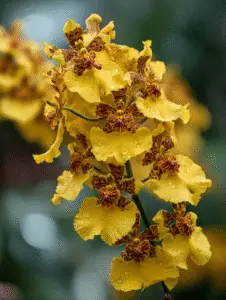
Oncidium Orchid (Dancing Lady)
Another epiphytic orchid with arching sprays of blooms.
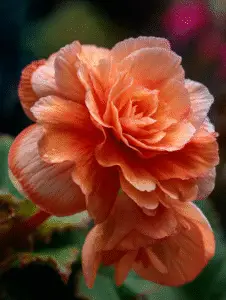
Begonia
Popular indoor flowering plant with continuous color; useful alternative for bright indirect light conditions similar to Phalaenopsis.

Hydrangea macrophylla
A classic gift plant for indoor display that prefers consistent moisture, making a good "non-orchid" comparison.
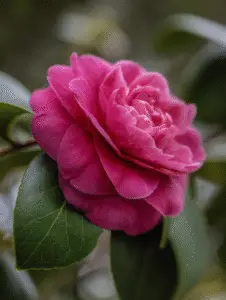
Camellia
Glossy evergreen with elegant blooms; overlaps with orchid readers interested in cool-season indoor or patio displays.
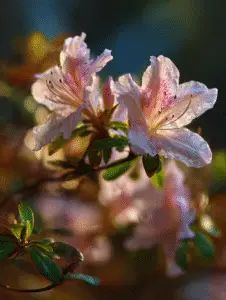
Azaleas
Florist azaleas are common indoor gifts; link as a seasonal alternative to orchids.
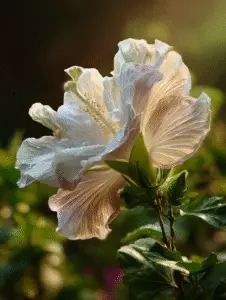
Hibiscus
Tropical houseplant vibe and showy flowers; attracts the same audience looking for bold blooms indoors.
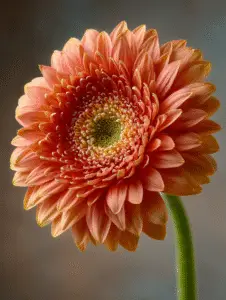
Gerbera Daisy
A florist favorite for containers and indoor color; good companion read for gift and décor plants.
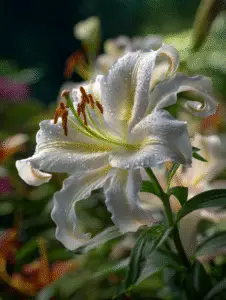
Lily
Iconic, large-flowered option for interiors and arrangements; a common "orchid vs lily" comparison.
References
- University of Maryland Extension – Care of Phalaenopsis Orchids – Practical guidance on light, temperature, watering, and why leaves wrinkle if humidity is too low.
- NC State Extension Plants Database – Phalaenopsis – Concise profile with indoor placement tips, humidity needs, and media suggestions.
- Penn State Extension – Orchids as Houseplants – Temperature ranges for Phalaenopsis and simple home-care benchmarks.
- Iowa State University Extension – Growing Moth Orchids at Home – Reblooming essentials: bright indirect light, fertilizer cadence, humidity, and night-day temperature drop.
- ASPCA – Phalaenopsis Orchid – Toxicity reference confirming non-toxic to cats, dogs, and horses. Ideal for your safety note.
Enjoying our flower guides? Add YourFlowersGuide as a preferred source on Google. It helps more readers find us.
Add to Preferred Sources