
returns in
153
days
Bloom calendar
Phalaenopsis aphrodite
Species (Moth Orchid)
At‑a‑glance
- Group/Class: Species (Moth Orchid)
- Height × spread: 8 to 12 in × 10 to 14 in (20 to 30 cm × 25 to 35 cm); flower spikes to about 35 in (90 cm)
- Bloom window: winter to spring
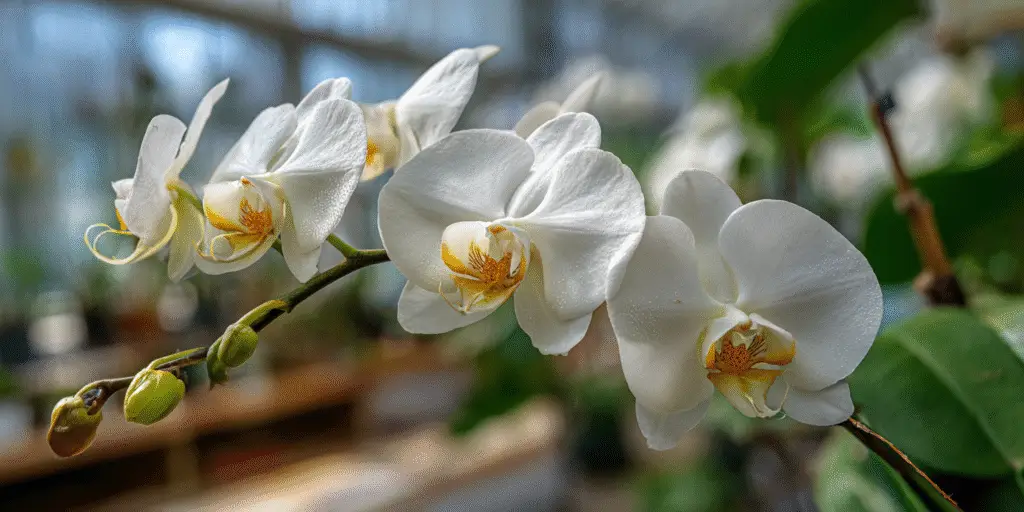
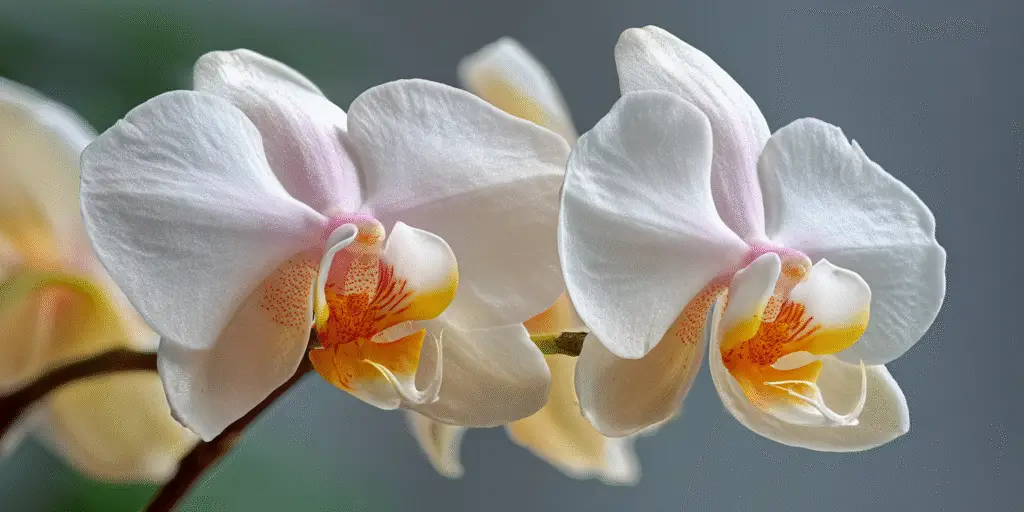
- Color & flower form: white with yellow‑marked lip; flat, rounded petals on arching racemes
- Fragrance: 0 none; varies by clone
- USDA hardiness: not hardy outdoors in most areas; greenhouse only in frost‑free zones 10 to 12; grow indoors elsewhere
- Breeder / Year / Origin: unknown, wild species, Philippines and SE Taiwan
- Cut‑flower notes: good stem carriage; typical vase life about 8 to 14 days depending on season and source
- Pet safety: safe
How it differs
- More compact plant than a typical hybrid moth orchid.
- Smaller white flowers compared with Phalaenopsis amabilis.
- Strong winter to spring bloom tendency under home conditions.
- Fragrance usually absent.
Strengths
- Reliable winter bloom under steady indoor conditions.
- Neat habit suited to windowsills and small containers.
- Long‑lasting flowers on each spike.
Care in one minute
Place near a bright window with filtered sun.
Pot in bark‑based orchid mix with free drainage; repot after bloom if media breaks down.
Water when the mix approaches dryness; soak and drain; keep crown dry.
Maintain 65 to 85 °F (18 to 29 °C) with 40 to 60 percent humidity and airflow.
Fertilize lightly during growth; flush salts monthly.
Stake spikes early and avoid sudden drafts to prevent bud drop.
Watch‑outs
- Bud drop with sudden drafts or low humidity.
- Roots dislike waterlogging; use porous media and drain fully.
- Low light delays spiking.
Best uses (tags)
Provenance note
A Philippine and SE Taiwan species long used to produce white‑flowered hybrids. Documented as blooming in winter to spring in species accounts.
References
- Kew Science POWO – Phalaenopsis aphrodite
- American Orchid Society – Phalaenopsis: The Genus (culture overview)
- ASPCA – Phalaenopsis Orchid (non‑toxic to cats and dogs)
Similar Flowers
Enjoying our flower guides? Add YourFlowersGuide as a preferred source on Google. It helps more readers find us.
Add to Preferred Sources