Every yellow flower in the library
41 of the 82 flowers here carry this colour, ordered by how much of it the photograph actually shows. The library keeps one picture per flower and most of these come in several colours.
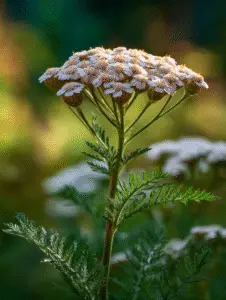 Lemon and acid yellow
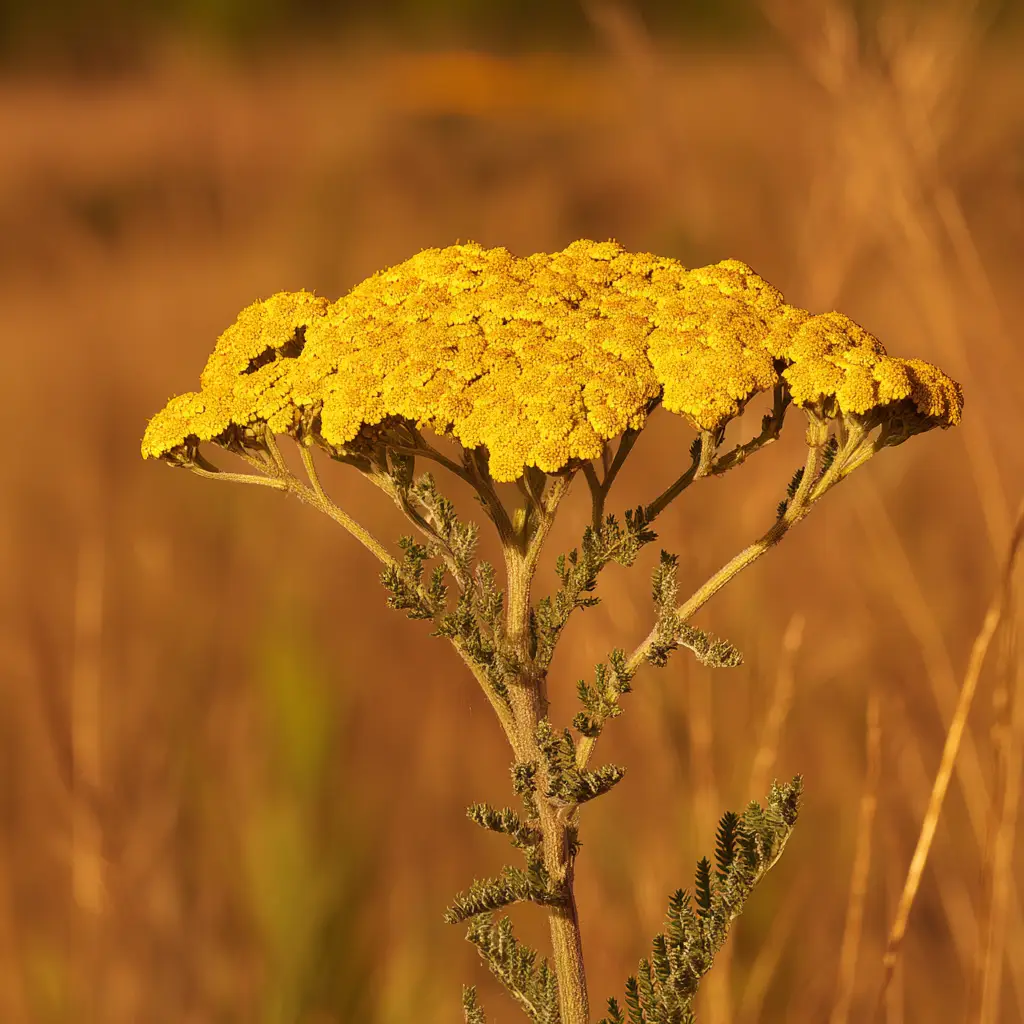
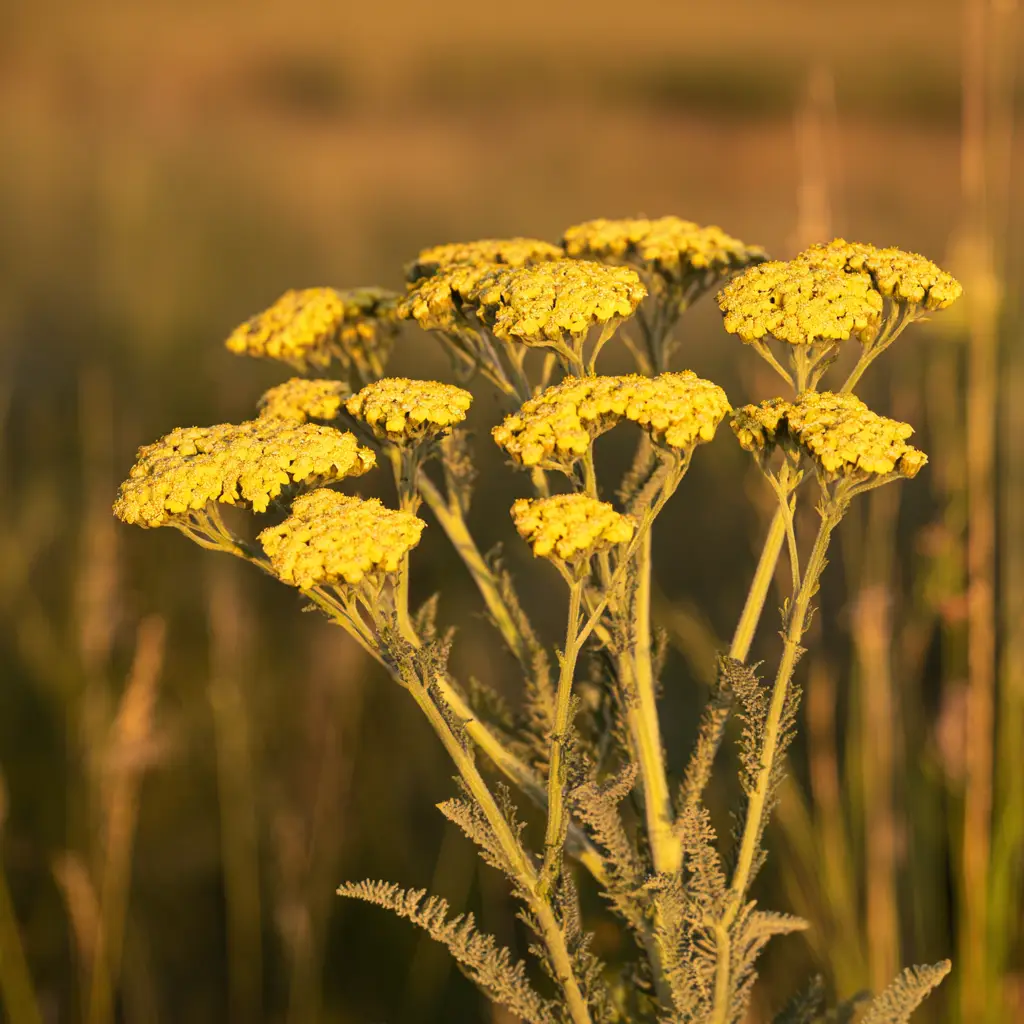
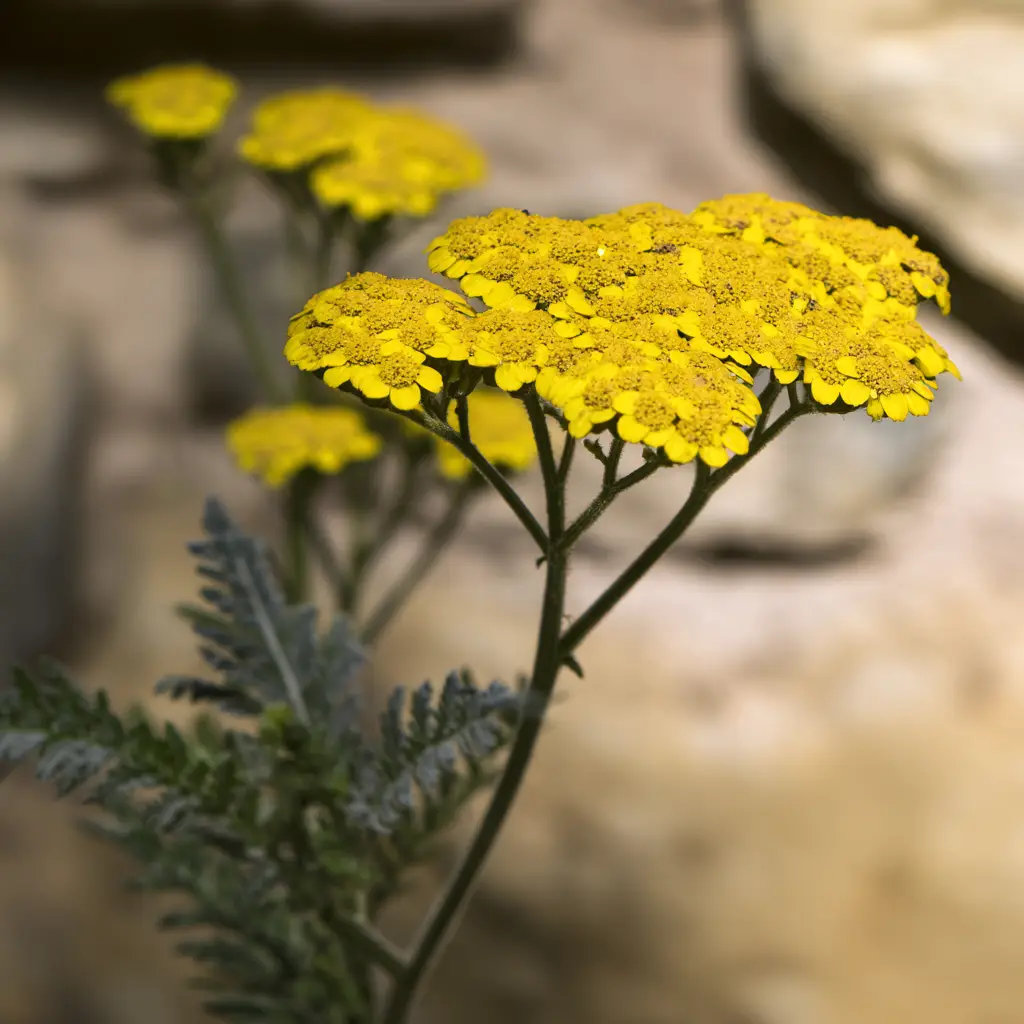
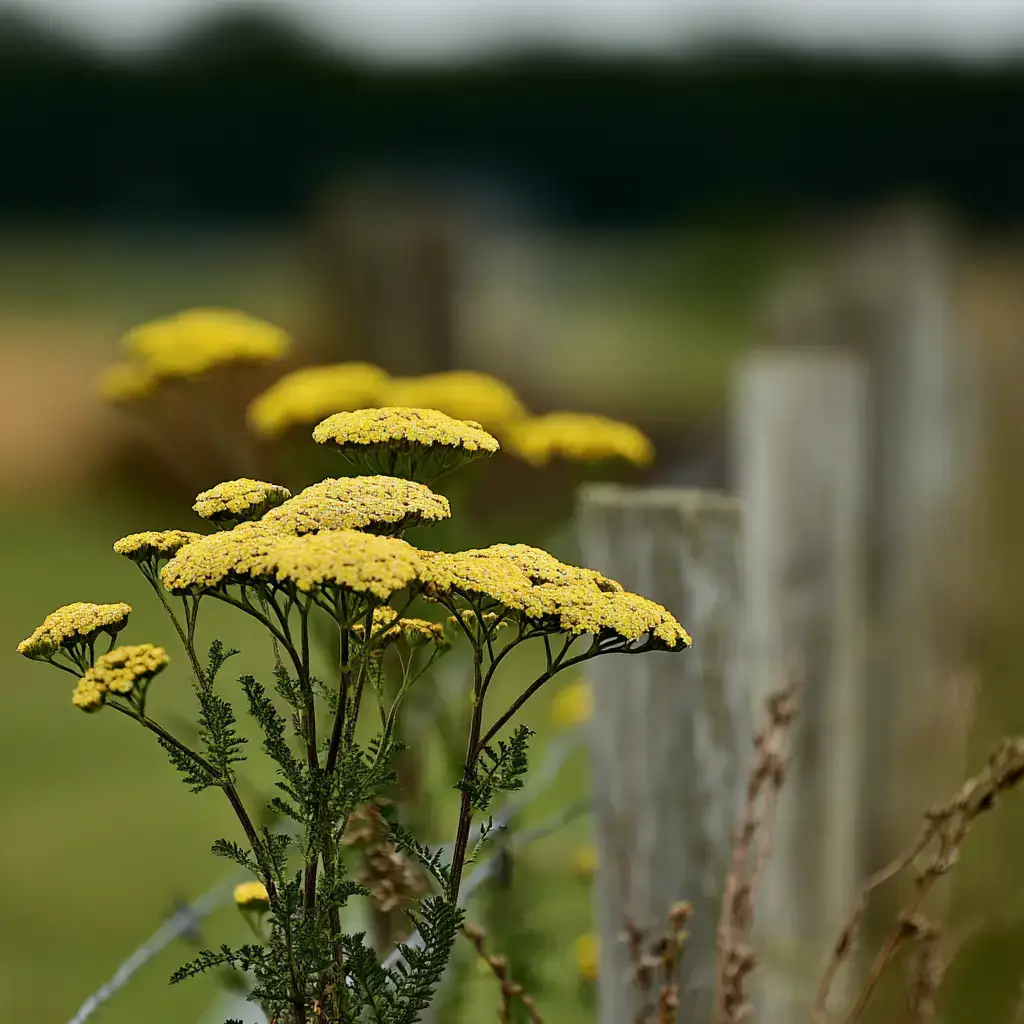
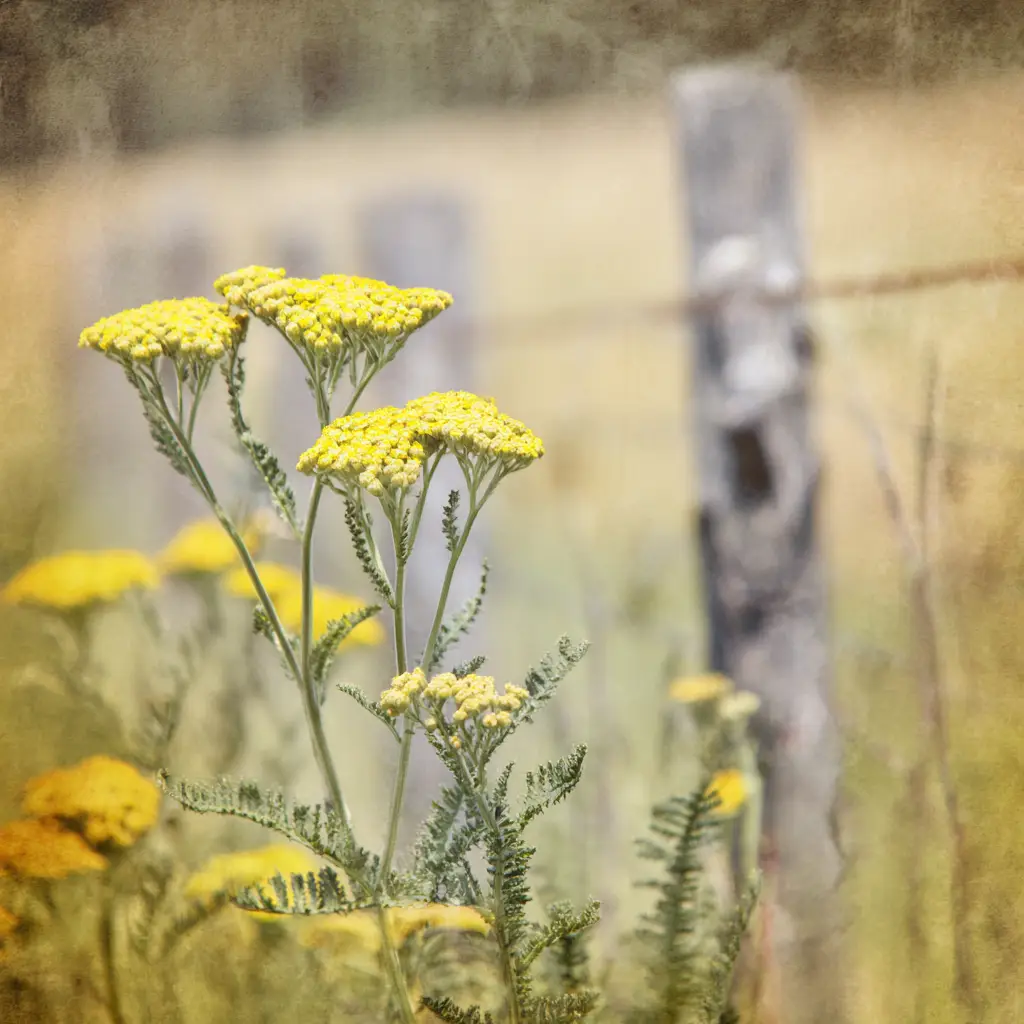
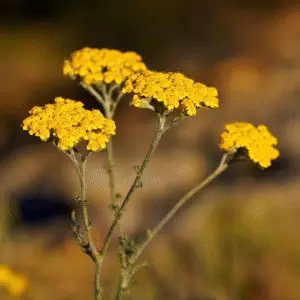
YarrowAchillea millefoliumSummer bloomer
Lemon and acid yellow
YarrowAchillea millefoliumSummer bloomer
8 photos of Yarrow
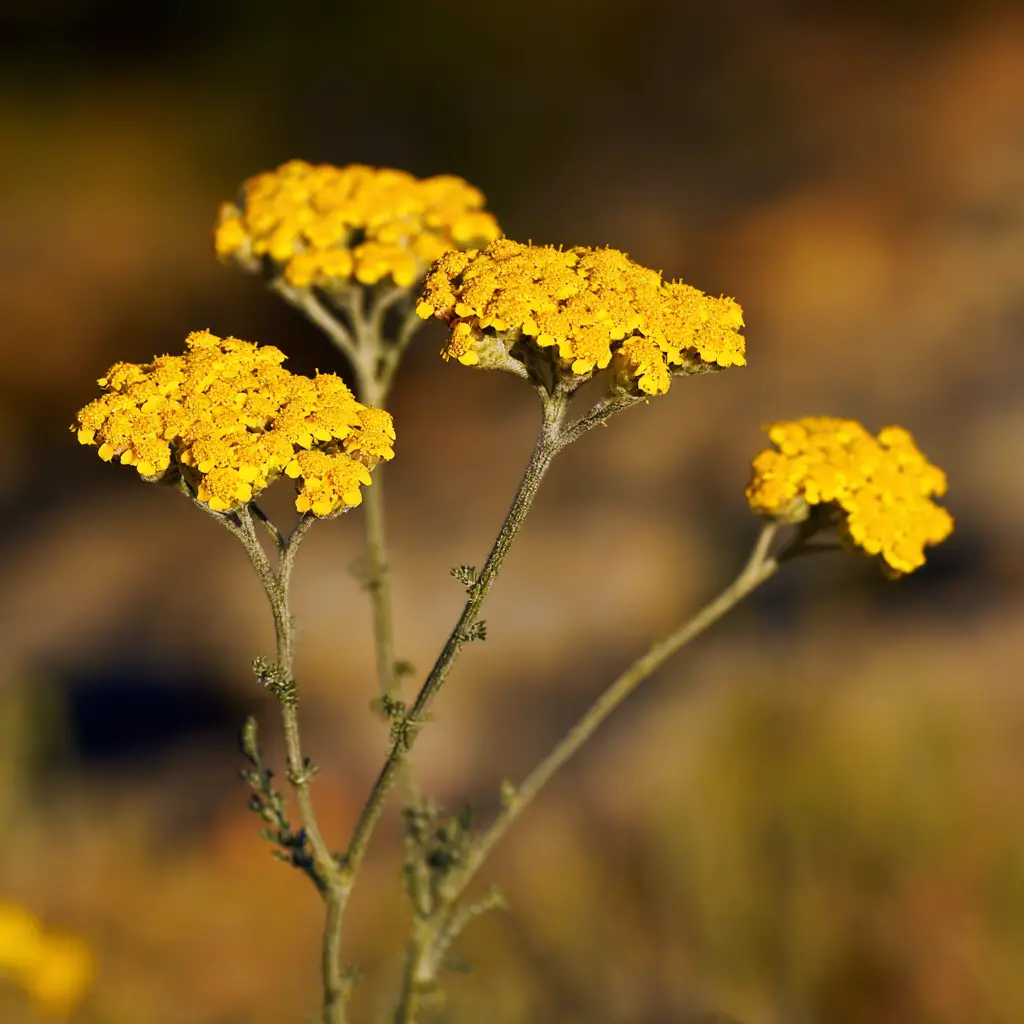
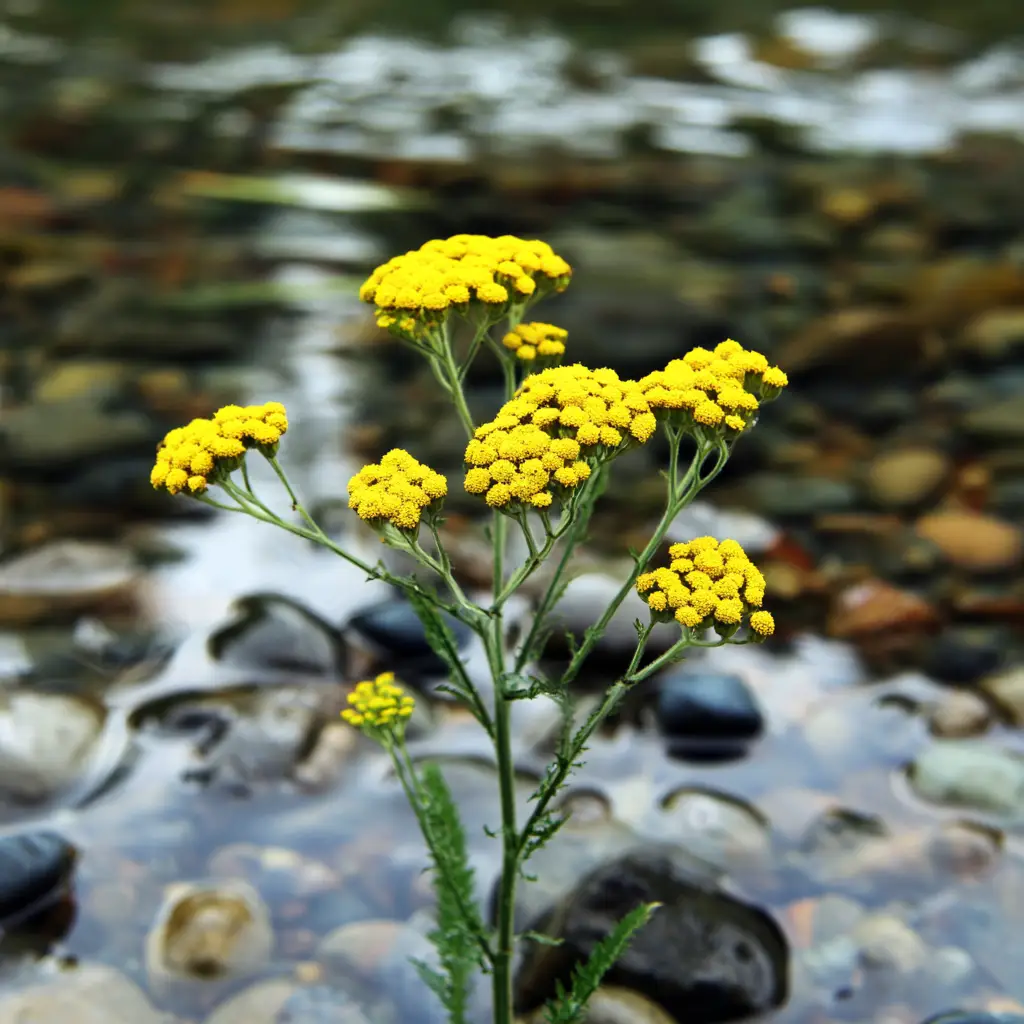
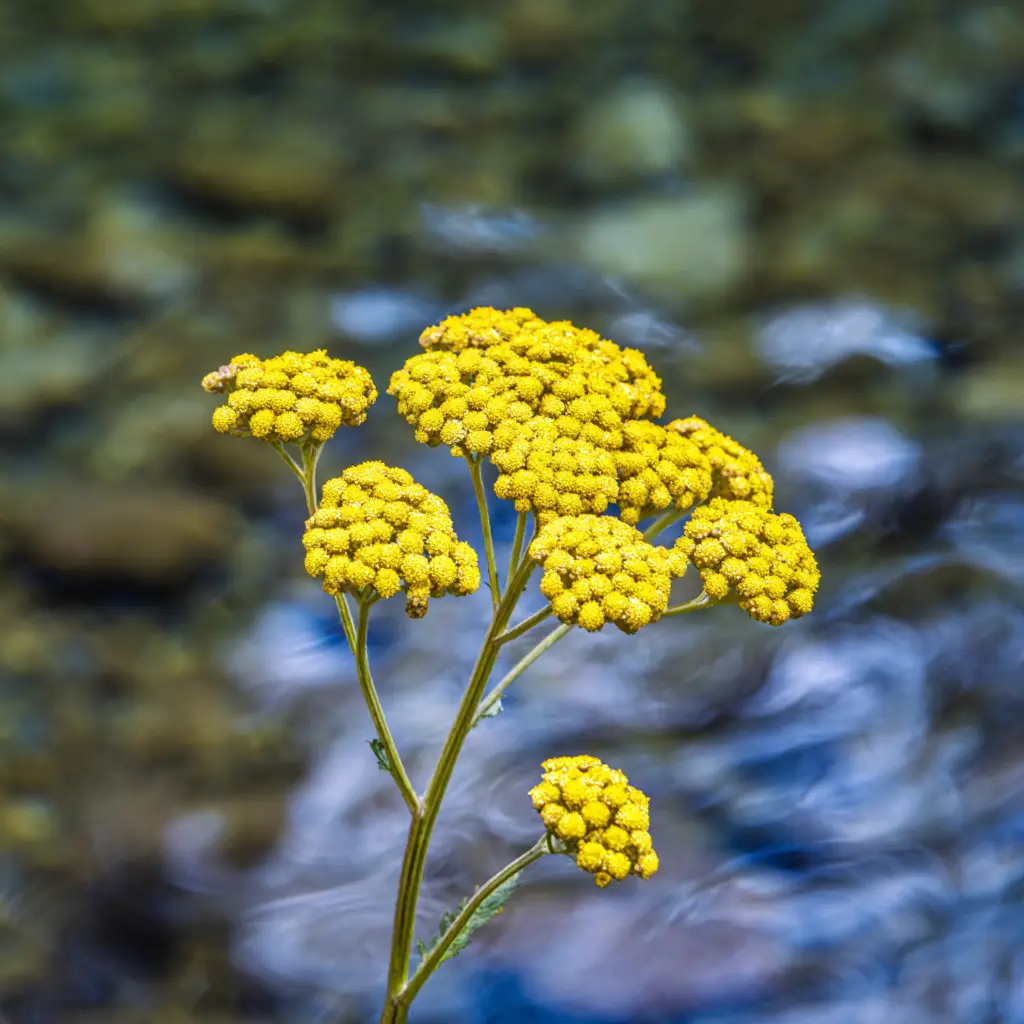
 Deep gold
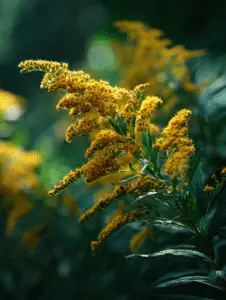
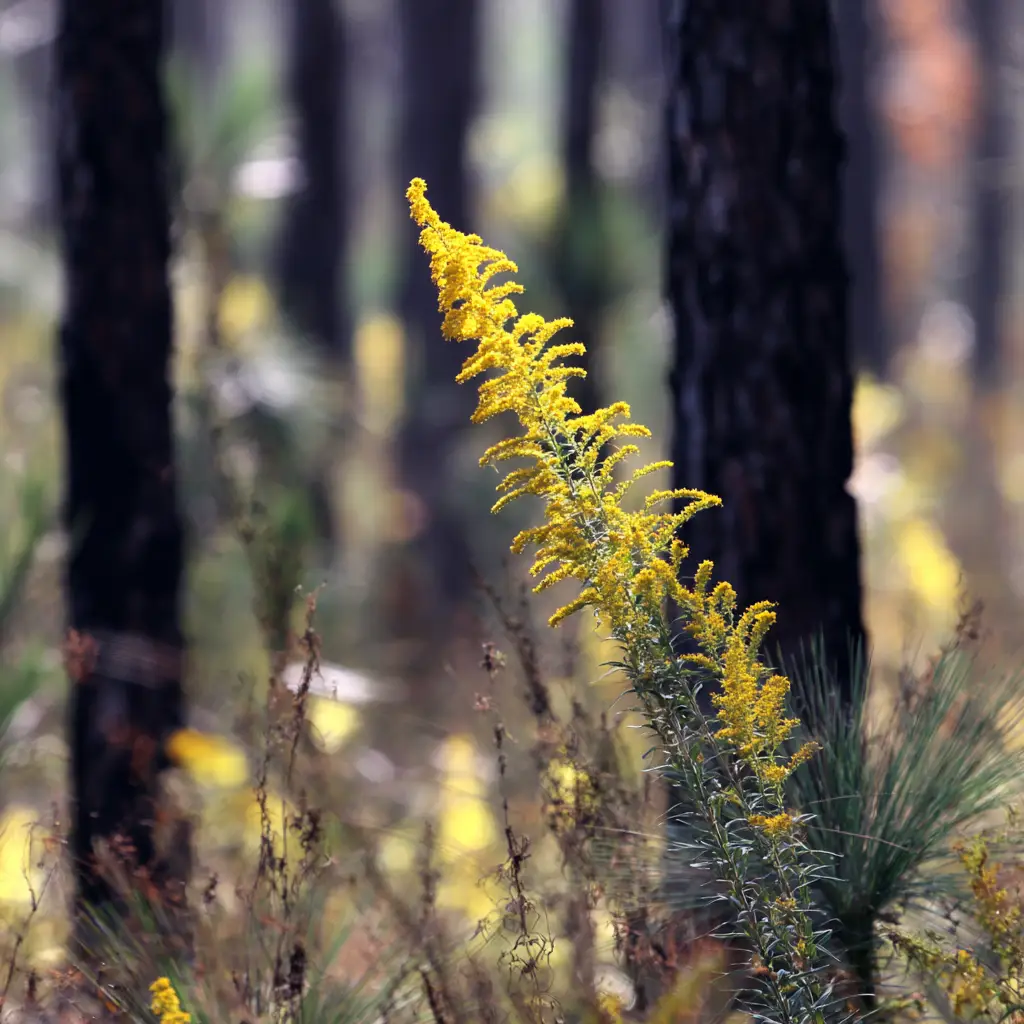
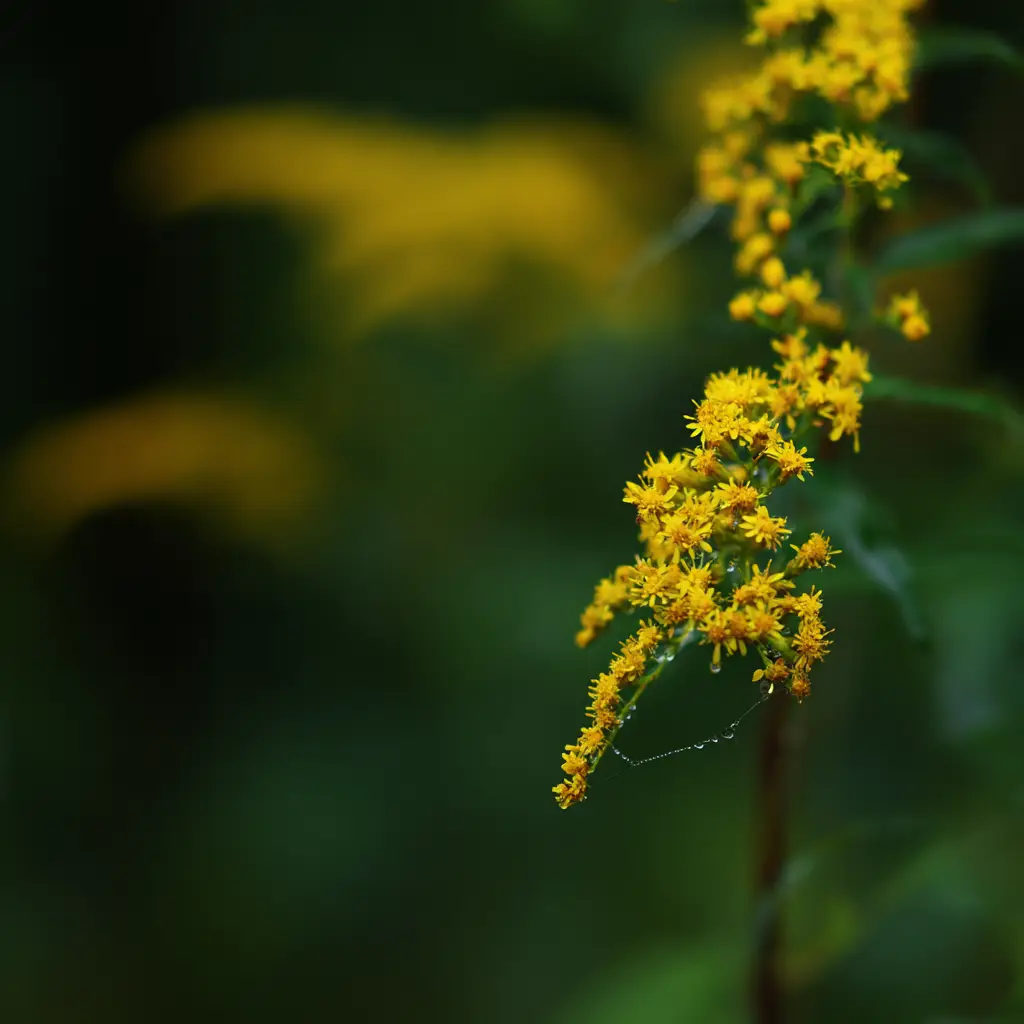
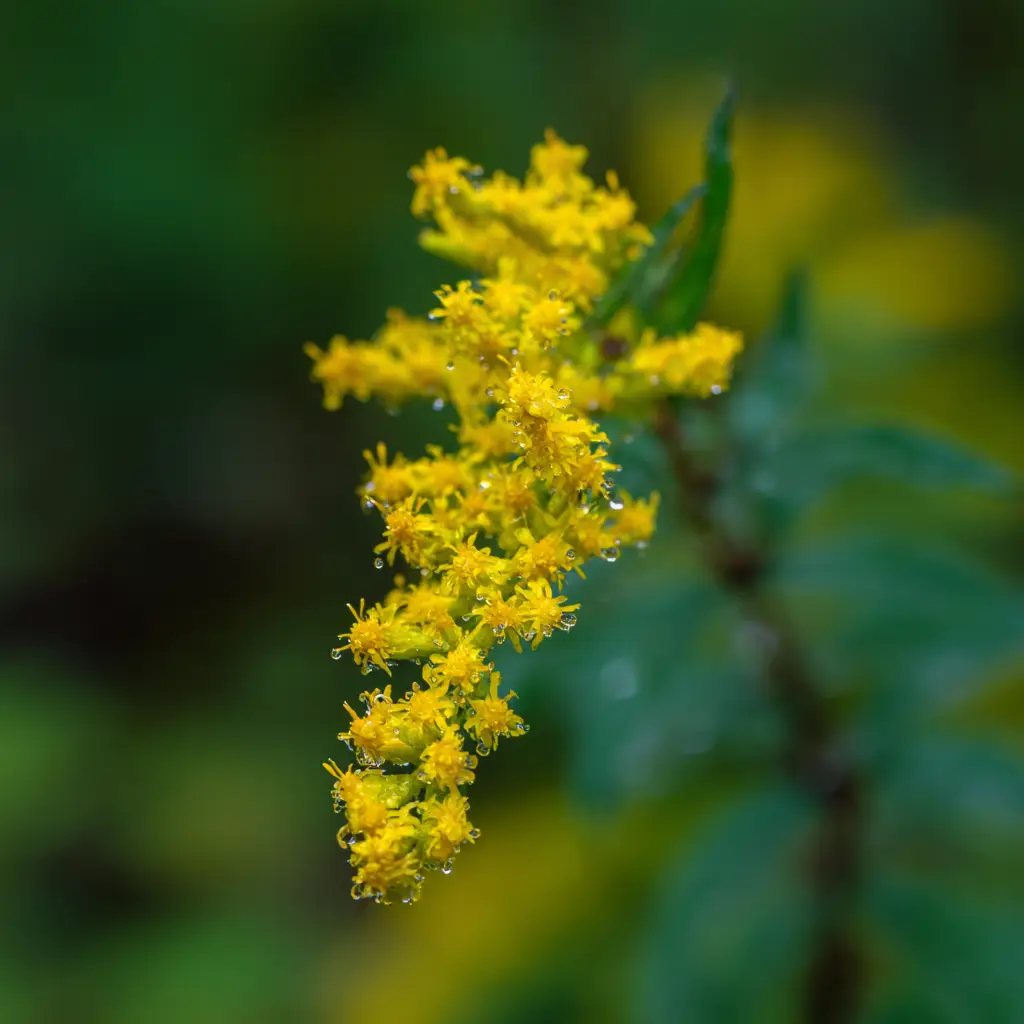
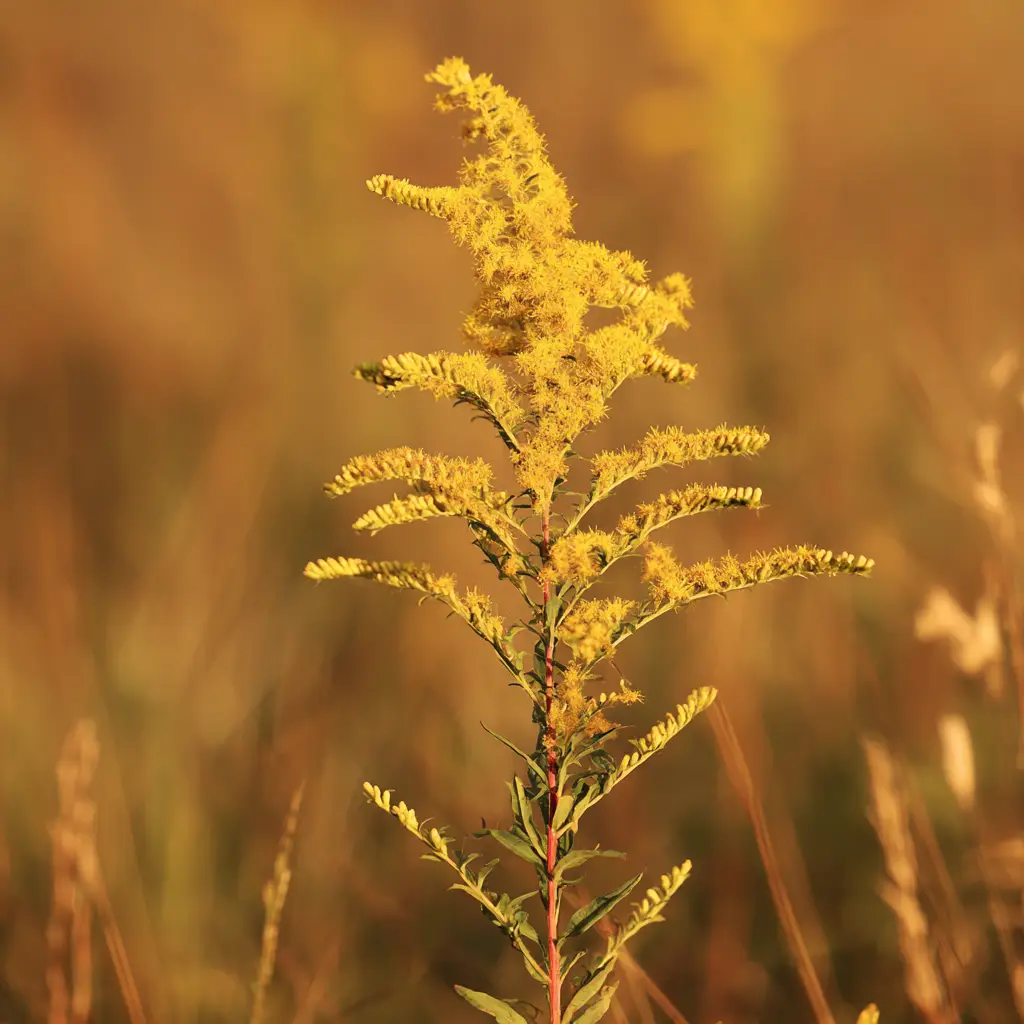
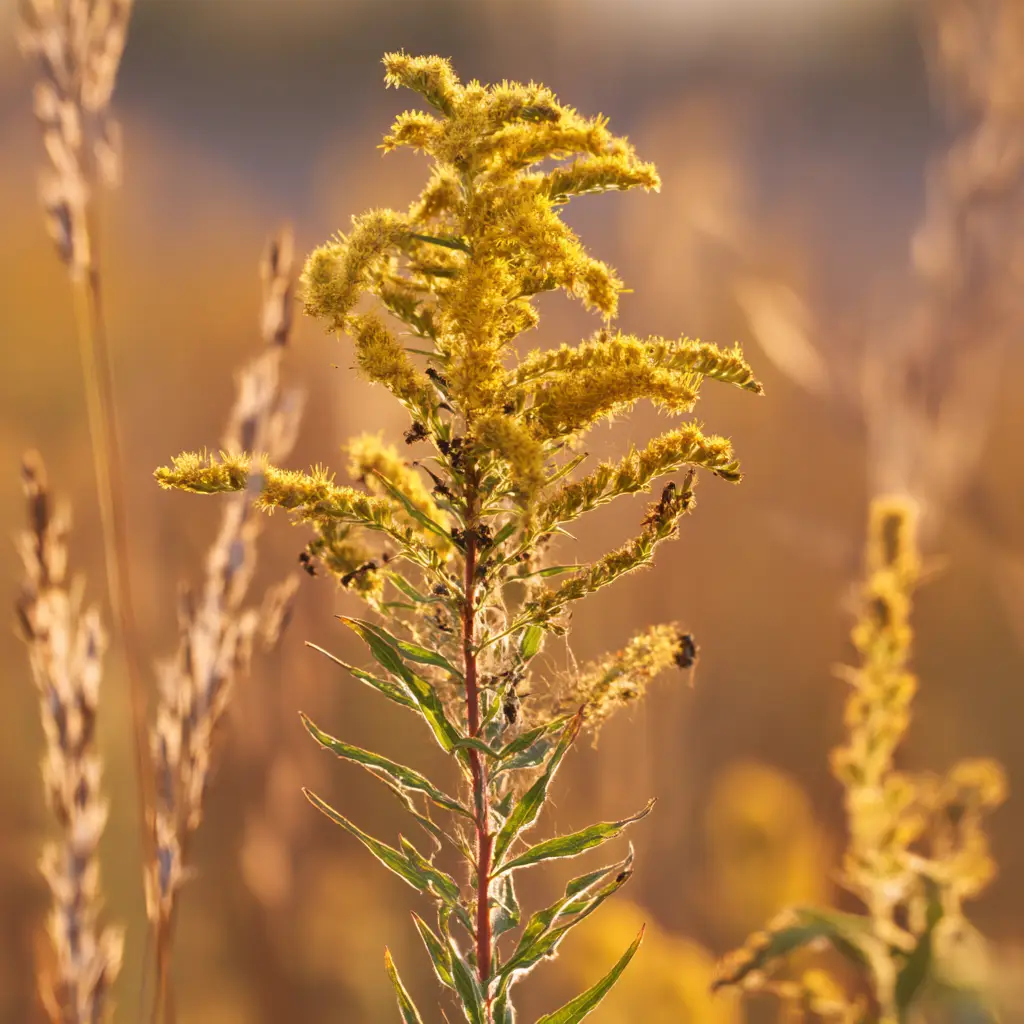
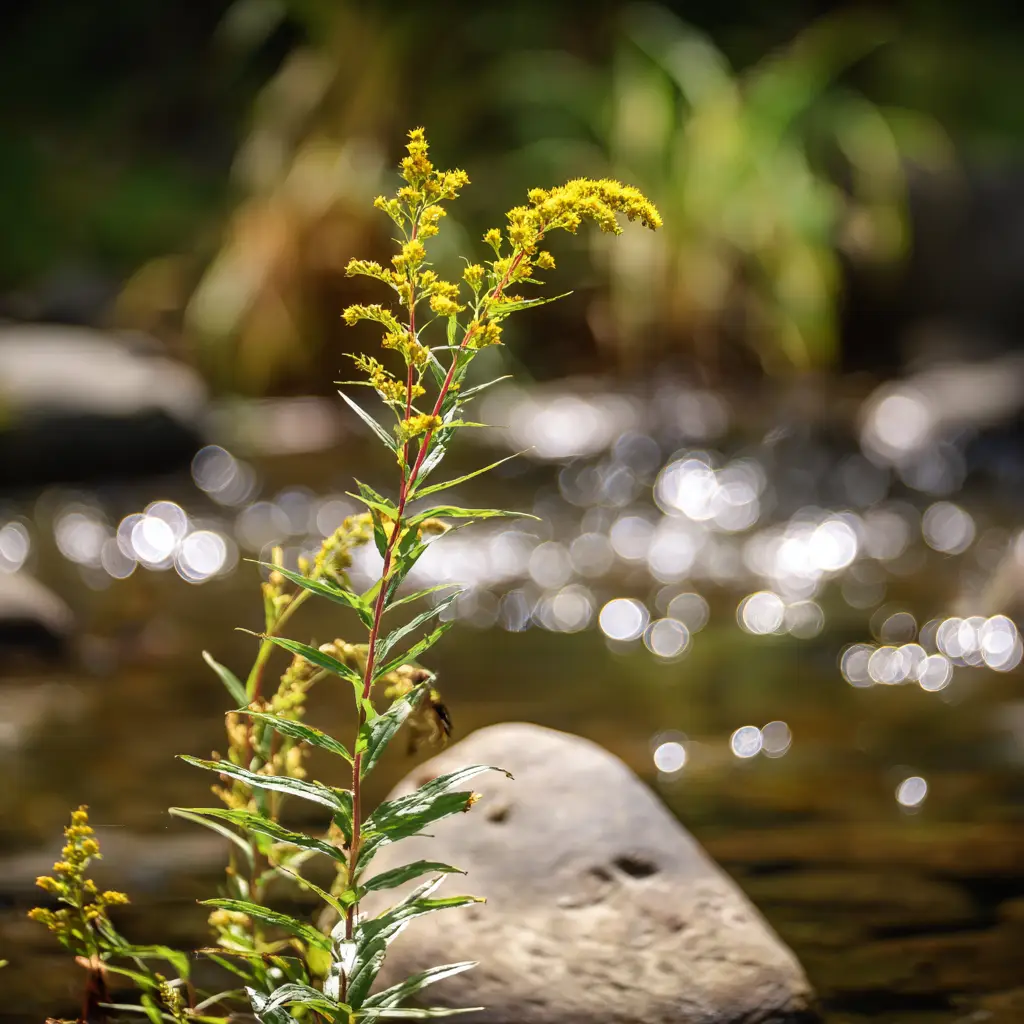
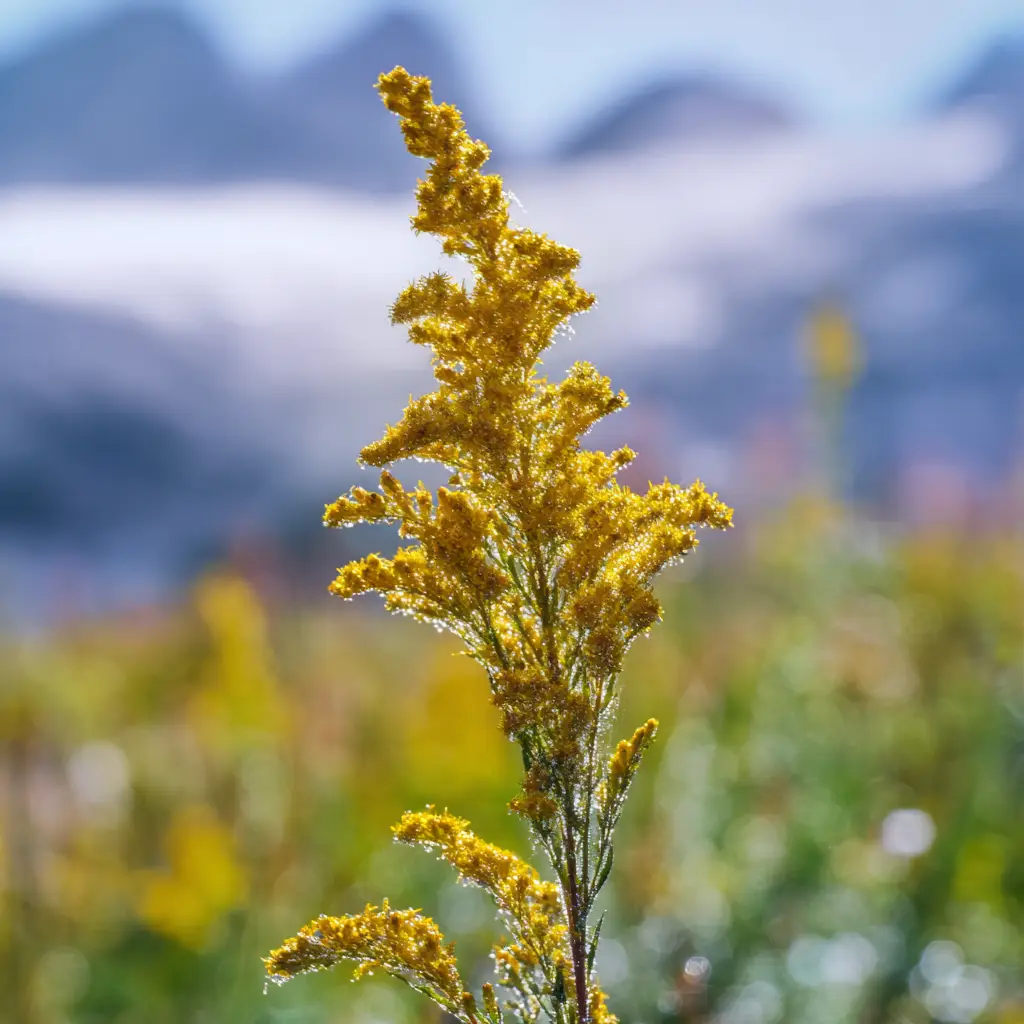
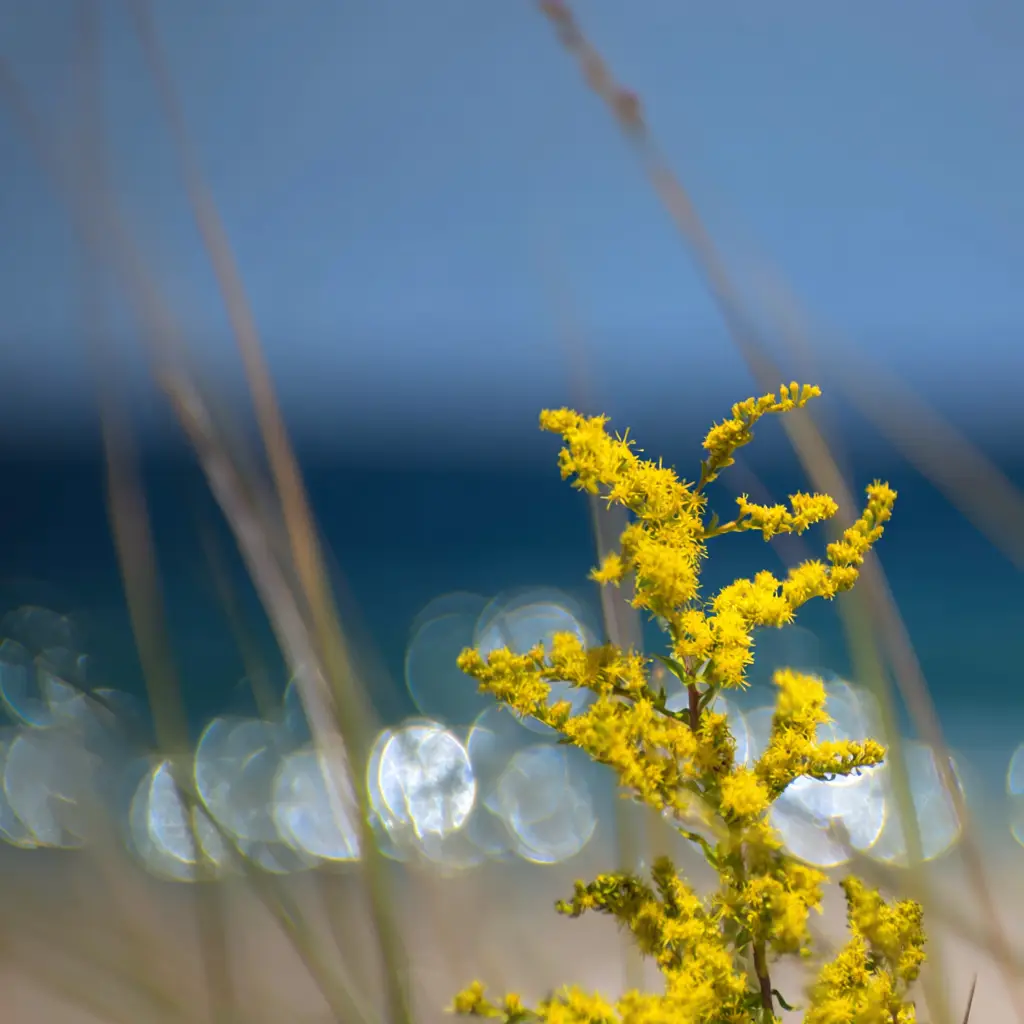
GoldenrodSolidago canadensis (Canada goldenrod); genus SolidagoSummer bloomer
Deep gold
GoldenrodSolidago canadensis (Canada goldenrod); genus SolidagoSummer bloomer
8 photos of Goldenrod
 Lemon and acid yellow
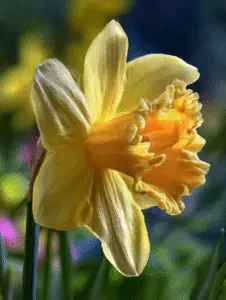
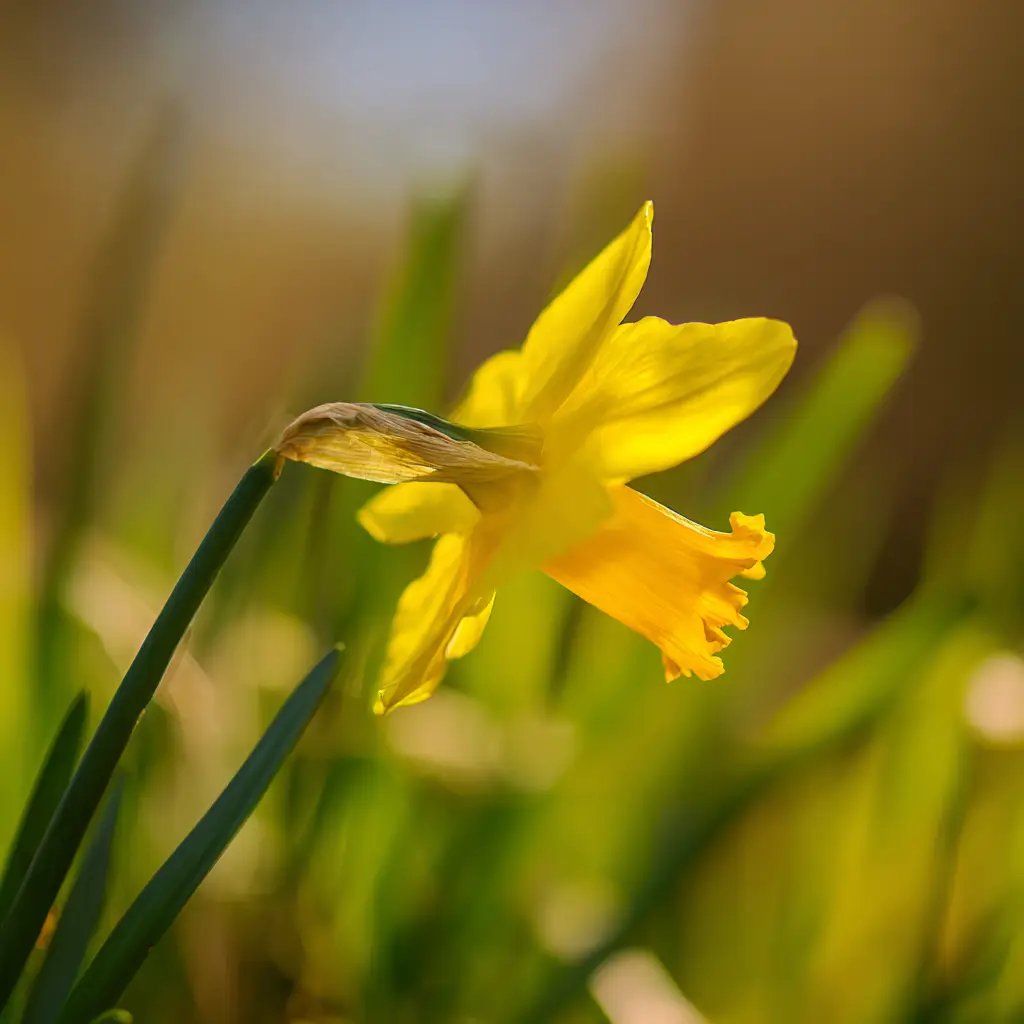
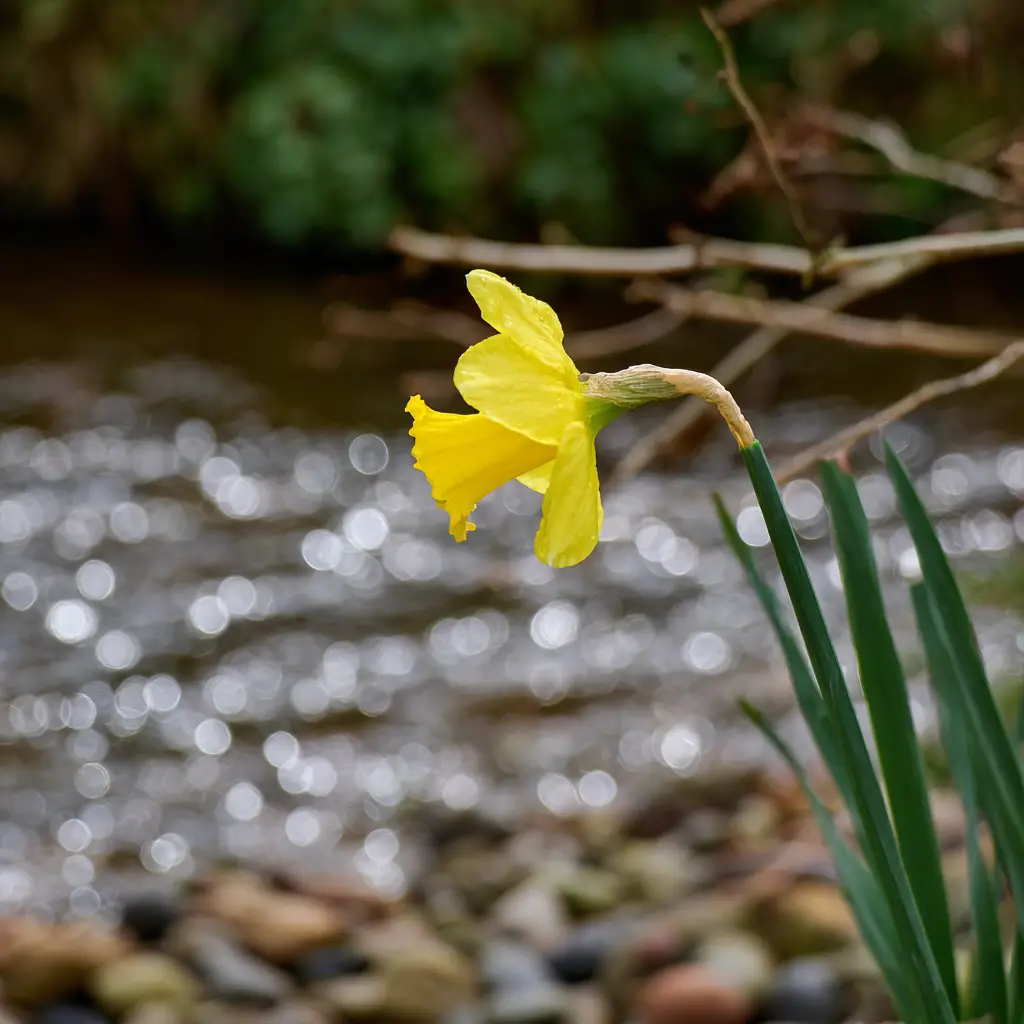
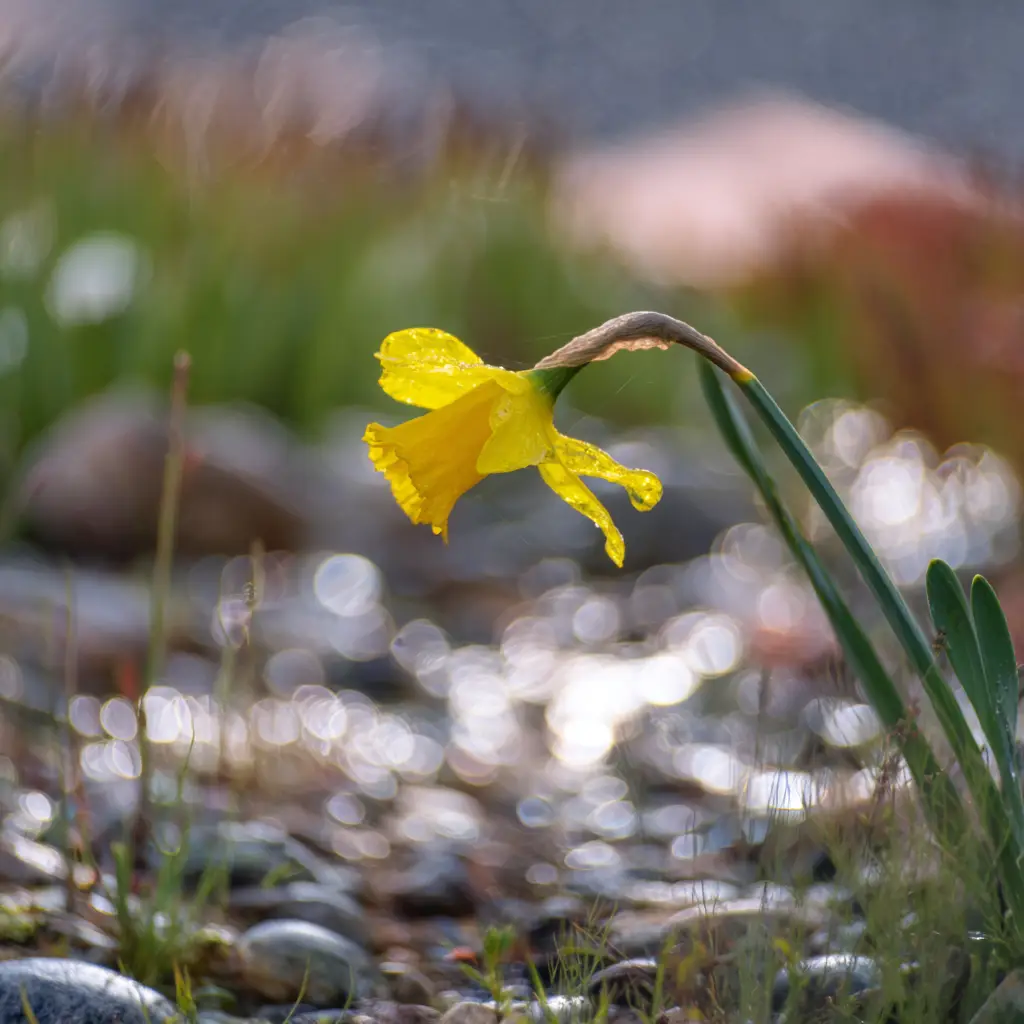
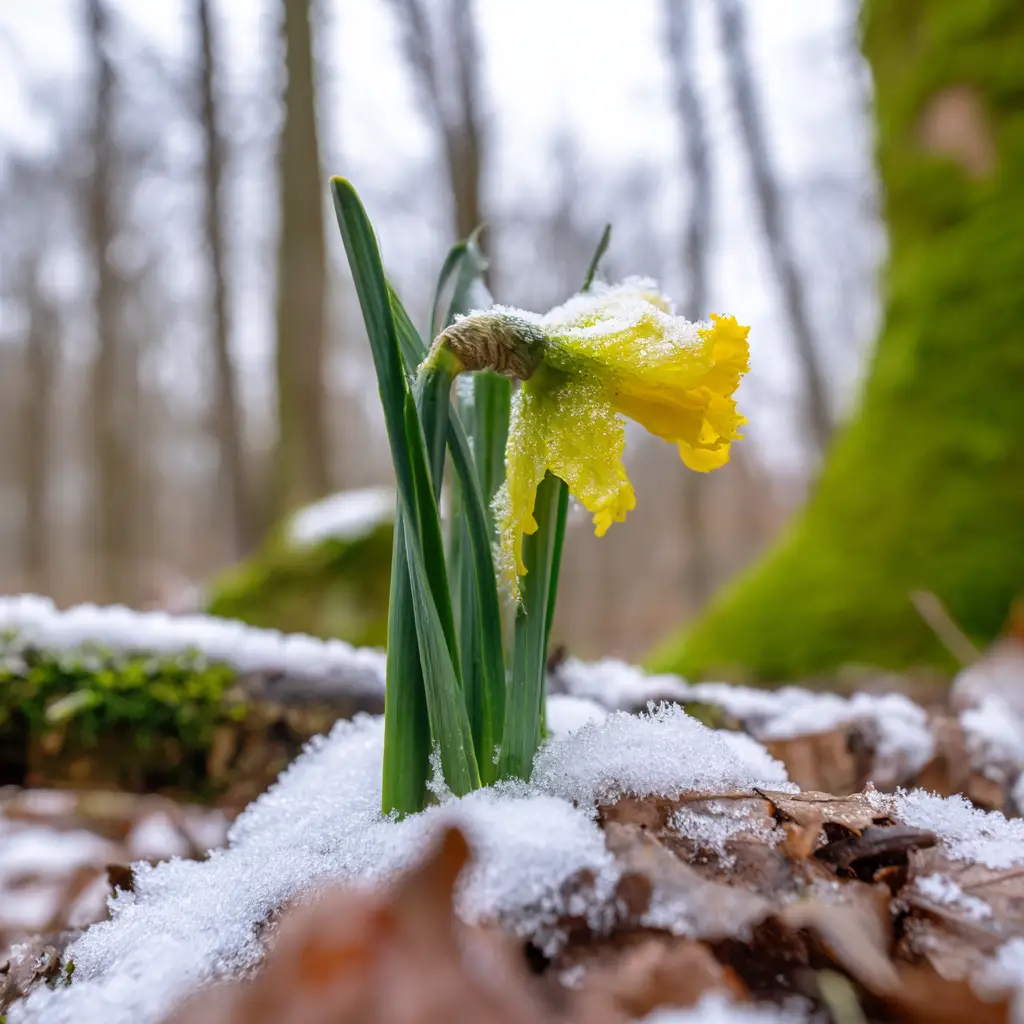
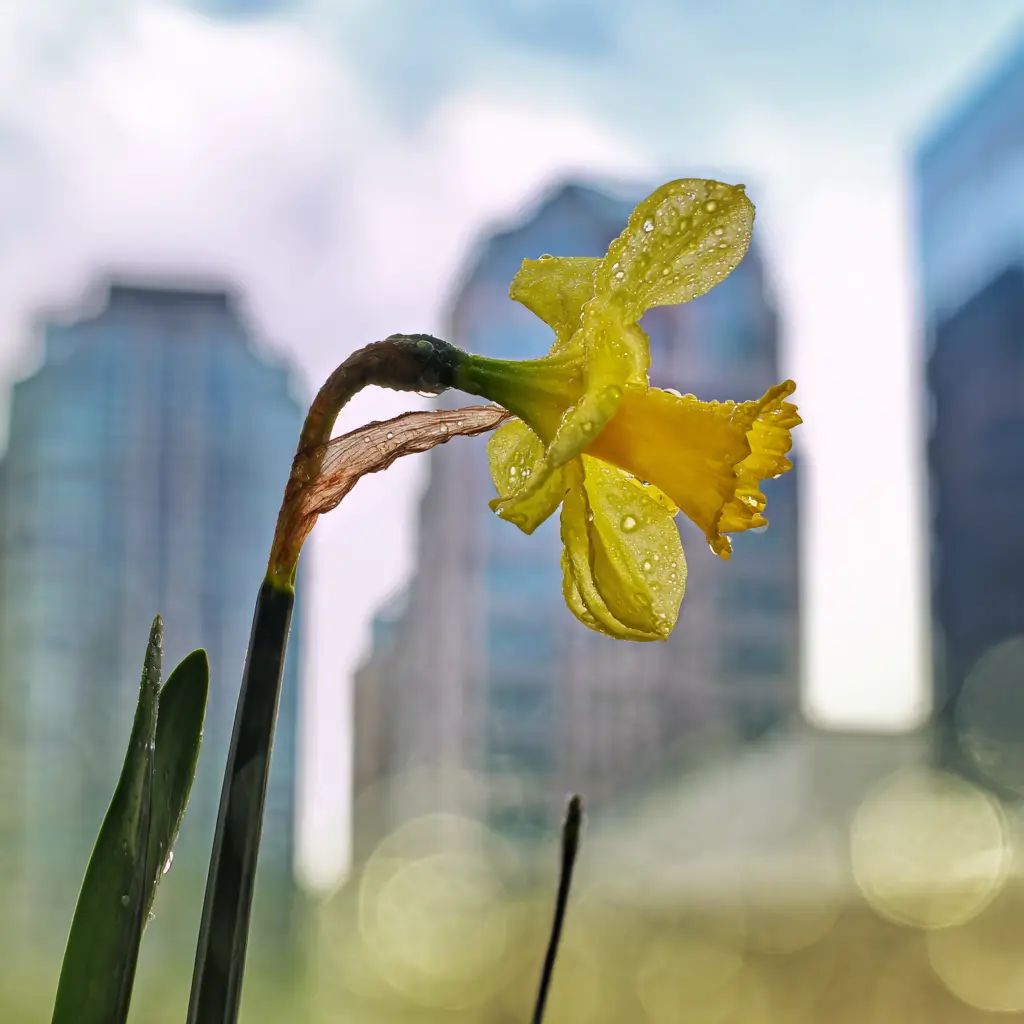
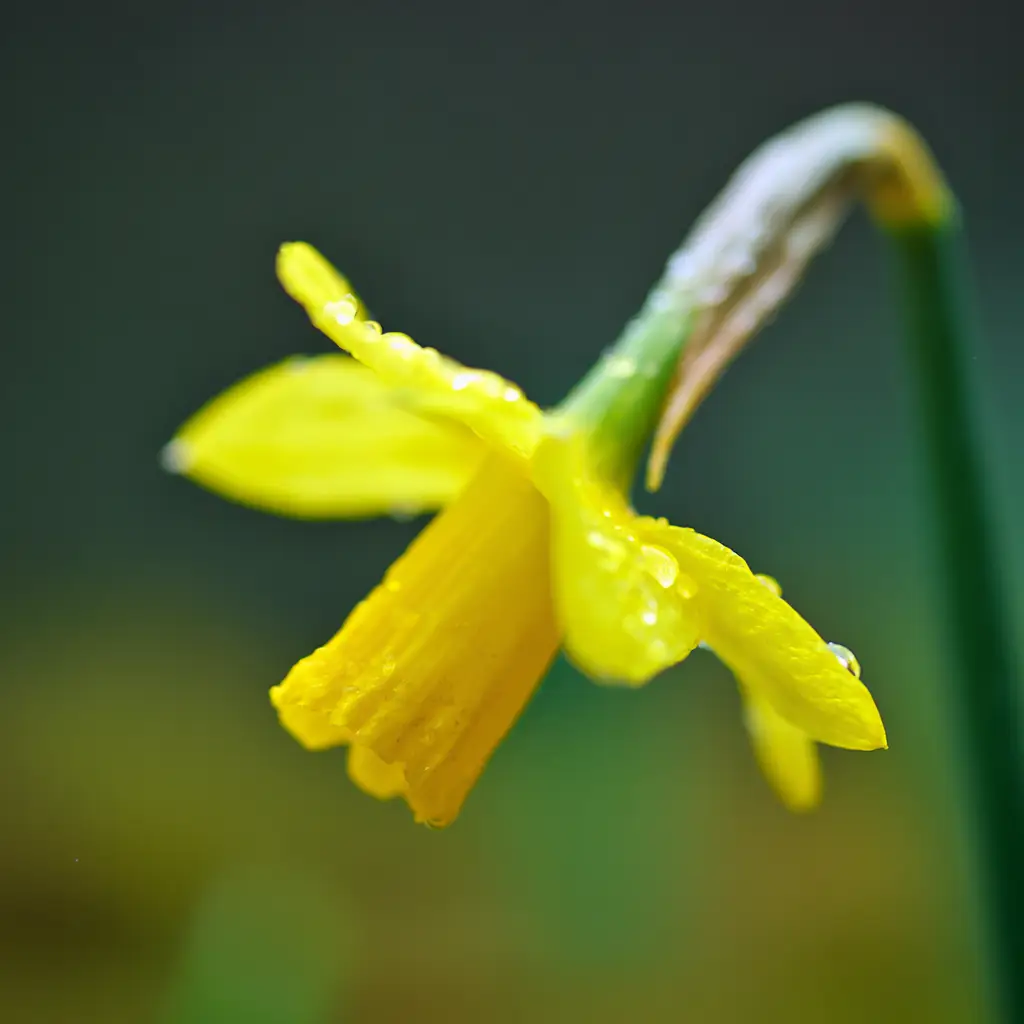
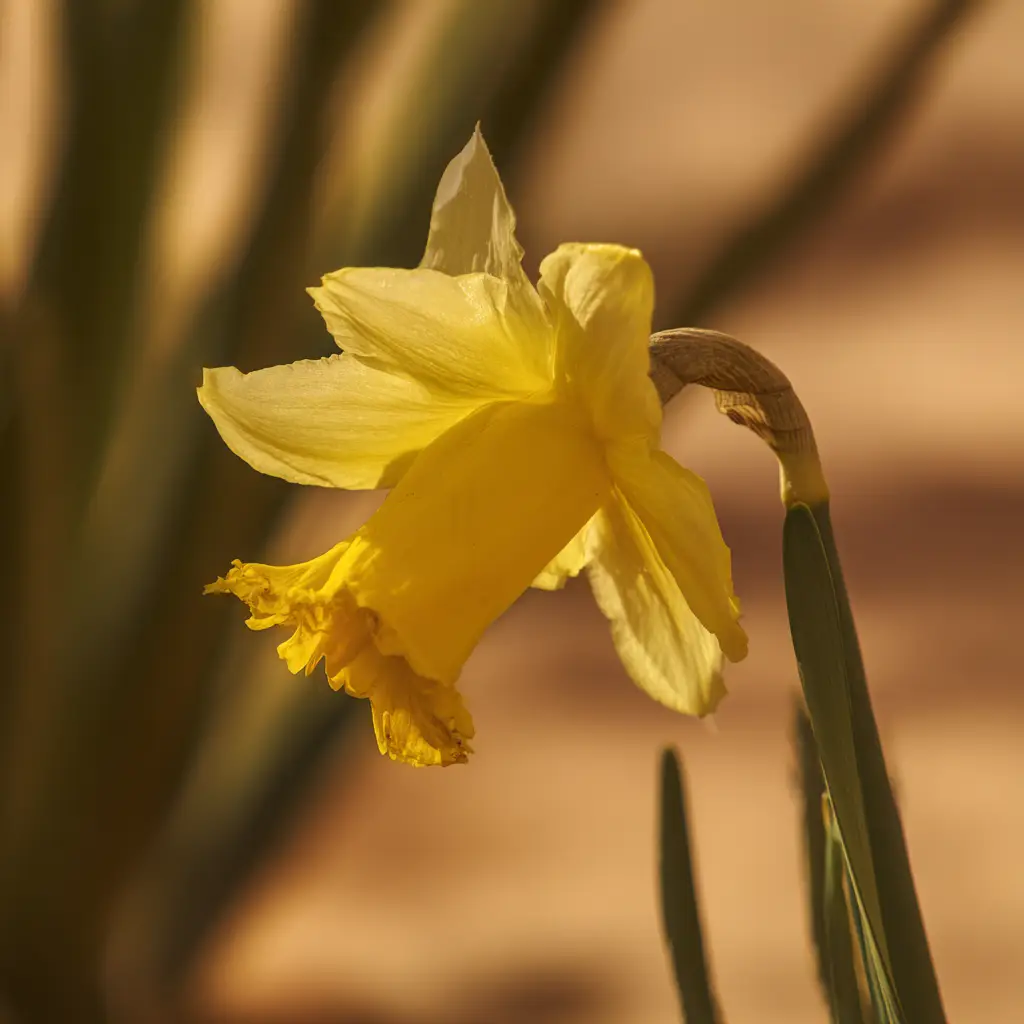
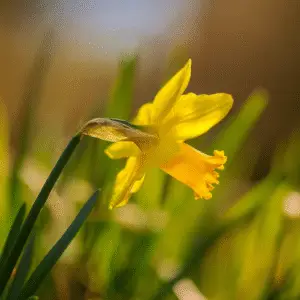
DaffodilsNarcissus spp.Cool-season bloomer
Lemon and acid yellow
DaffodilsNarcissus spp.Cool-season bloomer
8 photos of Daffodils

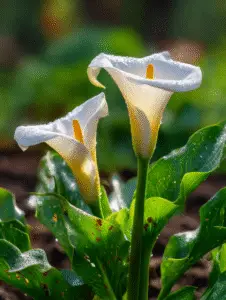
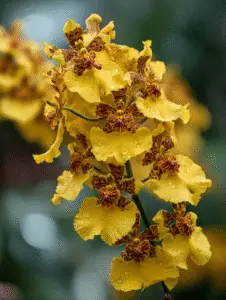
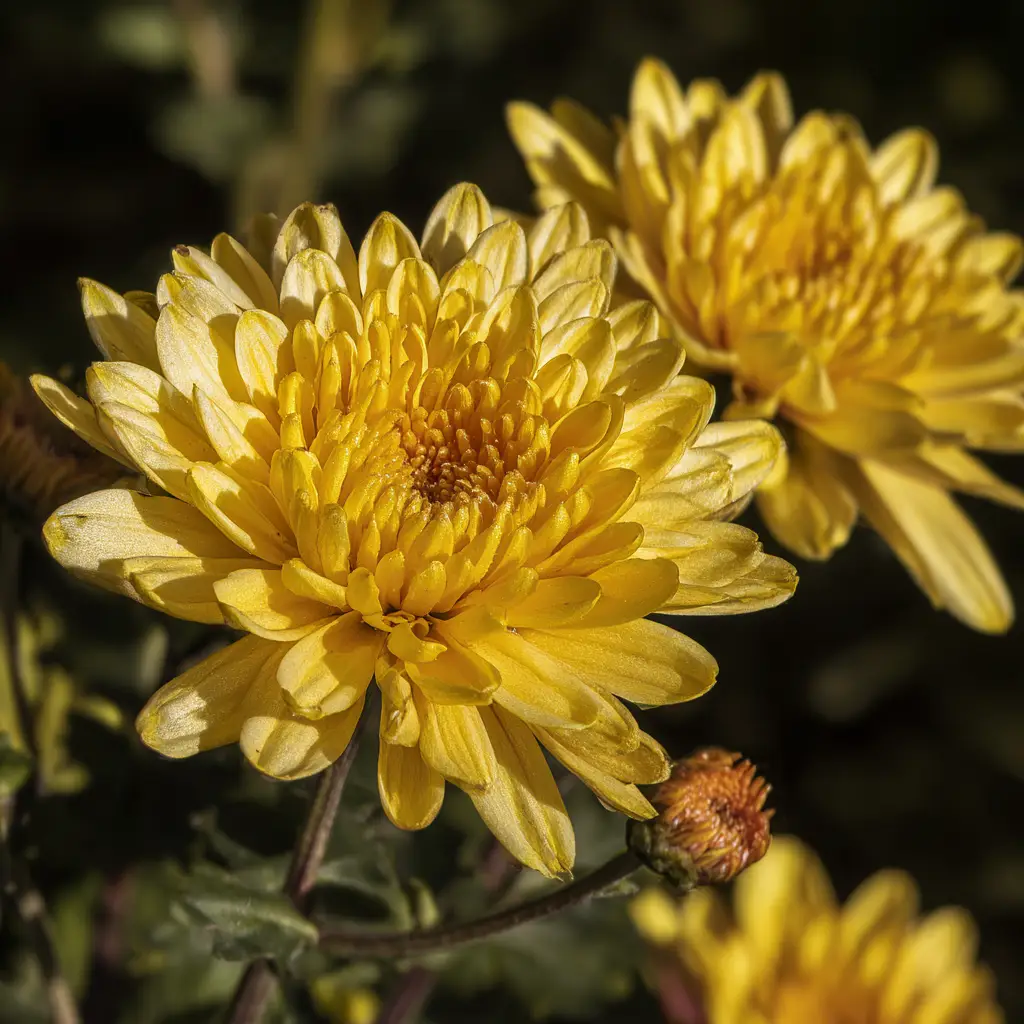
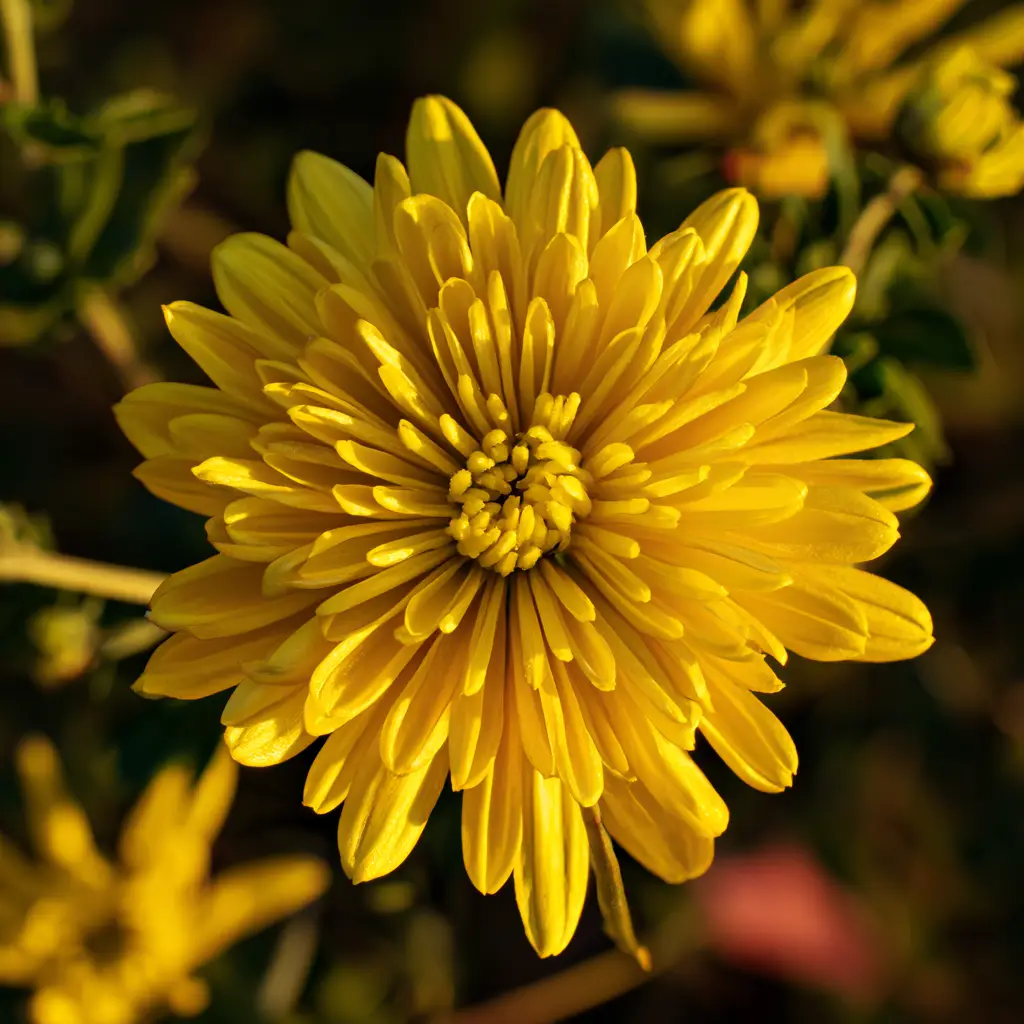
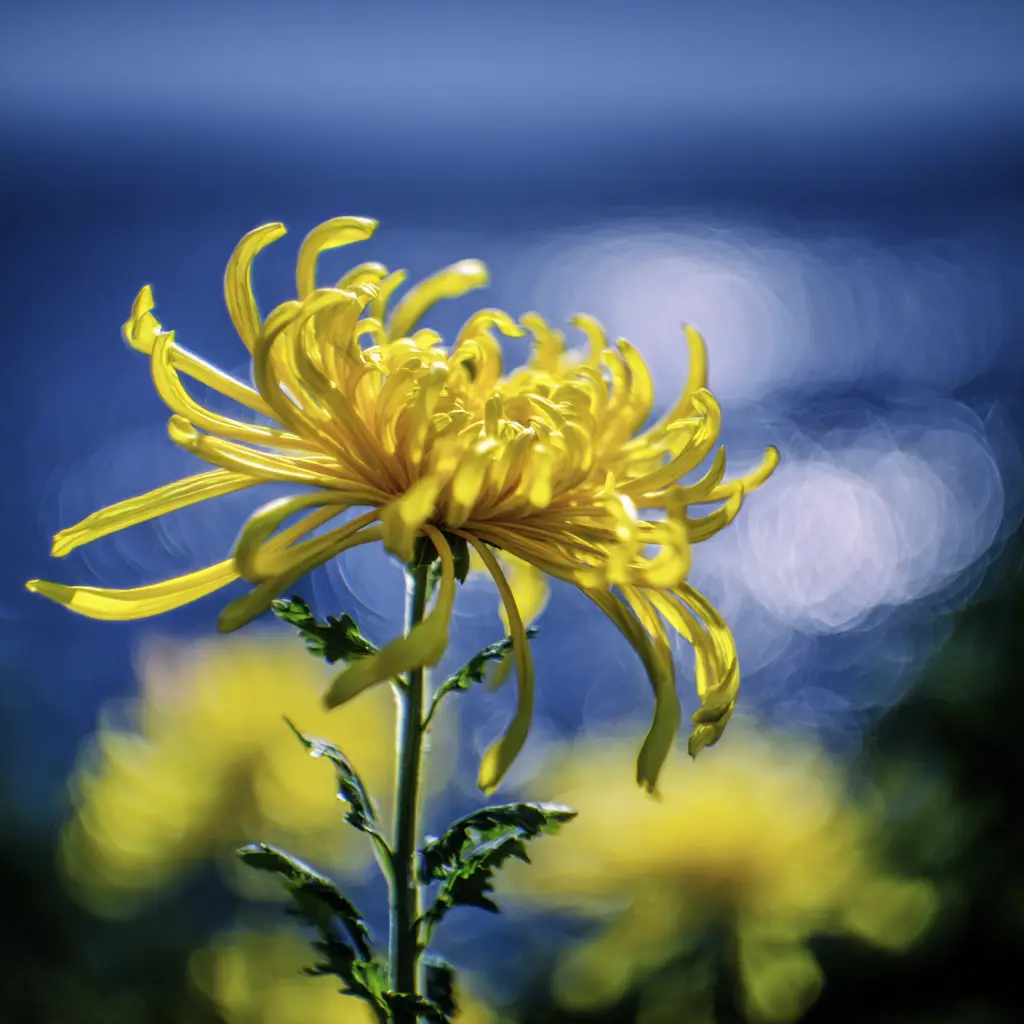
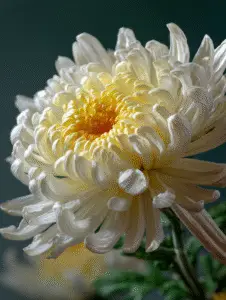 Opens one yellow
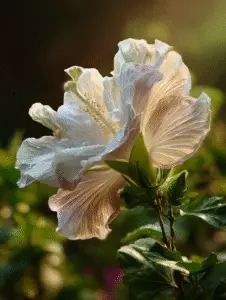
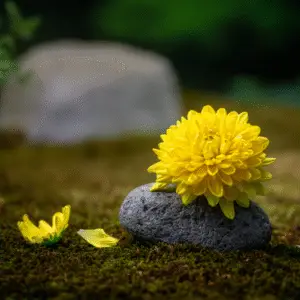
ChrysanthemumChrysanthemum × morifoliumFall bloomer
Opens one yellow
ChrysanthemumChrysanthemum × morifoliumFall bloomer
8 photos of Chrysanthemum



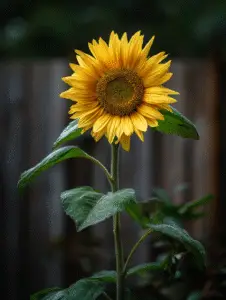 Deep gold
SunflowerHelianthus annuusSummer bloomer
Deep gold
SunflowerHelianthus annuusSummer bloomer
8 photos of Sunflower


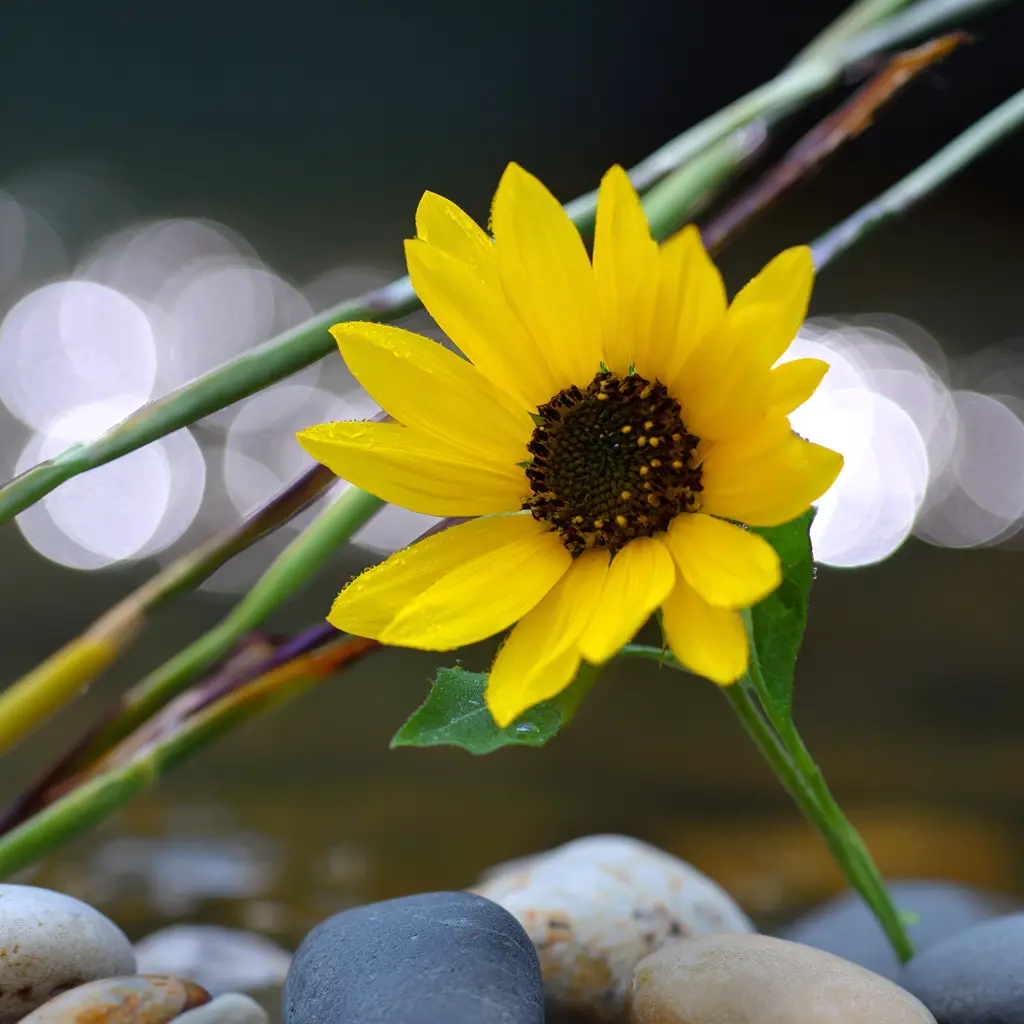

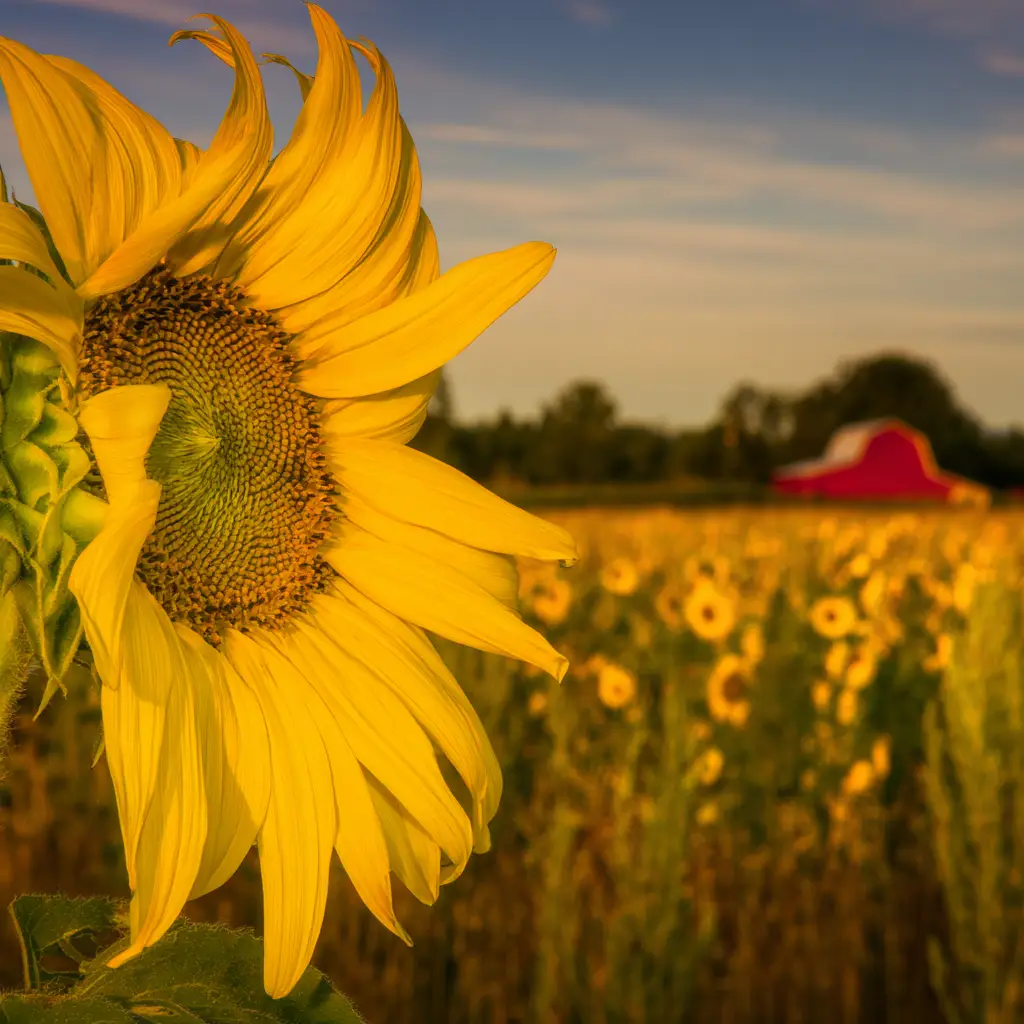

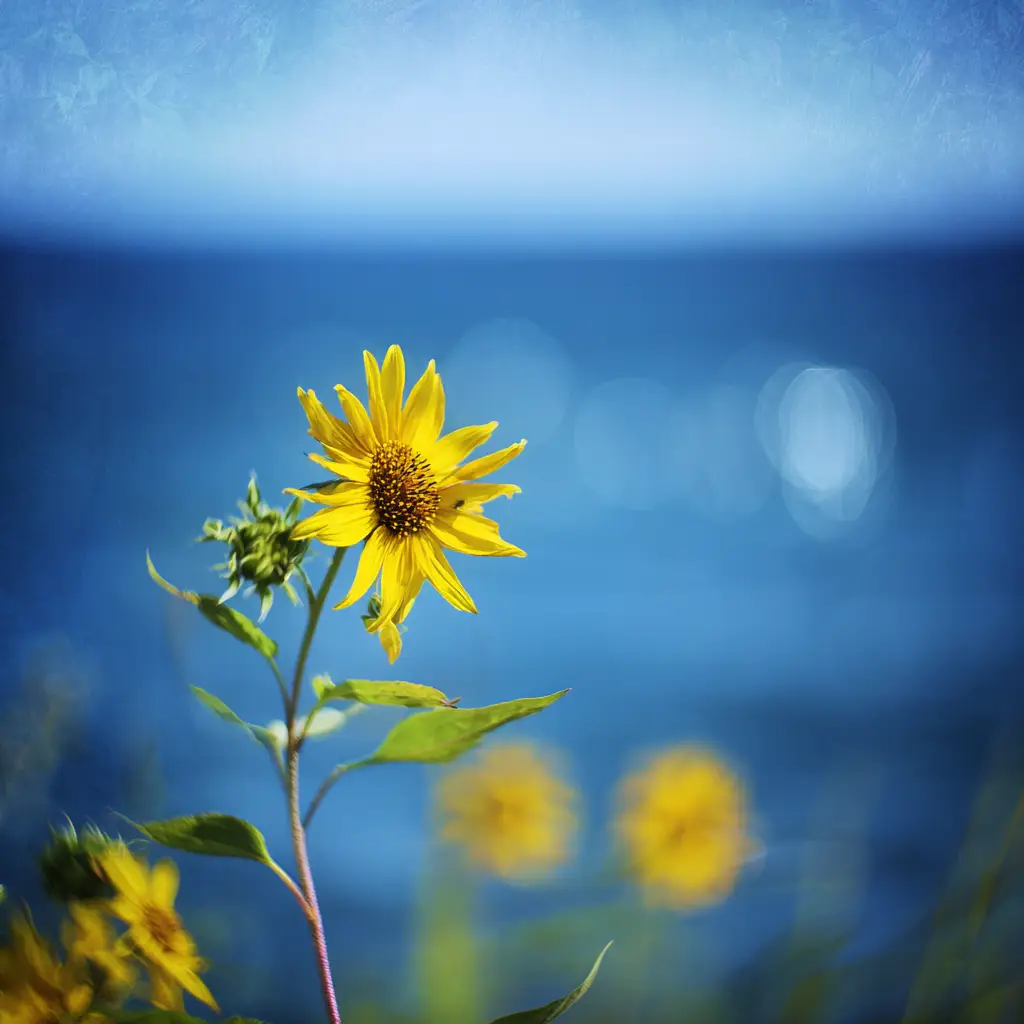
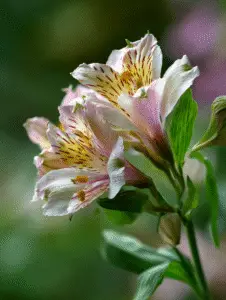
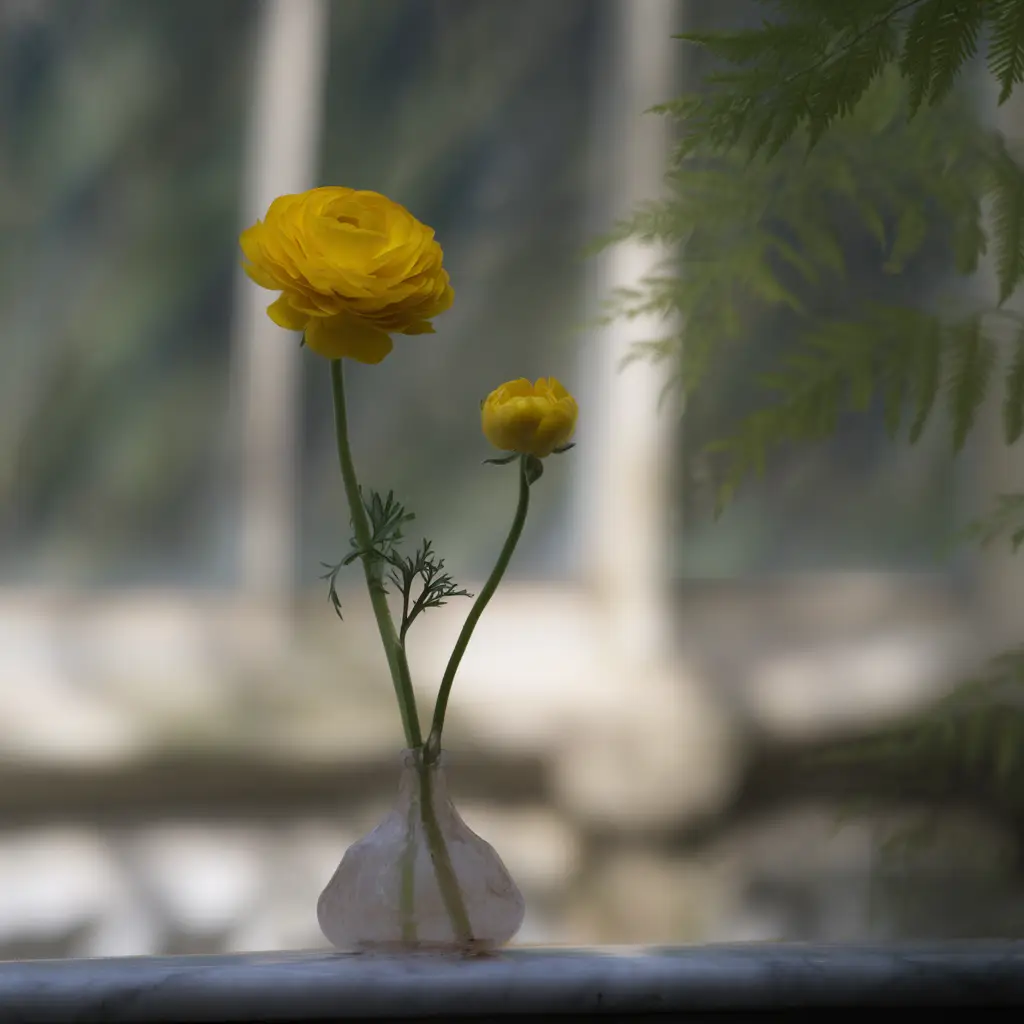
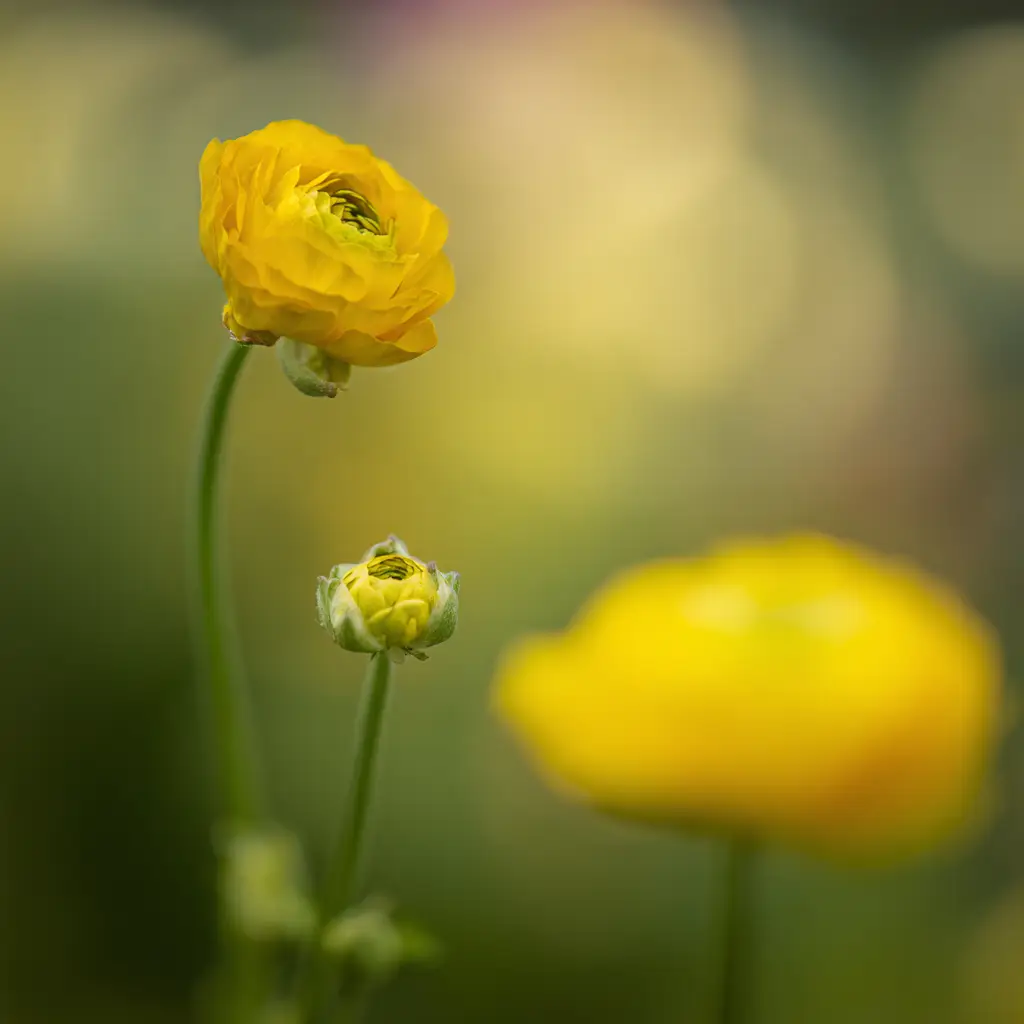
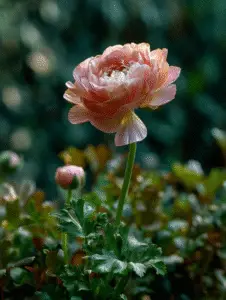 Butter and cream
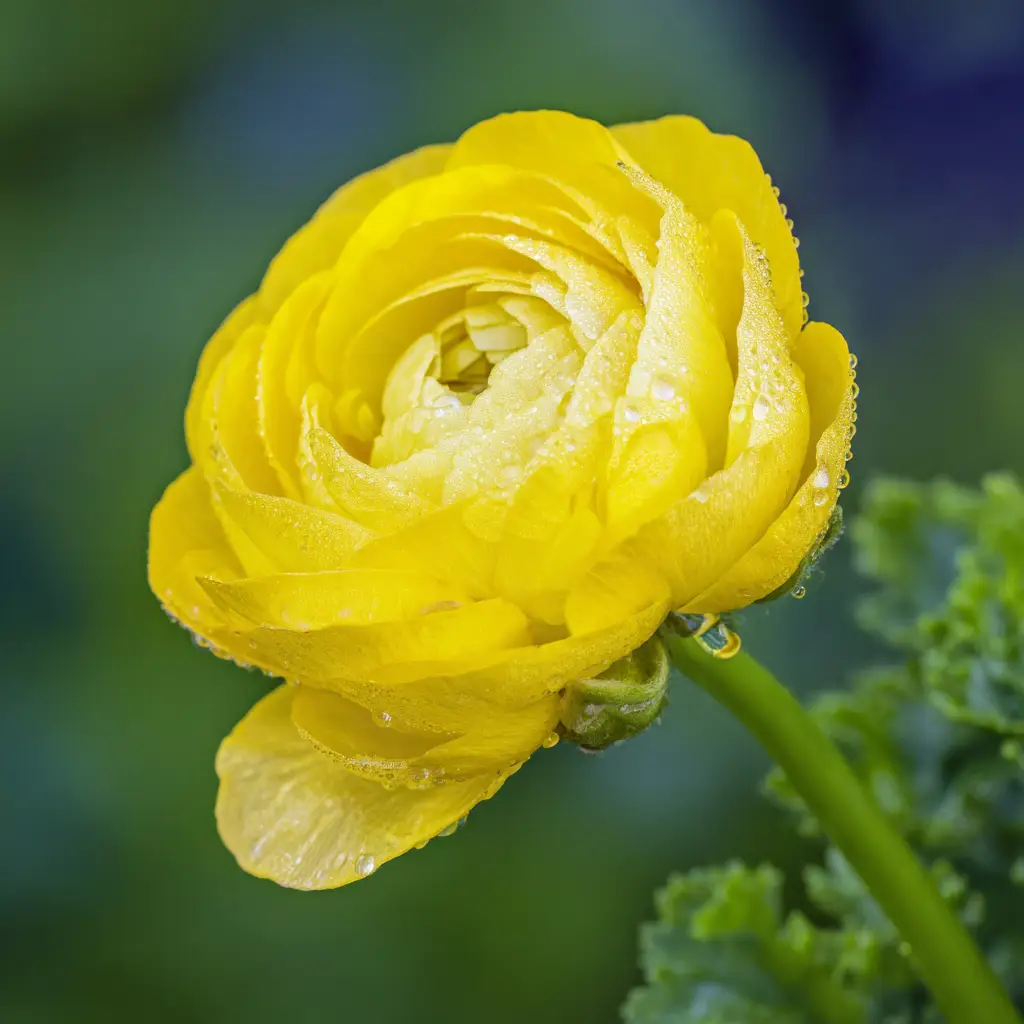
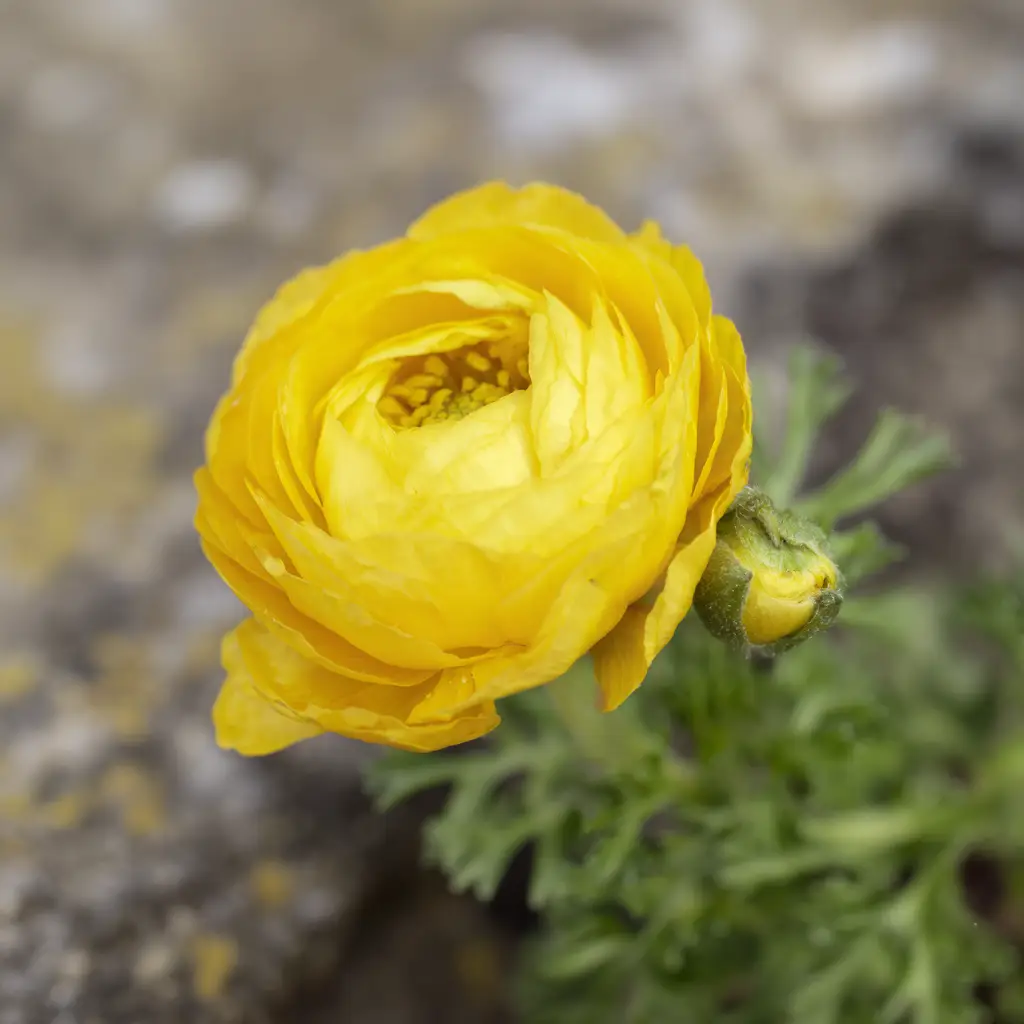
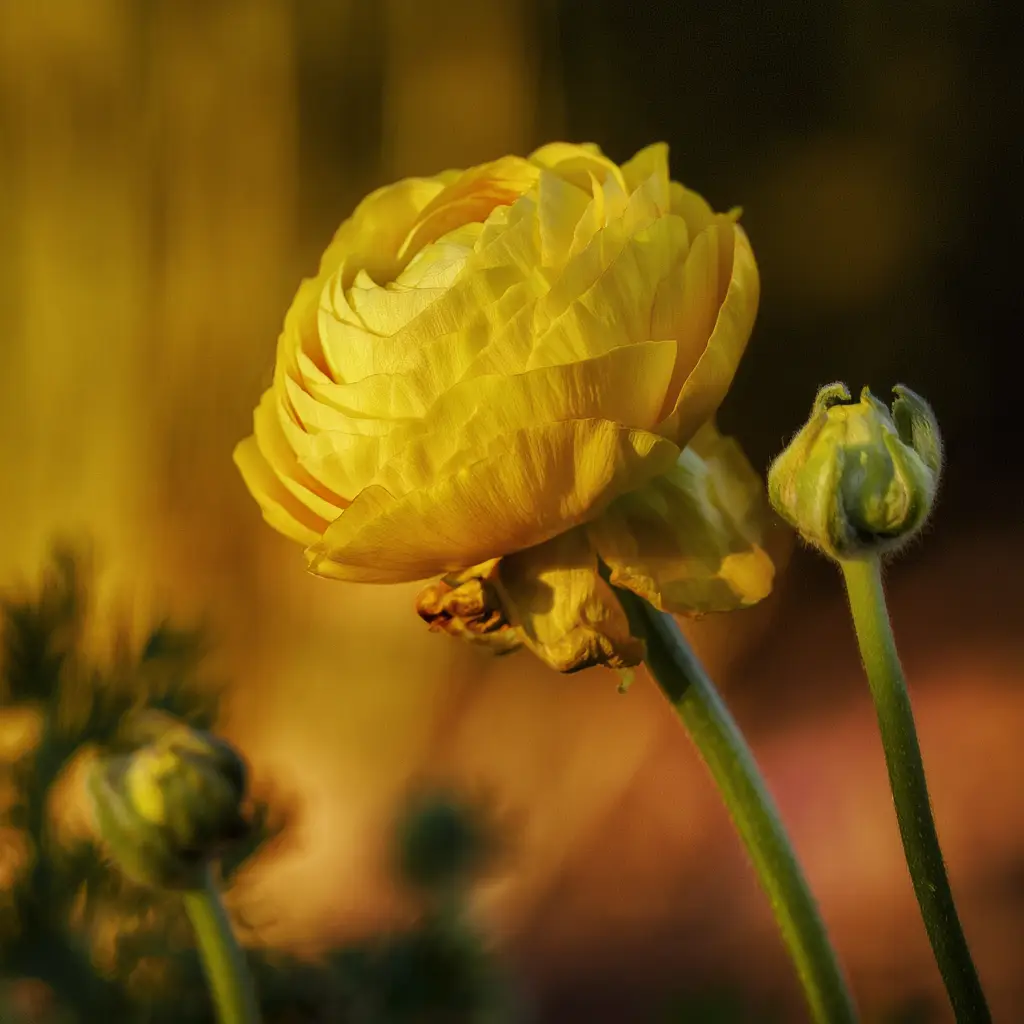
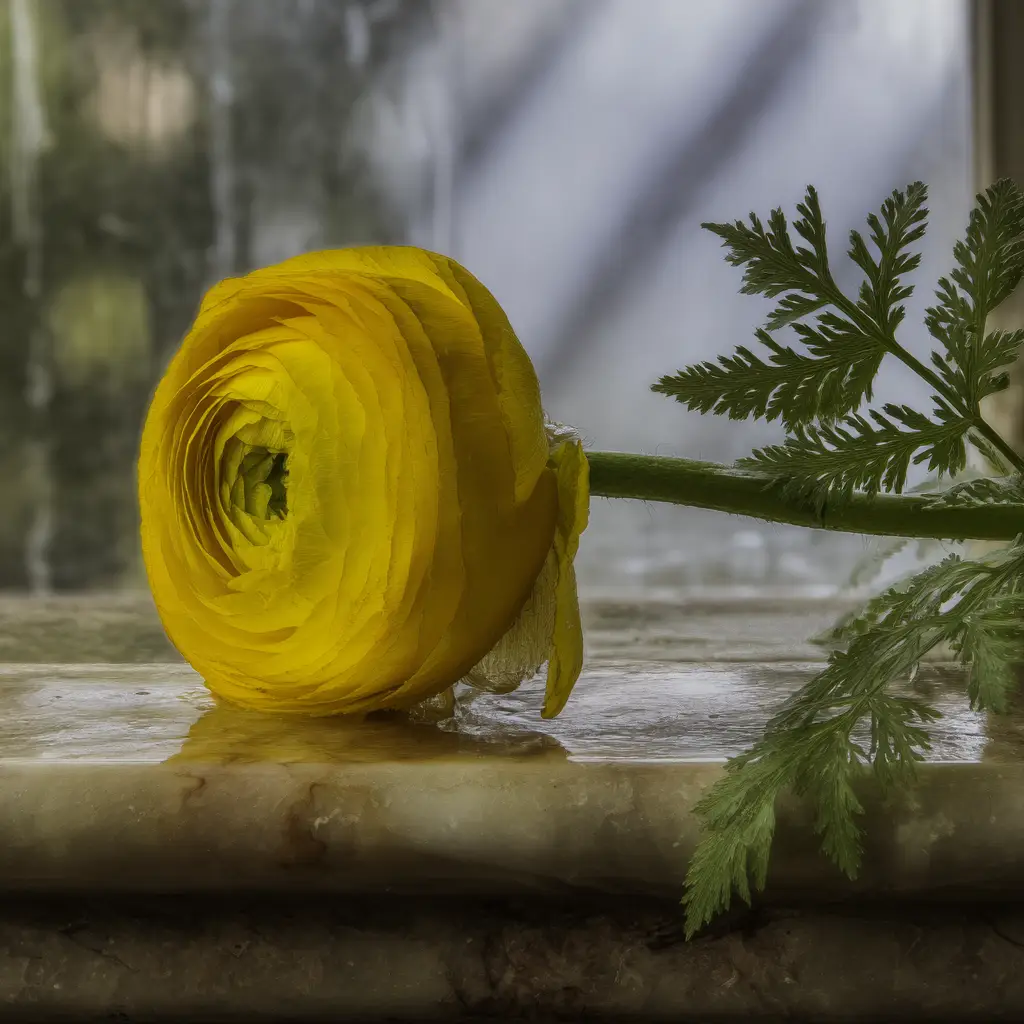
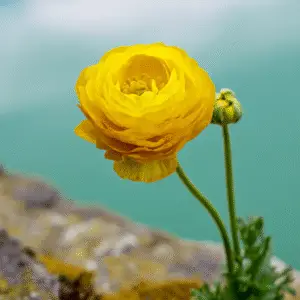
RanunculusRanunculus asiaticusSpring bloomer
Butter and cream
RanunculusRanunculus asiaticusSpring bloomer
8 photos of Ranunculus
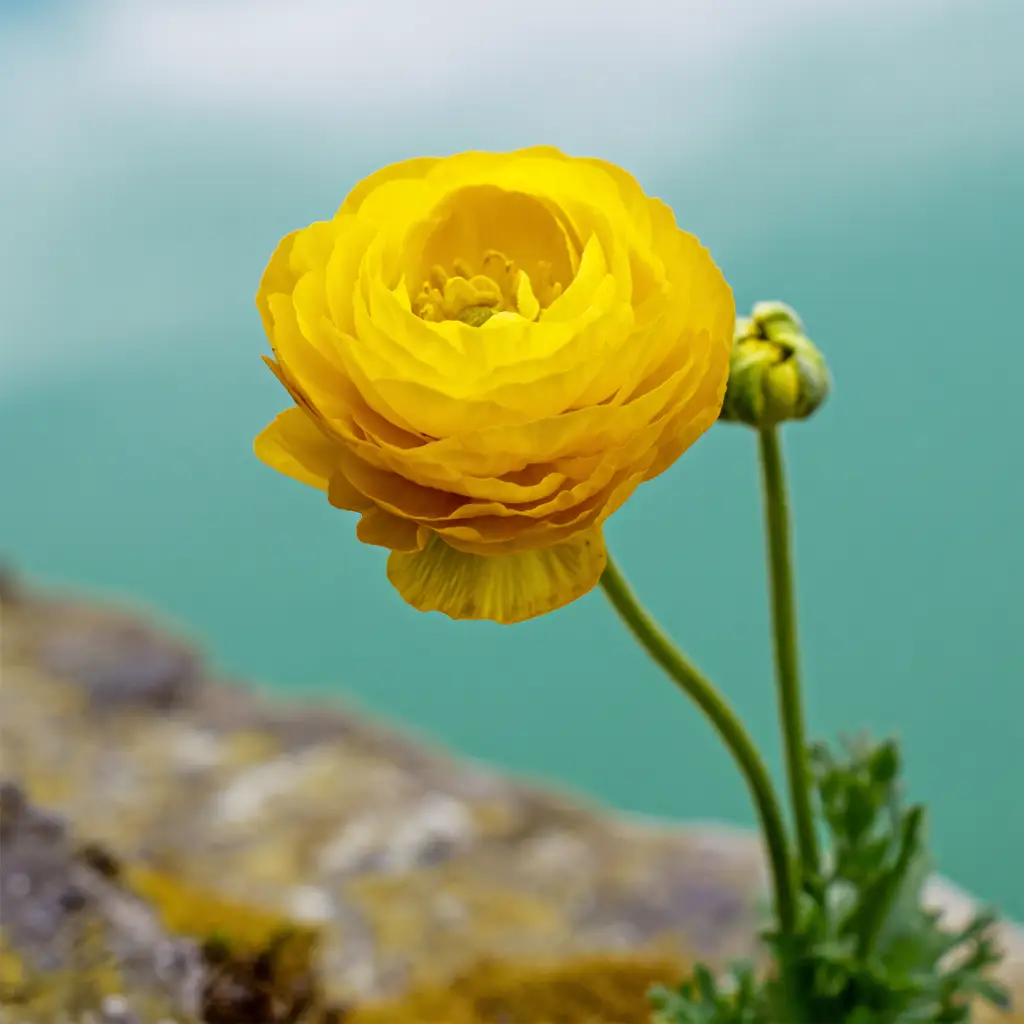
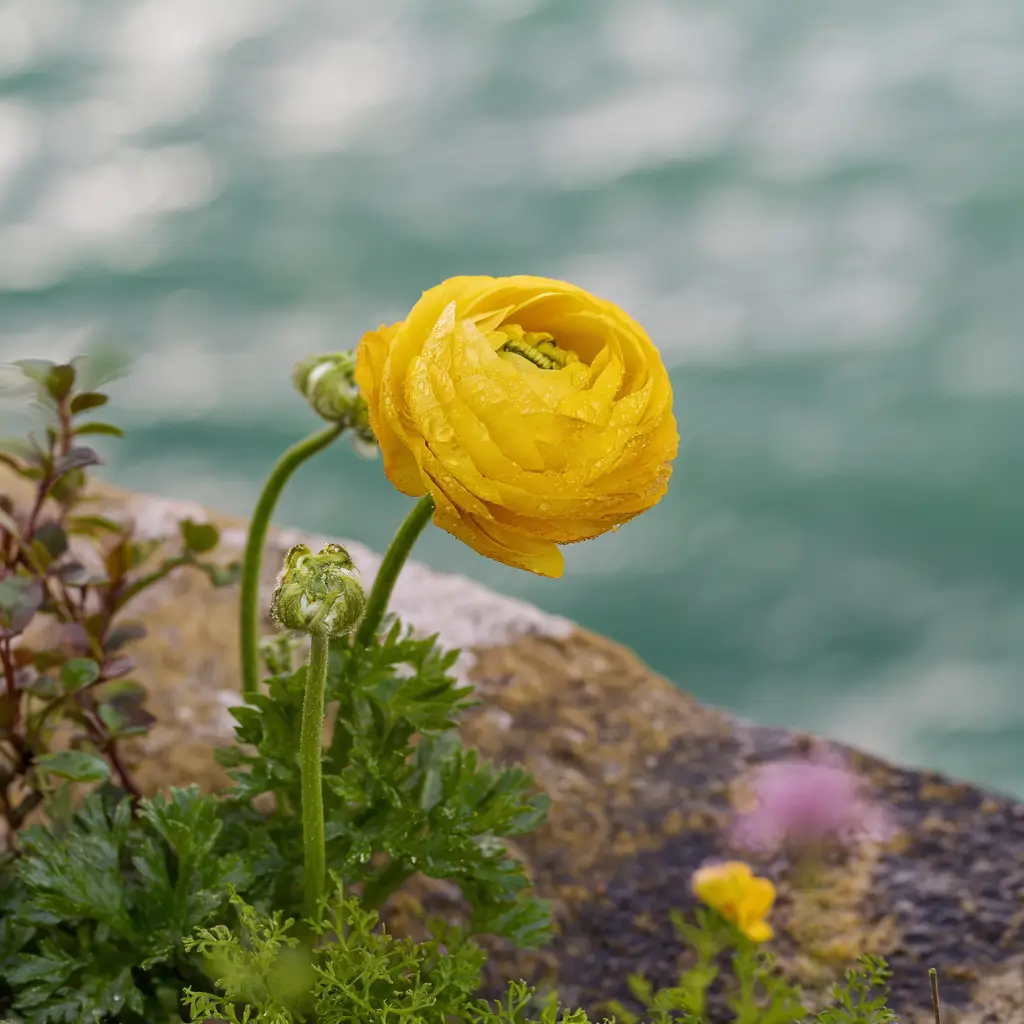
 Deep gold
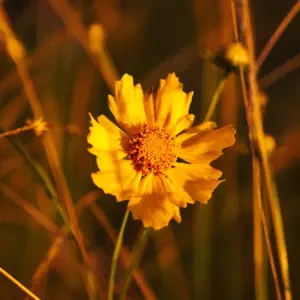
Coreopsis (Tickseed)Coreopsis grandiflora / C. lanceolata / C. verticillataSpring bloomer
Deep gold
Coreopsis (Tickseed)Coreopsis grandiflora / C. lanceolata / C. verticillataSpring bloomer
8 photos of Coreopsis (Tickseed)
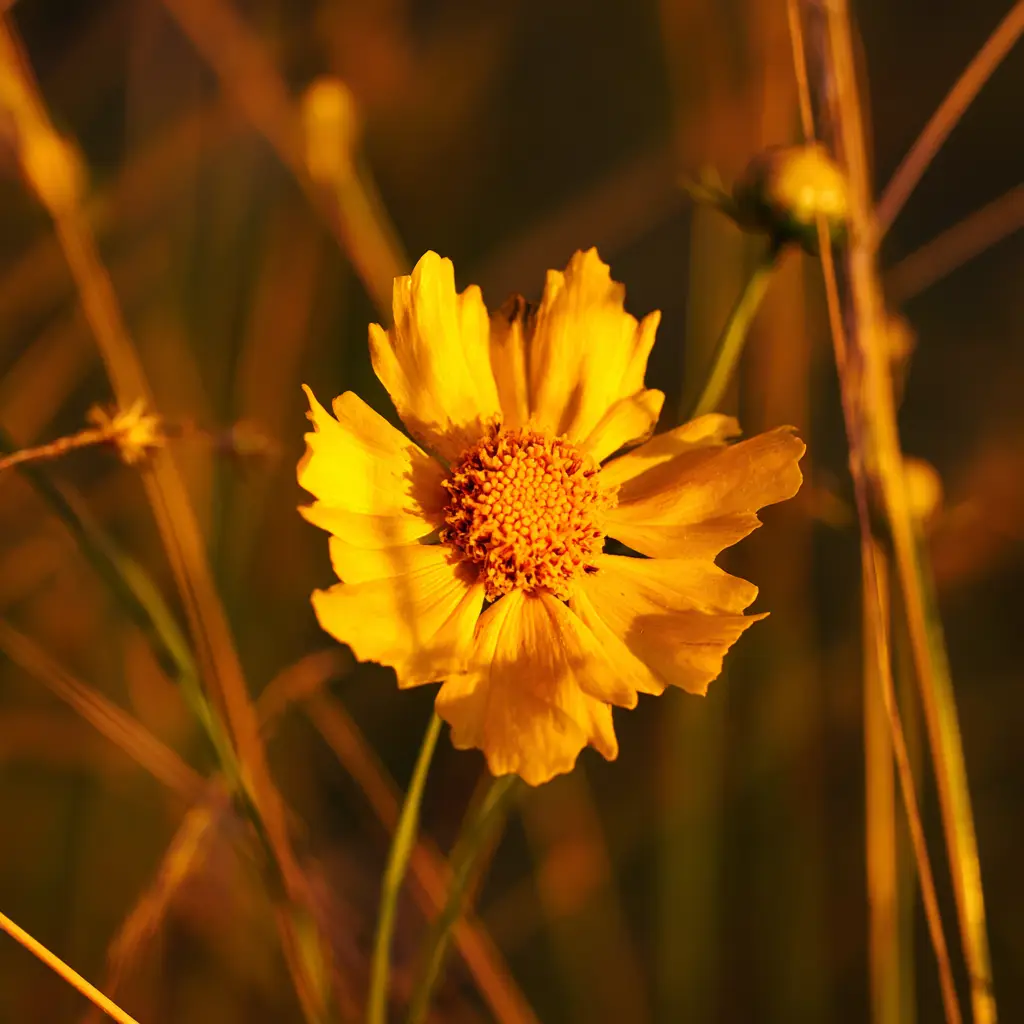
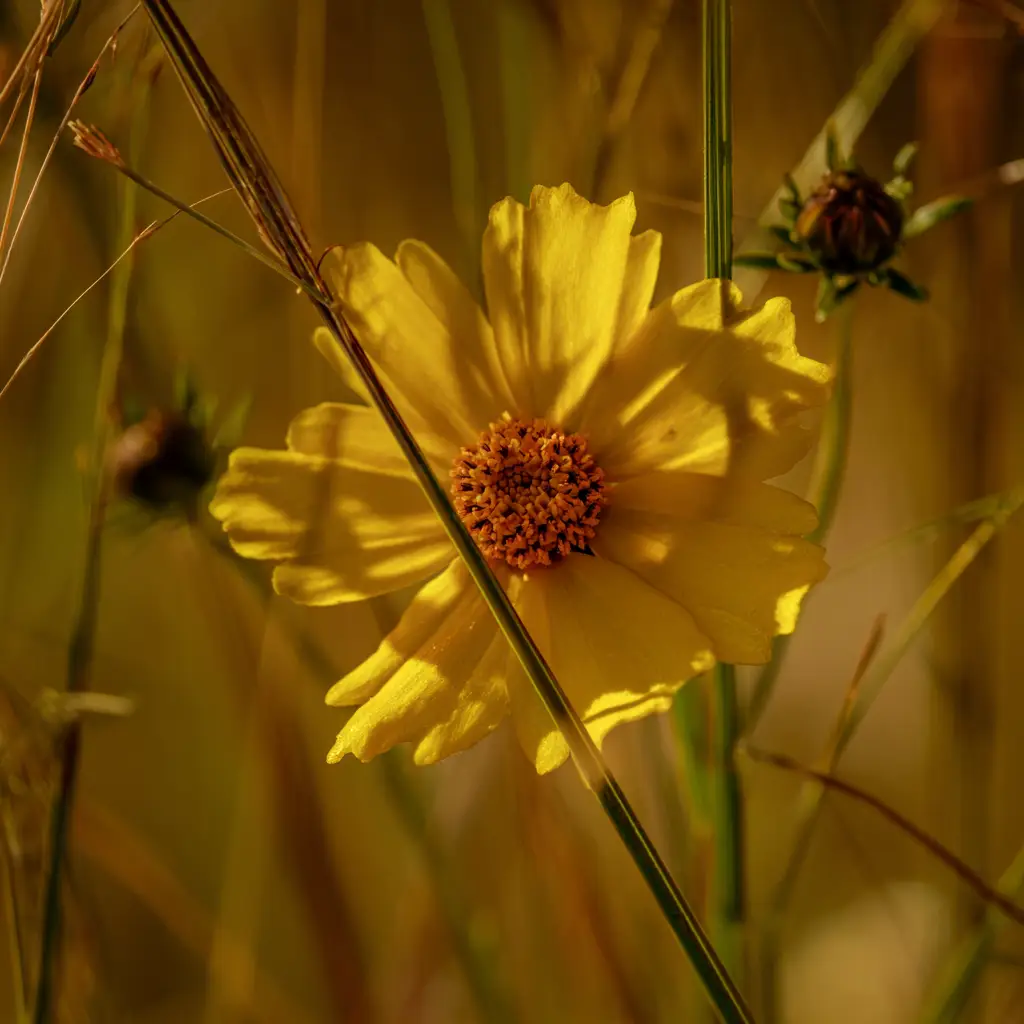
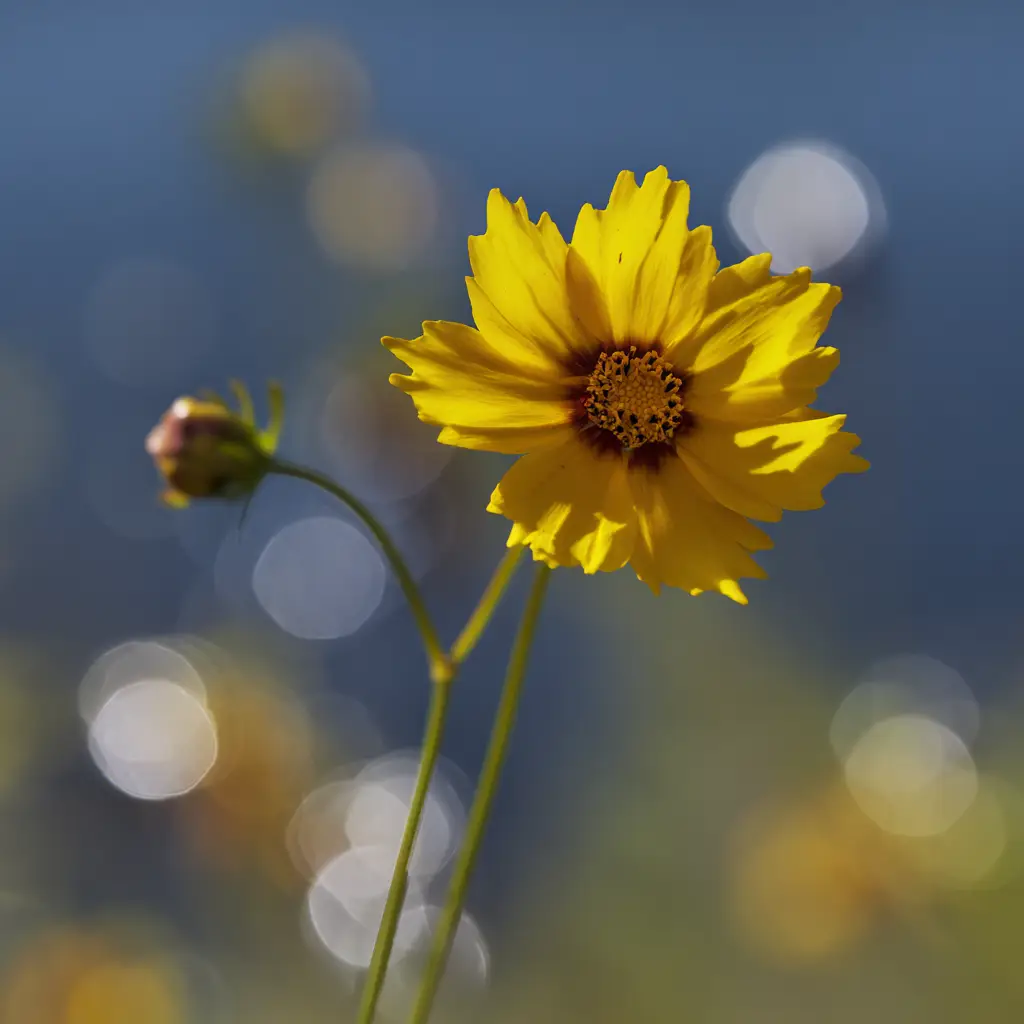
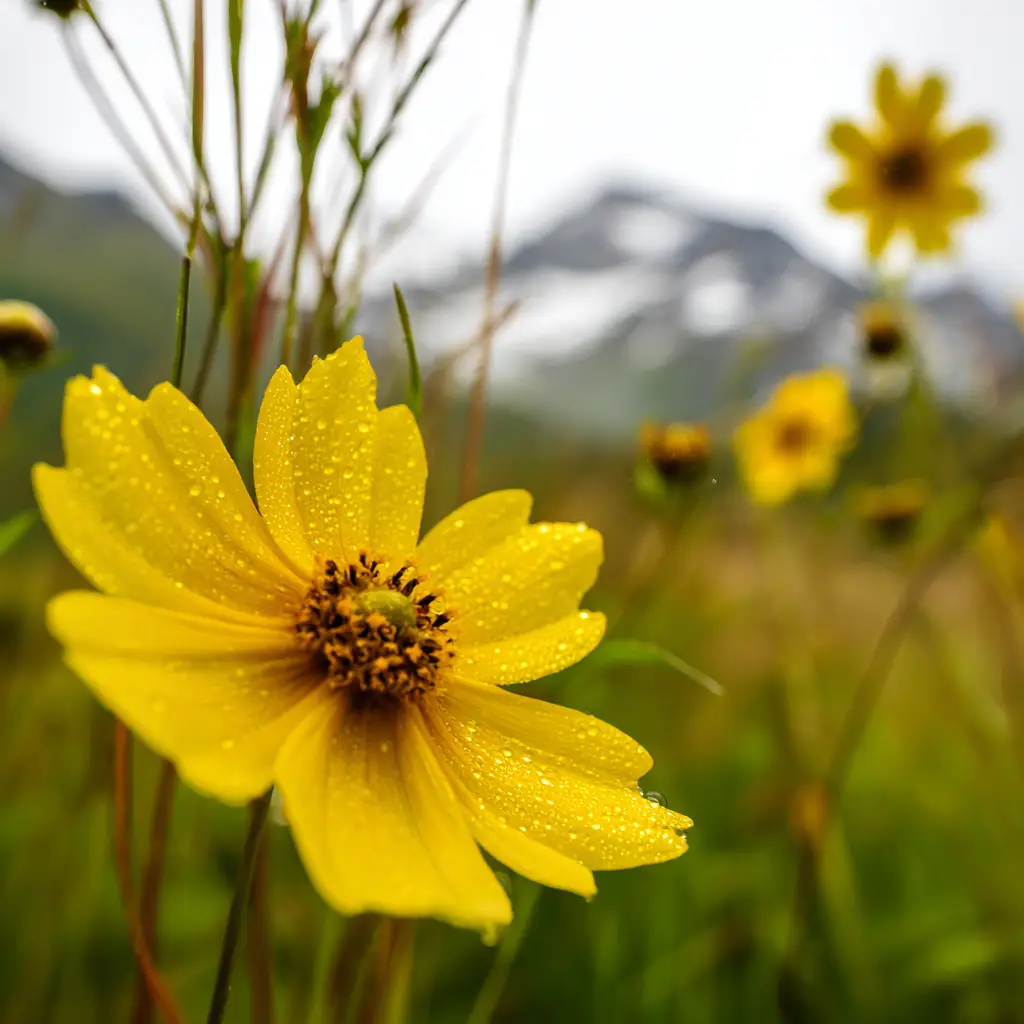
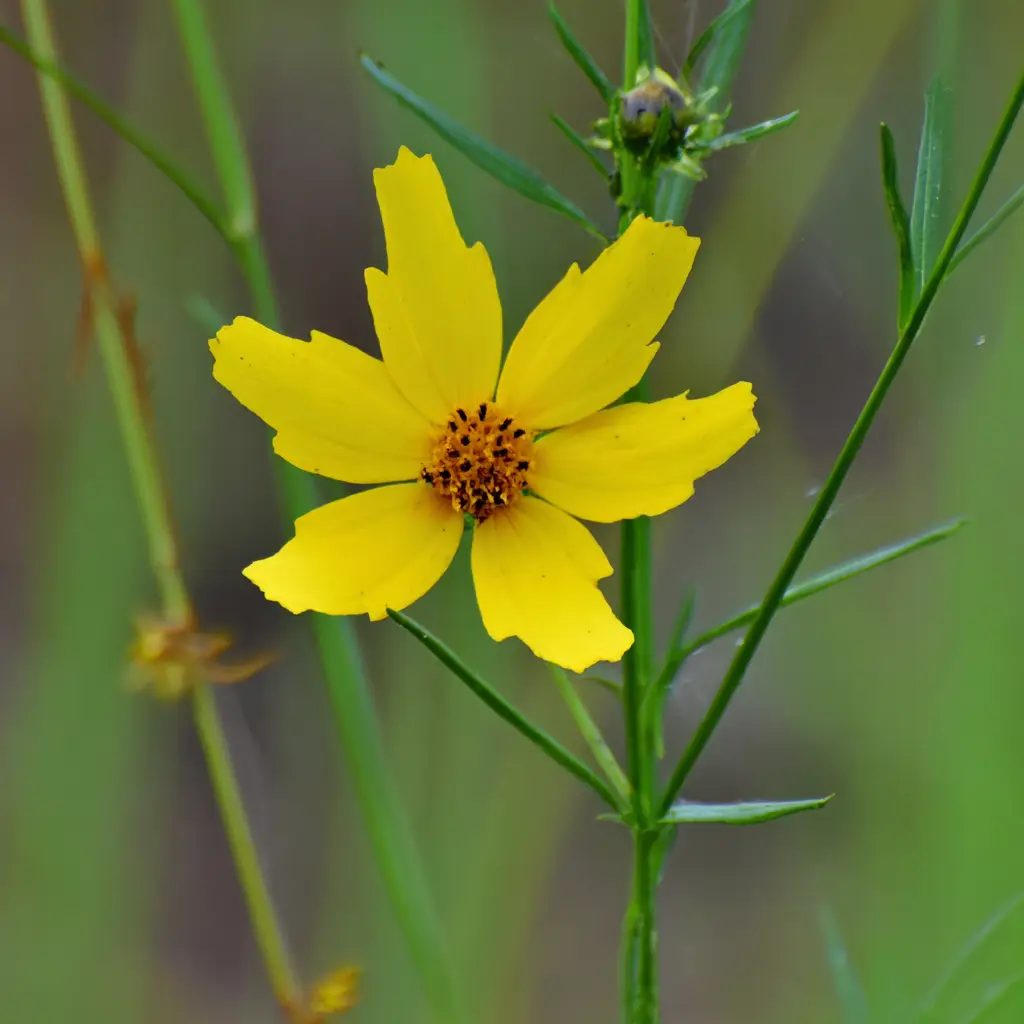
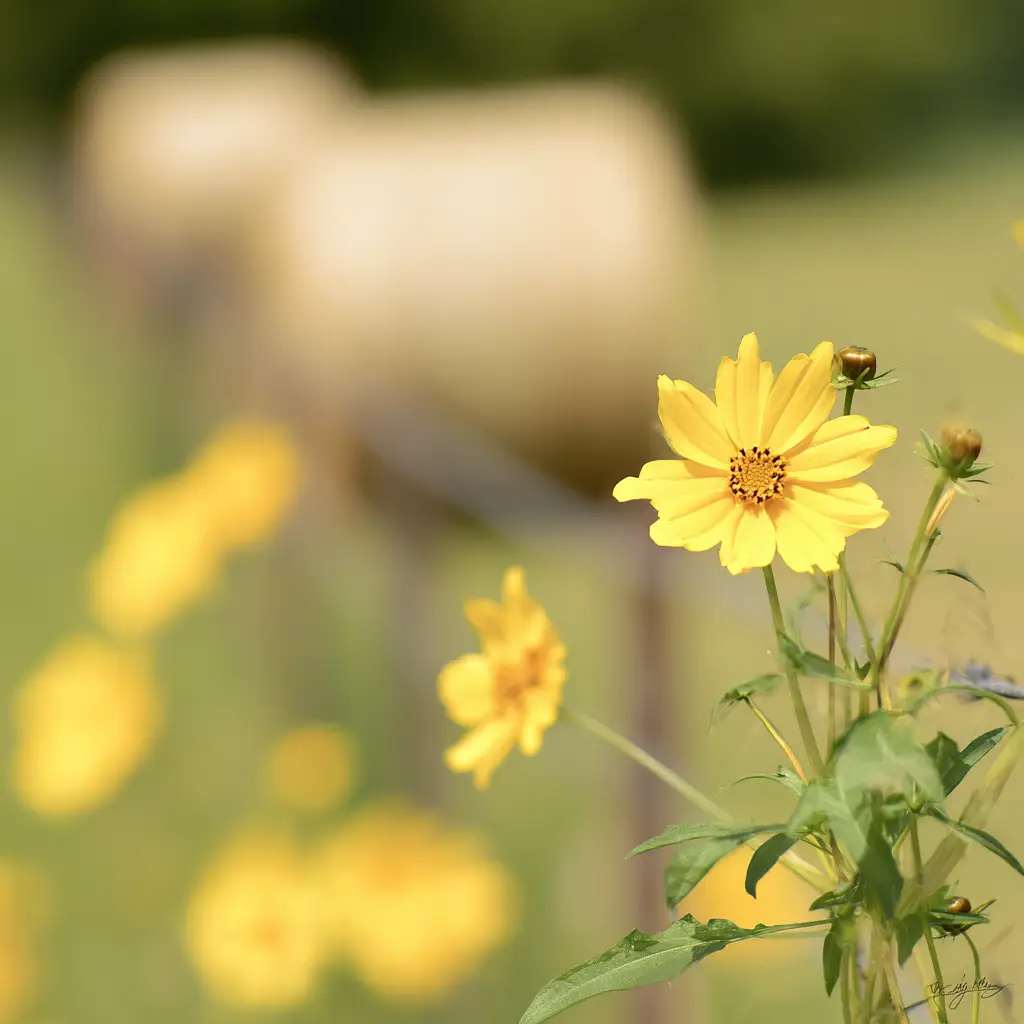
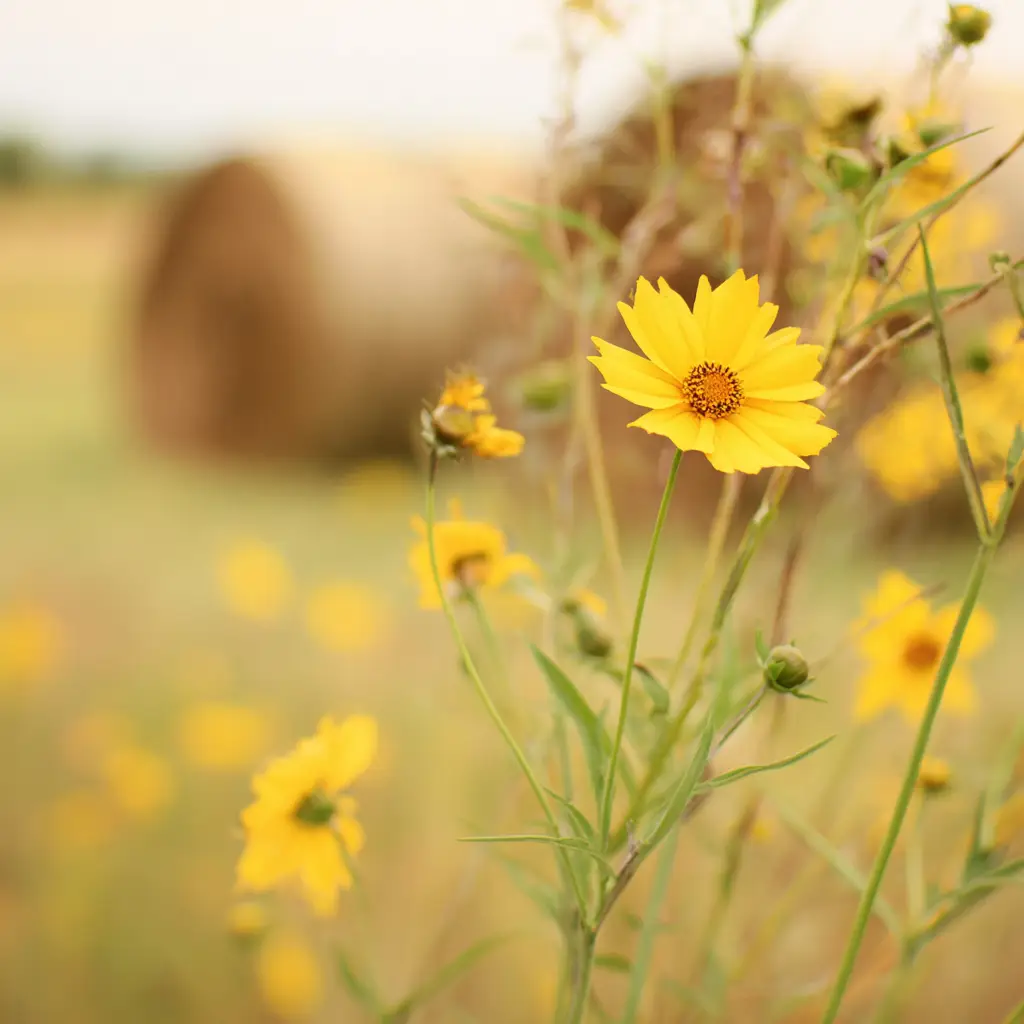
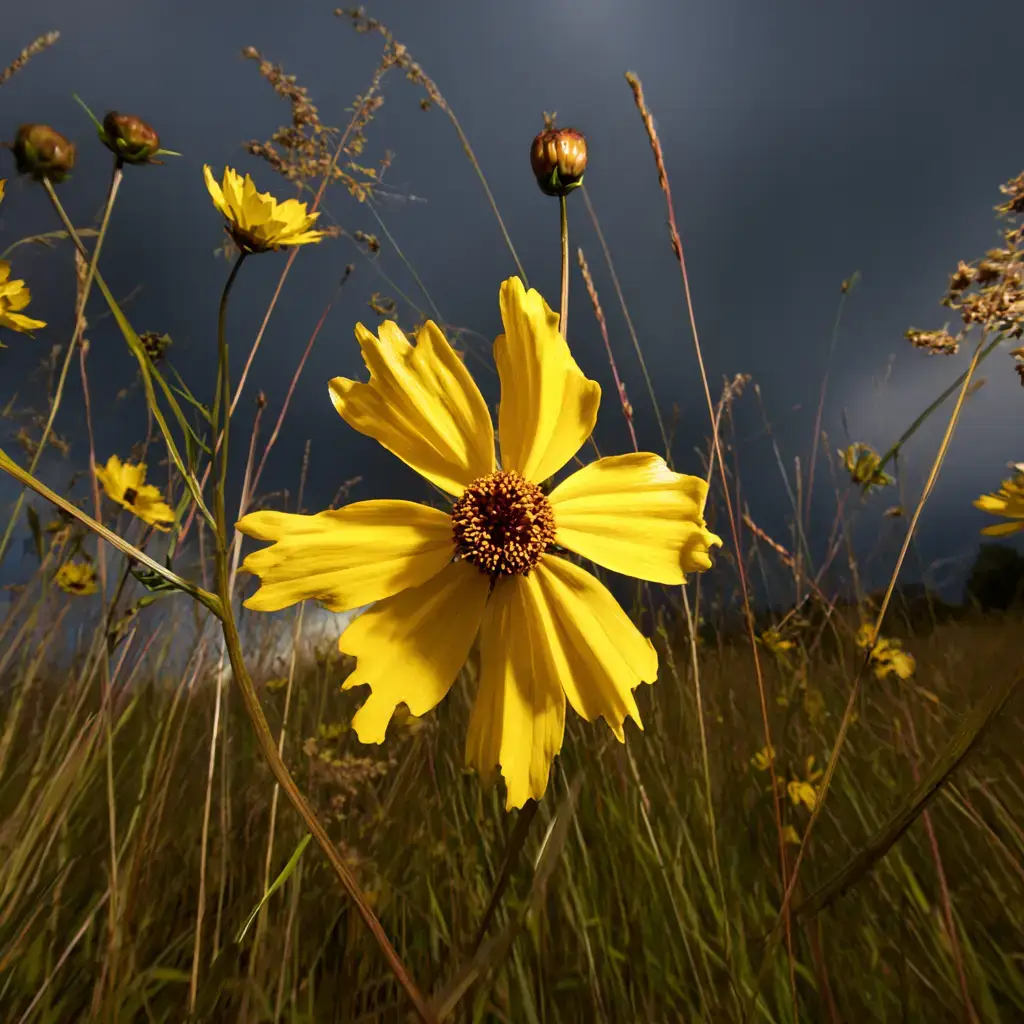
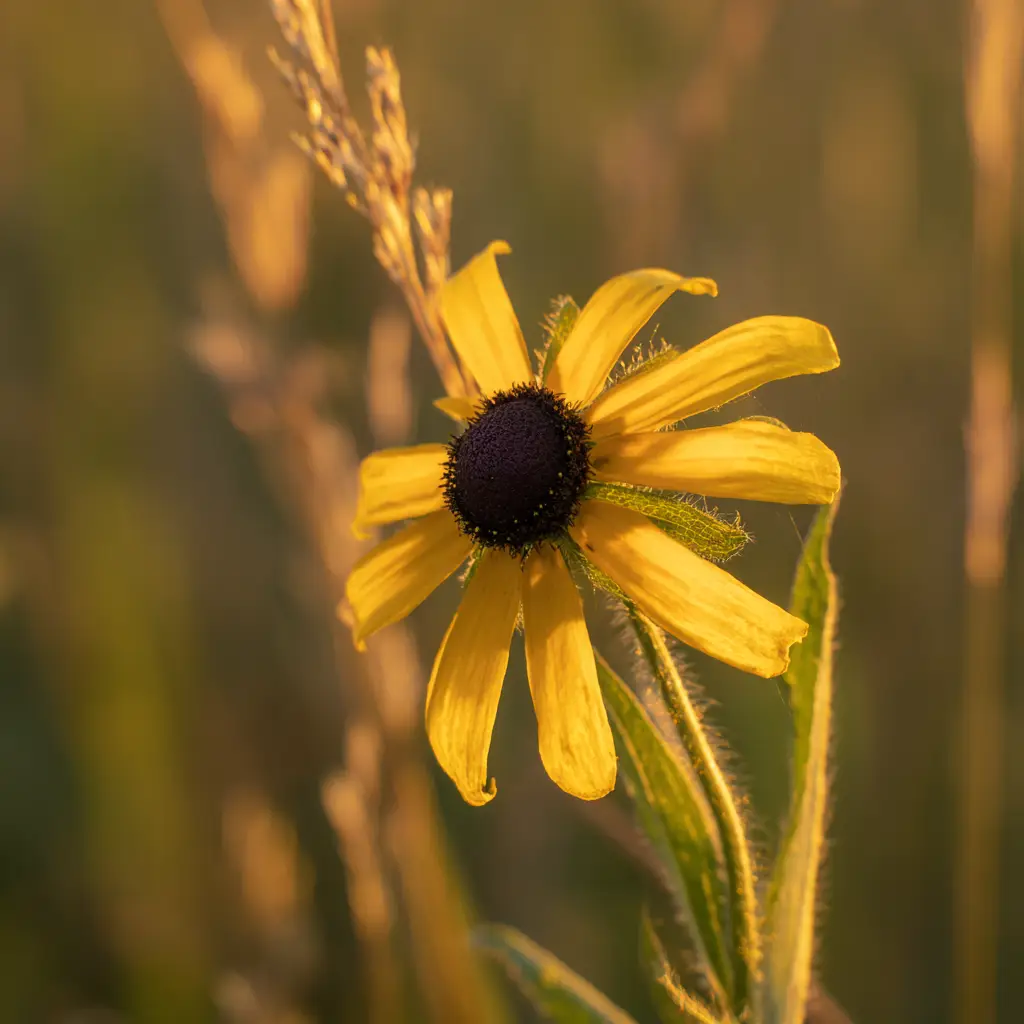
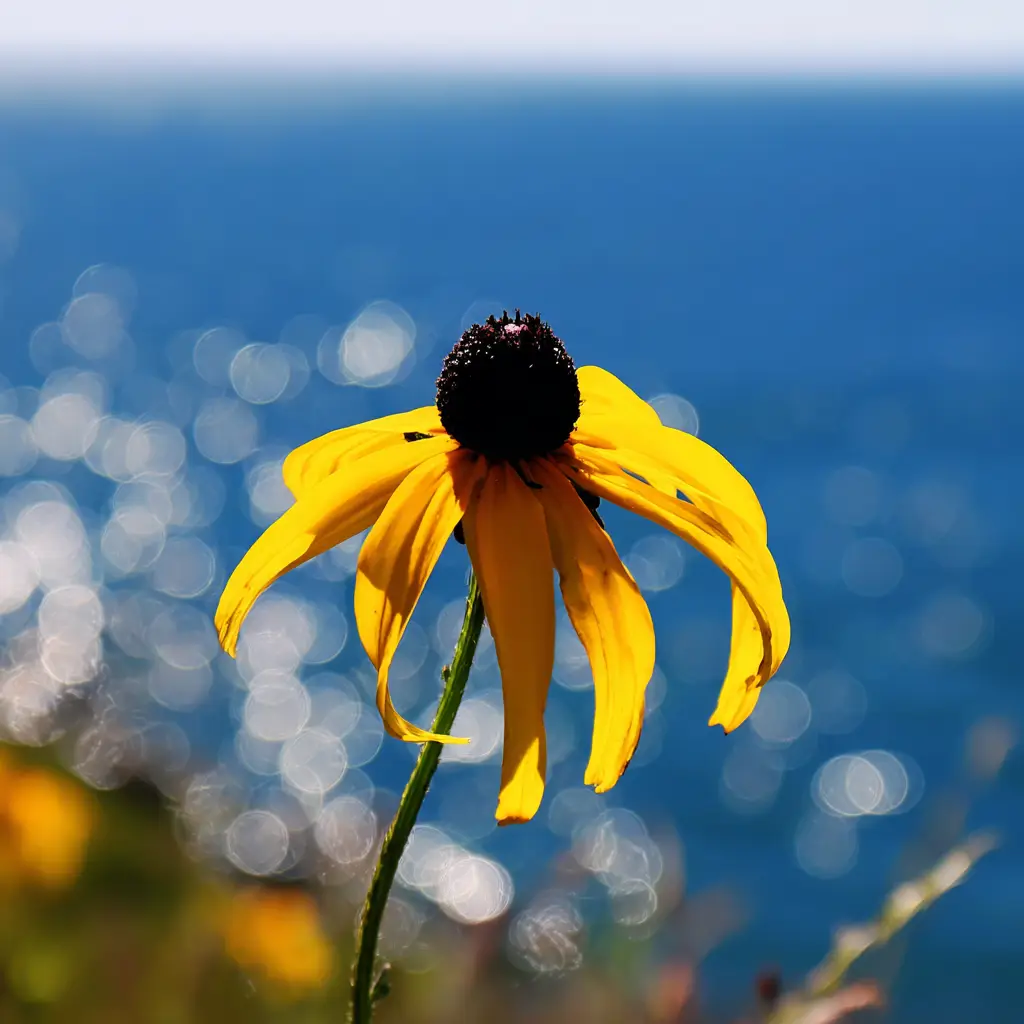
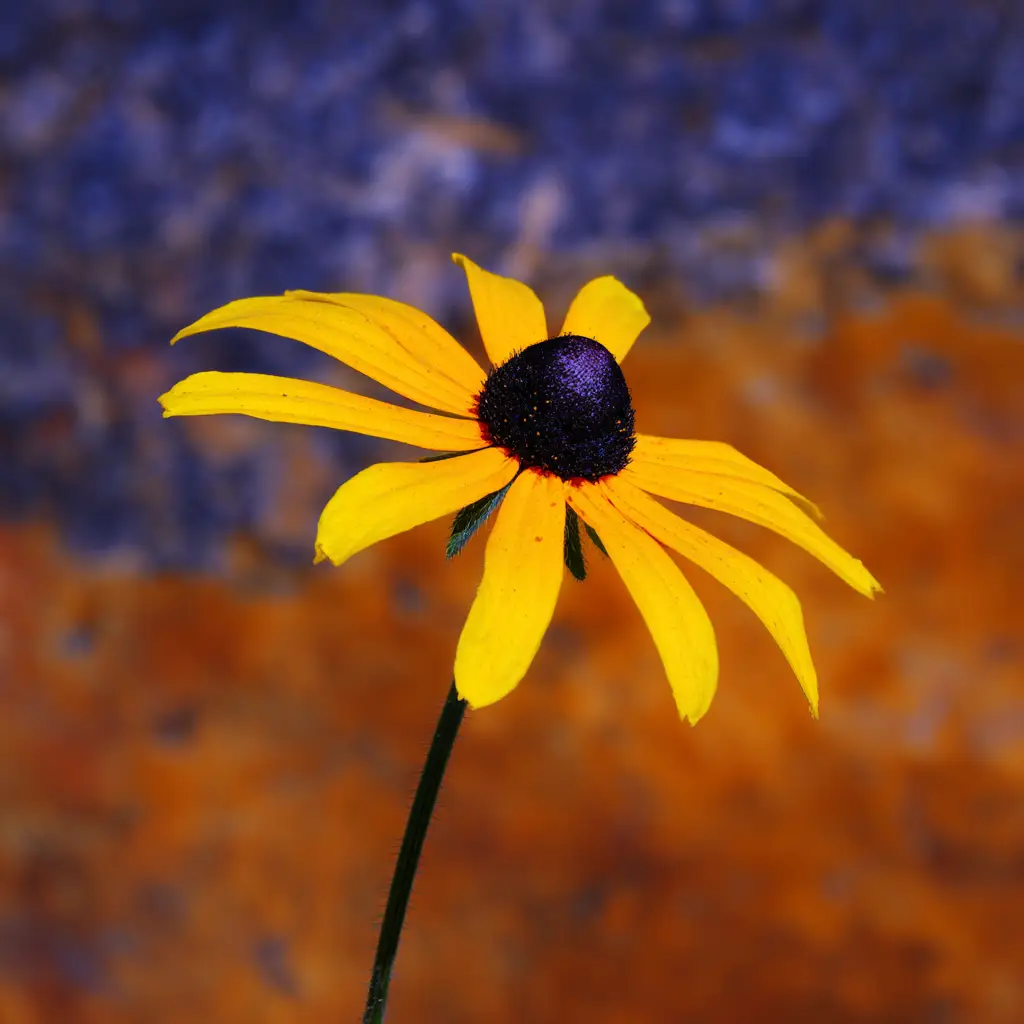
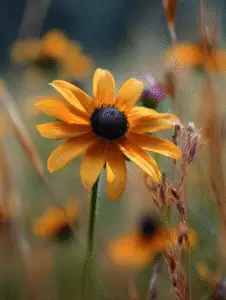 Deep gold
Black-Eyed SusanRudbeckia hirtaSummer bloomer
Deep gold
Black-Eyed SusanRudbeckia hirtaSummer bloomer
8 photos of Black-Eyed Susan
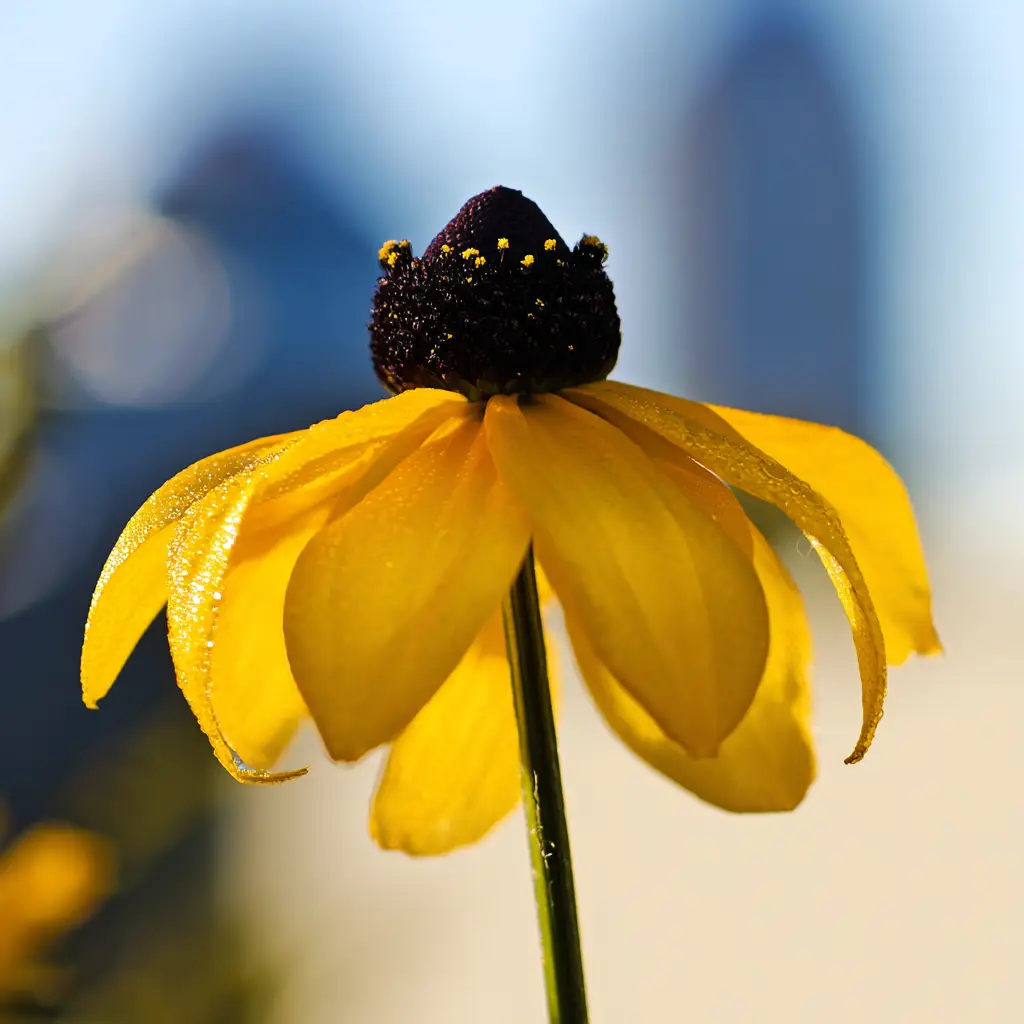
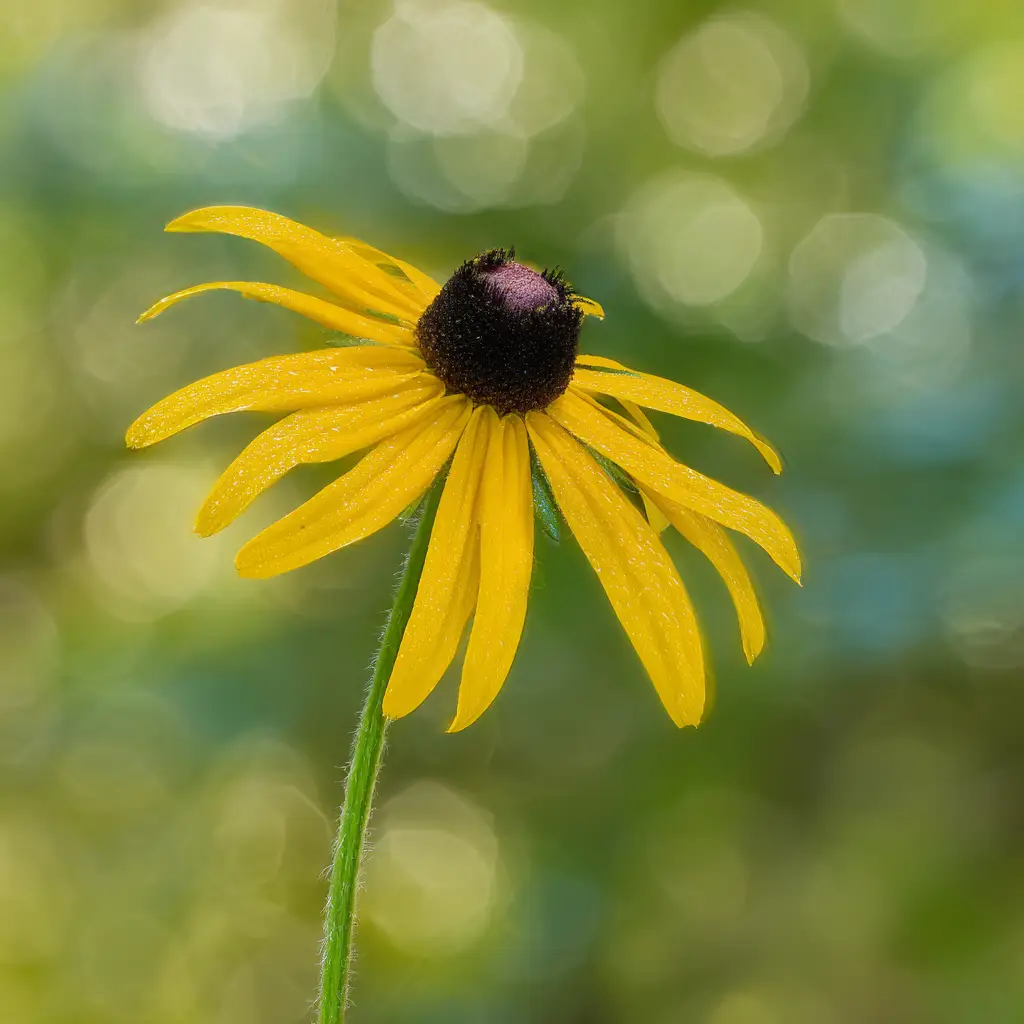
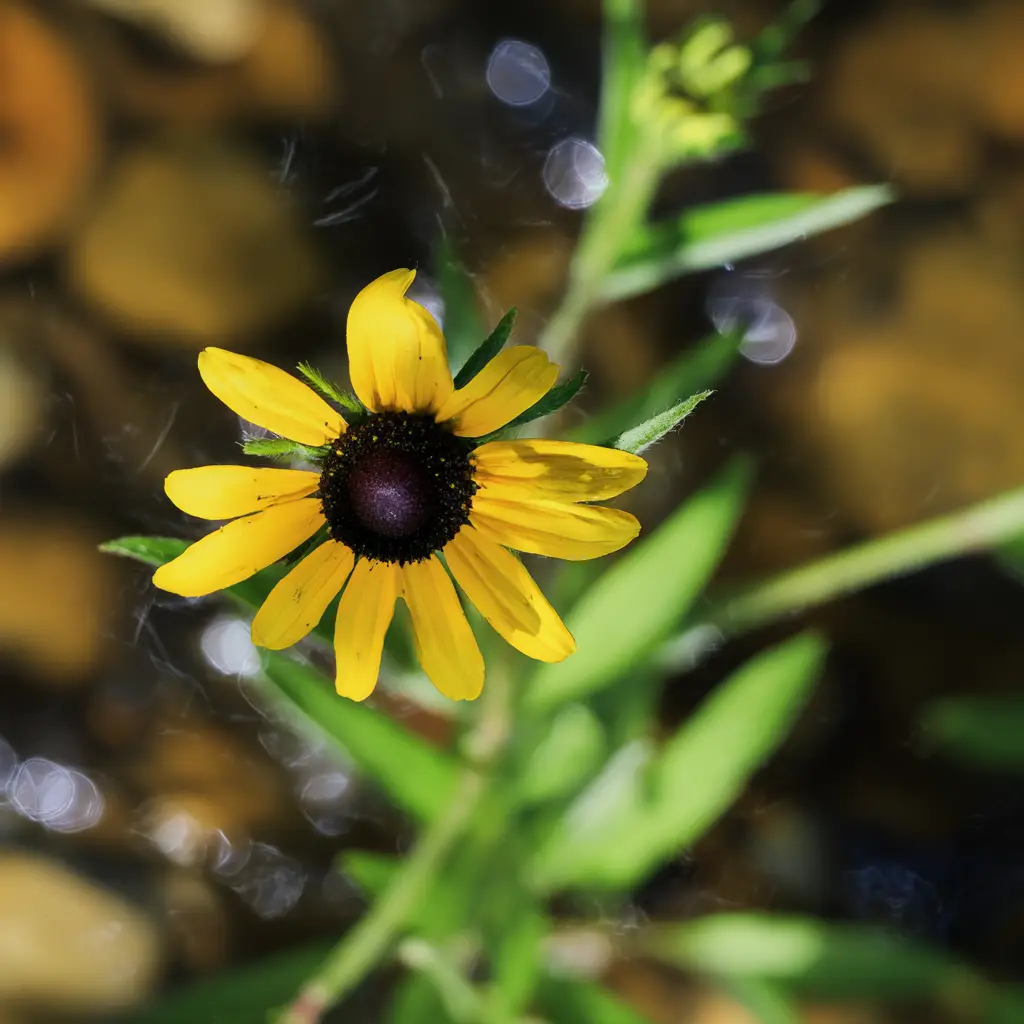


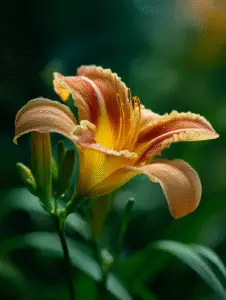 Deep gold
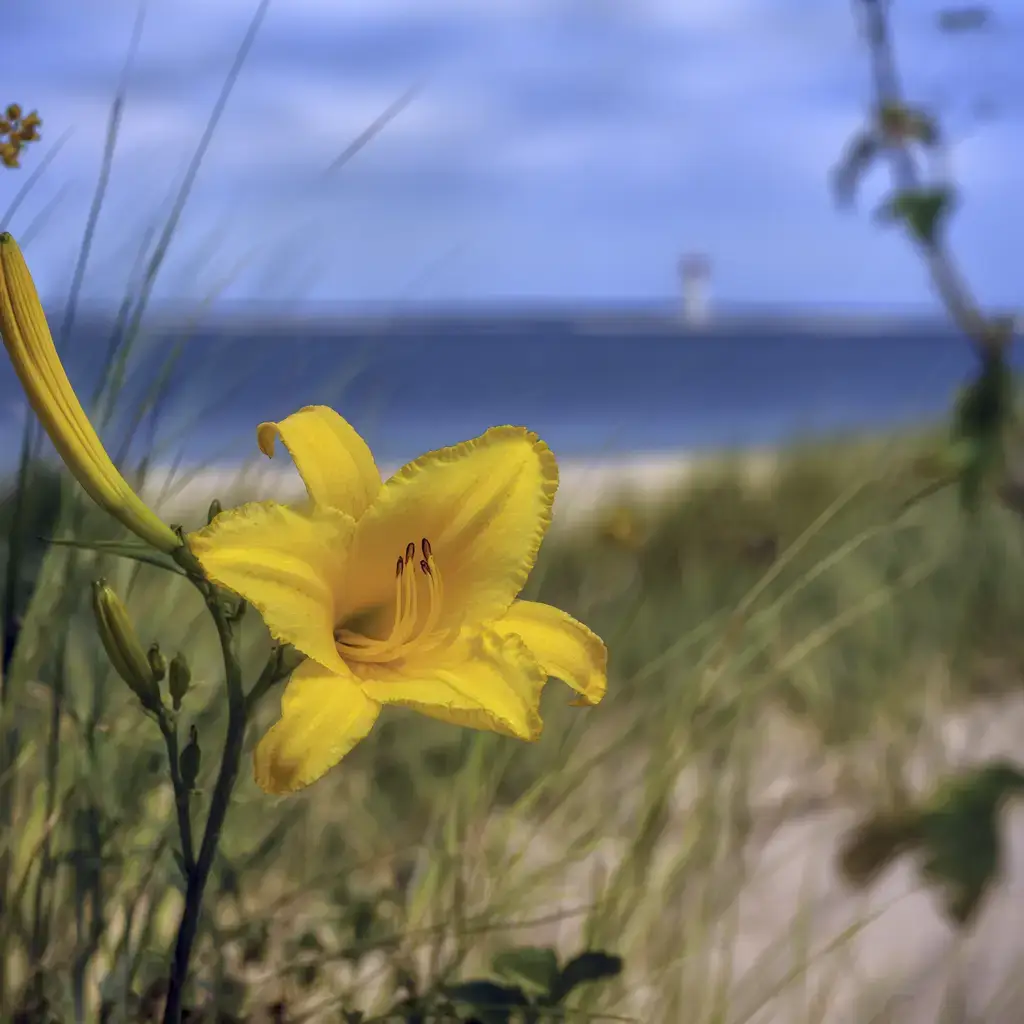
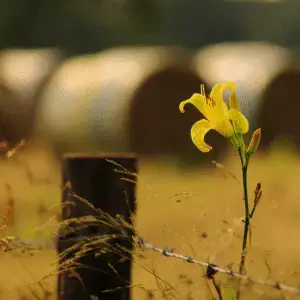
DaylilyHemerocallisSummer bloomer
Deep gold
DaylilyHemerocallisSummer bloomer
8 photos of Daylily


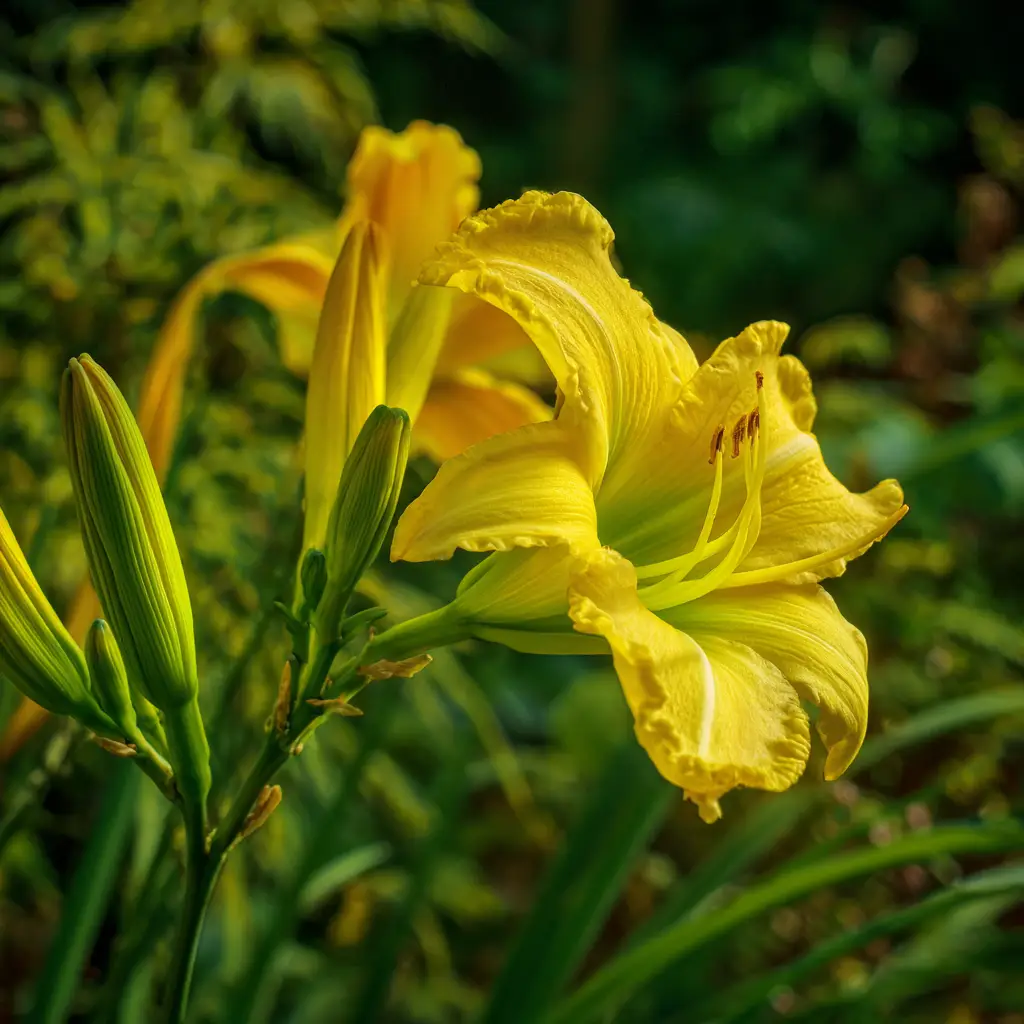
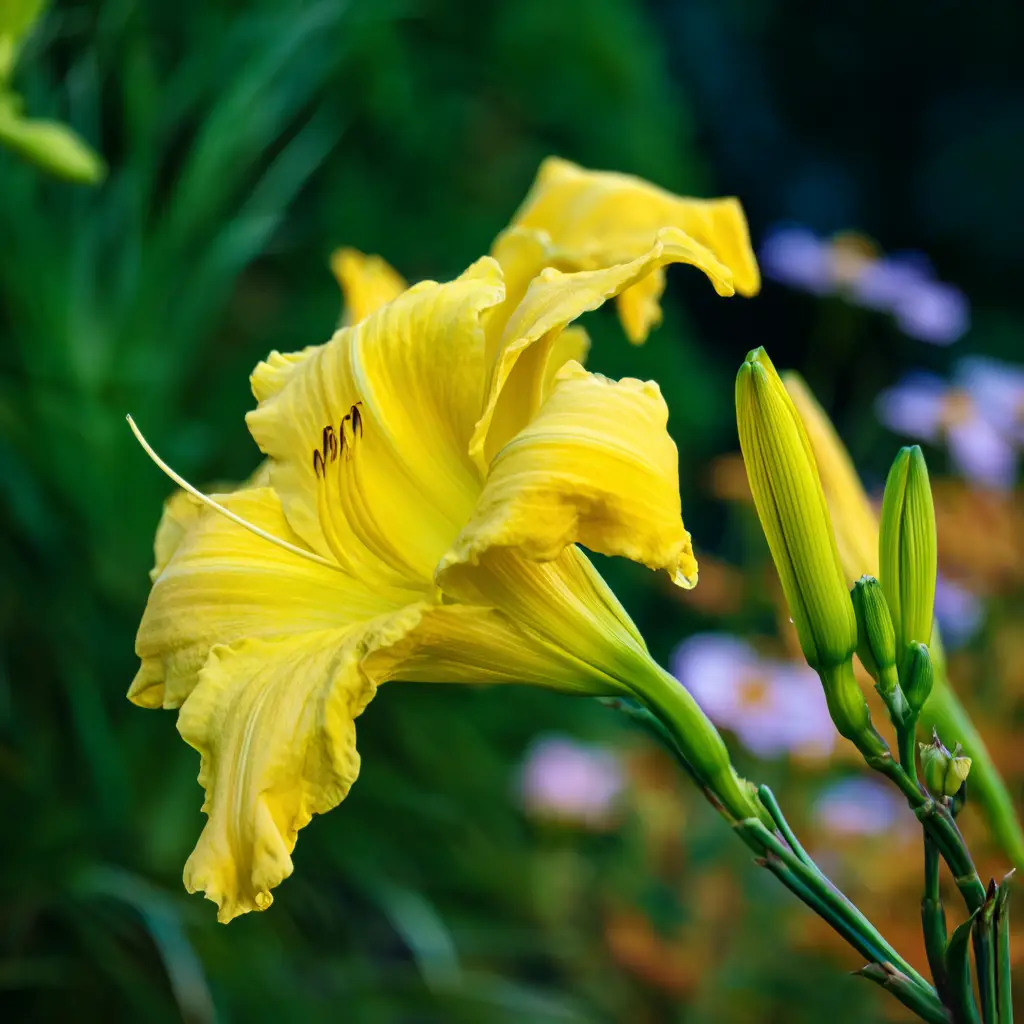
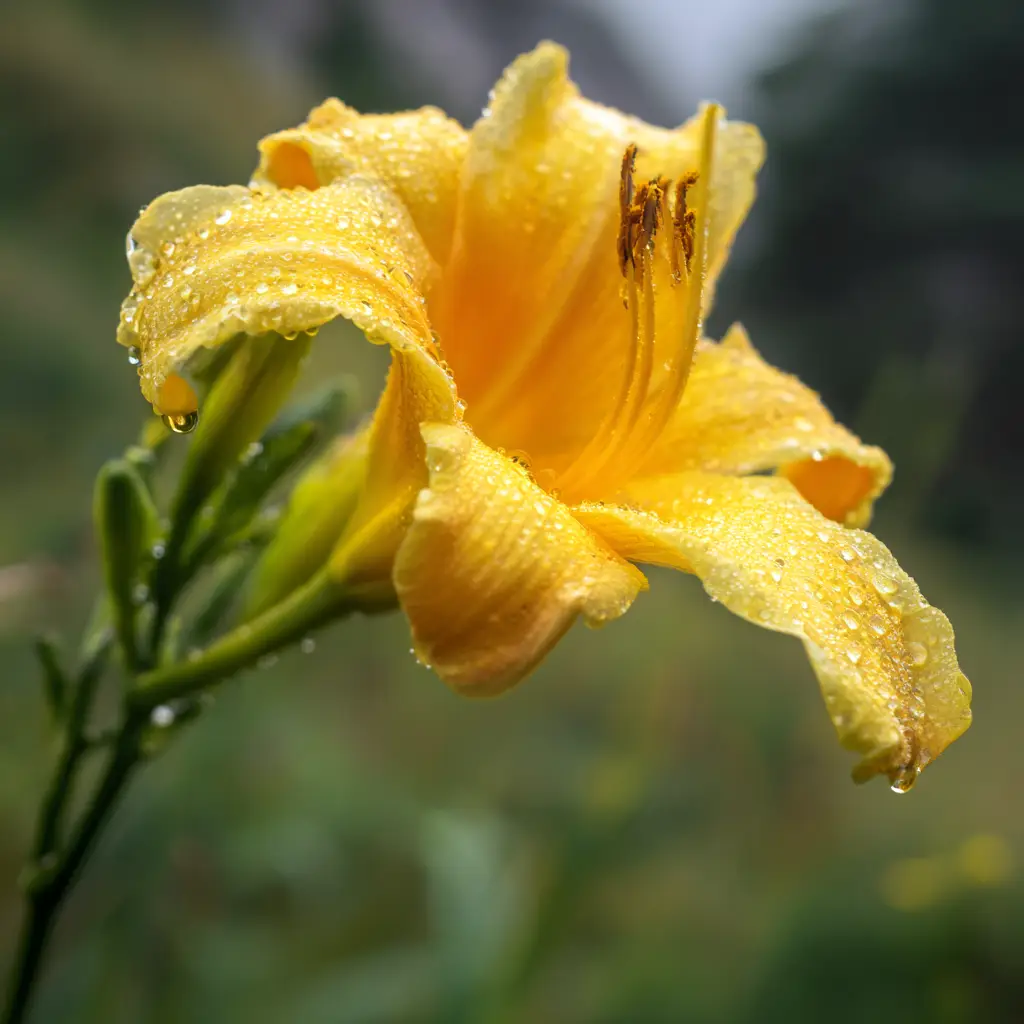

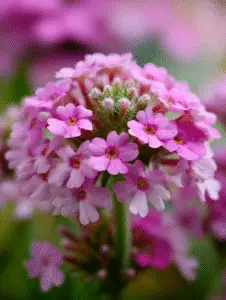
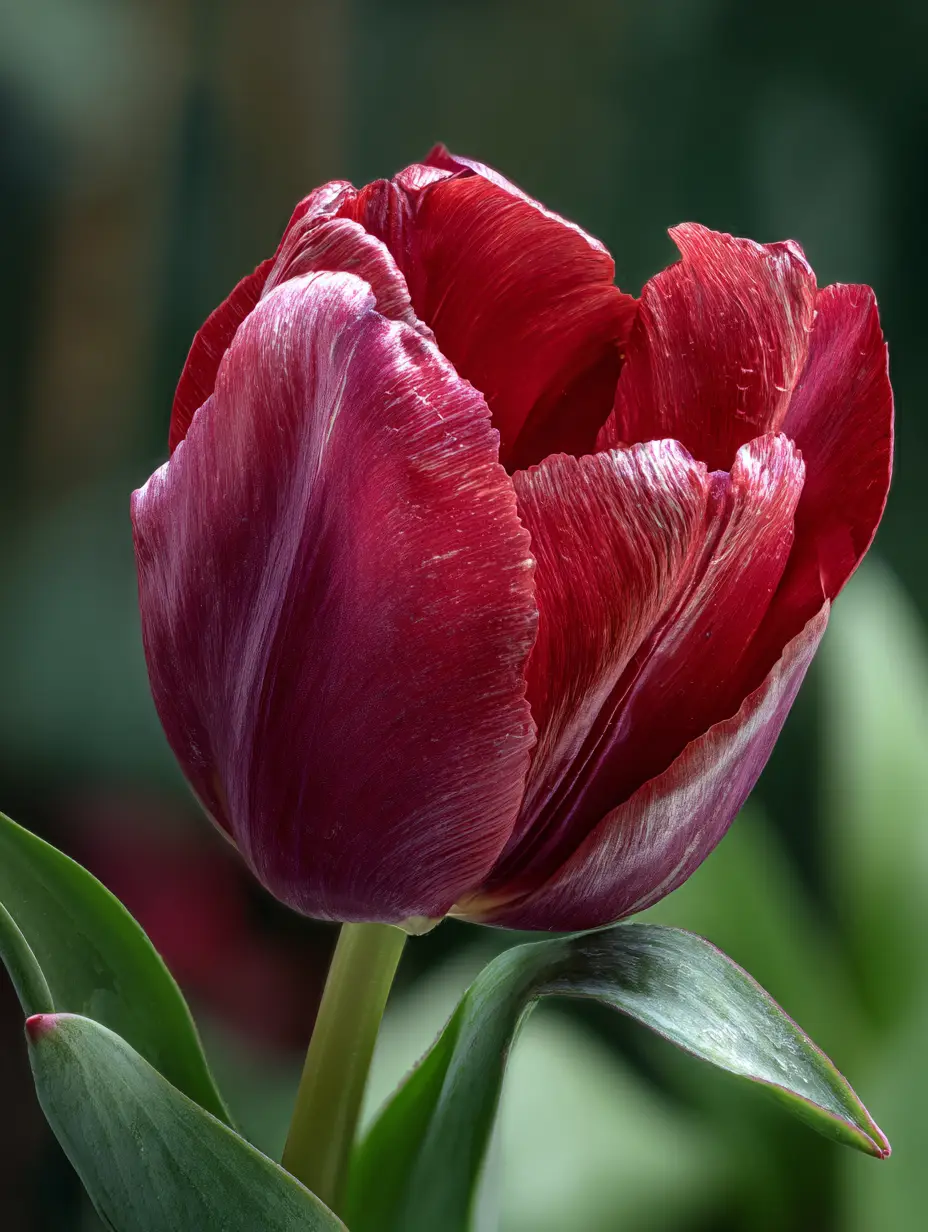
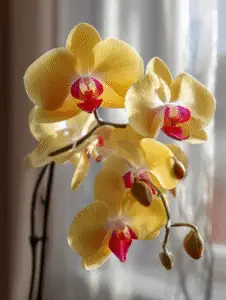
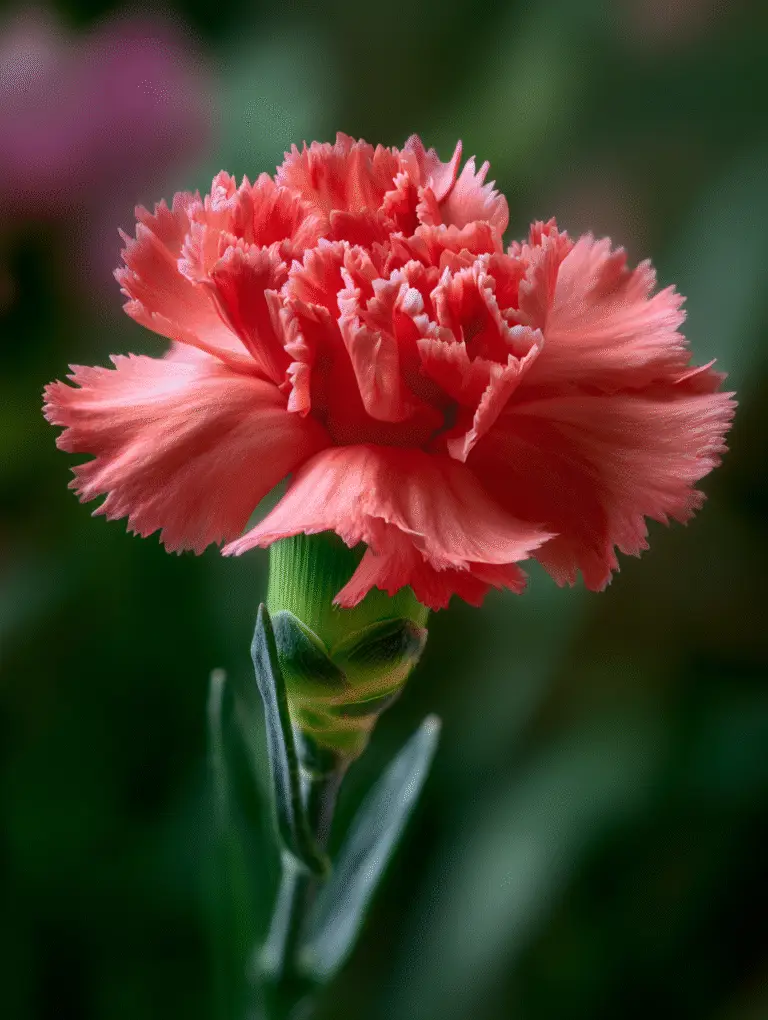
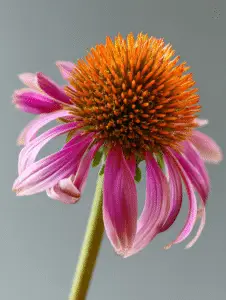
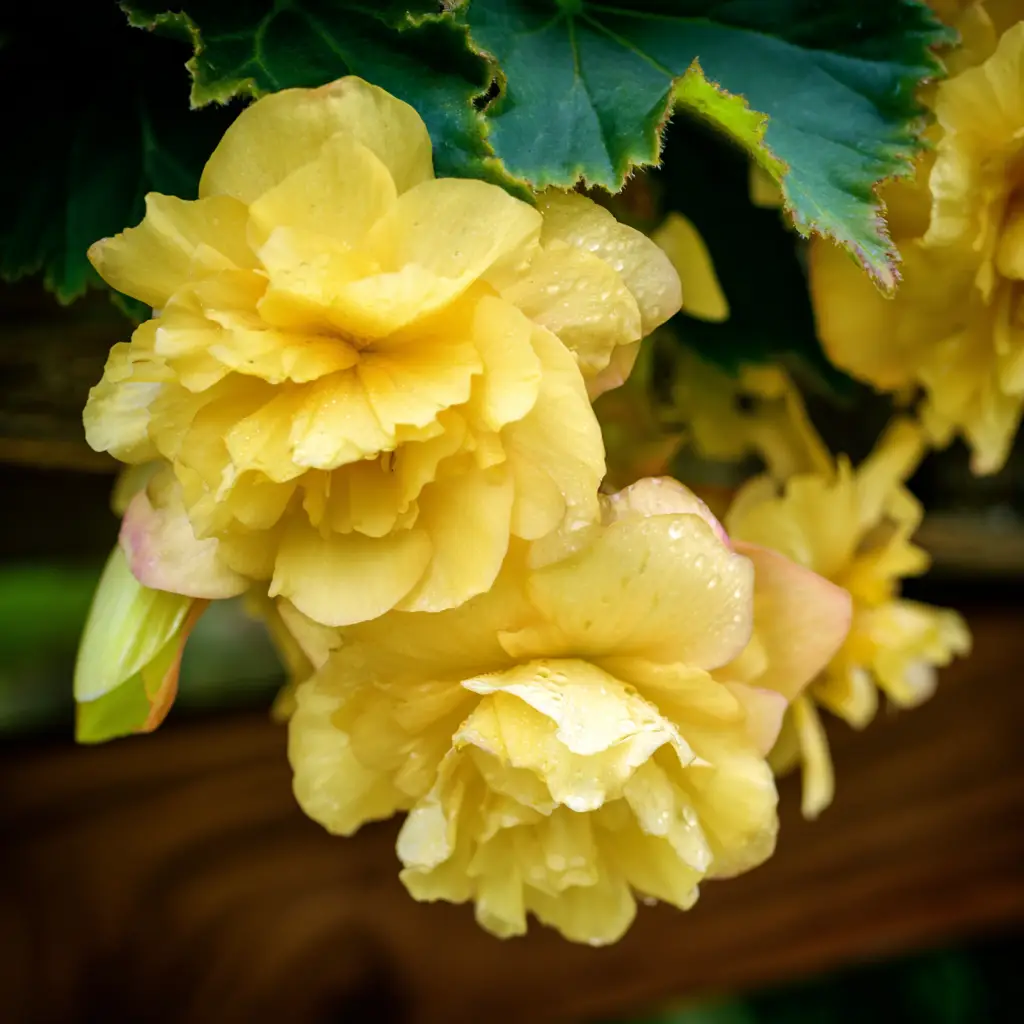
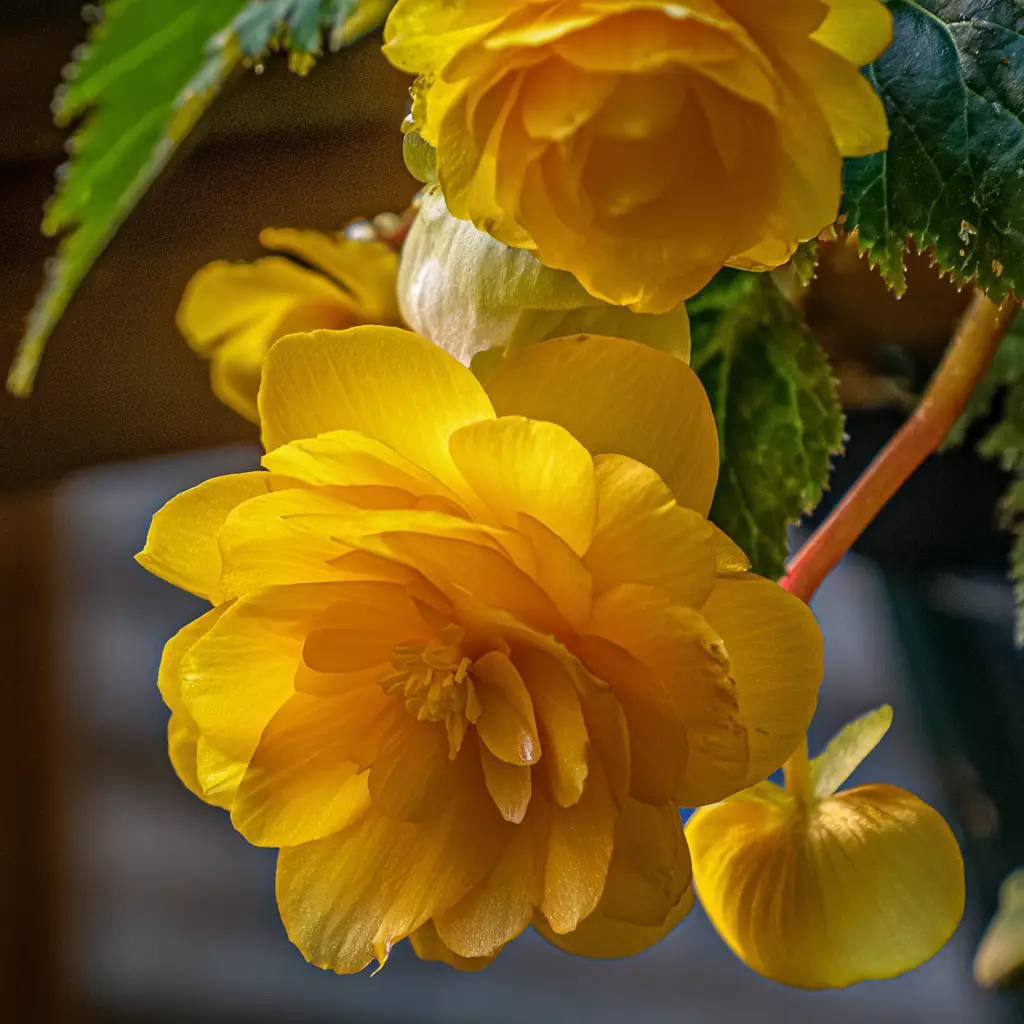
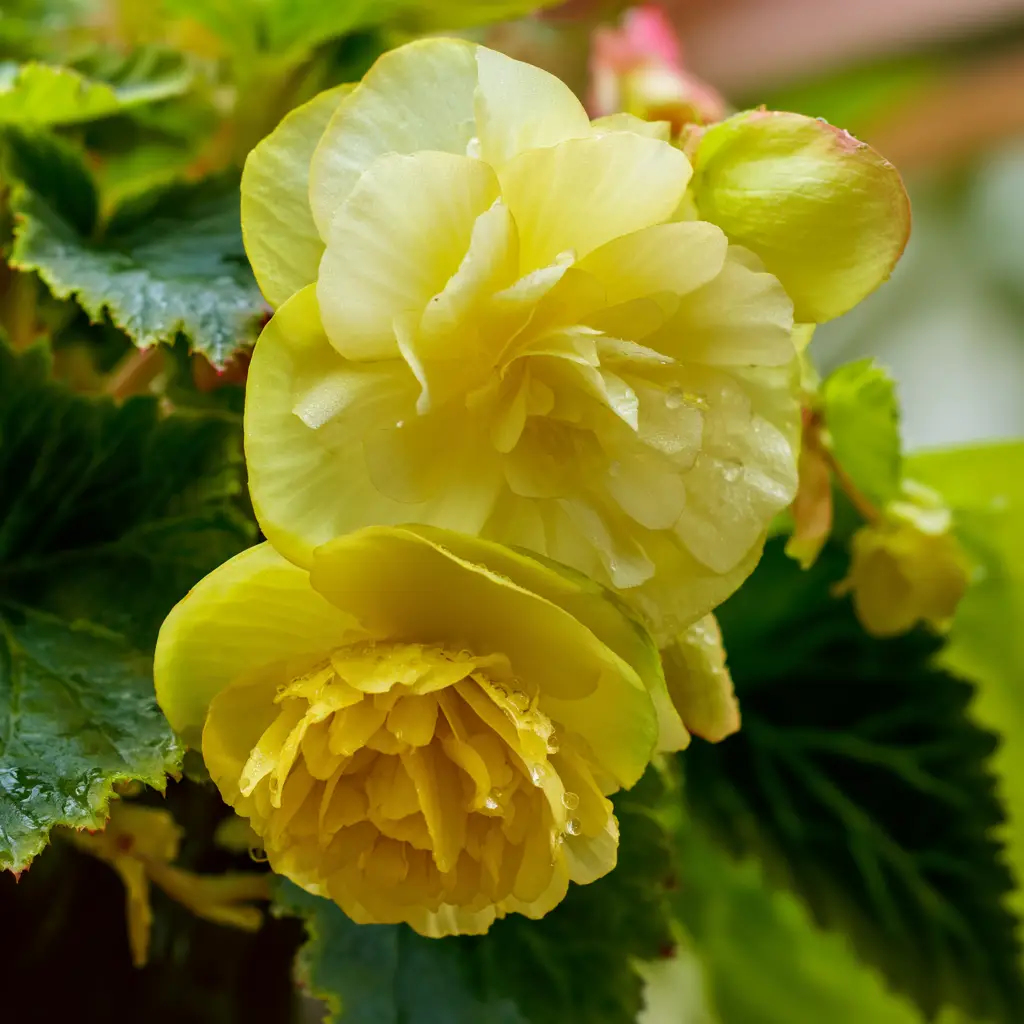
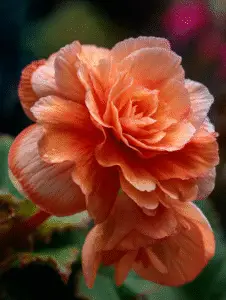 Butter and cream
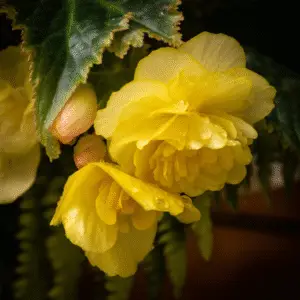
BegoniaBegonia x semperflorensSpring bloomer
Butter and cream
BegoniaBegonia x semperflorensSpring bloomer
8 photos of Begonia
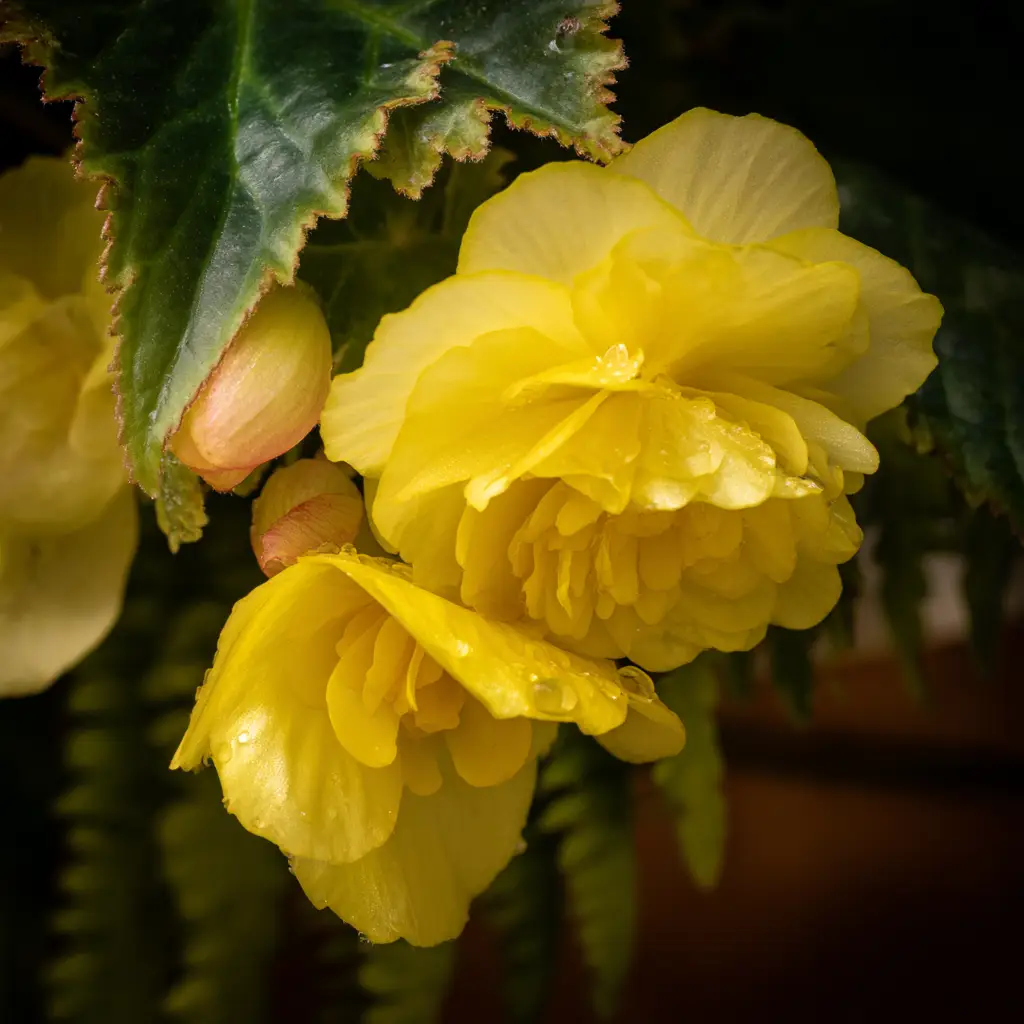
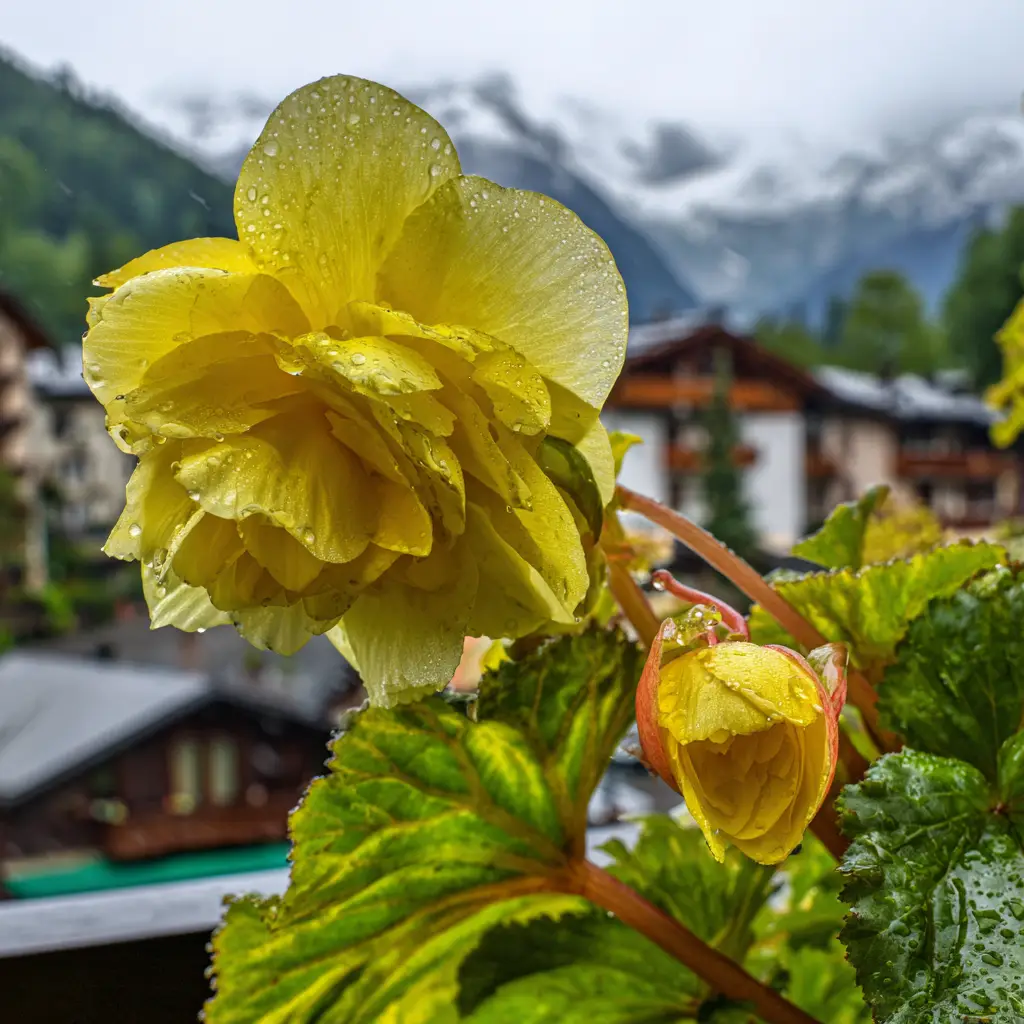



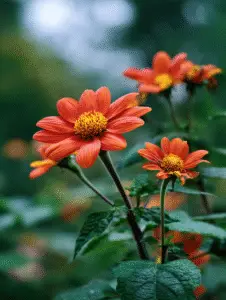
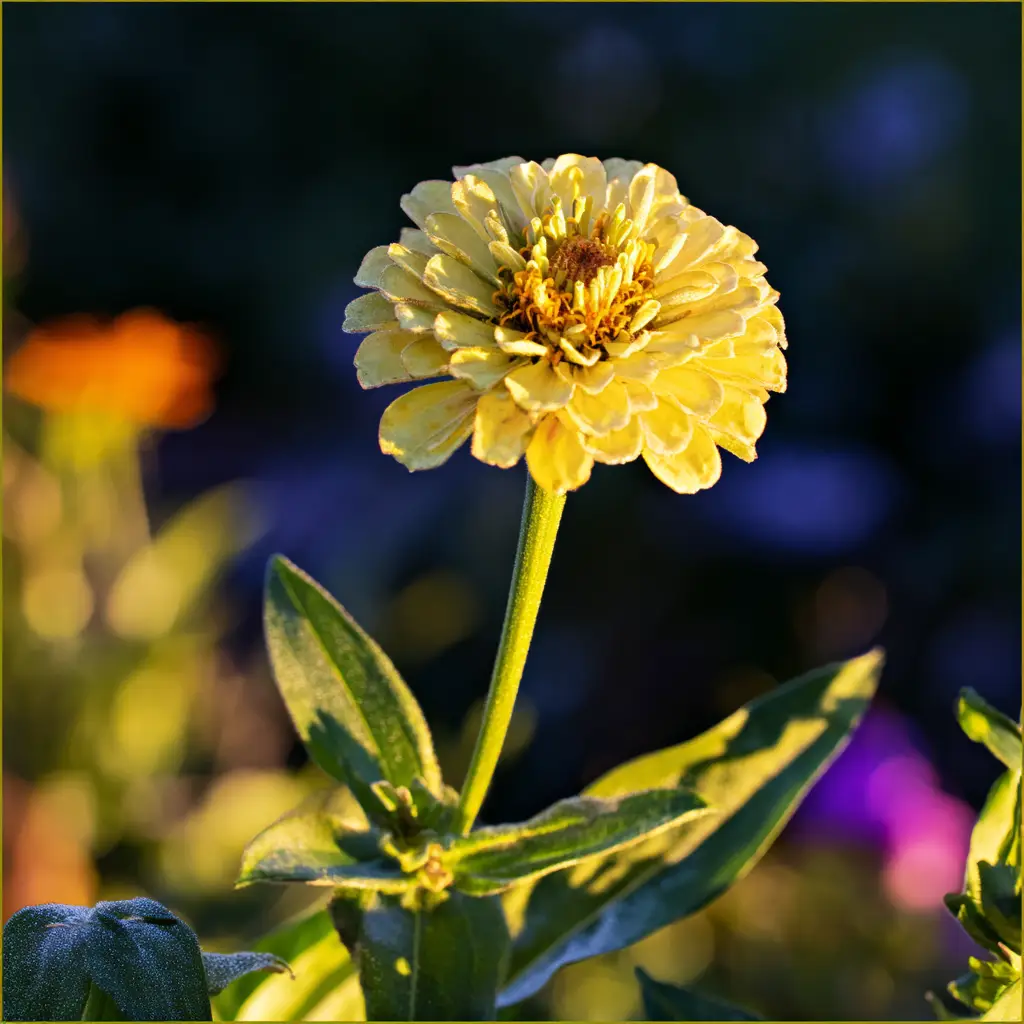
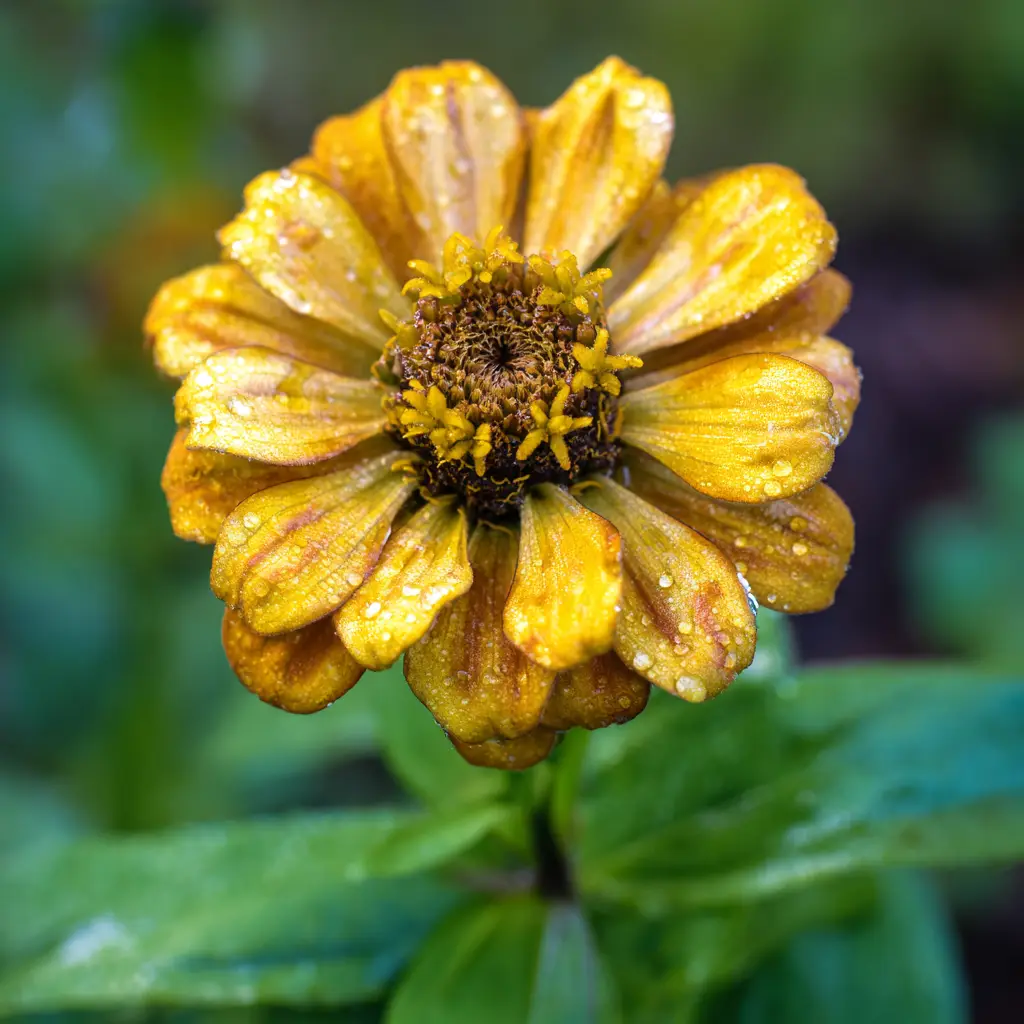
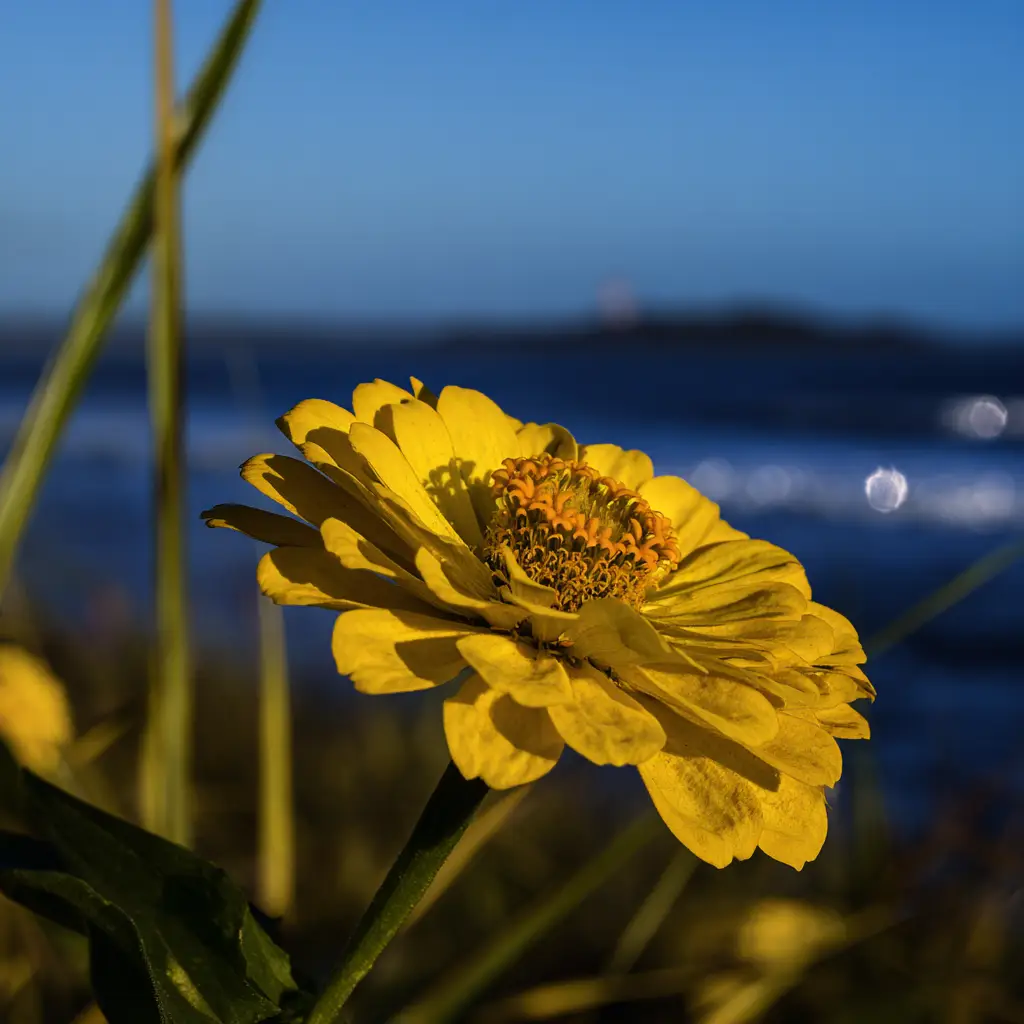
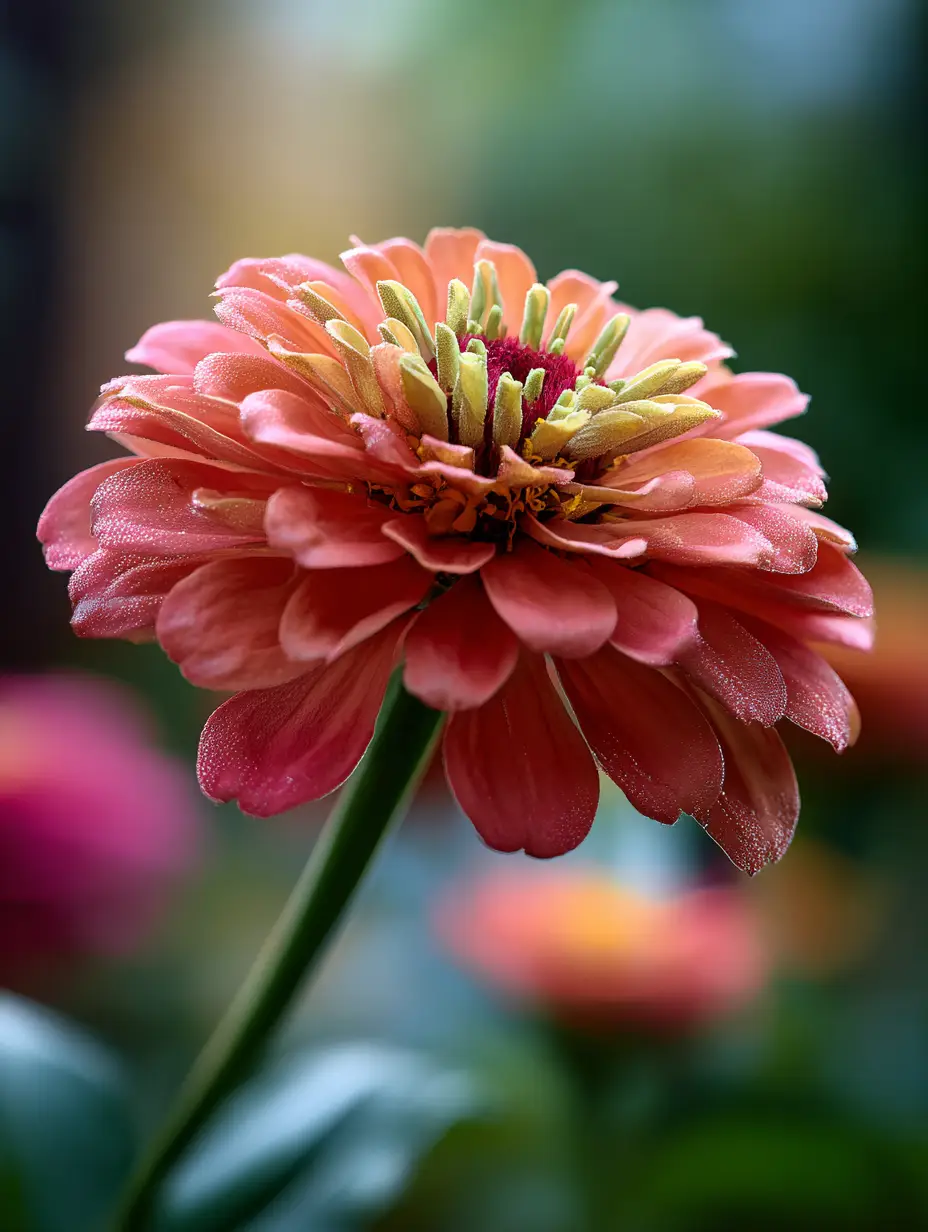 Lemon and acid yellow
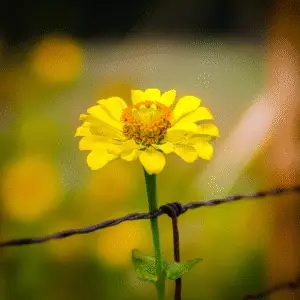
ZinniaZinnia elegansSummer bloomer
Lemon and acid yellow
ZinniaZinnia elegansSummer bloomer
8 photos of Zinnia


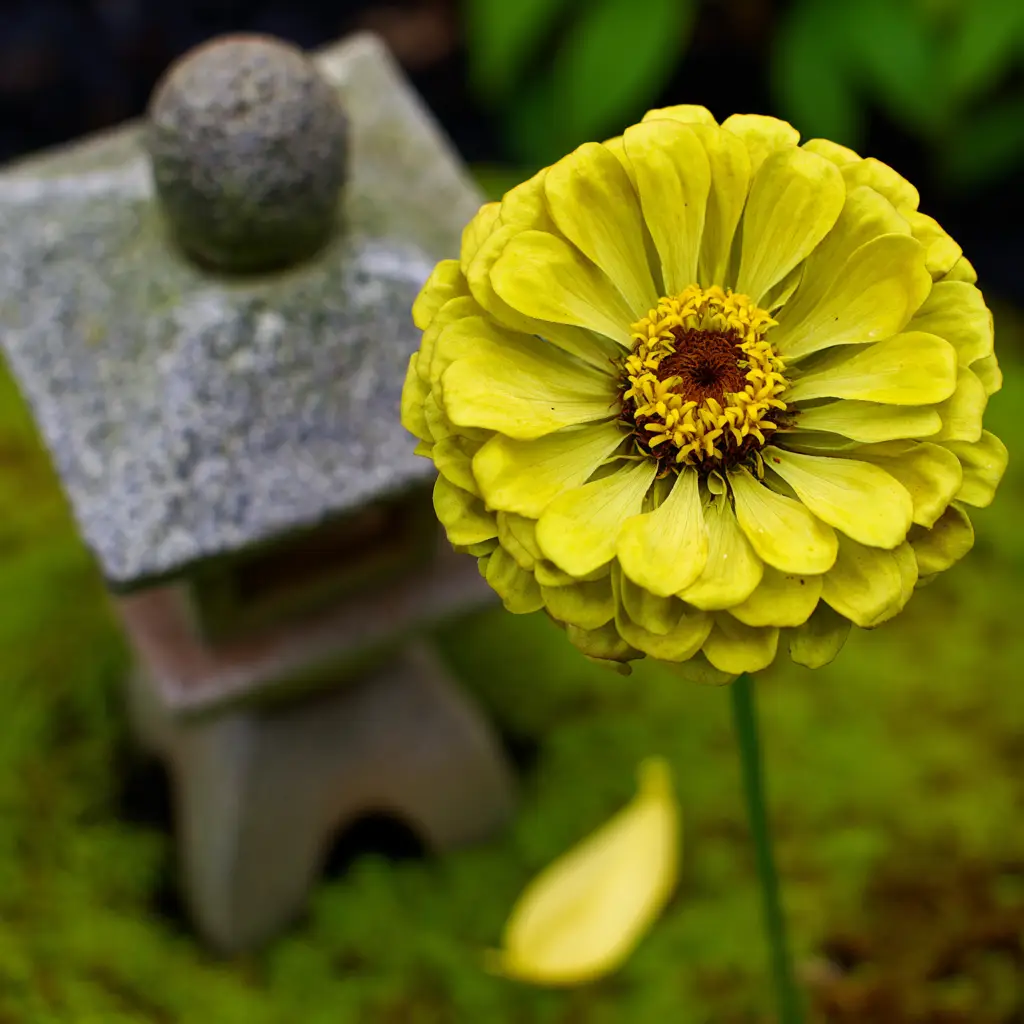
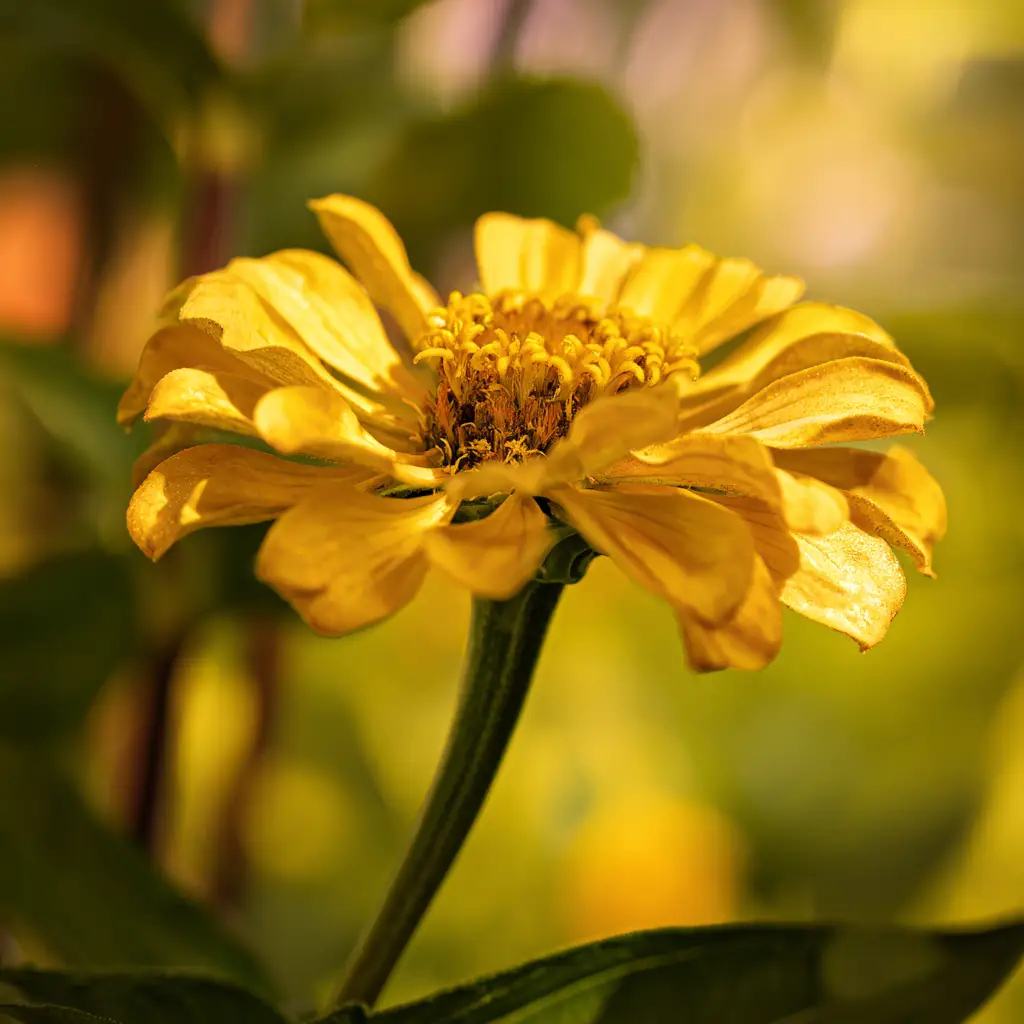

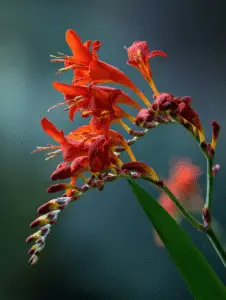
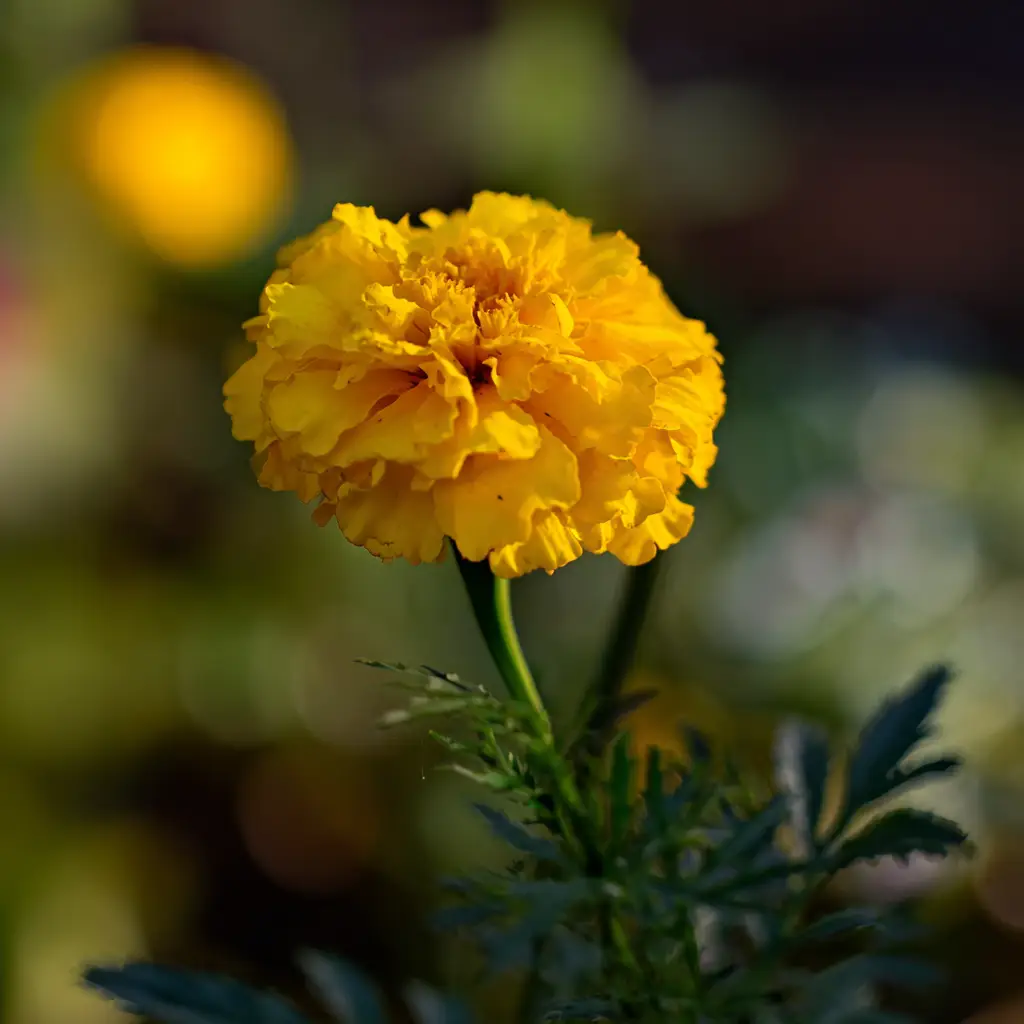
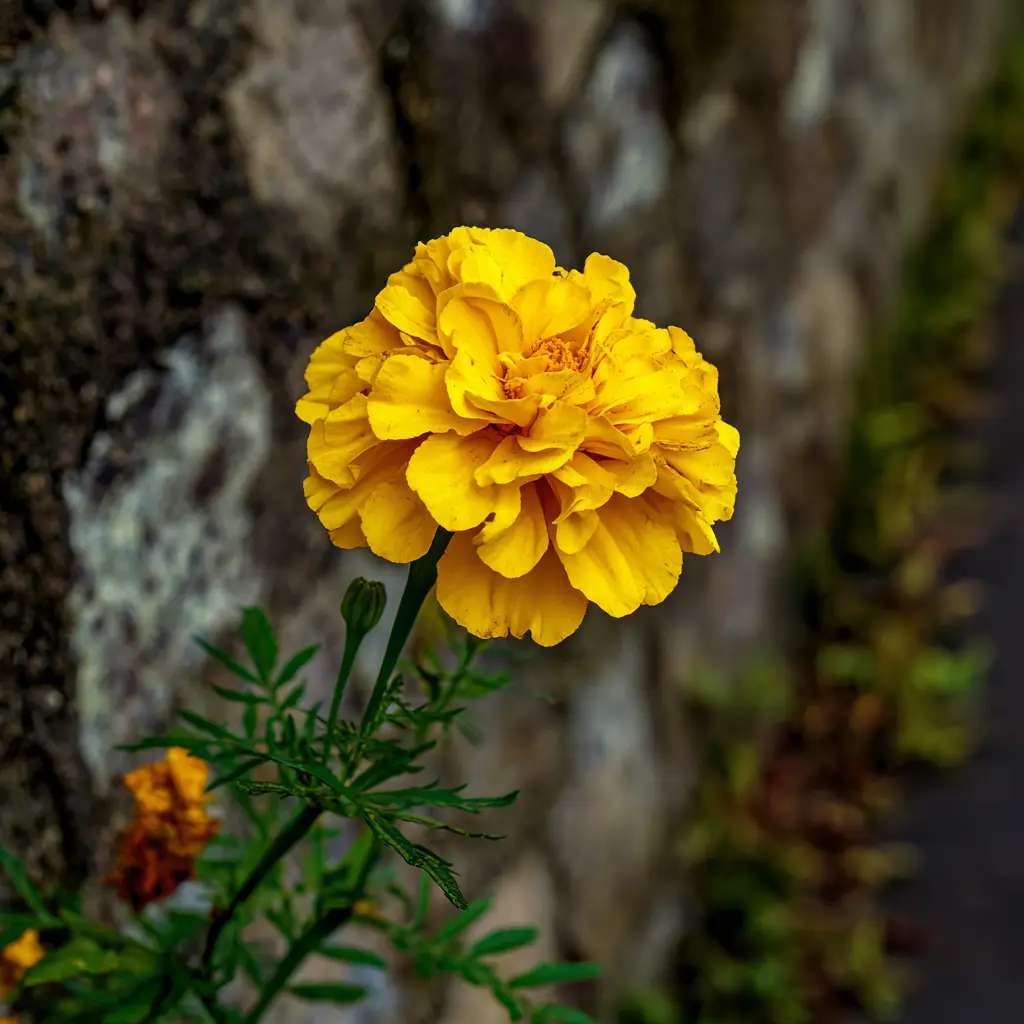
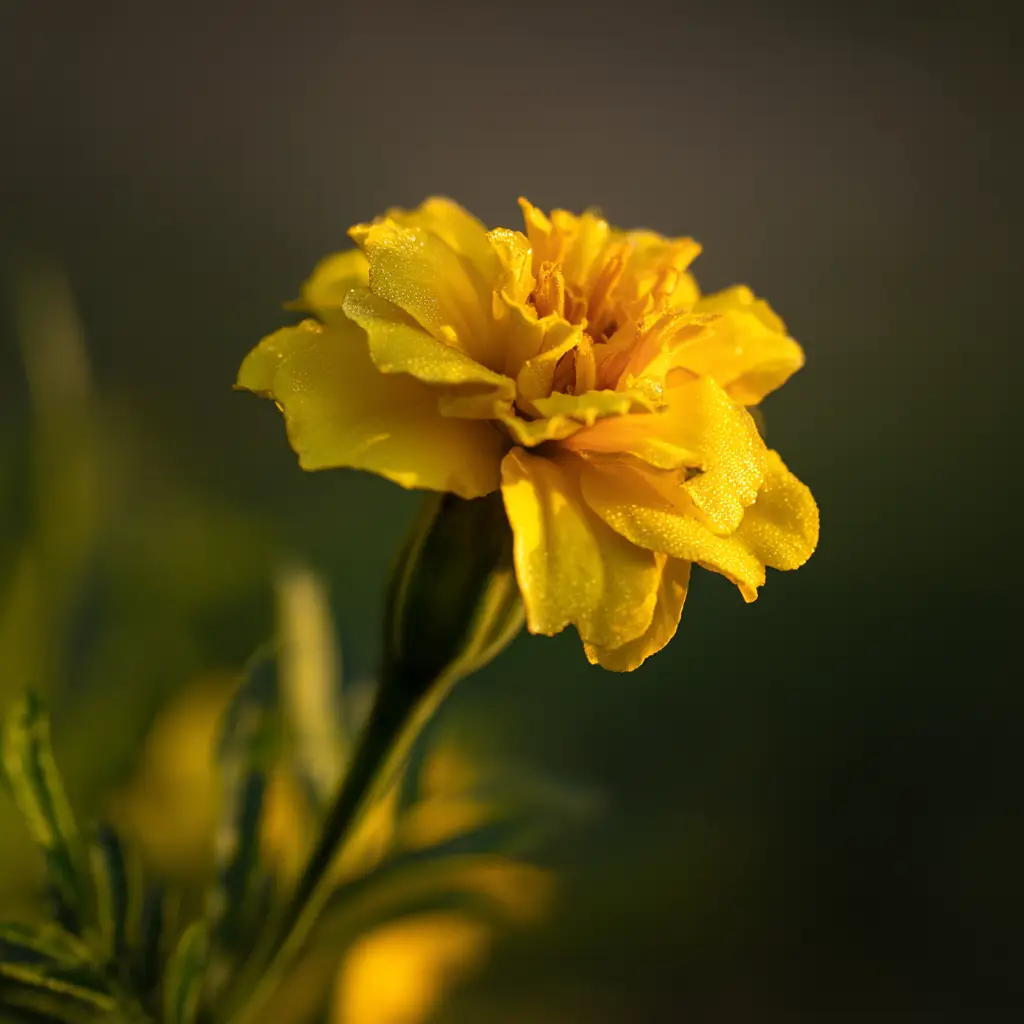
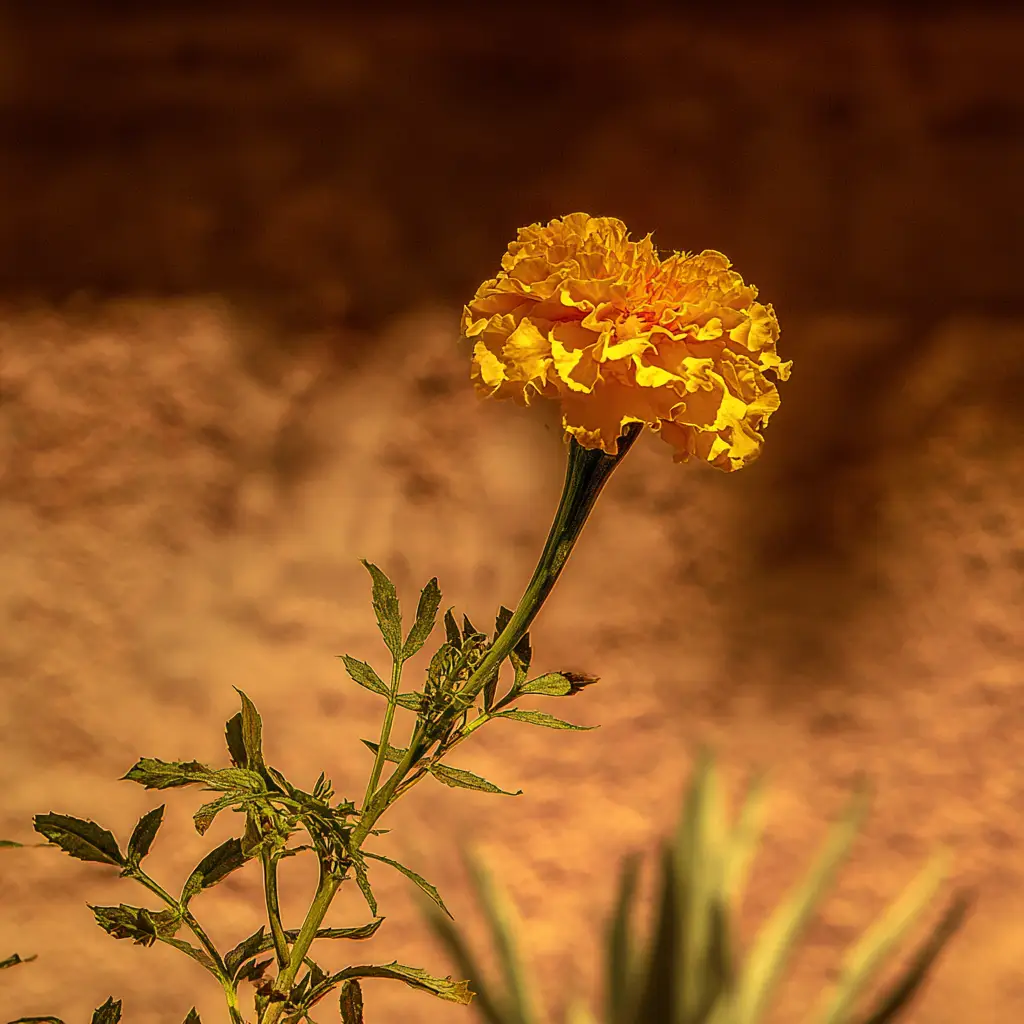
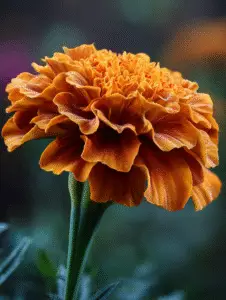 Deep gold
MarigoldTagetes erectaSummer bloomer
Deep gold
MarigoldTagetes erectaSummer bloomer
8 photos of Marigold
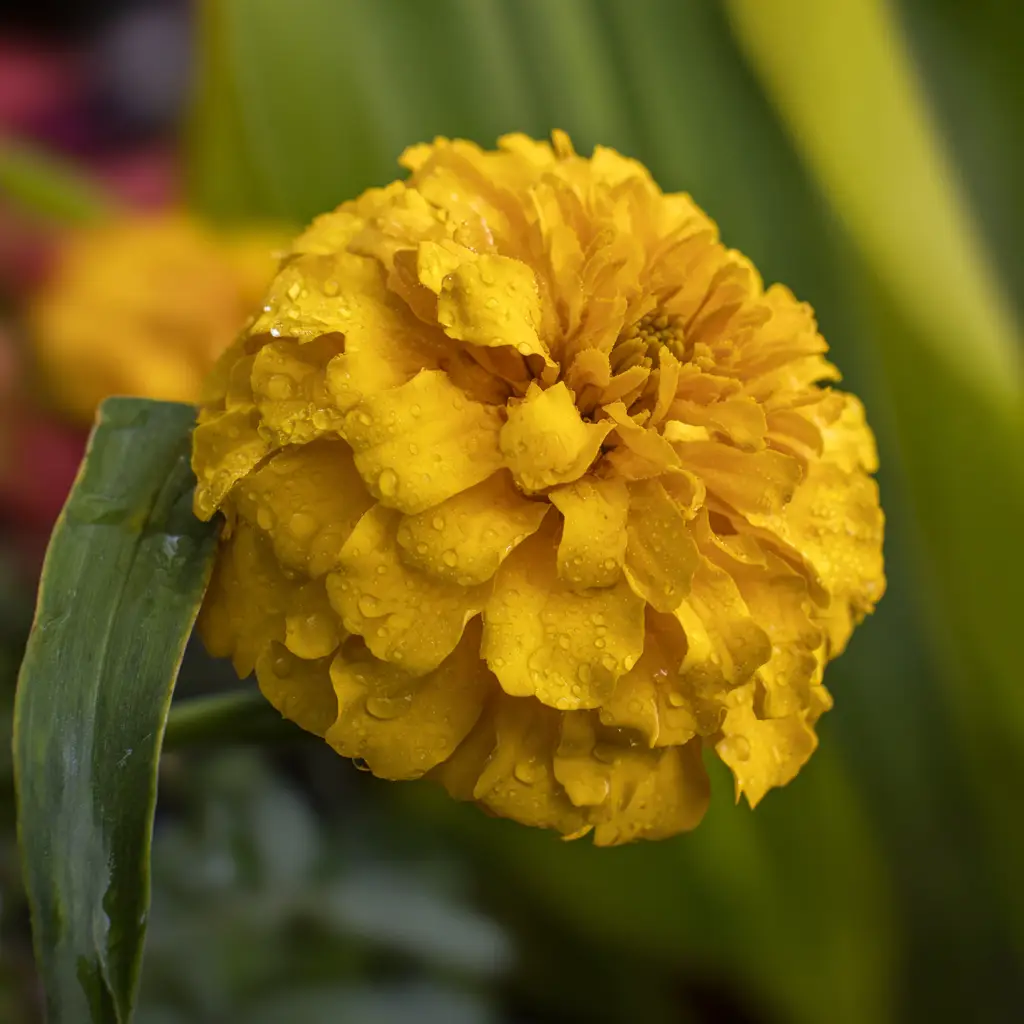
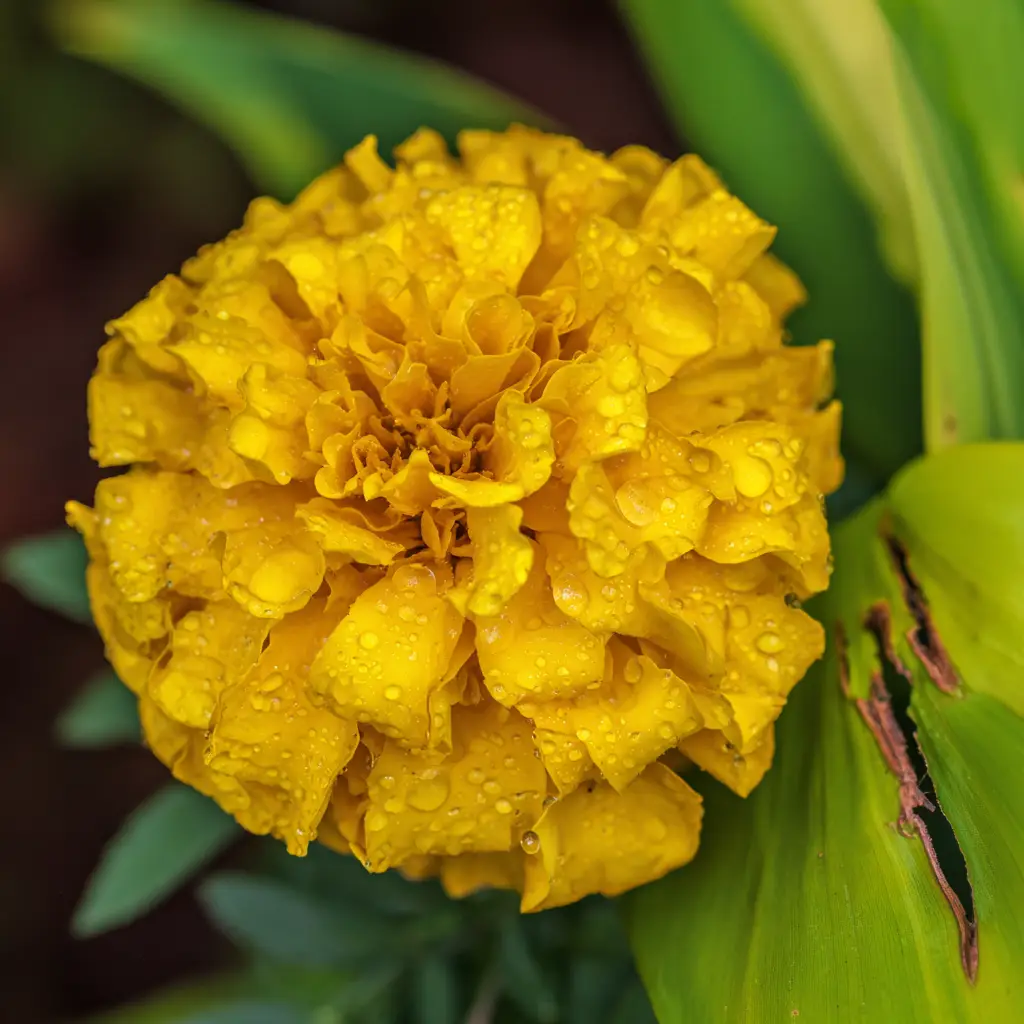


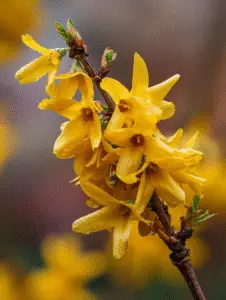
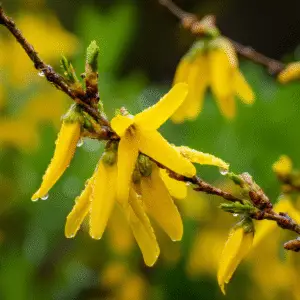 Forsythia
7 photos of Forsythia
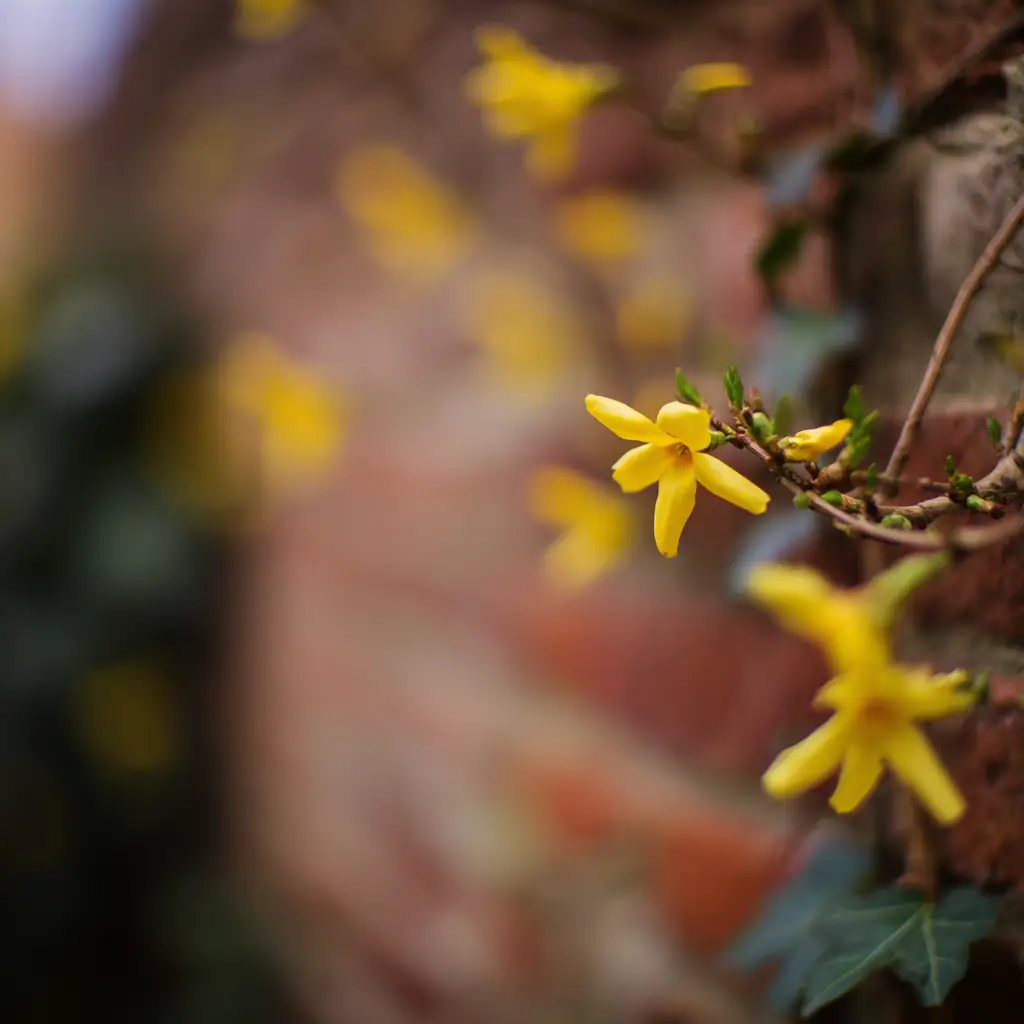
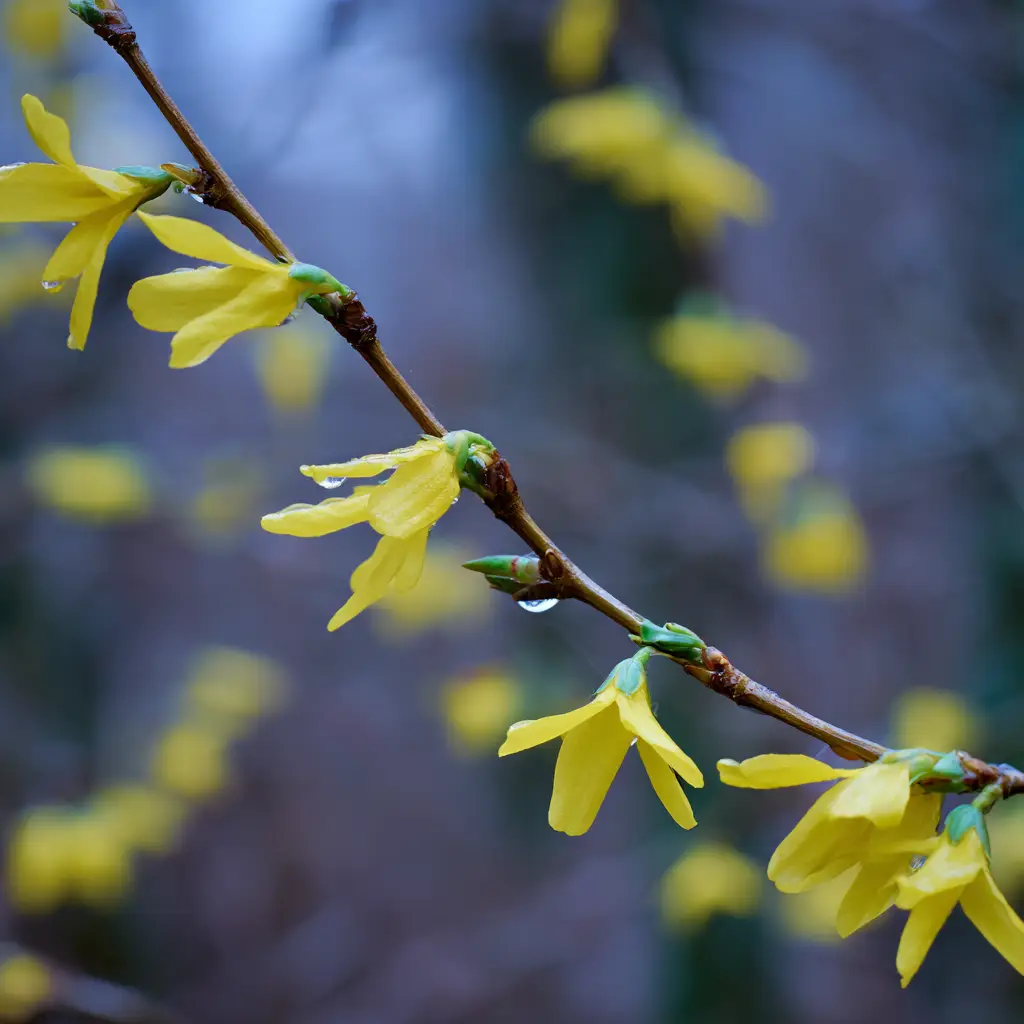
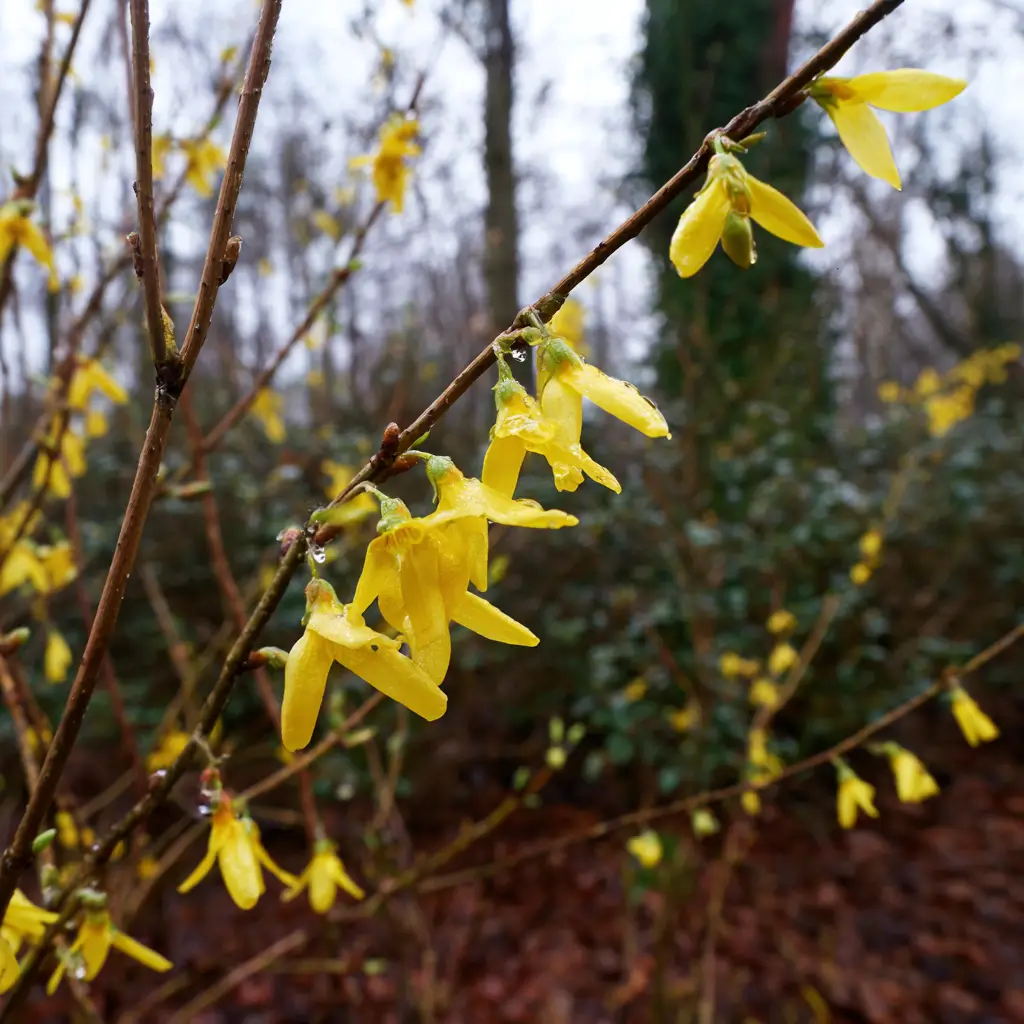
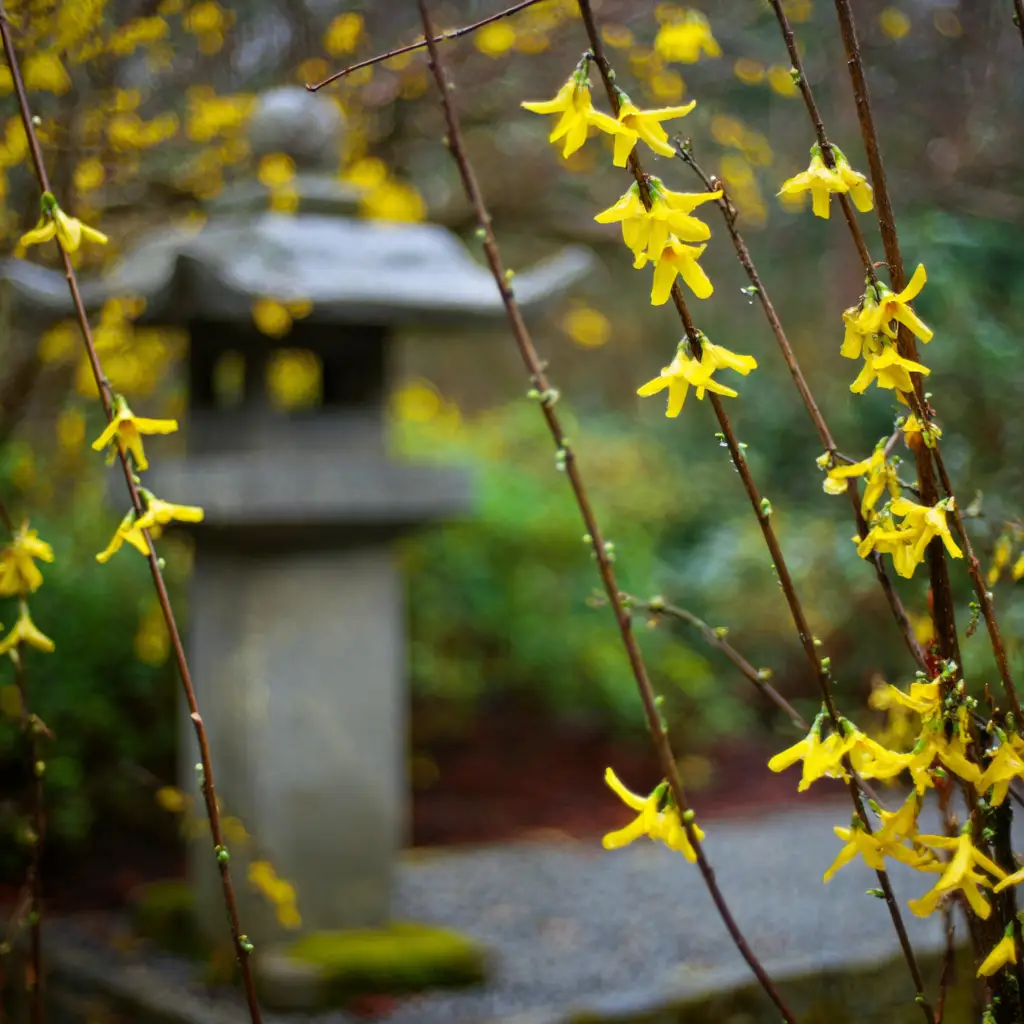
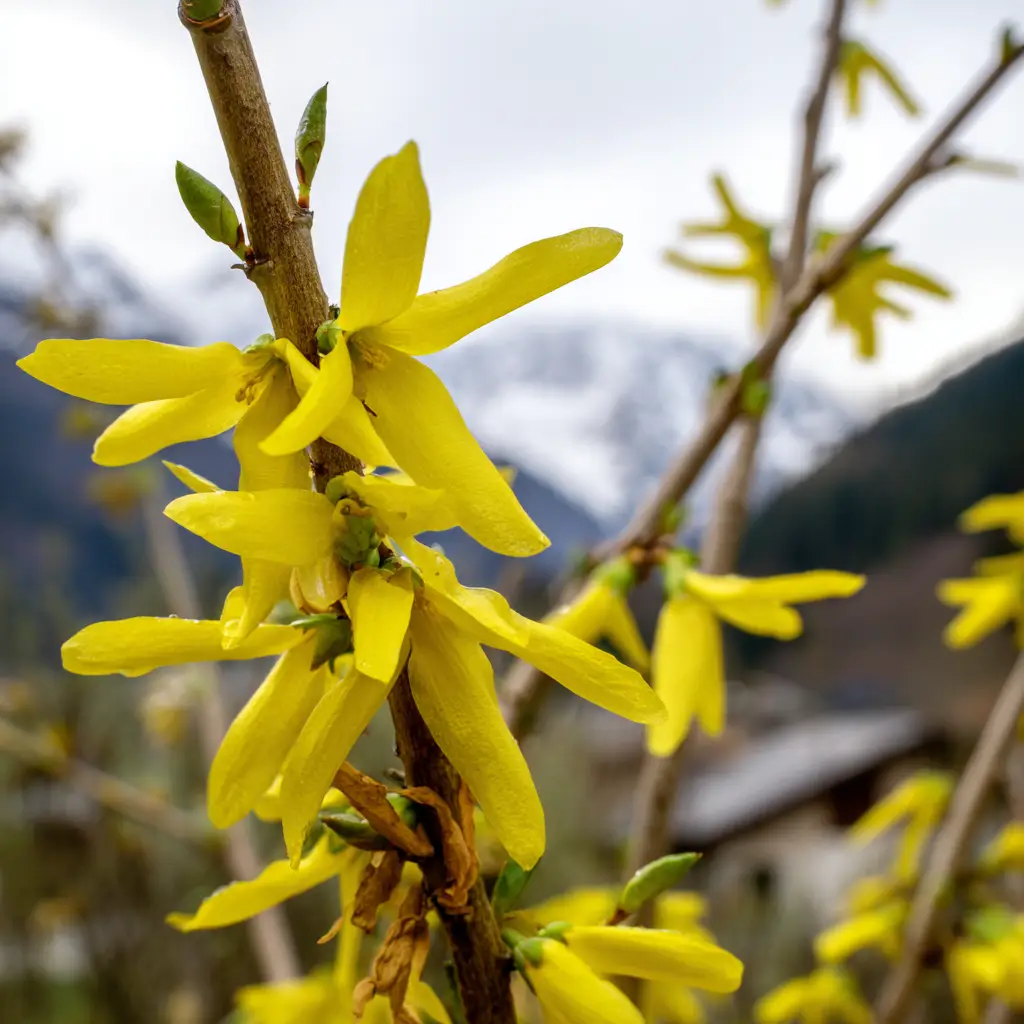
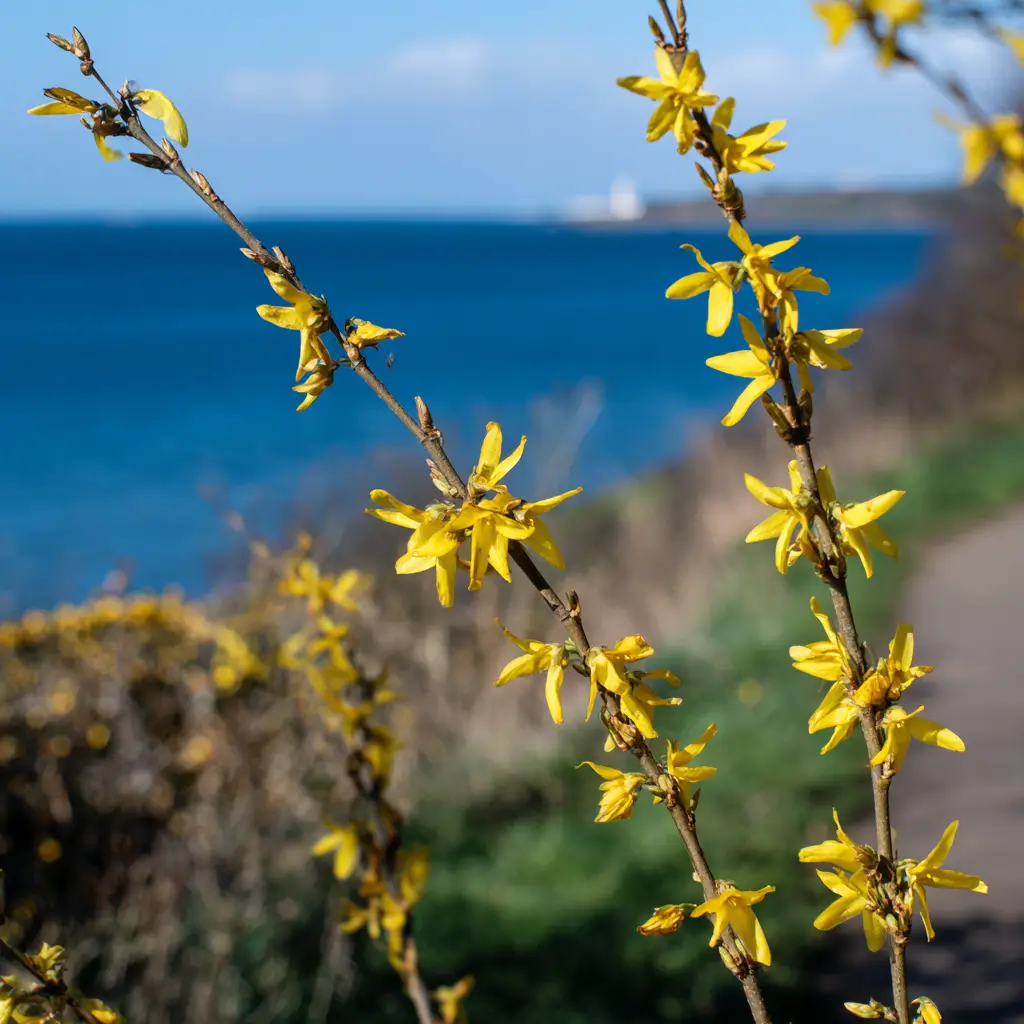
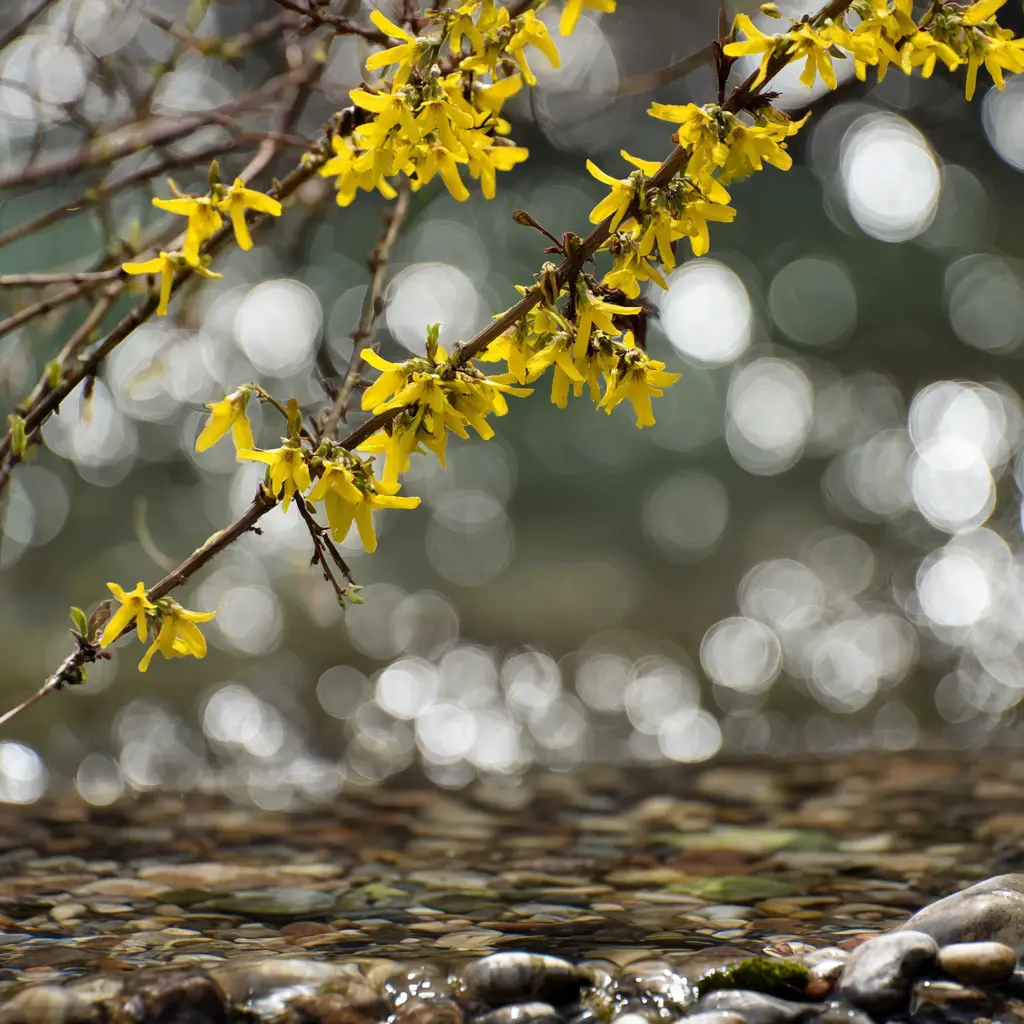
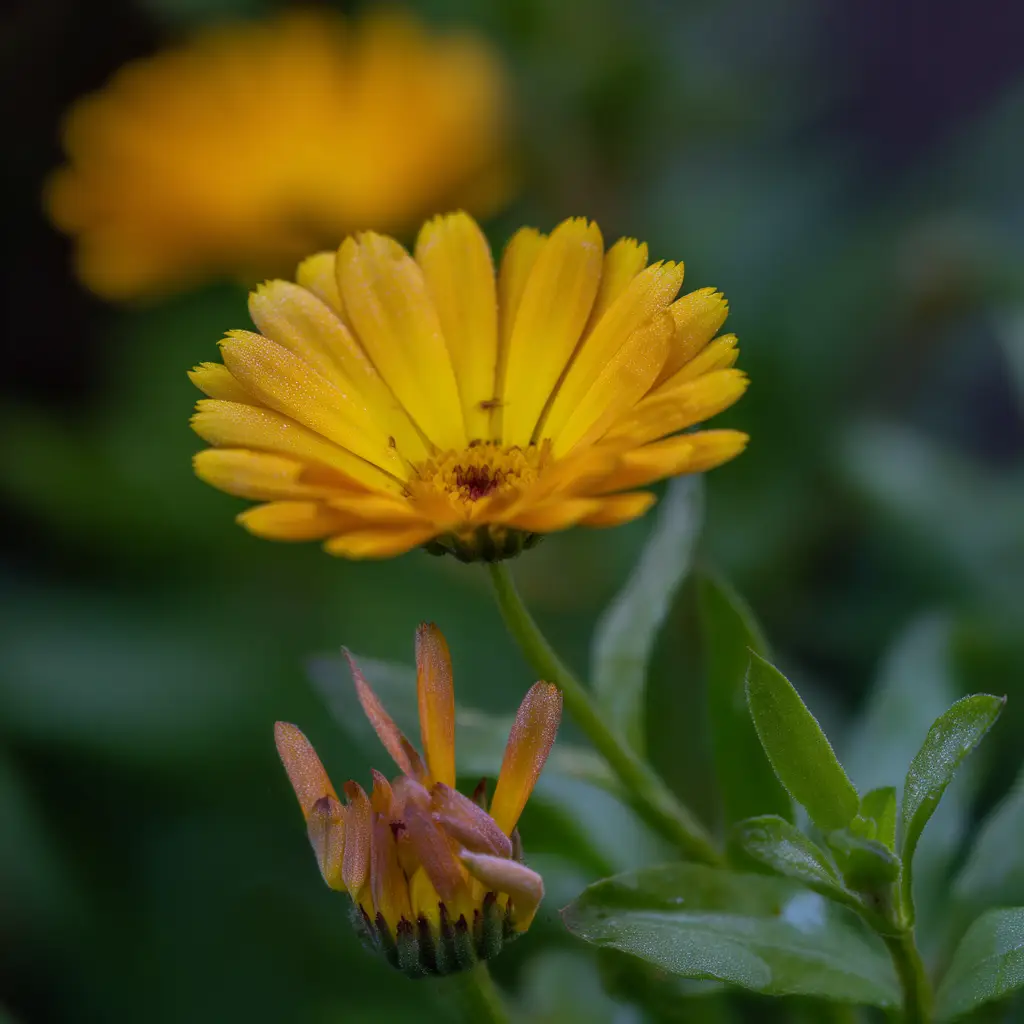
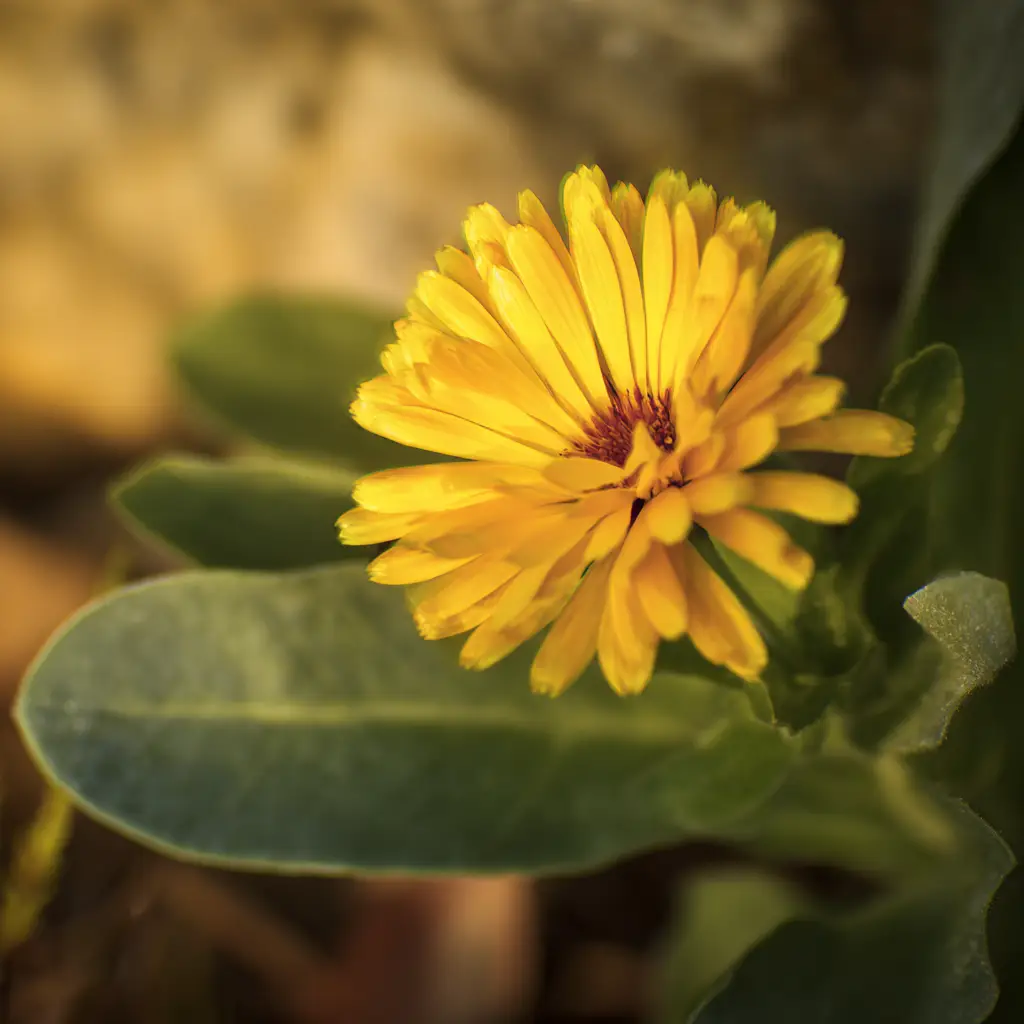
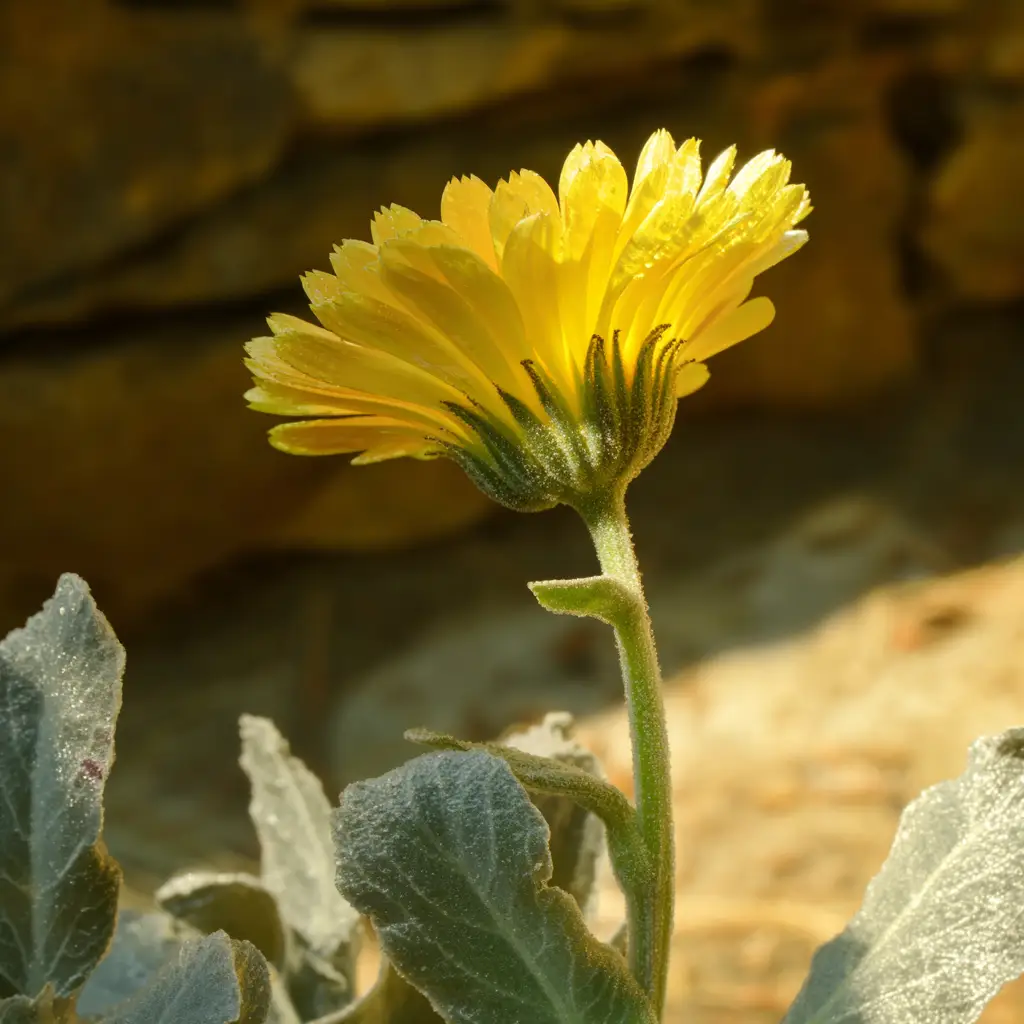
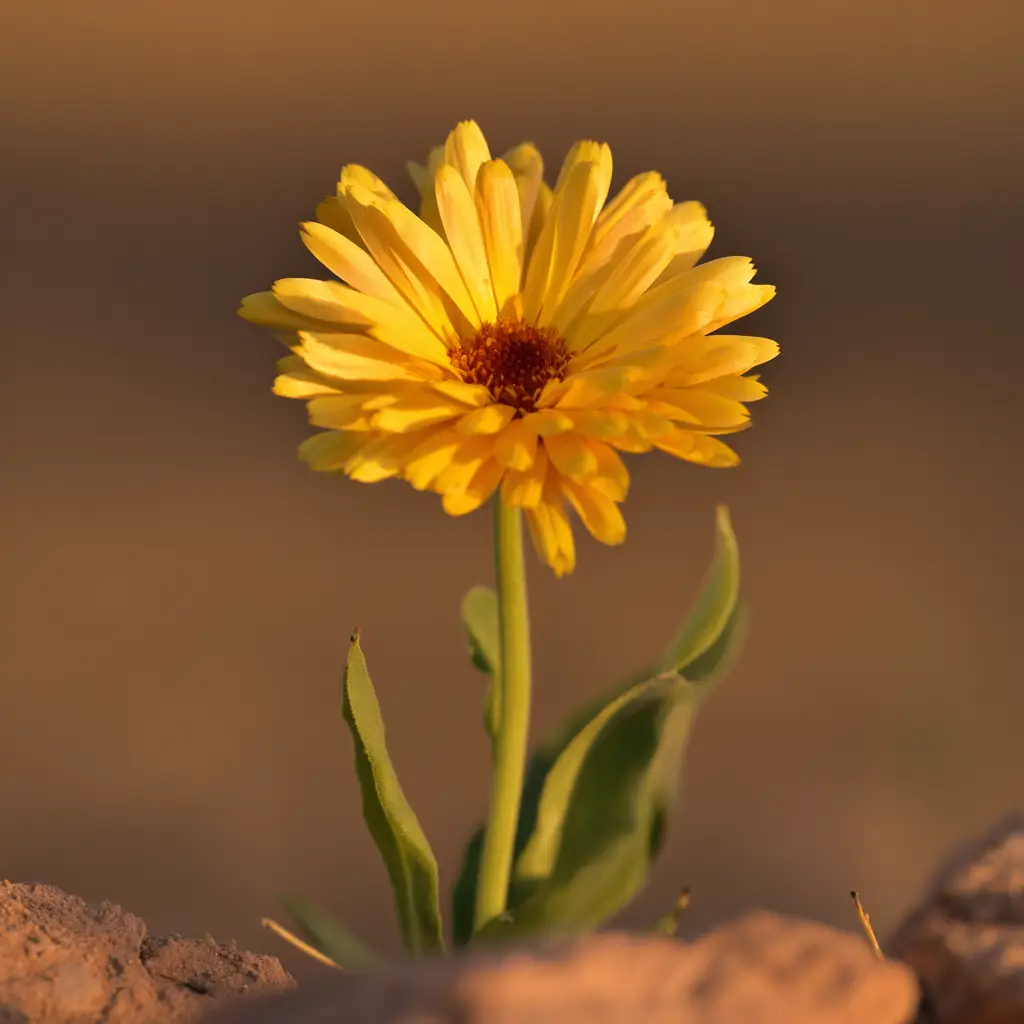
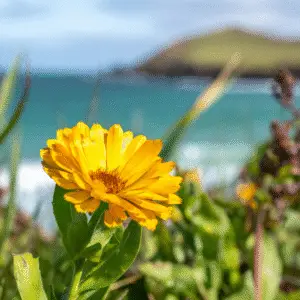 CalendulaCalendula officinalis
7 photos of Calendula
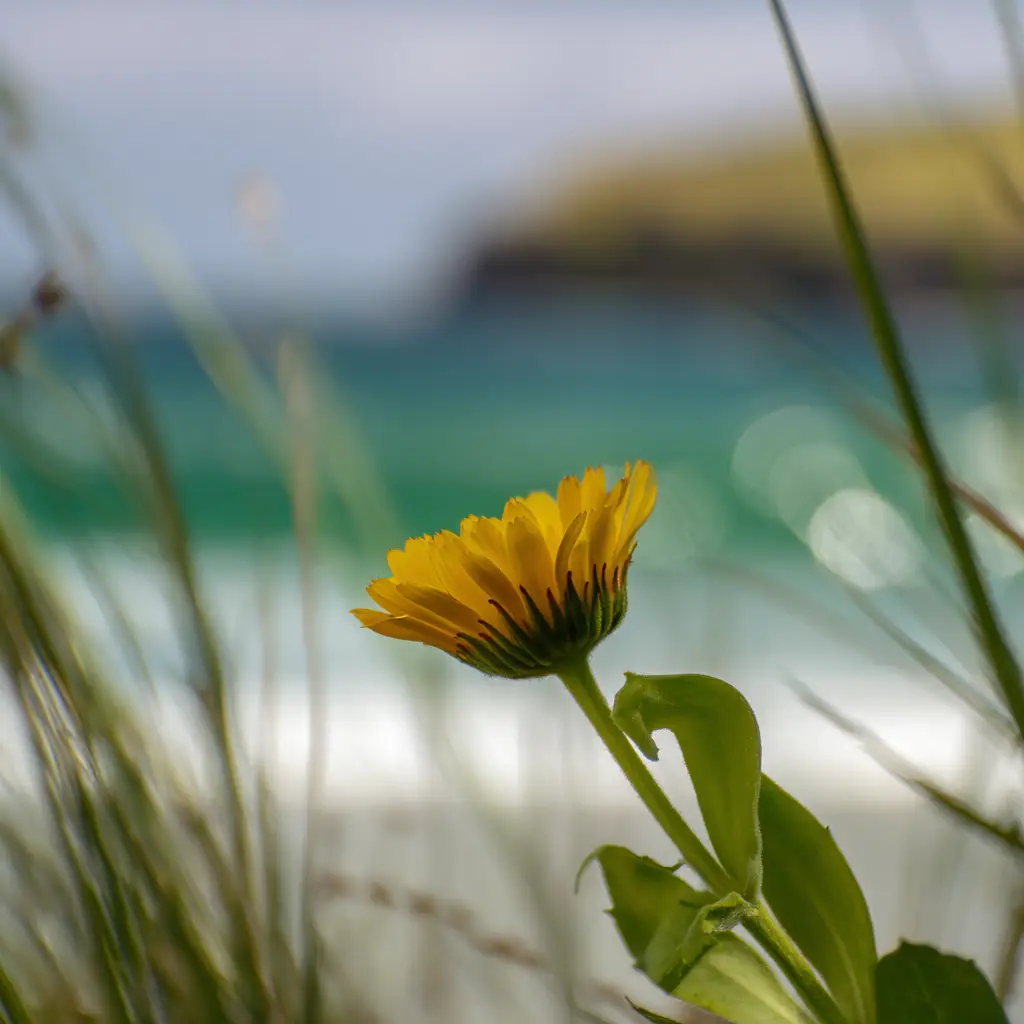
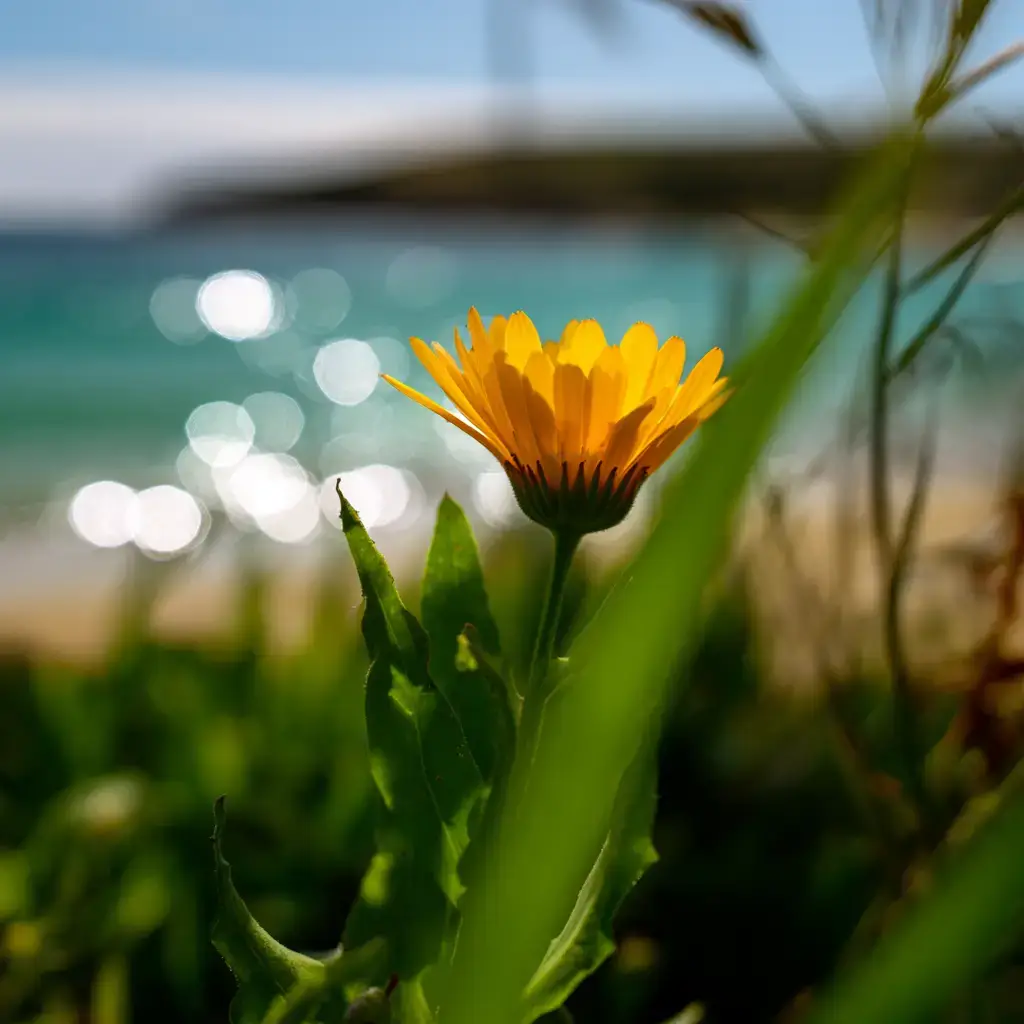
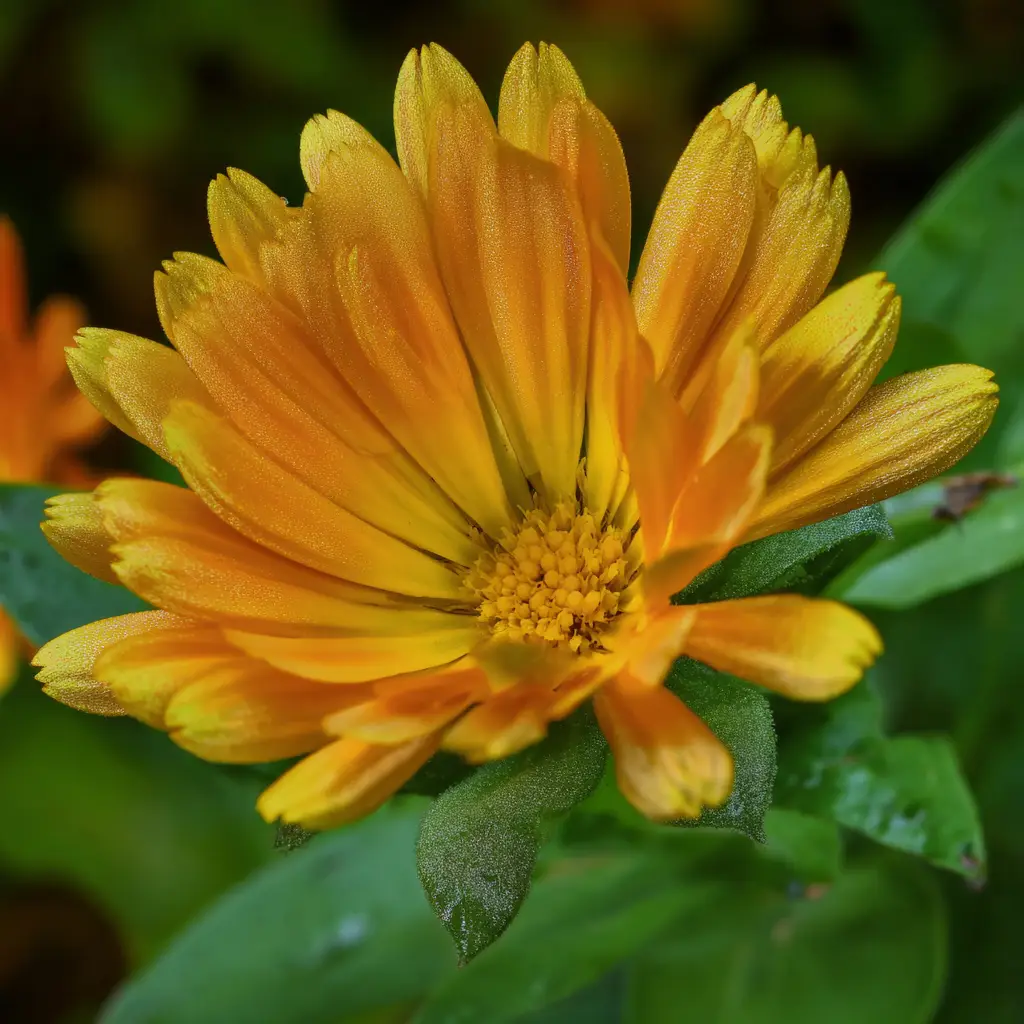
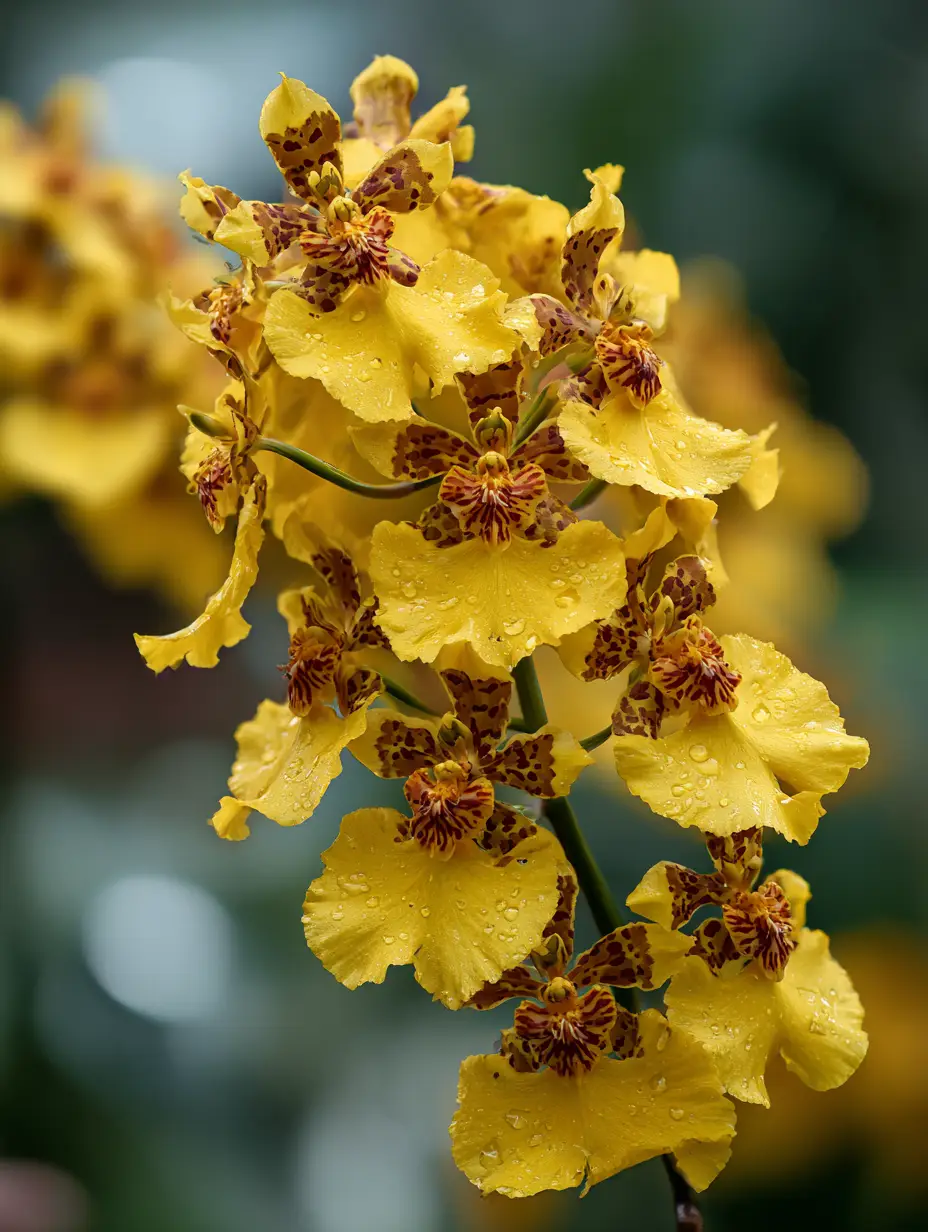
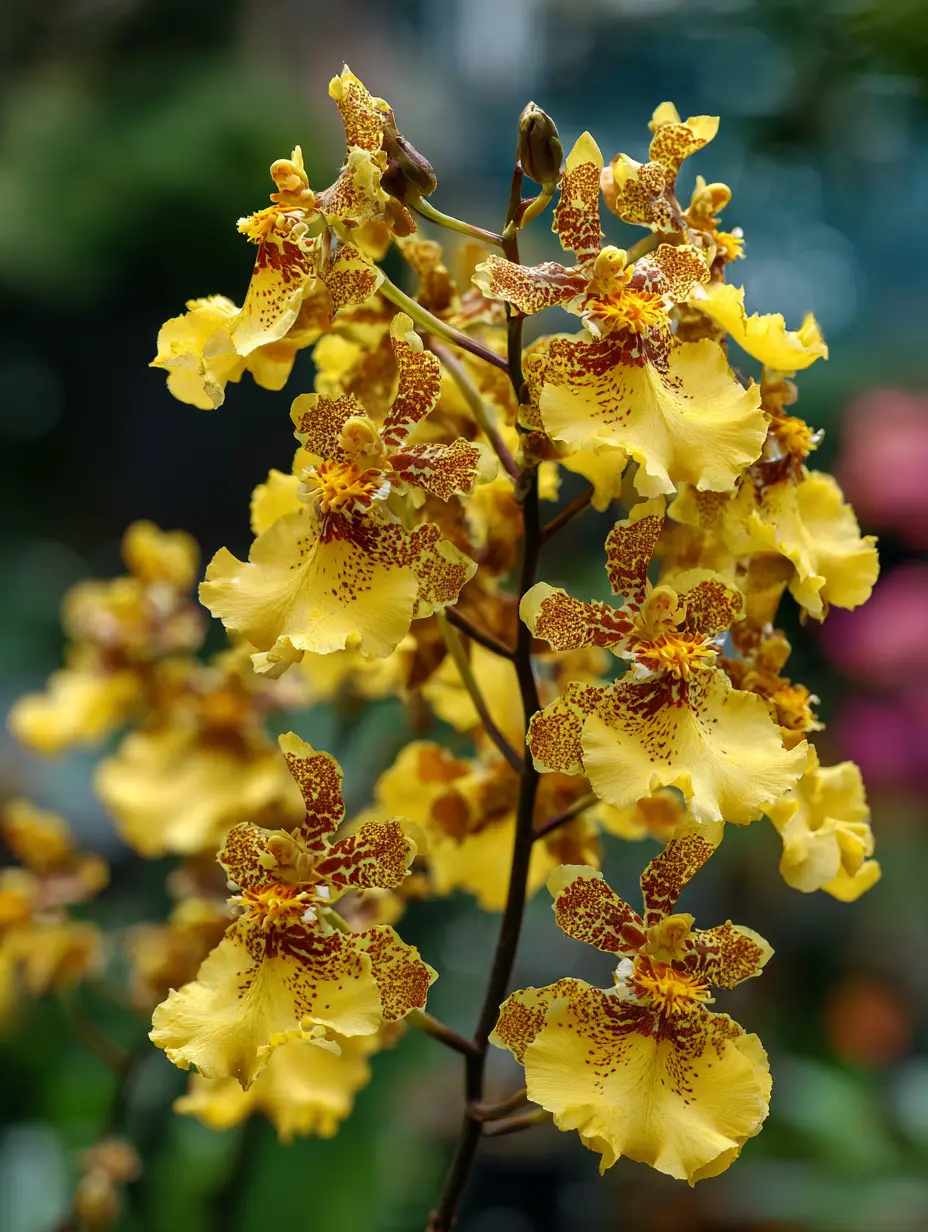
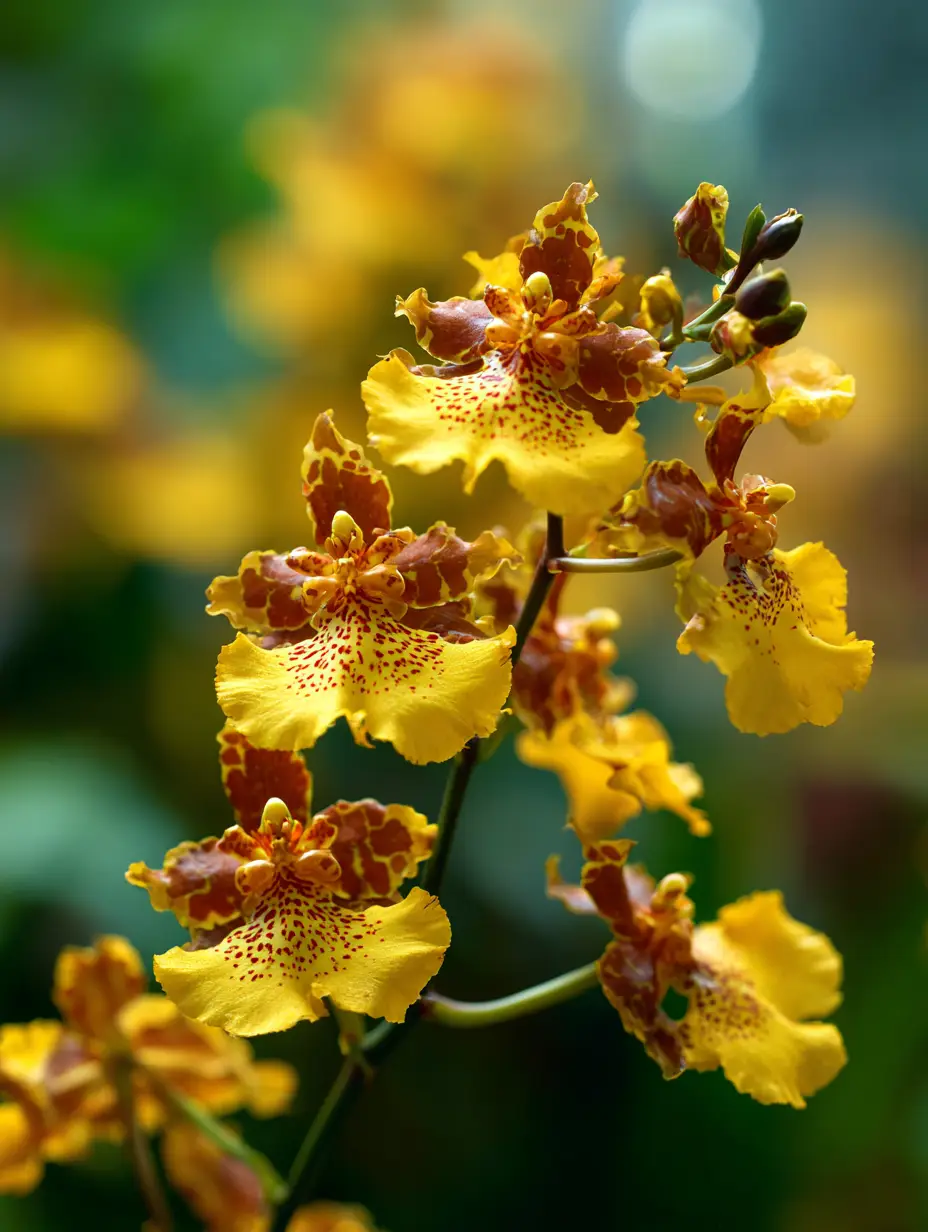
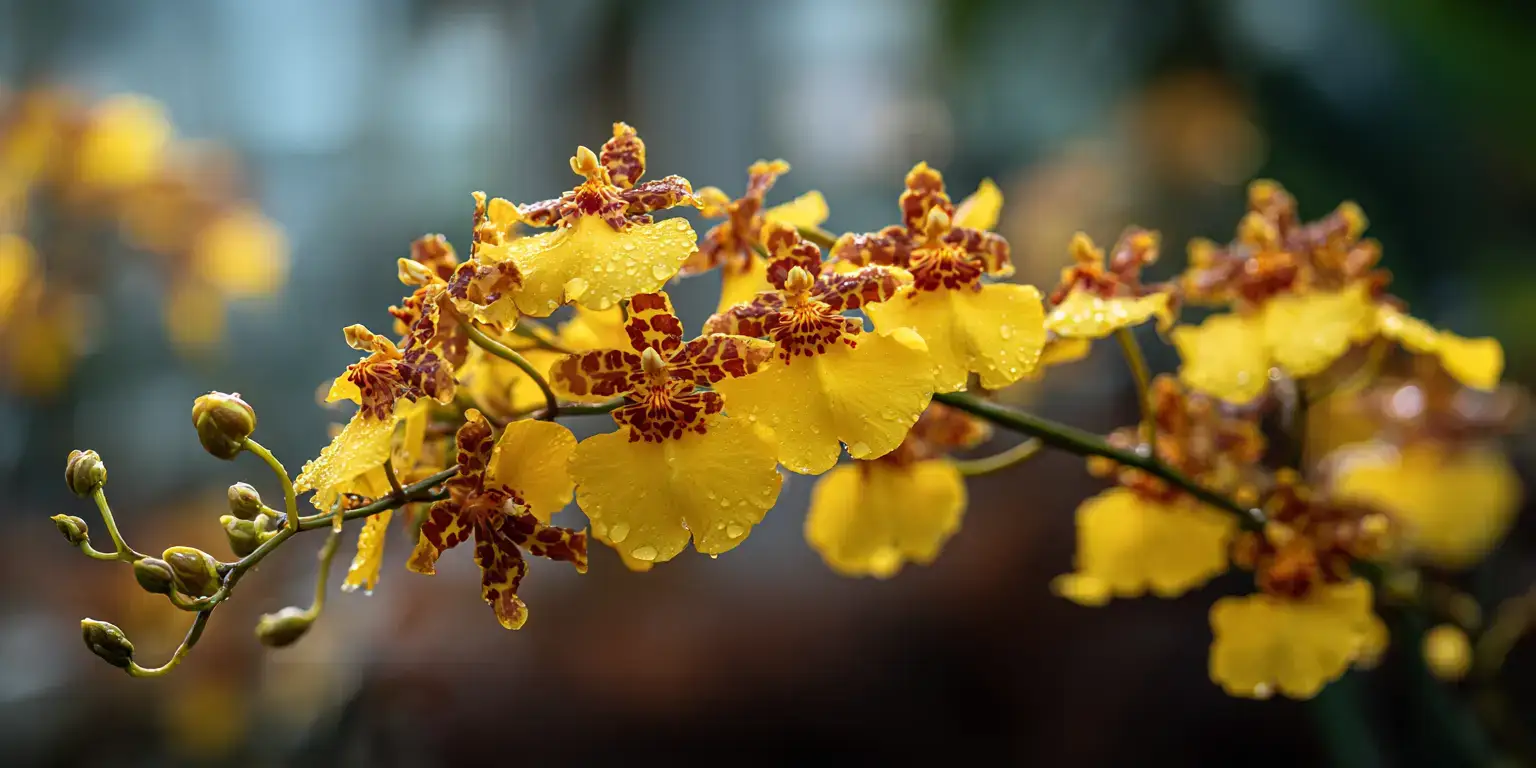
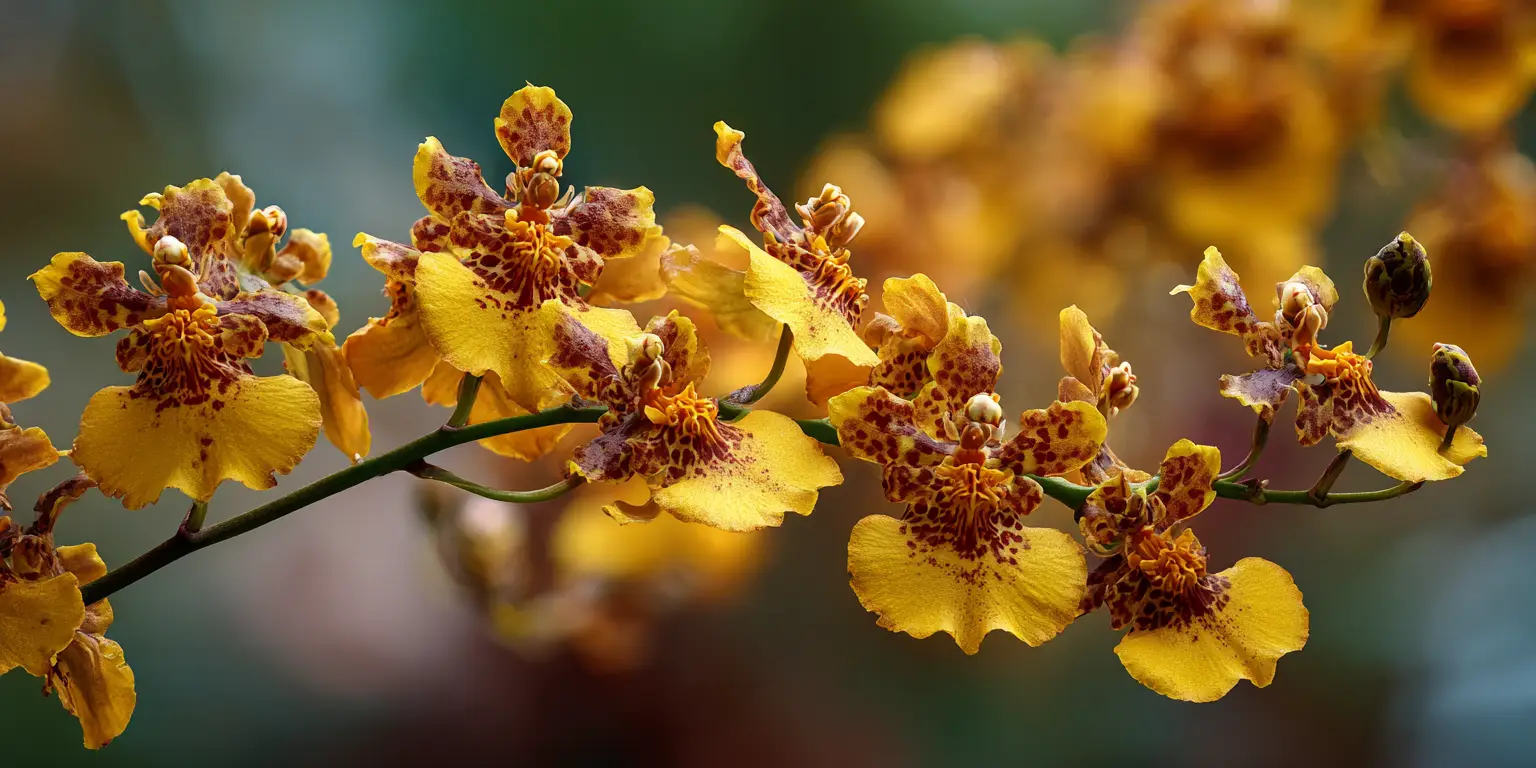
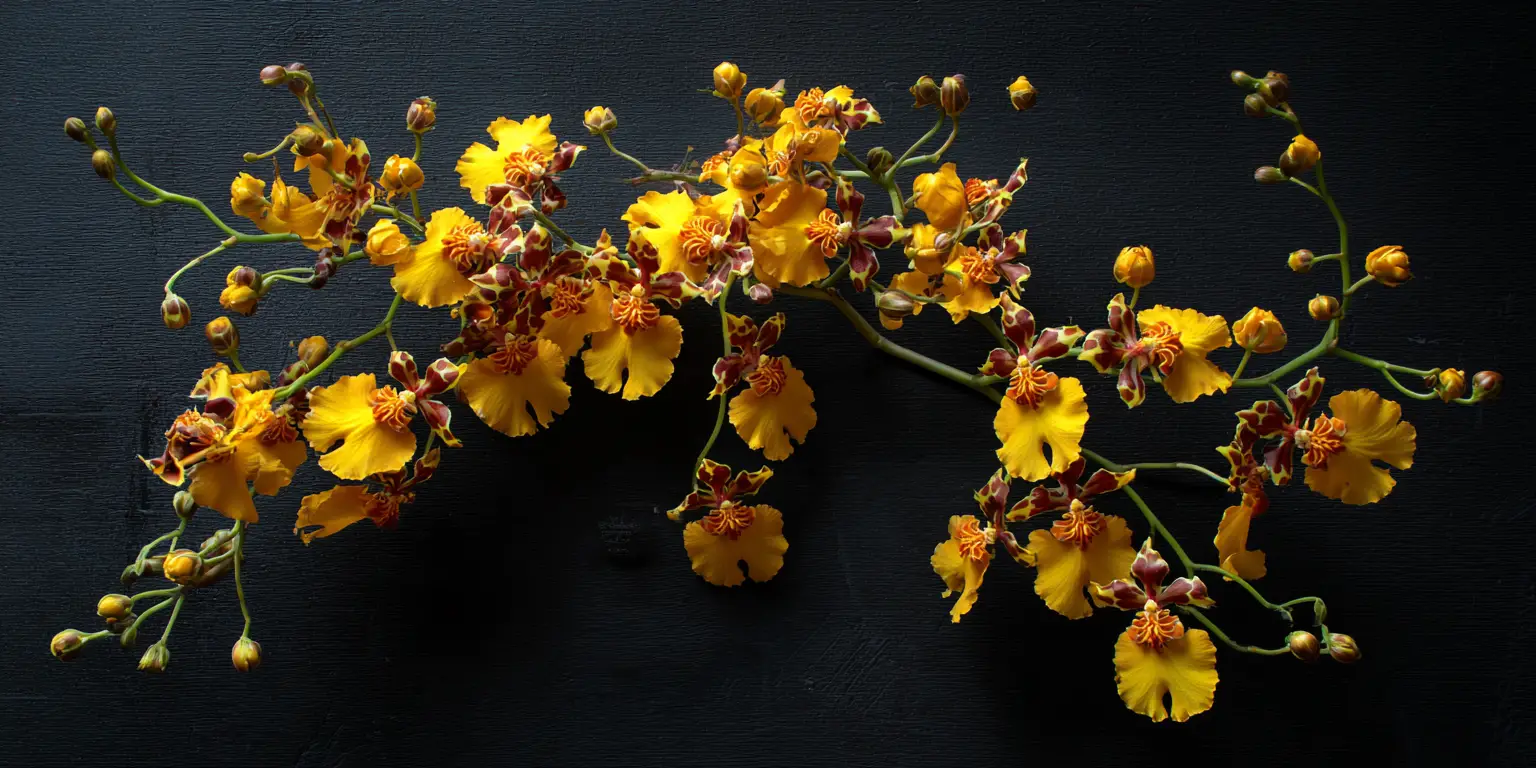
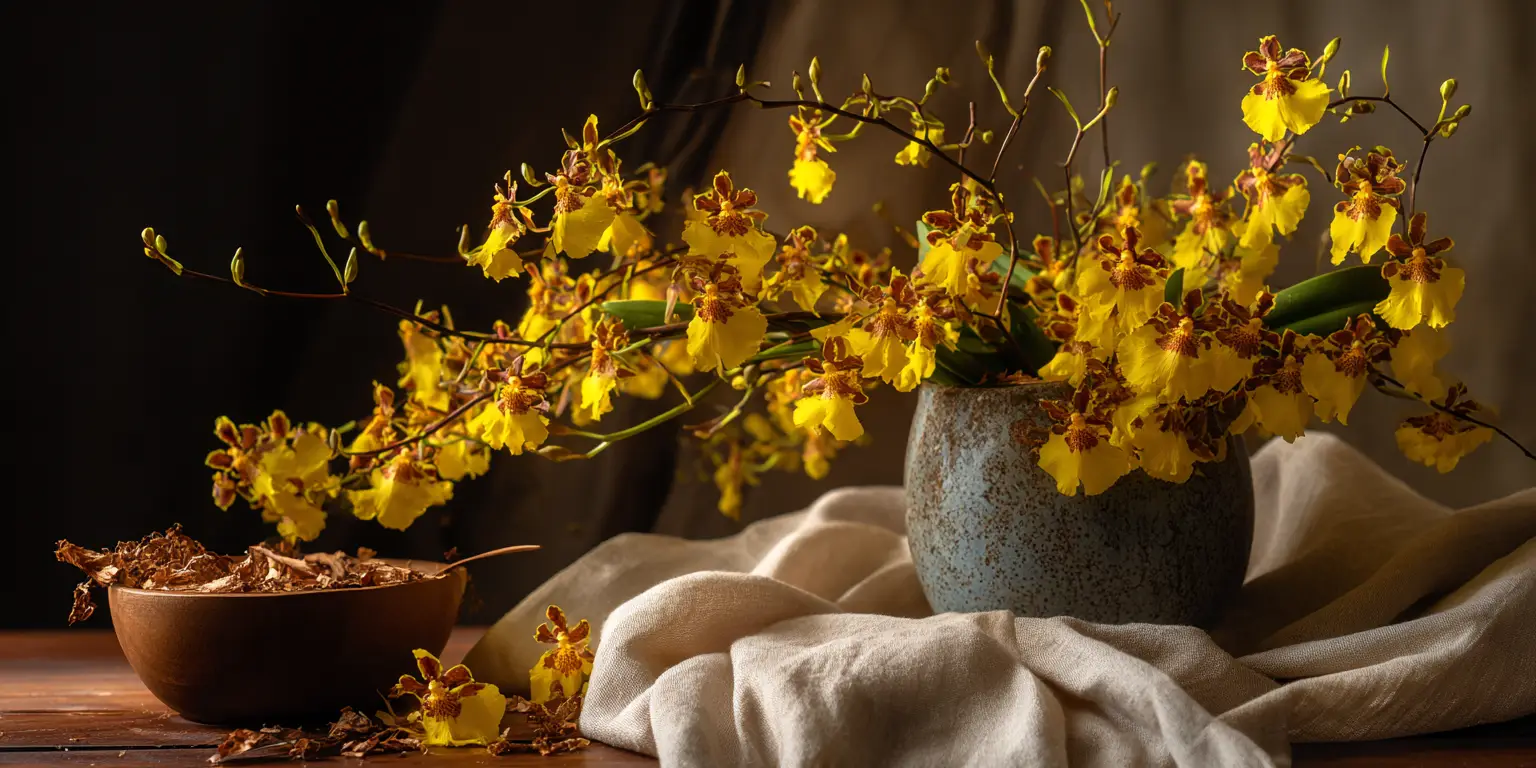
 Oncidium OrchidDancing lady
7 photos of Oncidium Orchid
Why yellow is the colour it is
Yellow is cheap for a plant to make, which is why there is so much of it. Most yellow flowers use carotenoids, the same pigments already at work in every leaf for photosynthesis, so the plant is repurposing chemistry it has to build anyway. That route gives the warm, saturated golds of sunflower and marigold. A second, separate route uses flavonoids, and produces the cooler, paler lemons and creams. The two yellows sit differently in a bed because they genuinely are different pigments. Bees, meanwhile, see something we do not: many plain yellow petals carry ultraviolet bullseye patterns that read as targets to a pollinator and as nothing at all to us.
Carotenoid gold has orange in it and flavonoid lemon has green in it. Put a deep gold rudbeckia straight against a lemon coreopsis and both look dirty. Separate them with cream, white or grey foliage and both look correct.
How yellow each one really is
The same flowers again, this time grouped by how much of the colour is actually there in ordinary daylight rather than on a label.
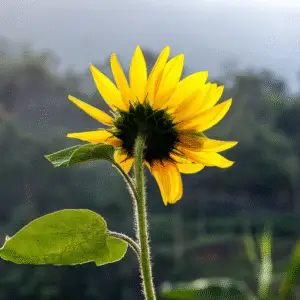 Sunflower
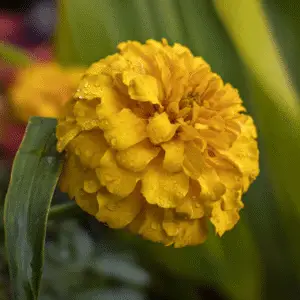 Marigold
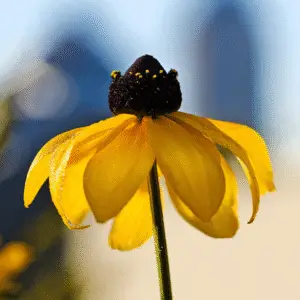 Black-Eyed Susan
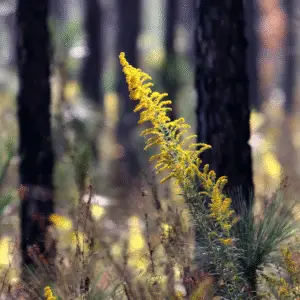 Goldenrod
 Coreopsis (Tickseed)
 Daylily
 Daffodils
 Yarrow
 Zinnia
 Ranunculus
 Begonia
 Chrysanthemum
What yellow sits well with
What yellow says
Yellow carries friendship, welcome and plain good cheer, and it is the colour most often sent for no occasion at all. The Victorian reading of yellow roses as jealousy has all but vanished; a yellow bouquet now reads as warmth.