The pairing · pick a flower
 Chrysanthemum+
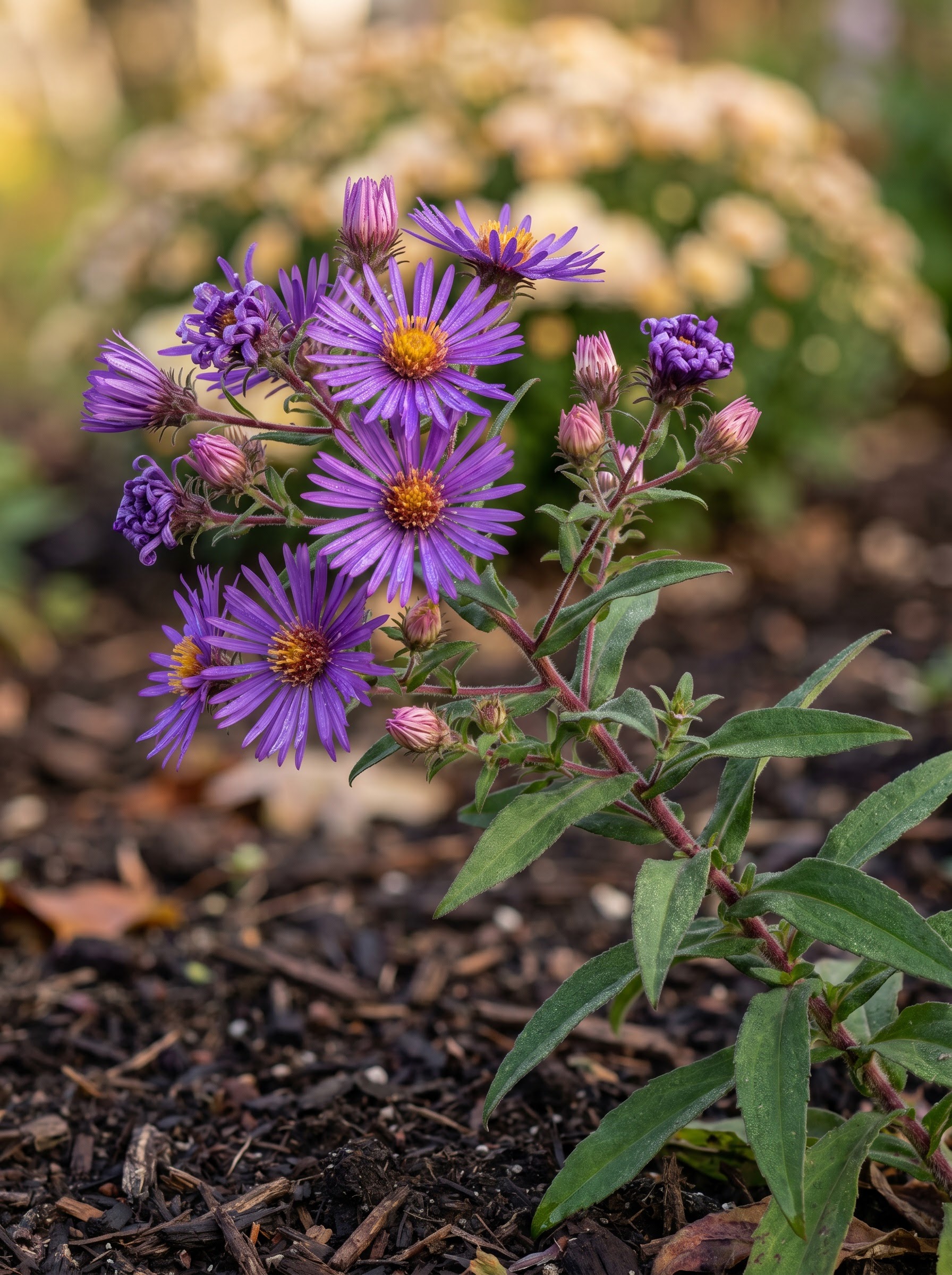 New EnglandProven
The most-repeated fall pairing for a real reason: both are short-day bloomers sharing full sun and average, well-drained soil, and aster's starry, branching form is the clean textural foil to a mum's dense dome.
Chrysanthemum+ GoldenrodProven
A true full-sun, well-drained perennial blooming July through October on the same short-day trigger as mums, and its vertical yellow spikes are the strongest available height contrast to a mum's flat dome.
Chrysanthemum+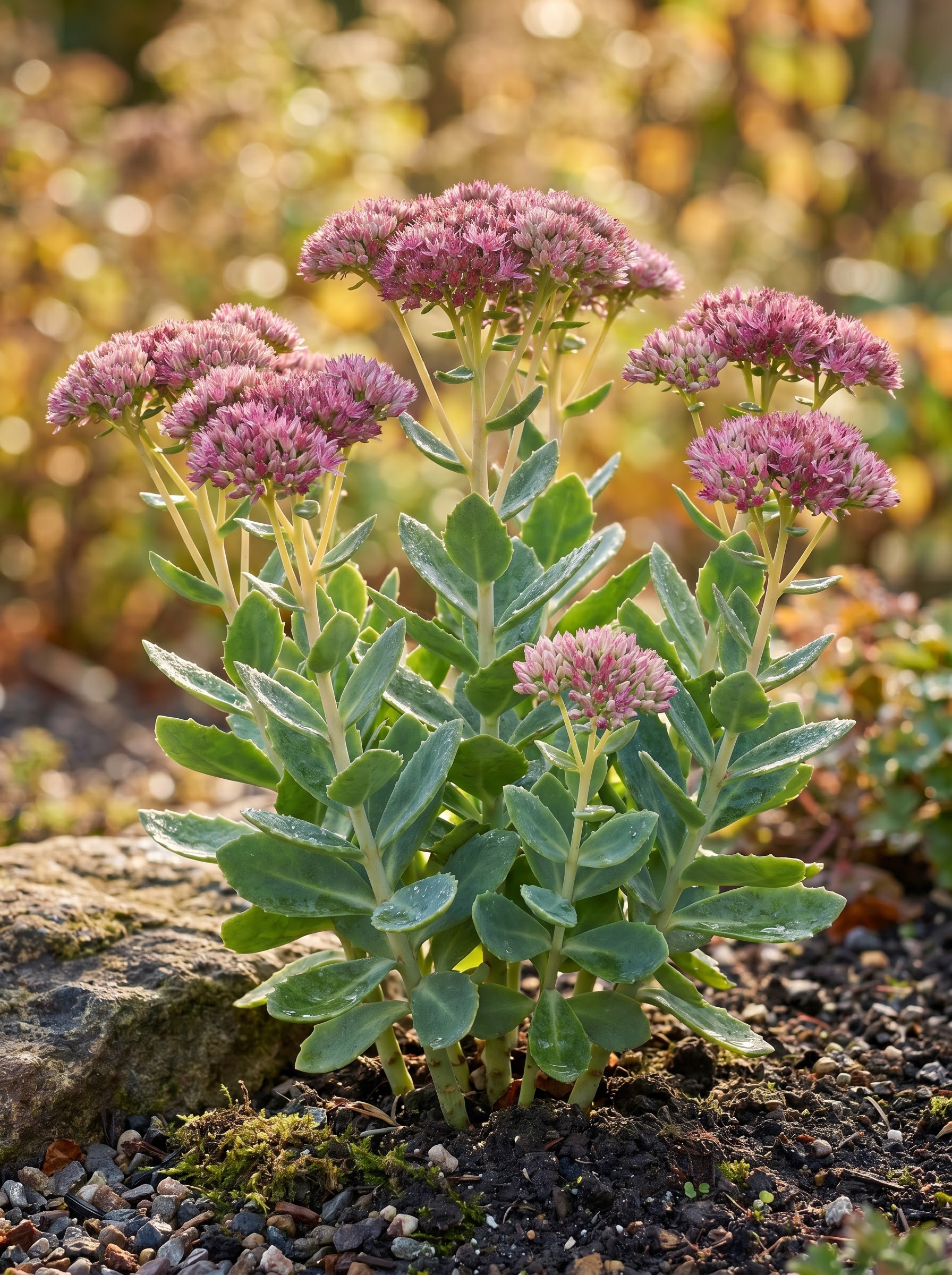 Sedum 'AutumnPartial
Wants the same full sun and sharp drainage as mums, tolerates the same lean-to-average soil, and its flat pink-to-rust flower heads are a genuine geometric contrast to the mum's rounded bloom.
Chrysanthemum+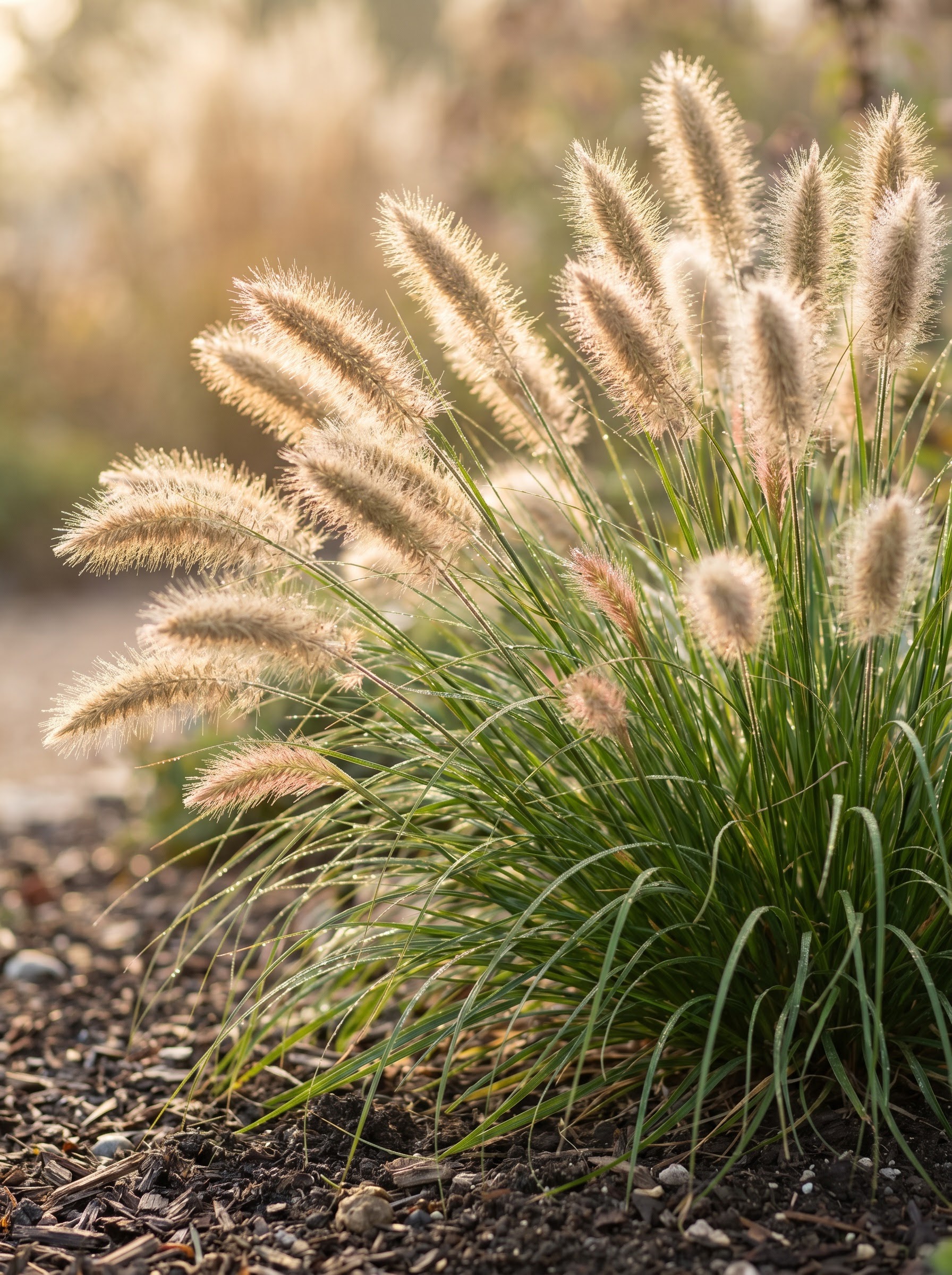 Fountain grassPartial
Full sun and tolerates the same range from average to fairly dry soil that mums prefer, and its arching, bottle-brush plumes bring the airy movement a bed of solid mum domes otherwise lacks.
Chrysanthemum+ MarigoldPartial
Full-sun annual echoing the mum's warm rust, gold and mustard palette, and a documented insectary plant, UF/IFAS lists it among the bedding plants that reliably draw in beneficial insects.
Chrysanthemum+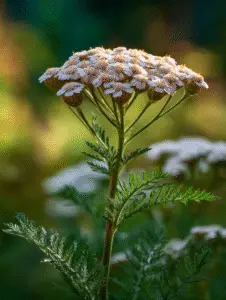 YarrowPartial
Full sun and drought-tolerant like mums once established, and its flat flower clusters sit in the same aster-family group Penn State Extension names as a draw for lady beetles and other larger predator insects that check aphid and thrips numbers.
Chrysanthemum+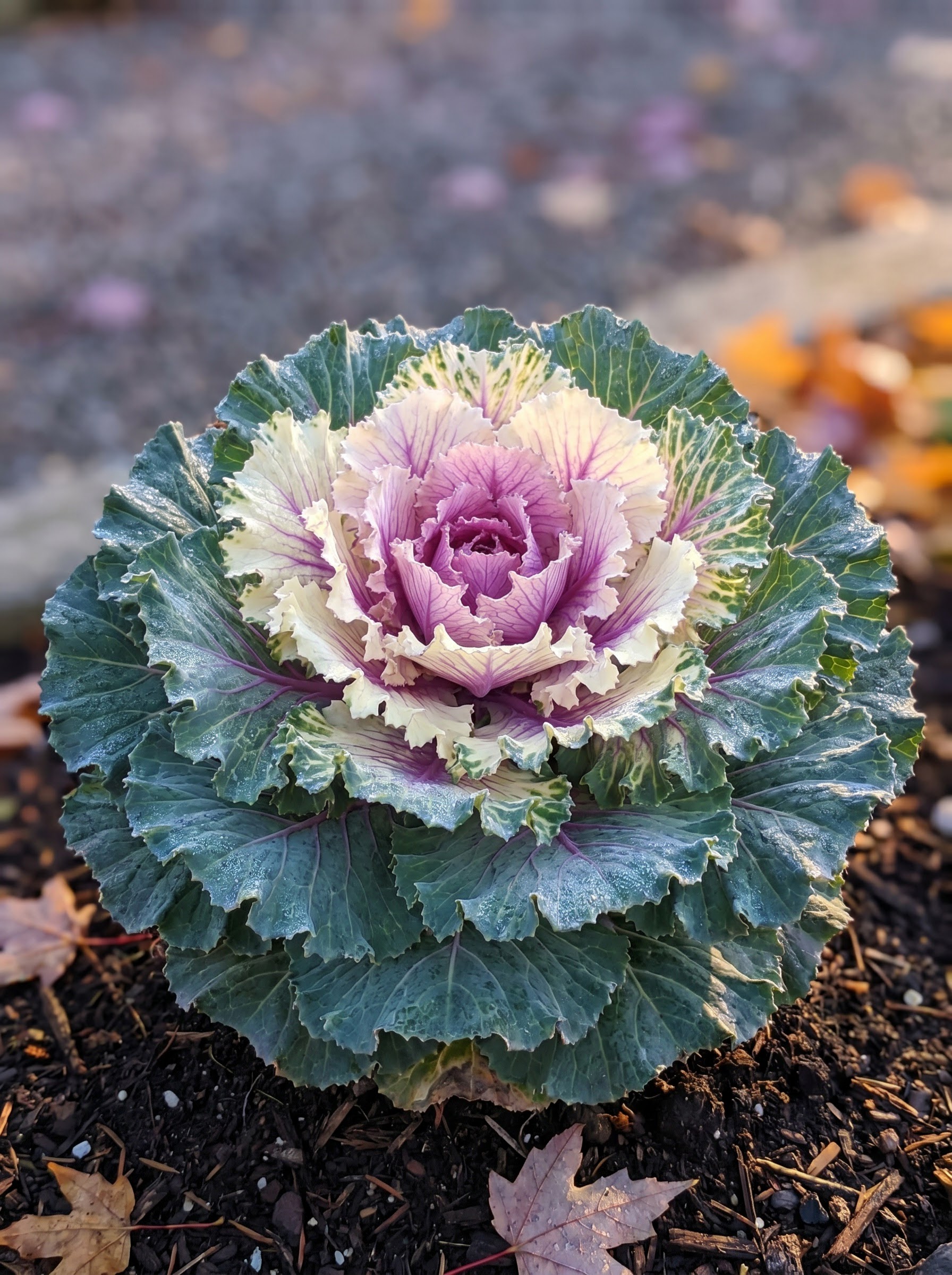 Ornamental cabbagePartial
The dominant real-world use for potted mums: extension fall-container guidance separately confirms mums set out among porch pumpkins and ruffled ornamental cabbage and cool-season pansies as fellow cold-tolerant container picks, and grouped together they share no real root competition since the whole display gets swapped out each season.
Chrysanthemum+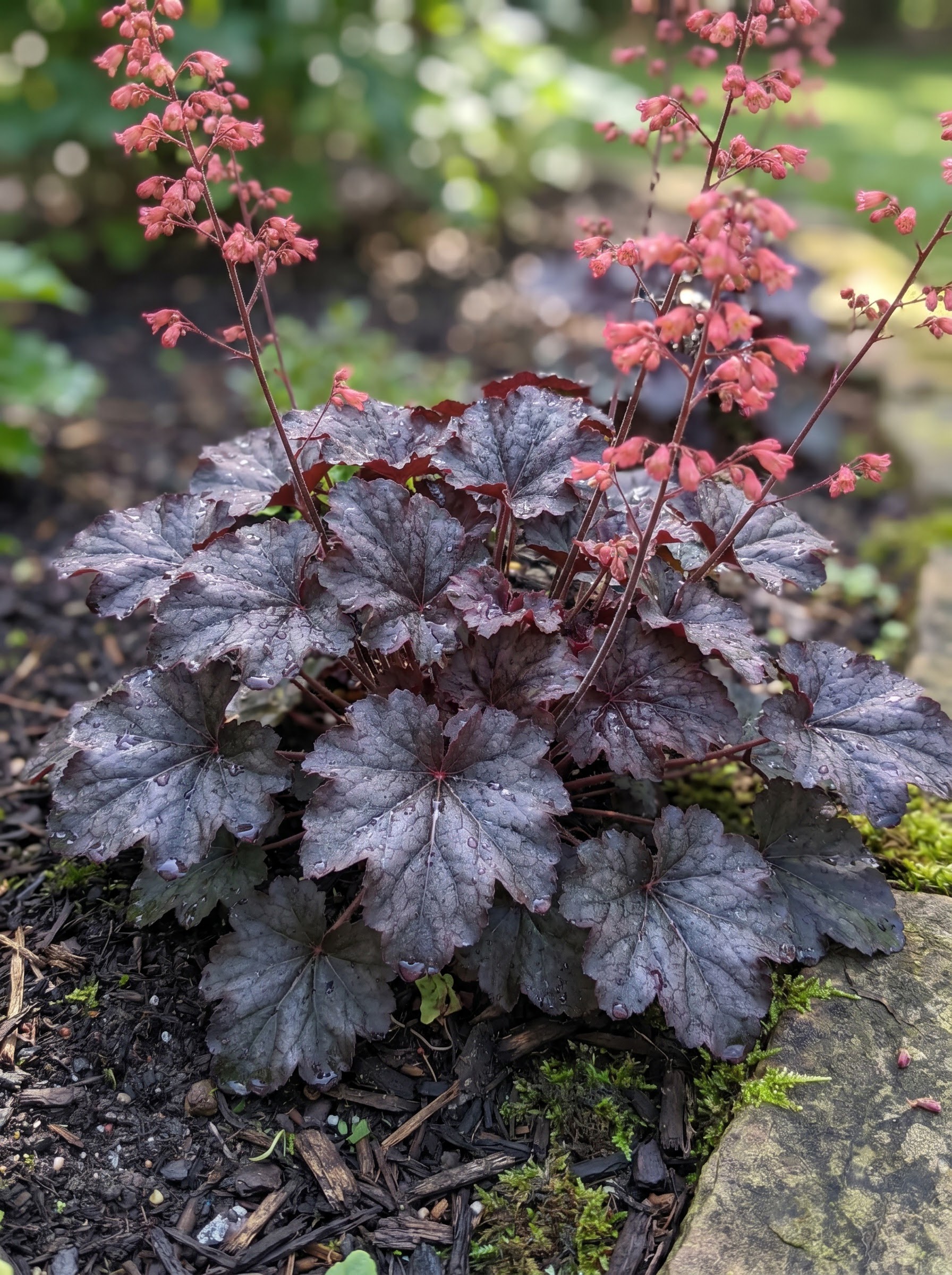 Coral bellsFolklore
A popular color-echo pairing, peachy 'Caramel' foliage against rust or orange mums, but most heuchera cultivars want part shade and scorch in mums' firm full-sun spot, so only heat-tolerant selections belong here.
All mums companions
8 flower companions, best match first
What not to plant near mums
Most bad neighbours are not evil, they just want the opposite light, water or root run. Here is what to keep away, and what to do instead.
Ground with a recent history of tomato, potato, pepper, eggplant, or dahlia
Chrysanthemum is a documented host of Verticillium dahliae, the same soil-borne wilt fungus that persists indefinitely in soil and also infects tomato, potato, pepper, eggplant, and dahlia; extension guidance names all of these hosts on one page and says the pathogen's soil persistence limits how much a rotation gap alone can do.
Deep shade or shade cast by taller neighbors
Mums genuinely need 6 or more hours of direct sun; in shade, or shaded out by a bushy neighbor, they stretch, weaken at the stem, and bloom thin, the same basic sun-physiology mismatch that hits most full-sun perennials tucked under a tree.
Mint and other rhizomatous spreaders
Mint spreads underground by rhizome, colonizing several feet of soil a season, and left unchecked it will run straight into a mum's shallow, fibrous root zone and crowd it for water and space.
Sage and other dry-soil Mediterranean herbs planted tight against the base
Common sage wants soil on the dry side between waterings and is intolerant of consistently wet ground, the opposite of the even moisture mums prefer, so crowded together one plant is always watered wrong.
"Avoid aster near mums" (contested, not supported)
Several consumer lists claim aster competes with mums for resources simply because both are Asteraceae blooming at the same time, but that reasoning is circular, and it directly contradicts the far stronger, extension-backed consensus that aster is one of the best mum companions there is.
The best companions for chrysanthemums, explained
A garden mum sets the terms early: full sun, soil that drains well but never dries out completely, and a flowering trigger tied to the calendar rather than the weather. Chrysanthemum is a short-day plant, meaning it only forms flower buds once nights run 12 hours or longer, and that single fact explains why its best companions are not just plants that tolerate the same conditions but plants that bloom on the very same trigger. New England aster is the standout match for exactly this reason. Both plants are short-day bloomers sharing full sun and average, well-drained soil, and the pairing is repeated so consistently across extension sources and garden design writing that it has become the default fall-border combination, aster’s starry, branching form giving the mum’s dense dome the one shape contrast it cannot supply on its own. Goldenrod earns the same standing on the same logic: a true full-sun, well-drained perennial blooming July through October on that same short-day cue, its vertical yellow spikes pulling the eye upward in a bed that would otherwise be all rounded mounds at roughly the same height.
Sedum ‘Autumn Joy’ rounds out the strongest tier of this list, not because it shares the short-day trigger but because it shares everything else that matters: full sun, sharp drainage, and a tolerance for soil on the leaner side that would leave a moisture-hungry perennial struggling. Its flat, broccoli-like flower heads open pink and age to rust, which is both a genuine geometric contrast to the mum’s rounded bloom and a color echo that extends the same warm autumn palette a few weeks longer. Fountain grass does comparable work through texture rather than color, tolerating the same full sun and the same range from average to fairly dry soil while adding an airy, arching movement that a bed built entirely from solid mum domes otherwise lacks. Marigold and yarrow both clear the shared-conditions bar and add a second, more specific benefit: marigold’s warm gold and rust tones echo the mum’s own bloom colors while it functions as a documented insectary plant, and yarrow sits in the same aster-family group that extension sourcing names as a draw for lady beetles and other larger predator insects that check aphid and thrips numbers, two real pest pressures on garden mums.
Container growing deserves its own paragraph, because for a large share of mum buyers it is the entire point rather than a footnote. Potted mums set out among porch pumpkins, alongside ruffled ornamental cabbage, and next to cool-season pansies is the standard October porch display, and it works for a reason distinct from every in-ground pairing above: nothing here is competing for a shared root run, because the whole arrangement gets swapped out at the end of the season. Pansies and ornamental cabbage both take the same cool fall weather and full-to-part sun a potted mum wants, and pumpkins or gourds sit as solid accents beside or around the container rather than as plantings competing for the same soil. One more pairing shows up constantly in fall-design writing and deserves an honest caveat rather than a blanket yes: peachy ‘Caramel’ coral bells foliage against rust or orange mums is a genuinely striking color echo, but most heuchera cultivars want part shade and will scorch in the firm full sun a mum needs, so this pairing only holds up with a heat-tolerant selection placed with real care, not as a default front-of-border filler.
What not to plant near chrysanthemums
Here is the one avoid mechanism on this page that is genuinely rare among ornamentals: chrysanthemum is a documented host of Verticillium dahliae, a soil-borne fungal wilt that persists indefinitely in the ground and also infects tomato, potato, pepper, eggplant, and, notably, dahlia, all named together on UC IPM’s own home and landscape disease guidance. That same guidance is blunt about the ceiling on rotation as a fix once the pathogen is established in a bed, which means the usual advice to simply wait a season or two before replanting does not fully apply here. This is not a reason to panic, since most home gardens never encounter this fungus at all, but it is worth checking a bed’s history before planting mums where any of those crops grew recently, and treating the soil directly, through solarization or professional disinfection, if wilt has shown up there before. This also reframes the mum-and-dahlia relationship: dahlia is not a design mismatch for mums the way some sources suggest, but the two do share this specific soilborne vulnerability, so repeat-planting either one into the same infected ground carries the same real risk.
Two more avoids are more ordinary but still worth naming plainly. Deep shade, or shade cast by a bushy neighbor grown too close, causes the same problem it causes in almost any full-sun perennial: mums need 6 or more hours of direct light, and short of that they stretch, weaken at the stem, and thin out at bloom time. This is a siting decision more than a true plant conflict, but it is common enough, gardens with a large shade tree nearby run into it constantly, that it belongs here rather than being assumed. Mint and other rhizomatous spreaders cause a more literal kind of trouble: mint travels underground by rhizome and can colonize several feet of soil in a single season, and left unchecked it runs straight into a mum’s shallow, fibrous root zone and crowds it out for water and space. The fix is not avoiding mint altogether but growing it in a sunken, bottomless bucket or a separate pot rather than the open bed. Sage and other dry-soil Mediterranean herbs sit at the border’s edge of this same logic: sage wants soil that dries out between waterings and does not tolerate consistently wet ground, the near opposite of the even moisture mums prefer, so tucked in tight against the base, one of the two plants is always being watered wrong.
One claim needs to be named and set aside rather than quietly ignored, because it is a clean example of a listicle "avoid" that does not survive contact with the evidence. Several consumer sources warn that aster competes with mums for resources, reasoning that appears to rest entirely on both being Asteraceae blooming at the same time of year. That is circular logic, not a mechanism, and it directly contradicts a far stronger, extension-repeated consensus: aster is one of the single best mum companions available, precisely because it shares the same short-day trigger and the same growing conditions. The better-supported move is to plant them together and treat "same family, same season equals rivalry" claims with real skepticism unless a source can name an actual conflict.
Do they like the same conditions?
State the ruler plainly, because it is what separates an honest match from a decorative one. Mums want full sun, 6 or more hours of direct light for their best, most compact bloom, and they will grow in a little shade but pay for it in weaker stems and a thinner flower show. Water needs to stay consistent and even in soil that drains well, since a mum tolerates neither a complete dry-out nor a soggy, waterlogged spot, especially heading into winter when standing moisture around the crown is one of the more common ways a hardy mum fails to come back. Soil pH sits mildly acidic to neutral, roughly 6.0 to 7.0, though this is a soft preference rather than a hard constraint, most garden perennials and fall annuals fall comfortably within or near that same range, so pH does the least work of any factor on this list. The one condition genuinely unique to this flower is the short-day bloom trigger itself: mums, asters, and goldenrod all set flower buds once nights run 12 hours or longer, which is a real photoperiod mechanism, not a garden-center convention, and it is the actual reason this trio blooms together so reliably rather than by coincidence of taste.
That trigger also explains a question that has nothing to do with a neighboring plant but arrives at this page constantly: why mums sometimes fail to bloom at all despite perfect soil and sun. A porch light, streetlight, or landscape spotlight left on through the night interrupts the long, uninterrupted dark period a mum needs to register the season has changed, and it can delay or fully block budding regardless of how well every other condition is met. It is worth stating separately from the plant-pairing content here because it is easy to blame a companion, a bad neighbor plant, a soil problem, when the actual cause is a light fixture the gardener may not have connected to the mum at all. On the perennial question that shadows every fall mum purchase: hardy garden mums genuinely are perennials in USDA zones roughly 5 through 9, not disposable seasonal color, provided they go into the ground in spring or early summer rather than as an October impulse buy, since roots need a full growing season to establish before the first hard frost.
How to plant them together
Space most in-ground companions 12 to 24 inches from the mum’s crown, scaling up for whatever gets larger at maturity. Aster and goldenrod both want the fuller end of that range, 18 to 24 inches, since taller cultivars of either can reach several feet and will shade a mum’s crown if crowded too close. Sedum and fountain grass sit comfortably in the same 12 to 24 inch band; give fountain grass the drainage benefit of the doubt by keeping its crown at or slightly above soil grade, the same caution that matters for the mum itself heading into a wet fall. Marigold and yarrow are more forgiving on exact distance, 10 to 18 inches works for either, since both are shallow-rooted enough that the spacing question here is really about airflow rather than true root competition. Layer by height rather than filling the bed all at one level: goldenrod and taller asters go toward the back or center, mums hold the middle at their typical 1 to 3 feet, and yarrow, marigold, and sedum’s lower mounds sit toward the front.
Containers run on a different logic entirely, and it is worth treating that difference honestly rather than forcing bed-planting rules onto a pot. A porch container built around a mum, ornamental cabbage, and pansies is not really a companion planting in the traditional sense, it is a seasonal display assembled from plants that happen to share the same weather tolerance and get replaced together at season’s end, so spacing here is about visual balance, ring smaller plants around a central mum, rather than root competition. Set whole pumpkins or gourds beside the pot rather than in the soil, since they are not plants at all in this context. If a heat-tolerant coral bells cultivar earns a spot at the front edge for its foliage color, give it 8 to 12 inches and keep a close eye on leaf condition through the sunniest part of the day; scorched edges mean the spot is too exposed for that particular selection regardless of how well the color pairing looks in a photograph.
Does companion planting actually work for chrysanthemums?
Some of it, yes, provably and specifically, which is a stronger position than most flowers on this kind of page get to claim. Aster and goldenrod are not folklore dressed up as fact: both genuinely share the mum’s short-day flowering trigger, both are backed by extension sourcing for their sun and soil preferences, and the pairing shows up with a consistency across independent sources that a purely decorative trend would not produce. The Verticillium dahliae host relationship connecting mum, dahlia, tomato, potato, pepper, and eggplant is equally solid ground, stated directly by university IPM guidance rather than inferred from a gardening blog, and it is a genuinely uncommon thing to find this well documented for an ornamental flower’s avoid list. The short-day photoperiod mechanism itself, and the fact that artificial night light can disrupt it, sits in the same settled-fact category: this is measured plant physiology, not a folk explanation for why a mum did not bloom this year.
Other parts of this page are honest design logic rather than proven horticultural science, and they earn their tier accordingly rather than getting rounded up. Sedum, fountain grass, marigold’s color echo, and yarrow’s shared-family draw for predator insects are all genuinely sound pairings with real shared-conditions logic behind them, but none carry a source tying the pairing itself, not just the individual plant’s culture, directly to a documented mum-specific outcome, which is why they sit at Partial rather than Proven. Coral bells is the clearest case of a popular pairing needing a caveat rather than a flat recommendation: the color logic is real and the ‘Caramel’ cultivar’s heat tolerance is documented, but the broader heuchera genus wants shade this flower cannot offer, so the recommendation only holds cultivar by cultivar. And the "don’t plant aster near mums" claim is the cleanest example on this page of popular advice that simply does not hold up: it contradicts the far better supported consensus that the two are ideal partners, and it belongs in a companion guide only as a warning label, not as guidance to follow.
Frequently asked questions
What can I plant with mums in a fall container?
Small pumpkins or gourds set beside the pot, ornamental cabbage for foliage color, and cool-season pansies ringed around the base all share the same weather tolerance as a potted mum without competing for its root space, since the whole display gets replaced at season’s end.
What should you not plant near chrysanthemums?
Avoid siting mums in soil with a recent history of tomato, potato, pepper, eggplant, or dahlia, since all share susceptibility to Verticillium wilt, and keep mint or other rhizomatous spreaders out of the bed entirely rather than trying to manage them in place.
Can you plant mums and asters together?
Yes, and it is one of the strongest pairings available for any flower on this site. Both are short-day bloomers sharing the same full sun and well-drained soil, and claims that they compete for resources do not hold up against that far stronger consensus.
Why won’t my mums bloom even though I’m caring for them correctly?
Check for a porch light, streetlight, or landscape spotlight shining on the plant at night. Mums need an uninterrupted period of darkness longer than 12 hours to set flower buds, and artificial light through the night can block that regardless of soil, water, or sun during the day.
Are garden mums actually perennials, or just fall decor?
Hardy garden mums genuinely are perennials in USDA zones roughly 5 through 9, but only if planted in spring or early summer so the roots establish before winter. Mums bought and planted in October, the way most people buy them, behave far more like a one-season annual because there is no time left to root in before frost.
Sources
- Verticillium Wilt (Plants), UC Statewide IPM Program (UC IPM), Home and Landscape
- Chrysanthemum x morifolium, North Carolina Extension Gardener Plant Toolbox
- Symphyotrichum novae-angliae (New England Aster), North Carolina Extension Gardener Plant Toolbox
- Solidago (Goldenrod), North Carolina Extension Gardener Plant Toolbox
- Using Insectary Plants to Attract Pest Predators, UF/IFAS Extension
- Attracting Beneficial Insects, Penn State Extension
- Give Your Front Porch Containers a Fall Makeover, Illinois Extension
- Garden Gone Awry? How to Control Aggressive Garden Plants, Illinois Extension
More About Chrysanthemum
Chrysanthemum tea and edible flowers from garden to cup and kitchen
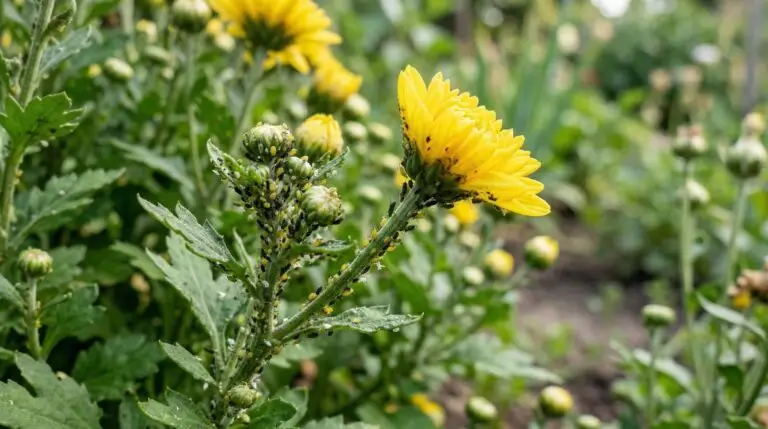
Chrysanthemum pest and disease guide including aphids leaf miners and white rust

Fall porch and front door displays using chrysanthemums pumpkins and autumn decor

How to pinch chrysanthemums for bushy plants loaded with fall flowers
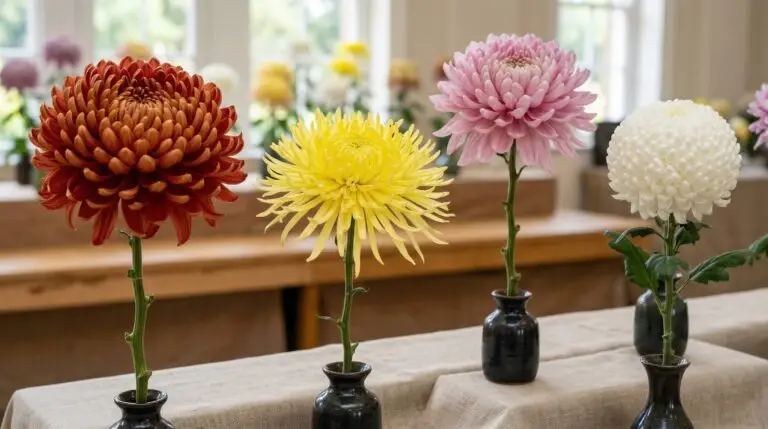
Exhibition chrysanthemums and the art of growing show-stopping single blooms
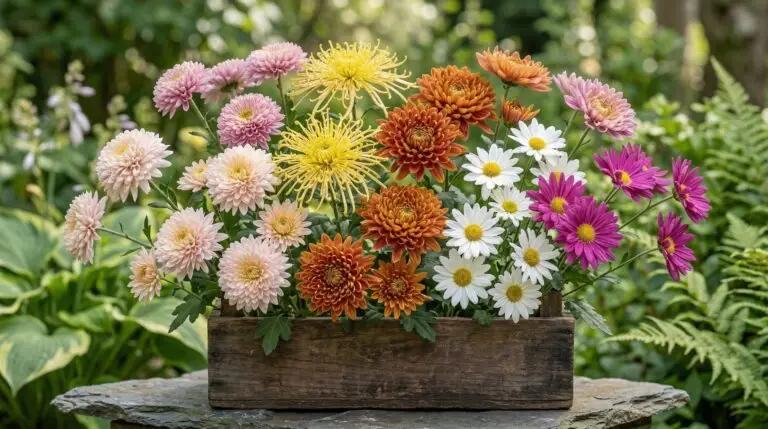
Hardy garden chrysanthemum varieties that survive winter and come back stronger
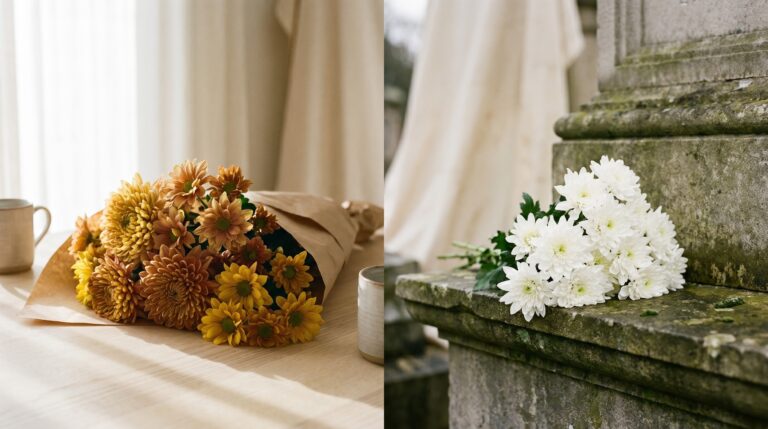
Chrysanthemum meaning, and why it says joy in one country and death in the next

How to divide chrysanthemums in spring for healthier plants and more blooms
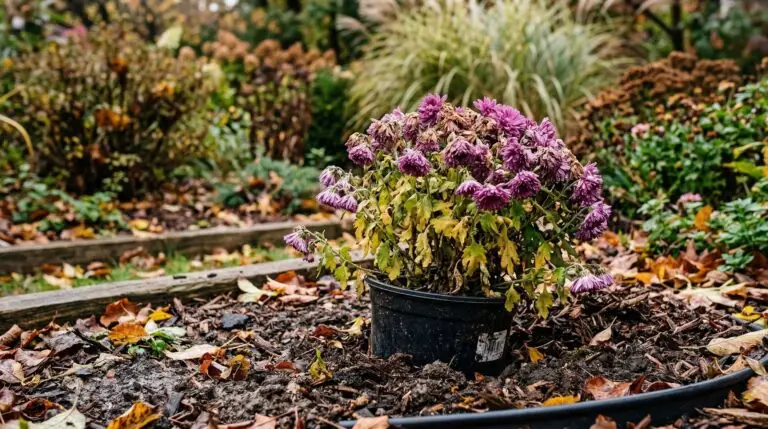
Growing garden mums as perennials instead of throwing them away every fall