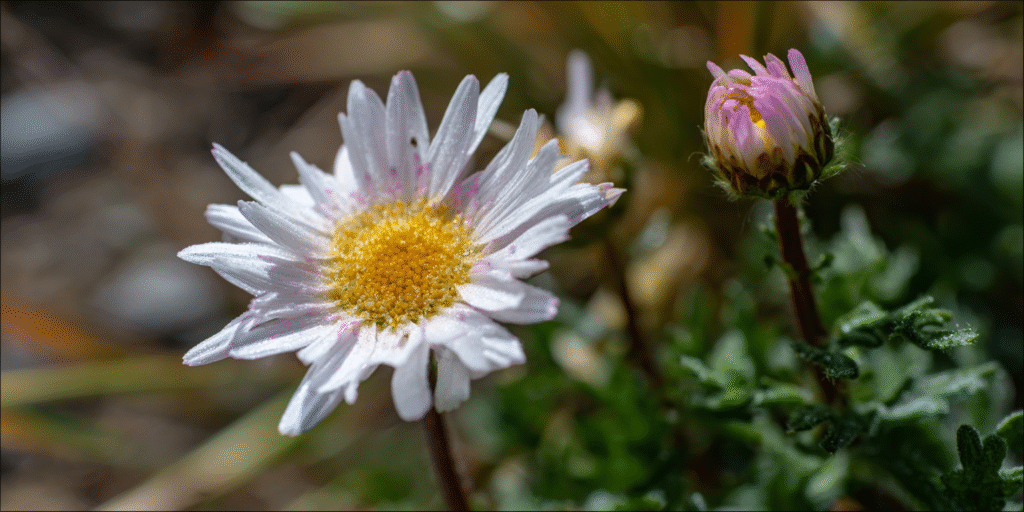
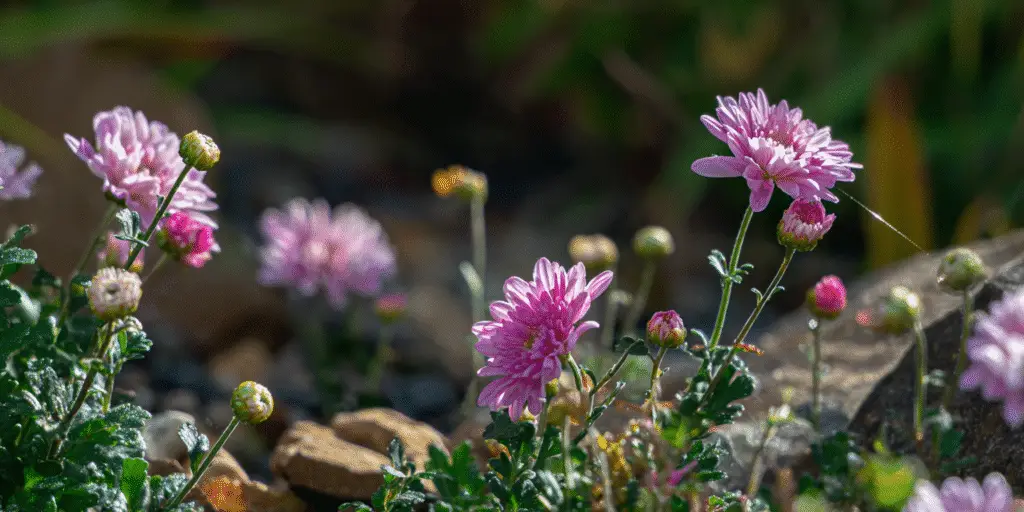

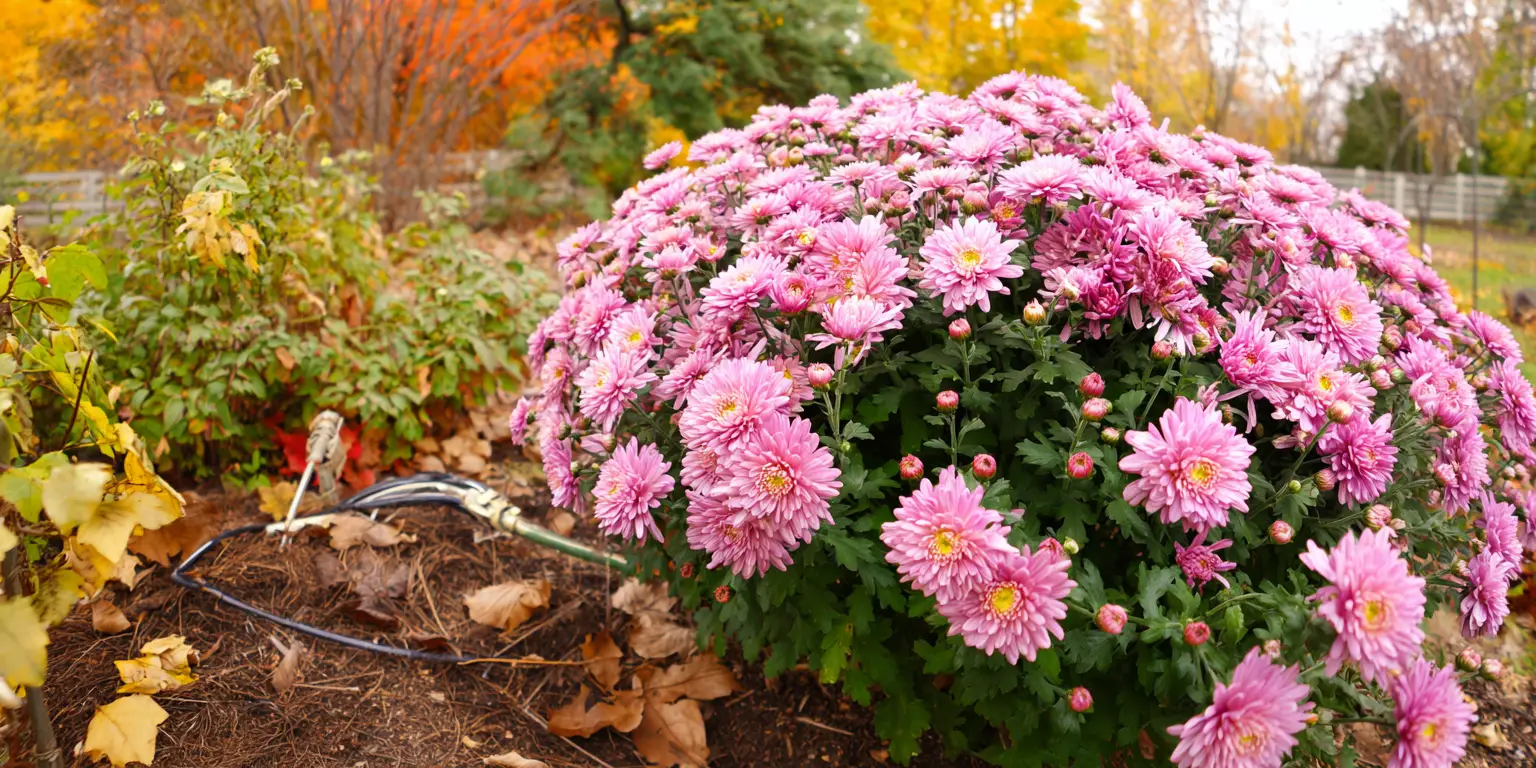
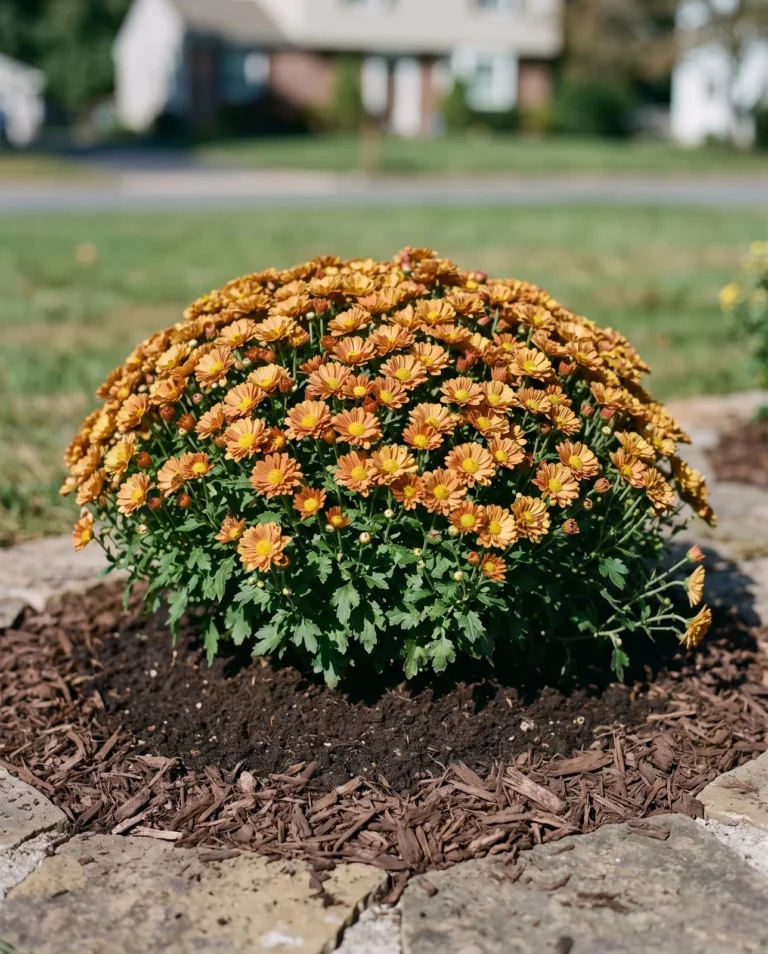




Chrysanthemum bloom time across the US
Interactive map
 See the interactive map
Drag the date and the bloom moves north across the country. Every point has its own window, and the map says where it has no records rather than guessing. Free, with nothing to sign up for. Open the chrysanthemum map.
City by city
Typical window, earliest first. Cultivars of the same flower can open days or weeks apart.
In the language of flowers
What chrysanthemum symbolizes
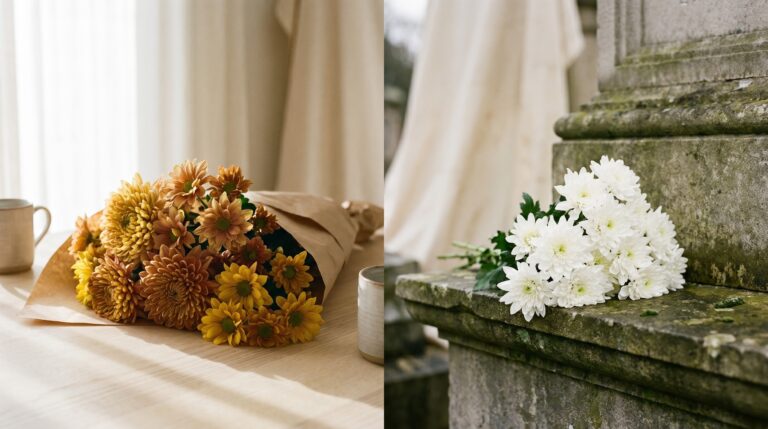
At its core the chrysanthemum means long life, friendship, joy, and loyalty, but the reading flips by country: warm longevity and good cheer across Asia and the United States, and a funeral and remembrance flower across much of Europe.
The Victorian reading. In the Victorian language of flowers it was read gently as cheerfulness, friendship, and rest, closer to the Asian long-life reading than to the European funeral one.
What to write on the cardFor a friend in the US or Asia: "To a long and happy life." (Avoid giving mums to anyone from France, Italy, or much of Europe, where they read as a funeral flower.)
Taxonomy and origin
The garden chrysanthemum belongs to the genus Chrysanthemum in the Asteraceae, the daisy and aster family, and nearly all modern cultivars trace to the complex hybrid Chrysanthemum x morifolium. Cultivation runs deep: the plant was grown in China well over two thousand years ago, prized as much for medicine and tea as for ornament, then refined in Japan, where it became an imperial emblem before reaching European gardens through Dutch and English collectors in the seventeenth and eighteenth centuries. Carl Linnaeus formally named the genus in 1753. Breeders have since pushed the species into thousands of named cultivars, which is why the same plant can look like a low cushion of button flowers or a single exhibition bloom the size of a fist.
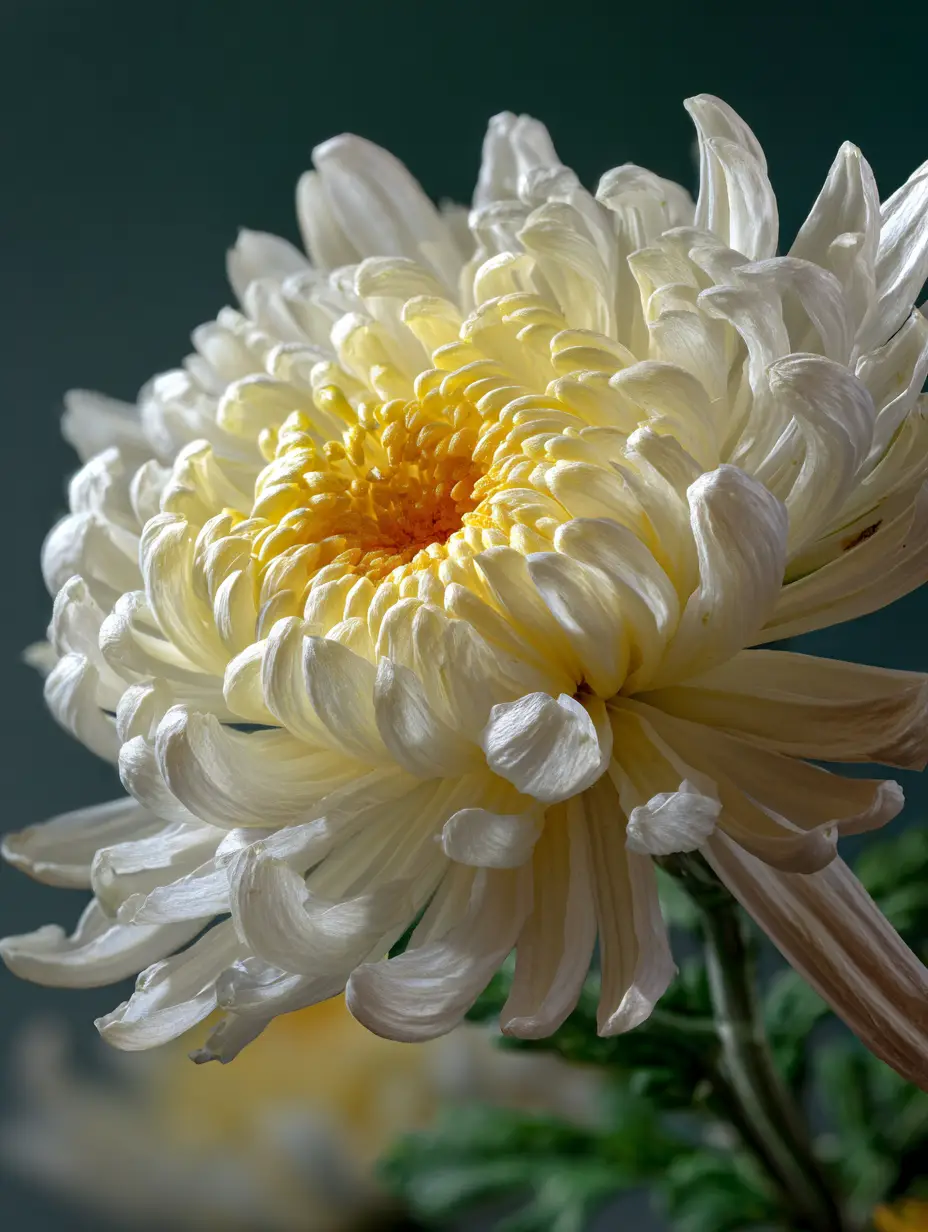
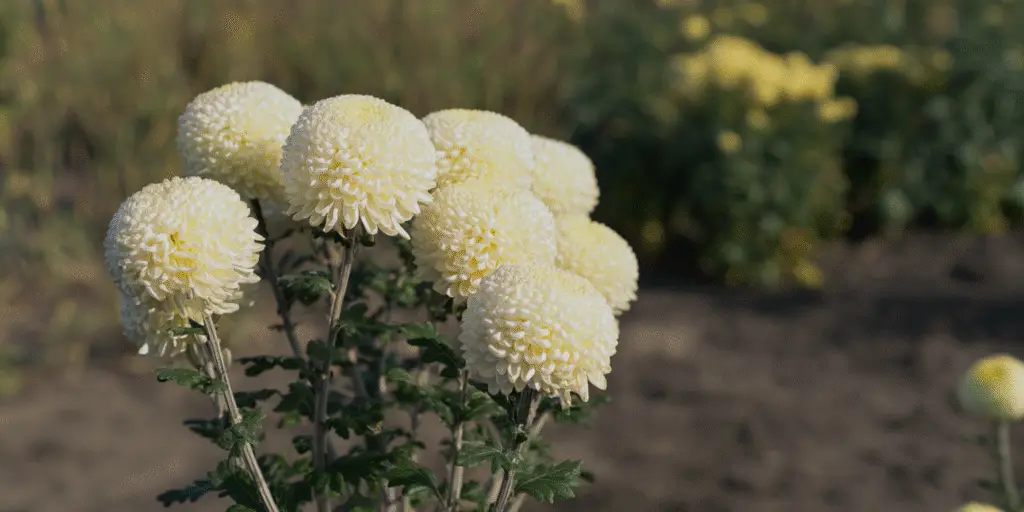
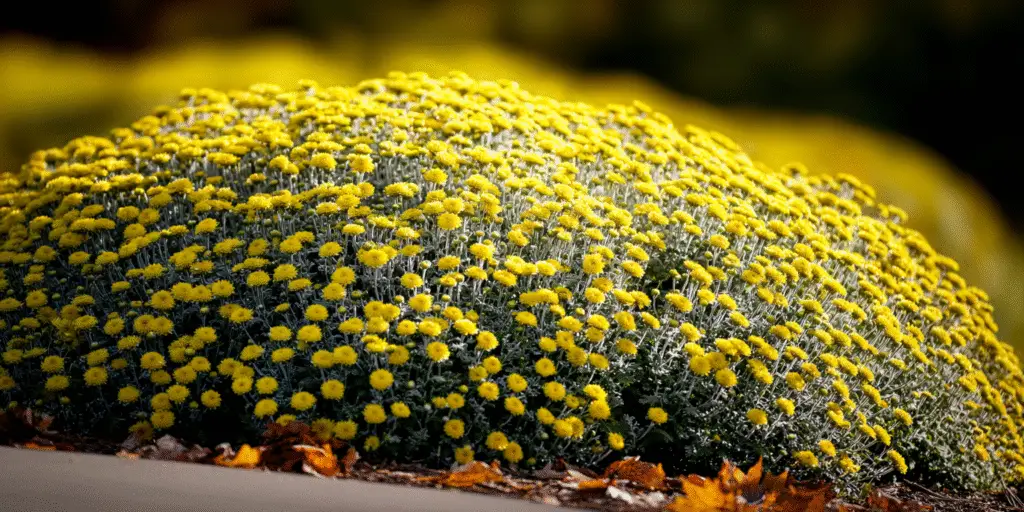
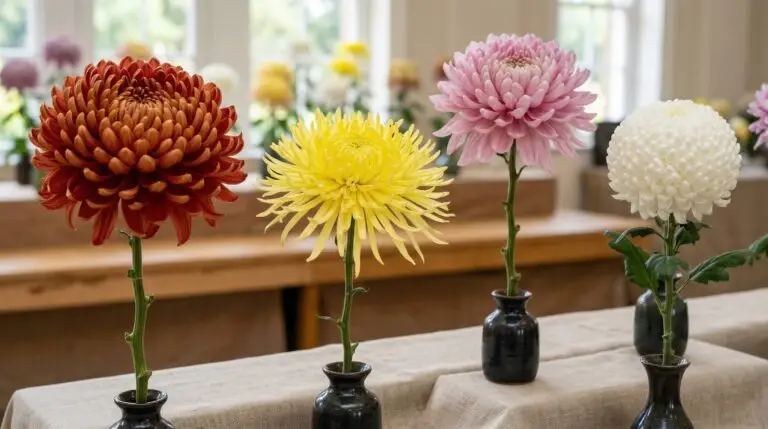
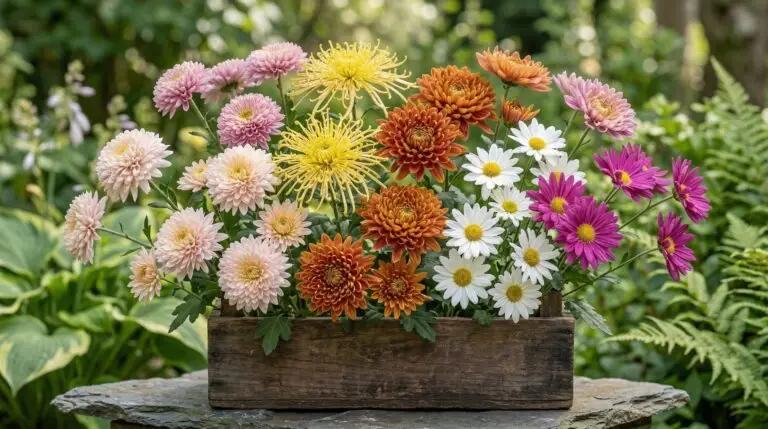
For practical purposes the cultivars sort into two groups that behave very differently. Garden mums, also sold as hardy mums, are the dense low mounds sold by the truckload each autumn; they are bred to survive winter in the ground and to return as perennials. Florist or cutting mums are the long-stemmed, large-flowered types grown under controlled light for the cut-flower trade and for indoor pots; they are spectacular but were never bred for cold hardiness and rarely survive a winter outdoors. The flowers themselves come in a wide range of named forms, from the low garden cushion types to decorative, pompon, spider, quill, and the big incurve and reflex exhibition blooms, which accounts for the enormous variation in flower shape from one mum to the next.
| Trait | Garden (hardy) mums | Florist (cutting) mums |
|---|---|---|
| Bred for | Garden perennial, cold hardiness | Cut stems, large blooms, indoor pots |
| Hardiness | About zones 5 to 9 | Tender, not winter-hardy |
| Comes back each year | Yes, if planted in spring and mulched | No, treat as a one-season plant |
| Habit | Dense low mound | Tall, long-stemmed, single large flowers |
The one label that decides whether the plant has a second year
Almost every chrysanthemum disappointment traces to a single distinction that the point of sale hides: whether the plant in the pot was bred for a landscape or for a display. Iowa State Extension puts the tell in one sentence, that mums available in spring and out of bloom at purchase are winter hardy while those sold in full bloom in summer and fall are not hardy garden cultivars. Beyond that split, the growth-habit groups below come from the University of Minnesota's Minnesota Hardy programme, the oldest public-sector mum breeding programme in the world and the only one in North America, which is a different axis from the flower-form classes and the one that predicts the plant's shape and size.
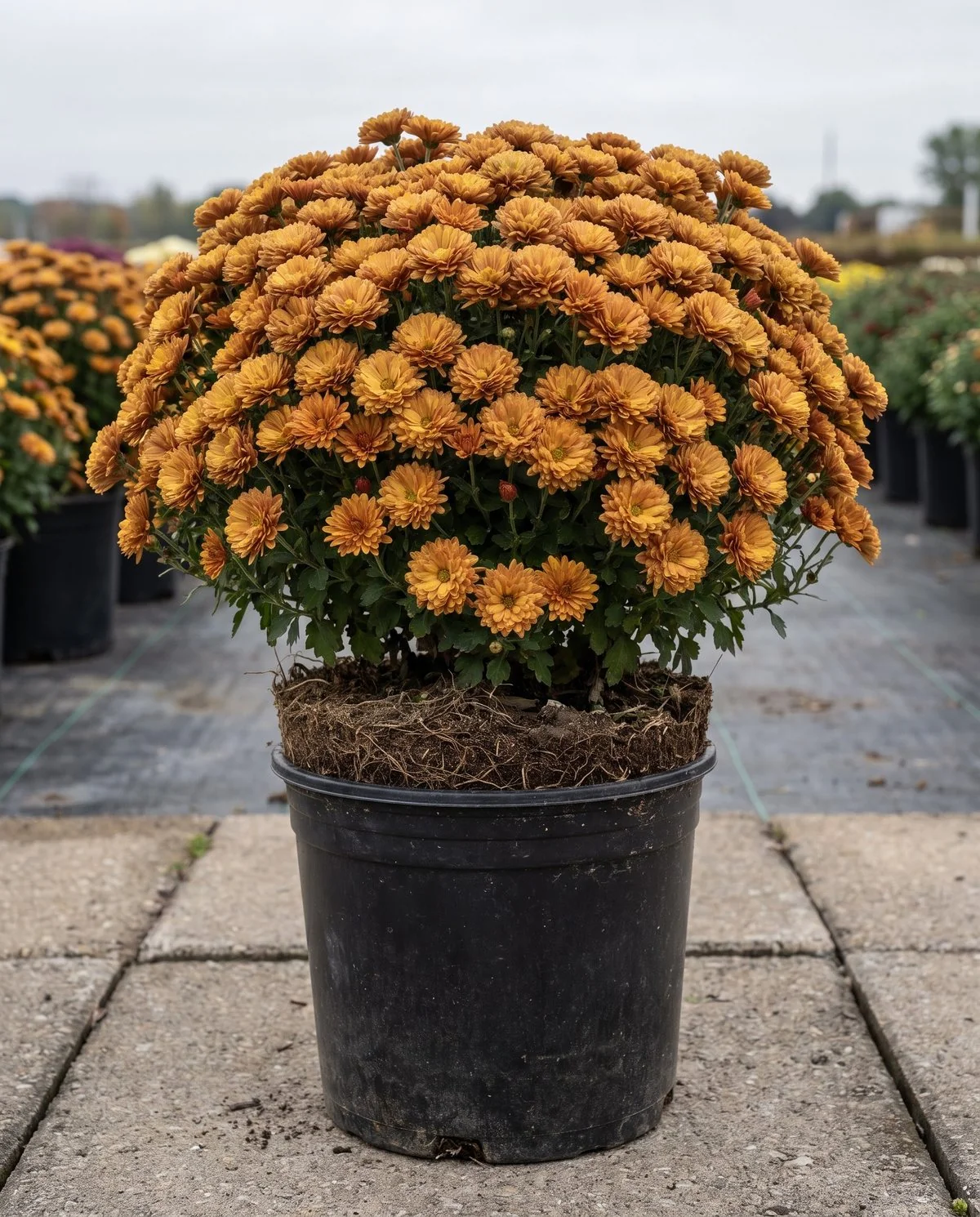
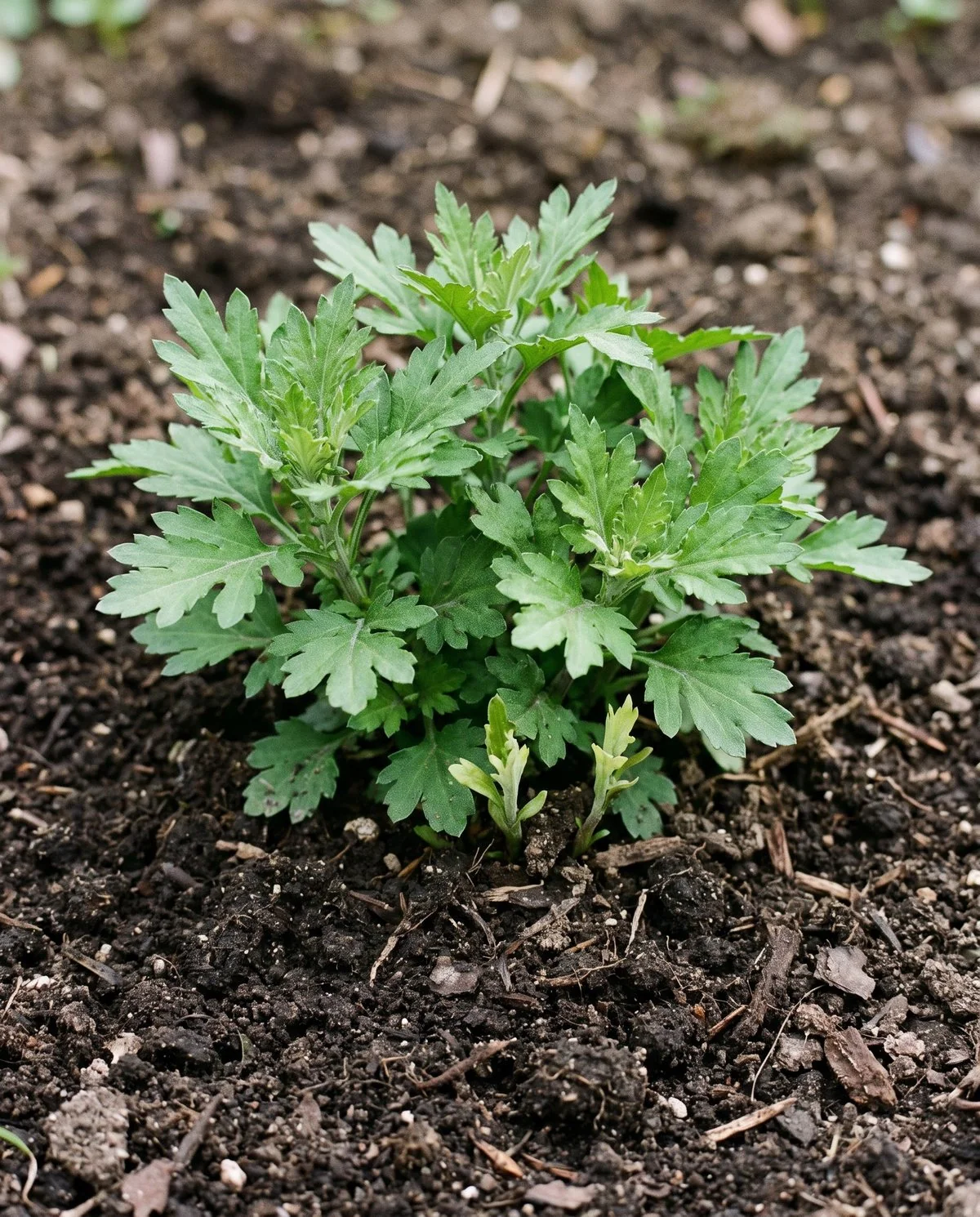
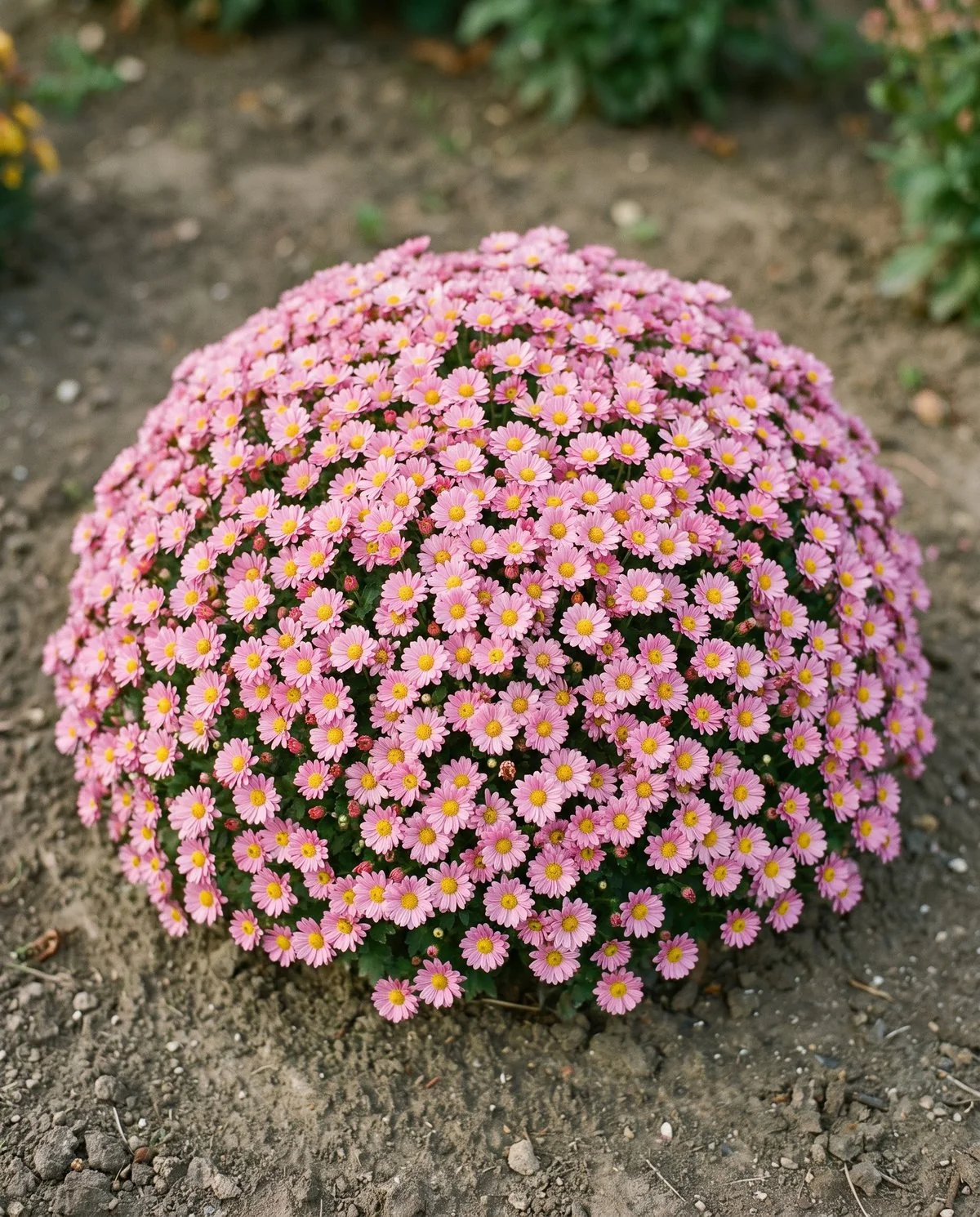
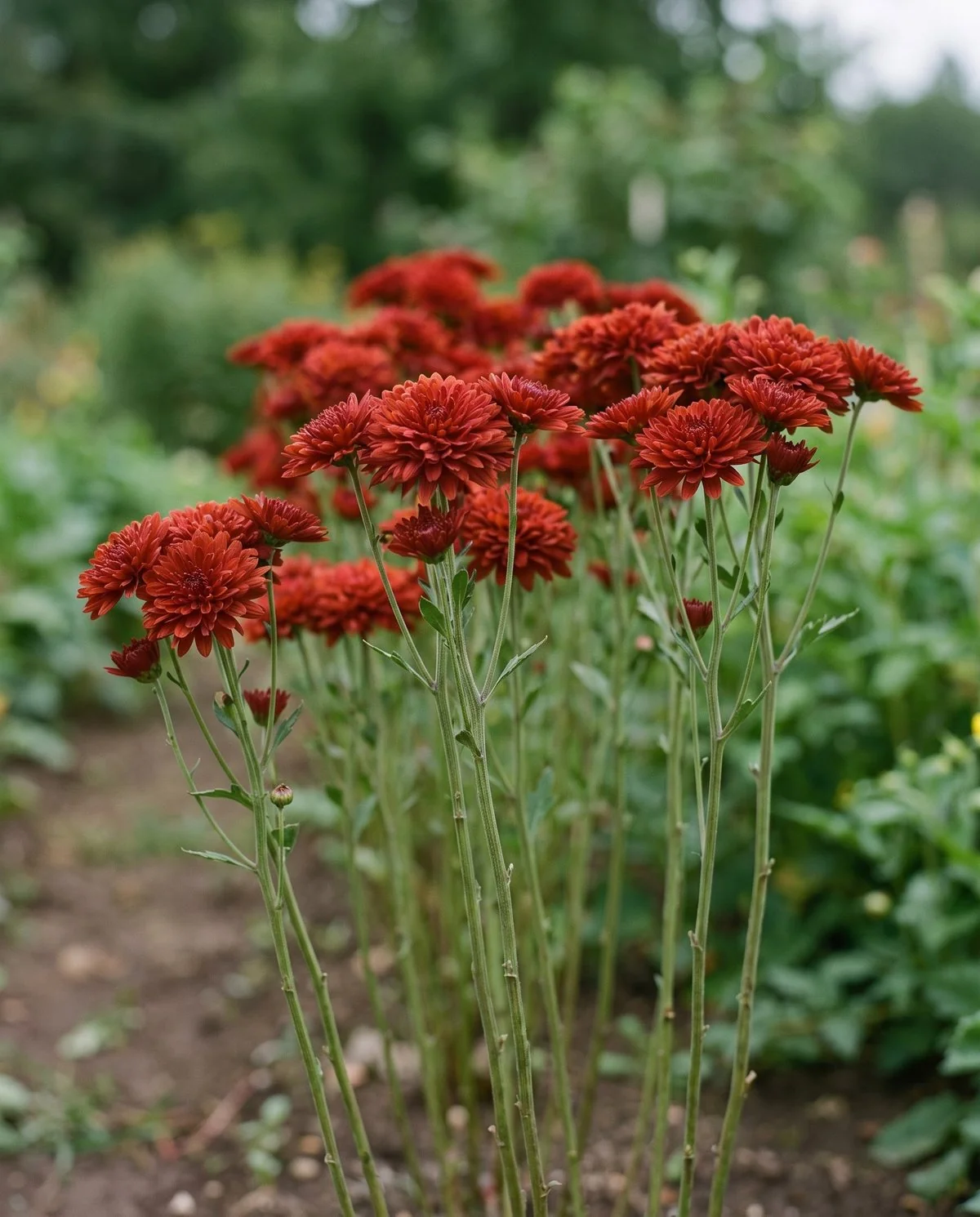
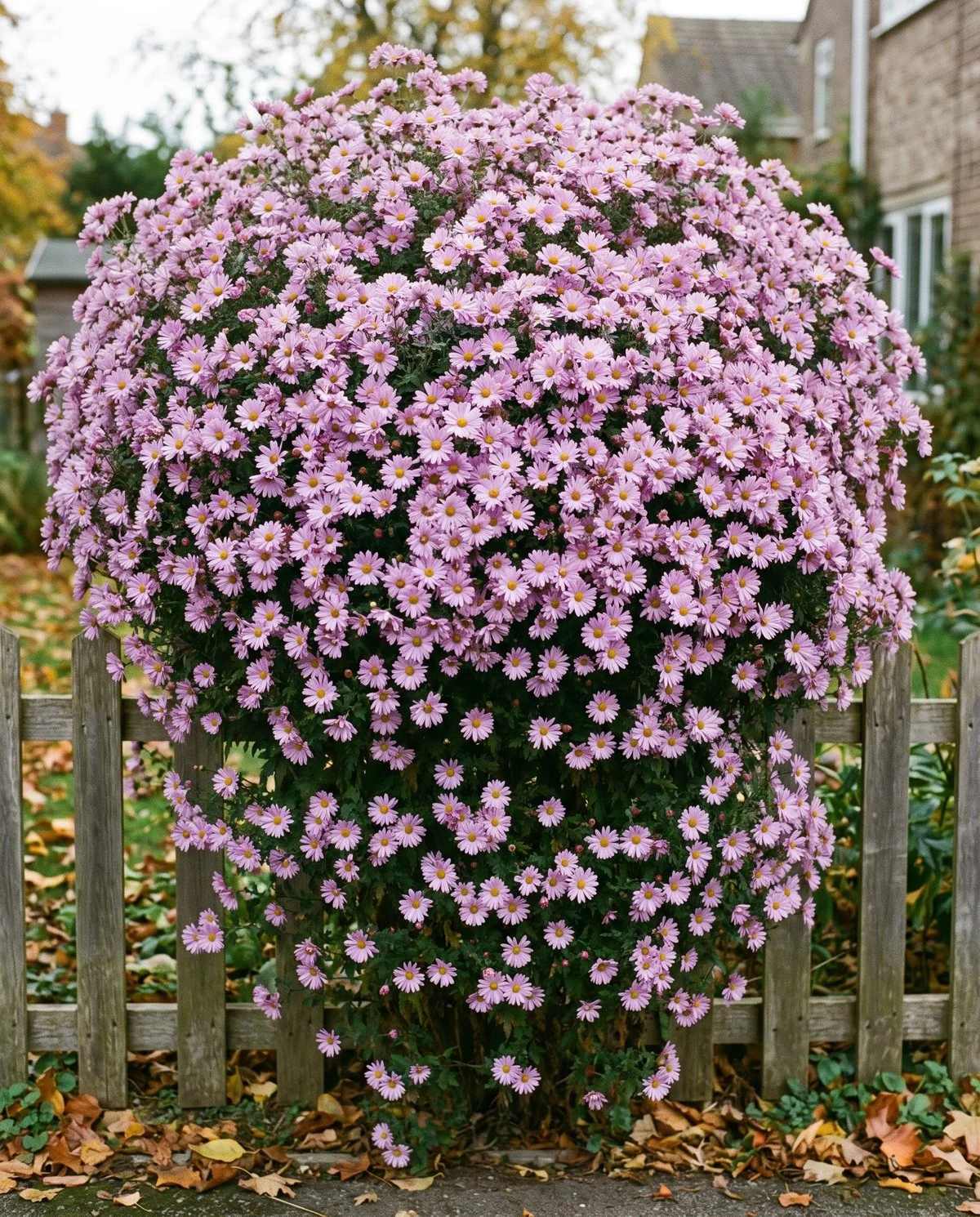
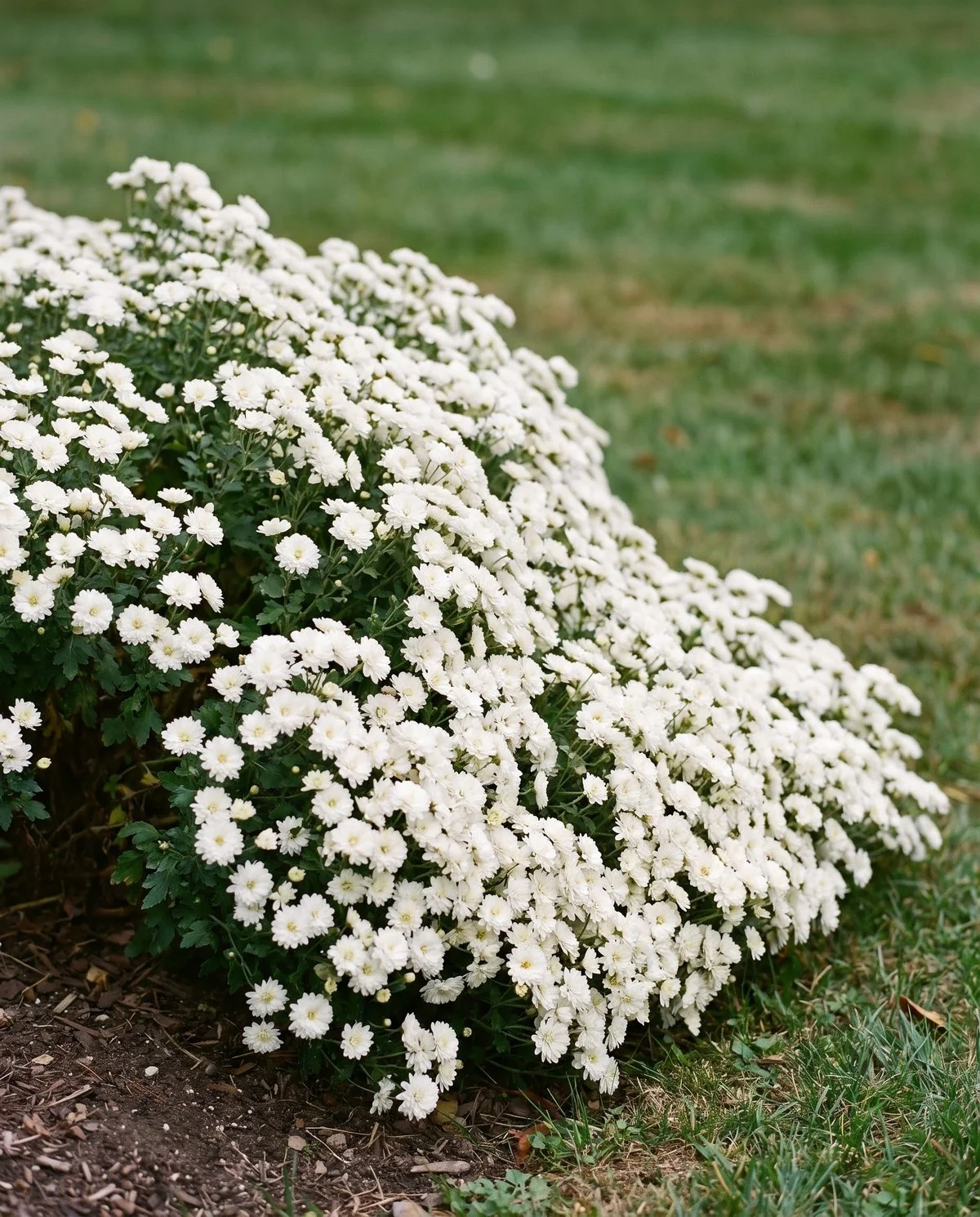
The flower-form vocabulary is a separate system again, and worth being able to read on a tag. The National Chrysanthemum Society's thirteen bloom-form classes, restated identically by Missouri Botanical Garden and the New York Botanical Garden, run Irregular Incurve, Reflex, Regular Incurve, Decorative, Intermediate Incurve, Pompon, Single and Semi-Double, Anemone, Spoon, Quill, Spider, Brush or Thistle, and Exotic. Missouri Botanical Garden attaches practical notes to them: Irregular Incurve is the largest of all the classes and needs staking, Regular Incurve is the compact football mum that carries only three to five flowers per plant, Decorative is the class that works as both a cut flower and a garden mum, Pompon and Quill suit cutting, Spider is the Fuji mum grown as a disbud with one bloom per stem, and Brush or Thistle is a filler that never opens flat. Cascade mums sit outside the thirteen classes altogether, a trailing habit trained over wire supports, propagated from stock plants held under continuous light through winter and sheared for the last time around July 15 for a mid-October bloom. One buying caution runs across all of it, in Missouri Botanical Garden's own words: the term hardy has been used sometimes inappropriately, and even the most hardy varieties may not make it through a severe winter of subzero temperatures.
Bloom time
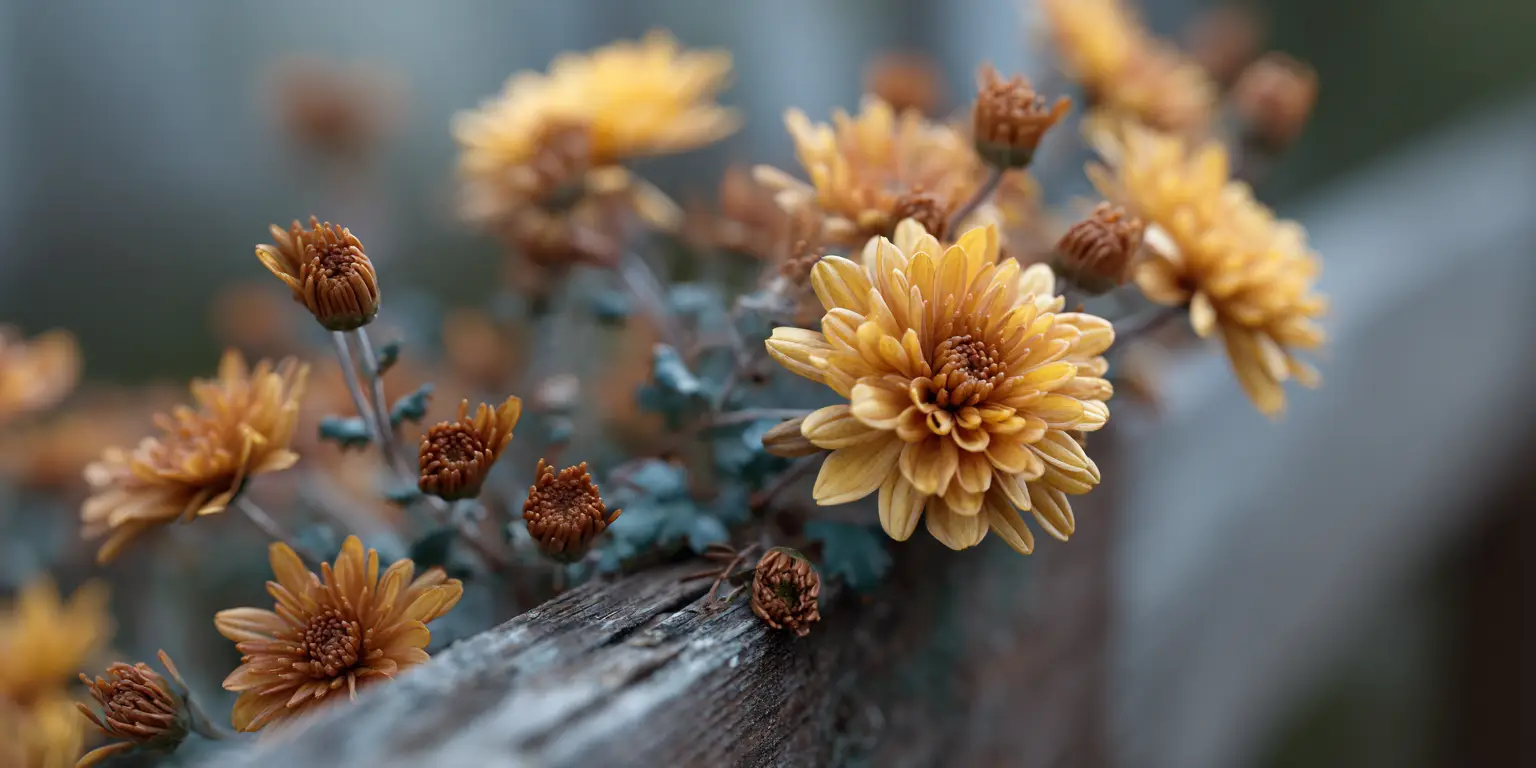
Mums are the classic fall flower, and the reason is biological rather than coincidental. They are short-day, or long-night, plants: flower buds form only once the nights grow long enough in late summer, which is why most garden mums color up from September into October, with early cultivars opening in late August and late ones holding into November. A single well-grown plant carries its display for several weeks, and the flowers shrug off the first light frosts that finish softer annuals. Because the trigger is night length rather than temperature, stray artificial light near the plant, from a porch lamp or a street light, can delay or scatter the bloom by interrupting the long dark period the flowering depends on. The same mechanism is what commercial growers manipulate under blackout cloth to force potted mums into flower at any time of year.
Year one, the fork in year two, and what division is actually for
Year one asks almost nothing of the buyer: a garden mum planted at a reasonable time in full sun and well-drained soil will flower that first fall, with the timing and the flower shape following from the class on the tag. Year two is the fork, and the most candid framing available comes from Missouri Botanical Garden, which attributes the variation between cultivars to their complex genetic makeup and states that even labelled-hardy plants can fail a severe winter. Virginia Cooperative Extension gives the closest thing to a rule: garden mums with deep root systems, planted early enough to establish before frost, are perennial from zones 4 to 9, while florist mums, however they are planted, are reliably hardy only in zones 7 to 9. No verified survival percentage exists behind any of this. The one specific-sounding statistic that surfaced during this research, a 68 to 73 percent figure for zone 5b attributed to the University of Minnesota, could not be traced to any real page and is excluded as a likely fabrication, which leaves the honest answer as three variables rather than a number: whether the plant is genuinely a garden mum, how early it went in, and how hard the winter runs. For a plant that does establish, year three onward is a maintenance story rather than a decline story. Iowa State Extension and Missouri Botanical Garden both put division at every two to three years, once the centre of the clump starts losing vigour, which is the same mechanism an ageing crowded root mass produces in any perennial rather than a fixed clock running out. The structural problem sits at the point of sale rather than in the plant: a buyer walking into a big-box store in September is shopping, by definition, in the group least likely to overwinter, which is what stands behind both the 16.3 percent of the sample asking whether their mums will come back and the poster who found a tray labelled not winter hardy in which all but one plant survived and grew incredibly big.
Height and spread
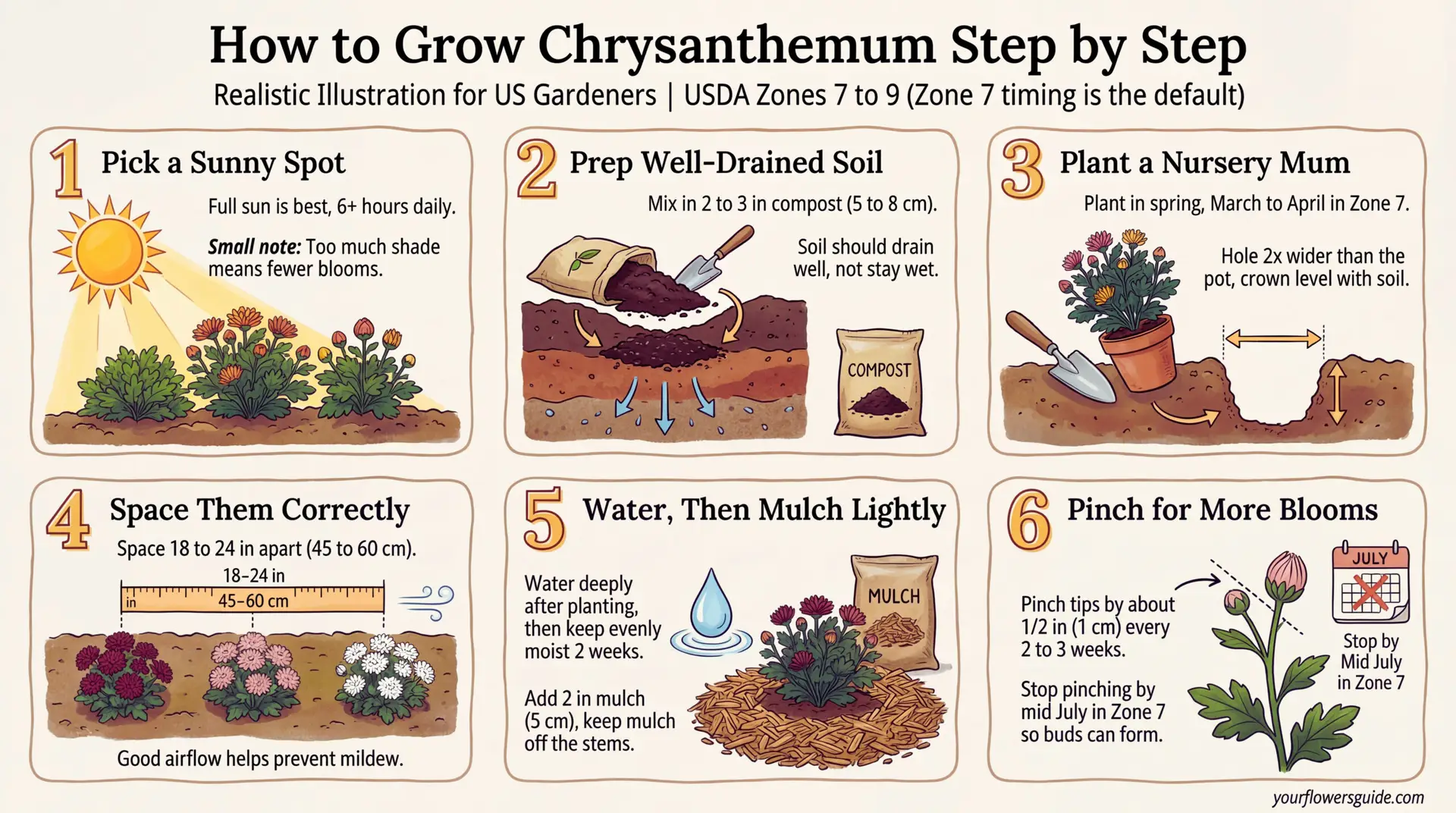
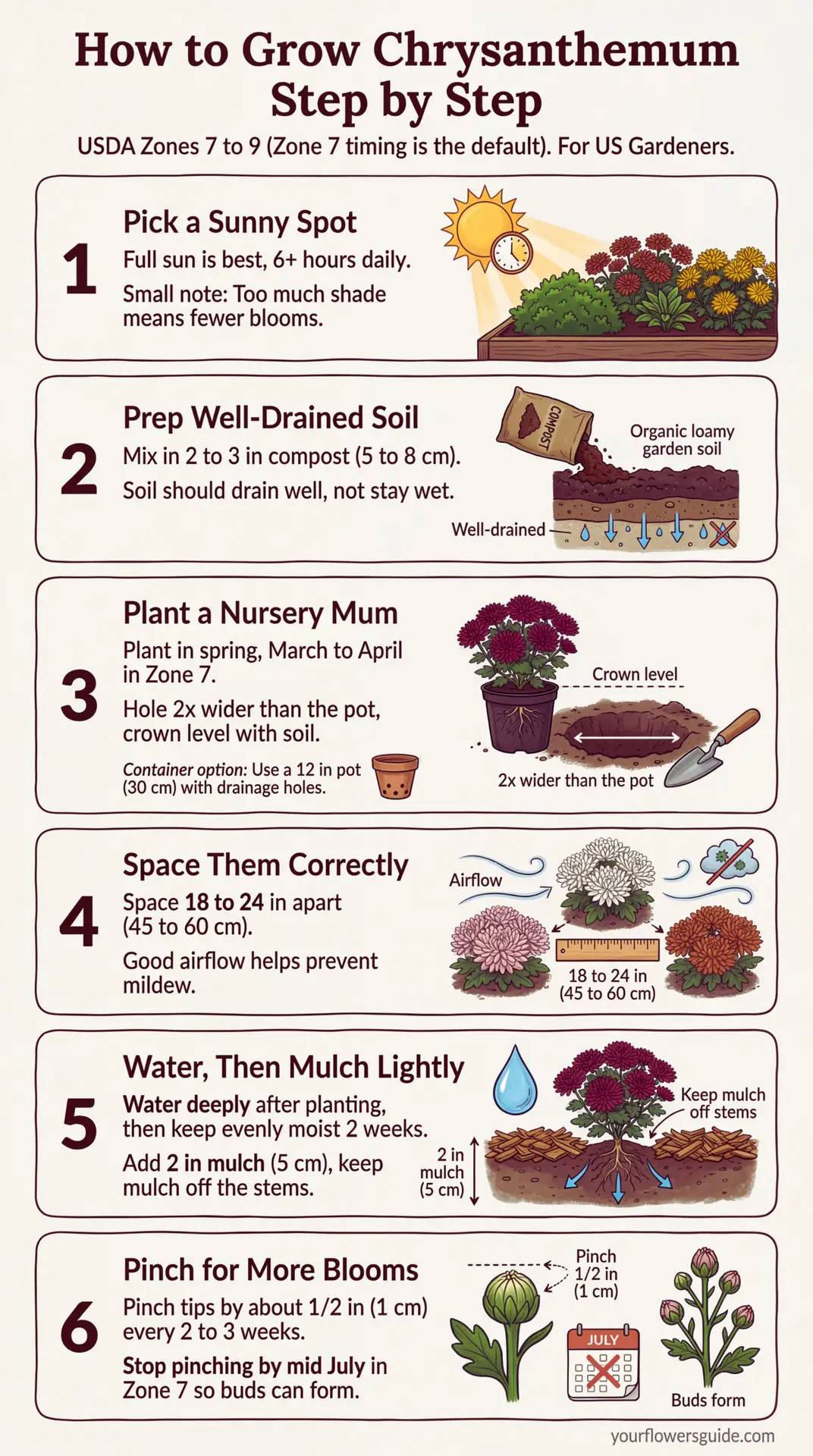
Size depends entirely on type. Dwarf cushion mums stay 6 to 12 inches tall and spread a foot or two, making them the workhorses of fall containers and front borders. Standard garden mums reach 1 to 2 feet in both height and width, while exhibition and florist types can climb to 3 feet or more on staked stems. A garden mum left in place will broaden into a clump 2 to 3 feet across over a few seasons, so set young plants 18 to 24 inches apart, or 12 to 18 inches for compact cushion varieties, to leave room for the mounding habit and the airflow that keeps foliage disease at bay.
Light
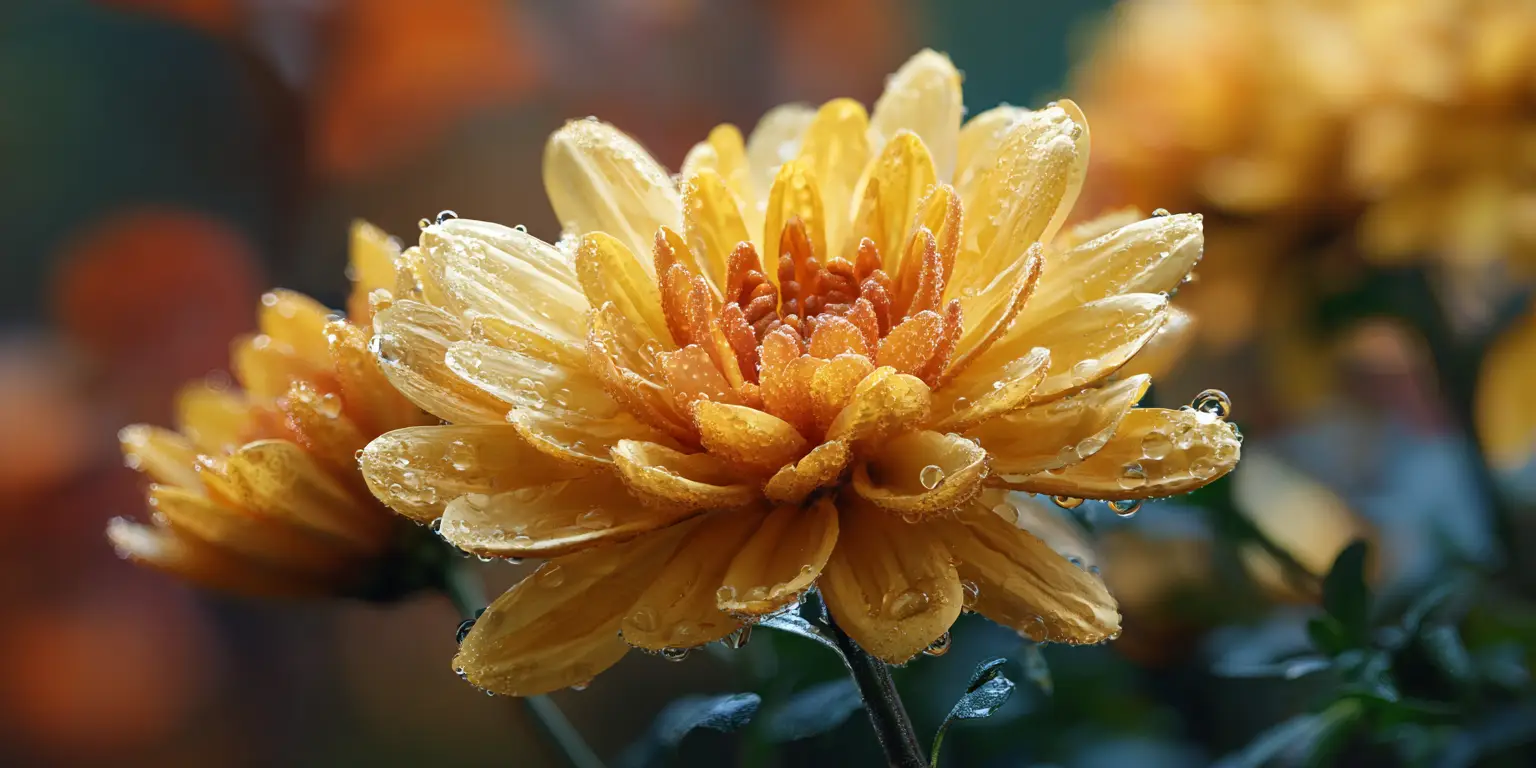
Full sun is the first requirement for a thick, flower-covered plant. Mums want at least six hours of direct sun a day, and they perform best with more; in too much shade they stretch, grow leggy and floppy, and set far fewer buds. Morning sun with light afternoon shade is acceptable in hot southern climates, but anything approaching real shade trades away the dense form that makes a mum worth growing. Light intensity drives the plant’s vigor and bud count, while it is night length, not brightness, that actually triggers flowering, so a plant grown indoors needs a bright window or supplemental grow lights and should still be kept away from lamps that burn into the night during the budding period.
Water
Mums have shallow, fibrous roots and dislike both drought and waterlogging, so steady moisture matters more than heavy soaking. Through the growing season they want roughly an inch of water a week, increased to two or three waterings a week in the heat of summer and the run-up to bloom, since drought stress at that stage can sharply reduce the flower count. Water at the base rather than overhead to keep the foliage dry and discourage leaf disease, and aim for soil that stays evenly moist but never soggy. Plants in pots dry out fast and should be checked daily in warm weather, watering whenever the top inch of mix feels dry; chronic overwatering, by contrast, suffocates the roots and invites rot.
Four claims worth pinning down
The myth: A newly bought mum that stays floppy needs more water.
The reality: Floppy foliage looks identical whether the cause is too little water or too much, which is why watering confusion is its own 5.4 percent theme in the sample and overlaps the 7.2 percent wilting theme. Store-bought mums are frequently pot-bound with a root ball dry enough to repel water rather than absorb it, so the check is the root ball itself: water until it runs from the drainage holes, then let the top inch dry before watering again. One poster described watering every day for days while the leaves refused to perk up, which is the signature of the pot rather than the schedule.
The myth: The word hardy on the tag means the plant will survive winter.
The reality: Missouri Botanical Garden says otherwise, unprompted and in its own words: the term hardy has been used sometimes inappropriately, gardeners should be cautious about believing that all mums are winter hardy when stated so, and even the most hardy varieties may not make it through a severe winter of subzero temperatures. There is a structural reason the label keeps failing buyers. Iowa State Extension notes that spring-sold, unbloomed mums are the hardy garden type, while the fall-sold, already-blooming plants that make up most of what garden centres stock, because customers want instant colour, are disproportionately florist stock never bred for landscape survival.
The myth: Properly overwintered hardy mums in zone 5b survive at 68 to 73 percent and set 30 to 50 percent more flower buds the following season.
The reality: No such figure exists. It surfaced in an AI search summary during this research, and none of the source pages that summary cited contain it, nor does it appear anywhere on the University of Minnesota's own Minnesota Hardy programme pages, which were read directly. It is recorded here because the number is specific enough to sound checked. The honest answer to how likely a supermarket mum is to overwinter is that no percentage was found from any real source, and the outcome turns on whether it is actually a garden mum, how early it went into the ground, and how severe the winter is.
The myth: Mums must be pinched until exactly July 4.
The reality: A good memory aid and the wrong deadline for most of the variety list. Missouri Botanical Garden's own table sets the last pinch by bloom time: mid-June for varieties that flower mid-September, around July 1 for early-October bloomers, and no later than July 15 for the latest, on the stated rule that about three months is required between the last pinch and bloom. Independence Day sits in the middle of that range, which is presumably how it became the folk date, and a grower with a known late cultivar who stops there stops as much as two weeks early. Iowa State publishes the simplified version, do not pinch after Independence Day, as exactly that.
Soil and pH
The non-negotiable soil trait is drainage. Mums rot in heavy wet ground, so a fertile, loamy bed enriched with compost or well-rotted manure suits them best, and stubborn clay should be lightened with organic matter or replaced with a raised bed. They prefer slightly acidic to neutral soil, around pH 6.5 and comfortable anywhere from 6.0 to 7.5. As moderate feeders, they respond to a balanced slow-release fertilizer worked in during spring growth, but feeding should taper off by late summer, since a late flush of nitrogen pushes soft leafy growth at the expense of the buds and can leave the plant less able to harden off for winter.
USDA hardiness
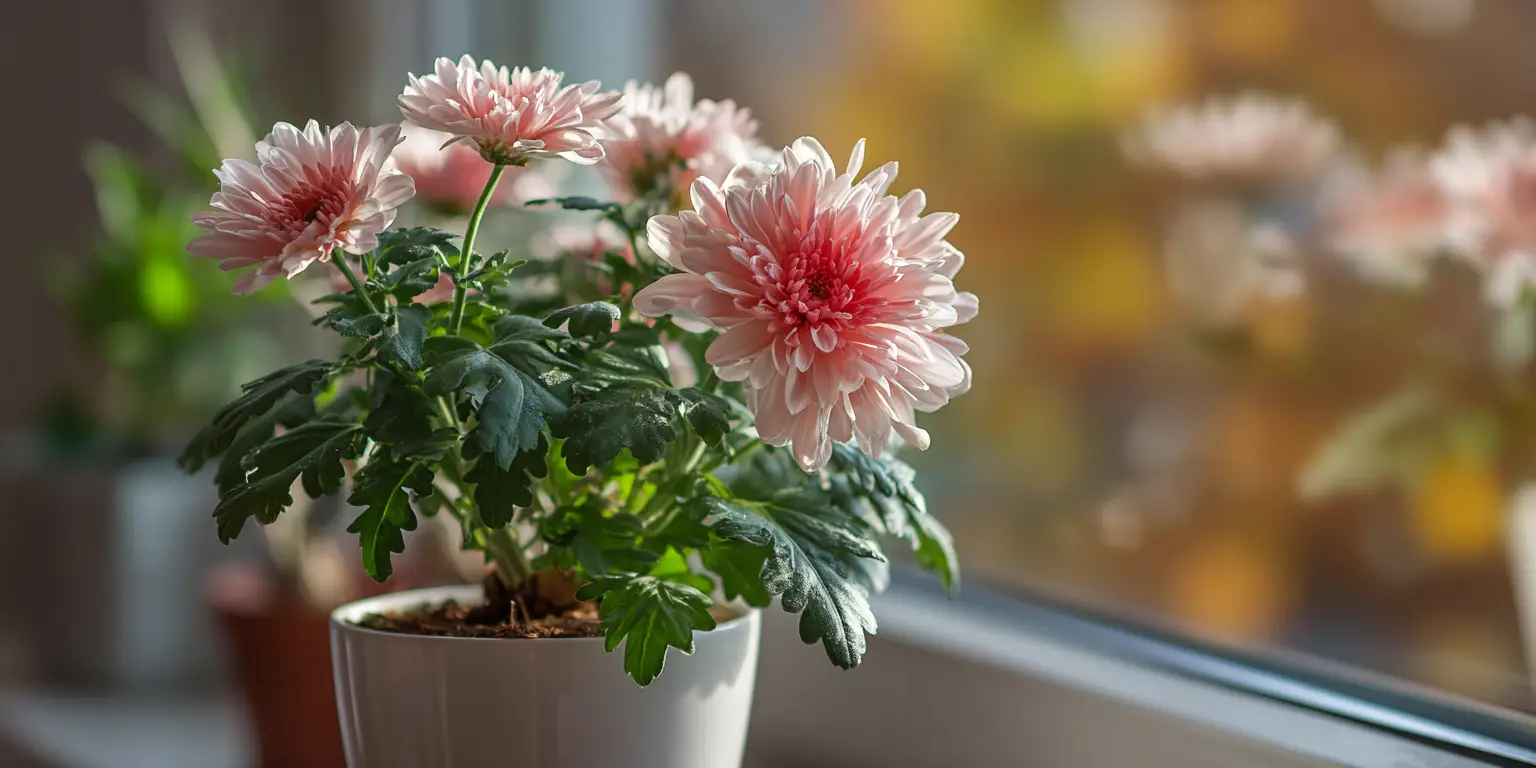
This is where most mum disappointment begins, and where the garden-versus-florist distinction does the most work. Hardy garden mums survive in the ground across roughly USDA zones 5 through 9, and a few tough cultivars hold on in zone 4 with protection; in zone 3 and colder they are treated as annuals. Florist mums are far more tender and not bred for winter hardiness, which is why a gorgeous potted florist mum brought home in autumn should be enjoyed as a seasonal decoration rather than a future perennial. Even a properly hardy garden mum needs help to return: leave the dead stems standing through winter to trap snow and insulate the crown, and apply a loose 4-inch mulch of straw or shredded leaves only after the ground has frozen, which keeps the soil cold and stable rather than thaw-heaving the shallow roots. Cut the old growth back to a few inches in early spring as new shoots emerge.
The dates and thresholds two extension services actually publish
Chrysanthemum timing is written against frost dates and bloom times rather than as a month per zone, so this block gives the figures as Iowa State Extension, Virginia Cooperative Extension and Missouri Botanical Garden each published them, including the two places where they disagree. The disagreements are real and are left visible.
Planting a fall-bought mum so it returns
A mum bought in bloom in fall can be planted out, and the date it goes in decides almost everything that follows. Roots need time in warm soil before the ground freezes, which puts the useful window at late August into early September in most of the hardy range. The catch is that garden centers are full of mums in October, weeks after that window closes, and a plant set out then is rooting into cooling soil against a deadline it cannot meet.
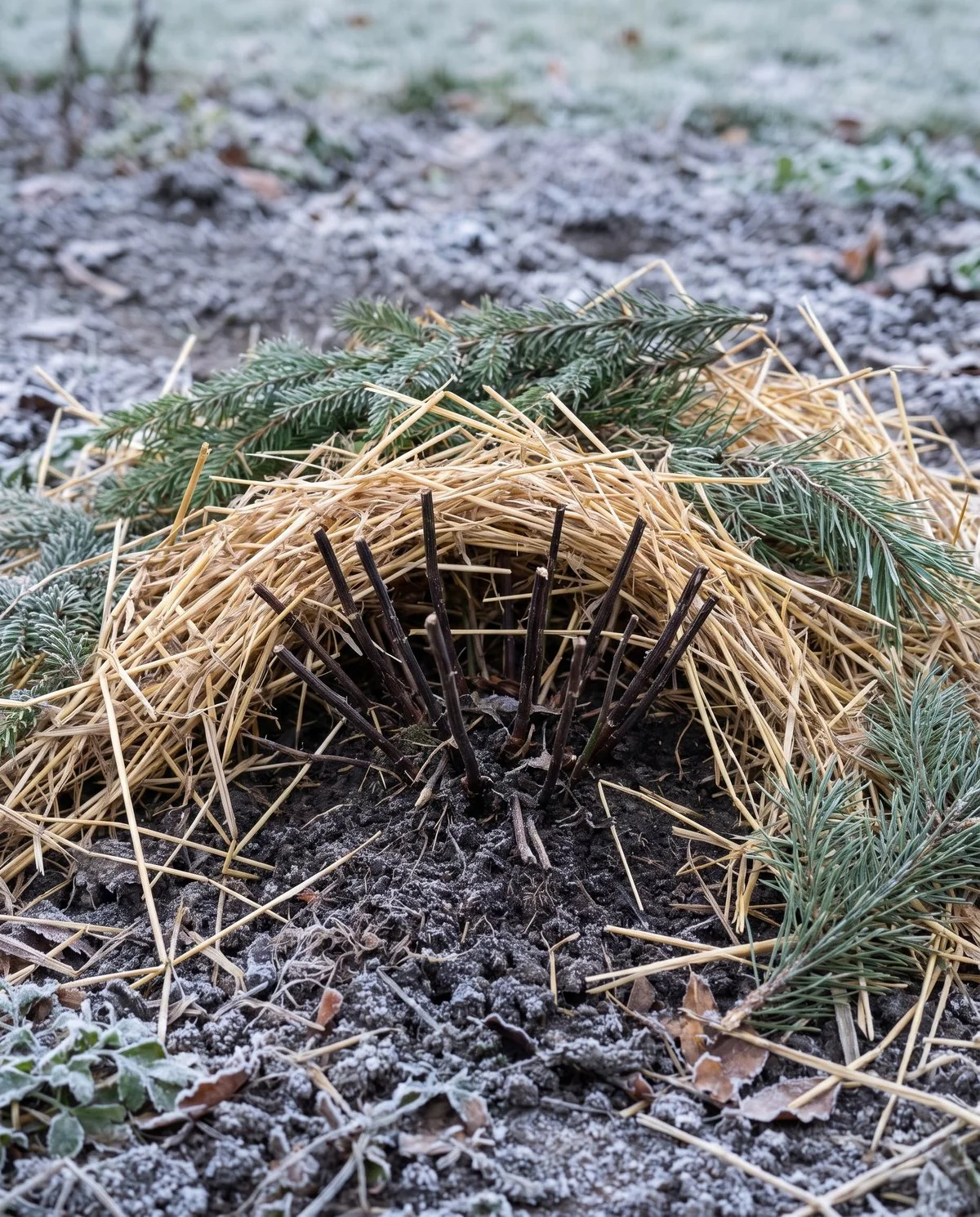
What kills a late-planted mum is rarely the cold itself. It is heaving: soil that freezes and thaws through the winter lifts a shallow-rooted plant, and the exposed roots dry in winter wind. Every week of rooting time before the first freeze reduces that risk. Through the first winter, leave the dead top growth standing rather than cutting it back, since it traps air and insulates the crown, then lay three to four inches of light, airy mulch over the crown once the ground is cold. Pine needles or loose straw work; anything that packs down wet does not.
Two smaller things decide the odds as well. Cold tolerance varies between cultivars even inside the hardy zones, so a plant that returned for a neighbor is no guarantee. And a spot chosen in October can be a different spot in July, when trees are in full leaf: mums want at least six hours of direct sun through the growing season, and a fall-bright corner that goes shady in summer will produce a thin, leaning plant even if it survives.
Propagation and longevity
The most reliable way to keep mums vigorous is division: lift and split the clump every two or three years in spring, replanting the strong outer growth and discarding the woody center, which rejuvenates the plant and multiplies your stock for free. Stem cuttings of 3 to 4 inches taken in late spring or early summer root within a few weeks, and while seed is possible, hybrid mums do not come true from it. A well-tended garden mum can live for many years, though clumps left undivided lose vigor and flower quality after three to five years.
Pinching belongs here too, because it is the single technique that separates a tight, flower-smothered mound from a sparse, floppy one. Starting in late spring when the new growth is about 6 inches tall, pinch or cut off the top half-inch to inch of every shoot, then repeat every few weeks as the plant regrows, stopping by around the Fourth of July to mid-July so the plant has time to set buds for fall. Each pinch removes the dominant tip and forces two or more side shoots in its place, so a few rounds turn a single stem into a dense, branching dome with many times the flower count, and it keeps the plant compact instead of leggy. Pinching after mid-July risks removing the developing flower buds and delaying or losing the fall display.
| Problem | Likely cause | Fix |
|---|---|---|
| Tall, floppy, few flowers | Never pinched, or too shady | Pinch every few weeks to mid-July; move to full sun |
| Did not return in spring | Planted in fall, roots never established | Plant in spring, water all season, mulch after freeze |
| Blooms late or sparse | Stray night light near the plant | Remove artificial light during late-summer budding |
| Sudden wilting or rot | Soggy, poorly drained soil | Improve drainage, water at the base, ease off watering |
Fragrance
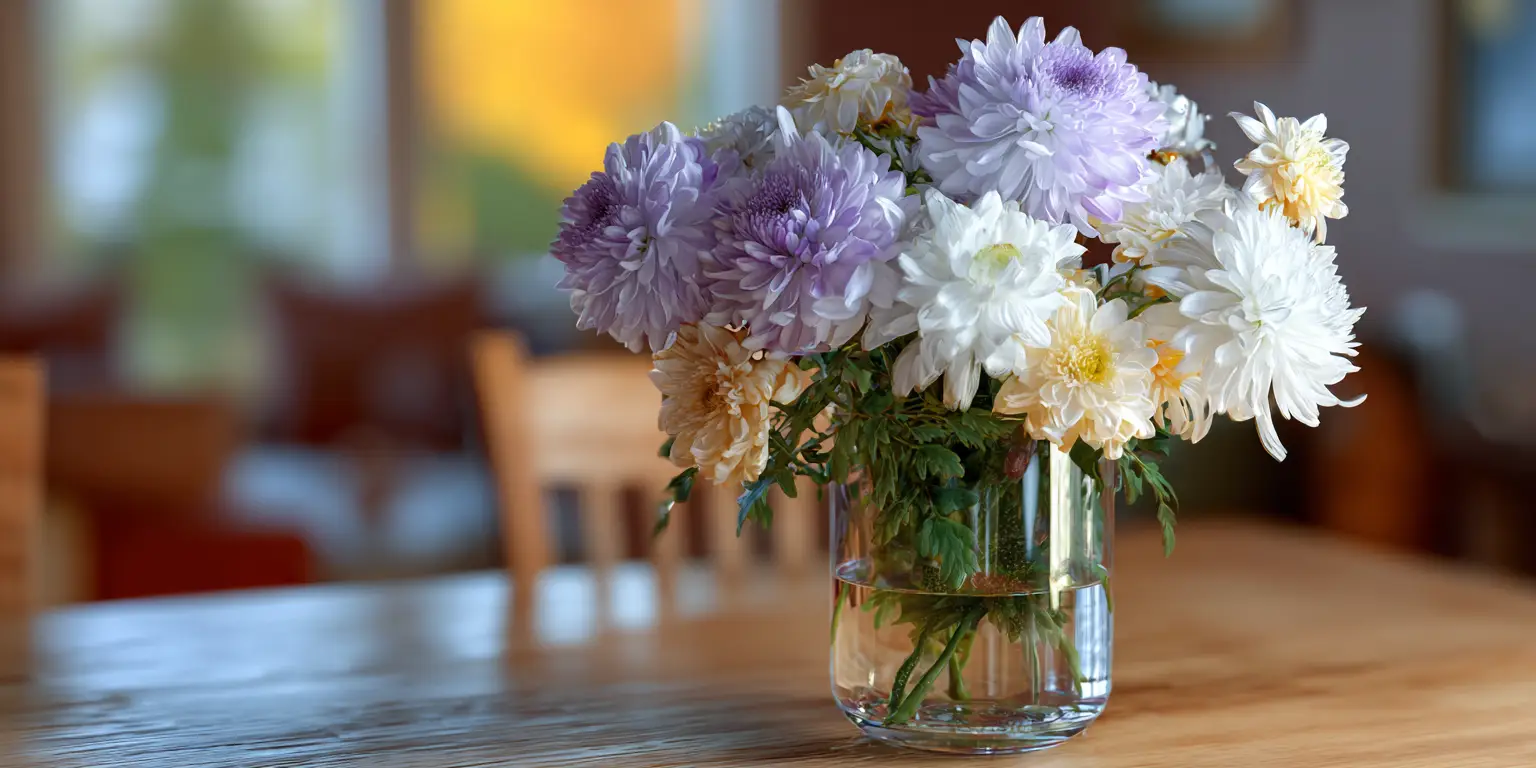
Chrysanthemums are grown for color rather than scent. The blooms carry only a faint, slightly musky or earthy smell that most people barely register, while the foliage releases a stronger, distinctly herbal or medicinal odor when bruised or brushed against, a trait tied to the same aromatic compounds that make the plant unpalatable to many pests. Dried chrysanthemum flowers are brewed as a mild tea in parts of East Asia, though garden cultivars are ornamental rather than culinary.
Toxicity and pet safety
Chrysanthemums are toxic to cats, dogs, and horses, according to the ASPCA. The responsible compounds are pyrethrins along with sesquiterpene lactones and other irritants, and a pet that chews the plant may show vomiting, diarrhea, drooling, and loss of coordination, while skin contact with the sap can cause dermatitis. The reaction is usually moderate rather than life-threatening, but it is worth keeping potted mums out of reach of curious animals and steering pets away from garden plantings; anyone whose pet has eaten a mum and seems unwell should call a veterinarian. People with plant sensitivities can also react to the sap, so gloves are sensible when cutting or dividing. Gardeners choosing plants around animals may want to cross-check the wider list of flowers safe for cats and dogs before planting.
Vase life
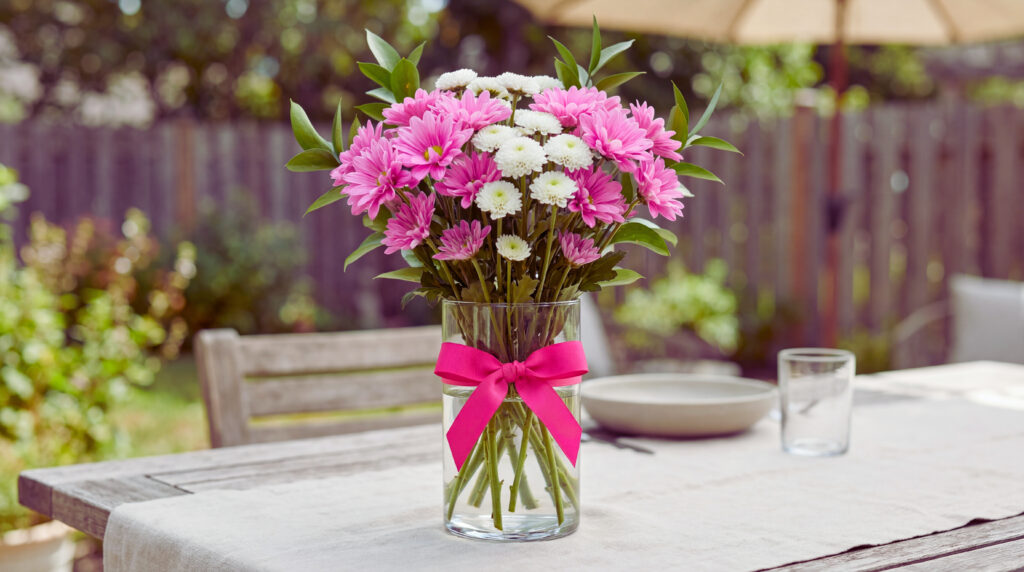
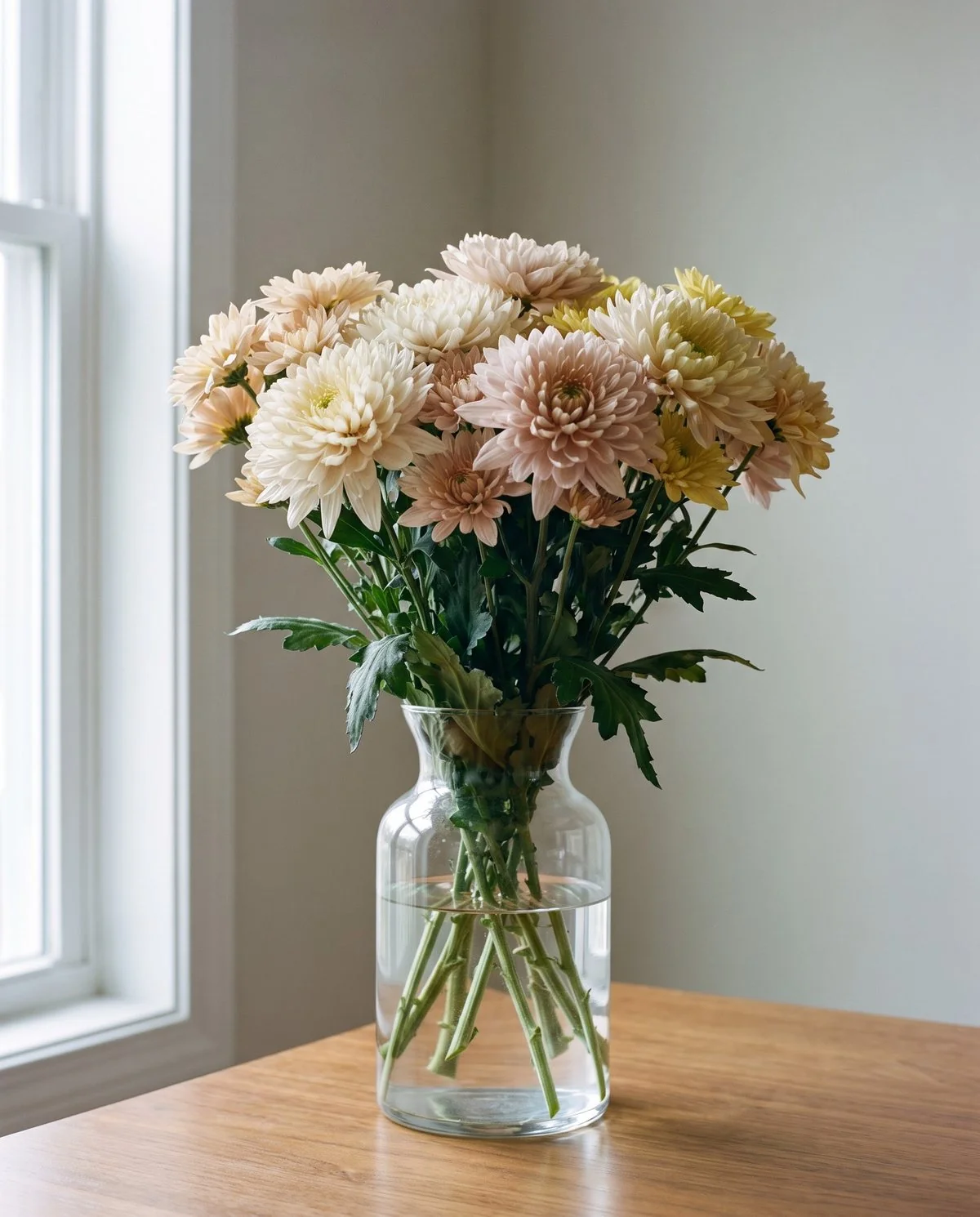
Mums are among the longest-lasting cut flowers, which is a large part of why florists rely on them. A well-conditioned stem holds 7 to 14 days in the vase, and often two weeks or more, far outlasting most cut blooms. Cut stems when the flowers are nearly or just fully open, since tight buds may not finish opening off the plant, make a diagonal cut, and strip any leaves that would sit below the waterline. Setting the stems first in lukewarm water helps them take up moisture, after which a cool spot out of direct sun and away from heat sources keeps them fresh. Change the water every few days and trim the stem ends each time to keep them drinking. Their staying power makes mums a dependable choice for seasonal and occasion arrangements, and their autumn timing pairs them naturally with the rich tones of other orange flowers in fall displays.
The measured numbers behind an unusually durable cut flower
Chrysanthemum's vase life is one of the few claims about this plant that peer-reviewed trials have measured directly rather than estimated. The figures below are plain-water controls and treatment results from named cultivars, which is a different source tier from the extension pages behind the rest of these blocks and is flagged as such.
Cut mums are an ordinary grocery bouquet and should be treated like one.
The measured controls say otherwise: 14.8 to 19.2 days in plain water with no preservative at all, which is why florists lean on them. The consumer habit of rounding this to two or three weeks is consistent with the trial numbers rather than an overclaim.
Straight household bleach or vinegar in the vase water keeps flowers fresh.
A North Carolina State University trial by Ahmad and Dole, funded by the Association of Specialty Cut Flower Growers, tested homemade recipes against commercial preservatives and found that continuous use of straight bleach or vinegar actually reduced vase life and increased microbial contamination, while soda-based and citric-acid recipes performed close to commercial preservatives for several species. The trial covered lisianthus, marigold, rose, zinnia, snapdragon, stock and sunflower rather than chrysanthemum, which is why it is quoted as general cut-flower evidence.
A penny in the vase keeps cut mums fresh.
True historically, false now, and NC State Extension gives the reason: modern US pennies are 97.5 percent zinc, not the pre-1982 95 percent copper that gave the trick its original mild fungicidal basis.
Pests and diseases
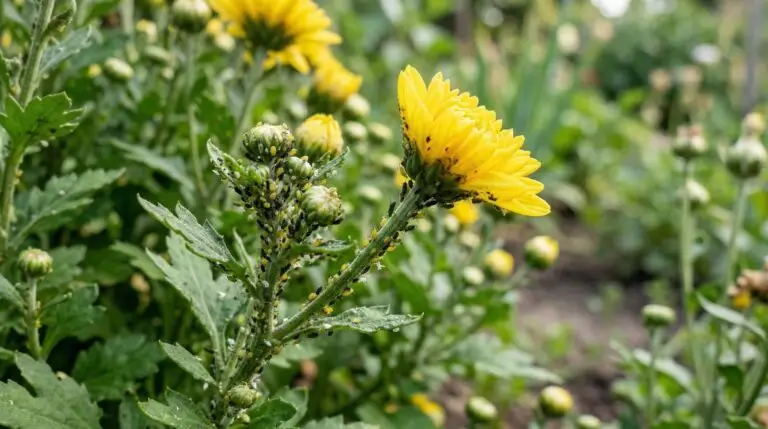
Good airflow and clean ground prevent most trouble. The common insect pests are aphids, spider mites, thrips, and the chrysanthemum leafminer, all of which favor crowded, stressed plants and are easier to catch with a regular look at the undersides of leaves. On the disease side, mums are prone to powdery mildew, leaf spot, white rust, and root rot, problems that follow wet foliage and poor drainage, so base watering, generous spacing, and prompt removal of fallen debris go a long way. Aster yellows, a phytoplasma disease that distorts and yellows growth, has no cure; affected plants should be pulled and discarded to protect the rest. Many modern cultivars carry some built-in resistance, which makes plant selection part of the defense.
What mum owners actually ask about, ranked by frequency
699 flower-relevant posts from r/gardening and r/plantclinic, filtered down from 819 raw title and theme hits. The filter is the finding worth stating first: mum is also the commonest British-English word for mother, so a blind keyword pull is heavily contaminated with posts about somebody's mother, and 120 posts were removed by a sentence-level context check. The filter is a blunt instrument and probably still loses some genuine short posts using the bare singular. Themes overlap and do not add to 100.
Which of watering, winter or pests the poster has not yet named. This is the largest bucket and it overlaps heavily with winter survival, yellow leaves and wilting, because most of these posts are a photograph of a plant in trouble and a question with no hypothesis in it yet. One entry point recurs: a plant that arrived as a gift or from a funeral, where the stakes are not horticultural.
Bloom state at purchase and the planting date, in that order. This is the emotional centre of the whole flower: the highest-engagement post in the sample, at 1537 upvotes, is somebody discovering that last year's mums came back five times bigger, and the institutions rank the question the same way, with Iowa State and Virginia Tech both building entire pages around it.
Uniform against spotted. A whole lower ring of leaves fading together late in the season is senescence; yellow spots that enlarge, darken and climb the plant after wet weather are a leaf-spot fungus.
The undersides of leaves and buds, and whether anything is sticky. Aphids are the dominant named pest here, and several posts in this theme are simply asking what the insect is, which matches the pest lists Clemson HGIC and Missouri Botanical Garden publish.
The soil itself rather than the leaves. A newly bought potted mum that stays limp however much it is watered is usually pot-bound, with a root ball dry enough to repel water rather than absorb it.
Nothing on the foliage will settle this, which is the point: both errors produce droopy, flimsy leaves, so the check is a finger in the root ball and whether water runs straight through the pot or sits on top.
The size of the new growth rather than the calendar. Missouri Botanical Garden takes 3 to 4 inch leafy tip cuttings once the plant is 8 to 10 inches tall, rooting in a 1:1 peat and sand mix in two to three weeks, and divides in early spring once new growth is 6 to 8 inches, separating rooted offshoot rosettes from the old clump.
Whether the trigger event is named in the post, which is what separates this theme from ordinary wilting: these posters know the purchase or the repot was the cause and are asking what to do about it.
The last pinch date against the variety's bloom time. Treat this figure as a floor rather than a measurement: a plant that never buds has nothing dramatic to photograph, so the question goes into a search box rather than onto a photo-driven forum.
Which leaf surface carries the pustules. This is the row where the post count understates the stakes most severely: chrysanthemum white rust is quarantine-significant in the United States, with a dedicated USDA APHIS page and the possibility of regulatory action on detection.
What the word actually means. The count is tiny and one post carries it: a first-time grower who read that mums should be pinched and squeezed the stems themselves, which is a jargon failure rather than a horticultural one.
Nothing on the plant, because this is a question that arrives before a problem does. Organic demand for it is essentially zero in both subreddits sampled, which is exactly why it needs stating rather than inferring from silence: the ASPCA lists chrysanthemum as toxic to dogs, cats and horses.
Two paths, worked in order
The two questions that dominate this flower's real demand are not pest questions, which is why both paths start with conditions and calendars. In a 699-post sample, undifferentiated dying and winter survival together account for more than a third of everything asked.
Photo pairs for the chrysanthemum look-alikes
The pairs that turn on habit, labelling, physical damage or the ordinary end of a season carry photographs. The pairs that turn on a pathogen fingerprint do not: rust pustules, aster-yellows deformity, Septoria lesions and virus mottling are checkable diagnostic details, so the healthy or physical side is shown and the disease side waits for a real reference photograph. One of these misdiagnoses has regulatory consequences, which is the strongest argument in this whole set for not generating it.
Bloom state at purchase and the season it was sold in, not the flower. Iowa State Extension's rule is that mums out of bloom in spring are the winter-hardy garden type and mums in full bloom in summer and fall are not, and Virginia Cooperative Extension adds the physical difference underneath: garden mums have deeper root systems, florist mums shallow ones that cold damages easily. The label is worth reading and worth distrusting in both directions, since one poster in the sample recorded a six-pack labelled not winter hardy where all but one plant came through the winter and grew incredibly big.
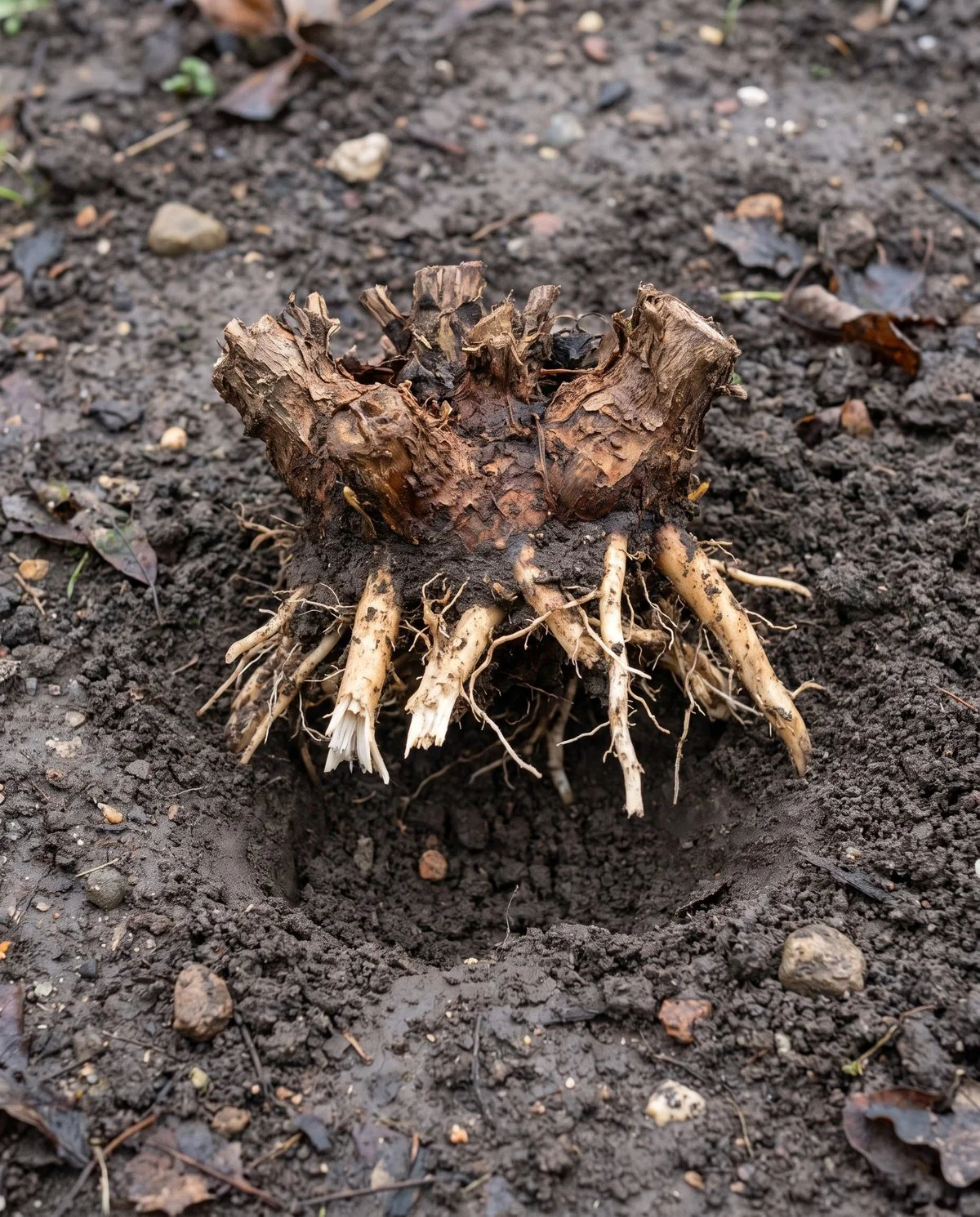
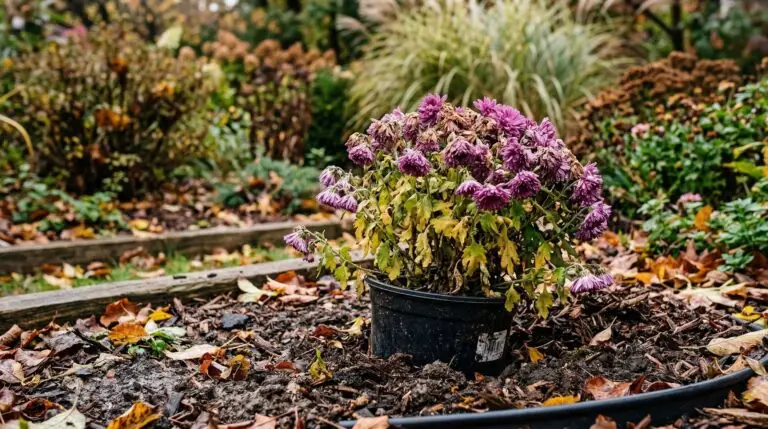
Whether the roots were torn out or turned soft. Iowa State Extension and Missouri Botanical Garden both use the term frost heaving for the physical lifting of a plant out of the soil by repeated freeze and thaw cycles: the roots are torn and exposed, and the crown itself can look intact while being disconnected from the ground. A wet death is the opposite, with the crown and roots soft, dark and foul, and Missouri Botanical Garden names poor drainage as the top preventable cause, because standing water around the crown promotes ice formation and rot together. Only the heave side is photographed.
Which leaf surface, and what colour the pustules age to. USDA APHIS describes chrysanthemum white rust, Puccinia horiana, as raised pink to buff pustules on the leaf underside that turn white with age and eventually necrotic, and it maintains a dedicated federal page because the pathogen is quarantine-significant and subject to state and federal regulatory action on detection. Clemson HGIC describes the common brown rust differently: pale areas on the upper leaf surface with powdery orange pustules underneath. Neither is photographed here, and a confirmed white rust belongs with a local extension office rather than with a home fungicide.
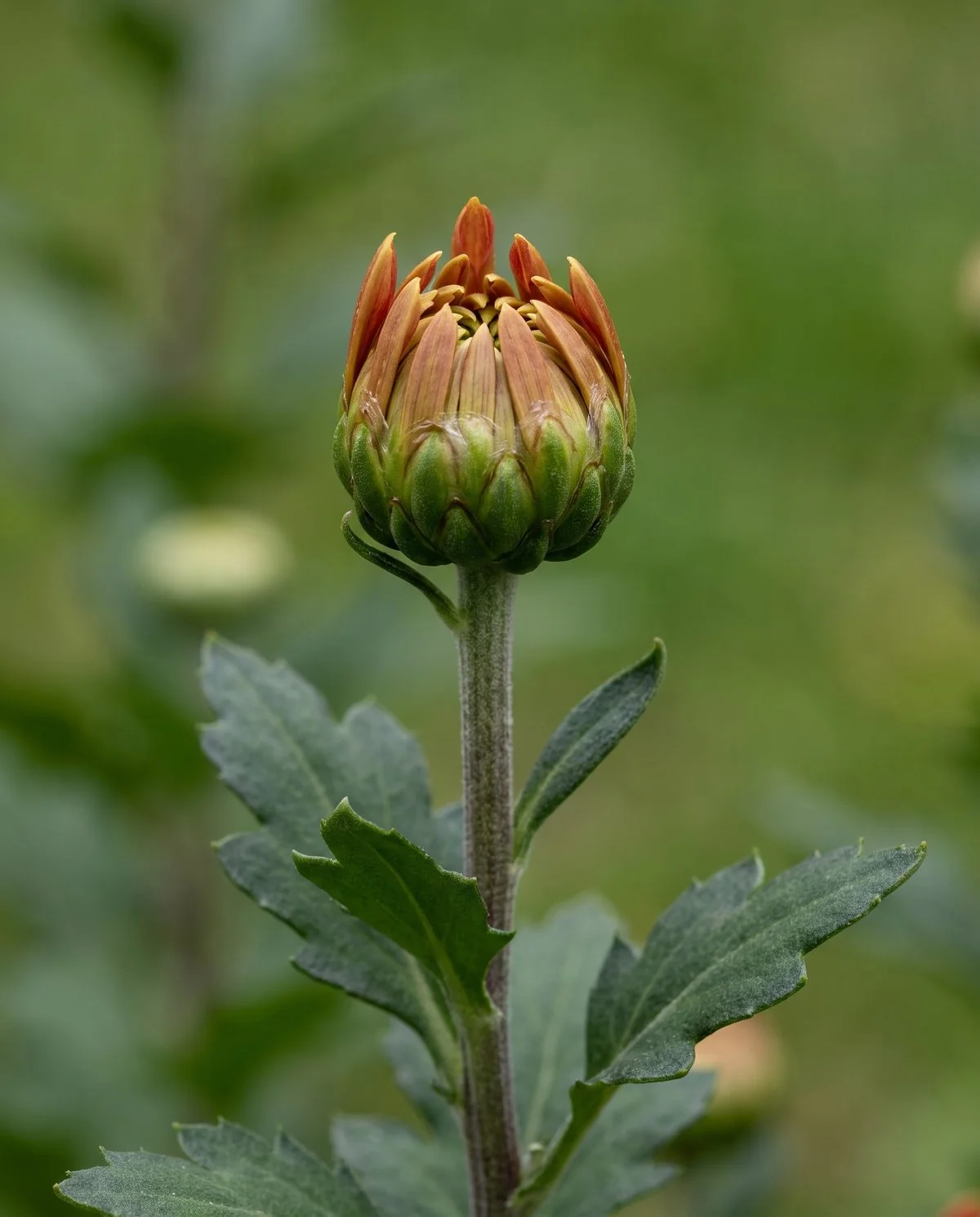
What the flower parts turned into. Clemson HGIC, Oklahoma State, which confirmed it on chrysanthemum cultivars in 2023, Iowa State and Missouri Botanical Garden all describe the same set: phyllody, where flower parts regrow as leaves, virescence, where green pigment appears where it should not, witches' broom, a dense rosette of stunted shoots, and spindly stunted growth overall. It is spread by leafhoppers and aphids and there is no cure. A normal bud simply swells, colours and opens into a recognisable bloom of its own class. Only the normal bud is photographed.
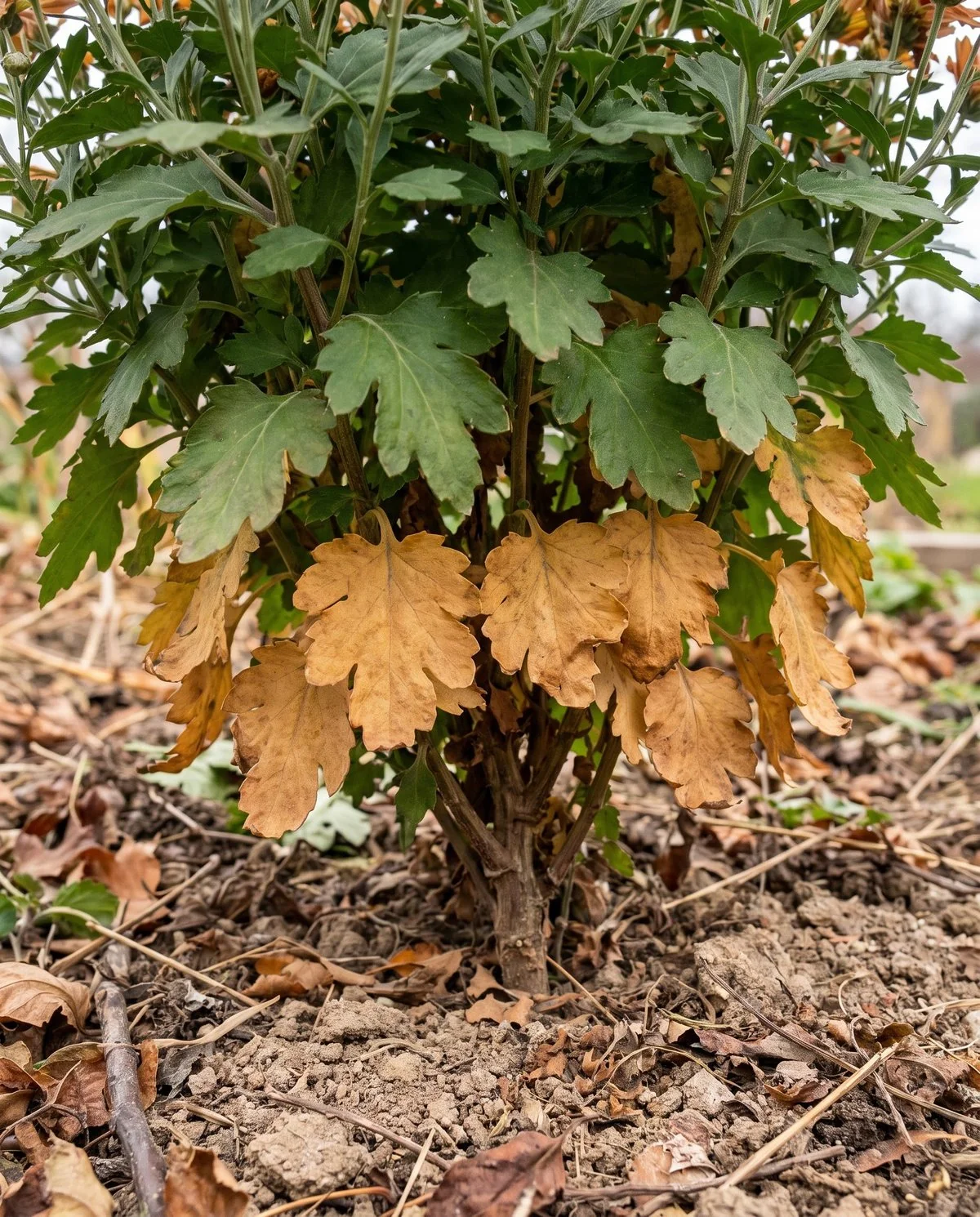
Whether the yellowing is uniform or spotted, and which direction it travels. Normal senescence takes the whole lower ring of leaves together, uniformly, late in the season, with no discrete spots. Septoria leaf spot starts as small yellow spots on the lowest leaves, enlarges to dark brown or black, sometimes with a purple-margined tan-grey centre and tiny black fruiting bodies visible under a hand lens, and spreads upward over time. An Ask Extension ticket in the pack asked whether every infected plant had to be thrown out, and the answering expert named the same Septoria, Alternaria and Cercospora leaf-spot complex and confirmed that it did not. Only the senescence side is photographed.
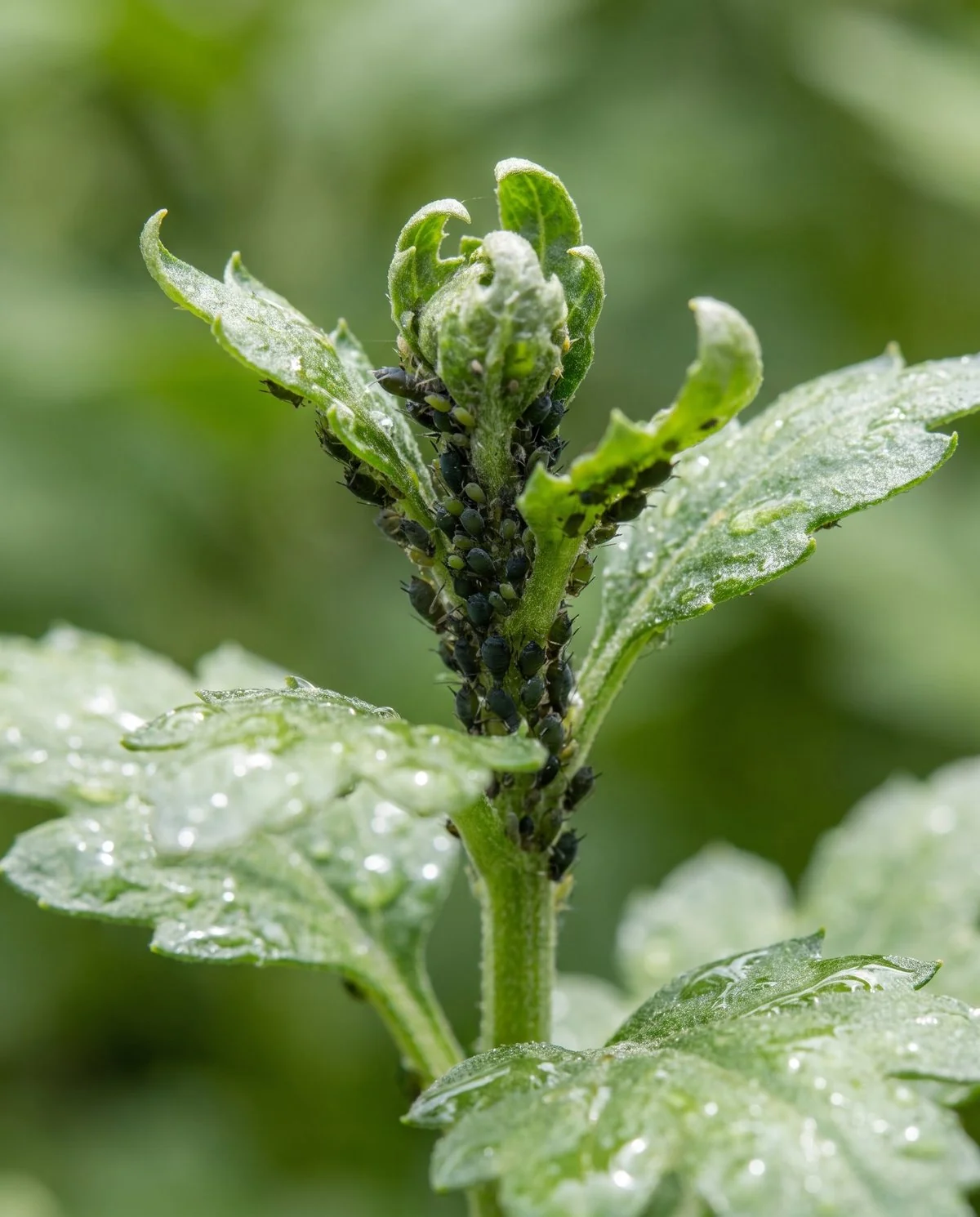
Whether there are insects and honeydew, or a pattern with neither. Missouri Botanical Garden and Clemson HGIC describe aphid damage as clustered soft-bodied insects on tender new growth and bud undersides, sticky honeydew, sooty mould growing on the honeydew, and curled distorted new growth. The virus symptoms it gets confused with, mosaic mottling and stunt, are mottled yellowed leaves or severe stunting with distortion and no insects present, and Missouri Botanical Garden notes they vary in occurrence each year according to insect survival after winter, since they are insect-vectored. Only the aphid side is photographed, because mottling is easily confused with a nutrient deficiency.
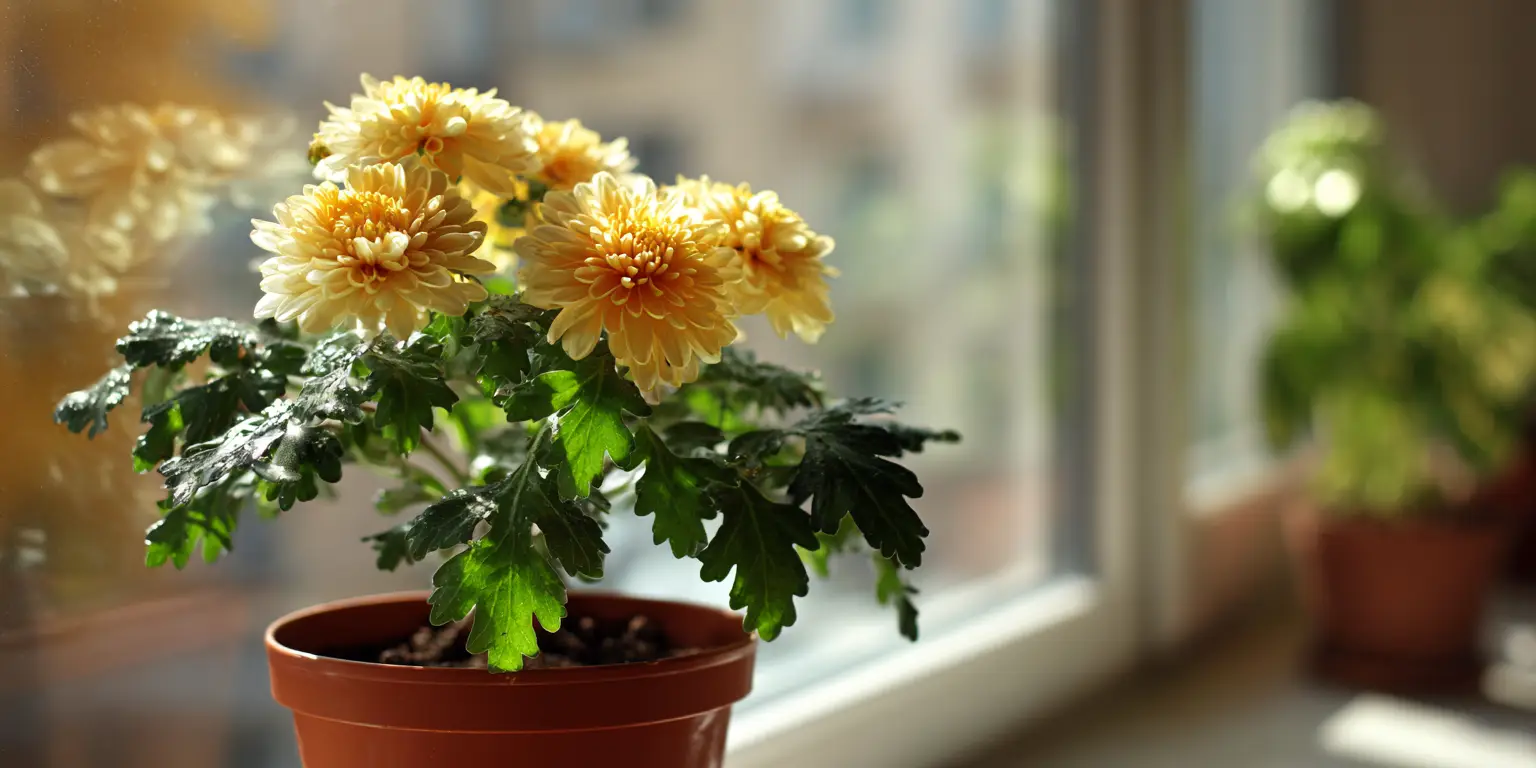
Flower photos
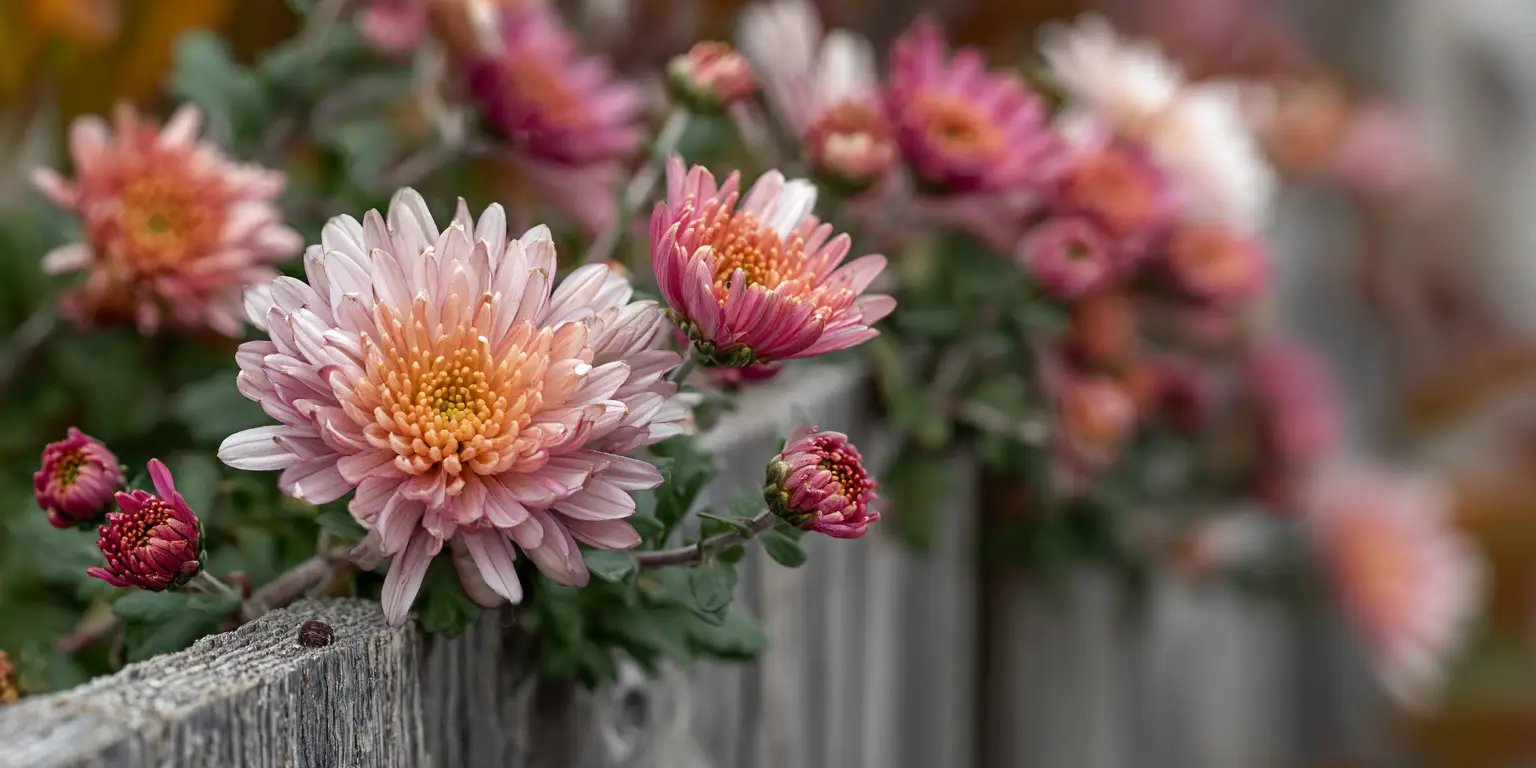
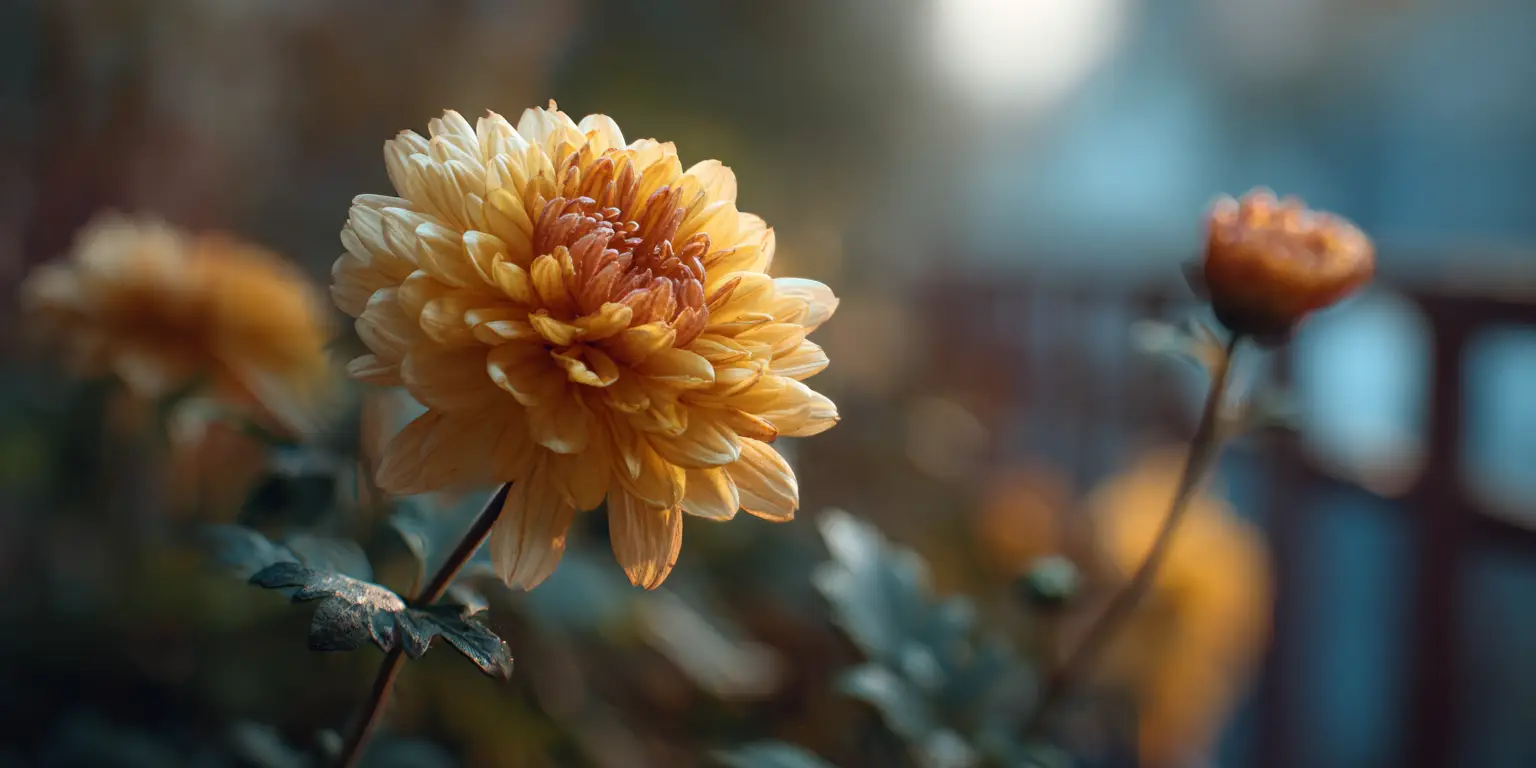
FAQ
Do mums come back every year?
Hardy garden mums are perennials in roughly zones 5 to 9 and will return year after year, but only if the roots establish before winter. The fall-bought plants so often fail because they were planted too late to root. Plant in spring instead, water through the season, leave the dead stems on over winter, and mulch after the ground freezes. Florist mums are not bred for hardiness and should be treated as a single-season plant.
How and when do you pinch mums?
Begin in late spring when shoots reach about 6 inches, removing the top half-inch to inch of each stem, then repeat every few weeks until about mid-July. Each pinch forces branching, so the plant grows into a dense mound with far more flowers. Stop by mid-July so you do not remove the forming fall buds.
Why do mums bloom in fall?
They are short-day plants whose flowering is triggered by the lengthening nights of late summer and autumn, which is exactly why they are the signature fall flower and why nearby night lighting can delay their bloom.
How much sun and water do mums need?
Full sun, at least six hours a day, gives the most flowers and the tightest plant. Provide about an inch of water a week, more in summer heat, applied at the base so the foliage stays dry.
How long do cut mums last?
Properly conditioned, cut mums hold 7 to 14 days, frequently two weeks or more, ranking them among the most durable cut flowers.
Are mums toxic to cats and dogs?
Yes. The ASPCA lists chrysanthemums as toxic to cats, dogs, and horses, with signs that include vomiting, diarrhea, drooling, and loss of coordination, plus possible dermatitis from the sap.
Apparently if you don't dig last year's mums out they come back. Is that real, or did I get lucky?
Both happen, and which one you got depends on the plant rather than the luck. A garden mum planted early enough to root before frost is perennial from zones 4 to 9, per Virginia Cooperative Extension. A florist mum, the kind sold already in full bloom in fall, is reliably hardy only in zones 7 to 9 whatever the care, because it was bred for indoor display rather than landscape survival. Even a true garden mum carries no guarantee: Missouri Botanical Garden states that even the most hardy varieties may not make it through a severe winter. This was the highest-engagement question in the whole 699-post sample, at 1537 upvotes.
Is it too late to plant the mums I bought in bloom?
Later is worse in a measurable way. Virginia Cooperative Extension states that the later the mums are planted, the lower the survival rate, because a plant already flowering is putting its energy into blooms rather than roots. Late August to early September is the realistic edge for giving a fall-bought mum a genuine chance, and after a hard frost there is no root development left that season to help.
When exactly do I stop pinching?
By the variety's bloom time rather than by a date. Missouri Botanical Garden's table gives mid-June for varieties blooming mid-September, around July 1 for early-October bloomers and no later than July 15 for the latest, on its stated rule that about three months is required between the last pinch and bloom. And pinching removes the growing tip so side shoots take over; one poster in the sample read the word literally and squeezed the stems instead.
How can I tell if this is white rust, brown rust, or something else?
White rust shows raised pink to buff pustules on the leaf underside that turn white with age and eventually go necrotic, and USDA APHIS treats it as quarantine-significant, so a confirmed case belongs with a local extension office rather than with a home fungicide. Brown rust shows powdery orange pustules underneath with pale blotching on the upper surface, per Clemson HGIC. Both differ from Septoria leaf spot, which produces tan to black lesions with purple margins starting on the lowest leaves.
Are mums toxic to my cat or dog?
Yes. The ASPCA lists chrysanthemum as toxic to dogs, cats and horses, naming sesquiterpene lactones, pyrethrins and other potential irritants as the toxic principles, with vomiting, diarrhoea, hypersalivation, incoordination and dermatitis as the clinical signs. This question generated essentially zero organic demand in the forum sample, one post, and that one was about mosquito insecticide, which is exactly why it is stated here rather than inferred from silence.
Interesting tips
- Pinch for more blooms: Encourage bushier growth and more flowers by pinching back the growing tips in spring and early summer. Removing 1-2 inches of new growth from each stem (multiple times until mid-summer) results in a fuller plant loaded with flower buds come fall.
- Mulch in winter: If you live in a cold region, protect your hardy mums through winter by mulching heavily around the plants after the first frost. A 3-4 inch layer of straw or leaves over the root area helps insulate against temperature swings and improves the chances of spring regrowth.
- Deadhead spent flowers: To keep your chrysanthemum plants looking tidy and possibly extend the blooming period, pinch off or snip away faded flowers. Deadheading directs the plant’s energy from seed production back into vegetative growth or new buds. It can encourage late-season buds to open and simply keeps the plant attractive.
- Natural insecticide source: Certain relatives of the chrysanthemum (formerly classified in the genus) are used to make organic insecticides. The dried flowers of the pyrethrum daisy (once Chrysanthemum cinerariifolium, now Tanacetum) contain pyrethrins, potent compounds that are extracted for use in household and garden bug sprays. This is why many insects tend to avoid munching on mums. The plants produce their own mild bug repellents.
- Air-cleaning ability: Florist’s chrysanthemums aren’t just decorative. They were noted in the famous NASA Clean Air Study for their ability to filter airborne toxins like benzene, formaldehyde, and ammonia from indoor air. While you’d need many plants to significantly purify a room, a pot of blooming mums on the table might give a tiny air quality boost (and certainly a visual one!).
Related Guides & Flowers
Pinching is the highest-payoff habit a mum grower can build, since a plant pinched through early summer arrives at fall as a dome packed with buds rather than a handful of tall stems. Deadheading spent flowers keeps the plant looking clean and can coax later buds to open for a longer show. There is a useful twist in the plant’s mild toxicity: the same pyrethrins that make mums poisonous to pets are the natural source of pyrethrin insecticide, harvested commercially from the pyrethrum daisy, a close relative, and used in many household and garden bug sprays. The plant is also the recognized flower of November, which is part of why it turns up so often in seasonal occasion arrangements built around late-year celebrations.
References
Enjoying our flower guides? Add YourFlowersGuide as a preferred source on Google. It helps more readers find us.
Add to Preferred Sources