The flowers that have a near-black cultivar
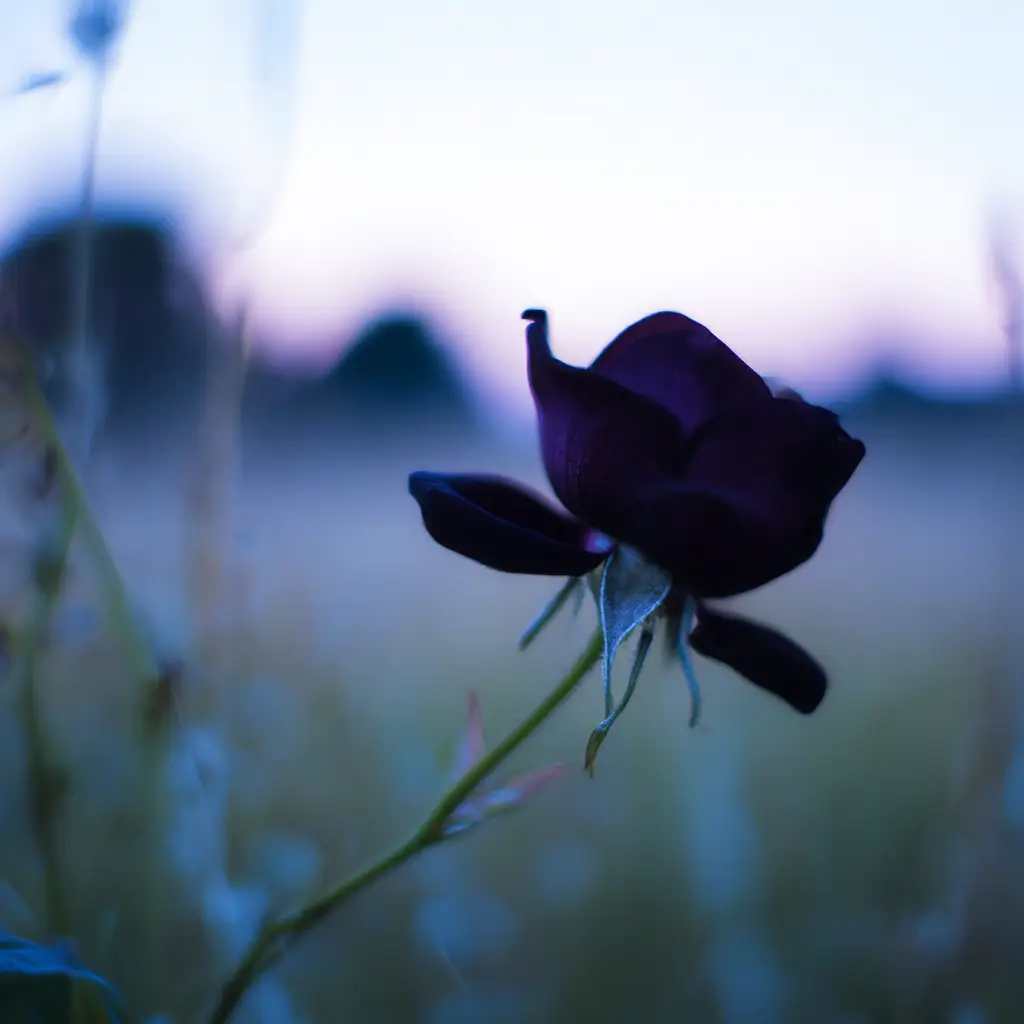
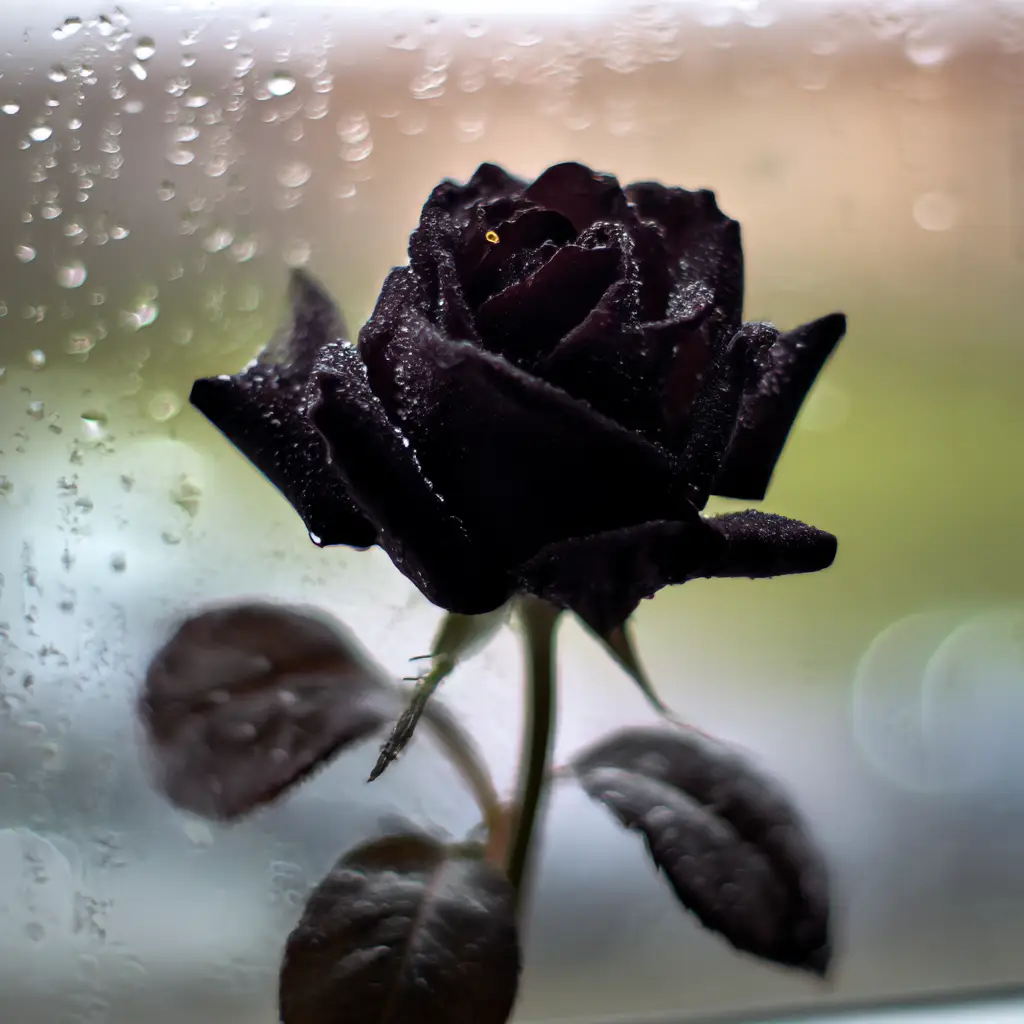
Not one of the 82 flowers in the library is black, so this grid is the next honest thing: the species that have been bred dark enough to pass for it. The named cultivars are in the sort below.
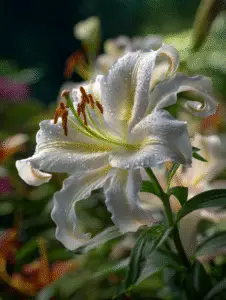
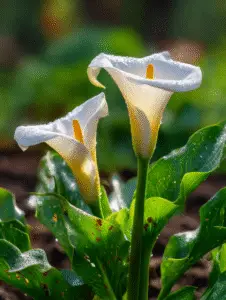
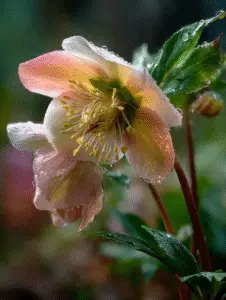
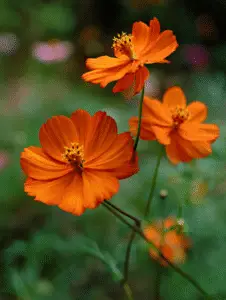
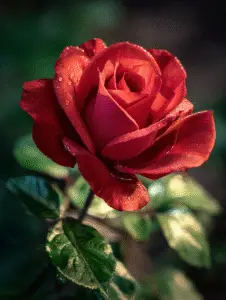 RoseRosaSummer bloomer
8 photos of Rose
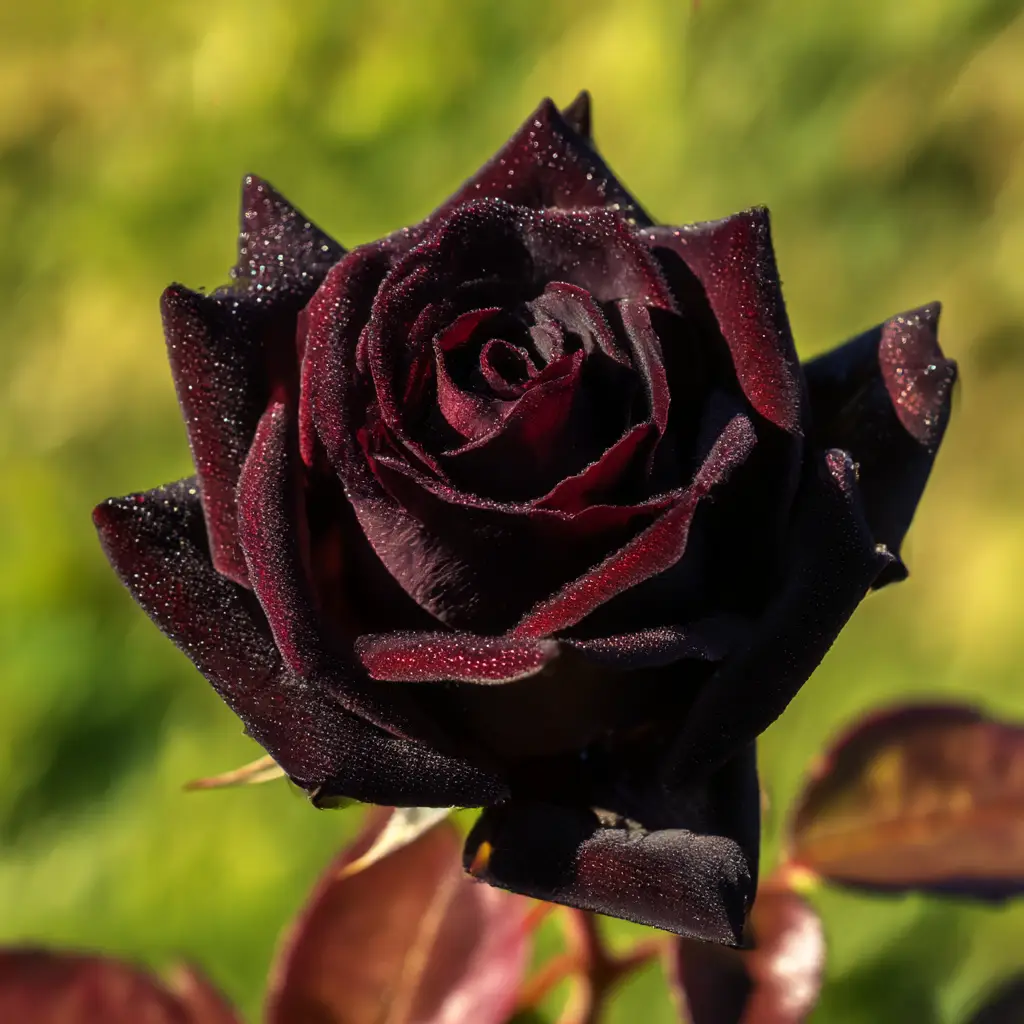
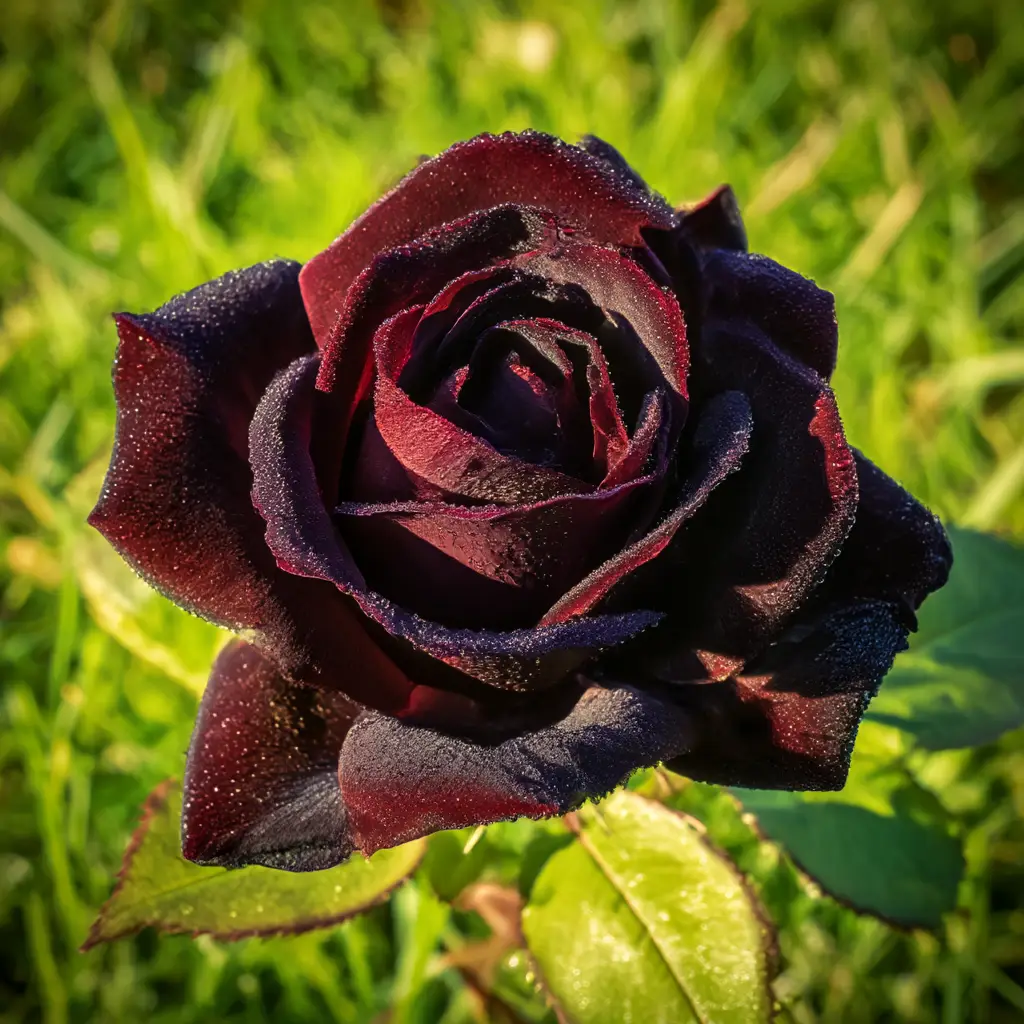
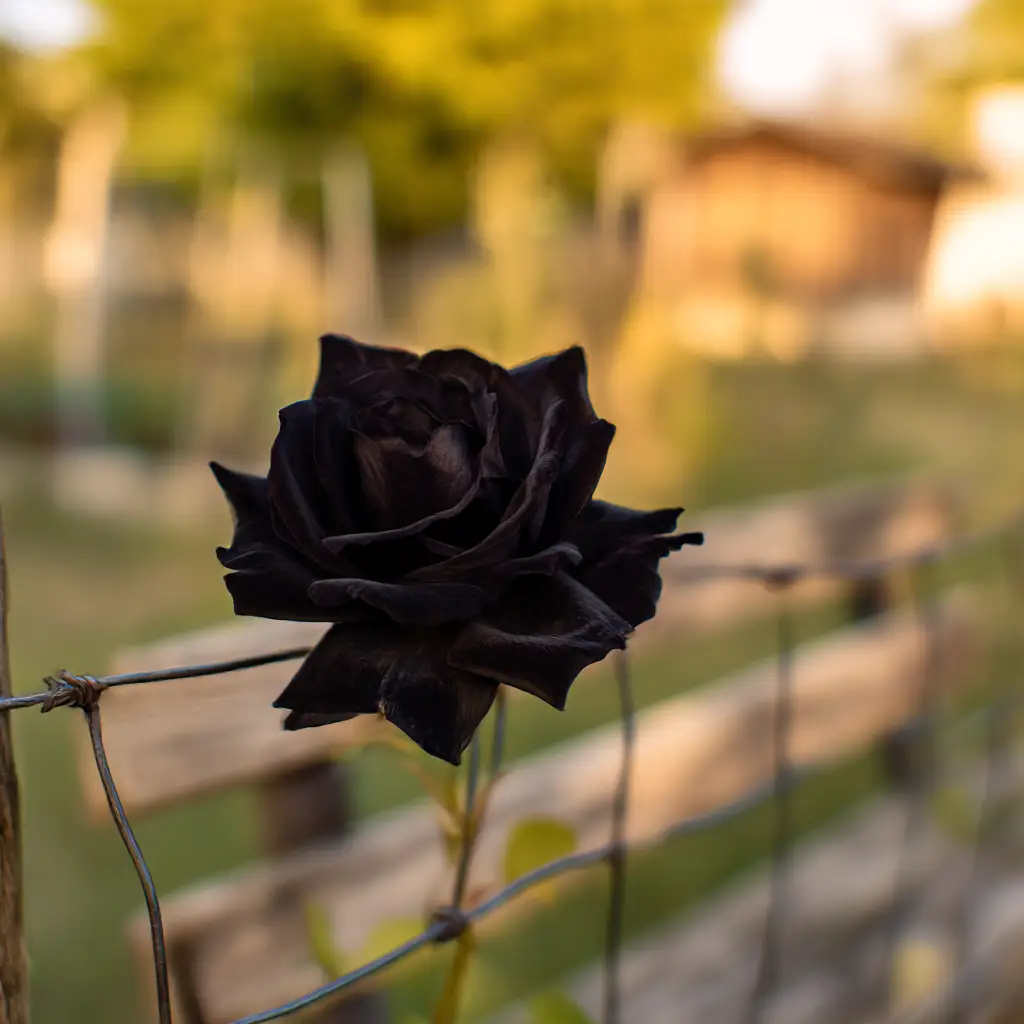



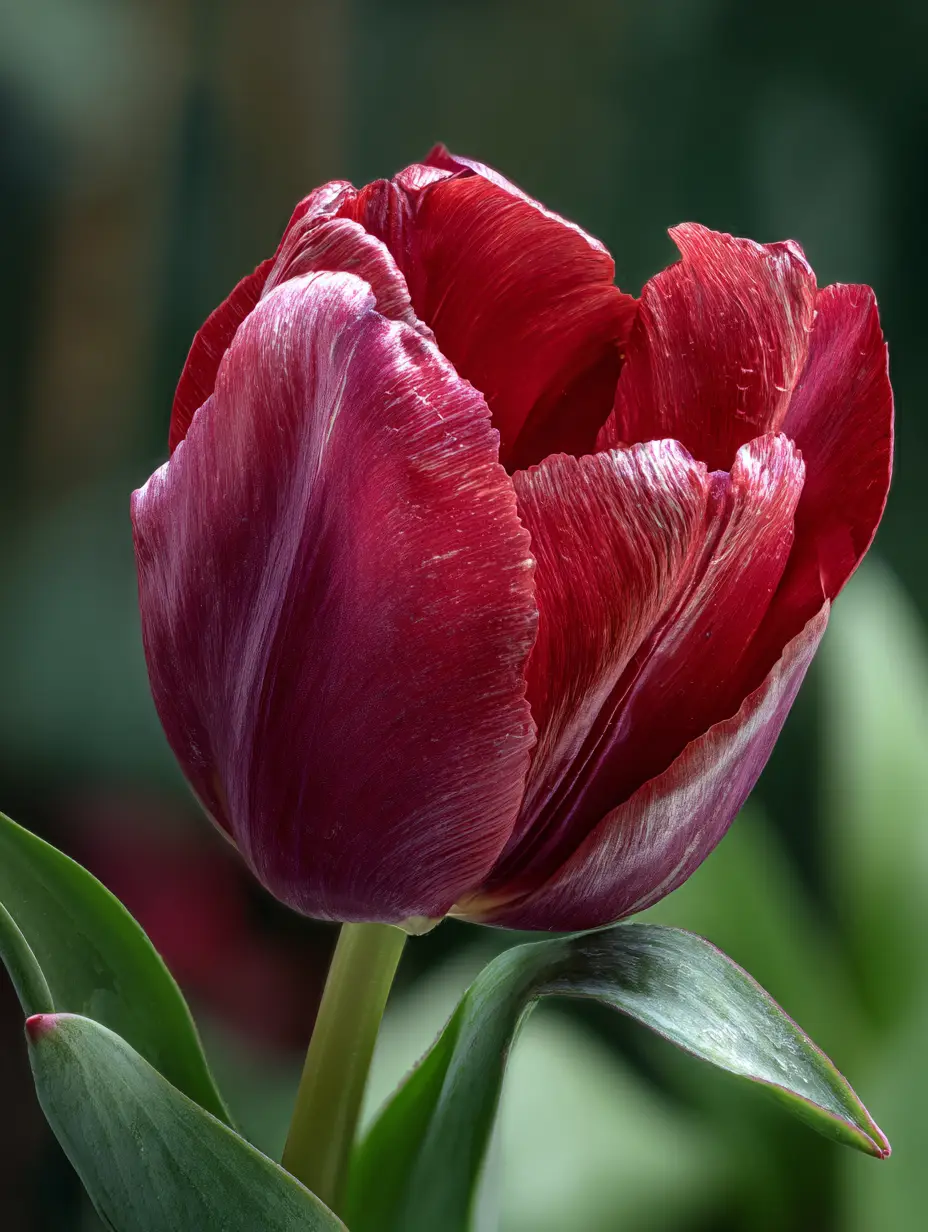
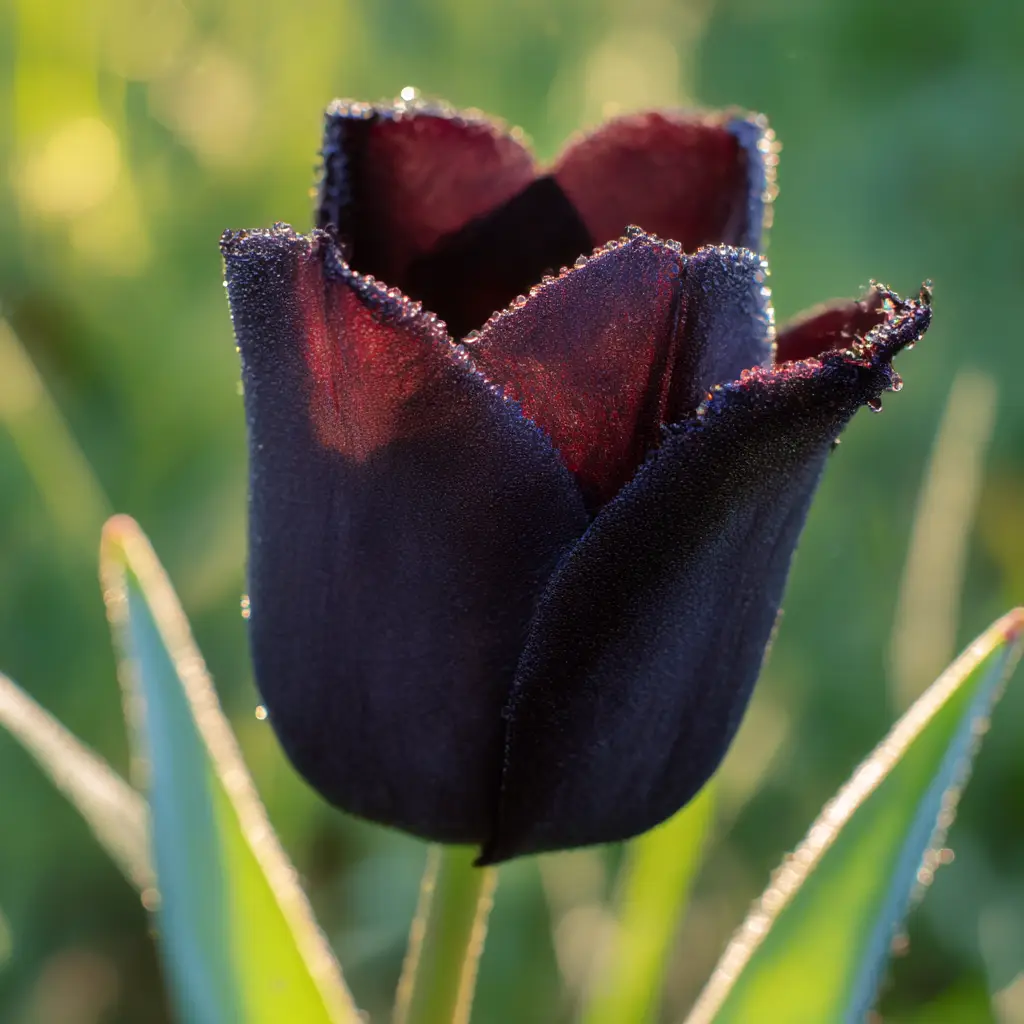
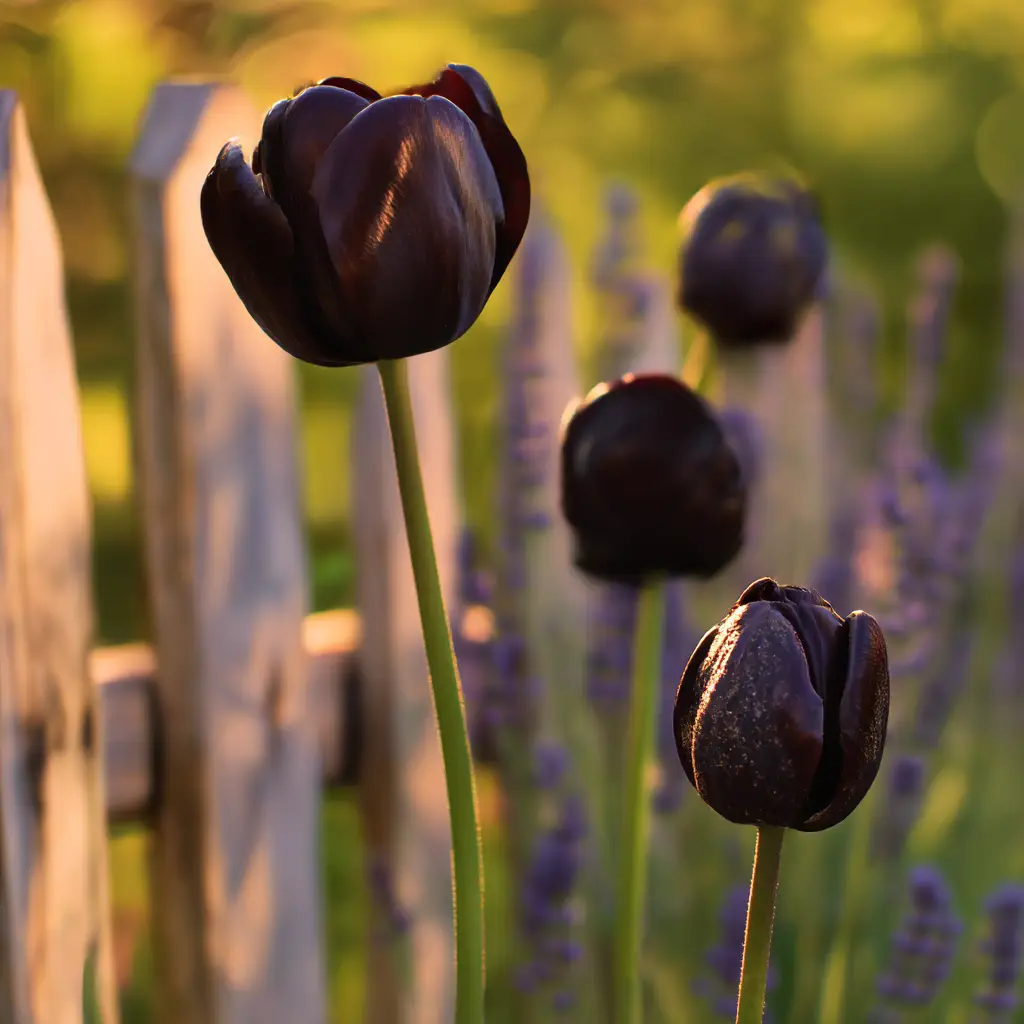
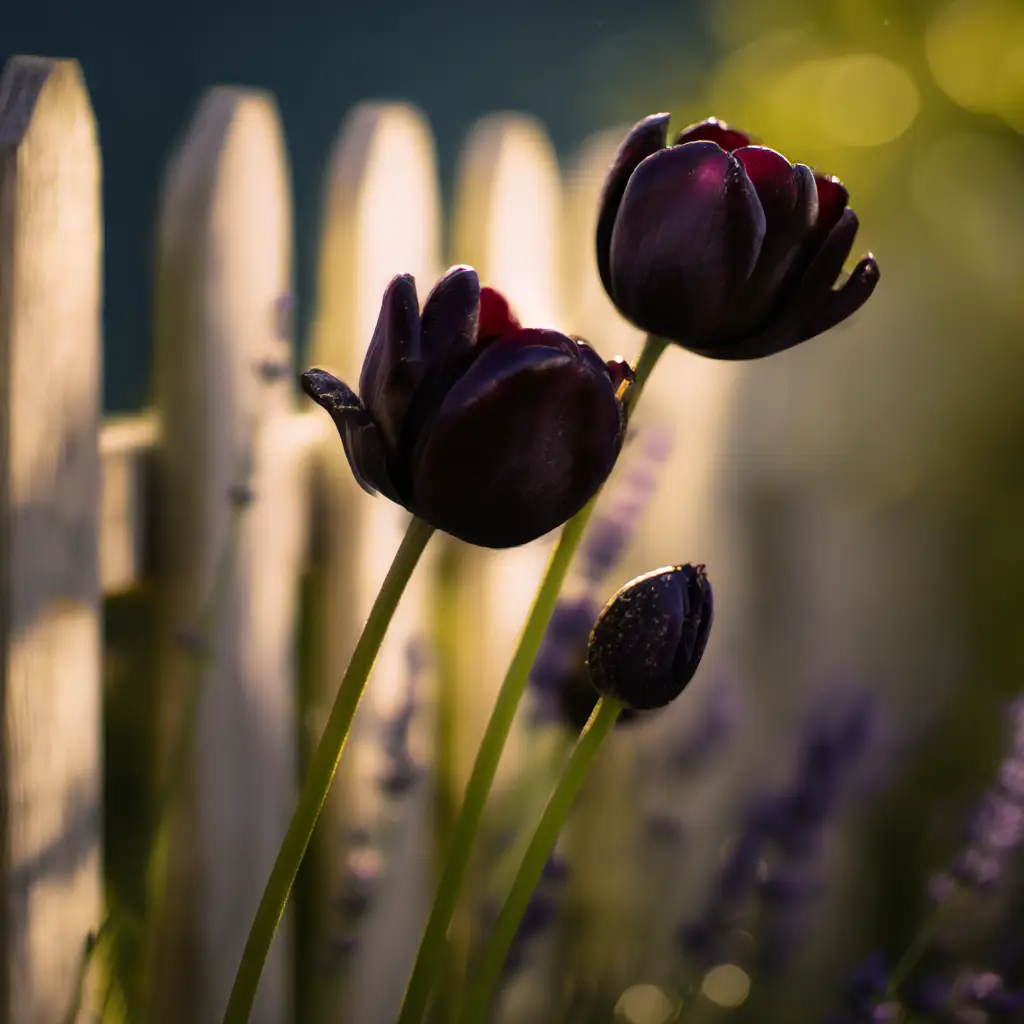
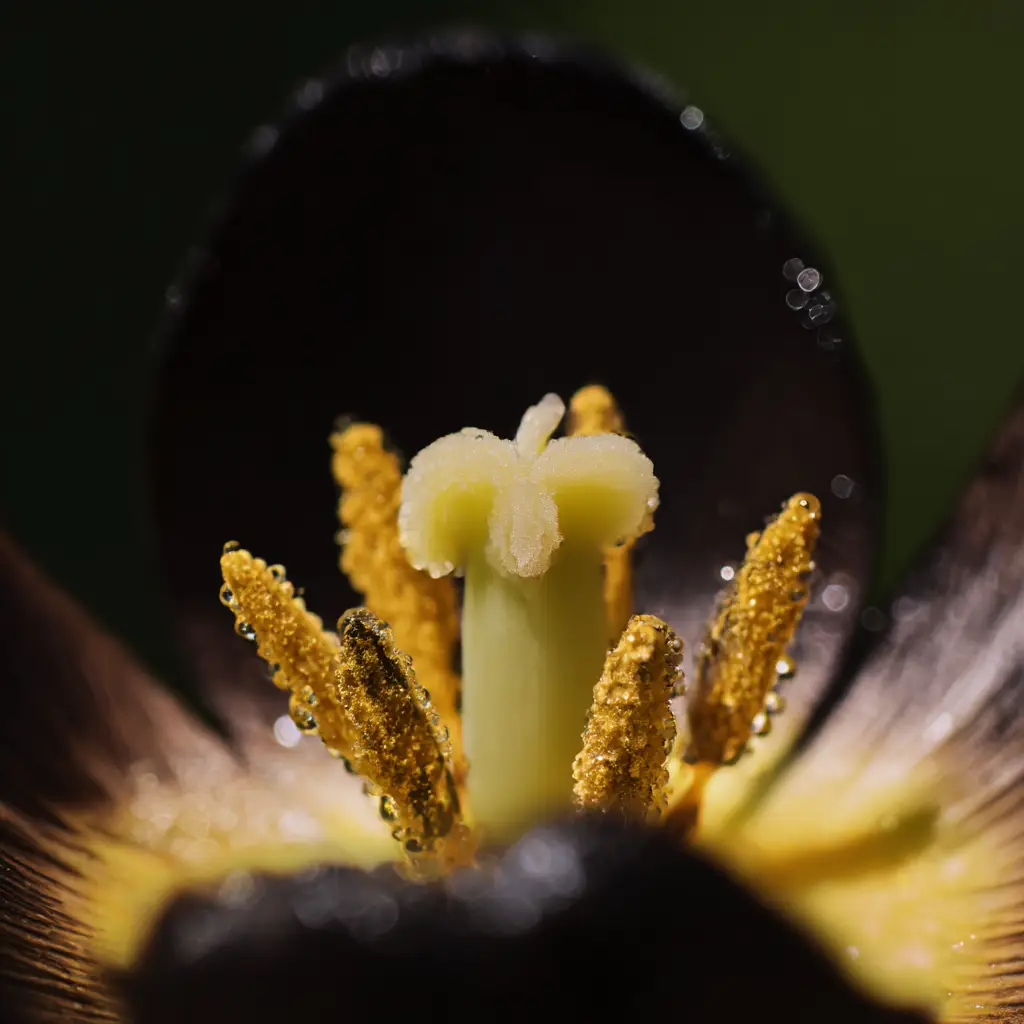
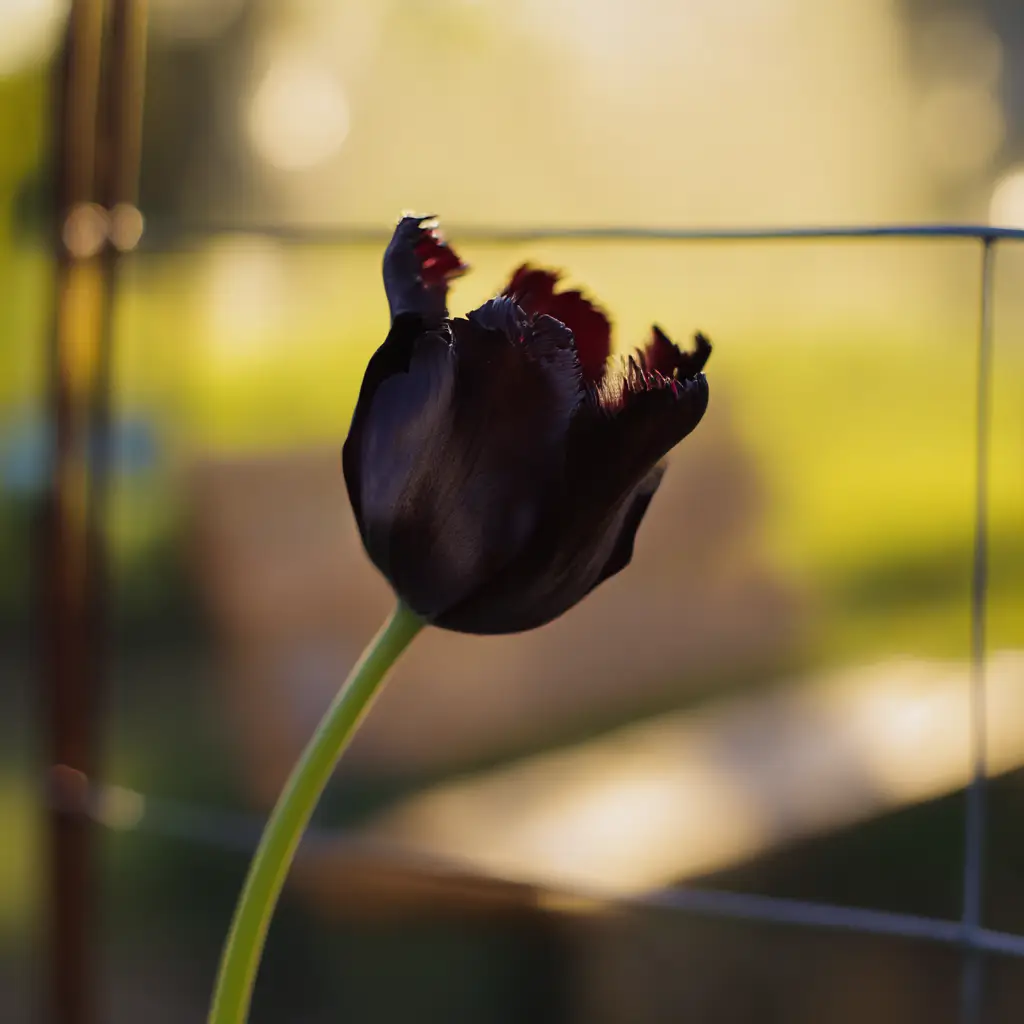
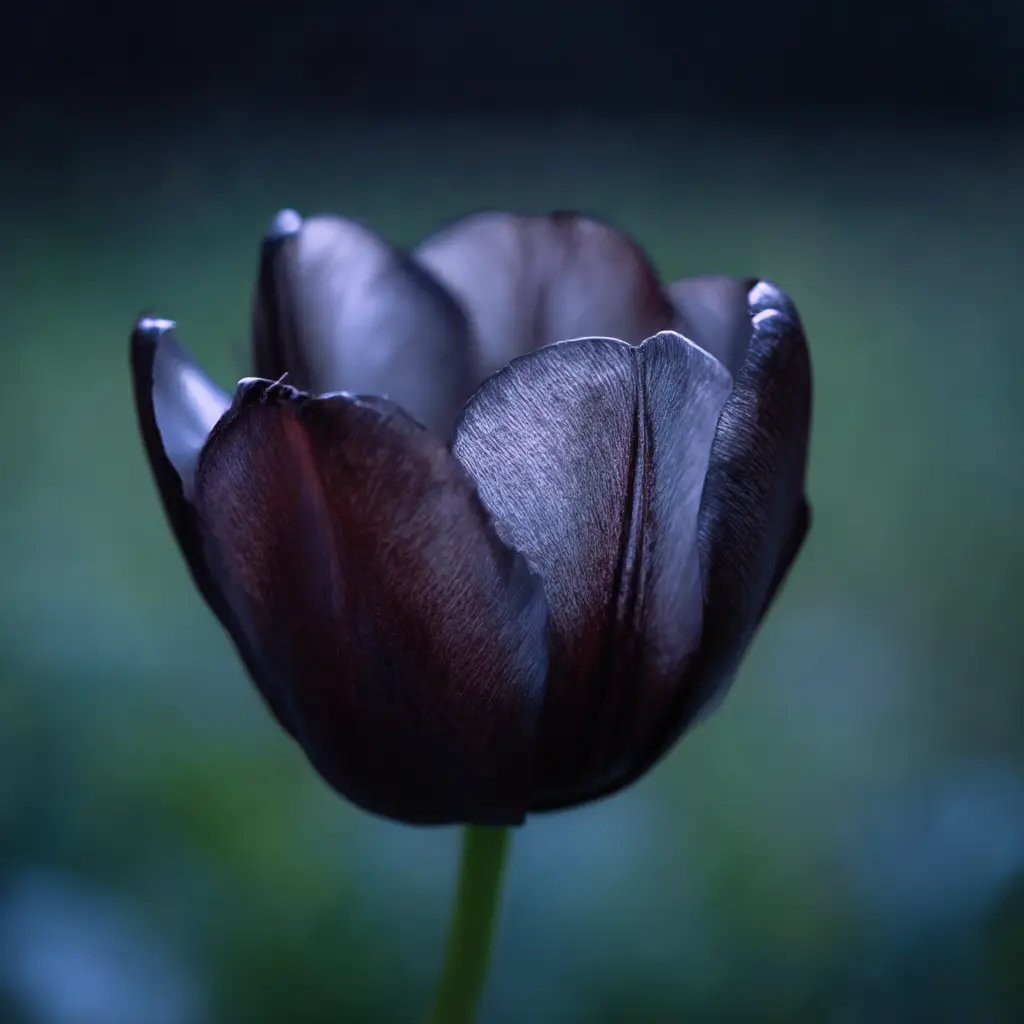
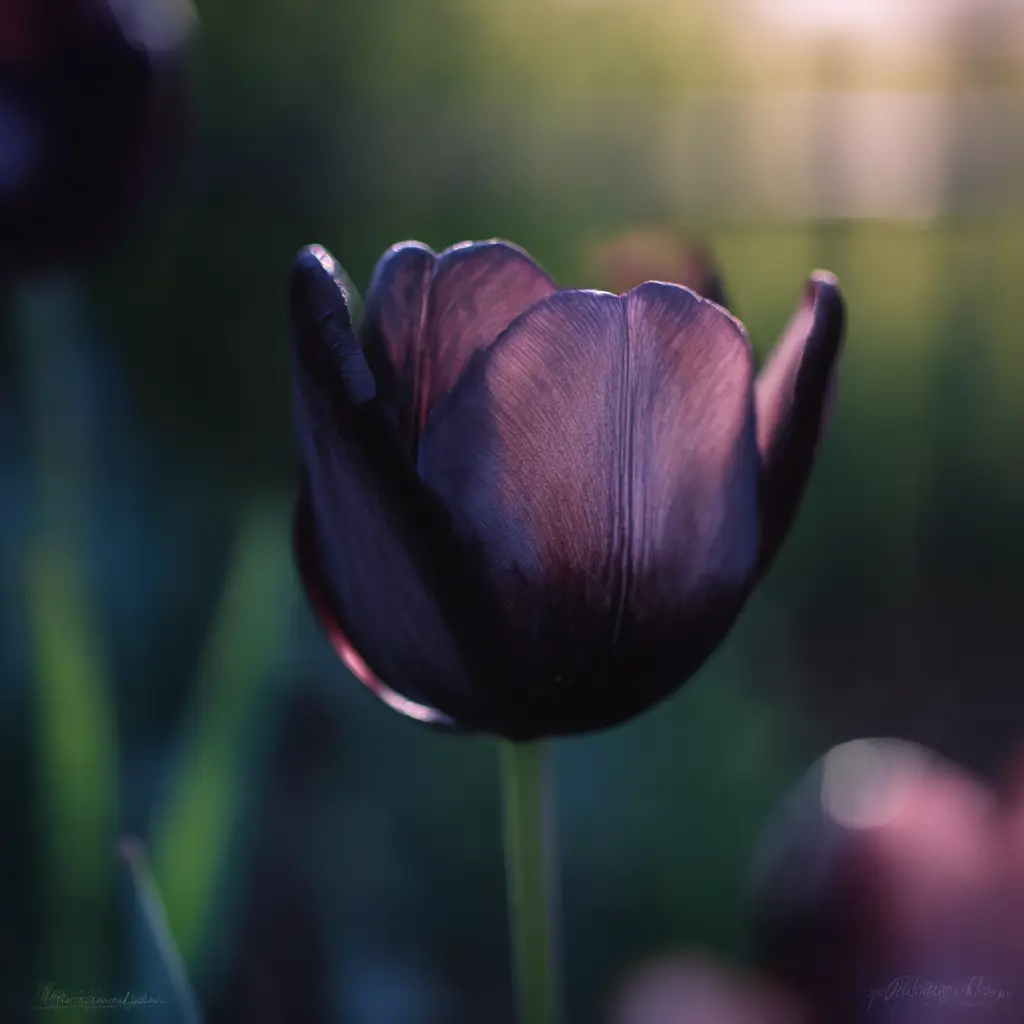
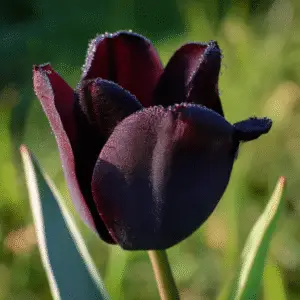 Queen of Night Tulip
7 photos of Queen of Night Tulip
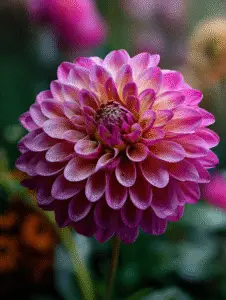
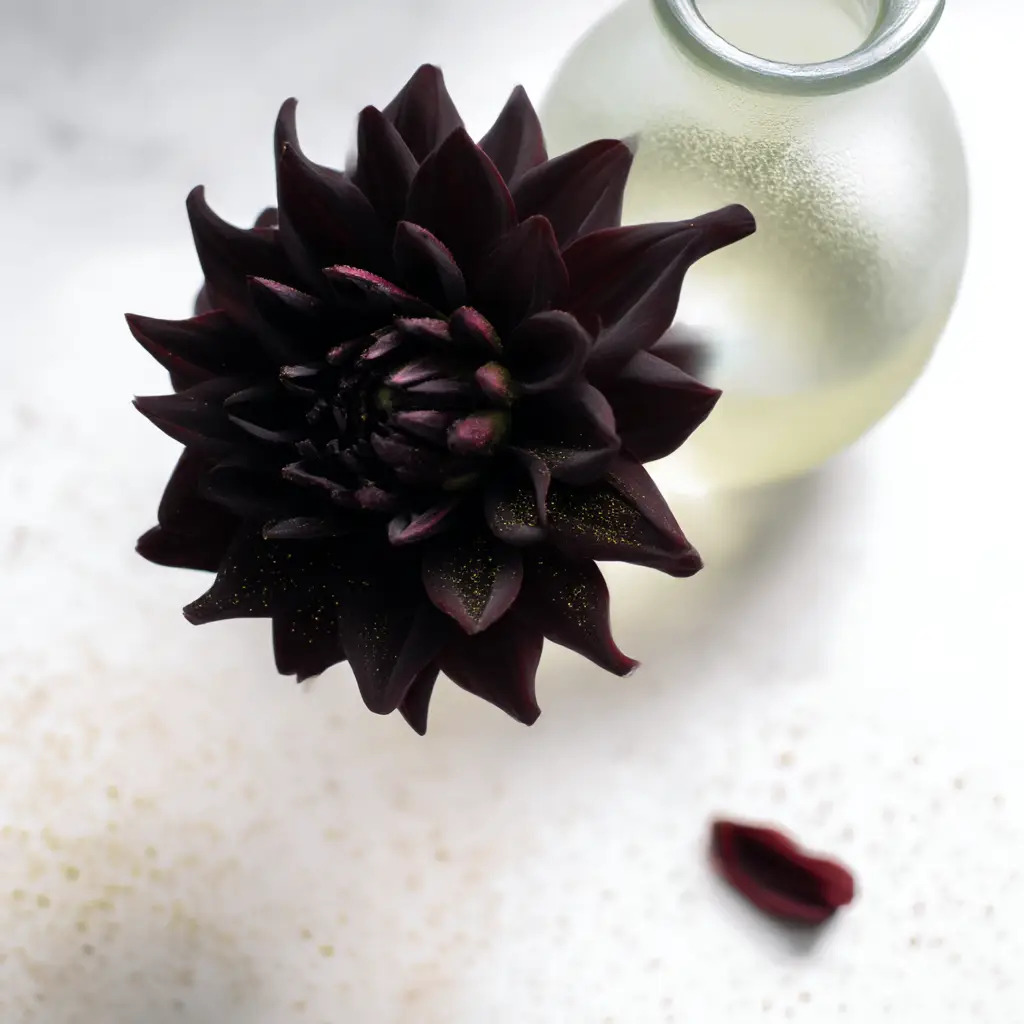
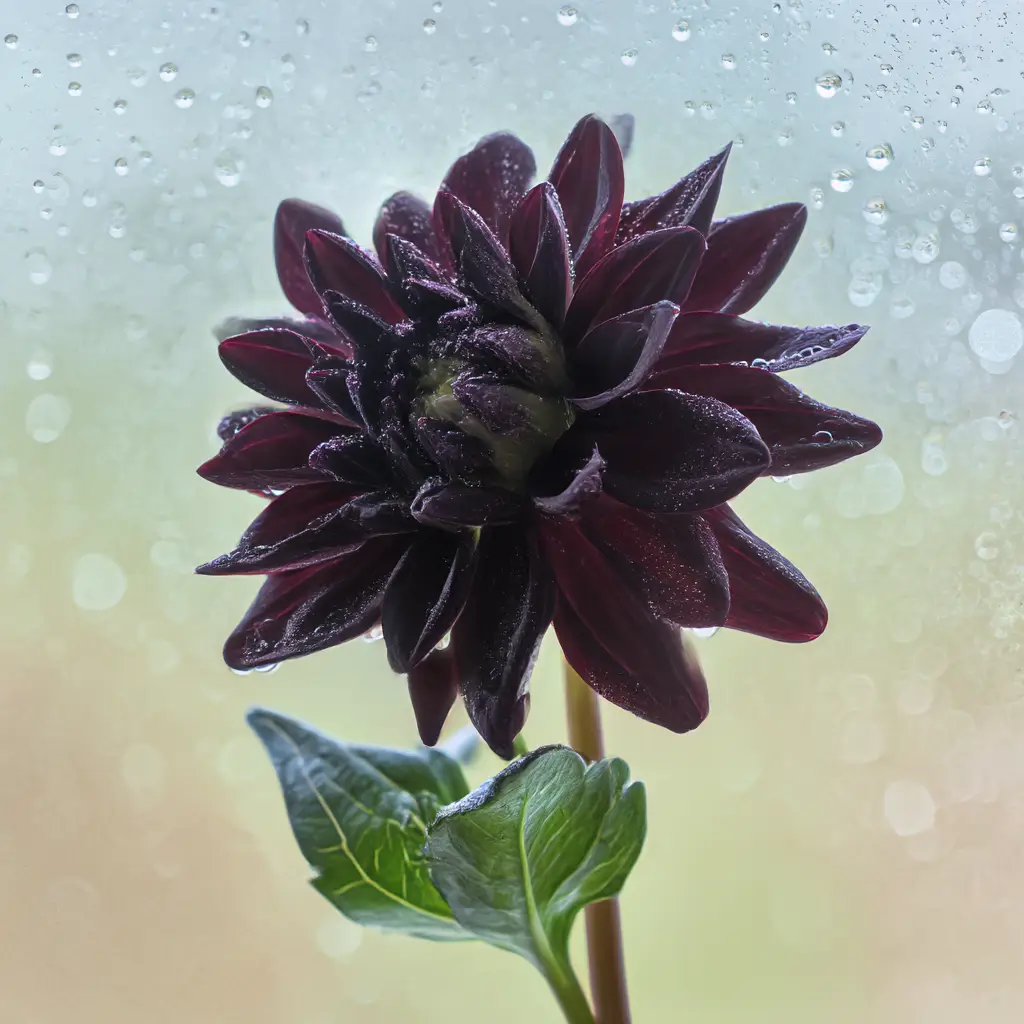
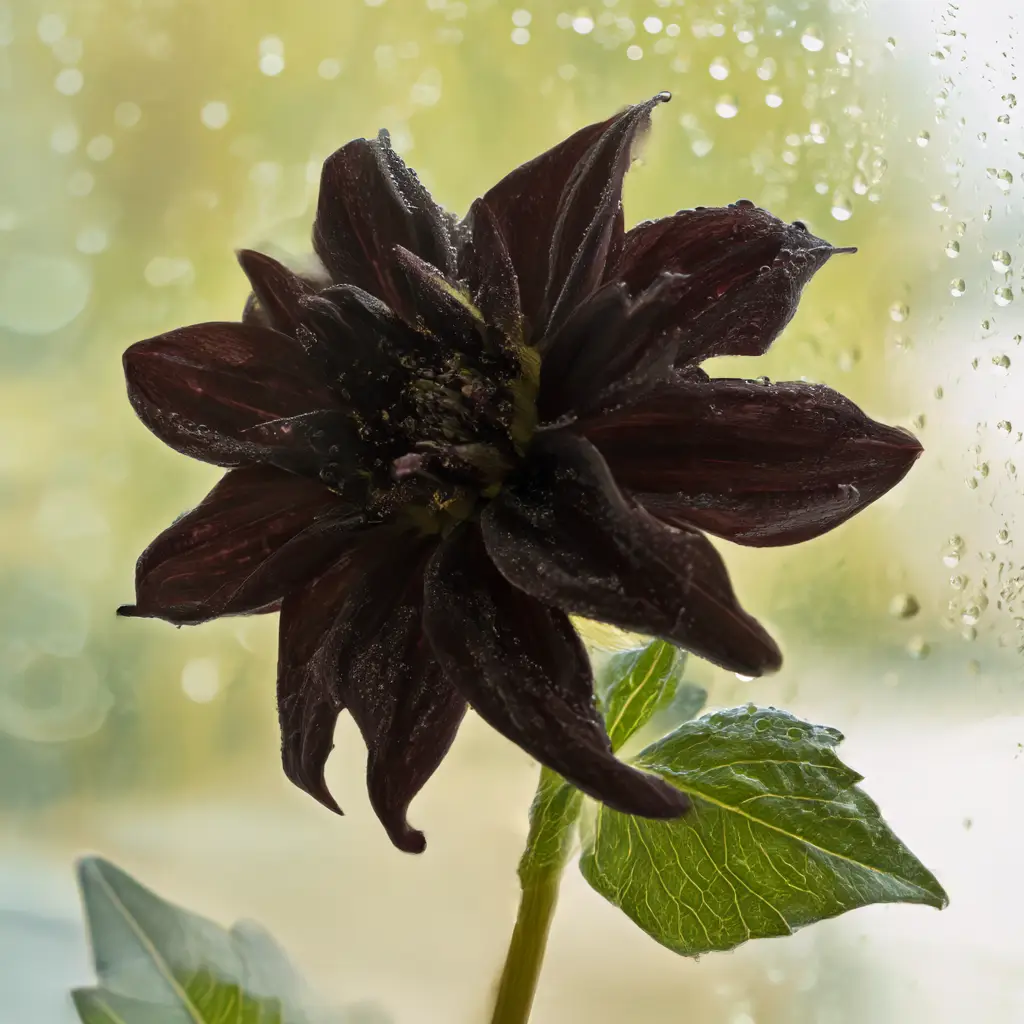
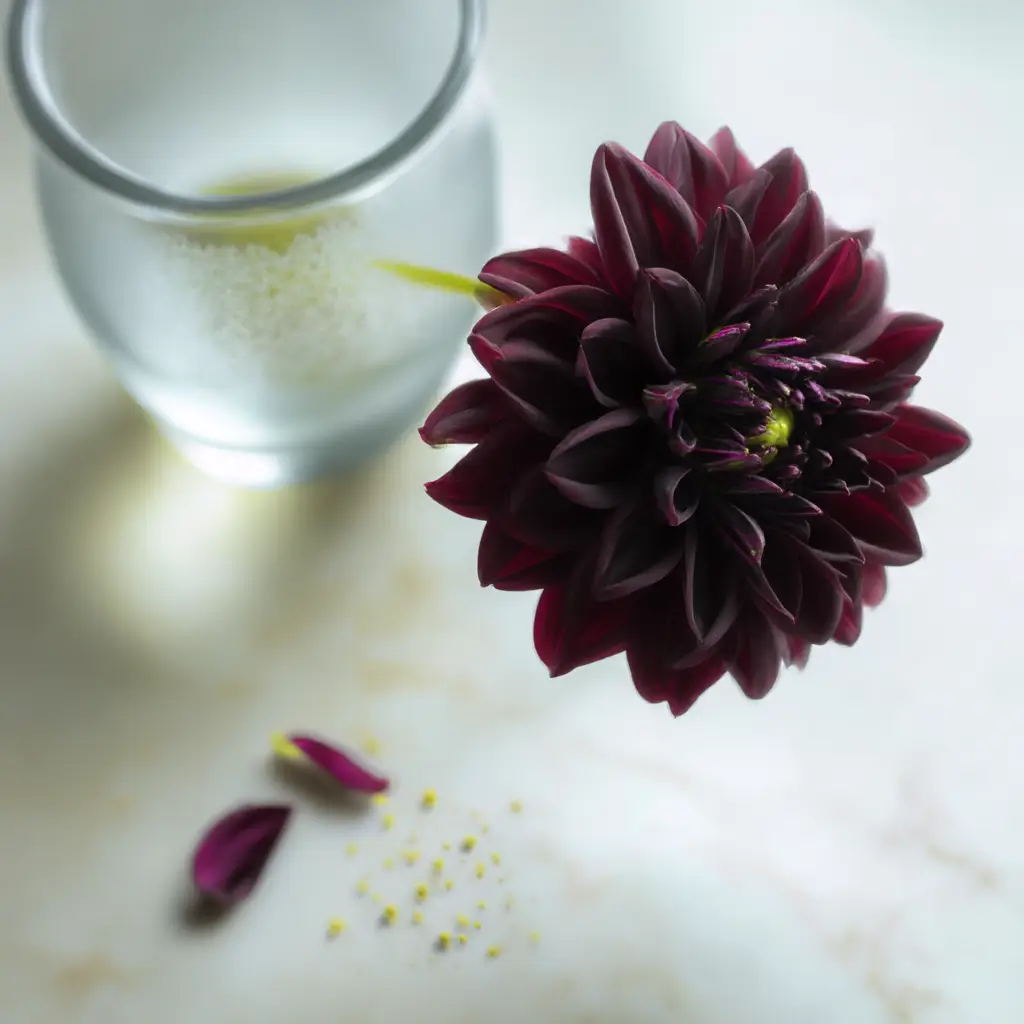
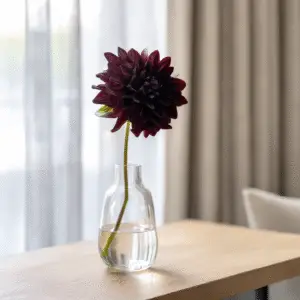 Arabian Night Dahlia
7 photos of Arabian Night Dahlia



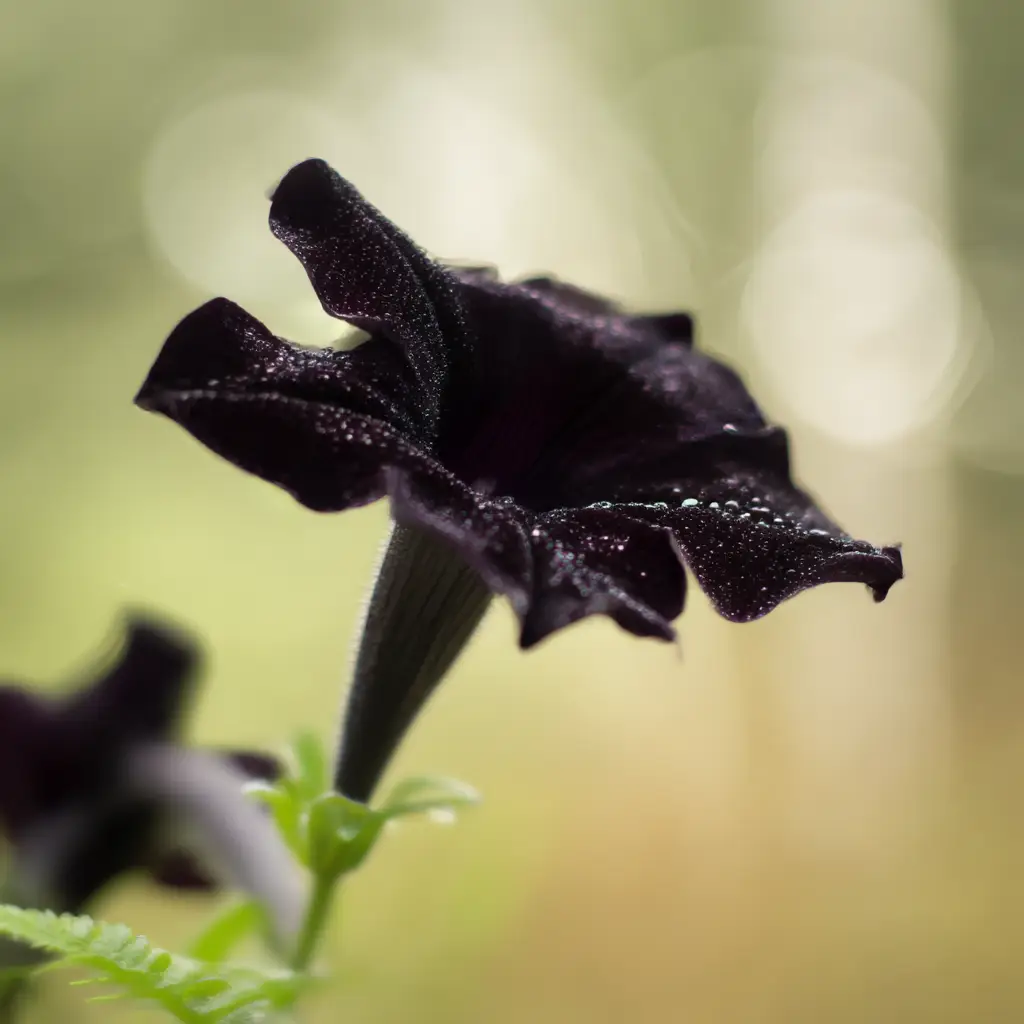
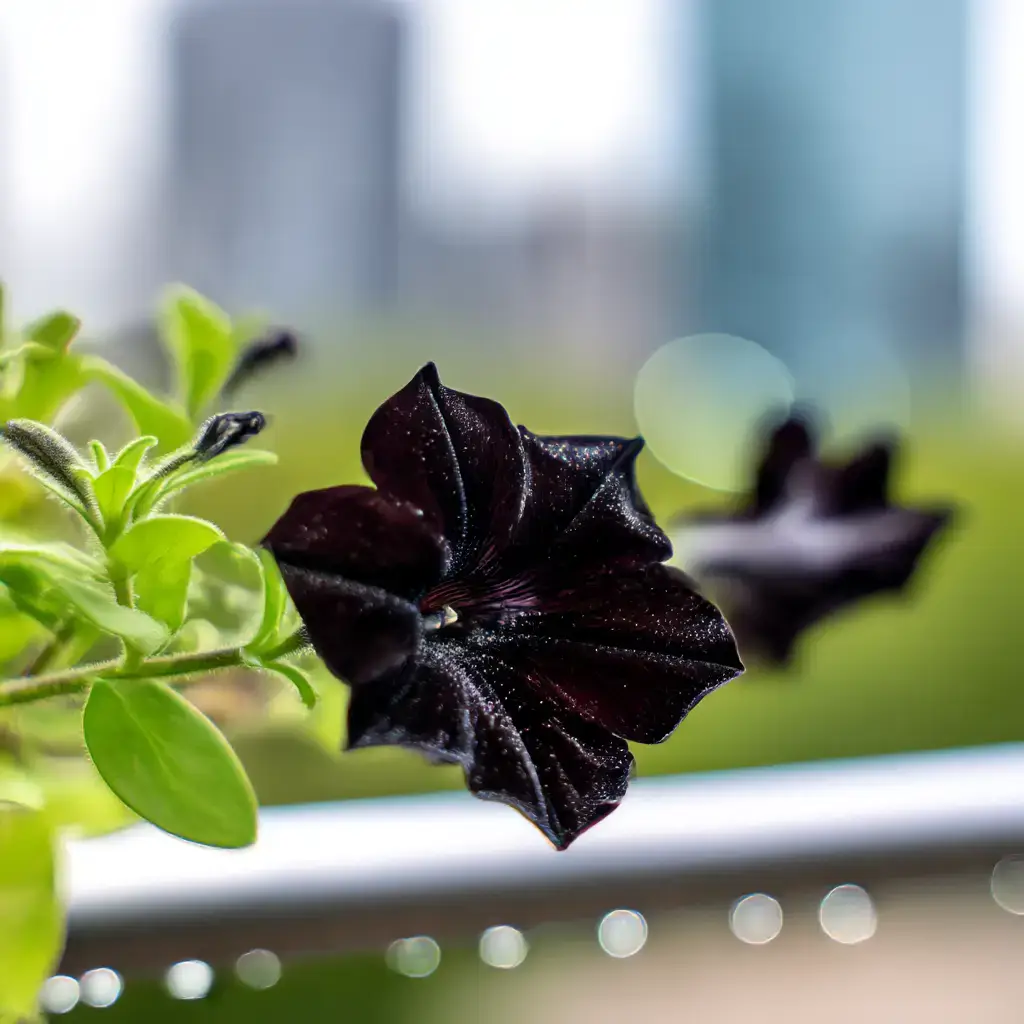
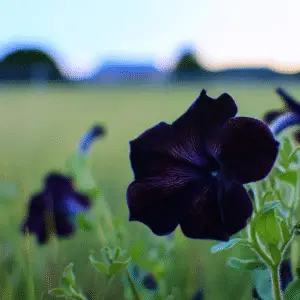 Black Velvet Petunia
7 photos of Black Velvet Petunia
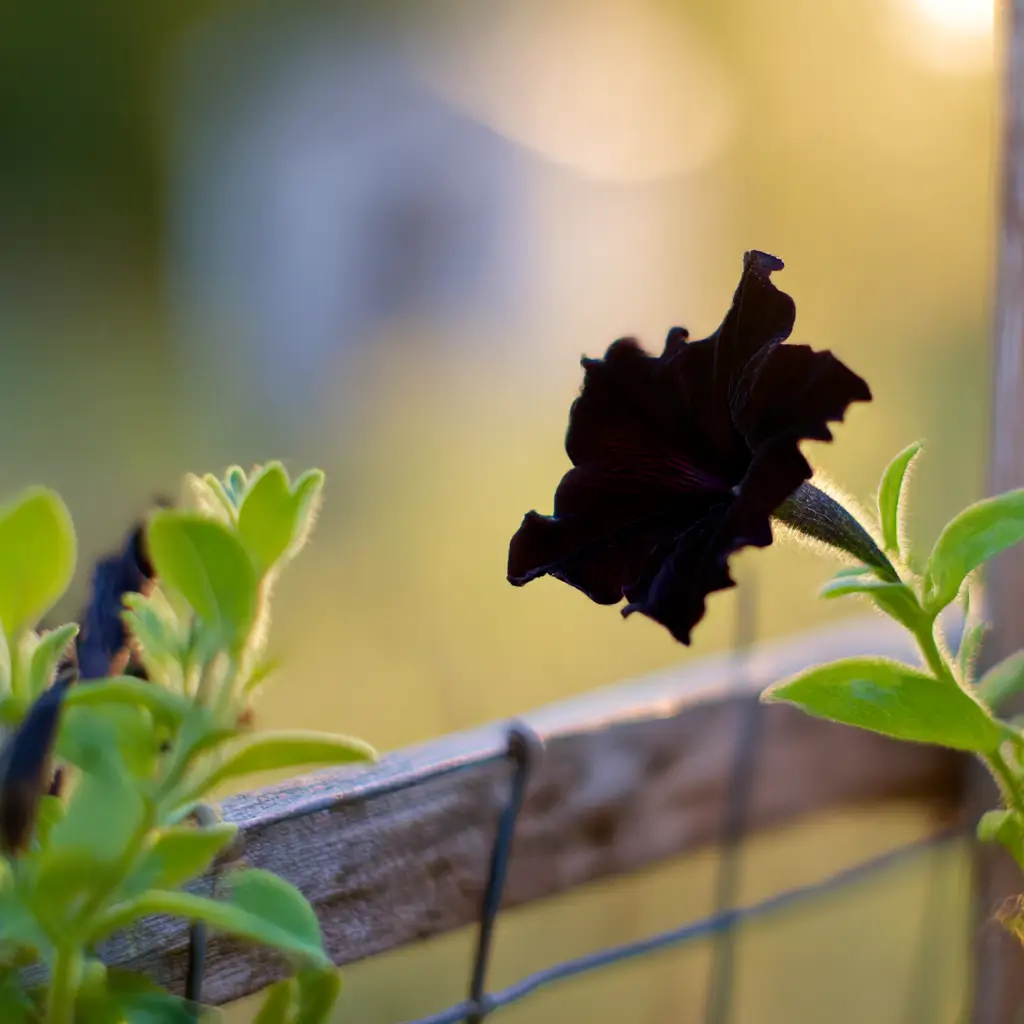
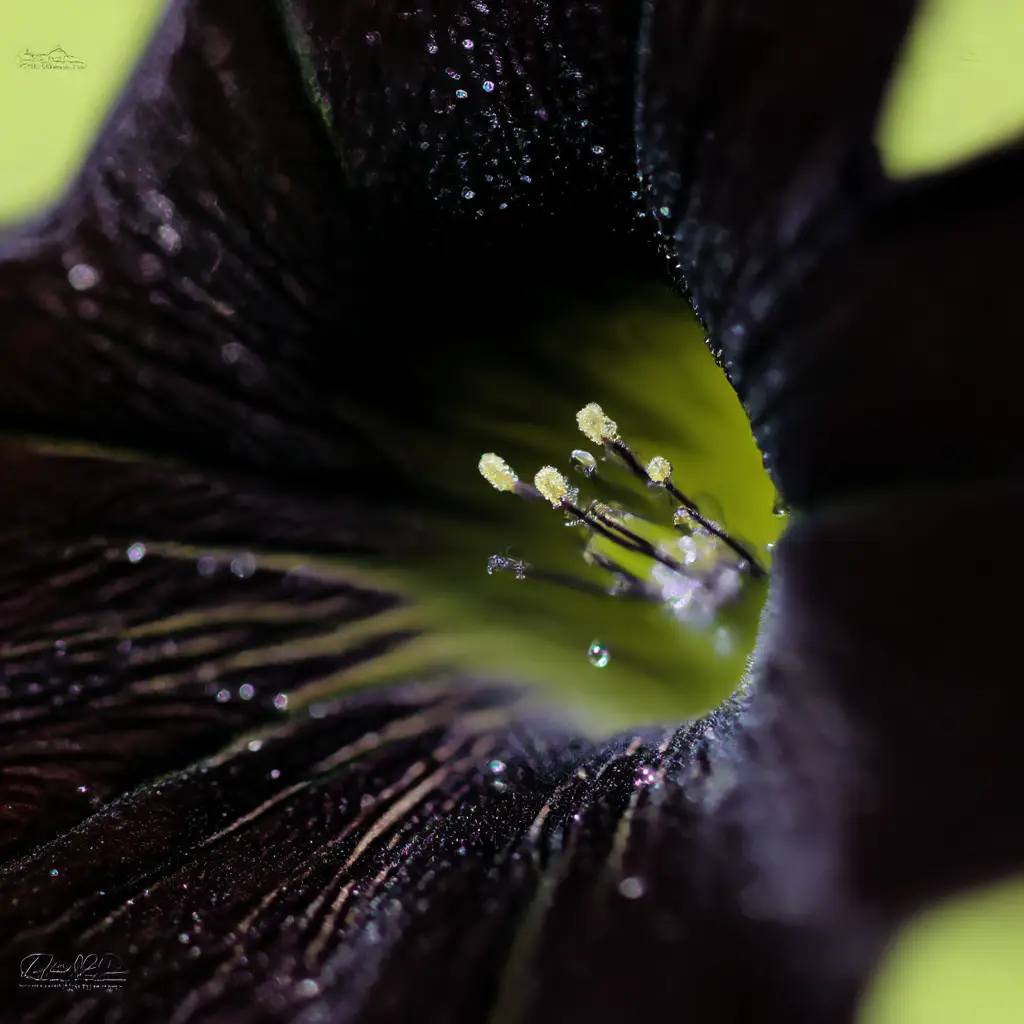
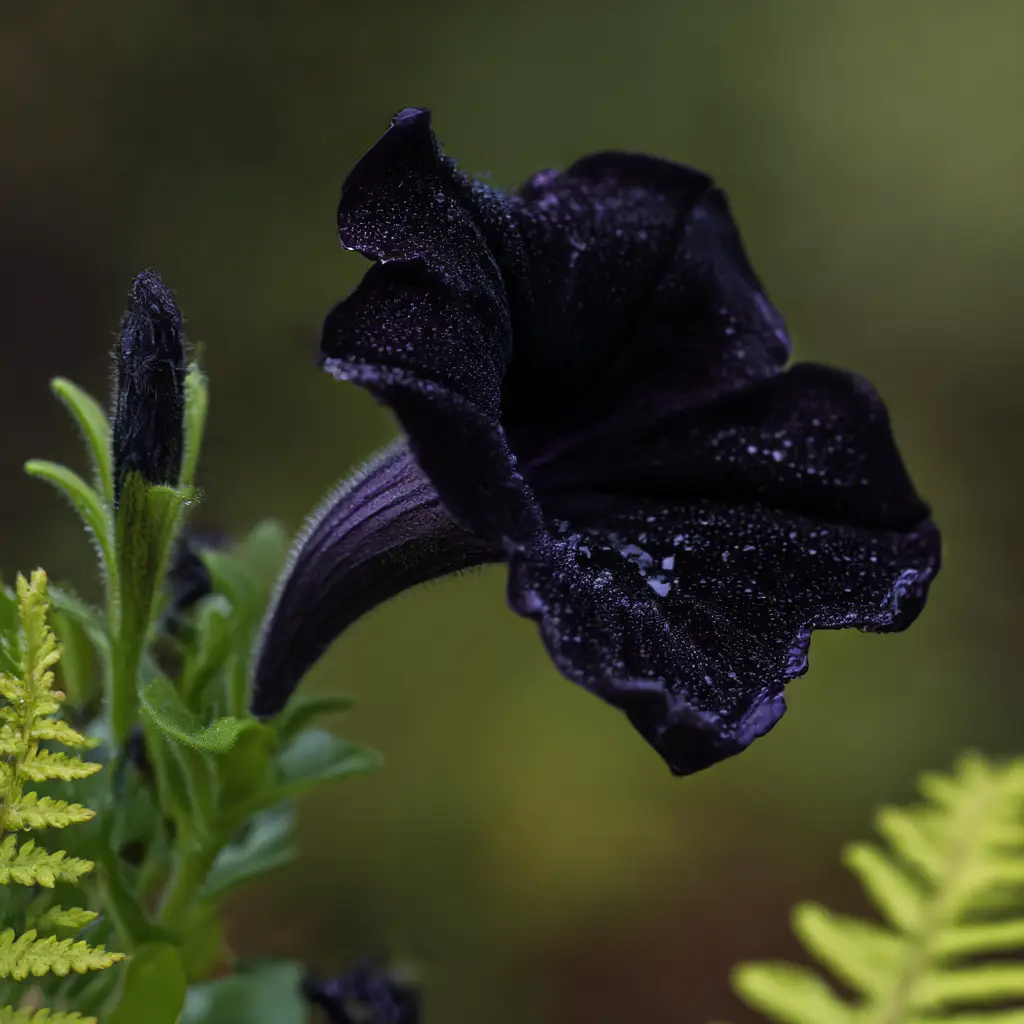


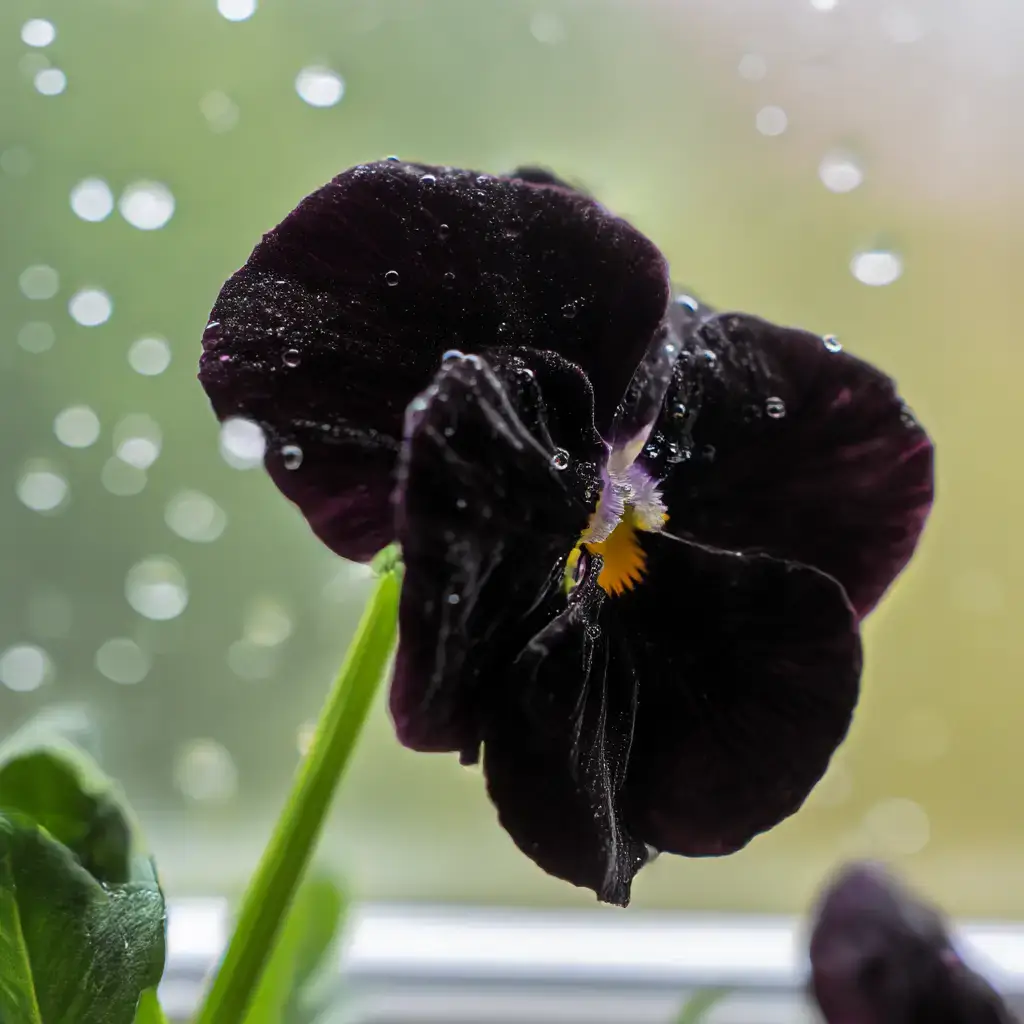
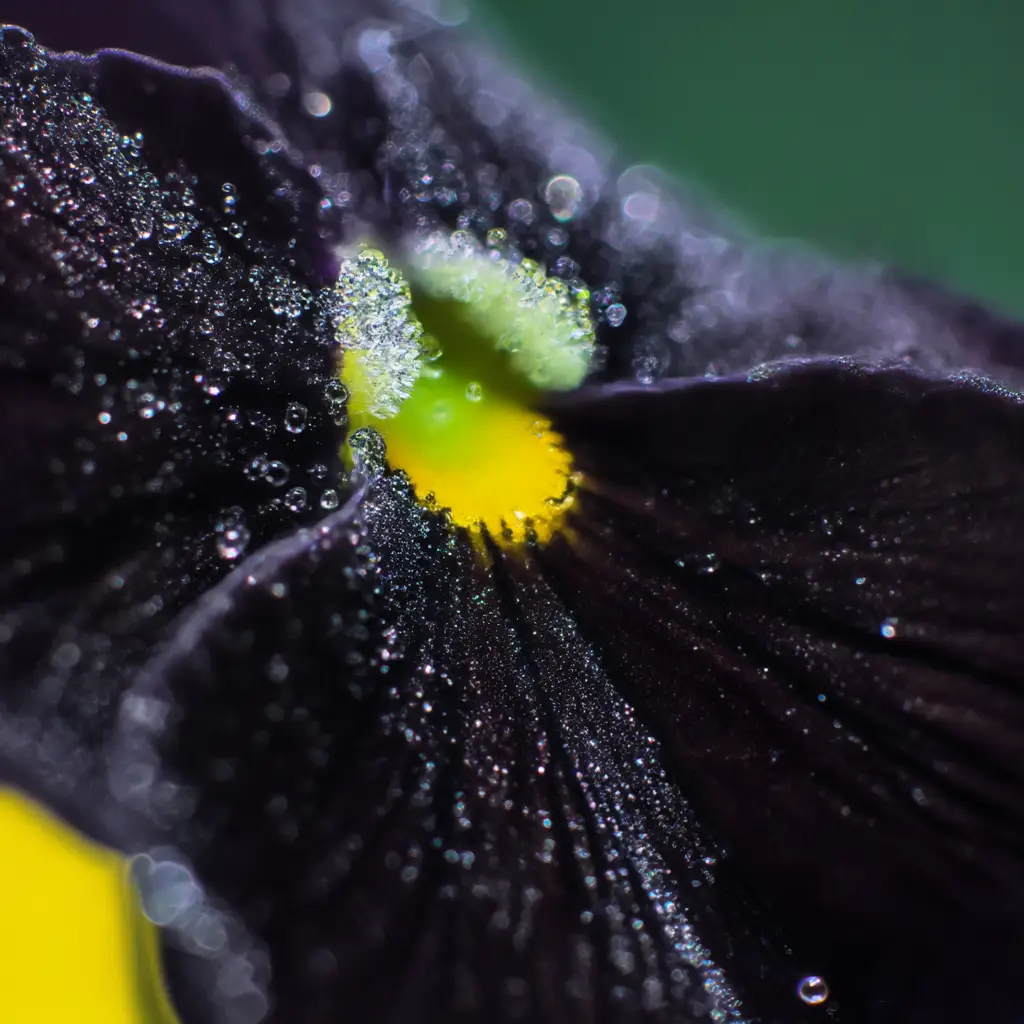
 Black Beauty Pansy
7 photos of Black Beauty Pansy


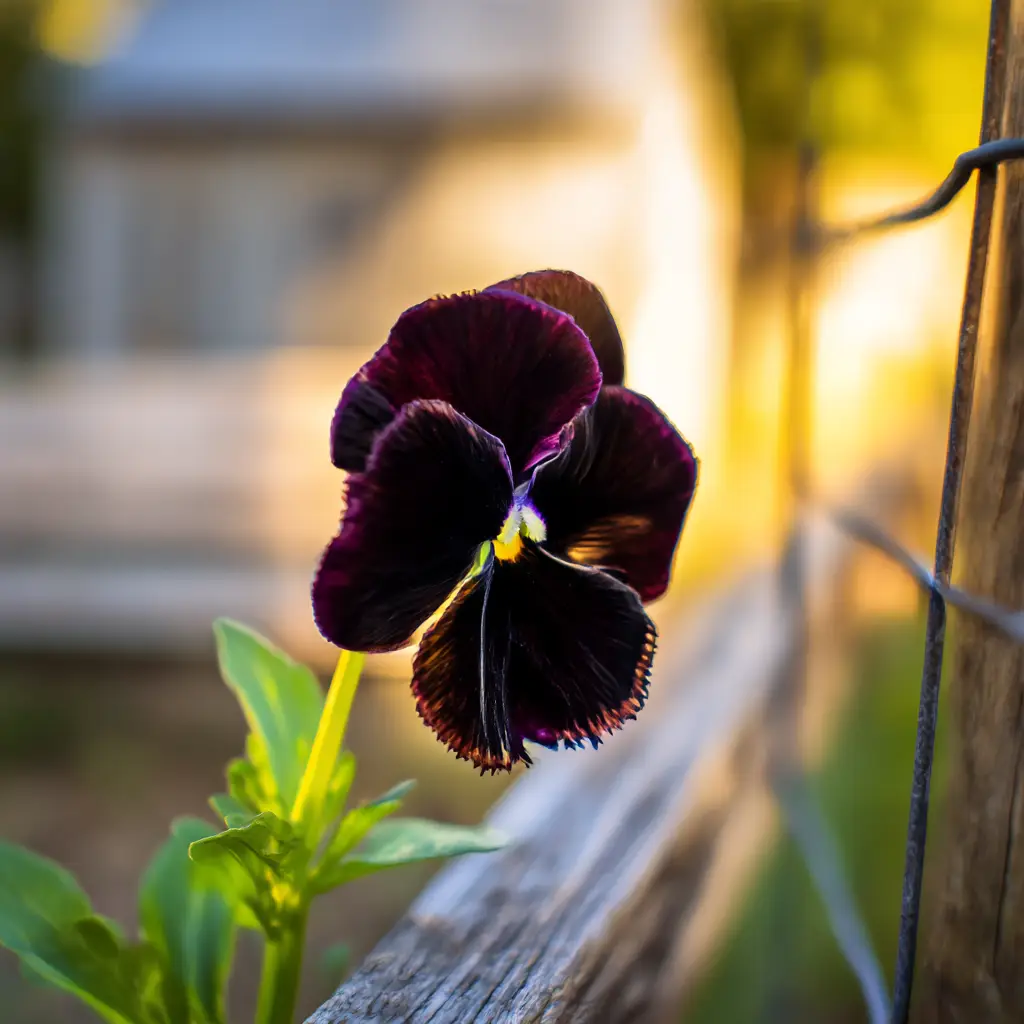


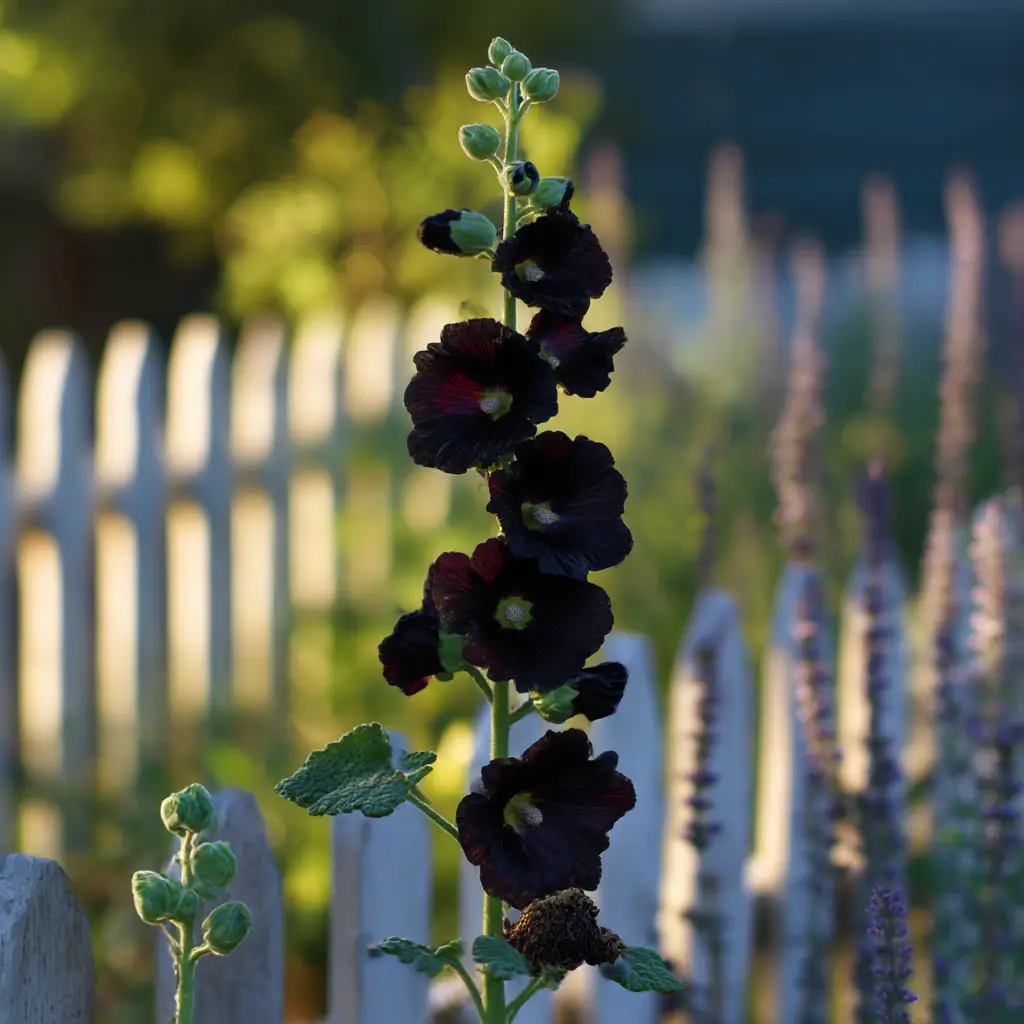
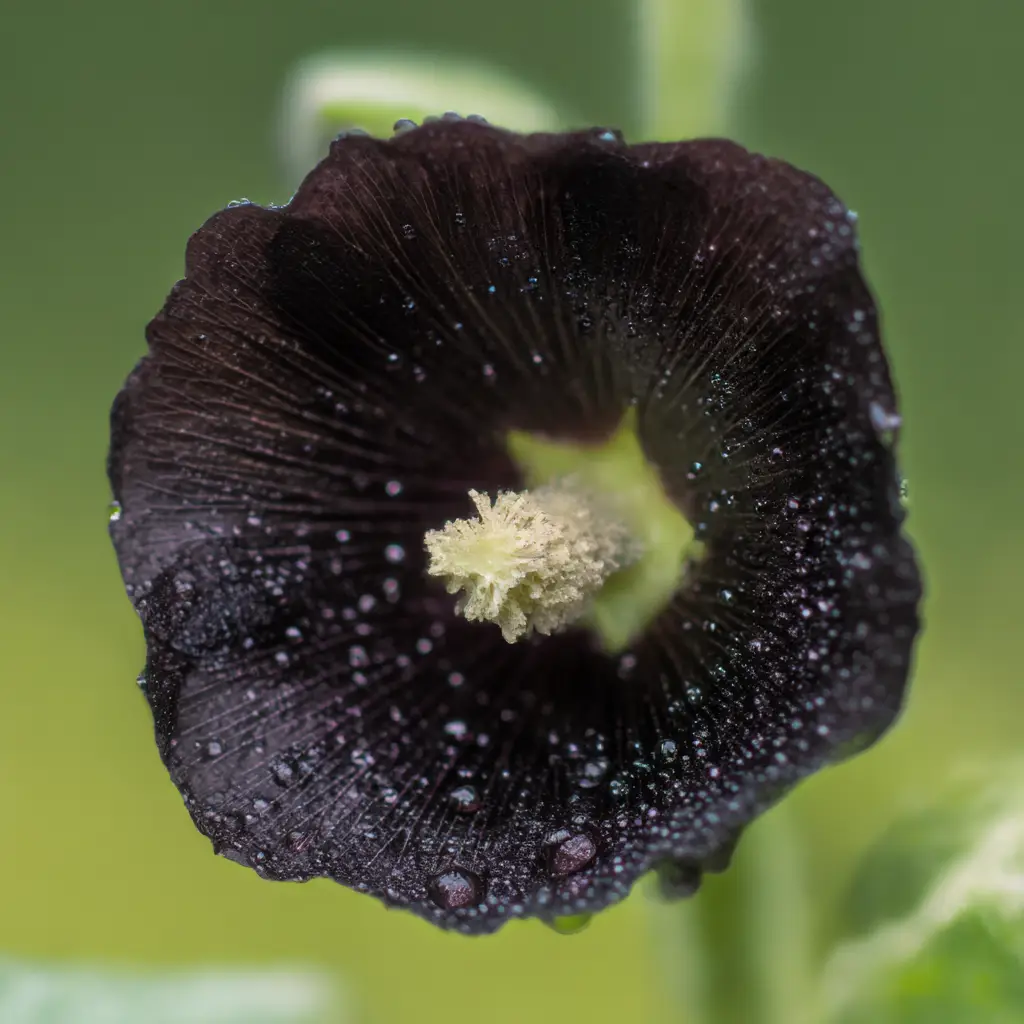
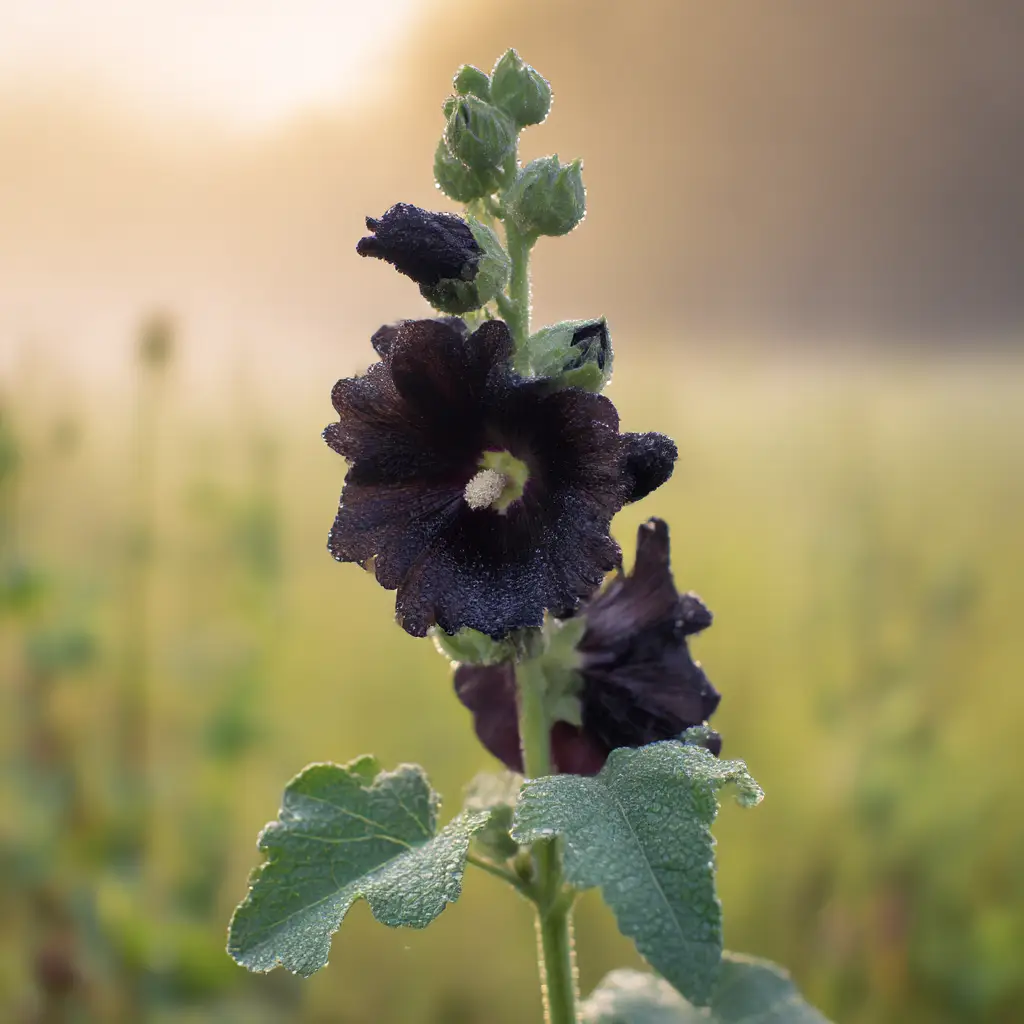
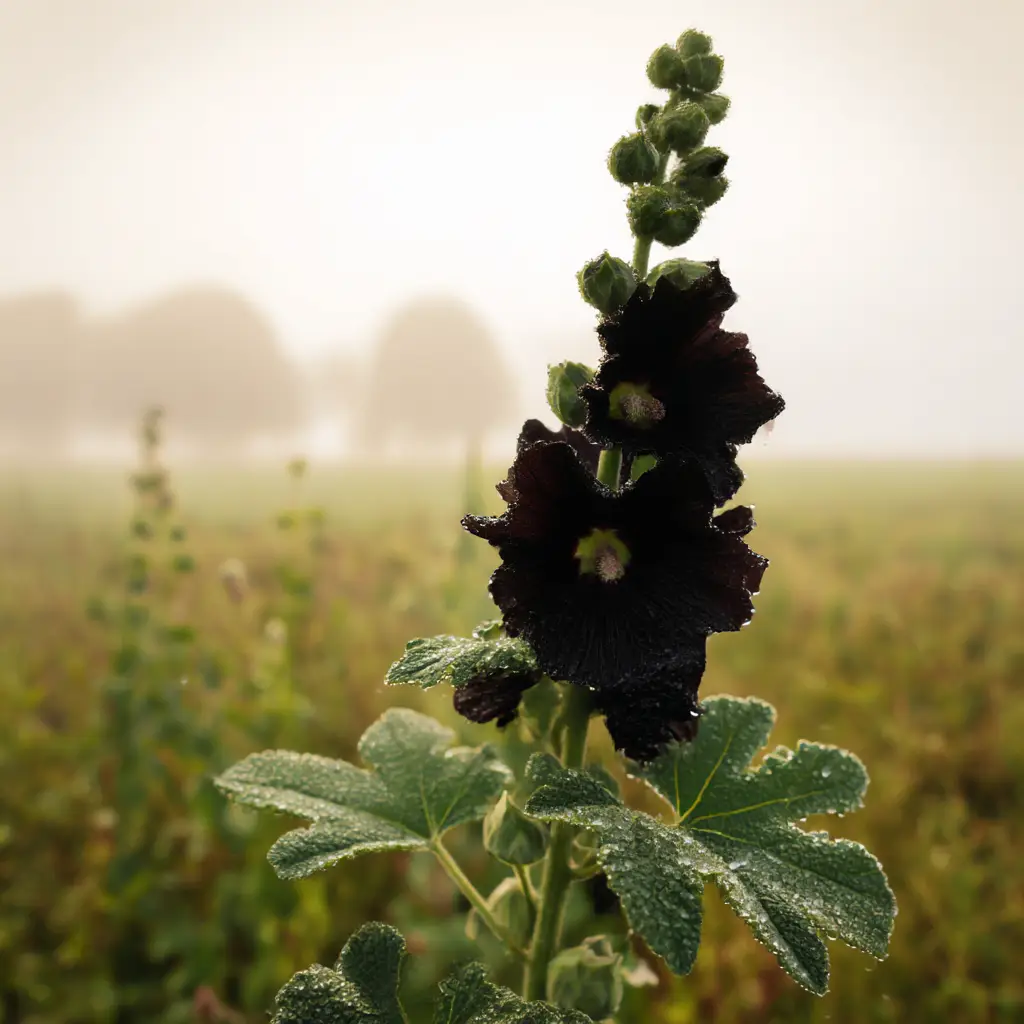
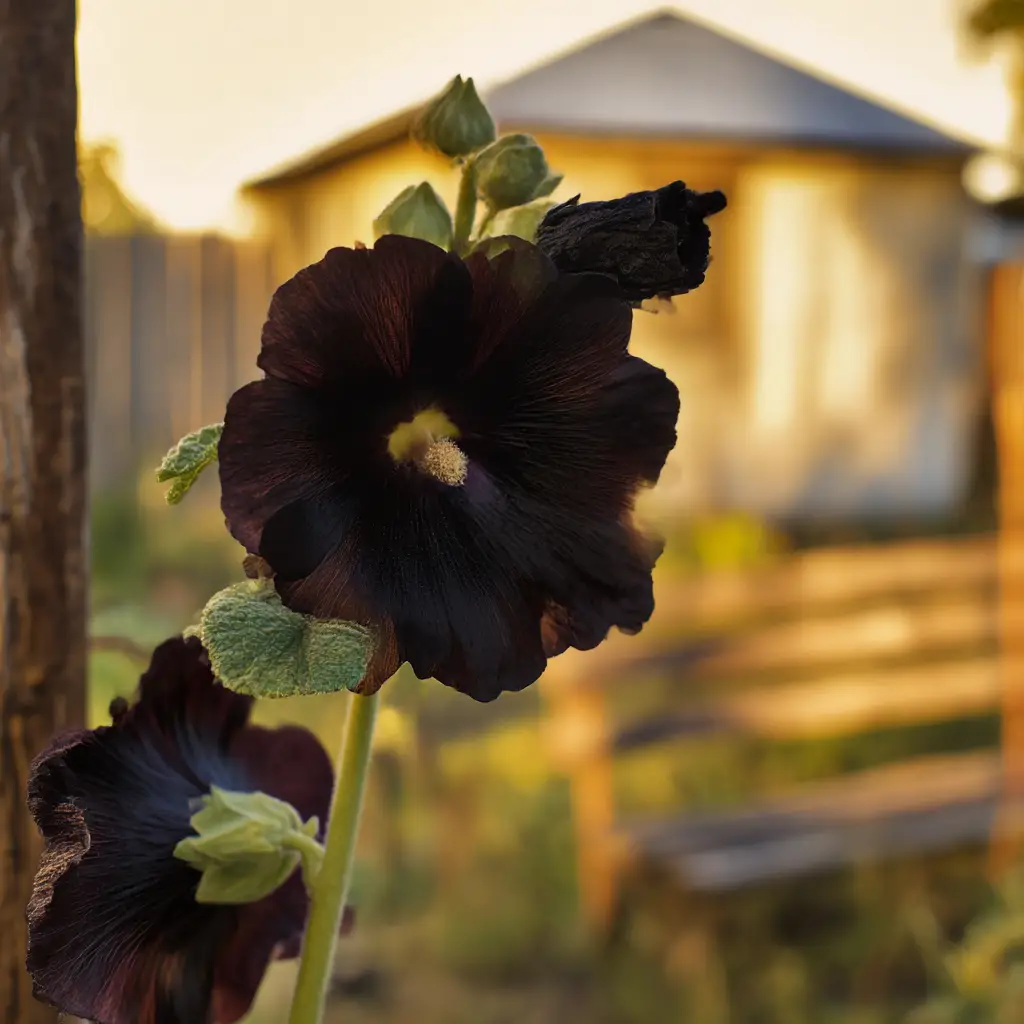
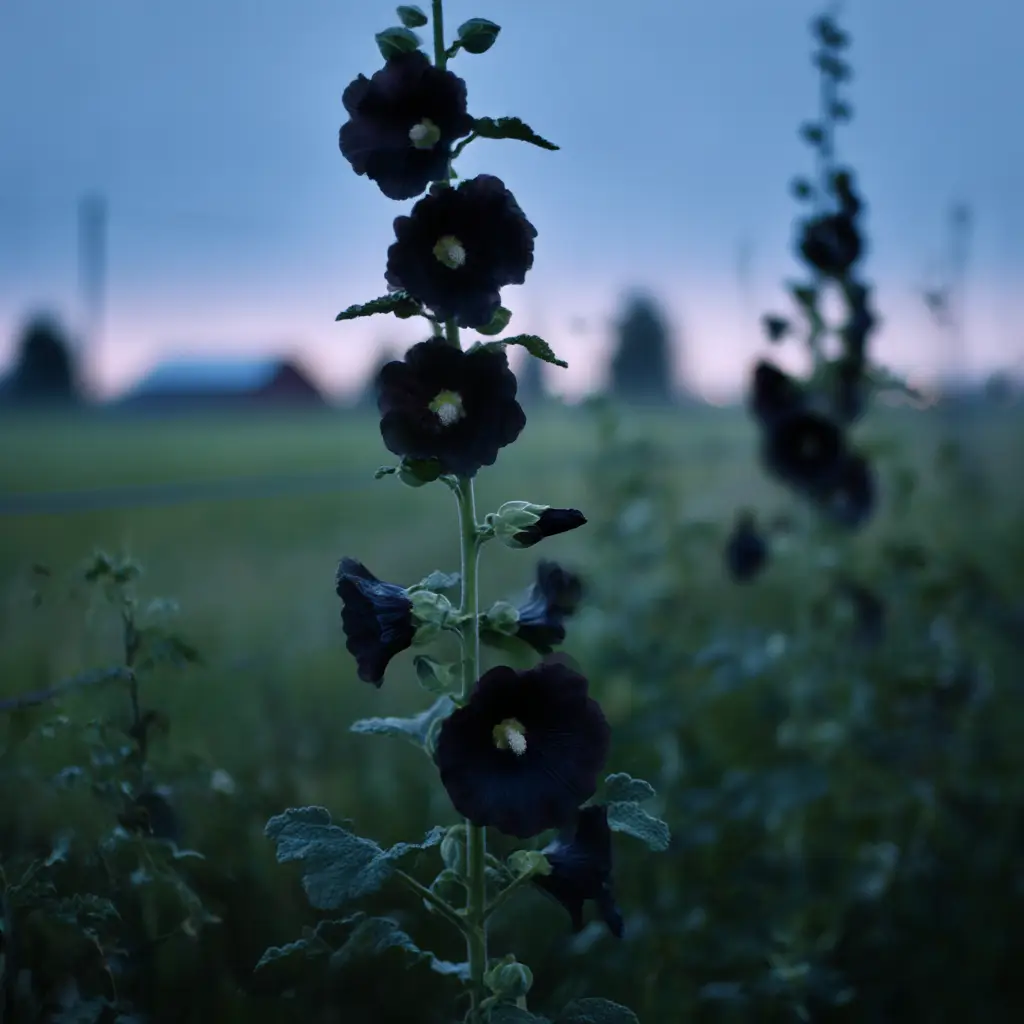
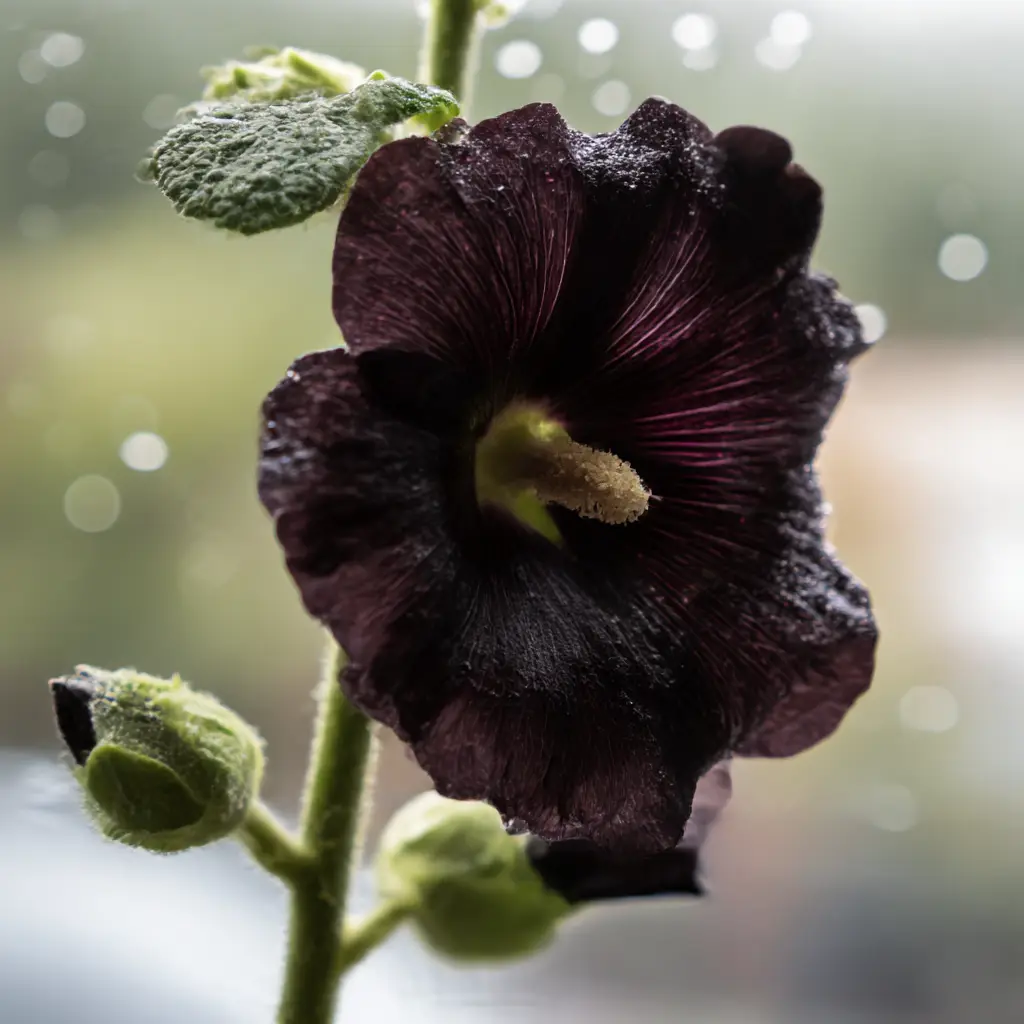
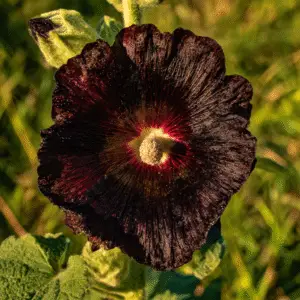 Nigra Hollyhock
7 photos of Nigra Hollyhock
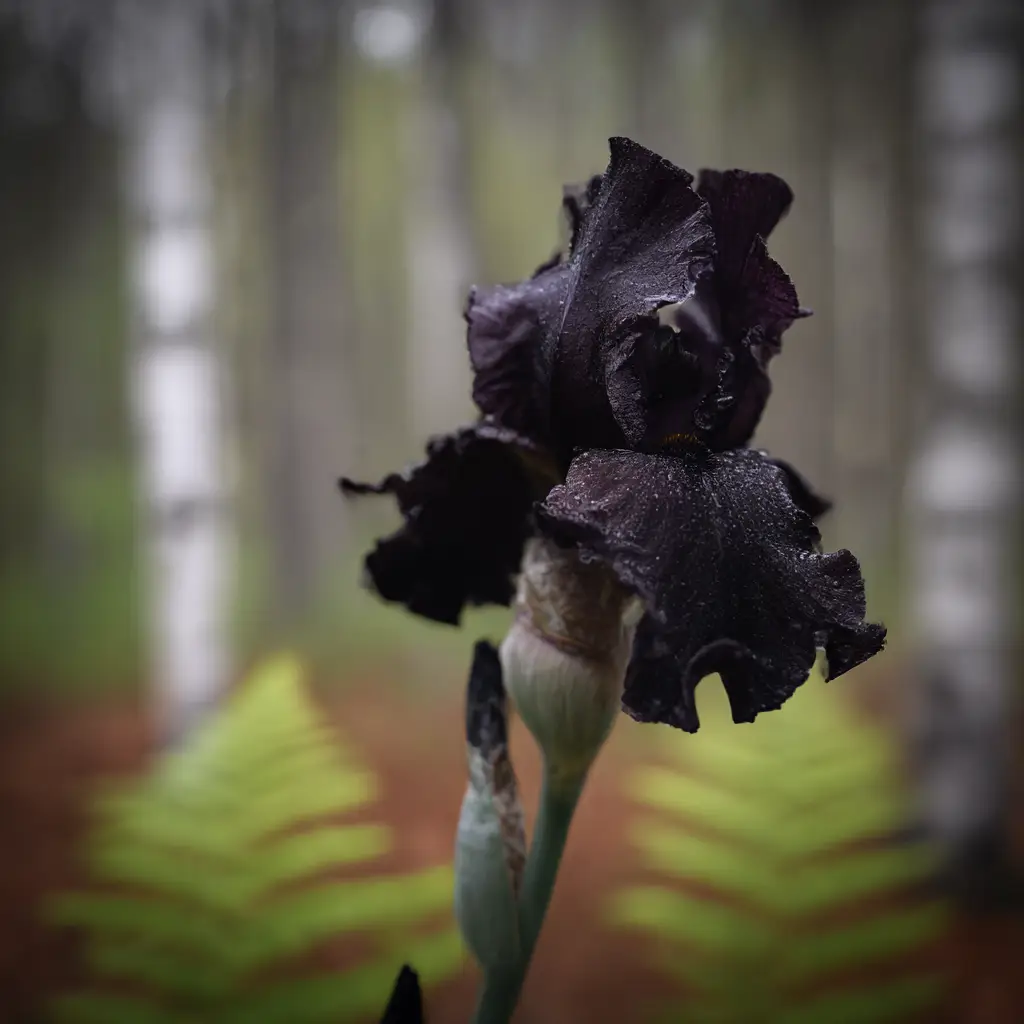
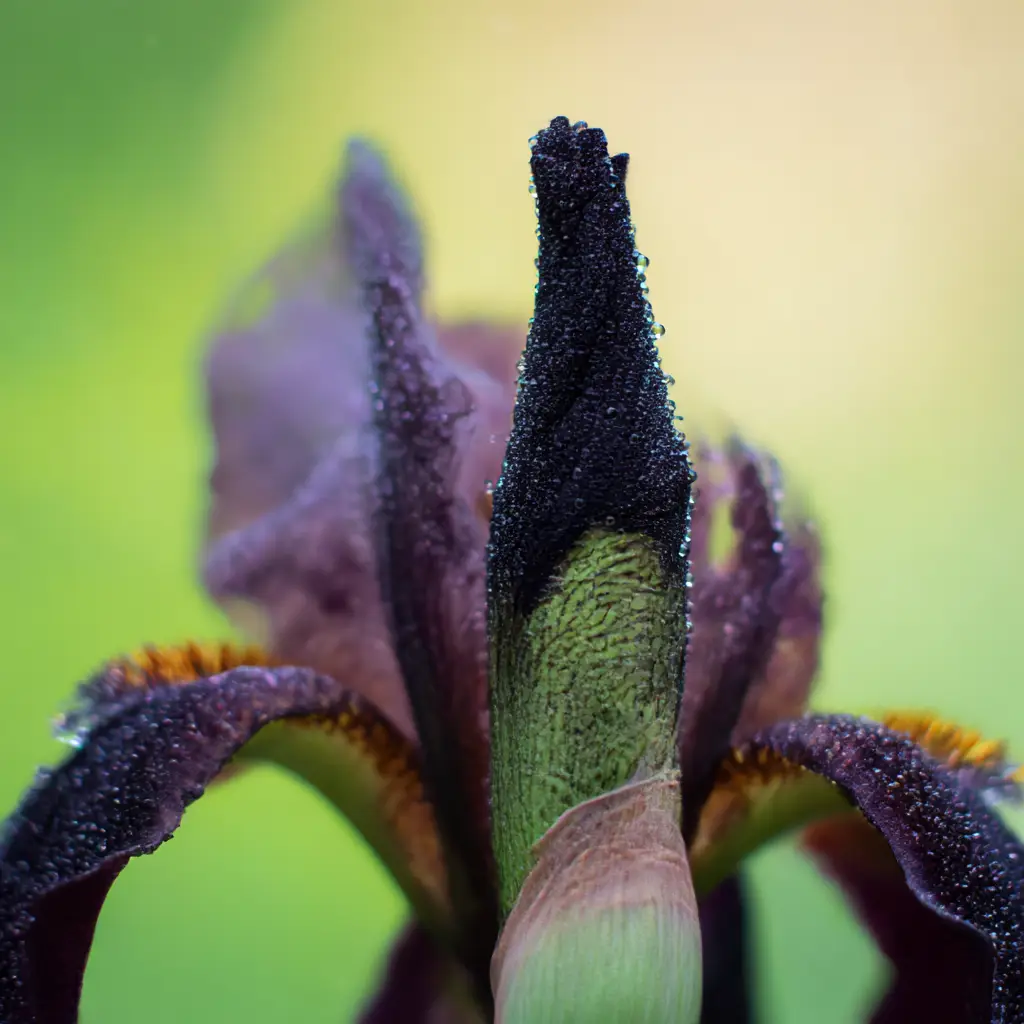
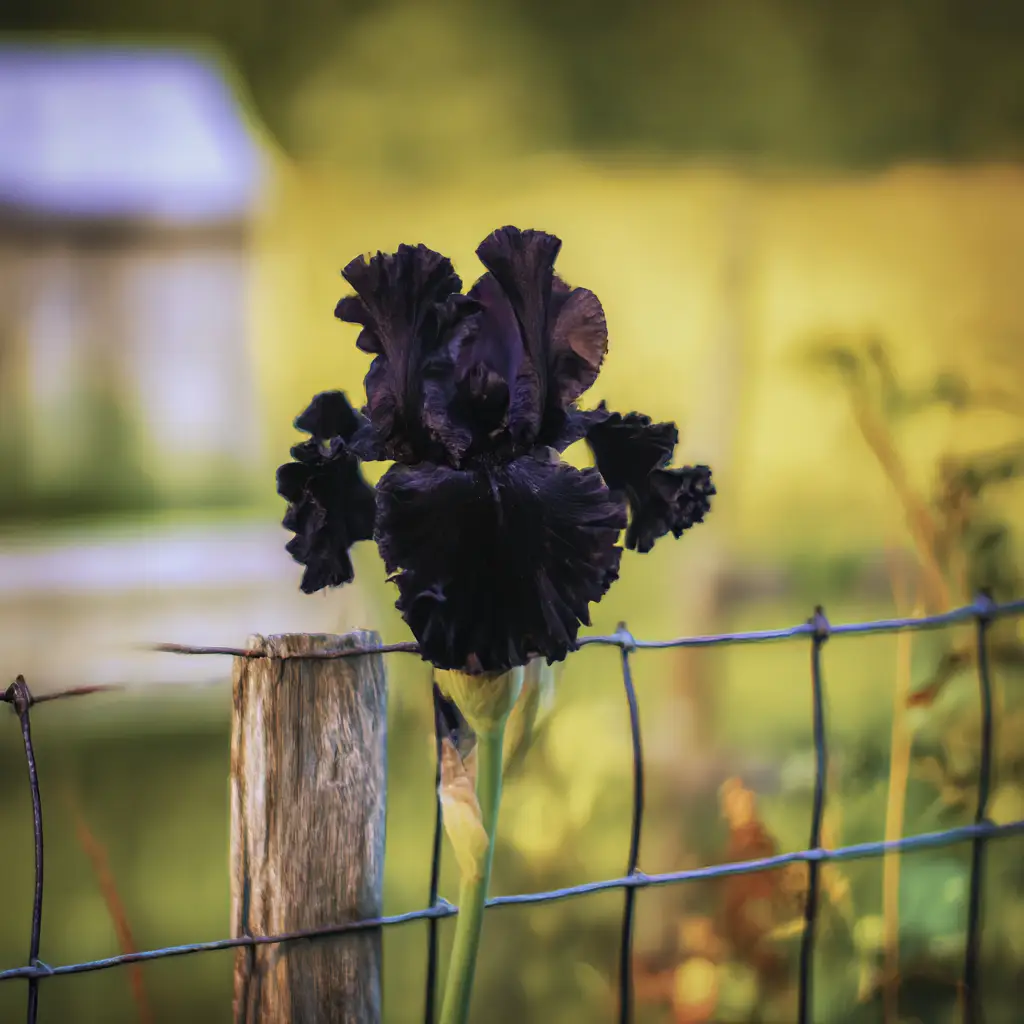
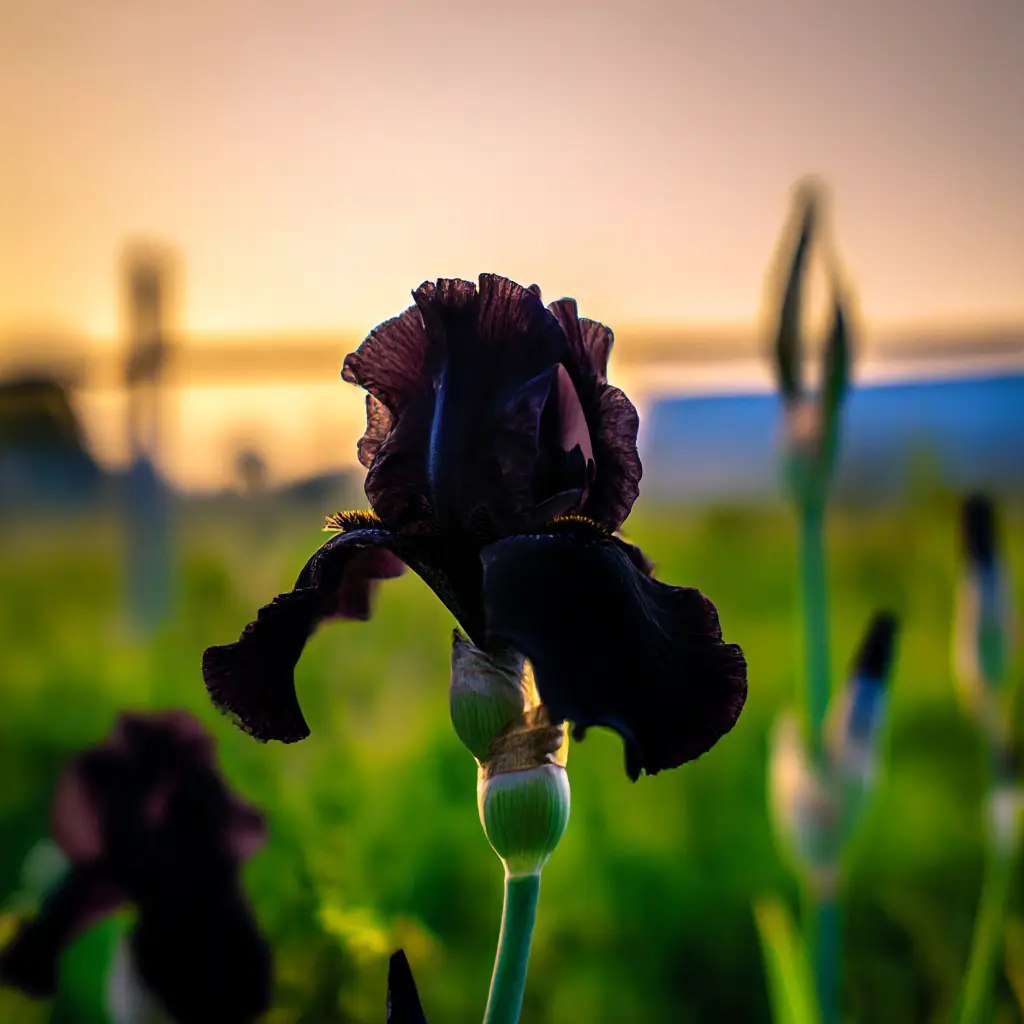
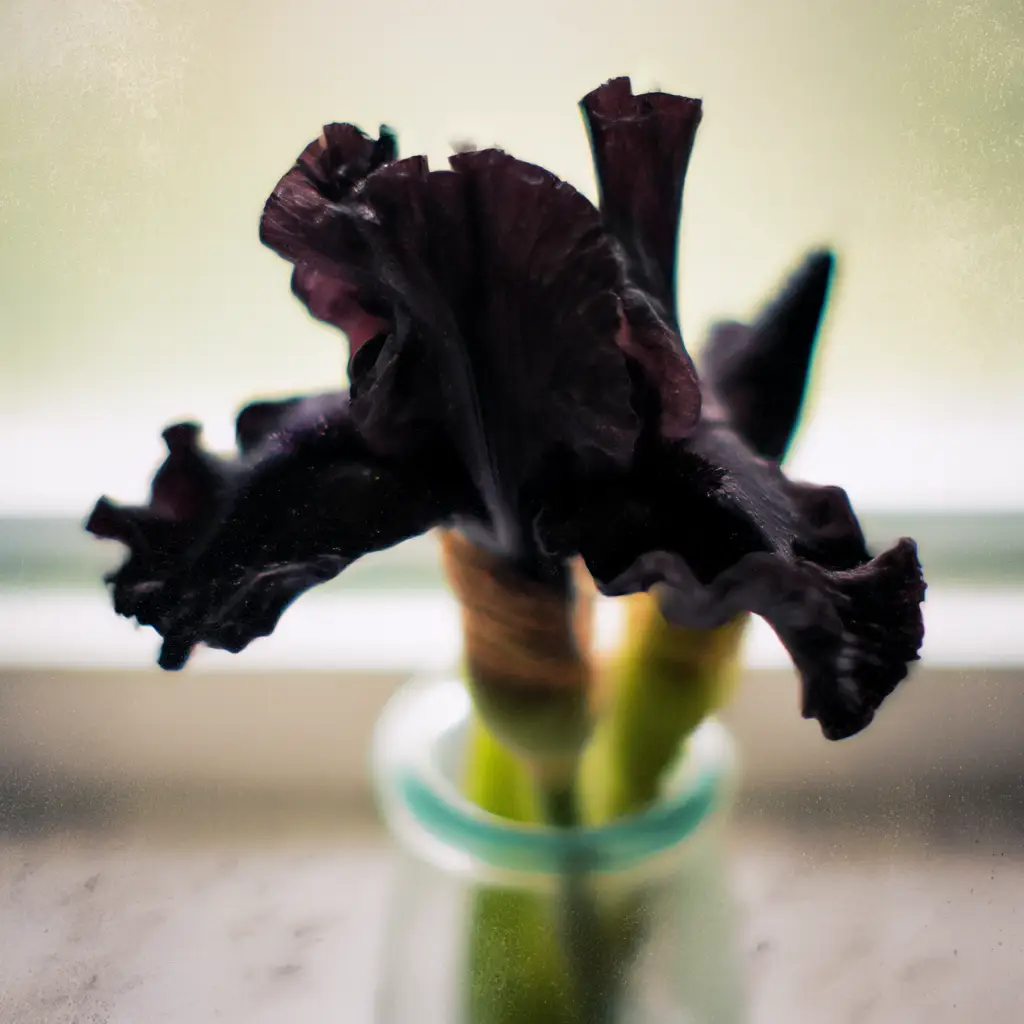
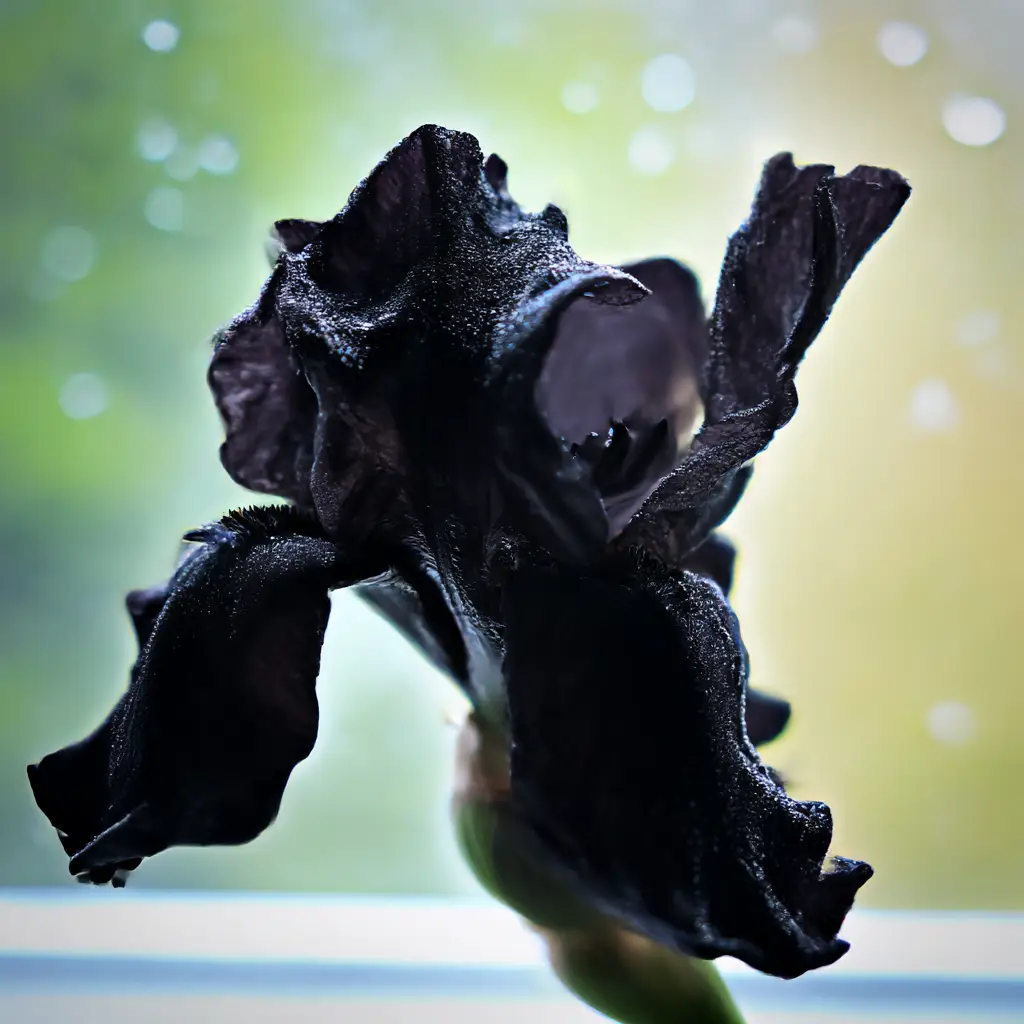
 Before the Storm Bearded Iris
7 photos of Before the Storm Bearded Iris
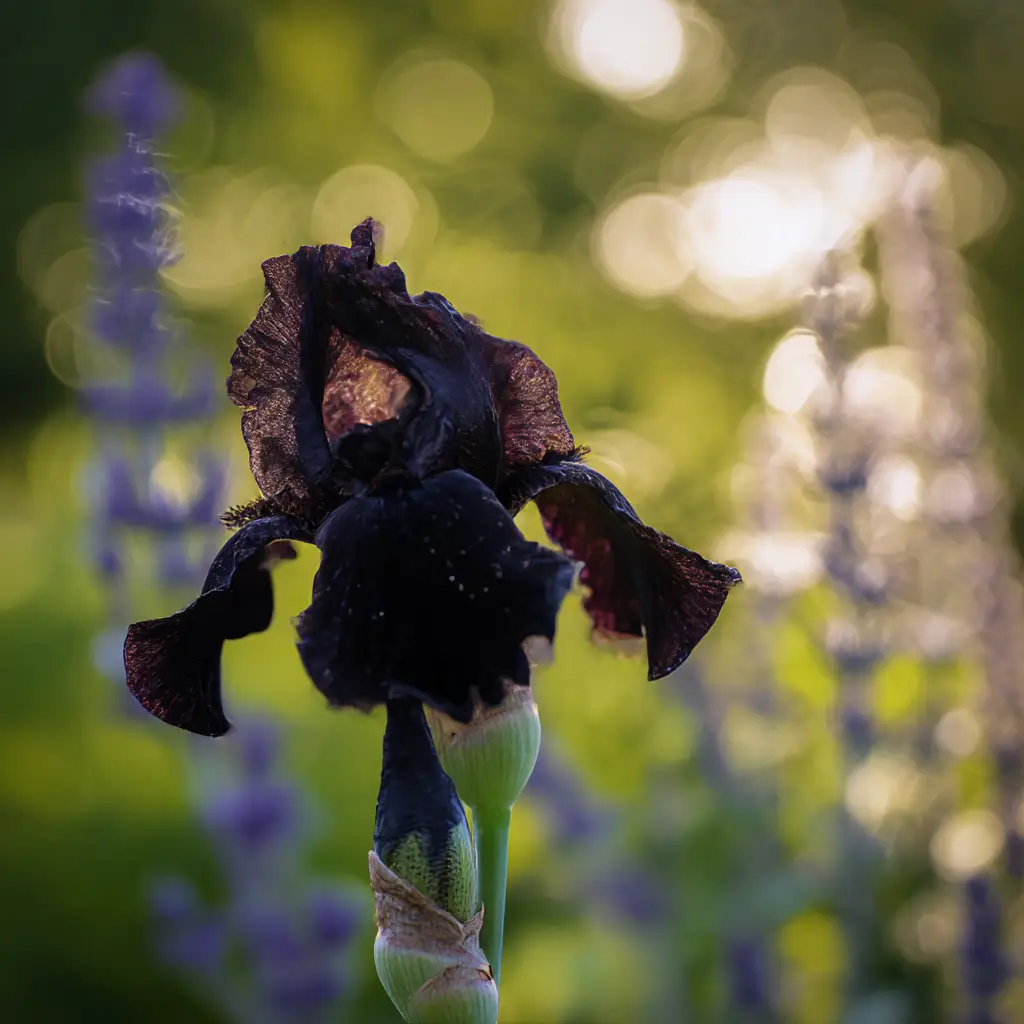
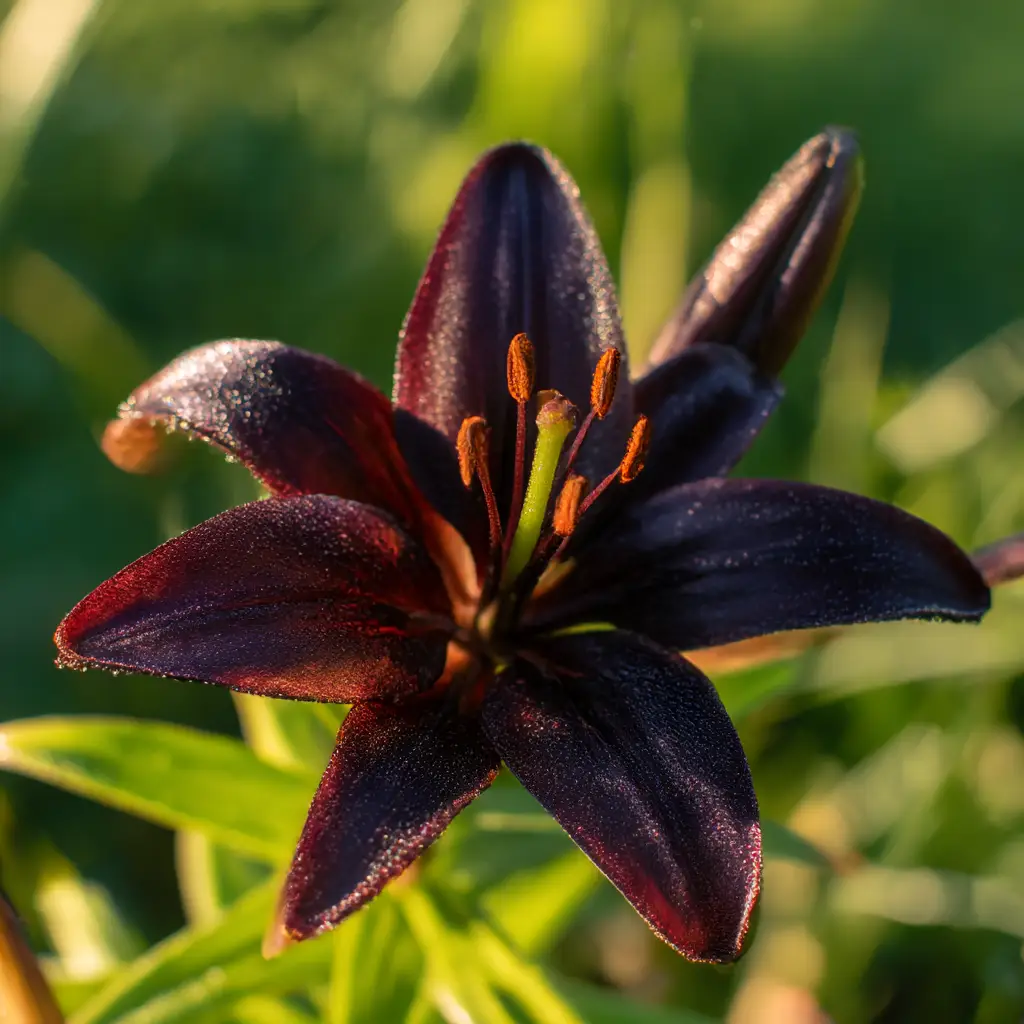
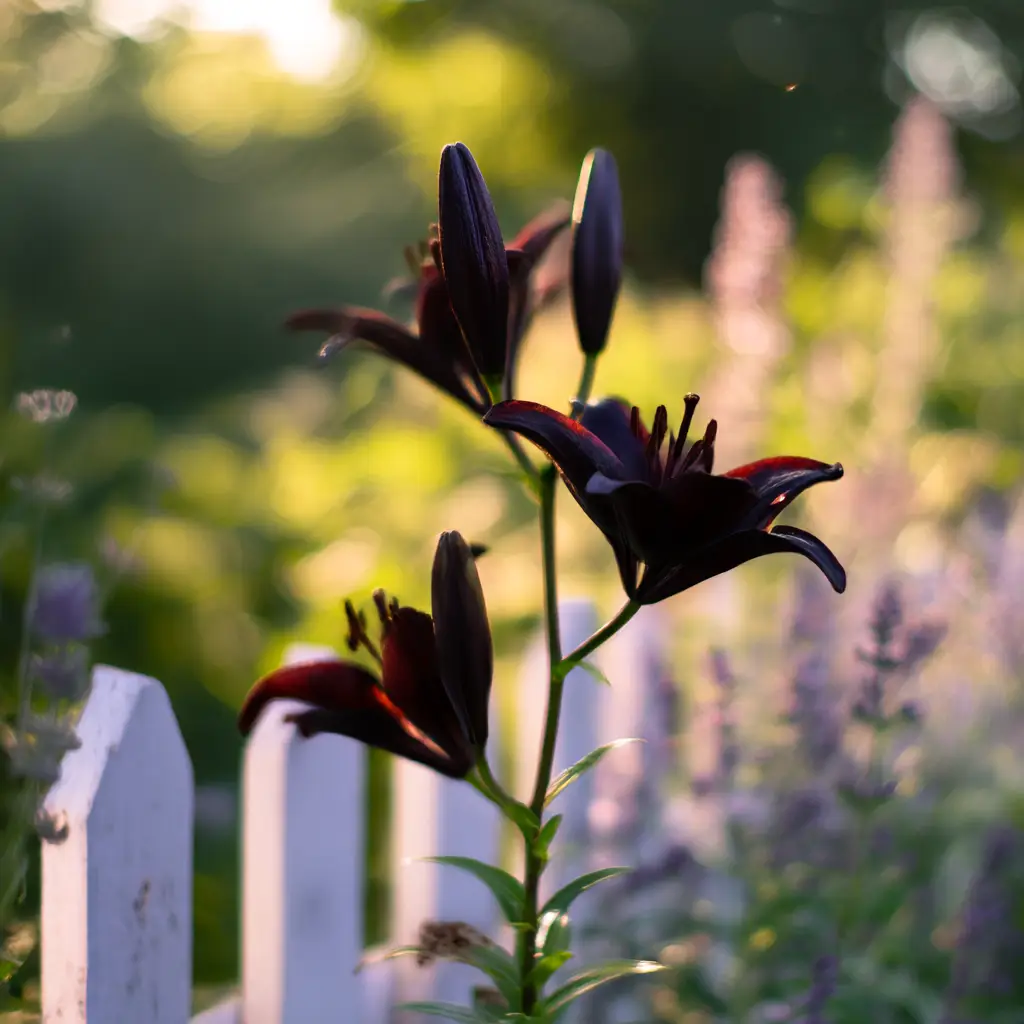
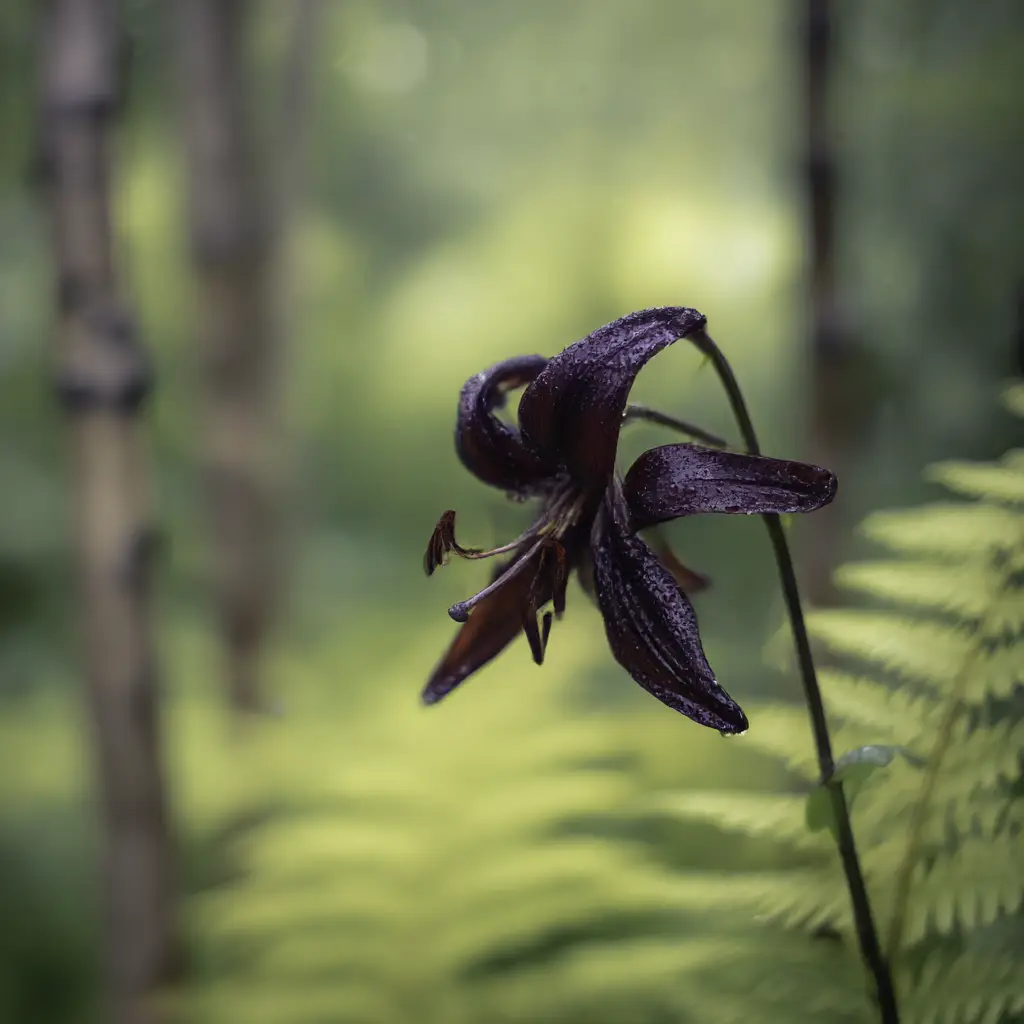
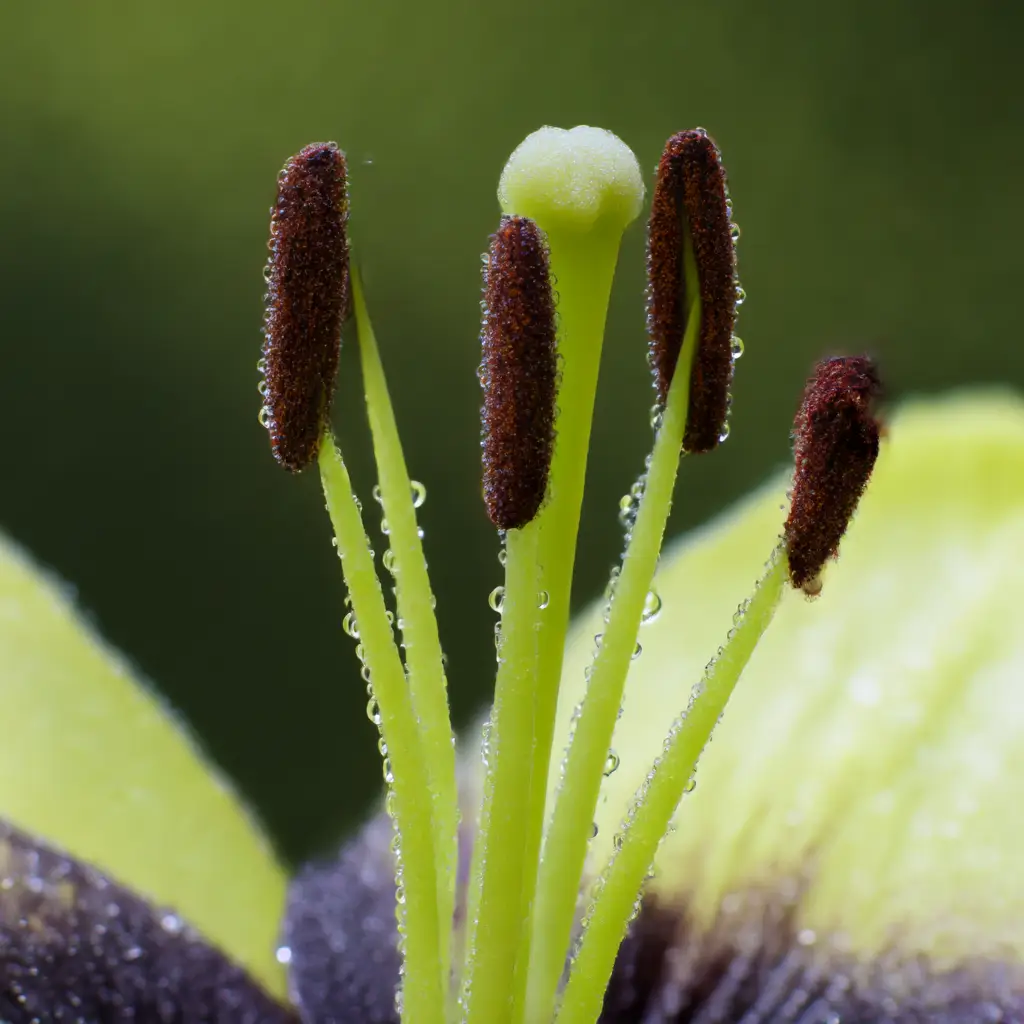
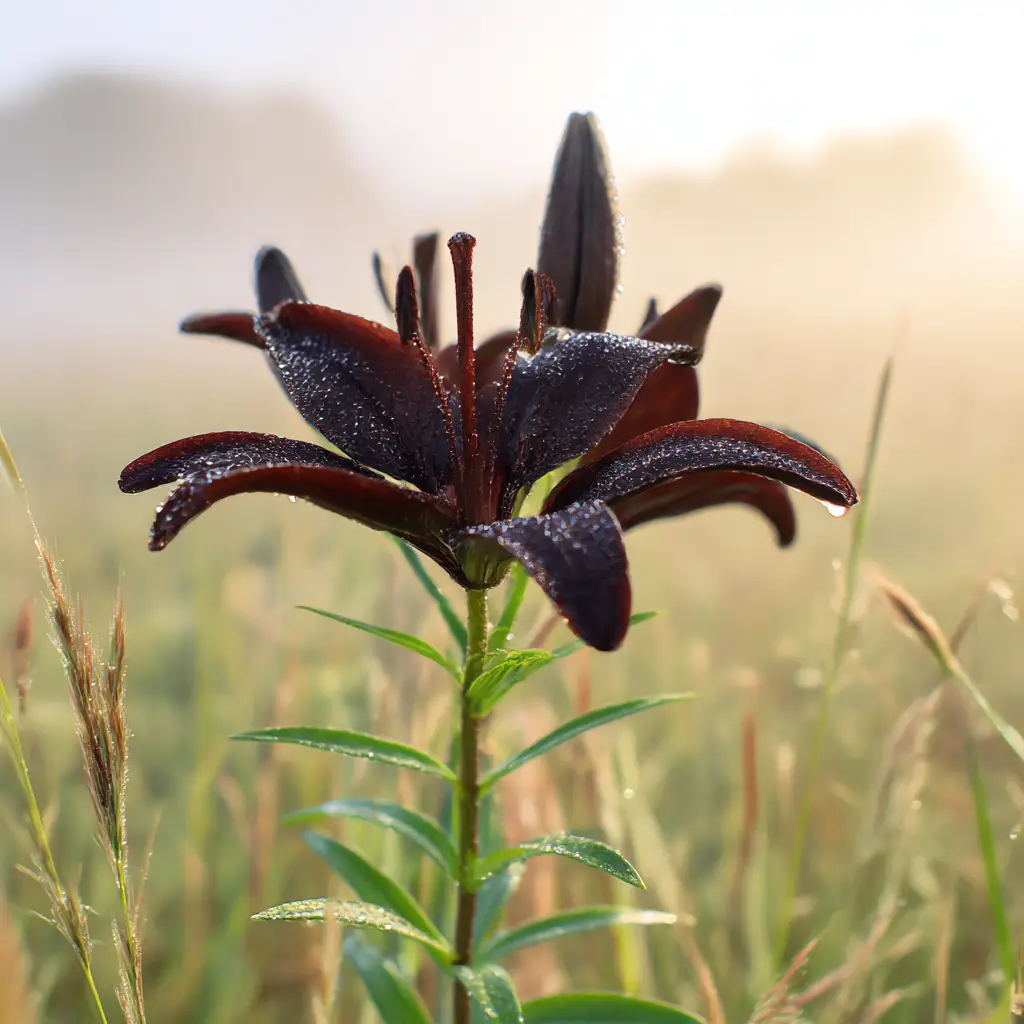
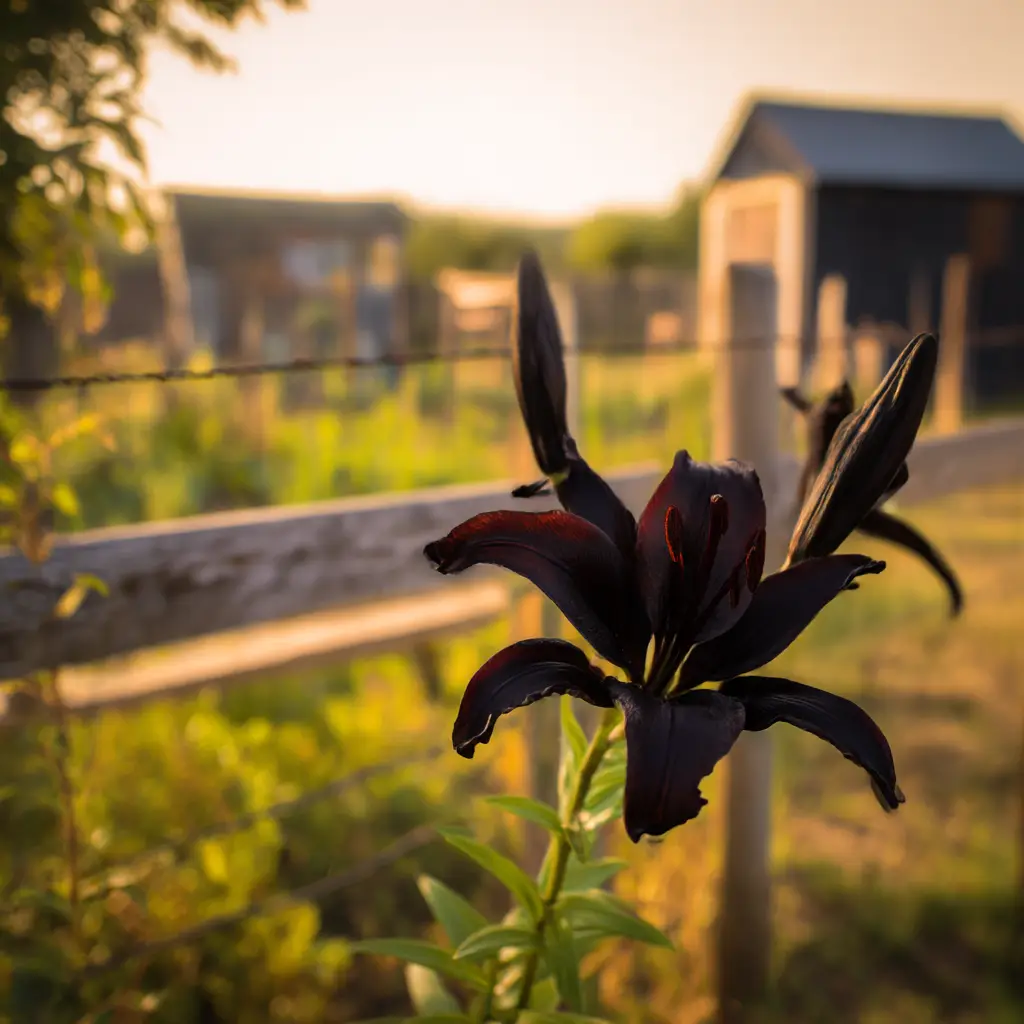
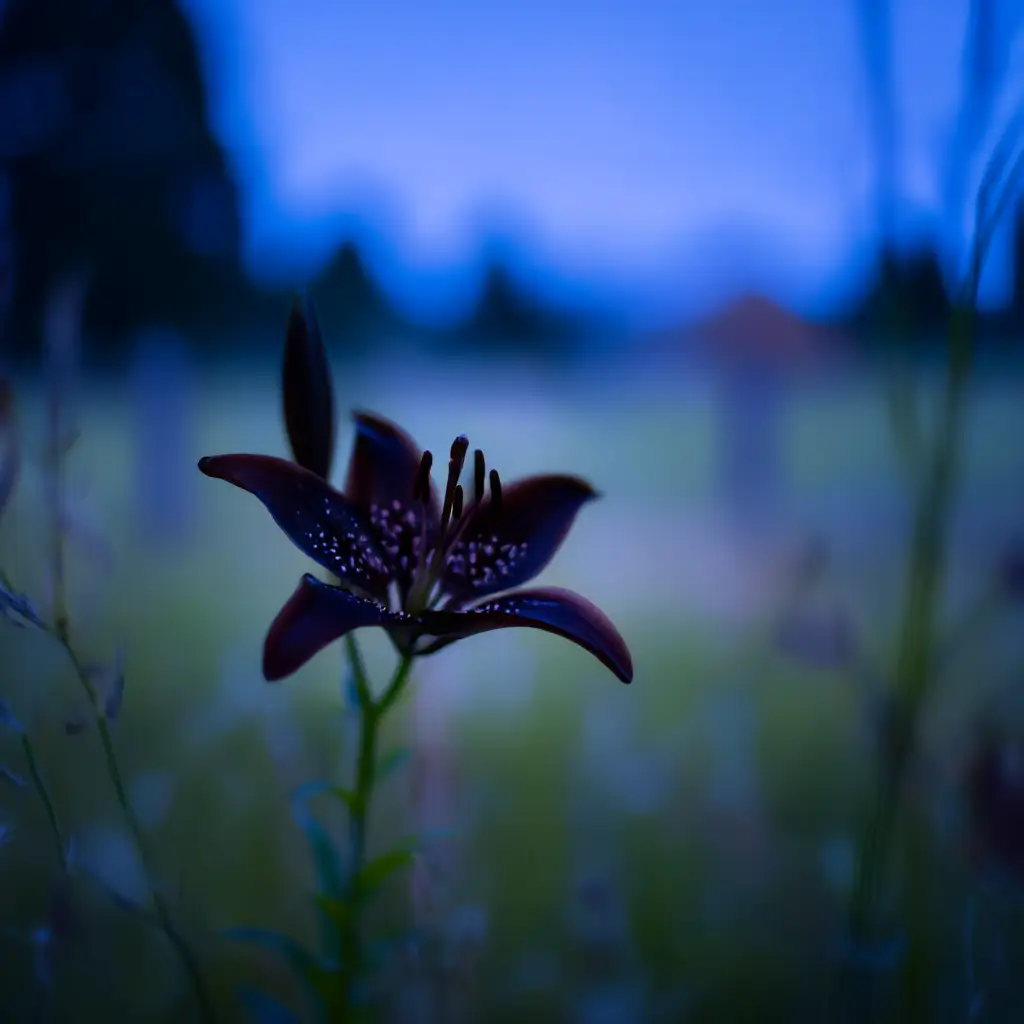
 Landini Asiatic Lily
7 photos of Landini Asiatic Lily
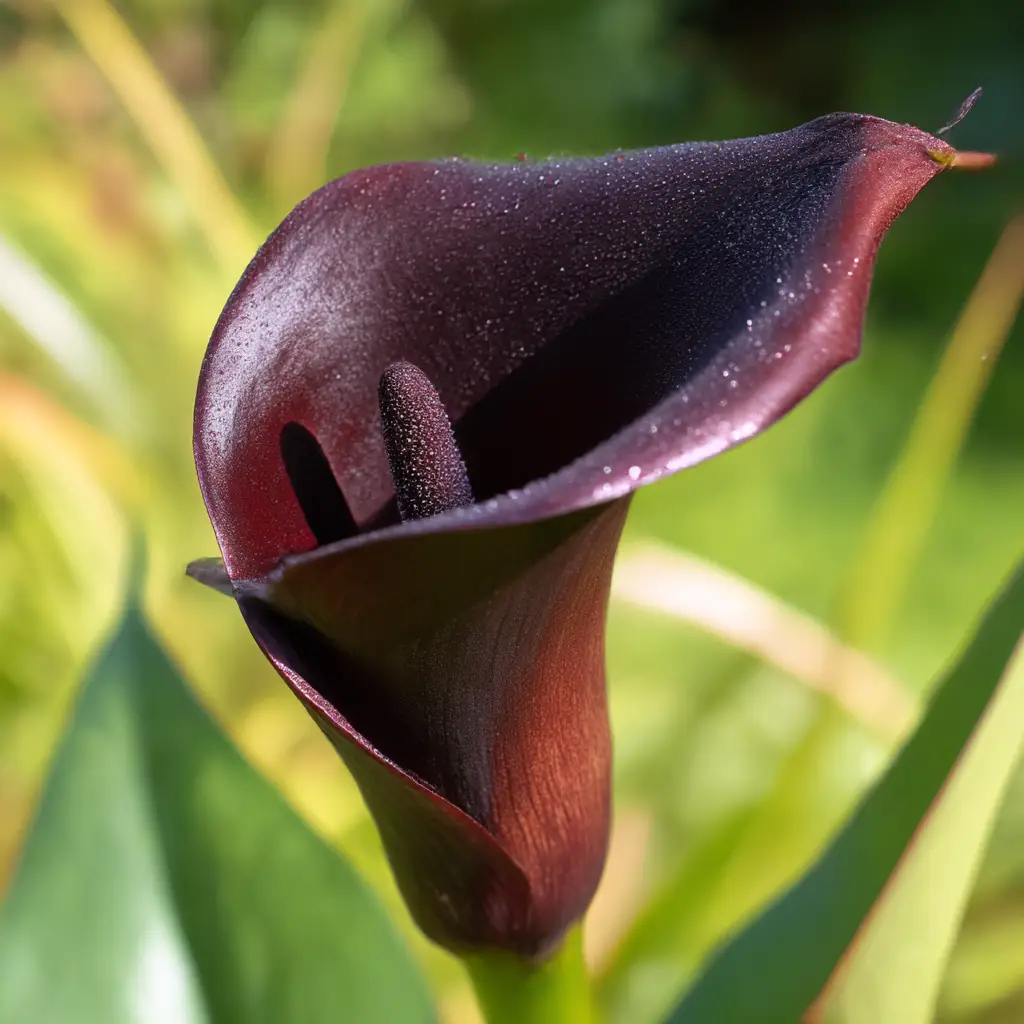
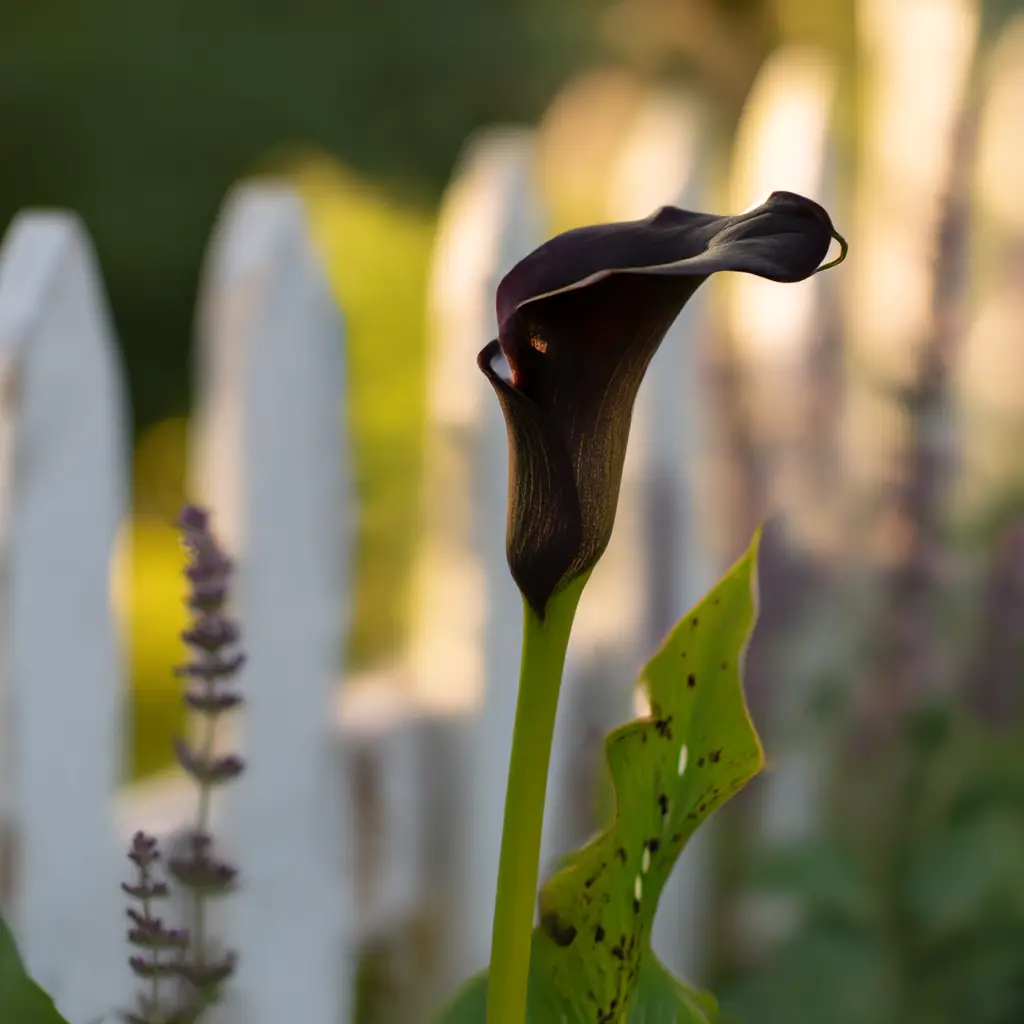
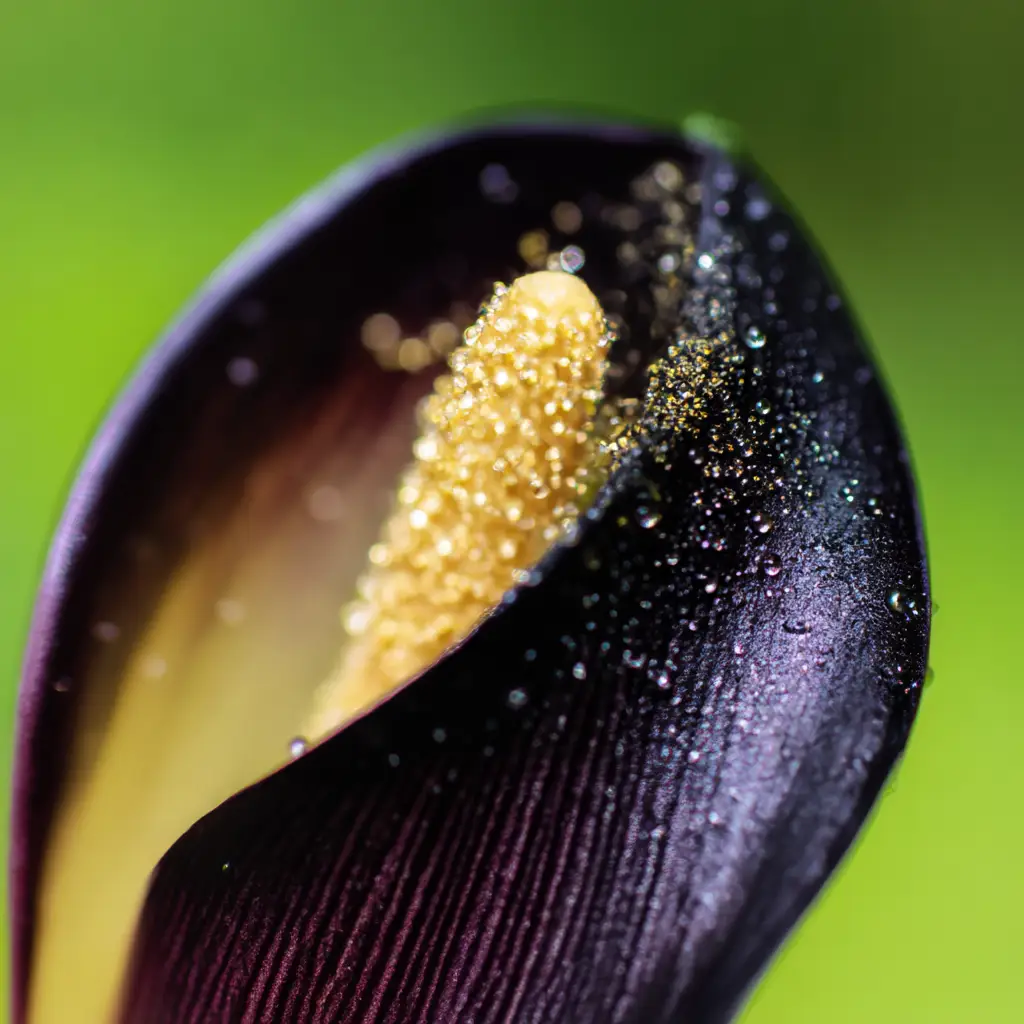
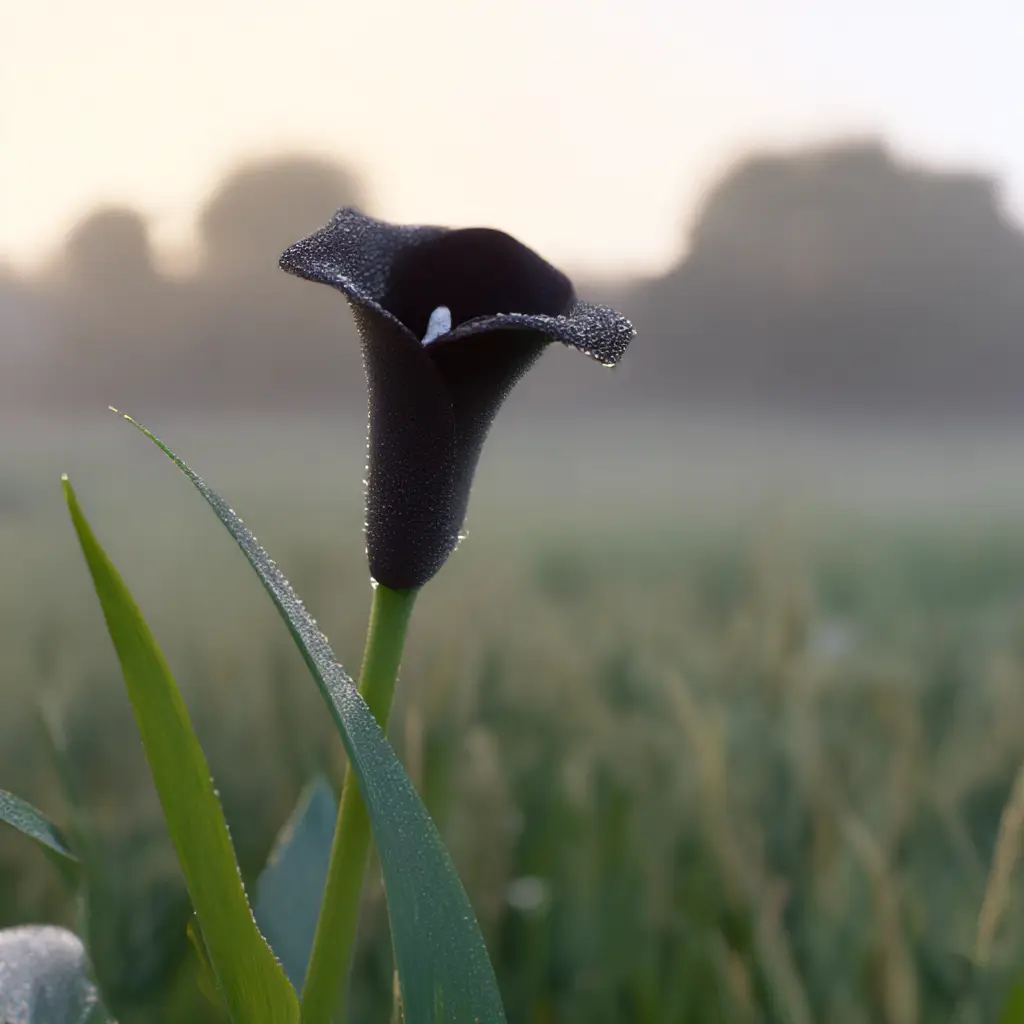
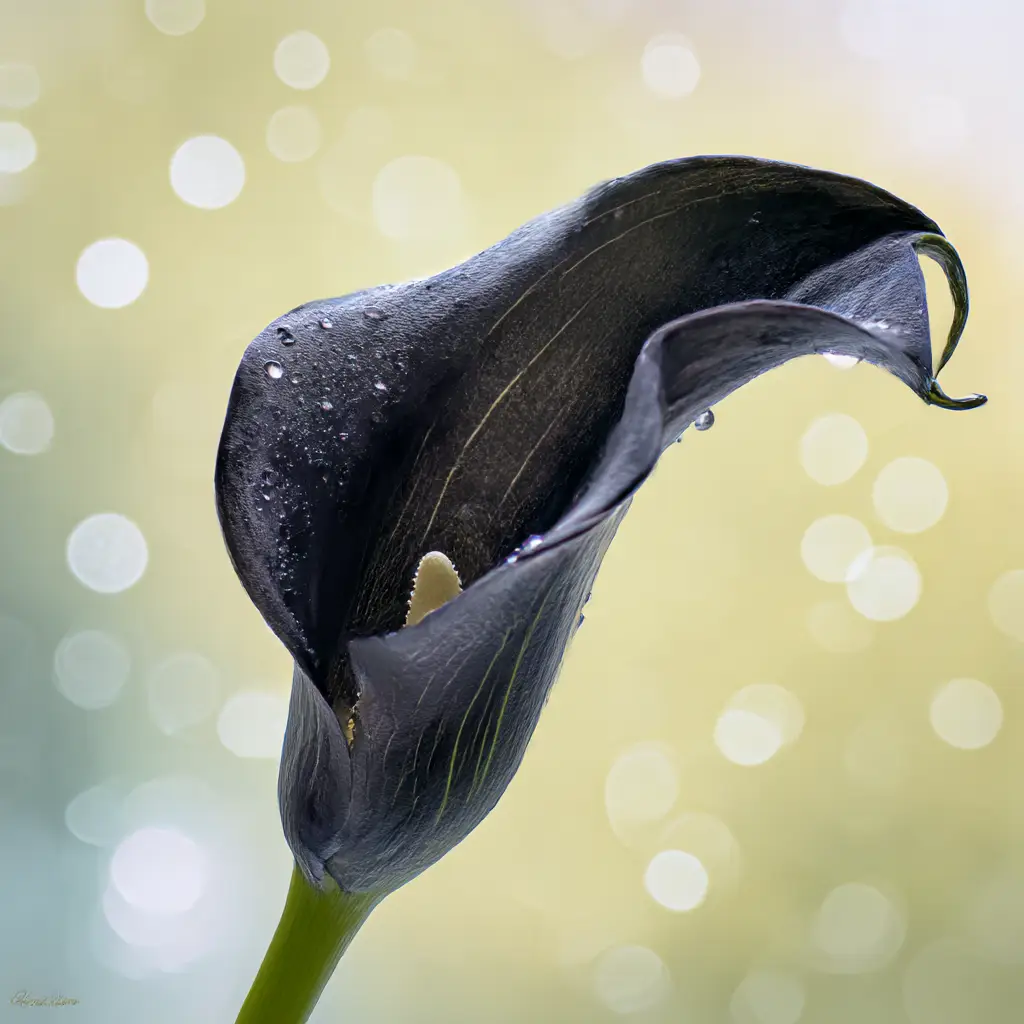
 Black Star Calla Lily
7 photos of Black Star Calla Lily


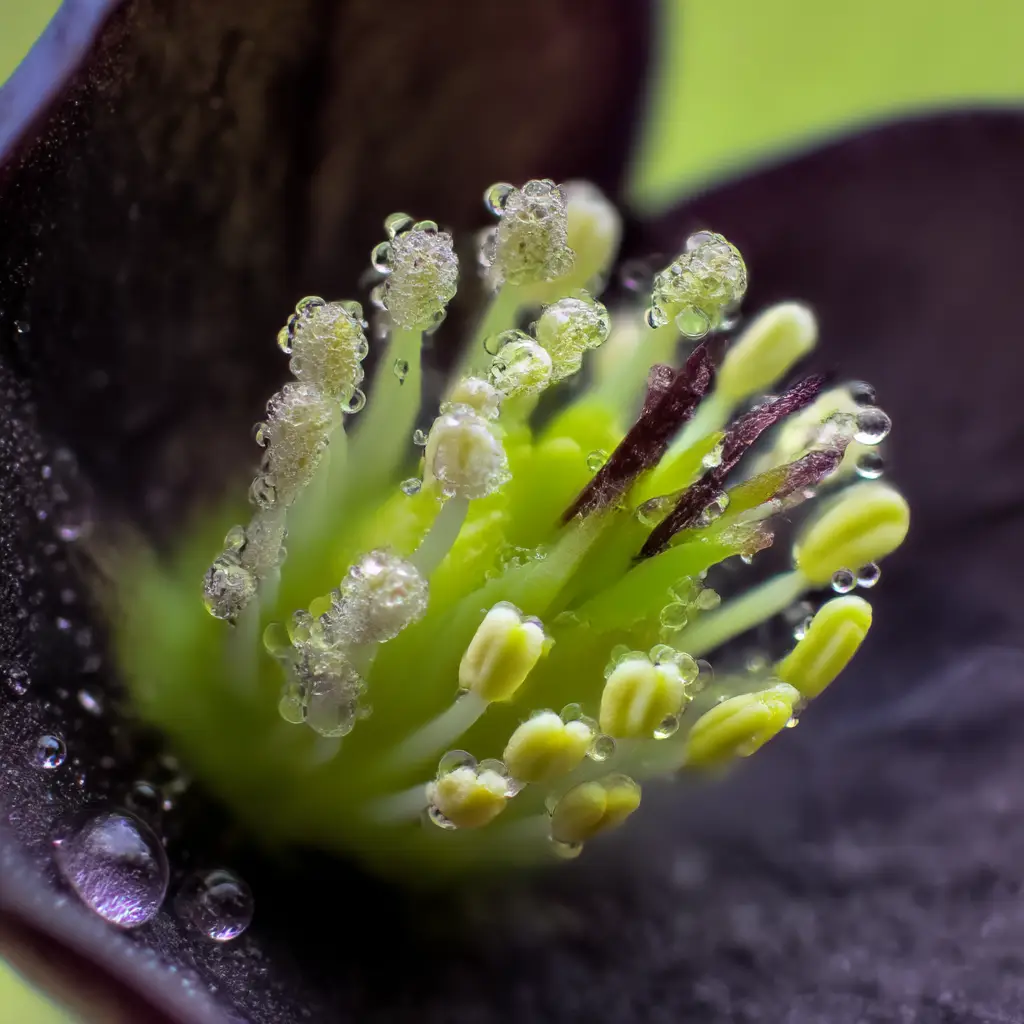
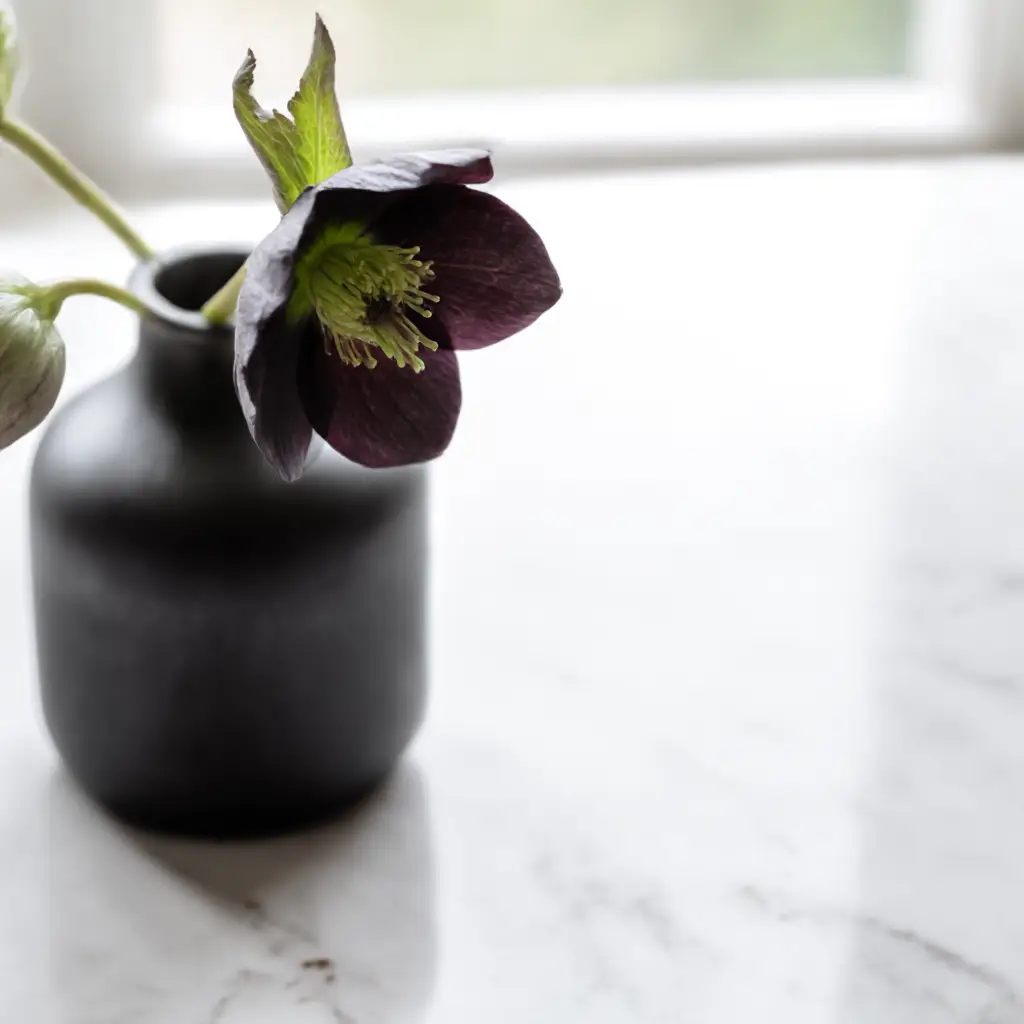
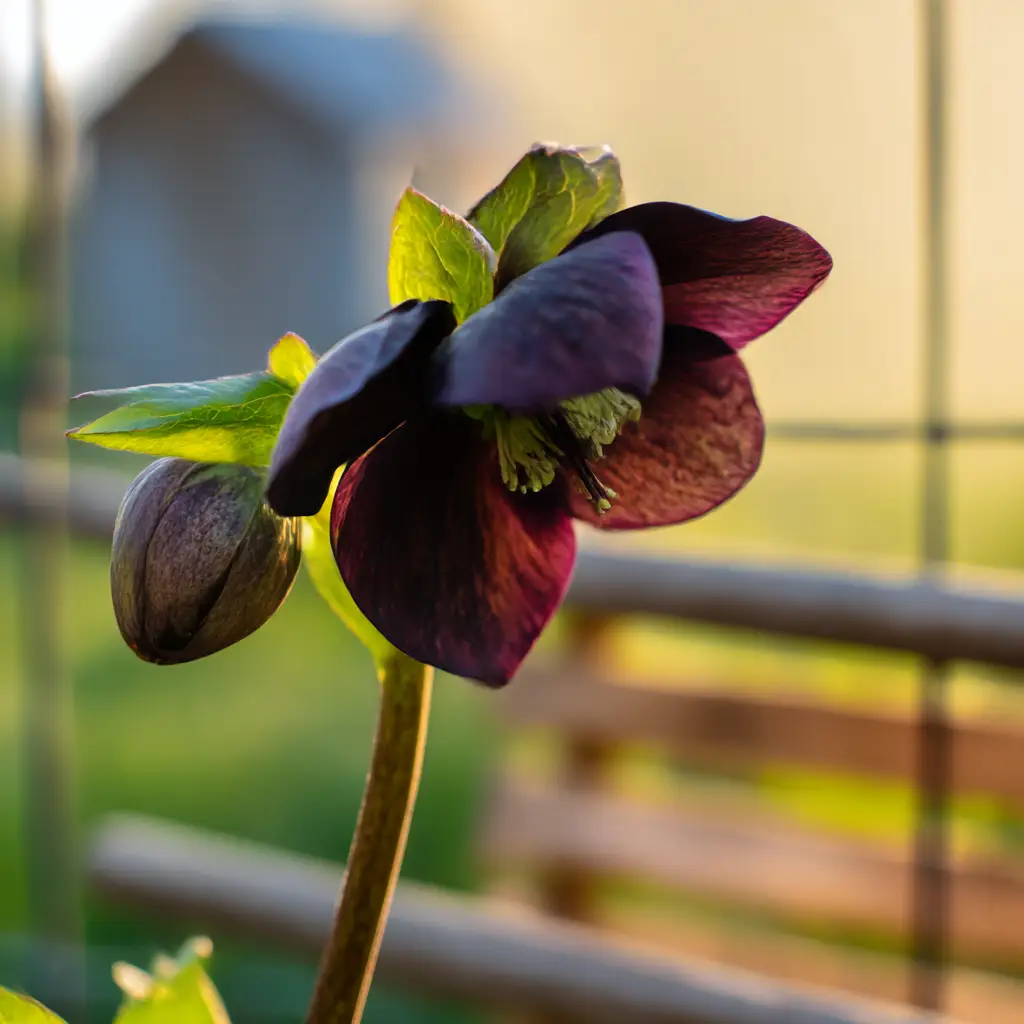
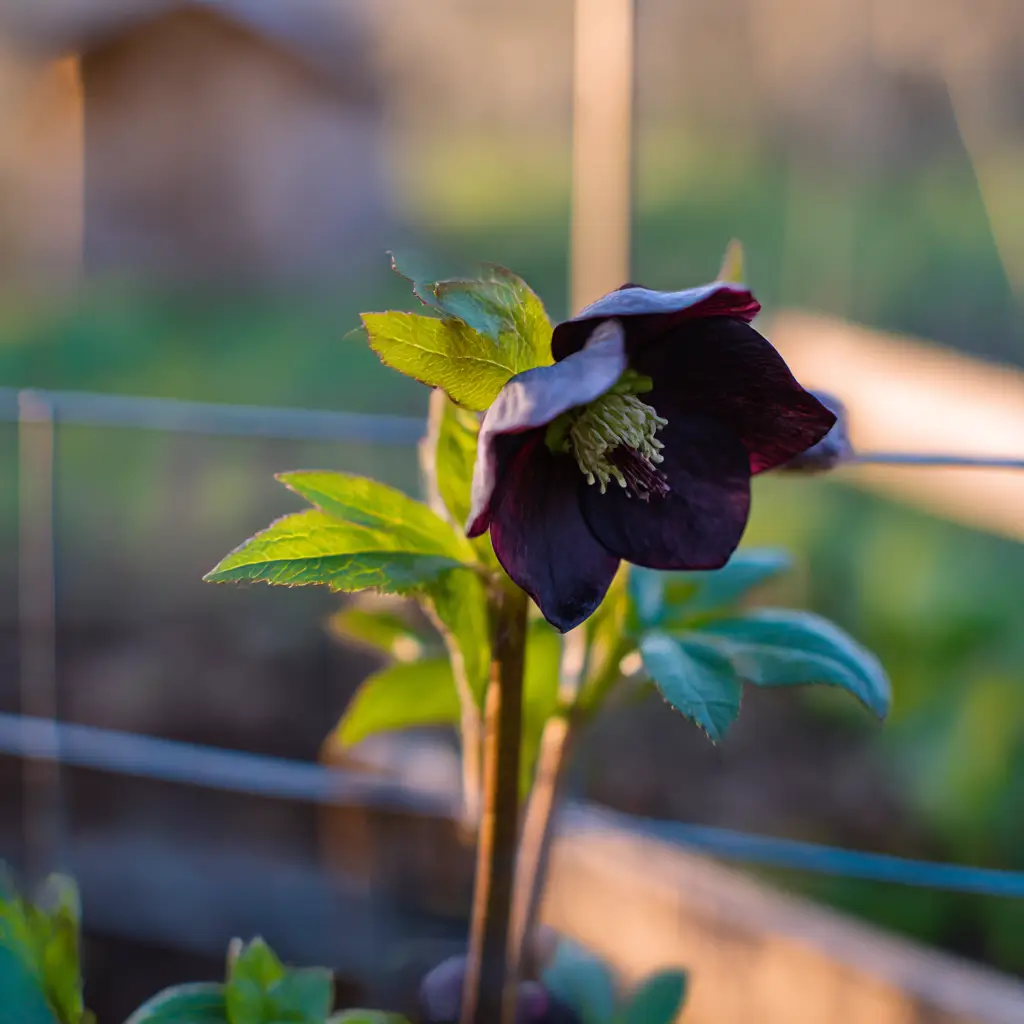
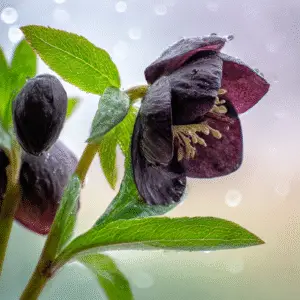
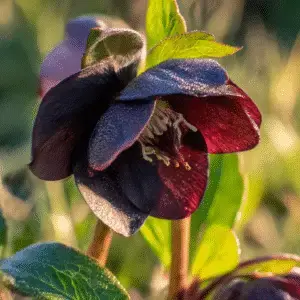 Onyx Odyssey Hellebore
7 photos of Onyx Odyssey Hellebore
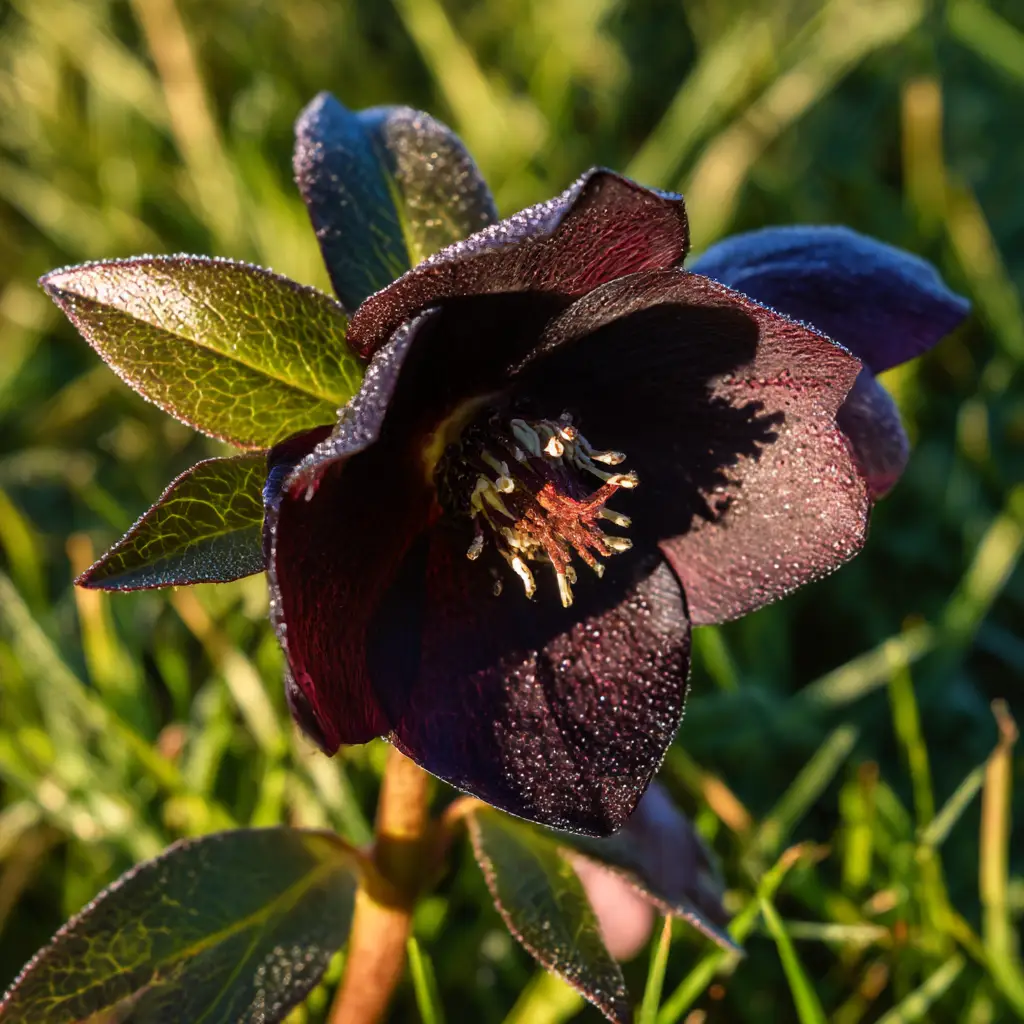
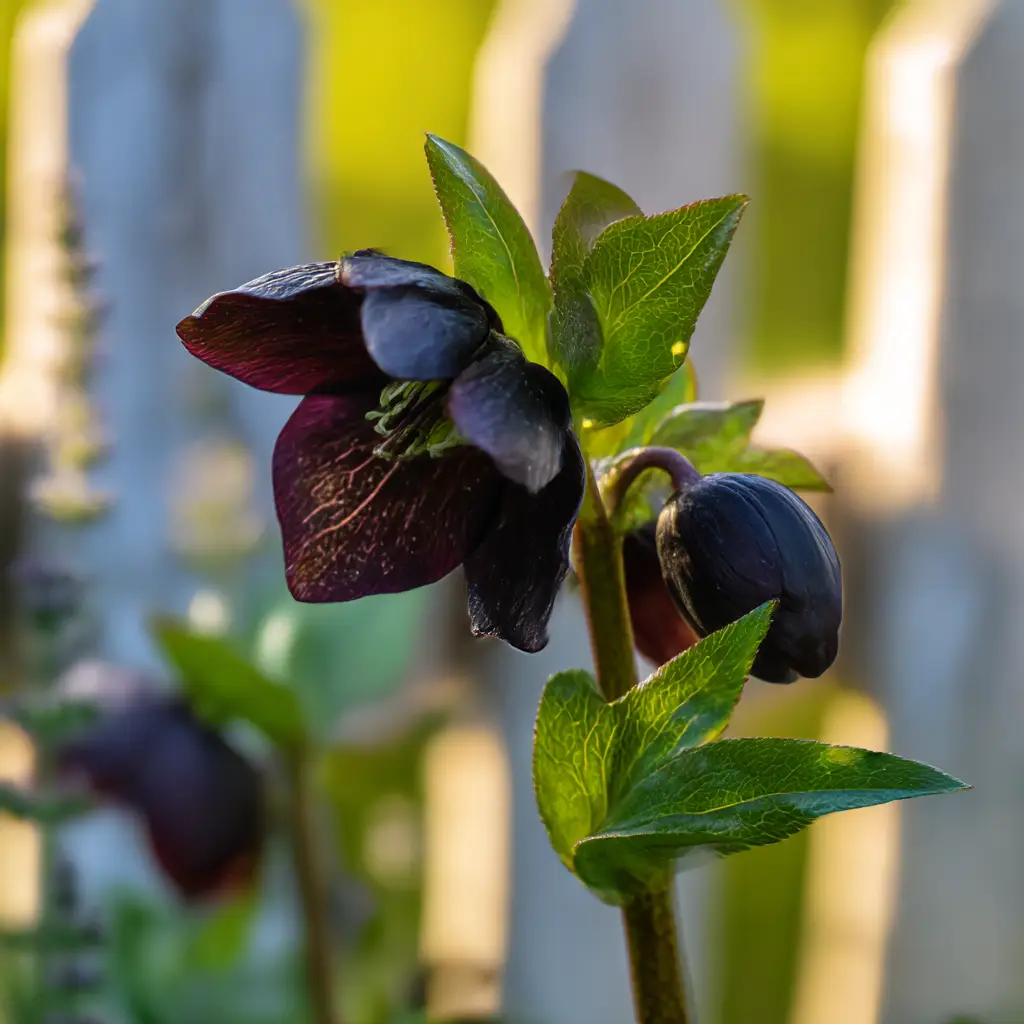
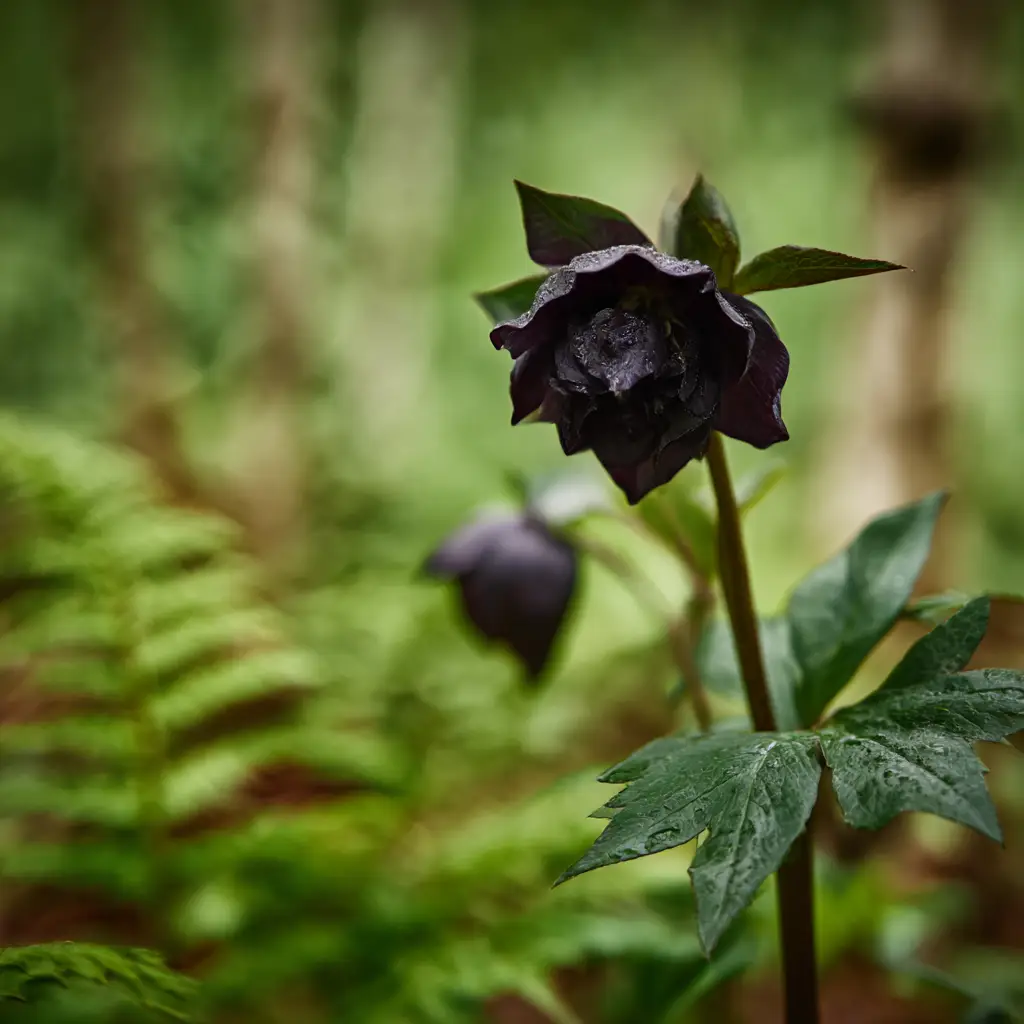
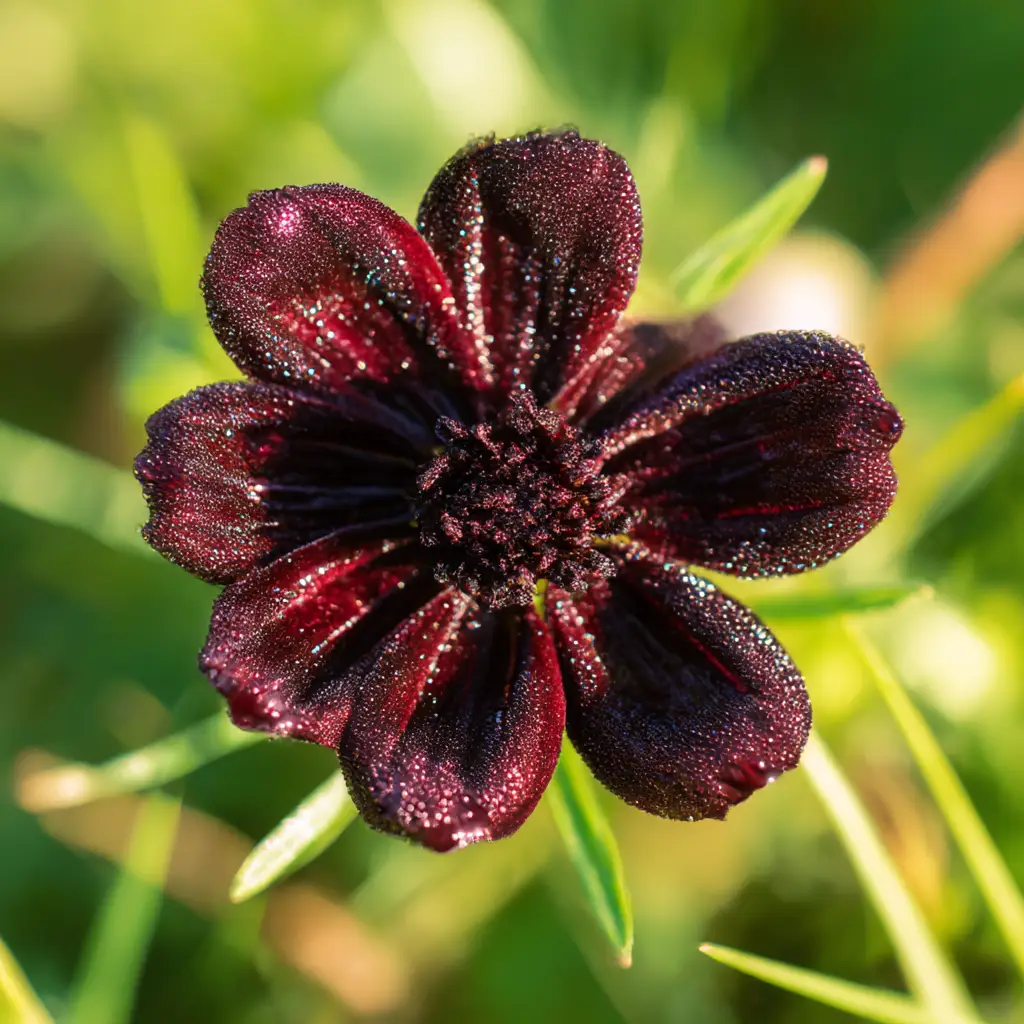
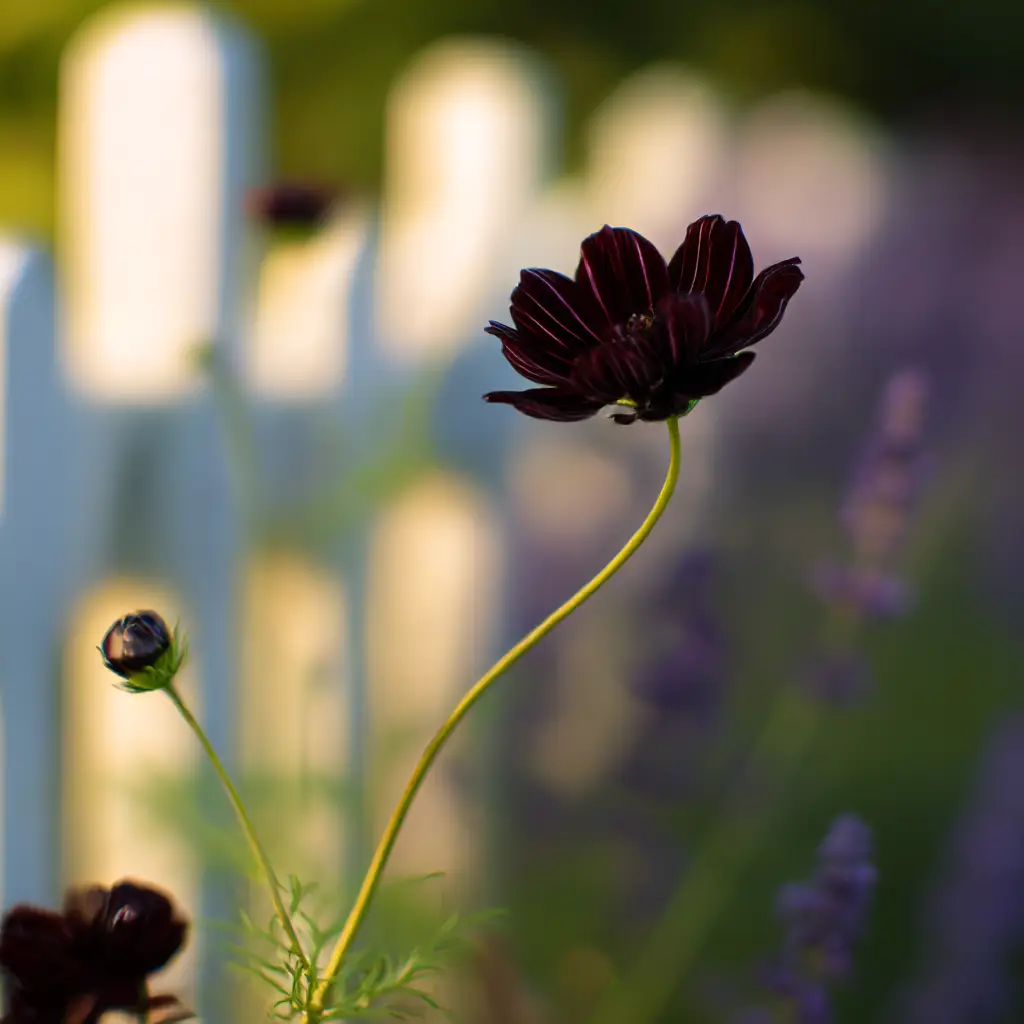
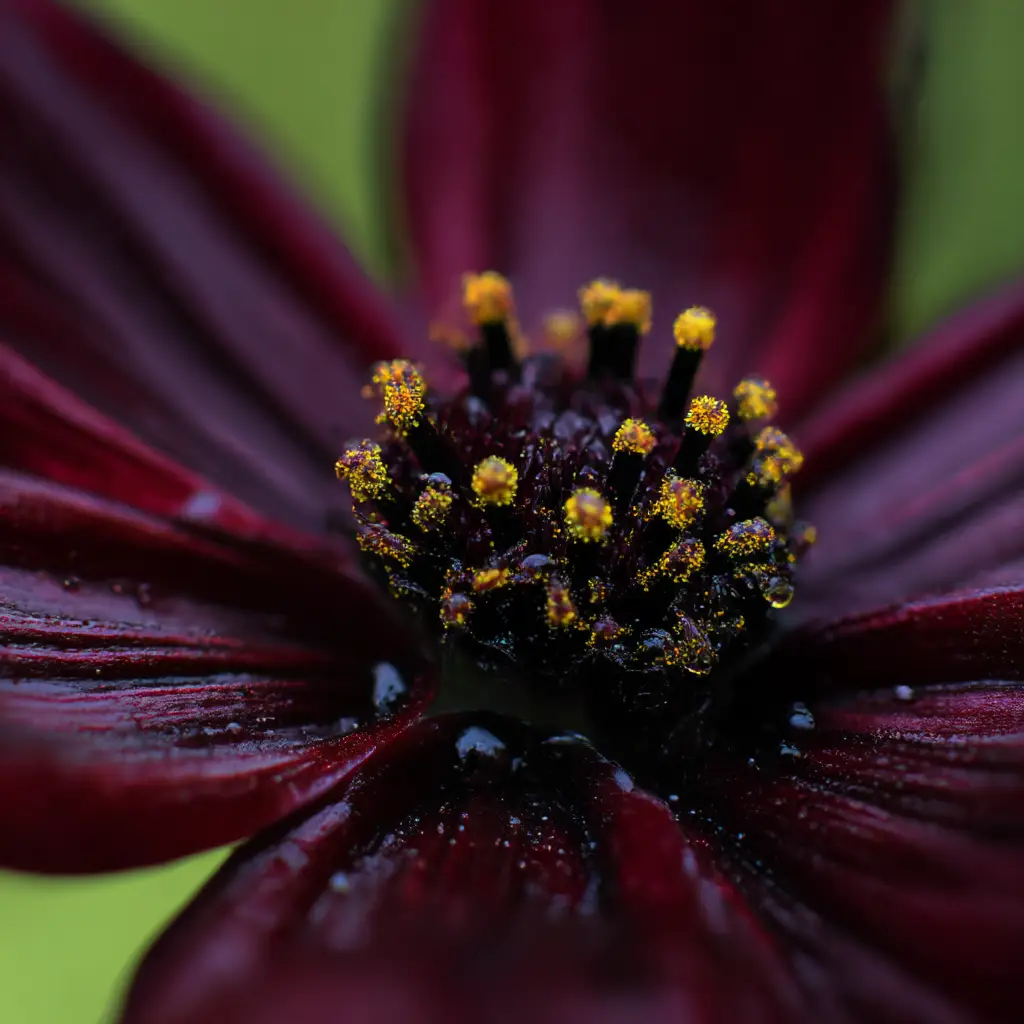
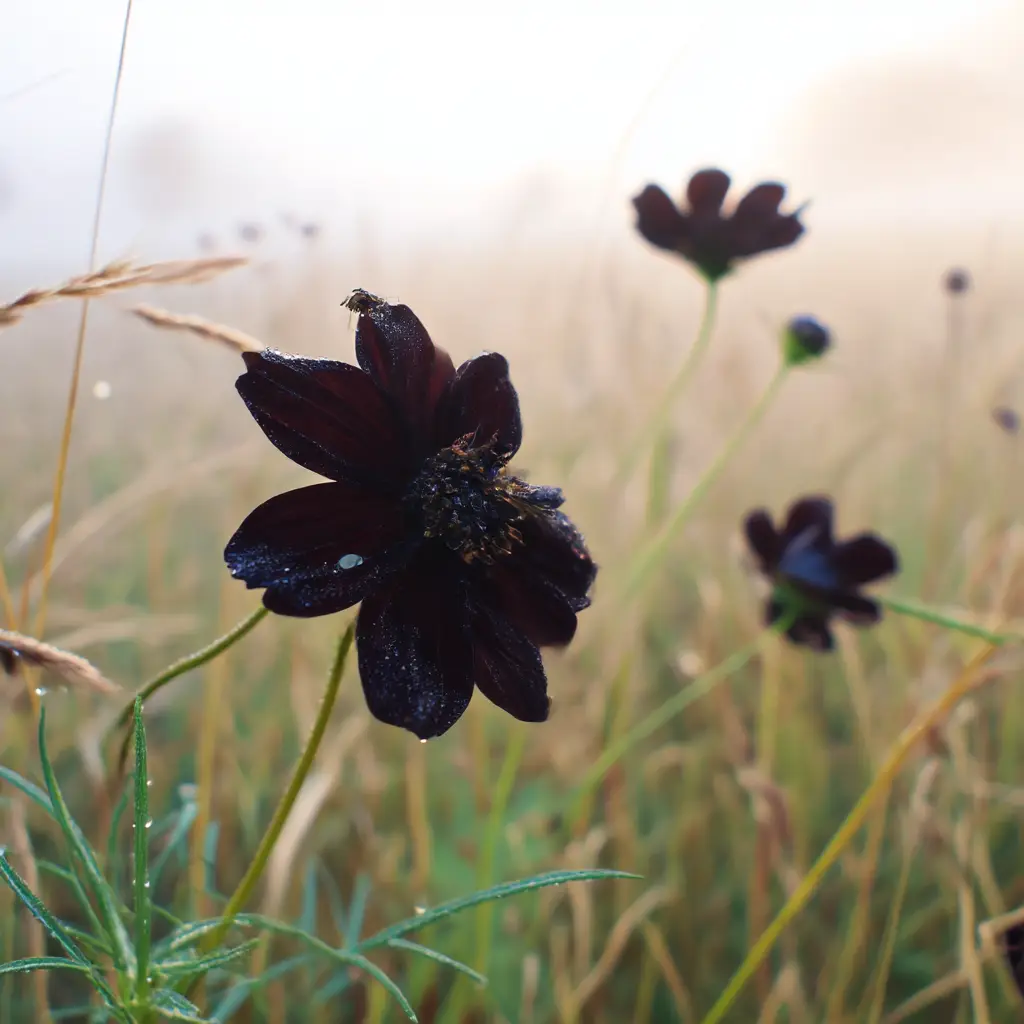
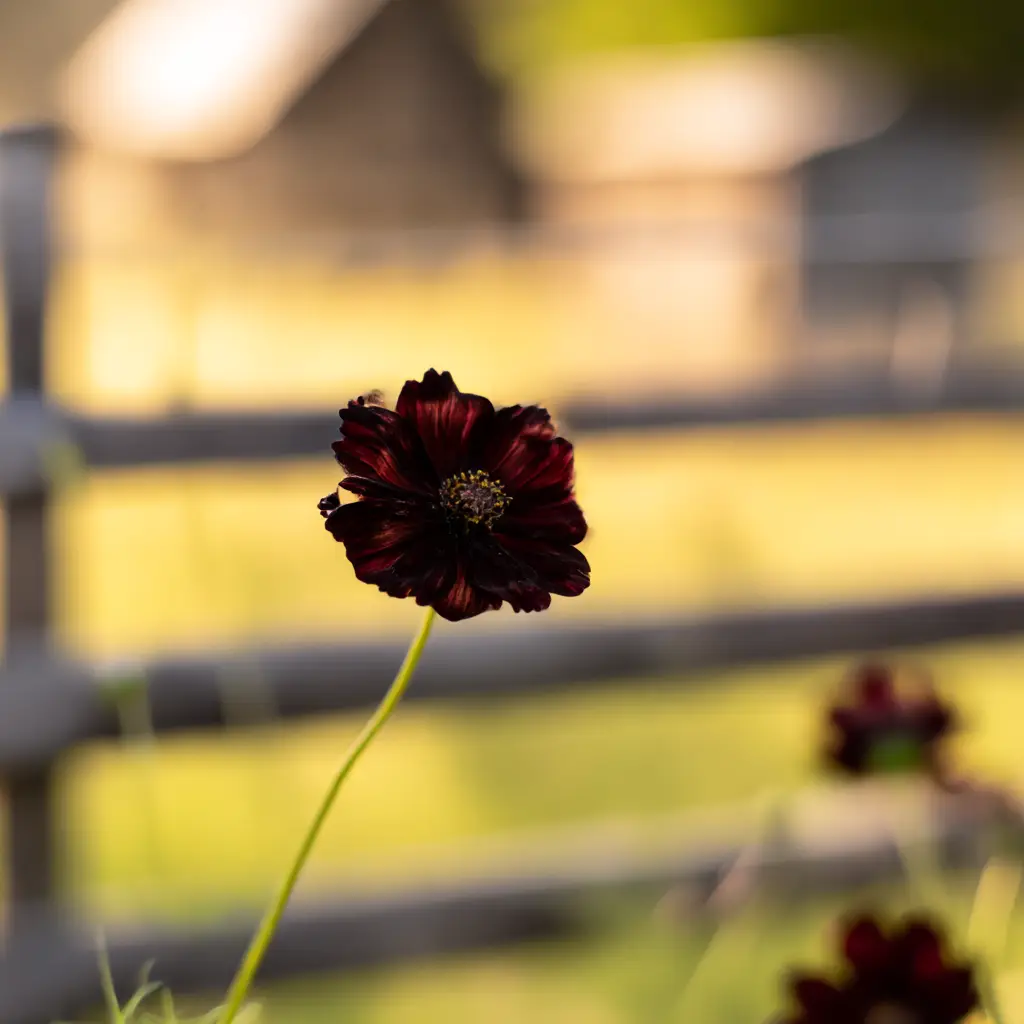
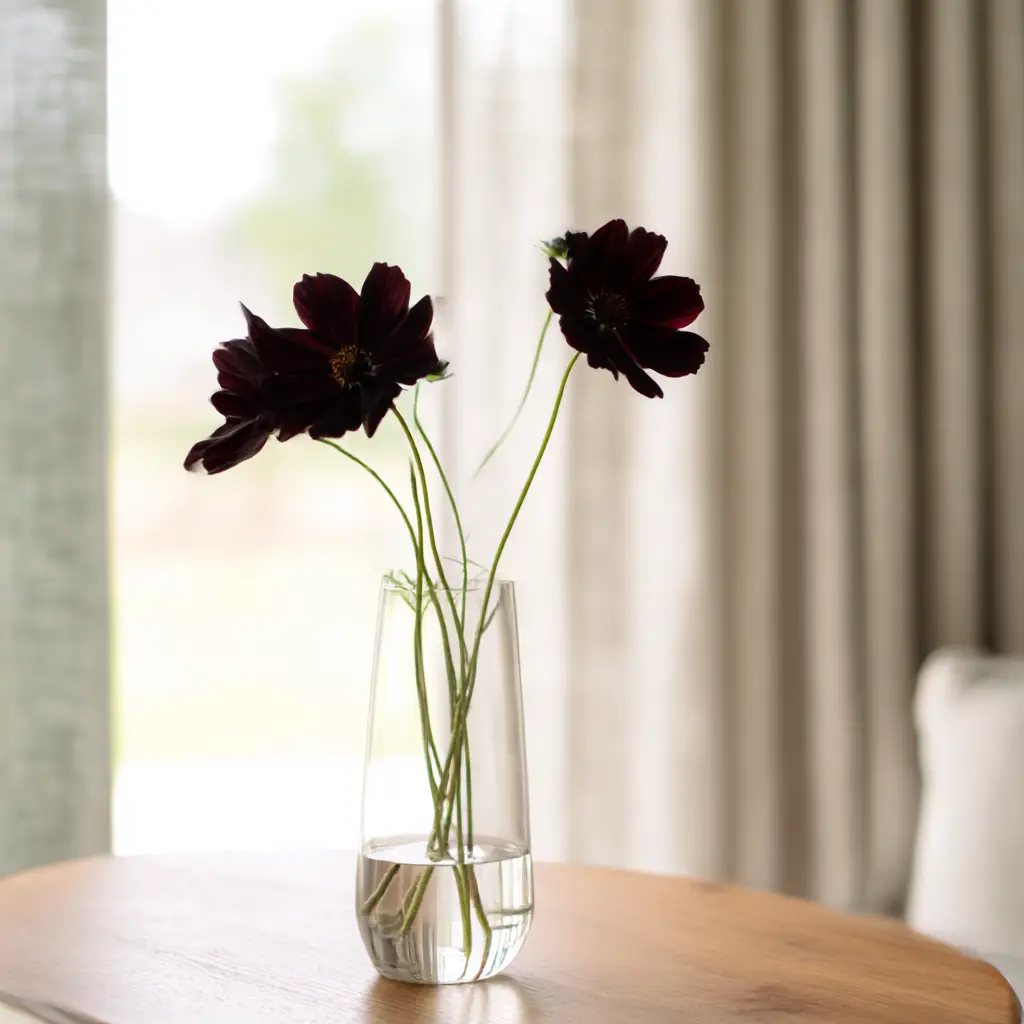
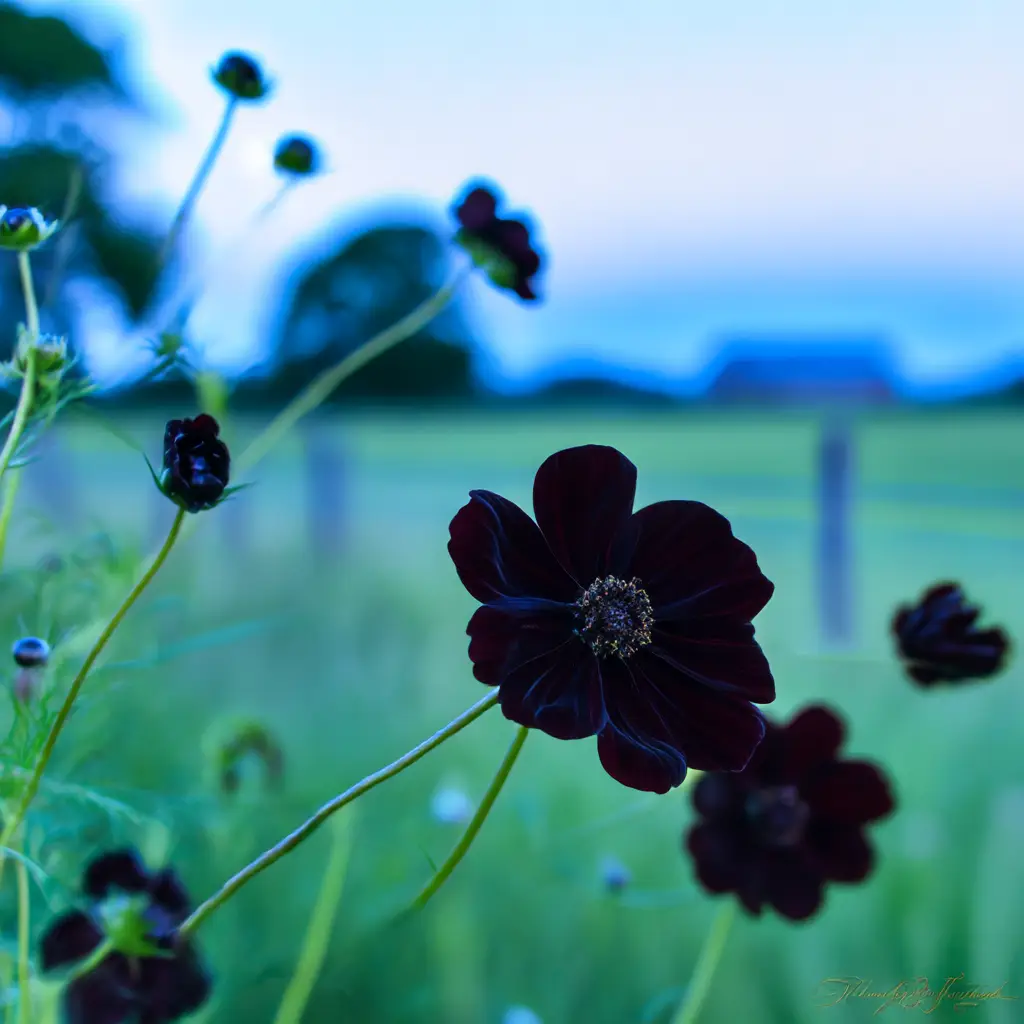
 Chocolate Cosmos
7 photos of Chocolate Cosmos
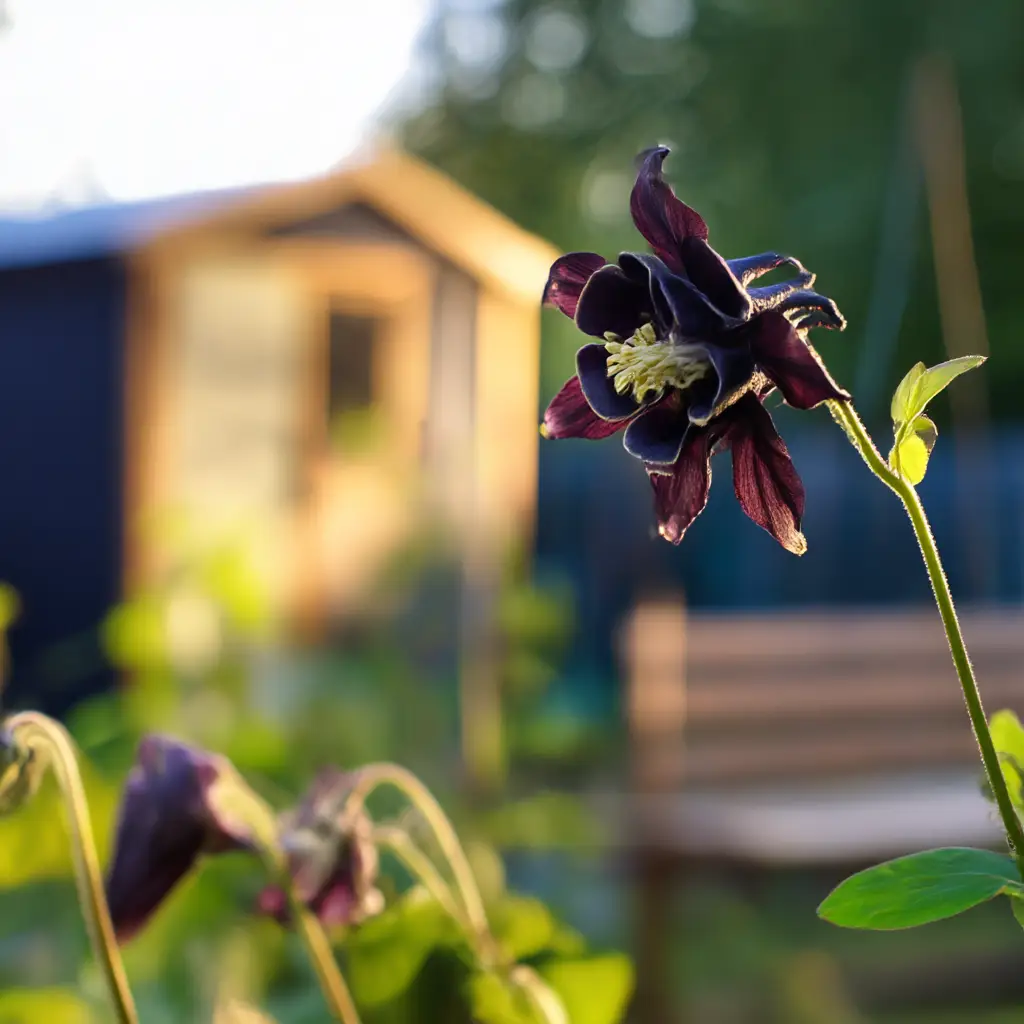
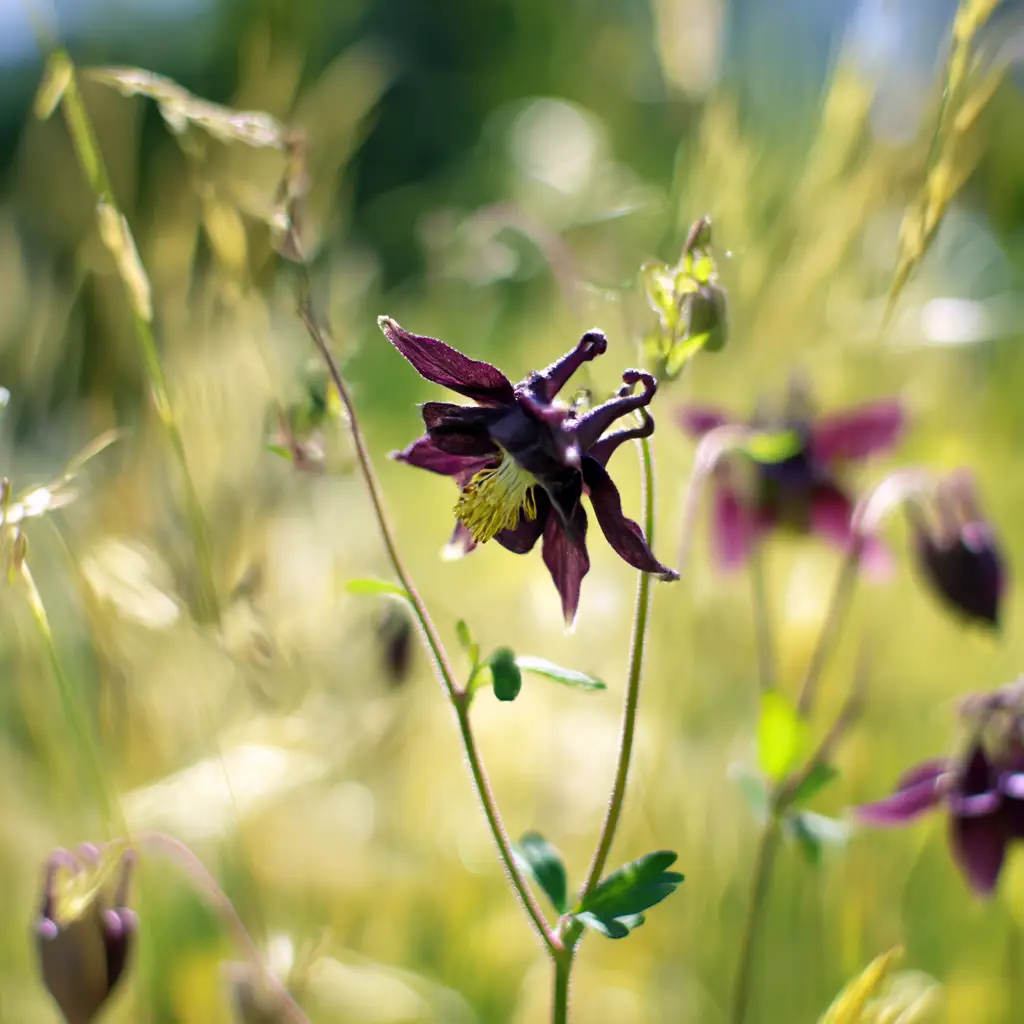
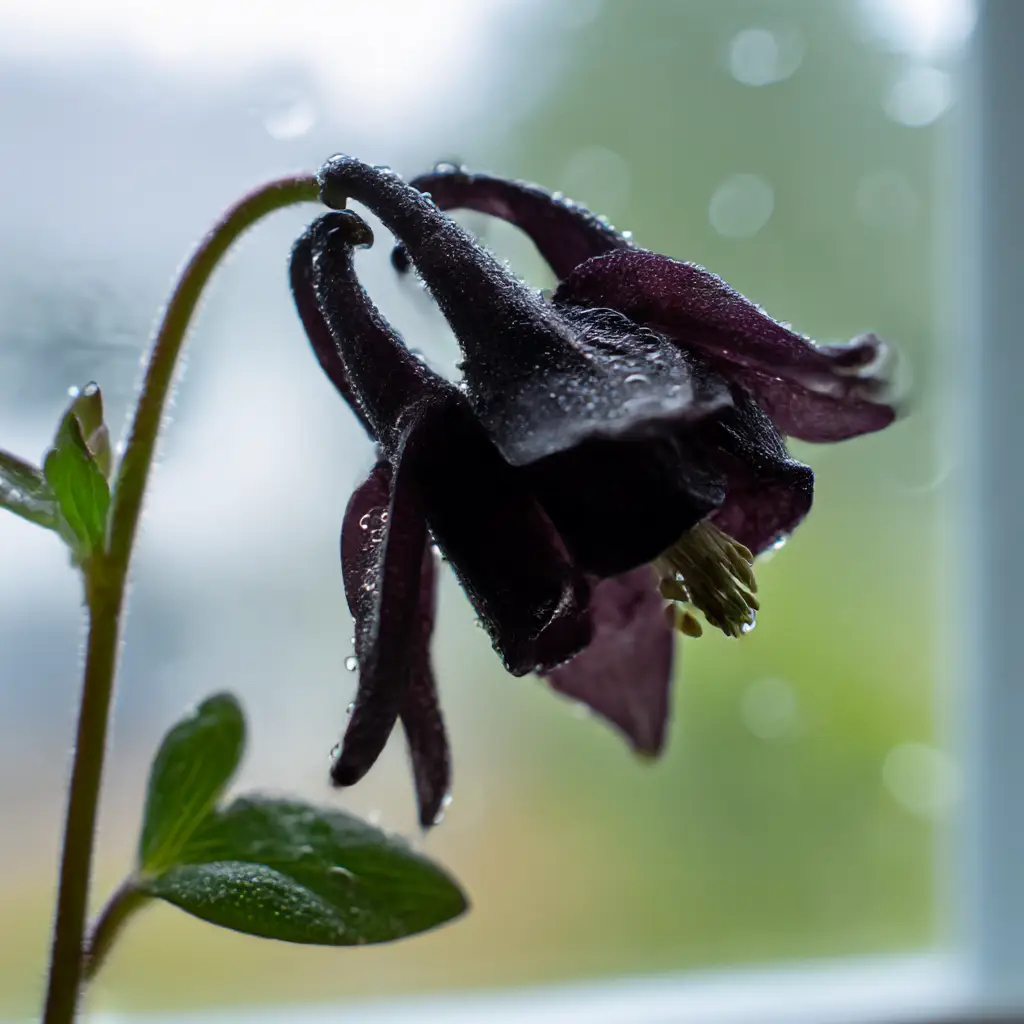
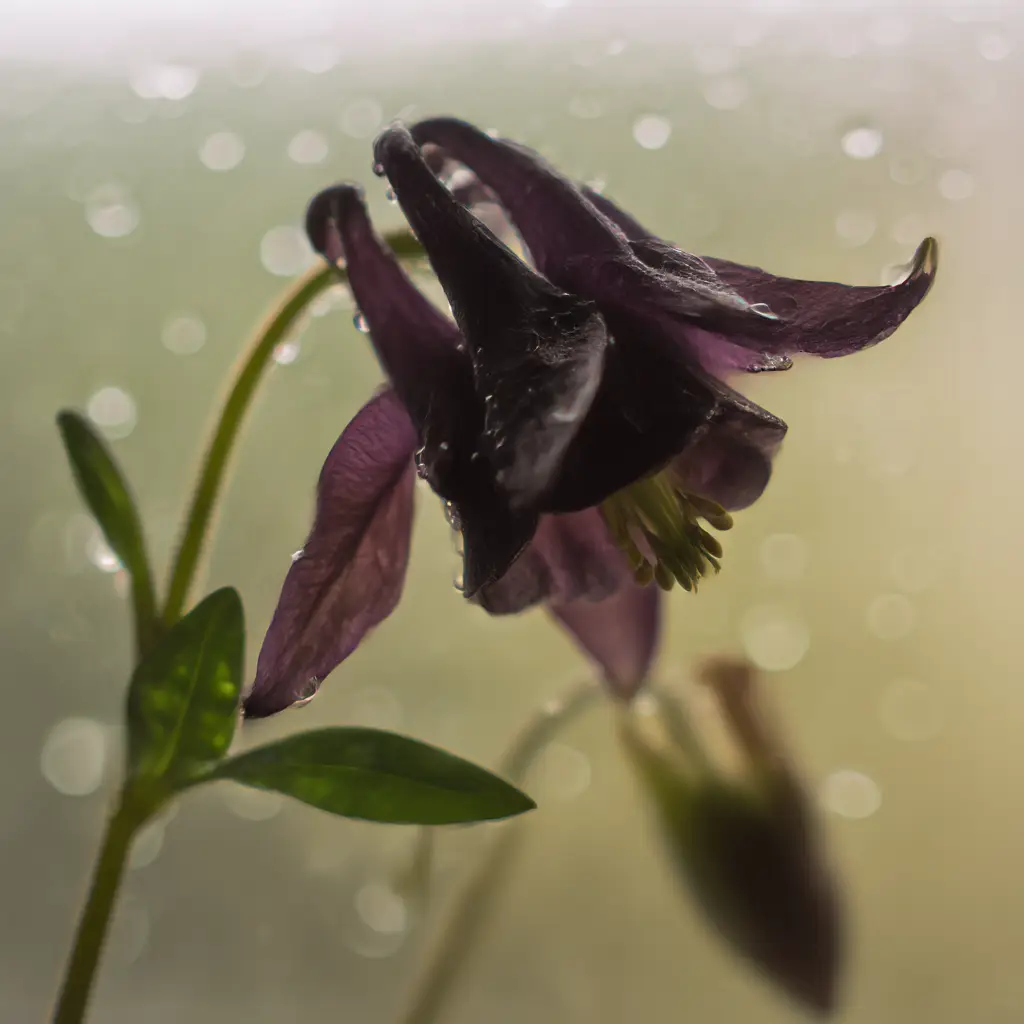
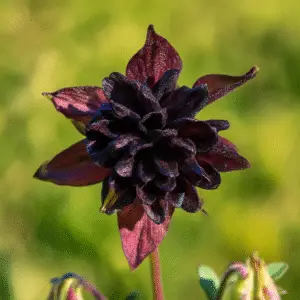 Black Barlow Columbine
7 photos of Black Barlow Columbine
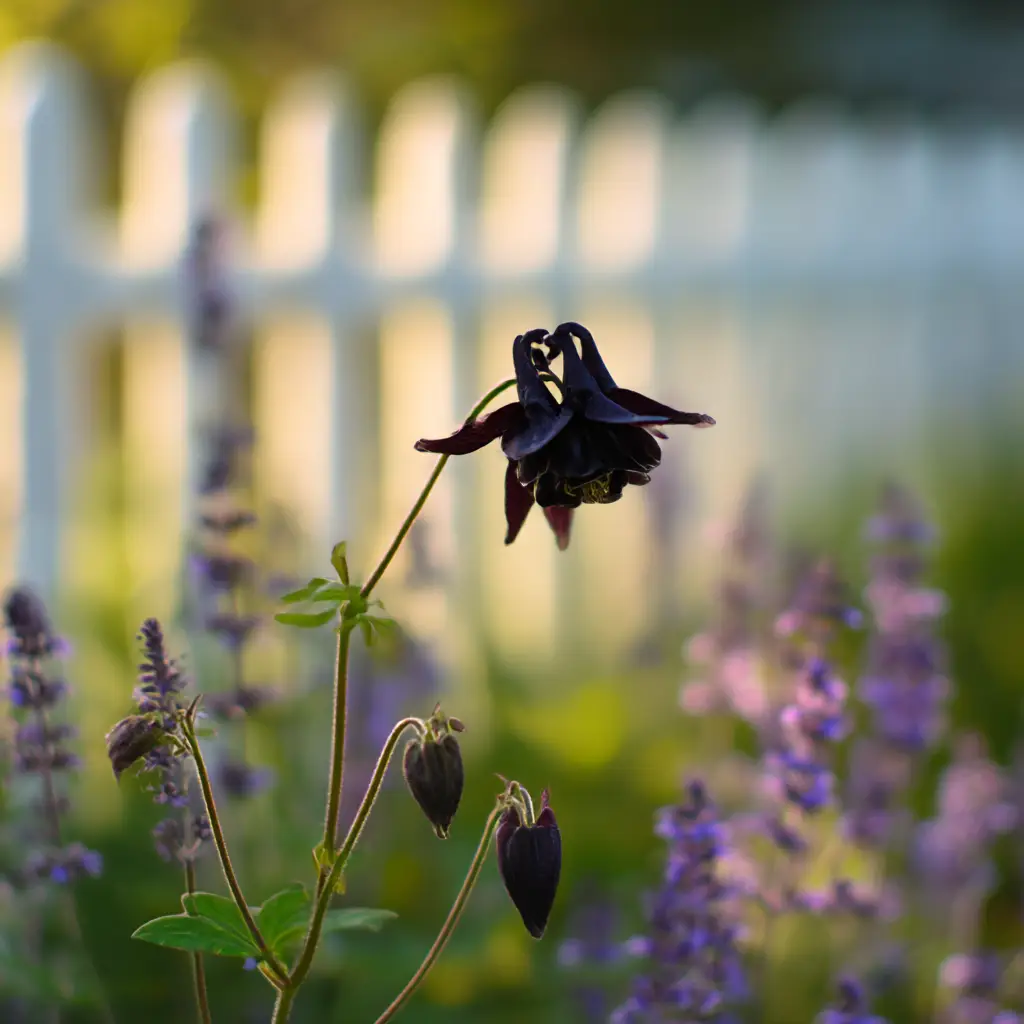
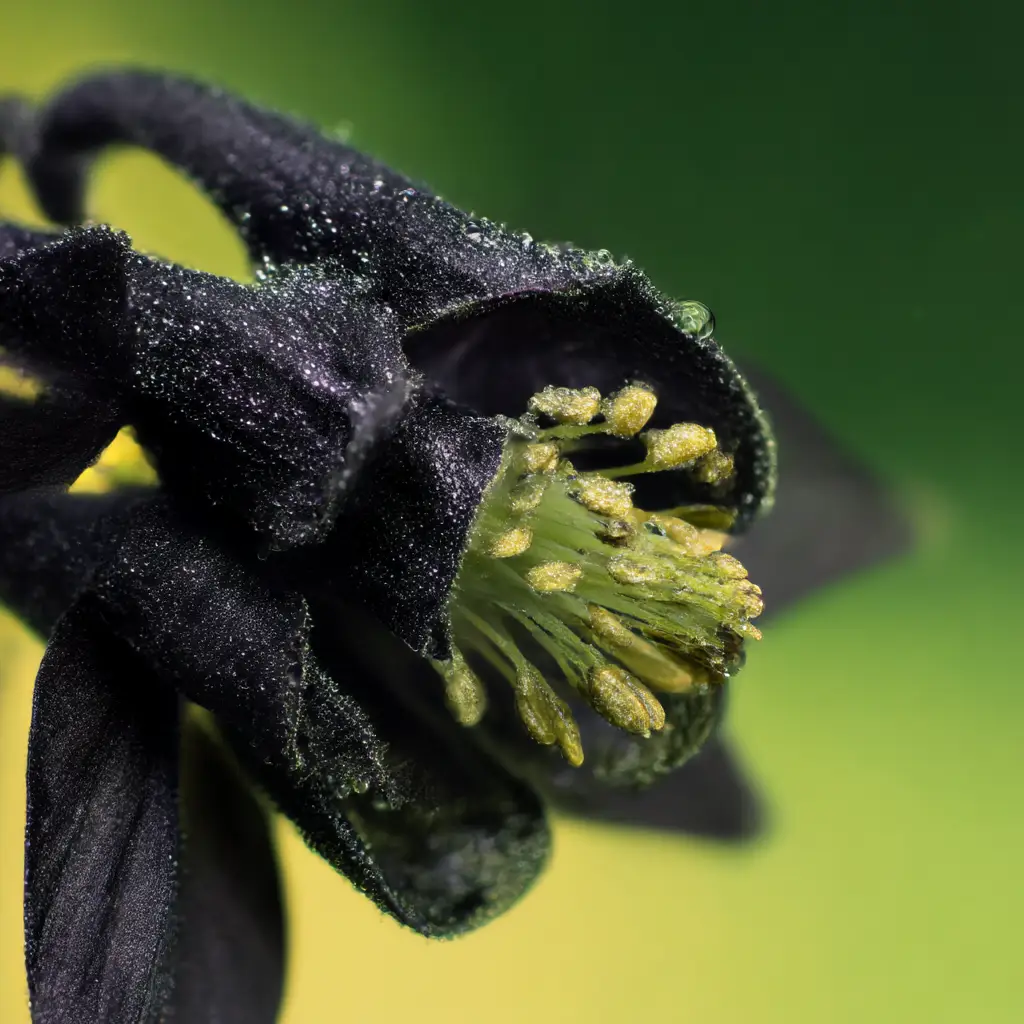
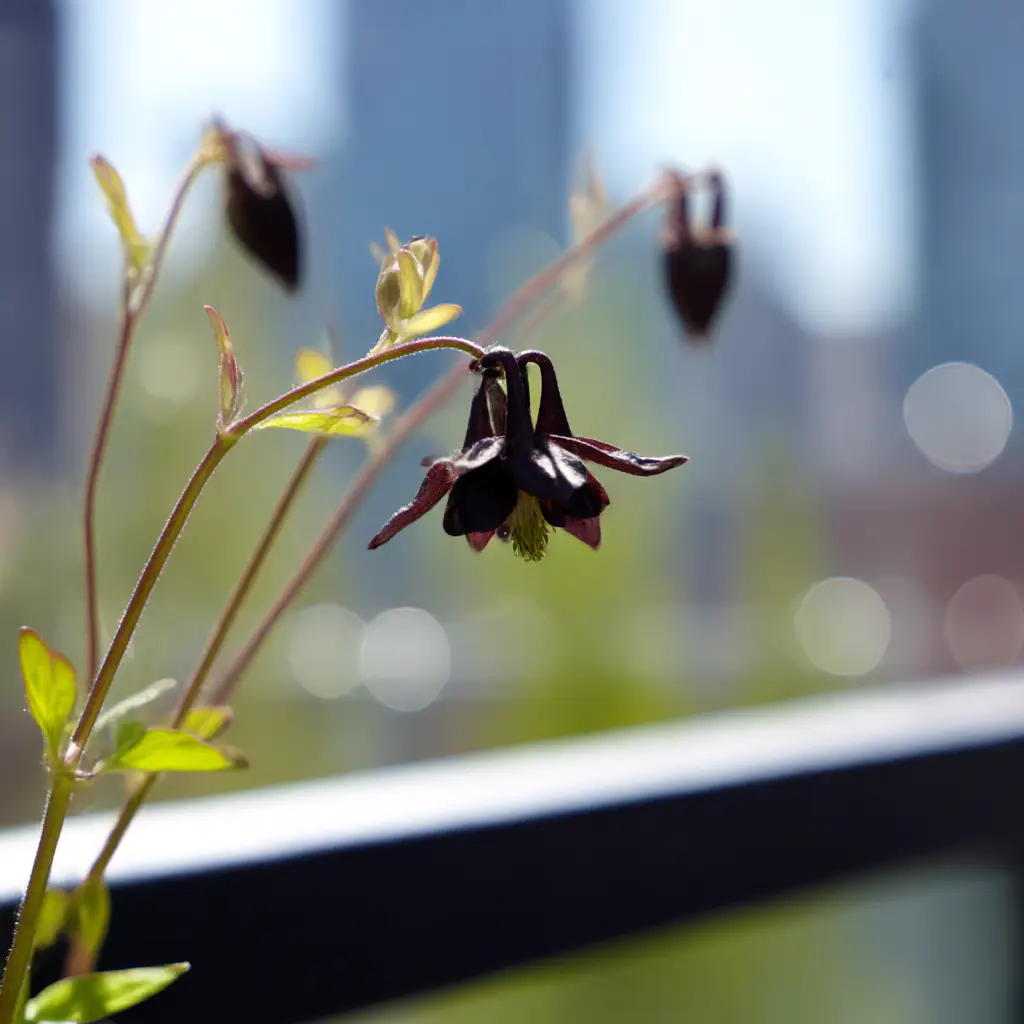
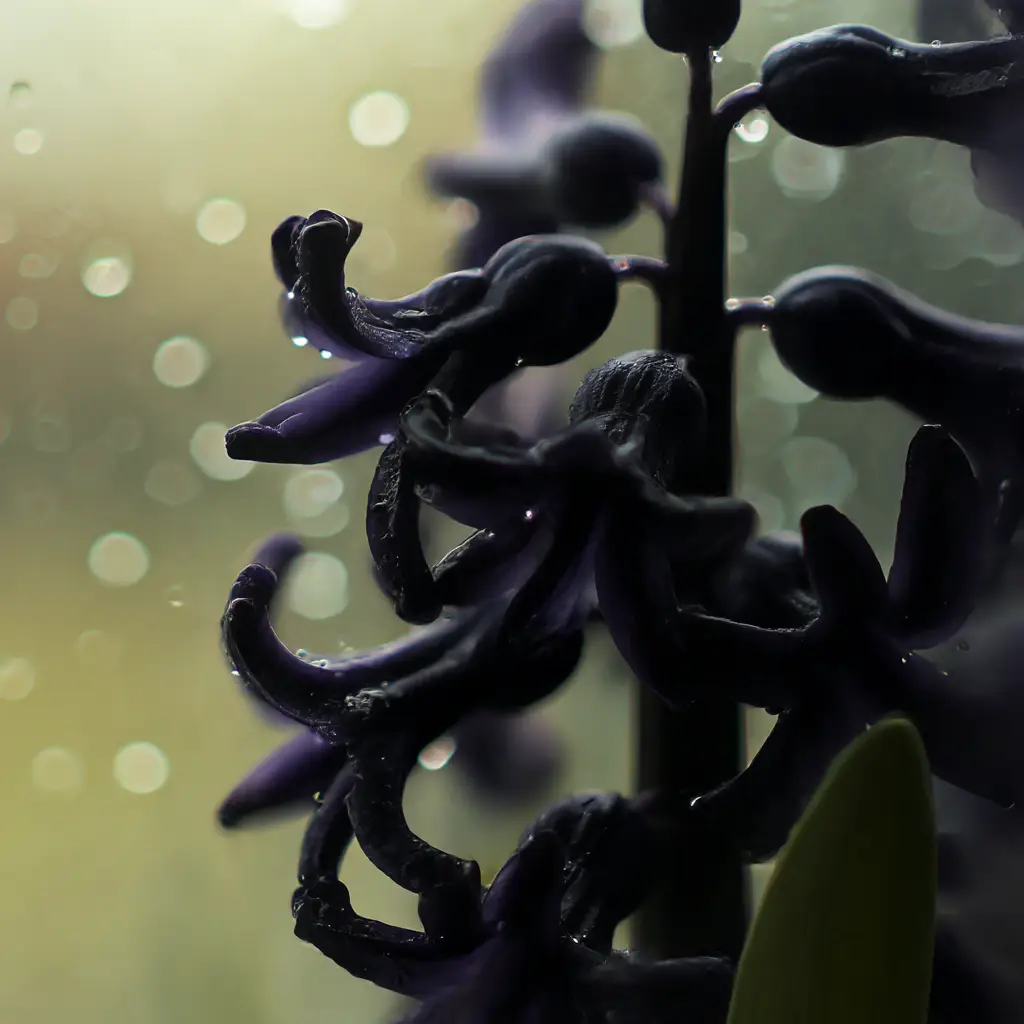
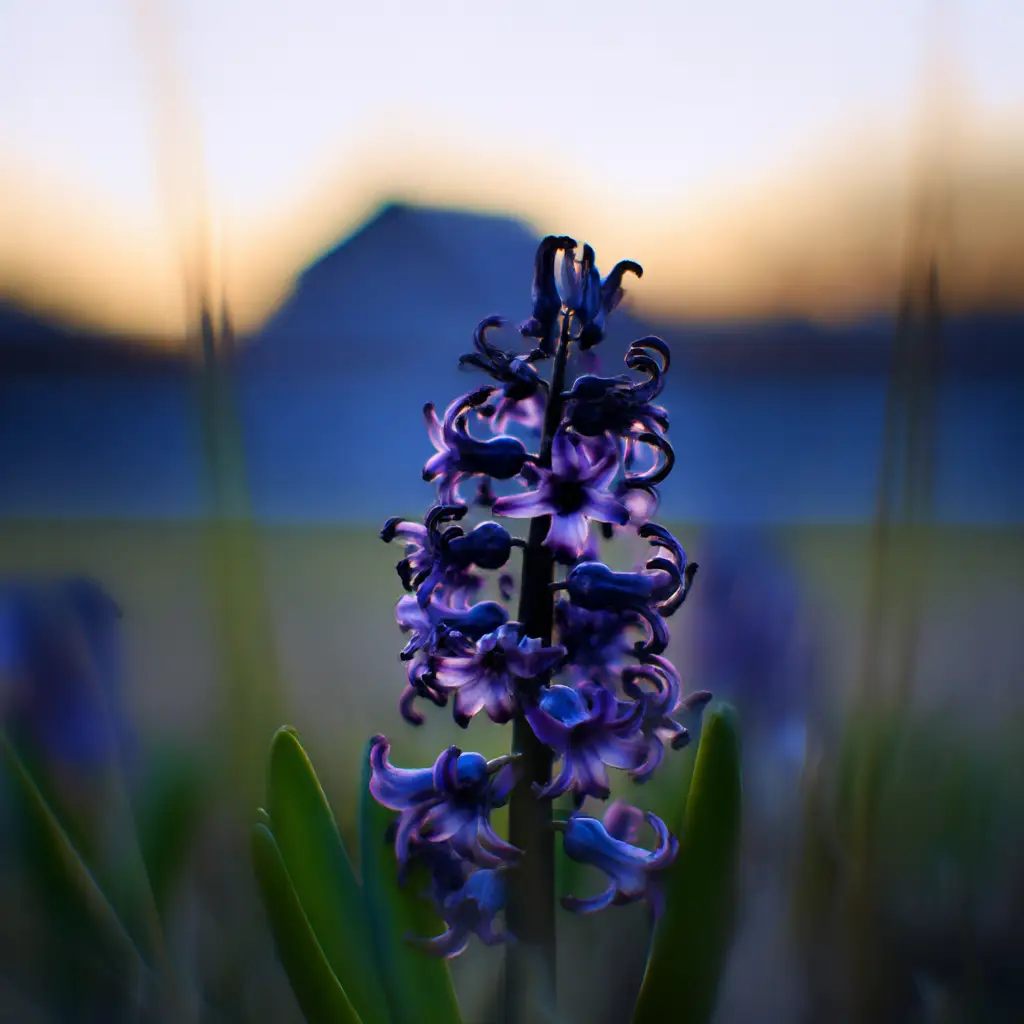
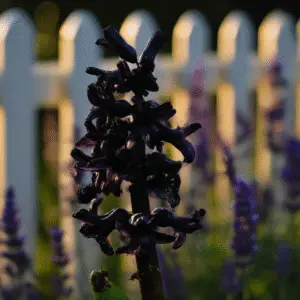 Dark Dimension Hyacinth
7 photos of Dark Dimension Hyacinth
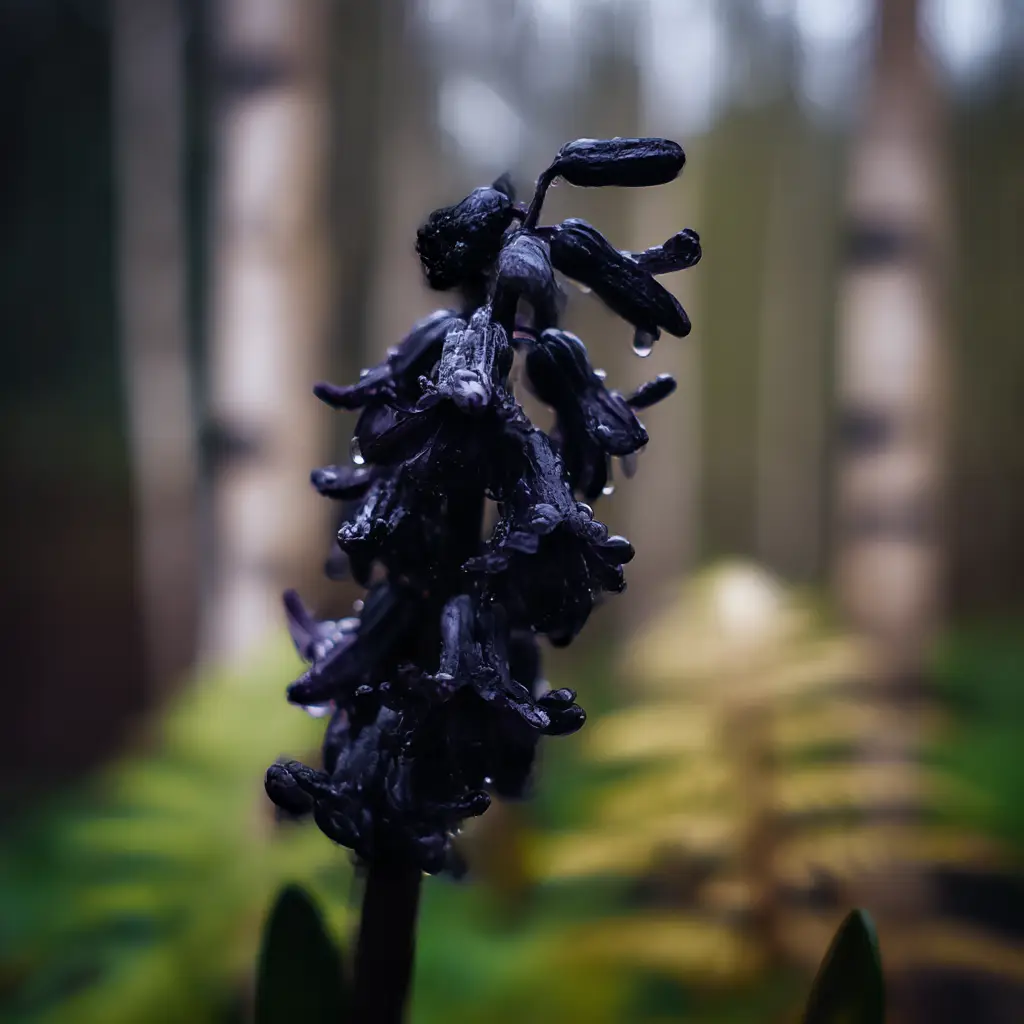
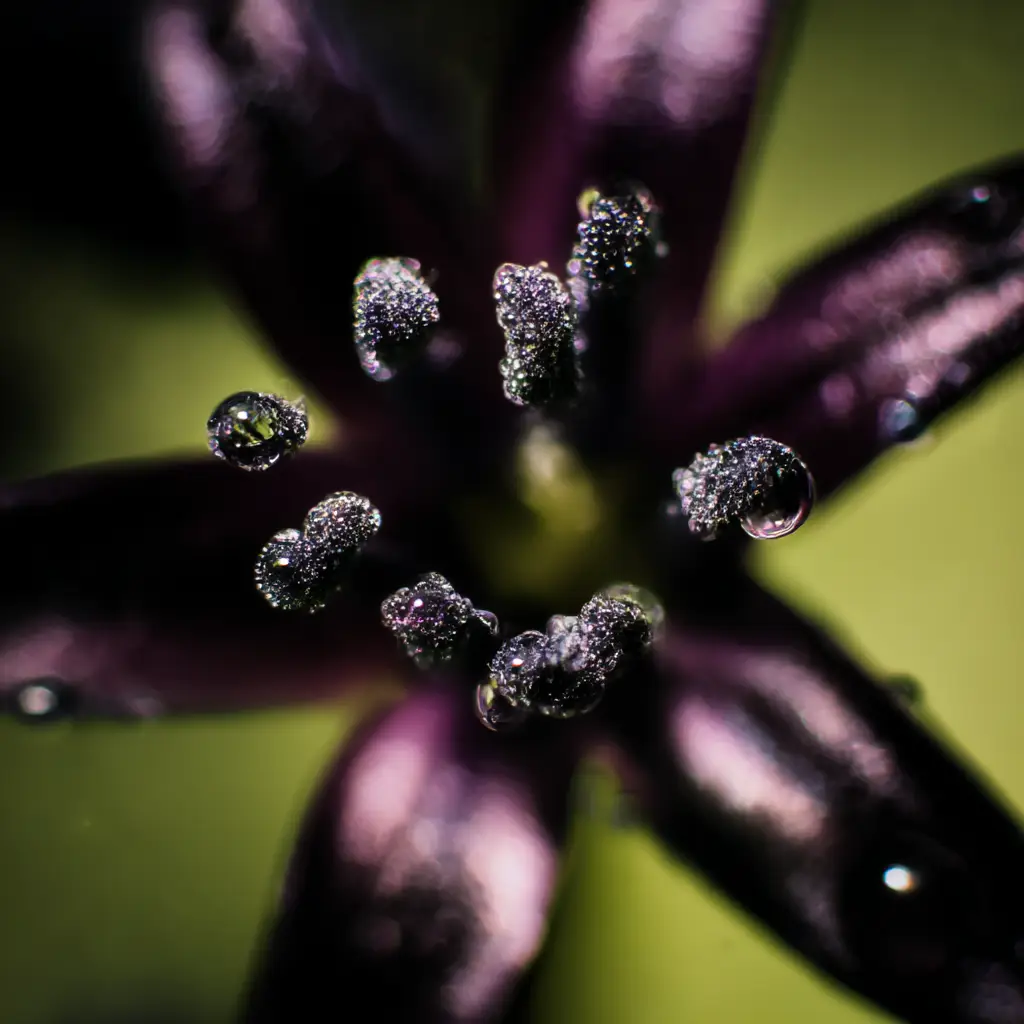
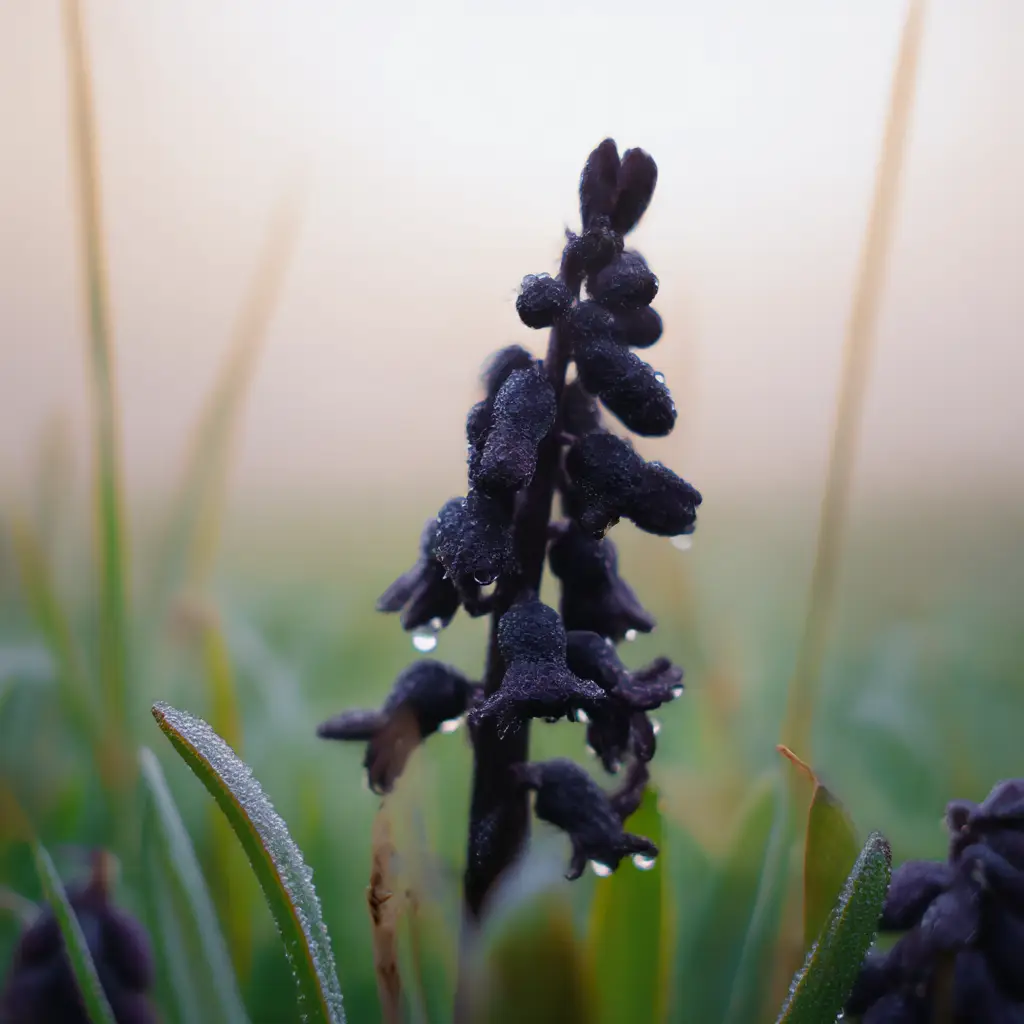


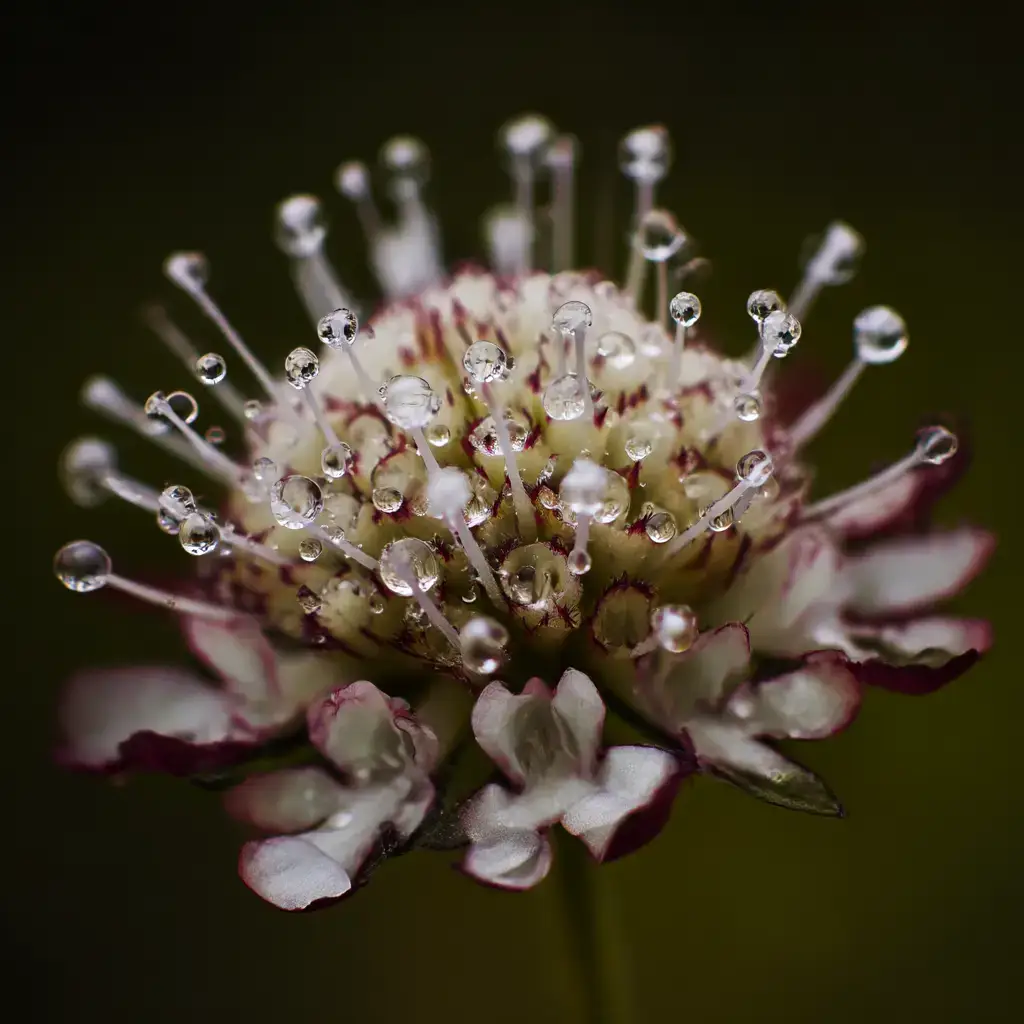
 Black Knight Pincushion Flower
7 photos of Black Knight Pincushion Flower
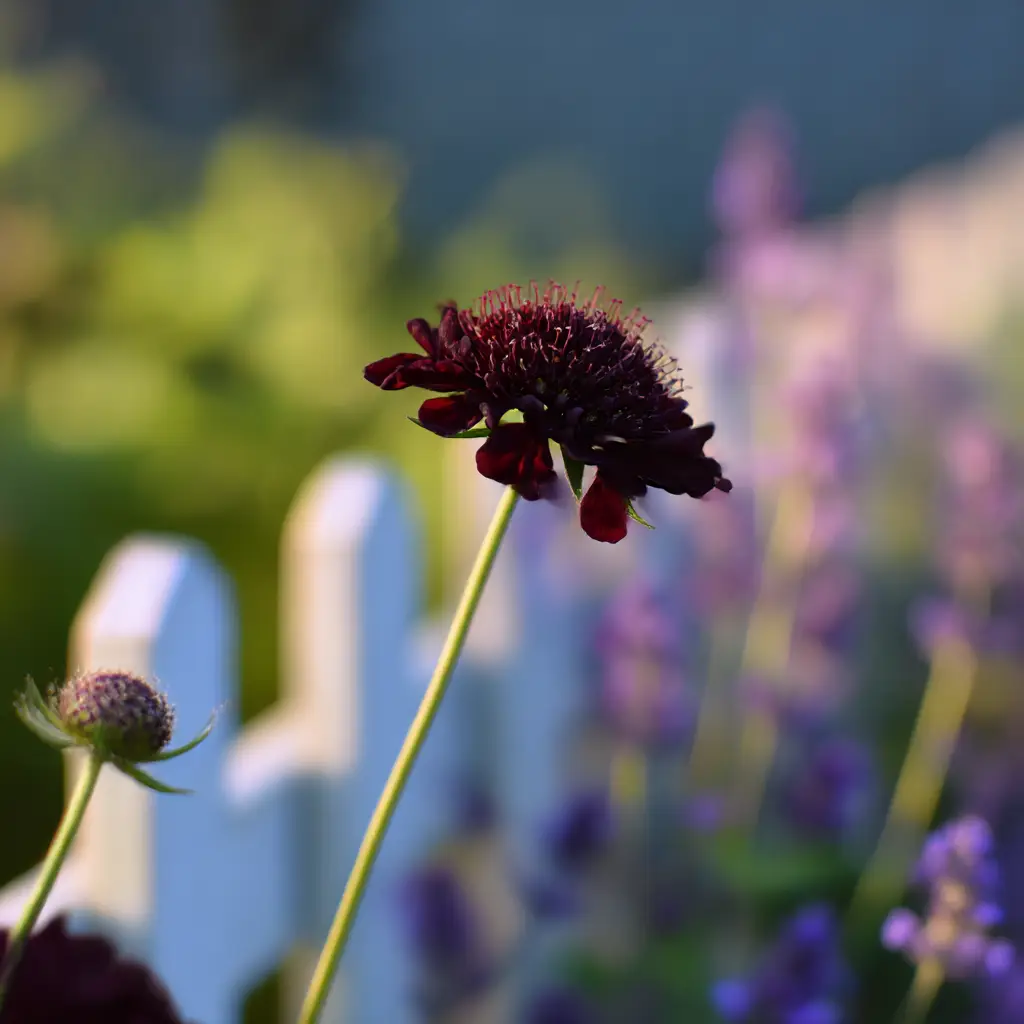


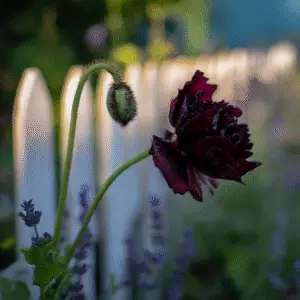 Black Peony Poppy
7 photos of Black Peony Poppy
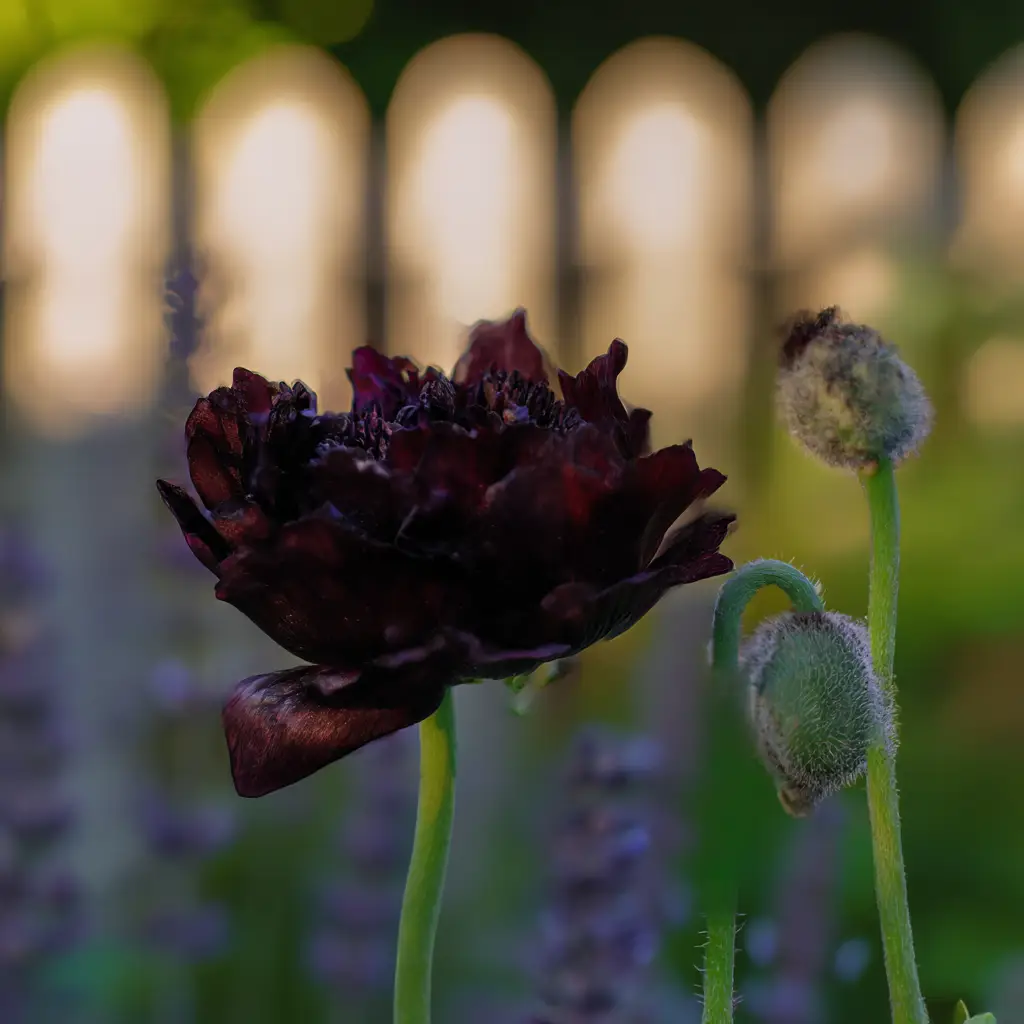
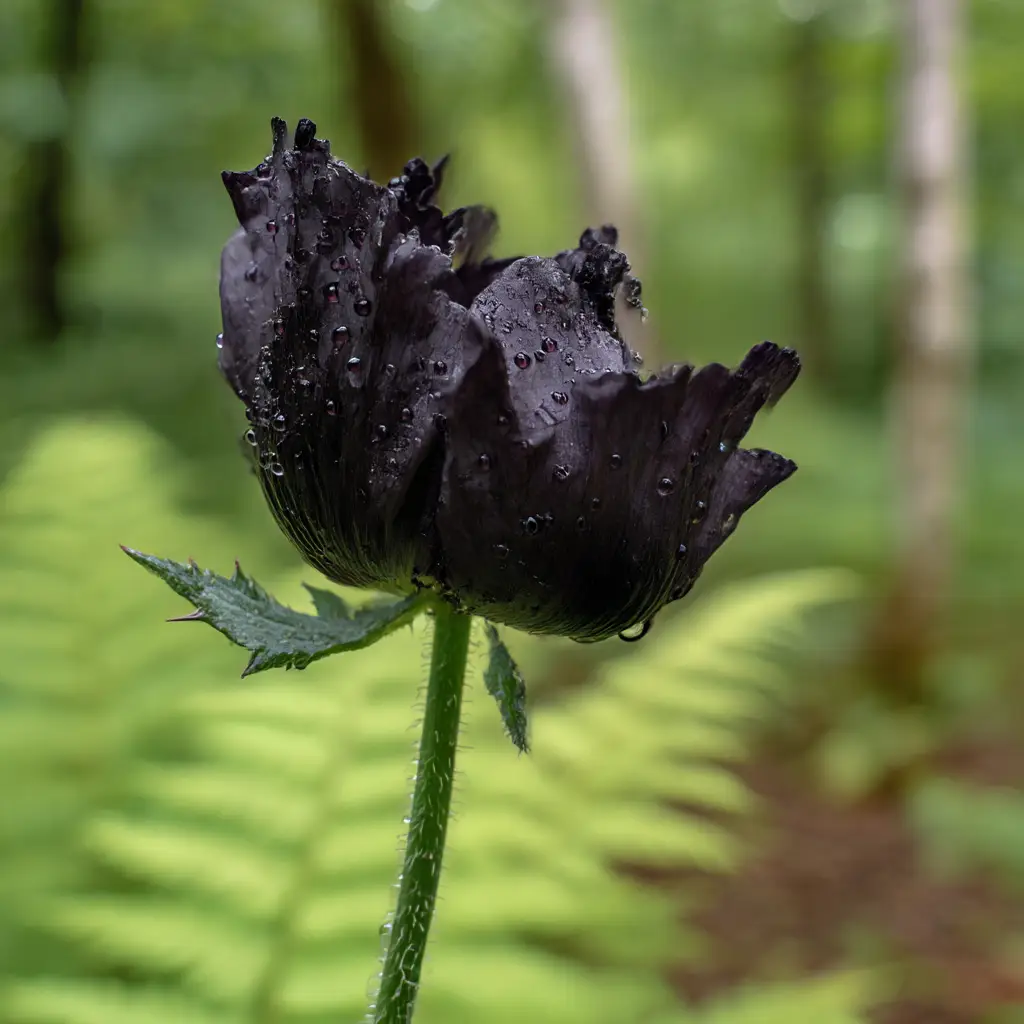
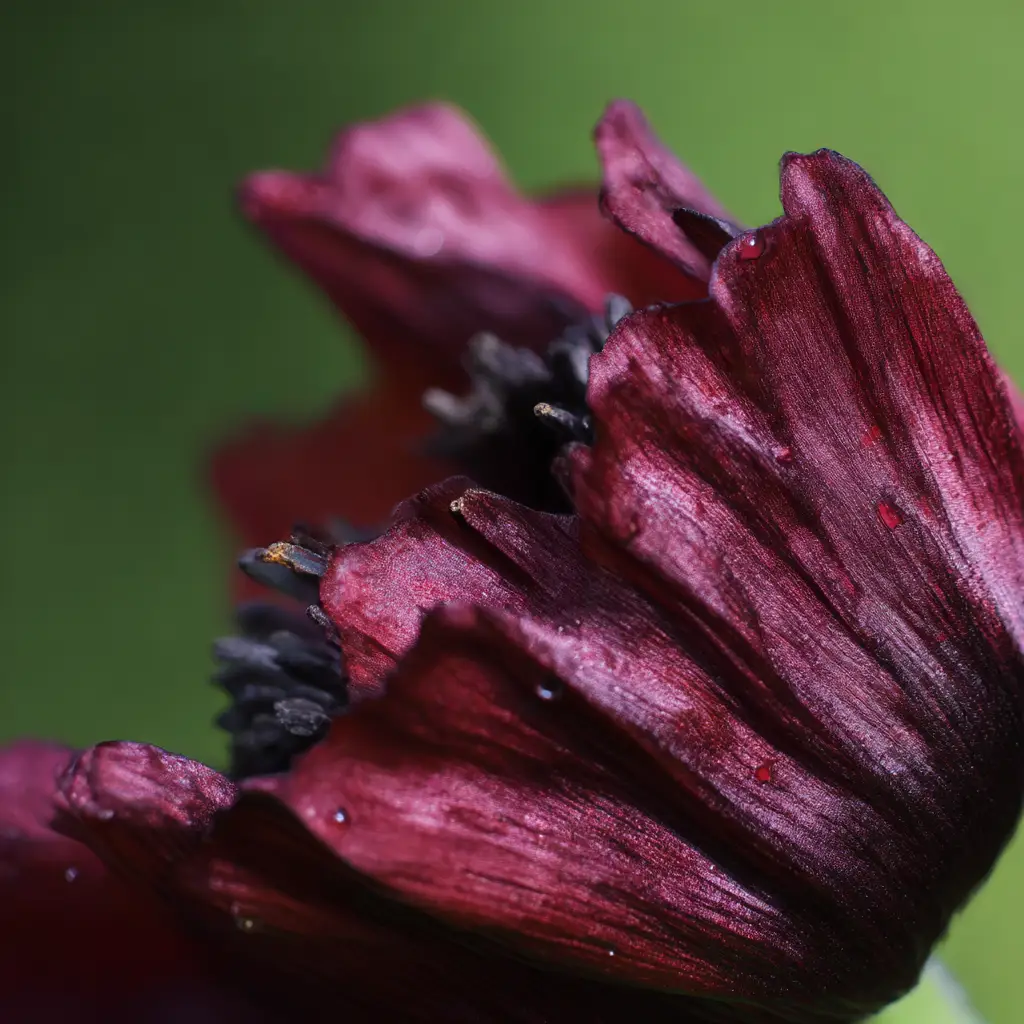
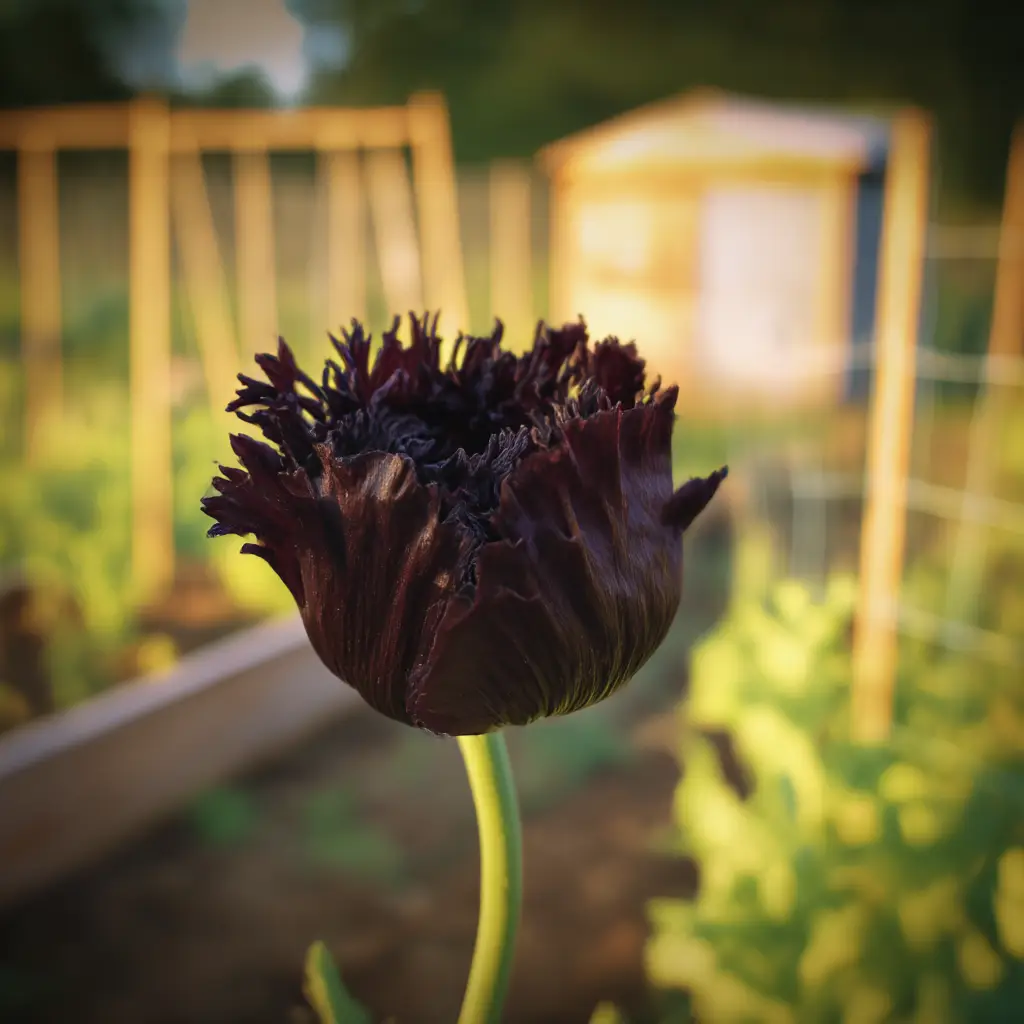

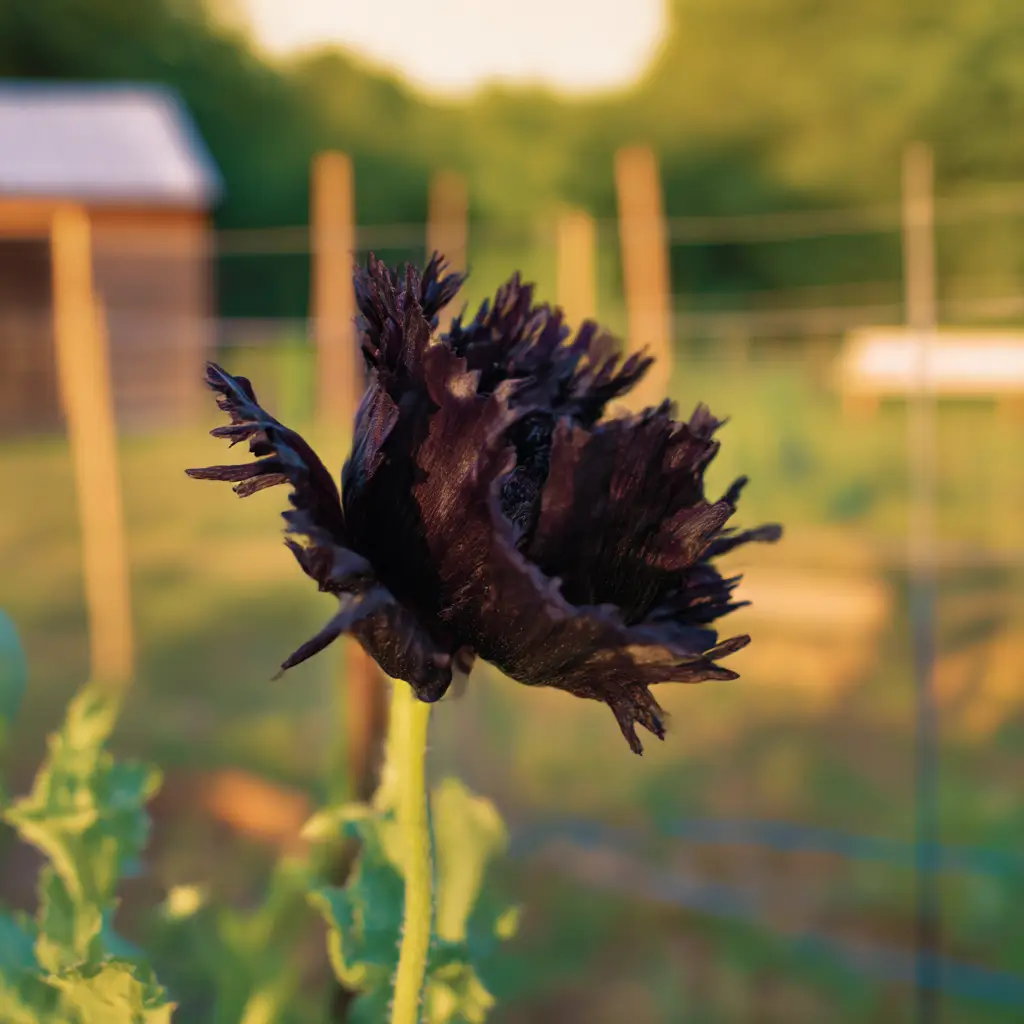
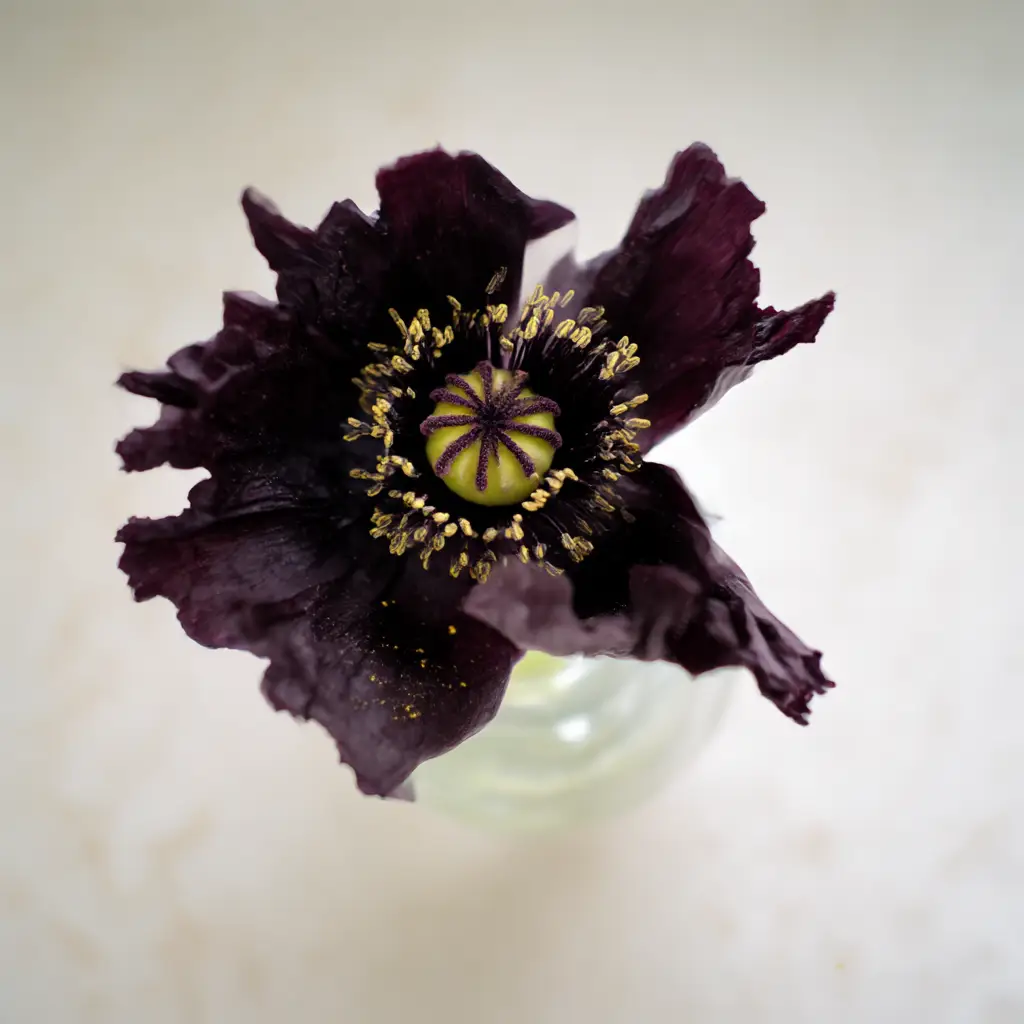
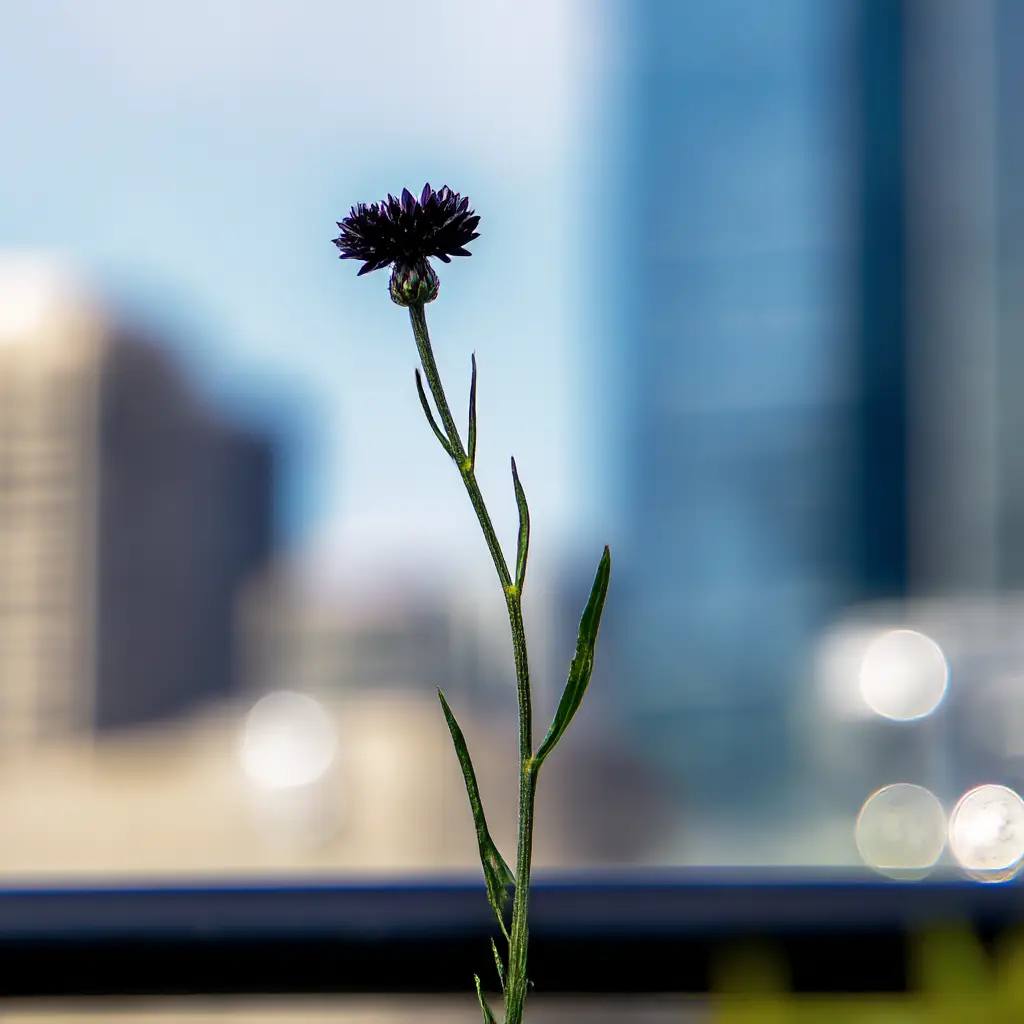
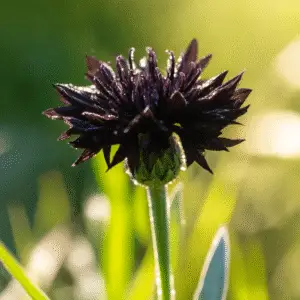 Black Ball Cornflower
7 photos of Black Ball Cornflower


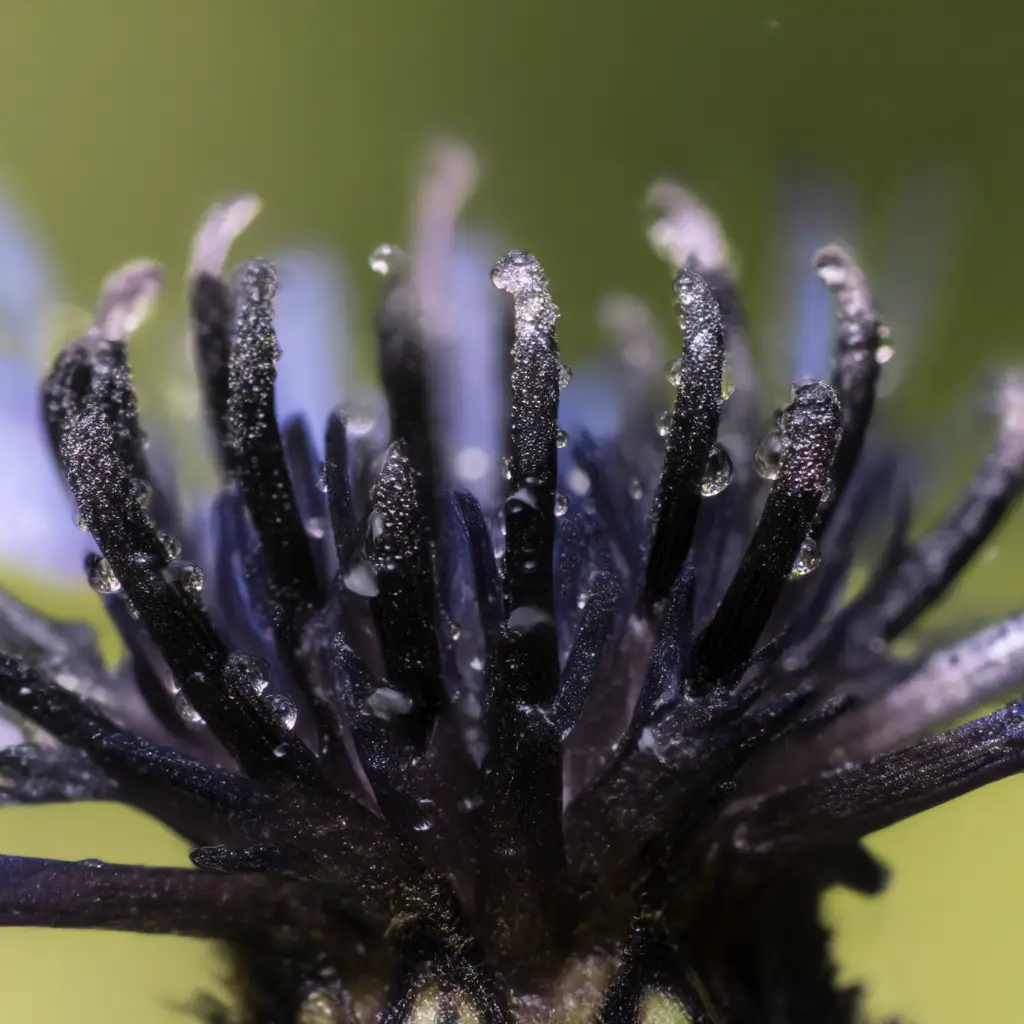
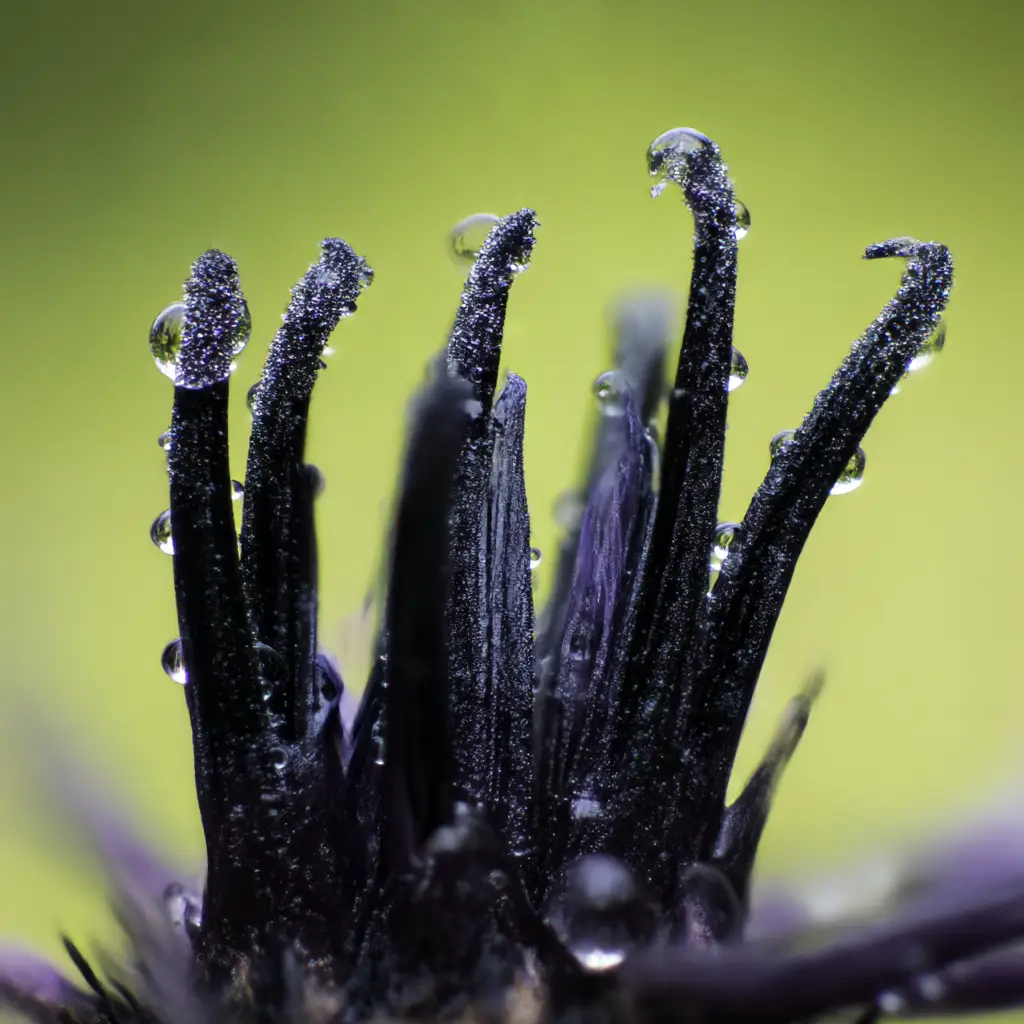
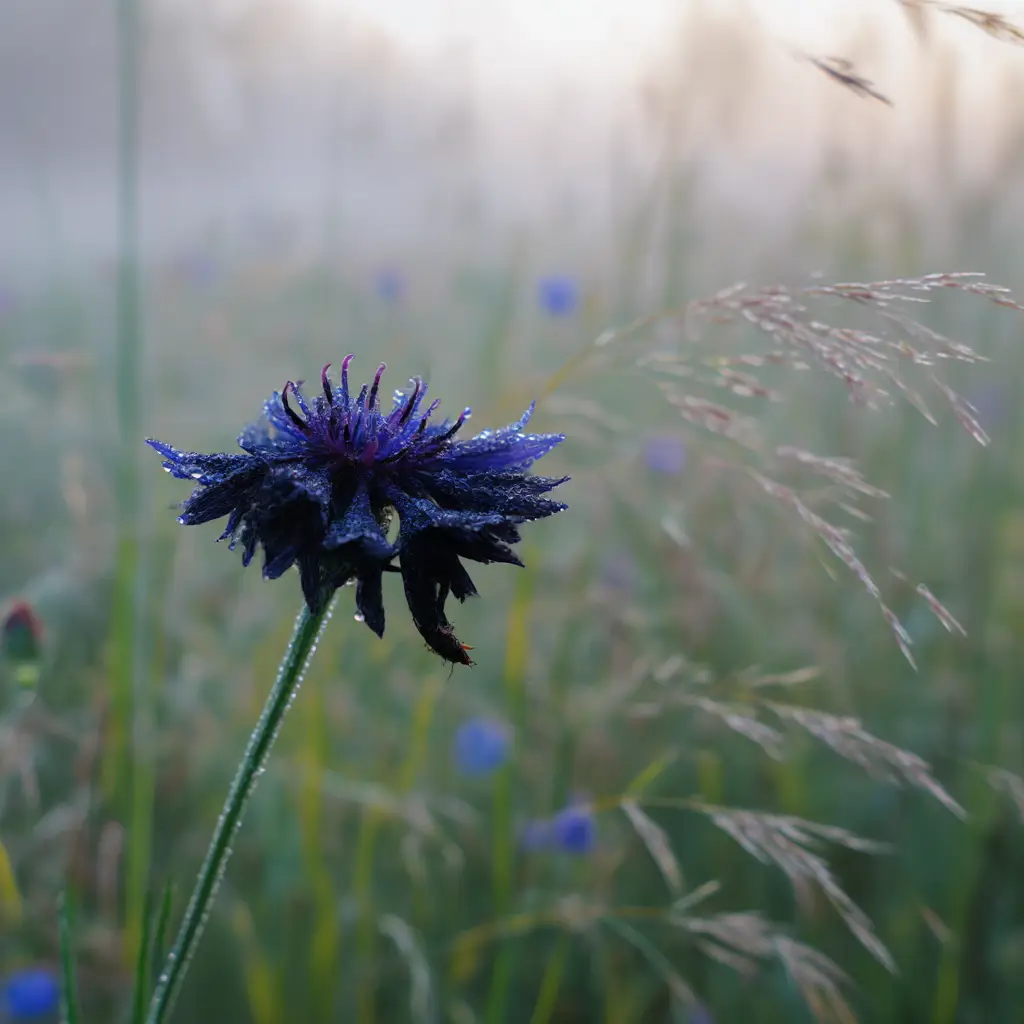

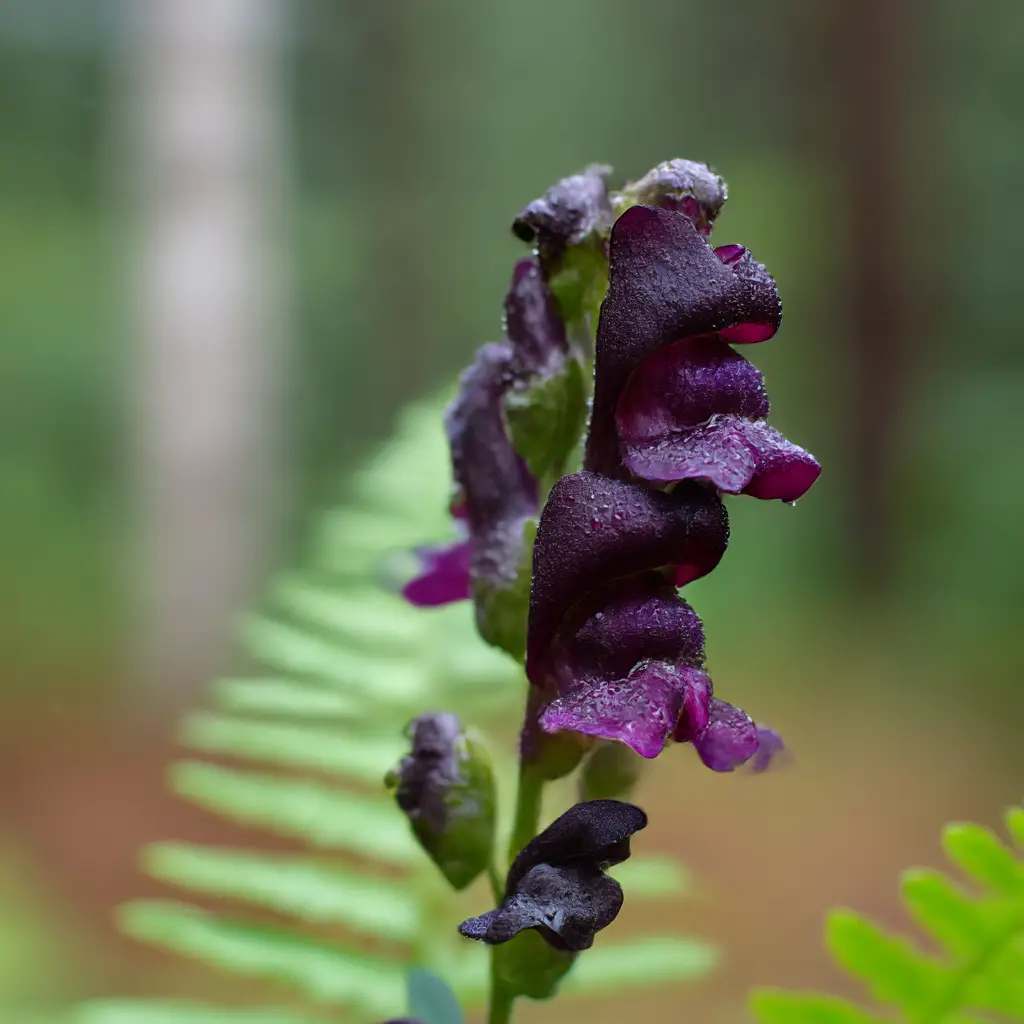
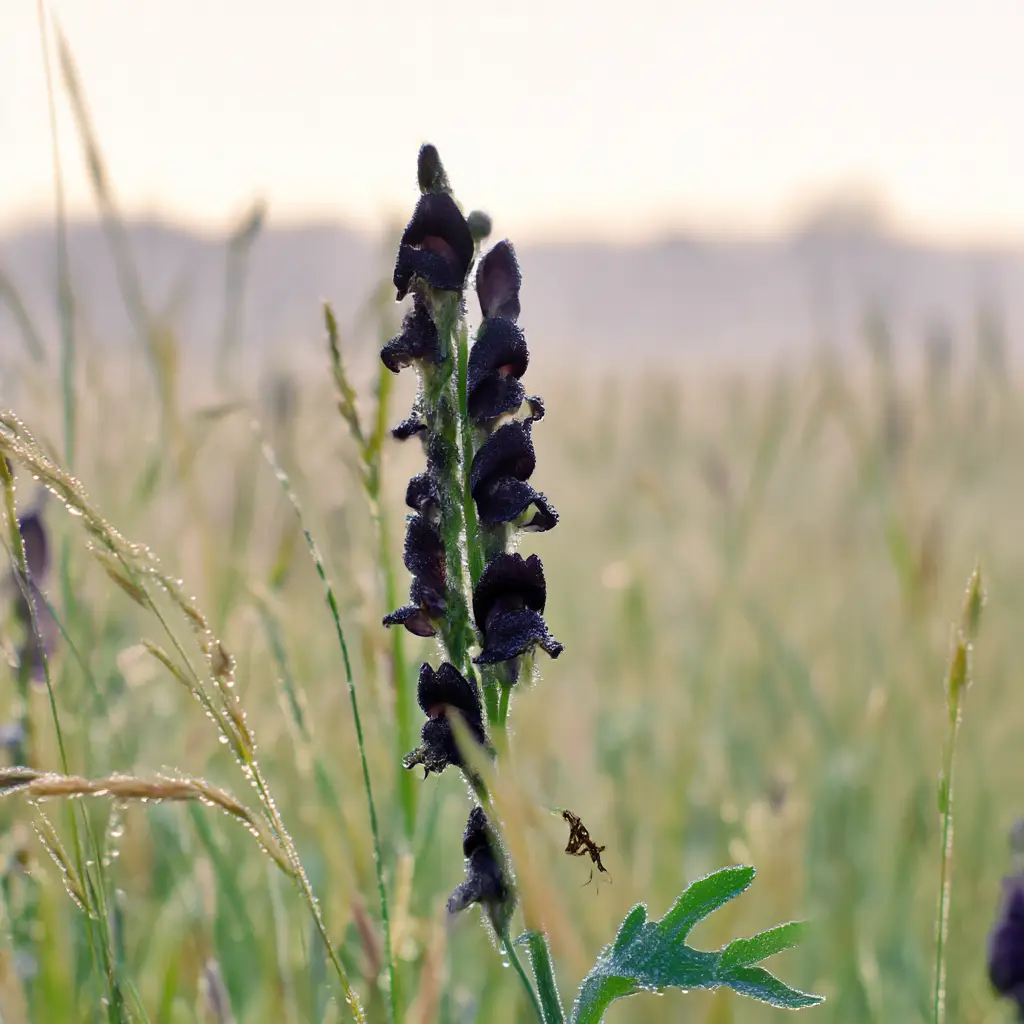
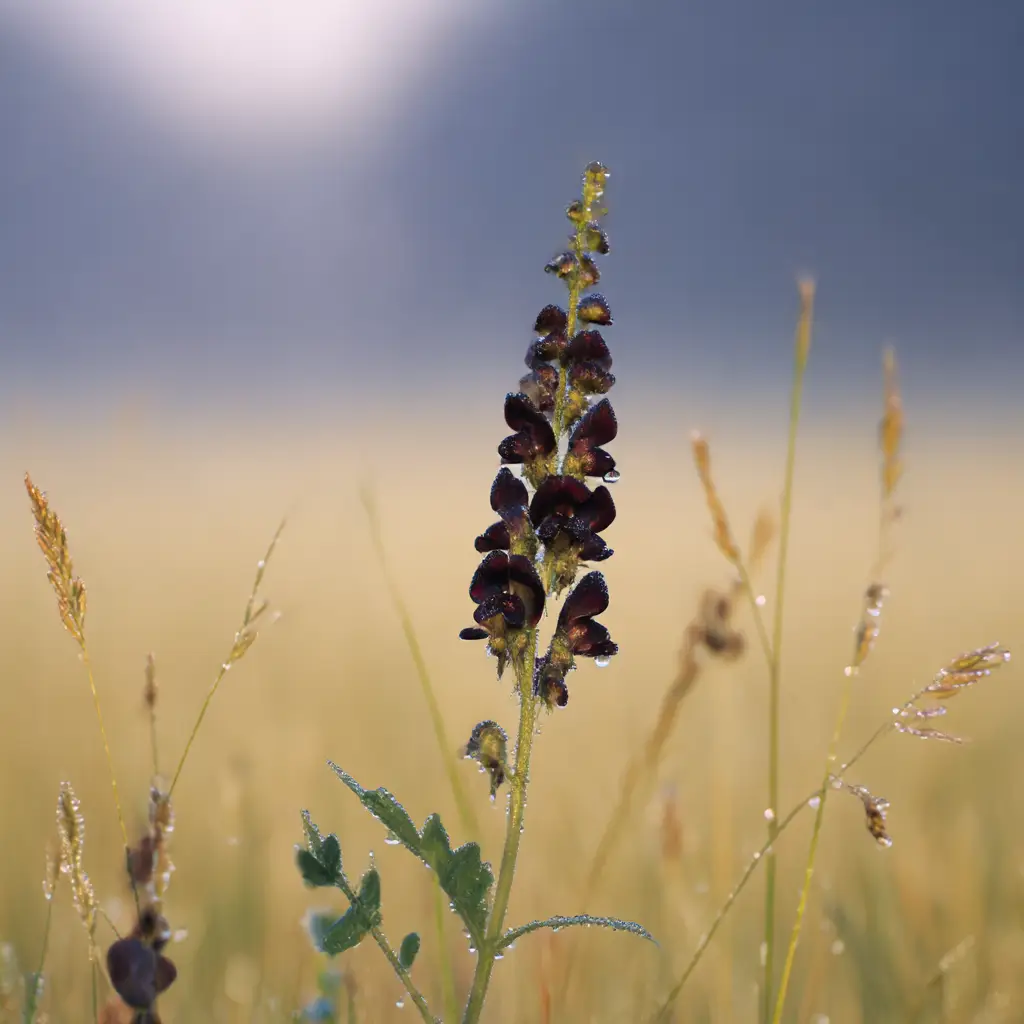
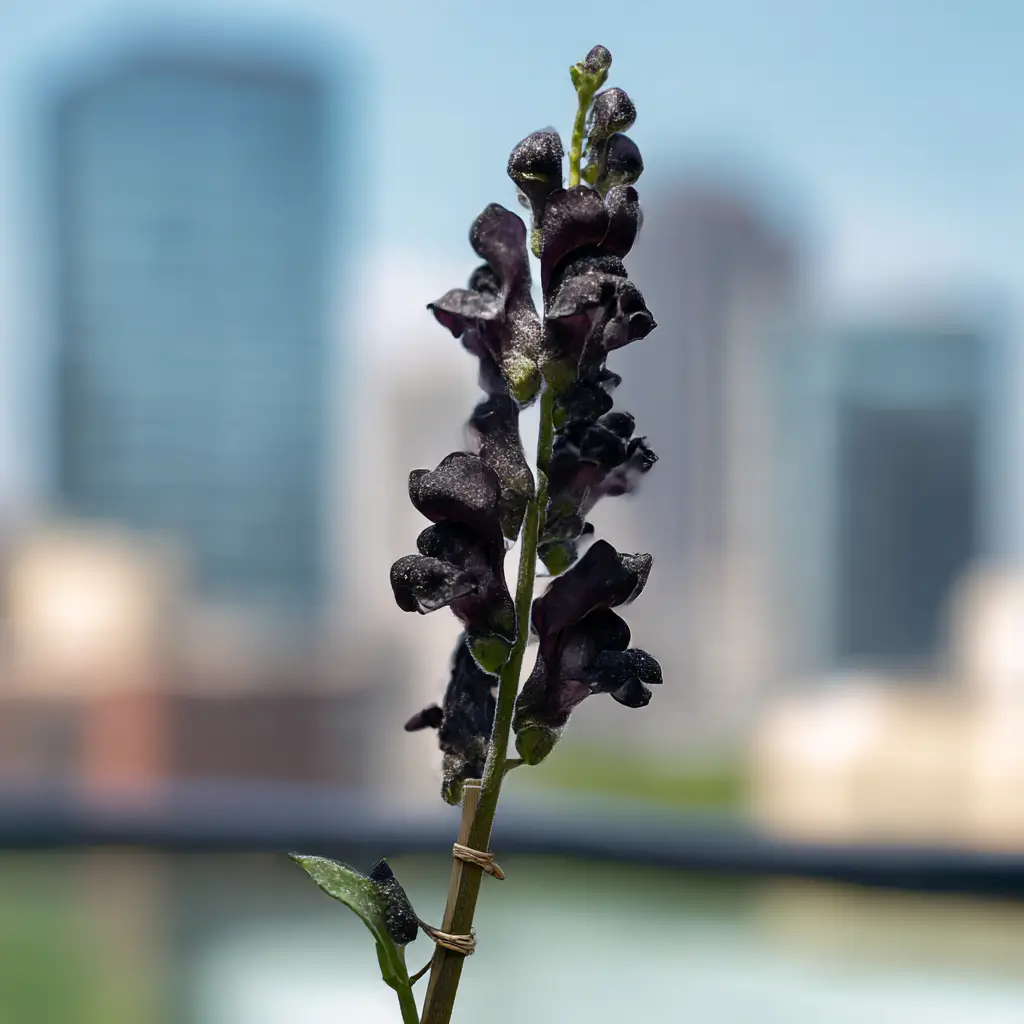
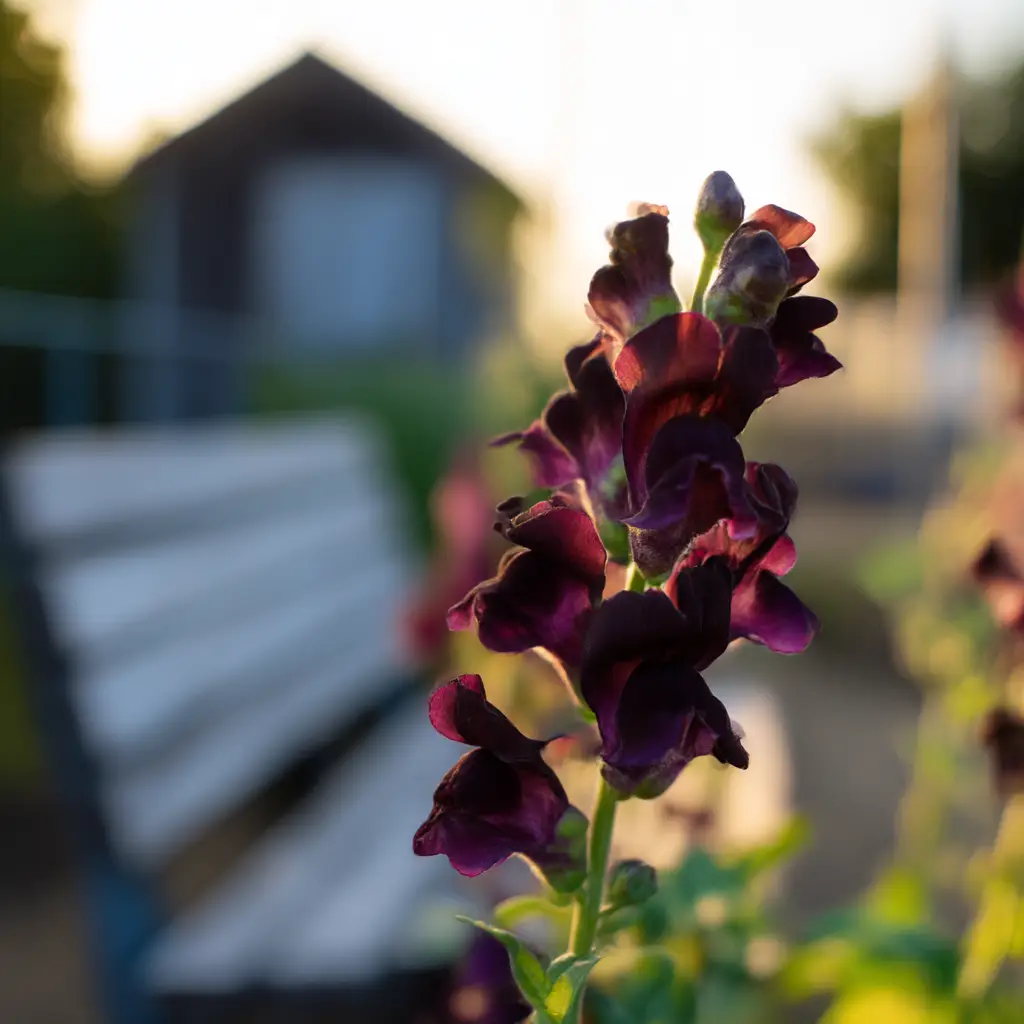
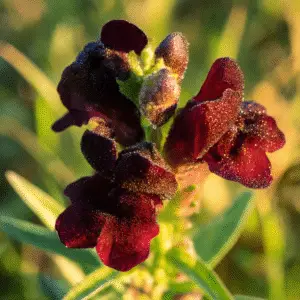 Black Prince Snapdragon
7 photos of Black Prince Snapdragon

Why no plant can make a black flower
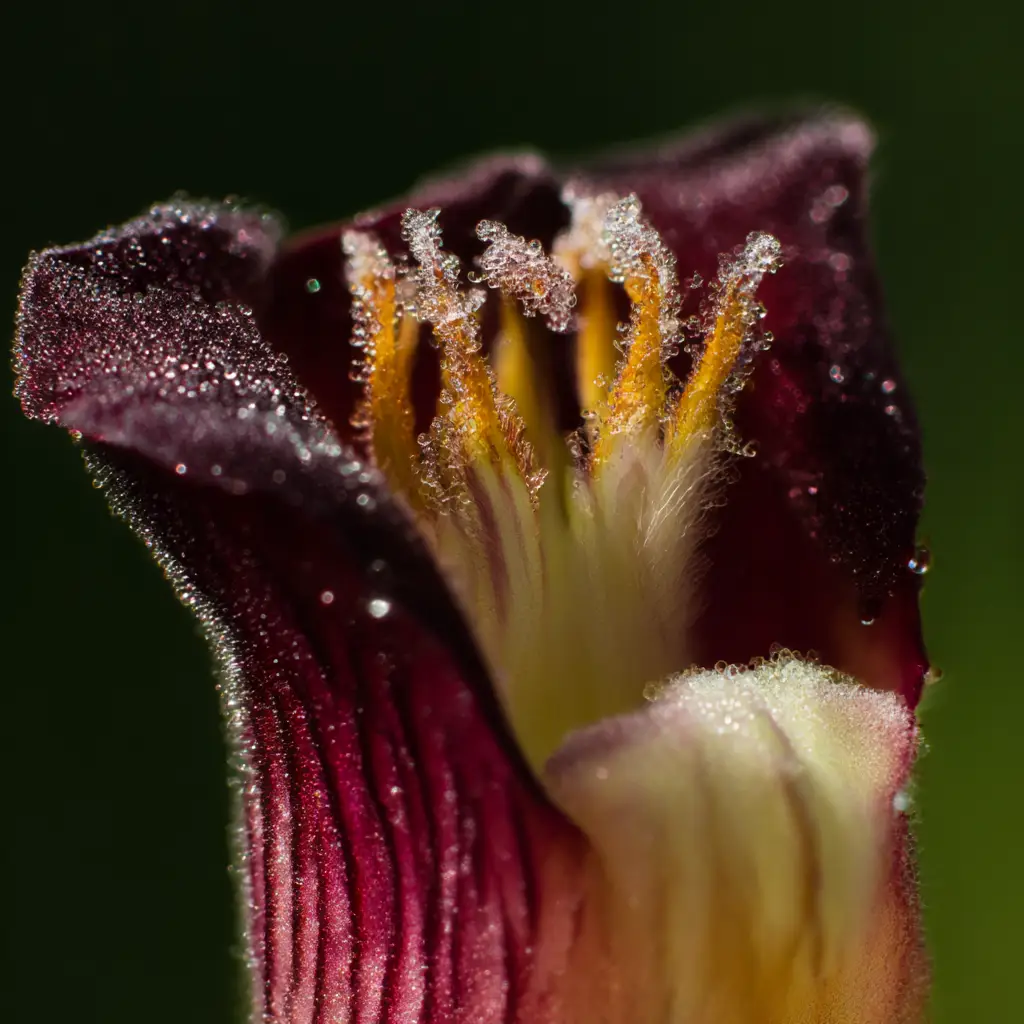
A plant has no black pigment available to it. What it can do is stack anthocyanins until the petal absorbs nearly everything that lands on it, and the deepest cultivars are close to that ceiling. They still leak: hold a Queen of Night tulip against the sun and it lights up maroon. There are also good reasons for a flower not to be black. A near-black petal in full sun runs hot enough to damage its own tissue, and pollinators find dark flowers hard to see, which is why almost every near-black plant in cultivation was selected in a garden rather than found in the wild.
Dark flowers vanish against soil, bark mulch and shadow, which is where people usually plant them. Put them against silver foliage, pale gravel, cream flowers or a light wall, at eye level rather than at the back, and where the low evening sun can pass through the petals.
How black each one really is
The same flowers again, this time grouped by how much of the colour is actually there in ordinary daylight rather than on a label.
Queen of Night tulip
Black Star calla lily
Before the Storm bearded iris
Black Velvet petunia
Nigra hollyhockArabian Night dahlia
Landini Asiatic lily
Chocolate cosmos
Black Barlow columbineOnyx Odyssey hellebore
Black Prince snapdragon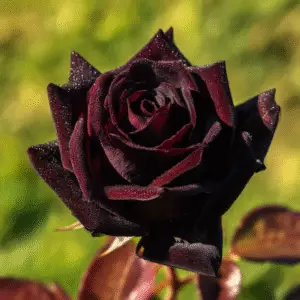 Black rose
What black sits well with
What black says
Black flowers carry farewell, rebirth and deliberate drama in about equal measure, and a good deal of gothic fashion on top. Sent as a gift they read as a statement rather than a sentiment, so they are best given to someone who asked for them.