The pairing · pick a flower
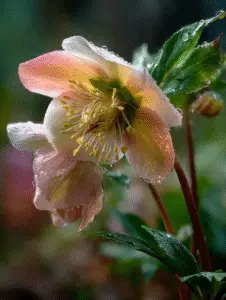 Lenten rose (Hellebore)+
 SnowdropsPartial
Fine grassy foliage and crisp white flowers open in the same winter window under the same trees, giving hellebore's coarse dark leaves and muted nodding blooms the sharpest possible contrast.
Lenten rose (Hellebore)+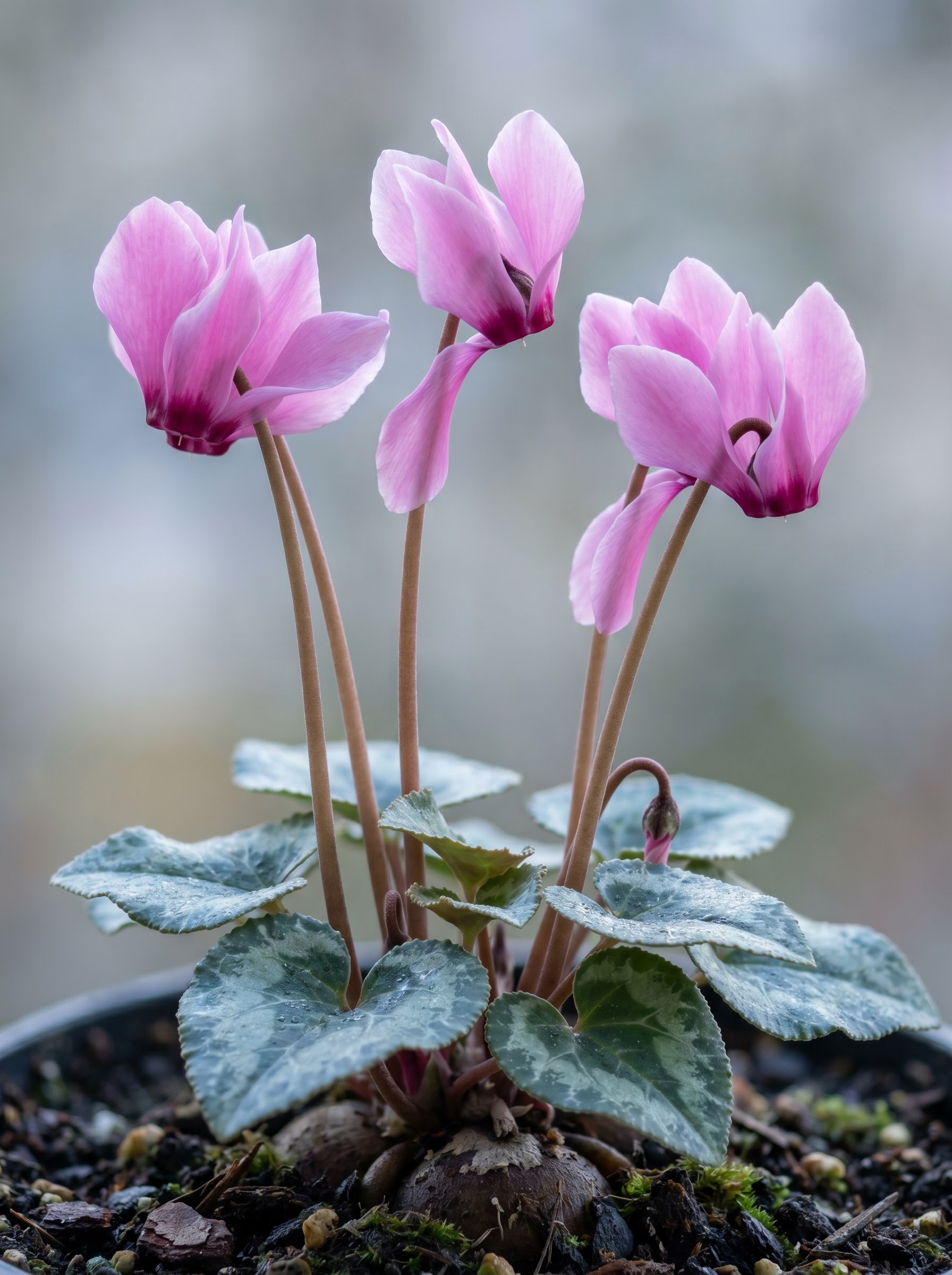 Hardy cyclamenProven
A genuine dry-shade-under-trees specialist that tolerates the exact same summer-dry, winter-moist root zone as hellebore, with marbled leaves and small reflexed flowers that echo its nodding bloom shape at a smaller scale.
Lenten rose (Hellebore)+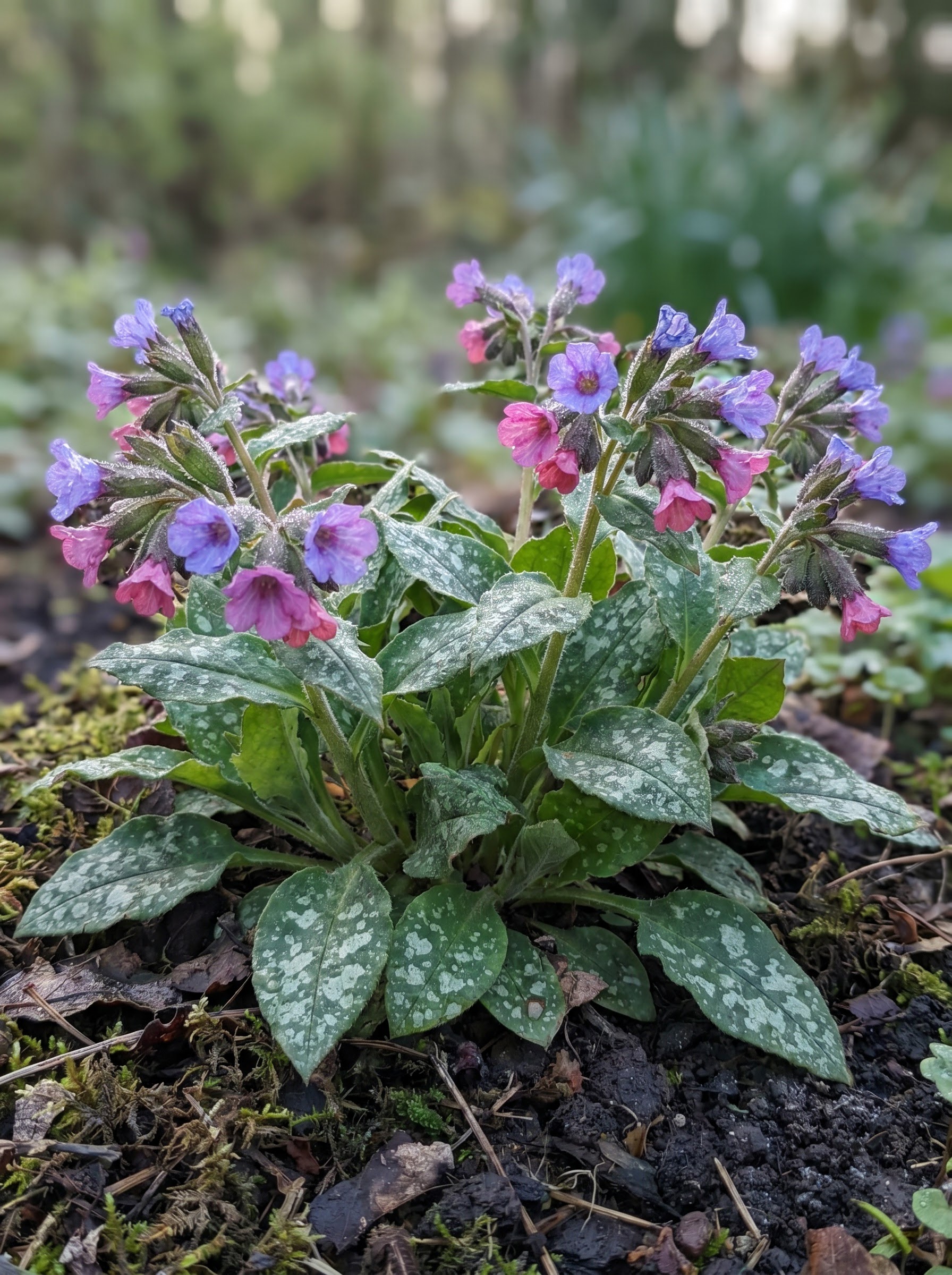 PulmonariaPartial
Silver-splashed leaves and pink or blue flowers make a repeatedly cited color harmony against pink and purple hellebore cultivars, though lungwort wants steadier moisture than hellebore's driest sites tolerate.
Lenten rose (Hellebore)+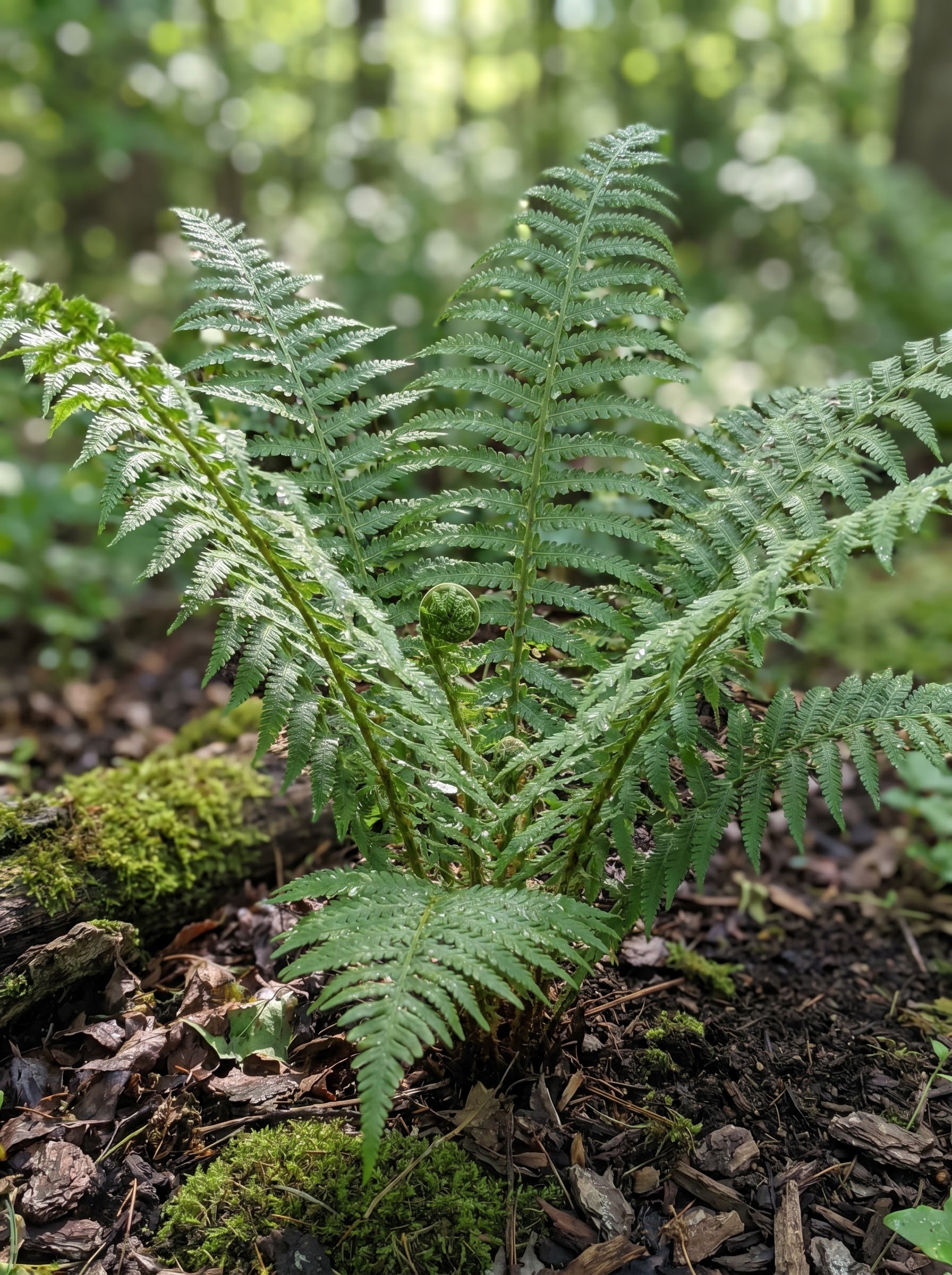 Japanese paintedPartial
Fine-cut silvery-burgundy fronds are the strongest textural foil to hellebore's leathery coarse leaves, unfurling right as the late-winter bloom fades, though the fern needs more consistent moisture than hellebore's dry-shade range.
Lenten rose (Hellebore)+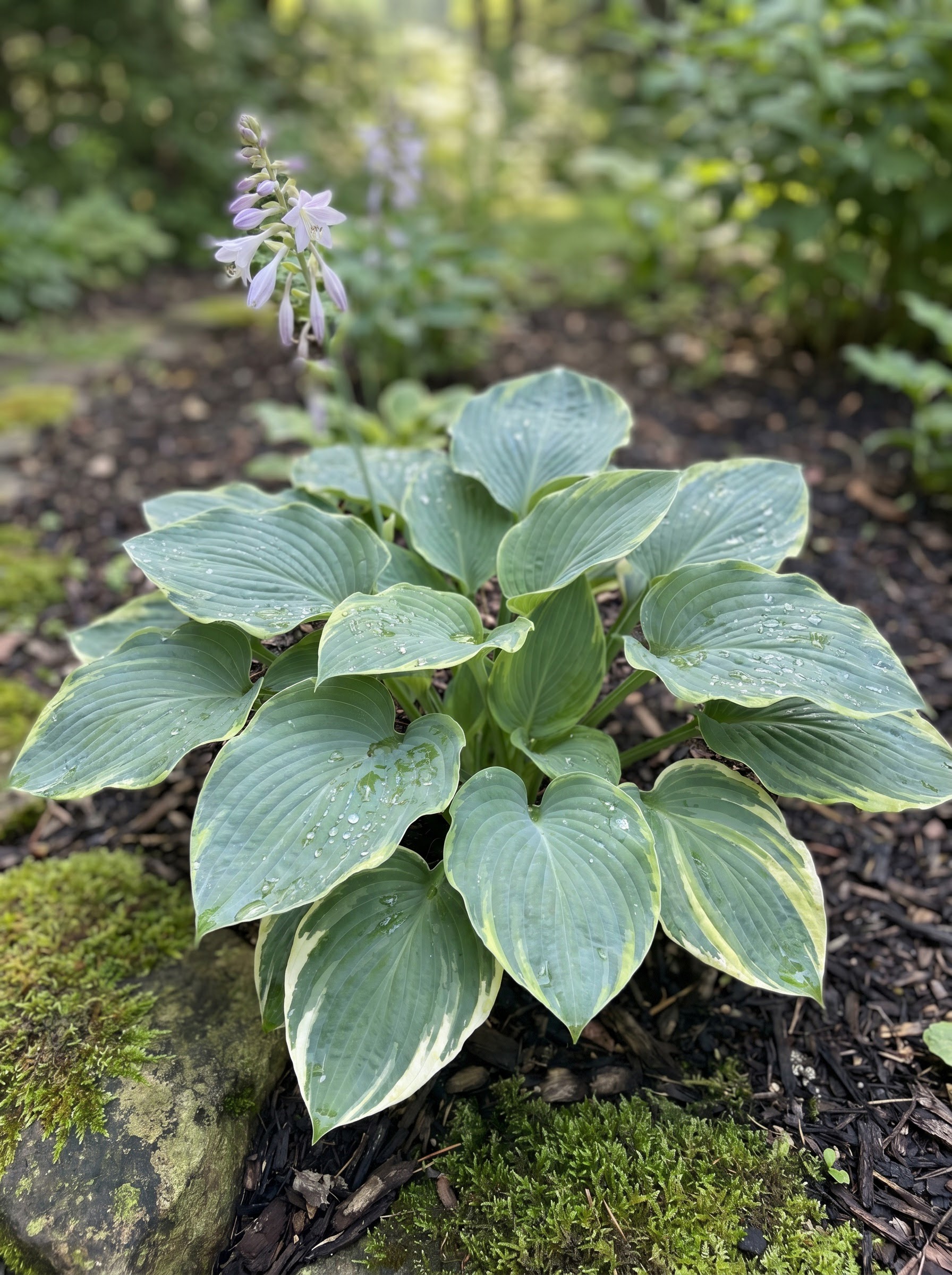 HostaPartial
Bold, ribbed blue-gray leaves give hellebore's smaller, finely-divided foliage a strong architectural contrast, but hosta wants steadier watering than hellebore's dry-shade-tolerant range, so it works best in average-moisture shade, not the driest site.
Lenten rose (Hellebore)+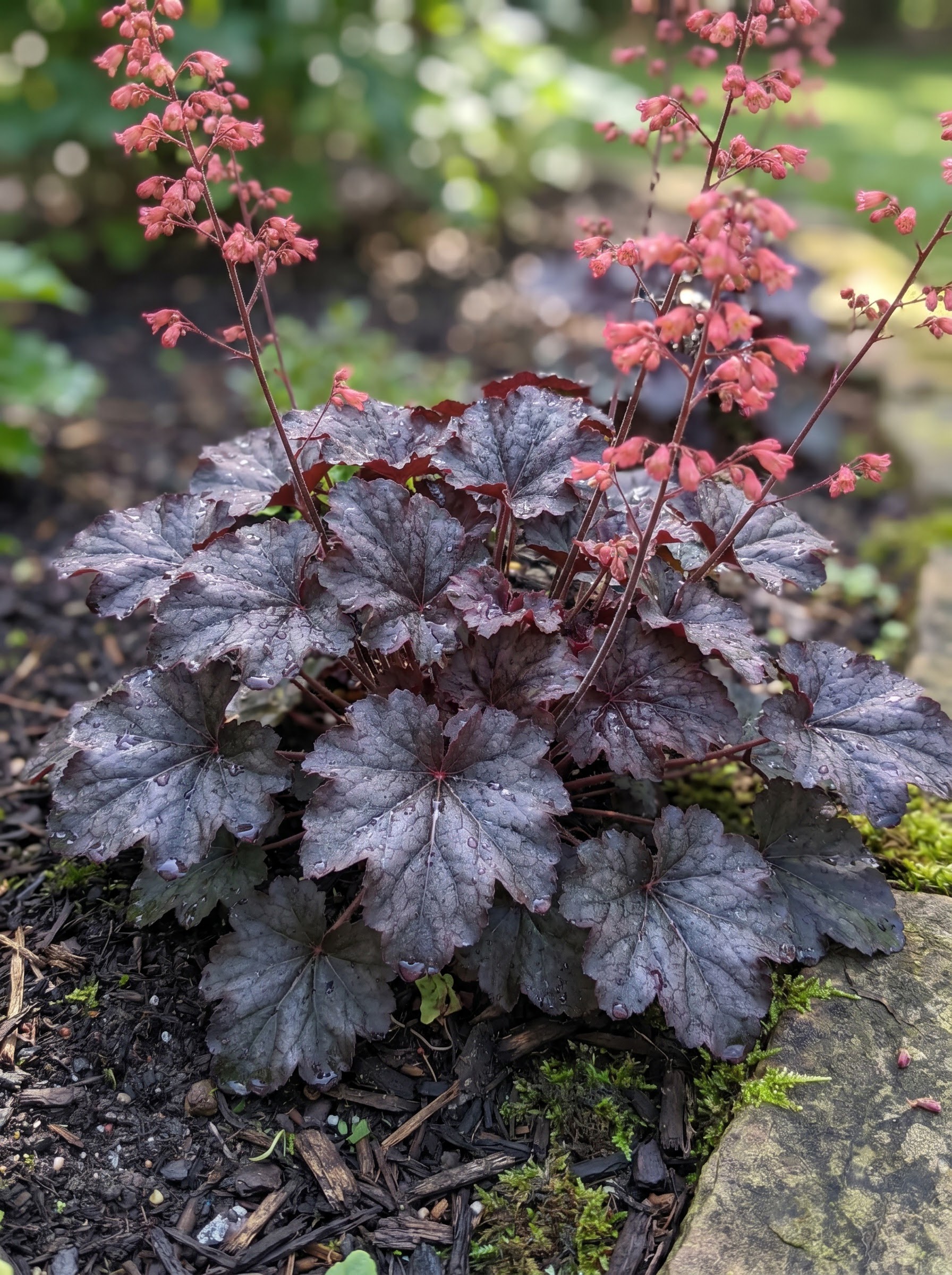 HeucheraPartial
More drought-flexible than hosta and a genuinely better match for hellebore's dry-shade range, with purple, bronze or cream foliage that echoes or contrasts hellebore's own muted plum and slate tones at a low, bed-edge height where the nodding flowers can be seen.
Lenten rose (Hellebore)+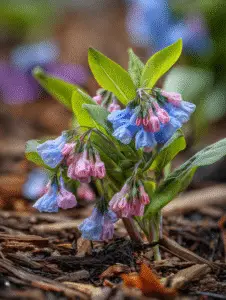 Virginia bluebellsPartial
A spring ephemeral that shares hellebore's woodland part-shade timing and dies back to dormancy by early summer, at which point hellebore's evergreen foliage quietly covers the bare soil it leaves behind.
Lenten rose (Hellebore)+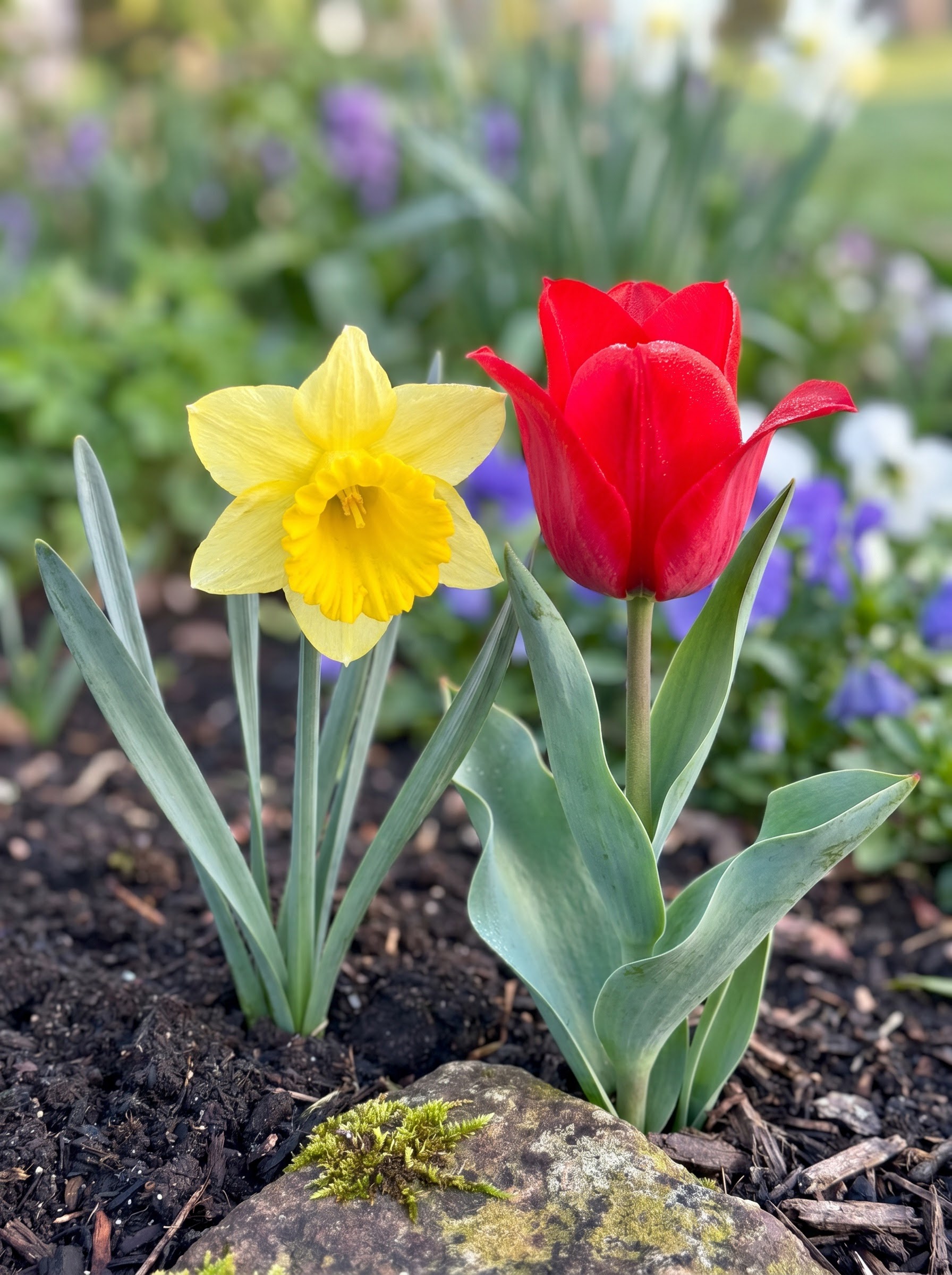 Shade-tolerant daffodilsPartial
More shade-tolerant than most daffodil types, these small cyclamineus varieties bloom just after or overlapping the tail of hellebore's window and add the upright form hellebore's low nodding habit lacks.
Lenten rose (Hellebore)+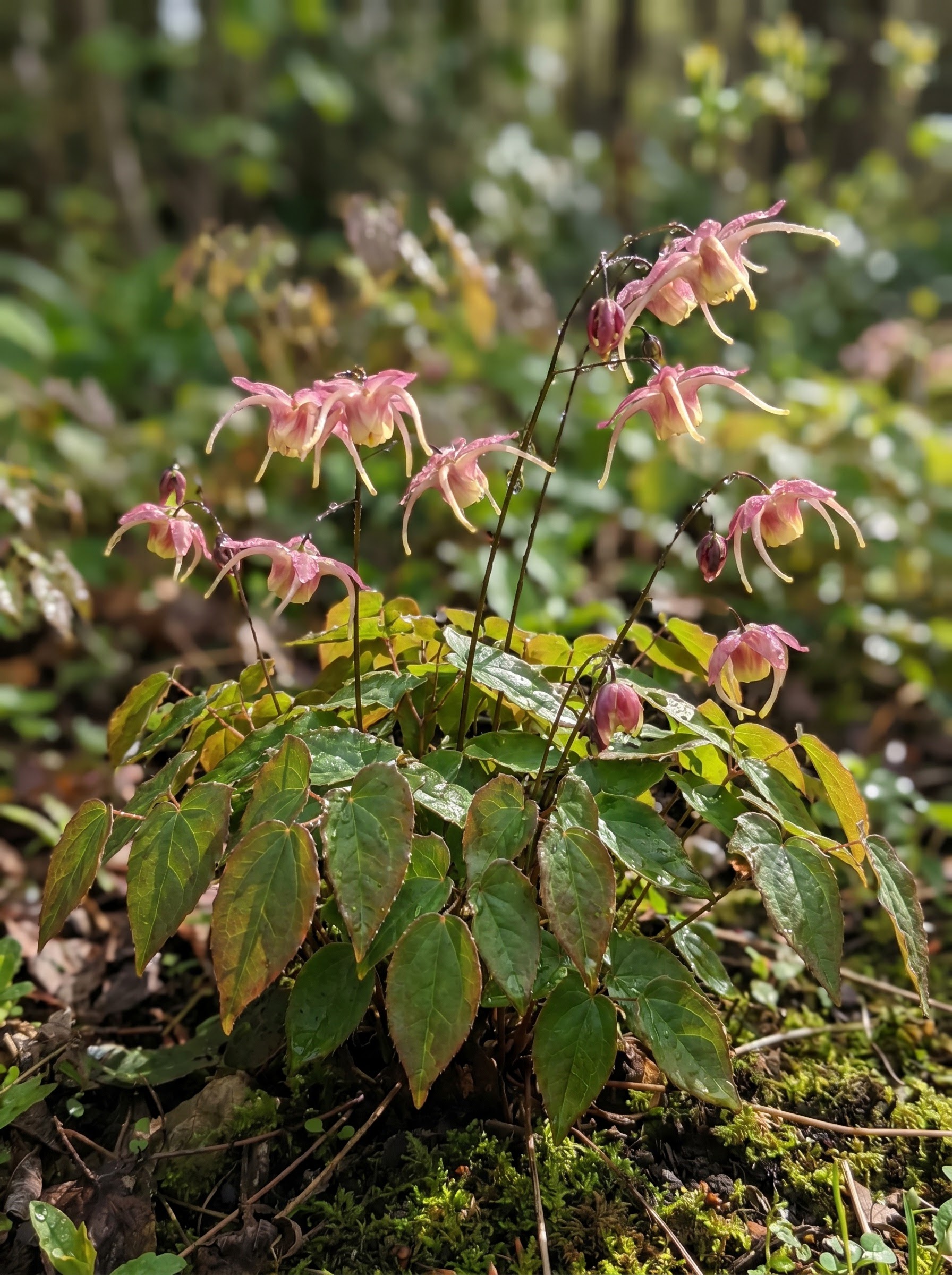 EpimediumProven
A near-identical dry-shade-under-trees specialist that is also reliably deer-resistant, so the two build a genuinely deer-proof shade bed together, with some cultivars opening their small spurred flowers as early as hellebore's own late-winter window.
All hellebore companions
9 flower companions, best match first
What not to plant near hellebore
Most bad neighbours are not evil, they just want the opposite light, water or root run. Here is what to keep away, and what to do instead.
True bog and wet-soil plants in a poorly drained spot (some ligularia, most astilbe cultivars, moisture-hungry ferns sited without drainage)
Hellebore is prone to crown rot in soggy, waterlogged soil, and both the RHS and Clemson name very wet soil as unsuitable, so pairing it with a plant that wants to sit wet either rots the hellebore's crown or leaves the wet-loving companion chronically underwatered.
Aggressive spreaders and running groundcovers while the clump is young (vinca/periwinkle, ajuga, lily-of-the-valley, vigorous cranesbill cultivars)
Hellebore is a slow, clump-forming plant that takes two to three years to bulk up and resents root disturbance, while vinca minor is documented to root at every node and form a dense mat wide enough to be flagged invasive in several states.
Full-sun, thirsty bedding plants and roses
Hellebore's foliage scorches in full sun, and most sun-bred annuals and roses want more direct light and water than a shaded hellebore bed provides, the standard sun-mismatch that applies to any shade perennial.
Hellebore earns its keep in the hardest spot in most gardens: dry shade under a tree, where the soil is root-choked and the light never gets strong. Once a Lenten rose settles in, usually after its second or third year in the ground, it shrugs off drought that would finish most perennials sold beside it at the nursery. That single trait decides almost everything about which companions actually work. The plants that pair well with hellebore are not generic shade lovers, they are the small group that tolerates the same summer-dry, winter-damp root zone under a canopy, and that share its habit of doing the real work in the coldest months of the year, when almost nothing else in the bed is awake.
The best companions for hellebore, explained
Snowdrops and hardy cyclamen are the two pairings worth building a bed around. Both genuinely share hellebore’s dry-shade-under-trees niche rather than merely tolerating shade in general, and both bloom in the same deep-winter window, so a hellebore clump ringed with snowdrops and cyclamen tubers is flowering from December into April with almost no gap. Snowdrops bring fine grassy foliage and crisp white bells that cut cleanly against hellebore’s coarse, leathery leaves and muted, downward-facing flowers, the strongest textural contrast available in that palette. Cyclamen brings something subtler: small reflexed blooms in pink or white that echo hellebore’s own nodding shape at a fraction of the size, over marbled leaves that keep the ground interesting once the flowers are spent. Both plants want to be left alone once planted, tubers and bulbs settled shallow and undisturbed, which matches hellebore’s own dislike of root disturbance.
Once the calendar moves past the deepest winter, pulmonaria and Virginia bluebells carry the next stretch. Pulmonaria’s silver-spotted leaves and pink-to-blue flower clusters open from February through April, overlapping hellebore’s late bloom, and the color pairing against pink or purple hellebore cultivars is one of the most repeated observations in shade-garden writing for good reason: it actually works. Virginia bluebells do something structurally cleverer. They are spring ephemerals, up and blooming by April, gone to dormancy by early summer, and hellebore’s evergreen foliage quietly closes over the bare patch of soil they leave behind. That ephemeral-then-evergreen relationship is a genuine design mechanism, a real structural handoff rather than a mere coincidence of shared bloom timing.
Shade-tolerant cyclamineus daffodils like ‘February Gold’ pick up right where the bluebells leave off, more shade-tolerant than most daffodil types and blooming just as hellebore’s own window closes, adding upright form to a bed that is otherwise all low mounds.
For the months after hellebore’s flowers fade, heuchera and epimedium do the most honest work. Heuchera is more drought-tolerant than hosta and a better match for hellebore’s driest sites, and its purple, bronze or cream foliage sits low enough at a bed edge that you can actually look into hellebore’s nodding flowers from below, which is where they are designed to be seen. Epimedium is the closer relative: a near-identical dry-shade specialist, evergreen-ish, slow and clump-forming like hellebore itself, and reliably deer-resistant, so the two together anchor a genuinely deer-proof shade bed rather than one that merely survives occasional browsing.
What not to plant near hellebore
The one avoid-rule worth taking seriously is drainage. Hellebore tolerates dry shade far better than it tolerates wet feet, and both the RHS and Clemson’s home garden center name very wet, waterlogged soil as unsuitable and a direct route to crown rot. That rules out siting hellebore next to true bog plants, most astilbe cultivars in particular, or any moisture-loving fern planted in a spot without real drainage. It is not that astilbe is a bad plant, it wants steady dampness and genuinely struggles in dry soil, which is exactly the opposite of what a mature hellebore prefers once established. Put the two in the same bed and one of them is being mistreated.
The second real risk is crowding while the clump is still young. Hellebore takes two to three years to bulk up from a nursery pot into a full plant, and it resents being physically overrun during that window far more than most perennials do. Vinca minor is the clearest offender: North Carolina State’s extension database documents it rooting at every leaf node and forming a mat dense enough that several states list it as invasive. Ajuga, lily-of-the-valley, and the more vigorous cranesbill cultivars carry a milder version of the same risk. None of this is chemical, hellebore has no meaningful allelopathy, it is simple physical and light competition against a slow starter. Give a new hellebore two or three seasons of open ground before any running groundcover reaches it.
Full sun and thirsty bedding plants round out the list, the same generic mismatch true of any shade perennial: roses, most annuals, and full-sun herbs want more direct light and water than a shaded hellebore bed provides, and hellebore’s own foliage will scorch if it is pushed into that light instead. Worth naming honestly and separately from the drainage and crowding issues above, because a few consumer gardening sites also list peony, garlic, and euphorbia as things to avoid near hellebore, and none of those claims holds up under a real source. Euphorbia in particular shares hellebore’s exact dry-shade niche, and the same extension sources that document hellebore’s own culture commonly recommend it as a companion. Two other names come up for an unrelated reason: foxglove and monkshood are sometimes flagged as avoid-pairings purely because they, like hellebore, are toxic if eaten. That is a mismatch of logic rather than a horticultural conflict, since toxicity in one plant does not spread to or compete with a neighboring plant. If pets or small children browse the garden, keep any toxic plant out of easy reach, hellebore included, though that is a household safety habit that has little to do with which plants actually grow well together.
Do they like the same conditions?
Hellebore’s actual growing profile is wider than most shade-tolerant flowers, which is exactly why its companion list splits into two honest categories instead of one. On light, it wants partial to full shade, tolerating morning sun or dappled light in cooler zones and needing real afternoon shade once you reach zone 7 and warmer to avoid leaf scorch. On soil, extension sources converge on neutral to slightly alkaline, roughly pH 7.0 to 8.0, in humus-rich ground that drains well, a preference but not the hard acid-avoidance rule that governs a plant like azalea. On water, hellebore occupies unusually wide ground: it is genuinely drought-tolerant once established, even in the dry shade under a mature tree, but it will not sit in soggy soil, and crown rot is a documented, named risk in poor drainage.
That wide water tolerance is the whole story behind why some of the companions above are rated lower than a first glance would suggest. Hosta and Japanese painted fern share hellebore’s shade and its soil chemistry completely, but both want steadier moisture than hellebore’s driest range tolerates, so they belong in the average-moisture part of the bed rather than the driest pocket under the canopy. The pairing itself is sound; hellebore’s comfort zone is simply broader than theirs on this one axis. Hellebore’s soil pH is flexible enough that it is rarely the deciding factor in whether a companion works. Moisture almost always is.
How to plant them together
Space true companions 12 to 18 inches from the hellebore’s crown, further for anything with a spreading or running habit, and closer only for small bulbs like snowdrops and cyclamen that are tucked in rather than planted as a competing clump. Layer by bloom timing rather than height alone: bulbs and cyclamen at or just in front of the hellebore for the deep-winter show, pulmonaria and bluebells at the mid-distance for the late-winter-into-spring overlap, and heuchera or epimedium at the front edge where the nodding flowers stay visible once everything else has filled in. Cut back hellebore’s old, tattered foliage in late winter, right before or as the new bloom stems emerge, which also clears sightlines to whatever low companion is planted at its feet.
In a container, the same logic holds at a smaller scale. A single hellebore anchors the pot with a small cyclamen or a trailing sprig of ivy-leaved cyclamen tucked at the rim, both wanting the same well-drained, humus-rich mix and the same shaded position. Avoid pairing a potted hellebore with anything that needs daily watering, since a pot dries and floods faster than open ground, and hellebore’s crown-rot risk is if anything higher in a container that does not drain freely.
Does companion planting actually work for hellebore?
Some of it, yes, and specifically. The drainage-avoidance rule is proven: both the RHS and Clemson name waterlogged soil as the direct cause of crown rot in this plant, which means the reverse, siting hellebore with dry-shade specialists rather than moisture lovers, is a real, mechanism-backed strategy grounded in a documented cause and effect. The deer-resistance pairing with epimedium is proven too, both plants carry independently documented resistance ratings from separate extension and trial sources, and stacking two reliably resistant plants in the same bed is a legitimate way to build a browsing-proof planting rather than a hopeful guess.
Where the evidence thins is the color and texture matching, pulmonaria’s pink against hellebore’s purple, heuchera’s foliage against hellebore’s own muted tones. These pairings are real and widely repeated by people who garden with both plants, but they rest on design observation more than a documented biological mechanism, which is a fair distinction to hold onto rather than dressing every good-looking pairing up as more proven than it is. And a few claims circulating on less careful gardening sites, peony and garlic as things to avoid, foxglove flagged purely for shared toxicity, simply do not survive contact with an actual source. Build the bed on drainage and bloom succession first, treat the color harmonies as the reward for getting those two things right, and ignore the avoid-list noise that has no mechanism behind it.
FAQ
What can I plant in front of hellebore?
Low, front-of-bed companions work best where hellebore’s downward-facing flowers stay visible: heuchera, epimedium, or a drift of snowdrops or cyclamen tucked at the base, all of which share its dry-shade tolerance rather than needing steadier moisture.
What should you not plant near hellebore?
Avoid true bog and wet-soil plants like most astilbe cultivars in an undrained spot, since hellebore is prone to crown rot in soggy ground, and keep aggressive spreaders like vinca minor away from a young clump until it has had two or three years to establish.
Is hellebore toxic to plant near pets or other plants?
Hellebore’s toxicity affects anything that eats it, not the plants growing beside it. There is no allelopathy involved, so it is horticulturally safe to plant near anything; keep it out of easy reach only if pets or small children browse the garden itself.
What blooms with hellebore in early spring?
Pulmonaria, Virginia bluebells, and shade-tolerant cyclamineus daffodils like ‘February Gold’ all overlap the tail end of hellebore’s January-to-April bloom window, extending the display into true spring.
Is hellebore actually deer and rabbit resistant?
Yes, this is well documented rather than folklore. Multiple independent trials, including Rutgers and Penn State field studies and the Missouri Botanical Garden’s deer resistance trials, rate hellebore among the most reliably resistant perennials available, which makes it a genuine anchor plant for a deer-proof shade bed.
Sources
- RHS: How to grow hellebores
- Penn State Extension: Snowdrops
- UC ANR: Plant cyclamen and hellebores for winter color in the garden
- North Carolina State Extension Gardener Plant Toolbox: Vinca minor
- Iowa State University Extension: Growing lungworts in the home garden
- North Carolina State Extension Gardener Plant Toolbox: Heuchera americana
More About Hellebore
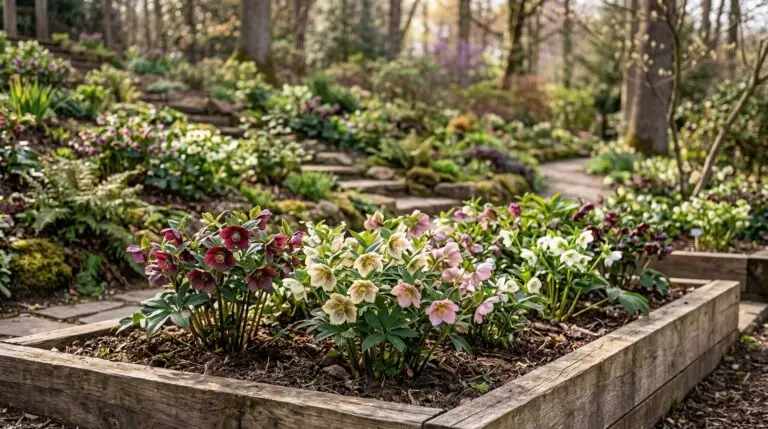
Why hellebore flowers face downward and how to display their hidden beauty
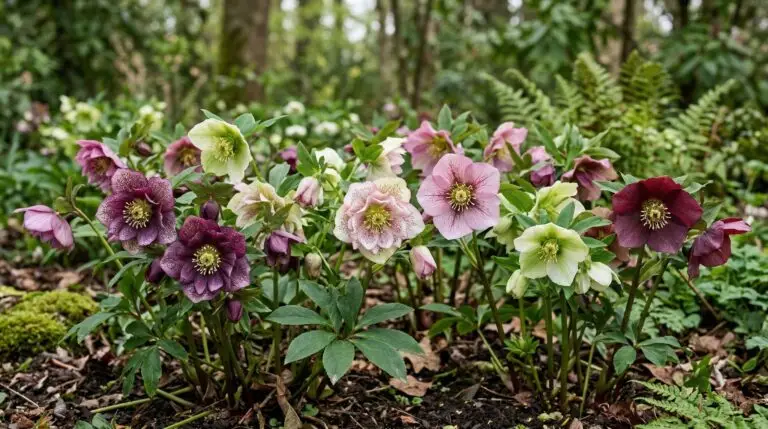
Best hellebore varieties from single-color classics to double-flowered showstoppers
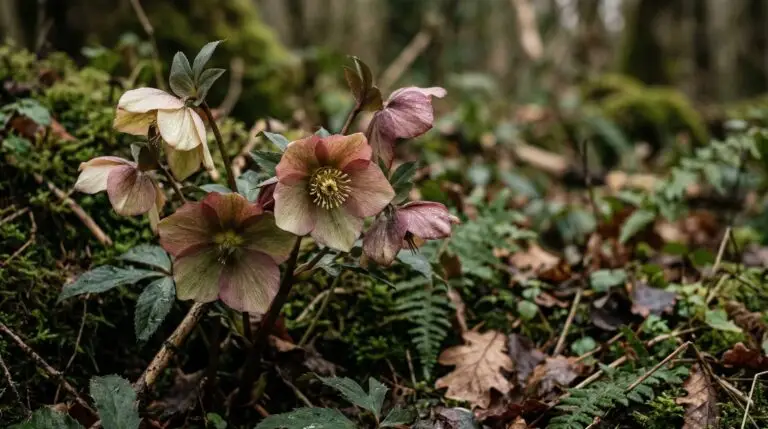
Hellebore flower meaning and the dark legends surrounding the Christmas rose
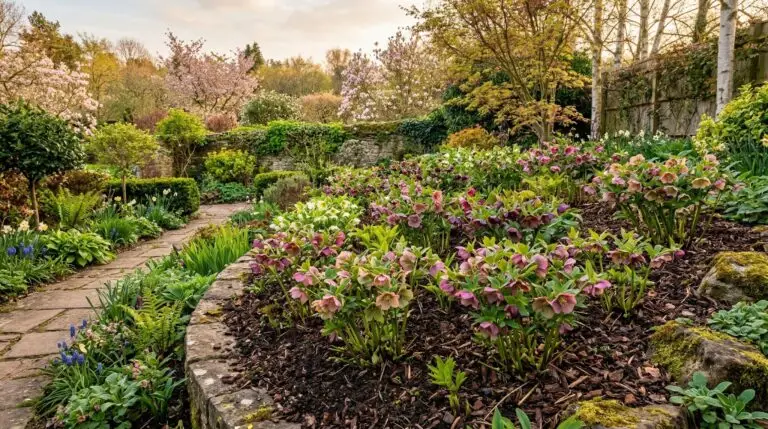
How to clean up hellebore foliage in late winter for the best flower display
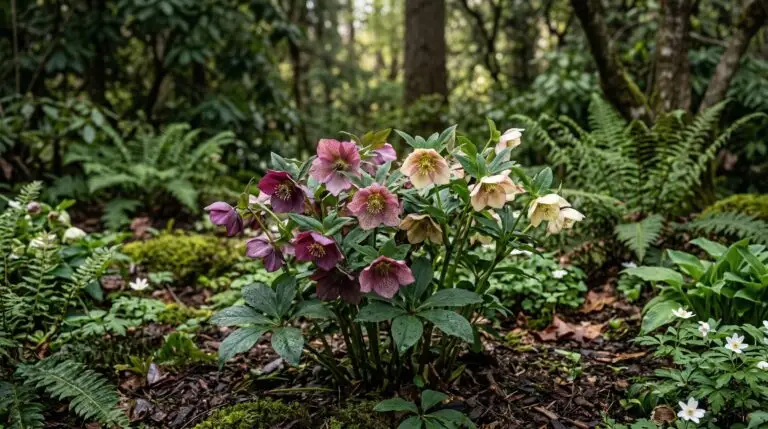
How to grow hellebores for elegant flowers that bloom in the dead of winter
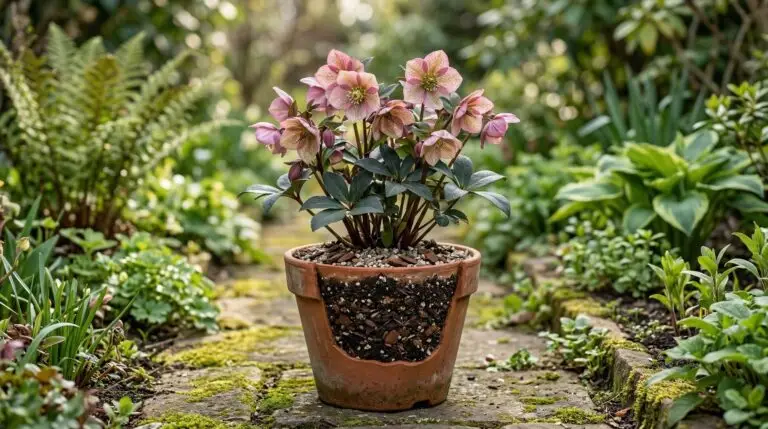
Hellebores in containers for winter interest on patios and doorsteps
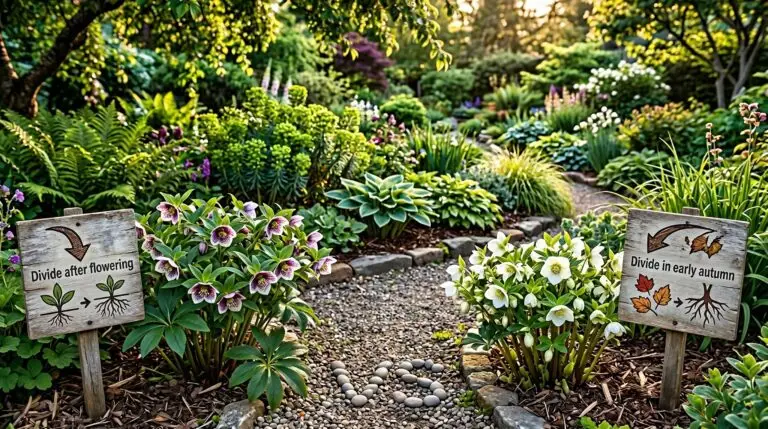
Dividing hellebores and the right time to split mature clumps without killing them
Growing hellebores from seed and the two-year journey to your first blooms