The pairing · pick a flower
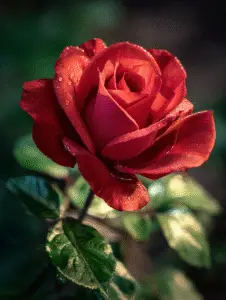 Rose+
Rose+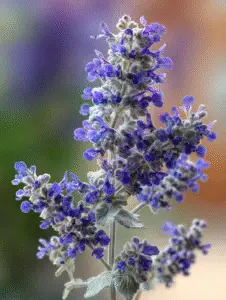 CatmintPartial
A low aromatic mound that camouflages a rose's leggy base, smothers weeds, and pulls in bees and hoverflies over a long, repeat-shearing bloom.
Rose+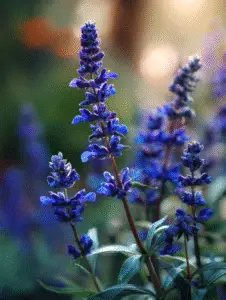 SalviaPartial
Upright violet-blue spikes are magnets for bees and hummingbirds and supply the one color roses can't, in the same sun and drainage.
Rose+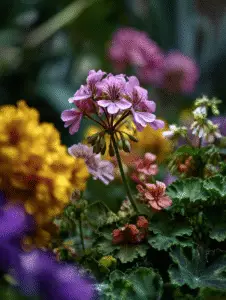 GeraniumPartial
Spreading mounds knit across the ground, hide bare rose knees, suppress weeds, and flower for months without competing hard.
Rose+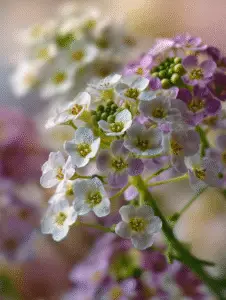 Sweet alyssumProven
One of the best-documented insectary annuals: tiny flowers are a hoverfly and parasitic-wasp magnet, and it carpets bare soil right at the rose's feet.
Rose+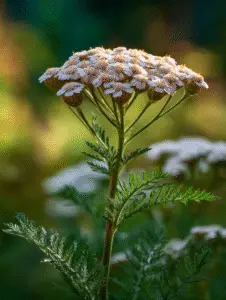 YarrowPartial
Flat flower heads are a documented insectary plant, feeding the ladybugs, lacewings, hoverflies and parasitic wasps that prey on aphids.
Rose+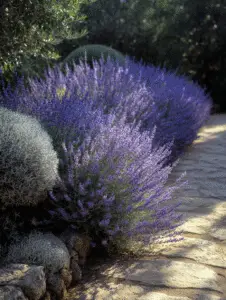 LavenderFolklore
A classic full-sun, sharp-drainage partner whose silvery mounds and fragrant spikes draw bees and frame roses cleanly, if given the drier edge of the bed.
Rose+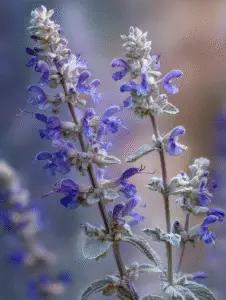 Russian sagePartial
An airy haze of late-summer blue that bridges the gap after the June rose flush and feeds bees when little else is open.
Rose+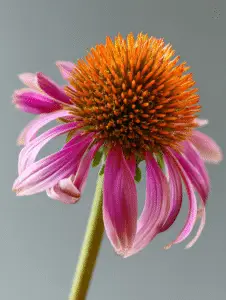 ConeflowerProven
A daisy-form insectary plant that feeds bees, butterflies and aphid predators; tough and drought-tolerant once established.
Rose+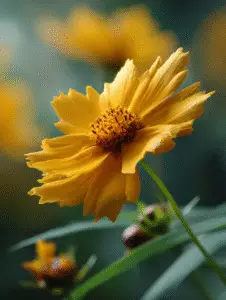 CoreopsisProven
Long-blooming small daisies are a workhorse insectary plant for hoverflies, lacewings and parasitic wasps.
Rose+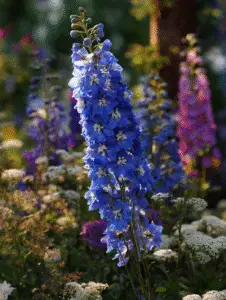 DelphiniumFolklore
The cottage-garden vertical: tall blue and purple spires behind roses add the one color and the one shape roses lack.
Rose+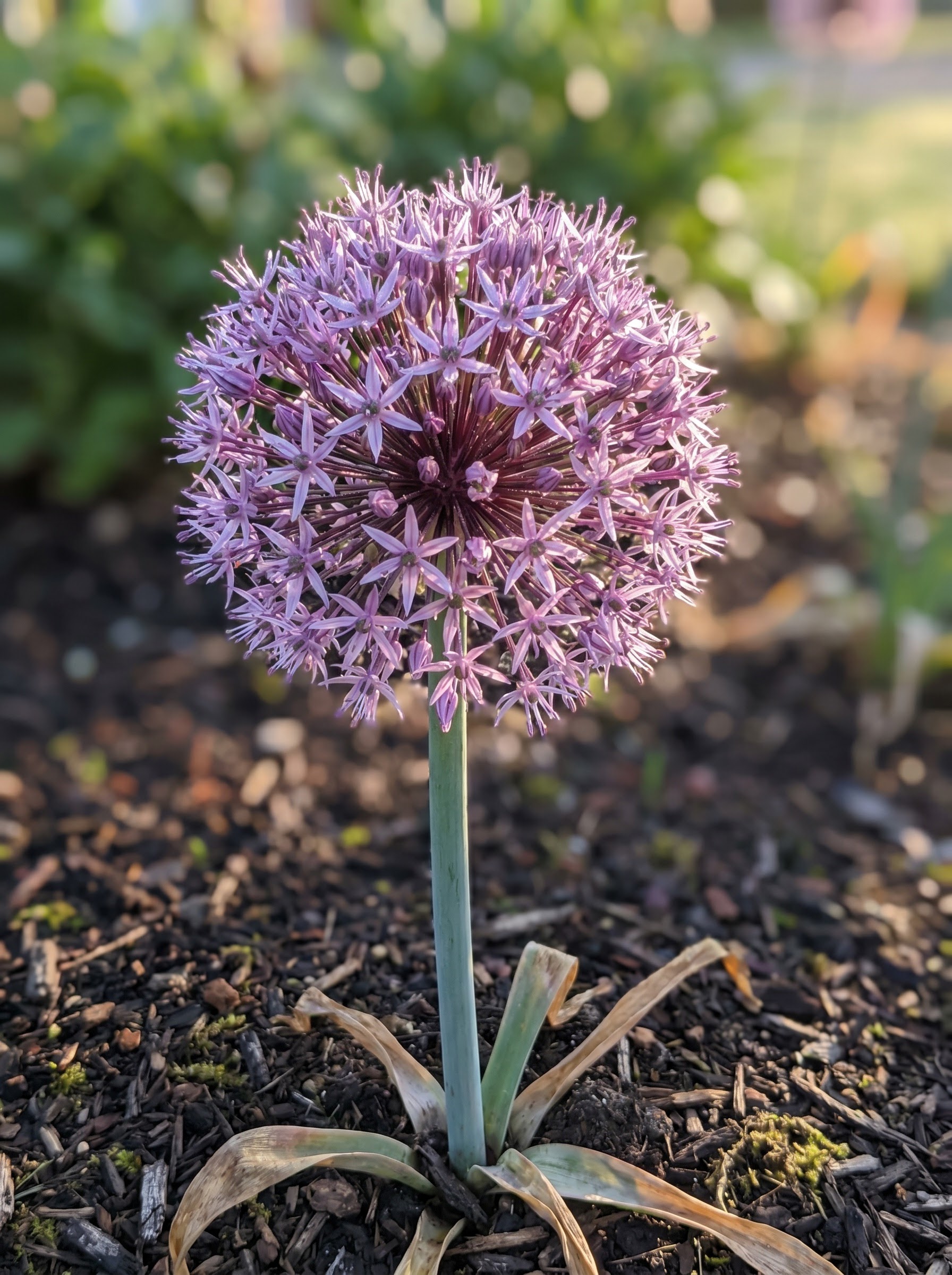 AlliumPartial
The one repellent companion with real data: allium sulfur volatiles measurably reduce aphid colonization, and the flower globes look striking with roses.
Rose+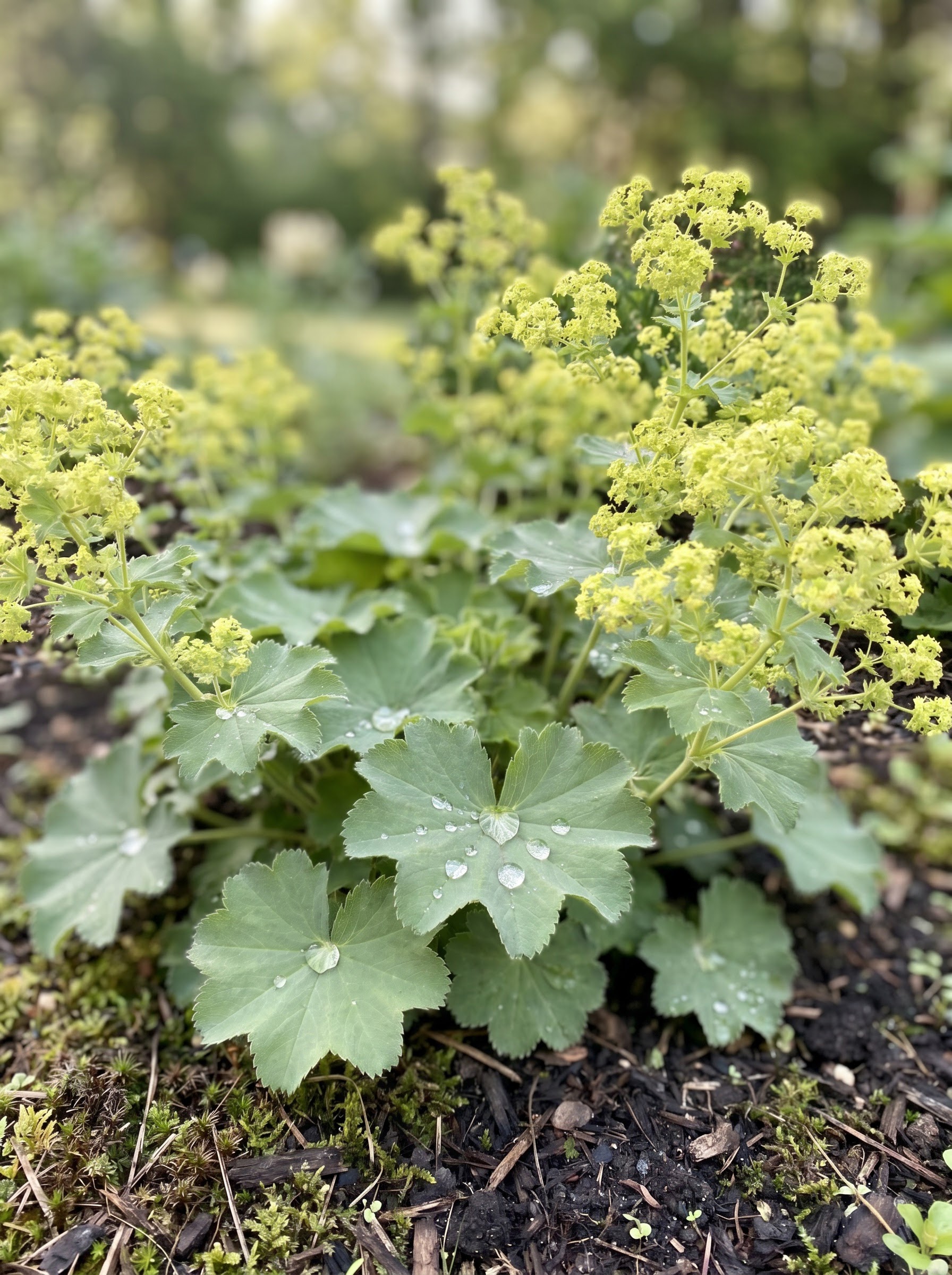 Lady's mantlePartial
The quintessential rose skirt: scalloped leaves and frothy chartreuse flowers hide bare canes and foil hot rose colors.
Rose+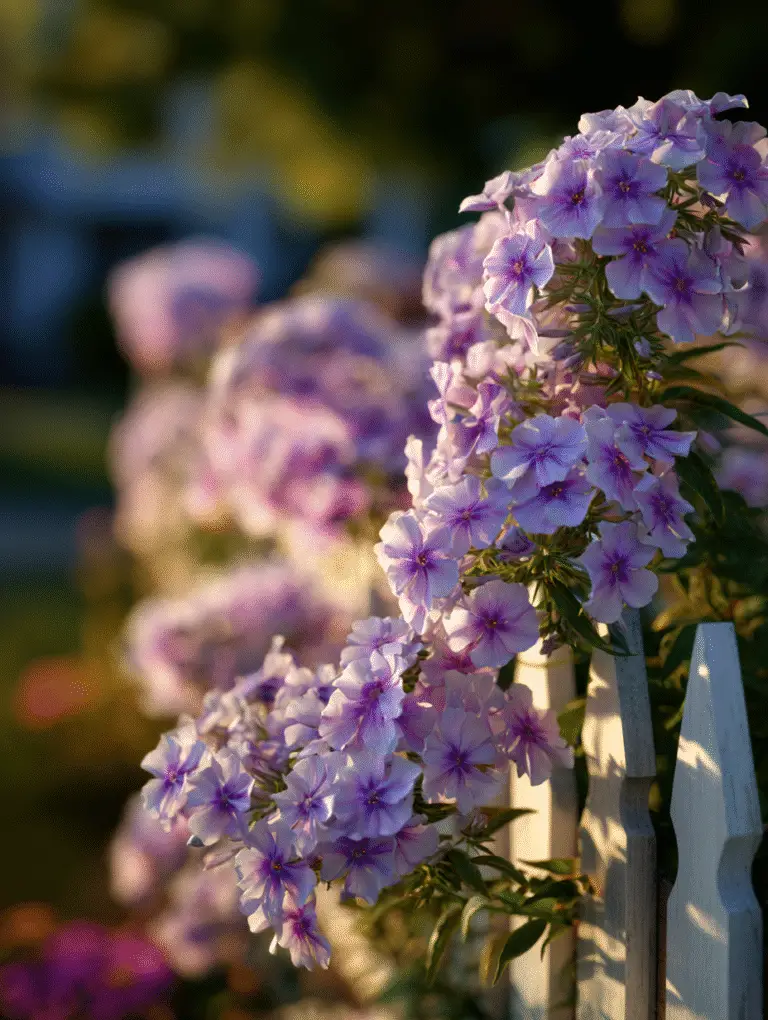 PhloxPartial
Fragrant summer trusses for butterflies and moths in the same rich, moist, sunny conditions roses like, but it shares the rose's mildew weakness.
Rose+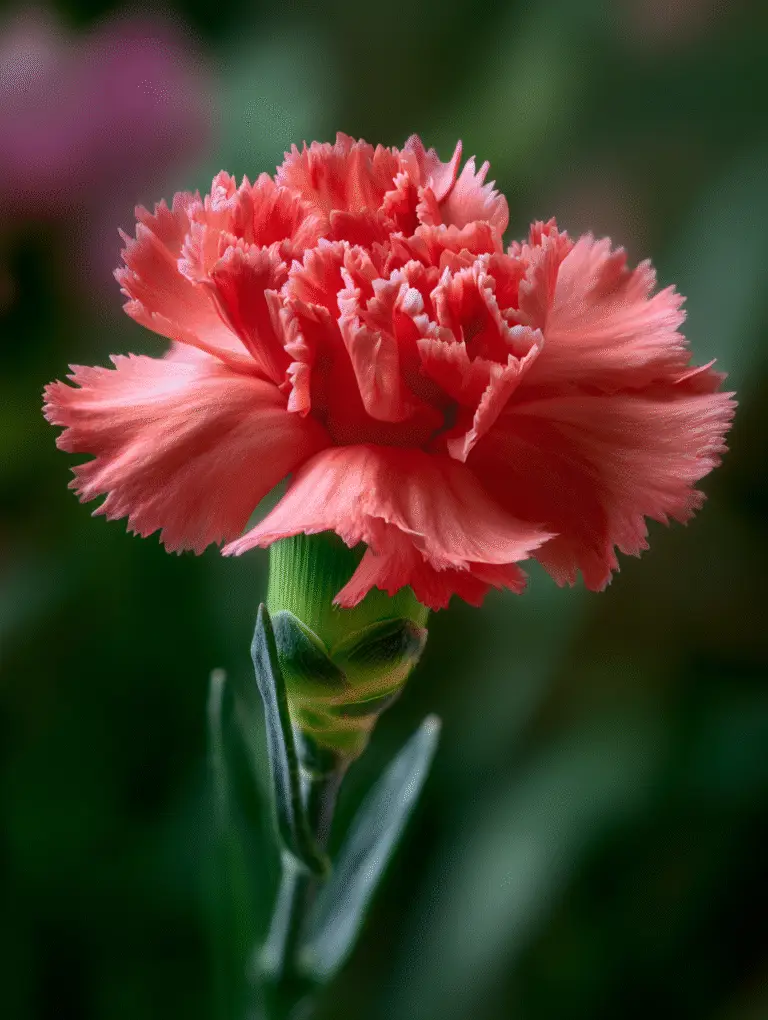 PinksFolklore
Classic clove-scented cottage edging whose blue-grey mats soften the rose's base, best as a low front border rather than a true mid-bed partner.
All roses companions
14 flower companions, best match first
What not to plant near roses
Most bad neighbours are not evil, they just compete, shade, or trap moisture against the canes. Here is what to keep away from the crown, and what to do instead.
Trees and large shrubs (maples, big viburnums, anything that shades the bed)
Roses need 6 to 8 hours of direct sun; shade cuts bloom and keeps foliage wet longer, while greedy surface roots steal water and nutrients. RHS notes few flowers are produced in shade.
Dense or tall plants crowded against the canes
Anything that hugs the base and chokes airflow keeps leaves damp, and damp foliage plus poor air circulation are two of the three drivers of black spot, powdery mildew and rust.
Aggressive spreaders and running mats (mint, ivy, vinca, tansy)
They run underground and smother the rose's root zone, competing for water and choking the open base roses need to stay healthy.
Black walnut (Juglans nigra) within about 50 to 60 ft
This is the one real allelopathy case: juglone leaching from roots and leaf litter causes wilt, yellowing and decline, and roses are not on the juglone-resistant lists.
Aphid-magnet decoys planted at the rose's base (nasturtium, cosmos, sunflower)
These are aphid magnets, and whether they decoy aphids away or simply harbor a pest reservoir right next to your roses is unsettled; the trap-crop and repellent claims are not reliably proven, so if used at all, plant them at a distance.
Lavender tucked tight against the canes
A classic good companion that becomes an avoid at zero spacing: lavender wants lean, dry soil while roses want rich and moist, so crowding them traps moisture between the plants and invites disease. Give a 2 to 3 ft gap.
The best companions for roses, explained
Roses look their best when their bare lower stems are hidden and the bed around them is busy with pollinators, without ever being crowded. The pairings below are ranked by how well they actually share a rose’s full sun, rich soil and even moisture, and by the real benefit they bring.
Catmint (catmint) a low aromatic mound that camouflages a rose’s leggy base, smothers weeds, and pulls in bees and hoverflies over a long, repeat-shearing bloom. Salvia (salvia) upright violet-blue spikes are magnets for bees and hummingbirds and supply the one color roses can’t, in the same sun and drainage. Geranium (geranium) spreading mounds knit across the ground, hide bare rose knees, suppress weeds, and flower for months without competing hard. Sweet alyssum (sweet alyssum) one of the best-documented insectary annuals: tiny flowers are a hoverfly and parasitic-wasp magnet, and it carpets bare soil right at the rose’s feet. Yarrow (yarrow) flat flower heads are a documented insectary plant, feeding the ladybugs, lacewings, hoverflies and parasitic wasps that prey on aphids. Lavender (lavender) a classic full-sun, sharp-drainage partner whose silvery mounds and fragrant spikes draw bees and frame roses cleanly, if given the drier edge of the bed. Russian sage (russian sage) an airy haze of late-summer blue that bridges the gap after the June rose flush and feeds bees when little else is open.
Do they like the same conditions?
This is the fact that decides everything. A rose wants full sun, 6 to 8 hours; morning sun prized because it dries the leaves and helps prevent disease, rich, fertile, well-drained soil with plenty of organic matter; never dry, poor, or waterlogged and even, deep moisture; consistent watering at the base, avoiding wet foliage. Match that and a pairing thrives; ignore it and one plant always loses. Lavender is the classic mismatch, it wants leaner, drier soil, so it goes on the dry edge of the bed rather than tucked against the canes.
How to plant them together
Match the rose’s culture first: every good companion wants the same full sun (6 to 8 hours), rich well-drained soil and even moisture, and any plant with different needs (like lavender, which prefers it leaner and drier) goes on its own spacing pocket at the bed’s drier edge.
Airflow is the master rule. Keep companions at least 12 in (ideally 18 to 24 in) from the rose base and keep the center of the plant open, because crowding the crown traps moisture and drives black spot and mildew. No companion ‘creates’ airflow; only correct spacing does.
Layer by height: tall spires (delphinium, allium, foxglove) behind, mid-height roses in the middle, and low skirts (lady’s mantle, catmint, hardy geranium, sweet alyssum, pinks) in front to hide the bare legs.
Use blue and chartreuse to do the design work, since roses have no true blue. Salvia, catmint, Russian sage, delphinium and allium supply the missing color, while lady’s mantle’s lime froth and white daisies and alyssum cool hot rose tones.
Separate horticulture from folklore: the genuine, evidence-backed benefits of rose companions are design, shared conditions and feeding beneficial insects (insectary plants like alyssum, yarrow, coreopsis, coneflower) plus allium sulfur volatiles. Specific ‘repels aphids or Japanese beetles’ claims for herbs and geraniums are folklore and are no substitute for spacing, sanitation and full sun.
Does companion planting actually work for roses?
Honestly, the design and condition-matching benefits are real, and so is feeding the beneficial insects that hunt aphids: insectary flowers like sweet alyssum, coneflower and yarrow draw the ladybirds and hoverflies that do the work Proven. What is mostly tradition is the idea that a scented herb “repels” rose pests, Folklore. And no companion creates airflow, only correct spacing does, which is why every pairing here keeps its distance from the crown.
Sources
More About Roses
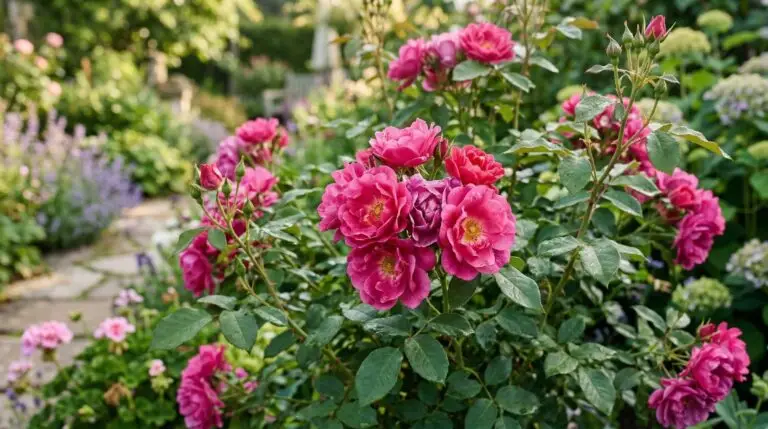
How to grow roses for beginners with disease-resistant varieties that practically care for themselves
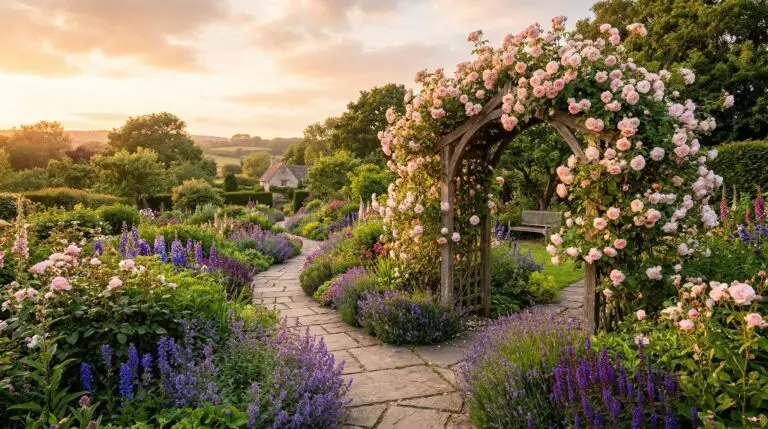
Climbing roses that cover walls arbors and fences with cascading blooms
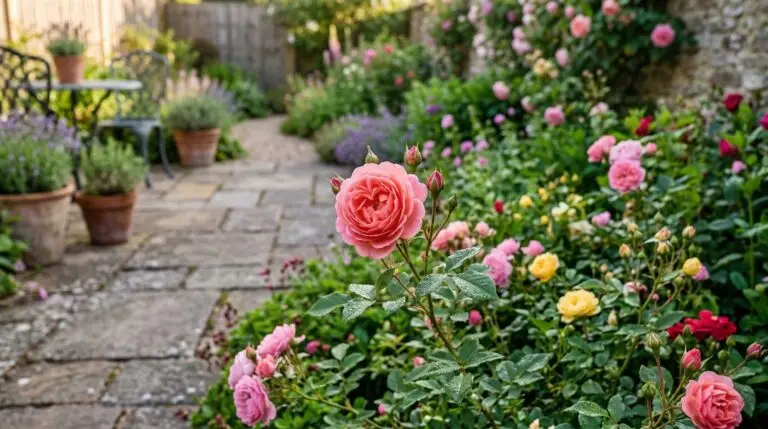
Growing roses in containers for patios balconies and small-space rose gardens
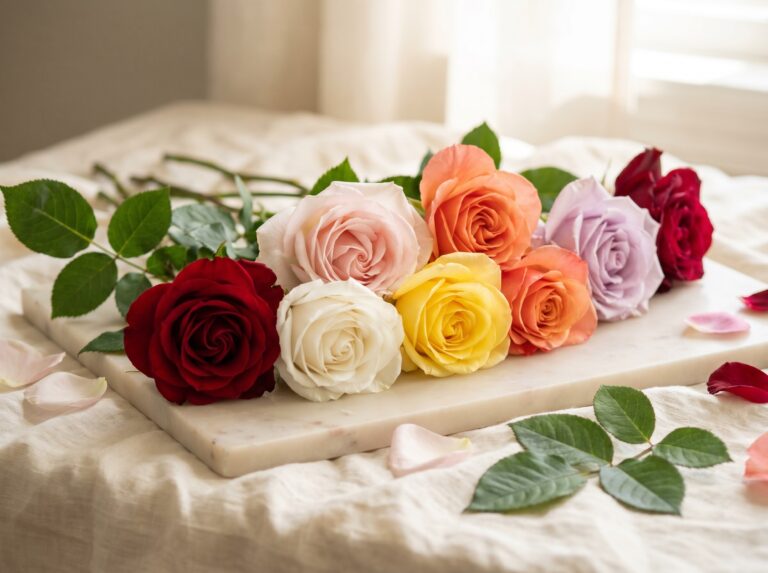
Rose meaning and rose colour meanings, honestly explained
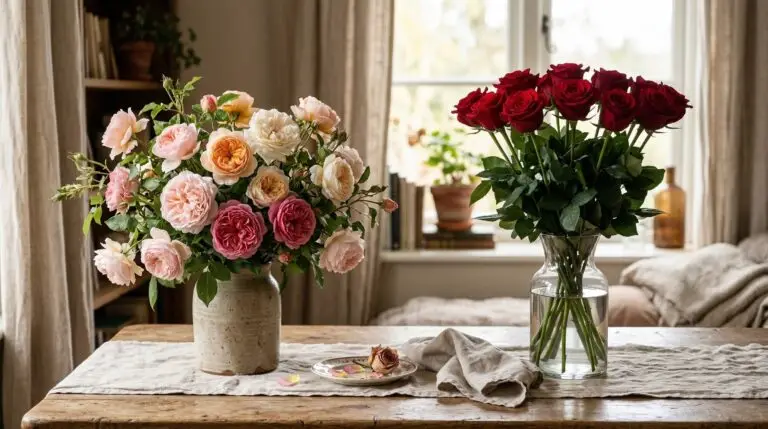
Roses in wedding flowers and the timeless tradition of the bridal rose bouquet
Best David Austin English roses for old-fashioned fragrance and modern disease resistance
Making rose water and rose petal recipes from your garden’s fragrant harvest
Pruning roses at the right time and the basic cuts every gardener needs to know
Black spot on roses and the organic approach to the most common rose disease