The pairing · pick a flower
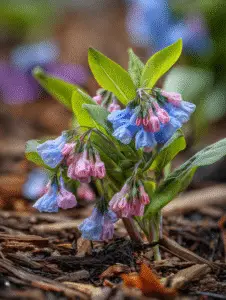 Virginia bluebells+
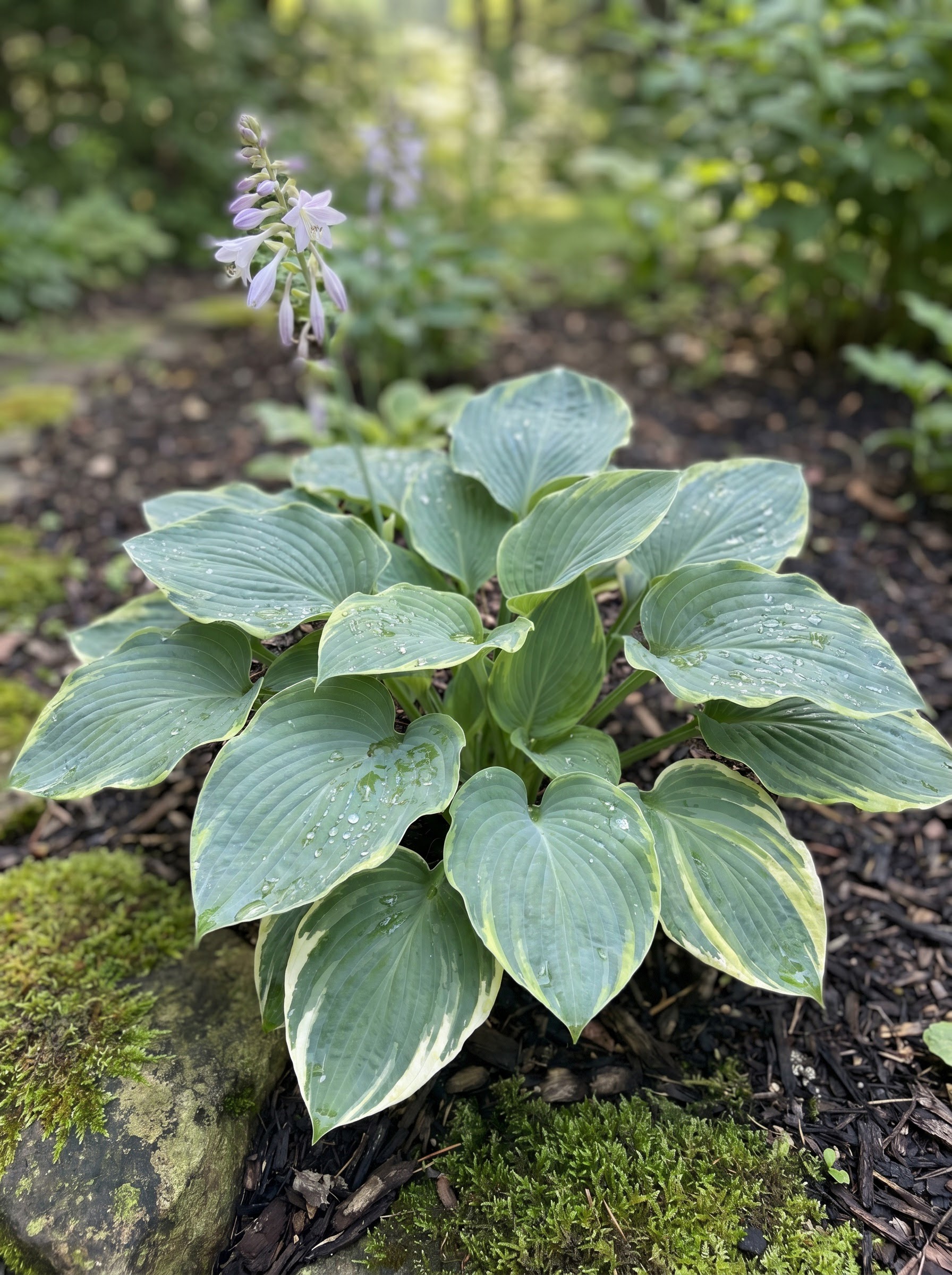 HostaProven
Hosta emerges later in spring and keeps expanding through summer exactly as bluebells go dormant, so its broad leaves physically close the bare patch bluebells leave behind.
Virginia bluebells+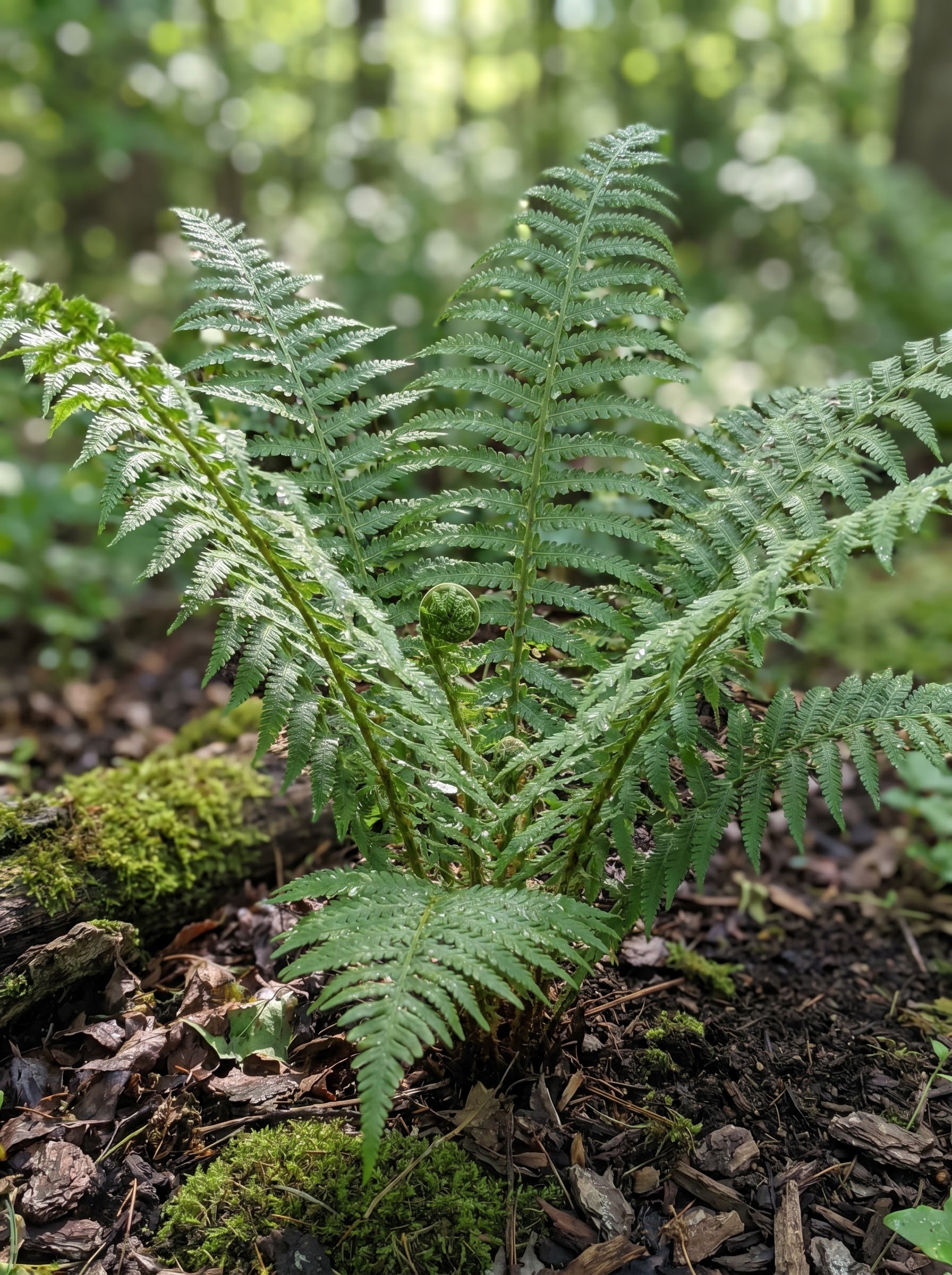 Native fernsProven
Fronds unfurl through late spring and summer on the same shade and moisture bluebells need, giving fine-textured structure right where the ephemeral foliage used to be.
Virginia bluebells+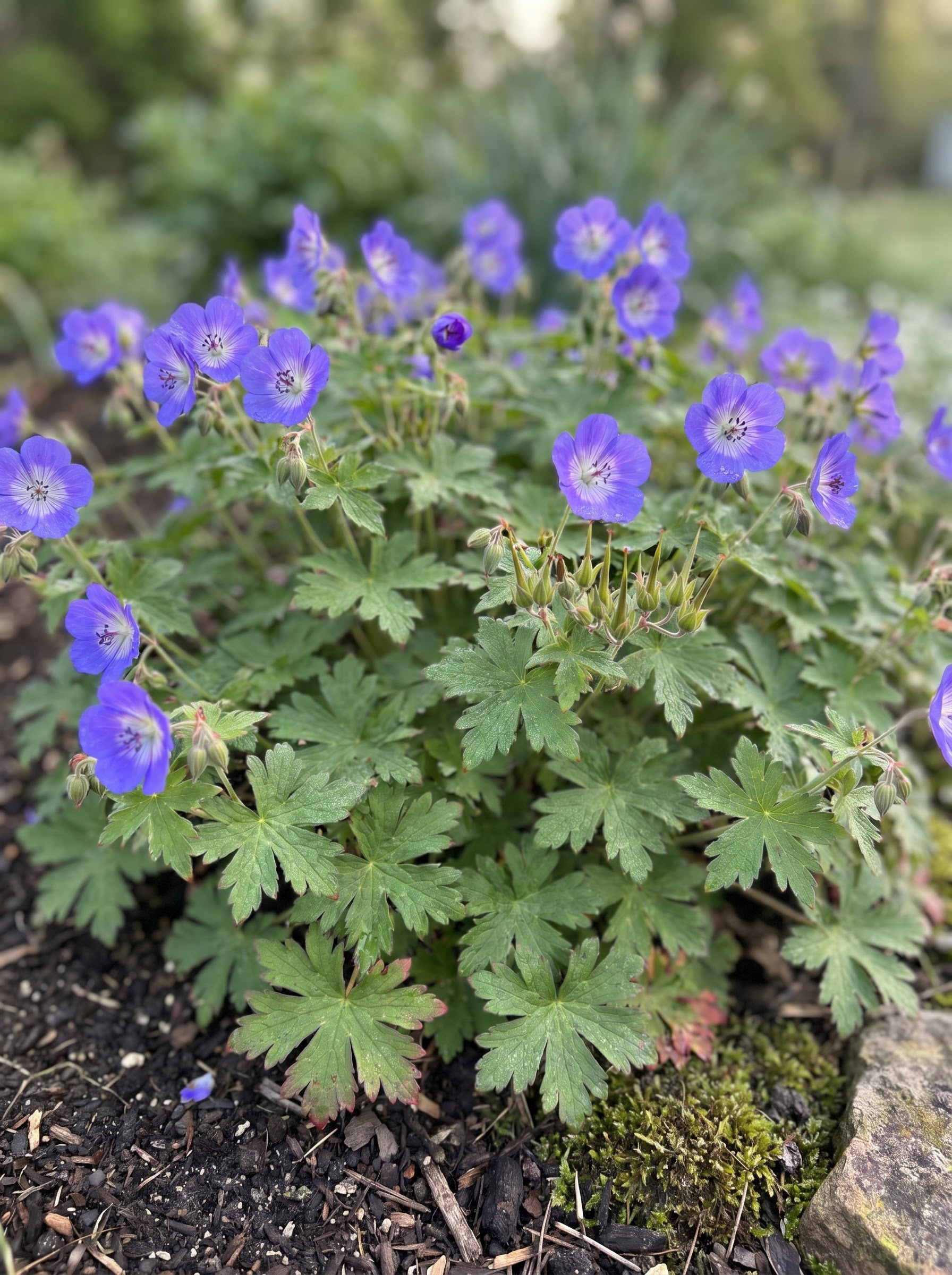 Wild geraniumProven
It flowers right as bluebells finish, stretching the blue-purple spring display by nearly another month on the exact same woodland conditions.
Virginia bluebells+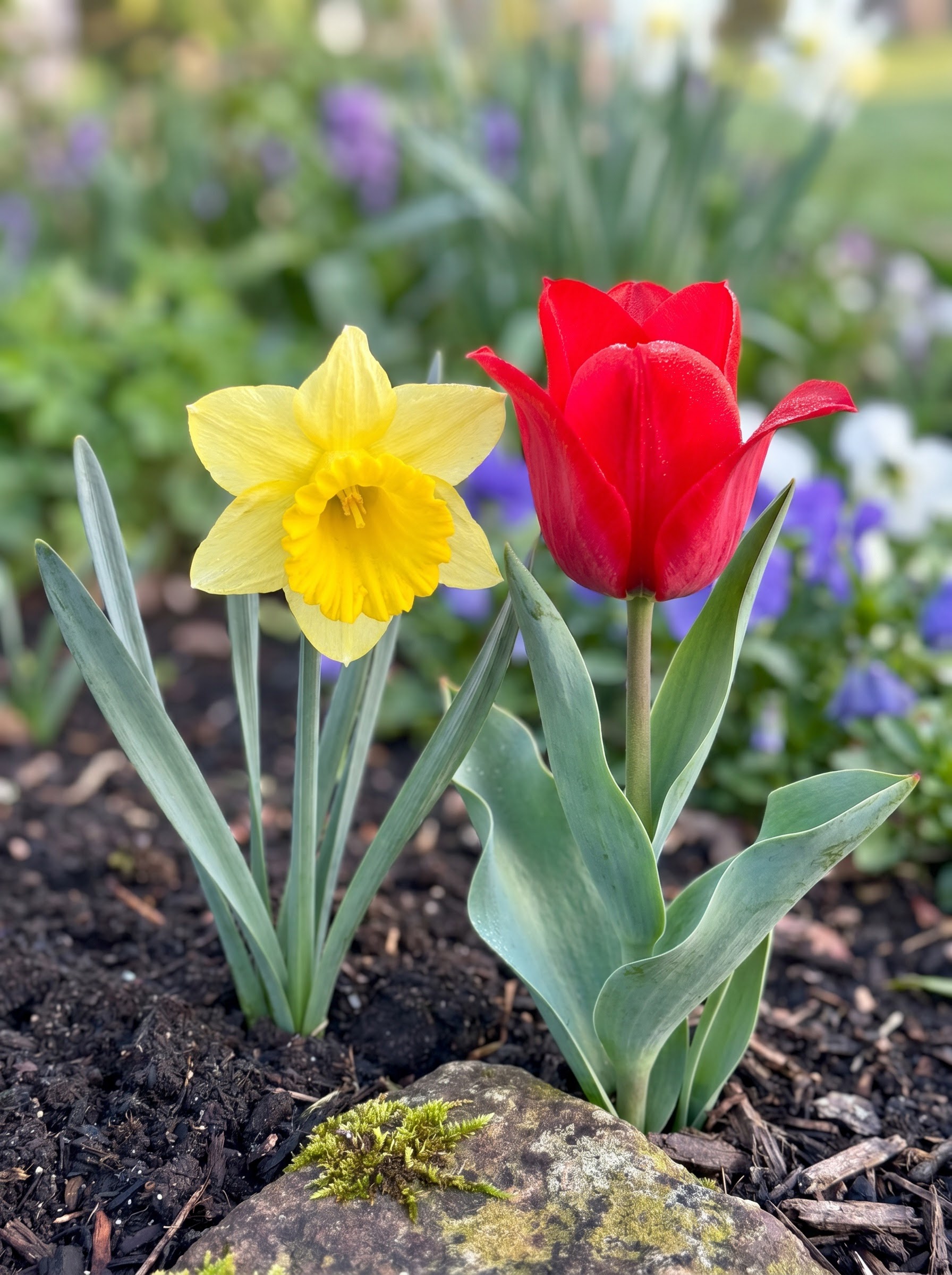 Pale yellowProven
Daffodils bloom in the same mid-April to mid-May window on the same site, and the strappy upright foliage cuts a clean contrast against rounded bluebell leaves, but daffodil foliage also dies back and needs its own successor.
Virginia bluebells+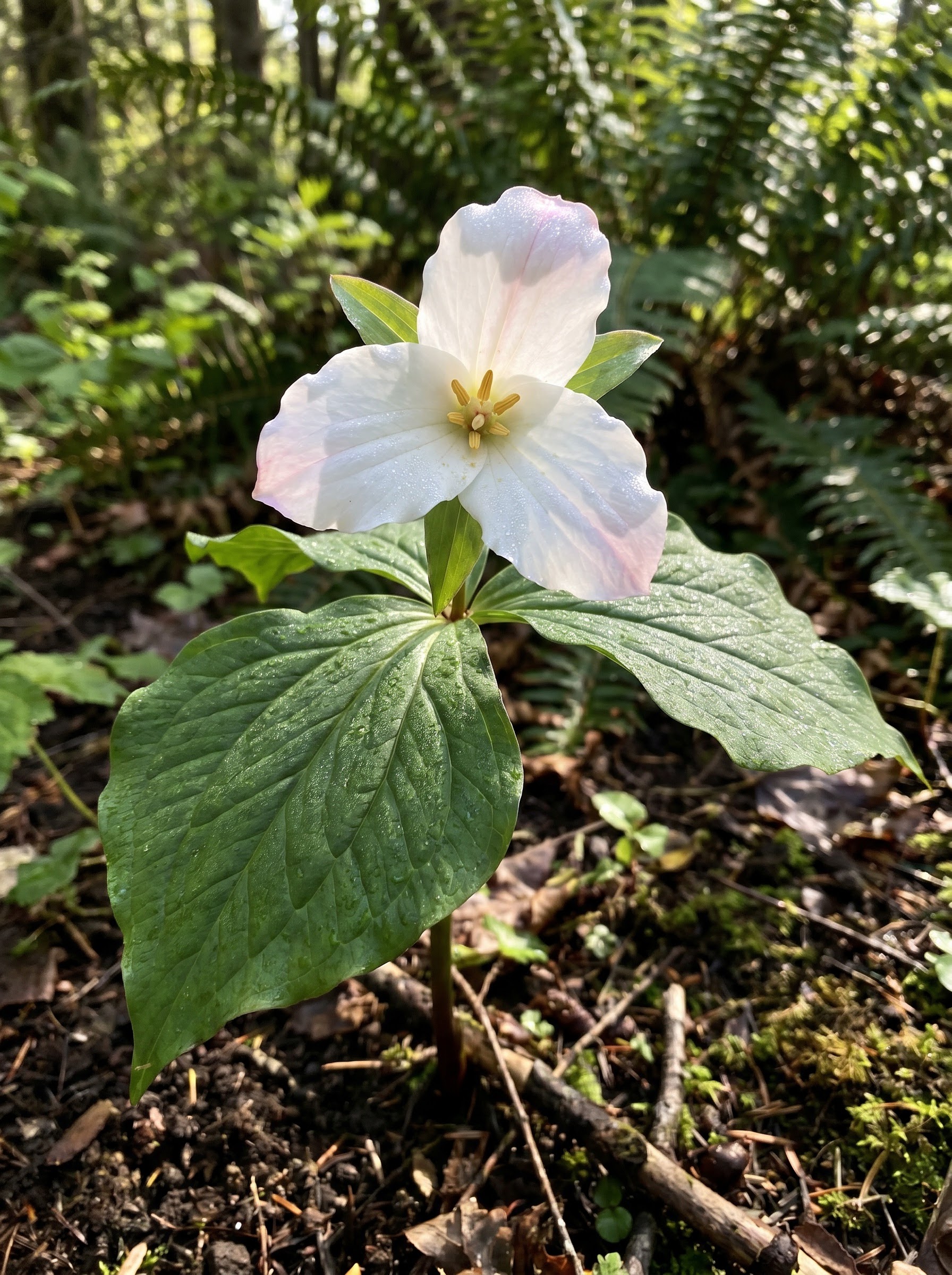 TrilliumPartial
A true woodland ephemeral that blooms in the same window on the same shade and moisture, but it is slow to reach flowering size and genuinely dislikes being disturbed once established.
Virginia bluebells+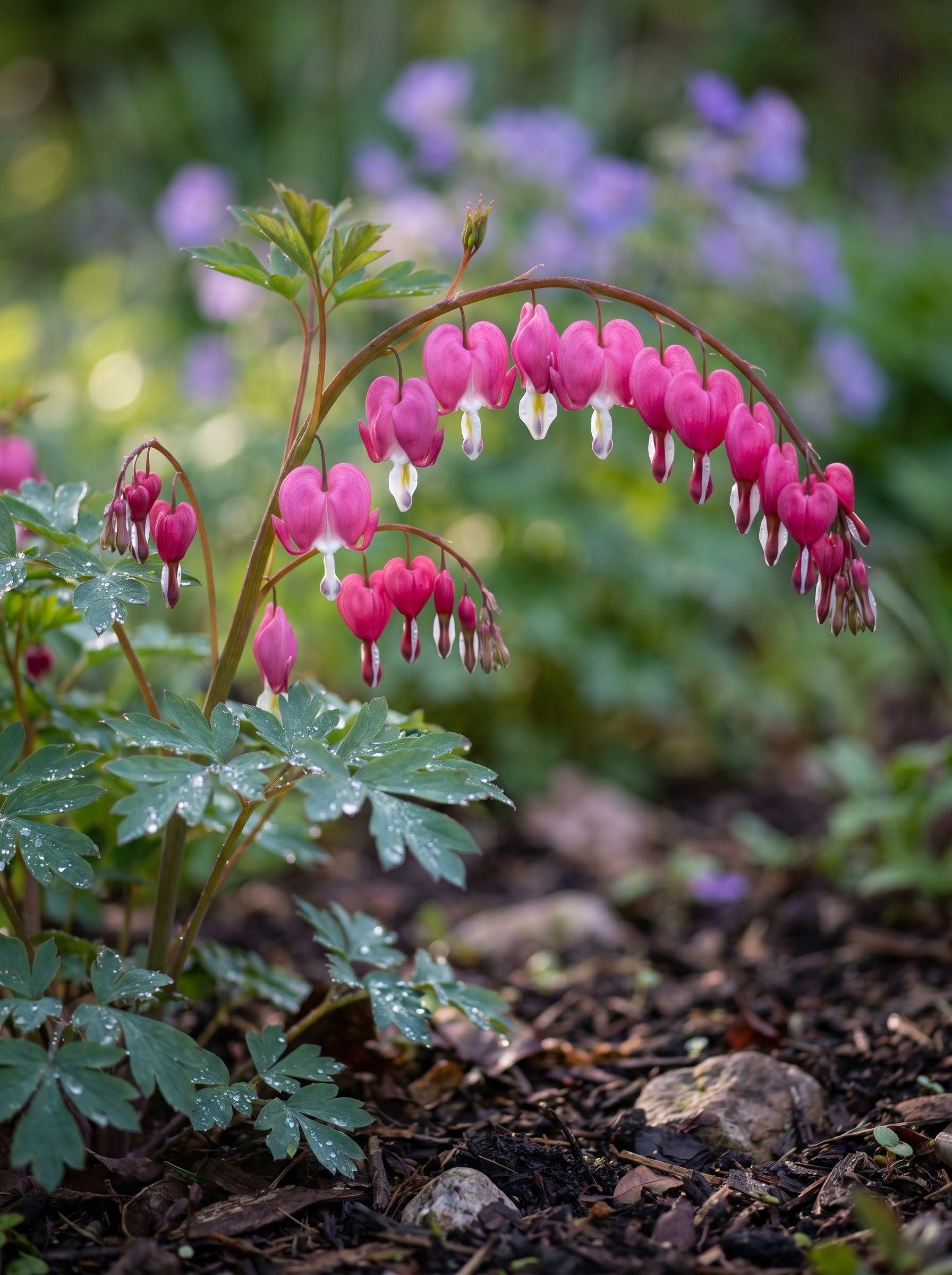 Bleeding heartProven
Blooms in the same spring window on the same conditions and is also confirmed juglone-tolerant, but in hot climates it goes semi-dormant by midsummer too, so it only partly bridges the gap.
Virginia bluebells+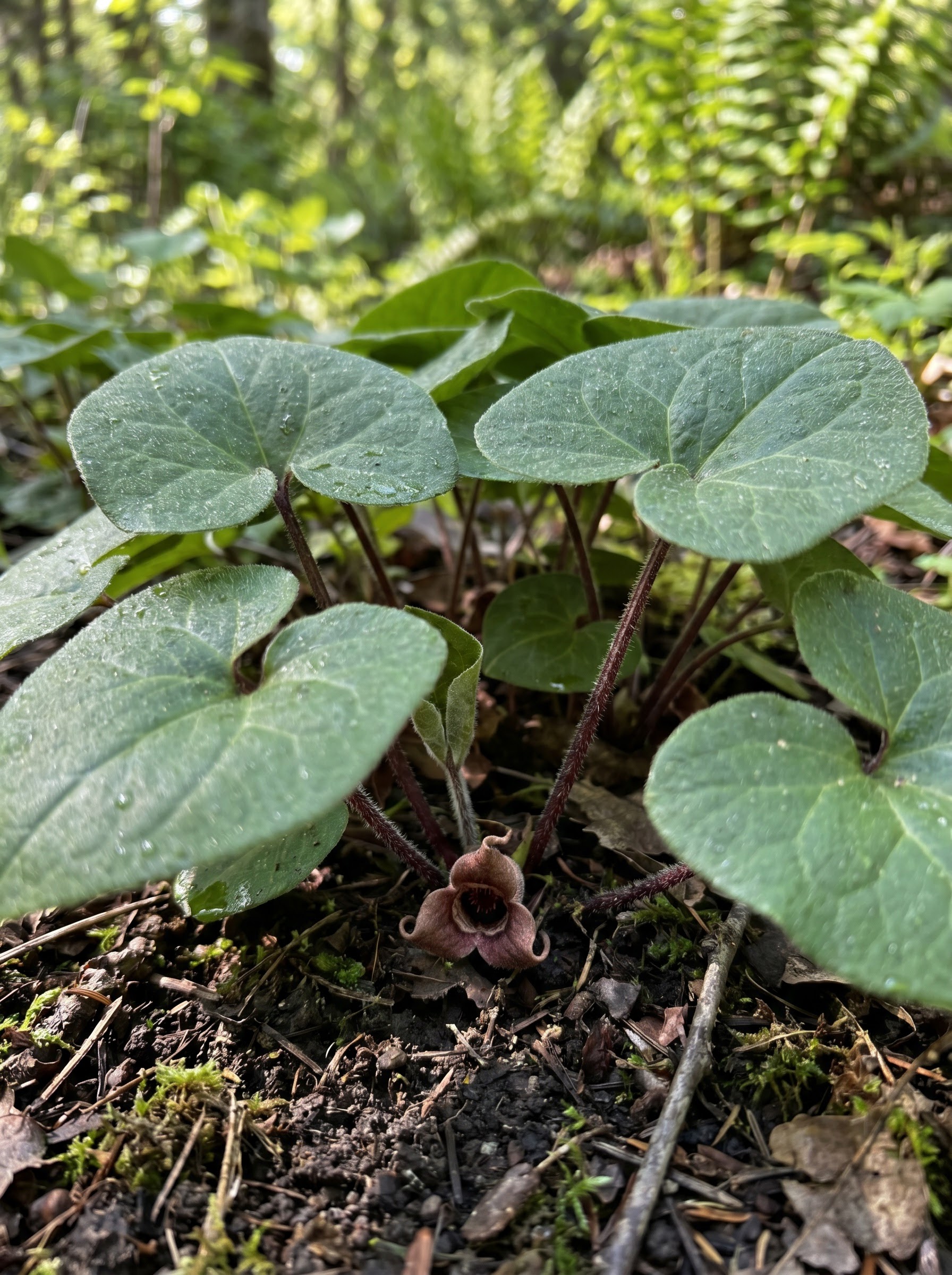 Wild gingerPartial
Its heart-shaped foliage holds through the whole growing season, so it functions as low living mulch that visually fills the spot right where bluebells go dormant.
Virginia bluebells+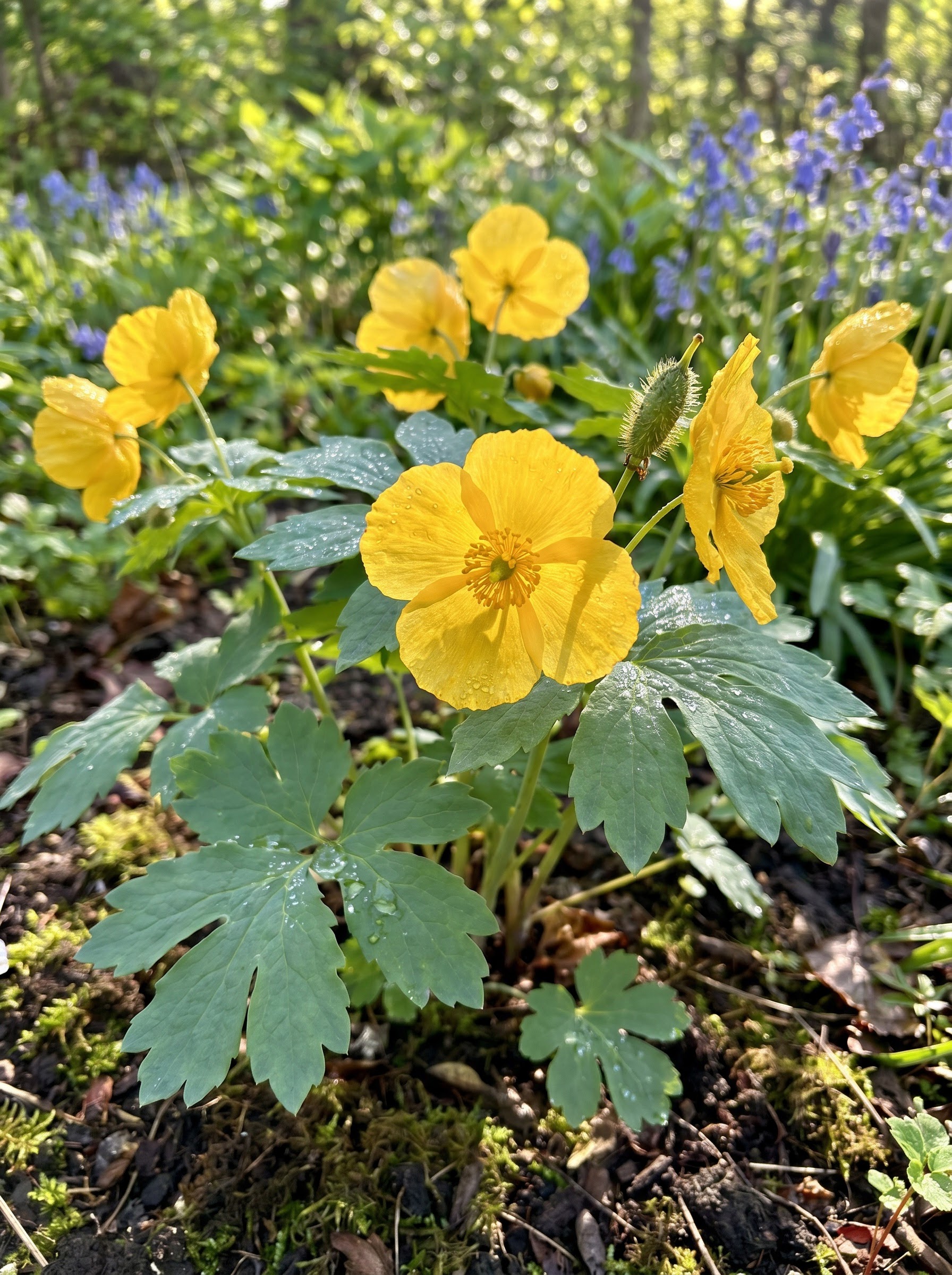 Celandine poppyProven
Bright yellow flowers open in sync with bluebells for a strong blue-and-yellow woodland pairing, and it self-seeds at a similar pace, fitting the same native-guild framing.
Virginia bluebells+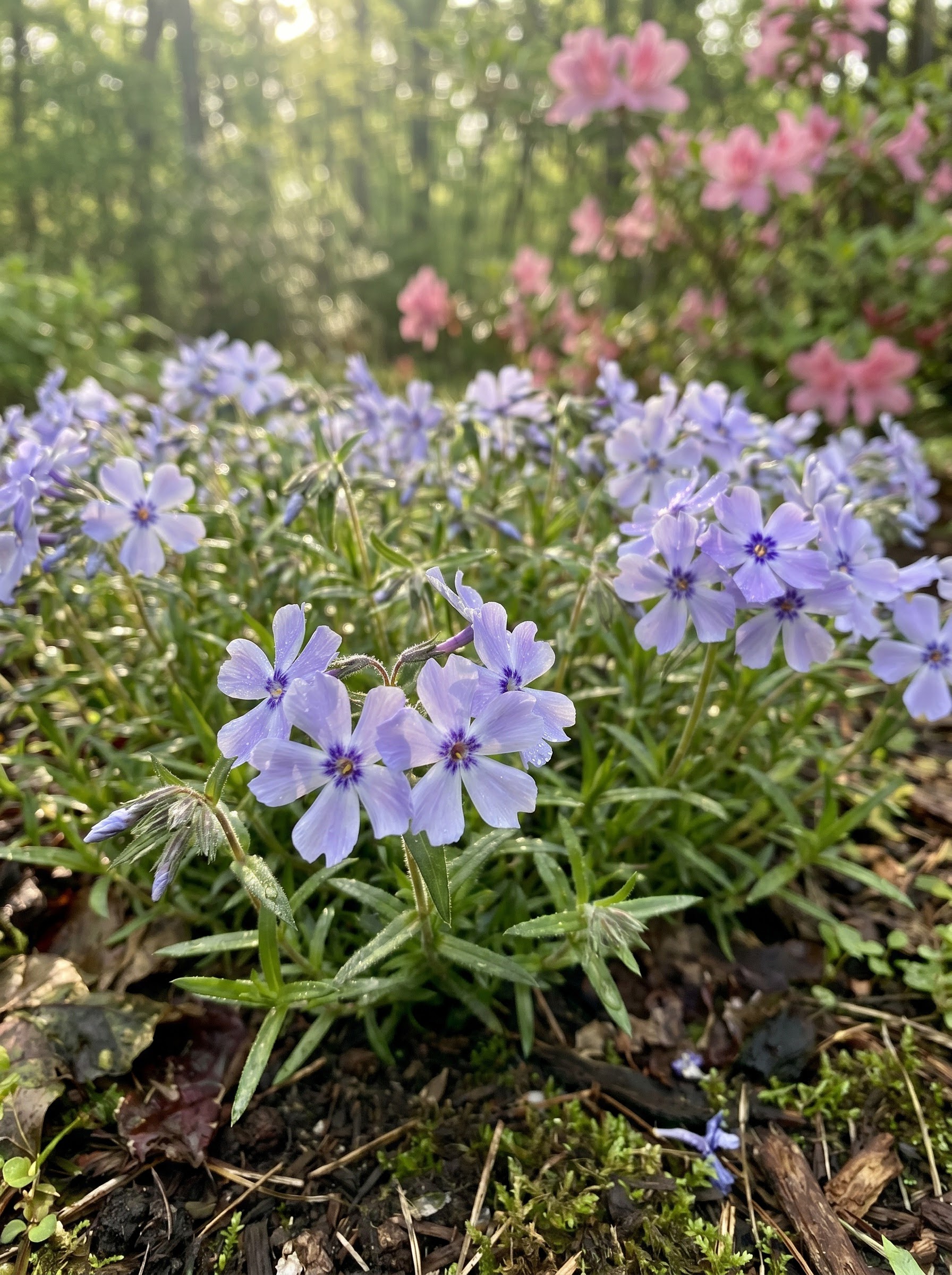 Woodland phloxFolklore
Both are shade-loving woodland natives that bloom in the same spring window on the same moist, humus-rich ground, weaving pale blue-violet through the fading bluebell foliage; be sure the plant sold is this shade-native species and not the sun-loving creeping phlox (Phlox subulata) sometimes mislabeled at nurseries.
Virginia bluebells+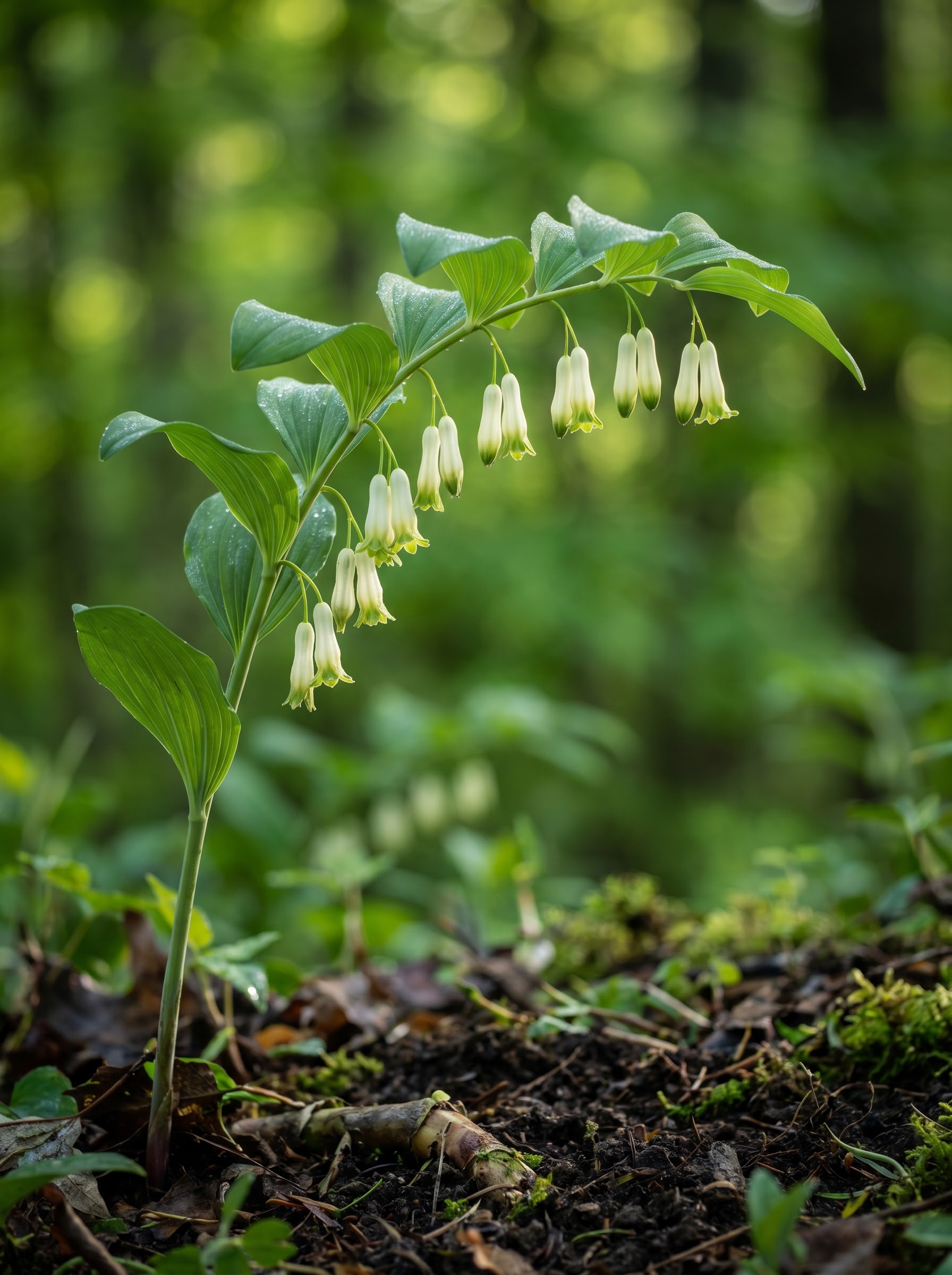 Solomon's sealProven
Arching stems leaf out later in spring and hold through summer on the same woodland conditions, adding a vertical line where bluebells were flat and low; Wisconsin Horticulture Extension names it directly as one of the shade perennials that fills in the gaps once bluebells fade.
Virginia bluebells+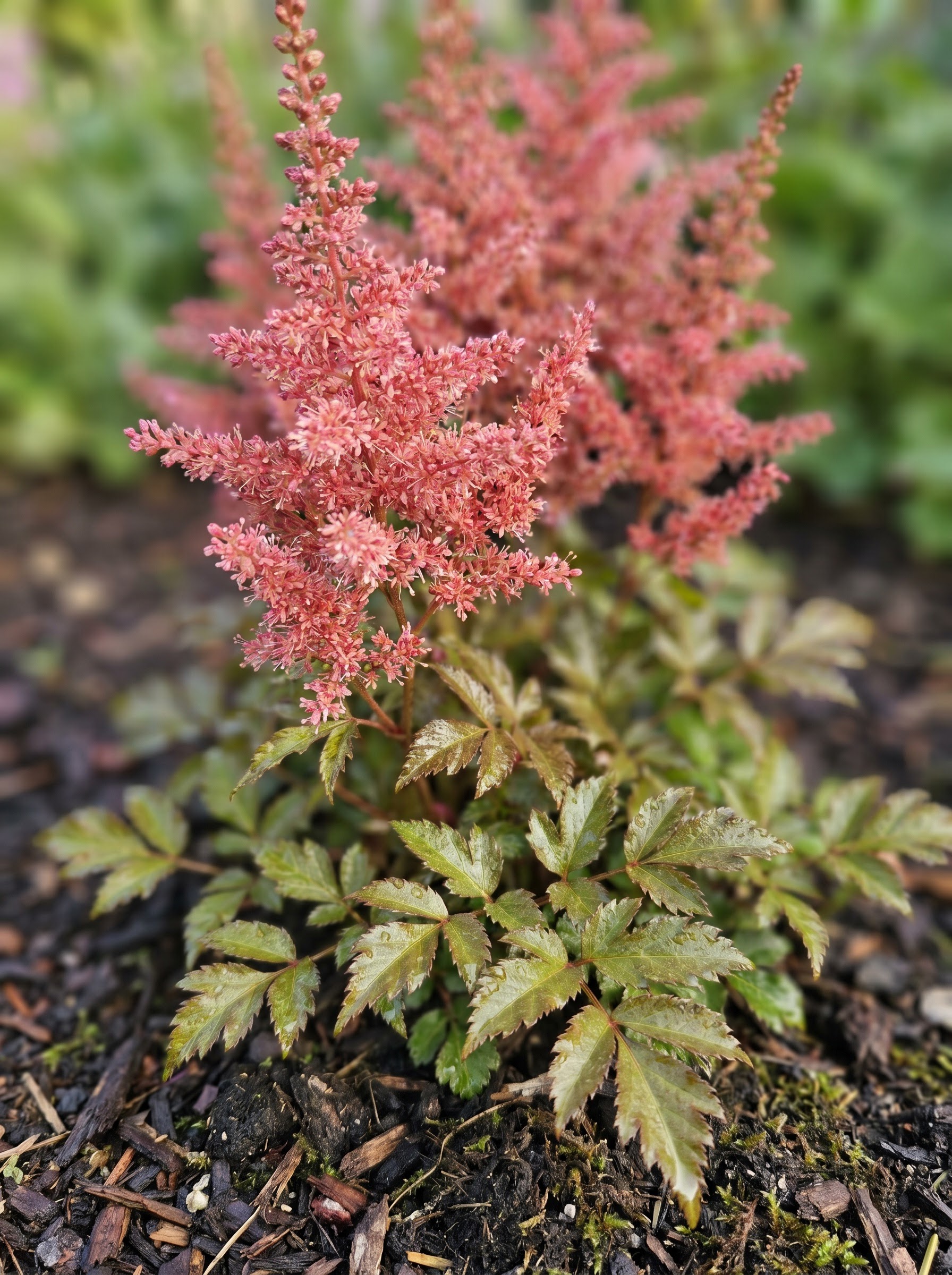 AstilbeProven
Blooms later in early to midsummer, exactly as bluebells vacate the bed, giving upright plume color right when the ephemeral display is over; Wisconsin Horticulture Extension names astilbe directly among the shade perennials recommended to fill that gap.
Virginia bluebells+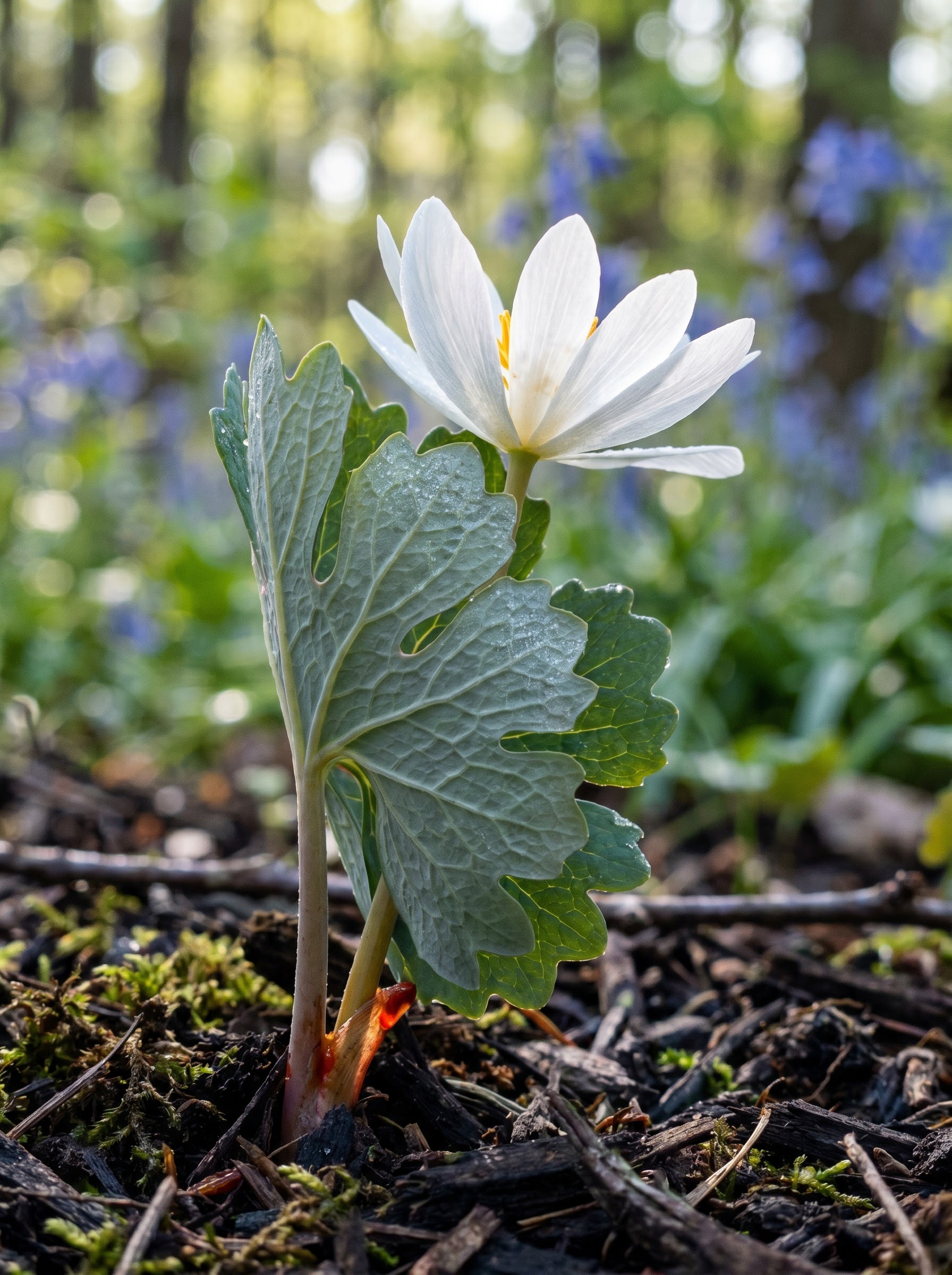 BloodrootPartial
A genuine spring-ephemeral companion that shares the exact conditions and blooms alongside bluebells, but it also goes fully dormant by midsummer, so on its own it doubles the bare-ground problem rather than solving it.
All Virginia bluebells companions
12 flower companions, best match first
What not to plant near Virginia bluebells
Most bad neighbours are not evil, they just want the opposite light, water or root run. Here is what to keep away, and what to do instead.
Full-sun, dry-soil plants (lavender, most Mediterranean herbs, sedum, most full-sun perennials)
Bluebells need part to full shade and consistently moist soil and decline outright when it dries out, so anything wanting lean, dry, sunny ground simply will not thrive in the same footprint.
A bed planted only with other true spring ephemerals (bluebells, trillium, and bloodroot with nothing later-emerging layered in)
This is not a toxicity or competition problem, it is a succession-planning mistake: if every companion in the bed also goes fully dormant by early summer, the whole planting reads as bare dirt for months, which is exactly why Clemson Extension advises incorporating ferns, hostas, and other summer perennials once the bluebell foliage goes dormant.
Aggressive running groundcovers planted directly over the dormant crown (vinca, ivy, and other thuggish spreaders)
A fast-running groundcover can smother the dormant crown or make it impossible to find and divide, and gardeners disturbing that spot to manage the groundcover risk digging into bluebells they cannot see.
The best companions for Virginia bluebells, explained
Virginia bluebells are a true spring ephemeral, and that single fact should drive every companion choice you make. The plant emerges in earliest spring, opens its pink-turning-blue bells through a three-week window in April and May, then yellows and vanishes to bare soil by early summer, staying dormant until the following spring. So the real companion question is not just what looks pretty next to bluebells in April, it is what physically occupies that footprint for the four or five months bluebells are gone. Hosta answers that question better than almost anything else available: it leafs out later in spring and keeps expanding through summer exactly as the bluebell foliage collapses, so its broad leaves close the gap both physically and visually. Native ferns, lady fern, cinnamon fern, Christmas fern, and maidenhair fern among them, do the same job with finer texture, and Solomon’s seal adds a vertical arching line where bluebells were low and rounded.
For the spring moment itself, before the disappearing act starts, pale yellow daffodils are the classic pairing, blooming in the same mid-April to mid-May window with strappy upright foliage that cuts a clean contrast against the bluebell’s soft, rounded leaves. Trillium, bleeding heart, celandine poppy, and bloodroot all share the exact shade, moisture, and bloom timing bluebells want, and together they build the layered native-woodland moment gardeners are usually chasing, though it is worth knowing upfront that most of them are also ephemeral or semi-ephemeral, so none of them solve the summer gap on their own. Wild geranium is the one true bridge plant in that spring group: it flowers right as bluebells finish, stretching the blue-purple display by nearly another month before it, too, settles into summer foliage. If you already have an established hosta bed or a shaded fern planting, bluebells slot into it as an early-spring bonus layer rather than something you need to design a whole new bed around, since the Virginia bluebells themselves ask for nothing more than the shade and moisture that bed already provides.
What not to plant near Virginia bluebells
This is the one flower in the companion library with almost no antagonism story to tell. Virginia bluebells are shallow-rooted, non-aggressive, non-toxic, and release no allelopathic compounds that would harm a neighbor, so there is no meaningful "this plant will poison or choke that one" warning to give. The honest avoid list here is almost entirely about timing, not chemistry. The clearest mismatch is the ordinary one: full-sun, dry-soil plants like lavender, most Mediterranean herbs, and sedum want lean, dry, sunny ground, and bluebells decline outright in dry conditions, so pairing them in the same bed footprint simply does not work. Keep those plants in a different bed entirely rather than trying to force a shared border.
The more distinctive failure mode is a succession mistake rather than a horticultural conflict. If you build a bed entirely out of true spring ephemerals, bluebells, trillium, and bloodroot with nothing later-emerging layered in, every plant in that bed goes fully dormant by early summer at roughly the same time, and the whole planting reads as bare dirt for months. That is an avoid worth naming plainly even though it will never show up on a plant-toxicity list, because it is the single most common regret gardeners report with this flower. The other genuine caution is physical rather than chemical: aggressive running groundcovers like vinca or ivy planted directly over a dormant bluebell crown can smother it or make it impossible to find when you go to divide or weed nearby, and because the plant vanishes completely, it is easy to accidentally dig into the crown without realizing it is there.
Do they like the same conditions?
Virginia bluebells want part to full shade, and NC State’s Extension Gardener Plant Toolbox lists both deep shade, under two hours of direct sun, and partial shade, two to six hours, as workable, because the wild population blooms under bare deciduous canopy before the trees leaf out and actually gets fairly bright, dappled light during its active bloom window even though the site reads as deep shade later in summer. That is worth knowing when you are choosing companions for the summer months specifically, since a plant picked for deep summer shade may not have needed the same brighter spring light bluebells did to bloom well.
Water is the least negotiable requirement. Wisconsin Horticulture Extension notes plainly that the plant declines in dry conditions, and the wild habitat, floodplain forests and moist thickets, tells the same story: this is a moisture-loving woodland plant, not a drought-tolerant one, and every companion on the list above shares that same need for consistently moist, rich soil. Soil pH, by contrast, is genuinely not a limiting factor here. NC State lists acid, neutral, and alkaline soils as all acceptable, so unlike acid-obligate companions such as azaleas or blueberries, there is no pH-matching game to play when siting bluebells. Hardiness runs a wide zone 3 to 9, covering most of the temperate eastern and central United States. One more honest fact belongs here: Virginia bluebells are one of the few ornamentals confirmed tolerant of juglone, the allelopathic compound black walnut roots release into the soil, so they and companions like bleeding heart, wild ginger, and coral bells are a genuine, sourced option for the difficult, shaded ground under or near a black walnut tree.
How to plant them together
Space most companions 10 to 18 inches from the bluebell crown, close enough that their summer growth will actually close the gap once bluebells go dormant, but not so close that you are digging into fragile bluebell roots while planting. The stems themselves are nearly hollow and snap readily even while the plant is actively growing, so handle the area gently in spring and avoid working right at the base once bloom is underway. The single most useful practical habit is marking the crown clearly before the foliage disappears, a plant tag, a small stake, even a mental map tied to a nearby permanent feature, because once the leaves yellow and vanish there is nothing visible to tell you or anyone else working in the bed that a dormant plant is there.
Layer the bed by bloom timing as much as by height. Snowdrops and hellebores open first, in late winter, giving the earliest color on the same shaded, humus-rich ground. Bluebells and daffodils peak together in mid-spring. Wild geranium and woodland phlox extend the blue-purple story for another few weeks after the bluebell bloom fades. Then hosta, ferns, astilbe, and Solomon’s seal take over the space for summer, arriving on schedule as the ephemeral foliage disappears rather than competing with it while it is actively growing. In a container, bluebells work best as a temporary spring feature in a large, deep pot with a permanent shade perennial like a small hosta or fern doing the summer heavy lifting, since the pot will otherwise sit visibly empty for months once the bluebells go dormant.
Does companion planting actually work for Virginia bluebells?
For the shared-conditions logic, yes, and it is unusually well documented for this flower. Extension sources from Illinois, Wisconsin, and North Carolina independently list the same core group, hosta, ferns, and Solomon’s seal for summer succession, wild geranium for bloom extension, and daffodils, trillium, celandine poppy, and bleeding heart for the spring moment, which is a genuine convergence rather than one site copying another. The juglone tolerance claim is similarly solid, confirmed by two independent extension and native-plant sources rather than resting on a single citation. Where the evidence gets thinner is around exactly how much any single companion "solves" the summer gap on its own: a Solomon’s seal planted too sparsely or an astilbe struggling in a slightly drier pocket will not fully hide bare ground by itself, so succession planting works reliably as a strategy, layering several later-emerging plants together, but no single companion is a guaranteed fix in isolation. There is essentially no folklore layer to debunk here the way there is for, say, marigold’s pest-repelling reputation, because this flower carries almost no manufactured antagonism claims in the first place. The honesty payoff for Virginia bluebells is different in kind: it is naming the dormancy mechanism plainly so gardeners are not caught off guard by what looks like a dead plant, and being upfront that several of the most popular spring companions do not, by themselves, fix the very problem they are usually recommended to solve.
Frequently asked questions
Is it normal for Virginia bluebells to disappear completely in summer?
Yes. This is not the plant dying, it is a true spring ephemeral going dormant, exactly as extension sources describe: full bloom in April and May, then the foliage yellows and the plant vanishes to bare soil by early summer, staying dormant until it re-emerges the following spring, often more vigorous than before.
What can I plant with Virginia bluebells to hide the bare spot after they go dormant?
Hosta and native ferns are the best-documented choices, since both leaf out and expand through summer on the same shade and moisture bluebells need, physically closing the gap. Solomon’s seal and astilbe work the same way with a different form and bloom season.
Can Virginia bluebells grow under a black walnut tree?
Yes. Bluebells are confirmed juglone-tolerant by independent extension and native-plant sources, making them one of the more reliable flowering options for the difficult, shaded ground under a black walnut’s canopy.
Are Virginia bluebells aggressive or invasive in a garden bed?
No. They self-seed readily under good conditions and can form dense colonies over years, but this is slow, native-wildflower behavior, not the fast, smothering spread of an aggressive groundcover, and it takes years rather than seasons to become noticeable.
What should I avoid planting right next to Virginia bluebells?
There is little to genuinely avoid for chemical or competitive reasons, since bluebells are shallow-rooted, non-toxic, and non-allelopathic. The real cautions are full-sun, dry-soil plants that simply will not share the same footprint, and fast-running groundcovers planted directly over the dormant crown, which can smother it or get accidentally disturbed while you are working nearby.
Sources
- NC State Extension Gardener Plant Toolbox: Mertensia virginica
- Clemson HGIC: Virginia Bluebells
- Illinois Extension, Garden Scoop: Virginia Bluebells
- Wisconsin Horticulture Extension: Virginia Bluebells, Mertensia virginica
- NC Cooperative Extension, Clay County Center: Blooming in the Shadows
- NC State Extension Gardener Plant Toolbox: Trillium grandiflorum
More About Virginia Bluebells
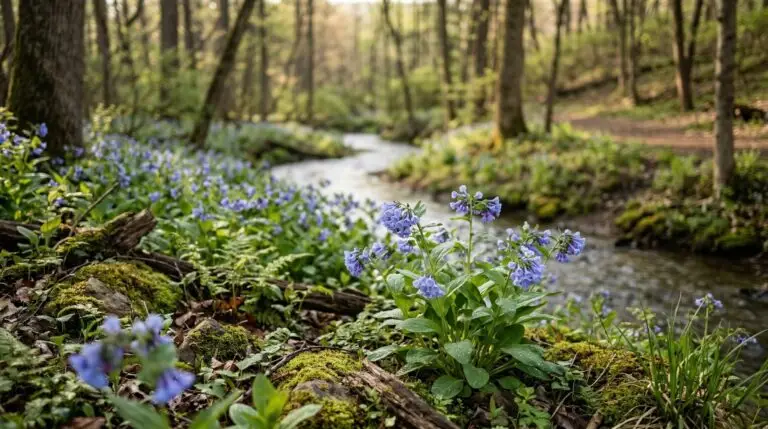
Where to see Virginia bluebells in the wild and the best springtime woodland hikes
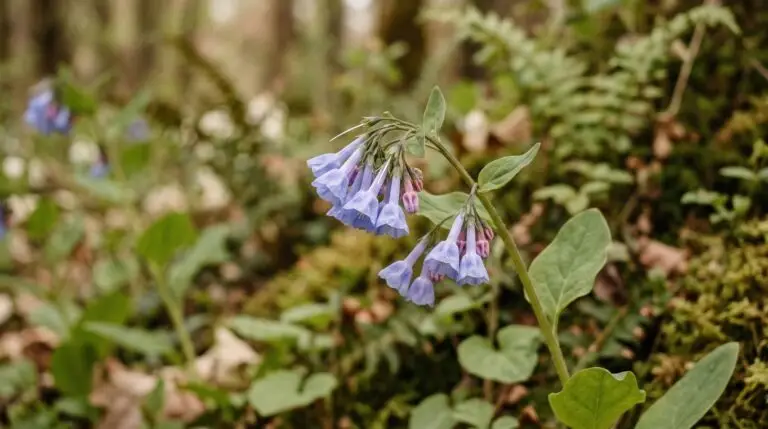
Virginia bluebells flower meaning and the native wildflower that colors eastern woodlands blue
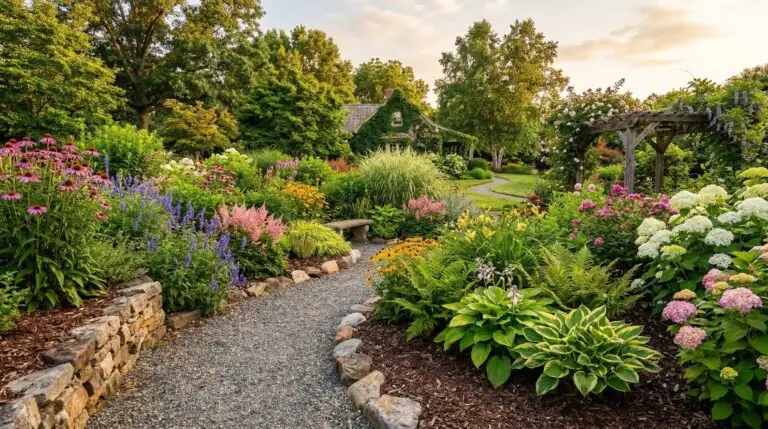
Virginia bluebells as spring ephemerals and planning for the gap when they vanish in summer
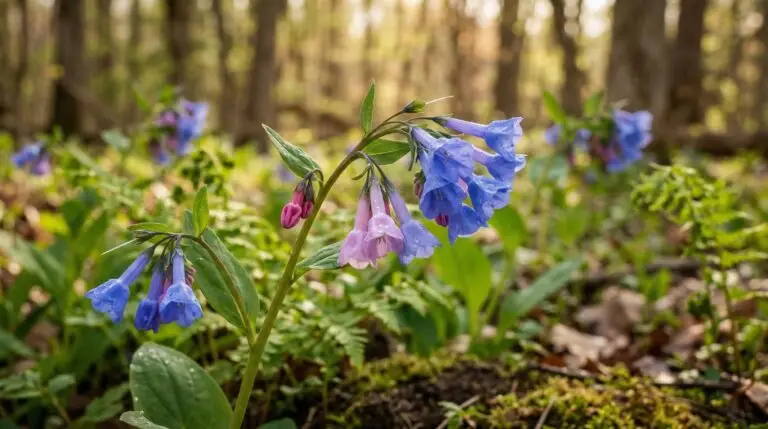
Why Virginia bluebell flowers change from pink buds to blue and the pH science behind it
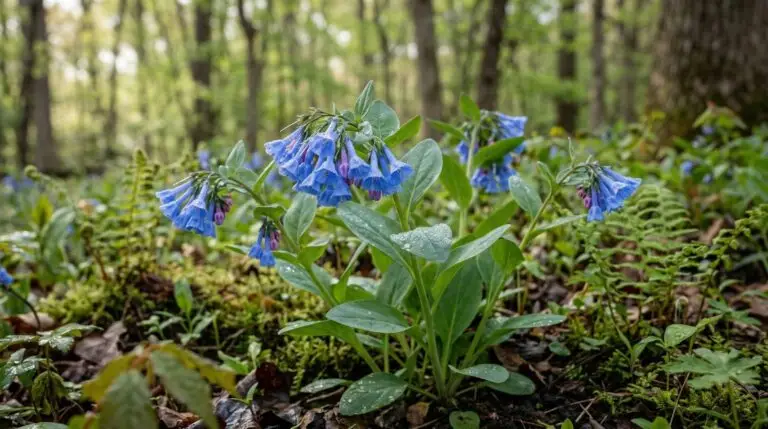
How to grow Virginia bluebells for dreamy blue drifts in spring woodland gardens
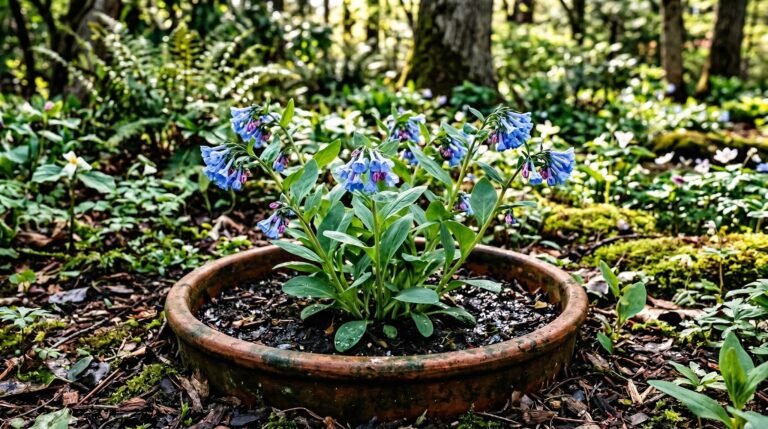
Growing Virginia bluebells in containers for a spring shade garden on a patio
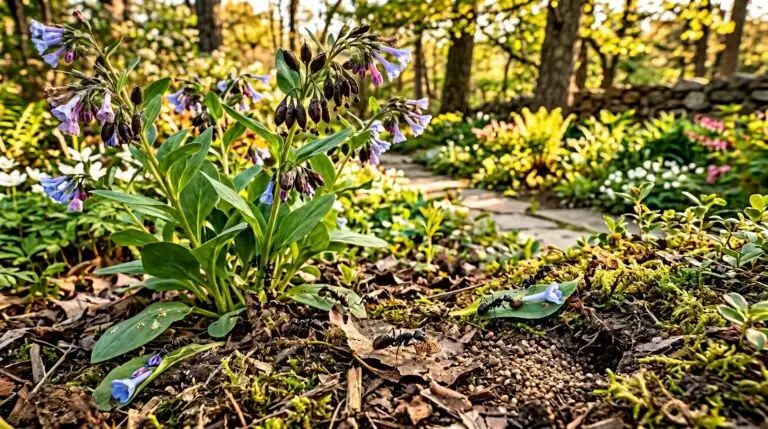
Naturalizing Virginia bluebells in woodland areas for expanding blue carpets every spring
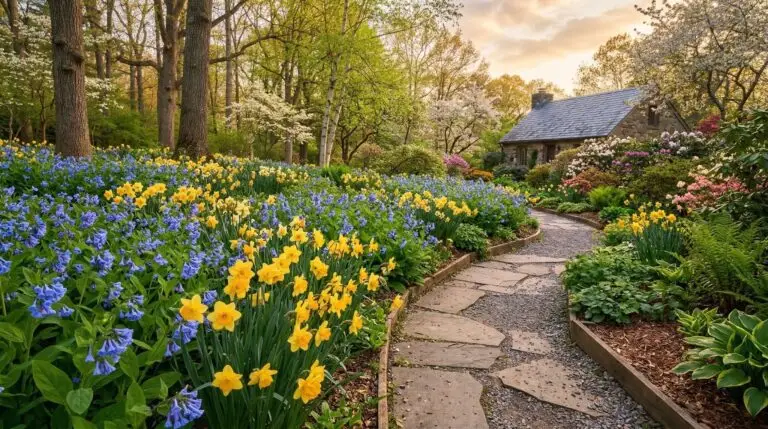
Virginia bluebells combined with daffodils for the ultimate spring woodland color combination
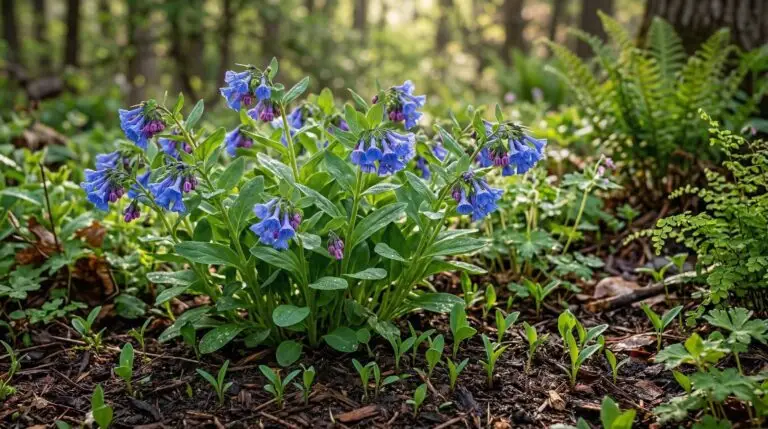
Growing Virginia bluebells from seed and the double dormancy that tests your patience