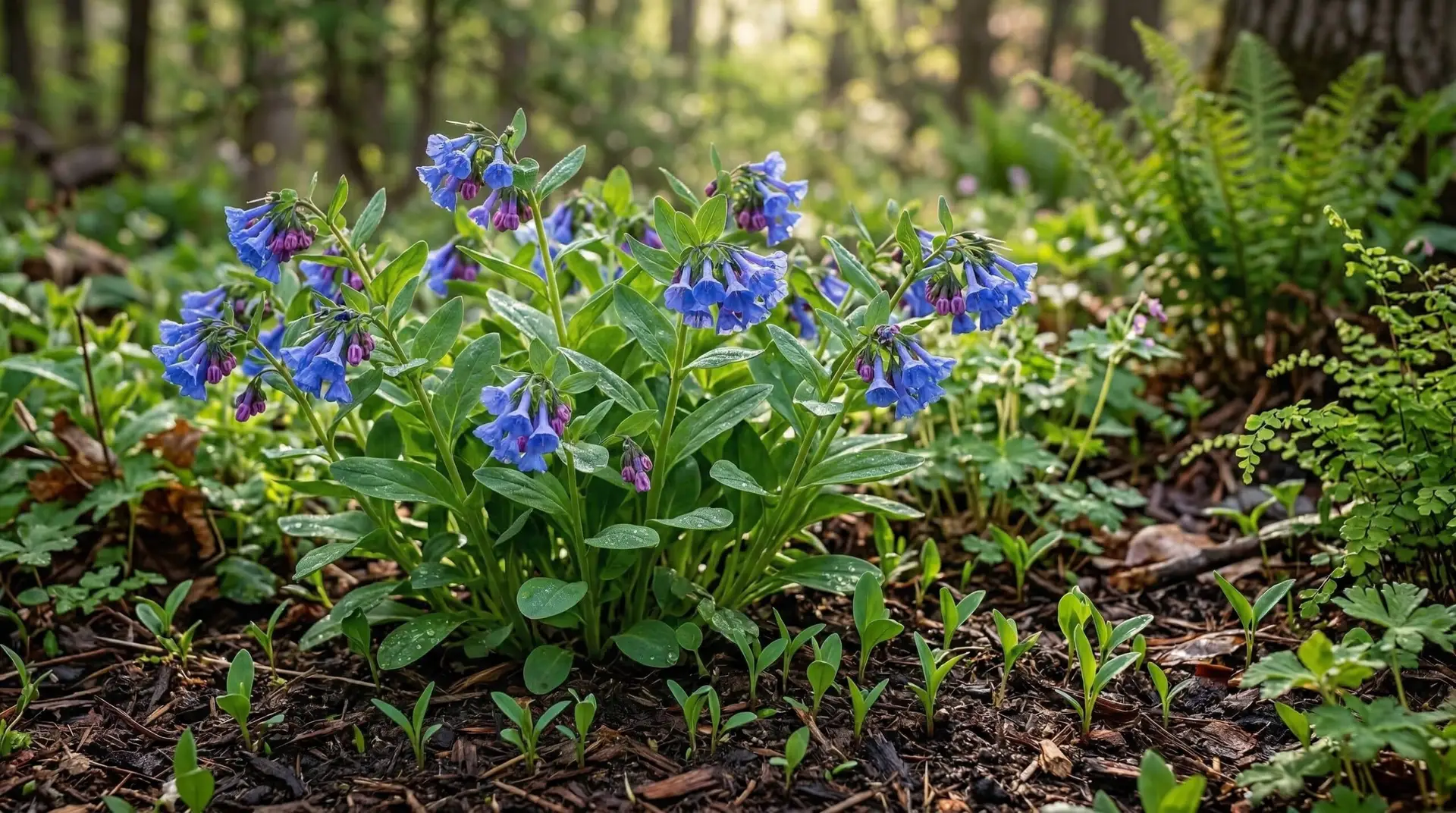
When you see a woodland floor covered in the nodding, bell-shaped blooms of Virginia bluebells, you are looking at the result of a very specific, carefully timed natural process. Many gardeners see these spring wildflowers and immediately want to scatter seeds in their own yards, expecting a similar display the following spring. Nature operates on a much slower, more deliberate schedule when it comes to native woodland plants. By the time you finish reading this, you will understand exactly how Virginia bluebells seeds experience the changing seasons and why they require a complex cycle known as double dormancy to finally wake up and grow. You will also learn how to mimic this cycle in your own garden, setting realistic expectations for the years it takes to cultivate these plants from a single seed. Understanding the “why” behind this slow timeline makes the eventual reward of a blooming shade garden infinitely more satisfying.
Contents 4 sections
The protective mechanism of double dormancy
To understand why growing Mertensia from seed requires so much patience, we first need to look at how seeds protect themselves in the wild. Most common garden vegetables and annual flowers will sprout as soon as they get warm soil and water. If a woodland wildflower did that, a brief warm spell in November would trick the seed into sprouting, and the fragile new plant would be killed by the deep freezes of January. To prevent this, native plants developed a chemical block inside the seed called dormancy, which is a protective sleep that can only be broken by a long period of cold, moist conditions. Virginia bluebell germination requires an even more secure system called double dormancy. Think of double dormancy as a combination lock that requires two complete turns before it will open. The seed must experience a warm, moist period, followed by a cold, moist winter, then another warm period, and sometimes a second cold winter before the root and the first leaves will finally emerge. This might seem overly complicated, but the reason is purely survival, ensuring the seedling only appears when the environment is permanently hospitable.
How to sow fresh seeds outdoors
The most reliable way to navigate this complex germination cycle is to let the natural weather do the heavy lifting for you. You will want to start with the freshest seeds possible, ideally gathered from a mature plant right after the seed pods dry and turn brown in early summer. When seeds sit dry in a paper envelope for months, their seed coats harden and their internal dormancy deepens, making the wake-up process even longer. By sowing fresh seeds directly into your garden beds or into outdoor nursery pots in the late summer or early fall, you match the seeds to the natural temperature fluctuations they expect. You simply press the seeds lightly into the surface of a rich, compost-amended soil, ensuring they make good contact with the earth without being buried too deep. Leaving the pots outside exposes the seeds to the rain, the autumn warmth, and the freezing winter snows, slowly working the chemical combination lock inside the seed coat. This method of outdoor winter sowing is highly effective for many woodland plants, and you will find it is the exact same process required if you want to grow hellebore from seed in your shade garden.
Managing the long wait for mature plants
Once the seeds have gone through their required chilling periods, you will start to see the very first signs of life, but this is where many beginners accidentally throw their successful plants away. In that first spring after germination, a Virginia bluebell will usually only produce one or two tiny, rounded leaves that look nothing like the mature plant. The plant is not trying to put on a show above ground because it is entirely focused on building a fleshy, carrot-like taproot beneath the soil. By early summer, those tiny leaves will turn yellow and completely disappear from the surface, which is a normal part of the plant’s spring ephemeral life cycle. This early disappearance often confuses gardeners into thinking the seedling died, prompting them to empty the pots or dig up the garden bed. You must leave the soil completely undisturbed, marking the spot with a physical tag so you remember that a dormant root is resting below the surface. The following spring, the plant will emerge slightly larger, and it usually takes a full three years of this cycle before the root is large enough to produce those familiar pink and blue flowers.
Choosing dormant roots for a faster start
This multi-year timeline takes a season or two to get a feel for, and feeling a little impatient with the process is completely normal. If waiting three years for a bloom seems like too much of an investment right now, you can bypass the seed stage entirely by planting dormant bare roots. These roots have already gone through the double dormancy cycle and the years of slow growth at a nursery, arriving at your door ready to be planted in the fall. When you plant these thick, dark roots in a shady spot with plenty of organic matter, they will establish themselves over the winter and emerge as blooming-size plants the very next spring. Starting with roots still requires an understanding of the plant’s ephemeral nature, as the mature foliage will still die back and vanish by July. Many gardeners choose a hybrid approach, buying a few dormant roots for immediate satisfaction while simultaneously starting seeds in a protected corner of the yard to build a larger colony over time. Whether you choose to wait out the slow germination of seeds or plant established roots, the care requirements remain the same, much like the patience needed when establishing a gentian plant in a specialized garden space.
The process of growing these spring wildflowers from a tiny, hard seed teaches us to slow down and observe the quiet, unseen work happening beneath the soil. Planting a seed in the dirt requires you to facilitate a complex biological response to the rhythm of the seasons. The cold snows and the warm spring rains are active ingredients in the recipe for germination, slowly wearing away the chemical barriers that keep the plant safely asleep. Think of the soil not just as a place to hold the seed, but as an active participant that communicates the changing of the seasons to the sleeping plant. When that first tiny leaf finally pushes through the soil after a year or more of waiting, you will have a profound appreciation for the survival strategies of native woodland plants. The core principle to take away is that gardening with wild species requires us to adapt to their natural clocks, trusting that the soil is holding and nurturing life long before we can see the results.
More About Virginia Bluebells
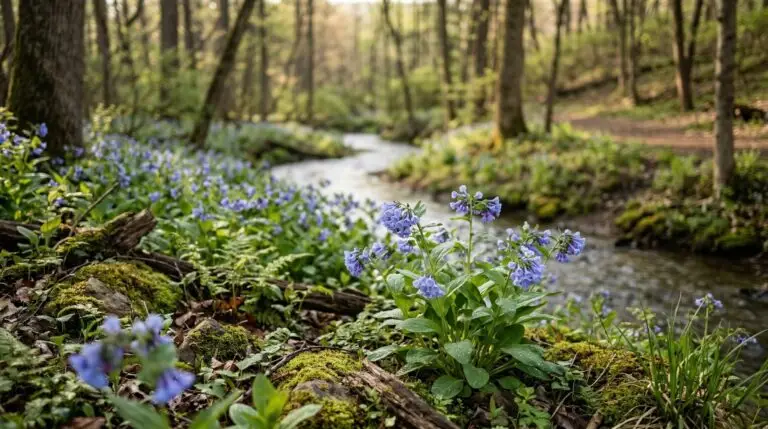
Where to see Virginia bluebells in the wild and the best springtime woodland hikes
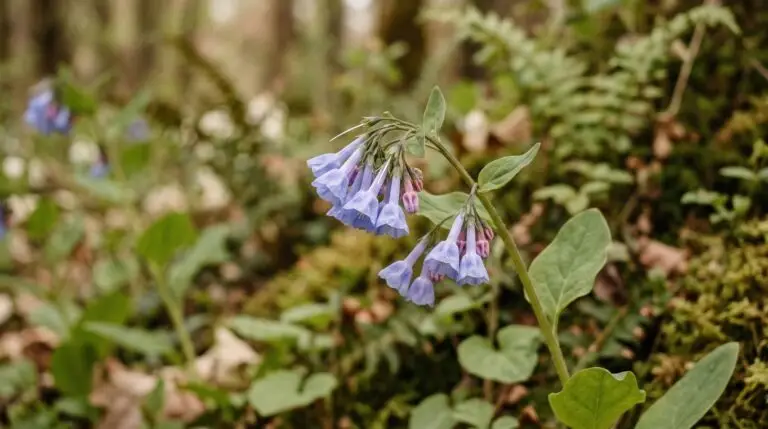
Virginia bluebells flower meaning and the native wildflower that colors eastern woodlands blue
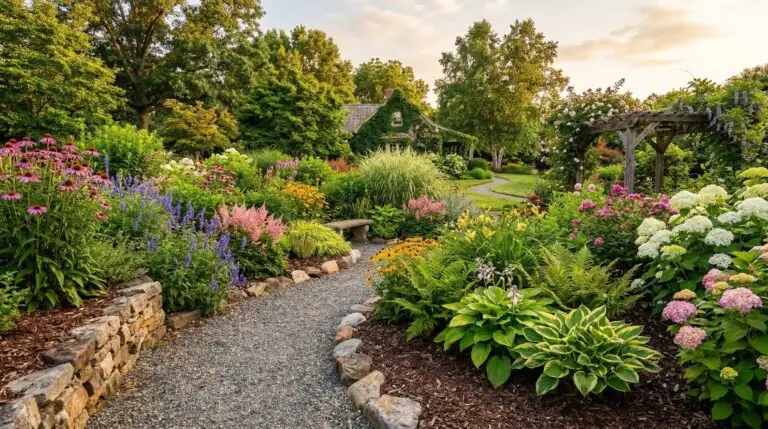
Virginia bluebells as spring ephemerals and planning for the gap when they vanish in summer
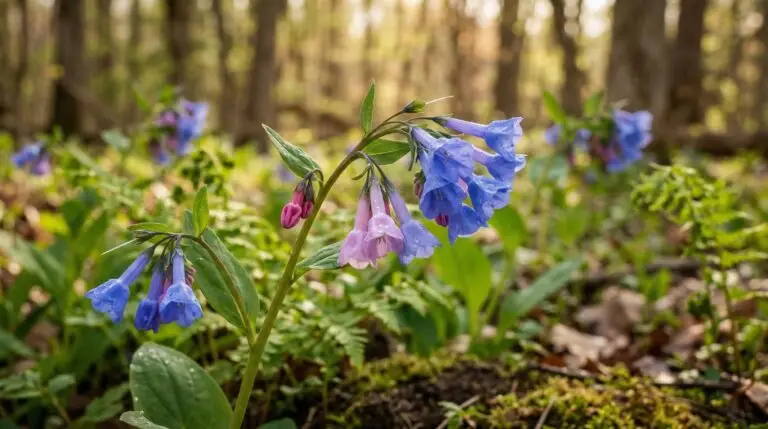
Why Virginia bluebell flowers change from pink buds to blue and the pH science behind it
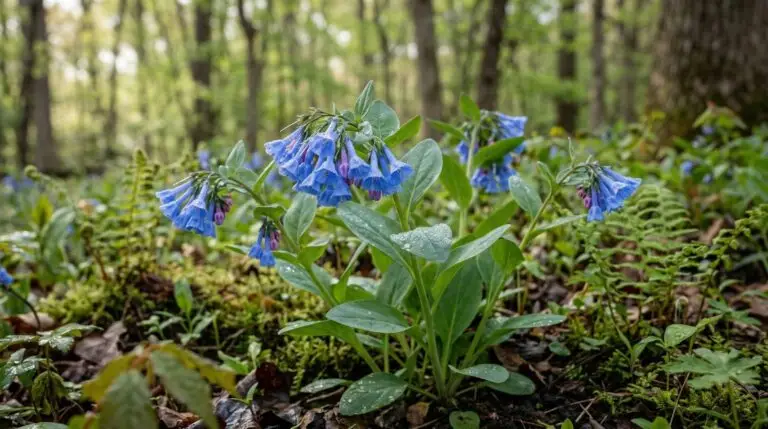
How to grow Virginia bluebells for dreamy blue drifts in spring woodland gardens
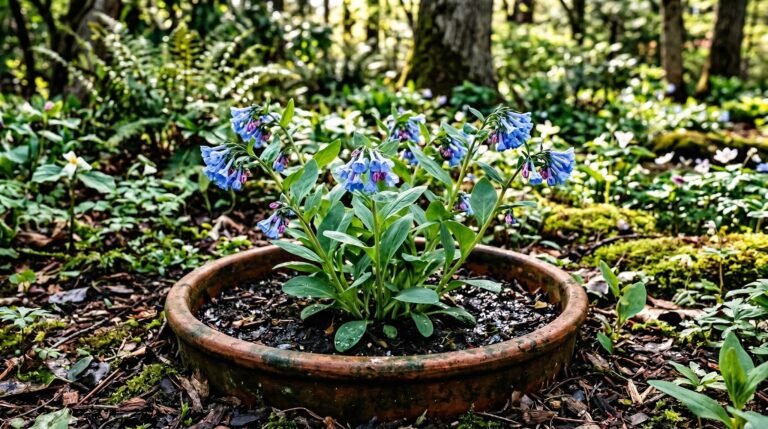
Growing Virginia bluebells in containers for a spring shade garden on a patio
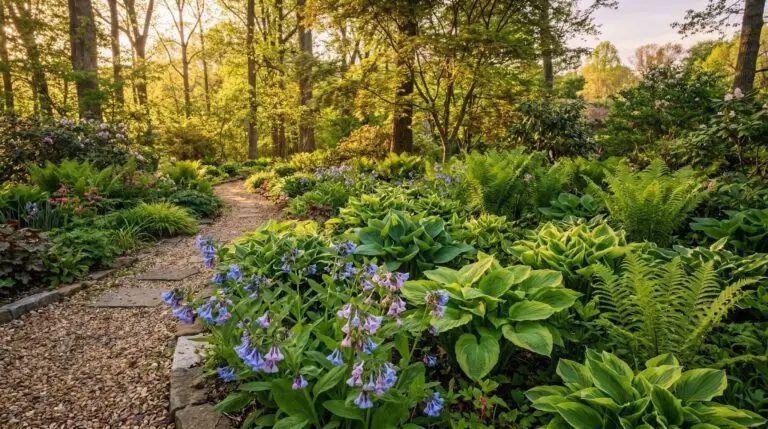
Virginia bluebells companions: what to plant and avoid
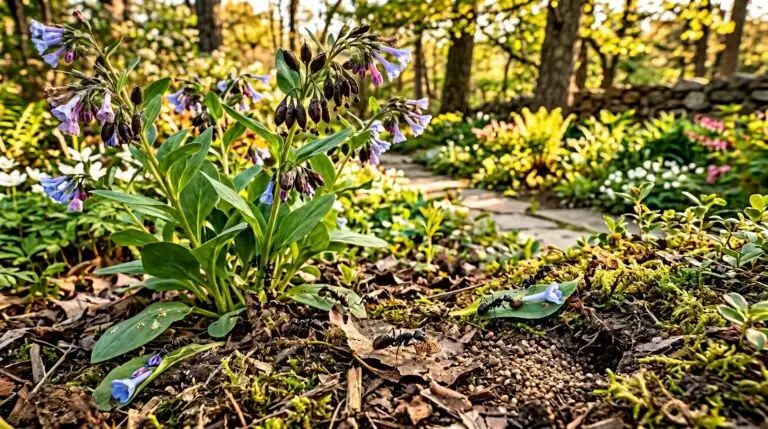
Naturalizing Virginia bluebells in woodland areas for expanding blue carpets every spring
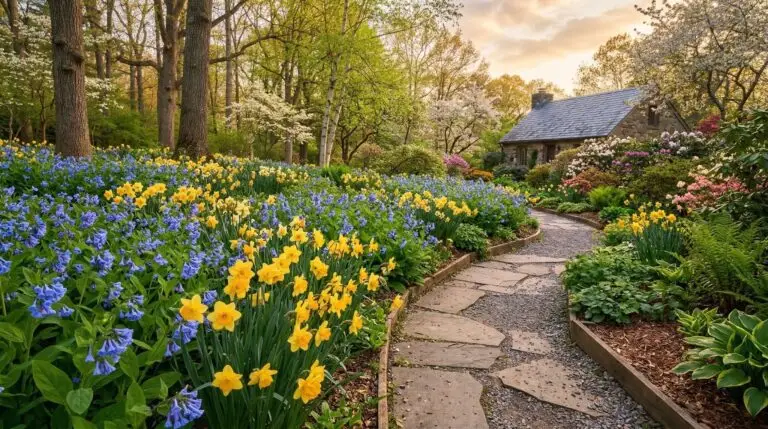
Virginia bluebells combined with daffodils for the ultimate spring woodland color combination
Enjoying our flower guides? Add YourFlowersGuide as a preferred source on Google. It helps more readers find us.
Add to Preferred Sources