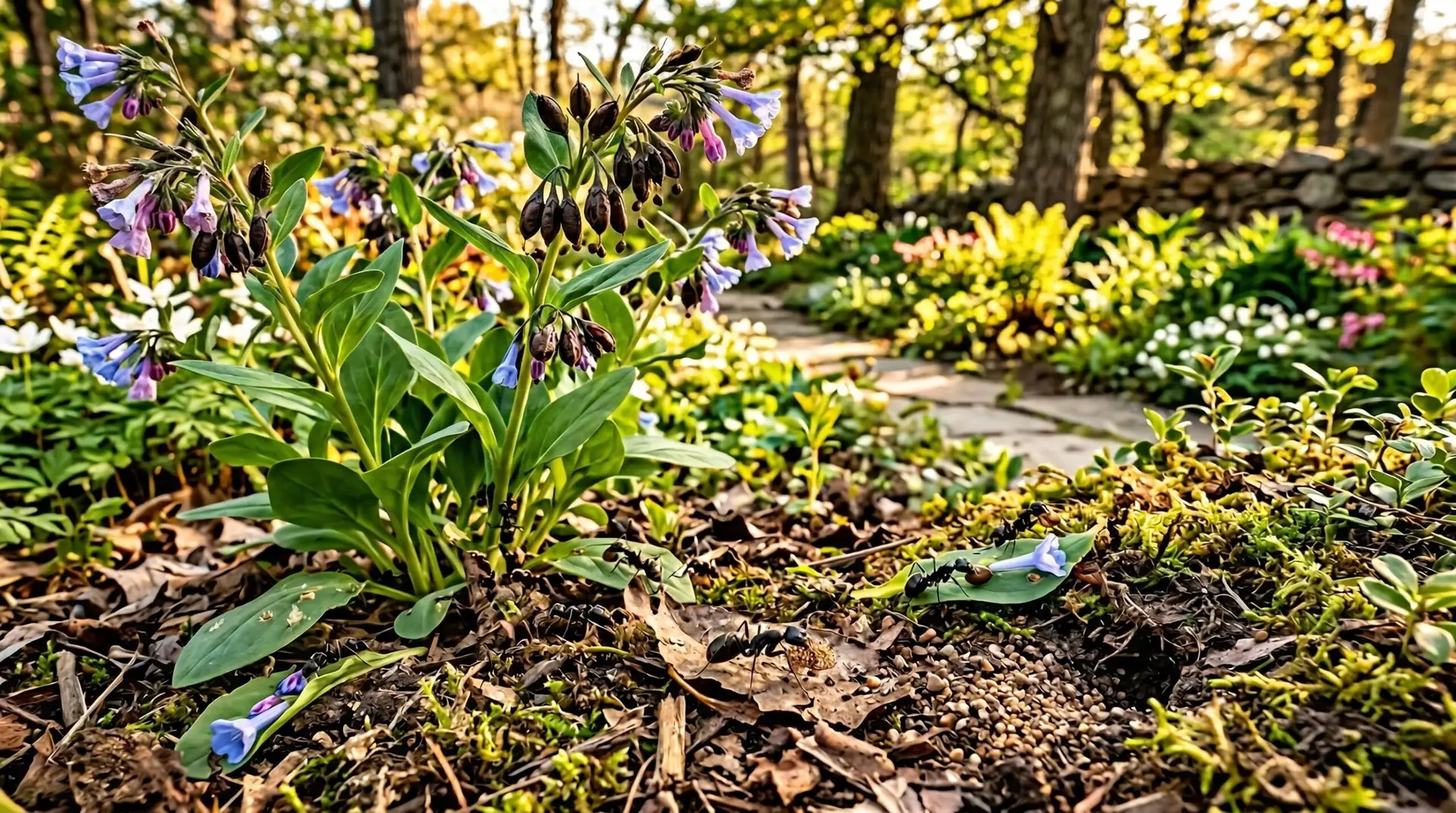
The late April morning breaks cold, with the light coming through the bare oak branches in sharp, clear angles. The soil is damp from a night of heavy rain, smelling of wet decay and waking biology. I am watching the Virginia bluebells push through the dark, matted layers of last autumn’s leaf litter. Their thick stems emerge a bruised, dark purple, unfurling leaves that look like soft, gray-green tongues testing the air. The flower buds appear first as tight, heavy clusters, distinctly pink and resembling small, folded umbrellas. Over a few days of weak spring sunshine, the chemistry of the petals shifts entirely, and the flowers open into a clear, watery blue. The transformation is quiet but absolute, a reliable marker that the soil is finally warming in the deciduous shade.
They do not bloom in isolation, as a patch of Virginia bluebells quickly becomes a busy intersection for whatever insects have survived the long winter. Queen bumblebees, heavy and loud, pull down the bell-shaped flowers as they forage urgently for early nectar. Smaller solitary bees hover around the edges of the colony, waiting for a clear chance to feed from the nodding blooms. The bluebells share this early window of light with other cold-hardy plants that break the winter ground long before the trees leaf out. Nearby, the white bells of a snowdrop colony have already faded into papery husks, while the thick, leathery leaves of a hellebore hide heavy clusters of pale green flowers. These early bloomers capture the brief sunlight before the canopy closes above them, rushing through their entire reproductive cycles in a matter of weeks.
Contents 3 sections
The quiet work of ants and seeds
The true work of naturalizing Virginia bluebells happens after the blue flowers drop away and the stems begin to sag. The fading plants are left holding clusters of small, four-parted nutlets that ripen slowly as the days grow longer and warmer. Many gardeners feel a sudden urge to clean up the garden at this stage, pulling away the yellowing foliage to make room for summer plants. Removing these fading stems interrupts the entire ecological process and prevents the colony from expanding its borders. The seeds must be allowed to mature fully on the stem until they turn dark and fall to the ground on their own. The plant relies entirely on this slow, untidy ripening process to ensure its future in the woodland.
Once the seeds hit the soil, a remarkable and largely invisible partnership begins among the dead leaves. Each seed carries a tiny, fleshy appendage called an elaiosome, which is rich in fats and proteins. Woodland ants are highly attracted to this nutritious packet and carry the seeds back to their underground nests. The ants consume the elaiosome but leave the seed itself completely intact, effectively planting it in a safe, nutrient-rich environment away from hungry mice and birds. This process is how a bluebell meadow spreads outward, foot by foot, year after year. The ants do the farming, moving the seeds to new ground while the mother plants retreat beneath the soil to sleep through the heat of summer.
Establishing a woodland colony
Building a sweeping carpet of blue requires a willingness to measure time in decades rather than seasons. You begin with a few bare root plants or nursery pots tucked into the loose, organic layer of leaf mold beneath deciduous trees. The soil must be rich and dark, holding moisture through the spring rainstorms but draining well enough that the dormant roots do not rot in the winter snowmelt. Digging into the woodland edge to set these first plants often reveals a complex network of tree roots and white fungal threads. During the first few years, the bluebells will simply hold their ground, putting their energy into establishing deep, fleshy taproots that resemble small, dark carrots. You wait and watch, accepting that the initial display might seem sparse against the vast brown floor of the woods. True naturalization is an exercise in restraint, requiring the gardener to step back and let the environment dictate the pace of growth.
As the colony matures, the plants begin to weave themselves into the broader community of the forest floor. They emerge early enough to avoid competing for water with the deep shade of summer, making them excellent companions for plants with different seasonal schedules. They look entirely natural growing alongside late varieties of daffodils, their soft blue bells contrasting with the pale yellow trumpets in the dappled light. By the time ferns begin to unfurl their wide green fronds in late May, the bluebells are already turning yellow and melting back into the earth. The later plants simply cover the empty spaces, shading the dormant bluebell roots from the baking heat of July and August. The woodland garden operates as a series of overlapping shifts, where one group of plants willingly yields the available light to the next.
The rhythm of the ephemeral forest
There is a distinct pleasure in gardening with plants that refuse to conform to human schedules or aesthetic demands. Virginia bluebells cannot be forced into a long, continuous bloom, nor can they be shaped into tidy, permanent borders along a walkway. They belong to the wilder edges of the property, where the soil is left undisturbed and the fallen leaves are allowed to decay naturally into humus. Walking through the woods in late summer, there is absolutely no visible trace of the blue carpet that covered the ground in April. The soil holds its secrets well, keeping the thick roots safe below the frost line while the trees drop their leaves again. The gardener must simply trust that the plants are still there, resting in the dark, waiting for the tilt of the earth to bring the light back to the forest floor.
Every spring brings a slightly larger patch of blue to the woods, a slow accumulation of seasons and undisturbed soil. The expansion of the colony is a quiet record of all the years you chose not to rake the leaves, all the seeds the ants carried away, and all the spring rains that soaked into the ground. A mature bluebell meadow is not something that can be bought or installed in a single weekend. It is a slow collaboration between the gardener, the insects, the weather, and the plants themselves. When the pink buds finally push through the cold earth and open into clear blue bells, they offer a reminder that some of the most beautiful things in the world simply require us to wait.
More About Virginia Bluebells
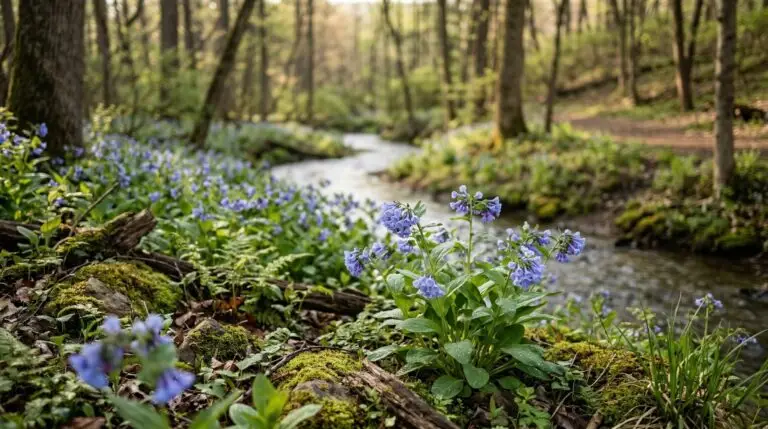
Where to see Virginia bluebells in the wild and the best springtime woodland hikes
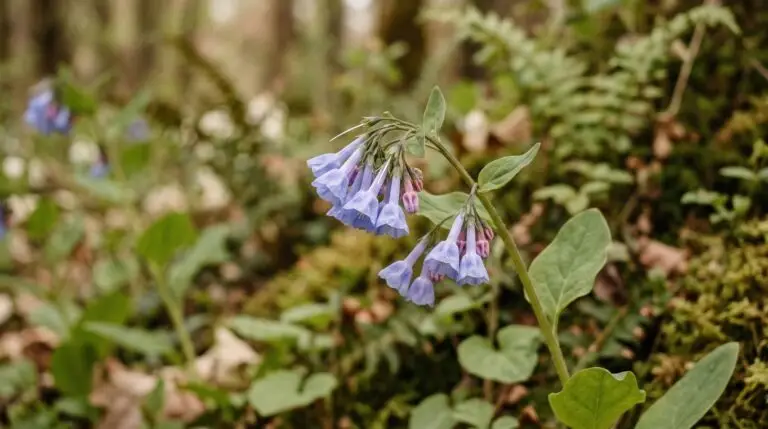
Virginia bluebells flower meaning and the native wildflower that colors eastern woodlands blue
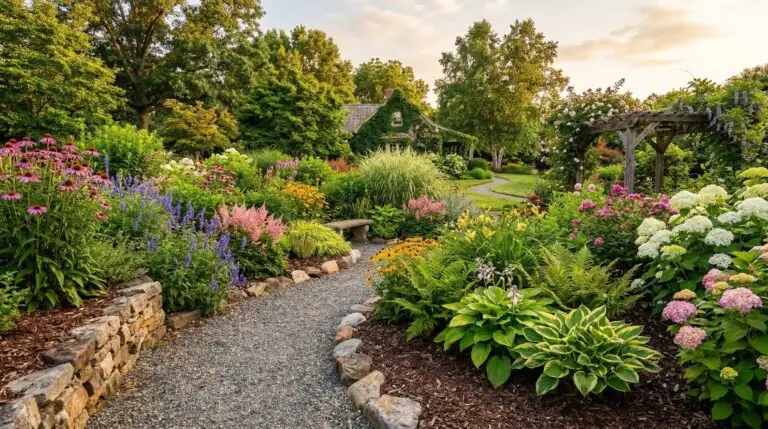
Virginia bluebells as spring ephemerals and planning for the gap when they vanish in summer
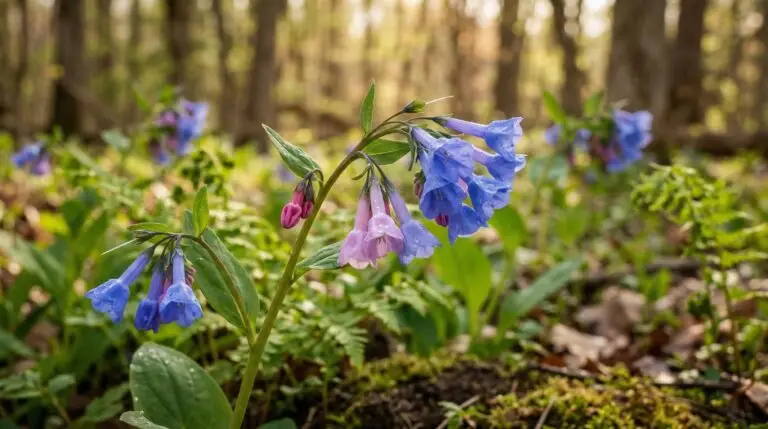
Why Virginia bluebell flowers change from pink buds to blue and the pH science behind it
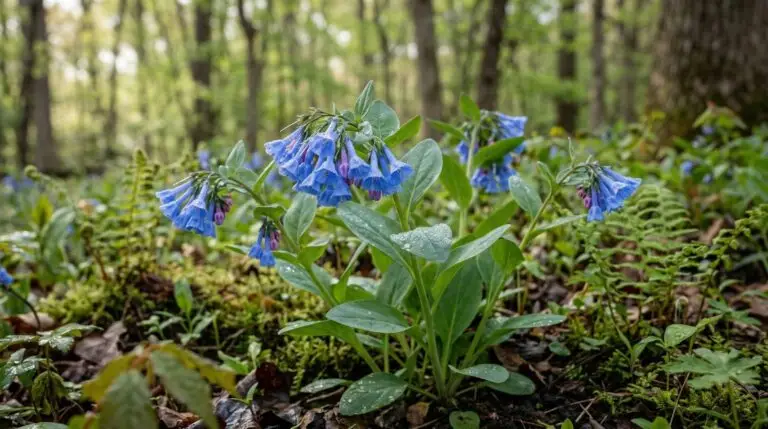
How to grow Virginia bluebells for dreamy blue drifts in spring woodland gardens
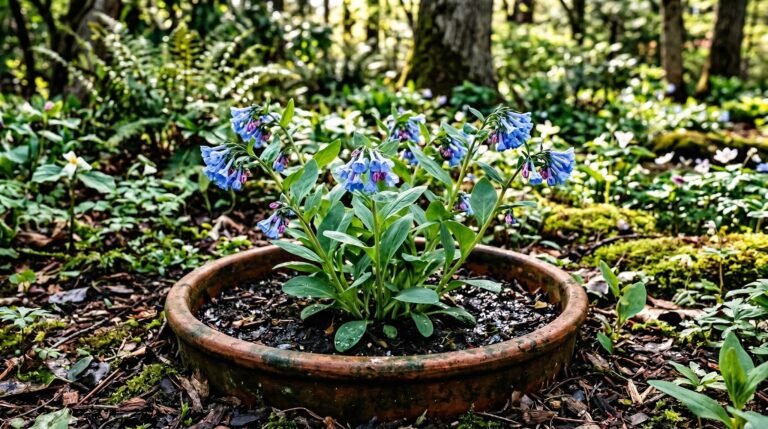
Growing Virginia bluebells in containers for a spring shade garden on a patio
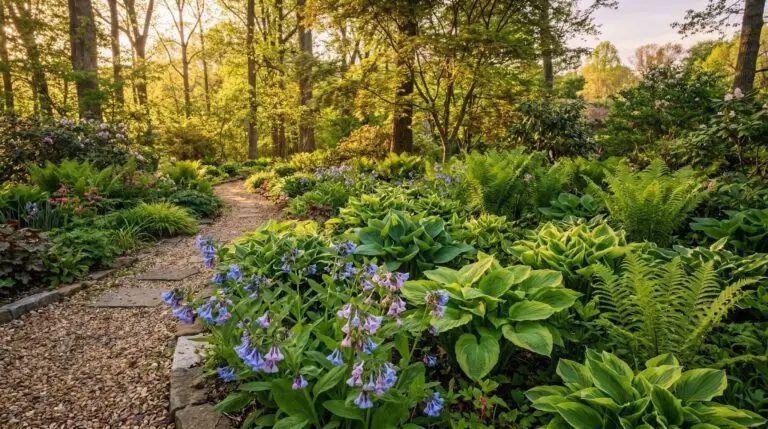
Virginia bluebells companions: what to plant and avoid
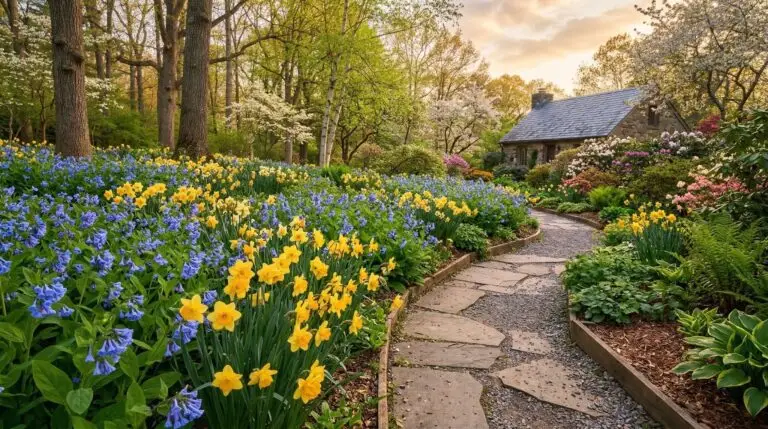
Virginia bluebells combined with daffodils for the ultimate spring woodland color combination
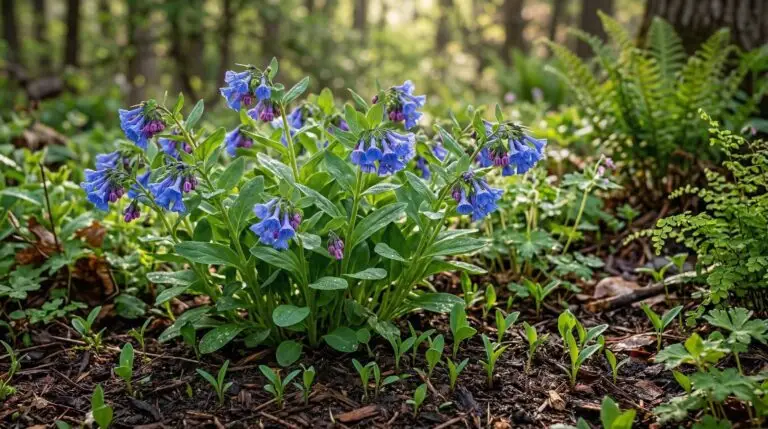
Growing Virginia bluebells from seed and the double dormancy that tests your patience
Enjoying our flower guides? Add YourFlowersGuide as a preferred source on Google. It helps more readers find us.
Add to Preferred Sources