Taxonomy and origin
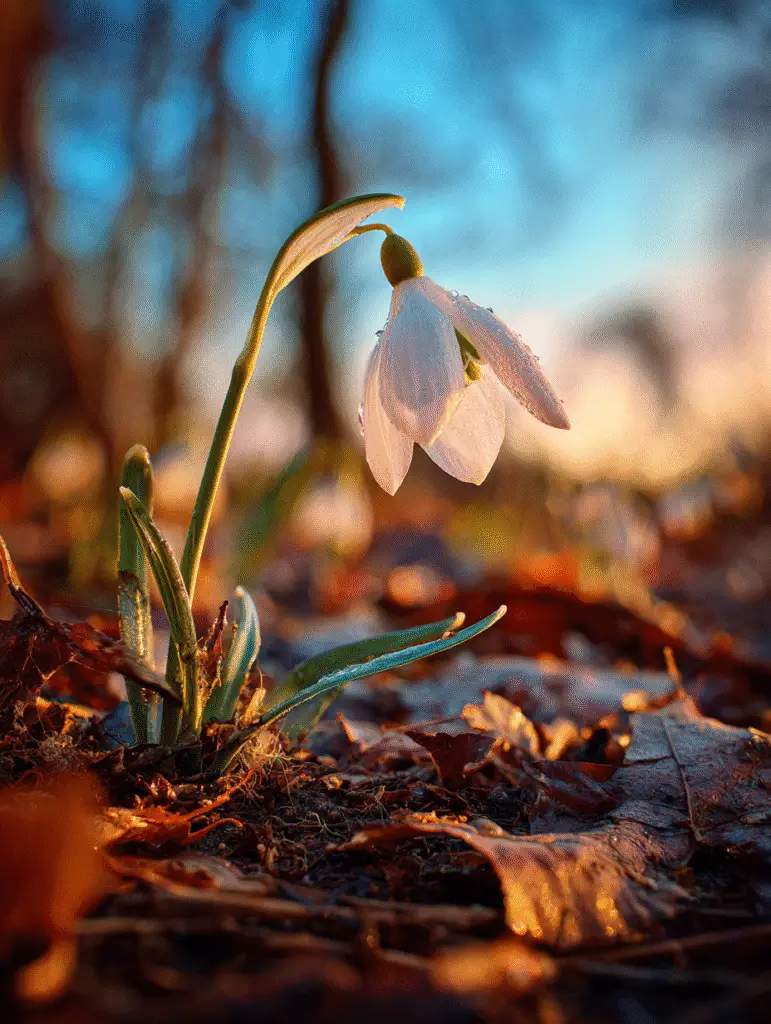
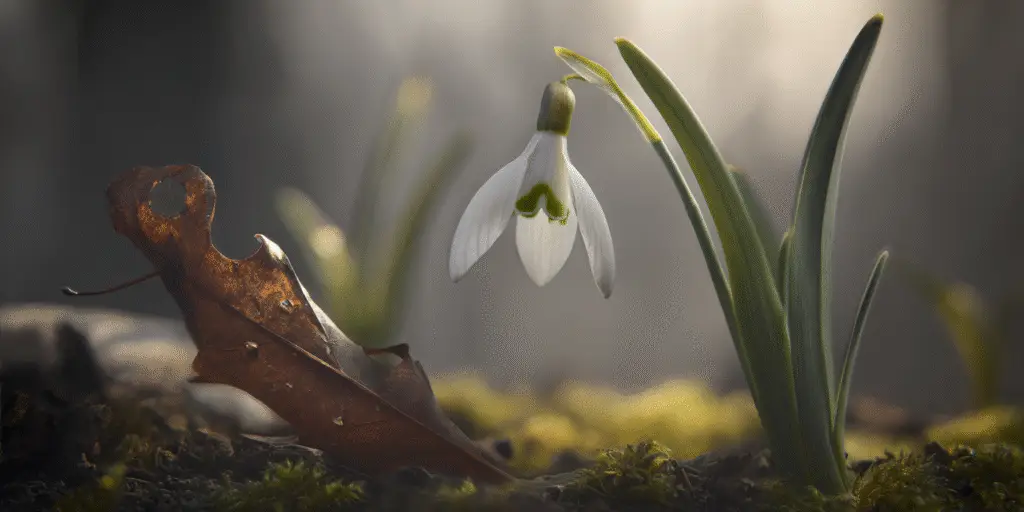
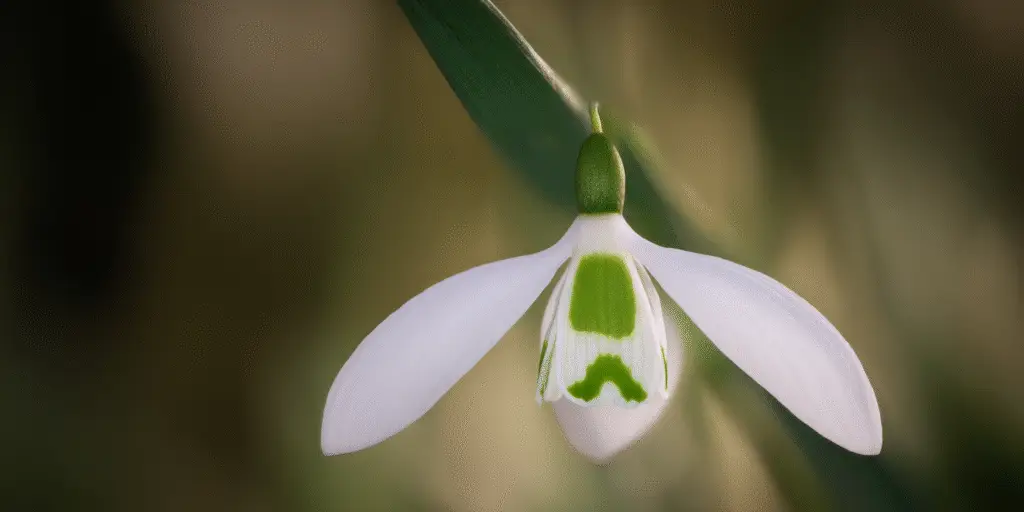
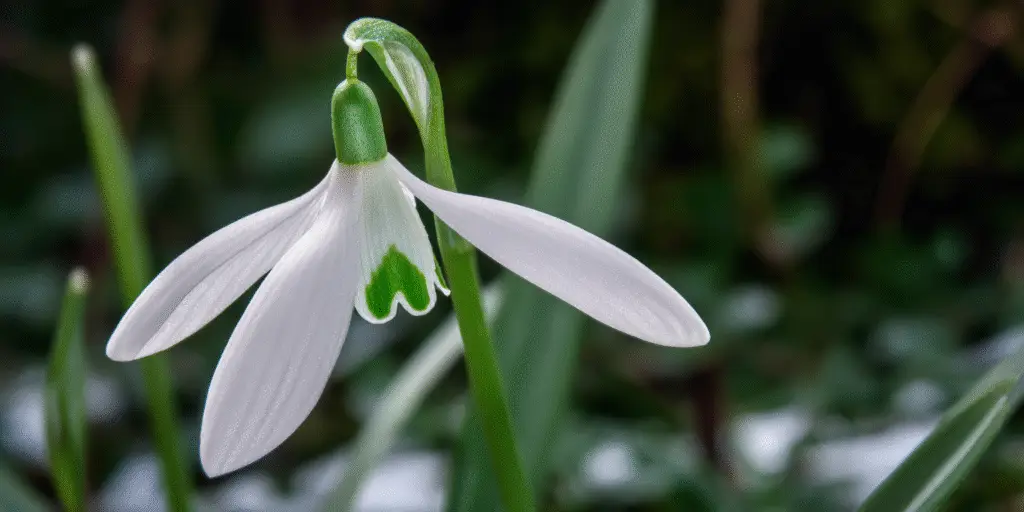
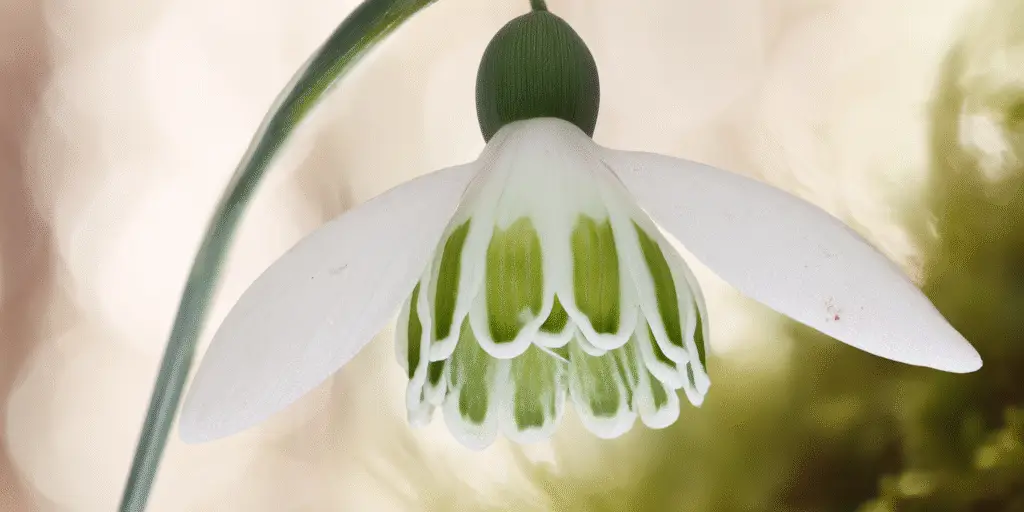
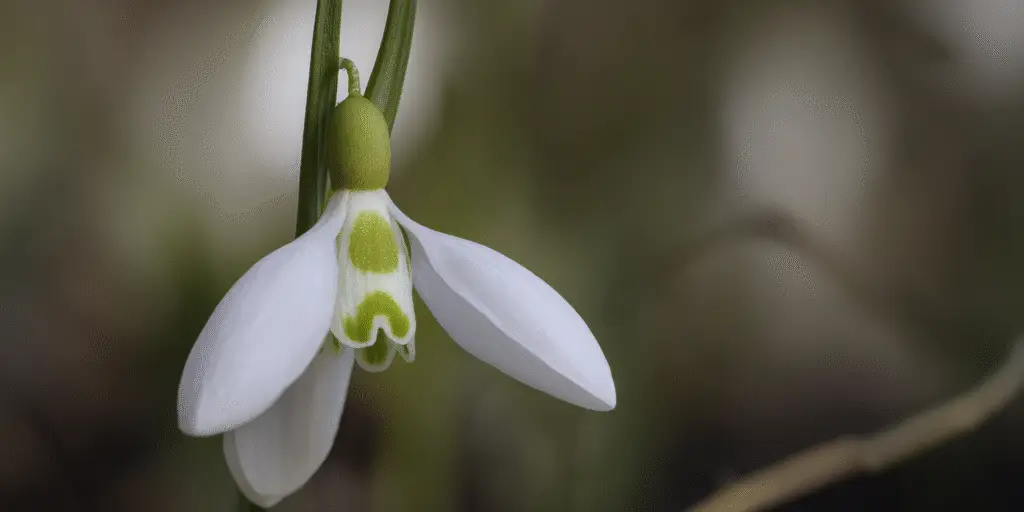
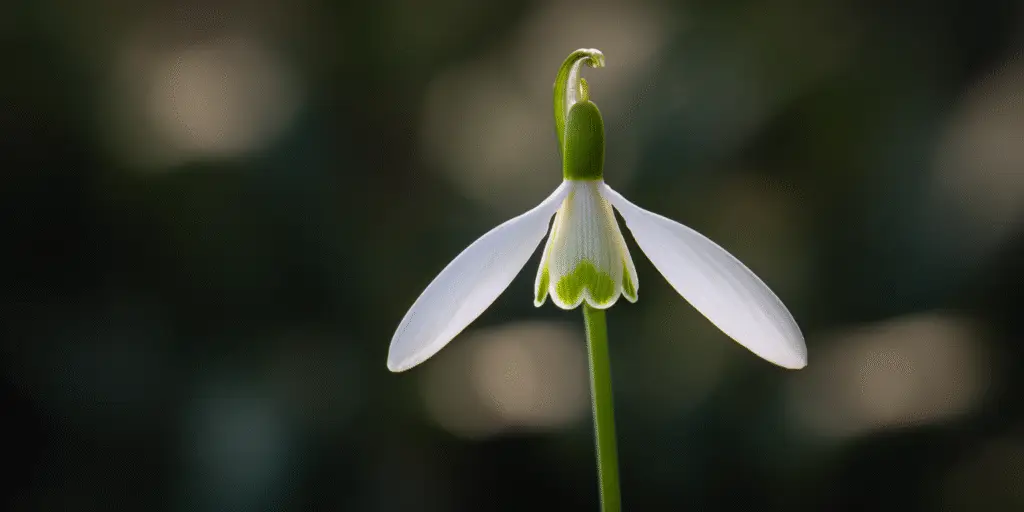
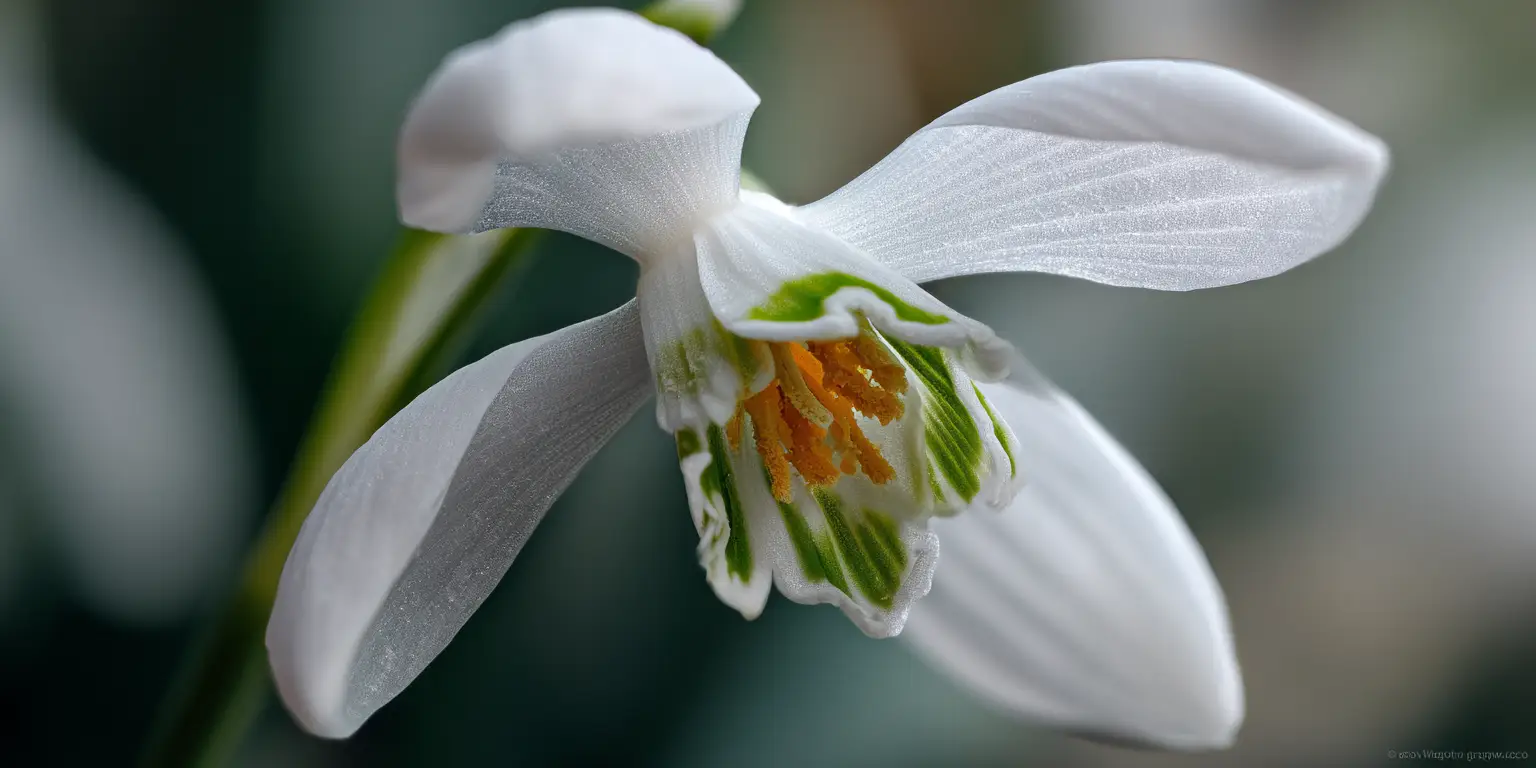
Snowdrops belong to the genus Galanthus in the Amaryllidaceae family, which also includes Narcissus and other bulb plants. The genus has around 20 species. The name Galanthus comes from Greek for “milk flower,” referring to the typical milk-white bloom. Snowdrops are native to parts of Europe and western Asia, where they grow in cool woodland edges, meadows, and riverbanks. They have been grown in gardens for centuries and have spread widely through cultivation. In many temperate regions, older plantings sometimes persist and expand into small naturalized colonies. The most common garden species is Galanthus nivalis, along with larger forms such as Galanthus elwesii and many named cultivars.
Bloom time
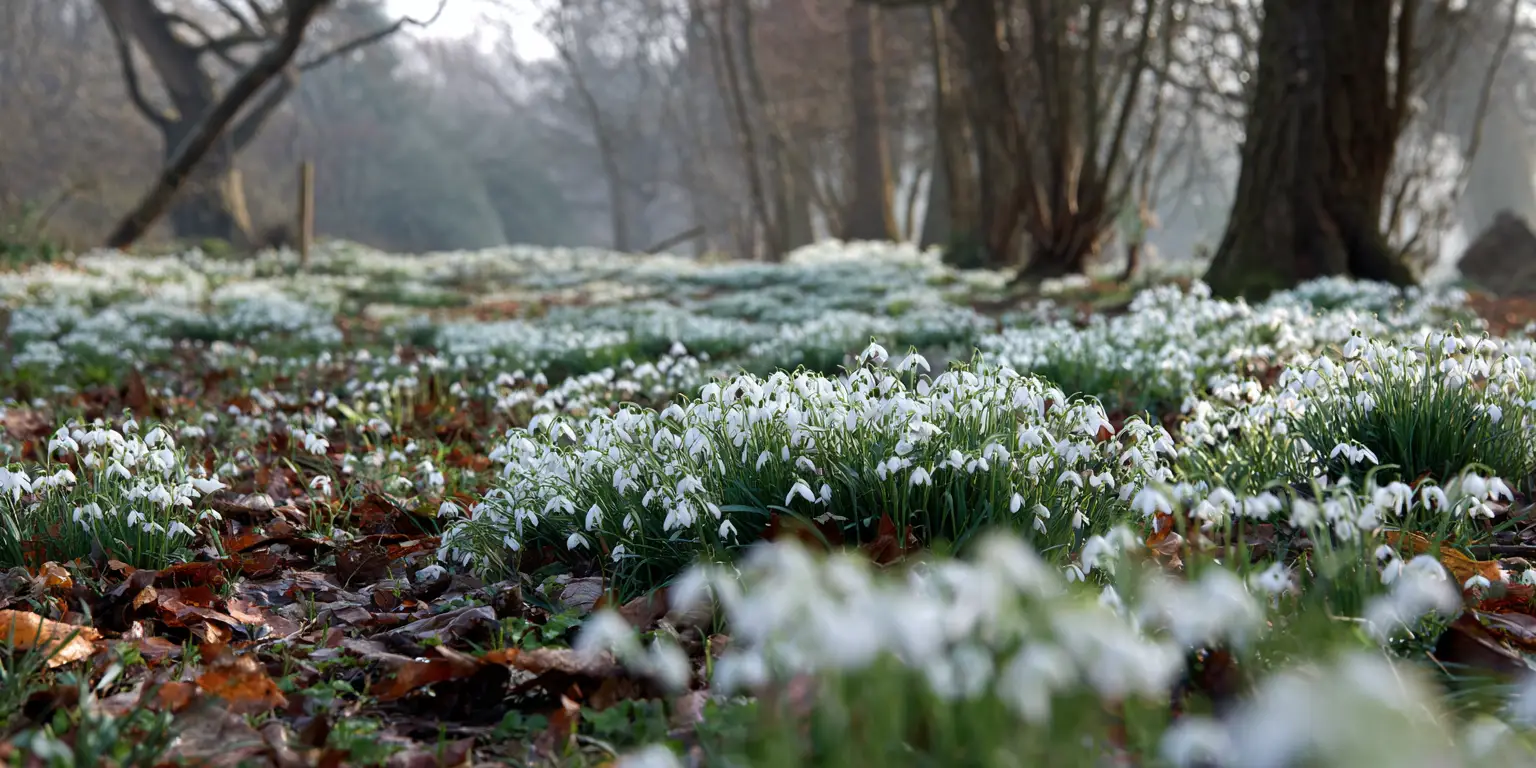
Snowdrops bloom in late winter to very early spring. In mild areas they can appear in January, while colder climates often see them in February or early March, once snow starts to pull back. Cool weather helps the flowers last longer, often about one to two weeks. A warm spell can speed things up, while a cold snap may pause opening for a few days. Planting a mix of Galanthus types can stretch the display across several weeks, but the main show is still that late-winter window.

Height and spread
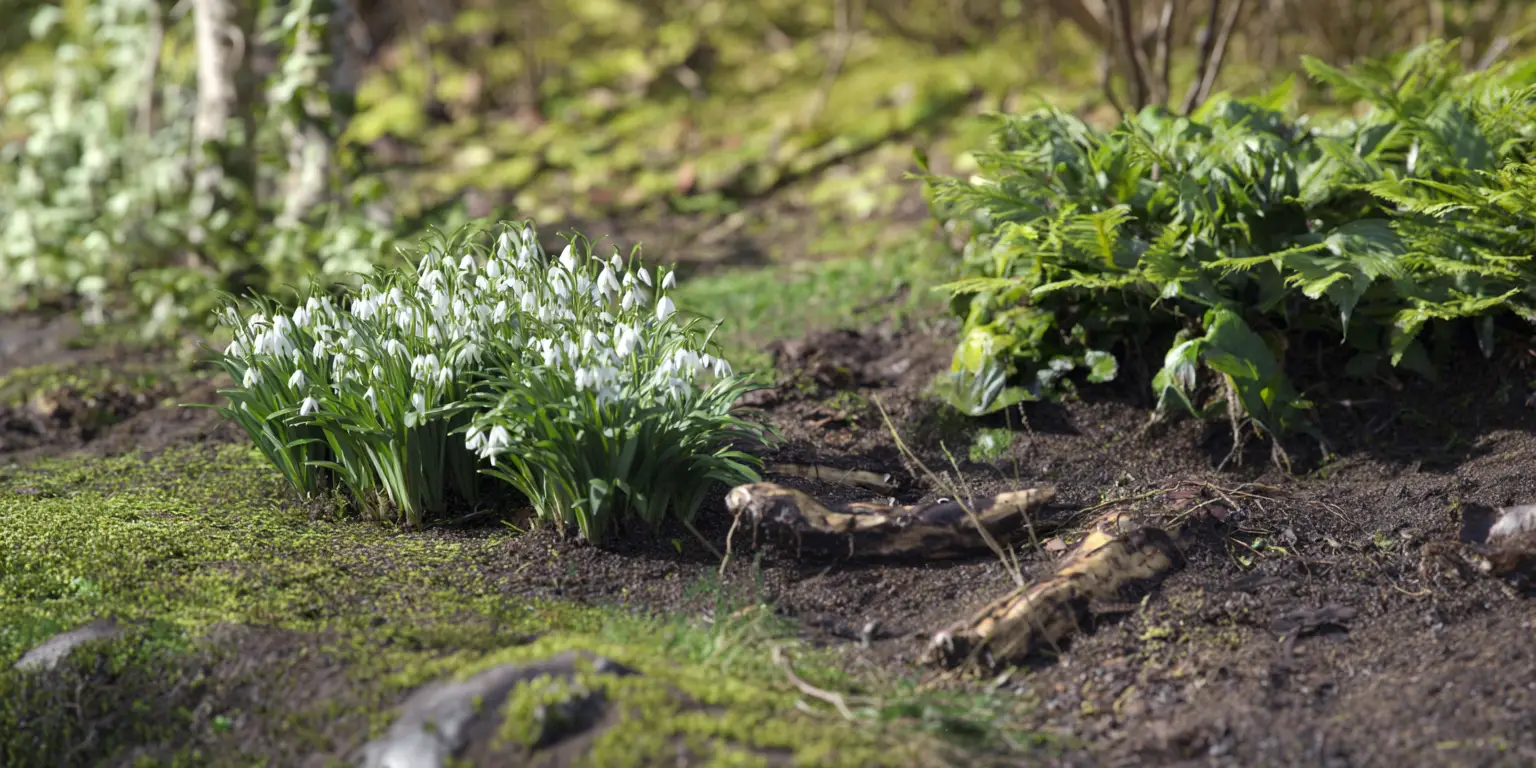
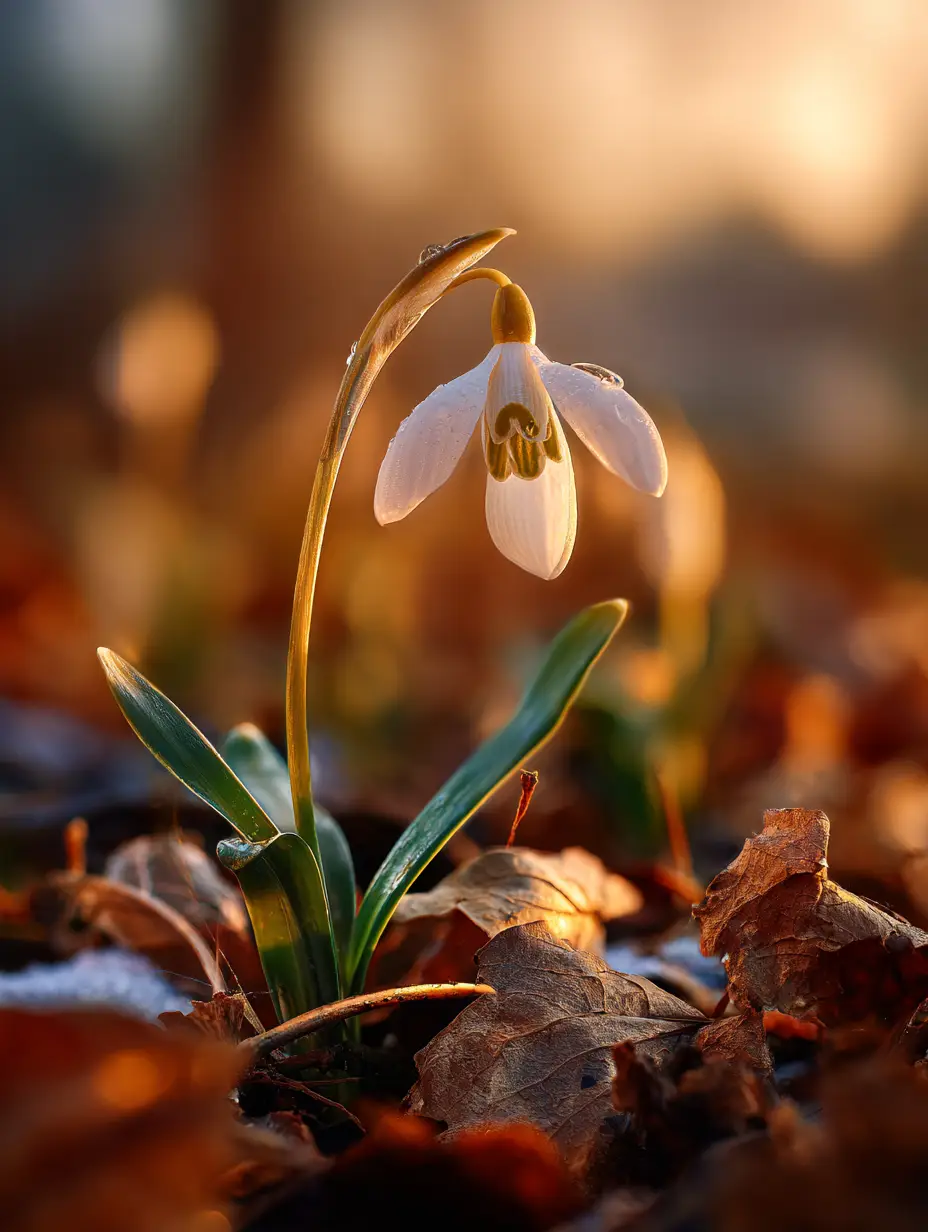
Most snowdrops grow about 4 to 8 inches tall when in bloom. Leaves are usually 4 to 6 inches long and may lengthen a bit after flowering. Galanthus elwesii can reach about 10 inches with larger leaves and flowers. A single bulb takes up very little space at first, but bulbs split into offsets over time and form clumps. Left undisturbed, a clump may widen to roughly 6 to 12 inches across over many years. Snowdrops spread by enlarging clumps rather than runners, so they are easy to keep in bounds. For planting, spacing bulbs about 2 to 3 inches apart gives a fuller look, and groups read better than single bulbs. Foliage stays green for a few weeks after bloom, then dies back by late spring.
Light
Snowdrops do well in full sun to partial shade during their growing season. Because they flower before many deciduous trees leaf out, a spot that is shaded in summer can be bright in late winter. Full sun, about 6 or more hours of direct light, is fine in cool conditions and can encourage earlier flowering. Partial shade also works well and can help blooms hold a little longer if days turn warm. Deep, year-round shade usually reduces flowering. In warmer parts of their range, morning sun with afternoon shade can keep the soil cooler and help bulbs rest through summer.

Water
Snowdrops prefer evenly moist soil while they are growing, then drier conditions once they go dormant. In most climates, winter and early spring rain and snowmelt provide enough water. The main risk is poor drainage. Bulbs sit in the ground for years, and waterlogged soil can rot them. If late winter is unusually dry or bulbs are under an overhang that blocks rain, water lightly when the top inch of soil feels dry. After flowering, keep the soil lightly moist until the leaves yellow. Once foliage dies back in early summer, let the area dry out more. In places with wet summers, drainage matters even more, since dormant bulbs do not like sitting in warm, wet soil.
Soil and pH
Snowdrops grow best in loose, well-drained soil with plenty of organic matter. A woodland-style loam that holds some moisture but never stays soggy is a good target. In heavy clay, mix in compost or well-rotted leaf mold to open the soil and improve drainage. A small amount of grit can also help. In very sandy soil, compost helps hold moisture during growth. Snowdrops are not heavy feeders, but moderate fertility supports stronger clumps. Soil pH is flexible. They handle slightly acidic, neutral, or slightly alkaline ground. For many gardens, a pH around 6.5 to 7.5 works well, and adjustment is rarely necessary unless soil is extreme. Plant bulbs about 2 to 3 inches deep, measured from the base of the bulb to the surface, and avoid compacted layers that trap water. If a site stays wet in winter, choose a different spot or use a raised planting area.

USDA hardiness
Snowdrops are hardy in USDA zones 3 through 8, with best long-term performance in the cooler end of that range. In zones 3 to 4, bulbs tolerate very cold winters underground and may bloom later, often once the snow finally melts. Zones 5 to 6 are a sweet spot for many gardens, with reliable winter chill and cool spring weather that keeps blooms open longer. In zone 7, snowdrops can still do well, especially with a bit of shade that keeps soil cooler as spring warms up. Zone 8 can be hit or miss. Cooler-summer areas may keep snowdrops for years, but hot, humid summers often shorten bulb life and increase rot risk. Zones 9 and warmer usually do not provide enough winter chill for consistent flowering, unless a gardener uses special microclimates or container growing with chilling. Even within a zone, placement matters. North-facing slopes, deciduous shade, and sites that stay cooler in summer can improve results at the warm edge of the range.
Propagation and longevity
Snowdrops are long-lived bulbs and usually increase on their own, forming thicker clumps over time. The practical way to propagate them is by dividing bulbs. Each bulb can produce small offsets, and those offsets become new flowering bulbs after a season or two. The best time to lift and divide is right after flowering, while leaves are still green. Many gardeners call this moving them “in the green.” Lift a clump carefully, separate bulbs gently, and replant right away at the same depth. Water once to settle the soil. If you buy dry bulbs in late summer or fall, plant them as soon as you can, since they do not store well when dried out. Snowdrops can also self-seed if pollinated, but seedlings are slow. It often takes 3 to 5 years for a seed-grown plant to flower. To keep clumps strong, let foliage yellow naturally after bloom so the bulbs can recharge. If flowering drops in an old patch, dividing and replanting usually brings it back.
Fragrance
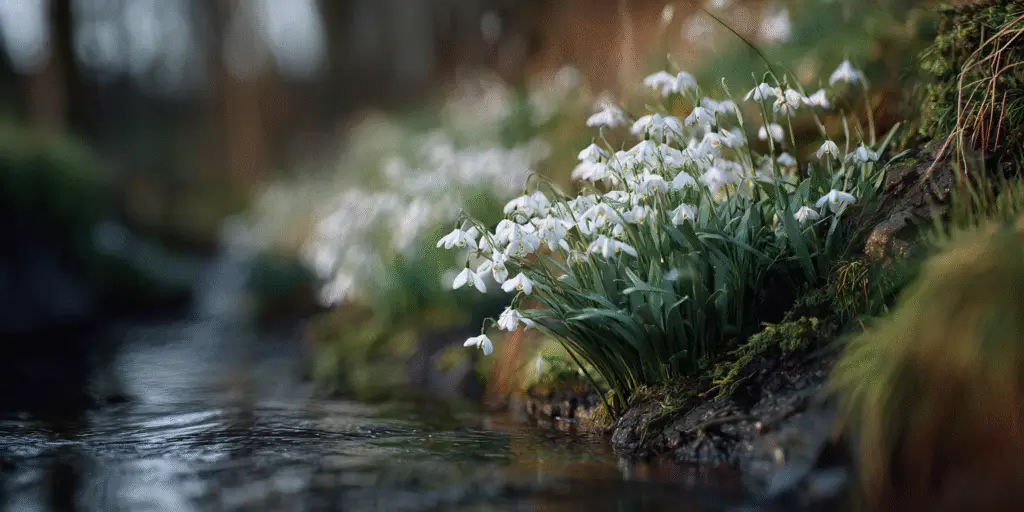
Snowdrops are not known for strong fragrance, but they can have a light scent if you get close. Some people notice a mild sweetness, sometimes described as honey-like, and others catch a fresh, green note. Outdoors in cold weather, the scent rarely carries far. Indoors, a few blooms in a small vase can be easier to notice. Different Galanthus species and cultivars vary, and common types like Galanthus nivalis and Galanthus elwesii may be faintly scented. Even so, fragrance is a small bonus rather than a main reason to grow snowdrops.
Toxicity and pet safety
All parts of the snowdrop plant contain alkaloids and are poisonous if eaten, especially the bulbs. For most homes, the risk is about chewing or swallowing, not casual contact. Cats and dogs that eat bulbs or a larger amount of the plant may drool, vomit, or have diarrhea and stomach pain. More serious signs are uncommon, but can happen with larger ingestions. For children, the main concern is the bulb, which can cause nausea and digestive upset. The bitter taste usually limits how much is eaten. When planting or dividing, some people get skin irritation from bulb juices, so gloves are a good idea if you are handling many bulbs or have sensitive skin. In the garden, deer and rabbits usually leave snowdrops alone, and rodents tend to avoid the bulbs. If you think a pet or person has eaten snowdrop parts and symptoms develop, contact a veterinarian or medical professional and bring a plant sample if possible.
Vase life
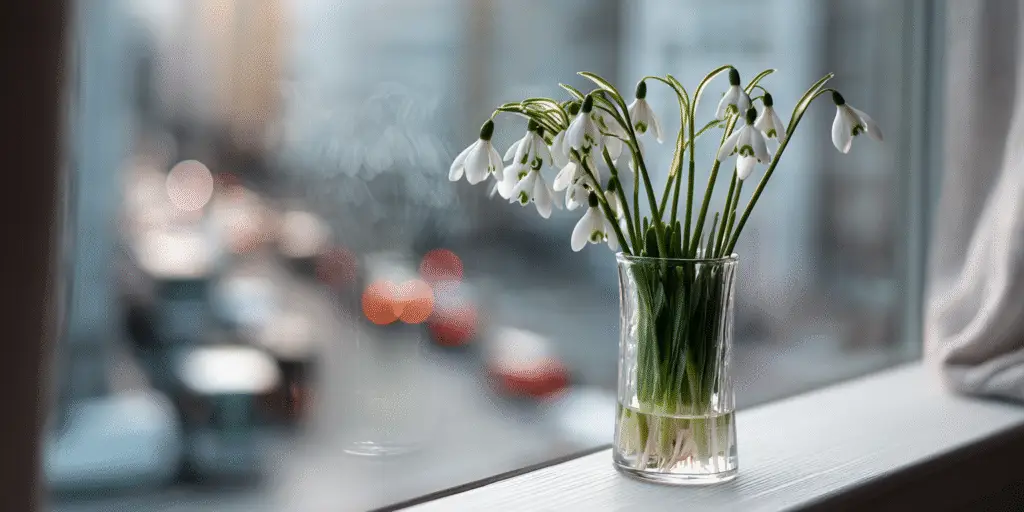
Snowdrops are short-lived as cut flowers. In water, they often last about 2 to 3 days indoors, and warmth speeds wilting. If you want to cut a few, pick them when buds are just starting to open. Use clean scissors and place stems in cool water right away. Stems are usually only 4 to 6 inches long, so snowdrops work best in small containers, like a bud vase or a low bowl. Change the water daily, since bacteria can clog the thin stems quickly. Some gardeners condition the stems for an hour or two in a cool, dark place before arranging. For a slightly longer display, a clump can be lifted and set in a shallow dish with moist sand or water, with bulbs attached, then replanted afterward. Snowdrops, like daffodils, release a little sap when cut. If you mix them with other flowers, let stems sit in water separately for a short time first. For longer enjoyment indoors, it usually works better to grow snowdrops in a pot and bring the pot into view while they bloom, rather than relying on cut stems.
Pests and diseases
Snowdrops are usually trouble-free, with few serious pest or disease problems. Their early growth helps, since many pests are not active yet, and the bulbs contain compounds that animals tend to avoid. Problems do happen occasionally, mostly related to disturbed bulbs, bulb-feeding larvae, or fungal rot in wet conditions.
Deer and rabbits usually ignore snowdrops. The same bitter compounds that make the plant unsafe to eat also make it unappealing to browsing animals. Voles and mice more often target other bulbs, but they can still disturb plantings while tunneling. Moles do not eat bulbs, yet their digging can lift bulbs out of place. Squirrels sometimes dig in bulb beds and may toss a bulb aside. If you find bulbs exposed, replant them and firm the soil. In most gardens, animal damage is minor.
Few insects feed heavily on snowdrops, but bulb flies are worth knowing about. The large narcissus bulb fly (Merodon equestris) and related species can lay eggs on bulbs in summer, and the larvae can hollow out a bulb. Signs include weak growth, missing blooms, and bulbs that feel soft or empty. Control is mostly practical: remove and discard badly damaged bulbs and avoid leaving bulbs exposed in summer. Slugs and snails may nibble leaves or flowers during mild, wet weather, though cold conditions often keep damage low.
Fungal problems are uncommon, but they show up in cool, wet springs or overcrowded plantings. A gray mold specific to snowdrops, caused by Botrytis galanthina, can rot shoots and flowers. Remove affected growth and do not compost it. Better airflow and avoiding overhead watering help. Bulbs can also rot at the base in warm, wet soil, sometimes linked to Fusarium. Good drainage and careful handling at planting time are the best prevention.
Most gardeners never need pesticides or fungicides for snowdrops. Plant in well-drained soil, avoid summer irrigation where the bulbs rest, and clear away dead foliage once it has fully yellowed. If you have had rot in one spot, move new bulbs to a drier area. Starting with firm, healthy bulbs from a reputable source also reduces problems.
A separate, non-plant issue is skin irritation from bulb handling. Some gardeners get a rash after planting or dividing many bulbs. Gloves prevent most reactions.
Overall, snowdrops are reliable bulbs with low pest pressure. Deer and rabbits tend to leave them alone, and disease is usually tied to excess moisture and poor airflow. If you give them drainage, cool-season moisture, and a dry-ish summer rest, they typically come back and spread with little help.
Flower photos

FAQ
When is the best time to plant snowdrop bulbs?
Plant snowdrop bulbs in fall, usually September or October, so roots form before winter. If you buy bulbs “in the green” in late winter or early spring, plant them right away. Do not let bulbs dry out. Plant about 2 to 3 inches deep in well-drained soil.
Do snowdrops come back every year?
Yes. Snowdrops are perennial bulbs that return each late winter or early spring in roughly USDA zones 3 to 8. They often multiply into larger clumps over time. Let foliage die back naturally after bloom so bulbs can store energy for next year.
Can I grow snowdrops in pots or indoors?
Snowdrops grow well in containers, but they still need winter chill. Plant bulbs in a pot in autumn and keep it outdoors or in an unheated place over winter. Forcing indoors is possible but less predictable, and blooms are short-lived. Many people simply bring a blooming pot into view for a few days, then return it outside.
Why are my snowdrops not blooming well?
Overcrowding is common. Old clumps can produce more leaves and fewer flowers, and division after bloom often helps. Too much shade during the growing season can also reduce flowering. Bulbs planted too late, stored too long, or sitting in wet soil may weaken. In warm climates, mild winters can limit flowering because bulbs do not get enough chill.
Are snowdrops poisonous to touch or only if eaten?
The main risk is eating the plant. Touching leaves and flowers is usually fine. Some people get mild skin irritation from bulb juices during planting or dividing, so gloves help. Do not eat any part of the plant, and keep pets from chewing bulbs.
Interesting tips
- Plant snowdrops “in the green” when you can. Freshly lifted bulbs right after flowering usually establish better than dry bulbs, which can dehydrate in storage. If you plant in fall, get bulbs into the ground soon after purchase.
- Let the foliage die back on its own. The leaves feed the bulb for next year. Avoid braiding, tying, or cutting leaves early. If snowdrops grow in a lawn, delay mowing until foliage has yellowed.
- Pair snowdrops with other early bloomers that like similar conditions. Winter aconite (Eranthis), crocuses, witch hazel, and hellebores can overlap nicely, so you get more than one thing happening in late winter.
- Snowdrops handle frost well. They can keep growing through cold snaps and may bloom through light snow on milder days. Cold weather can also slow the flowers down, which helps them last.
- Use snowdrops where browsing animals are a problem. Deer and rabbits usually avoid them, and many bulb-eating rodents also leave them alone. They can be useful around more tempting spring bulbs.
- In some places, snowdrops are treated as a January birth flower, often alongside carnation. If you want to give them as a gift, a small pot works better than cut stems.
- Snowdrops have a collector following. You may see the term “galanthophile” for people who trade and collect named cultivars with subtle differences in markings and form. Some rare types can sell for high prices, especially in the UK, where snowdrop walks and late-winter displays are common.
- A medicine compound called galantamine was originally extracted from snowdrop bulbs and is used in treatments for Alzheimer’s disease. That does not make the plant safe to eat. Snowdrops are still poisonous on their own.
Related Guides & Flowers
Daffodils
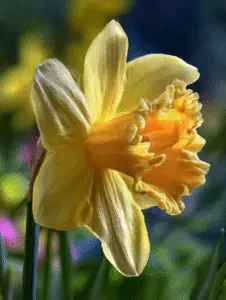
(Narcissus), fellow Amaryllidaceae bulb and classic late-winter partner for woodland drifts; natural pairing for early color.
Bellflower (Campanula), nodding, bell-shaped blooms that echo snowdrops’ form; good for cool, semi-shaded borders.
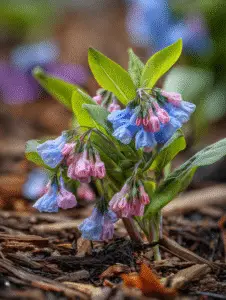
Virginia Bluebells
(Mertensia virginica), spring ephemeral for dappled woodland; carpets beautifully around bulbs.
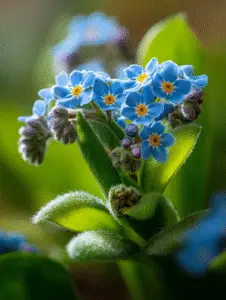
Forget-me-nots
(Myosotis), low, airy companion that fills in after snowdrops fade; soft blue contrasts white bells.
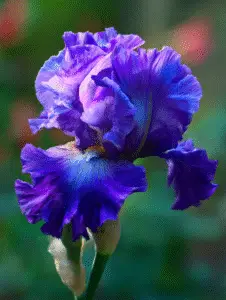
Irises
include early dwarf types for late-winter to early-spring interest alongside snowdrops.
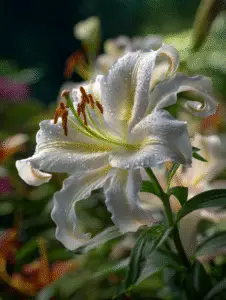
Lily (Lilium)
later-season bulb for succession planting; keeps the “bulb storyline” going into summer.
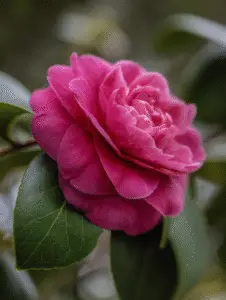
Camellia
glossy evergreen shrub with winter-spring flowers; complements snowdrops in shaded, acid beds.
References
- NC State Extension Plant Toolbox – Galanthus nivalis: concise profile with bloom window and note that bulbs are toxic if eaten.
- Kew Science (Plants of the World Online) – Galanthus nivalis: authoritative taxonomy and native range from Pyrenees to Ukraine.
- Kew – “Common snowdrop”: accessible overview; name meaning and early-flowering context.
- RHS – “How to grow snowdrops”: practical UK-based growing guide with quick facts on planting time, aspect, size.
- Missouri Botanical Garden Plant Finder – Galanthus nivalis: U.S.-friendly cultural notes and phenology; “harbinger of spring.”
- ASPCApro – “Spring-blooming bulbs: A year-round problem”: veterinary brief that includes Galanthus nivalis among GI-irritant bulbs; use for toxicity context.
Enjoying our flower guides? Add YourFlowersGuide as a preferred source on Google. It helps more readers find us.
Add to Preferred Sources