returns in
184
days
Bloom calendar
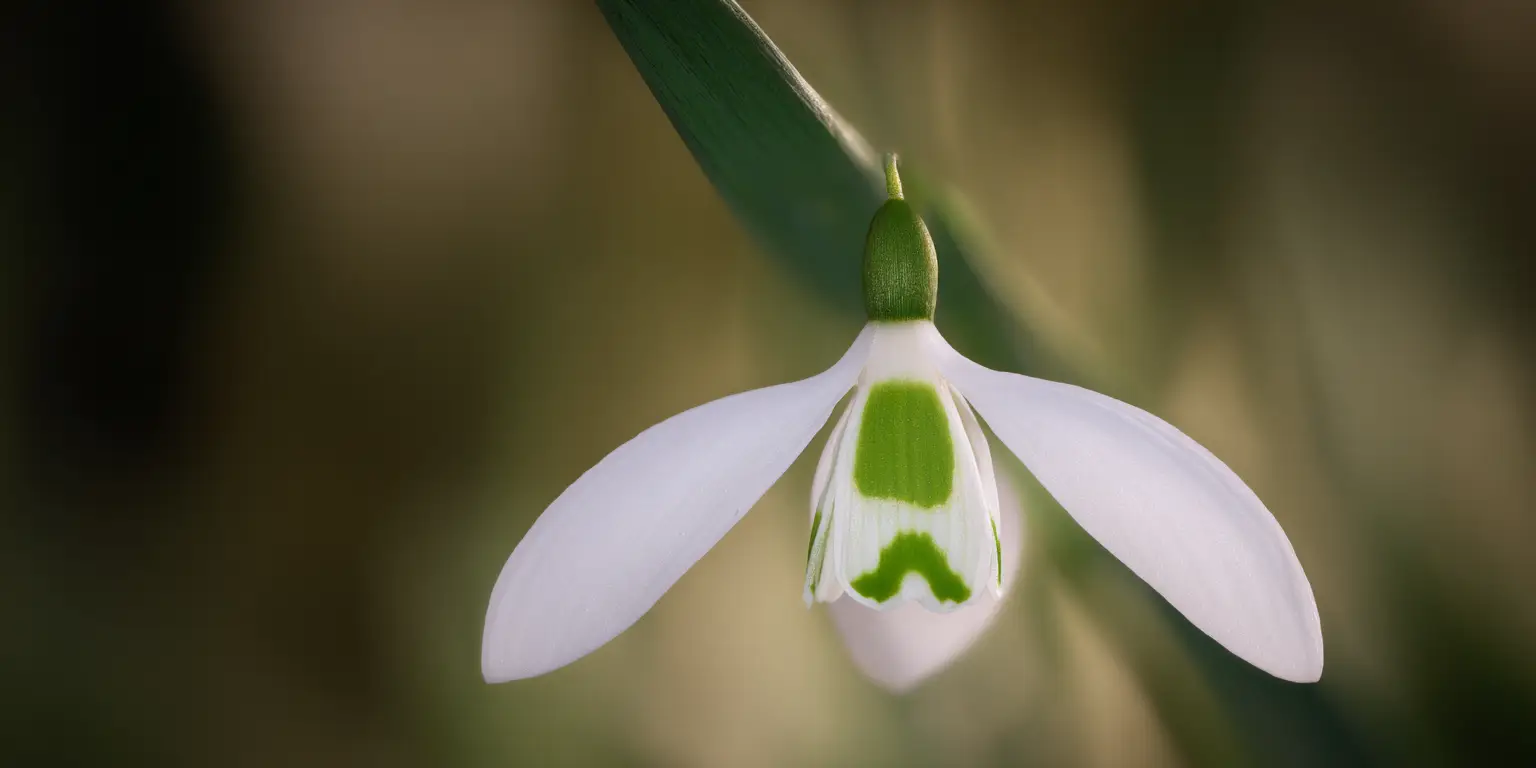
Galanthus elwesii
Species
At‑a‑glance
- Group/Class: Species
- Height × spread: 6–12 in × 3–6 in (15–30 cm × 8–15 cm)
- Bloom window: February to March
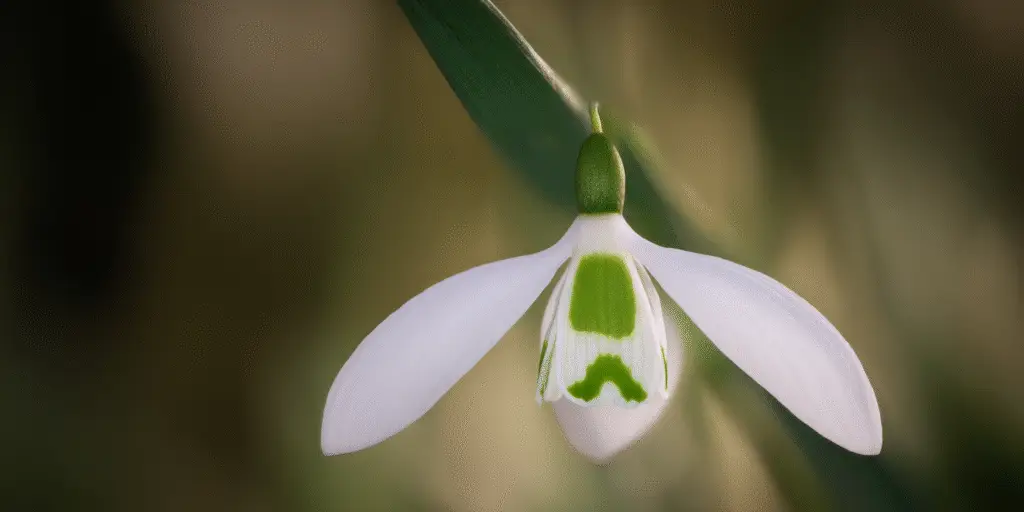
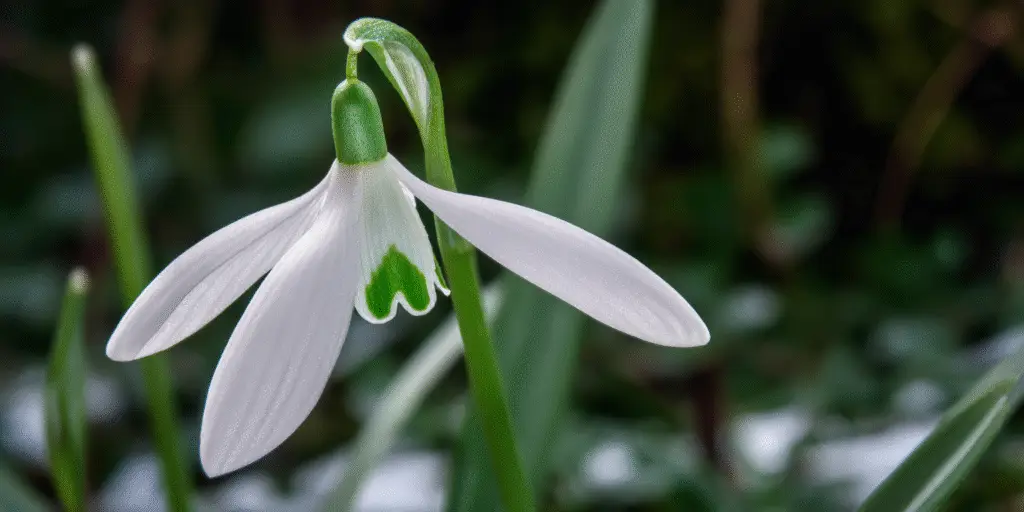
- Color & flower form: White single, prominent basal and apical green marks on inner segments
- Fragrance: 2 noticeable
- USDA hardiness: zones 4–7
- Breeder / Year / Origin: unknown
- Awards/registration: RHS Award of Garden Merit
- Pet safety: avoid
How it differs
- Larger flowers and leaves than the common snowdrop
- Typically slightly taller stance in bloom
- Bold inner segment markings are more conspicuous
- Similar timing but with showier display in many gardens
Strengths
- Showy flowers that read well at a distance
- Cold‑tolerant and dependable in late winter
- Naturalizes in cool, humus‑rich soils
- Deer and rodent resistant in most settings
Care in one minute
Site in partial shade with winter sun.
Provide moist, well‑drained, humus‑rich soil.
Plant bulbs in fall 3 in deep and 3 to 4 in apart.
Water during dry autumns while rooting; avoid soggy soils.
Allow foliage to mature and yellow before removal.
Divide clumps only when flowering declines.
Watch‑outs
- Somewhat short‑lived south of Zone 7
- Poor drainage can lead to bulb rot
- Vulnerable to narcissus bulb fly in some regions
Best uses (tags)
Provenance note
Named for Henry John Elwes; wild populations occur in western Turkey and nearby regions.
References
- Royal Horticultural Society – Galanthus elwesii
- Missouri Botanical Garden – Galanthus elwesii
- Kew POWO – Galanthus elwesii (taxonomy)
- NC State Extension – Galanthus elwesii (toxicity note)
Similar Flowers

Enjoying our flower guides? Add YourFlowersGuide as a preferred source on Google. It helps more readers find us.
Add to Preferred Sources