returns in
184
days
Bloom calendar
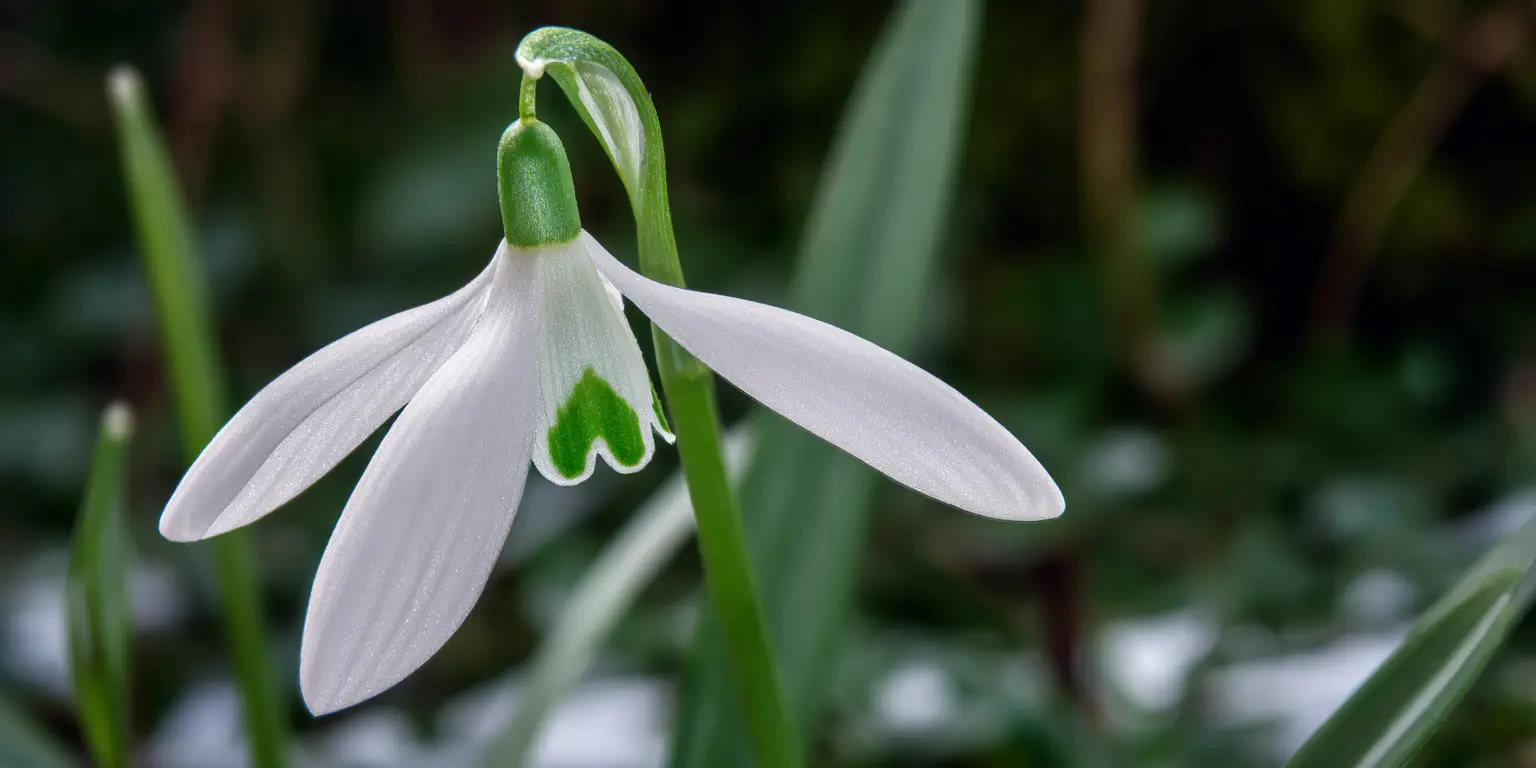
Galanthus woronowii
Species
At‑a‑glance
- Group/Class: Species
- Height × spread: 4–6 in × unknown / varies by site (10–15 cm × varies)
- Bloom window: February to March
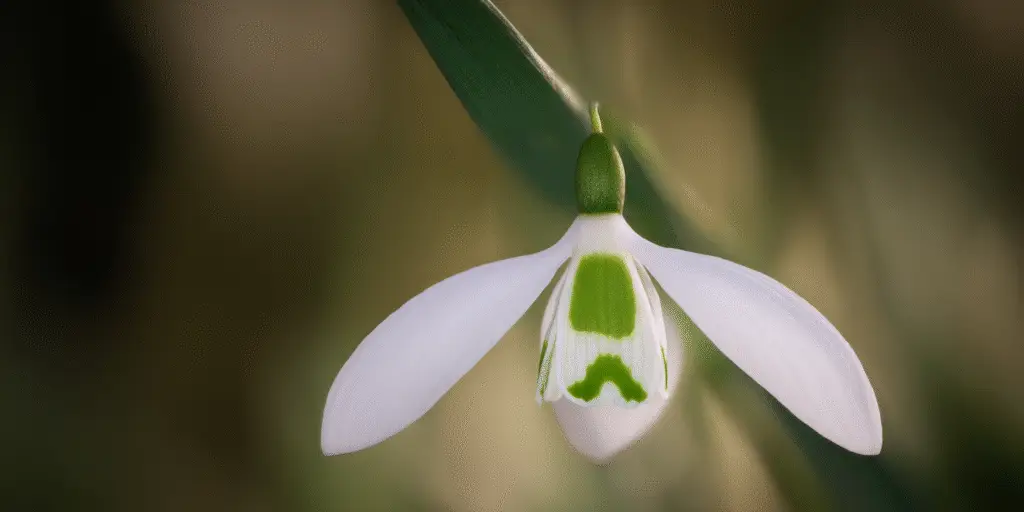
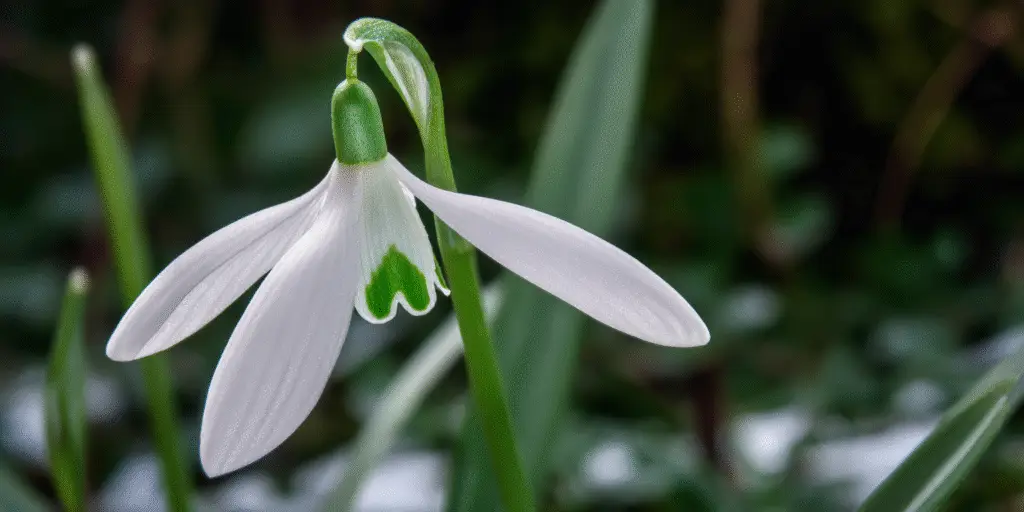
- Color & flower form: White single; inner segments with green marking; bright green leaves
- Fragrance: 2 noticeable
- USDA hardiness: zones 5–6
- Breeder / Year / Origin: unknown
- Awards/registration: RHS Award of Garden Merit
- Pet safety: avoid
How it differs
- Leaves are bright, glossy green rather than grey‑green
- Compact stature compared with many cultivated forms
- Often flowers in the same window but with distinctive foliage effect
- Narrower hardiness range than the common snowdrop in North America
Strengths
- Glossy foliage adds winter interest
- Good for naturalizing in cool, moist sites
- Deer and rodent resistant
- Cold‑tolerant within its hardiness range
Care in one minute
Choose partial shade with winter sun.
Provide moist, well‑drained soil rich in organic matter.
Plant bulbs in fall 2 to 3 in deep; keep soil evenly moist while rooting.
Let foliage mature fully before cleanup.
Mulch lightly to moderate soil temperature and conserve moisture.
Watch‑outs
- Less hardy in very cold interiors; outside zones 5–6 performance declines
- Bulbs resent drying and waterlogging; ensure steady moisture with drainage
Best uses (tags)
Provenance note
Native to the Caucasus and northeastern Turkey; widely grown for its distinctive foliage.
References
- Royal Horticultural Society – Galanthus woronowii
- Chicago Botanic Garden – Galanthus woronowii (zones 5-6)
- Kew POWO – Galanthus woronowii (taxonomy)
Similar Flowers

Enjoying our flower guides? Add YourFlowersGuide as a preferred source on Google. It helps more readers find us.
Add to Preferred Sources