Most common today
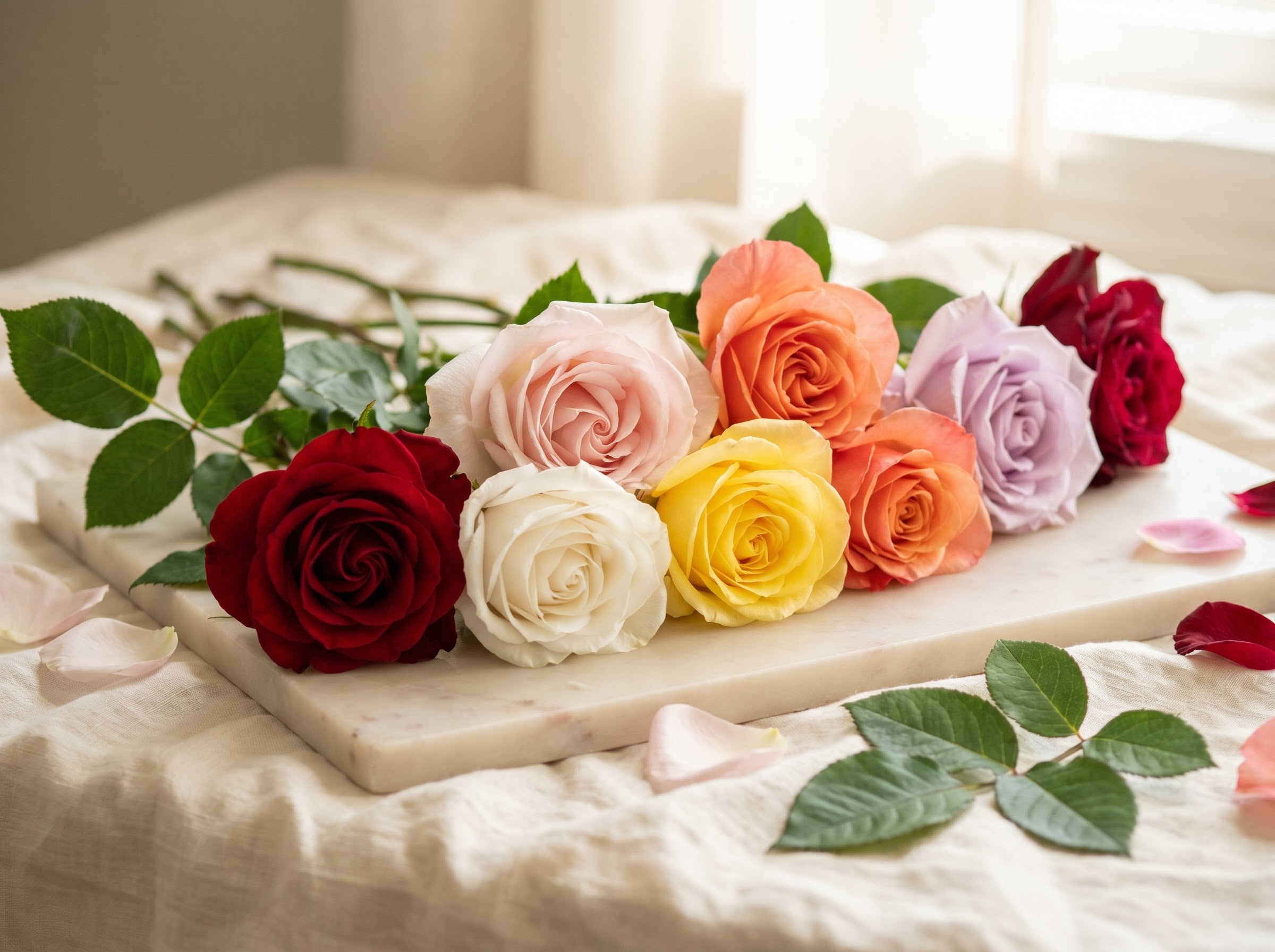
Love in nearly every form, with the precise message set by the colour you choose. A rose on its own carries love, beauty, and deep feeling, then waits for the colour to finish the thought.
The Victorian reading
In the Victorian language of flowers the rose sat at the very center of the whole system, and a red rose by itself was a plain declaration of romantic love. The colours grew up around that anchor as a way to say more without changing the flower.
The colour spectrum, at a glance
What to write on the card
For someone you love: “A dozen reasons, all of them you.”
Hand someone a dozen red roses and you have said one thing; hand them a dozen yellow ones and you have said something quite different, even though the flower is identical. That gap is the whole subject in miniature. A rose means love at its core, and almost every other rose meaning is a variation on that one note, tuned by the colour you pick. Red is romantic love, white is purity and remembrance, pink is gratitude and gentle affection, yellow is friendship. The colour does most of the talking. Below you will find the honest reading of each rose colour, the settled answer to the famous fight over what a yellow rose means, and the number tradition explained, with a clear note on which parts are old custom and which are modern florist marketing.
Rose colour meaning is, by a wide margin, the most agreed-upon corner of the whole language of flowers. Where the meaning of, say, a hydrangea or a marigold swings wildly between sources, the basic rose colours line up fairly consistently across the lists. That is good news. It is still not the same as official or universal, though, and a frank account is more useful than a confident chart that pretends there are no soft spots.
What a rose means, before colour
Strip away the colour and a rose is the flower of love in nearly every form it takes. In the Victorian language of flowers it sat at the very center, and a red rose by itself was a plain declaration of romantic love. That weight is old. The rose was tied to Venus in ancient Rome, and the Roman phrase “sub rosa,” literally under the rose, meant something said in confidence; it survives in English as the phrase “under the rose,” meaning in secret. England later took the rose as its national flower, and the Tudor rose became a state emblem.
What the rose does not carry, on its own, is a fixed single sentence. It carries a mood, love, beauty, deep feeling, and then waits for the colour to finish the thought. So when someone asks what a rose symbolizes, the truest answer is that it symbolizes love and then asks you a question back: which kind, and how. That is also why roses sit at the center of the wider tradition. When the Victorians built out their elaborate language of flowers, much of which came together in France before it became a British craze, the rose was the anchor everyone agreed on, and the colours grew up around it as a way to say more without changing the flower. The rest of this guide answers that question colour by colour. If you want the plant itself, how it grows, the varieties, the care, our full guide to roses covers that side.
Rose colour meanings, one by one
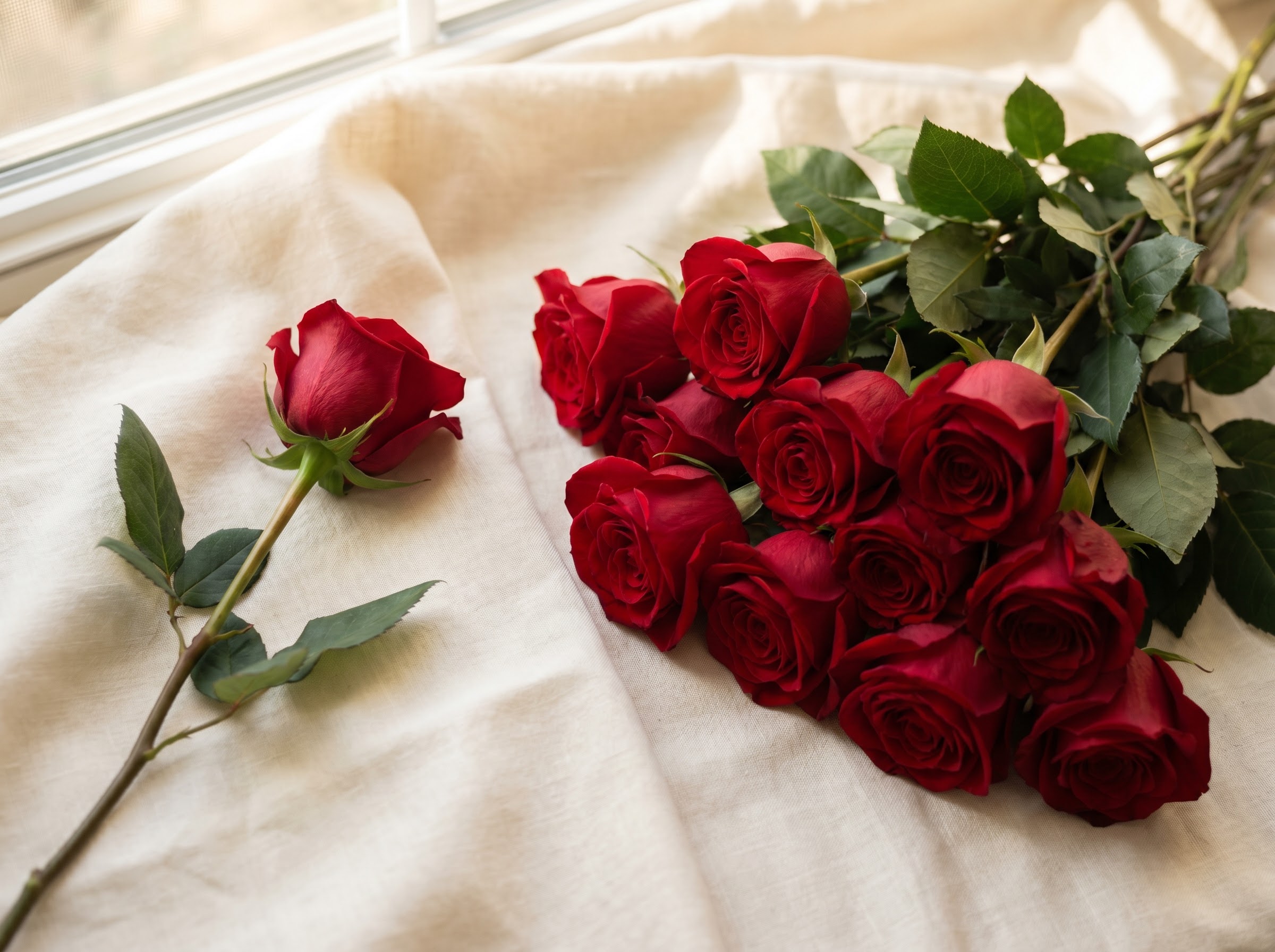
Red is the one everyone knows, and it earns the reputation. A red rose reads as romantic love and desire, the clearest “I love you” in the flower world, and it has meant that consistently for a very long time. This is the one rose meaning you can send to anyone, anywhere, and trust will land the way you intend. There is some quiet shading even here, since a single red rose feels intimate and focused while a great armful tips into grand romantic statement, but the core message holds either way. White roses point a different direction, toward purity and new beginnings, which is why they suit weddings, and toward remembrance, which is why they also belong at funerals and memorials. The same white rose can grace a bride and console a mourner, decided entirely by the setting around it, so context does more work with white than with any other rose colour.
Pink roses are the gentler middle of the family. They carry gratitude, admiration, and a soft, unromantic affection, which makes them the safe and lovely choice for a thank-you, a friend, a mother, or anyone you care for without wanting to declare passion. Orange roses turn up the volume in the other direction, reading as fascination, enthusiasm, and energy, a warmer and more excitable cousin of red. Lavender roses are the dreamy outlier, traditionally tied to enchantment and love at first sight, a little formal and a little fairy-tale, often given when an attraction is new and slightly dazzled. A very deep crimson rose, darker than ordinary red, leans toward mourning and lasting devotion, a heavier note than bright red’s straightforward romance.
Three more colours come up constantly and deserve honesty about where their meanings come from. In modern florist convention, peach roses are read as sincerity, gratitude, and modesty, a warm and slightly more grown-up version of pink, and florists sometimes attach them to gentler messages like appreciation or a quiet “thinking of you.” There is no true black rose in nature; what gets sold as one is a very dark red or burgundy bloom, sometimes dyed, and the modern gifting convention runs its meaning to farewell, endings, or, read more hopefully, rebellion and the start of something new. Blue roses do not occur naturally either, so a blue rose is dyed or one of the lavender-toned cultivars, and the meaning florists give it is exactly that quality of not-quite-real: mystery, the unattainable, the impossible made briefly visible. Treat those three as recent florist convention rather than settled custom, because they are newer and softer than the classic colours above.
Here is the whole rose-colour family in one place, with the meaning most people use today and a plain note on how solid each one is. The note matters as much as the meaning, because it tells you which colours you can send blind and which carry a soft edge worth knowing about.
| Rose colour | Common meaning today | Note |
|---|---|---|
| Red | Romantic love and desire | The clearest “I love you.” Consistent across sources and centuries. |
| White | Purity, new beginnings, and remembrance | Reads as a wedding flower or a memorial one. The setting decides which. |
| Pink | Gratitude, admiration, and gentle affection | Warm but not romantic. The safe gift for a friend, mother, or thank-you. |
| Yellow | Friendship and joy | Modern reading. Victorian lists read it as jealousy or fading love. See below. |
| Orange | Fascination and enthusiasm | A warmer, more excitable cousin of red. Good for new energy. |
| Lavender | Enchantment and love at first sight | Dreamy and a little formal. Suits a new, slightly dazzled attraction. |
| Deep crimson | Mourning and lasting devotion | Darker than bright red and heavier in tone, edging toward grief. |
| Peach | Sincerity, gratitude, and modesty | Modern florist convention, softer than pink. Less settled than the classics. |
| Black | Farewell, endings, or rebellion | No true black rose exists; it is dark red or dyed. A recent, dramatic gifting tradition. |
| Blue (dyed) | Mystery and the unattainable | No natural blue rose; it is dyed or lavender-toned. A modern florist convention. |
The yellow rose, settled
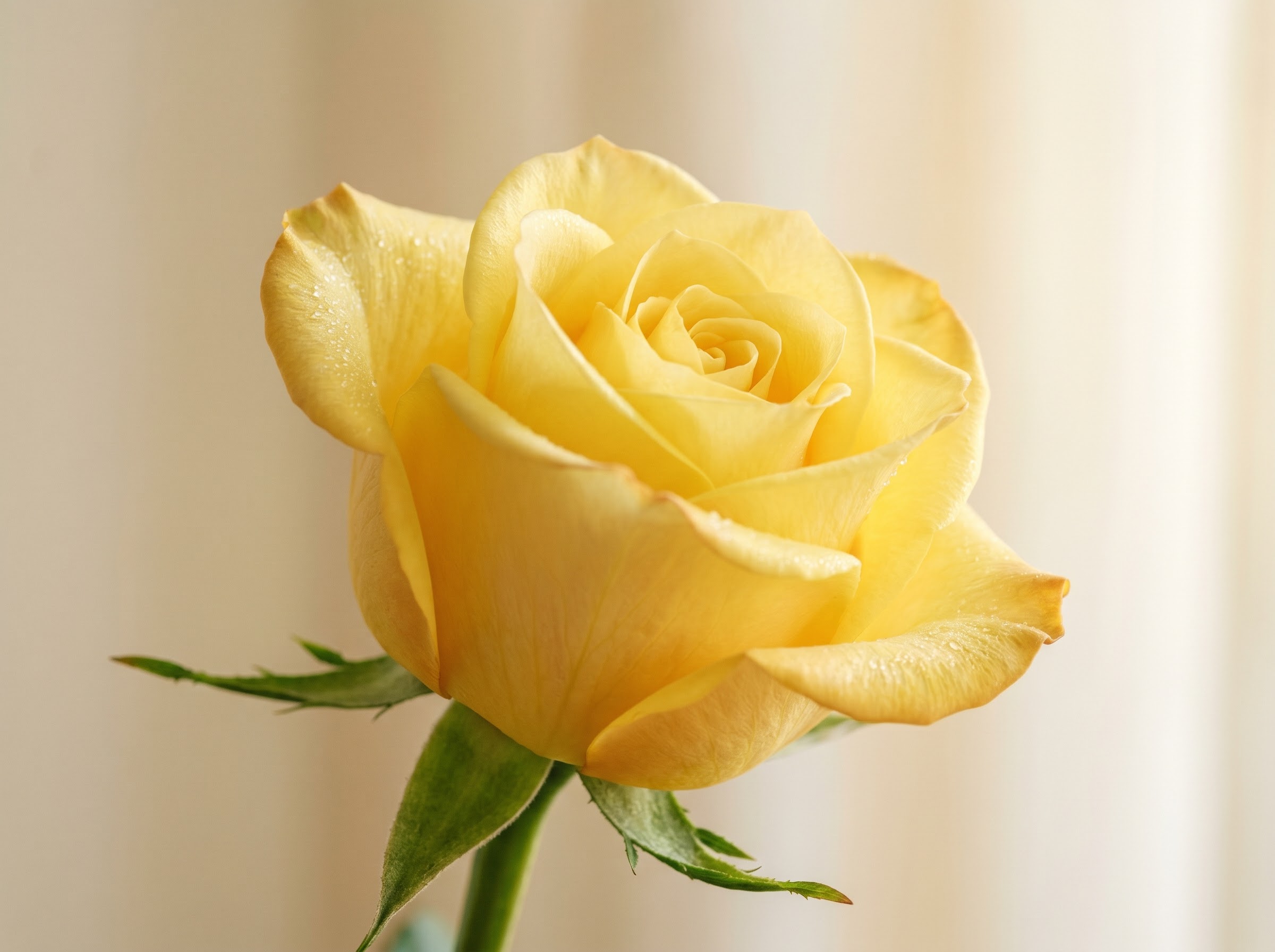
This is the rose meaning people fight about, and the fight is real. Search for it and you will get friendship on one page, jealousy on the next, and “sorry” or even death on a third. Today a yellow rose means friendship and joy, and that is how nearly everyone you give one to will read it. The older Victorian lists are where the darker readings come from, because in that vocabulary a yellow rose could signal jealousy or a love that was cooling. Both meanings are genuine; what changed is the century reading them, as the yellow rose drifted from a quiet warning into a warm gesture over a hundred or so years.
So if you are choosing for now, send yellow roses to a friend, a recovering patient, or anyone you want to cheer, with confidence, and do not lose sleep over the Victorian baggage. The only time the old reading matters is if you are giving them to someone deeply versed in nineteenth-century symbolism, which is to say almost no one. The shift from jealousy to friendship is the single best example of why no flower meaning is permanent, and why the era you read it in decides the answer as much as the flower does. Our wider guide to flower colour meanings shows the same colour-flips happening across the rest of the flower world.
The number of roses, and where that tradition really comes from
Beyond colour, people ask what the number of roses means, especially around Valentine’s Day and anniversaries. There is a tradition here, though it is looser than it looks, and it is best understood as modern florist convention rather than ancient symbolism, useful as a shared shorthand and not as a hidden code most recipients will decode. By this gifting custom a single rose says “you are the one,” a focused and romantic gesture often read as love at first sight. Three roses are commonly given as a simple “I love you.” Six roses suggest infatuation or “I want to be yours.”
The dozen is the one that actually carries weight in real life. Twelve roses, a full dozen, is the standard romantic gift in this convention, read as complete devotion and “be mine,” and it is by far the most common way roses are sold and given for love. Two dozen, twenty-four, stretches that into “I am yours around the clock,” every hour of the day. In practice most people register the colour and the generosity of the bunch, and a big armful of red roses reads as serious love no matter the exact count. The number adds a private layer of meaning for the giver more than a public one for the receiver.
| Number of roses | Traditional message |
|---|---|
| 1 | You are the one; love at first sight |
| 3 | I love you |
| 6 | I want to be yours; infatuation |
| 12 (a dozen) | Be mine; complete devotion, the classic romantic gift |
| 24 (two dozen) | I am yours around the clock |
Read that table as a guide to intent rather than a rule the recipient will grade you on, because almost no one counts the stems and looks up the answer. The number is real as a giving custom, mostly promoted by florists and gift guides, and it gives you a quiet way to mean something specific. It is not old symbolism handed down through the centuries the way the colour meanings are. If you want the fuller breakdown of what each quantity traditionally signals, including the less common counts people ask about, our guide to the number of roses meaning lays it out number by number.
How to choose, and the one honest caveat
Pick the colour for the message and you will rarely go wrong. Red for love you mean romantically, pink for warm gratitude and friendship without the romance, white for a wedding or a memorial, yellow to cheer a friend, orange for excitement, lavender for a new and slightly enchanted attraction. Then let the number follow your budget and your nerve, with a dozen as the classic romantic statement and a single stem as an intimate one. None of this requires the recipient to know the code, because the colour itself does the work even for someone who has never read a meaning chart in their life.
The honest caveat is the same one that runs under every flower meaning. Even rose colour, the most standardized part of the whole tradition, is not universal or official. As Iowa State University Extension points out in its own list of flowers and their meanings, the same flower is read different ways by different sources, and roses are simply the corner where those sources happen to agree most. So lean on these readings confidently, especially the well-worn ones like red for love and white for weddings, and treat the rarer colours and the number lore as helpful custom rather than law. The rose has stood for love for a very long time precisely because people kept agreeing it did, and that agreement, not a rulebook, is what makes the meaning real. For the bigger picture of how all of this was invented and why it shifts, start at our hub on the meaning of flowers.
Sources
- Cornell University, Written in Petals: The Language of Flowers, on the history of floriography.
- Iowa State University Extension, Flowers and Their Meanings, on why sources disagree.
More flower meanings
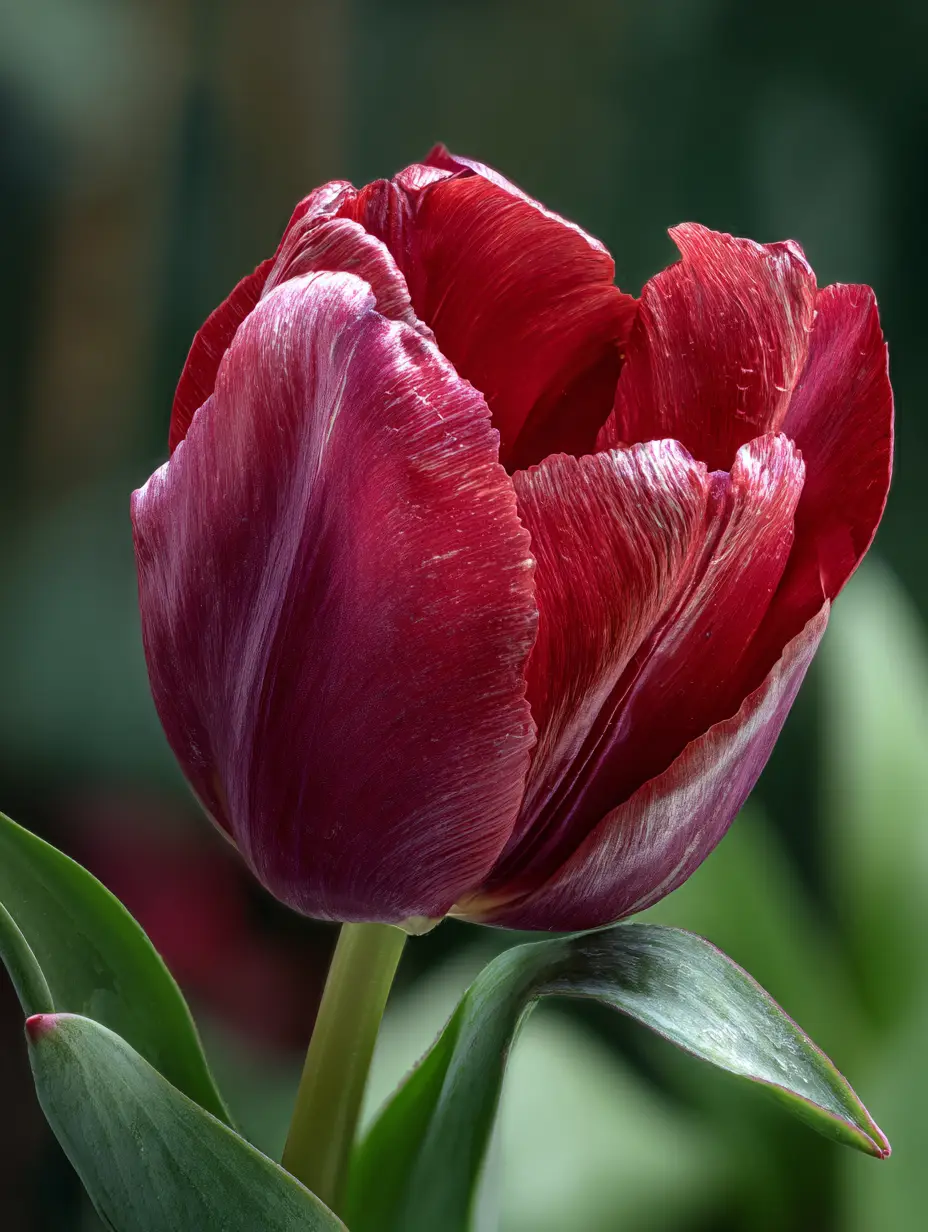 TulipA tulip means love: a deep, perfect, uncomplicated love stated plainly rather than performed, a…
 CarnationLove, fascination, and distinction, in a gentle, devoted register rather than romantic fire. It…
 HydrangeaToday a hydrangea says thank you, sincerely and from somewhere real: heartfelt, genuine emotion…
 Cherry blossomThe beauty and brevity of life caught in one breath: a flower that is dazzling and gone in…
More meaning guides
More About Roses
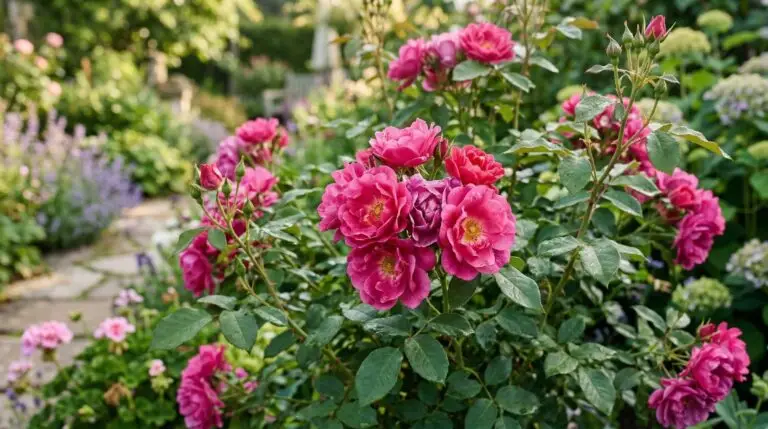 How to grow roses for beginners with disease-resistant varieties that practically care for themselves
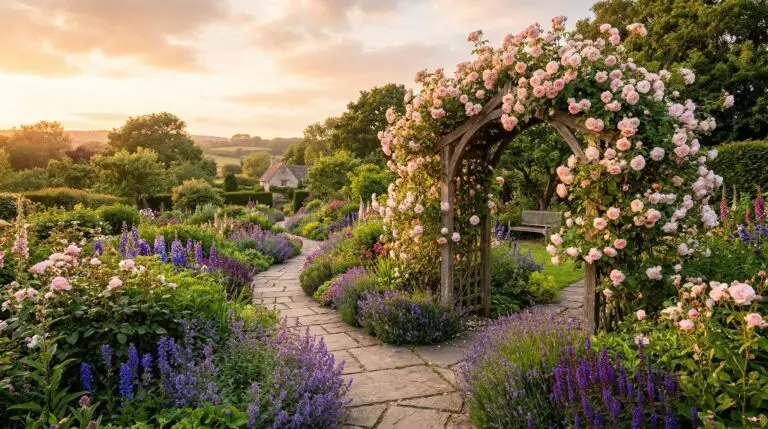 Climbing roses that cover walls arbors and fences with cascading blooms
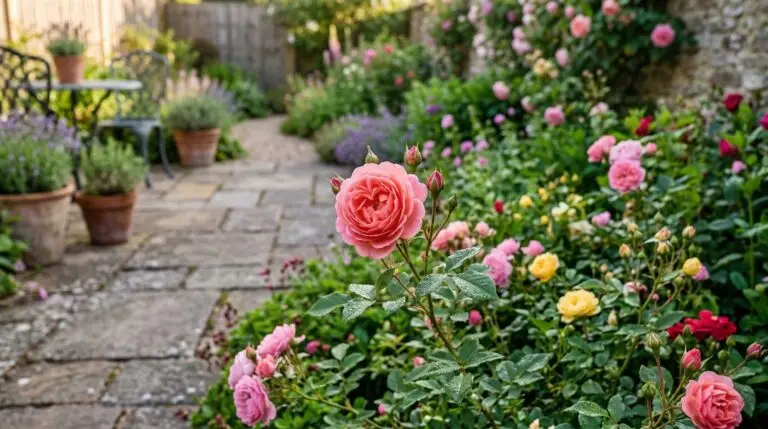 Growing roses in containers for patios balconies and small-space rose gardens
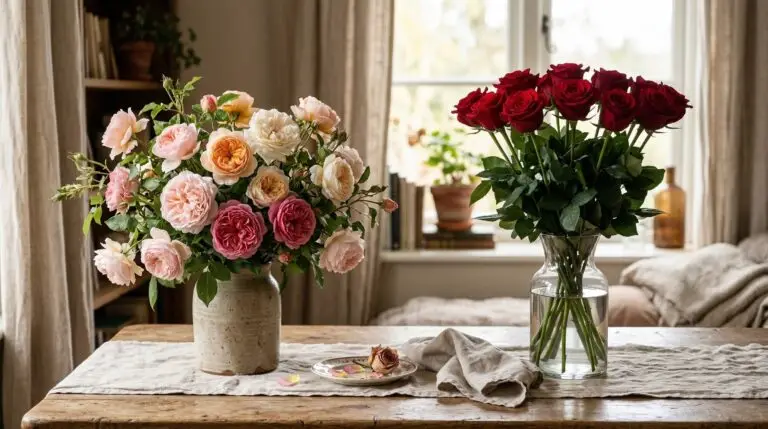 Roses in wedding flowers and the timeless tradition of the bridal rose bouquet
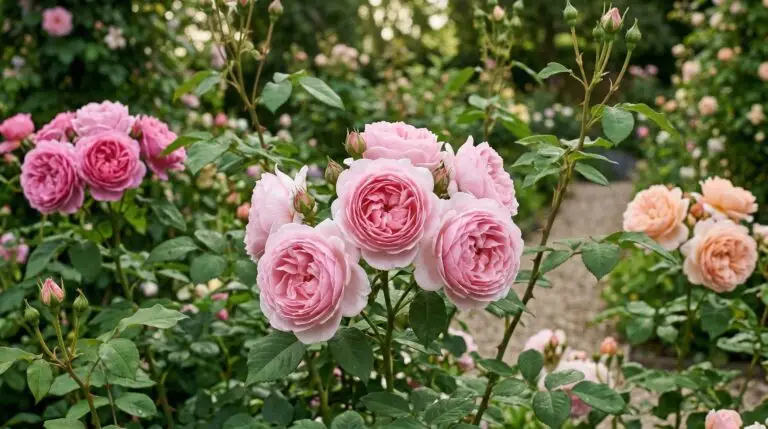 Best David Austin English roses for old-fashioned fragrance and modern disease resistance
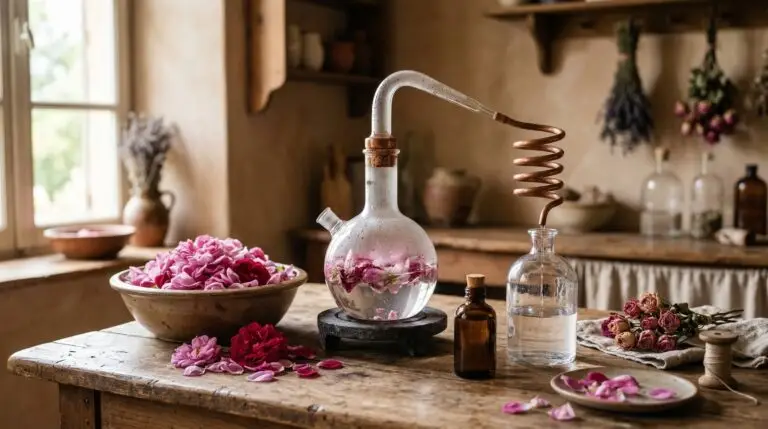 Making rose water and rose petal recipes from your garden’s fragrant harvest
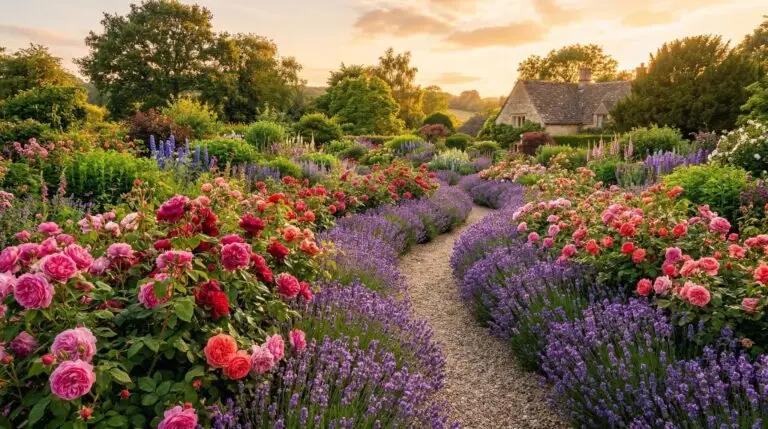 Companion plants for roses: what to grow and what to avoid
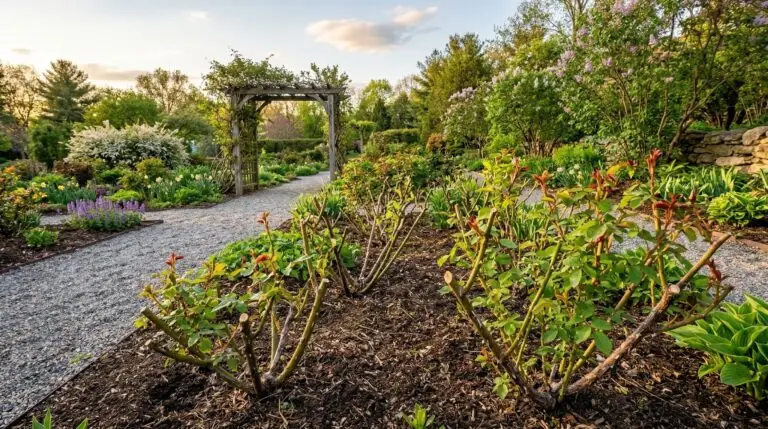 Pruning roses at the right time and the basic cuts every gardener needs to know
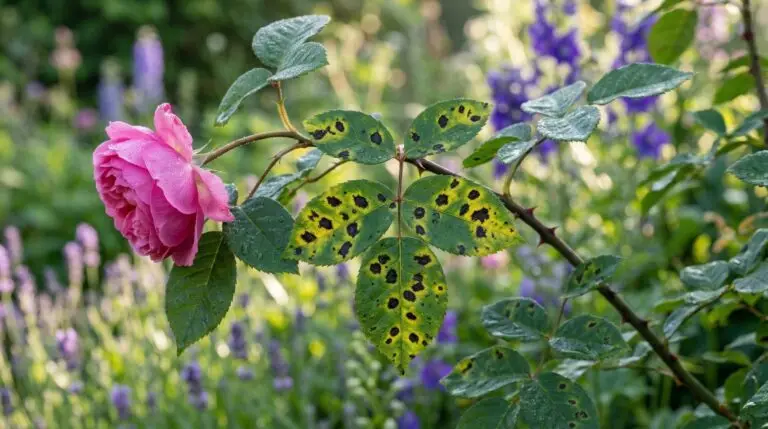 Black spot on roses and the organic approach to the most common rose disease
Enjoying our flower guides? Add YourFlowersGuide as a preferred source on Google. It helps more readers find us.
Add to Preferred Sources