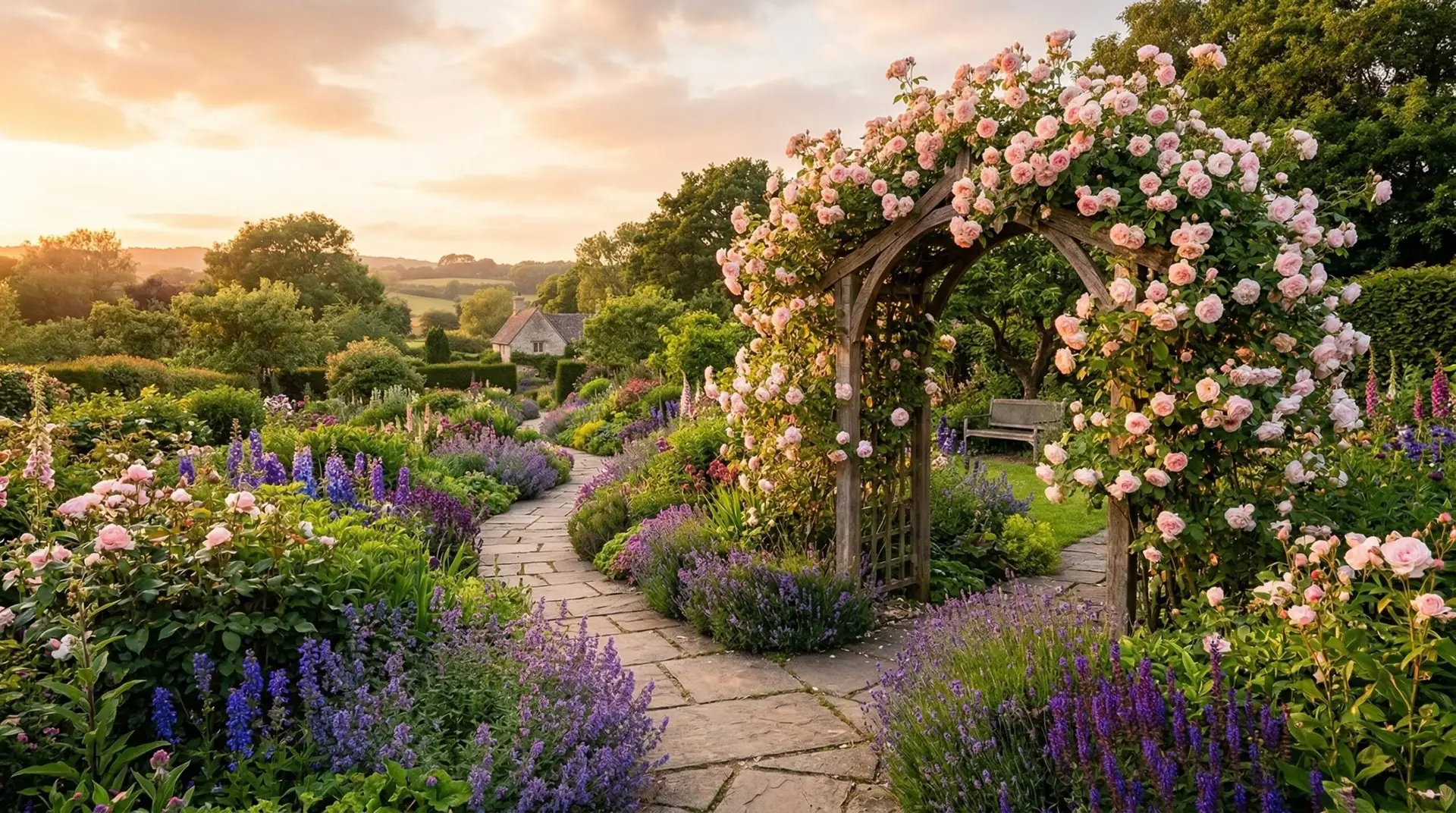
I wish you could stand beside me this morning as the early light catches the dew on the garden arches. The air carries a heavy, sweet perfume that rises from the damp earth and mingles with the rich scent of open blooms. Thick green canes wrap themselves around the weathered wood of the arbor, lifting heavy clusters of petals toward the pale sky. These climbing roses transform the vertical spaces of the yard into walls of living color. Water droplets cling to the waxy, deep green leaves, magnifying the fine veins running through each one. When the morning breeze moves through the yard, a shower of loose petals drifts down to carpet the brick pathway in soft pinks and creamy whites.
Walking beneath these arches feels like stepping into a private, fragrant room built entirely of flowers. The heavy blooms nod downward, brushing against your shoulders and releasing bursts of scent with every movement. A climbing rose does not actually climb by itself, lacking the twining tendrils you might find on a sweetly scented jasmine vine that tightly spirals up a post. Instead, these roses produce long, arching canes that must be patiently tied and guided by human hands. The thick stems reach blindly upward, searching for the sun until they find support on fences, pergolas, or rough stone walls. Once secured, they reward the gardener by creating thick curtains of foliage and flowers that block out the world beyond the garden gate.
Contents 3 sections
Selecting the best climbing roses for fragrance and form
You would immediately notice the difference in character among the varieties growing along the boundary line. The old favorite New Dawn produces flowers in the soft blush pink of a seashell, fading to a pearly white as the sun beats down on the open petals. Its leaves hold a glossy, dark green finish that catches the afternoon light, though you must handle the sharp, hooked thorns with thick leather gloves. Further down the path, the Eden rose opens heavy, cabbage-like blooms that look like antique oil paintings brought to life. The outer petals of Eden are a pale cream, wrapping around a tightly folded center of saturated, warm pink. These enormous flowers carry a subtle, fruity fragrance, and their sheer weight makes them nod gracefully on their stems, perfect for looking up at from a bench placed beneath the archway.
In the shaded corner where the brick wall meets the side of the house, a different kind of rose commands attention. Zephirine Drouhin thrives in this cooler, dimmer light, throwing out long, smooth green canes that are completely free of thorns. Running your bare hands along these pliable stems reveals a smooth, cool surface that makes tying and training a simple pleasure. The flowers emerge in a deep, cerise pink, a color so bright it almost glows against the shadowed brickwork behind it. When these blooms open fully, they release a classic, heavy damask scent that hangs in the still air of the courtyard long after the sun goes down. The papery petals eventually drop, leaving behind a clean green framework ready to produce another flush of bright color.
The physical rhythm of a climbing rose trellis
Building a proper climbing rose trellis requires understanding how these plants want to grow and how the sun dictates their flowering. If you let a rose cane shoot straight up toward the sky, it will only produce flowers at the very top, leaving a bare, woody stem at eye level. The secret lies in bending the flexible new canes horizontally across your support structure while they are still young and pliable. You can feel the slight resistance of the green wood as you arch it parallel to the ground, tying it gently to the wood or wire with soft garden twine. This horizontal tension tricks the plant, causing every dormant bud along the top of the bent cane to think it is the main growing tip. Within weeks, dozens of short, vertical shoots erupt along the horizontal line, each one terminating in a cluster of fat, tightly rolled buds.
The work of securing these canes connects you intimately with the changing seasons in the yard. In late winter, before the leaves emerge, the bare structure of the plant lies exposed, revealing the architectural bones of your tying work. You wrap the twine loosely, leaving room for the cane to thicken as it drinks up the spring rains and swells with new sap. The soil beneath your knees at this time of year feels cold and smells of decaying leaves and wet bark. As the weather warms, the new foliage bursts forth in shades of deep red and bronze before maturing into a solid wall of textured green. You will know the soil is right for these heavy feeders when it feels like a wrung-out sponge in your hand, dark and crumbly, holding moisture without remaining soggy.
Guiding blooms across stone walls and wooden fences
Training roses against a flat surface requires a different approach than wrapping them around an open pillar. A solid stone or brick wall absorbs the heat of the afternoon sun, radiating warmth back onto the plant long into the cool evening hours. You must install horizontal wires across the masonry, keeping them a few inches away from the wall to allow the air to circulate behind the dense foliage. Without this moving air, the moisture from morning fogs would cling to the leaves, inviting the white, powdery dust of mildew to settle on the dark green surfaces. Sometimes, gardeners weave the delicate, twisting stems of a purple flowering clematis through the sturdy rose canes to create a second layer of contrasting color and star-shaped blooms. The thick rose stems provide the perfect living trellis for the lighter vine, their roots sharing the cool, shaded earth at the base of the wall.
The true magic of these climbing structures reveals itself as the daylight begins to fade into a deep, bruised blue. The bright white and pale pink roses seem to gather the last remaining light, glowing faintly against the dark silhouettes of the leaves. The heat of the day lifts from the stone pathways, carrying the concentrated perfume of hundreds of open flowers into the still night air. You can hear the rustle of the dry leaves brushing against the wooden fences as a cool evening breeze moves through the heavy canes. The garden feels enclosed, protected by these tall walls of woven wood and soft petals, waiting quietly for the morning sun to start the cycle all over again.
More About Roses
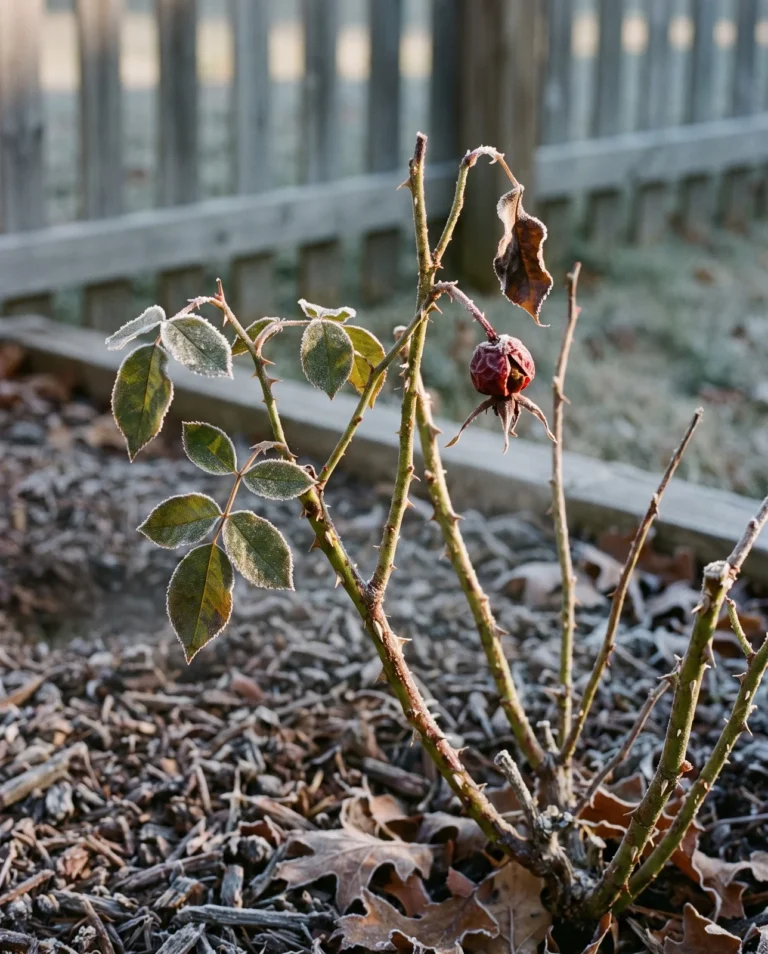
Winterizing roses: mounding, timing, and spring removal
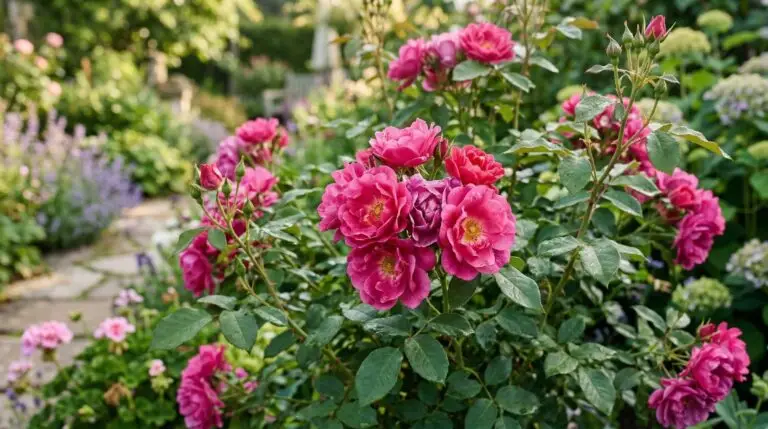
How to grow roses for beginners with disease-resistant varieties that practically care for themselves
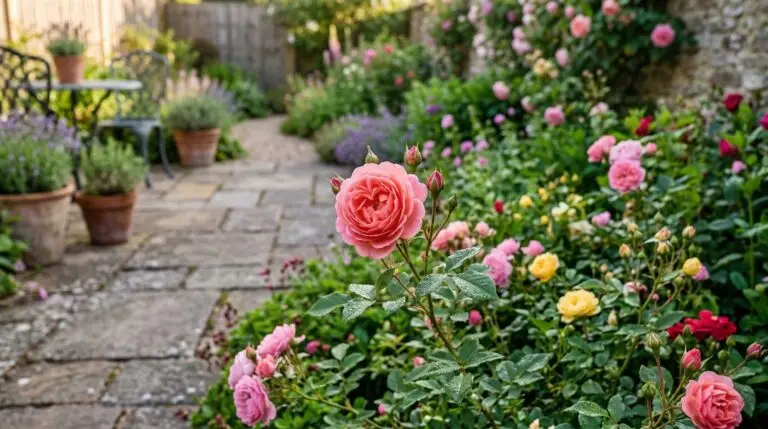
Growing roses in containers for patios balconies and small-space rose gardens

Rose meaning and rose colour meanings, honestly explained
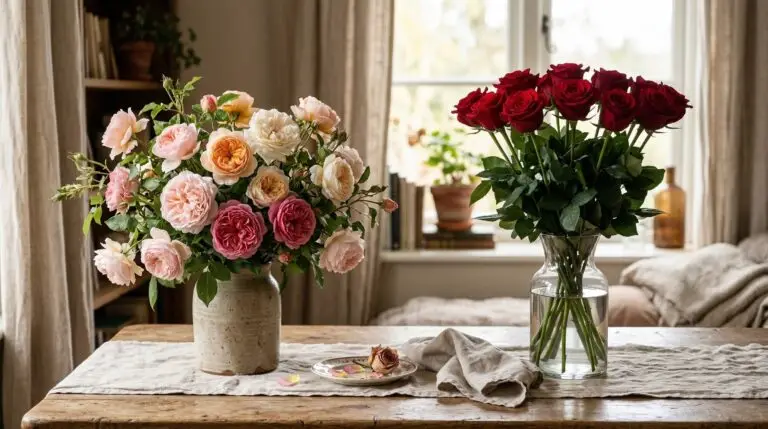
Roses in wedding flowers and the timeless tradition of the bridal rose bouquet
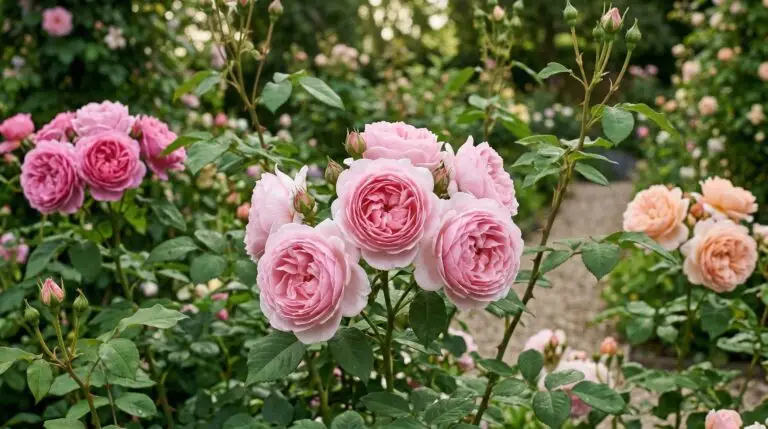
Best David Austin English roses for old-fashioned fragrance and modern disease resistance
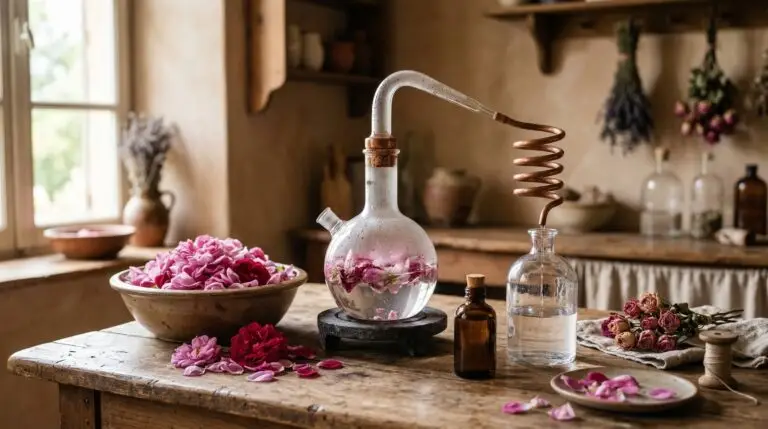
Making rose water and rose petal recipes from your garden’s fragrant harvest
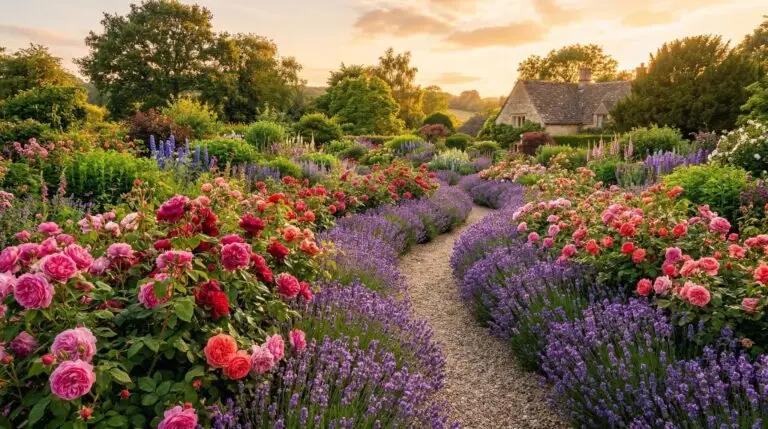
Companion plants for roses: what to grow and what to avoid
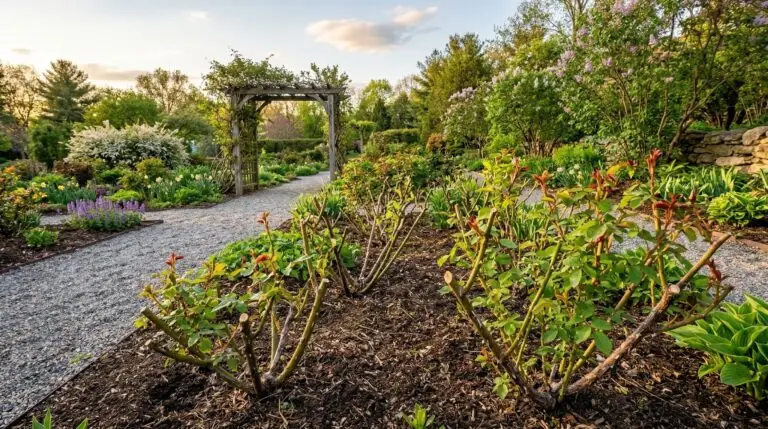
Pruning roses at the right time and the basic cuts every gardener needs to know
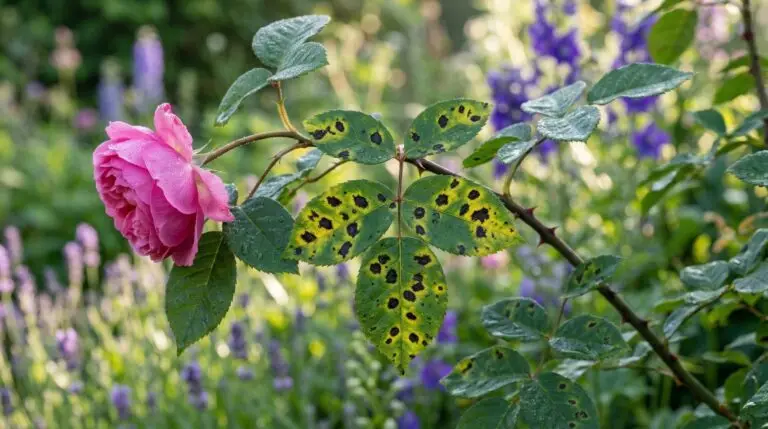
Black spot on roses and the organic approach to the most common rose disease
Enjoying our flower guides? Add YourFlowersGuide as a preferred source on Google. It helps more readers find us.
Add to Preferred Sources