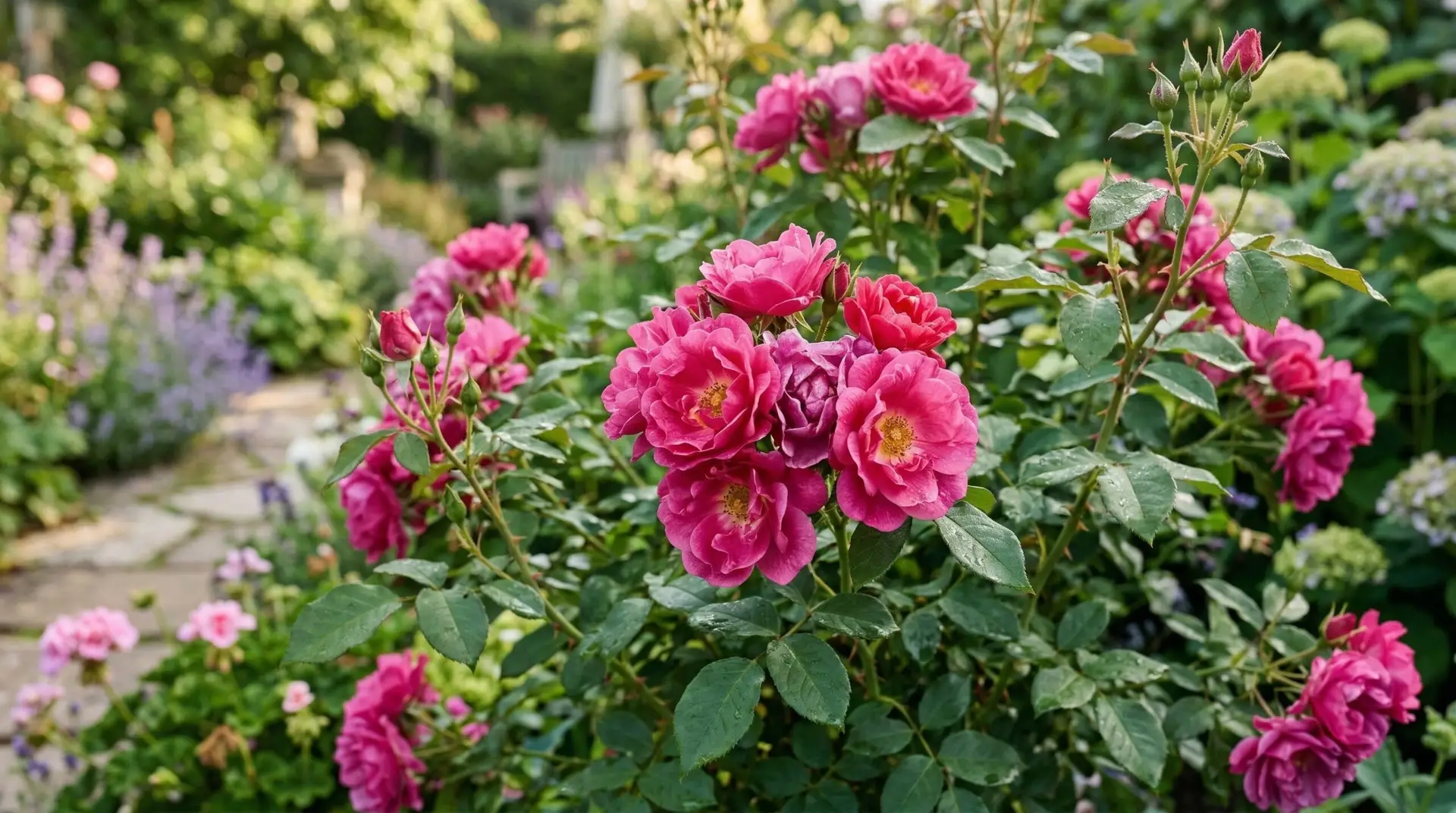
I have spent decades watching gardeners approach roses with a mixture of desire and dread. The traditional hybrid tea, grandiflora, and floribunda roses of the twentieth century earned their reputation as fussy, demanding shrubs that required strict chemical regimens to survive the summer with their leaves intact. Modern breeding has completely changed this reality, making growing roses for beginners entirely achievable without a weekly spray schedule. We are now in an era where the shrub rose functions as a reliable, tough landscape plant rather than a delicate specimen needing constant human intervention. Breeders have focused heavily on plant vigor, cold hardiness, and foliage health, moving away from prioritizing the perfect high-centered exhibition bloom above all else. If you have been hesitant to plant a rose in your garden, you can leave those old fears behind and approach these new cultivars with confidence.
Contents 4 sections
Understanding modern disease resistant roses
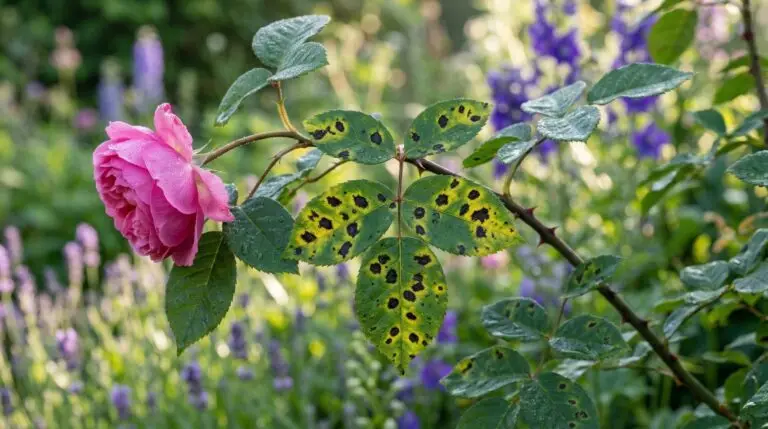
The transformation of the rose market began in earnest with the introduction of the Knock Out series in the early two thousands. William Radler bred these roses specifically for black spot resistance, and they set a new baseline for what horticulturists and home gardeners expect from a landscape shrub. Today, disease resistant roses include several reliable families, such as the ground-hugging Drift series and the exceptionally hardy Oso Easy collection. When professionals talk about disease resistance, we do not mean the plant is entirely immune to every fungal pathogen in the environment. Resistance means the plant possesses genetic traits that allow it to fight off or tolerate infections like black spot, rust, and powdery mildew without losing its vigor or dropping all its leaves. You might still see a few spotted leaves lower on the canes during a particularly humid stretch of weather, but the plant will continue to thrive and push new growth. These easy roses are also generally self-cleaning, meaning they drop their spent petals cleanly rather than holding onto rotting blossoms that invite botrytis blight.
Site selection and soil preparation
Even the toughest modern rose requires fundamental environmental conditions to establish a deep, resilient root system. Roses need full sun, which in strict horticultural terms means a minimum of six to eight hours of direct, unobstructed sunlight each day. Morning sun is especially valuable because it dries overnight dew from the foliage early, reducing the window of time that fungal spores have to germinate on the leaf surfaces. Soil preparation is equally critical, as roses perform best in a well-draining loam with a slightly acidic pH ranging from 6.0 to 6.5. If your soil consists of heavy clay, you must amend the entire planting bed with organic matter like aged pine bark or compost rather than just amending the individual planting hole. Amending a single hole in clay creates a bathtub effect that traps water and eventually drowns the roots. Good air circulation around the base of the plant keeps the local microclimate dry, so you should space your roses according to their mature dimensions rather than their small nursery pot size. Many gardeners successfully underplant their roses with fragrant lavender varieties, as both plants appreciate excellent drainage and the companion planting helps obscure the bare lower canes of the rose bush.
Watering and nutritional needs
Proper hydration practices will do more to keep your roses healthy than any chemical intervention ever could. You must water deeply and infrequently, encouraging the roots to drive downward into the soil profile where moisture remains stable during summer heat. Surface watering creates a shallow root system that leaves the plant highly vulnerable to drought stress and temperature fluctuations. Always apply water directly to the soil level using a soaker hose, drip irrigation, or a watering wand, completely avoiding the foliage. Wet leaves are the primary vector for fungal diseases, and keeping the canopy dry is a fundamental rule for all successful rose growers. Because modern landscape roses produce flowers continuously from spring through autumn, they consume significant amounts of energy and require regular nutrition to sustain that output. A balanced, slow-release organic fertilizer applied in early spring and again after the first major flush of blooms will provide the necessary nitrogen for foliage growth and phosphorus for root development. If you are accustomed to feeding demanding herbaceous perennials like garden peonies or heavy-blooming summer dahlias, you will find the nutritional rhythm of modern shrub roses quite familiar.
Pruning and long term maintenance
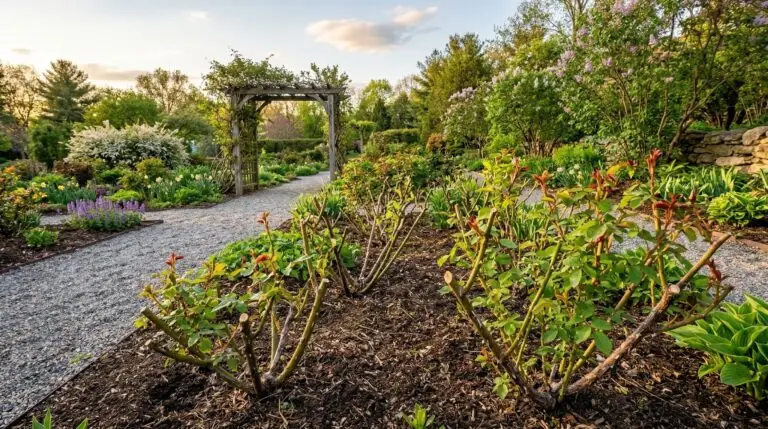
The anxiety surrounding rose pruning is entirely misplaced when dealing with modern landscape varieties. Older rose manuals often detail complicated instructions about cutting at precise forty-five-degree angles exactly one-quarter inch above an outward-facing bud eye. While that meticulous technique has its place for grafted exhibition roses, easy roses like the Knock Out and Oso Easy lines are grown on their own roots and respond beautifully to simple structural shearing. In early spring, just as the leaf buds begin to swell and show a hint of red, you should reduce the overall size of the shrub by about one-third to one-half. Use sharp bypass pruners to remove any dead, damaged, or crossing canes that rub against each other, which opens the center of the plant to allow better light penetration and air flow. During the active growing season, you do not even need to deadhead these modern varieties to ensure continuous blooming, though doing so can keep the shrub looking tidy. Your goal is simply to maintain a healthy framework that supports the plant through the growing season, allowing these remarkably resilient shrubs to establish themselves permanently in your landscape.
More About Roses
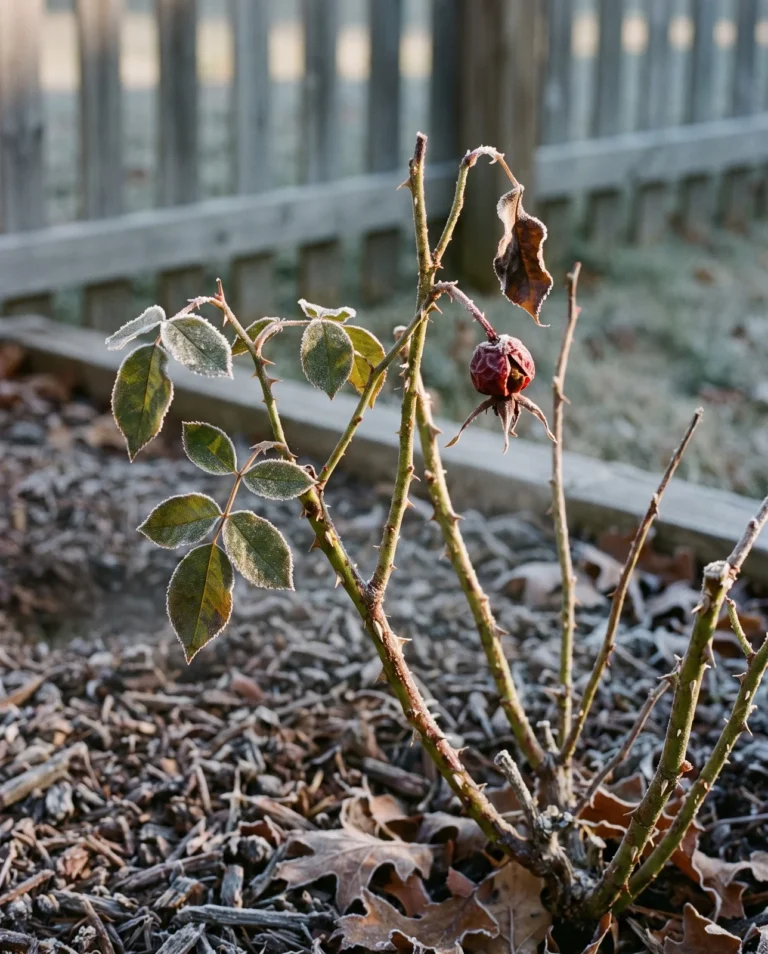
Winterizing roses: mounding, timing, and spring removal
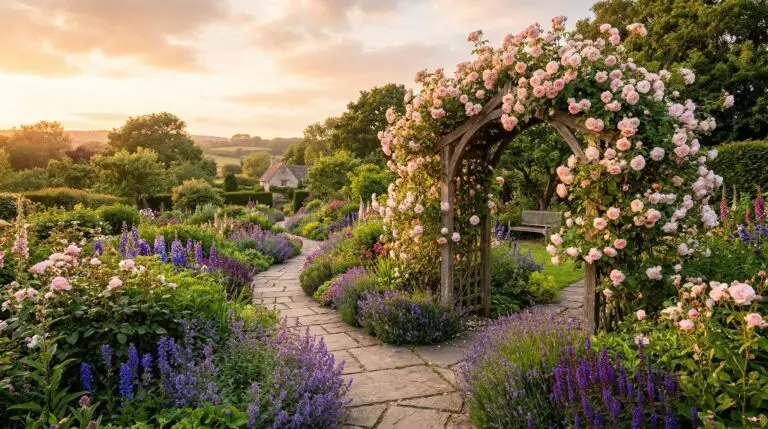
Climbing roses that cover walls arbors and fences with cascading blooms
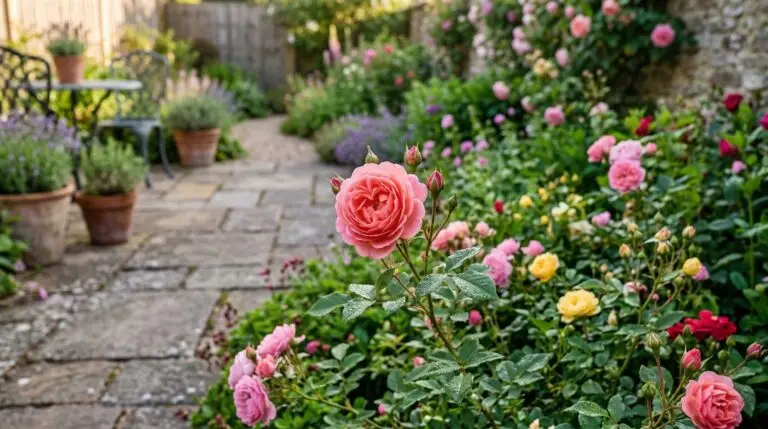
Growing roses in containers for patios balconies and small-space rose gardens

Rose meaning and rose colour meanings, honestly explained
Roses in wedding flowers and the timeless tradition of the bridal rose bouquet
Best David Austin English roses for old-fashioned fragrance and modern disease resistance
Making rose water and rose petal recipes from your garden’s fragrant harvest
Companion plants for roses: what to grow and what to avoid
Pruning roses at the right time and the basic cuts every gardener needs to know
Black spot on roses and the organic approach to the most common rose disease
Enjoying our flower guides? Add YourFlowersGuide as a preferred source on Google. It helps more readers find us.
Add to Preferred Sources