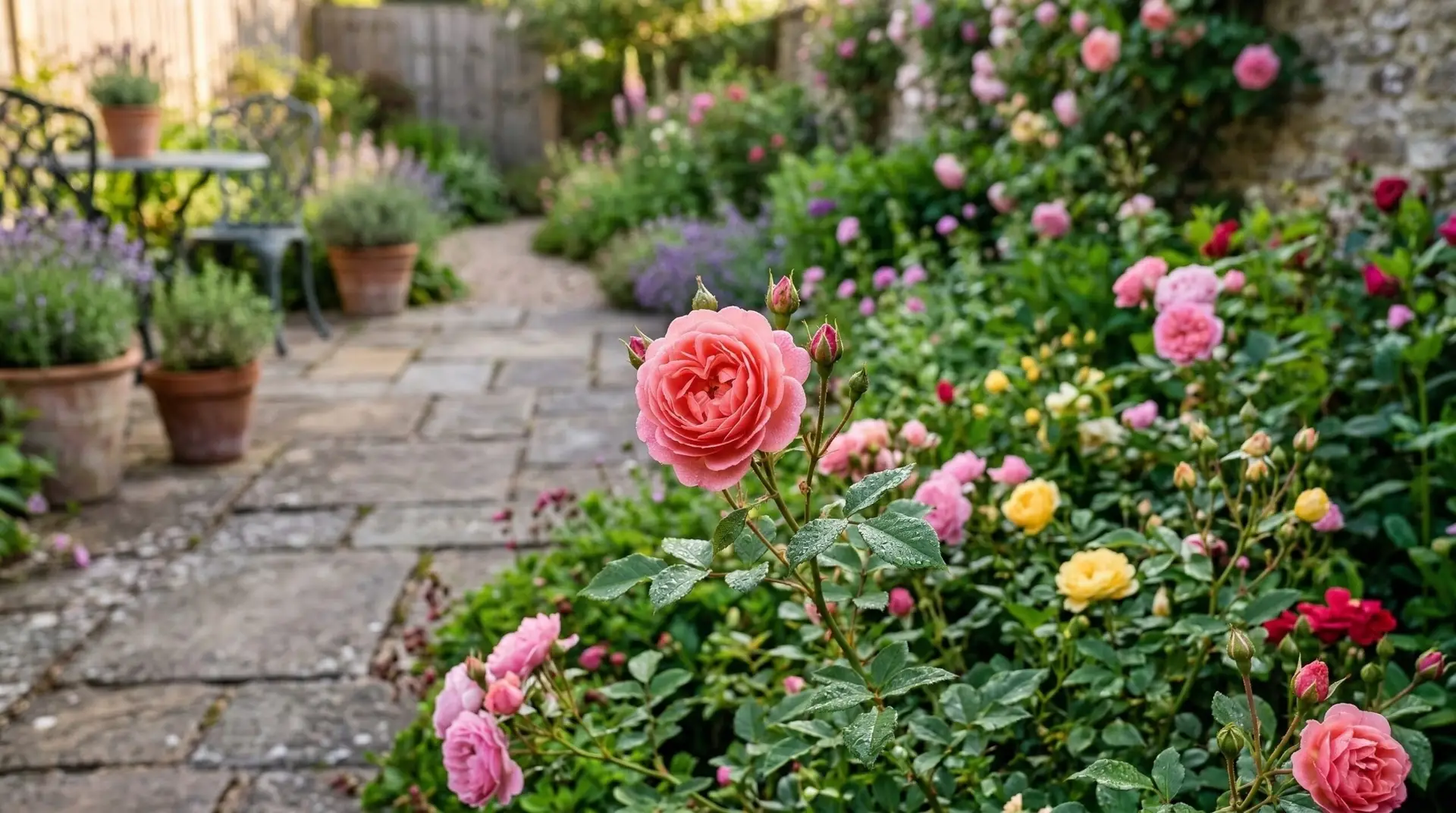
There is a familiar moment every spring when the garden centers fill up with blooming rose bushes, and anyone with just a bare concrete patio feels a twinge of envy. Growing a rose in pots is entirely possible, though it requires a different approach than planting them directly in the ground. Container gardening strips away the natural safety net of deep earth, meaning the gardener has to provide everything the plant needs to survive. A potted rose cannot send taproots down to find water during a drought or rely on the surrounding soil mass to insulate its roots from a hard freeze. Success comes down to selecting the right plant, giving it enough room to grow, and staying on top of the watering chores. The work is steady, but having fragrant blooms right outside the back door makes the daily maintenance worthwhile.
Contents 4 sections
Choosing the right plants for container gardens
Not every rose belongs in a pot, and ignoring this rule usually ends with a stunted, miserable plant. Standard hybrid teas and large climbers have massive root systems that will quickly circle the inside of a container and choke themselves out. Sticking with varieties specifically bred for tight quarters, such as patio roses and true miniature roses, yields the best results. Groundcover varieties like Drift and Oso Easy are also excellent choices for pots because they naturally stay compact and spread outward rather than shooting straight up. These modern shrub roses have the added benefit of being incredibly disease resistant, which saves a lot of frustration when humid summer weather sets in. Gardeners in the South may find that even compact varieties grow larger than the tags suggest because of the long growing season, so it is wise to plan for a slightly bigger plant than expected. Bare root plants or young seedlings look dead for about two weeks after transplanting. They are not dead, so give them time to wake up and push out new growth.
Picking the right pot size and material
When shopping for containers, the common mistake involves buying a pot that looks proportional to the plant right now instead of the plant it will become. A mature container rose needs a pot that is at least twenty inches wide and equally deep to accommodate its root system and hold enough soil moisture. Material matters just as much as size, and each type of pot comes with distinct trade-offs for the home gardener. Unglazed terracotta breathes beautifully and prevents waterlogged roots, but it is heavy and will crack if left out in freezing winter weather. Half whiskey barrels are affordable and provide excellent insulation, though the wood eventually rots out after a few years of heavy watering. High-density resin pots are often the most practical choice because they are lightweight, look remarkably like real stone, and will not shatter when the temperature drops. Whatever container makes it to the patio, drill extra drainage holes in the bottom because roses absolutely will not tolerate sitting in swampy, stagnant water.
Soil mixtures and feeding container roses
Bagged potting soil straight from the hardware store is too light and fluffy to support a heavy, woody shrub over the long haul. A better, affordable solution involves mixing standard potting soil with an equal amount of good garden compost and a few handfuls of perlite to keep the drainage sharp. Because frequent watering washes nutrients right out the bottom of the pot, feeding container roses requires a more aggressive schedule than feeding garden beds. A slow-release granular fertilizer applied in early spring gives the plant a solid foundation, followed by a liquid feed every two weeks once the buds start forming. Organic fish emulsion works wonders for pushing out new foliage, though it does smell terrible for about a day after application. Companion planting in the same pot is tempting, but roses resent competition for water and food. It is better to put companion plants in their own separate containers nearby. Try growing some lavender in a sunny spot or a trailing geranium to spill over the edge of a neighboring pot.
Managing water and winter protection
Watering is the daily chore that determines the success of patio roses, as containers dry out remarkably fast under the summer sun. The rule of thumb is to stick a finger deep into the soil, and if it feels dry two inches down, the plant needs a deep soaking until water runs out the bottom. During a July heatwave, this might mean watering every single morning, and skipping a day will result in crispy leaf margins and dropped buds. When autumn arrives, the focus shifts entirely to winter protection for potted roses. In northern zones, the ambient air gets cold enough to freeze the root ball solid, which will kill even the toughest shrub. The most reliable method for cold climates is to drag the heavy pots into an unheated garage or shed where the temperature stays just above freezing. If moving them is impossible, group the pots tightly together against a protected wall. Wrap the containers heavily with burlap and bubble wrap to insulate the roots from the worst of the freezing wind.
Growing roses in tight spaces is a hands-on commitment that requires paying close attention to the weather and the soil moisture. There will inevitably be days when Japanese beetles find the blooms or a bout of powdery mildew strikes after a rainy week. Treating these minor setbacks as routine maintenance rather than garden disasters takes a lot of the stress out of the process. Simply prune away the damaged parts, adjust the watering schedule, and let the plant recover at its own pace. A well-tended potted rose can live happily on a balcony for many years, providing a reliable flush of color and fragrance. The daily effort pays off with every new bud that opens right outside the back door.
More About Roses
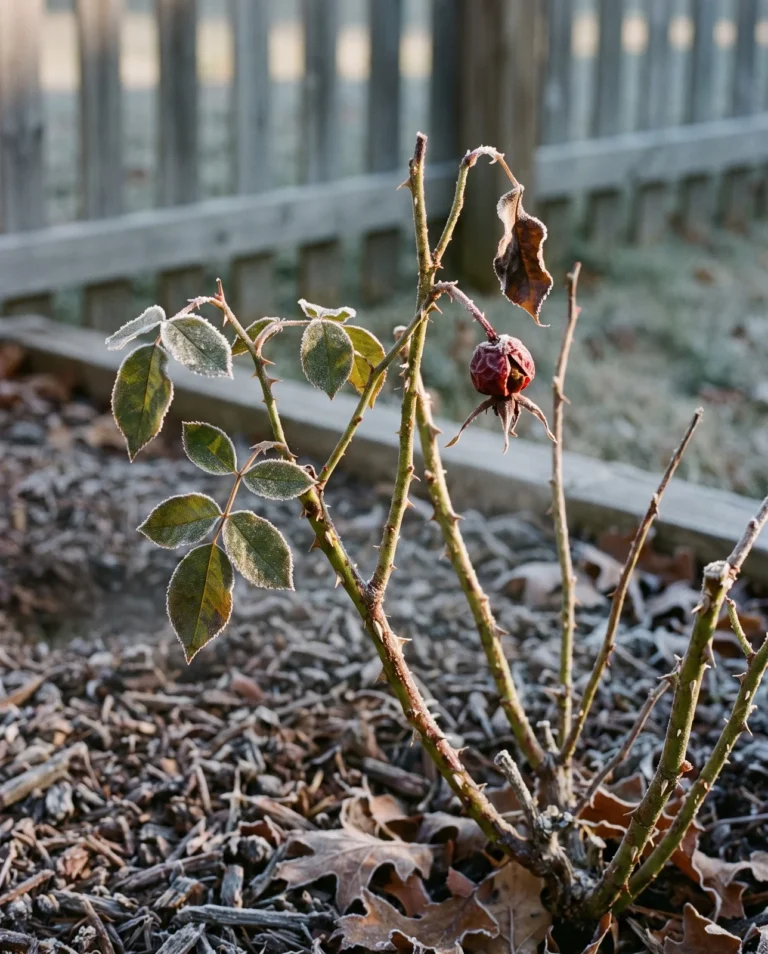
Winterizing roses: mounding, timing, and spring removal
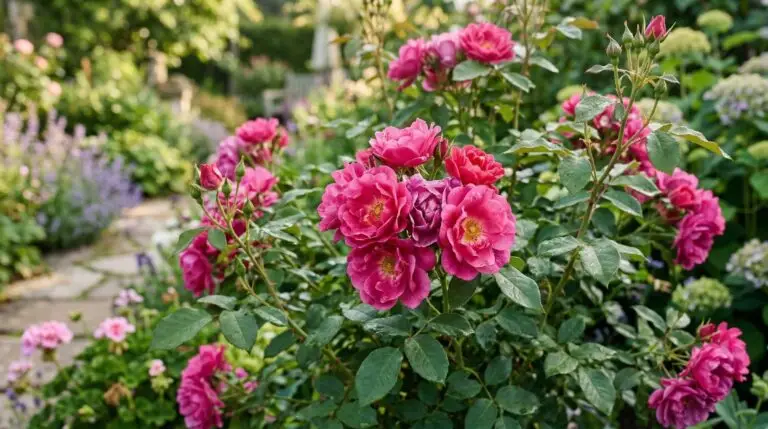
How to grow roses for beginners with disease-resistant varieties that practically care for themselves
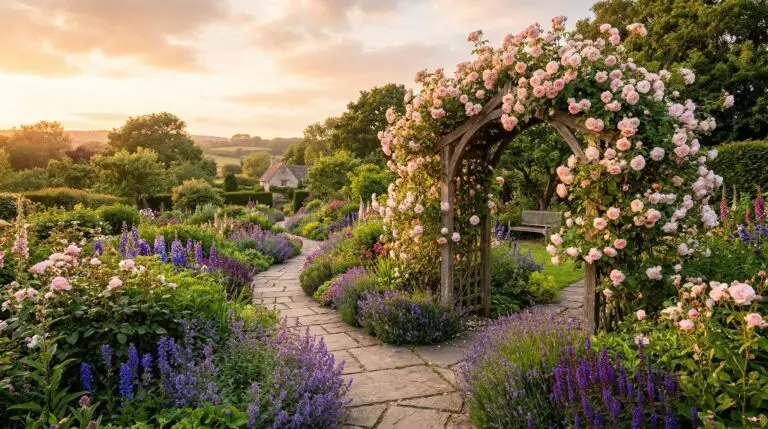
Climbing roses that cover walls arbors and fences with cascading blooms
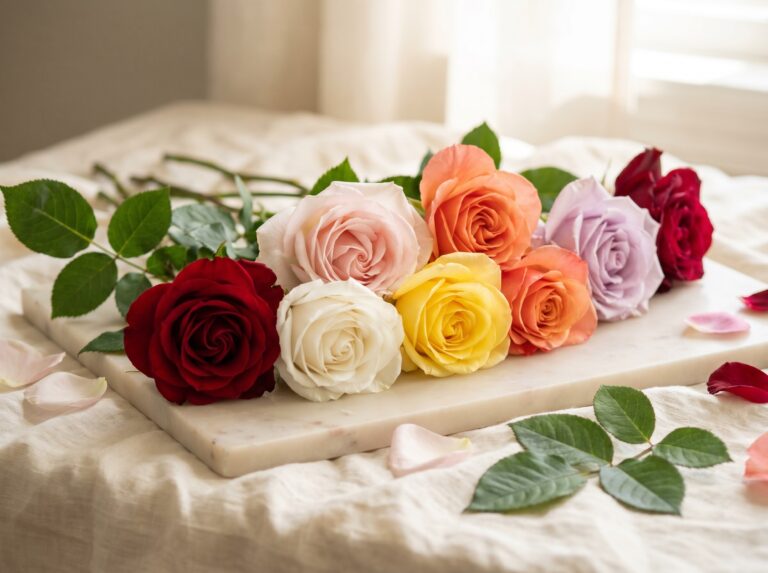
Rose meaning and rose colour meanings, honestly explained
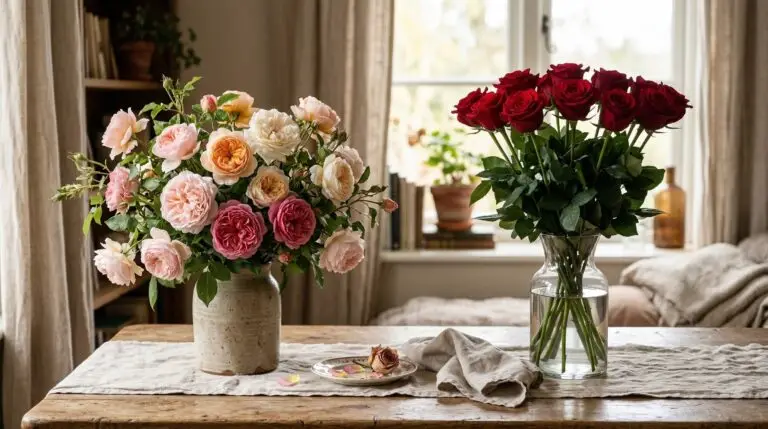
Roses in wedding flowers and the timeless tradition of the bridal rose bouquet
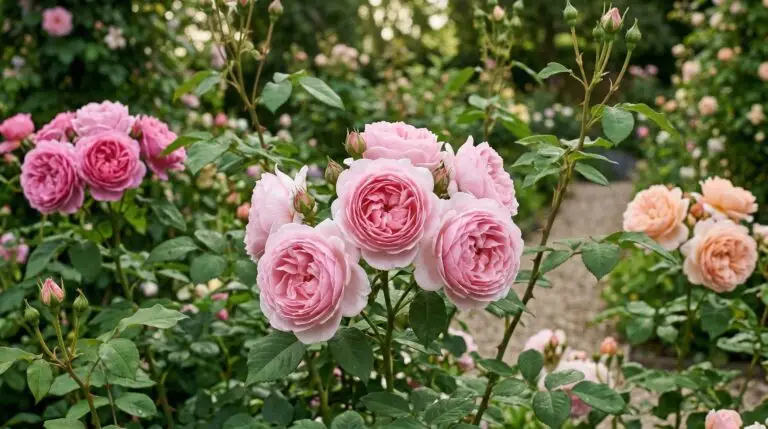
Best David Austin English roses for old-fashioned fragrance and modern disease resistance
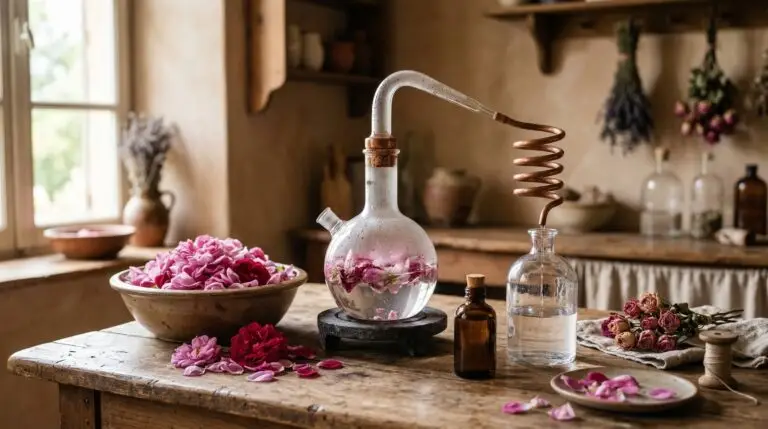
Making rose water and rose petal recipes from your garden’s fragrant harvest
Companion plants for roses: what to grow and what to avoid
Pruning roses at the right time and the basic cuts every gardener needs to know
Black spot on roses and the organic approach to the most common rose disease
Enjoying our flower guides? Add YourFlowersGuide as a preferred source on Google. It helps more readers find us.
Add to Preferred Sources