A vocabulary of polite hostility
Tansy
A declaration of war
Yellow carnation
Disdain and rejection
Striped carnation
Refusal, I cannot be with you
Monkshood
Beware, and genuinely poisonous
Genuinely toxic
Oleander
Caution, and genuinely poisonous
Genuinely toxic
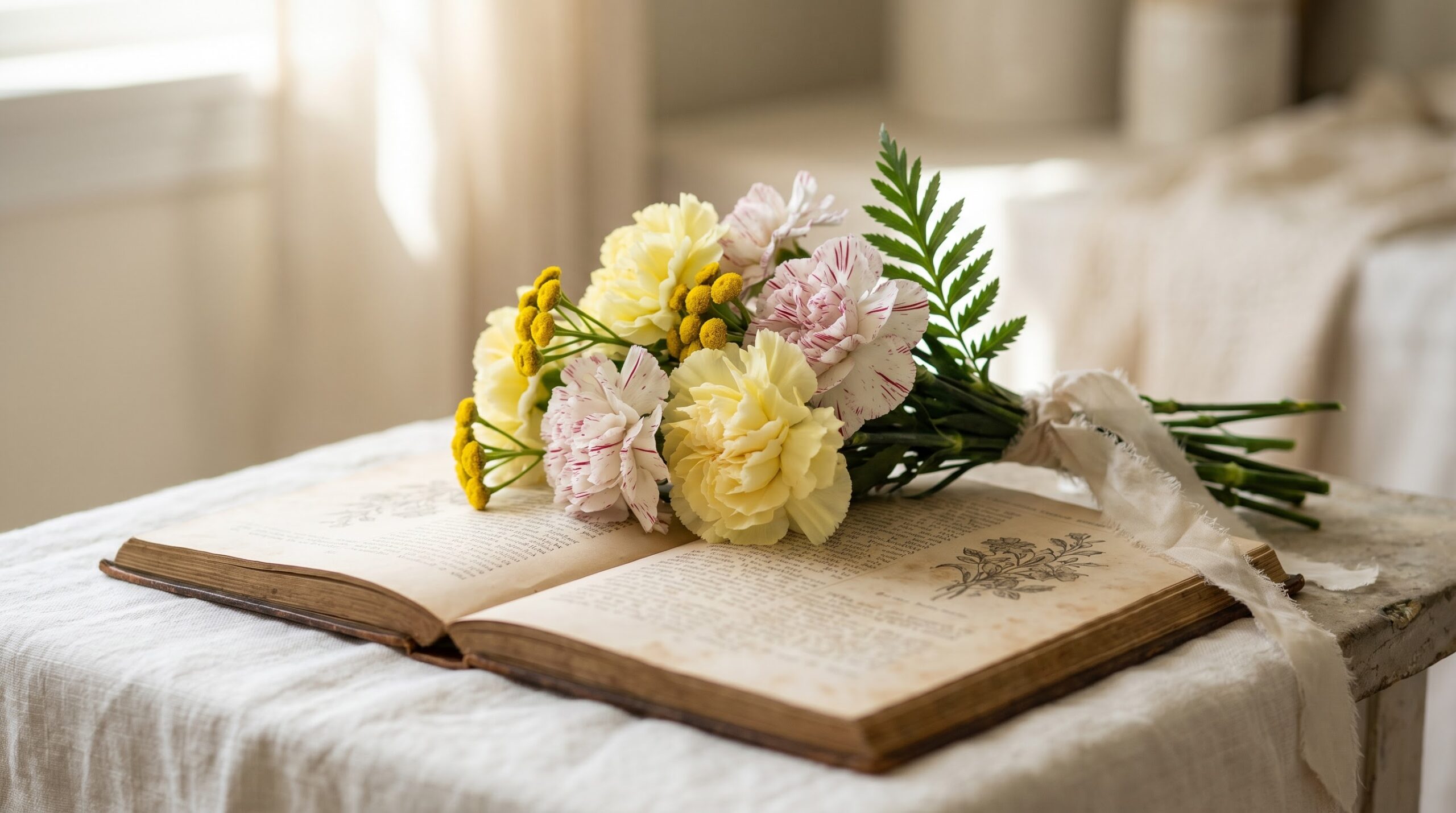
Picture handing someone a tidy bunch of yellow carnations and tansy, smiling the whole time, while a Victorian reader across the room quietly gasps. That bouquet just called them a disappointment and declared war. The same writers who handed us roses for love and lilies for purity also built a quiet vocabulary of insult, refusal, and outright hostility, and a few of those meanings still float around in old lists today. The famous ones are easy to name. Tansy was a declaration of war, a yellow carnation meant disdain, a striped one meant refusal, monkshood meant beware, and a purple hyacinth carried sorrow and apology. The interesting part arrives once you learn that almost none of this is fixed, that most of it was invented to sell parlour gift books, and that a small handful of these flowers are genuinely poisonous and worth treating with real care.
So treat what follows as tradition rather than law. Flower meanings were copied and contradicted from one book to the next, which is the honest reason any single flower can carry several readings at once, and the dark side of the vocabulary is the most theatrical and least agreed-upon corner of all. Nobody is going to read your bouquet as a coded threat unless they happen to own a Victorian flower dictionary, so the warning meanings work best as a private joke, a writer’s tool, or a thing to quietly avoid by accident.
The Victorian vocabulary of polite hostility
The language of flowers reached its peak as a parlour craze, printed and reprinted in little gift books that copied and contradicted one another. Most of those books were sweet. A surprising number were not. Alongside the entries for devotion and friendship sat a full set of polite insults, the kind of thing you could hand to someone with a straight face and a clear conscience while saying something unrepeatable. That is exactly why these meanings exist at all. They were a fashion, a way to be cutting without being caught, and reading them now is a little like finding a century-old burn book pressed between flower petals.
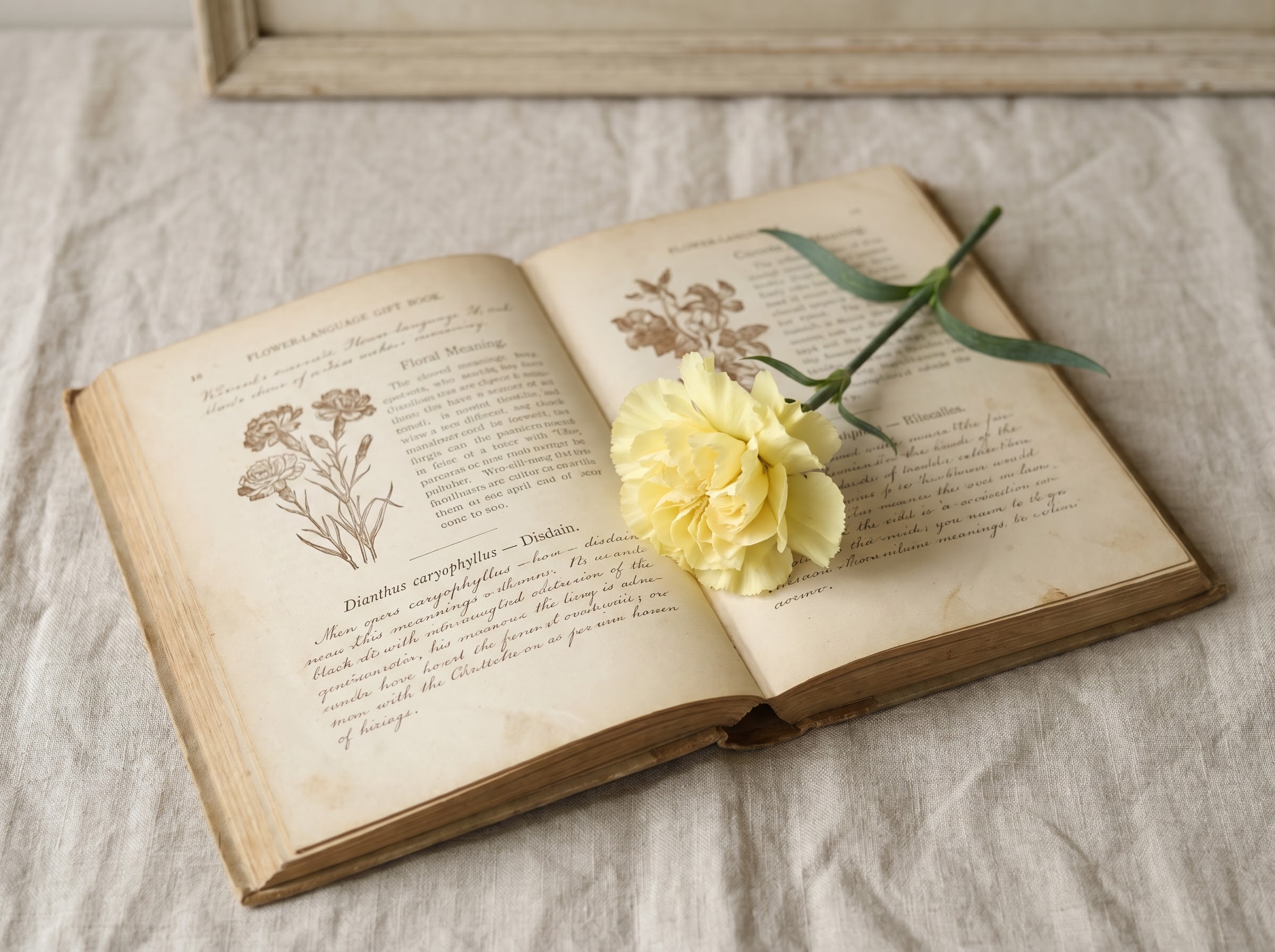
The standouts are worth knowing. Tansy, a button-yellow herb with a bitter scent, was read as a literal declaration of war, the floral equivalent of throwing down a glove. The carnation, loving and warm in most colours, turned sharp in two of them. The yellow carnation was listed as disappointment, disdain, or rejection, and the striped carnation said refusal, roughly “I cannot be with you.” A begonia, friendly enough today, showed up in Victorian books as a flat “beware.” These are the deliberate ones, the flowers you reach for when you want a barbed message instead of a kind one, and they are also the ones a stray stem can ruin a sympathy or romance bouquet with by accident, since a single yellow carnation can quietly undercut the whole gesture.
Tansy is also a good lesson in how slippery this is. In flower language it declares war, yet in older folk tradition the same plant stood for immortality and protection. Our own records mark its meaning as contested and varying by source, which is the honest state of most of these dark entries. The hostility reading is real, but it was never the only one.
The flowers that carry a real warning
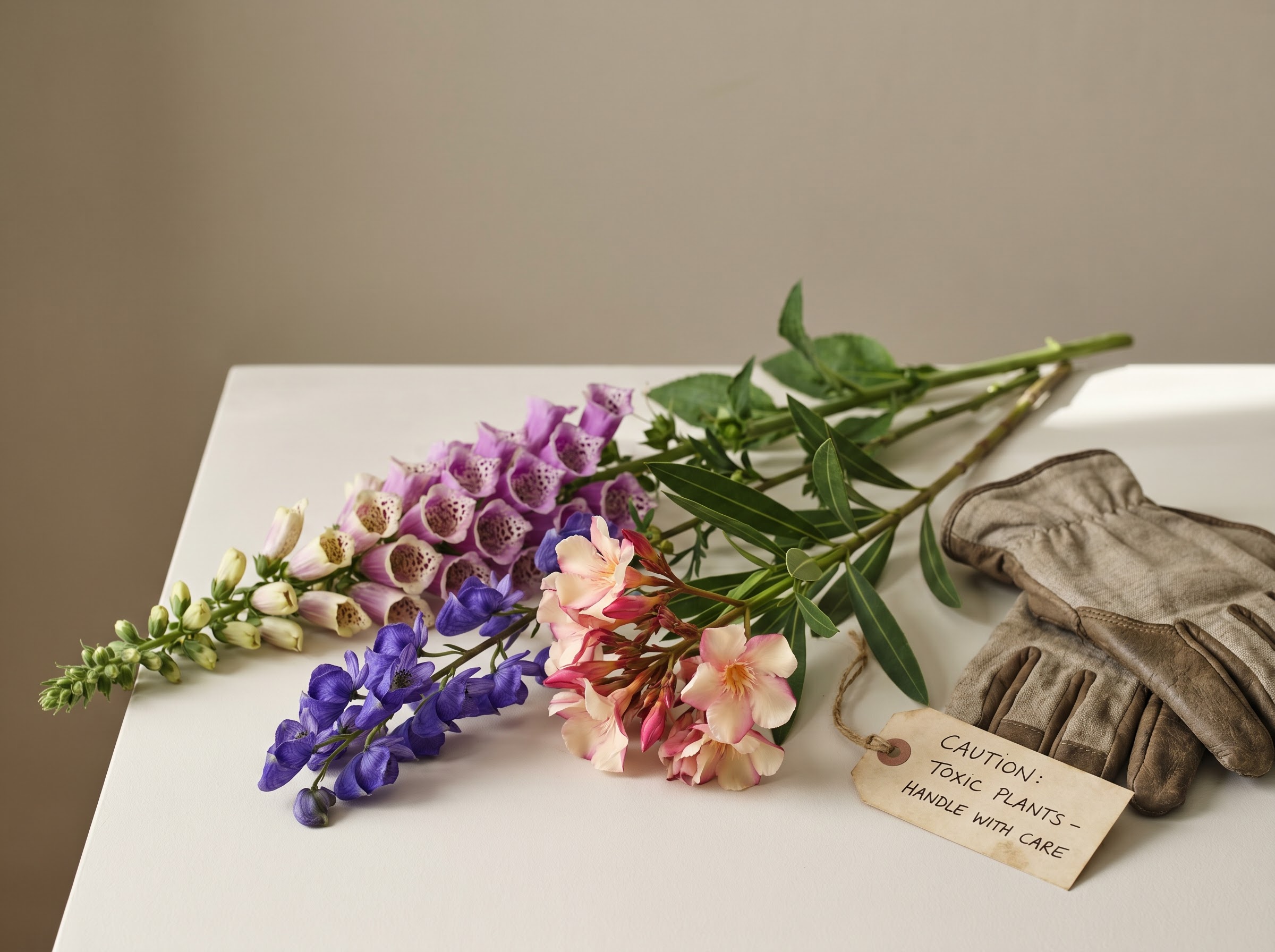
A second group goes further than a social snub. Monkshood, with its hooded blue-violet flowers, was read as a plain “a deadly foe is near, beware,” and the warning was not only symbolic, because the plant is one of the most poisonous in any garden. The same is true of oleander, a showy, fragrant Mediterranean shrub whose Victorian meaning was caution and “be careful,” and whose every part is toxic. Foxglove rounds out the trio. It looks regal, those tall freckled spires, and flower language reads it as insincerity, a beautiful thing that is not what it seems, which fits a plant that is poisonous in every part and is the source of the heart drug digitalis.
This is where the tone has to shift from playful to serious for a moment. Monkshood, oleander, and foxglove are genuinely poisonous, so the danger here is physical and real. Monkshood, also called aconite or wolfsbane, is toxic enough that gardeners are advised to wear gloves when handling it. Oleander is toxic in every part. Foxglove gave medicine the heart drug it is named for, which is another way of saying its dose matters and the wild plant does not measure it for you. None of these belong in a bouquet that might reach a child, a curious pet, or anyone who might be tempted to taste a petal. The symbolism is a curiosity. The toxicity is a fact, and it is the part of this article you should actually act on.
A field guide to the darker meanings
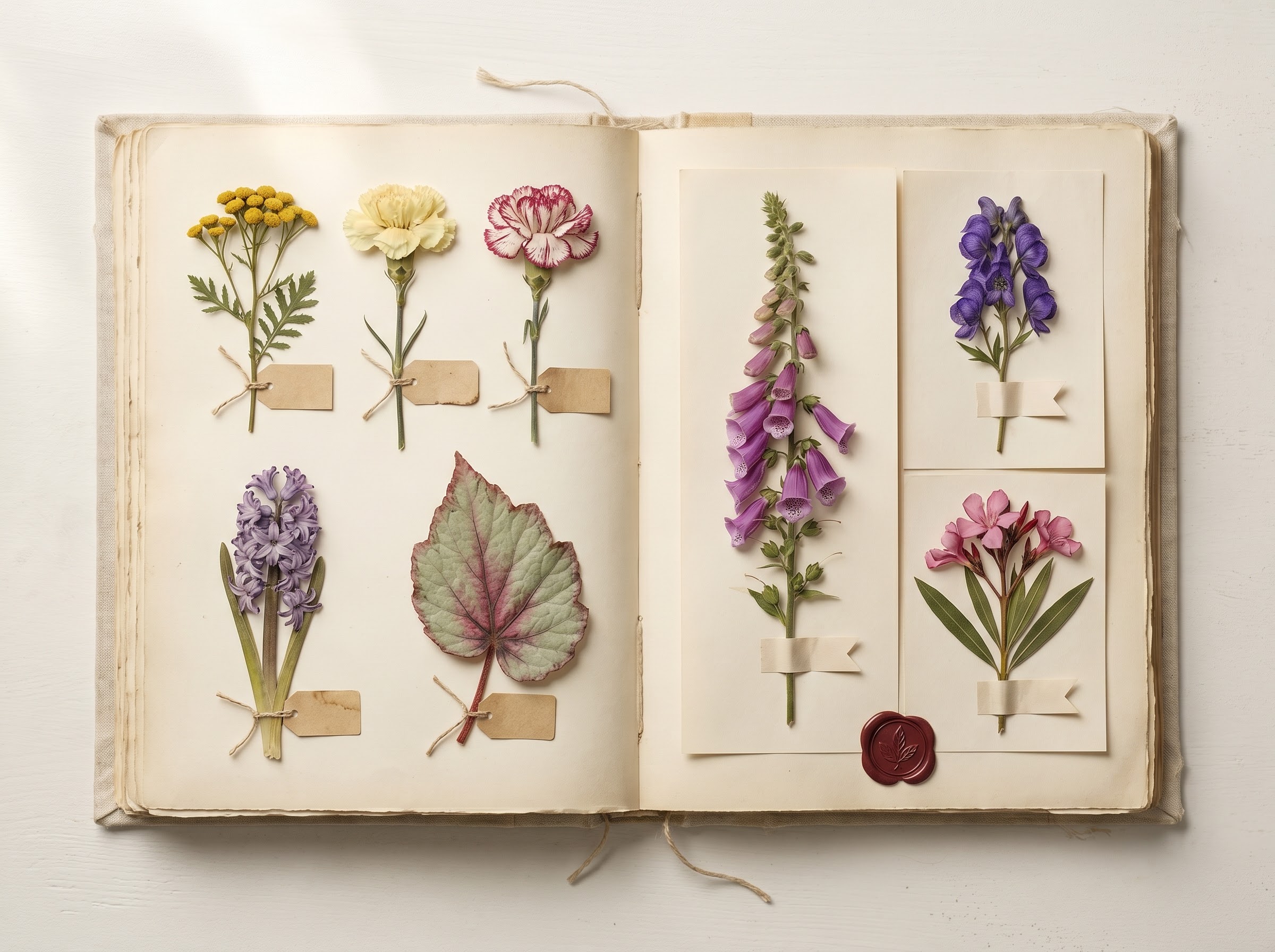
It helps to see the warning flowers side by side, each with its traditional meaning and a plain note on whether it is merely rude or actually dangerous. The poison flag is the part that matters; the meanings are tradition, the kind of thing that varies from book to book, so hold them loosely.
| Flower | Traditional warning meaning | Note (incl. poison flag) |
|---|---|---|
| Tansy | Declaration of war; hostility and defiance | Contested. Folk tradition also tied it to immortality and protection. Safe to handle but toxic if eaten in quantity; a bitter, strongly scented herb. |
| Yellow carnation | Disappointment, disdain, or rejection | The same flower means love in other colours; the yellow shade is the sharp one. Safe to handle. |
| Striped carnation | Refusal, “I cannot be with you” | A polite no, gentler than an open insult. Safe to handle. |
| Purple hyacinth | Sorrow, regret, “I am sorry, please forgive me” | More remorse than hostility; the apology flower. Bulbs can irritate skin, so wash hands after planting. |
| Begonia | “Beware” in Victorian lists; a caution | Means gratitude and individuality today; the warning reading is the old one. Mildly toxic if eaten, especially the tubers. |
| Foxglove | Insincerity; a beautiful thing that is not what it seems | POISON. Toxic in every part; source of the heart drug digitalis. Keep away from children and pets. |
| Monkshood | Beware, “a deadly foe is near”; misanthropy | POISON. Among the most toxic garden plants; also called aconite or wolfsbane. Handle with gloves. |
| Oleander | Caution, “be careful” | POISON. Lovely, fragrant, and toxic in every part. Never near food, children, or pets. |
| Orange lily | Hatred or disdain, in some old lists | Disputed. Our records read the orange lily as confidence and pride, not hatred, so trust this one least. |
A pattern shows up once you lay them side by side. The truly dangerous flowers, monkshood and oleander and foxglove, earned their dark meanings honestly, because people watched them harm livestock and children long before anyone wrote them into a gift book. The merely rude ones, the yellow carnation and the striped one and tansy, are pure social code, invented and inconsistent. Knowing which is which keeps you from sending a poisonous plant as a prank and from worrying that a perfectly safe carnation might land you in trouble.
How to build a warning bouquet, if you really mean it
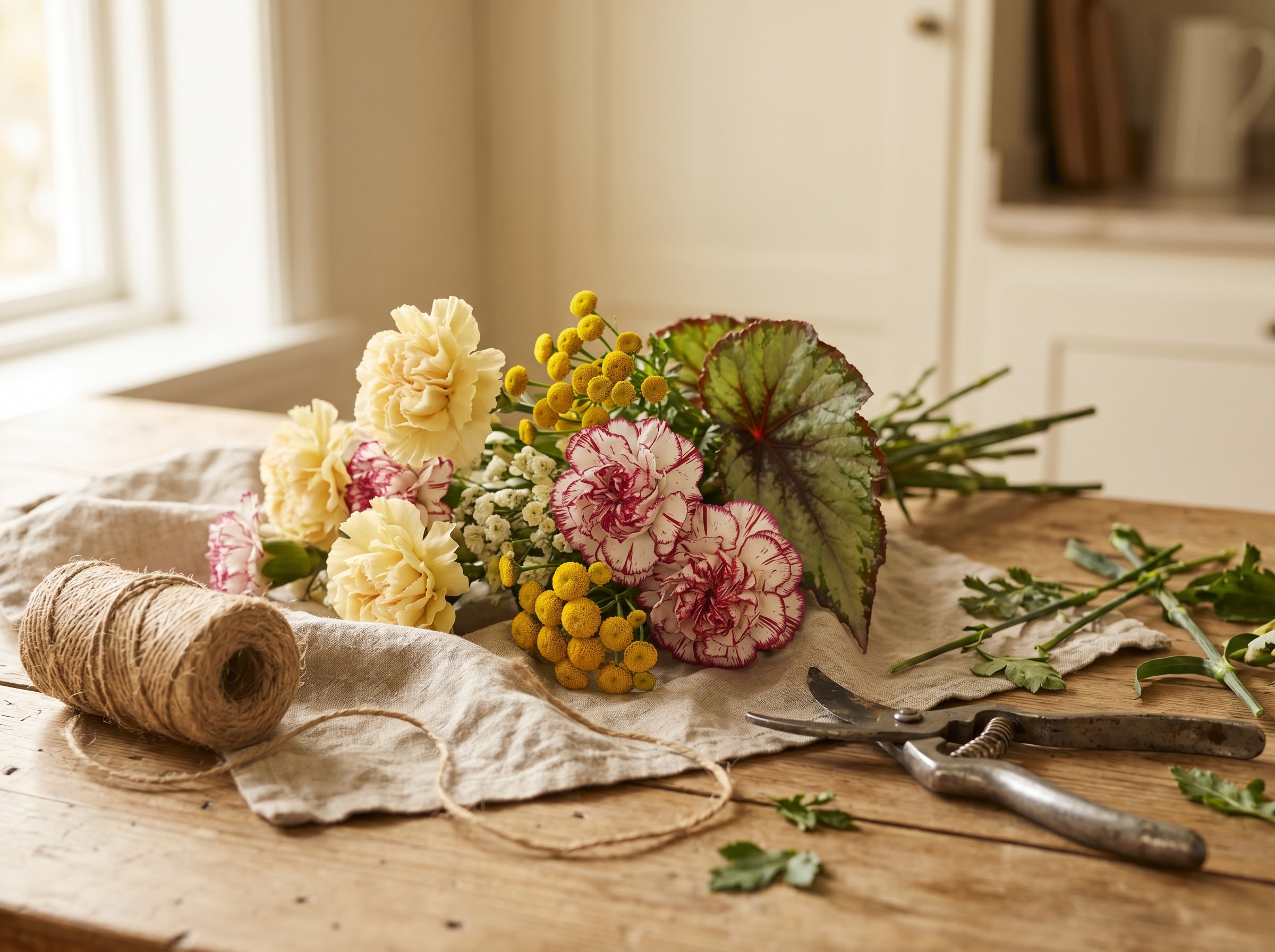
Say you actually want flowers that say the opposite of love, the kind of arrangement people on the internet keep asking florists to assemble. It can be done, and it can be done tastefully, which is the whole charm of it. The recipient sees a handsome bunch of flowers; only the two of you, and perhaps a very well-read florist, know what it is really saying. Lean on the safe-to-handle entries for this. A core of yellow and striped carnations covers disdain and refusal in one shot. Add tansy for the declaration of war, a sprig of begonia for the old “beware,” and you have a complete, polite, deniable insult that nobody could prove was anything but a pretty gift.
Leave the poisonous ones out of any real arrangement, and do it for safety, whatever their symbolism promises. Monkshood, oleander, and foxglove are striking, and they are exactly the flowers a dramatic warning bouquet seems to call for, but a genuinely toxic plant has no business in something a person will hold, sniff, and set on a kitchen table. Their meanings are best left on the page. If you want the menace without the risk, the carnations and tansy carry the message and stay harmless, and honestly the joke is funnier when the danger is purely literary. Our reverse finder, which lets you start from what flowers mean by feeling rather than from the flower, includes the “I dislike you” group for exactly this purpose, so you can build the bouquet from the message backward.
The honest caveat about all of this
None of these dark meanings will be read the way you intend unless the recipient is steeped in Victorian symbolism, which almost nobody is anymore. What a person actually registers when you hand them flowers is the colour and the feeling of the thing long before any hidden code, so a “warning” arrangement mostly reads as a nice bunch of flowers to whoever is holding it. That is part of why this stays playful and harmless. The insult is real in the tradition and invisible in the room. The looseness that makes these meanings unreliable as a secret weapon is the same looseness that makes them safe to play with, which is why even Iowa State University Extension, in its own list, allows that a single flower can carry several meanings at once and that the sources rarely line up. If you want to see how the meanings split by era, colour, and country, the wider guide to the meaning of flowers lays out the method, and the differences get sharper still once you cross borders, which is where our notes on flower meanings around the world come in. Send the warning if you must. Just know that it lands as a wink to almost everyone who receives it, and keep the poisonous ones in the book where they belong.
Sources
- Cornell University, Written in Petals: The Language of Flowers, on the history of floriography.
- Iowa State University Extension, Flowers and Their Meanings, on why sources disagree.
More meaning guides
More About The meaning of flowers, honestly
Enjoying our flower guides? Add YourFlowersGuide as a preferred source on Google. It helps more readers find us.
Add to Preferred Sources