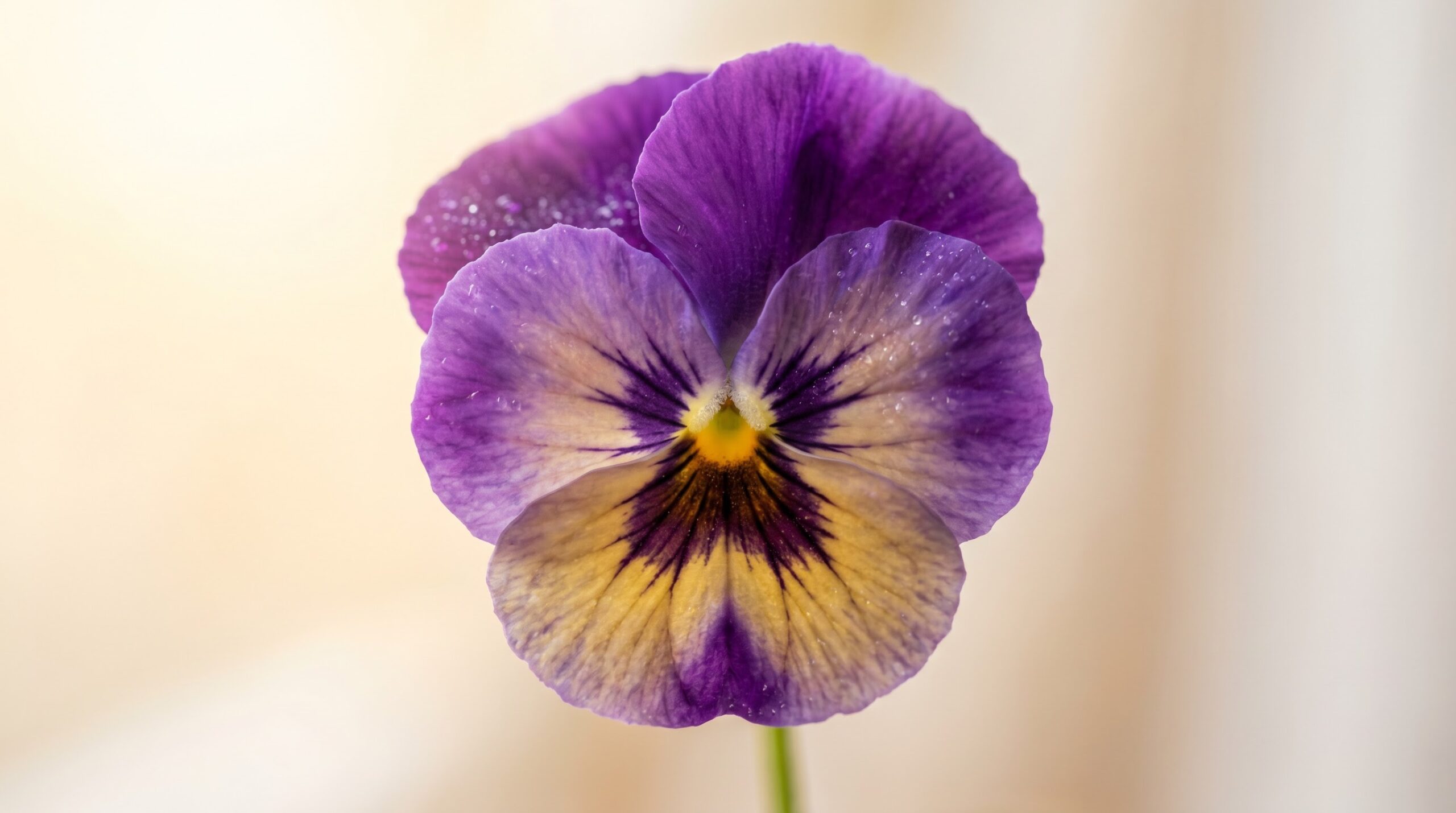
Most common today
Loving thoughts and remembrance, the message “I am thinking of you,” a tender, missing-you kind of thinking aimed at one particular person. The name comes from the French pensee, meaning “a thought,” so the symbolism is built into the name rather than layered on later.
The Victorian reading
In the Victorian language of flowers the pansy meant thoughts, and sending one carried the message “think of me.” It is the unusual flower whose meaning barely moved: the Victorian “think of me” and the modern “I am thinking of you” are the same idea, just pointed the other way.
What to write on the card
My thoughts keep turning to you.
A pansy means you are on my mind. That is the whole heart of it, and it has barely changed in two hundred years. Give someone a pansy and you are saying “I am thinking of you,” with a tenderness that leans toward missing them. The flower carries loving thoughts and a quiet kind of remembrance, which is why it travels so well across distance and time apart. Better still, the meaning is built into the name. Pansy comes from the French word pensee, which simply means a thought. So the flower’s symbolism is not a Victorian invention layered on top; it was there in the word from the start, and the rest of this guide follows that single thread through love and friendship, through the old Victorian reading, through the unrelated slang sense people sometimes ask about, and into what to actually write when you hand one over.
What sets the pansy apart is how little argument surrounds it. Where many flower meanings scatter in five directions depending on which list you open, the pansy stays put. Thoughts, remembrance, “think of me.” A nineteenth-century flower dictionary and a modern one will tell you nearly the same thing, and that rare consistency is worth leaning on.
What a pansy means
The pansy is the flower of thought, and more specifically of affectionate thought directed at a particular person. It says “I am thinking of you,” and it means a warm kind of thinking, the sort that has someone particular in mind rather than empty daydreaming. That single idea branches into the two feelings people most often want from it. One is loving remembrance, holding someone in mind who is far away or gone. The other is gentle love, the soft early kind that has not yet declared itself, more “you keep crossing my mind” than “I adore you.” Both readings come straight out of the core meaning, and neither is a stretch.
The reason all of this hangs together so neatly is the name. The English word pansy is borrowed from the French pensee, a thought, and you can still hear it if you say them side by side. That etymology is not a charming coincidence dug up later to fit the symbolism. It is the source of the symbolism. The French named the flower for thought, the meaning followed the name, and it stuck. So when someone asks what a pansy symbolizes, the honest and complete answer is thought, specifically the tender thought you have of someone you care about. It fits inside the wider language of flowers, much of which came together in France before it became a British craze, which makes a French-named flower feel right at home there. If you want the bigger picture of how that whole tradition was assembled and why most flower meanings shift while a few like this one hold firm, our hub on the meaning of flowers lays it out.
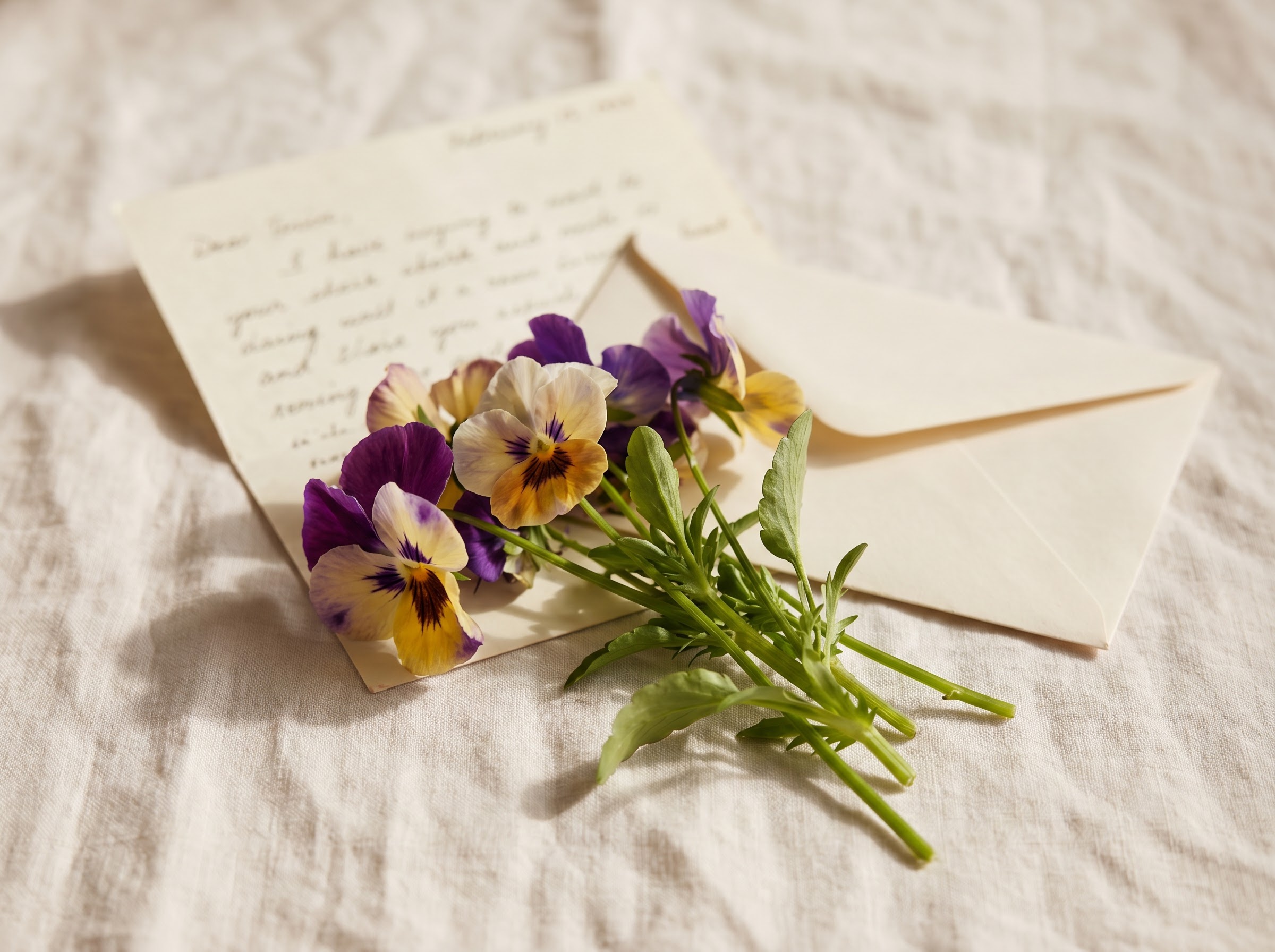
Pansy in love, friendship, and from a distance
In matters of the heart the pansy is gentle rather than grand. It is not the flower you send to declare burning romance; a red rose does that job, and the pansy would feel almost shy beside it. What the pansy says is closer to the beginning of feeling, or to feeling held across a gap. “I keep thinking about you.” “You are on my mind even though you are not here.” That makes it a lovely flower for a tentative, growing affection, and an even better one for love stretched over distance, when the whole message you want to send is simply that the other person has not left your thoughts.
The same warmth makes it a generous flower between friends, which is part of why it reads so well as a token of long-distance care. A pansy to a friend who moved away, or who is going through something hard, says you are remembered and held in mind, without any romantic weight to misread. That blend of remembrance and affection is exactly the territory it shares with a handful of other thinking-of-you blooms; our guide to what flowers mean by feeling gathers the rest of them by emotion, so you can match the exact shade of “thinking of you” you mean. The pansy’s particular note is intimacy at a distance, a small face that says someone is keeping you company in their head. Its close cousin the violet sits in similar territory, gentle and a little wistful, and our guide to violet meaning shows where the two overlap and where they part.
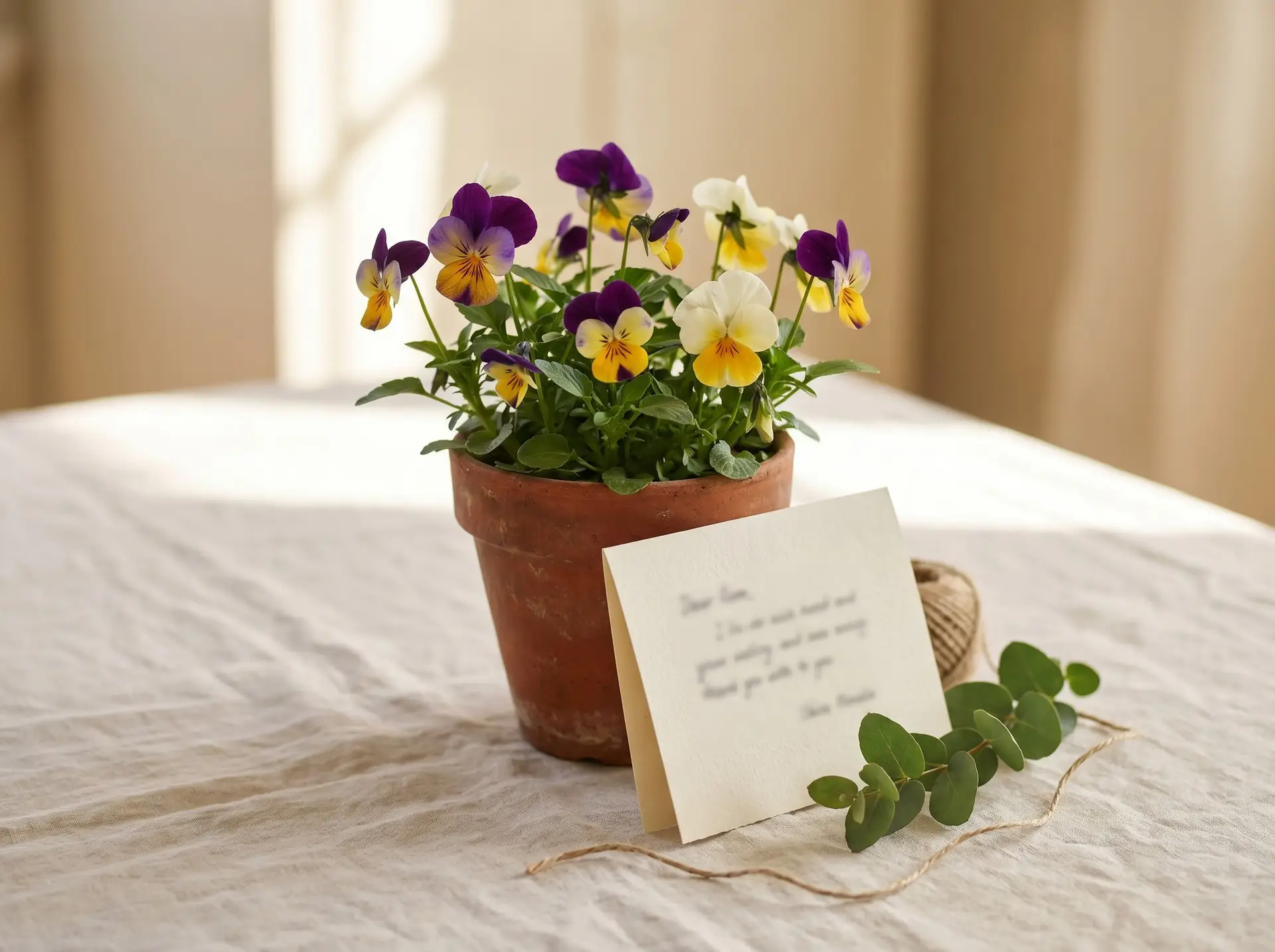
The Victorian reading that never really moved
Most flowers in the Victorian language of flowers carry baggage that the modern reading has quietly dropped or flipped. The pansy is the unusual case where almost nothing changed. In the Victorian flower dictionaries the pansy meant thoughts, and a pansy sent to someone carried the message “think of me.” Set that beside today’s “I am thinking of you” and you have, essentially, the same sentence pointed in the opposite direction. The Victorian sender asked to be remembered; the modern sender does the remembering. The feeling underneath is identical.
That continuity is unusual enough to be the most useful thing to know about this flower’s history. With a yellow rose or a chrysanthemum you have to ask which century you are reading in, because the meaning genuinely moved, and a colour can shift the message again on top of that, as our guide to flower colour meanings shows. With a pansy you do not, because it never really did. The table below sets the two readings against each other so you can see how little daylight there is between them, and so you can trust the modern meaning fully rather than worrying about hidden older readings.
| Reading | What the pansy says | How much to trust it |
|---|---|---|
| Victorian flower-dictionary meaning | Thoughts; “think of me” | Solid, and continuous with today. No darker or contradictory reading to watch for. |
| Modern meaning | Loving thoughts and remembrance; “I am thinking of you” | The one to use. Well attested, agreed across sources, and the same idea as the Victorian one. |
So the judgment here is simple. Trust the modern reading without reservation, and know that the old one stands behind it rather than against it. The pansy is the rare flower where the Victorian baggage is not baggage at all, just an earlier phrasing of the same kind thought. If anything, knowing the history makes the gift richer, because you are handing over a meaning that people have read the same way for a very long time.
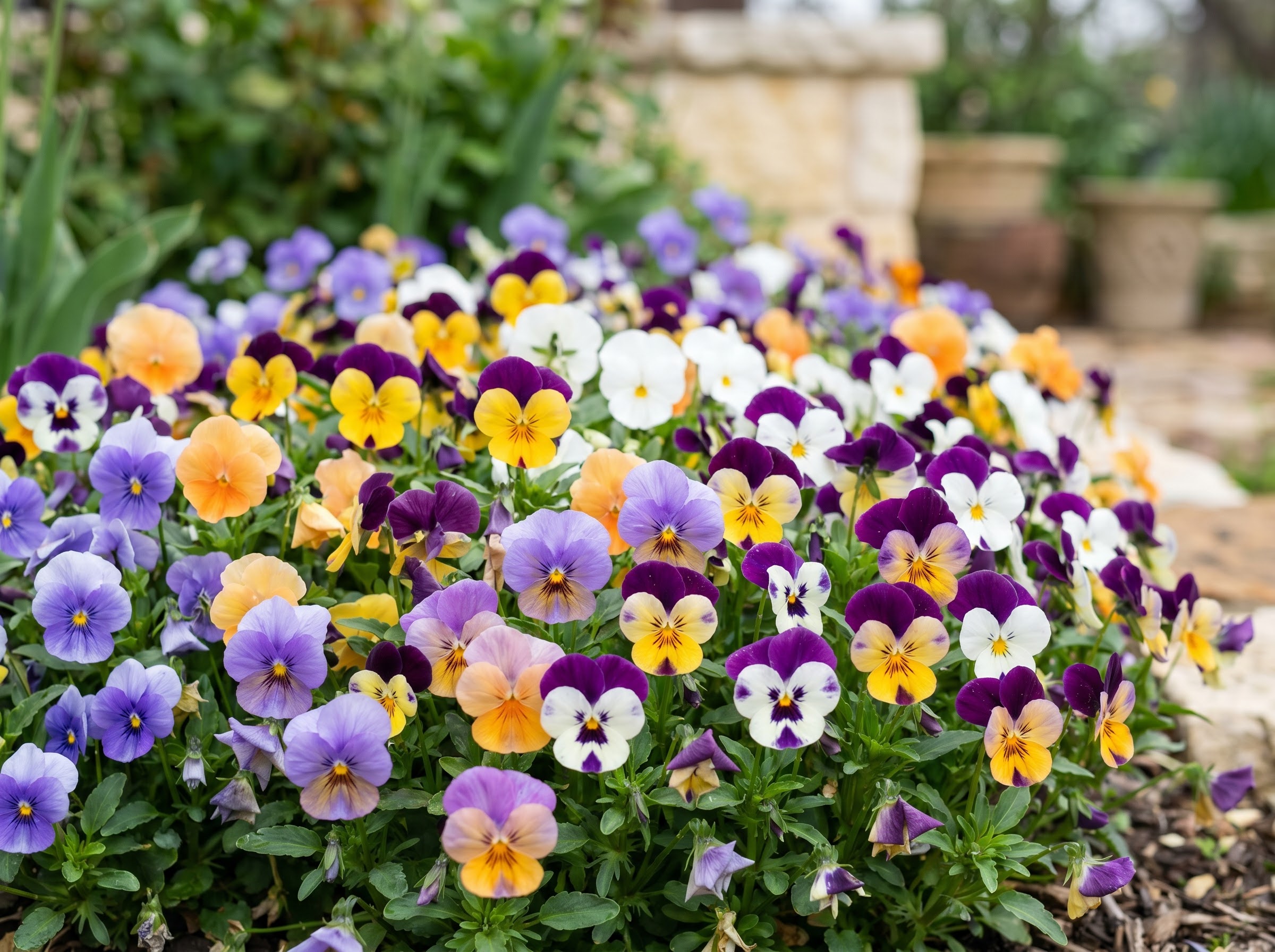
About the other meaning of the word
People searching the word pansy sometimes arrive carrying a second, unrelated meaning, and it is worth being plain about it so there is no confusion. Apart from the flower, pansy has long been used as a slang and often insulting term for an effeminate man, a usage that took hold sometime in the early twentieth century. That sense has its own tangled cultural history, including a degree of reclamation within queer communities in the years since. None of it has anything to do with the flower’s symbolic meaning. The bloom’s message of loving thoughts and remembrance comes from the French word for thought and predates the slang entirely, so the two simply share a spelling. In any floral or gifting context, the flower meaning is the one that applies, and a pansy given as a flower carries no hidden barb. Heartsease, an old folk name for the wild pansy, points the other way entirely, toward comfort and ease of heart, which sits comfortably beside the thinking-of-you reading.
Pansies as a gift, and a line for the card
Because the meaning is so single-minded, the card almost writes itself. Lean into the thought, and into the distance if there is one. Something like “My thoughts keep turning to you” matches the flower exactly and needs no explaining. For a friend far away you might write that they have been on your mind; for a tentative, growing affection, that you keep thinking of them. You do not need to spell out the symbolism, but a short line that echoes “thinking of you” lets the flower and the words say the same thing, which is always the strongest combination.
Timing is the one practical wrinkle, because the pansy is a cool-season flower. It is at its best and most widely available in spring and fall, when the weather is mild, and it tends to sulk and fade in real summer heat. That makes it a natural gift for the shoulder seasons, a cheerful small-faced bloom in nearly every color just when many gardens are between their big shows. If you are giving cut or potted pansies, those cool stretches are when they will look freshest and last longest.
One honest caveat applies to the pansy as it does to every flower meaning, even though this one is on firm ground. Iowa State University Extension, in its own list of flowers and their meanings, reminds readers that the same flower can be read different ways by different sources and that no single dictionary is official. The pansy happens to be one of the flowers those sources land on together, which is why you can send it with confidence. What gives the meaning its weight is not a rulebook but a long habit of people reading the flower the same way, an unbroken line that runs from the French word for thought down to the card you write today and still lets a pansy say “I am thinking of you” and be understood.
Sources
- Cornell University, Written in Petals: The Language of Flowers, on the history of floriography.
- Iowa State University Extension, Flowers and Their Meanings, on why sources disagree.
More flower meanings
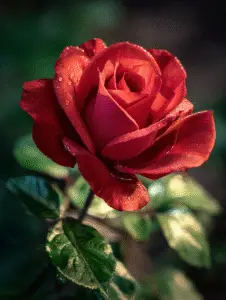 RoseLove in nearly every form, with the precise message set by the colour you choose. A rose on its…
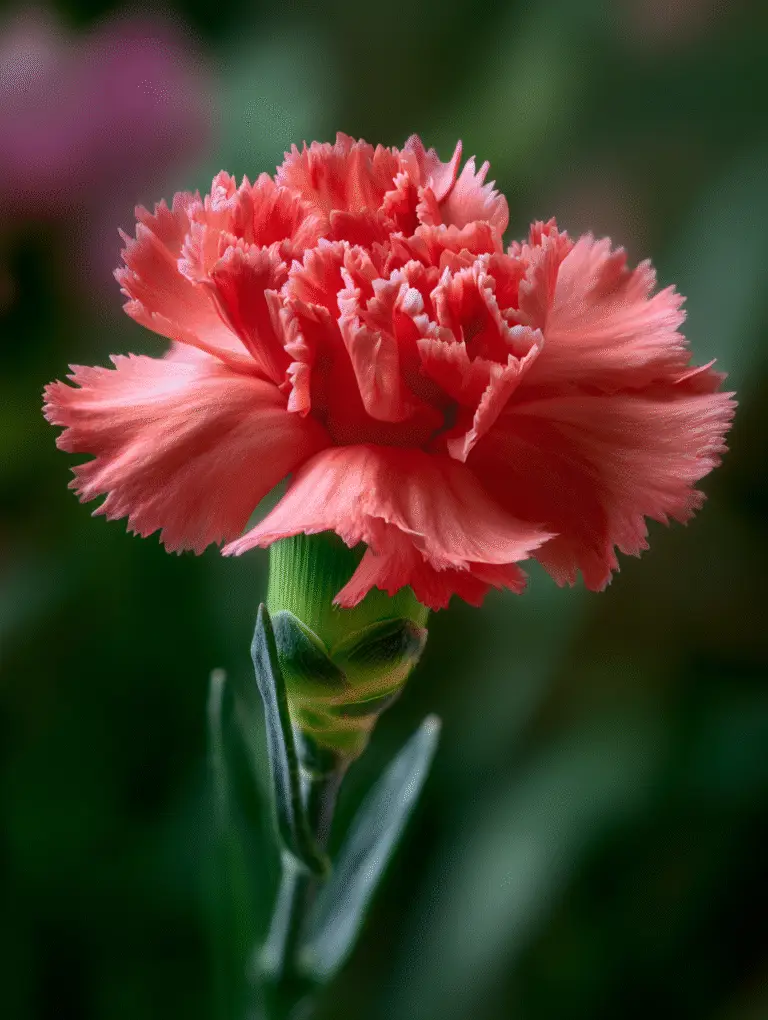 CarnationLove, fascination, and distinction, in a gentle, devoted register rather than romantic fire. It…
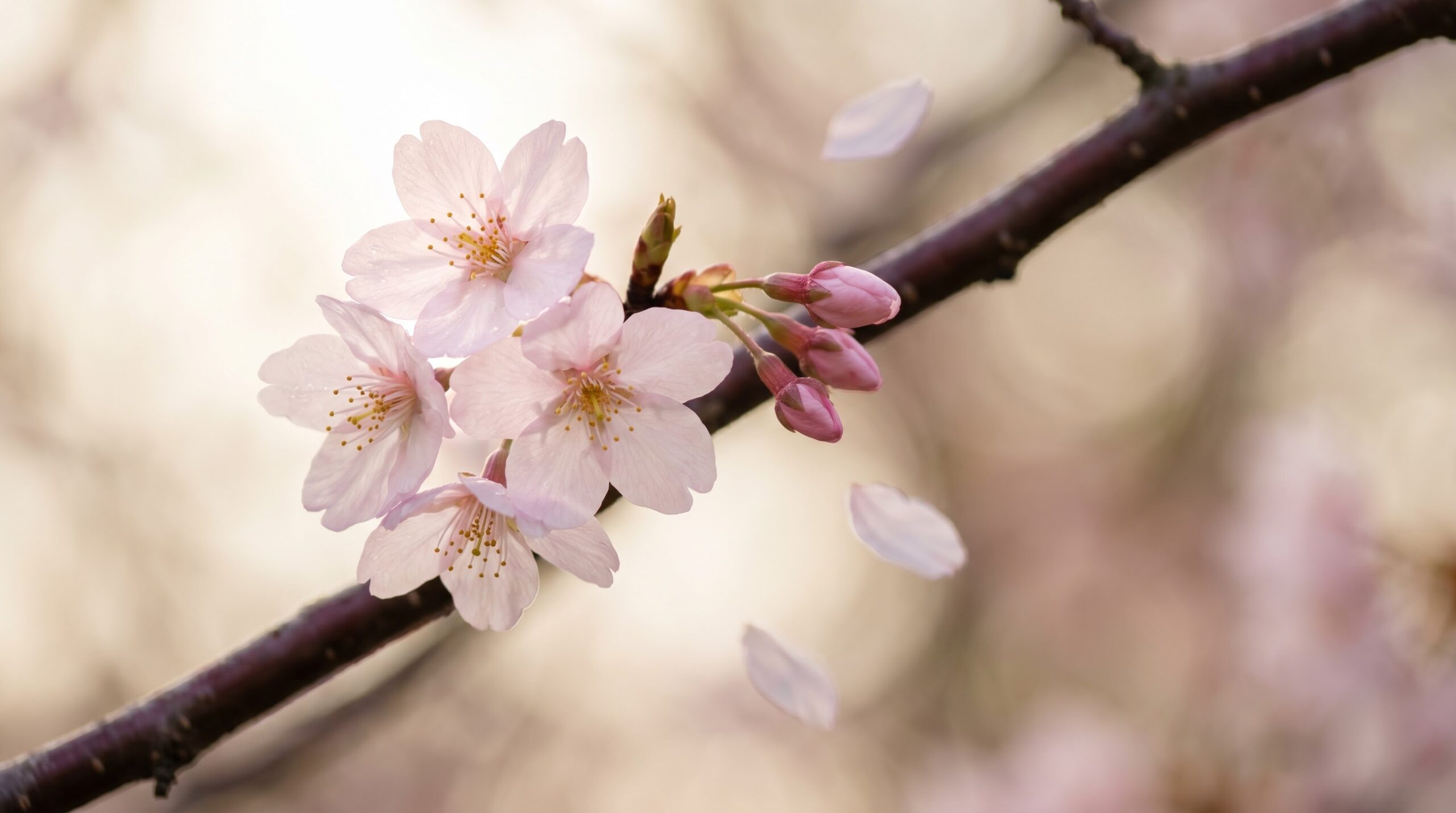 Cherry blossomThe beauty and brevity of life caught in one breath: a flower that is dazzling and gone in…
 ChrysanthemumAt its core the chrysanthemum means long life, friendship, joy, and loyalty, but the reading…
More meaning guides
More About The meaning of flowers, honestly
Enjoying our flower guides? Add YourFlowersGuide as a preferred source on Google. It helps more readers find us.
Add to Preferred Sources