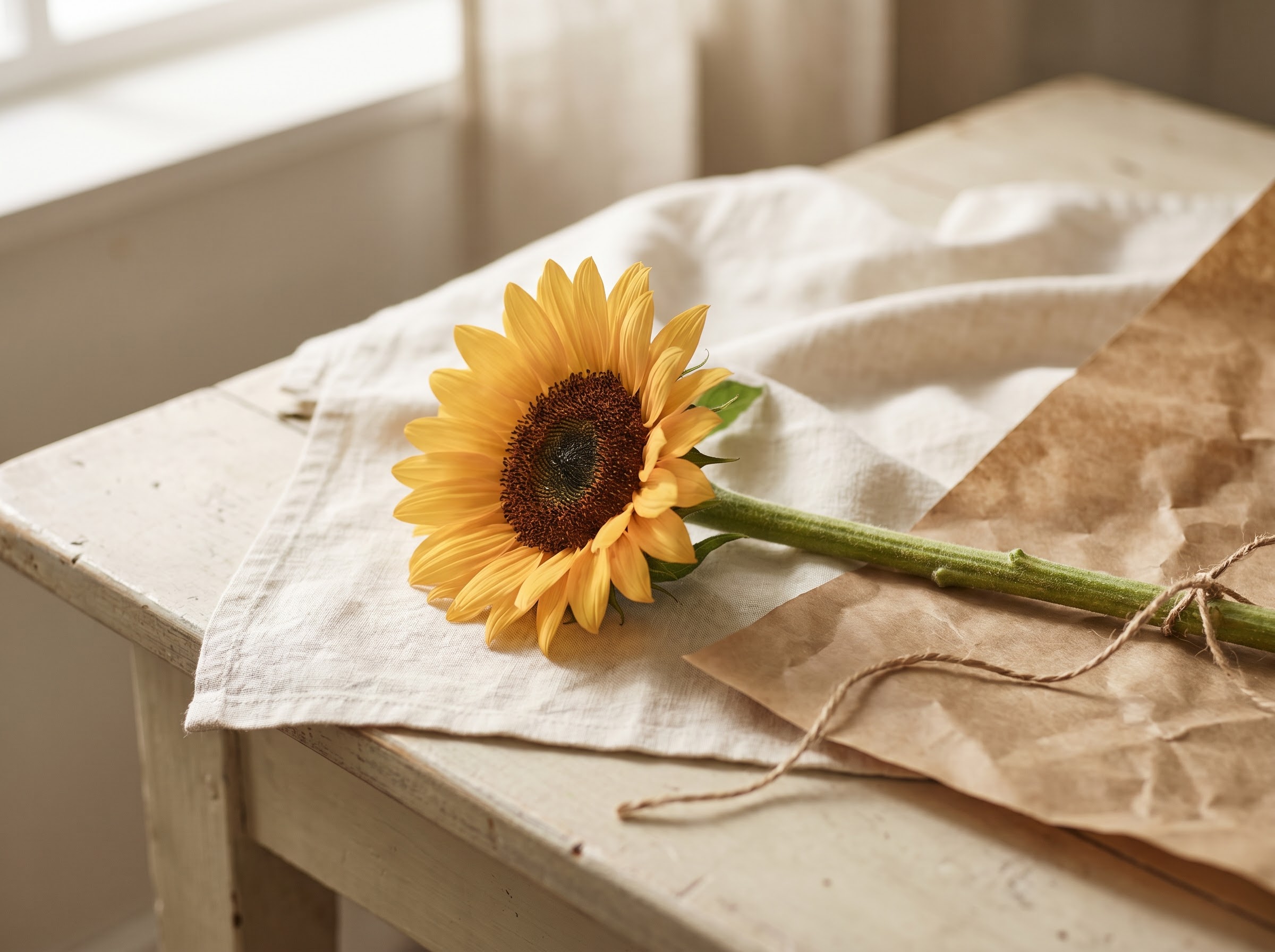
Most common today
Adoration, loyalty, and warmth, with a strong thread of happiness and positivity. Because the young flower turns to follow the sun (heliotropism), it reads as faithful, steady devotion, the kind that keeps facing what it loves, and as sunshine in plant form. Notes of resilience and a long, bright life ride along with it.
The Victorian reading
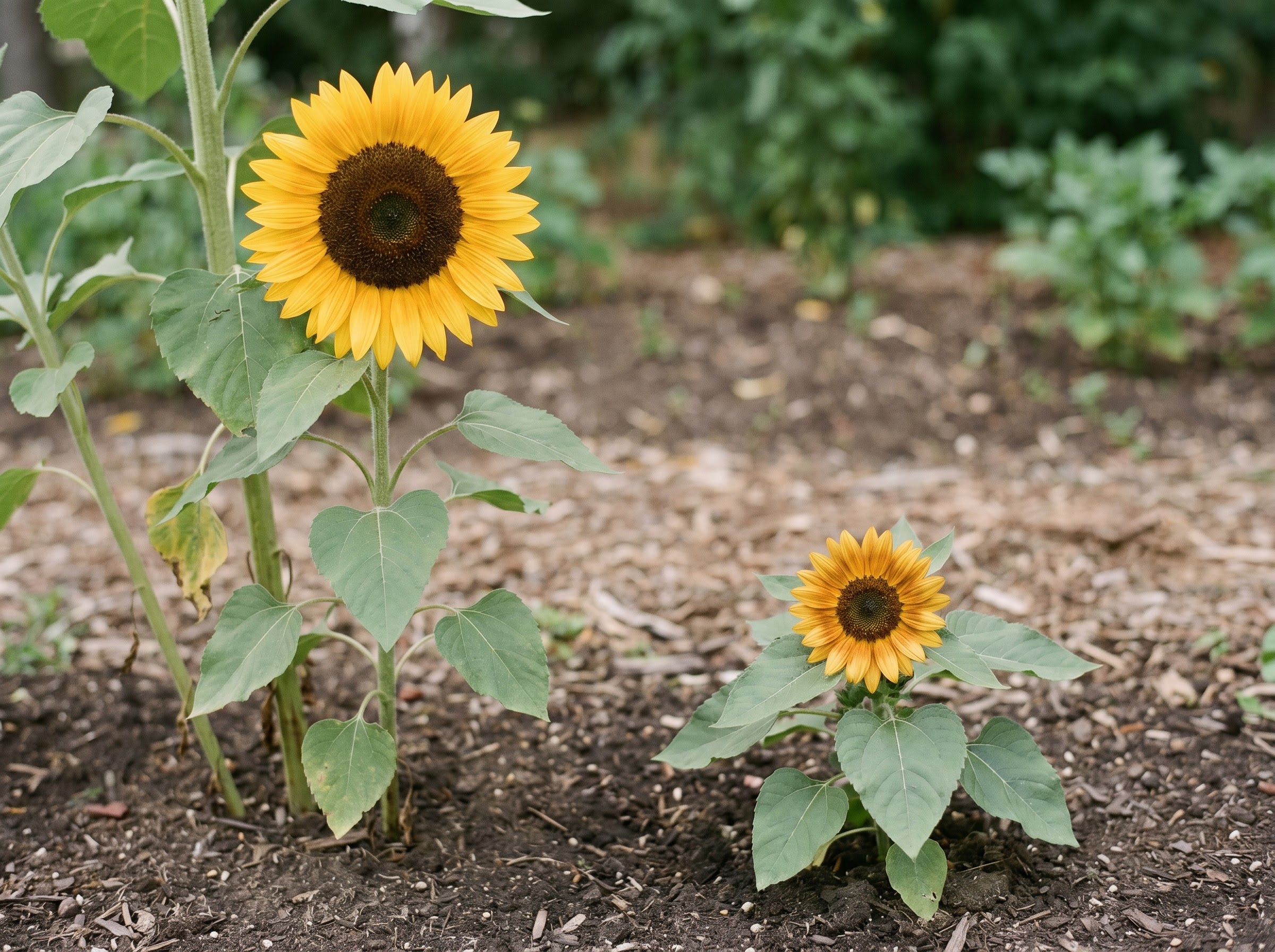
The Victorians split the sunflower by size: the tall, towering kind stood for haughtiness, pride, and false riches (something showy and self-important), while the dwarf, smaller-headed kind meant adoration. The dwarf reading is the one that survived and grew into today’s meaning; the pride reading has effectively died out and survives only in old lists.
What to write on the card
For a friend: “You are pure sunshine to me.”
A sunflower turns its young face to follow the sun across the sky, and almost everything it has come to mean grows out of that one habit. It stands for adoration, loyalty, and warmth, a flower that fixes on what it loves and keeps facing it. Give one and you are saying something close to “you are my sunshine,” steady and bright, the kind of affection that holds rather than burns. That is the reading nearly everyone shares today, and it is unusually consistent. Below is the honest version of all of it: what a sunflower says in love and in friendship, where the meaning actually comes from, what it means as a tattoo, and the odd Victorian reading that once made the tall ones a quiet insult.
Adoration and loyal devotion are what a sunflower says, and the sources that list flower meanings mostly land on the same answer rather than pulling in different directions. The only real complication is historical, because the meaning we hand each other now is not quite the one the Victorians wrote down, and that gap is the part worth understanding before you reach for it.
What a sunflower means
At its heart the sunflower means adoration, loyalty, and warmth. It is the flower of devoted, loyal affection, the kind that keeps showing up and keeps facing you, and it carries a strong undertone of pure happiness and positivity. People also tie it to longevity and to a long, bright life, partly because the plant is so hardy and the flower so generous. Put simply, a sunflower is sunshine in plant form, and the message lands that way even for someone who has never thought about flower meanings.
That habit of turning to track the sun, which scientists call heliotropism in the young plant, is the root of the whole symbolism. A flower that visibly follows its source of light became, in the human imagination, a flower of faithful adoration, something that orients itself toward what it loves and will not look away. So when someone asks what a sunflower symbolizes, the truest answer is loyal adoration and warmth, with happiness threaded all the way through. It does not carry the layered colour code that a rose does, because sunflowers come overwhelmingly in shades of gold and yellow. The meaning rests on the flower itself, and it holds whatever shade of gold you choose.
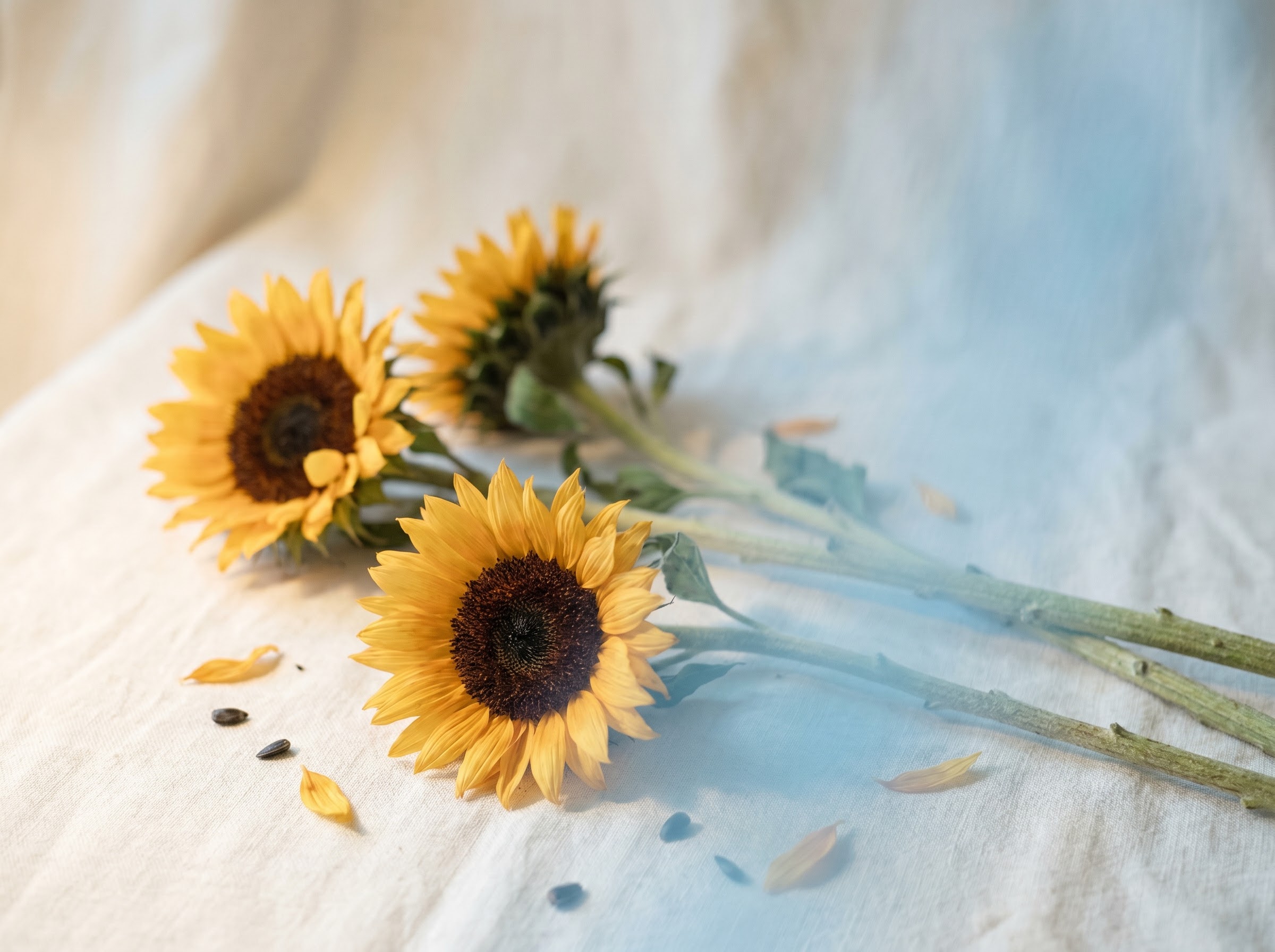
Sunflower in love, friendship, and life
In love, a sunflower says loyalty and devotion rather than passion, which makes it an unusual romantic flower. It is not the bloom of new infatuation but of the long, steady, dependable kind of love, the partner who is simply there, facing you, year after year. That makes it a lovely choice for an established relationship, an anniversary, or anyone you want to tell that your feeling has settled into something constant and sure. Some people give a single sunflower to mean exactly that, one bright, unwavering focus. If it is fevered new romance you want to declare instead, that is the territory of the red rose, and the two flowers really do say different things.
In friendship the sunflower is close to perfect, and this is where it truly shines. It means warmth, happiness, and loyal companionship, with none of the romantic weight that makes some flowers awkward between friends. Hand a friend sunflowers and you are saying you bring me joy and I am glad you are in my life, plainly and without complication. The same brightness makes it a standout get-well flower and a natural for congratulations, since it reads as encouragement and good cheer. In life more broadly, people lean on the sunflower as a symbol of positivity, resilience, and facing toward the light even on hard days, which is why it turns up so often on cards meant to lift someone. For the deeper emotional uses, our guide to what flowers mean by feeling places the sunflower among the flowers people reach for to say warmth, hope, and loyalty.
A Greek nymph, an American import, and a Ukrainian flag
The clearest source of the sunflower’s meaning is a Greek myth. The nymph Clytie loved the sun god and, when he turned away from her, she pined and watched him cross the sky each day until she rooted to the ground and became a flower that forever follows him. That story of devotion that cannot stop facing what it loves is exactly the meaning the flower still carries, so the myth and the modern reading are really the same idea told twice. The flower in the original tale was probably a heliotrope, since the sunflower we know had not yet reached Greece, but the association stuck to the sunflower because it does the one thing the myth describes, turning toward the sun.
The plant’s history complicates the European meaning in a useful way. The sunflower is native to the Americas, where Indigenous peoples grew it for food, oil, and dye and held it as a symbol of the sun and the harvest long before it ever reached Europe. It seems to have crossed to the Old World only relatively late, which is why it shows up in the Victorian flower books as a comparatively new and slightly showy import, an arrival the old European emblems predated. That late arrival matters for the meaning, because the Victorians did not quite know what to make of a flower this large and bold, and their verdict was mixed in a way the modern one is not. The wider language of flowers they were drawing on is itself old, rooted in the symbolism of China, Egypt, and Assyria, and much of what became the familiar British tradition was actually built up in France first.
The strongest modern cultural association is with Ukraine, where the sunflower is a national flower and, in recent years, has become a worldwide symbol of solidarity, resilience, and peace. That meaning is genuine and current, and it is worth knowing if you are giving or wearing a sunflower in a context where that reading might be present, because for many people now the flower carries that layer alongside its older one. Our guide to flower meanings around the world follows more of these places where a single bloom picks up a national or political weight that travels with it.
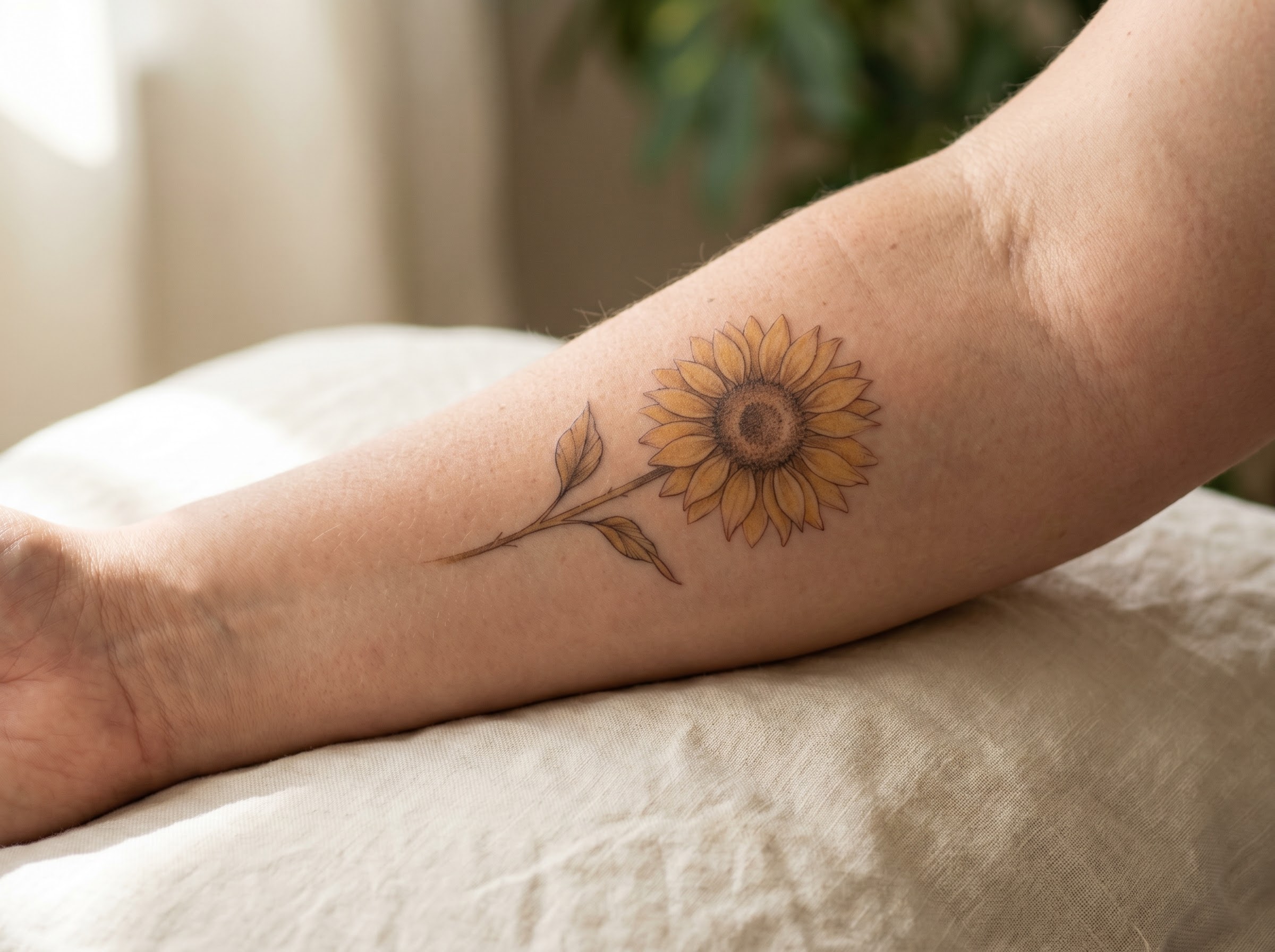
Sunflower tattoo meaning
As a tattoo the sunflower keeps its gifting meaning almost exactly: loyalty, positivity, and devotion, with a strong note of hope. It is a popular choice precisely because it is unambiguously bright; people pick it to mark resilience, a fresh start, or a loyalty that does not waver, and many wear it simply as a daily reminder to keep facing the light. Because the flower is so visually warm and open, it tends to read as an optimistic, life-affirming piece, which is part of why it is chosen so often for recovery and new-chapter tattoos. If you are weighing it against other meaningful blooms, our guide to flower tattoo meanings sets the sunflower beside the lotus, the rose, and the others people most often consider.
The split the Victorians made by size
Here is the surprise in the sunflower’s story, and the one part where the old books and the modern card disagree. In the Victorian language of flowers the sunflower was split by size. The tall, towering kind was read unkindly, standing for haughtiness, pride, and false riches, the sense of something showy and self-important that promises more than it delivers. The dwarf, smaller-headed kind carried the warmer meaning of adoration. So in a strict Victorian reading, a giant sunflower could be a faintly pointed comment about someone’s vanity, while a little one was a compliment. That is a genuine, documented split, and it is why you will occasionally still see “pride” or “false riches” listed as a sunflower meaning online, copied down from those old sources.
Today none of that applies in practice. The modern sunflower is simply warmth, loyalty, and adoration, full stop, and no recipient is going to measure the height of the bloom and decide you called them arrogant. The pride reading has effectively died out, surviving only in the historical lists, and the adoration reading won. So if you ever meet the claim that a sunflower means pride or false riches, treat it as a museum piece, a record of how one century read the flower and nothing anyone means by it now. Whoever opens the bouquet will see warmth, and that is the whole message.
| Reading | What it says | How much to trust it |
|---|---|---|
| Modern (today) | Adoration, loyalty, warmth, happiness | The reading to use. Consistent across sources and exactly how a recipient will read it. |
| Victorian, tall kind | Haughtiness, pride, false riches | Real but obsolete. Survives only in old lists; no modern recipient reads it this way. |
| Victorian, dwarf kind | Adoration | The Victorian reading that survived and grew into today’s meaning. |
| Greek myth (Clytie) | Faithful, unwavering devotion | A legend, treated as such, and still the true root of the loyalty meaning. |
| Ukraine (modern) | Solidarity, resilience, peace | Current and genuine; a real added layer in the right context. |
How far you can trust the sunflower’s meaning
You can read the sunflower honestly without much hedging, because its sources mostly agree once you set the obsolete Victorian pride reading aside. The disagreement that exists is a disagreement across time, one the centuries opened and the centuries have already settled in favor of adoration and warmth, so the lists in use today line up. That is rarer than it sounds. Plenty of flowers carry meanings that genuinely clash right now, between cultures or between colours, but the sunflower’s main conflict is safely in the past.
Even so, the same honest limit runs under the sunflower as under every flower meaning. The list kept by Iowa State University Extension is candid about this, noting that a single flower turns up with different meanings depending on who wrote the list and that no official dictionary exists to settle the matter. The sunflower happens to be one of the corners where the sources land close together, which is why you can lean on its meaning with real confidence. Treat the modern reading as solid, treat the Ukraine association as a current and meaningful layer, and treat the Victorian pride reading as a closed chapter of history with no bearing on what you send today. If you want to see why even a well-agreed meaning like this one is an agreement rather than a rule, the meaning of flowers hub traces how the whole language was put together.
Giving one, and what to write on the card
Because the meaning is warm and uncomplicated, sunflowers are one of the safest flowers to give and one of the easiest to write a card for. A friend will read “you are pure sunshine to me” exactly as you mean it, with no hidden second meaning to trip over. For someone recovering, “facing the light, one day at a time” carries the resilience reading. For steady love, “always turned toward you” leans on the loyalty meaning and the myth behind it. None of these require the recipient to know any flower code, because the sunflower’s brightness does the work on its own.
On timing, the sunflower is at its natural best from late summer into fall, when the field-grown ones are in season and at their largest and cheapest, though florists carry them most of the year now. They suit celebrations, friendship, encouragement, summer occasions, and any moment that calls for plain good cheer, which makes them a poor fit for a formal sympathy arrangement where softer, quieter flowers usually fit better. If you are matching a bloom to a specific event, our guide to flower meanings by occasion sorts the warm, celebratory flowers from the ones reserved for grief. If you would rather grow your own to give, they are among the most forgiving flowers for a beginner, and our guide on how to grow sunflowers walks through the full sun, the fast summer growth, and the giant kinds that tower well overhead. Whether you buy them or raise them, the message you are sending is the same one the flower has carried since Clytie: I am facing you, and I am glad.
Sources
- Cornell University, Written in Petals: The Language of Flowers, on the history of floriography.
- Iowa State University Extension, Flowers and Their Meanings, on why sources disagree.
More flower meanings
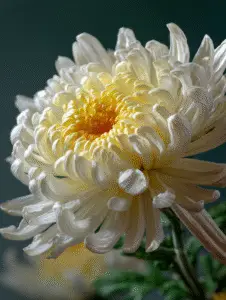 ChrysanthemumAt its core the chrysanthemum means long life, friendship, joy, and loyalty, but the reading…
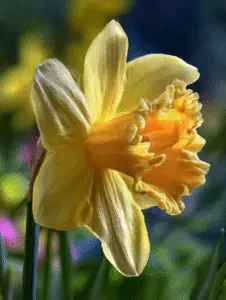 DaffodilNew beginnings, rebirth, and hope. As one of the first flowers to push up after winter, the…
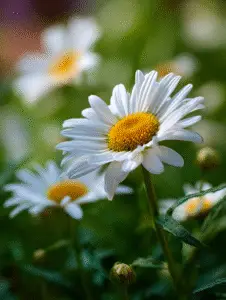 DaisyInnocence and purity above all, plus a loyal, faithful kind of true love and the idea of new…
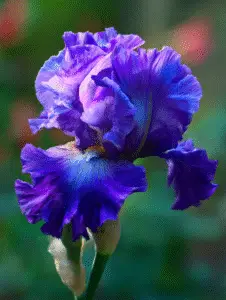 IrisFaith, hope, wisdom, and courage, with the older idea of a message running underneath, which is…
More meaning guides
More About The meaning of flowers, honestly
Enjoying our flower guides? Add YourFlowersGuide as a preferred source on Google. It helps more readers find us.
Add to Preferred Sources