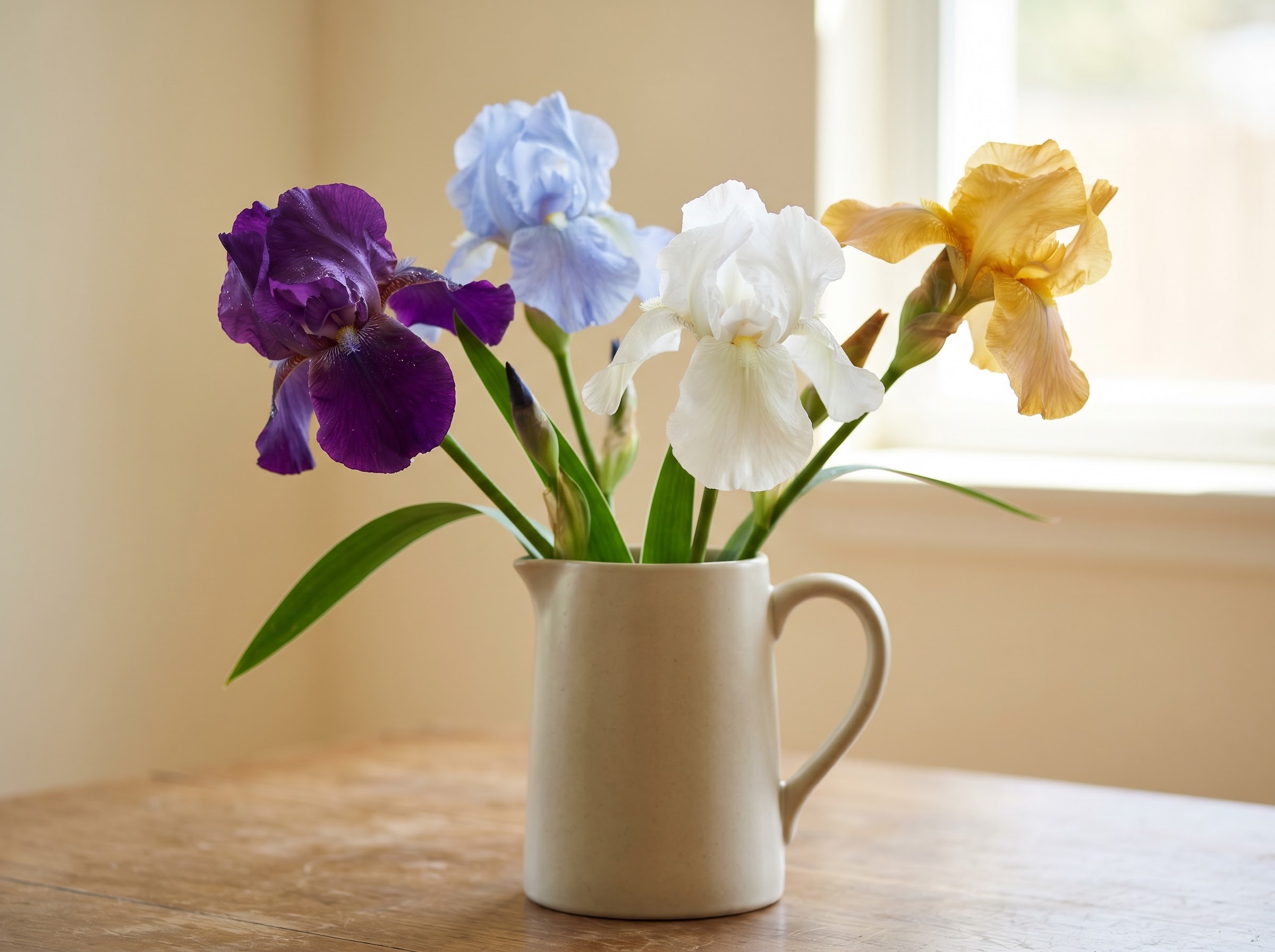
Most common today
Faith, hope, wisdom, and courage, with the older idea of a message running underneath, which is why an iris suits good news, encouragement, and congratulations more than romance.
The Victorian reading
A message. In the nineteenth-century language of flowers the iris simply meant a message, taken straight from its name: Iris was the rainbow that links heaven and earth.
The colour spectrum, at a glance
White
Purity, in the broad way most
carry it, so it works for a wedding or a memorial depending on the setting.
Use with care
Yellow
Passion. The warm outlier and the closest the iris comes to a love note, but the least settled iris colour, so read it loosely.
Widely safe
What to write on the card
For good news: “Wisdom and good fortune go with you.”
The iris is named after a messenger. In Greek myth, Iris was the goddess of the rainbow, the figure who carried word between the gods and the people below, and the flower kept that job. So the core iris meaning is faith, hope, wisdom, and courage, and underneath all of those sits the older idea of a message being sent, often good news on its way. That is why an iris feels right for a graduation, a new chapter, or a get-well card in a way a plain bunch of roses would not. Below you will find the honest reading of each iris colour, where the meaning actually comes from, what it says in love and friendship, and a clear note on which parts are old custom and which are softer modern convention.
Of all the flowers people fuss over, the iris gives you remarkably little to argue about. No bloom has flipped its meaning here, no two old lists set off in opposite directions, and the main readings line up fairly well across the nineteenth-century books and the modern ones alike. The soft spots are narrow: a couple of the rarer colours, the much-repeated French connection, and the simple fact that the word iris also names the coloured ring of your eye and the given name Iris, all three of which trace back to the same Greek word for rainbow. None of that changes the flower’s message, but it is worth naming so you know exactly what you are sending.
What an iris means, before colour
Before any colour comes into it, an iris stands for faith, hope, wisdom, and courage, a noble little cluster of meanings that has stayed remarkably consistent. The thread that ties them together is the idea of a message. In the Victorian language of flowers the iris simply meant a message, and that reading comes straight from the myth in the name. Iris, the rainbow goddess, was the gods’ messenger, and the rainbow itself was imagined as the bridge linking heaven and earth. So the flower carries a sense of words travelling somewhere they need to go, which is part of why it suits announcements, encouragement, and good news.
That gives the iris a slightly different character from most gift flowers. A rose declares love and a lily marks purity, but an iris feels more like a sealed note than a feeling, something handed over with intent behind it. It reads as confident and a little dignified, the flower you give when you want to say you believe in someone or wish them wisdom and good fortune going forward. The rest of this guide takes the colours one by one. If you want the plant itself, how the bearded kinds grow in sun and lean soil and bloom in late spring, our full guide to how to grow iris covers that side.
Iris colour meanings, one by one
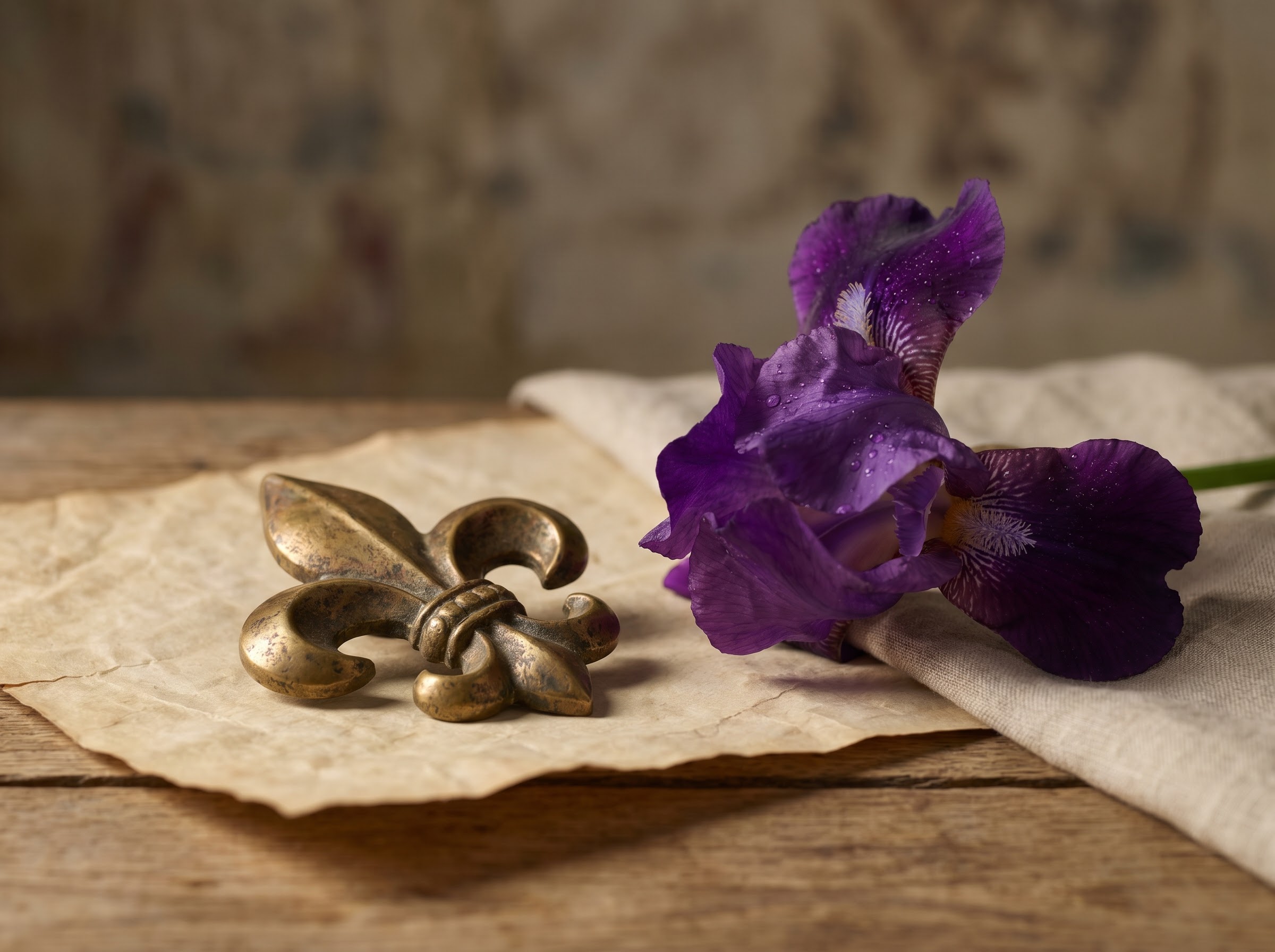
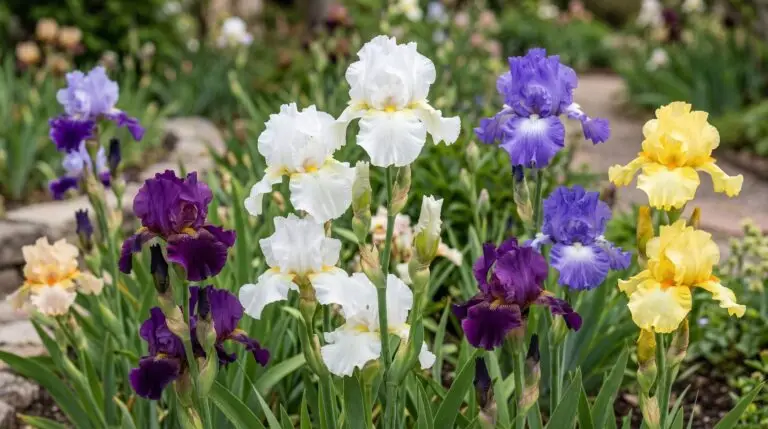
Purple is the iris most people picture, and it is the one that carries the flower’s headline meanings most clearly. A purple iris reads as wisdom and compliments, a respectful, admiring gift rather than a romantic one, which makes it a graceful choice for a mentor, a teacher, or anyone whose judgment you want to honor. It is the colour to reach for when the message is closer to “I respect you” than “I love you.” Blue irises lean into the faith-and-hope side of the family, the quieter, more hopeful register, well suited to a get-well card or a moment when someone needs steadying. Blue and purple sit so close on a real iris that the two readings blur together in practice, and most people will simply take either one as a warm, encouraging gesture.
White and yellow are where the readings get softer and worth a little care. A white iris stands for purity, in the same broad way most white flowers do, which lets it work for a wedding, a christening, or a sympathy arrangement depending on the setting around it. A yellow iris is the outlier of the group, traditionally tied to passion, a warmer and more ardent note than the cool faith of blue and the calm respect of purple. That makes yellow the closest the iris comes to a love message, though it is the least settled of the colours, so treat it as a fond, energetic gift rather than a precise declaration. None of these colour readings is as locked down as the rose colours are, but purple for wisdom and blue for hope are the two you can lean on with the most confidence.
Here is the whole iris-colour family in one place, with the meaning most people use today and a plain note on how solid each one is. The note matters as much as the meaning, because it tells you which colours carry a clear message and which are softer convention.
| Iris colour | Common meaning today | Note |
|---|---|---|
| Purple | Wisdom and compliments | The classic iris meaning. Respect and admiration, not romance. The safest reading to lean on. |
| Blue | Faith and hope | The hopeful, steadying register. Suits a get-well card. Blends closely with purple in practice. |
| White | Purity | Broad, like most white flowers. Works for a wedding or a memorial; the setting decides. |
| Yellow | Passion | The warm outlier and the closest to a love note. The least settled iris colour, so read it loosely. |
Who an iris is really for
The iris is not really a love flower, and that is useful to know before you send one. Its meanings run toward faith, respect, wisdom, and encouragement, which makes it far stronger as a gesture of belief in someone than as a romantic declaration. Give an iris to a friend heading into something hard, a colleague who earned a promotion, a student finishing a degree, or a person recovering from illness, and the message lands cleanly: I am rooting for you, I admire you, good fortune go with you. A purple iris says that with the most polish, and a blue one says it most gently.
If you do want an iris to carry warmth toward a partner, yellow comes closest, since passion is the one reading in the family that points that way. Even then, an iris reads more like a thoughtful, slightly formal compliment than a passionate one, so pair it with a clear card if romance is the point. It is a particularly good “congratulations” and “thinking of you” flower, which is exactly where its messenger heritage earns its keep. For a feel of which flowers carry which emotions across the wider tradition, our guide to what flowers mean by feeling maps the rest of them.
Why an iris means what it means
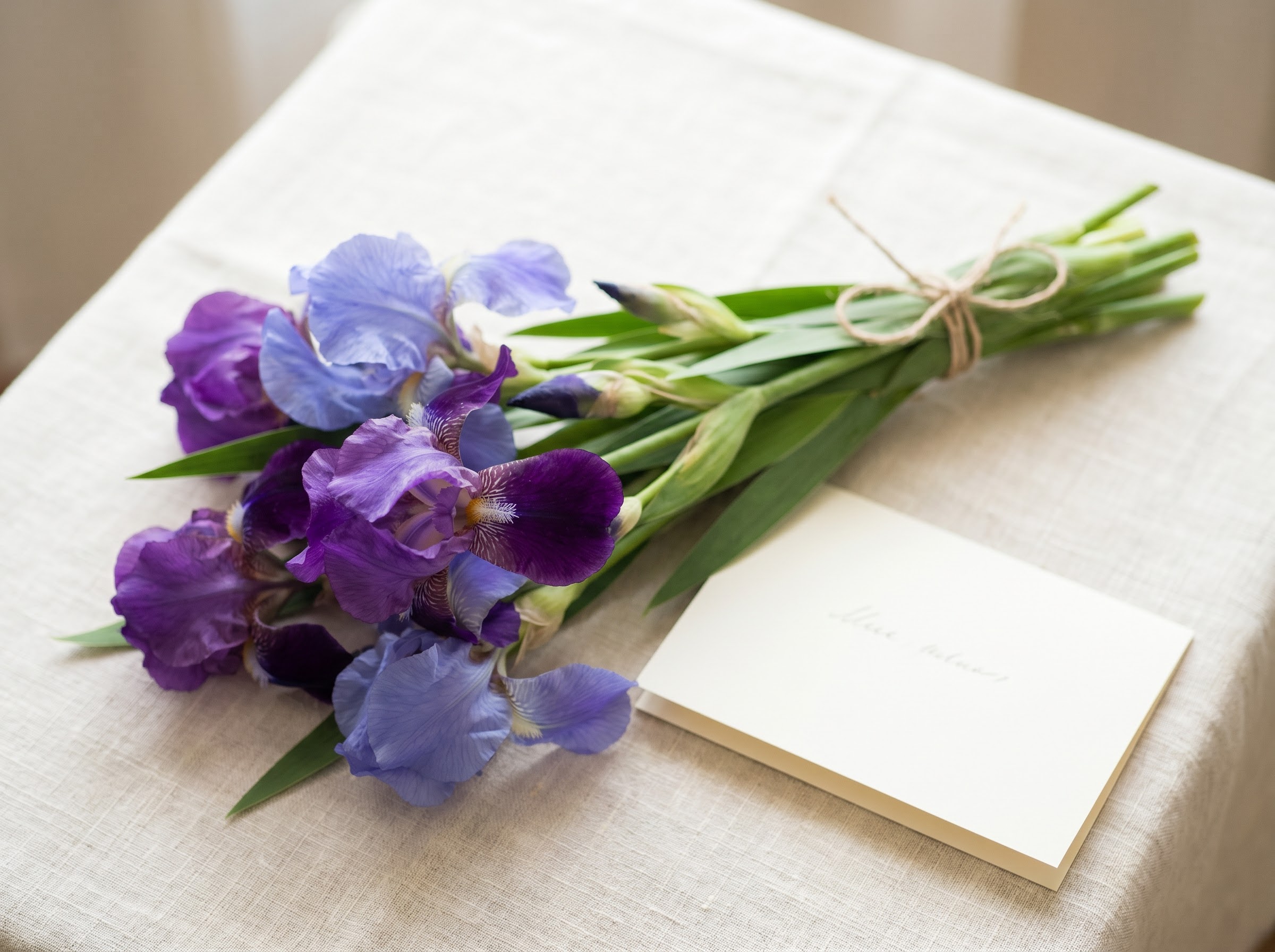
Almost everything the iris means traces back to one source: its name. The flower is named for Iris, the Greek goddess of the rainbow, who served as a messenger between the gods on Olympus and people on earth. The rainbow she personified was pictured as a bridge between the divine and the human, which is why the iris came to mean both a message and the higher virtues of faith, hope, and wisdom that such a message might carry. This is one of the cleaner origin stories in floriography, where the name, the myth, and the meaning all point the same way. Sending messages with flowers is itself an ancient practice, older than the Victorian craze, with roots reaching back to China, Egypt, and Assyria long before anyone in Europe wrote any of it into a chart.
The other story attached to the iris is French. The fleur-de-lis, the three-petalled emblem that became the badge of French royalty, is usually taken to be a stylised iris, which would tie the flower to centuries of kings and to ideas of nobility and faith. That identification is not as fixed as it sounds, though: the name “fleur-de-lis” means “flower of the lily,” and scholars have argued for both the iris and the lily as the true model, so the honest version is that the emblem is most often read as an iris and the flower picked up its royal, dignified association from being read that way. The same French thread runs through the flower language as a whole, since much of what became the familiar British tradition was first put together in France.
Iris tattoo meaning
As a tattoo the iris keeps its core meanings and adds a personal one. Most people who choose an iris are marking faith and hope, the steady, forward-looking side of the flower, which suits a piece meant to carry someone through a hard stretch. The iris is also a common memorial tattoo, and one pattern shows up again and again: an iris inked in memory of a grandparent. That reading leans on the flower’s link to messages and to the bridge between heaven and earth, so it works as a quiet way to keep a bond after a loss. Colour can shade the piece the same way it shades a bouquet, with purple carrying wisdom and respect and blue carrying the hope. If you are weighing flowers for a tattoo more broadly, our guide to flower tattoo meanings walks through the popular choices and what each one signals.
How little the iris has changed
The iris is one of the flowers where the Victorian meaning and the modern one barely moved apart. In the nineteenth-century lists an iris meant, simply, a message, and the rainbow-goddess story behind the name was already well known. Today we tend to spell that out as faith, hope, wisdom, and courage, but those are really just the message unpacked into its parts rather than a new meaning replacing an old one. Plenty of blooms reversed themselves across that same stretch of time; the iris simply did not flip, and only grew a little more detailed in the telling.
That stability is part of why the iris is a reliable flower to give. You are not betting on which century your recipient has in mind, the way you might with a more contested bloom. The reading you intend is very close to the reading they will receive, in old books and new ones alike. To see how differently other flowers behaved, where colours flipped and meanings reversed across eras, our guide to flower colour meanings lays those shifts out.
When to send irises, and what to say
Reach for an iris when the occasion is about belief in someone rather than romance: a graduation, a new job, a recovery, a milestone, a “you have got this” sent across a distance. Purple for wisdom and respect, blue for hope and steadiness, white for the broad purity that fits a wedding or a memorial, yellow for the rare time you want a warmer, more passionate note. Late spring is the iris’s natural season, so a fresh-cut bunch is easiest to find then, though florists stock them more widely. A simple card does the rest, and for good news a line like “wisdom and good fortune go with you” matches the flower exactly.
The honest caveat is the same one that runs under every flower meaning, even a steady one like this. Iowa State University Extension says as much in its own list of flowers and their meanings, pointing out that a single bloom gets read in more than one way depending on the source, and that no official dictionary settles the matter. The iris simply happens to be a corner where the sources mostly agree, which is why you can lean on the purple-for-wisdom and blue-for-hope readings with real confidence and treat the rarer colours and the fleur-de-lis lore as pleasant tradition rather than fixed rule. Nobody ever decreed that the iris means faith; it earned the meaning by being given and understood that way for long enough that the meaning stuck. If you want to see how that process plays out across the rest of the garden, where some flowers hold fast and others change sides, the meaning of flowers hub lays out the whole picture.
Sources
- Cornell University, Written in Petals: The Language of Flowers, on the history of floriography.
- Iowa State University Extension, Flowers and Their Meanings, on why sources disagree.
More flower meanings
 ChrysanthemumAt its core the chrysanthemum means long life, friendship, joy, and loyalty, but the reading…
 DaffodilNew beginnings, rebirth, and hope. As one of the first flowers to push up after winter, the…
 DaisyInnocence and purity above all, plus a loyal, faithful kind of true love and the idea of new…
 AnemoneIn modern use the anemone stands for anticipation and protection against ill will, a hopeful…
More meaning guides
More About Bearded Iris
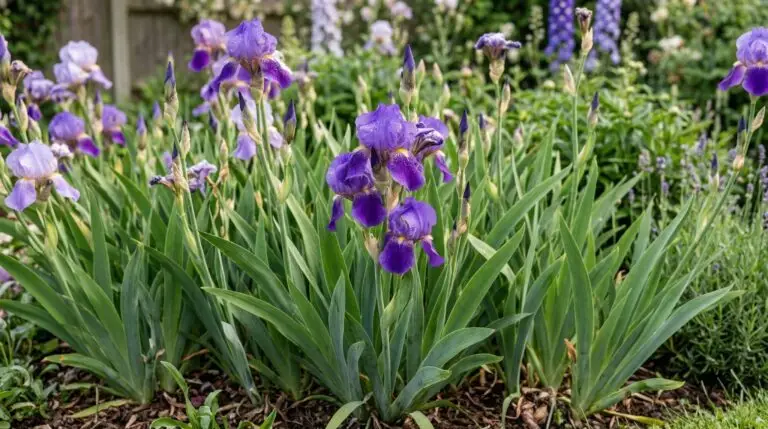 Why bearded iris stops blooming and the six most common causes
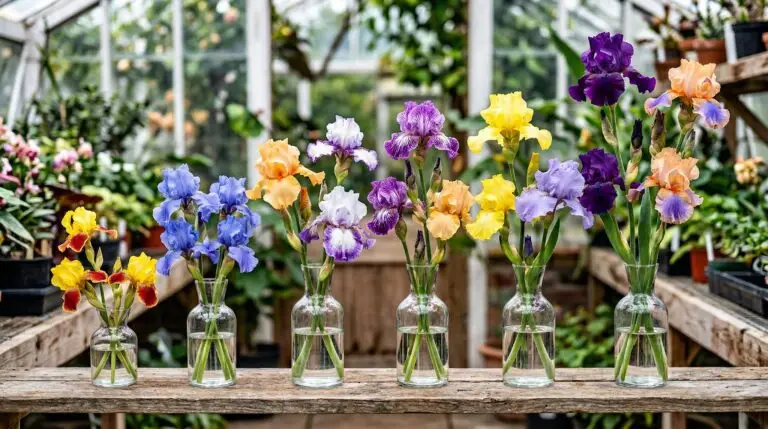 Tall bearded iris versus dwarf bearded iris and choosing the right size for your garden
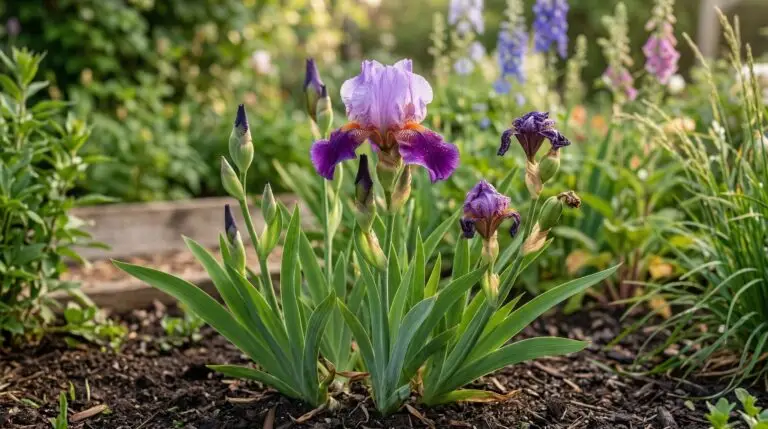 How to identify and prevent iris borer the most destructive bearded iris pest
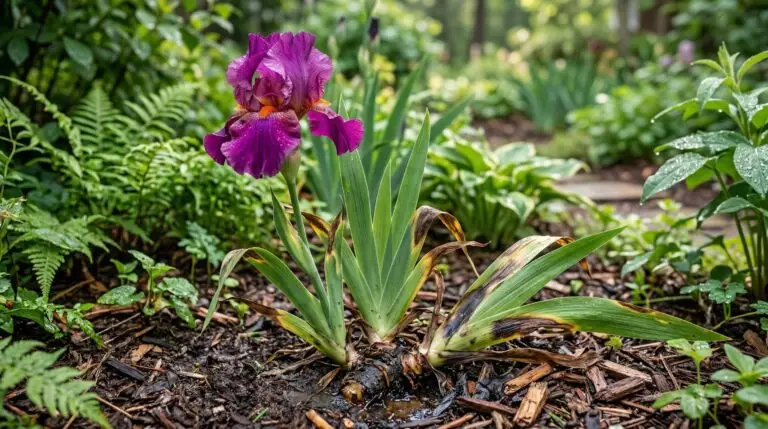 How to grow bearded iris in hot southern climates where summer heat is intense
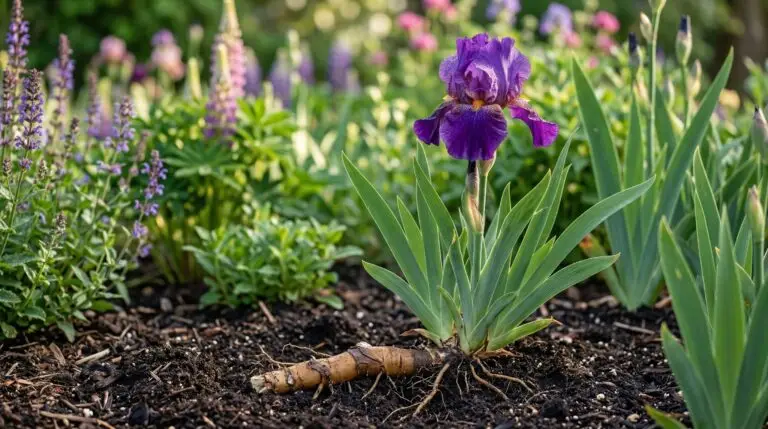 How to plant bearded iris rhizomes for a stunning spring flower show
 Bearded iris color combinations and how to design a rainbow iris bed
 Reblooming bearded iris varieties that flower twice in a single growing season
 Dividing bearded iris in summer for healthier plants and more blooms next spring
 Using bearded iris as cut flowers for elegant spring bouquets and arrangements
Enjoying our flower guides? Add YourFlowersGuide as a preferred source on Google. It helps more readers find us.
Add to Preferred Sources