Most common today
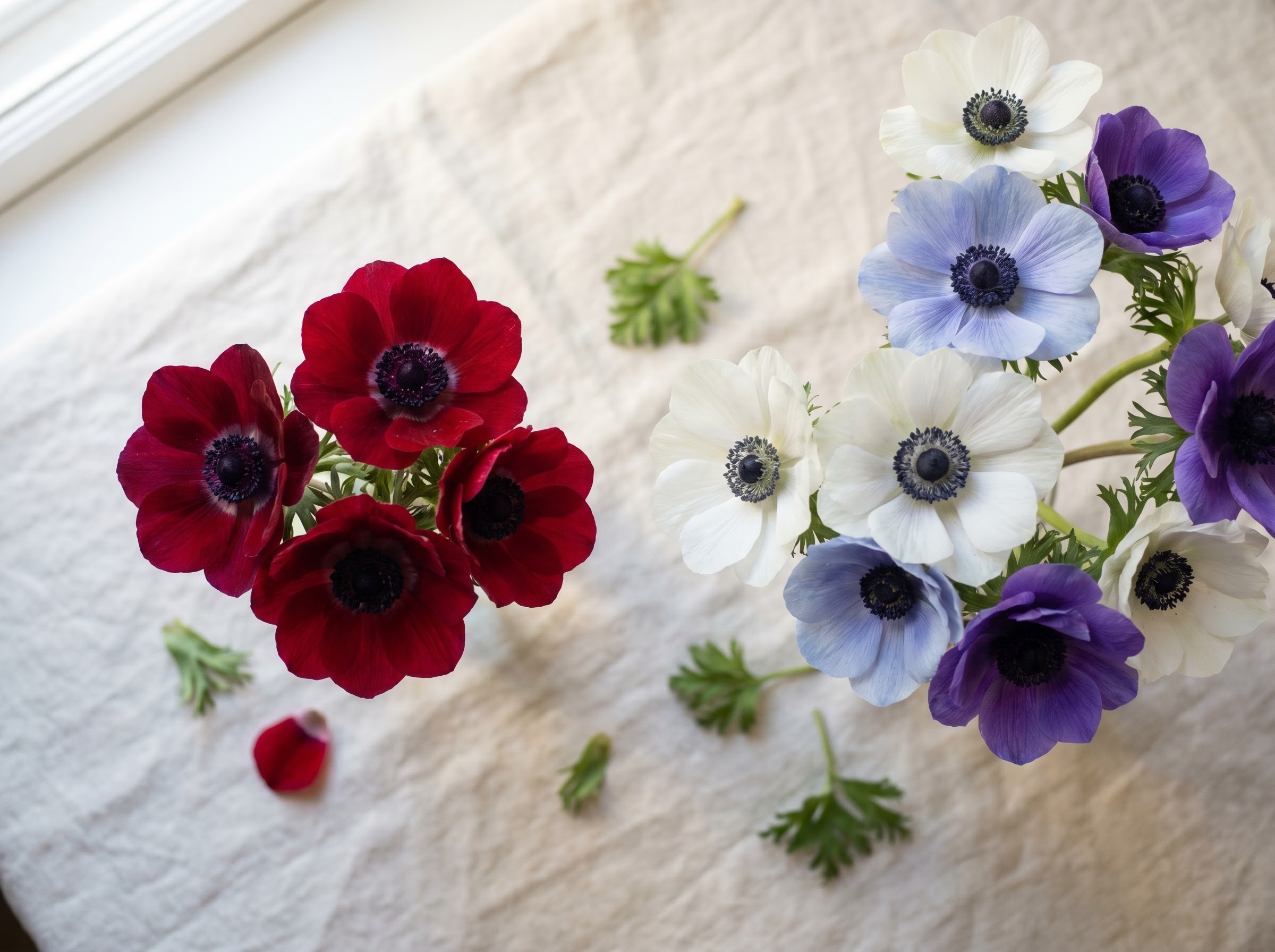
In modern use the anemone stands for anticipation and protection against ill will, a hopeful but watchful flower for new beginnings and uncertain love; it also keeps a thread of fragility and forsaken love.
The Victorian reading
In the Victorian language of flowers the anemone meant forsaken love and fading hope, a melancholy choice for an affection that had cooled or felt abandoned.
The colour spectrum, at a glance
What to write on the card
For a hopeful gift, “looking forward, and thinking of you”; when the flower is doing sympathy work, “remembering with you.”
Hand someone an anemone and you are handing over a flower with two opposite messages folded into the same bloom. In the most common modern reading it means anticipation and protection against ill will, a hopeful, slightly watchful flower. In the older Victorian language it meant forsaken love and fading hope, which is almost the reverse. Both readings are real, and the gap between them is the whole story of this flower. Below you will find the honest version of each meaning, the Greek myth that planted the grief in it, the way the red anemone in particular leans sorrowful, and a plain note on what to write and when this is a safe flower to give.
What sets the anemone apart is that most flowers carry one mood and let the colour shade it, while the anemone carries two moods that openly pull against each other. Which one you land on depends mostly on whether you are reading a modern list or a nineteenth-century one. That tension is not a flaw in the records. It is the meaning, and once you see why it split, the flower becomes easy to give well.
What anemone means
Today an anemone most often stands for anticipation and for protection against ill will. It is the flower of something coming, of looking forward with a little hope and a little guard up at the same time. The old folk reading tied that watchfulness to the plant’s habit of closing its petals at dusk and opening them again with the morning, as if it were waiting on something, though that connection is more charming than it is firmly documented. The same flower also carries fragility, the sense of a feeling that could pass, and from there it slides into the harder Victorian meaning. So the honest one-line answer is that an anemone means anticipation and protection in modern use, and forsaken love in the older tradition, and you cannot pick the “correct” one without first deciding which era you are speaking in.
The name itself points back to that waiting, watchful quality. Anemone comes from the Greek word for wind, which is why the plant is still commonly called the windflower, and old stories had the blooms opening only when the wind blew. There is one more thing worth clearing up in a single breath, since it is the first question many people actually have. The sea anemone, the soft marine animal on the reef, took its name from this flower because its waving tentacles looked like the petals, so the two share nothing but a shape and a name.
Giving an anemone in love and friendship
In matters of love the anemone is a tender flower. It is not the bloom you reach for to announce a settled passion. It speaks more quietly of a love that is hoped for, anticipated, or still uncertain, which is exactly why the modern reading of anticipation suits a new and fragile attachment so well, the kind of feeling that is real but not yet sure of itself. It belongs to the early, breath-held stage of something, the moment before any open declaration.
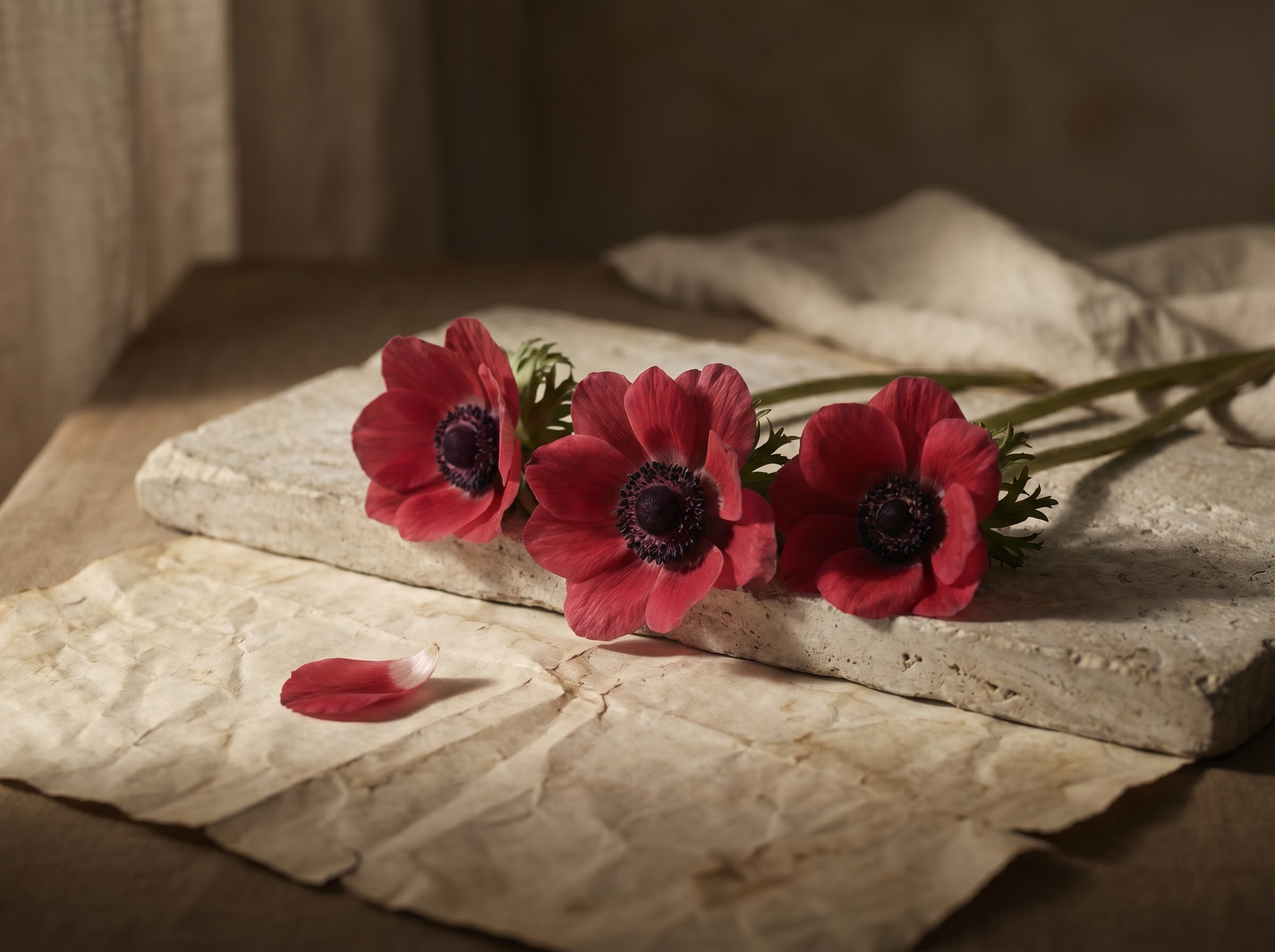
The shadow side is just as much a part of it. Because the Victorian lists read the anemone as forsaken love and fading hope, the flower has long carried a thread of loss, of affection that was not returned or that slipped away. This makes it surprisingly fitting for sympathy and for get-well gestures, where a hopeful flower that also acknowledges sorrow can say more than a purely cheerful bouquet would. As a gift between friends the anemone reads as warmth with a wish attached, a hope that good things are coming, which is gentler and less loaded than its romantic readings. The colour matters here too. A red anemone leans most heavily toward the sorrowful, blood-tinged meaning, so for a purely upbeat message the white, blue, or purple blooms carry the hopeful side more cleanly. Our guide to what flowers mean by feeling sets the anemone next to the other flowers people reach for when a feeling is mixed.
The myth that planted grief in the flower
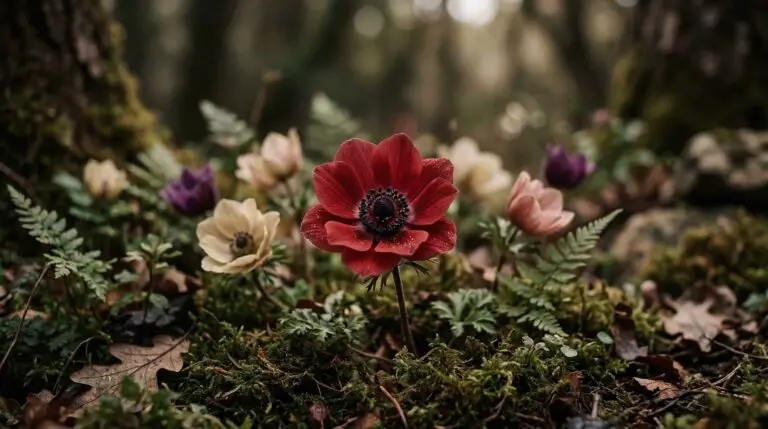
The grief inside the anemone is older than any Victorian flower dictionary, and it comes from Greek myth. The story goes that the anemone sprang from the tears Aphrodite wept as she mourned Adonis, her dying lover, with the red of the flower streaked from his blood. That single myth does a lot of work. It is why the anemone, and the red one above all, has always carried mourning and lost love alongside its softer hopeful meanings, and it explains how one flower ended up holding both anticipation and grief at once. The flower was, in effect, born grieving.
The hopeful, protective side has a different and looser origin in folk belief, where the windflower was thought to ward off illness and bad luck, so people once gathered the first blooms of the season as a charm against sickness. That protective strand, which our look at spiritual flower meanings places alongside the other blooms carried for protection and warding, is what survives in the modern reading. When the elaborate Victorian language of flowers was assembled, much of it taking shape in France before it became a craze in Britain, the compilers leaned on the grieving, forsaken side of the myth, and that is the meaning that got written down most firmly in the era’s flower books. The two strands, the protective folk charm and the grieving myth, were never reconciled, and the flower still carries both. For how this whole vocabulary was built, and why so much of it traces to Greek myth and French parlour fashion with no single rulebook behind it, our hub on the meaning of flowers tells the larger story.

From a Victorian sigh to a modern wish
In a Victorian flower book the anemone was a melancholy choice. There it meant forsaken love and fading hope, a flower you might press into a letter to say that an affection had cooled or that you felt abandoned. That reading sat comfortably with the Adonis myth and with the plant’s own short-lived, easily scattered blooms, which seemed to mirror a feeling that would not last. Sent in that century, an anemone was closer to a sigh than a wish.
The modern reading turned the flower toward hope. Somewhere across the past century the emphasis drifted from the forsaken-love meaning to the anticipation-and-protection one, the same way several flower meanings warmed up as the strict Victorian code faded and people stopped consulting it like a dictionary. The grieving meaning never fully left, which is why the anemone still works for sympathy, but it is no longer the first thing the flower says. It is a clean example of why no flower meaning is permanent, since nothing about the petals altered while the people pressing them into letters changed their minds entirely.
Why the charts disagree about this one
Plenty of flower charts will hand you a single tidy meaning for the anemone, and that confidence is misplaced. The readings genuinely diverge, and not by a little. One source will tell you anemone means protection and anticipation; the next will tell you it means forsaken love; a third will single out the red anemone for sorrow and death. Iowa State University Extension, writing up the language of flowers, is upfront that a single bloom gets read several different ways depending on which source you consult, and the anemone is one of the flowers where that scatter runs widest of all.
The most useful way to hold it is to read the meaning by era and by colour rather than hunting for one true definition. The table below lays out how the anemone’s meaning shifts across the readings that actually exist, so you can see at a glance which one you are dealing with and decide which fits what you want to say.
| Reading or context | What the anemone means there | How solid it is |
|---|---|---|
| Modern common use | Anticipation, looking forward, and protection against ill will | The reading most people use today. Hopeful and watchful. |
| Victorian language of flowers | Forsaken love and fading hope | Well documented in period flower books. Now the older, quieter meaning. |
| Greek myth (Aphrodite and Adonis) | Mourning and lost love, the source of the grief in the flower | Ancient and well attested. The origin of the sorrowful strand. |
| The red anemone specifically | Leans toward sorrow, death, and lasting grief | Consistent across sources; the colour pulls the meaning darker. |
| White, blue, or purple anemone | Carries the hopeful, protective side more cleanly | The safer choice when you want an upbeat message. |
Read that table as a map of an honest disagreement, not a menu of equal options. If you are giving an anemone now, the modern hopeful reading is the one your recipient is most likely to feel, especially with a pale or blue bloom. The grieving meanings are real and old, but they belong to the myth, the red flower, and the Victorian century more than to a bunch handed over today. When the readings of a flower this divided are involved, knowing which strand you are pulling on is the whole skill.
Giving anemones, and the note to tuck in
Give anemones when your message is hopeful but not yet certain, which is exactly the feeling the flower carries best. They suit a new relationship, an exciting beginning, a fresh start, or a wish for someone’s recovery, and they are quietly lovely for sympathy precisely because they can hold hope and sorrow in the same breath. Reach for white, blue, or purple when you want the message to read clearly hopeful, and keep the red ones for moments where a note of remembrance or grief is welcome rather than accidental. On the card, let the words carry the meaning the colour leaves open, with something as simple as “looking forward, and thinking of you” for a hopeful gift, or “remembering with you” when the flower is doing sympathy work.
One practical note helps the gesture land. Anemones bloom in spring and again in fall, so a seasonal bunch will be freshest and most affordable then, and a windflower given in its own season reads as a small, well-timed kindness. If you would rather grow them yourself, our guide on how to grow anemone covers the windflower as a plant, the spring and fall types, and how to keep them happy. And because the anemone’s split personality is such a clear case of meaning shifting by myth, era, and place, our look at flower meanings around the world shows how often a single flower means different things depending on who is reading it. The anemone wears that openly, carrying its hope and its grief side by side. Give one and you are handing over both halves at once, a flower honest enough to hope and grieve in the same breath.
Sources
- Cornell University, Written in Petals: The Language of Flowers, on the history of floriography.
- Iowa State University Extension, Flowers and Their Meanings, on why sources disagree.
More flower meanings
 ChrysanthemumAt its core the chrysanthemum means long life, friendship, joy, and loyalty, but the reading…
 IrisFaith, hope, wisdom, and courage, with the older idea of a message running underneath, which is…
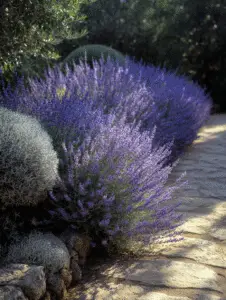 LavenderCalm above all: serenity, rest, healing, and a soft, steady devotion, the love of long care…
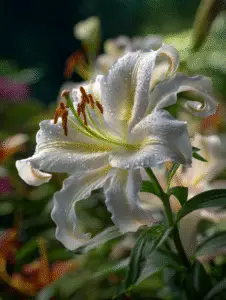 LilyAt its core a lily means purity, devotion, and renewal, with the colour tuning the message; the…
More meaning guides
More About Anemone
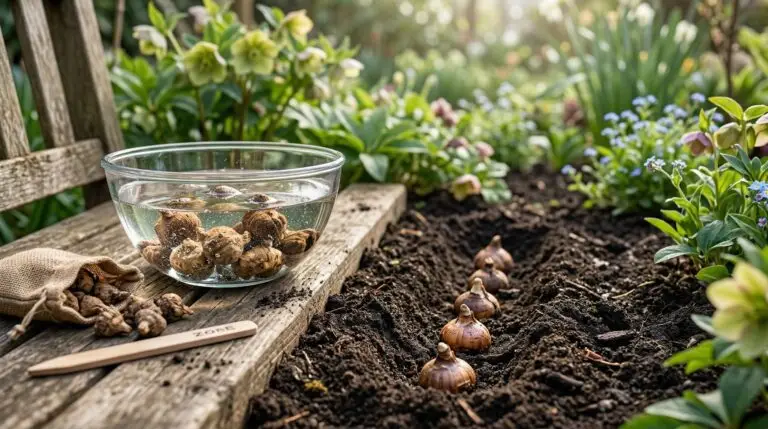 How to plant anemone corms in fall for a spectacular spring flower display
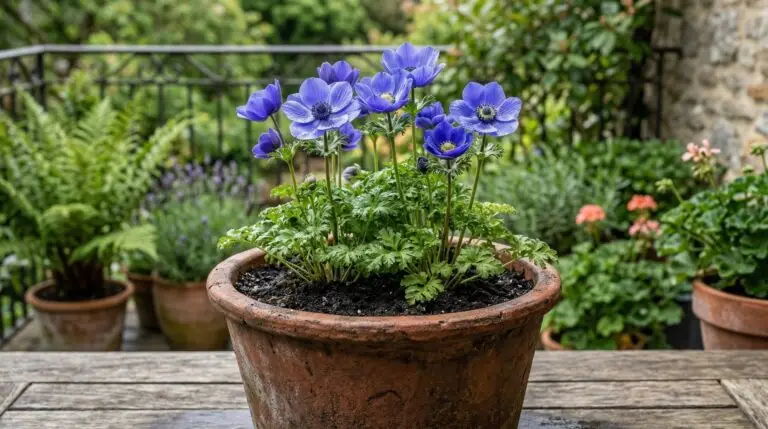 How to grow anemones in containers for a colorful spring balcony garden
 Naturalizing anemones in woodland gardens for wild-looking spring carpets
 Anemone flower meaning and the mythological story behind the windflower
 Growing anemones as cut flowers for endless spring and fall arrangements
 Anemone and ranunculus planted together for the ultimate spring flower garden
 Why your anemone corms did not sprout and how to succeed next time
 Anemone wedding bouquets that bring effortless romance to any ceremony
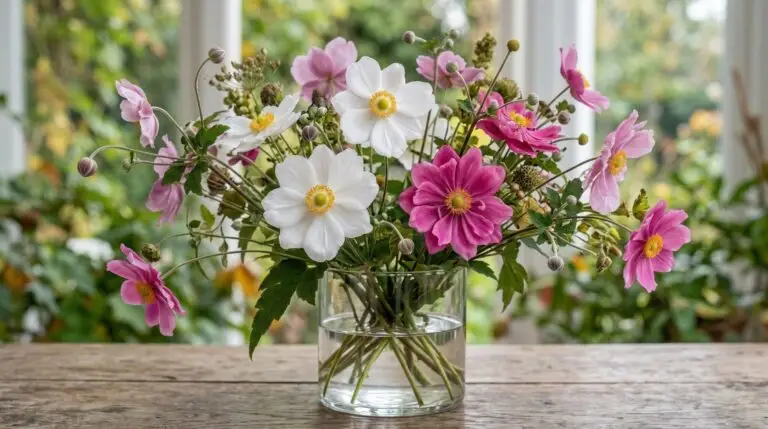 Japanese anemones for fall gardens that bloom when everything else fades
Enjoying our flower guides? Add YourFlowersGuide as a preferred source on Google. It helps more readers find us.
Add to Preferred Sources