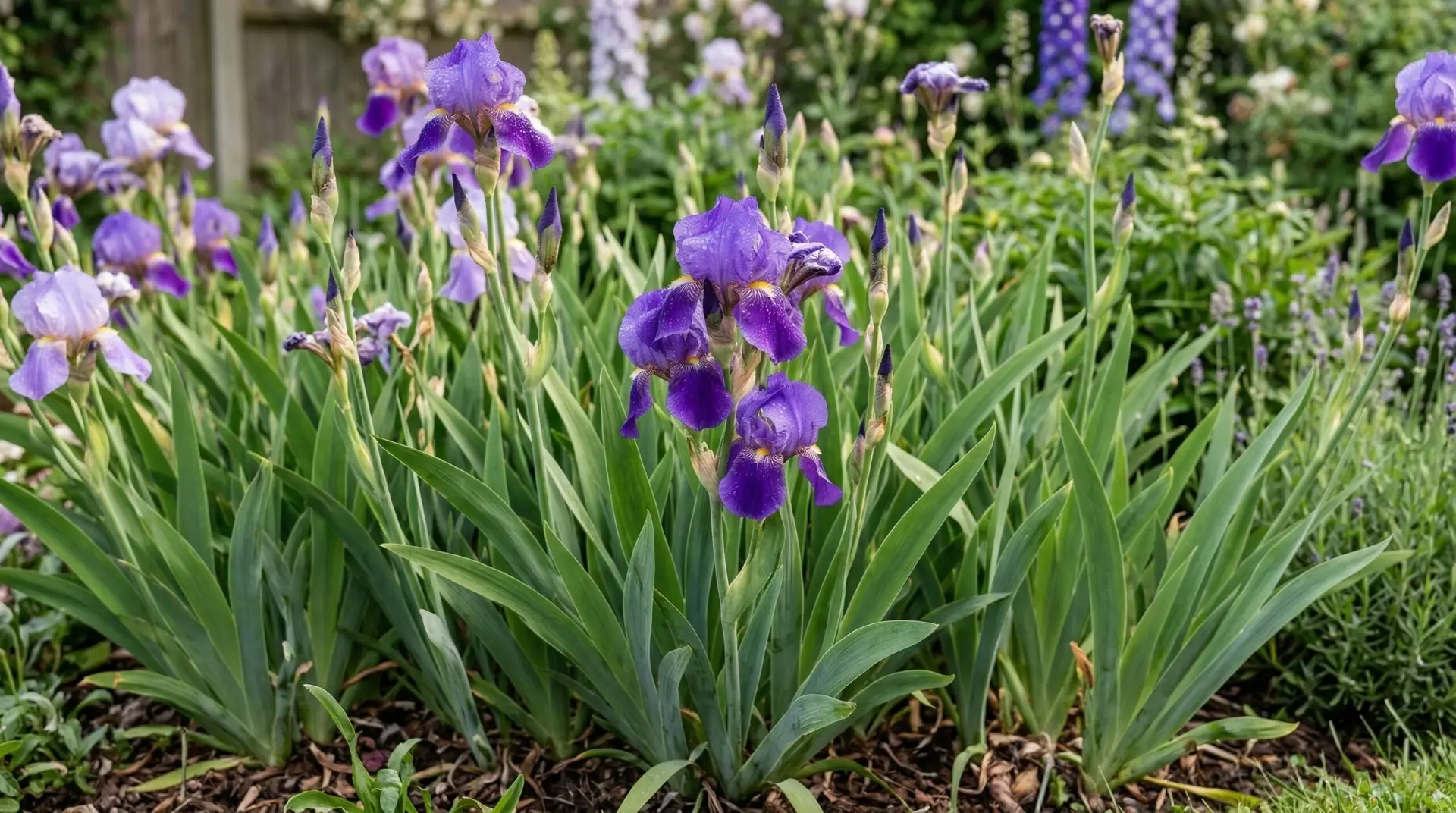
You wait all year for those large spring blooms, only to find a massive clump of green sword-like leaves and absolutely no stalks. This is one of the most common frustrations I hear from home gardeners, and it usually prompts a desperate search to figure out why your iris stopped blooming. When a plant produces vigorous foliage but refuses to flower, it is trying to tell you that its basic environmental needs are no longer being met. The good news is that these plants are incredibly resilient, and you can usually fix the problem with some targeted maintenance. Resolving an iris not blooming requires looking closely at how the plant is sitting in the soil and what has changed in its environment over the last few years. We are going to walk through the exact reasons this happens and how you can get your beds back to producing reliable spring color.
Contents 3 sections
Overcrowding and planting depth issues
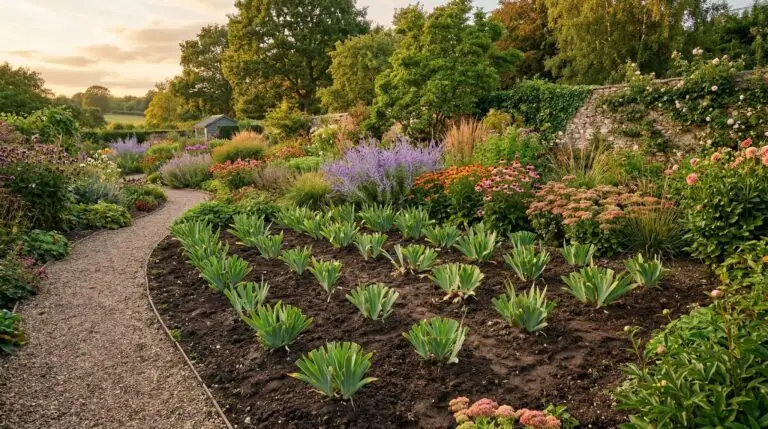
The most frequent reason a bearded iris won’t flower is simple overcrowding in the garden bed. These plants grow by producing new rhizomes outward from the original center, and after three to five years, they form a dense, tangled mat of roots and fleshy stems. When this happens, the plants begin competing fiercely with each other for water, soil nutrients, and physical growing space. The center of the clump often dies out completely, leaving a ring of smaller, weaker plants that do not have the energy reserves required to produce flower stalks. The fix is to dig up the entire clump during the late summer, discard the old woody centers, and replant only the healthy outer rhizomes. You should know that after you divide and replant them, these immature divisions often need a full growing season to establish themselves before they will flower again.
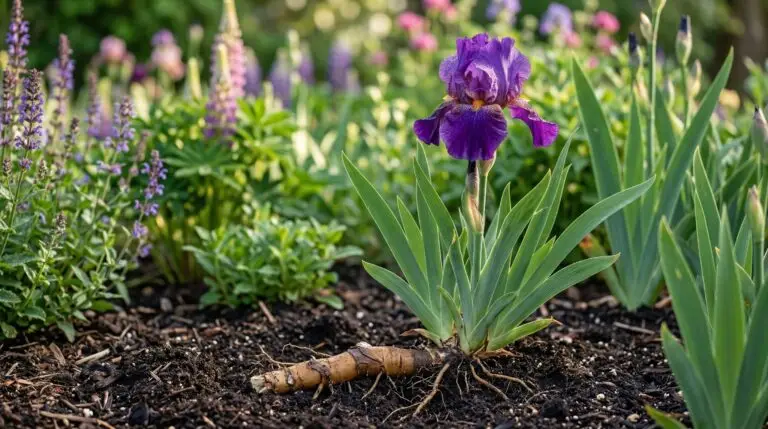
Another major mechanical issue that stops blooms cold is planting the rhizomes too deeply in the soil. Many gardeners treat an iris like a standard bulb, burying it several inches underground to protect it from the winter cold. This is a fatal mistake for bearded varieties because the top half of the fleshy rhizome actually needs to be exposed to direct sunlight and fresh air to trigger flower production. If you cover the rhizomes with thick layers of soil or heavy wood mulch, the plant will push up leaves to survive but will completely abandon any attempt to create blossoms. You need to plant them so they look like a duck resting on the surface of the water, with the roots firmly anchored in the soil and the top of the rhizome baking in the sun. If you discover your plants are buried, you must gently lift them with a garden fork and reset them at the proper shallow depth.
Sunlight changes and nutrient imbalances
Environmental changes often sneak up on gardeners, especially when it comes to the amount of sunlight a garden bed actually receives. You might have planted your beds in full sun five years ago, but nearby trees and shrubs have likely grown taller and wider since then. Bearded irises require an absolute minimum of six hours of direct, unfiltered sunlight every single day to form their flower buds. When a bed slowly transitions into partial shade, the plants will continue to survive and produce attractive green foliage, but they simply will not have the solar energy required to push out heavy blooms. This is similar to how a daylily might survive in the shadows but will drastically reduce its flower count until it is moved back into bright light. You have to either aggressively prune back the surrounding trees to restore the sunlight or dig up your plants and move them to a brighter location.
Fertilizer mistakes are another sneaky culprit that will leave you with beautiful leaves and zero flowers. Many gardeners accidentally feed their flower beds with high-nitrogen lawn fertilizer, or they use heavy applications of fresh manure and rich compost. Nitrogen is the nutrient responsible for pushing green leafy growth, and when a plant receives too much of it, it prioritizes making more leaves at the expense of developing blossoms. This nitrogen overdose creates massive, floppy green fans that look incredibly healthy but are completely barren of flower stalks. To correct this imbalance, you need to stop using lawn fertilizers anywhere near your flower beds and switch to a formula that is higher in phosphorus. A light application of bone meal or a low-nitrogen bulb food applied in early spring is usually all these plants need to support healthy flowering without triggering excessive leaf production.
Hidden pest damage and recovery
If your growing conditions are perfect but the plants still refuse to bloom, you need to check for the iris borer. This destructive caterpillar hatches in the early spring and tunnels its way down through the leaves directly into the fleshy rhizome. As the borer eats the inside of the rhizome, it introduces a foul-smelling bacterial soft rot that turns the firm root into a mushy, rotting mess. A plant suffering from borer damage will divert all its remaining energy into basic survival, meaning flower production stops entirely. You can spot the early signs of this pest by looking for water-soaked spots, ragged edges on the leaves, or fine sawdust-like debris near the base of the plant. To fix a borer infestation, you must dig up the affected plants, cut away all the mushy rotting tissue, kill any fat pink caterpillars you find inside, and let the cleaned rhizomes dry in the sun for a few days before replanting them in fresh soil.
Recovering a neglected bed takes a bit of physical labor, but the rules for success are straightforward once you understand how these plants operate. Just like when you are trying to coax blooms from stubborn peonies, the depth of the root system and the amount of sunlight dictate everything. If I could give a beginner one single piece of advice for avoiding these problems altogether, it would be to keep the tops of the rhizomes completely clear of soil, mulch, and fallen leaves year-round. A rhizome that can feel the hot summer sun baking its top surface is a rhizome that is actively preparing to give you a massive display of flowers the following spring. Keep them shallow, keep them in the sun, and divide them the moment the center of the clump stops producing stalks.
More About Bearded Iris
Tall bearded iris versus dwarf bearded iris and choosing the right size for your garden
How to identify and prevent iris borer the most destructive bearded iris pest
How to grow bearded iris in hot southern climates where summer heat is intense
How to plant bearded iris rhizomes for a stunning spring flower show
Bearded iris color combinations and how to design a rainbow iris bed
Reblooming bearded iris varieties that flower twice in a single growing season
Dividing bearded iris in summer for healthier plants and more blooms next spring
Using bearded iris as cut flowers for elegant spring bouquets and arrangements
Iris meaning and iris colour meanings, honestly explained
Enjoying our flower guides? Add YourFlowersGuide as a preferred source on Google. It helps more readers find us.
Add to Preferred Sources