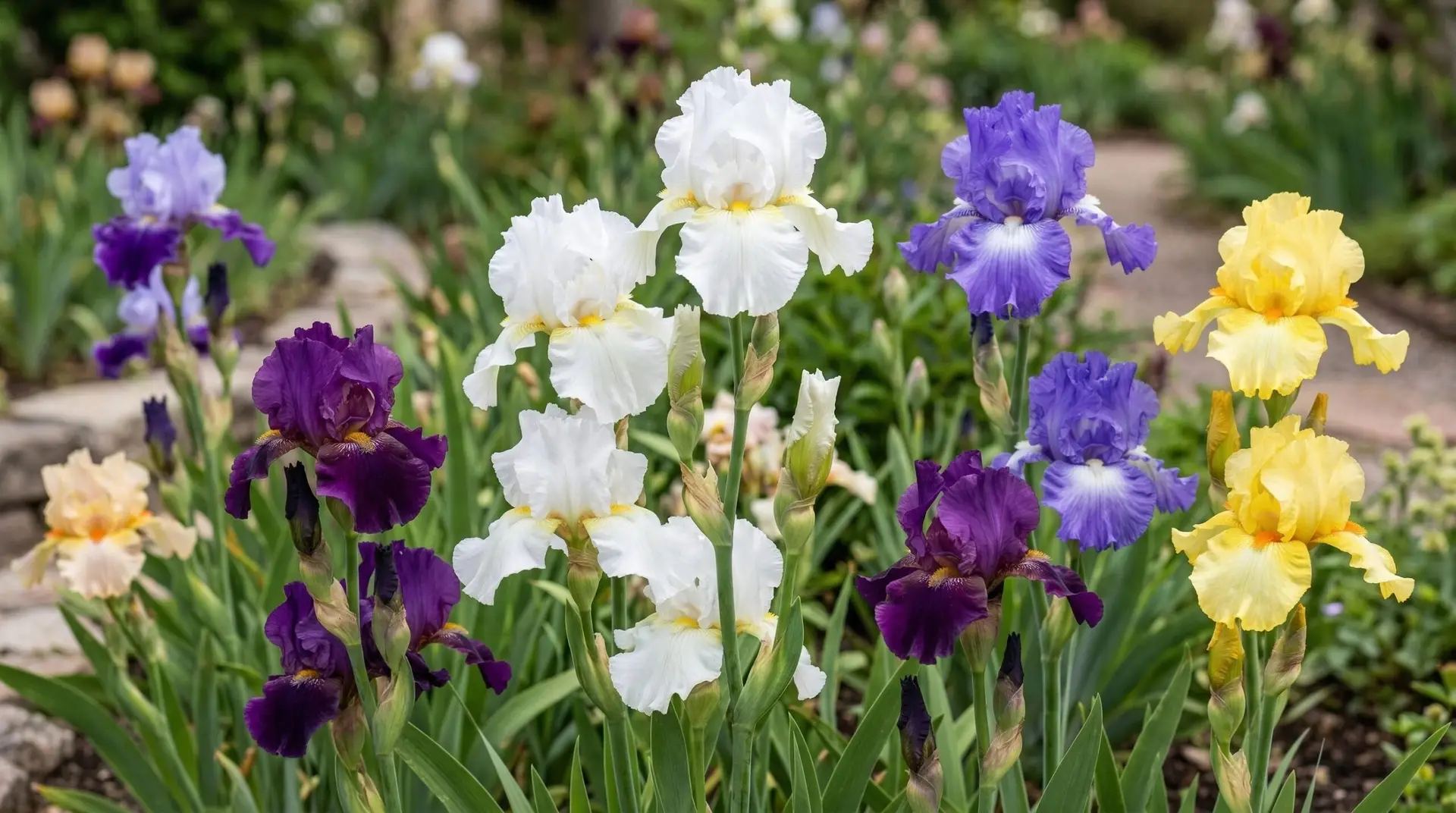
The spring iris bloom is a specific kind of garden magic. The tall stalks emerge when the soil warms, holding intricate, ruffled flowers that smell like grape soda or sweet vanilla. We wait all year for that brief window in May or June when the Iris beds explode into color. For a long time, I accepted that this glorious show was a once-a-year event, a fleeting reward for months of patience. Then I discovered reblooming bearded iris varieties that flower a second time before the growing season ends. Seeing a full, ruffled iris bloom opening against the backdrop of changing autumn leaves completely shifted how I plan my garden beds. It feels like getting away with something impossible, coaxing a distinctly spring flower to perform alongside the late asters and goldenrod.
The concept of an iris that blooms twice is entirely real, though it requires a bit of understanding to get right. These plants have a genetic tendency to complete two full growth cycles in a single year rather than going dormant after their spring flush. When the conditions are right, they produce their standard spring flowers, rest briefly during the hottest part of summer, and then send up fresh stalks in late August, September, or October. I have walked out to my garden on a crisp October morning and found a perfectly formed, fragrant flower covered in dew, completely defying the season. This second flush is often slightly shorter than the spring bloom, but the flowers are just as detailed and fragrant. Growing a repeat blooming bearded iris turns the garden into a place of continuous anticipation, where the end of the spring show is just an intermission.
Contents 4 sections
Why some bearded irises bloom twice a year
The ability of an iris to rebloom is heavily dependent on your specific climate and growing zone. Most reblooming varieties were bred and tested in moderate climates, typically USDA zones 5 through 8, where the growing season is long enough to support two distinct cycles. If you live in a region with very short summers or early hard frosts, your plants might form fall buds that simply freeze before they can open. I have learned the hard way that a plant labeled as a rebloomer in California might behave like a standard once-blooming iris in a colder northern garden. The secret is finding varieties that are known to cycle quickly and reliably in your specific region. Even in ideal zones, a reblooming iris needs a little extra encouragement to perform its second act, as the plant uses a tremendous amount of energy to produce that fall stalk.
Reliable reblooming varieties for the garden
When you start looking for reliable performers, a few specific cultivars consistently rise to the top of the list. Immortality is perhaps the most famous reblooming iris, and it completely earns its reputation with pure white, heavily ruffled flowers that possess a strong, sweet fragrance. I planted my first Immortality rhizome years ago, and it remains the most dependable fall bloomer in my collection, often pushing up three or four late stalks even when the summer has been dry. Harvest of Memories is another absolute favorite, offering bright, solid yellow flowers that bring a jolt of sunshine to the late-season garden. The yellow falls and standards hold their color beautifully, and the plant multiplies vigorously, giving you plenty of rhizomes to spread around or share with neighbors. Both of these varieties cycle fast enough to beat the autumn frosts in most moderate climates, making them excellent choices for anyone trying a reblooming iris for the first time.
Beverly Sills is a variety that many gardeners already know and love for its flawless coral-pink flowers and vigorous growth habit. What many people do not realize is that Beverly Sills will occasionally rebloom in warmer zones, offering a surprise second flush of those perfectly laced pink petals. While it is not as aggressively reliable in the fall as Immortality, the sheer pleasure of seeing a coral-pink iris in late September makes it worth planting. I find myself checking the base of my Beverly Sills fans starting in late August, parting the leaves to look for the telltale swelling of a new flower stalk. When growing these specific cultivars, I always plant them where I walk by daily, ensuring I never miss the sudden appearance of a late bud. Mixing these dependable rebloomers with your standard spring varieties extends the overall season of interest and keeps the garden feeling active well into autumn.
Adjusting your care routine for a second flush
Getting a reblooming iris to actually flower twice requires a different approach to summer care than you would use for traditional varieties. Standard bearded irises prefer to bake in the dry summer heat, slipping into a semi-dormant state after they finish blooming. Rebloomers, however, need consistent moisture and nutrition to fuel their second growth cycle. I treat them much like I treat a repeat-blooming Daylily, providing deep, regular watering through the hottest months of July and August if the rain is scarce. Applying a low-nitrogen fertilizer right after the spring bloom fades gives the rhizomes the specific nutrients they need to start forming fall buds. You have to strike a careful balance, giving them enough water to keep them growing without soaking the soil so much that the rhizomes rot.
Division is another important factor in keeping your repeat bloomers performing at their peak. Because these plants are growing and blooming twice as much as standard varieties, they multiply rapidly and can quickly become overcrowded. I find that my reblooming irises need to be dug up, divided, and replanted every two to three years, rather than the typical three to five years recommended for standard types. When a clump becomes too dense, the rhizomes compete for water and nutrients, and the first thing the plant abandons is the fall bloom. The physical work of lifting a massive clump in late summer, snapping apart the firm, healthy rhizomes, and setting them back into freshly amended soil is deeply satisfying. It is a direct investment in the following year’s flowers, ensuring the plants have the space and resources they need to keep surprising you.
The quiet satisfaction of an autumn iris
There is a distinct emotional shift in the garden as summer turns to fall, and having an iris bloom during this transition feels incredibly special. The spring garden is loud, crowded, and competitive, with everything rushing to flower at once. The fall garden is quieter, and a tall stalk of Immortality or Harvest of Memories stands out sharply against the fading foliage of neighboring plants. I love cutting these late flowers and bringing them into the house, where their sweet scent fills a room that has already been closed up against the autumn chill. Sometimes a hard frost will threaten right as a stalk is forming buds, and I have spent many evenings covering my prized rebloomers with old bedsheets to protect them for just a few more days. The effort is always rewarded when the morning sun warms the fabric, and I pull it back to find a perfect, untouched flower.
Even with the best care, there are years when the weather simply does not cooperate, and the second flush never arrives. A brutally hot, dry summer might force the plants into dormancy, or an unusually early winter might freeze the stalks before they can open. I have learned to accept these disappointments as part of the rhythm of growing living things. The years when the fall bloom fails only make the successful years feel more rewarding. I keep planting and tending these varieties because the possibility of an autumn iris is too wonderful to pass up. The joy of walking through a late-season garden and finding a fresh, crisp flower waiting for you is a specific kind of magic that keeps me returning to the soil year after year.
More About Bearded Iris
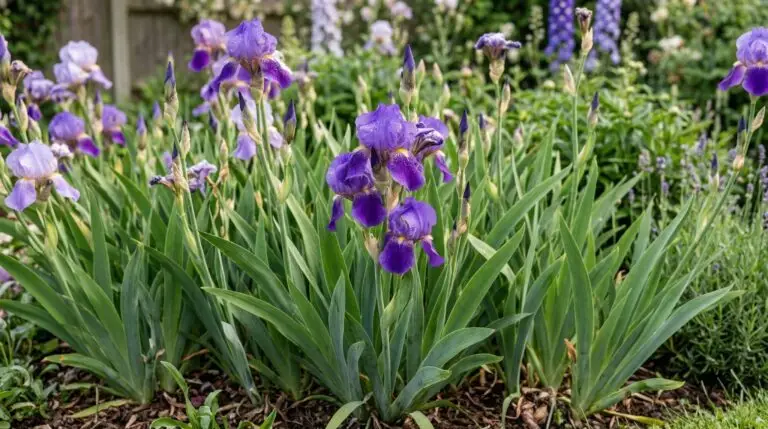
Why bearded iris stops blooming and the six most common causes
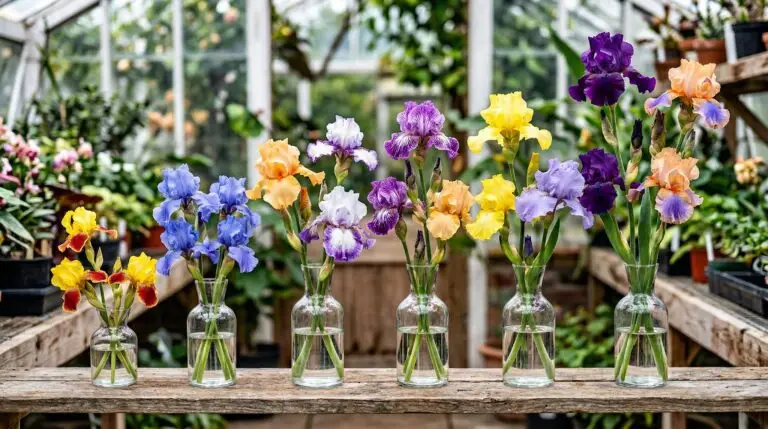
Tall bearded iris versus dwarf bearded iris and choosing the right size for your garden
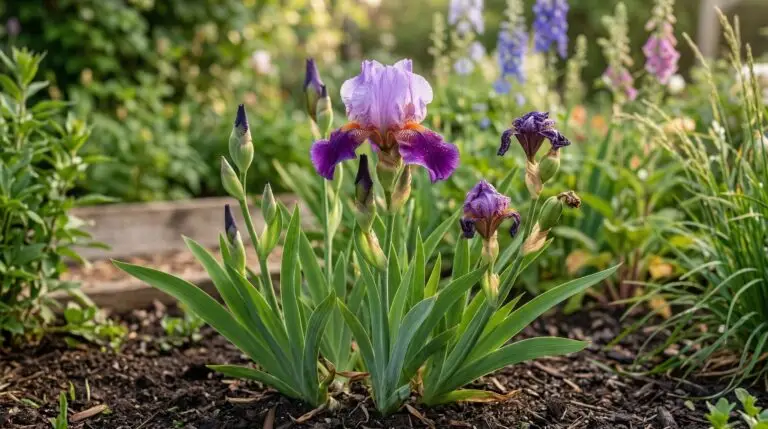
How to identify and prevent iris borer the most destructive bearded iris pest
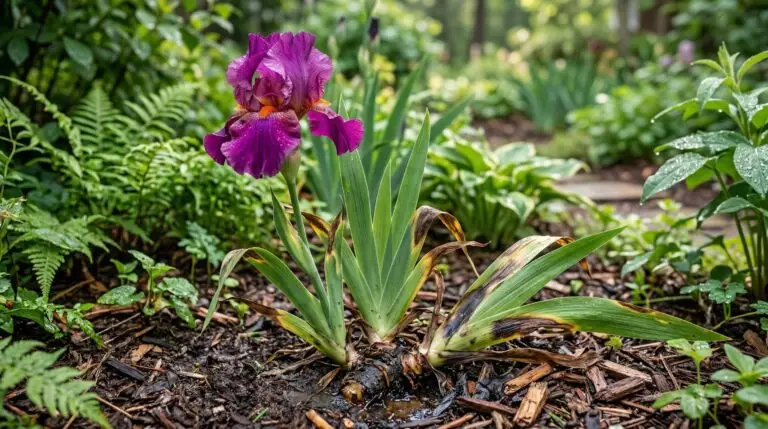
How to grow bearded iris in hot southern climates where summer heat is intense
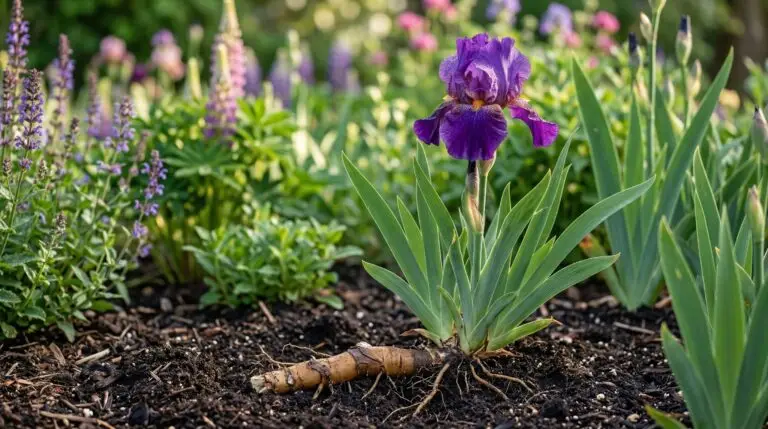
How to plant bearded iris rhizomes for a stunning spring flower show
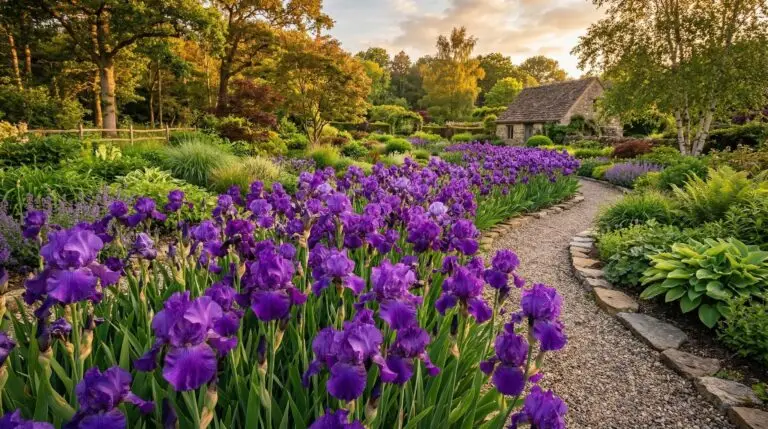
Bearded iris color combinations and how to design a rainbow iris bed
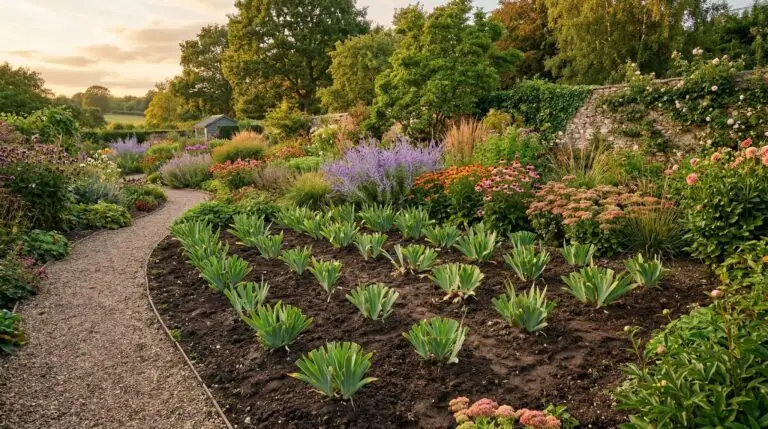
Dividing bearded iris in summer for healthier plants and more blooms next spring
Using bearded iris as cut flowers for elegant spring bouquets and arrangements
Iris meaning and iris colour meanings, honestly explained
Enjoying our flower guides? Add YourFlowersGuide as a preferred source on Google. It helps more readers find us.
Add to Preferred Sources