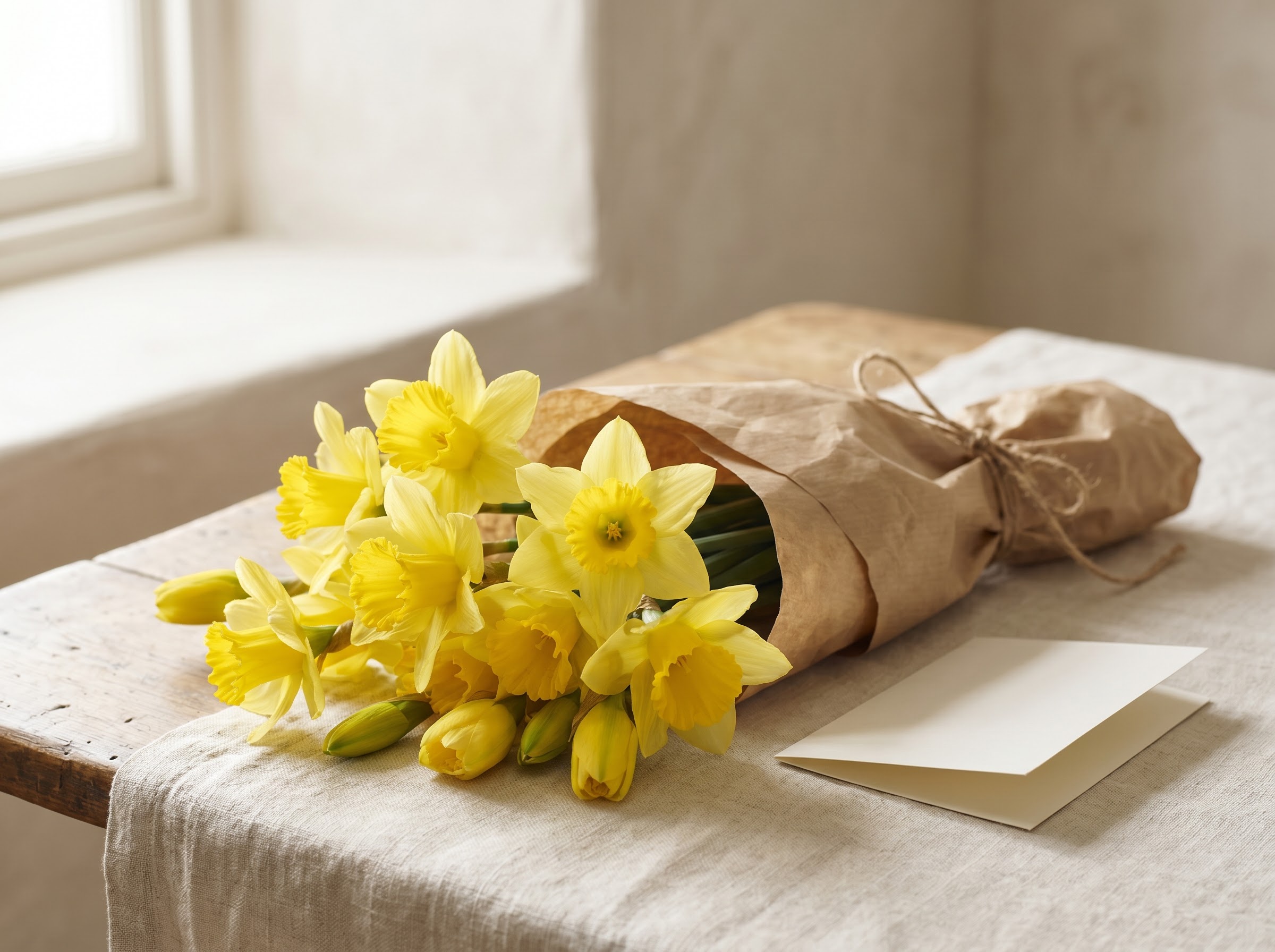
Most common today
New beginnings, rebirth, and hope. As one of the first flowers to push up after winter, the daffodil reads as a corner being turned: recovery, a fresh chapter, the relief of a long wait ending. It is a flower of warm affection and good wishes rather than romance.
The Victorian reading
In the Victorian language of flowers the daffodil meant regard and chivalry, a respectful, slightly courtly warmth rather than passion, which is why it was never a passion flower. The same lists also carried the folklore that a single bloom warned of misfortune while a bunch promised joy.
What to write on the card
To new beginnings and brighter days.
The daffodil is the flower that means a new start. It pushes up through cold, half-frozen ground while everything around it is still bare, and that one habit, blooming first when nothing else dares to, decides almost everything the flower has ever stood for. A daffodil means new beginnings, rebirth, and hope. Give one to mark a fresh chapter, a recovery, the turn of a hard season into a kinder one, and the message reads clearly even to someone who has never heard a word about flower symbolism. Below you will find the honest reading of that core meaning, the Greek myth tangled in the flower’s own name, the odd superstition about giving a single bloom, and a plain note on what to write when you hand someone a bunch.
Few flowers give a writer so little to argue about. The daffodil does not really split by colour the way a rose or a carnation does, and the old lists do not fight much over its central message. What it has instead is a strange double life: a hopeful modern flower with a vain mythological namesake and a small thread of folklore that says one stem is bad luck. None of that is hard to untangle once you know where each piece comes from.
What a daffodil means
At its heart a daffodil means new beginnings, rebirth, and hope. The reason is simple and physical rather than poetic. It is one of the very first flowers of spring, often the first real colour after a grey winter, and people have read that timing as a promise for a long time. When the daffodils open, the worst is over and the year is turning. So the flower carries the feeling of a corner being turned: recovery, a fresh chapter, the relief of a long wait ending. That is why daffodils show up at the start of things rather than the middle of them, given for a new home, a graduation, a return to health, the first warm week after a cold stretch of life.
The Victorian language of flowers read the daffodil a little more formally. In those lists it stood for regard and chivalry, a respectful, slightly courtly kind of warmth rather than burning romance. That older reading has mostly faded from everyday use, but it is worth knowing, because it explains why a daffodil has never quite been a passion flower. It says I think well of you and I wish you well, the kind of warmth you offer a friend rather than a declaration of being in love. The modern meaning of rebirth and hope grew naturally out of that gentler regard, sharpened by the flower’s place as the herald of spring. Worth saying clearly: the daffodil is one of the few flowers where colour barely matters, since the cheerful yellow it usually wears already points the same way the meaning does, so there is no separate palette to learn the way there is with a rose. If you are curious how other flowers fracture into a dozen shades, our guide to flower colour meanings shows where colour does the heavy lifting and where, as with the daffodil, it simply does not.
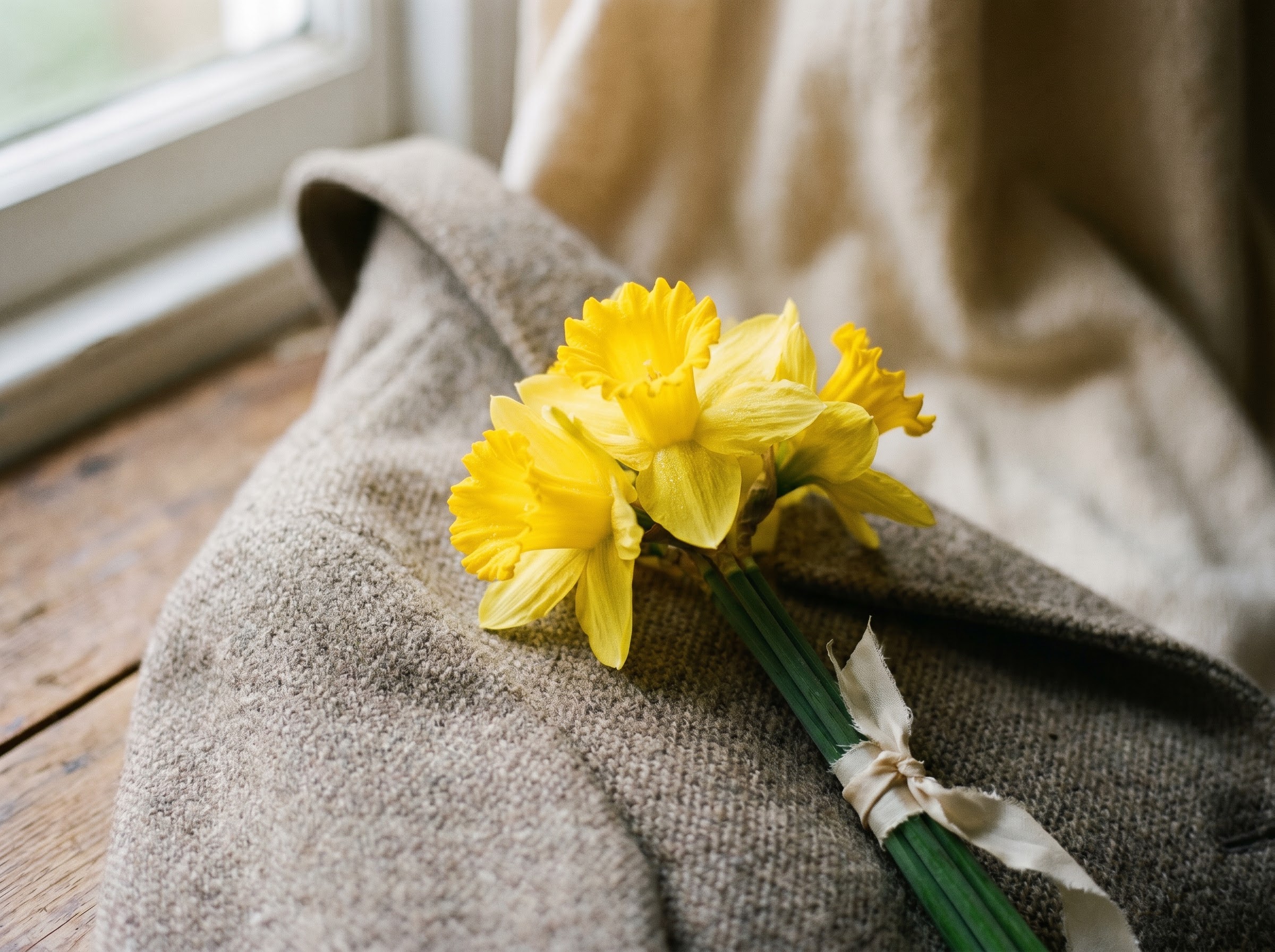
A flower for thresholds, not declarations
This is a flower of affection more than romance, and that is its strength as a gift. A bunch of daffodils says warmth, hope, and good wishes without the pressure or the declaration that red roses carry. That makes them ideal for the relationships that sit just outside romance, or just before it. They suit a friend going through a fresh start, a parent or grandparent, a colleague leaving for something new, someone recovering in a hospital bed who needs the room to look like spring. Their cheerful, sunny yellow does a lot of the work; the meaning and the colour pull in the same direction, toward optimism.
In a romantic context the daffodil is gentle rather than intense. Given early in a relationship it reads as tender and hopeful, fitting for something new and unhurried, a quiet I am glad this is beginning. It is the flower you reach for before the feeling is ready to be announced, when a bolder spring bloom like the red tulip would say more than the moment can carry. Where the daffodil truly belongs is at thresholds: anniversaries that feel like fresh starts, the first spring of a marriage, a reconciliation, a get-well bunch that doubles as a promise that brighter days are coming. For the wider map of which flower says which feeling, our guide to what flowers mean by feeling places the daffodil among the other flowers of hope and new beginnings.
The Narcissus myth, Wales, and the charities
The daffodil’s name carries its oldest story. The flower’s botanical genus is Narcissus, after the youth in Greek myth who fell in love with his own reflection in a pool, wasted away gazing at it, and was turned into a flower that nods toward the water’s edge. That myth is the root of the word narcissism, and it gives the daffodil a faint second meaning of vanity and self-regard, the dreamy flower forever admiring itself. It is a real strand of the symbolism, but a minor one. Almost no one hands someone daffodils to call them vain; the hopeful spring meaning has long since won out in everyday use, and the vanity reading survives mostly as a piece of trivia and the occasional literary flourish.
Beyond the old myth, the flower also carries real living traditions that people still keep. In Wales the daffodil is the national flower, worn proudly on St David’s Day on the first of March, which is fitting since that is exactly when the early daffodils bloom. More widely, the daffodil has been adopted by cancer charities around the world as a symbol of hope and remembrance, and the logic there flows straight from the core meaning. A flower that returns every spring after the ground has looked dead all winter is an almost perfect emblem of survival and a new season, which is why it was chosen rather than some prettier or rarer bloom. That sense of return after a dead-looking winter is also why the daffodil keeps turning up in renewal and quiet-faith readings, the kind we gather in our guide to spiritual flower meanings. The Victorian vocabulary that gave the daffodil its courtly reading did not start in England at all; the fashion was largely a French invention first, only later catching on as a British craze, and the older habit of reading meaning into flowers reaches back further still, to China, Egypt, and Assyria.
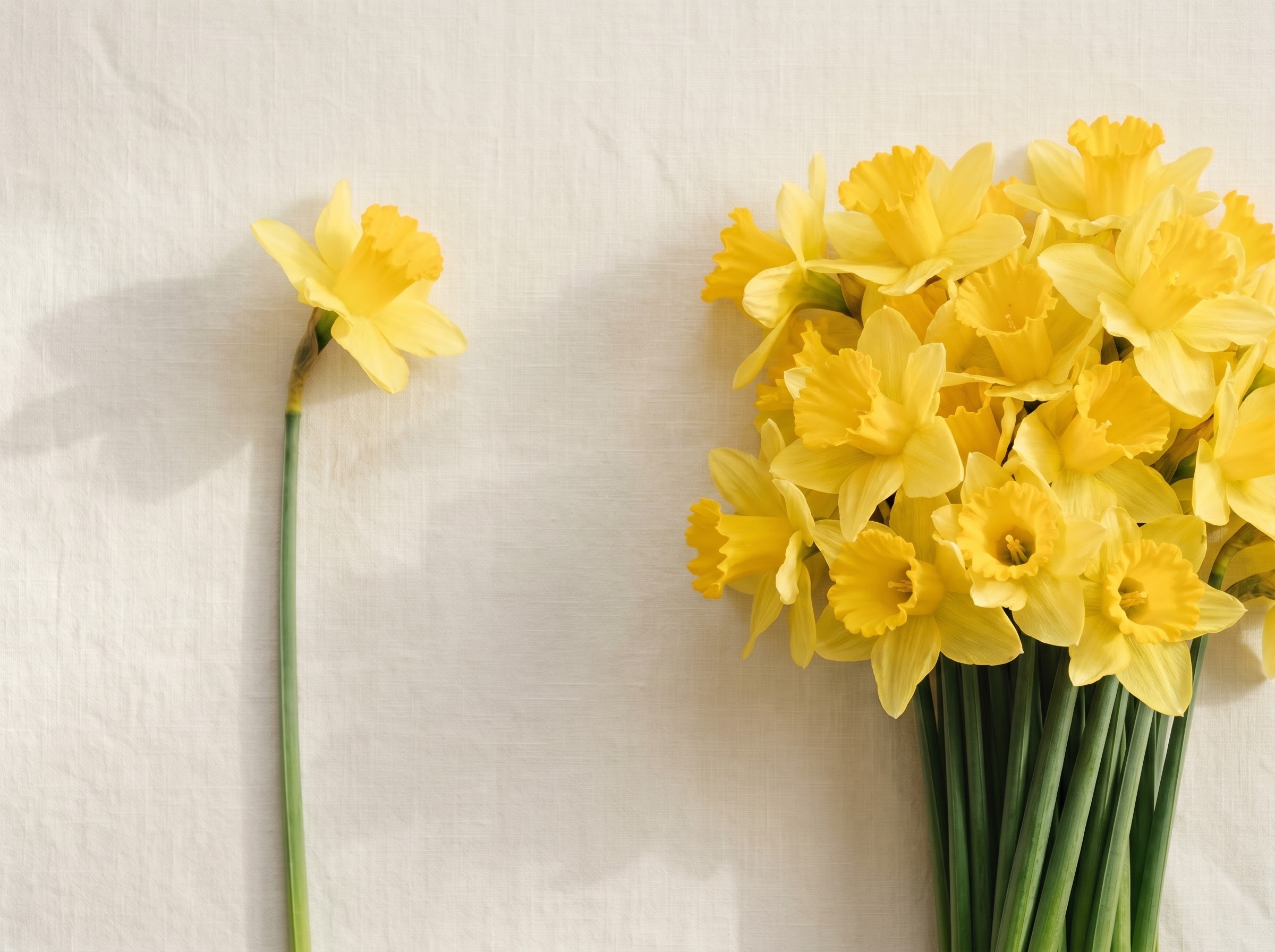
The single daffodil superstition, and the Victorian reading
Here is the one genuine dispute about the daffodil, and it is a small, charming one. An old folk superstition holds that a single daffodil foretells misfortune, while a bunch of them brings happiness and good luck. The Victorian lists carried the same idea inside their reading of the flower, where one bloom warned of bad luck and many promised joy. This is the rare flower-meaning rule that is easy to act on: simply give daffodils in a bunch, never as a lone stem, and the question disappears.
How seriously should you take it? Not very, except as a thoughtful nudge. The superstition has no real authority behind it; it is folklore, not fact, and the recipient almost certainly does not know the rule exists. But there is no cost to honoring it, and a single daffodil makes a thin gift anyway, so the custom and good gifting sense happen to agree. The deeper point is what this little rule reveals about flower meanings in general. One stem and a full handful are the same flower, yet folklore reads them as opposites, which tells you the meaning was never sitting in the petals at all. It lives in how people have agreed to count them.
The daffodil’s readings sort cleanly once you separate which era and tradition each one comes from. This is the whole flower in one view, with a plain note on how much weight each meaning still carries today.
| Tradition or era | What the daffodil means | How much it still holds |
|---|---|---|
| Today (most common) | New beginnings, rebirth, and hope; the first flower of spring | The dominant reading. Send it for any fresh start with confidence. |
| Victorian language of flowers | Regard and chivalry; a respectful, courtly warmth | Mostly faded, but it explains why the daffodil was never a passion flower. |
| Greek myth (Narcissus) | Vanity and self-regard | A real but minor strand. The source of the name, rarely the intended message. |
| Folklore | A single bloom warns of misfortune; a bunch brings joy | A superstition rather than a real rule. Costs nothing to honor, so give a bunch. |
| Wales | National flower, worn on St David’s Day | A living tradition, strongest around the first of March. |
| Cancer charities (worldwide) | Hope and remembrance | A modern adopted symbol that flows straight from the rebirth meaning. |
Why even the calm daffodil rests on agreement
The good news with the daffodil is that there is not much to disagree about. Its core meaning of new beginnings and hope is consistent across the lists, the colour does not fracture it into a dozen sub-meanings, and the only real wrinkle is the single-versus-bunch superstition, which is folklore anyone can set aside. Plenty of flowers cannot say that. A great many of them carry two readings that pull in opposite directions, the kind that depend on which country, century, or florist you ask, and the daffodil is mercifully free of that tug of war. That steadiness is exactly why it makes such a reliable gift.
It is still worth saying plainly that no flower meaning is official or universal. Look up the daffodil in the Iowa State University Extension list of flowers and their meanings and you find the quiet admission underneath all of this: the same bloom turns up read several ways across different sources, and one flower will sometimes hold more than one meaning at once. The daffodil happens to be one of the calmer cases, where the sources mostly nod along, but it rests on the same shifting custom as every other flower in the language. Lean on the hopeful spring reading with full confidence, treat the Narcissus vanity strand as trivia, and remember the folklore is a charming rule rather than a law. If you want to see how the whole vocabulary was assembled and why it keeps drifting, our hub on the meaning of flowers traces it from the start.
Giving daffodils, and the line to write on the card
Give daffodils at the start of something. They are made for fresh chapters: a new home, a new job, a recovery, a graduation, the first true week of spring, or any moment when someone you care for is turning a corner. Hand them over in a bunch rather than as a single stem, partly because of the old superstition and partly because a cluster of daffodils simply looks like the hope they are meant to carry. Their plain, sunny yellow needs no explaining, which is half the reason they work so well as a wordless message of optimism.
For the card, keep it as bright and forward-looking as the flower. A line like “To new beginnings and brighter days” matches the daffodil exactly and suits almost every occasion you would give one for, from a get-well visit to a fresh start. For someone recovering or coming through a hard stretch, you might write that spring always comes back, which is the daffodil’s whole quiet argument anyway. The flower is, in the end, an easy one to give honestly. It means what it looks like it means, and it has stood for hope for as long as it has been the first thing to bloom. If you want to keep some in your own garden, where they naturalize and return a little thicker every spring, our guide to how to grow daffodils walks through planting the bulbs in fall so the colour comes back on its own each year.
Sources
- Cornell University, Written in Petals: The Language of Flowers, on the history of floriography.
- Iowa State University Extension, Flowers and Their Meanings, on why sources disagree.
More flower meanings
 DaisyInnocence and purity above all, plus a loyal, faithful kind of true love and the idea of new…
 IrisFaith, hope, wisdom, and courage, with the older idea of a message running underneath, which is…
 TulipA tulip means love: a deep, perfect, uncomplicated love stated plainly rather than performed, a…
 ChrysanthemumAt its core the chrysanthemum means long life, friendship, joy, and loyalty, but the reading…
More meaning guides
More About Daffodils (Narcissus)
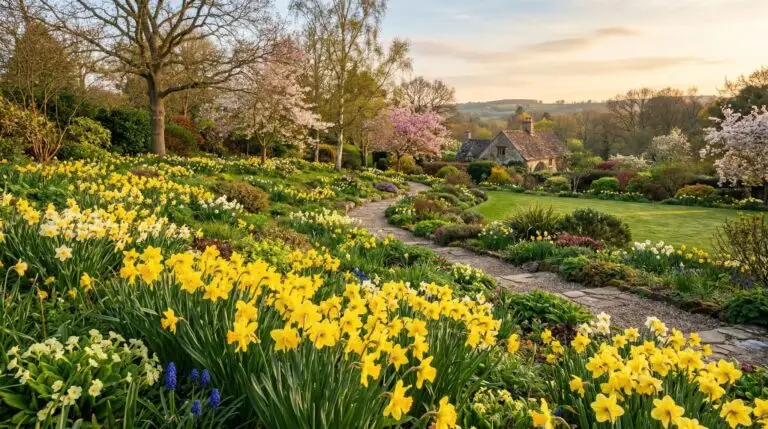 Designing a succession of daffodils that bloom from February through May
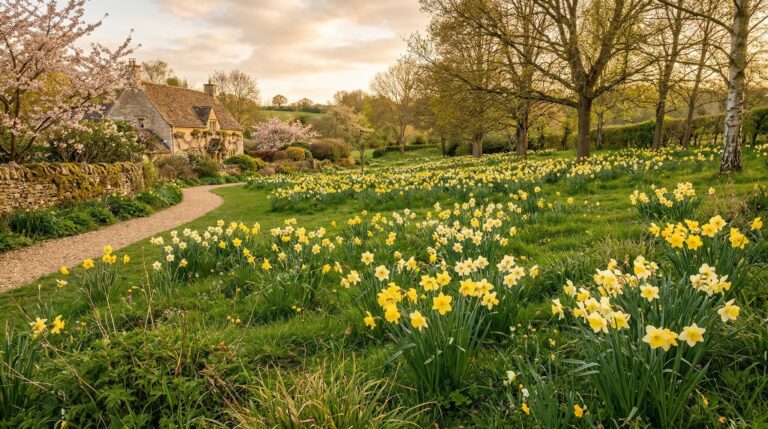 Naturalizing daffodils in lawns and woodland areas for wild spring beauty year after year
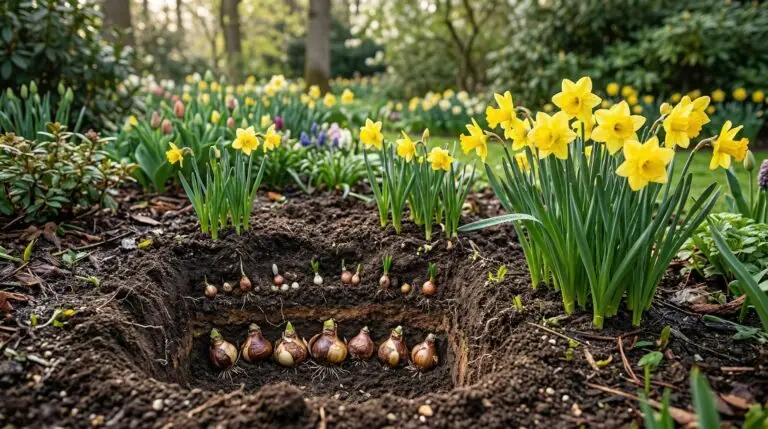 Growing daffodils in containers and pots for spring color on patios and porches
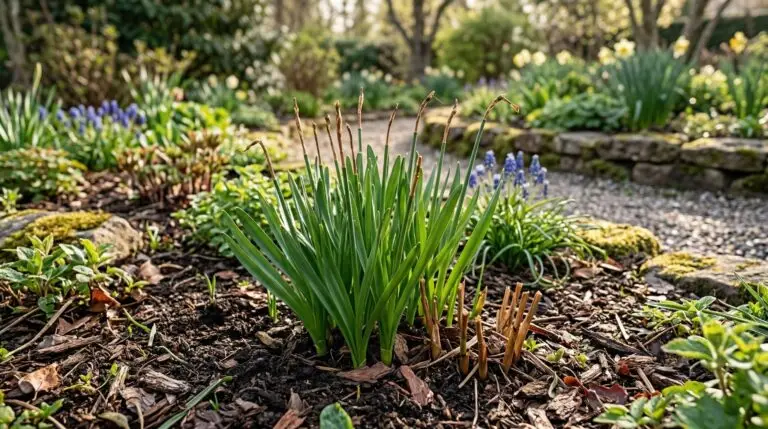 Why daffodils stop blooming after the first year and how to get flowers back
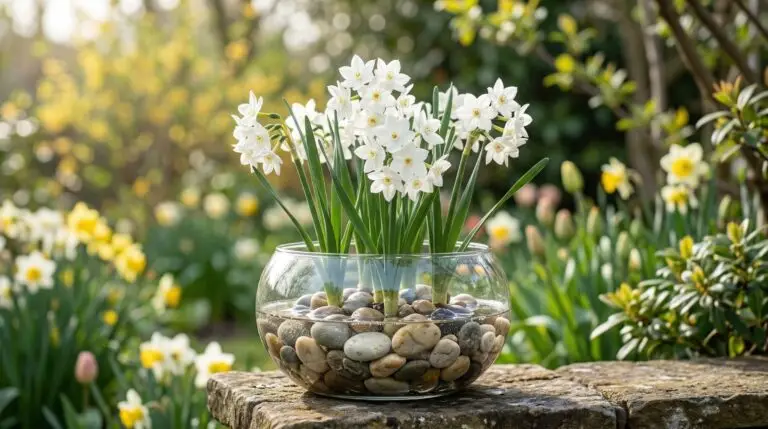 How to force daffodil bulbs indoors for cheerful winter blooms on your windowsill
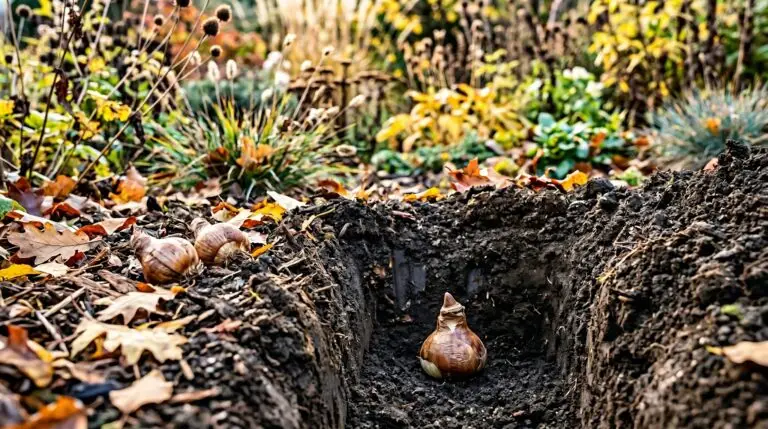 How to plant daffodil bulbs in fall for a golden carpet of spring flowers
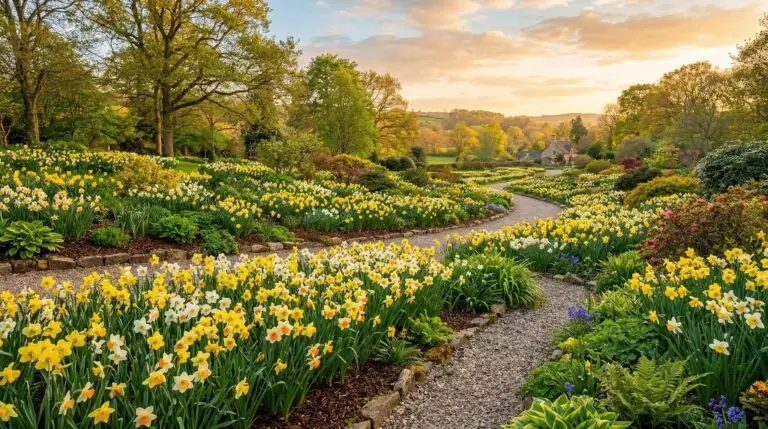 What to do with daffodil foliage after blooming and why you must leave it alone
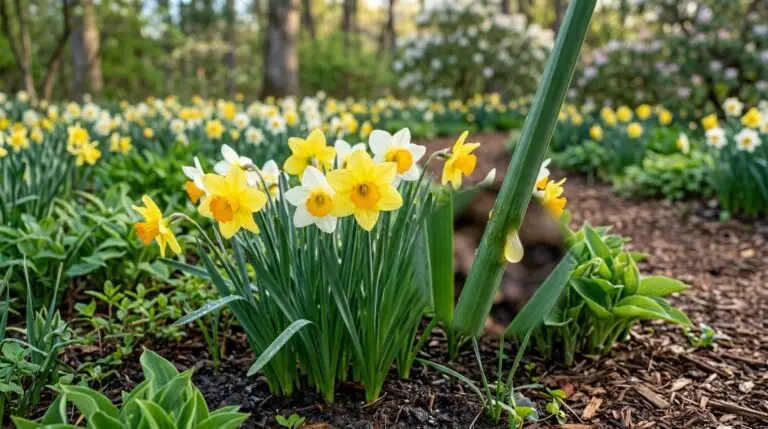 Daffodils as deer-proof and squirrel-proof bulbs that nothing wants to eat
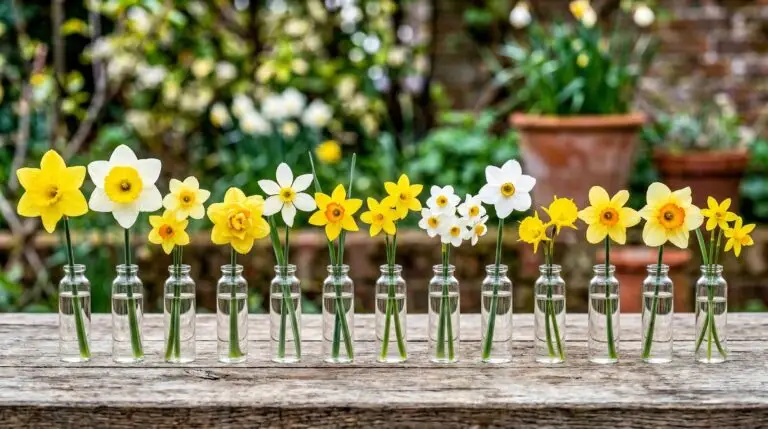 Best daffodil varieties for every garden from tiny Tete-a-Tete to giant King Alfred
Enjoying our flower guides? Add YourFlowersGuide as a preferred source on Google. It helps more readers find us.
Add to Preferred Sources