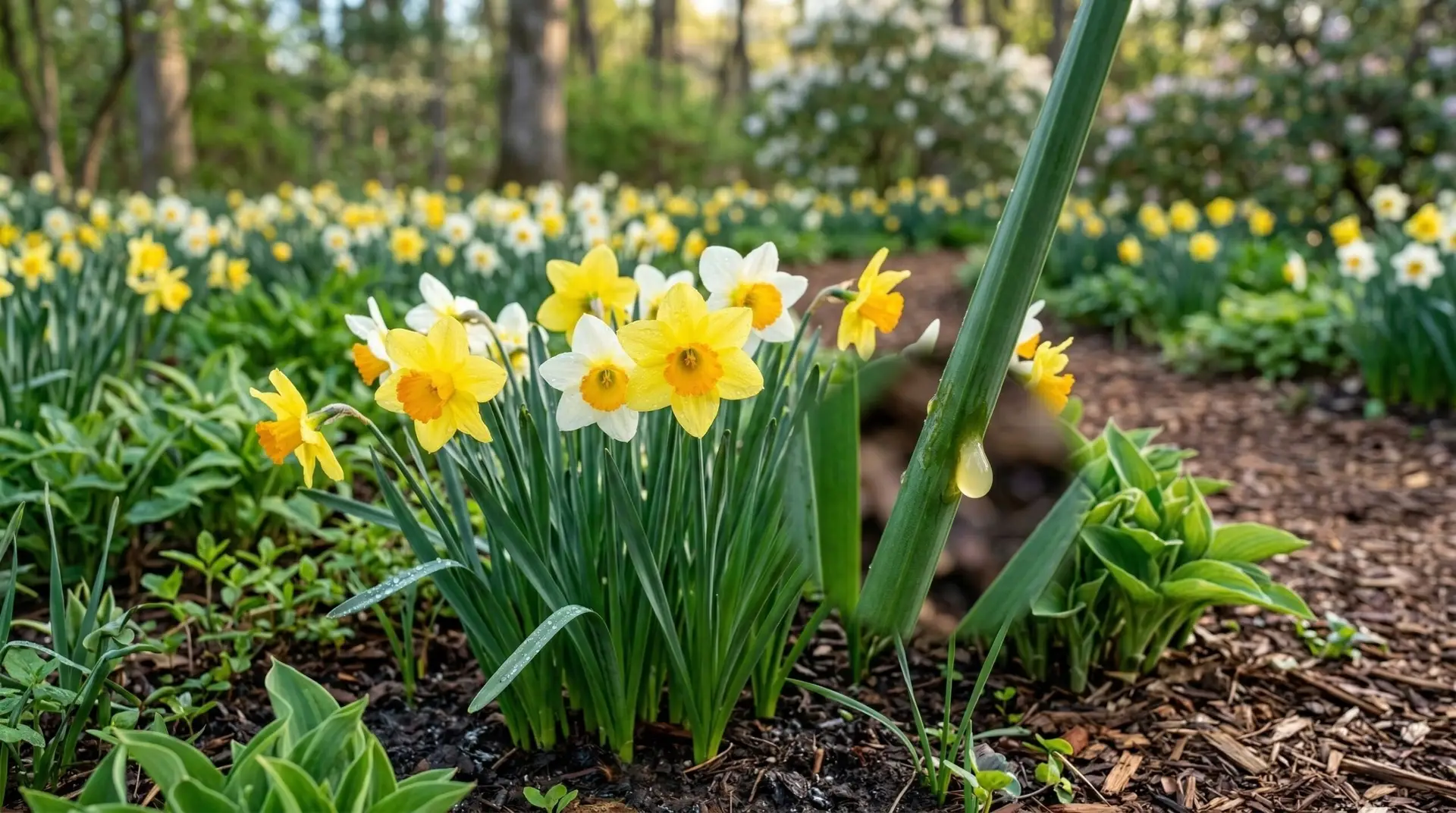
Daffodils are completely immune to mammalian pests because every part of the plant contains lycorine, a bitter and toxic alkaloid. You do not need cages, repellents, or fences to protect these bulbs. Deer, squirrels, voles, and rabbits will bypass them entirely. Animals possess an instinctive ability to detect this chemical compound, usually abandoning a bulb after a single test bite if they bother to test it at all. This built-in defense mechanism makes daffodils the most reliable spring-blooming bulb for properties bordering woodlands or areas with high rodent populations. Relying on their natural chemistry saves time, money, and the frustration of finding dug-up garden beds. The presence of lycorine guarantees that your autumn planting efforts will actually result in spring flowers.
The highest concentration of lycorine resides in the bulb itself, which is exactly where burrowing pests do their damage during the winter months. Many gardeners mistakenly believe that animals simply dislike the taste of daffodils, but the reaction is actually physiological. Ingesting even a small amount of the plant tissue causes immediate severe abdominal pain, vomiting, and cardiac arrhythmias in mammals. Animals learn quickly to associate the smell and slight taste of the papery outer tunic with physical distress. This is why you will often find newly planted bulbs of other species excavated while the daffodils sitting right next to them remain completely undisturbed. The toxicity extends up through the stem, leaves, and flower petals, ensuring protection throughout the entire growth cycle.
Contents 3 sections
Strategic planting for garden protection
You can weaponize the toxicity of daffodils to protect highly vulnerable plants in your borders. Creating a dense perimeter of daffodils around a bed acts as a biological fence that deters foraging animals from entering the space. Squirrels and voles dig by scent, and a thick planting of lycorine-rich bulbs masks the attractive odors of the roots and corms you actually want to protect. Plant the daffodils close together, spacing them about three inches apart, to form an unbroken subterranean wall. This method requires a significant upfront investment in bulbs, but it eliminates the need for chicken wire cages or regular applications of putrescent egg sprays. The physical barrier of toxic roots creates a zone of safety for everything growing inside the perimeter. Burrowing rodents will hit the bitter daffodil bulbs, turn around, and seek easier meals elsewhere.
Companion planting offers another way to leverage these deer resistant bulbs effectively. Gardeners often struggle to grow a tulip because deer treat the emerging buds as spring forage and voles consume the bulbs over the winter. Mixing daffodil bulbs directly into the same planting hole as your vulnerable bulbs confuses the pests. The scent of the daffodil interferes with the rodent’s ability to locate the sweeter bulb underground. When deer browse the emerging foliage in spring, the proximity of the toxic daffodil leaves often causes them to abandon the entire clump. You must plant the two species tightly together for this to work, ensuring their foliage intertwines as it breaks the soil surface. Planting them in separate distinct blocks fails because deer will simply graze the sweet foliage and ignore the toxic block.
Correcting common myths about bulb toxicity
Despite what many sources claim, the toxic compounds in daffodils do not leach into the soil and kill neighboring plants. You can safely interplant them with any perennial, annual, or vegetable without stunting the growth of your other crops. The alkaloids remain bound within the cellular structure of the daffodil plant until the tissue is physically crushed or consumed. The roots of neighboring plants can grow directly alongside daffodil roots without absorbing the lycorine or suffering any allelopathic effects. The only time daffodil toxicity affects other plants is when cut stems are placed in a vase, where the mucilage sap can clog the vascular systems of different cut flowers. In the ground, the root systems of daffodils coexist perfectly well with other species. You can confidently plant them directly over the root zones of expensive specimen trees or delicate perennials.
Another persistent misunderstanding involves the longevity of the chemical defense. The plant does not lose its toxicity as it ages or as the bulb divides over the years. A fifty-year-old patch of naturalized daffodils possesses the exact same defensive capabilities as a freshly purchased nursery bulb. This permanent immunity is precisely why old farmsteads often feature massive, undisturbed drifts of daffodils long after the buildings have collapsed. The bulbs multiply freely because no natural predators thin their ranks. Once established in well-draining soil, they require zero intervention to maintain their pest resistance. They will continue to produce offsets and expand their territory year after year, completely ignored by the local wildlife population.
Expanding the unpalatable spring garden
While daffodils handle the mid-spring display, you can build a complete succession of pest-proof blooms using plants with similar chemical defenses. Early in the season, you can rely on the snowdrop to provide the same level of absolute immunity to foraging animals. These tiny bulbs also contain toxic alkaloids that repel rodents and deer when food is most scarce in late winter. Planting them in large drifts at the edge of woodland borders establishes an early visual display that animals quickly learn to ignore. The combination of these two plants guarantees color between February and April without a single lost bulb. Both species thrive in similar conditions, preferring deciduous shade and well-drained soil that dries out during their summer dormancy.
As the spring progresses and the daffodil foliage begins to yellow, you need a late-season replacement that maintains the defensive line. Transitioning to alliums extends your pest-free garden into the early summer months. These ornamental onions rely on sulfur compounds rather than alkaloids, but the result is identical. Mammals find the taste and smell of the sulfur highly offensive and will leave the tall, architectural blooms completely alone. Structuring your garden with these three distinct chemical defenses guarantees a continuous display that requires no physical protection whatsoever. You eliminate the primary source of frustration in bulb gardening by selecting species that actively defend their own territory.
The most efficient gardens work with plant chemistry rather than fighting animal biology. Spending hours burying hardware cloth or spraying foul-smelling repellents after every rainstorm is a waste of labor when specific plants defend themselves. You achieve better results by accepting that hungry animals will always eat sweet bulbs and planting toxic alternatives instead. A garden built entirely on self-defending plants requires less maintenance and eliminates the stress of seasonal pest pressure. Choose bulbs that mammals naturally avoid and let the local wildlife forage elsewhere. You can invest your time in soil preparation and design rather than acting as a security guard for your flower beds.
More About Daffodils (Narcissus)
Paperwhites indoors: water, timing, and the flop fix

Designing a succession of daffodils that bloom from February through May

Naturalizing daffodils in lawns and woodland areas for wild spring beauty year after year
Daffodil meaning, from new beginnings to the Narcissus myth, honestly explained
Growing daffodils in containers and pots for spring color on patios and porches
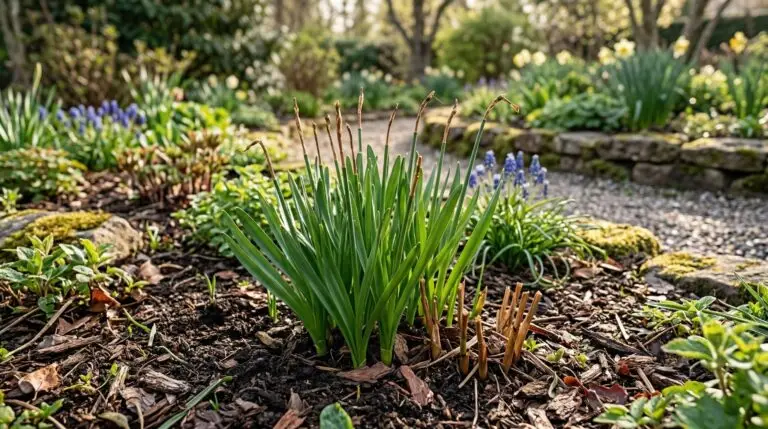
Why daffodils stop blooming after the first year and how to get flowers back
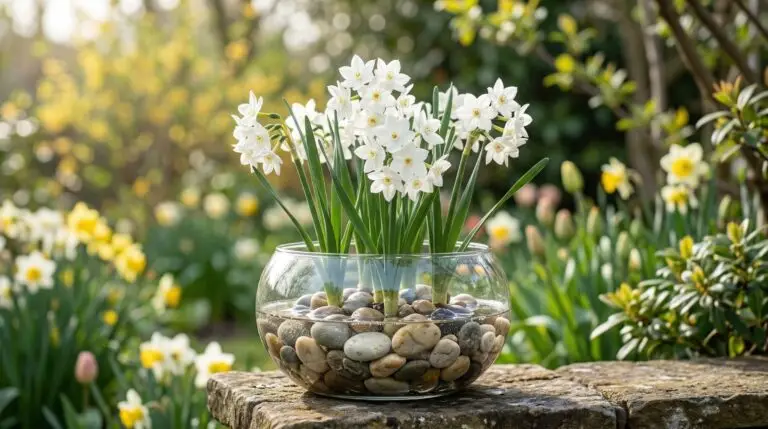
How to force daffodil bulbs indoors for cheerful winter blooms on your windowsill
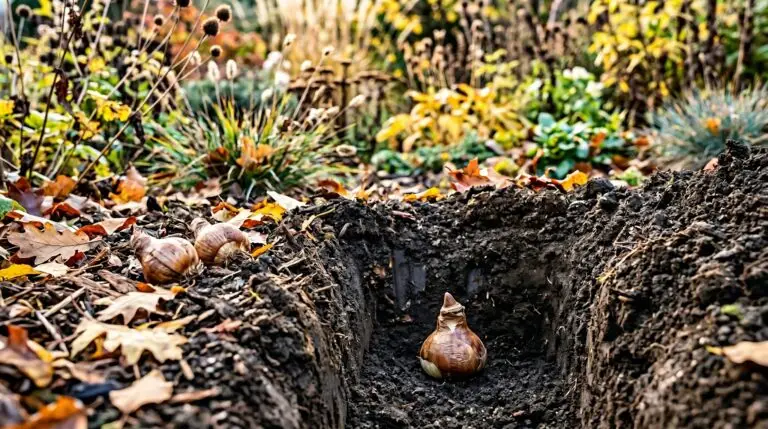
How to plant daffodil bulbs in fall for a golden carpet of spring flowers

What to do with daffodil foliage after blooming and why you must leave it alone
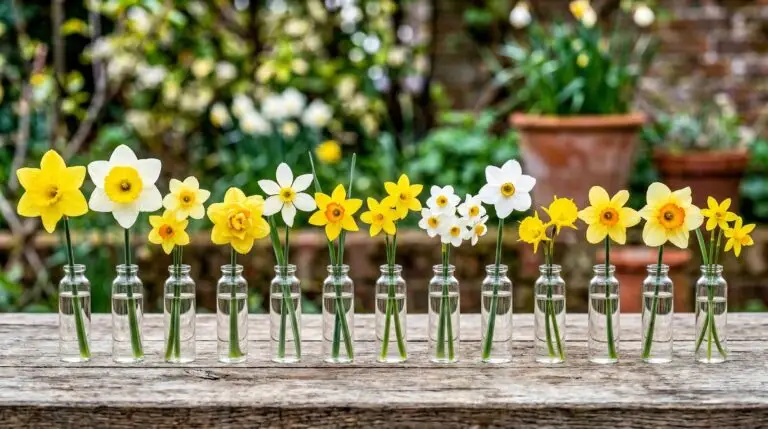
Best daffodil varieties for every garden from tiny Tete-a-Tete to giant King Alfred
Enjoying our flower guides? Add YourFlowersGuide as a preferred source on Google. It helps more readers find us.
Add to Preferred Sources