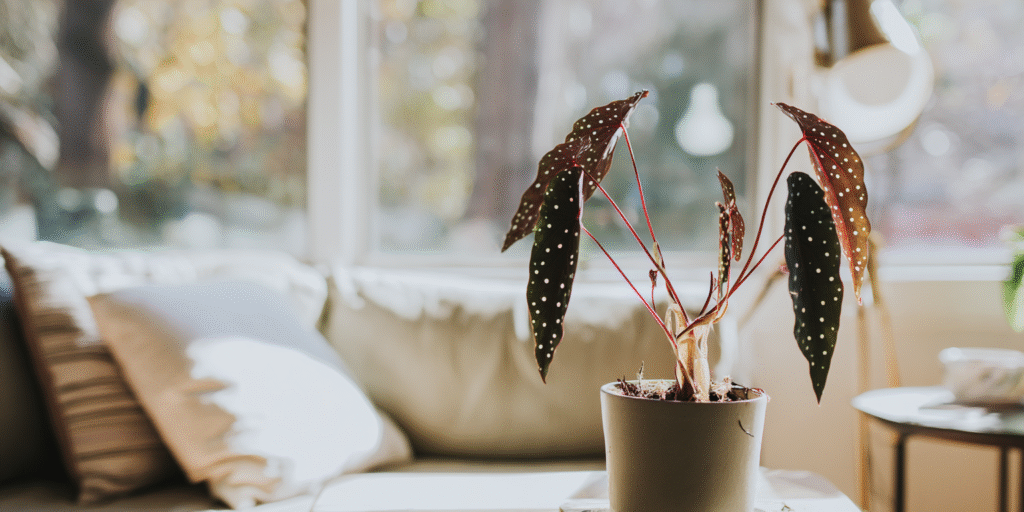
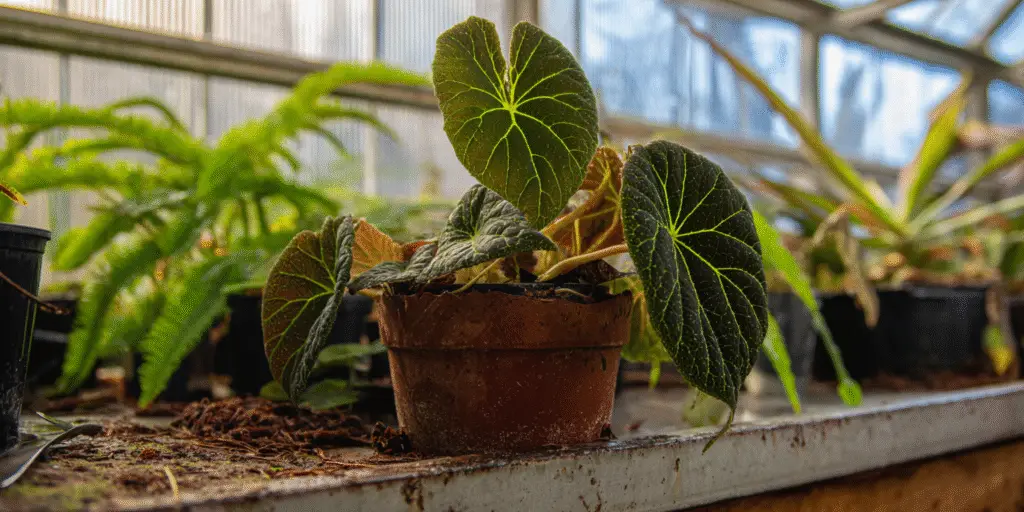
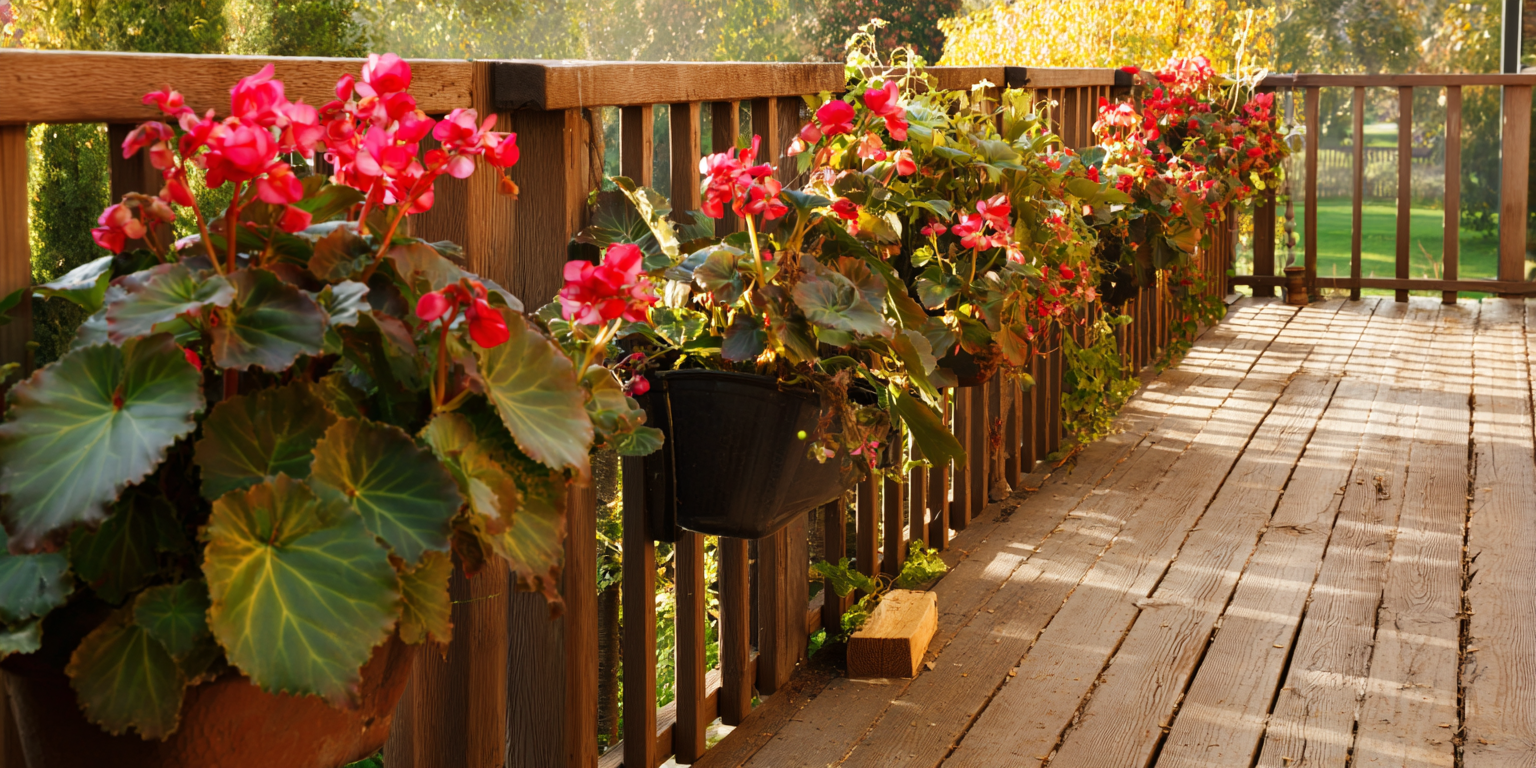
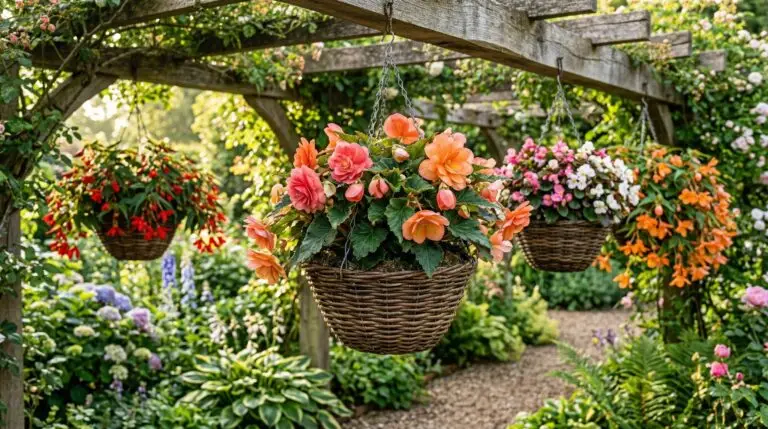

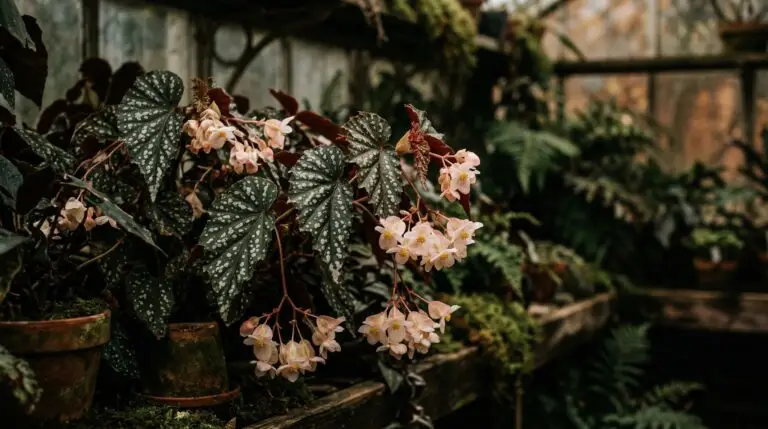
Begonia bloom time across the US
Interactive map
 See the interactive map
Drag the date and the bloom moves north across the country. Every point has its own window, and the map says where it has no records rather than guessing. Free, with nothing to sign up for. Open the begonia map.
City by city
Typical window, earliest first. Cultivars of the same flower can open days or weeks apart.
Taxonomy and origin
The genus Begonia sits in the family Begoniaceae and ranks among the largest genera of flowering plants, with more than 1,800 described species. The French botanist Charles Plumier coined the name, and Linnaeus adopted it in 1753, both honoring Michel Begon (1638 to 1710), a French official who backed plant collecting. In the wild, begonias grow across moist tropical and subtropical regions of the Americas, Africa, and Asia, usually in the forest understory where light is filtered and the air stays damp. Many root in leaf litter, on rocks, or on tree trunks, and nearly all are tender, so frost ends them. They are monoecious, carrying separate male and female flowers on the same plant, and set dry capsules full of dust-fine seed.
For care, the group matters far more than the species. Growers divide begonias by habit into fibrous-rooted wax types, tuberous types, cane types such as angel wing, and rhizomatous types such as rex. The table below is the fastest way to place a plant you already own, because light, watering, and winter handling all follow from which group it belongs to.
None of those group names is formal botany, but every experienced grower uses them, because they predict what a begonia needs better than its Latin name does.
Five plants sold under one name, sorted the way Clemson's own factsheet sorts them
Clemson HGIC's begonia factsheet gives each of these groups its own care sub-section, which is the clearest signal available that they are not variations on one plant. A buyer choosing a begonia for a hanging basket, a shade bed, a houseplant shelf or a permanent border is choosing between five plants that share a genus and very little else. The badge answers the only question that separates them for a gardener in a cold climate.
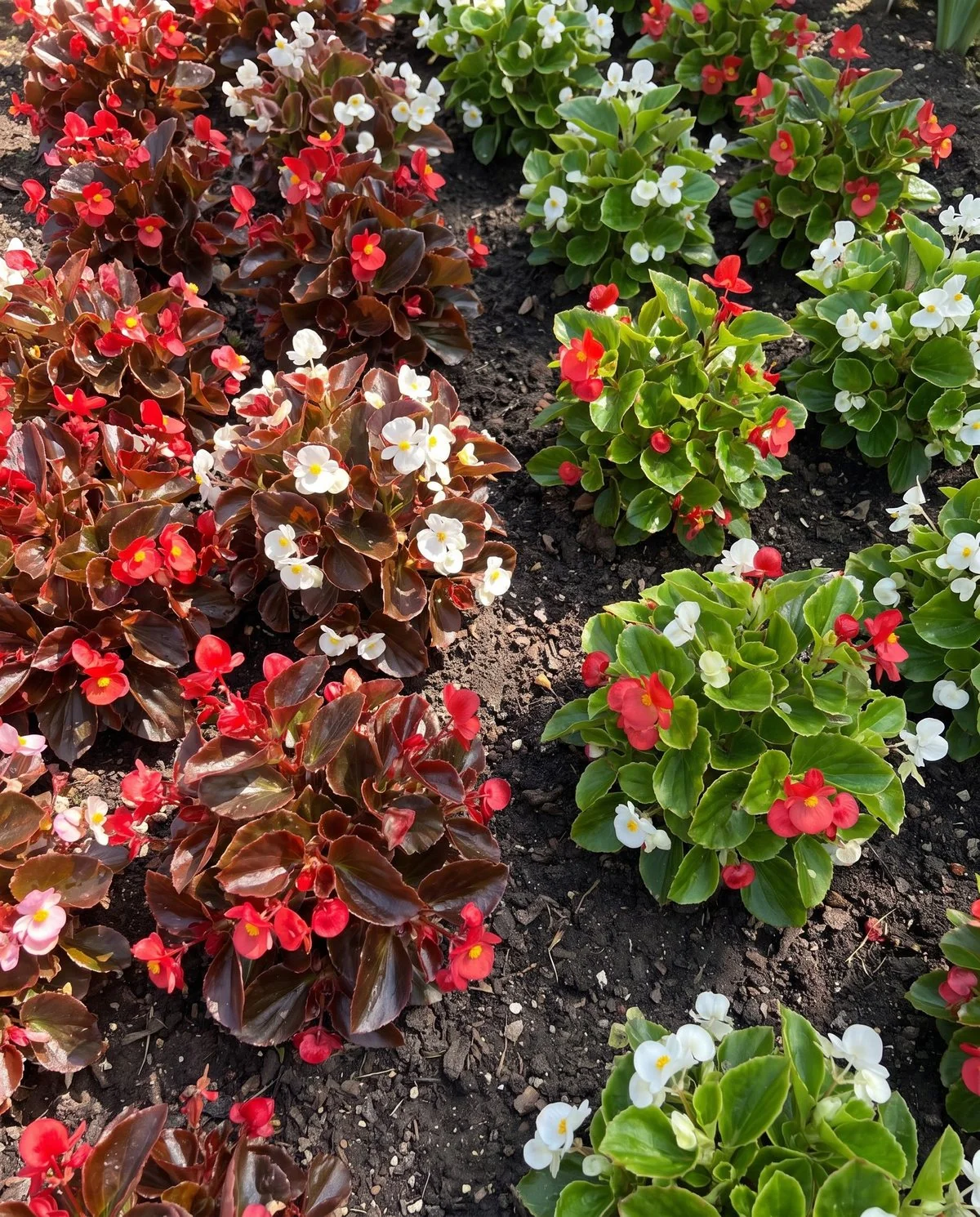
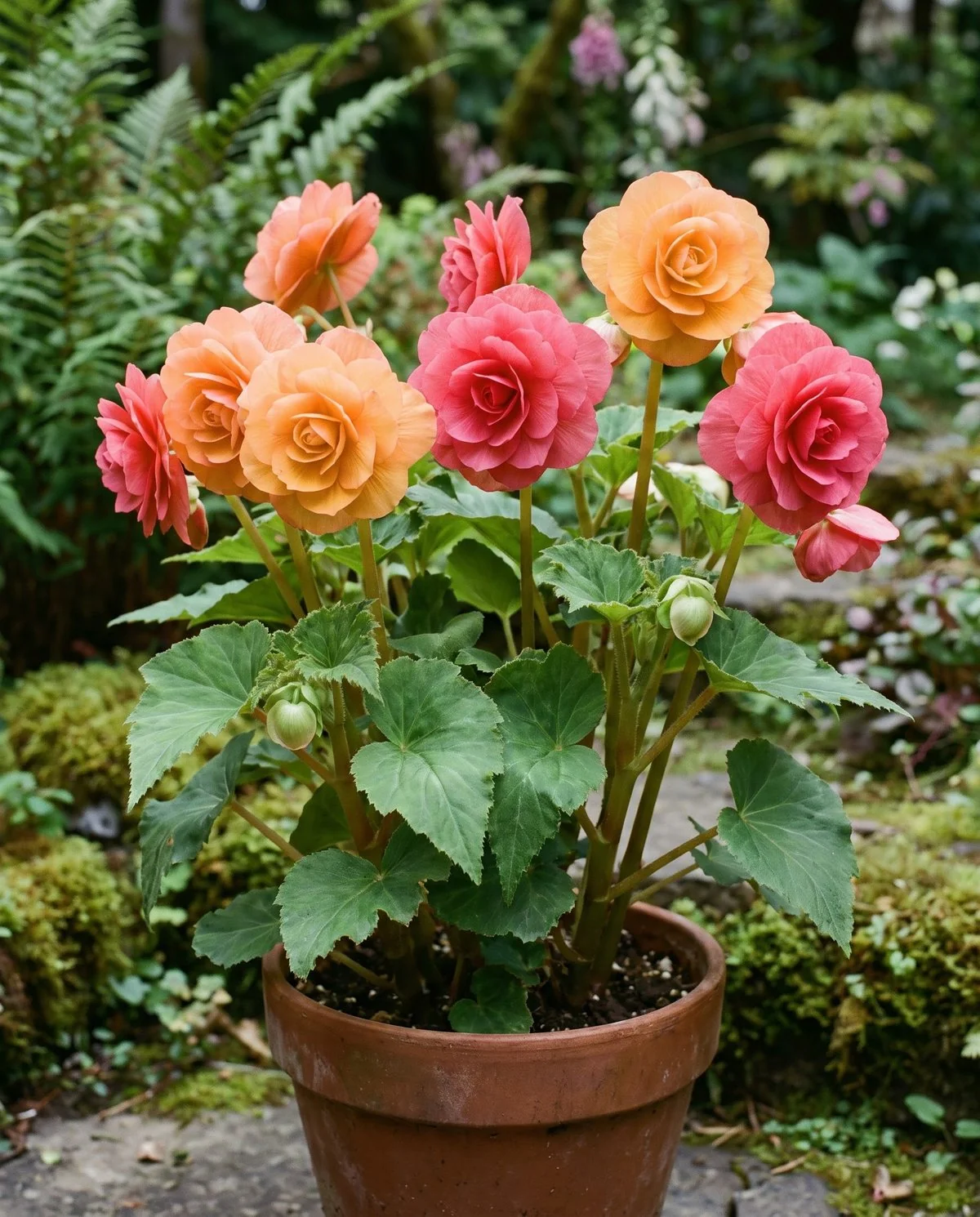
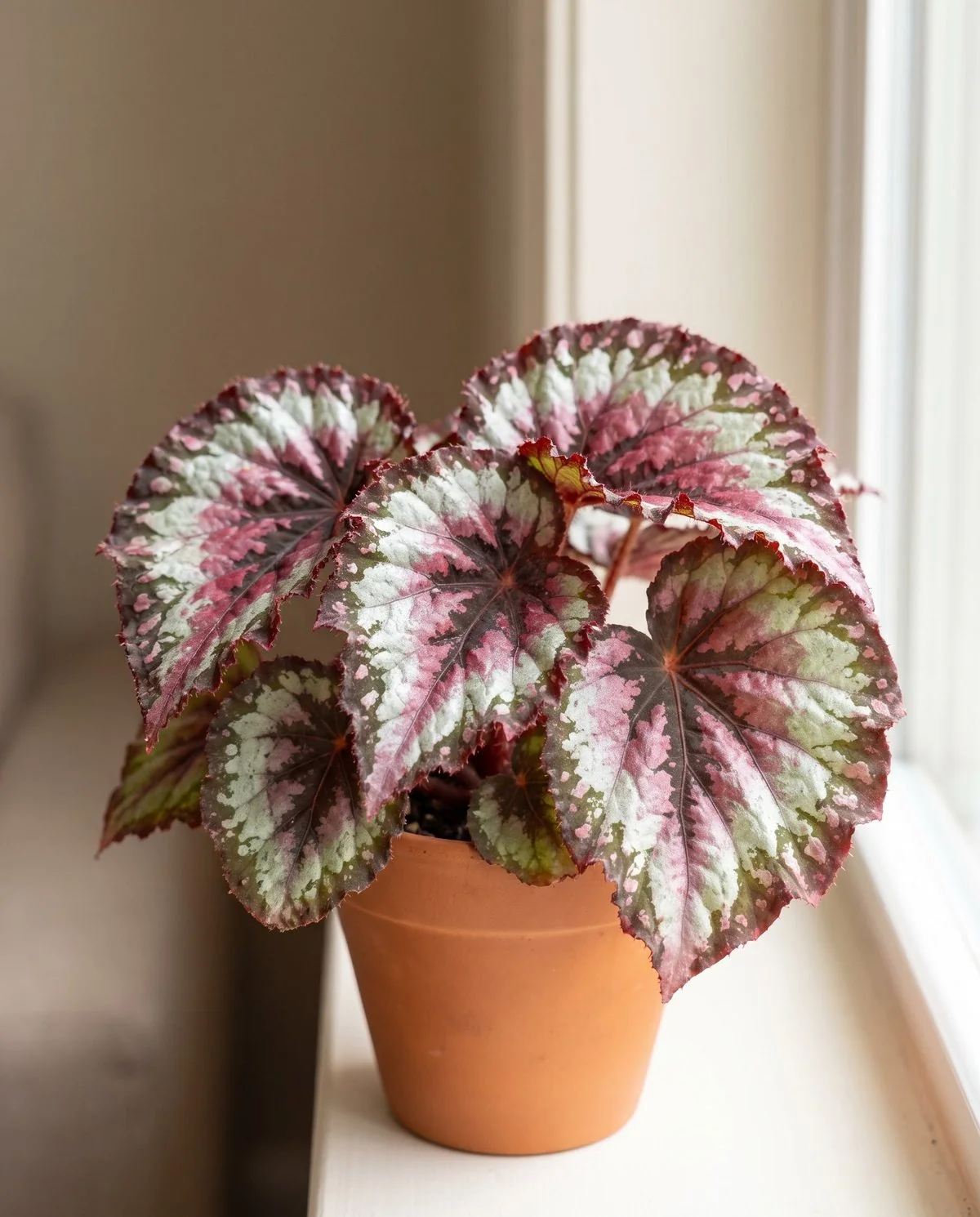
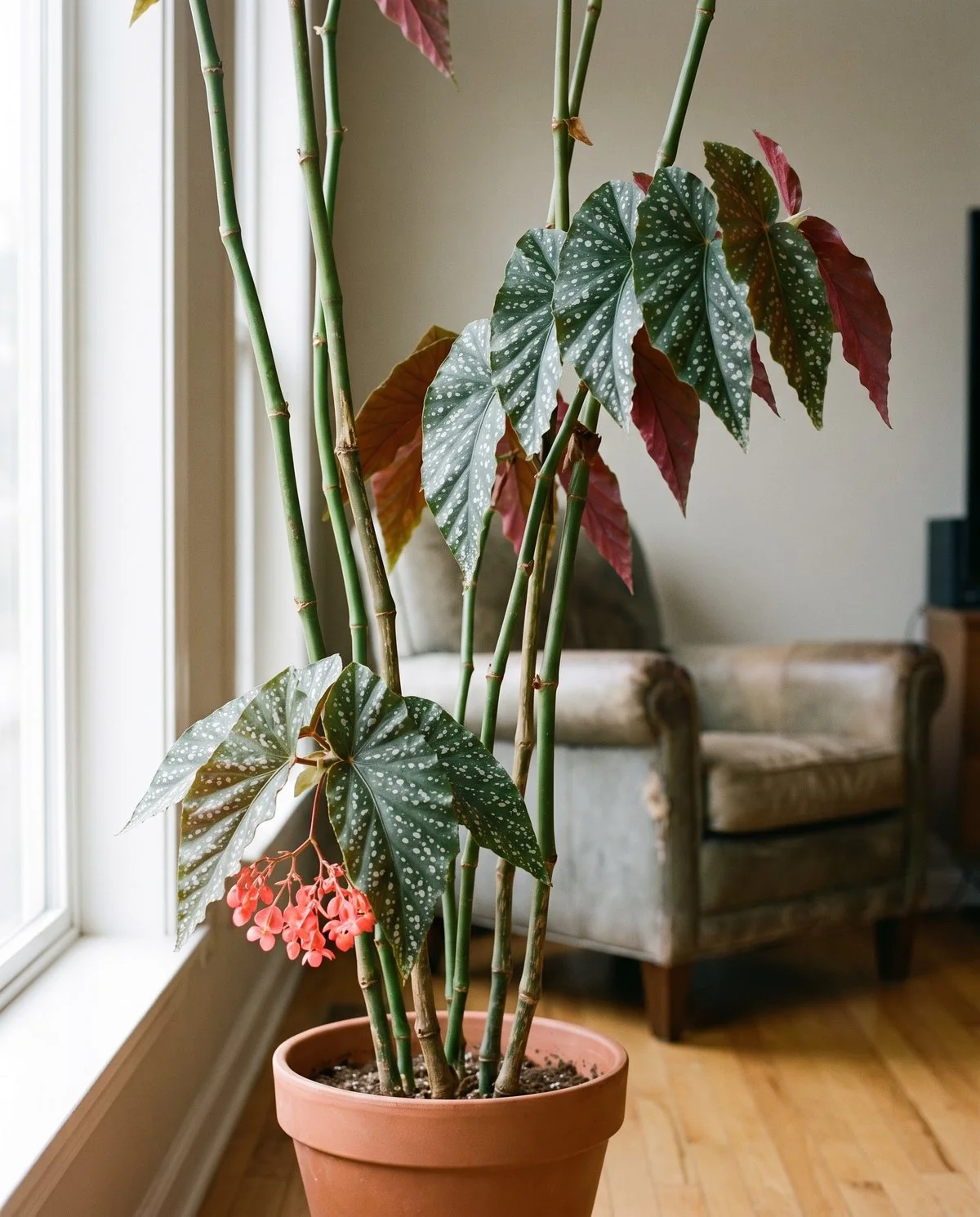
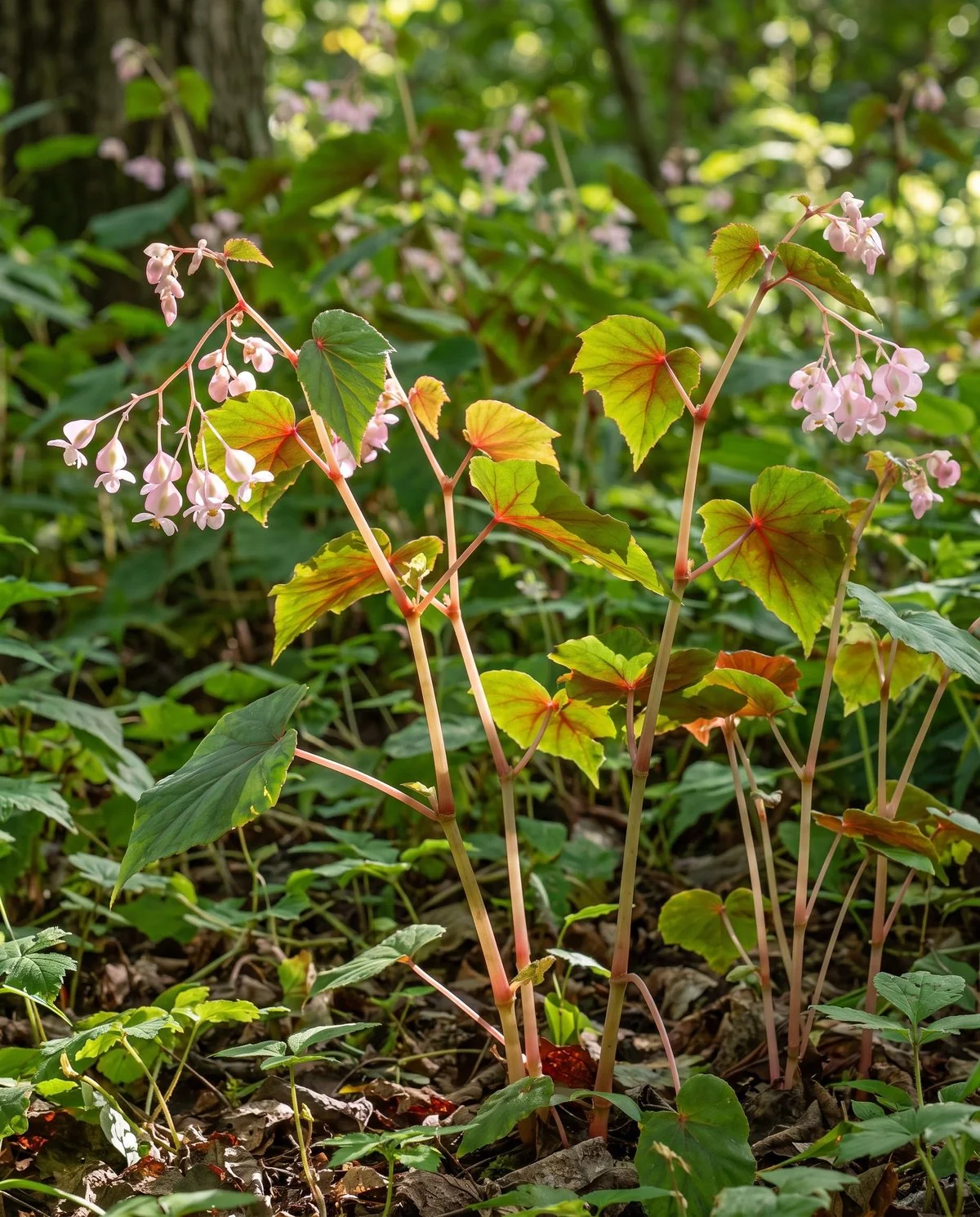
Cane and angel-wing sizes come from named cultivars rather than the group: the Dragon Wing hybrid reaches 2 to 3 feet with arching canes, BabyWing is a compact 12 to 15 inch version, and the BIG series reaches 36 inches, all per Clemson. Two heights that would otherwise sit here are left out because this page's own prose and Clemson disagree on them, and this build drops a number rather than picking a side quietly.
Bloom time
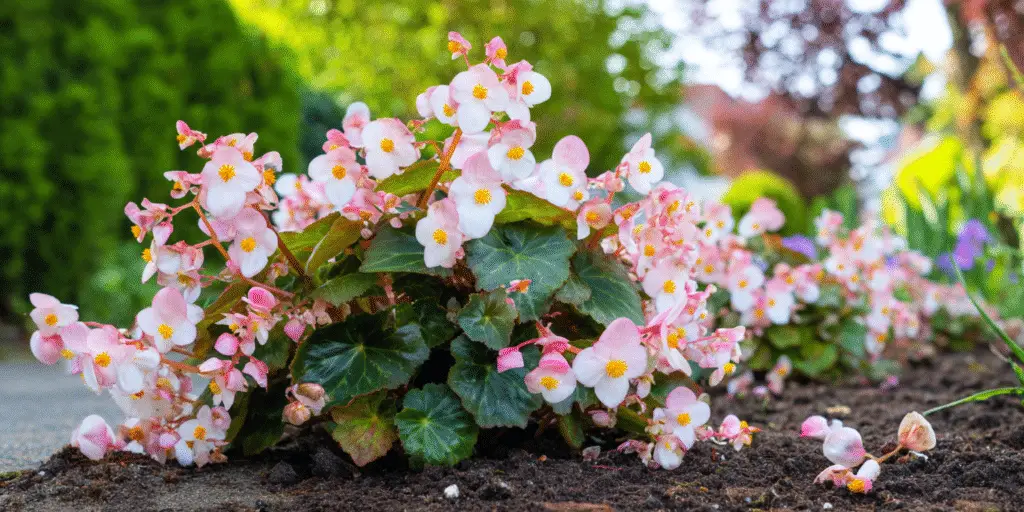
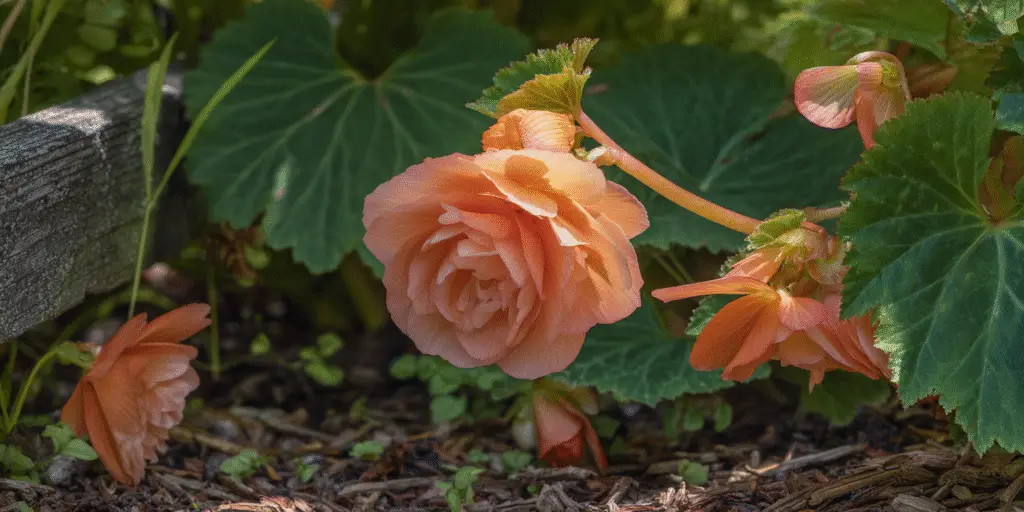
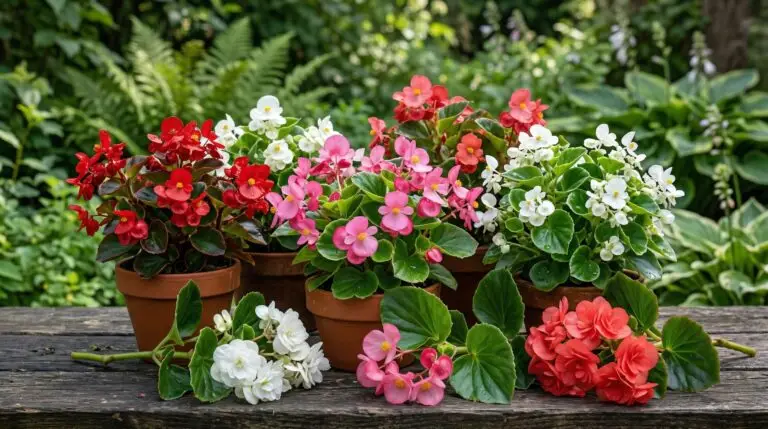
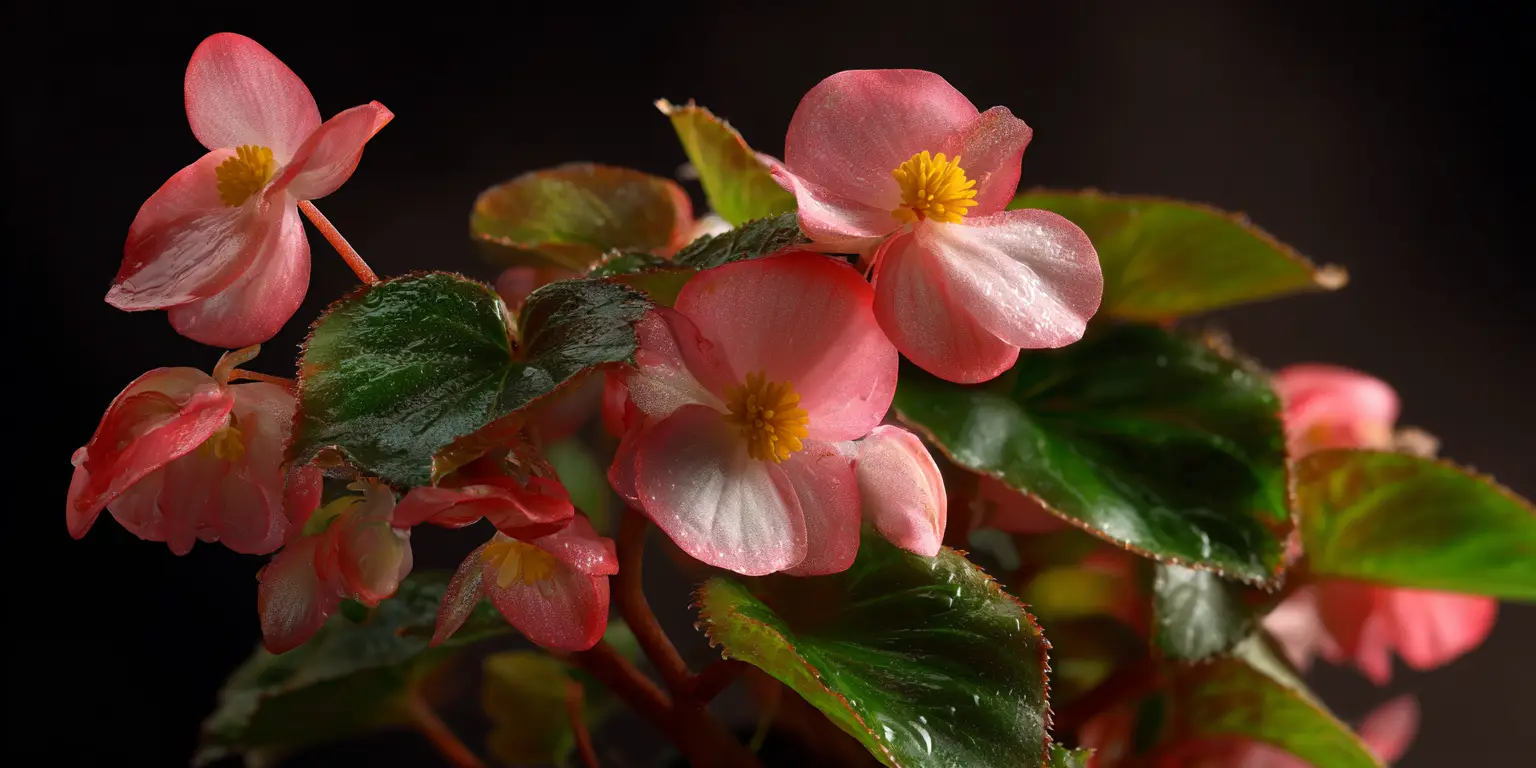
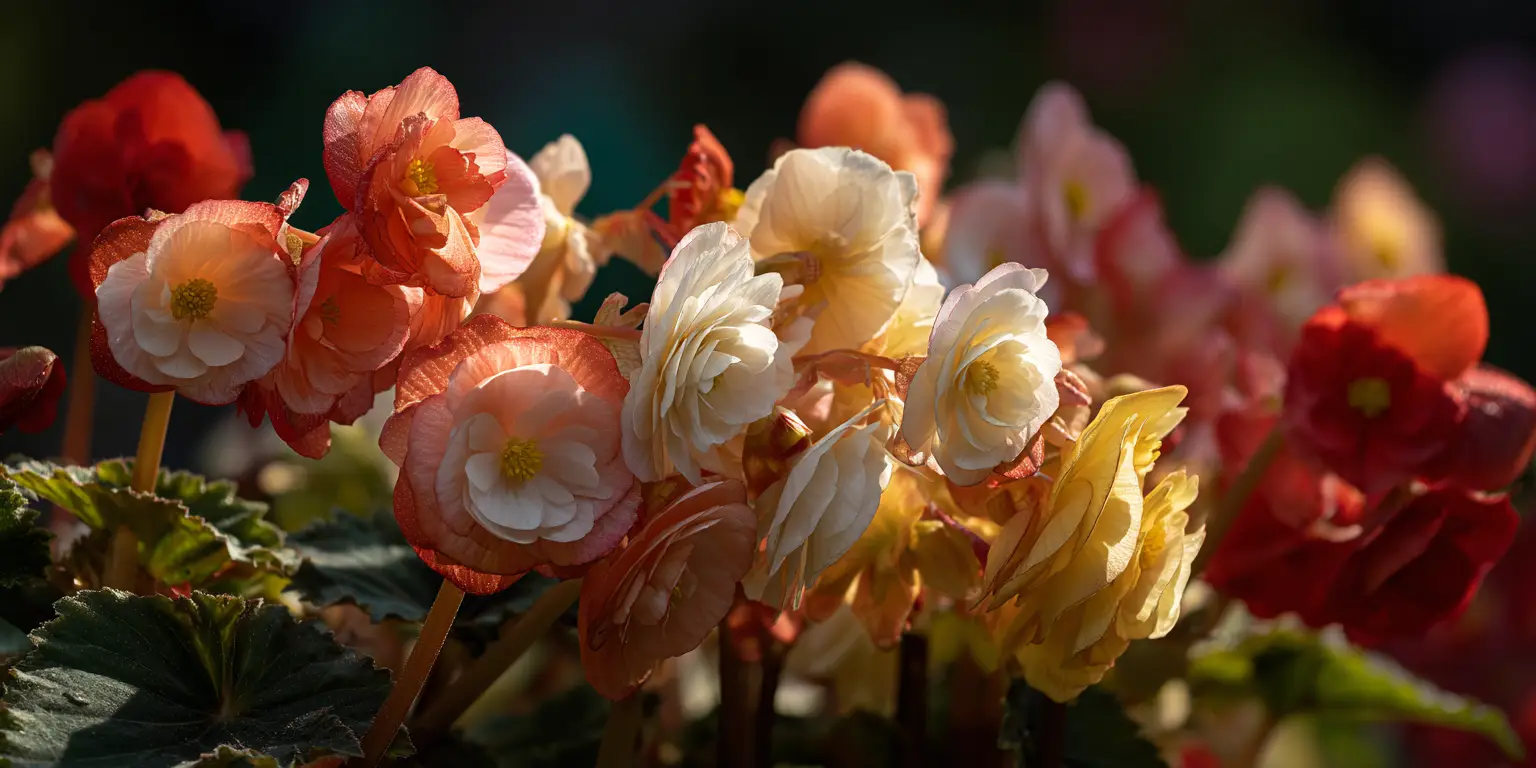
How long a begonia flowers, and when, depends again on the group. Wax begonias bloom the longest: set out after the last frost, they flower without pause from late spring until cold weather stops them, and they drop spent flowers on their own. Tuberous begonias start a little later, usually in early summer, and carry the largest blooms of any group into early fall before they wind down. That autumn slowdown is normal rather than a failure, since the tuber is pulling energy back underground for its required winter rest, which is covered below. Cane and rex types, grown more for their leaves, flower in loose clusters on and off through the warm months, heavier indoors when light is strong. Because wax begonias hold color right through the season, they earn a place among flowers that bloom all summer long. Steady warmth, gentle feeding, and even moisture keep every type budding longer than any single trick.
Year one, then a fork that depends entirely on which begonia you own
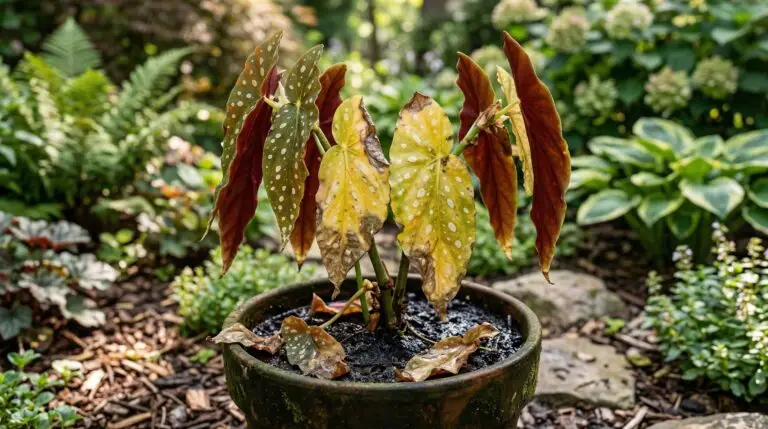
Year one is reliable across all five groups, with its shape set by the group rather than by the gardener: NC State gives a tuberous begonia roughly four months of bloom from early summer to first frost, wax and cane types flower continuously from planting until cold or indefinitely indoors, and a rex begonia may not bloom meaningfully in year one or ever, since the leaves are the product. Year two is where the groups separate, and this is the honest core of it. Wax and tuberous begonias grown outdoors in a non-tropical zone are not winter hardy, so they need either annual repurchase, which is the majority path for casual gardeners, or the lift, cure, store and replant cycle in the calendar above, and no source in this research quantifies the success rate of that cycle, so no percentage is offered. Rex and cane begonias kept as houseplants have effectively indefinite lifespans under reasonable indoor care, since nothing about them is seasonal; the five-year example in this page's own sample, a polka dot begonia that fell back to three little sticks and later flowered again, shows that decline in this group is not always terminal, without making recovery the expected outcome. Hardy begonia, Begonia grandis, is the one group that simply returns on its own each year with no lifting, storing or repurchasing at all. Which means the answer to whether a begonia comes back depends far more on which of the five plants a reader actually owns than on anything they did right or wrong, and most consumer content treats the question as though begonia were one plant with one answer.
Height and spread
Size runs from a low rex spreading a foot across a pot to a cane begonia standing taller than the person watering it. Wax begonias are the compact ones, usually 8 to 12 inches tall and wide, which suits edging and massed bedding. Tuberous begonias generally reach 12 to 18 inches, upright in beds or spilling a foot or more from a basket. Rhizomatous and rex begonias stay low, often 6 to 12 inches high, but creep outward as their thick stems travel over the soil surface. Cane types, including angel wing and Dragon Wing, are the giants, climbing 2 to 5 feet indoors on stiff, bamboo-like stems. Spacing follows the expected size: give each plant room for air to move through the leaves, since crowded, still air is what invites the mildew described later.
Light
Light is where begonias get their reputation for being fussy, and it is almost always a type mismatch. Most begonias want bright light without harsh, all-day sun, but the tolerances differ by group. Wax begonias are the sun-tolerant exception, and the bronze-leaved forms can take nearly full sun in cool and mild climates as long as the roots stay moist, which makes them the one begonia for a bright bed. Tuberous begonias burn in strong afternoon sun and do best in bright shade with only gentle morning light, the classic choice for a spot the sun barely reaches. Rex and other foliage begonias want bright but indirect light indoors, close to a window screened by a sheer curtain, where direct rays would bleach and scorch the patterned leaves. Across every type, crispy brown patches mean too much sun, while pale, stretched, sparse growth means too little. Their tolerance for shade is exactly why begonias anchor so many shade plantings, where few other flowers keep color.
Two beliefs about begonias, one with trial numbers behind it and one left open
The myth: Begonias are shade-only plants.
The reality: False as a blanket rule, and the honest version is more useful than a flat contradiction. Penn State's Flower Trials measured Begonia Solenia Red at an average sun-trial rating of 4.03 against a shade-trial rating of 4.59 on a 1 to 5 scale in the same season, which is a genuinely good score in full sun and a better one in shade, with the sun trial showing foliar injury and reduced bloom by late August that the shade trial did not. Begonia Surefire, an interspecific series bred for garden performance, scored consistently 4.0 to 5.0 across sun-trial evaluations. Clemson gives bronze-leaved wax begonias full sun tolerance outright. So many modern begonias take real sun, and sun-tolerant is still not the same claim as performs identically either way: the trial data shows a measurable trade-off even in the types bred for it.
The myth: A tuberous begonia is disposable, so nothing is lost by binning it each autumn.
The reality: Not confirmed either way in this research, and it is reported as open rather than settled. Extension services clearly treat saving tubers as worthwhile, Oregon State's own article on the subject being titled to say so plainly, although its full text was blocked and only the title was captured. The logical case for a real loss exists, since named or rare cultivars cannot be repurchased identically. But no source gathered here quantifies a bloom-count or tuber-size gain from one year to the next, and this page's own forum sample contains a direct counter-example: a gardener whose stored tuber came back consistently the same size in blooming rather than larger. Presented as unresolved instead of dressed up as a debunk.
Water
Overwatering kills more begonias than every pest and disease combined, so watering is the habit worth getting right. Their soft, sap-filled stems and roots rot quickly when they sit wet, yet they also suffer if the soil goes bone-dry. The target is soil that stays evenly moist, like a wrung-out sponge, and never waterlogged. Water only when the top inch feels dry, then water thoroughly and let all the excess drain away. Every container needs drainage holes, and no begonia should stand in a saucer of water. Water at the base rather than over the leaves, because wet foliage in still air is an open door to powdery mildew and gray mold, and if leaves do get splashed, morning watering lets them dry by night. Indoors, ease off in winter when growth slows, since the same soil that was right in July will drown a resting plant in January. Yellowing lower leaves and a soft, darkened stem base are the first signs the roots are staying too wet.
Two paths for the two complaints that tie this sample
Crispy edges and leaf drop sit level at 8.3 percent each, the two largest themes in the sample, and they are frequently the same plant on different days. Both lists start with the plant's history and its texture rather than with a disease, because that is the order the sources support.
Soil and pH
Begonias want a light, rich mix that drains fast, closer to the airy floor of a forest than to heavy garden dirt. In beds, loosen the soil and work in compost or leaf mold so it holds some moisture while excess water still escapes. In pots, use a quality potting mix lightened with perlite or bark, since a dense, water-holding mix is the fastest route to the rot described above. The comfortable pH range is slightly acidic to neutral, roughly 5.5 to 7.0, which keeps nutrients available and the foliage a healthy green rather than pale. One point often confuses newcomers who have grown other flowers: unlike a bigleaf hydrangea, whose blooms turn blue or pink with soil pH, a begonia's flower color is fixed by its variety, so adjusting pH steadies growth but never changes the color.
USDA hardiness
Most begonias are tropical and have no frost tolerance, so outdoors they are dependable perennials only in the warmth of USDA zones 9 to 11. In zone 8 and colder, gardeners grow them as annuals, setting plants out after the last frost and letting the first freeze end the season, or they move them under cover before cold arrives. Tuberous begonias are the ones worth saving: after the tops die back, the tubers can be lifted and stored dry in a cool, dark place around 40 to 50F, then restarted in spring, which returns a bigger plant year after year. The standout for cold gardens is hardy begonia, Begonia grandis, which comes back reliably in zones 6 to 9 and even seeds itself gently from tiny bulblets that form in the leaf joints. For every other type, plan on frost protection, a pot that comes indoors, or a fresh start each spring.
The overwintering cycle, with the figures that come from an extension service and the ones that do not
Only the tuberous group goes through this cycle, and only one begonia in five skips it entirely. The rows separate what University of Wisconsin Horticulture Extension actually publishes from what rests on nursery and consumer consensus, because the difference matters if a reader is deciding whether to trust a step.
Propagation and longevity
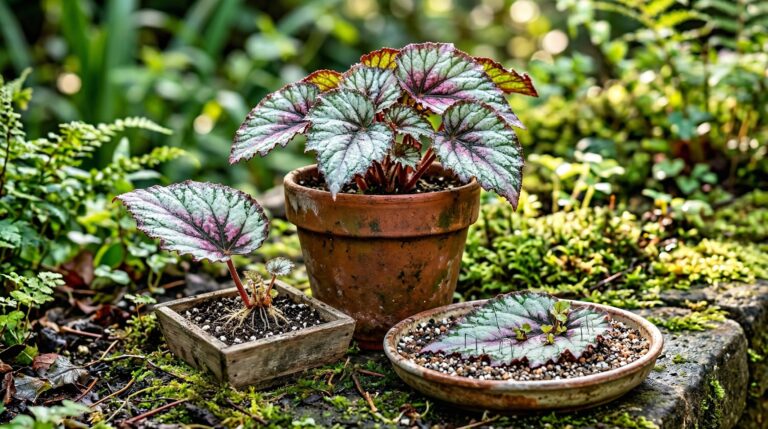
Begonias are among the easier plants to multiply, and the method depends on the type. Stem cuttings are the standard for wax and cane begonias: a healthy piece of stem roots in water or a moist, airy mix under bright, indirect light within a few weeks. Rex and other rhizomatous begonias do something more unusual, growing whole new plantlets from a single leaf. Pin a healthy rex leaf flat on damp mix, nick the main veins, keep it warm and humid, and small plants rise from the cuts over a month or two. Tuberous types carry over as their stored tubers, and clumping kinds can be divided. Seed is possible but slow, since the dust-fine seed needs warmth, light, and steady moisture and takes months to reach flowering.
Longevity also tracks the type. A cane or rex begonia kept as a houseplant can live for years, its stems slowly thickening, and many growers simply root fresh cuttings when an old plant grows leggy so the same variety stays full. Tuberous begonias return from the same tuber for several seasons before vigor fades. Wax begonias are usually treated as one-season bedding in cold climates, though a favorite can be potted and carried through winter on a bright sill. A begonia can be a throwaway summer annual or a plant you keep for a decade, and which one it is depends less on the plant than on how you overwinter it.
Fragrance
Fragrance is not why anyone grows begonias. The flowers of wax, cane, and rex types are close to scentless, and the plants earn their place on color and leaf pattern instead. A handful of tuberous hybrids have been bred for perfume and carry a light, sweet or citrus note when a nose gets close, but even those are gentle rather than heady. In a room, a begonia earns its place through looks and leaf pattern rather than scent.
Toxicity and pet safety
Begonias are toxic to cats, dogs, and horses, and the ASPCA lists the whole genus as such. The compound responsible is soluble calcium oxalate, and it is most concentrated underground, in the tubers, roots, and rhizomes rather than the leaves and flowers. A pet that bites a plant usually meets an immediate burning irritation in the mouth, along with drooling and sometimes vomiting, and that quick discomfort tends to stop the animal before it eats enough to do serious harm. The larger risk comes from a dog digging up and chewing a stored tuber, so keep dormant tubers and potted begonias out of reach of animals that nibble, and call a veterinarian if a pet swallows any. People are not immune either, since the sap can irritate sensitive skin, so gloves help when taking cuttings or repotting. Because begonias sit firmly on the toxic side, they are absent from the roundup of flowers safe for cats and dogs, which is the better place to look when pets share the room.
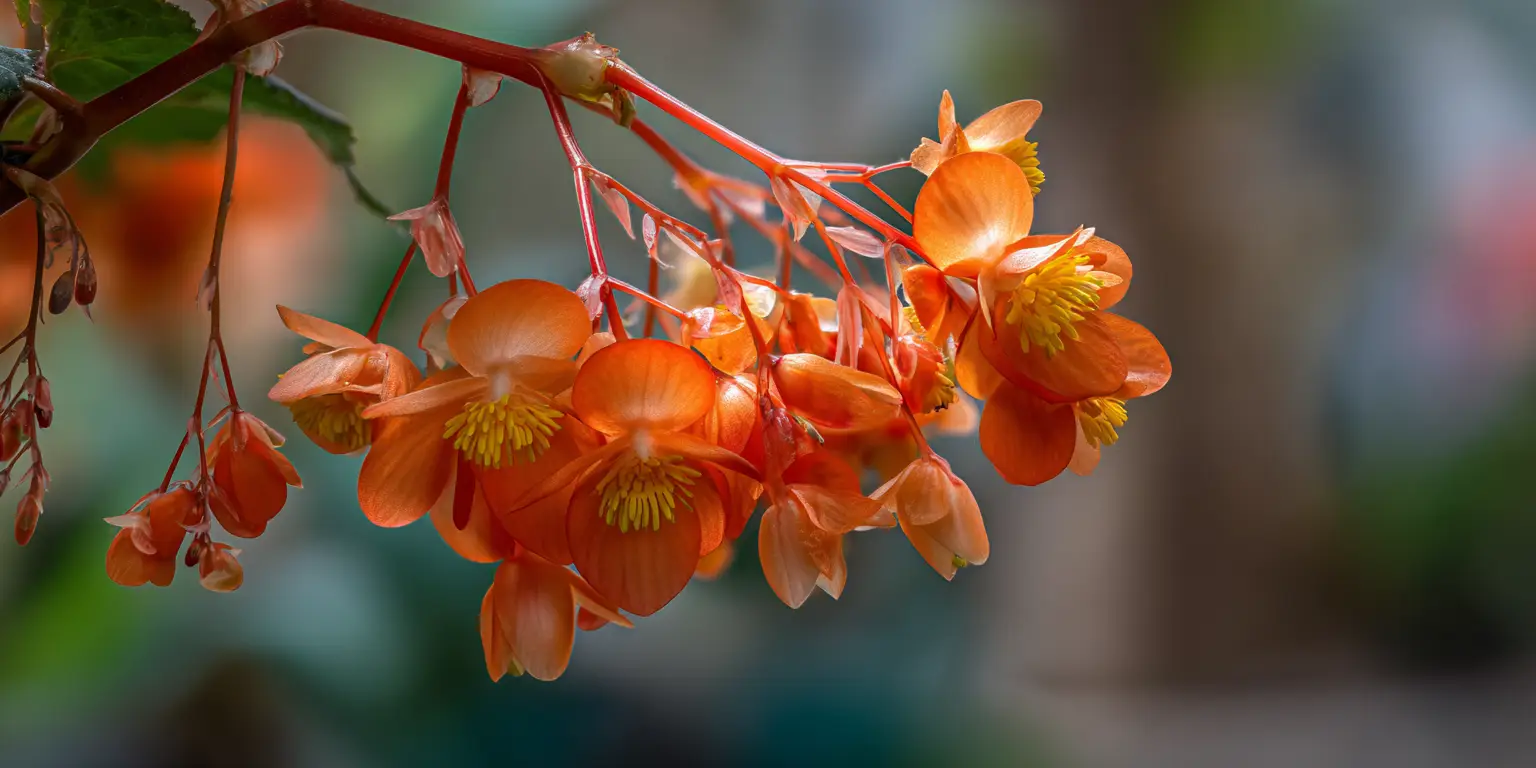
Vase life
Begonias are not a florist staple, but a few stems hold up in a small arrangement. Most begonia flowers last around five to seven days in a vase, depending on the type and the warmth of the room. Cut in the cool of the morning, stand the stems in a clean vase, and strip any leaf that would sit below the water so it cannot rot and foul it. Fresh water and a quick recut every day or two stretch the display a little further. For anything longer than a week, a potted begonia on the table simply outlasts a cut one, which is how most people enjoy them indoors anyway.
The trials that do exist measure baskets and beds, not vases
No begonia vase-life trial was found in this research, and that is a real absence rather than a gap in searching: every institution running numbers on this plant, Penn State, the University of Minnesota's West Central Research and Outreach Center, Metrolina Greenhouses, evaluates it as a bedding, container and hanging-basket plant. So this is what the measured data actually covers.
Begonia belongs in a vase.
Not on the evidence available. No source in this research, including the university trial data, evaluates begonia for vase life at all, which is why this section covers what the trials do measure. A potted or basket begonia is the form every institution that tests this plant actually tests.
Basket begonias are a niche corner of the market.
68 varieties in one season at one North Carolina trial site says otherwise, and two separate University of Minnesota WCROC Top Ten Performing Annual listings went to named begonia cultivars in 2017 and 2021.
Watering a container begonia more often is the safe error.
Not for the tuberous types. Clemson notes that they need frequent watering in containers and that excess water causes flower bud drop specifically, so the failure mode there is losing the buds you bought the plant for rather than seeing damage on a leaf.
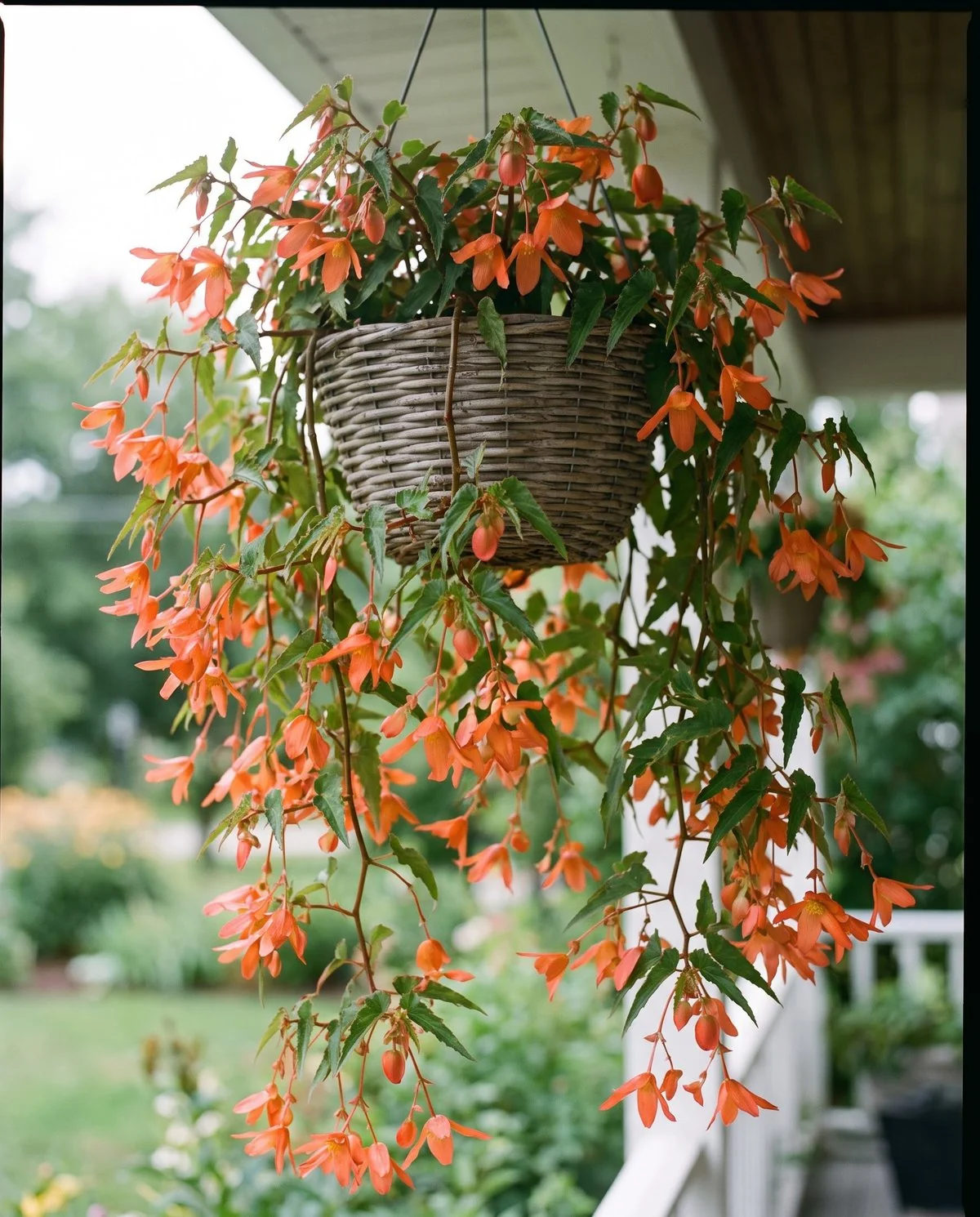
Pests and diseases
Nearly every serious begonia problem traces back to water and air rather than to insects. Root and stem rot, the number-one killer, comes from soil that stays too wet and stems that sit soggy, and it shows as a mushy base and sudden collapse. Powdery mildew, the signature begonia disease, spreads a pale, dusty film over leaves in still, humid, crowded conditions, and gray mold, or botrytis, settles as fuzzy gray patches on fading flowers and damaged tissue in cool damp air. All three are prevented the same way: space plants for airflow, water at the soil line, and never leave foliage wet overnight. Bacterial leaf spot, more stubborn, prints dark water-soaked spots and calls for removing infected leaves and keeping the foliage dry.
The insects are the smaller worry. Mealybugs, aphids, whiteflies, and spider mites all suck sap and tend to appear on indoor plants in dry winter air, leaving sticky residue, weak growth, or fine webbing. Catch them early, rinse or wipe the plant, and treat with insecticidal soap by the label if they persist. Outdoors, slugs and snails chew ragged holes in tender leaves overnight. The table pairs the common troubles with what actually fixes them.
| Problem | What you see | Cause | Fix |
|---|---|---|---|
| Root and stem rot | Mushy base, sudden collapse, yellow lower leaves | Overwatering, poor drainage | Water only when the top inch dries, airy mix, pots with holes |
| Powdery mildew | Pale dusty film on leaves | Still, humid, crowded air | Space plants, improve airflow, keep leaves dry, do not mist |
| Gray mold (botrytis) | Fuzzy gray patches on flowers and stems | Cool, damp, stagnant air | Remove spent blooms and dead tissue, increase airflow |
| Bacterial leaf spot | Dark, water-soaked spots | Bacteria spread on wet leaves | Remove infected leaves, water at the base only |
| Mealybugs, aphids, mites | Sticky film, weak growth, fine webbing | Sap-sucking insects, dry indoor air | Rinse or wipe, insecticidal soap per label |
| Scorched leaves | Brown, crispy patches | Too much direct sun | Move to bright shade or filtered light |
The recurring theme is airflow and restraint with the watering can, which is why the plants that get bright shade, an airy mix, and a drink only when the surface dries almost never call for a spray.
Photo pairs, and the three calls the sources themselves refuse to make from a photo
Water damage in both directions, natural leaf patterning and dry sun scorch are safe to photograph. Three subjects here are not, and in one case that is not caution but the source's own position: NC State Extension states in print that many fungal leaf spots can be confused with bacterial lesions and that there is no convenient way to distinguish between them, especially for the layman. Powdery mildew's raised spore-bearing texture and a rotting stored tuber are the other two, both checkable fingerprints where a wrong render changes what a reader throws away.
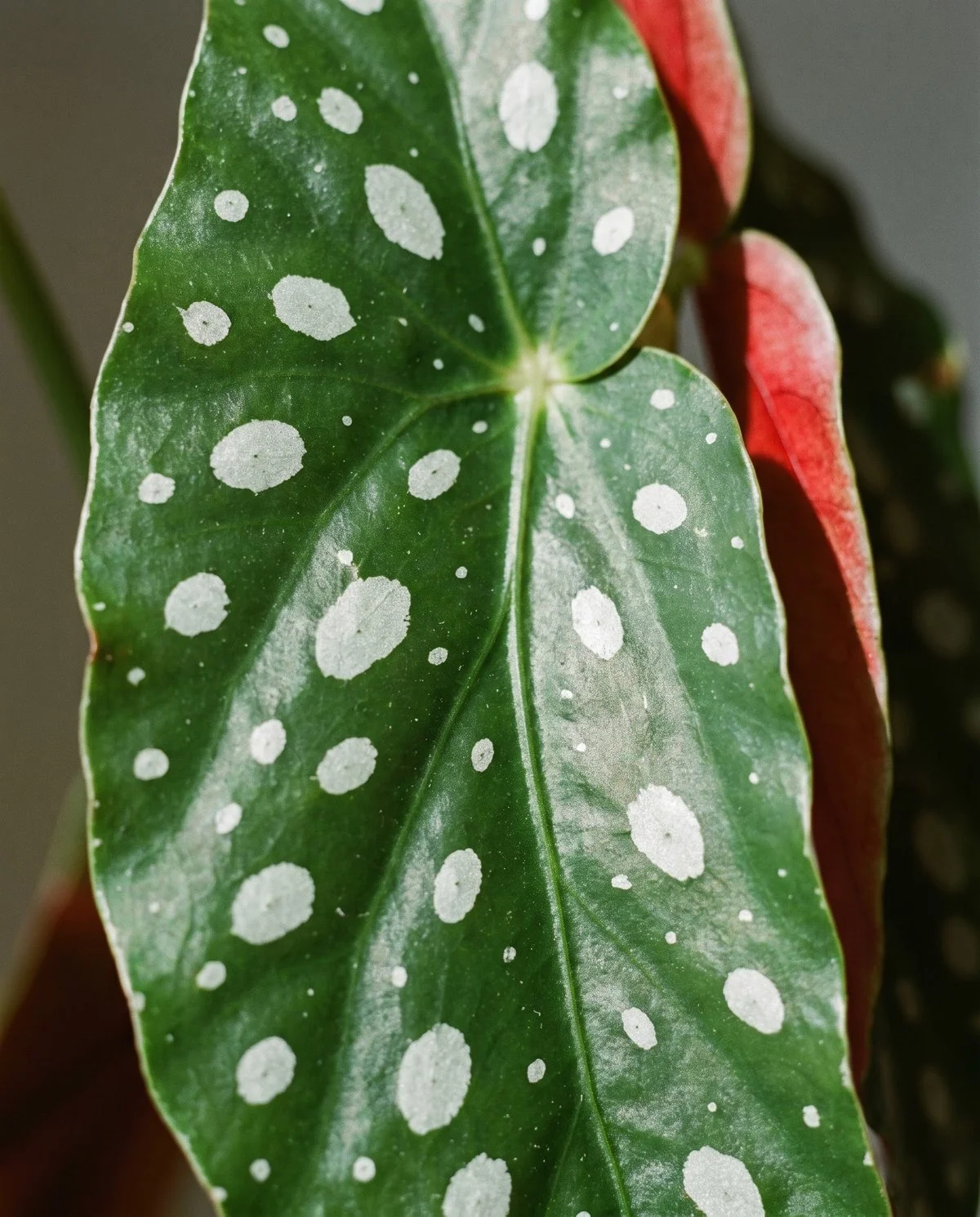
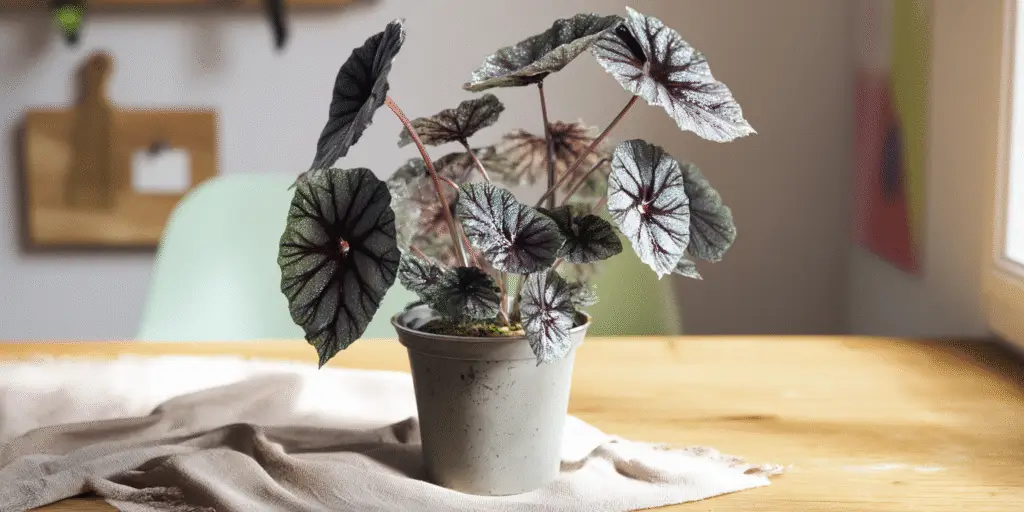
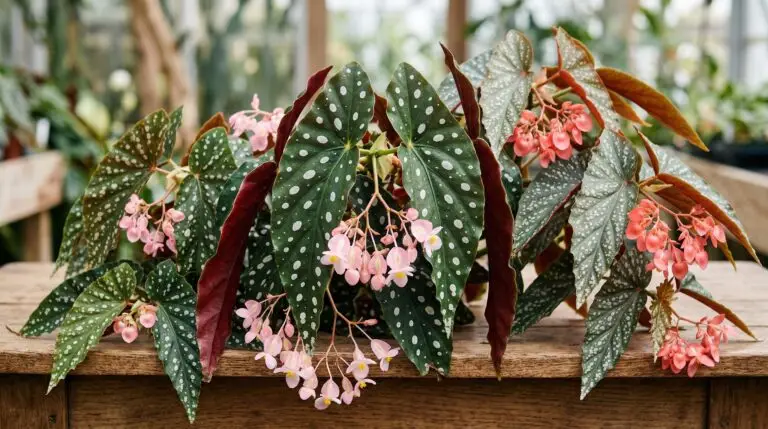
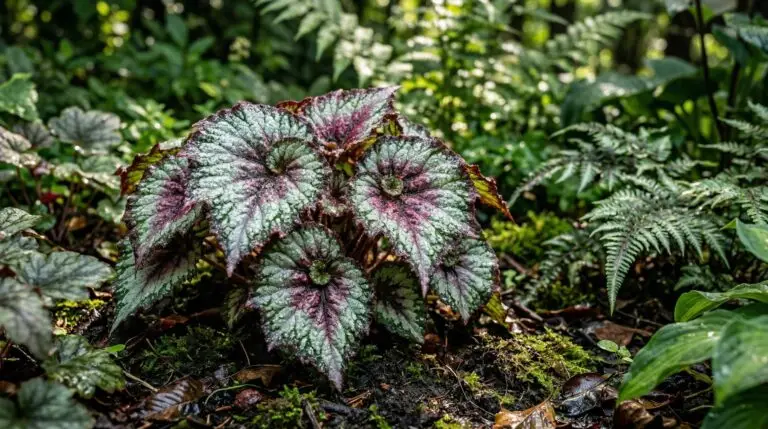
Try to rub it off. Natural patterning is flat, evenly distributed and part of the leaf's own colouring, which is the entire point of a rex begonia and of the widely sold polka dot begonia, Begonia maculata. Powdery mildew, Erysiphe begoniicola, is raised, can be brushed or rubbed off the surface, starts on older or upper leaves, and leaves the tissue underneath the powder turning yellow or brown with young shoots stunted and distorted. Its colonies develop best near 70 F and are inhibited above 85 F. Only the natural patterning is photographed here.
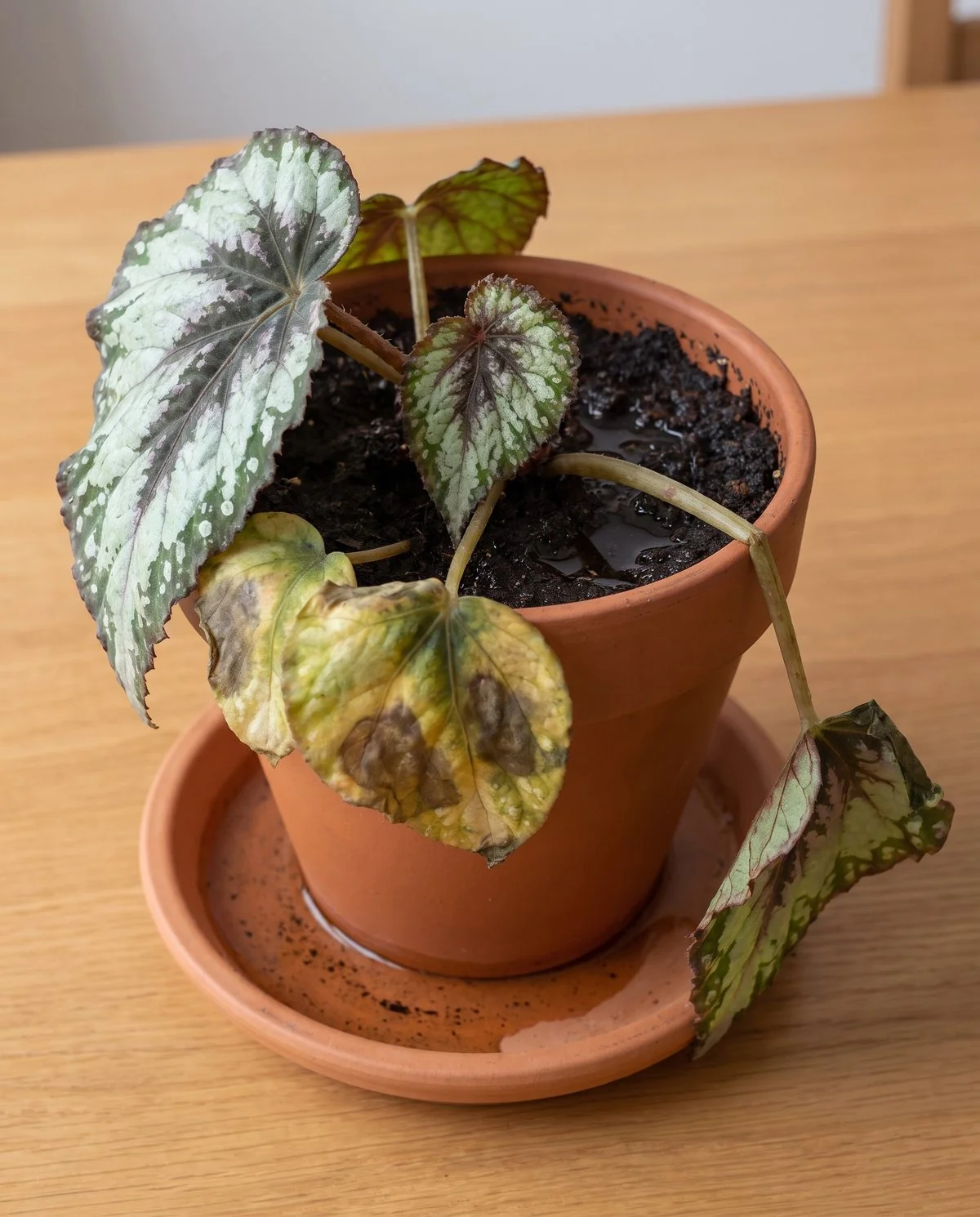
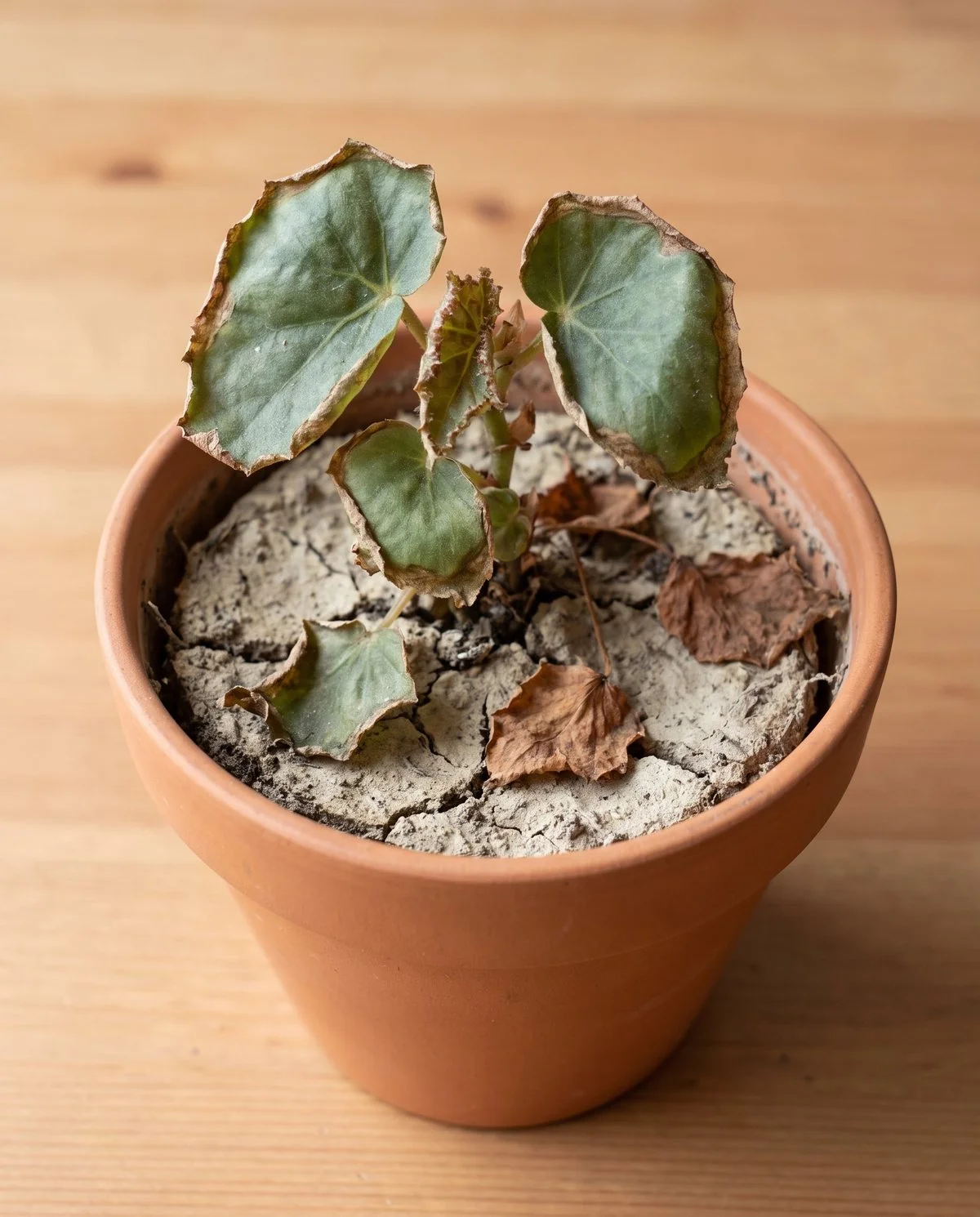
Texture decides it, because the wilting itself happens on both sides. An overwatered begonia gives yellow leaves with yellow-brown patches, soft soggy tissue, drooping in visibly moist soil and in advanced cases a mushy stem, and it wilts precisely because rotted roots can no longer move water up. An underwatered one gives leaves that are dry and crisp, fall off easily, and a general lack of bloom or stunted growth. One real poster in this research was already doing this correctly, noting that the spots were dry and thin rather than mushy. This comparative test rests on consumer-tier consensus, with NC State separately confirming that overwatering causes tuber rot.
This is the one card where the honest answer is to stop looking. Michigan State Extension describes bacterial leaf spot, Xanthomonas axonopodis pv. begoniae, as water-soaked lesions, often v-shaped, extending inward from the leaf margin along the midrib or lateral veins, visible especially from the underside, oozing bacteria in humid conditions that dry to a light brown crust; in Rieger begonias it can go systemic and kill the plant, while rex and tuberous types are less severely affected and common wax begonia has low susceptibility. NC State Extension then states that many fungal leaf spots can be confused with bacterial lesions and there is no convenient way to distinguish between these two, especially for the layman. Neither side is photographed, because the publications that describe them disclaim the confidence a photo pair would imply.
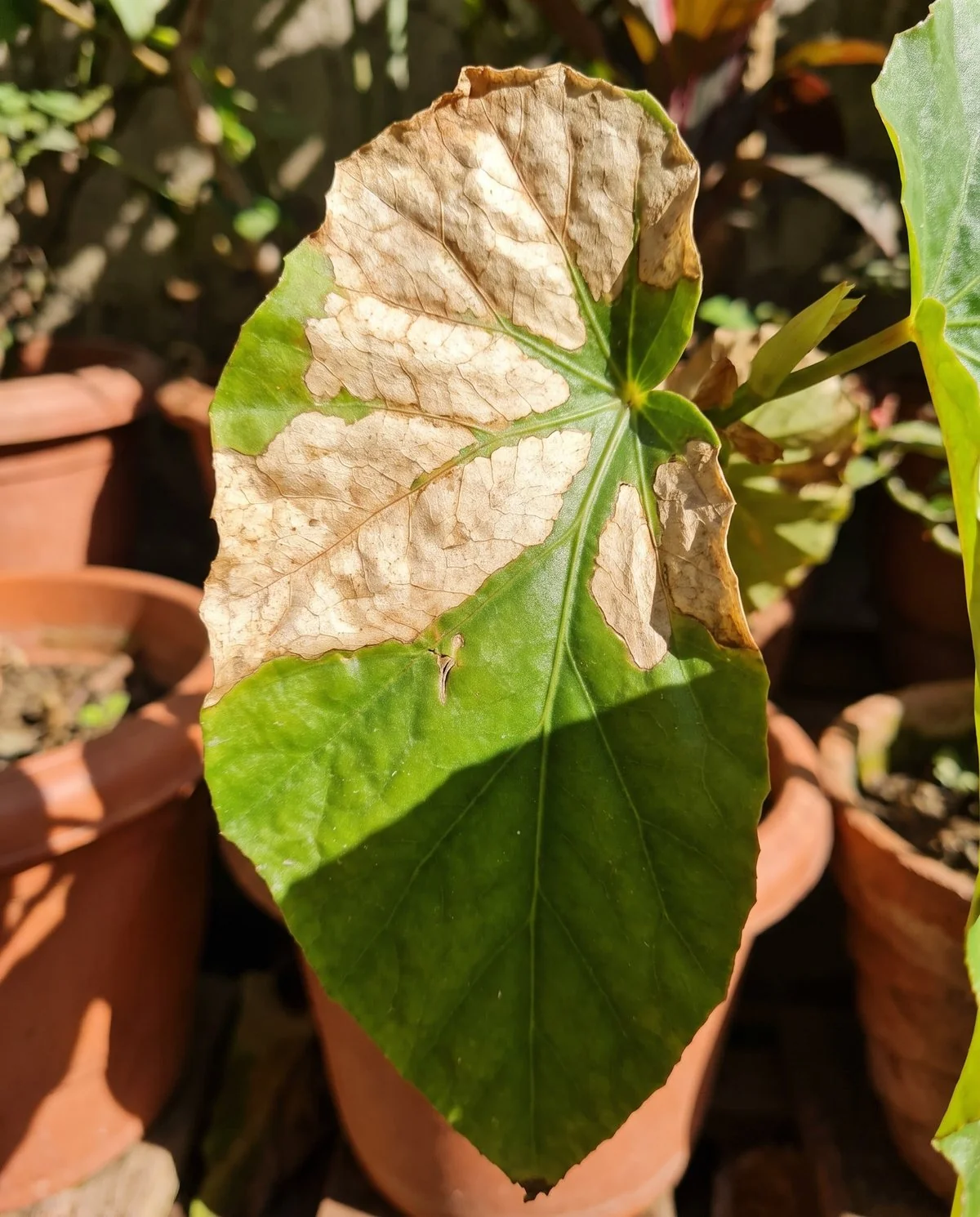
Press it. Soft rot is brown or discoloured tissue that is soft and wet rather than dried out, tied by Clemson to stem rot, Pythium root rot and Botrytis blight and to overwatering, poor air circulation or water sitting on foliage in hot sun. Dry damage is crisp and brittle brown tissue, usually at the leaf edges or in patches that match where the sun actually falls; Clemson's own care advice warns specifically against watering when the hot sun hits the foliage, because that combination scorches. Only the dry side is photographed here.
Handle each tuber rather than looking at the box. A storable tuber is firm to the touch with dry papery to slightly rough skin and no soft spots; a failed one has soft or mushy patches, discolouration and sometimes visible mould. NC State names overwatering as the cause of tuber rot, and Wisconsin Extension's storage instruction is to check monthly and discard any tuber found soft or mouldy so it cannot take the others with it. Neither side is photographed, because how bad a genuinely bad tuber looks is exactly the thing a rendered image would understate.
What begonia owners actually post about, ranked, from a small sample stated plainly
This ranking rests on 72 posts, not hundreds: 21 from r/gardening, 16 from r/plantclinic, 18 from r/houseplants and 17 from r/begonias, deduplicated by post id and hand-read rather than keyword-scanned. Two honest caveats belong with the numbers. Roughly 40 percent of those 72 posts carry no problem at all, being showcase photos, identification requests and propagation brags, which is the structural character of r/begonias and its 38,700 subscribers. And real problem demand concentrates in r/plantclinic and r/houseplants rather than in the dedicated fan community. Themes overlap and do not add to 100.
Feel the damaged tissue before you change anything: crisp and dry rather than soft and soggy is the reliable tell. This is the most consistent complaint shape in the sample, in the posters' own words crispy edges, crispy tips, crunchy leaves, and it lands overwhelmingly on cane, angel-wing and rex houseplant begonias rather than on outdoor bedding types.
The stem base, for softness, and the calendar. This is a distinct theme from crisping: leaves that go soft, yellow or simply detach. It appears across all four houseplant groups in the sample, several times within a fortnight of the plant being bought or repotted.
Whether the brown area is wet or dry. One poster in this row did that work unprompted, writing that the brown areas are soft and not dried out. Read the figure as a floor: the tuberous version of this problem is found by digging or by a whole-plant collapse rather than photographed early.
Whether the mark is raised. The clearest case in the whole sample is a real post titled around an angel-wing begonia with white bumps on red veins, asking outright whether that is normal or infected.
Which of the five groups the plant belongs to, because only one of them overwinters outdoors on its own. Real posts here ask whether a wax begonia actually survived winter, and why a plant stored in the garage never grew back to its old size.
The light the plant has had since it arrived. Both cases in this sample are begonias described as recently acquired free or discount plants, which is a low-light history rather than a care mistake.
Whether the plant lives indoors. This theme is smaller here than in the tulip or calla research for a structural reason: most of this sample is indoor and container begonia, which never meets the animal-pest pressure a garden bed sees. Clemson separately names mealybugs, spider mites, thrips, scales, snails and slugs, and notes that begonias may be sensitive to insecticidal soaps, a practical detail with no equivalent anywhere in the forum sample.
Whether there was a single event rather than a slow decline. The one case in this sample is unambiguous: a begonia left in a hot car.
Flower photos
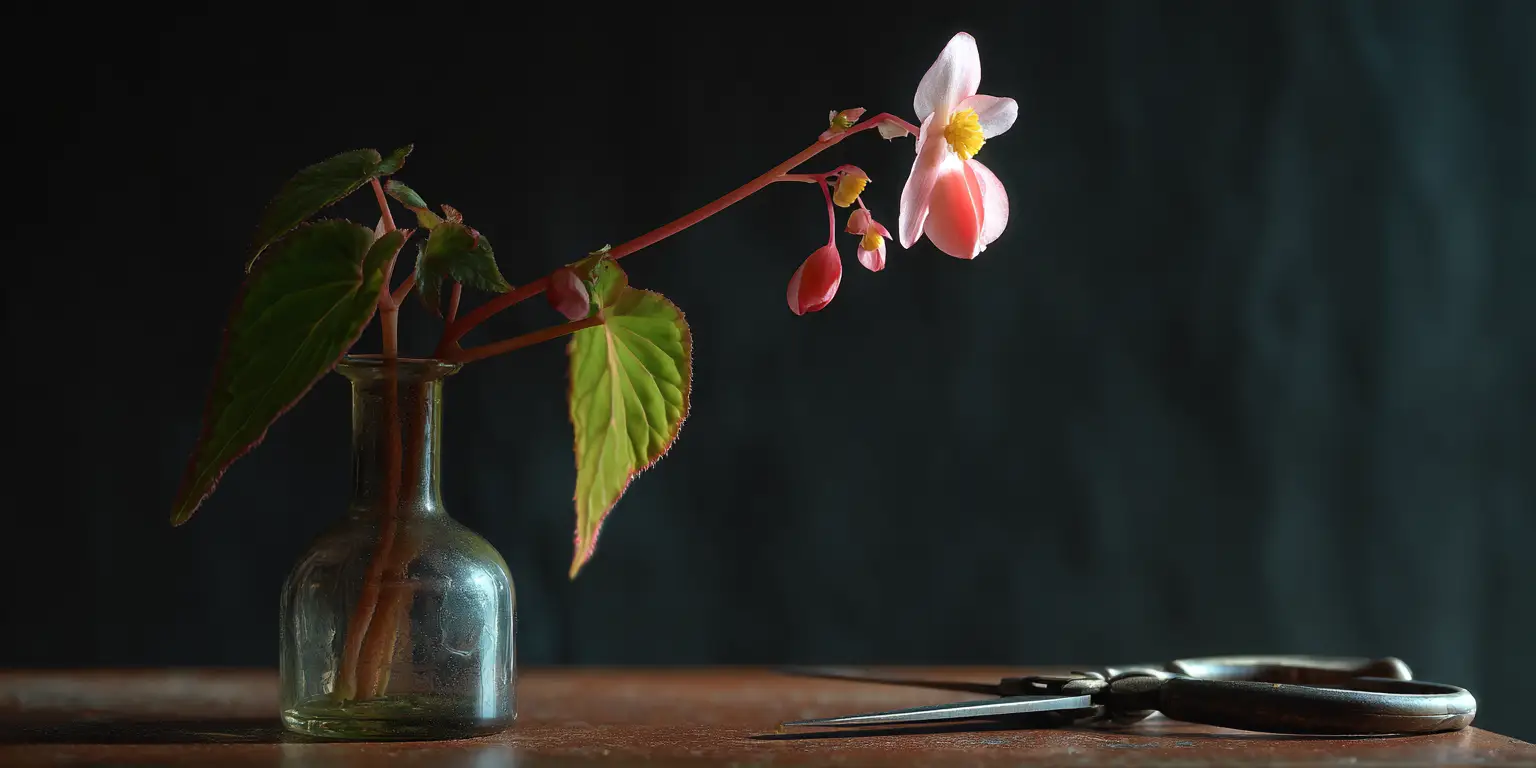
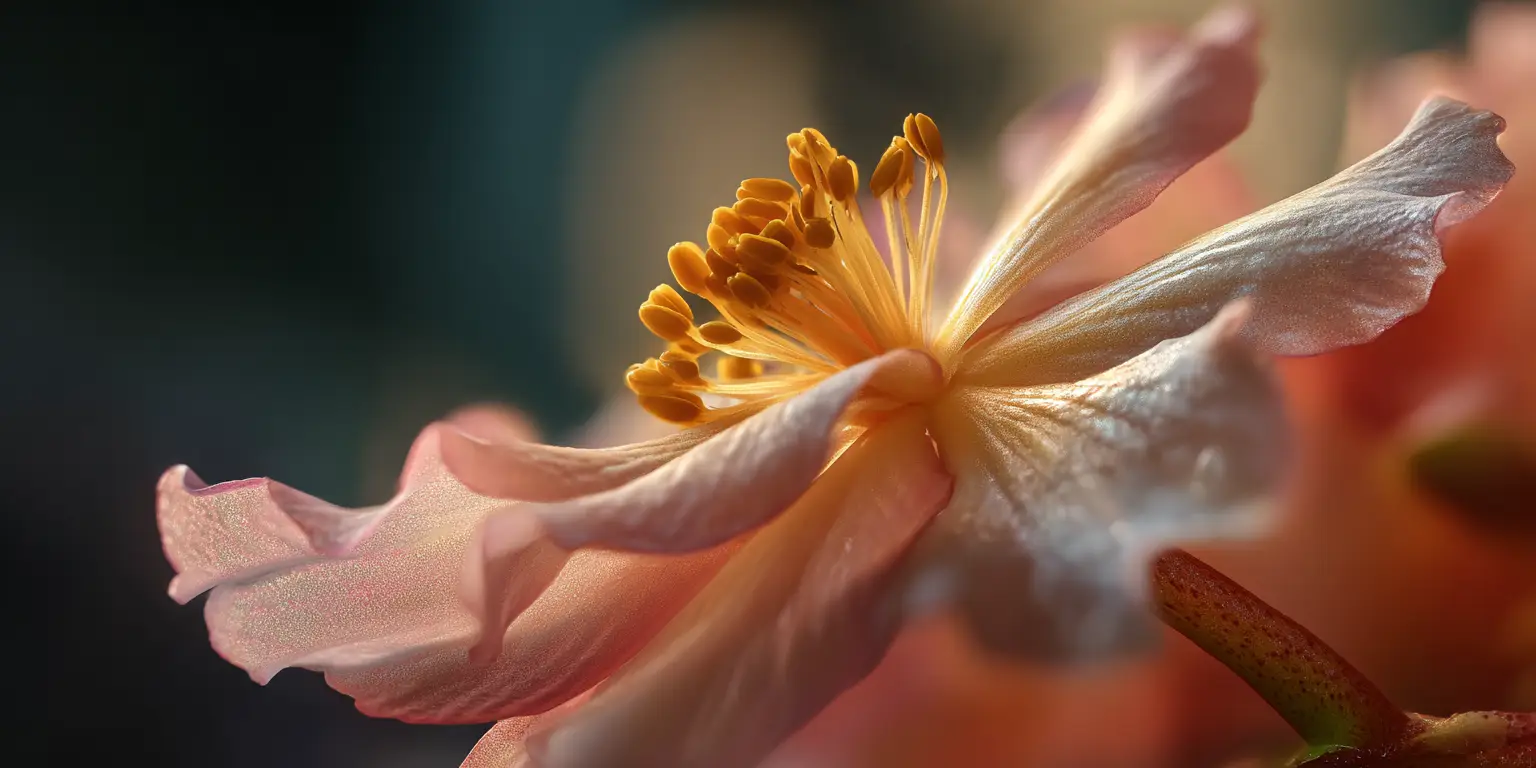
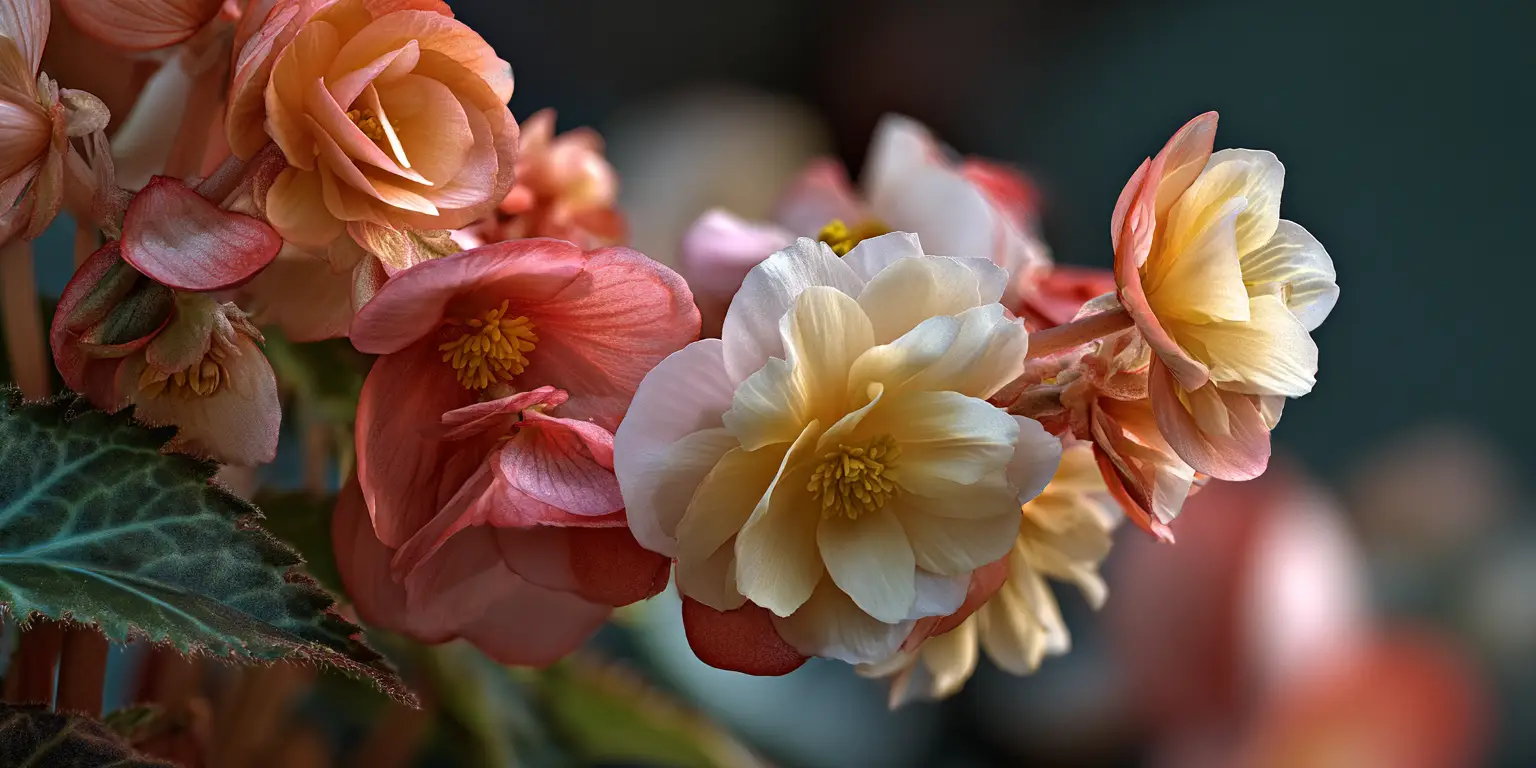
FAQ
How do I know which type of begonia I have?
Look at the roots and the habit. A low, neat plant covered in small flowers with waxy green or bronze leaves is a wax begonia. A plant with large, showy blooms growing from a flat brown tuber is tuberous. A tall plant with jointed, bamboo-like stems and wing-shaped, often spotted leaves is a cane or angel wing type. A low, spreading plant grown for boldly patterned leaves is rhizomatous, and the most colorful of those are rex begonias. The group tells you how to light, water, and overwinter it.
Do begonias want sun or shade?
Most want bright light without harsh midday sun. Wax begonias, especially bronze-leaved ones, are the exception and take real sun if kept moist. Tuberous and rex begonias want bright shade or filtered light and scorch in strong sun.
Why is my begonia dying, dropping leaves, or turning yellow?
Overwatering is the usual answer. Soggy soil rots the roots and stems and yellows the lower leaves. Let the top inch dry before watering, make sure the pot drains, and ease off in winter. Brown crispy patches instead point to too much direct sun, and a white dusty film is powdery mildew from still, humid air.
My tuberous begonia collapsed in fall. Is it dead?
Usually not. Tuberous begonias die back on purpose every autumn to rest as a dormant tuber. Let the top wither, lift the tuber, brush it off, and store it dry in a cool, dark place around 40 to 50F, then restart it in spring.
How do I care for a rex begonia?
Give it bright indirect light, an airy mix kept lightly moist, warmth, and humidity. Raise humidity with a pebble tray, a humidifier, or by grouping plants rather than misting, since wet leaves invite mildew. Rex begonias are grown for foliage and flower only modestly.
Are begonias safe for cats and dogs?
No. The ASPCA lists begonias as toxic to cats, dogs, and horses, with the most oxalate in the tubers and roots. A nibble usually causes mouth irritation, drooling, and vomiting rather than an emergency, but keep tubers and plants away from pets and call a vet if one is eaten.
Can I grow begonias indoors?
Yes, and rex and cane types in particular make lasting houseplants. Give bright indirect light, water when the top inch dries, keep them away from cold drafts and hot dry vents, and raise humidity in winter.
How do I propagate a begonia?
Take stem cuttings from wax and cane types and root them in water or moist mix. For rex and other rhizomatous types, lay a leaf on damp mix, nick the veins, and let plantlets form. Save tubers from tuberous types and divide clumping kinds.
Are begonias annual or perennial?
Both, depending on climate. They are perennial in frost-free zones 9 to 11 and grown as annuals in colder areas, though tubers can be stored and hardy begonia, Begonia grandis, returns each year in zones 6 to 9.
Do begonias need fertilizer?
Light feeding during active growth can help. A balanced, water-soluble fertilizer used at a reduced strength every few weeks is usually enough. Too much fertilizer can cause weak growth or leaf damage, so it is better to go gently.
Should I deadhead begonia flowers?
It depends on the type. Many wax begonias drop old blooms on their own, but removing faded flowers keeps the plant tidy. Tuberous begonias often look better with regular deadheading, especially in humid weather when old petals can turn mushy.
How can I overwinter my begonias in cold climates?
The easiest approach is to grow begonias in pots and bring them indoors before frost. For tuberous begonias, you can let the tops die back, store the tuber dry through winter, and replant it in spring. Another option is to take cuttings in late summer and grow the young plants indoors until outdoor temperatures warm again.
Is this normal leaf patterning or is my begonia sick?
Rex begonias and many spotted cane types, the widely sold polka dot begonia, Begonia maculata, most of all, are bred specifically for silver, gray or white leaf markings as their main feature, and that patterning is flat, evenly distributed and part of the leaf's own colouring. Powdery mildew is raised, powdery, can be rubbed off with a finger, usually starts on older or upper leaves, and leaves the tissue underneath turning yellow or brown. If a white mark brushes off and reappears, or the leaf under it is discolouring, treat it as mildew rather than pattern. A real post in this research asks exactly this about white bumps on the red veins of an angel-wing begonia.
Can anyone tell bacterial leaf spot from a fungal one by looking at my photo?
No, and that is NC State Extension's position rather than a hedge on this page: many fungal leaf spots can be confused with bacterial lesions and there is no convenient way to distinguish between these two, especially for the layman. A lab test looking for a bacterial ooze stream from a lesion held in water under magnification can help, but its absence does not rule bacteria out, and fungal spores may or may not be visible depending on conditions. The honest instruction from the same source is to get a professional diagnosis rather than self-diagnose from an image.
Why did my begonia come back smaller after I stored it over winter?
It happens, and no source in this research quantifies what to expect. Storage does not guarantee a bigger or better plant the following year: a gardener in this page's own sample reported a stored tuber returning consistently the same size in blooming rather than larger. Treat will it be bigger next year as a genuine unknown rather than a promise in either direction, and follow the storage figures in the calendar above, which are the part that is actually published.
Is begonia's toxicity the same kind of hazard as a calla lily's or a true lily's?
Same word, different chemistry, and the difference is worth stating precisely. The ASPCA lists begonia, genus-wide, as toxic to dogs, cats and horses, with the toxic principle named as soluble calcium oxalates, and with vomiting and salivation as the listed clinical signs for dogs and cats. Soluble oxalates can be absorbed into the bloodstream and bind the body's own calcium, which is the mechanism behind the kidney-failure risk the ASPCA notes specifically in grazing animals. Calla lily's oxalates are insoluble raphides, which injure mechanically when crystal-bearing cells rupture in the mouth. The practical detail in the begonia entry is the one gardeners miss: the tubers are explicitly named as the most toxic part, which makes a stored box of them a different risk from a leaf on a shelf.
Interesting tips
The single most useful habit is to underwater rather than overwater, because a thirsty begonia recovers in an afternoon while a waterlogged one rots from the base and rarely comes back. Raise humidity for the foliage types with a pebble tray, a humidifier, or by grouping plants, and skip the misting bottle, since droplets left on the leaves invite the mildew begonias are prone to. When a cane or angel wing type grows tall and bare, pinch the tips to force it to branch and refill. Rex begonias offer a small piece of magic: a single leaf pinned to damp mix and nicked across the veins raises a cluster of new plants, an easy way to share a favorite. Watch for the lopsided leaf that marks the whole genus, one side of the base always larger than the other, and once you see it you cannot unsee it. In a shaded bed, begonias sit well beside other low-light performers such as impatiens, ferns, and hostas, while trailing partners soften a container's edge. A few begonia petals are edible and taste tangy from oxalic acid, best as an occasional garnish and skipped by anyone who must limit oxalates. Use room-temperature water, since very cold water stresses these warm-country roots. Keep the leaves clean too, because a begonia shows every speck of dust, and a gentle wipe helps it gather light.
- Some begonia petals are edible, but only with caution. They can taste tangy because of oxalic acid, and they are best treated as an occasional garnish, not a snack. People who need to limit oxalates should avoid them.
- A single leaf can start new plants for some types, especially rex begonias. Set a healthy leaf on moist mix with good humidity, and small plantlets can form along the veins over time.
- Begonias are known for lopsided leaves. One side of the leaf base is usually larger than the other, and once you notice it, it is hard to unsee.
- Begonias carry separate male and female flowers on the same plant. Male flowers usually look fuller, while female flowers have a small swollen seed capsule behind the petals.
- If you grow tuberous begonias, you can often keep the tubers and replant them next season. Store them dry and protected from freezing so they are ready to sprout again in spring.
- Many begonias come from humid forests, so dry indoor air can rough up leaf edges. A humidity tray or grouping plants together can help, as long as the potting mix is not kept soggy.
- Pinching back a few tips can make a leggy begonia branch and look fuller. This is especially helpful with cane types grown indoors.
- Room-temperature water is usually easiest on begonias. Very cold water can stress warm roots, and very hot water can damage them.
- In shade beds, begonias pair well with other shade lovers like hostas, ferns, coleus, and impatiens. In containers, trailing plants can soften the edges and highlight the begonia flowers.
- Begonia leaves show every splash and speck of dust. Wiping them gently with a soft cloth keeps the foliage looking sharp and helps the plant take in light.
Related Guides & Flowers
- Impatiens soft shade bedding flower: Compact flowering annual for part shade and shade beds or containers, ideal when gardeners want nonstop color in similar spots where begonias thrive.
- Petunia bright annual for containers and borders: Classic summer annual with mounding or trailing habit that fills window boxes and pots with color just like begonias, but for sunnier positions.
- Geranium colorful pots and porch boxes: Popular container flower with bold clusters of blooms that pairs well with begonias in mixed patio planters and entryway pots.
- Sweet alyssum low edging flower: Fragrant, low growing annual that softens the front edge of beds and hanging baskets and works nicely as a foamy companion around begonias.
- Cosmos airy summer annual: Taller daisy like blooms that give a light cottage garden feel; a good contrast to the solid mounded shape of begonias in mixed borders.
- Zinnias bold color for sunny beds: Bright long blooming annuals for full sun that offer the same strong color impact as begonias for gardeners who have hotter, drier spots.
- Lantana heat loving container flower: Compact shrub like annual in cool climates with clusters of small flowers, great for hot patios where some begonias may struggle but a similar colorful mass effect is wanted.
References
- Begonia UMN Extension: Extension summary of main begonia groups with guidance on light, soil, watering and basic propagation from cuttings.
- Growing Begonias Indoors Clemson HGIC: Fact sheet on using begonias as houseplants, including recommended light levels, watering strategy, fertilizing and pruning indoors.
- Begonias UF IFAS Gardening Solutions: Overview of begonia types and landscape uses, with notes on climate, container use and how they are grouped into fibrous, tuberous and rhizomatous types.
- A Beginners Guide to Begonias Begonia rex cultorum UF IFAS: Detailed information about Rex begonia foliage types including temperature range, USDA zones and indoor growing recommendations.
- Plants With Toxic Properties MGNotes Delaware State University: List of ornamental plants with toxic effects for pets where begonias are noted as having potentially harmful properties, useful for your toxicity section.
Enjoying our flower guides? Add YourFlowersGuide as a preferred source on Google. It helps more readers find us.
Add to Preferred Sources