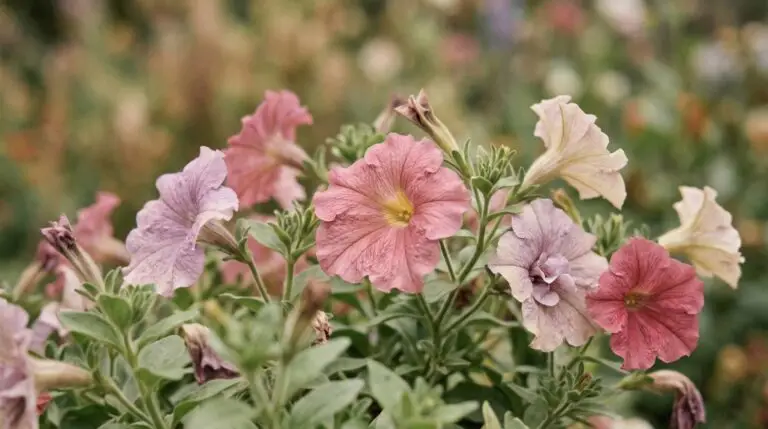
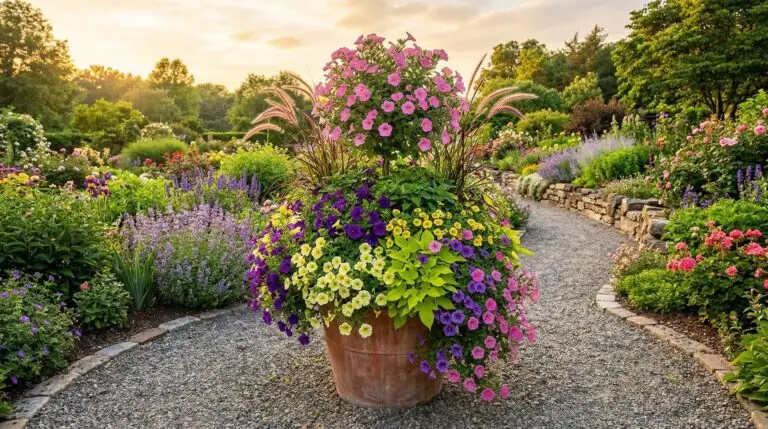
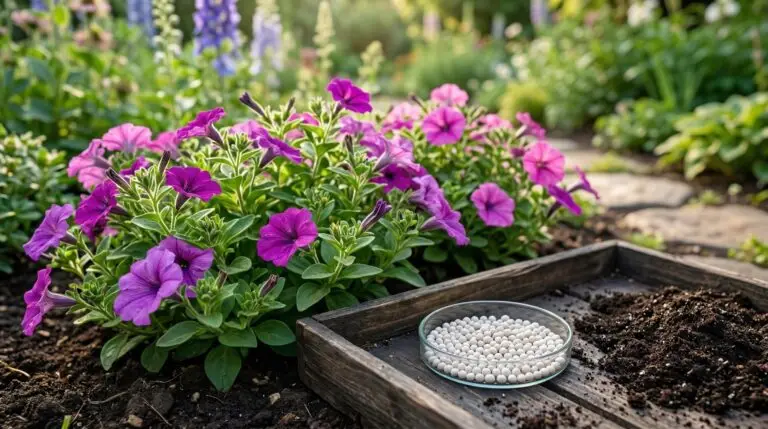
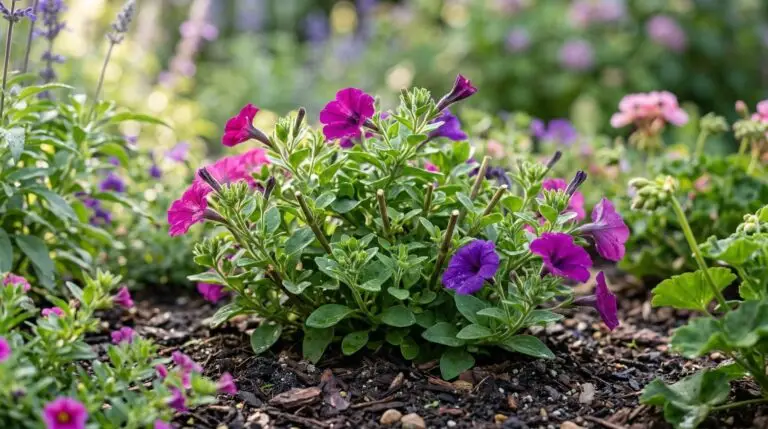
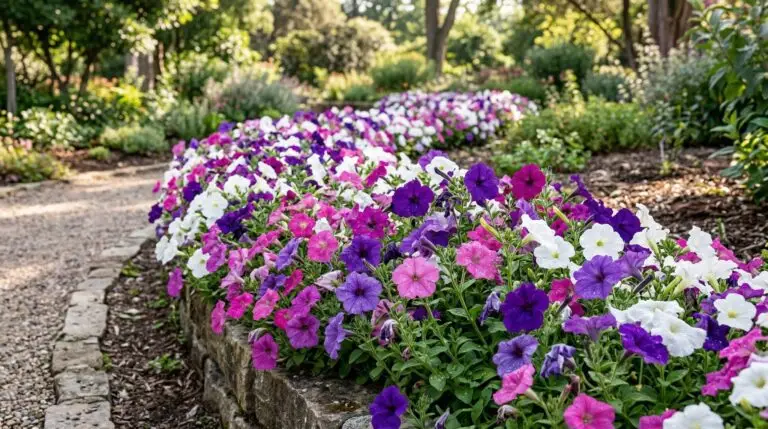
Petunia bloom time across the US
Interactive map
 See the interactive map
Drag the date and the bloom moves north across the country. Every point has its own window, and the map says where it has no records rather than guessing. Free, with nothing to sign up for. Open the petunia map.
City by city
Typical window, earliest first. Cultivars of the same flower can open days or weeks apart.
Taxonomy and origin
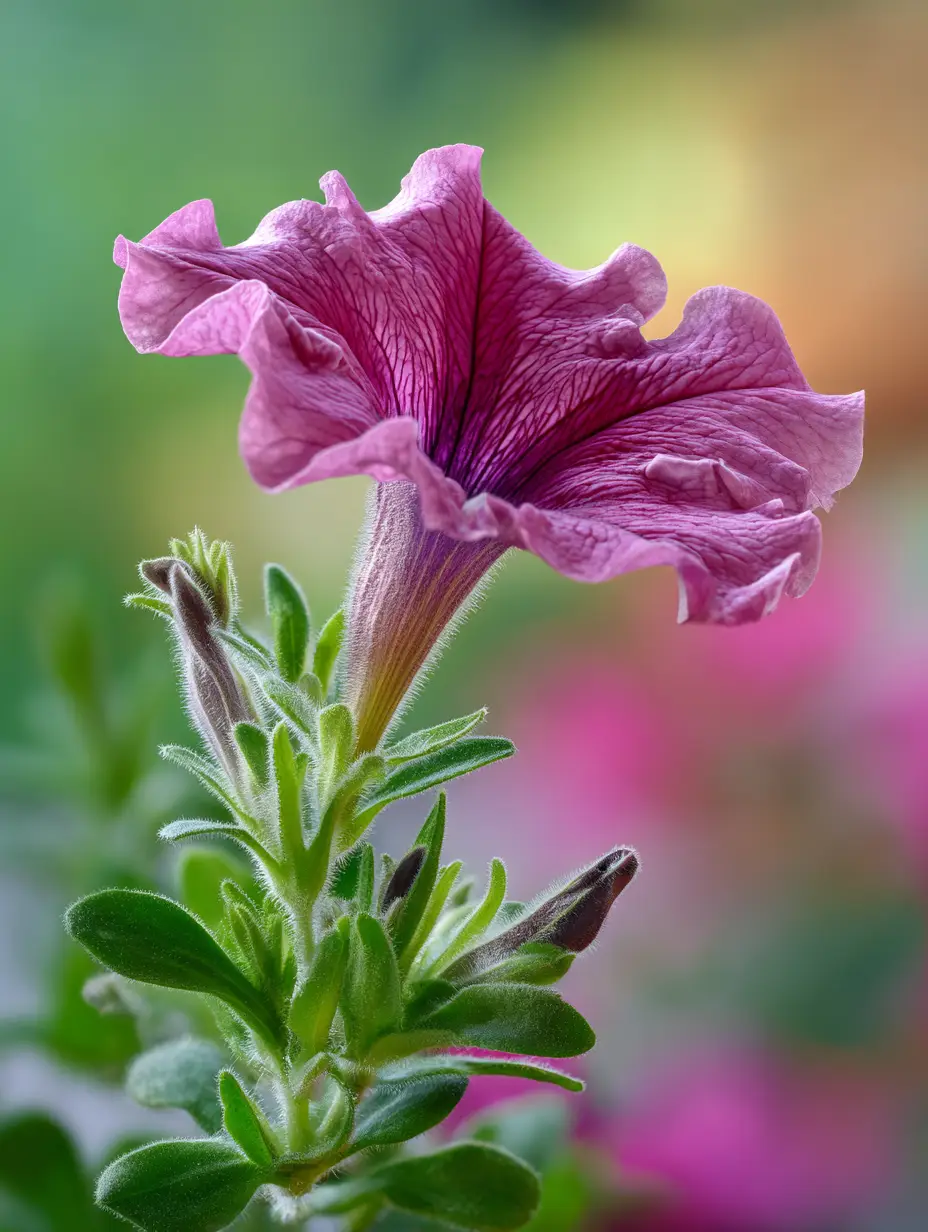
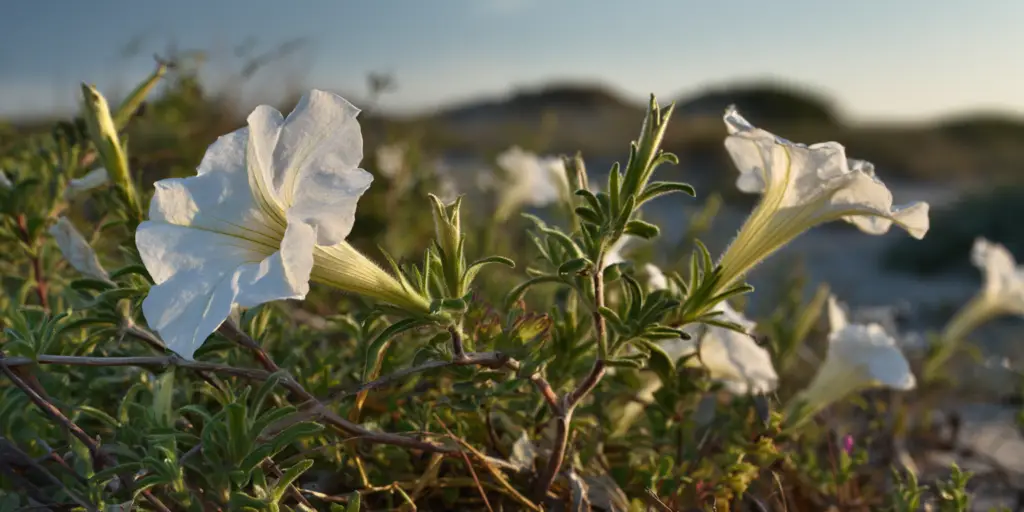
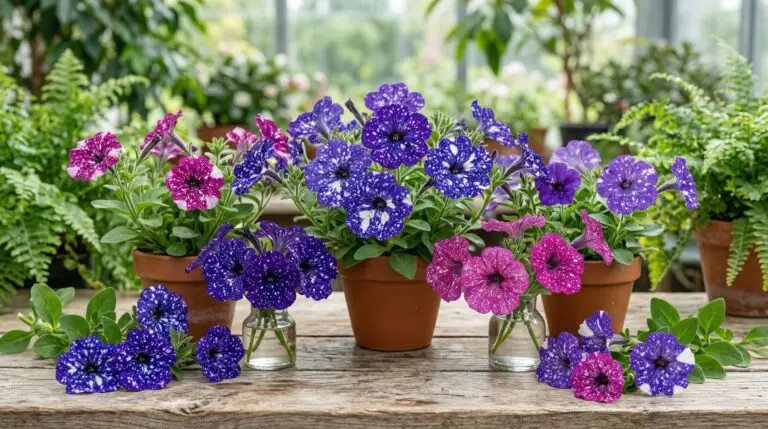
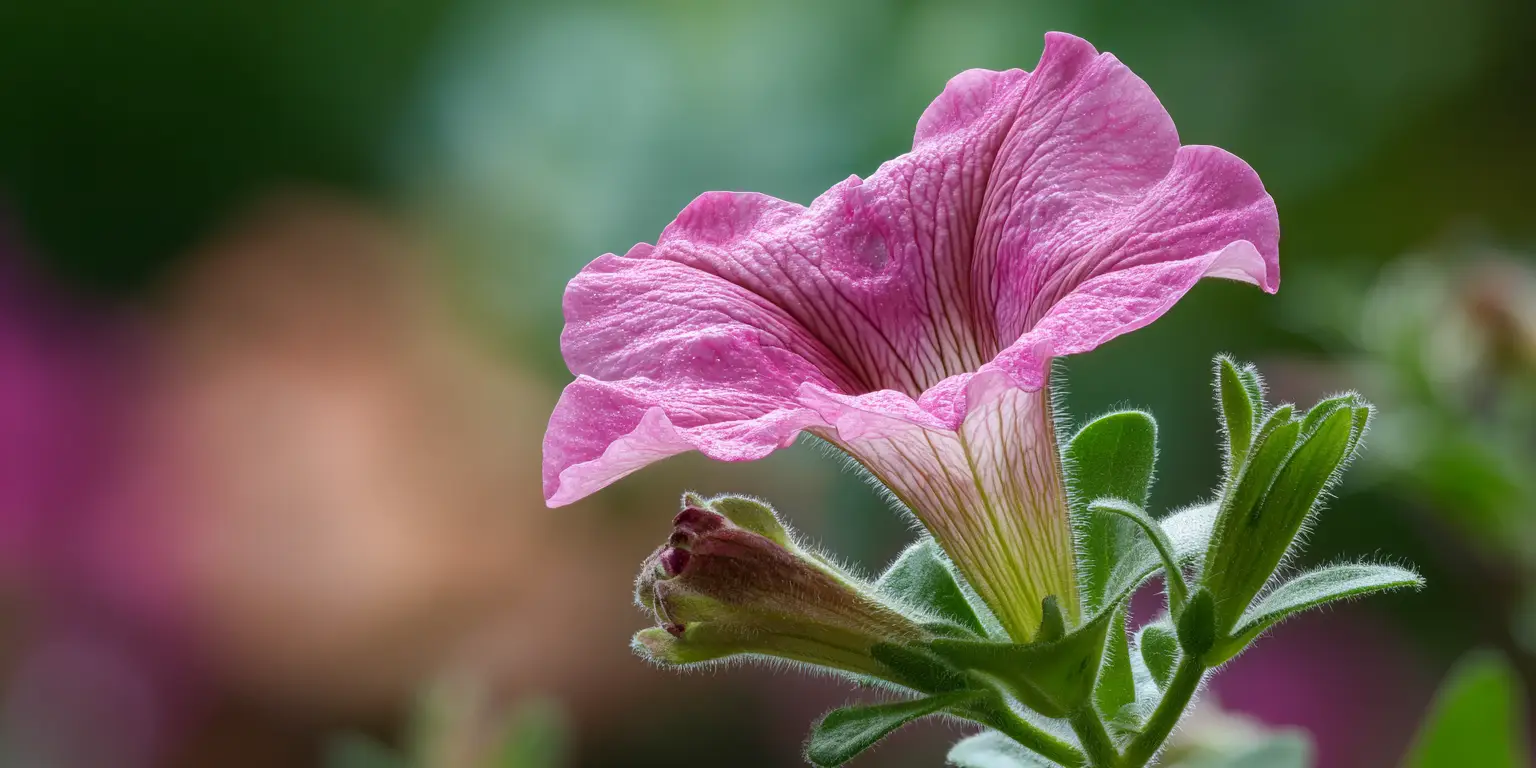
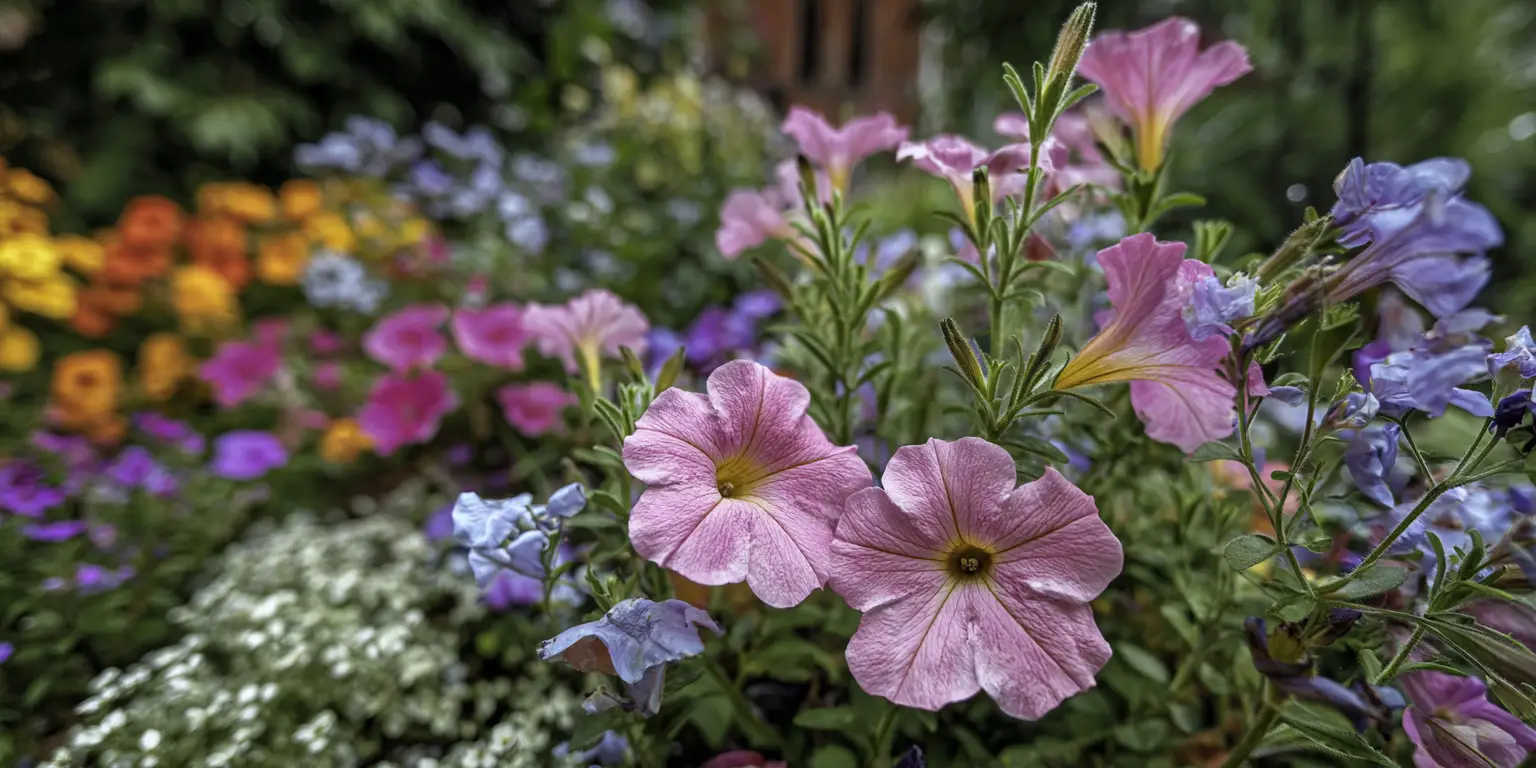
Petunias belong to the genus Petunia in the nightshade family, Solanaceae, which makes them close relatives of tobacco, tomato, and pepper, and the name itself comes from a Tupi-Guarani word for tobacco. Botanists recognize around twenty wild species, native to the warm grasslands of South America, chiefly Argentina and Brazil. The plants that fill garden centers descend almost entirely from two of them, the white and night-scented Petunia axillaris and the violet-flowered Petunia integrifolia, whose crosses, with a third species, P. inflata, in the mix, produced the hybrid group written as Petunia x atkinsiana, also seen as P. x hybrida. Everything since has been breeding for flower size, color, and plant habit, which is how the modern range runs from tiny starry blooms to ruffled doubles the size of a fist, in nearly every shade, including the near-black and galaxy-speckled types gathered in the purple flowers hub.
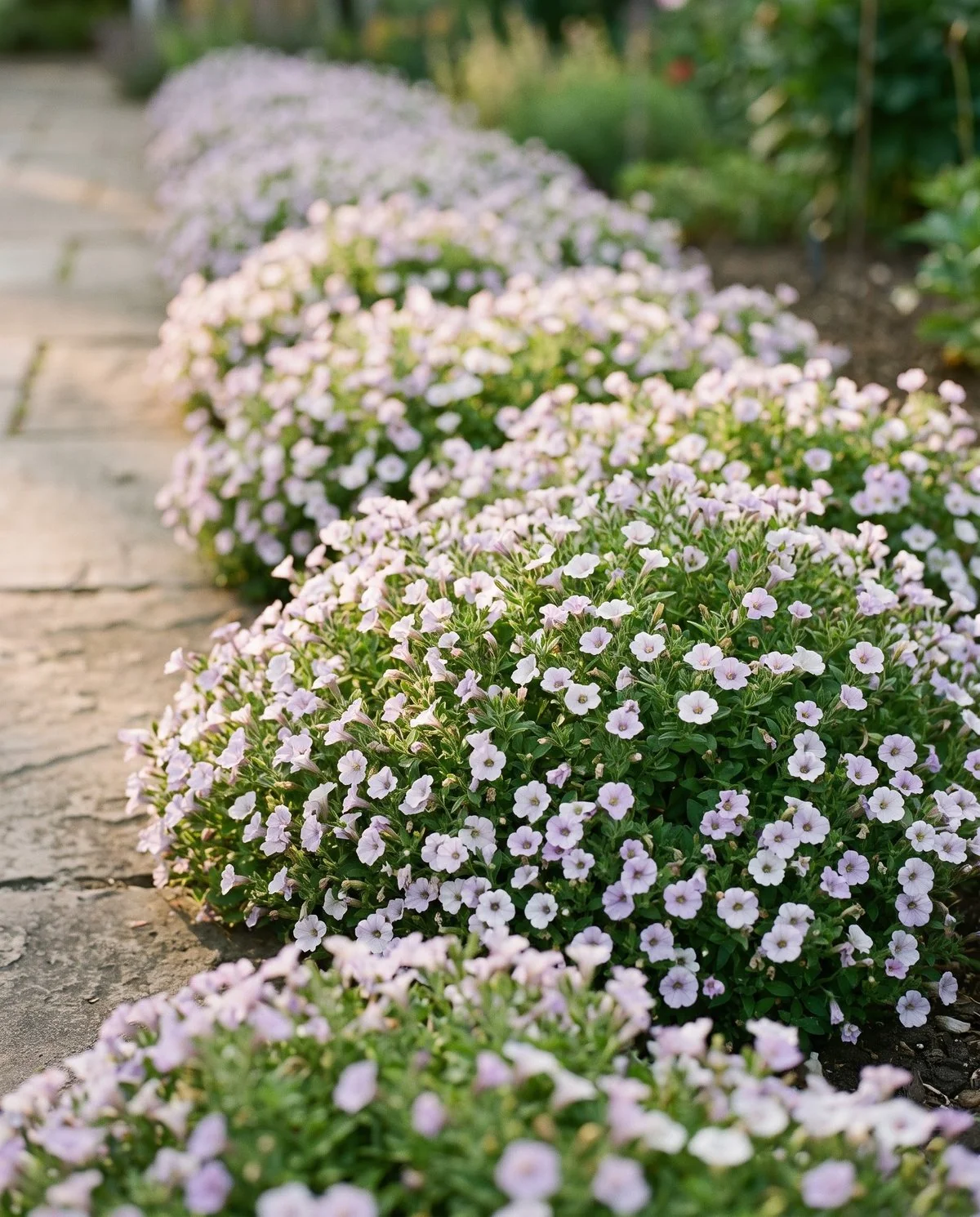
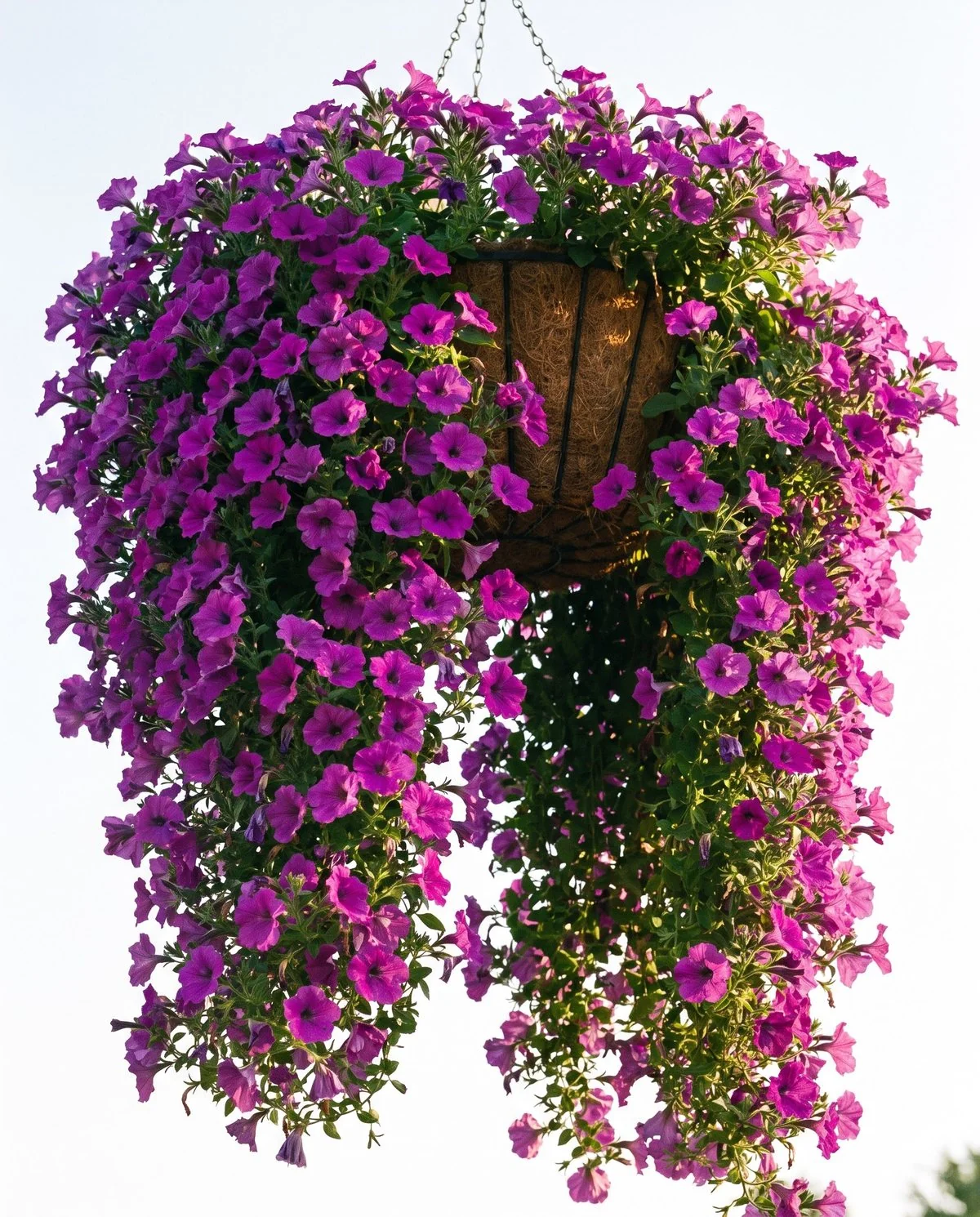
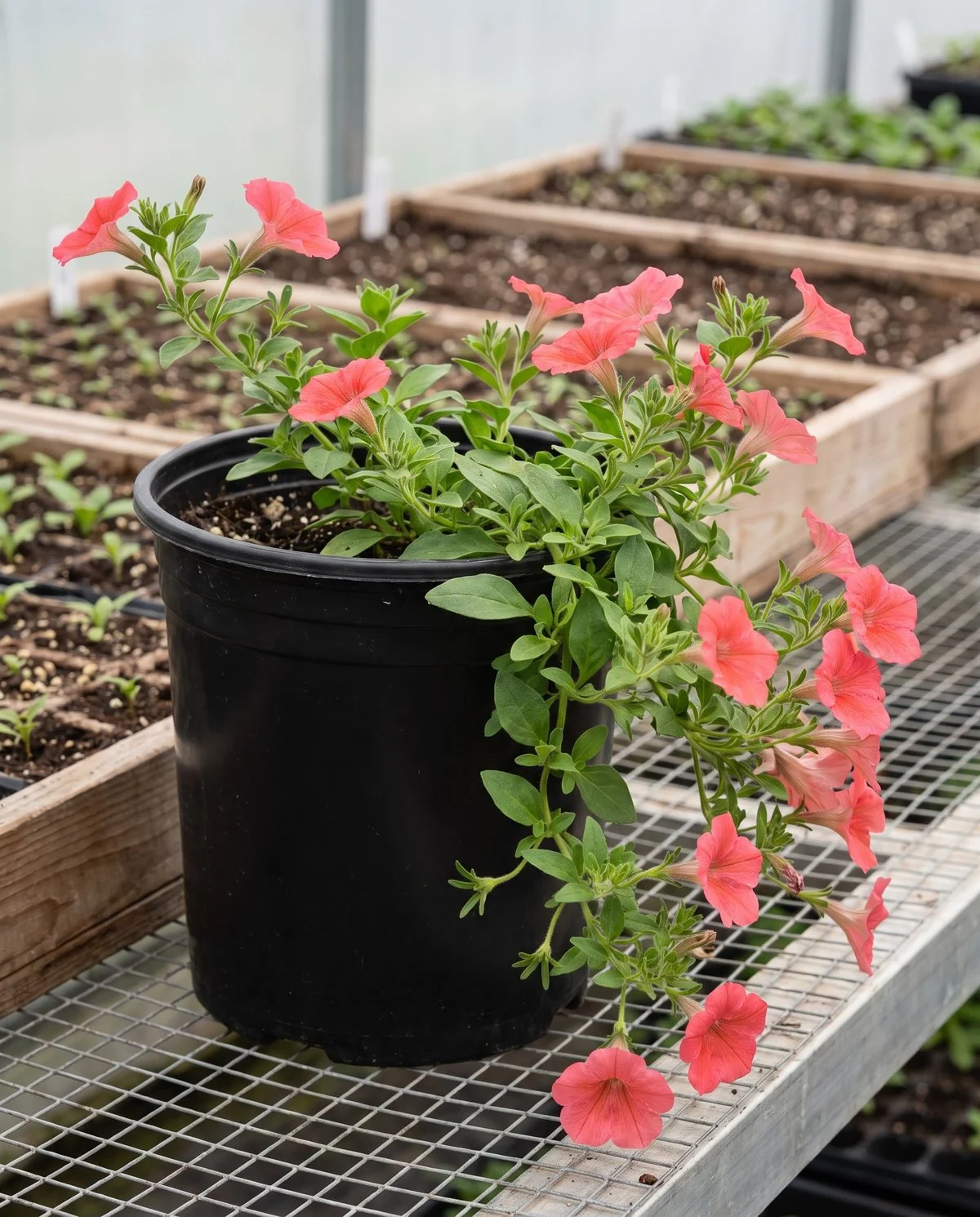
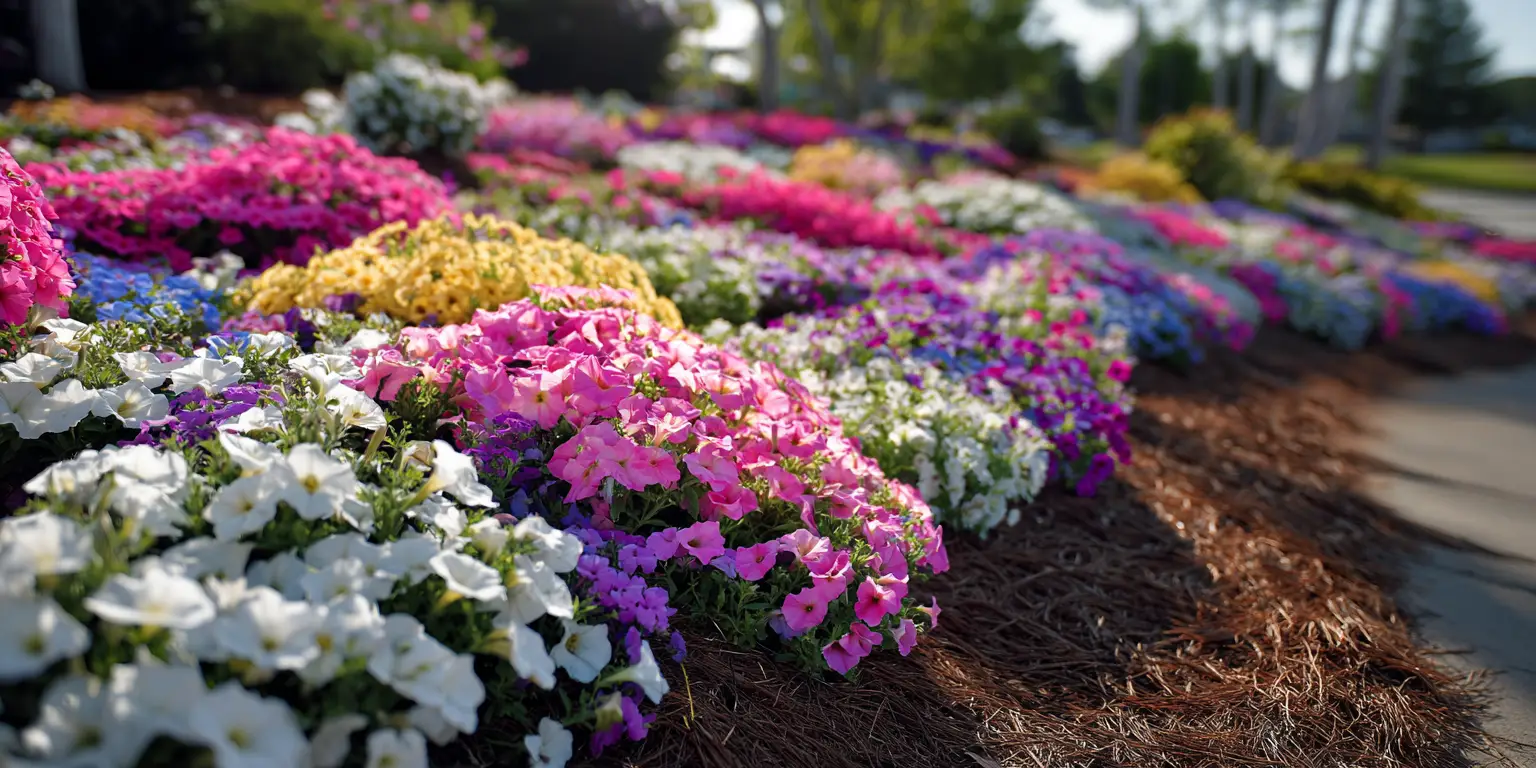
That breeding work sorted petunias into groups a buyer needs to tell apart, because the group decides far more than flower size. Grandiflora petunias carry the largest blooms, three to four inches or more, on upright mounds around a foot tall, and they are the classic show petunia, though those big flowers take a beating from hard rain and hot, humid weather. Multiflora petunias trade size for numbers and toughness, so their smaller flowers shrug off weather that shreds a grandiflora, which makes them the ones to mass in an exposed bed, with the floribundas sitting between the two. Millifloras are miniatures on compact plants that make neat edging and rarely need pruning at all. The spreading types, sold most often under the Wave name, stay low at around six inches tall but run outward two to four feet and trail two to three feet over the lip of a basket, covering themselves so thickly in bloom that the foliage disappears. The table below sets the groups side by side.
The groups, and the one thing that predicts whether you have to deadhead
University of Minnesota Extension and Clemson HGIC both publish group-by-group guidance, and where they differ both are given. The badge answers whichever question the source itself puts first for that group: sometimes an advantage it names outright, sometimes something it tells you to accept.
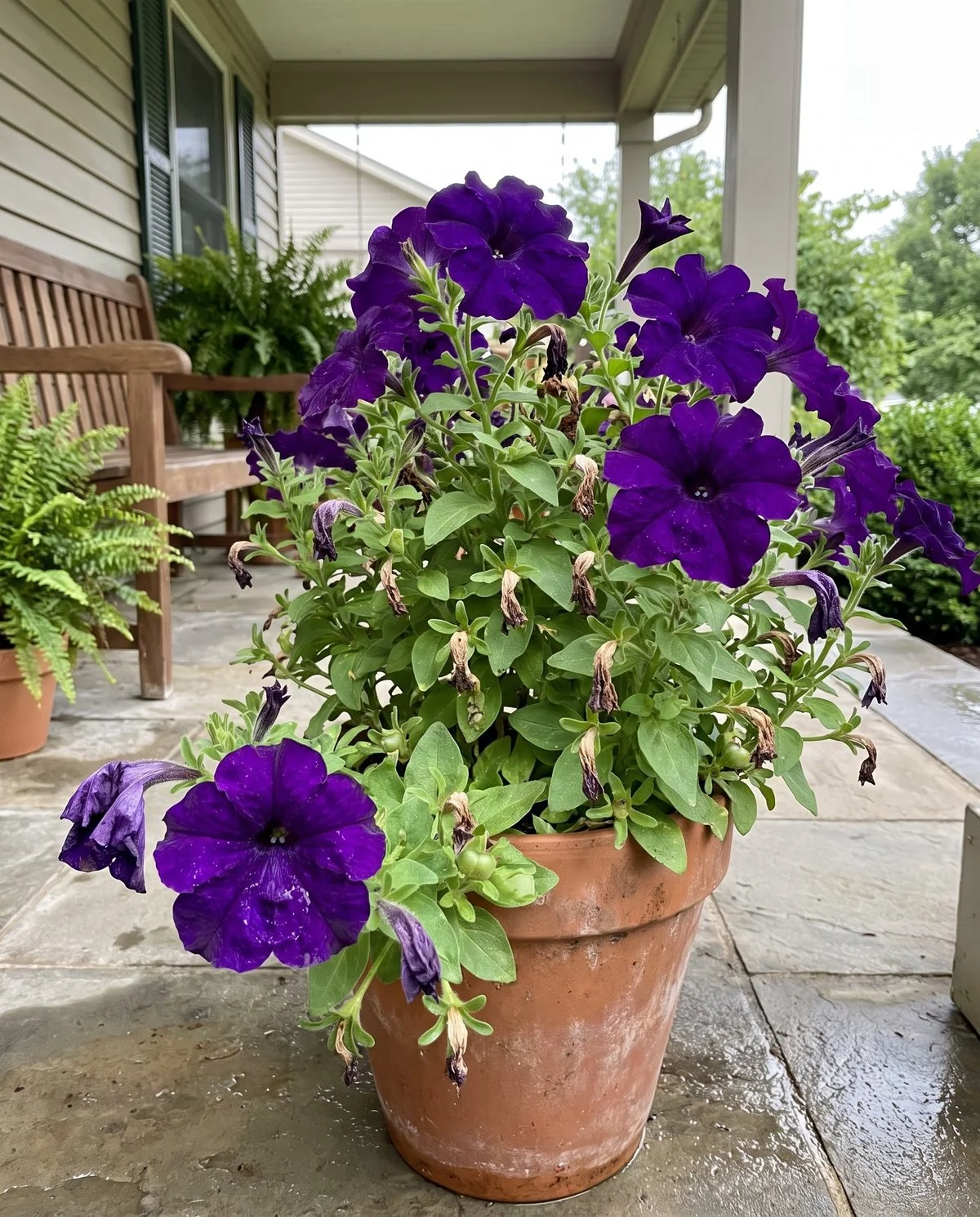
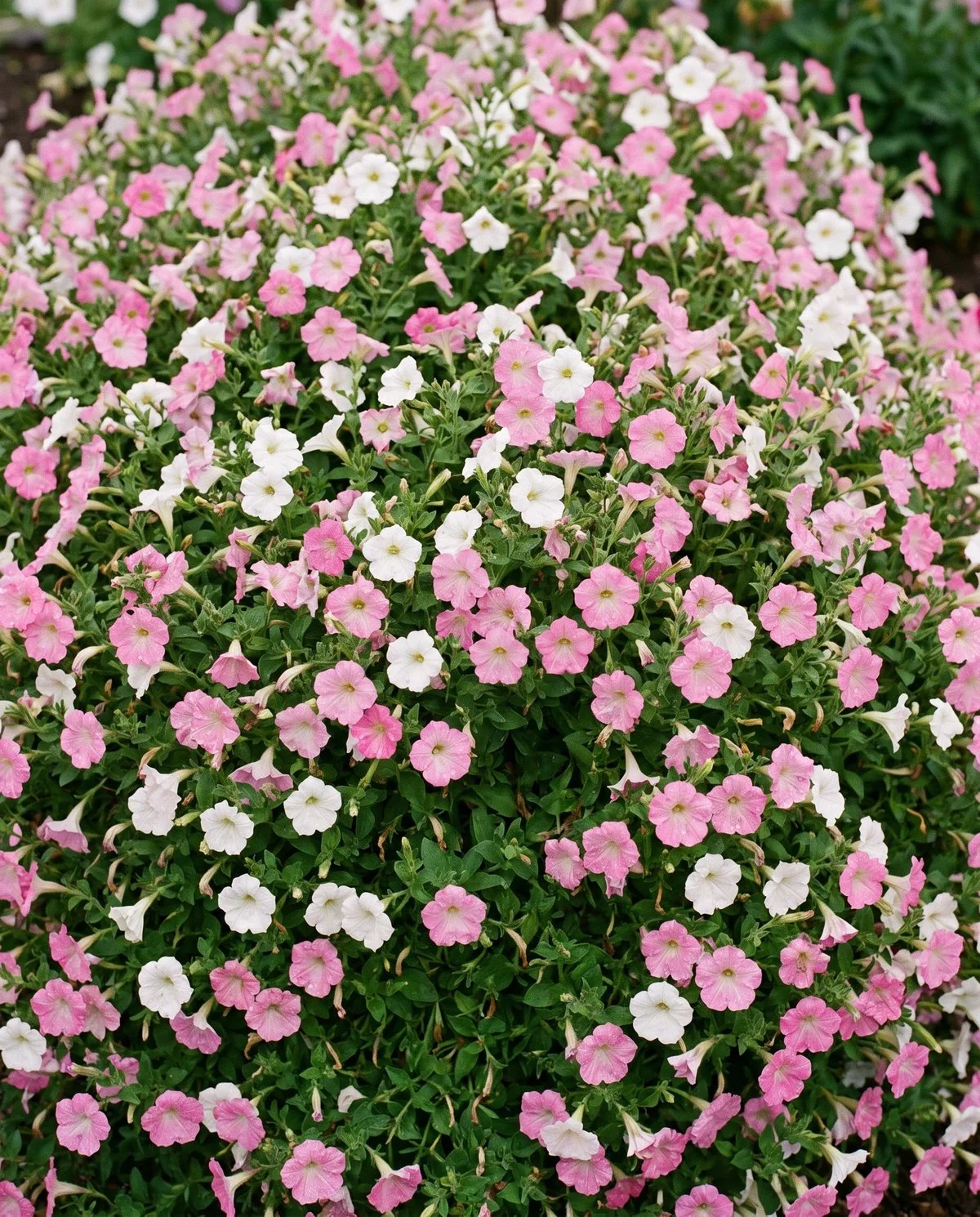
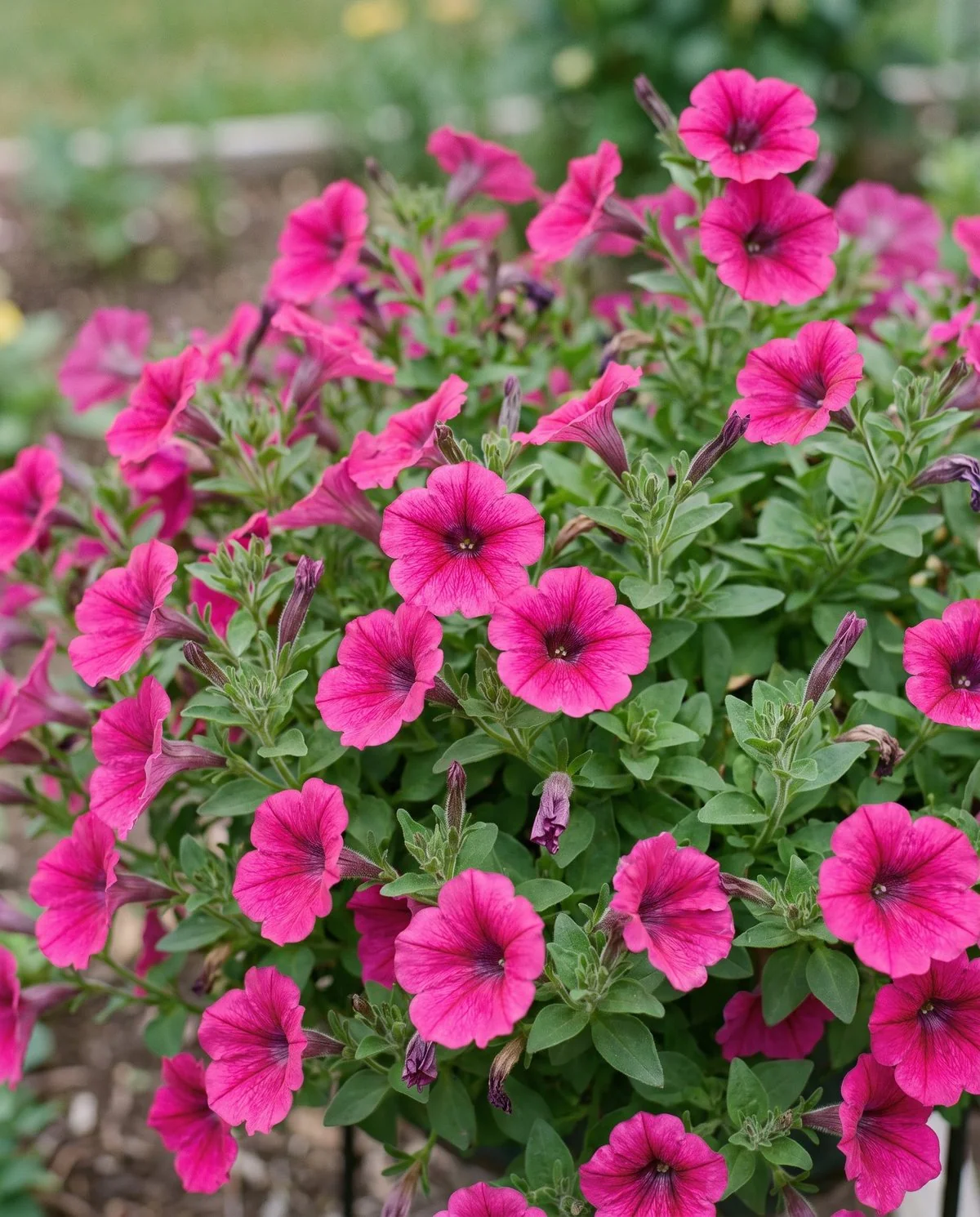
One university-sourced sentence resolves the question buyers actually ask in front of the rack, and it has nothing to do with brand names. Clemson HGIC states it plainly: large-flowered and double petunias will need to be deadheaded, and many of the smaller-flowered cultivars are self-cleaning. Flower size and form predict deadheading need more reliably than the name on the tag does. Two of the plants people call petunias are not in this grid at all. Mexican petunia, Ruellia simplex, is in the Acanthaceae family rather than petunia's Solanaceae, a different family and not merely a different genus, and UF/IFAS documents it as a Florida Category One invasive species. Calibrachoa, sold as million bells and informally as mini petunia, is a genuinely close relative in the same family but still a different genus with finer stems and smaller flowers, and the cross-genus hybrid x Petchoa exists, which is part of why the naming never settles.
Bloom time
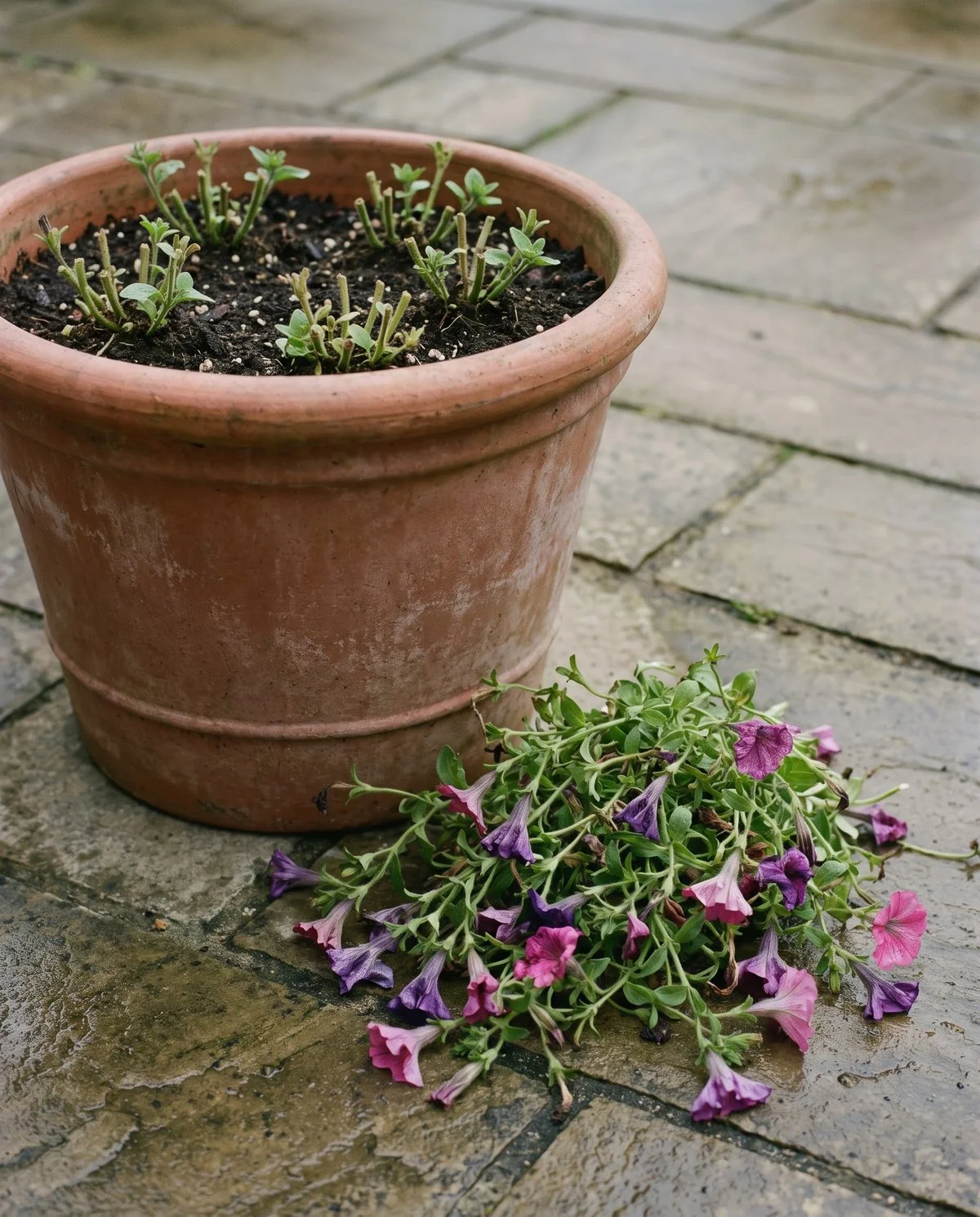
Petunias bloom for a long stretch, opening in late spring and carrying through summer to the first frost, with each flower lasting only a few days while a steady run of new buds keeps the plant in constant color. The catch, and the single most common petunia complaint, is that many plants do not hold that pace on their own. By the middle of summer the stems often stretch long and bare, the flowers retreat to the very tips, and the base goes leggy and scraggly, worst on seed-grown grandifloras and multifloras. The fix is the thing most gardeners flinch at: cut the whole plant back hard, by about a third to a half, so what is left looks brutally short, then water it well and feed it. Within a week or two it breaks fresh growth low down and returns fuller and covered in buds. Shearing a basket that has gone stringy is the difference between color into fall and a bare-legged plant that quits in July. Deadheading is the gentler version of the same idea, and whether you need it depends on the type: seed-grown, large-flowered, and double petunias bloom longer if you pinch off the spent flowers along with the small seedpod behind them, while many modern self-cleaning series, including most spreading types, drop their own and keep going untended. Steady water and feeding between flushes do more for the total bloom count than any single trick, since a hungry, thirsty petunia is the one that stalls first. Those months of open trumpets also feed wildlife, drawing hummingbirds to the brighter reds and pinks and moths to the scented pale varieties after dark. Sun-loving partners such as marigolds fill a bed around them and carry the same long season of color.
Height and spread
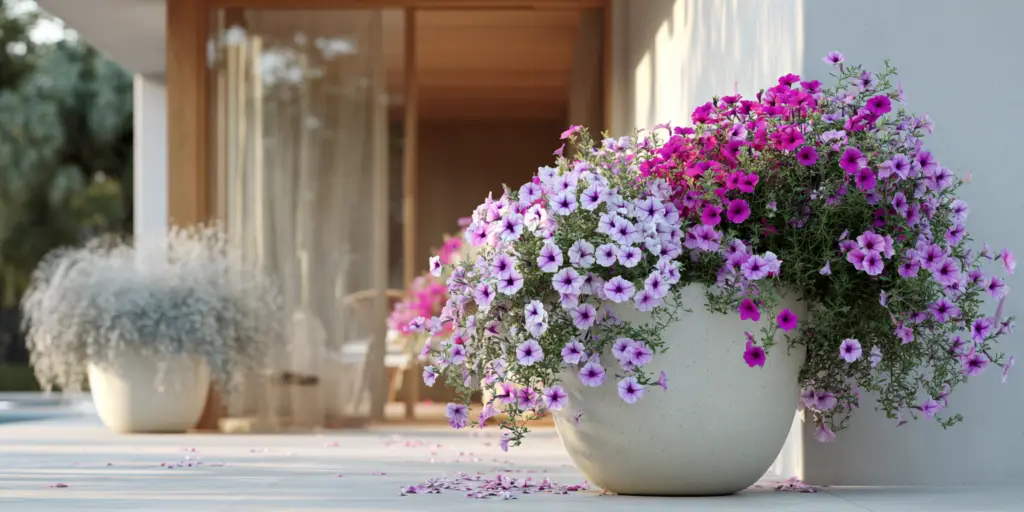
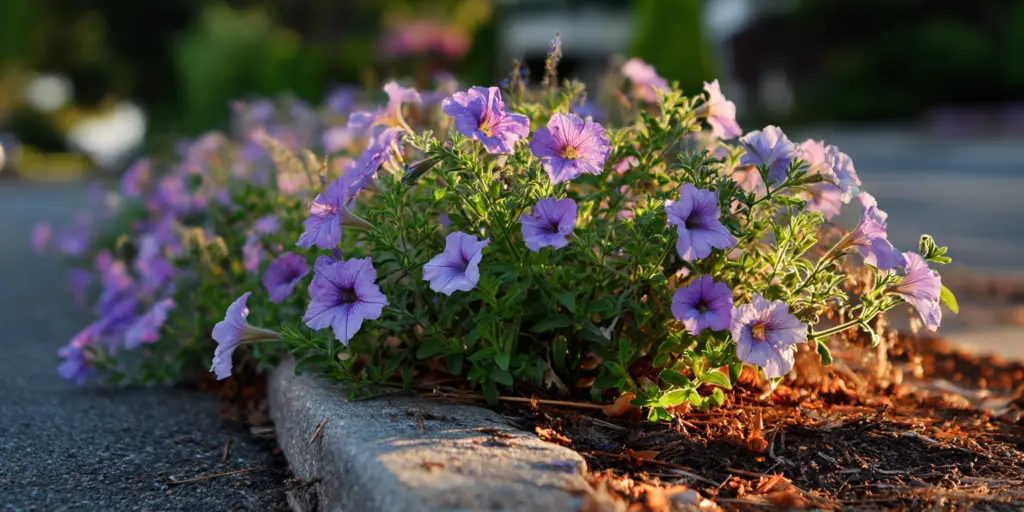
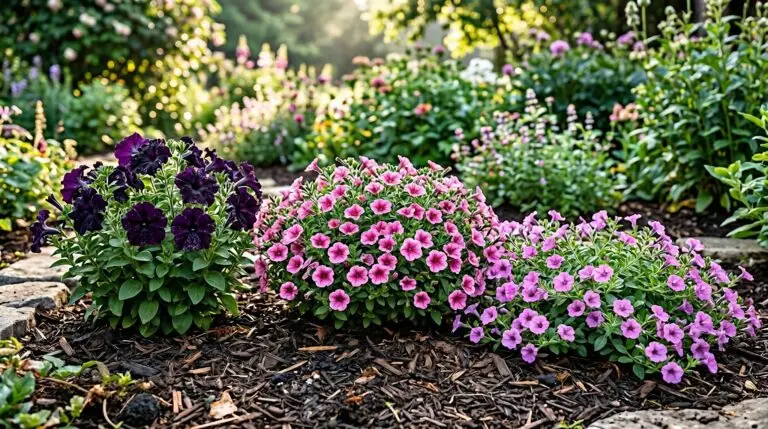
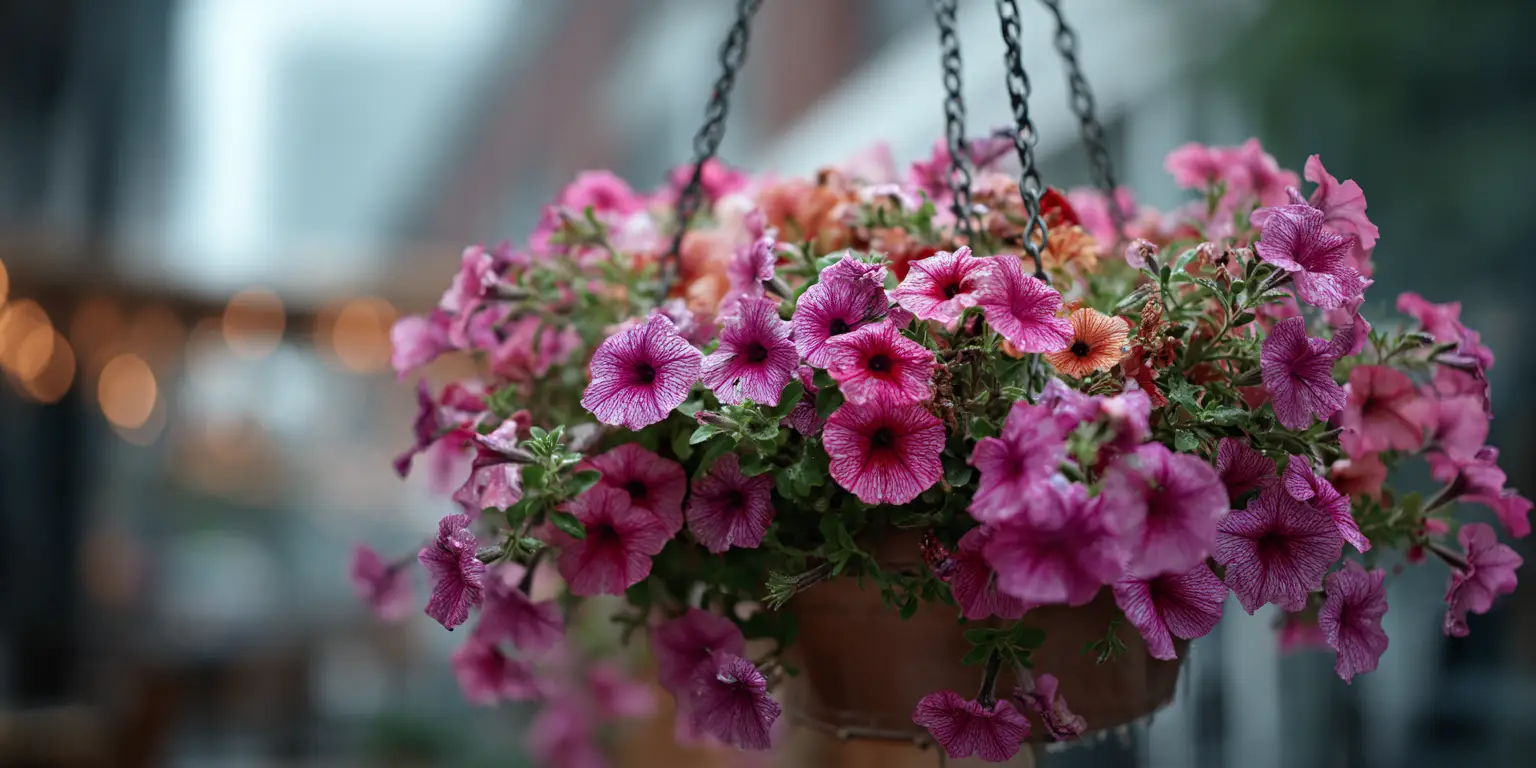
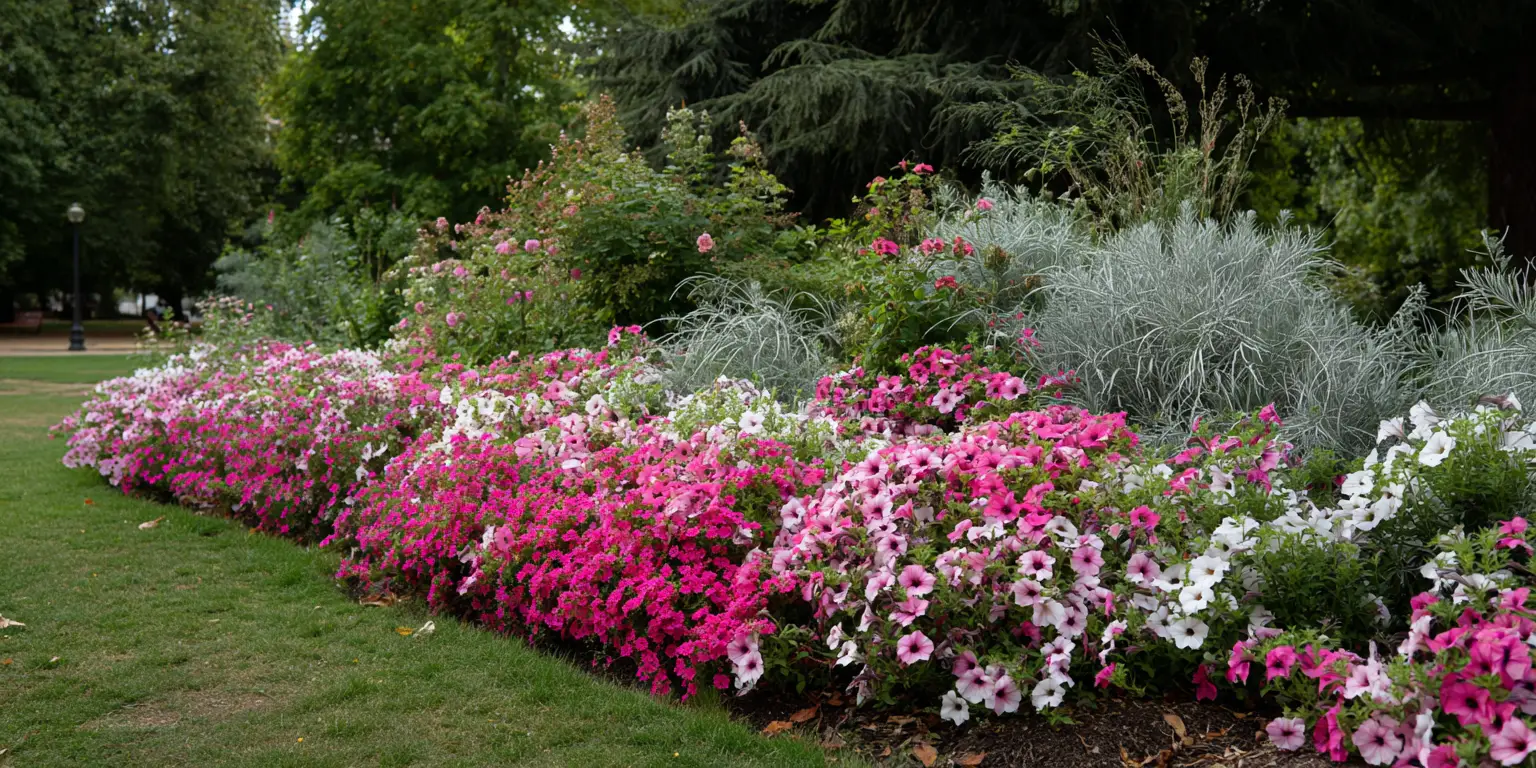
Size follows the type more than anything else. Compact bedding and milliflora petunias stay in the 6 to 12 inch range, most grandifloras and multifloras make rounded mounds around 12 to 15 inches tall, and the spreading types stay low at roughly 6 inches but run outward to cover two to four feet of ground or spill well over the side of a container. That spread is what sets spacing, and getting it right heads off both a thin, gappy planting and a crowded one that traps damp air and invites disease. Space grandifloras and multifloras about 12 inches apart, set millifloras closer at 4 to 6 inches as edging, and give the spreading Wave types at least 18 inches, since they fill the gap fast. In containers, plants go in much closer to look full from the start, which is part of why baskets need such attentive watering and feeding later on. Petunias branch freely and knit into a dense mat, so they work as a low front layer under taller plants and as a skirt of color at the base of shrubs. In a basket they mix well with a trailing companion such as sweet alyssum for a softer, looser edge.
Light
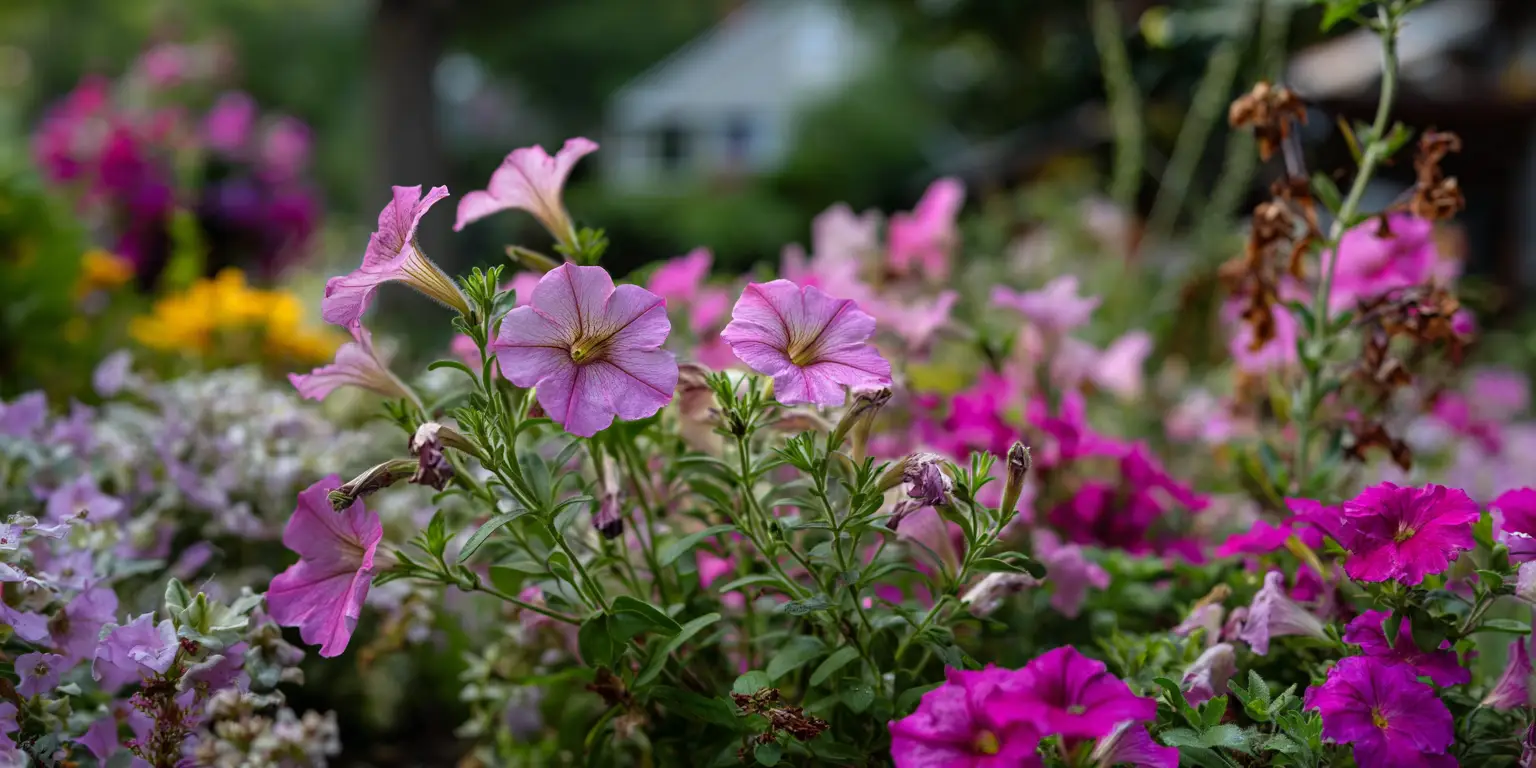
Petunias are sun plants, and the flower count tracks the light directly. Give them at least six hours of direct sun a day, and full sun from morning to evening is better still, producing the sturdiest stems and the heaviest bloom. Below about five hours the plants still grow, but they stretch toward the light, hold looser and floppier stems, and flower far less, which is the most common reason a healthy-looking petunia refuses to bloom. Deep shade is simply a poor fit, and where a spot stays dim through the day a shade annual is the better choice. In the hottest climates a little afternoon shade takes some stress off the plants without costing much bloom. Seedlings raised indoors need strong light too, or they grow thin and weak long before they reach the garden.
Water
Petunias want steady moisture without ever sitting wet, and how often that means watering depends almost entirely on where they grow. Plants in the ground, once established, usually get by on a thorough weekly soak, one to two inches of water that wets the soil down six to eight inches so the roots follow it, with more only in the worst heat. Containers and hanging baskets are a different matter, because their small volume of mix dries fast in sun and wind, and at the height of summer a basket can need water every single day, sometimes more than once. The spreading types are the thirstiest of all and were bred to be watered often. Check by pushing a finger into the soil and water when the top inch feels dry, then soak thoroughly rather than splashing a little often, which drives roots down instead of holding them at the surface. Water at the base in the morning where you can, so the foliage dries through the day, since water left sitting on leaves and flowers overnight invites gray mold. Petunias recover from a brief dry spell, but repeated wilting cuts bloom, and the opposite mistake, keeping the soil soggy, is just as damaging and leads to root rot.
Two paths, worked in order
The two largest diagnostic themes in this research, both of which arrive as a photograph that cannot answer the question on its own. Both paths put a physical check ahead of a diagnosis for that reason.
Soil and pH
Good drainage is the first thing petunias ask of their soil, and a light loam or sandy soil enriched with compost suits them well, while heavy clay that stays wet rots the roots, so in that case a raised bed or a container of quality potting mix is the safer route. They are not fussy about richness, but they are hungry plants, and this is where feeding earns its place. Working a balanced granular fertilizer into a bed at planting gives them a base, after which a liquid feed every two to three weeks keeps beds blooming, containers want feeding every couple of weeks because frequent watering flushes nutrients out, and the vigorous spreading types do best on a weekly liquid feed. Go easy on high-nitrogen fertilizers, which push soft leafy growth at the expense of flowers. Aim for a soil pH between 6.0 and 7.0. In soil more alkaline than that, iron becomes hard for the plant to take up, and the tell is new leaves that turn yellow while their veins stay green, a condition called iron chlorosis that organic matter, or an iron product in stubborn cases, will correct.
Four claims, including two numbers that were thrown out
Each reality below names the institution that published it. One entry is about a claim that failed the check rather than one that passed, because two plausible-sounding petunia statistics turned up in this research that could not be traced to any real institution, and the honest thing is to say so rather than quietly leave them out.
The myth: Over 92 percent of petunias sold carry a self-cleaning trait, from a University of New Hampshire genetic-marker study.
The reality: Neither the figure nor the study could be traced to any real institution, paper or dataset in this research. Both surfaced from the same low-quality commercial product-insights page rather than from a horticultural source, and both read exactly like the kind of plausible fabrication caught and excluded elsewhere in this project. They are not used anywhere here. What replaces them is Clemson HGIC's own, real, more modest statement: large-flowered and double petunias will need to be deadheaded, and many of the smaller-flowered cultivars are self-cleaning. That is a rule about flower size and form rather than a universal breeding breakthrough with a percentage attached, and it is checkable.
The myth: Mexican petunia is just a colourful variety of regular petunia.
The reality: False, and by a wider margin than the name suggests. Ruellia simplex is in the family Acanthaceae, while true petunia is in Solanaceae, so this is a different plant family rather than a different genus or variety. NC State Extension lists it under the common names Mexican Petunia and Texas Petunia in spite of that taxonomic distance, and records it as native to Central and South America and the Caribbean, growing 3 to 4 feet tall in the wild but only 2 or 3 feet in gardens, with five lobed, petunia-like, lavender to violet flowers that only last one day and bloom from May to September. UF/IFAS documents it as a Florida Category One invasive species that has also aggressively naturalized in South Carolina, Texas and Hawaii. This confusion accounts for 7.5 percent of the corpus in this research and arrived organically, since the corpus was built from the words petunia and petunias alone.
The myth: Epsom salts are a cure-all tonic for a struggling petunia.
The reality: Overstated, per a direct university source, though that source is not petunia-specific and is presented as such. Clemson HGIC, in an article by Julia Nichols, records that most garden soils already have sufficient magnesium, and that excess magnesium sulfate can interfere with calcium uptake and begin accumulating around each plant's root zone, blocking the plant's ability to take up water. Clemson's own recommended first step is a real soil test rather than a blanket drench. No petunia-specific Epsom-salt trial was located in this research, so this is applicable background rather than targeted evidence, and it is flagged that way rather than dressed up.
The myth: A petunia that came back after winter proves petunias overwinter.
The reality: One real, documented, unexplained case is not a strategy, and this research declines to resolve it. NC State puts Petunia x hybrida at winter-hardy in USDA zones 10a to 11b only, and a gardener in Maine, zone 4b, reported petunias sprouting in a barrel the following spring after an average winter, having removed the dead plant matter and topped up the soil. The plausible explanations are self-seeding from dropped seed or an unusually sheltered microclimate, and no source consulted confirms which, so it is recorded here as a genuine curiosity rather than either dismissed or turned into a method. For the overwhelming majority of growing zones, the honest number for overwintering is zero.
USDA hardiness
Petunias come from warm climates and carry no frost tolerance, so across most of the country they are grown as annuals, planted fresh each spring and killed by the first hard freeze in fall. Only in the near-frost-free conditions of USDA zones 10 and 11 do they behave as tender perennials and hold over the winter, and even there they tend to grow woody and bloom less after a season or two. Wait to plant out until the danger of frost has passed and the soil has warmed to around 60 degrees Fahrenheit, and if a late cold snap threatens after planting, cover the plants or move containers under shelter for the night. Most gardeners simply accept petunias as the one-season plants they are, and a favorite variety can still be held over as a rooted cutting on a windowsill.
The dated calendar, including the one date both sources converge on
University of Minnesota Extension publishes a granular, type-specific schedule and Clemson HGIC publishes a simpler one, and where the two genuinely differ both are given rather than averaged. The row that matters most is the one where UMN's feeding calendar and MSU's cutback advice independently land on the same fortnight.
Propagation and longevity
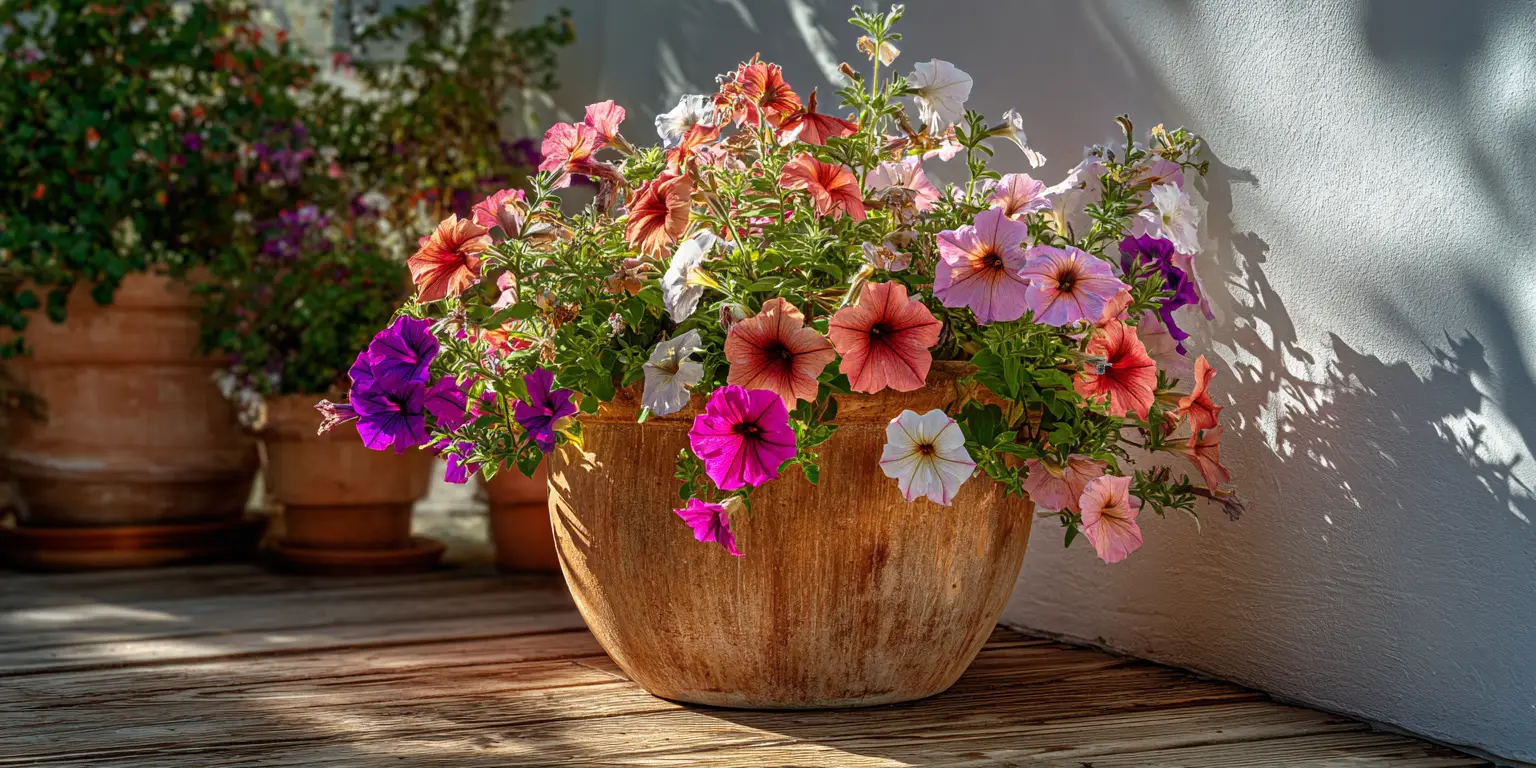
Most petunias are grown from seed, though the sheer smallness of that seed makes starting them a test of patience. Sow indoors about ten to twelve weeks before the last expected frost, since the seedlings grow slowly and need a long head start. The seed is dustlike and needs light to germinate, so scatter it on the surface of a moist, sterile mix and press it in without covering it, then keep the tray warm, around 70 to 85 degrees Fahrenheit, until it sprouts in roughly a week to ten days. Pelleted seed, coated to a workable size, is far easier to handle if you can find it. Move the seedlings on once they have three true leaves, and give them bright light so they do not stretch. Many gardeners skip all of this and buy transplants, which is entirely sensible for a bed or a few pots. Cuttings are the other route, and the important one for the branded plants: snip a two to three inch shoot that is not flowering, strip its lower leaves, and set it in moist rooting mix in bright, indirect light, and it usually roots within a couple of weeks. This matters because the vigorous named series such as Wave, Supertunia, and Surfinia are grown from cuttings rather than seed, so taking a cutting before frost is the way to hold a particular plant over, since its seed either will not come or will not breed true. Petunias are short-lived by nature, treated as seasonal plants and replaced when they tire, though a plant that drops seed may leave a few volunteers the next year, rarely matching the parent if it was a hybrid.
Seed to frost, and the collapse point that is a stage rather than a failure
The front of the season is well documented and short on surprises. UMN Extension puts germination at 7 to 10 days under warm, bright conditions, then 10 to 12 weeks of growing on before a plant is large enough to move outdoors, which is what produces its own rule of thumb of starting seed about March first in northern climates, and planting out waits for soil at about 60 F with frost danger past. The first six to eight weeks after planting out are the ones that fill photo feeds: vigorous growth and heavy bloom on a fresh feeding schedule. Then comes the part worth planning for rather than reacting to. UMN's feeding calendar steps up at early-to-mid July and MSU Extension's cutback advice targets half-way through the season, and the two independently land on the same fortnight, which is also when the legginess, the thinning flowers and the bare lower stems that dominate this research's largest complaint buckets actually appear. Two forces meet there. Petunias are genuinely nutrient-hungry plants attempting continuous bloom across an entire growing season, a workload most annuals do not take on, and Oklahoma State's iron-deficiency window opens in the same stretch, since production media starts at a low pH and drifts higher so the deficiency generally occurs later in the growing period. The important reframing is that this is a predictable, well-documented, fixable stage of the petunia life cycle rather than a plant dying. MSU's mechanism explains why the fix works: petunias carry abundant dormant buds along their stems, and removing the growing tip forces those dormant buds to flush out, with new buds visible in about two weeks. MSU is equally clear that the opposite mistake exists, since over fertilization and abundant water may cause some plants to topple under their own heavy blossom weight, so the answer is balance rather than more of everything. After the cutback comes a fresh flush through late summer and into fall, ending at the first hard freeze, and the end really is the end: NC State puts winter hardiness at USDA zones 10a to 11b only, which makes this a tender perennial killed by frost rather than a true annual, and everywhere colder the plan is a new plant next spring.
Fragrance
Fragrance in petunias is a quiet, close-range pleasure rather than a garden-filling perfume, and it comes and goes by variety. The scent, where it exists, is sweet and light and strongest in the evening, and it tends to be most noticeable in white and pale lavender flowers. That trait traces back to the wild parent Petunia axillaris, which releases a strong night scent to draw in moths, and some modern hybrids still carry a hint of it. Breeding for color, flower form, and weather toughness has come at the cost of scent, though, so a great many showy varieties smell of almost nothing. Anyone who wants fragrance should look for types sold as scented and set a few pale-flowered plants near a bench, a path, or a window where the evening scent will actually be noticed.
Toxicity and pet safety
Petunias are a safe choice for a garden shared with animals. The ASPCA lists Petunia species as non-toxic to dogs, cats, and horses, so a pet that nibbles a leaf or a flower faces nothing worse than the mild stomach upset any plant can cause if it eats enough. The plant offers its own gentle deterrent as well, since the foliage is covered in fine, slightly sticky hairs that most grazing animals dislike. That makes petunias a practical pick for beds and containers where cats and dogs roam, unlike many ornamentals that are genuinely poisonous. For a wider view of which blooms are safe to keep around animals, see the guide to flowers safe for cats and dogs.
Vase life
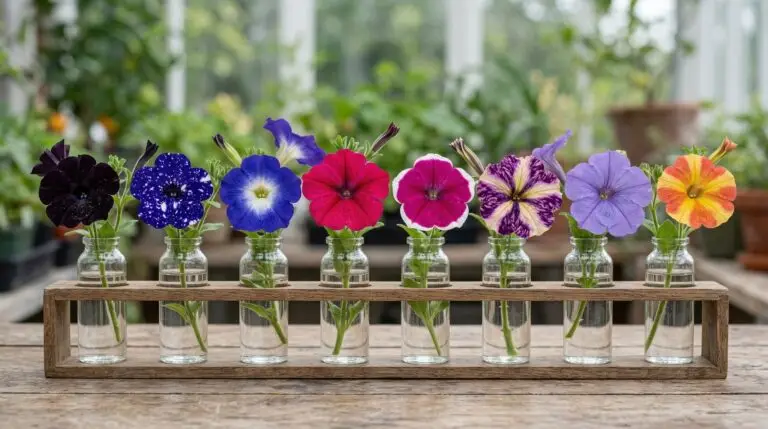
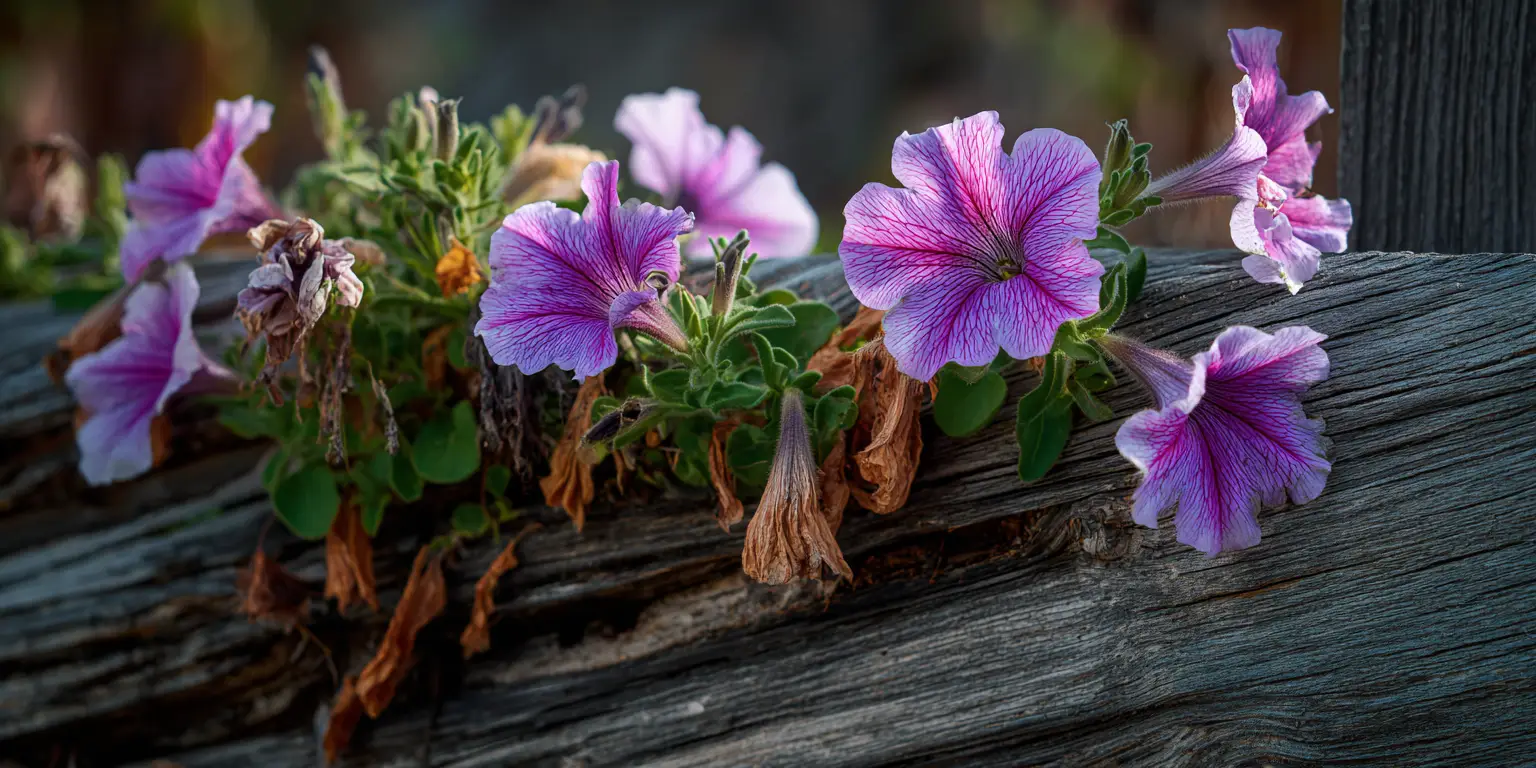
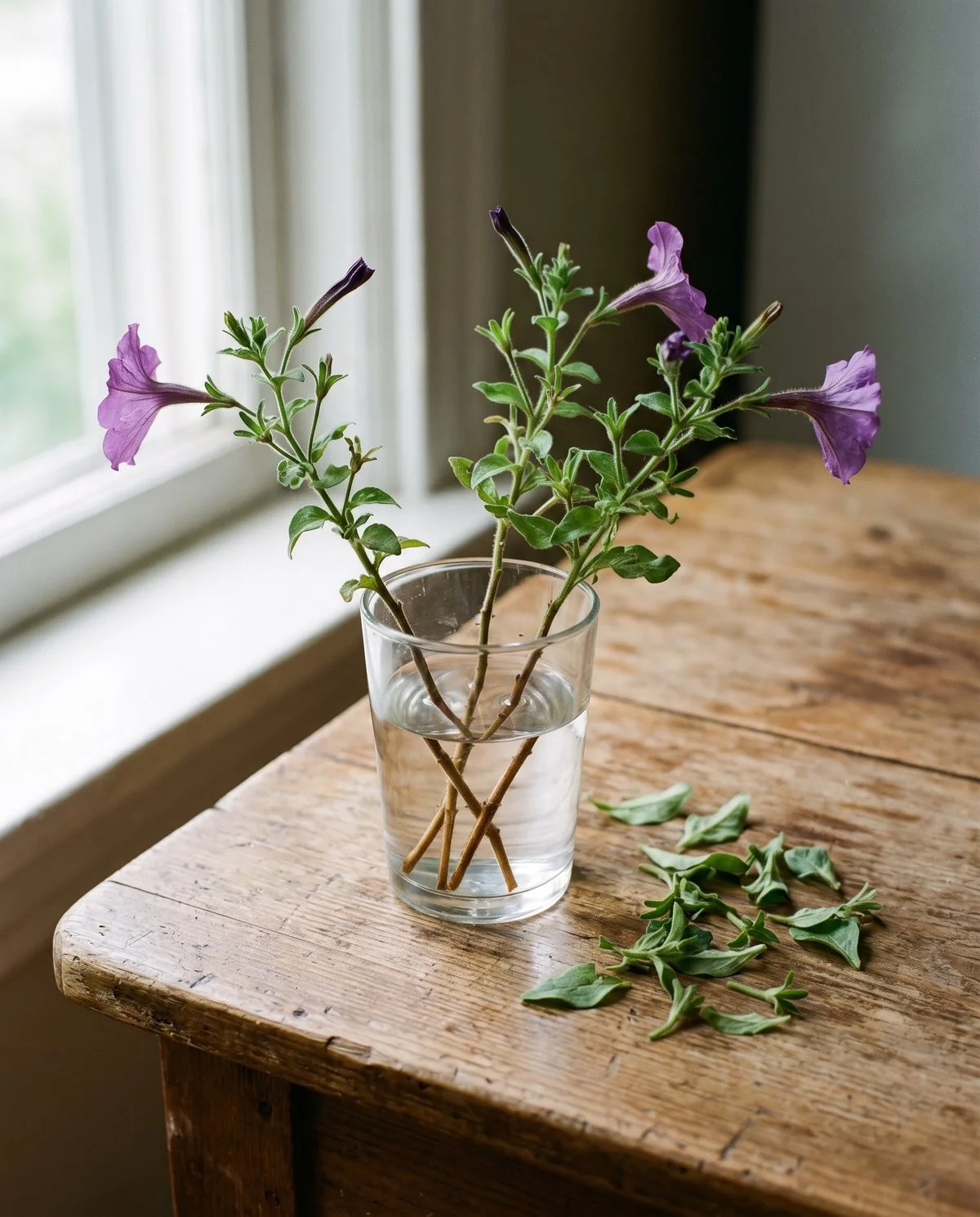
Petunias are not a cut flower, and it helps to know that before trying to bring them indoors. The soft blooms bruise at a touch and usually wilt within a day or two of cutting, so they cannot hold an arrangement the way a firmer flower does. For a splash of their color on a table, cut stems in the cool of the morning, strip any leaves that would sit underwater, and stand them straight in cool water away from heat and direct sun, then expect a casual day or two rather than a lasting bouquet. Their real strength is as a living display, on the plant in a basket or a window box where fresh flowers keep opening for months, which is how they earn a place at a patio party or an outdoor event without ever entering a vase.
The small sourced permission most petunia writing skips
There is no postharvest trial for this flower and there was never going to be, since petunia is not a commercial cut-flower crop. What does exist is one specific, sourced sentence from University of Minnesota Extension that says more than a vase-life figure would, plus the container facts that are the real story for a plant grown this way.
Petunias are not worth cutting at all, so do not bother.
UMN Extension says otherwise, in a sentence most petunia content skips entirely. Its guidance explicitly permits cutting a length of stem here and there for indoor use and attaches one condition, stripping the leaves that would sit below the waterline. That is a casual use rather than an arrangement, and it is sourced.
A specific vase-life figure for petunia comes from a trial.
It does not, because no such trial was located in this research and none is expected for a plant that is not a commercial cut-flower crop. Any day count in circulation is observation rather than measurement, which is why none is repeated here.
A just-bought petunia collapsing means it was mistreated on the shelf.
Not necessarily, and there is a named mechanism for it. Oregon State and the PNW Plant Disease Management Handbook describe petunia meltdown, Botrytis acting as a secondary problem to ethylene during transport to markets under warm, wet, low light conditions, which puts the cause in the truck rather than in the store or the buyer's care.
Pests and diseases
Petunias are usually easy plants, but one pest defines them, and it pays to know that one on sight. The tobacco budworm, also called the geranium budworm, is a caterpillar that bores neat round holes into flower buds and chews the petals, so blooms open ragged or fail to open at all, and its favorite hosts are petunia, geranium, and nicotiana. The maddening part is that the culprit is rarely in view, because the caterpillars feed at night and spend the day hidden around the base of the plant, climbing up at dusk. The way to catch them is to go out at dusk or after dark with a flashlight and pick them off by hand, which is enough in a small planting; where damage runs heavy, Bacillus thuringiensis (Bt) or spinosad works best while the caterpillars are still small, and Bt is more effective on petunias than on geraniums because petunia budworms feed more in the open. The larvae range from green to red to brown, so the chewed buds are a surer sign than the insect itself. The rest are the usual bedding-plant crowd: aphids cluster on tender growth and leave a sticky honeydew, knocked back with a water spray or insecticidal soap; slugs and snails rasp ragged holes and leave slime trails on young plants; spider mites bring fine speckling and webbing in hot, dry spells; and whiteflies and thrips turn up mostly on plants grown under cover, with thrips able to carry viruses.
One common alarm can be settled here: petunia leaves are naturally sticky. The plant carries glandular hairs that feel tacky to the touch, and this is normal, not a sign of trouble. The sticky residue that does signal a problem is the honeydew aphids leave behind, usually with the insects clustered nearby and sometimes a black sooty film over the leaf, which is a different thing from the plant's own texture. On the disease side, most petunia trouble follows wet foliage and poor drainage. Botrytis gray mold turns spent flowers brown and fuzzy in damp weather, held off by removing faded blooms, spacing for airflow, and keeping water off the leaves; powdery mildew coats leaves in white when plants are crowded; and root rot follows soggy soil, often ending a plant outright, so prevention through drainage and careful watering counts for more than any cure. Petunias can also pick up viruses such as tobacco mosaic and tomato spotted wilt, which mottle the leaves, streak the flowers, and stunt growth, and since there is no cure, infected plants are best pulled and thrown out while the thrips that spread them are kept in check. Because petunias share the budworm with geraniums, it pays to watch both where they grow together. The table below pairs the most common petunia problems with their fixes.
| Problem | What you see | Cause | Fix |
|---|---|---|---|
| Leggy and bloomless by midsummer | Long bare stems, flowers only at the tips | Natural habit plus heat, seed-grown types worst | Cut back by a third to a half, then water and feed; reflushes in a week or two |
| Holes in buds and petals | Round holes, ragged or unopened flowers | Tobacco budworm feeding at night | Hand-pick at dusk with a flashlight; Bt or spinosad while caterpillars are small |
| Sticky leaves | Foliage feels tacky | Normal glandular hairs, unless aphids are present | Nothing needed; treat only if aphids and sooty film appear |
| Yellow leaves, green veins | New leaves pale, veins stay green | Iron chlorosis in alkaline soil | Add organic matter or an iron product, aim for pH 6.0 to 7.0 |
| Yellow, limp leaves overall | Whole plant softening and yellowing | Overwatering or poor drainage | Let soil dry between waterings, improve drainage |
| Few or no flowers | Healthy leaves, little bloom | Too little sun or too much nitrogen | Give 6 or more hours of sun, ease off nitrogen |
| Brown fuzzy flowers | Spent blooms go furry in wet weather | Botrytis gray mold | Remove spent blooms, improve airflow, avoid overhead water |
- Insect pests: Aphids may cluster on tender growth and leave sticky residue. A strong spray of water or insecticidal soap is often enough. Budworms chew holes in buds and petals. Look for damage at dusk and pick caterpillars by hand, or use Bt if the problem is heavy. Slugs and snails chew ragged holes and leave slime trails, especially on young plants. Traps or bait can help. In hot, dry spells, spider mites can cause pale speckling and fine webbing on leaves. Rinsing foliage and increasing humidity helps, and miticides are a last resort. Whiteflies and thrips sometimes appear, especially on plants grown indoors or in greenhouses. Sticky traps and targeted treatments control them.
- Diseases: In wet or humid weather, petunias can pick up fungal problems. Gray mold (Botrytis) turns flowers brown and fuzzy. Remove spent blooms, improve airflow, and avoid overhead watering. Powdery mildew looks like a white coating on leaves. Thin crowded plants and treat if it spreads. Root rot is usually tied to poor drainage or overwatering. Once plants collapse, removal is often the only option, so prevention matters most. Petunias can also be affected by viruses such as tobacco mosaic virus or tomato spotted wilt virus, which may cause mottled leaves, streaked flowers, or stunted growth. Remove and discard infected plants to limit spread, and manage insects like thrips that can carry disease. Overall, good drainage, spacing, and base watering prevent most problems.
Six photo forks, and which sides are deliberately unphotographed
Nutrient patterns, chew damage, growth habit, watering posture and plant identity are all safe to photograph and are here in full. The fungal and viral sides are not: powdery mildew colonisation with visible fruiting bodies, Botrytis sporulation on tan lesions, tobacco mosaic mottling and aster-yellows deformity are checkable fingerprints, so those sides wait for a real reference photograph.
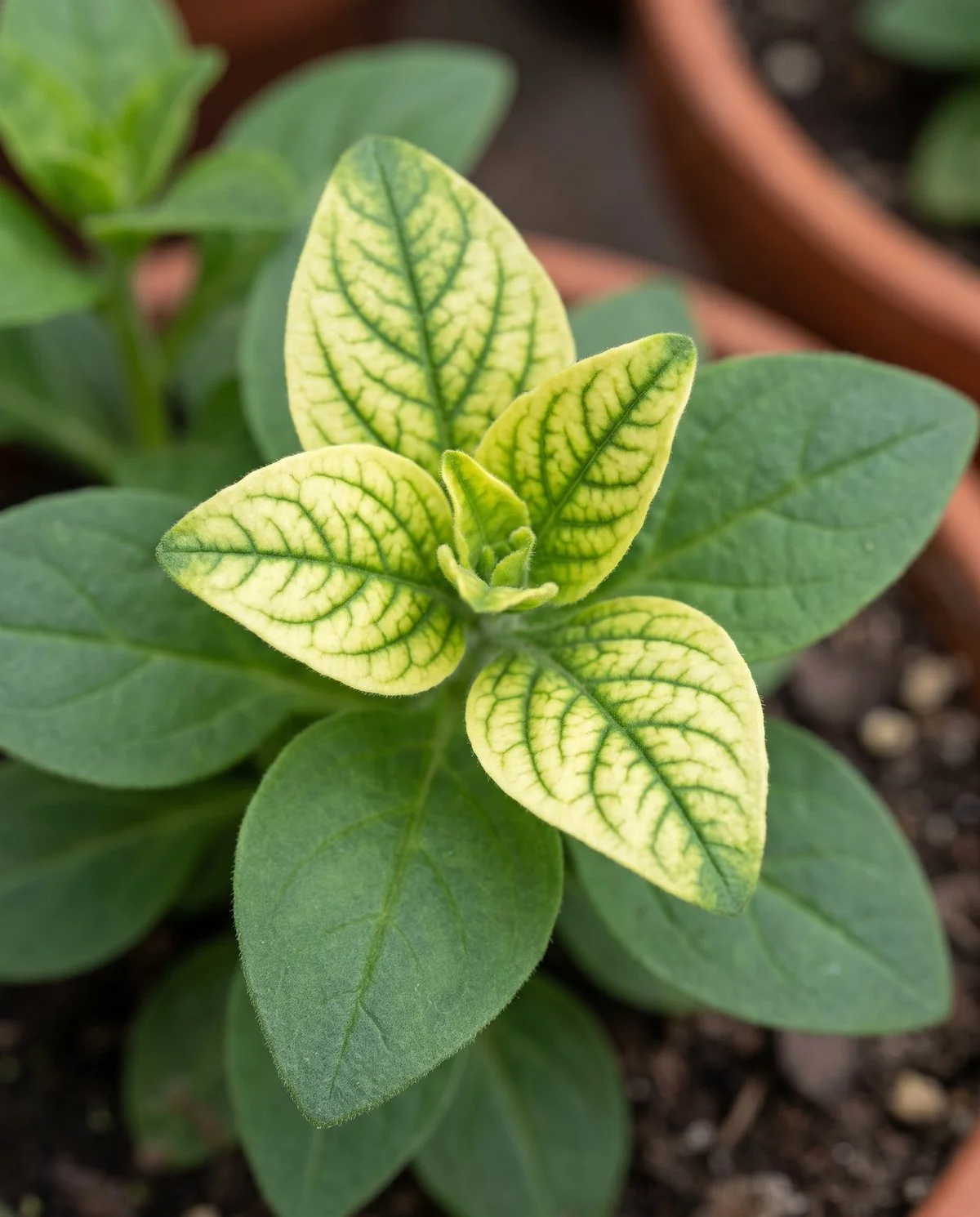
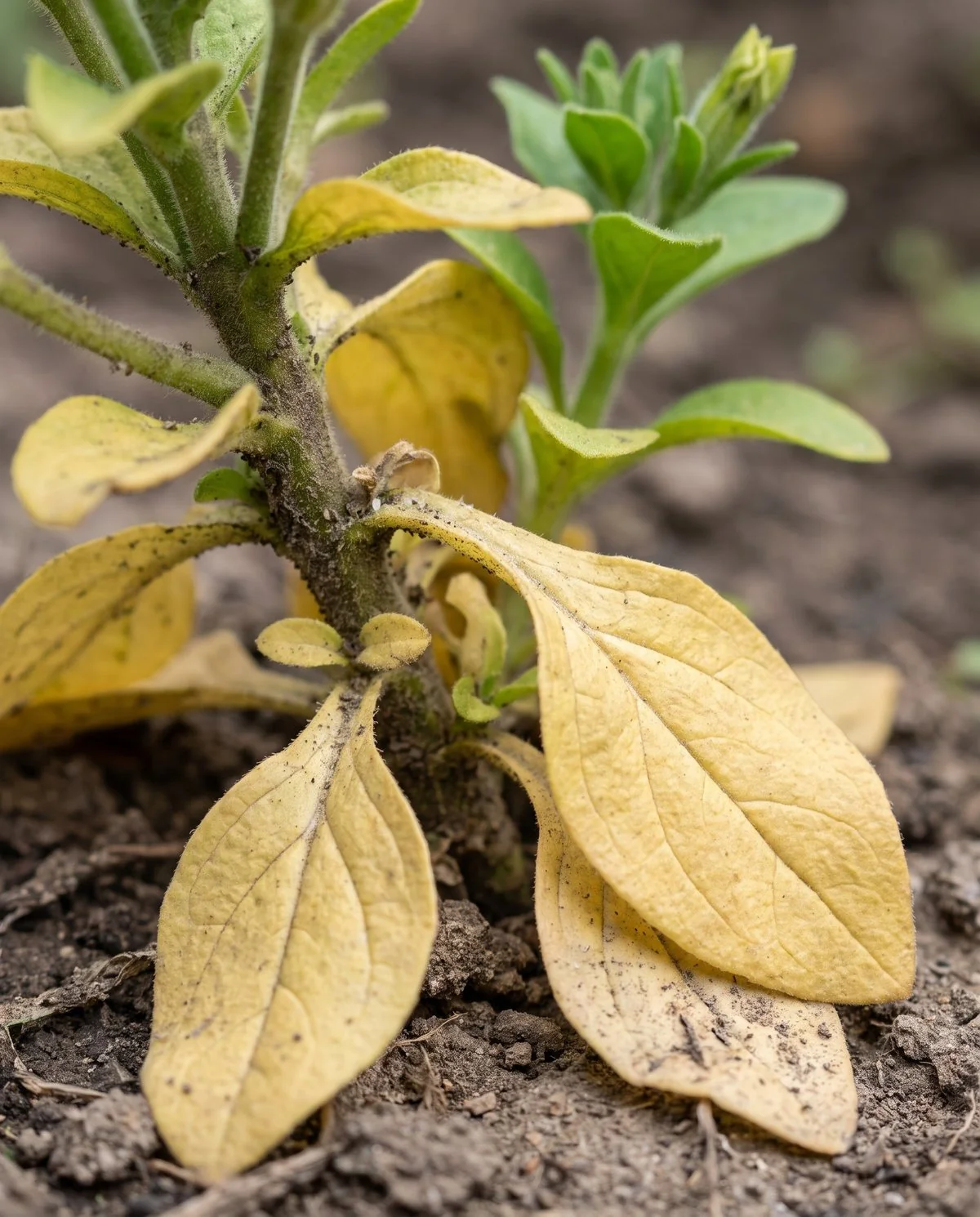
Look at where on the plant it starts, then at the veins. MSU Extension's Heidi Wollaeger separates them on position: iron deficiency appears at the top of the plant on the youngest growth as interveinal chlorosis, yellowing between the veins while the veins stay green; nitrogen deficiency appears at the base of the plant on the oldest leaves as general yellowing rather than interveinal, sometimes with early flowering or leaf abscission. Oklahoma State University Extension confirms petunia by name as one of the bedding plants most prone to the iron problem, alongside calibrachoa, pansy, verbena and dianthus, with onset at fairly low pHs around 6.2 in greenhouse and bedding production media rather than garden soil, and deficiencies generally occurring later in the growing period as media pH drifts higher.
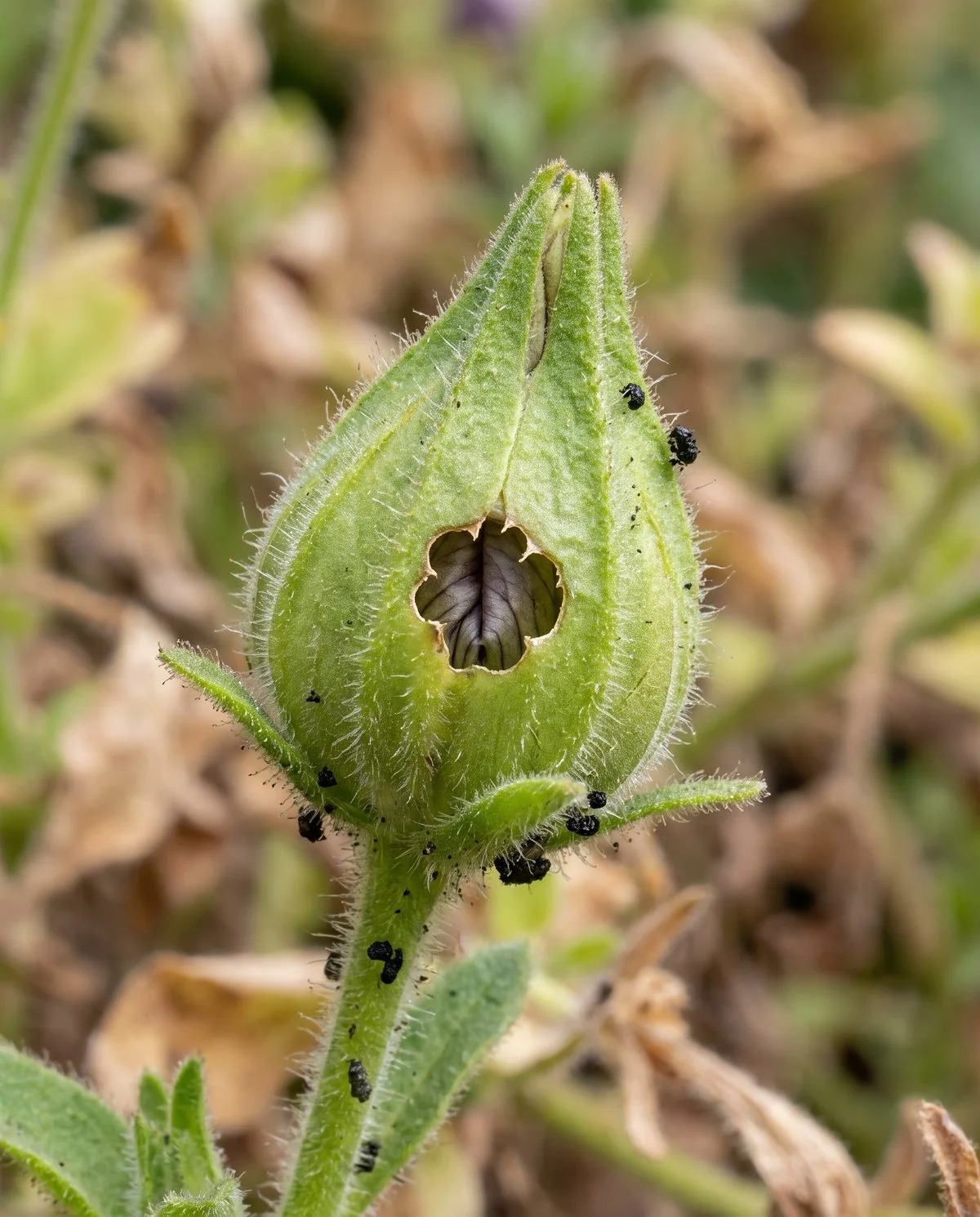
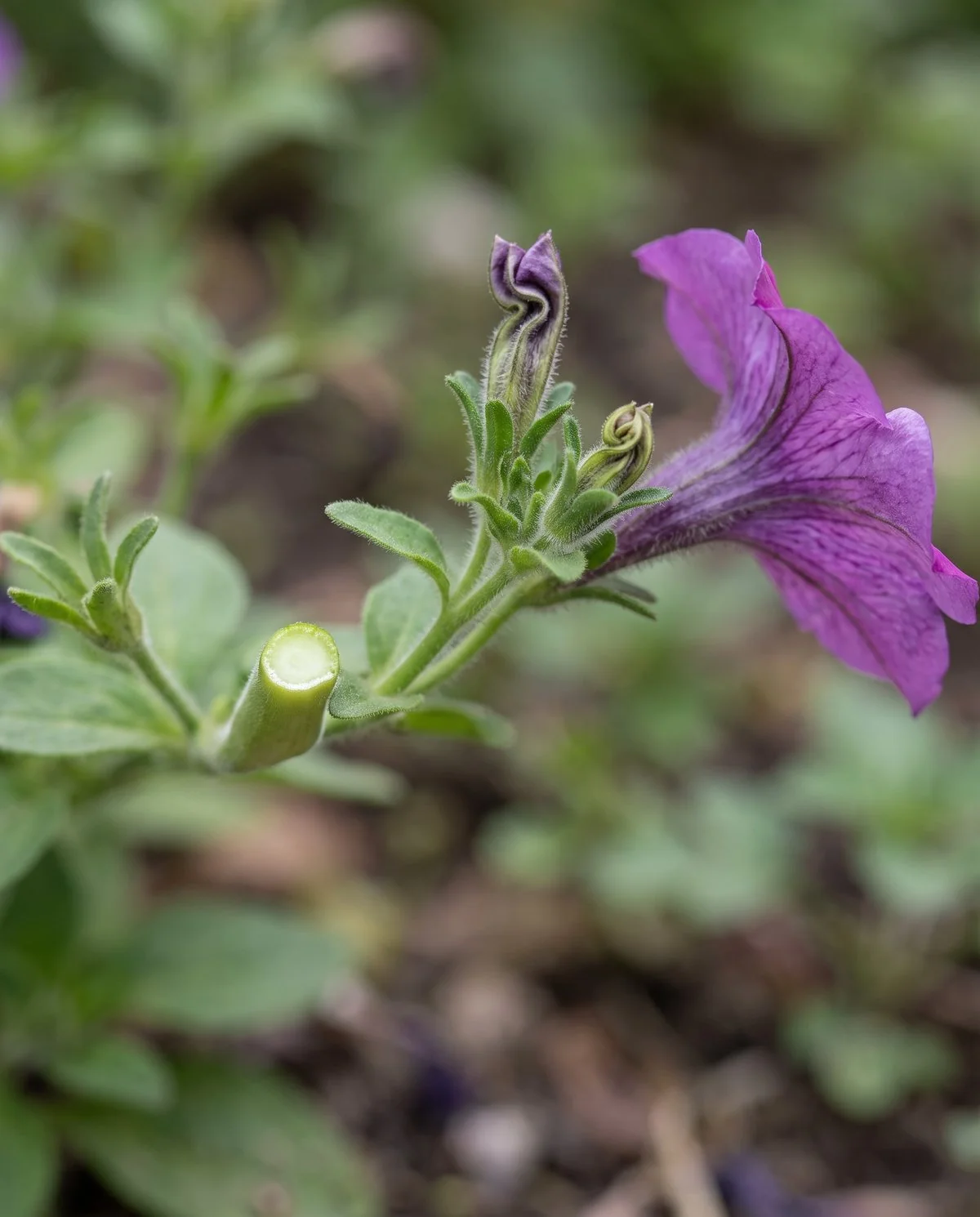
Look at whether the flower ever opened. Tobacco budworm chews irregular or round holes into unopened flower buds specifically rather than open flowers, often leaving small black flecks of excrement on the damaged bud, and the damage concentrates in late summer. UMN Extension's own diagnostic tool lists it first among three insect causes of holes in petunia flowers and buds and describes the caterpillar as variably coloured with white stripes running lengthwise and numerous erect hairs, while Kansas State University Extension Entomology names petunia directly in its own post title. A deadheaded stem is a clean cut or pinch on an already-spent open flower, with no chew marks and no frass, and the real distinction is the one the two events happen at: deadheading removes a finished bloom, budworm stops a bud from ever opening.
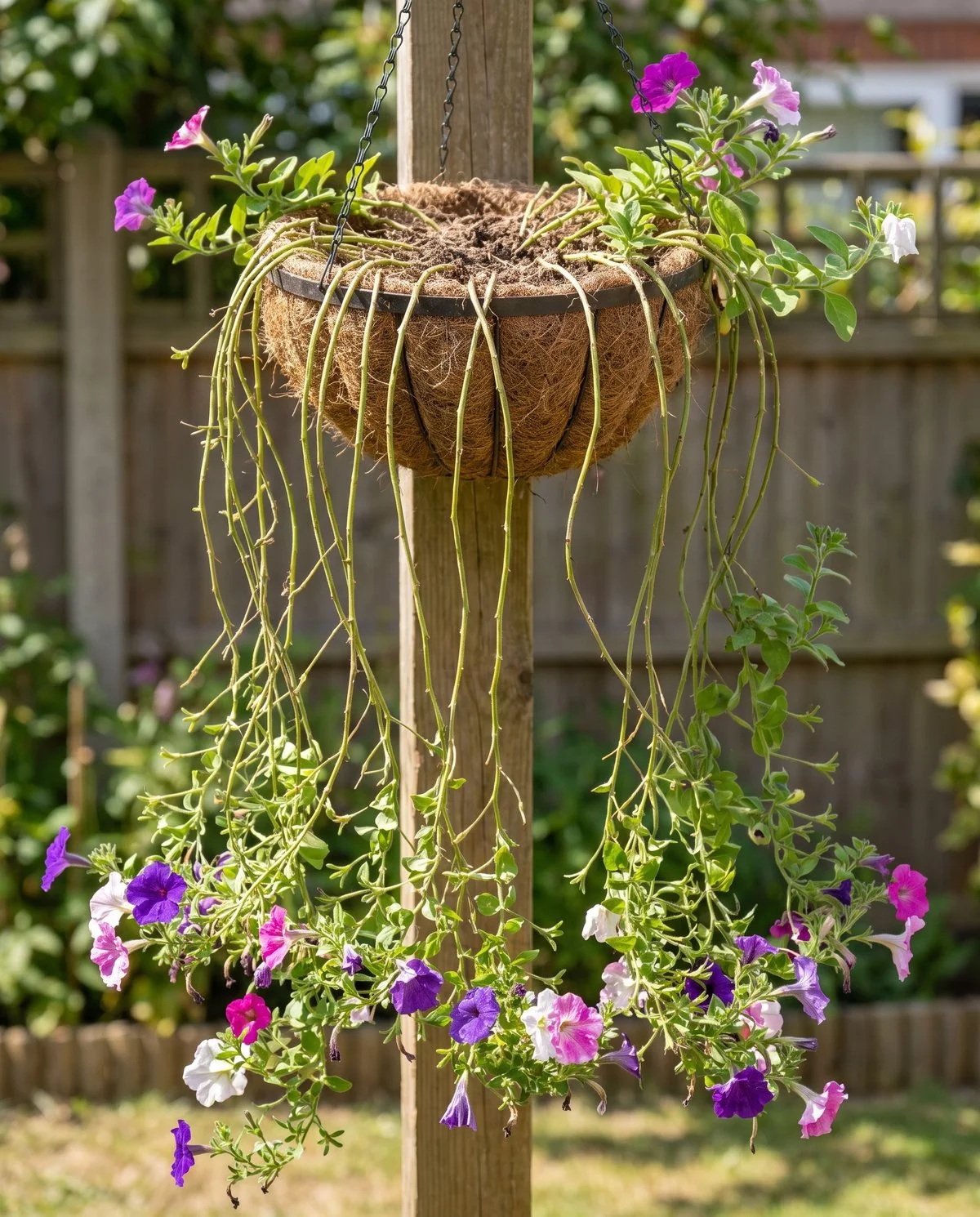
Check whether the foliage is otherwise green and full. Legginess is a routine consequence of continuous summer blooming: long bare stem sections, flowers concentrated at the tips, and healthy foliage everywhere else. A genuinely declining plant pairs that legginess with something more, and UMN's own diagnostic tool for a stunted petunia names four biotic causes with distinct signatures: aster yellows, with small yellow leaves and clumps of weak shoots known as witches broom; black root rot, Thielaviopsis basicola, with dark sunken black lesions on the roots and leaves that turn yellow and wilt; tobacco mosaic virus, with a mosaic pattern of light and dark green; and Impatiens necrotic spot or tomato spotted wilt virus, with distorted leaves and brown to black ring spots or flecks. Only the benign side is photographed.
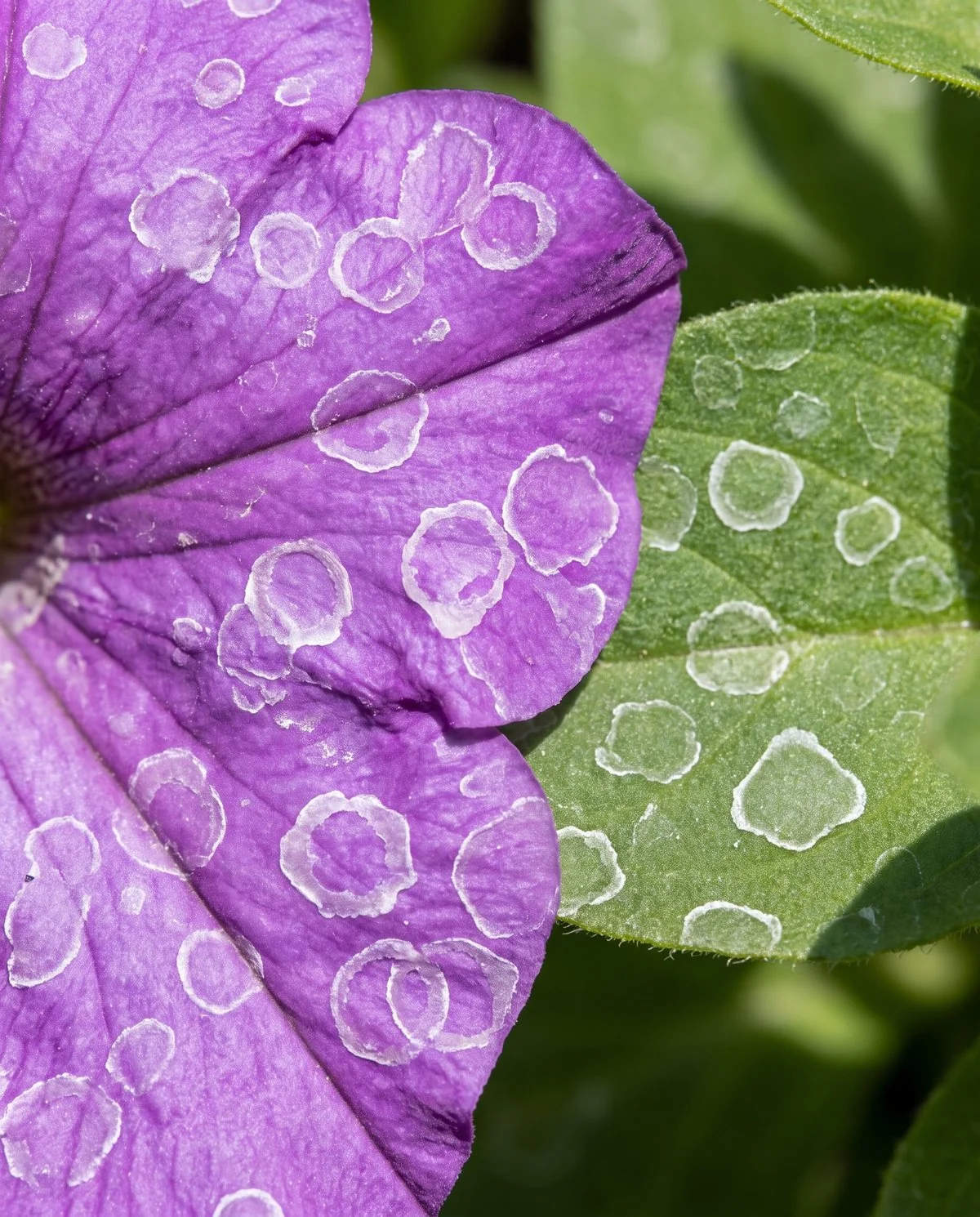
Three causes, and the harmless one is the easiest to rule in. Hard-water mineral spotting is pale spots left after water evaporates off petals or leaves, common with hard tap water or overhead watering in bright sun, and it does not spread, does not fuzz and does not progress. Powdery mildew is described by UMN's diagnostic tool as powdery, fluffy white spots or blotches on leaves, stems and flower parts, sometimes with tiny black round spheres visible within the white patches late in the season, typically starting on lower leaves and moving upward. Botrytis blight starts on senescent flowers as small translucent or necrotic spots, can move to foliage when infected floral tissue lands on it, and in severe cases produces water-soaked stem lesions turning tan to light brown with fuzzy olive-brown or grey fungal sporulation, per Oregon State and the PNW Plant Disease Management Handbook. Only the water-spotting side is photographed.
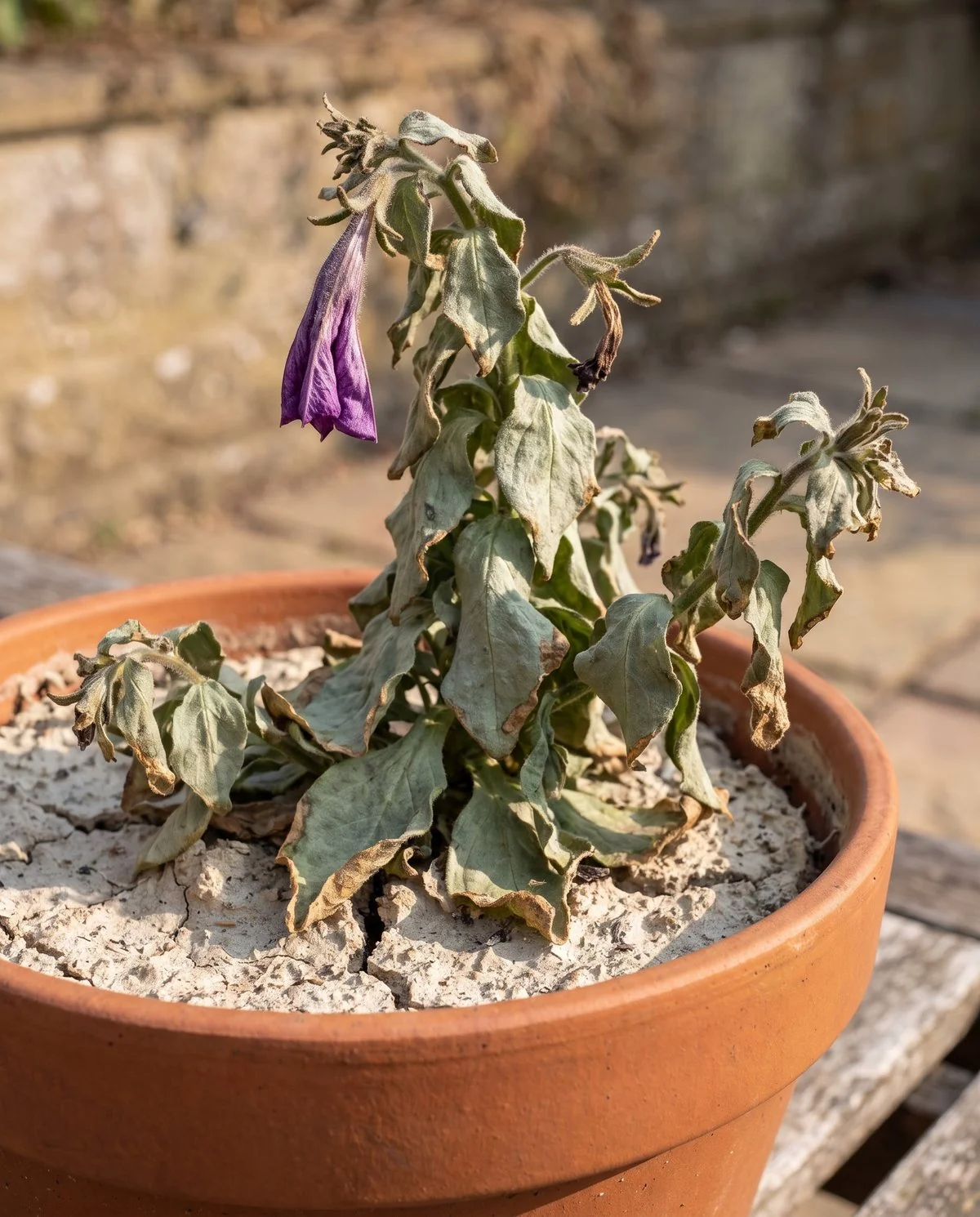
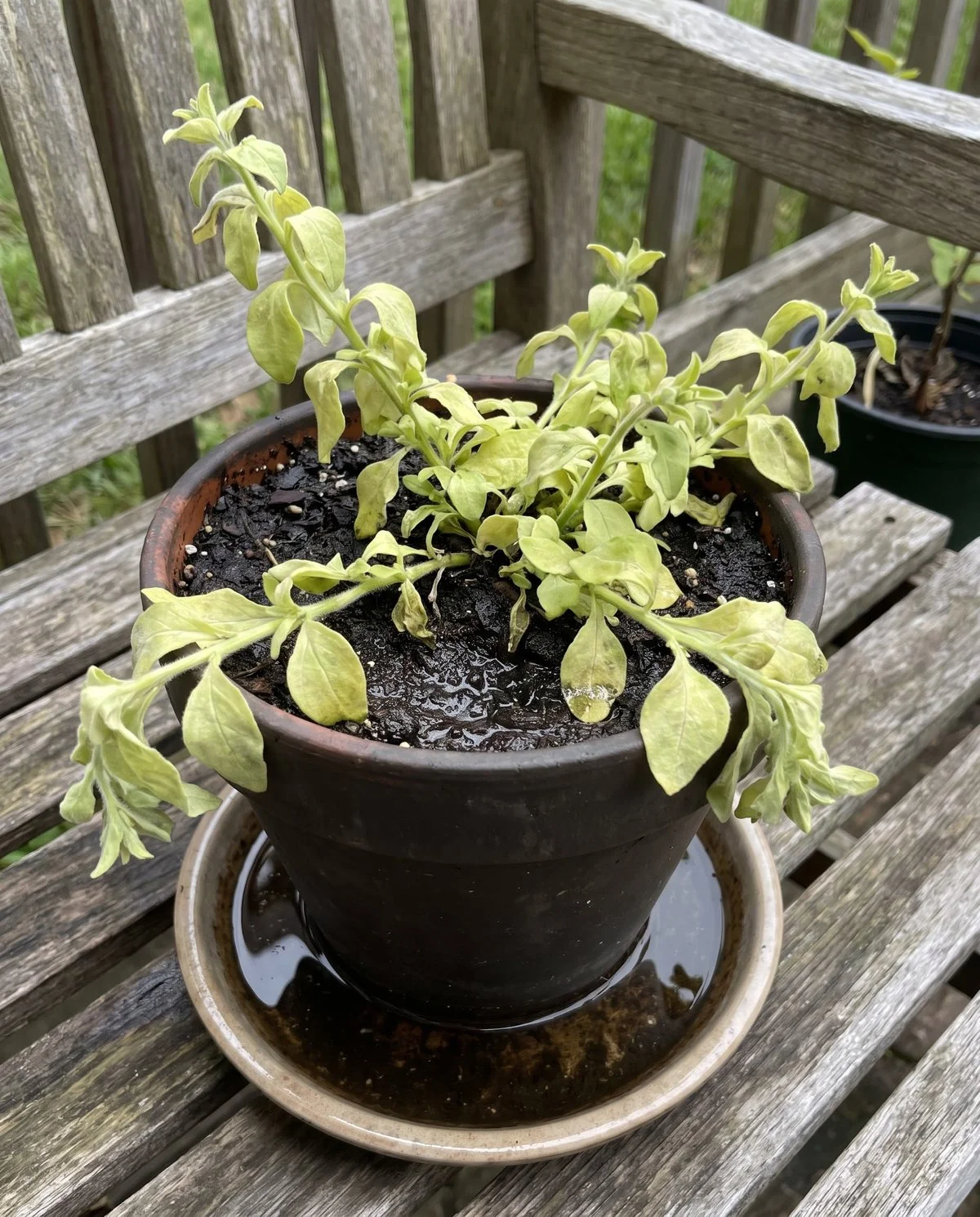
Water it, then come back in a few hours, because the recovery is the diagnosis. An underwatered plant has crisp, dry, brittle leaves, visibly dry soil, and wilting that resolves within hours of a thorough watering. An overwatered plant has soft, yellow-wilted leaves that do not perk up afterward, because the roots are already damaged, and soil that stays wet for days. UMN's own diagnostic material treats black root rot, Thielaviopsis basicola, as the named biotic endpoint of chronically wet soil. This exact ambiguity is asked directly and repeatedly in this research, which is the point: beginners genuinely cannot tell the two apart from a photograph, and the answer is a test rather than a picture.
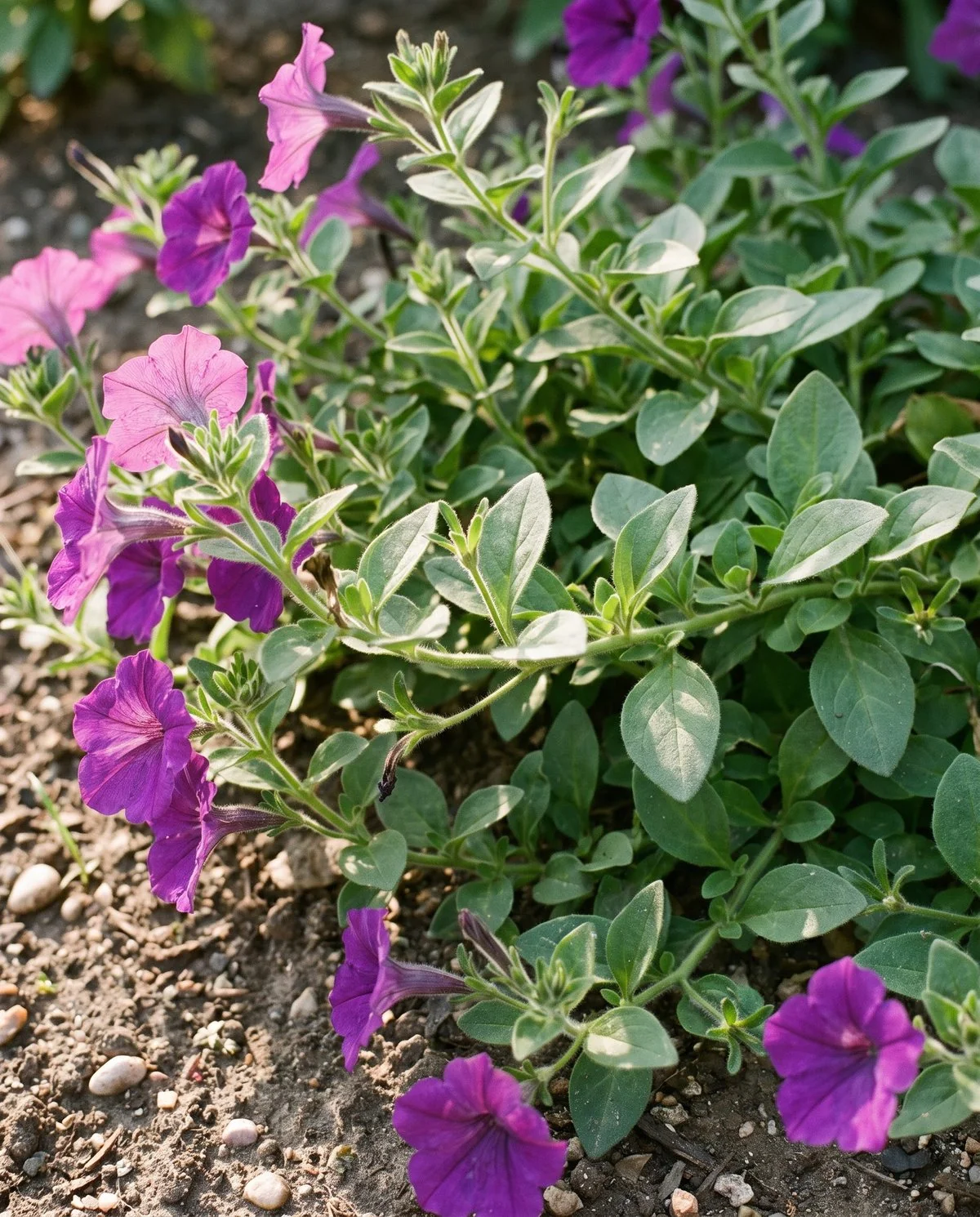
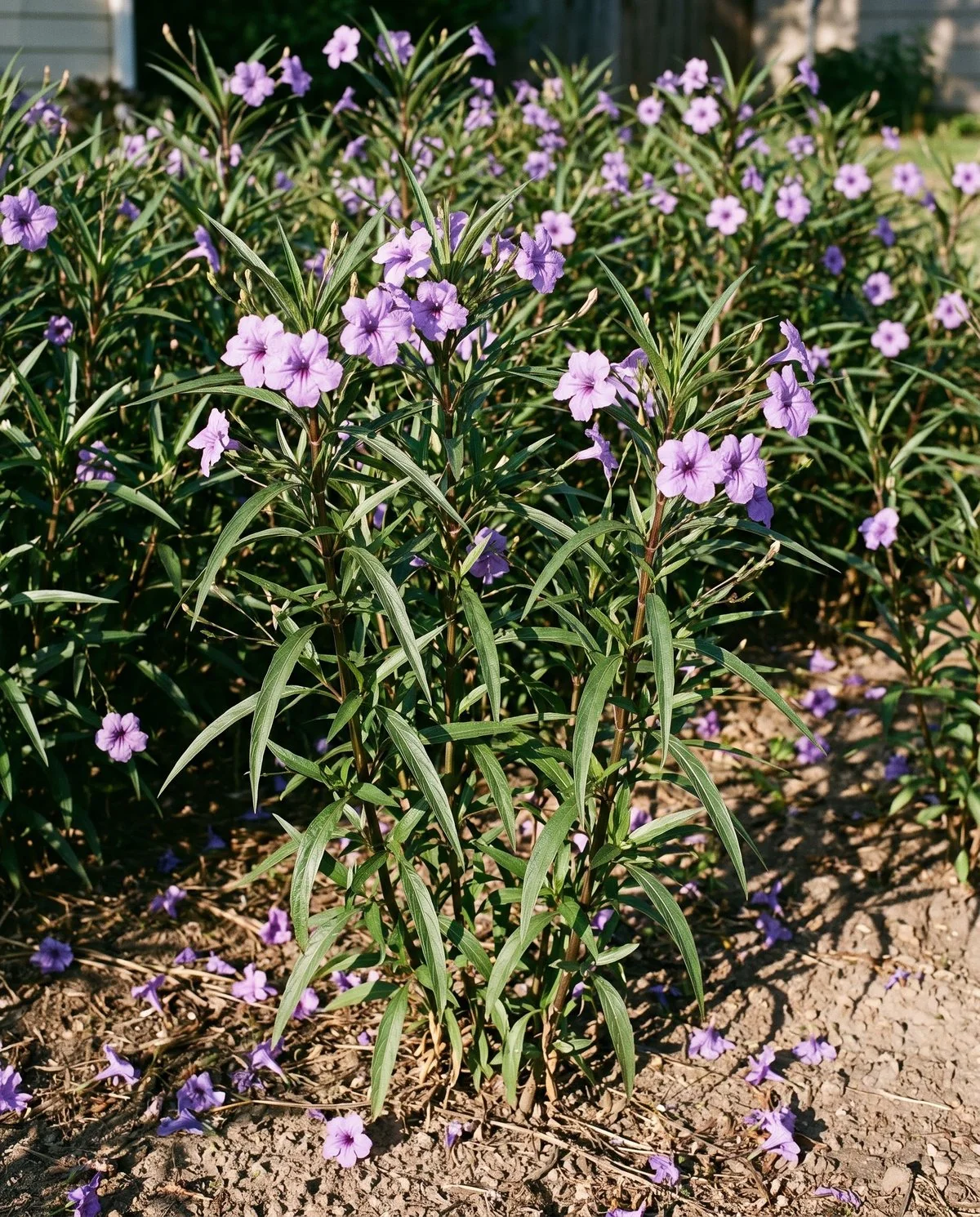
Ignore the flower and look at the leaf and the posture. True Petunia has soft, fuzzy, slightly sticky oval leaves and a sprawling, mounding or trailing habit that is never strongly upright, with broad five-lobed flowers fused into a single funnel. Mexican petunia, Ruellia simplex, has narrow, linear, smooth rather than fuzzy dark green leaves that NC State measures at 6 to 12 inches long and 0.75 inches wide, growing on upright canes to 3 to 4 feet tall in the wild and only 2 or 3 feet in gardens, and its individual blooms only last one day, compensated by rapid continuous new-bud production. It is in the Acanthaceae family rather than petunia's Solanaceae, so this is a different family and not merely a different genus, and UF/IFAS documents it as a Florida Category One invasive that has also aggressively naturalized in South Carolina, Texas and Hawaii. Anyone who buys it expecting true-petunia care will be surprised by how it spreads, by rhizome and by seed.
What petunia growers actually ask about, ranked by frequency
399 unique posts from r/gardening and r/plantclinic, 200 and 199 respectively, deduplicated by post id and categorised by a keyword pass over the full title and body that was then spot-checked by hand against the threads. Themes overlap and do not add to 100. Two rows deserve reading before the rest: row 3 is not a search artifact, since the corpus was built from the words petunia and petunias only and those posts surfaced because their authors genuinely call the plant a petunia, and row 12 is smaller than it should be, the same under-representation pattern that shows up for slow, undramatic, hard-to-photograph problems across this research.
Whether the soil is actually dry, before watering. This is the dominant theme and it overlaps both watering-extreme rows below, because wilting is the shared visible symptom of overwatering and underwatering alike, and the fork only opens once the plant has been watered and looked at again a few hours later.
Whether the damage is in the buds or on the leaves. This is the single richest pest category in the corpus and petunia draws an unusually wide range: aphids, thrips, spider mites, scale, mealybugs, whiteflies and caterpillars all appear by name in individual threads.
The leaves and the plant's posture, since the flowers are the misleading part. Ruellia simplex is in the Acanthaceae family rather than petunia's Solanaceae, so this is a different family rather than a different variety, and NC State lists it under the common names Mexican Petunia and Texas Petunia despite that distance. One post in this sample asks for a method of eradicating it, which is direct first-person confirmation of the invasive behaviour NC State and UF/IFAS document.
Whether the foliage is otherwise green and full, because that is what separates a habit problem from a sick plant. Several posters in this sample independently discovered a hard midsummer cutback and reported it working before anyone told them to try it, which matches the MSU Extension technique exactly.
How long the soil has been staying wet. UMN's own diagnostic material names black root rot, Thielaviopsis basicola, as the biotic endpoint of chronically wet soil, with dark sunken black lesions on the roots and leaves that turn yellow and wilt. Posters in this bucket frequently self-diagnose before asking for confirmation.
Whether it is dry and powdery, fuzzy and grey, or neither. This bucket mixes true powdery mildew, Botrytis and plain unidentified white residue, and hard-water mineral spotting is the third possibility that does not spread, does not fuzz and does not progress at all.
Where on the plant the yellowing sits. MSU Extension separates the two commonest causes on position alone: iron deficiency at the top of the plant on the youngest growth, nitrogen deficiency at the base on the oldest leaves. A real subset of these posters self-diagnose iron deficiency, and at least one in this sample got it exactly right.
Whether the leaves are crisp rather than soft. Notably smaller than the overwatering bucket, and this reverses the ratio the companion geranium research found, which fits petunia's real profile as a plant that wants consistent moisture and heavy feeding rather than drought tolerance.
Mostly not a problem at all, since these are progress posts rather than requests for help, which is worth knowing before treating the whole corpus as a list of failures.
How the plant travelled. Oregon State and the PNW Plant Disease Management Handbook name a specific variant for exactly this case, petunia meltdown, Botrytis acting as a secondary problem to ethylene during transport to markets, especially under warm, wet, low light conditions.
Whether the holes are in unopened buds and whether there are black flecks on them. One poster in this sample asked the diagnostic question directly after searching at night with a flashlight and finding nothing, which is exactly what tobacco budworm does, since the damage is far easier to find than the caterpillar.
Read this row as a floor rather than a measurement. It is much smaller than the search demand for the same question elsewhere, and the reason is that a plant with no flowers is a non-event to photograph.
That this is a second, separate confusion rather than the same one as row 3. Calibrachoa is a genuinely close relative in the same family, Solanaceae, but a different genus, and the cross-genus hybrid x Petchoa appears in this corpus by name, which is part of why the naming never settles.
Whether the growth is the same plant or a volunteer. Small but genuinely surprising, because it includes one detailed report of petunias apparently surviving a zone 4b winter in Maine, which contradicts the species' normal behaviour and is treated here as an unexplained outlier rather than a strategy.
Small in count and real in risk. UMN's own diagnostic tool lists tobacco mosaic virus among the biotic causes of a stunted petunia, with leaves showing a mosaic pattern of light and dark green and possible distortion, so a single-post theme here is rarity of photographs rather than rarity of the disease.
Flower photos
FAQ
Are petunias annuals or perennials?
Petunias are tender perennials, but frost kills them, so in almost every climate they are grown as annuals and replanted each spring. Only in frost-free USDA zones 10 and 11 can a plant carry over the winter, and even there it usually looks tired after a season or two. For most gardens, that means fresh plants each year.
Why did my petunias get leggy and stop blooming in midsummer?
This is normal, especially on seed-grown grandifloras and multifloras, which stretch and flower only at the tips as summer wears on. Cut the whole plant back by about a third to a half, then water and feed it well. It looks severe for a few days, then breaks fresh growth low down and returns fuller and covered in new buds within a week or two.
How much sun do petunias need, and how do I keep them blooming all summer?
Give them at least six hours of direct sun, since shade costs flowers before anything else does. In very hot regions a bit of afternoon shade helps them through the worst of the heat, but avoid deep shade, which leaves you with few flowers and long, loose stems. Water steadily, more often in pots, and feed regularly, because frequent watering washes nutrients out of a container fast. Deadhead the older large-flowered types, and shear the whole plant back by a third to a half if it goes leggy.
Do petunias need to be deadheaded?
It depends on the type. Large-flowered and double petunias bloom longer and look better if you remove spent flowers along with the little seedpod behind them. Many small-flowered and spreading series are self-cleaning and drop their own, though pinching off a few tired blooms still keeps containers tidy.
What is chewing holes in my petunia buds and flowers?
Almost always tobacco budworm caterpillars, which bore into buds and shred petals while feeding at night. Check the plants at dusk with a flashlight and pick the caterpillars off by hand, or use Bt or spinosad while they are small. Slugs and snails can also chew petals, leaving slime trails behind them.
Why are my petunia leaves turning yellow?
Yellowing usually points to watering or feeding. New leaves that yellow while their veins stay green mean iron is locked up in soil that is too alkaline, so work in organic matter or use an iron product and aim for a pH of 6.0 to 7.0. Whole leaves going yellow and limp more often mean overwatering or poor drainage, so check that the soil dries between waterings and the pot drains freely.
Are petunias safe for cats and dogs?
Yes. The ASPCA lists petunias as non-toxic to cats, dogs, and horses. A pet that eats a lot of any plant may get a mild stomach upset, but petunias carry no serious toxicity, and their sticky, hairy foliage puts most animals off anyway.
Can I grow petunias in pots and hanging baskets?
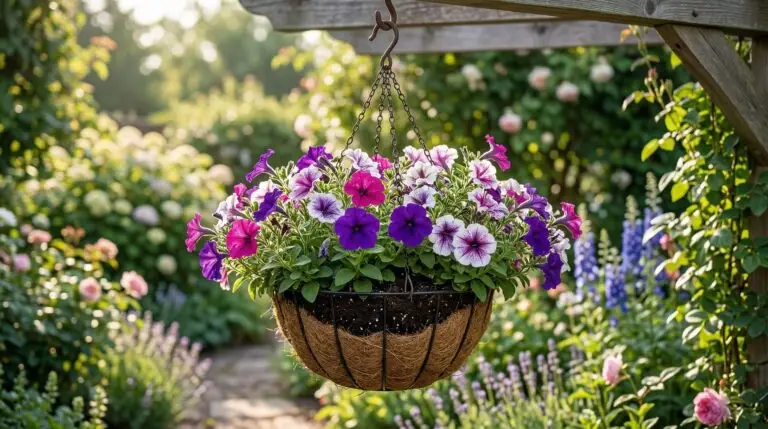
Yes, and it is what they do best. Use a good potting mix and a container with drainage, plant a little closer than you would in a bed for a full look, and be ready to water often, sometimes daily in summer heat, and to feed regularly since watering flushes out nutrients. Spreading and trailing types are bred for baskets.
Do petunias come back every year on their own?
In cold climates, no. Freezing weather kills the plant, so you will need to replant. Sometimes petunias drop seed and you may get a few volunteer seedlings the next season, but hybrids do not always come true and germination is unpredictable. In frost-free areas, plants can carry over, though they often look tired after a couple of seasons.
Why are my petunia leaves turning yellow?
Yellow leaves often come from watering or feeding issues. Petunias use nutrients quickly, especially in pots, so a balanced fertilizer can help. If new leaves turn yellow but the veins stay green, the soil may be too alkaline for iron uptake. Too much water or poor drainage can also turn leaves yellow and limp. Check soil moisture, make sure the pot drains freely, and look for pests like spider mites or whiteflies if the yellowing is speckled.
Do petunias attract hummingbirds or butterflies?
They can. Hummingbirds visit petunias for nectar, especially in red and bright pink shades, and butterflies may stop by as well. Petunias are not the top nectar plant in every region, but they provide a steady food source because they bloom for so long. If you want more visitors, avoid broad-spectrum insecticides and mix petunias with other pollinator-friendly flowers.
Are petunias good companion plants in the garden?
Yes. Petunias are easy fillers in beds and containers because they stay low and bloom for months. Use them at the front of borders, along edges, or to cover spaces left by spring bulbs after they fade. They pair well with sun-loving annuals like marigolds, zinnias, and salvias, and in pots they mix nicely with geraniums, calibrachoa, and trailing foliage plants. Give them enough root space and keep up with feeding so they do not run out of nutrients in crowded containers.
Is it normal for the petunias to wilt after they blossom?
Some wilting after transplanting or on a hot afternoon is normal and self-corrects, and the test is what happens next. Wilting that persists after watering, especially with soil that stays wet, points at overwatering or root rot rather than thirst, and UMN's own diagnostic material names black root rot, Thielaviopsis basicola, as the endpoint of chronically wet soil. Check whether the soil is actually dry before watering again, and read the leaves as well as the posture: crisp and dry is thirst, soft and yellow is the other problem.
Is Mexican petunia the same plant as regular petunia?
No, and not even in the same family. Ruellia simplex belongs to Acanthaceae while true petunia belongs to Solanaceae, and it resembles petunia only in flower shape and colour. NC State records narrow, linear, smooth leaves 6 to 12 inches long on upright canes to 3 or 4 feet in the wild, with individual blooms that only last one day, and UF/IFAS documents it as a Florida Category One invasive species that has aggressively naturalized in South Carolina, Texas and Hawaii. It spreads by rhizome and by seed, so it behaves nothing like true petunia in a bed.
What are these white spots or fuzz on my petunia?
Three different things with three different causes. Powdery mildew is dry and powdery, typically starting on the lower leaves and moving upward, sometimes with tiny black round spheres visible in the white patches late in the season. Botrytis grey mould starts on spent flowers as small translucent or necrotic spots and turns fuzzy olive-brown or grey in humid conditions. Plain hard-water mineral spotting is not a disease at all and gives the diagnosis away by doing nothing: it does not spread, does not fuzz and does not progress.
Is there any care difference between petunias and Supertunias?
The name is the confusing part rather than the plant. Supertunia is a brand of Petunia, not a separate species, and the real distinction behind it is how it is produced: vegetatively propagated series like Supertunia and Surfinia are grown only from cuttings off a patented parent plant rather than from seed, which is why they cost more. Commercial sources describe these lines as bred sterile, which would explain why they keep blooming untended, and that mechanism was not confirmed on any university page in this research. For the practical question, Clemson HGIC's rule is more reliable than any brand name: large-flowered and double petunias need deadheading, and many smaller-flowered cultivars are self-cleaning.
Why does a cut Mexican petunia flower grow roots in a vase within a week when a cut rose just dies?
A real question from this research that this research cannot answer properly, so it is left open. The likely explanation is that Ruellia roots easily from cuttings the way many soft-stemmed perennials do while hybrid tea roses are notoriously difficult to root from a cut stem, and no source confirming that specific comparison was located, so it stays a hypothesis rather than an answer.
Interesting tips
The best single habit is not to fear the shears. When a petunia goes long and bare in midsummer, cutting it back by about half and following up with water and feed is what buys color into fall, and the week of scruffiness before it reflushes is a fair trade. Match the type to the job before buying, since a milliflora edging a path, a multiflora massed in a windy bed, and a Wave trailing from a basket each want different spacing and care, and pushing a grandiflora's big blooms into an exposed, rainy spot only invites disappointment. Pinch seed-grown grandifloras and multifloras when they reach four to six inches to force bushier growth, but leave millifloras and spreading types alone, since they branch on their own. Feed more than feels necessary, especially in baskets, because petunias bloom hard and run out of nutrients fast in a small pot. Watch the soil pH if leaves yellow between green veins, and reach for an iron product to green them up quickly while organic matter fixes it for the longer term. Scout for budworms at dusk rather than by day, when the caterpillars are actually up on the flowers. And to hold a favorite color, especially one of the cutting-grown branded types, take a few cuttings before frost and root them on a bright windowsill rather than trusting seed that may not come true.
- Start early indoors: Petunia seed is tiny and slow, so starting indoors under lights gives you a better success rate. Press seed onto the surface and leave it uncovered, since it needs light. It takes patience, but you get access to more varieties than most garden centers carry.
- Pinch for bushiness: When seedlings or transplants reach 4 to 6 inches, pinch the tip to encourage branching. It keeps plants fuller and can reduce midseason legginess.
- Deadhead or shear mid-season: Remove faded flowers on types that are not self-cleaning. If plants get long and thin in midsummer, shear them back by about half. They look rough for a few days, then put on fresh growth and new buds.
- Fertilize regularly: Petunias bloom hard, so they need food. Use a balanced liquid fertilizer every week or two, or mix in a slow-release fertilizer at planting time. Avoid going heavy on nitrogen, which pushes leaves instead of flowers.
- Watch the pH if leaves yellow: Yellow leaves with green veins often point to iron being tied up in alkaline soil. Petunias do best around pH 6 to 7. An iron product can green them up, and organic matter helps over time.
- Scout for budworms: Budworms show up as holes in buds and ragged petals. Check plants at dusk and pick off caterpillars early. If you need a spray, Bt works best when caterpillars are small.
- Combining with other plants: Petunias are handy for filling gaps after spring flowers fade. They also make a clean edge in front of shrubs like Hydrangea macrophylla or roses. In baskets, pair them with trailing foliage such as ivy or dichondra for contrast.
- Notable varieties: Grandiflora petunias have the largest blooms, but heavy rain can damage them. Multiflora types have smaller flowers and handle weather a bit better. Milliflora petunias stay compact and cover themselves with small blooms. Spreading or Wave types run outward quickly and work as groundcover or in baskets. Mixing types gives you both big flowers and broad coverage.
- Petunias for occasions: They are not a classic bouquet flower, but potted petunias, window boxes, and hanging baskets make easy decorations for patios, parties, or outdoor weddings. After the event, you still have a living plant. If you cut a few stems for a casual vase, treat it as a one- or two-day accent.
- Overwintering trick: If you want to save a favorite color, take a few cuttings before frost and root them indoors, or pot up the whole plant and bring it inside. Keep it in bright light. It may look scruffy over winter, but you can take fresh cuttings in spring and start again.
Related Guides & Flowers
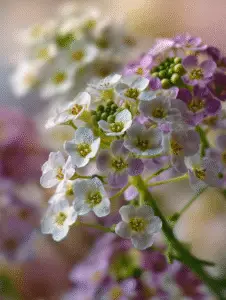
Sweet Alyssum
A classic edging and container filler with a low, spreading habit. Pairs well with petunias for soft texture, color contrast, and long seasonal bloom.
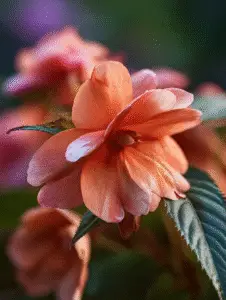
Impatiens
One of the best alternatives when you want heavy flowering in part shade. Great for mixed porch pots where petunias struggle in low light.
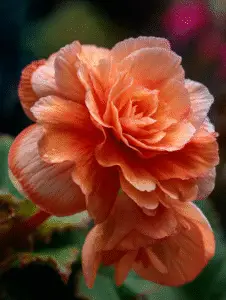
Begonia
Reliable for beds, borders, and containers with strong flower power and tidy foliage. A good swap-in for hot summers or shadier spots.
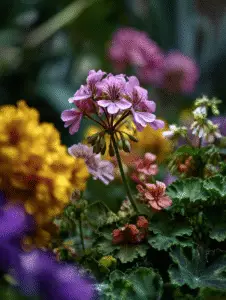
Geranium
A staple container plant with bold color and sturdy structure. Works as a focal plant with petunias spilling around the edges.
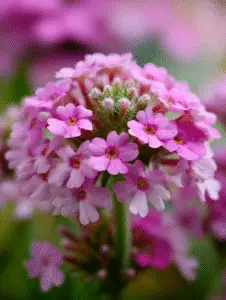
Verbena
A sun-loving bloomer that can trail or mound depending on type. Excellent for baskets and window boxes, similar seasonal use to petunias.
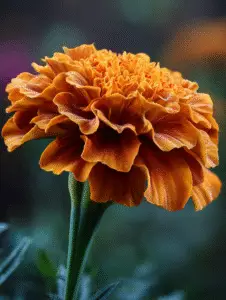
Marigolds
Easy, heat-tough, and beginner-friendly for beds and borders. A practical companion plant when you want dependable color all season.
References
- University of Minnesota Extension: Growing petuniasSolid care basics including light, watering rhythm, and seasonal performance tips for home gardens and containers.
- Clemson Cooperative Extension: PetuniaPractical growing guidance and common landscape use notes from an established extension program.
- University of Florida IFAS: PetuniasWarm-climate focused advice that helps with planting timing, sun needs, and keeping plants flowering longer.
- Penn State Extension: Petunia diseases and problemsHelpful for troubleshooting when blooms decline or foliage looks rough, with problem-focused guidance.
- ASPCA Poison Control: PetuniaUseful for a pet safety note, lists petunia as non-toxic to dogs, cats, and horses.
Enjoying our flower guides? Add YourFlowersGuide as a preferred source on Google. It helps more readers find us.
Add to Preferred Sources