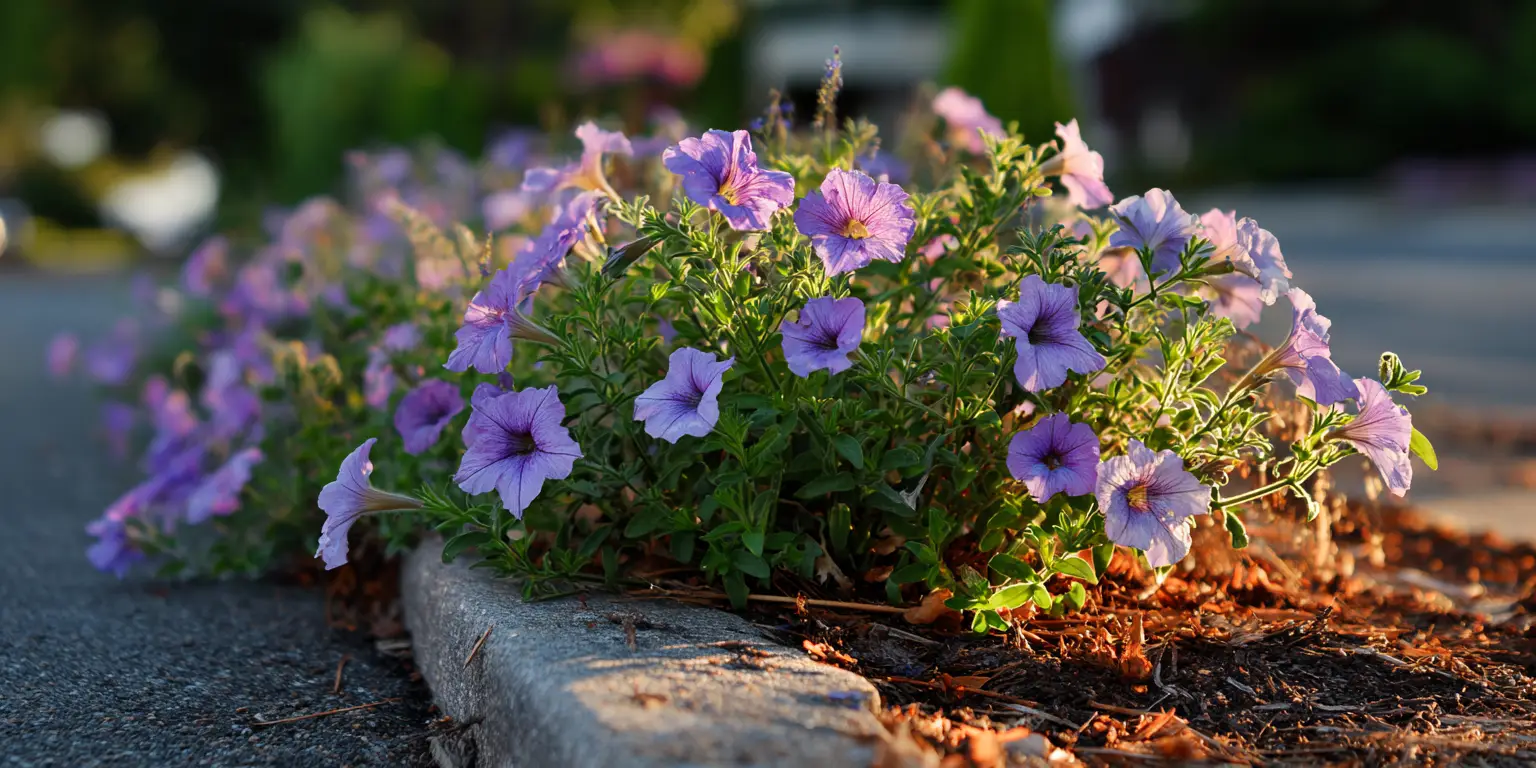
in bloom
now
through Oct
Bloom calendar
Petunia integrifolia
species · wild species, South America
At‑a‑glance
- Group/Class: species
- Height × spread: 4 to 10 in (10 to 25 cm) × 12 to 24 in (30 to 60 cm)
- Bloom window: May to October
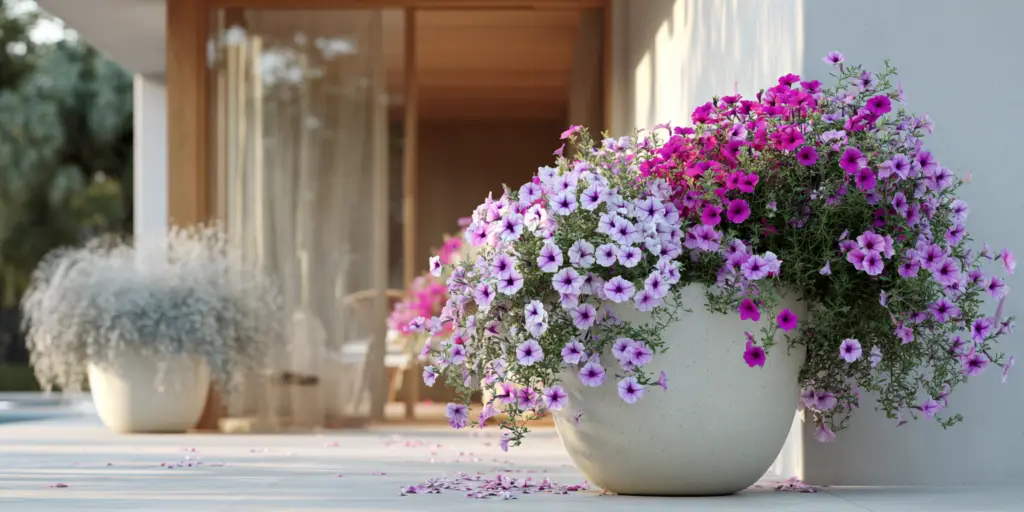
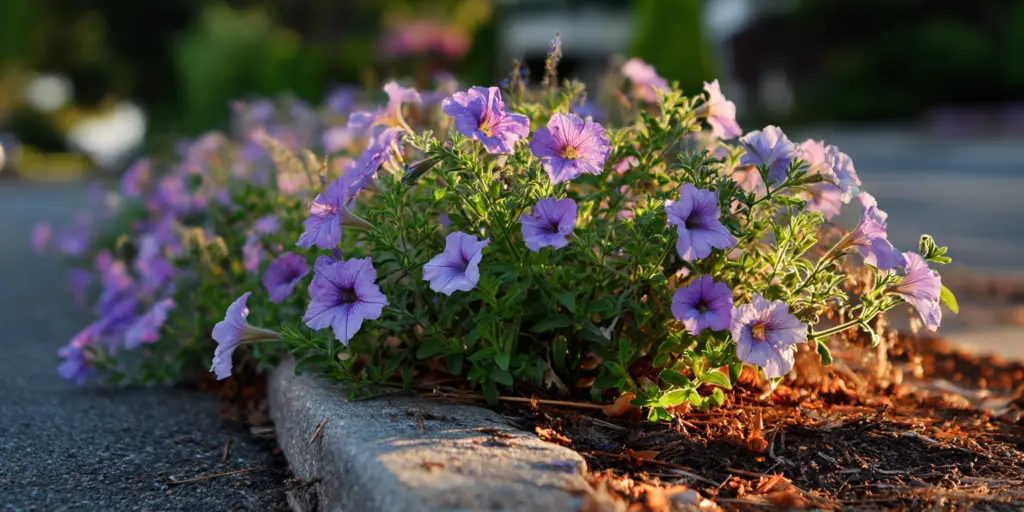
- Color & flower form: magenta to violet, small funnel‑shaped flowers
- Fragrance: 0 none
- USDA hardiness: grown as annual in most regions
- Breeder / Year / Origin: wild species, South America
- Pet safety: safe
How it differs
- Smaller flowers but better weather tolerance than many grandiflora hybrids.
- Lower, trailing habit for edging and containers.
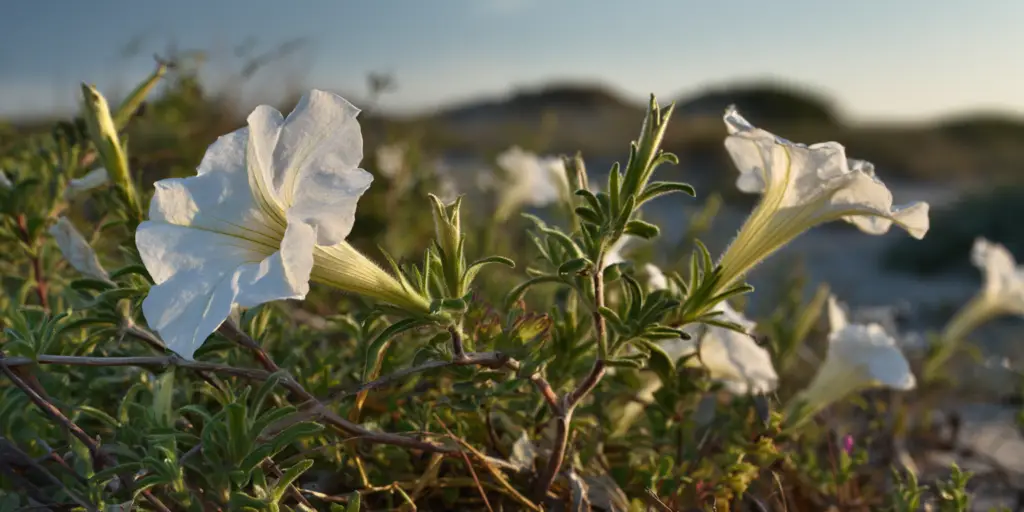
- Typically unscented compared with white night‑scented species.
- Flowers earlier in warm sites and keeps blooming with light trimming.
Strengths
- Long bloom with routine feeding and grooming.
- Useful for edging and spilling from pots.
- Tolerates heat when watered consistently.
Care in one minute
Provide full sun and well‑drained soil.
Water when the top 1 inch is dry; avoid chronic sogginess.
Feed every few weeks or use slow‑release fertilizer.
Shear lightly if stems sprawl to renew bloom.
Deadhead to limit seed set and keep flowers coming.
Watch‑outs
- Budworm caterpillars may chew buds in late summer.
- Can look sparse without periodic shearing.
- Gray mold possible in prolonged wet weather.
Best uses (tags)
Provenance note
Native to southern Brazil to northeastern Argentina and used as a parent of modern garden petunias.
References
- Kew Science POWO – Petunia integrifolia
- Flora of North America – Petunia integrifolia
- Native Plant Trust Go Botany – Petunia integrifolia
- ASPCA – Petunia (non‑toxic to pets): https://www.aspca.org/pet-care/aspca-poison-control/toxic-and-non-toxic-plants/petunia
Similar Flowers
Enjoying our flower guides? Add YourFlowersGuide as a preferred source on Google. It helps more readers find us.
Add to Preferred Sources