in bloom
now
through Oct
Bloom calendar
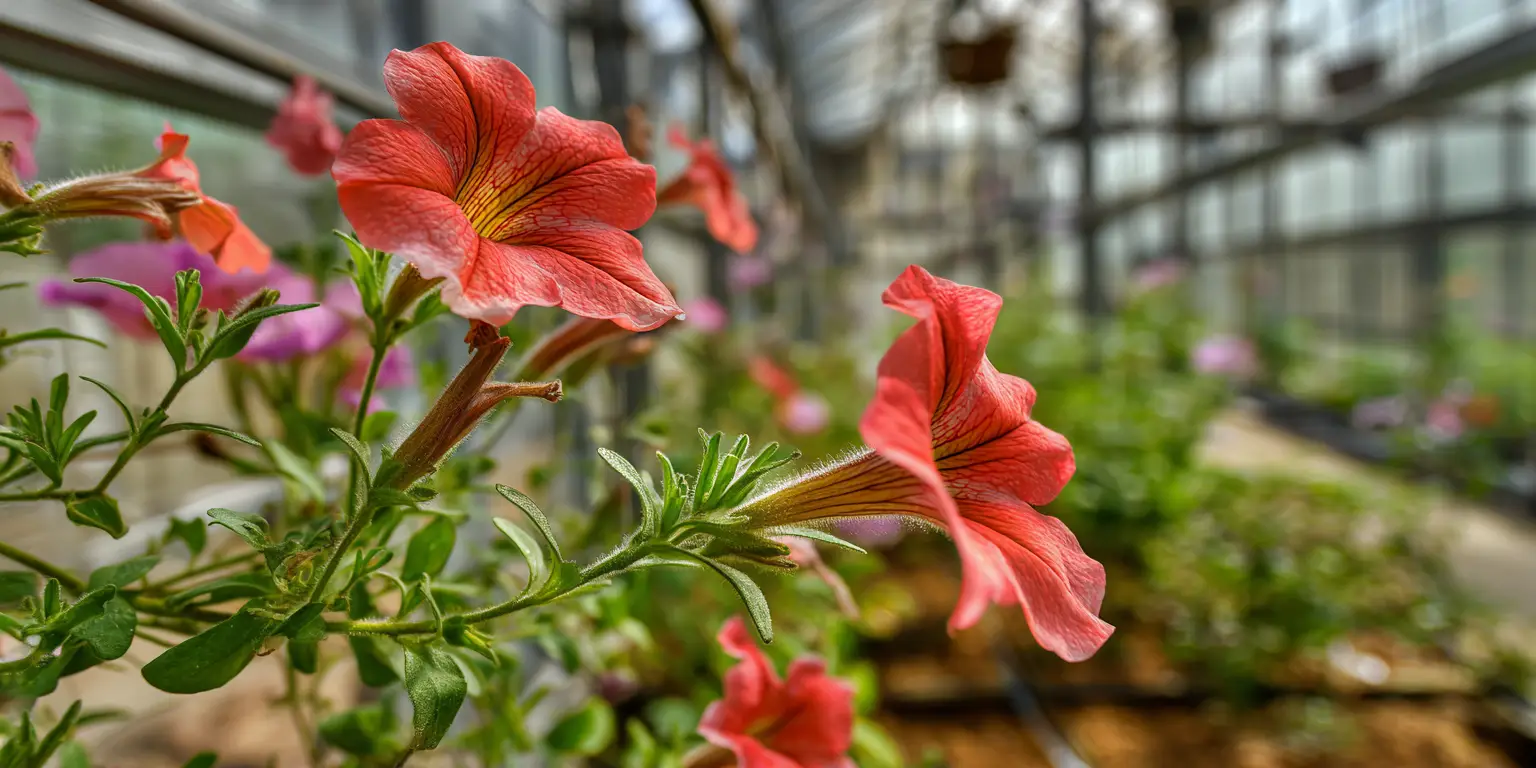
Petunia exserta
species · wild species, Brazil
At‑a‑glance
- Group/Class: species
- Height × spread: unknown / varies by climate
- Bloom window: summer to fall in warm conditions
- Color & flower form: red, tubular to funnel‑shaped with exserted stamens
- Fragrance: 0 none
- USDA hardiness: grown as annual in most regions
- Breeder / Year / Origin: wild species, Brazil
- Pet safety: safe
How it differs
- Only Petunia species known to be hummingbird‑pollinated in the wild.
- Naturally red flowers rather than purple or white.
- No floral scent, unlike night‑scented species.
- Best impact in warm sites with regular feeding.
Strengths
- Attracts hummingbirds in summer.
- Distinctive color and floral form.
- Works well in containers and sunny borders.
Care in one minute
Grow in full sun and well‑drained soil.
Irrigate when the top inch is dry; do not overwater.
Fertilize every 2 to 3 weeks for continuous bloom.
Pinch or shear if stems elongate to maintain shape.
Protect from cold snaps and strong winds.
Watch‑outs
- Limited cold tolerance; treat strictly as an annual.
- Budworm caterpillars can damage buds in late summer.
- Seed may be variable; plants not always uniform.
Best uses (tags)
Provenance note
Discovered and described in the late 20th century in the Serras de Sudeste of southern Brazil; noted for hummingbird pollination and absence of scent.
References
- Royal Horticultural Society – Petunia exserta profile
- New York Botanical Garden Plant Talk – Petunias Rare and Red
- Berardi et al. 2021 – Complex evolution of red floral color in Petunia
- ASPCA – Petunia (non‑toxic to pets)
Similar Flowers
Enjoying our flower guides? Add YourFlowersGuide as a preferred source on Google. It helps more readers find us.
Add to Preferred Sources