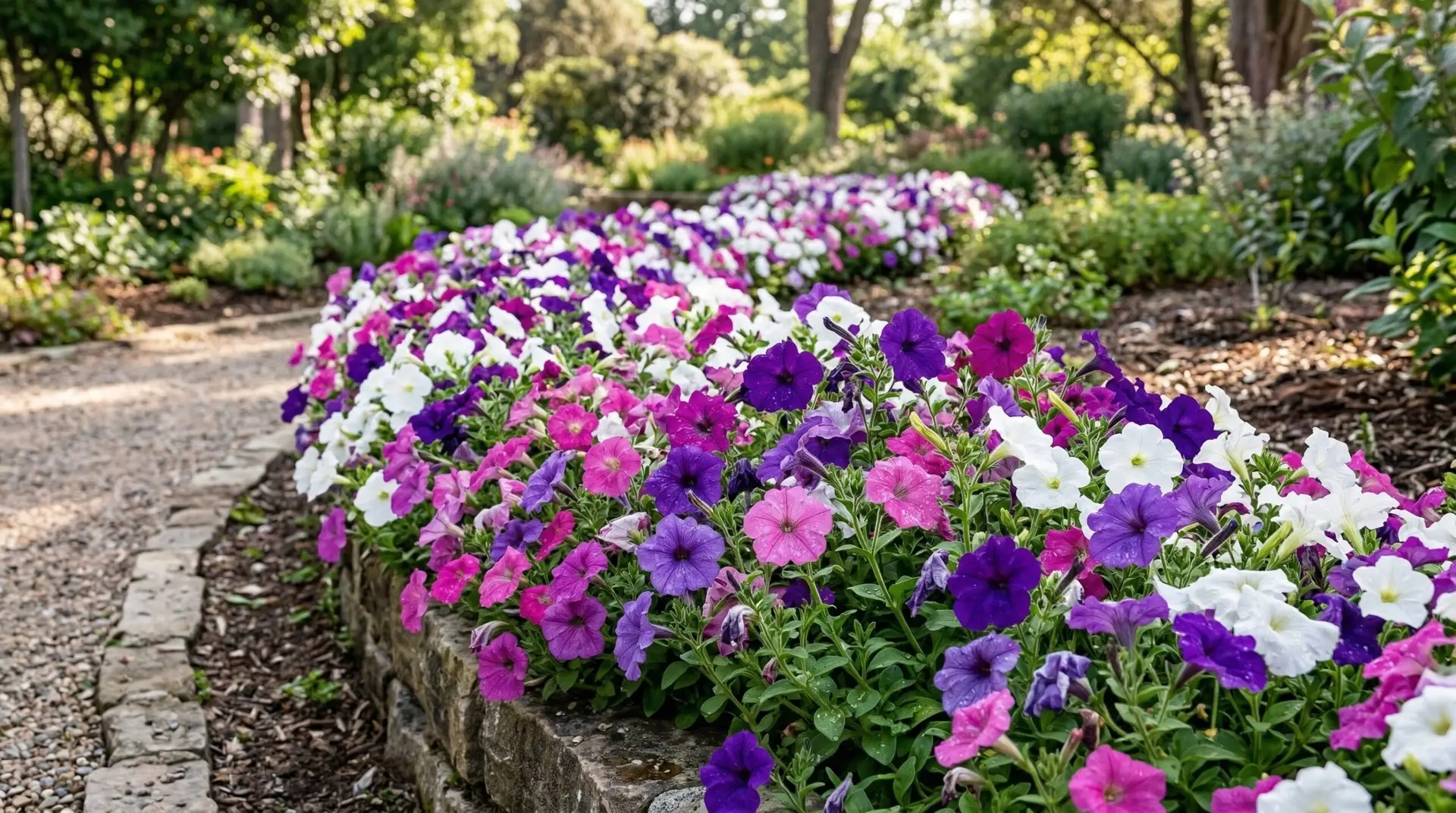
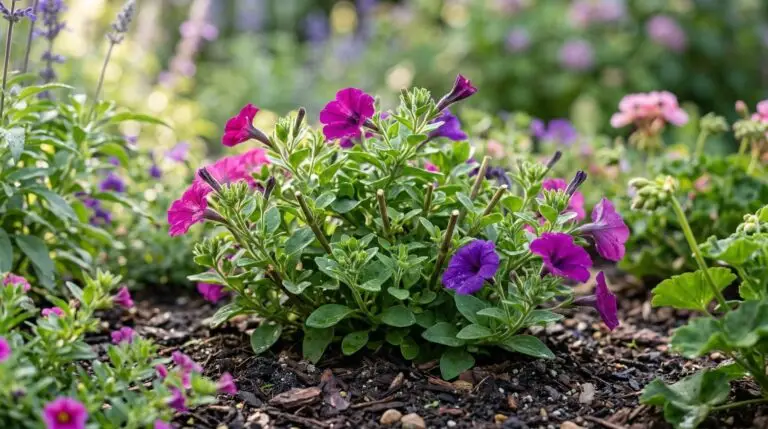
Walk into any garden center in spring, and the benches are covered in hundreds of petunia varieties. Plant breeders release dozens of new colors and patterns every single season, creating an overwhelming sea of options. You do not need to know every single series or trademarked name to plant a successful garden. Instead, you need a carefully edited selection of the absolute best performers and most interesting specimens. I have spent years trialing these plants in different climates and conditions to separate the reliable workhorses from the marketing hype. By focusing on specific growth habits and proven genetics, you can bypass the mediocre plants that turn leggy by midsummer.
The first step in editing your choices is understanding the fundamental difference between mounding and spreading habits. Mounding types grow into tidy, upright domes that work well in tight spaces or as centerpieces in small pots. Spreading or trailing types will spill over the edges of hanging baskets and creep rapidly across garden beds to suppress weeds. Many older seed-grown varieties attempt to do both and end up doing neither well, resulting in tall, floppy stems that break in the wind. We will ignore those older types entirely in favor of modern, vegetatively propagated cuttings that offer superior vigor and disease resistance. Selecting the right plant architecture for your specific space matters just as much as picking an attractive color.
Contents 4 sections
The modern trailing standards
The original introduction of the Wave petunia completely altered how home gardeners used annuals. These seed-grown plants grew rapidly outward rather than upward, creating dense mats of color that required no deadheading to keep blooming. While the original Wave series remains a solid choice for massive landscape beds, newer vegetative series have surpassed them in performance for containers and hanging baskets. The Supertunia line, particularly the Vista series, offers a much denser branching structure that prevents the center of the plant from going bald in late August. Surfinia varieties also deserve attention here, as they provide high rain tolerance and bounce back quickly after heavy summer storms. When you need a trailing plant to fill a large space reliably, these modern vegetative series are the only ones you should consider.
Within these trailing workhorses, color selection dictates how the plant behaves in the landscape. Lighter colors like silver, white, and pale pink tend to grow more vigorously than their dark purple or red counterparts within the exact same series. If you plant a white Supertunia in the same basket as a deep violet one, the white will inevitably swallow the darker plant by midsummer. To prevent this, you should plant trailing petunias alone in large containers or pair them with equally aggressive trailing companions. A vigorous trailing verbena can usually hold its own against a spreading petunia, weaving through the foliage without being completely smothered. Understanding these subtle differences in vigor allows you to design containers that look balanced all season long.
The dark and dramatic selections
While the spreading types handle the heavy lifting in the landscape, the mounding and novelty types offer the most visual interest for up-close viewing. Black Velvet is perhaps the most famous of the dark varieties, producing flowers so deeply purple they appear completely black to the naked eye. Black flowers often get lost when planted directly in the ground, fading into the shadows of surrounding foliage. To appreciate Black Velvet, you must plant it in a brightly colored ceramic pot or place it against a stark white wall where the dark blooms can create sharp contrast. These dark varieties generally have a tighter, more mounding habit, making them excellent for the center of a mixed container on a sunny patio. They require full sun to maintain their dark pigmentation, unlike traditional shade-loving impatiens that would scorch in similar conditions.
The Crazytunia series takes this concept of dramatic, up-close appeal even further with highly irregular star patterns and contrasting edges. These varieties are intentionally bred for unique color breaks rather than massive growth, so they will not fill a hanging basket like a Wave petunia. You will often see them in shades of terracotta, neon pink, and deep mahogany, sometimes all on the same flower petal. Because their growth habit is relatively compact and sometimes irregular, they are best treated as specimen plants. Place a single Crazytunia in a small, decorative pot on an outdoor dining table where guests can observe the complex color patterns. Expecting them to perform like landscape workhorses will only lead to disappointment, but using them as seasonal table decor highlights their true value.
The unpredictable patterned varieties
No discussion of modern petunia varieties is complete without addressing the highly sought-after Night Sky. This variety produces deep purple flowers speckled with irregular white dots, resembling a galaxy of stars. When it first debuted, it caused a rush at garden centers, but many gardeners were surprised when the patterns changed as the season progressed. The white speckling is highly dependent on temperature fluctuations between day and night. During periods of extreme heat, the flowers may turn almost completely solid purple, while very cool weather can cause them to bloom entirely white. You have to accept this shifting appearance as part of the plant’s character rather than a flaw. If you want a static, predictable pattern, you should look elsewhere, but Night Sky remains a fascinating choice for gardeners willing to embrace a little chaos.
Breeders have since expanded the sky pattern into other colors, creating pink, burgundy, and even blue variations. Pink Sky and Starry Sky burgundy offer the same temperature-sensitive spotting but often maintain a slightly more consistent base color during heat waves. These patterned varieties share a semi-trailing habit, making them versatile enough for both hanging baskets and upright containers. They require heavy feeding to keep producing those large, patterned blooms throughout the summer months. Apply a water-soluble fertilizer every two weeks, as starved plants will quickly stop flowering and produce thin, yellowing foliage. Giving these heavy feeders the nutrition they demand ensures the highest number of blooms and the best possible display of their unique patterns.
The overlooked double blooms
Double petunias often get ignored by serious gardeners, and for many years, this rejection was entirely justified. Older double varieties produced massive, ruffled blooms that acted like sponges during summer rainstorms, turning into rotting brown lumps that ruined the look of the entire plant. However, modern breeding has produced double varieties with slightly smaller, tighter rosettes that shed water much more effectively. The Double Wave series and the Supertunia Mini Vista Indigo offer the look of miniature roses without the constant maintenance. These modern doubles are excellent for window boxes under deep eaves, where they are protected from the worst downpours but still receive adequate sunlight. By placing them thoughtfully, you can enjoy their dense, ruffled texture without worrying about weather damage.
Out of all the best petunias available today, one specific variety stands far above the rest for sheer reliability and visual impact. Supertunia Vista Bubblegum is my absolute top recommendation for anyone who wants a flawless, aggressively blooming plant. It produces an endless supply of clear pink flowers on stems that can easily reach three feet in length in a single season. Unlike many other varieties, it drops its spent blooms cleanly, never requires deadheading, and powers through intense heat and humidity without pausing. Whether you need to fill a massive retaining wall, create a giant hanging basket, or carpet a difficult slope, this specific variety will outperform almost anything else at the garden center. It represents the absolute peak of modern plant breeding, offering maximum reward for minimal effort.
More About Petunia
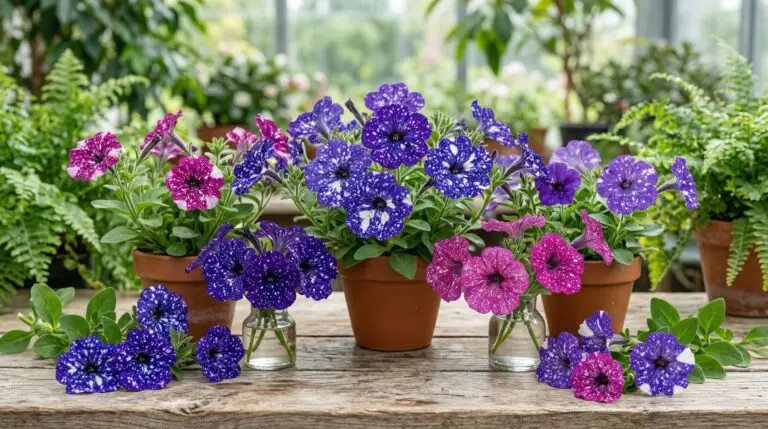
Night Sky petunia and the novelty varieties that look like galaxy flowers
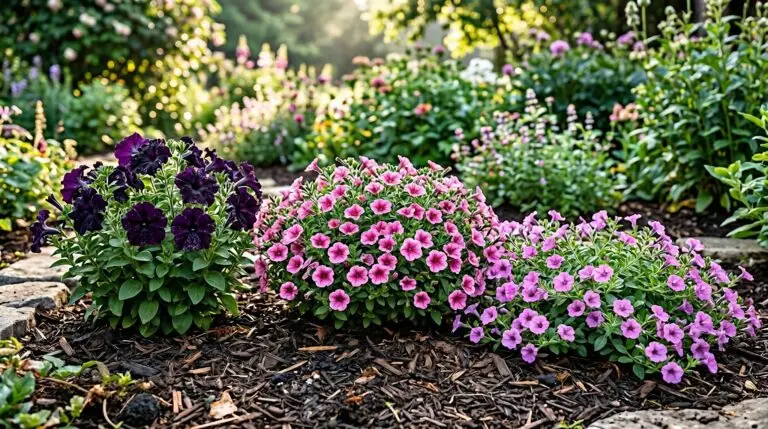
How to grow petunias for explosive color in hanging baskets containers and garden beds
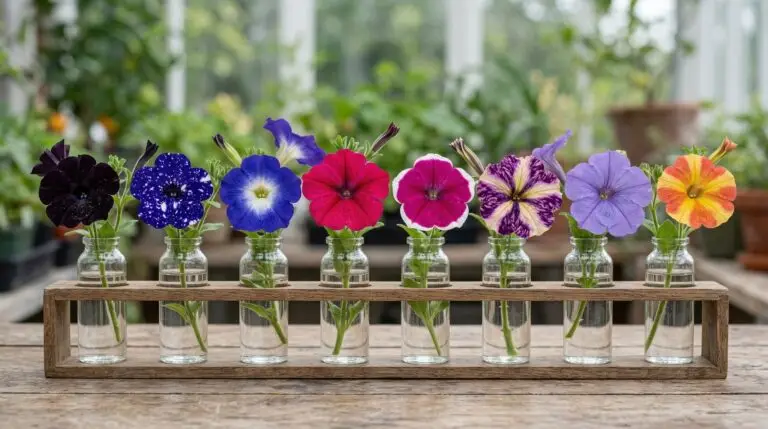
Supertunia and Surfinia versus regular petunias and why branded varieties outperform
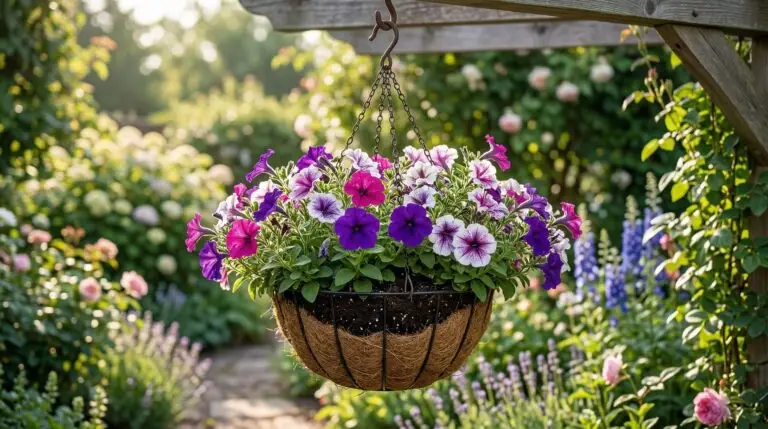
Growing petunias in hanging baskets for cascading waterfalls of summer color
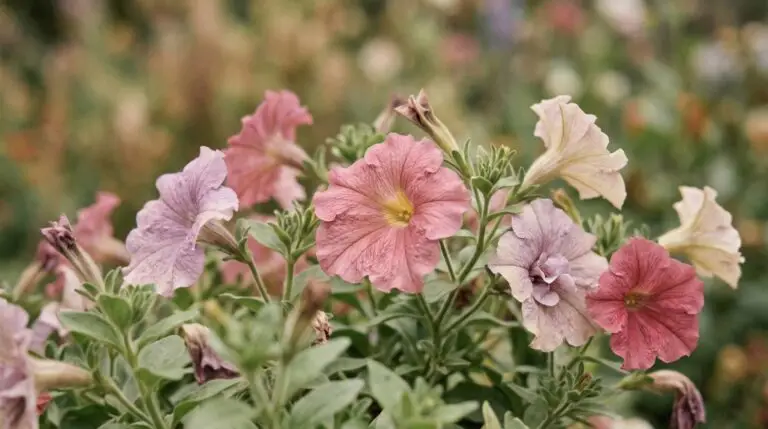
Petunia flower meaning and why this humble bloom represents desire and comfort
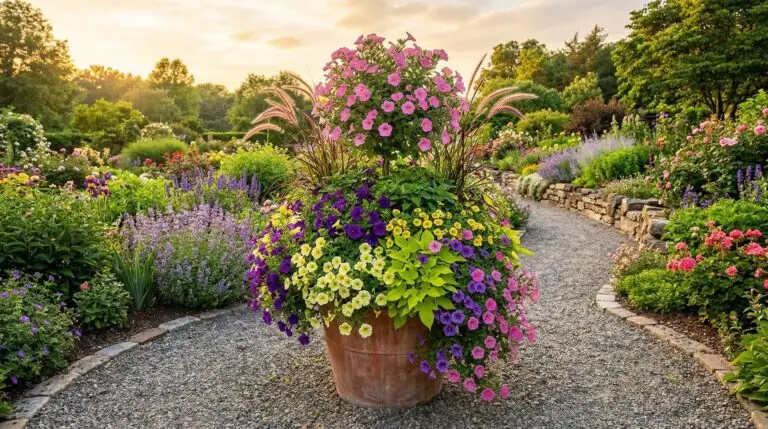
Companion plants for petunia: what to grow and what to avoid
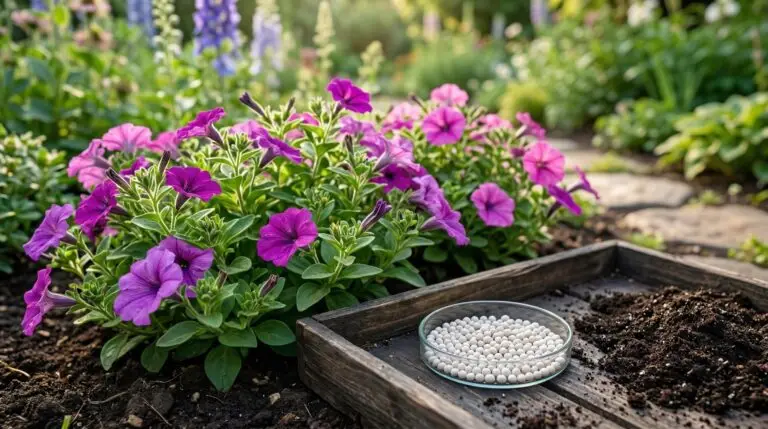
Growing petunias from seed and the tiny seeds that need light and patience to germinate
Why petunias get leggy and scraggly by midsummer and the hard cutback that saves them
Enjoying our flower guides? Add YourFlowersGuide as a preferred source on Google. It helps more readers find us.
Add to Preferred Sources