Walk into any garden center in spring, and you face a distinct choice in the annuals section. On one side, you find economical six-packs of traditional seed-grown petunias in nearly every color. On the other side, sitting in larger, individual pots with premium price tags, are branded varieties like Supertunia and Surfinia. Deciding between these two options comes down to understanding how they grow and what you expect from your summer displays. The price difference is substantial, often making gardeners wonder if the premium brands are actually worth the extra money. Knowing the exact differences in their breeding and behavior helps you make a confident choice for your own containers and flower beds.
Contents 4 sections
Understanding the traditional seed petunia
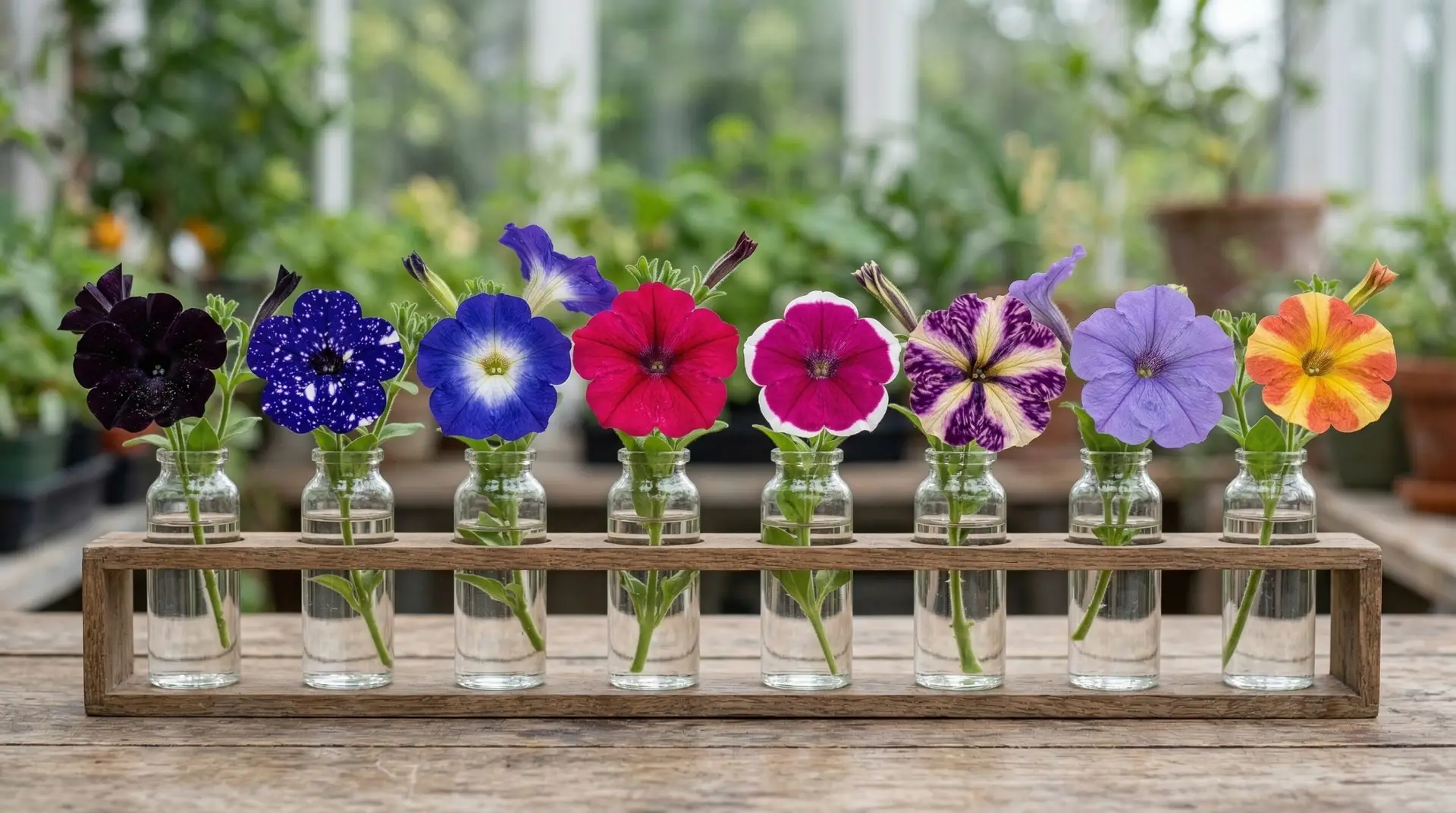
Regular petunias have been a staple of summer gardens for decades, offering bright, trumpet-shaped flowers on low-growing plants. These varieties are grown from seed, which keeps their production costs very low and allows nurseries to sell them in inexpensive multi-packs. If you have a massive garden bed to fill and a strict budget to follow, seed petunias offer an economical way to get immediate color in the ground. They come in several classifications, including large-flowered grandifloras and heavily blooming multifloras, giving you plenty of visual options. You can find them in nearly any shade, complete with stripes, stars, and contrasting veins.
The main drawback to these traditional varieties becomes apparent as the summer heat sets in and the plants mature. Seed petunias are biologically driven to reproduce, meaning they put their energy into creating seed pods once their flowers fade. To keep them blooming continuously, you have to manually remove the spent flowers and their sticky bases, a process known as deadheading. Without regular deadheading, the plants quickly become leggy, producing long, bare stems with just a few blossoms at the very tips. They also tend to struggle in heavy rain, with their large, delicate petals turning to mush and taking several days to recover and push out new blooms.
The vegetative breeding revolution
The introduction of branded varieties like Supertunia and Surfinia completely changed how petunias perform in the home garden. Instead of being grown from seed, these plants are vegetatively propagated from cuttings taken from specific mother plants. This breeding method produces sterile plants that do not waste their energy trying to form seed pods. Because they cannot reproduce, their sole biological focus remains on pushing out new vines and fresh flowers between spring and the first hard frost. This sterility results in a naturally self-cleaning habit, meaning the old flowers simply dry up and fall off without any need for tedious deadheading.
The vigor of these vegetative varieties is difficult to overstate when comparing them to traditional seed-grown types. A single Supertunia or Surfinia plant can easily spread two to three feet wide, creating a dense mat of foliage and flowers. This aggressive growth makes them the best petunias for baskets and large elevated planters, where their long vines can cascade gracefully over the edges. While you might need six or eight regular petunias to fill a hanging basket, just three premium vegetative plants will quickly outgrow them and create a much fuller display. They also have superior weather tolerance, shaking off heavy summer thunderstorms and blooming again almost immediately.
Maintenance requirements and growth habits
While the branded varieties eliminate the chore of deadheading, they do demand a higher level of nutritional support to fuel their massive growth. Supertunias and Surfinias are extremely heavy feeders that require regular applications of water-soluble fertilizer to maintain their dense canopy of blooms. If you plant them in containers, you will likely need to fertilize them every third watering to keep the foliage green and the flowers abundant. Traditional seed petunias are far more forgiving of poor soil and irregular feeding schedules, making them slightly easier for the casual gardener who prefers to plant and forget. You can pair traditional petunias with drought-tolerant companions like lantana in ground beds without worrying about aggressive fertilizer routines.
Water requirements also differ significantly between the two types of petunias as the season progresses. Because vegetative varieties grow so large and produce so much plant mass, they consume water at a rapid pace during the hottest days of summer. A mature hanging basket of Surfinias might need watering twice a day in July and August to prevent wilting. Regular seed petunias, being smaller and less aggressive, have a smaller root system that typically survives on a standard daily or every-other-day watering schedule. If you struggle to keep up with watering chores, the massive moisture demands of the premium varieties might prove frustrating. In these dry conditions, mixing standard petunias with tough, heat-loving lantana in your patio pots will save you from constant watering duties.
Late summer maintenance is another area where the two types of plants diverge in their needs. Traditional petunias often look exhausted by August, requiring a severe haircut to force a final flush of fall blooms, though they rarely regain their springtime appearance. Supertunias and Surfinias maintain their shape much better, but they also benefit from a light mid-summer trim to shorten overly long vines and encourage branching near the crown. Because the premium varieties grow so vigorously, they can sometimes choke out less aggressive neighboring plants in mixed containers. If you want to grow them alongside other trailing flowers like verbena, you have to ensure the container is large enough to accommodate both root systems.
Making the right choice for your garden space
Deciding which type of petunia belongs in your garden ultimately depends on where you plan to plant them and how much time you want to spend on maintenance. If you are planting directly in the ground to create a large border or fill a massive landscape bed, traditional seed petunias are usually the more practical choice. Buying enough premium vegetative plants to fill a large ground space would cost a small fortune, whereas flats of regular petunias keep the project affordable. Ground plantings also hide the leggy nature of seed petunias much better than elevated containers do, especially if you plant them closely together. The soil in ground beds also holds moisture longer, which helps mitigate the watering demands if you do decide to plant premium varieties in the landscape.
Conversely, if your primary goal is to create overflowing containers, window boxes, or hanging baskets, the branded vegetative varieties easily justify their higher price tag. The cascading habit, continuous bloom cycle, and self-cleaning nature of Supertunia and Surfinia solve all the common problems associated with container-grown petunias. You spend more money upfront for a single plant, but you get a display that looks professional and requires far less physical grooming throughout the season. They will easily out-compete weeds and fill empty spaces faster than any seed-grown alternative. Choosing the inexpensive seed varieties for large ground beds and reserving your budget for premium vegetative plants in highly visible containers gives you the best performance from both types of petunias.
More About Petunia
Night Sky petunia and the novelty varieties that look like galaxy flowers
How to grow petunias for explosive color in hanging baskets containers and garden beds
Growing petunias in hanging baskets for cascading waterfalls of summer color
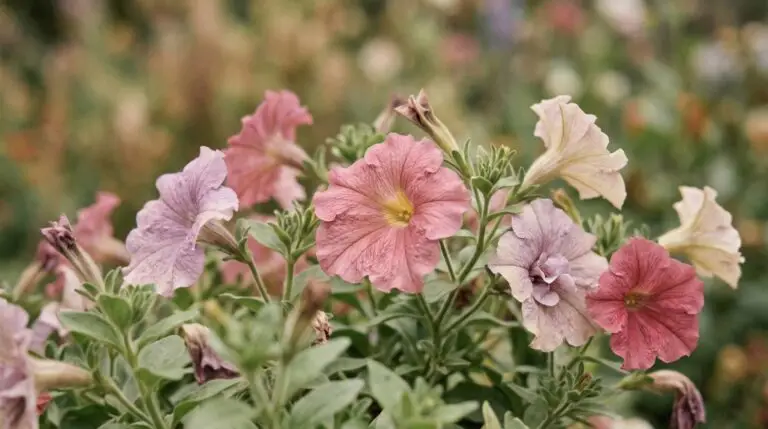
Petunia flower meaning and why this humble bloom represents desire and comfort

Companion plants for petunia: what to grow and what to avoid
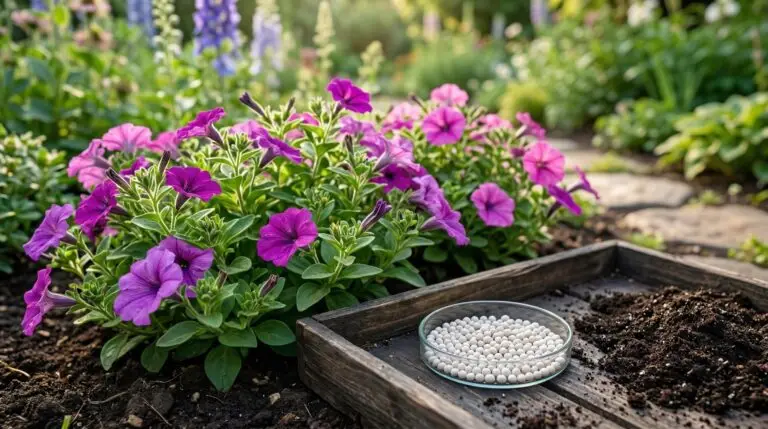
Growing petunias from seed and the tiny seeds that need light and patience to germinate
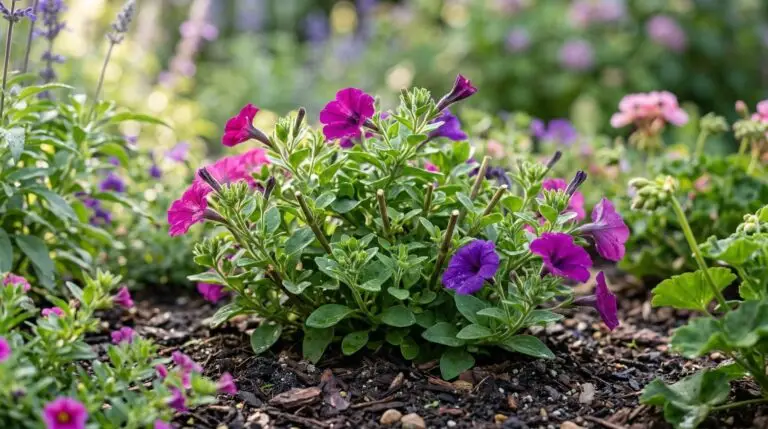
Why petunias get leggy and scraggly by midsummer and the hard cutback that saves them
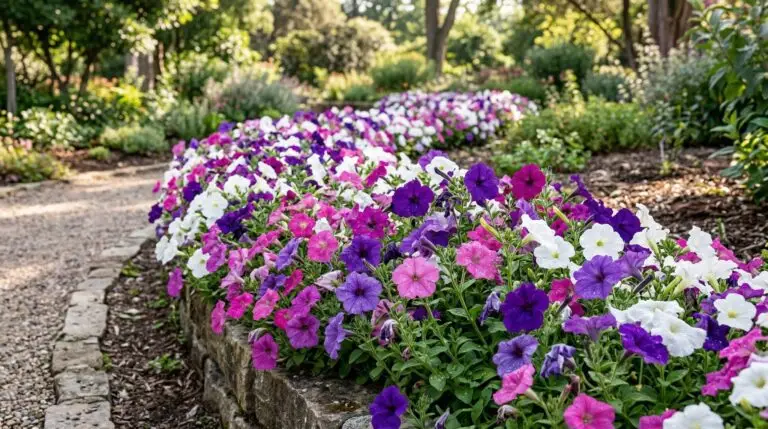
Best petunia varieties from cascading Wave to dramatic Black Velvet
Enjoying our flower guides? Add YourFlowersGuide as a preferred source on Google. It helps more readers find us.
Add to Preferred Sources