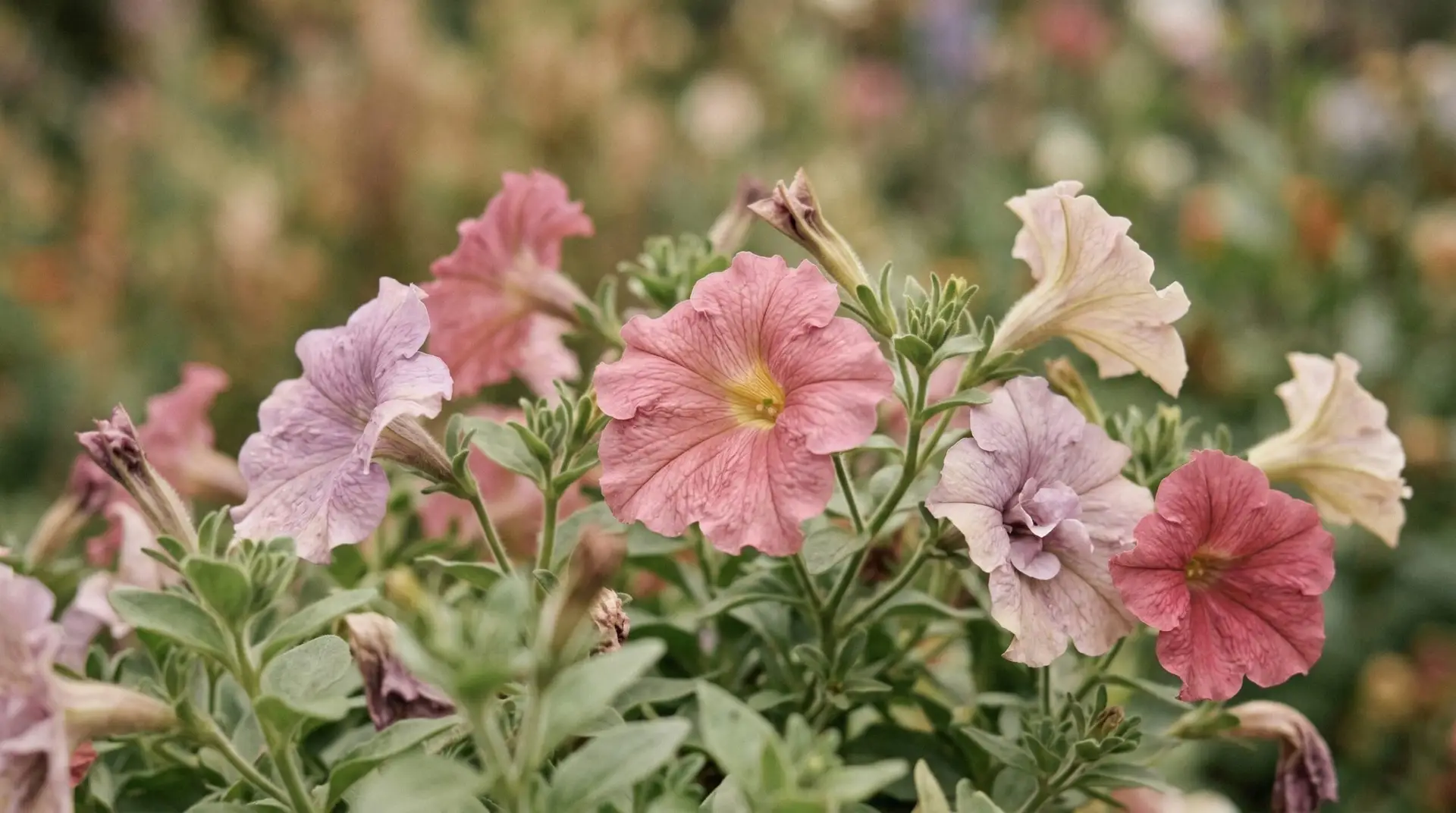
In the river basins of South America, long before European botanists arrived to catalog the local flora, the Tupi-Guarani people recognized a sprawling plant with sticky leaves and trumpet-shaped blooms. They called it “petun,” a word that translates directly to “tobacco” in their native tongue. This linguistic root reveals a deep botanical truth, as the petunia and the tobacco plant are close cousins within the sprawling nightshade family. Indigenous tribes observed the morphological similarities between the two plants, noting their shared glandular trichomes and tubular flowers designed for specific local pollinators. When French explorers encountered these trailing blooms in the sixteenth and seventeenth centuries, they adopted the indigenous word, eventually Latinizing it to create the genus name we use today. The original wild petunias were modest white and purple species, far removed from the massive ruffled blooms seen in modern garden centers. By understanding this etymological origin, we see how the earliest petunia meaning was inextricably linked to observation, utility, and the profound botanical knowledge of South American civilizations.
The journey of the petunia from the South American scrublands to the manicured estates of Europe began in earnest during the early nineteenth century. Scottish explorer John Tweedie sent seeds of a purple-flowered species from Argentina to the Glasgow Botanic Garden in 1831, sparking a quiet revolution in European horticulture. Botanists and wealthy estate owners immediately recognized the potential of this robust, sun-loving plant that could thrive in the relatively cool, damp summers of Britain. Breeders began crossing Tweedie’s purple species with a white-flowering species discovered a decade earlier, creating the foundational hybrids that would eventually dominate the global market. These early crossings required meticulous hand-pollination, a technique that transformed the wild, gangly South American native into a compact, heavily blooming wonder. The resulting plants possessed a remarkable ability to produce continuous flowers from early summer until the first hard frost. This reliable performance secured the petunia a permanent place in the emerging middle-class gardens of the Victorian era.
The Victorian language of anger and resentment
When the petunia entered the complex social world of nineteenth-century England, it was immediately absorbed into the rigid system of floriography. In the strict Victorian flower language, the petunia carried a surprisingly dark petunia symbolism, representing anger, resentment, and deep-seated fury. Botanical historians suggest this negative association stemmed from the plant’s relation to the deadly nightshades, a family notorious for its toxic and mind-altering members. Alternatively, the meaning may have derived from the plant’s aggressive, scrambling growth habit, which could easily smother more delicate, refined blooms in a mixed garden border. If a Victorian gentleman handed a woman a bouquet dominated by petunias, he was delivering a clear message of bitter disappointment or suppressed rage. This harsh interpretation stood in stark contrast to the affectionate messages assigned to other popular garden flowers of the era. To soften the blow, a sender might pair the petunia with a rose to communicate that their anger was rooted in passionate love, creating a nuanced emotional dialogue entirely through botanical choices.
As the Victorian era gave way to the Edwardian period and the Arts and Crafts movement, the cultural perception of the petunia began to shift dramatically. The strict, punitive rules of floriography faded from public memory, allowing gardeners to appreciate plants for their sensory qualities rather than their assigned social codes. During this transition, the petunia meaning evolved from resentment to a representation of soothing presence and familiar comfort. People began planting them in window boxes and porch containers, where their sweet, slightly spicy fragrance could drift into open windows on warm summer evenings. The tactile experience of the plant, with its soft, slightly sticky foliage and velvety petals, reinforced this new association with domestic warmth and physical ease. Gardeners came to view the petunia as a reliable companion, a plant that demanded very little but offered continuous, cheerful color through the hottest days of the year. This transformation in meaning reflects a broader cultural shift toward viewing the home garden as a personal sanctuary rather than a stage for complex social posturing.
The popularization of the petunia in North America during the early twentieth century further solidified its association with comfort and domestic stability. Following the devastation of the First World War, seed companies in the United States heavily promoted the petunia as an ideal plant for the burgeoning suburban garden. Catalogs from this era depicted the flower as a staple of the cheerful, democratic American yard, accessible to anyone with a few cents for a packet of seeds. This mass availability democratized the petunia meaning, stripping away the last remnants of elite Victorian exclusivity. During the Great Depression, the plant became a symbol of resilience and modest joy, as families grew them in discarded tin cans and simple wooden crates to bring color to impoverished neighborhoods. The petunia required no specialized soil or expensive fertilizers, making it a democratic source of beauty in an era defined by extreme scarcity. This historical chapter permanently linked the flower to the concept of finding solace and familiar warmth during times of profound economic and social anxiety.
Spiritual associations and the nightshade family
To fully grasp petunia symbolism, one must examine its place within the Solanaceae family, a botanical grouping steeped in myth, medicine, and magic. While the petunia lacks the potent alkaloids found in its cousins like belladonna or mandrake, it still carries the ancestral echo of these powerful plants. In various folk traditions, nightshades are intimately connected to the concept of desire, often representing a longing that borders on the intoxicating or the obsessive. The petunia channels this intense energy into a more accessible, benign form, symbolizing a deep, comforting desire to be near someone you love. This interpretation aligns perfectly with the plant’s physical behavior, as it naturally reaches, trails, and spills over its boundaries to fill empty spaces. Much like the marigold, which holds significant spiritual weight in New World traditions, the petunia connects the modern gardener to a deep history of human interaction with potent American flora. The desire represented by the petunia is not a frantic, destructive passion, but rather a steady, enduring pull toward domesticity and shared spaces.
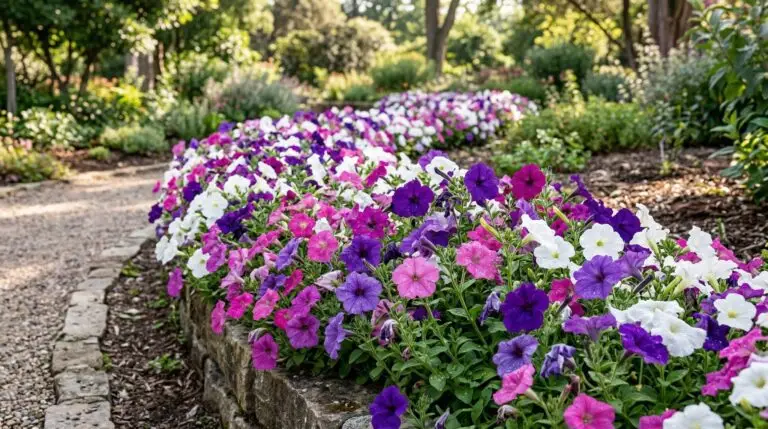
The modern horticultural industry has spent over a century refining the petunia, yet the core cultural identity of the plant remains intact. In the late twentieth century, breeders introduced vigorous trailing varieties, a development that revolutionized container gardening and cemented the plant’s status as the ultimate symbol of a welcoming home. These robust modern hybrids still employ the basic genetic building blocks first isolated by nineteenth-century botanists, bridging the gap between historical cultivation and contemporary garden design. When we hang a basket of trailing petunias on a front porch today, we are participating in a tradition of domestic placemaking that spans multiple continents and centuries. The plant acts as a visual signal of hospitality, offering a soothing presence to anyone who approaches the threshold of the home. Its ability to thrive in harsh, sun-baked conditions while maintaining its delicate appearance makes it a powerful metaphor for finding comfort and beauty in difficult circumstances. The journey from a wild South American tobacco relative to a Victorian symbol of rage, and finally to a modern emblem of comfort and desire, demonstrates how human culture continually reshapes the botanical world to reflect its own emotional needs.
More About Petunia
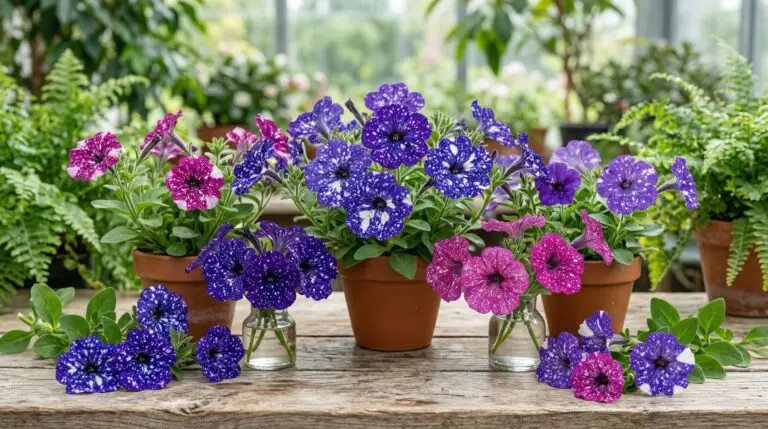
Night Sky petunia and the novelty varieties that look like galaxy flowers
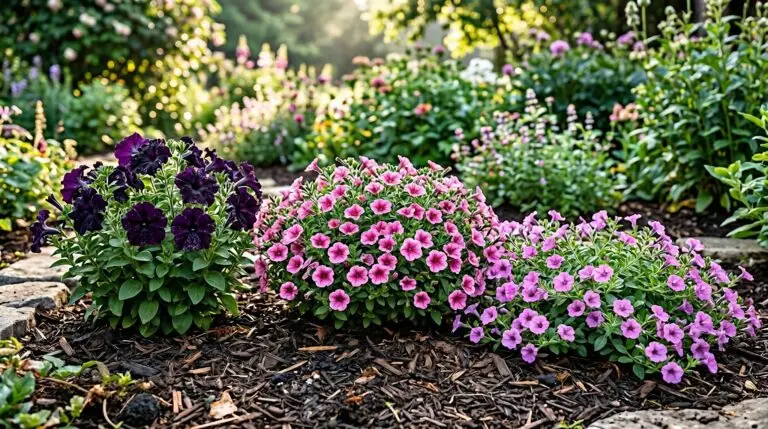
How to grow petunias for explosive color in hanging baskets containers and garden beds
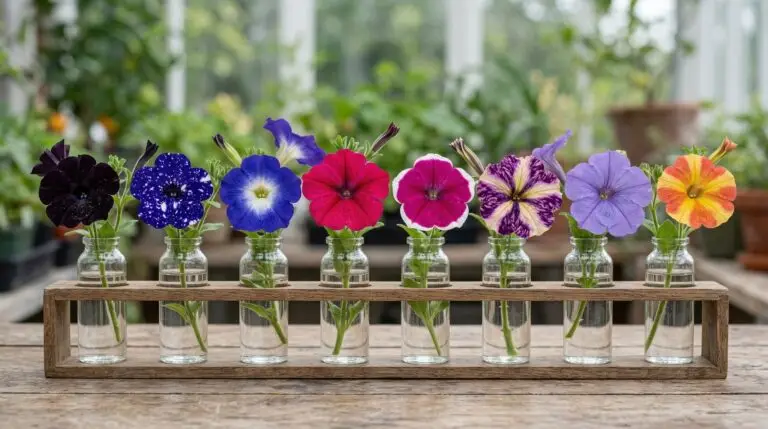
Supertunia and Surfinia versus regular petunias and why branded varieties outperform
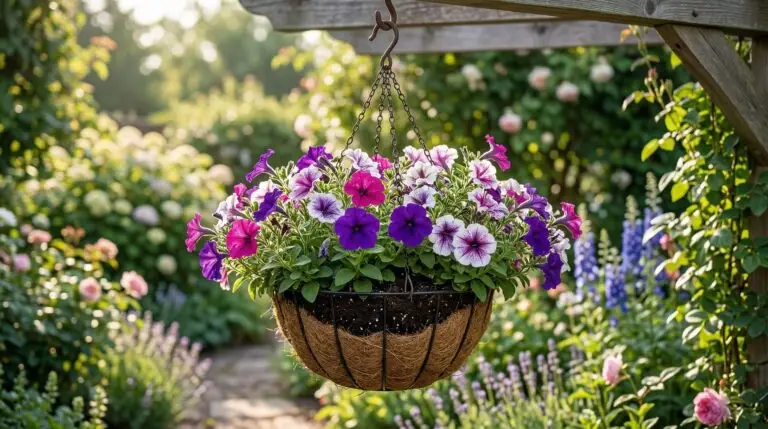
Growing petunias in hanging baskets for cascading waterfalls of summer color
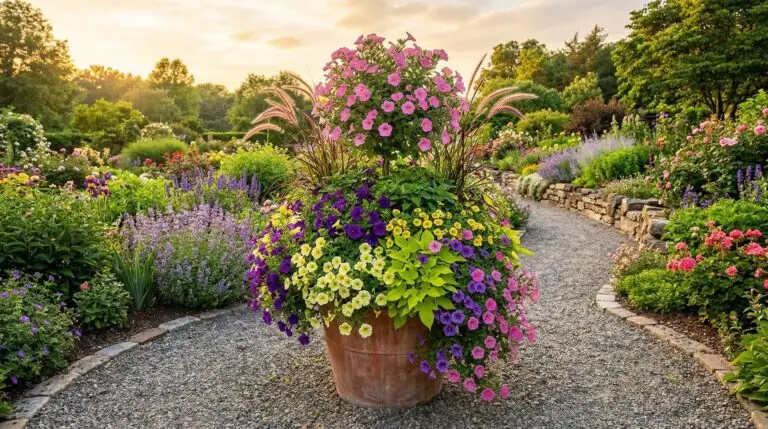
Companion plants for petunia: what to grow and what to avoid
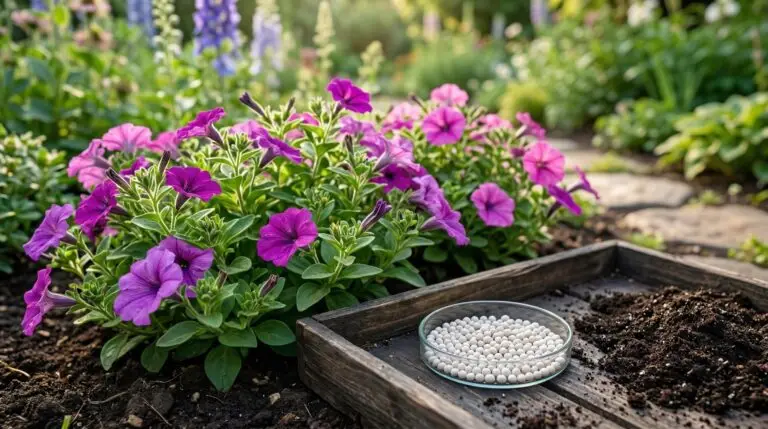
Growing petunias from seed and the tiny seeds that need light and patience to germinate
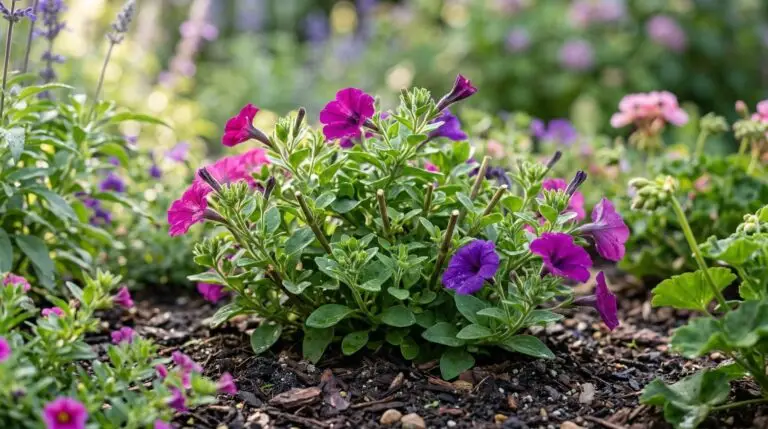
Why petunias get leggy and scraggly by midsummer and the hard cutback that saves them
Best petunia varieties from cascading Wave to dramatic Black Velvet
Enjoying our flower guides? Add YourFlowersGuide as a preferred source on Google. It helps more readers find us.
Add to Preferred Sources