
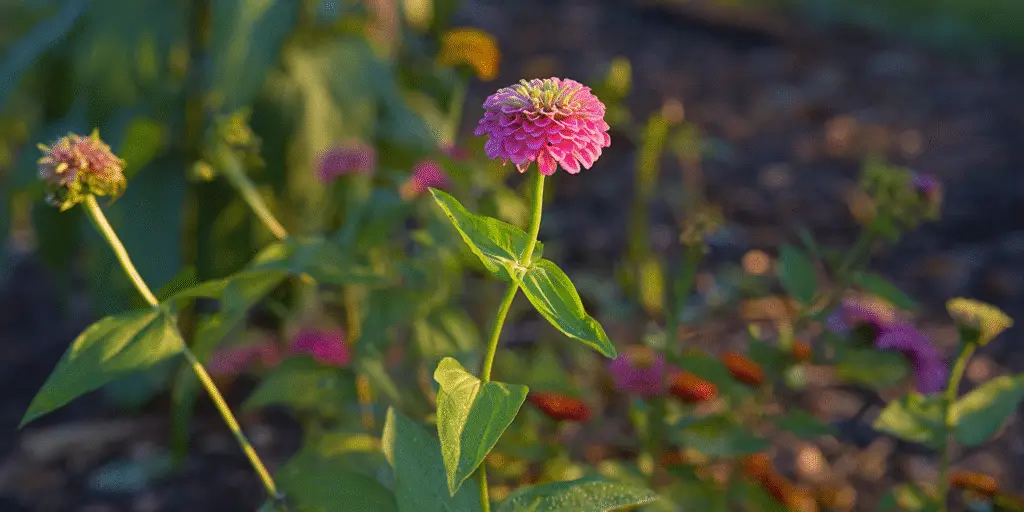
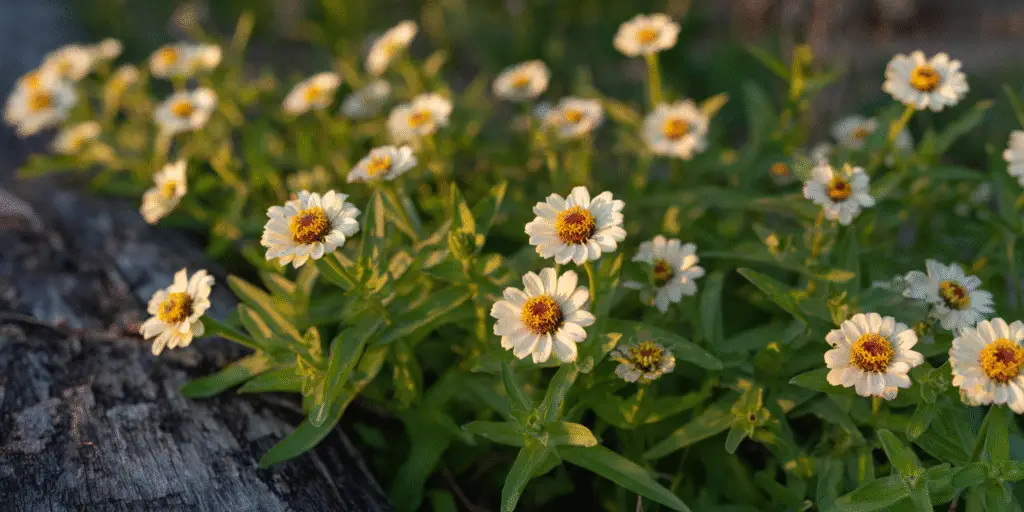
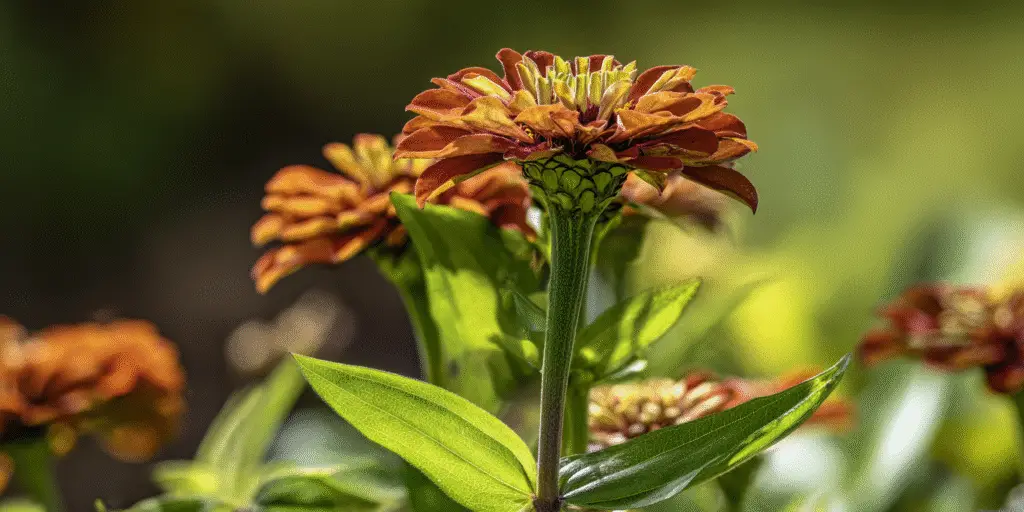
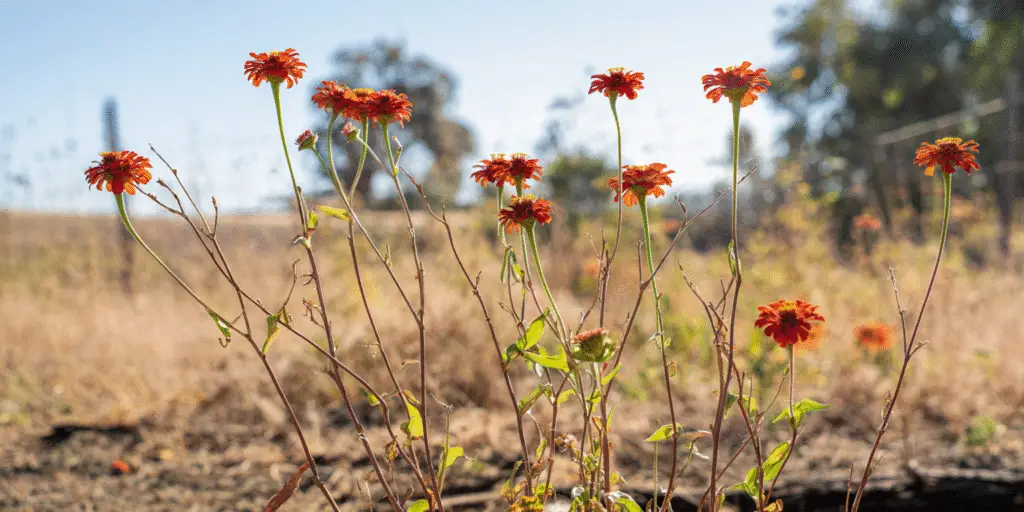
Zinnia bloom time across the US
Interactive map
 See the interactive map
Drag the date and the bloom moves north across the country. Every point has its own window, and the map says where it has no records rather than guessing. Free, with nothing to sign up for. Open the zinnia map.
City by city
Typical window, earliest first. Cultivars of the same flower can open days or weeks apart.
Taxonomy and origin
Zinnia belongs to the daisy family, Asteraceae, alongside the sunflower, marigold, and dahlia, and the genus holds about 20 species of annuals, perennials, and small sub-shrubs native to Mexico and adjacent Central America. The common garden zinnia is Zinnia elegans, the source of most large-bloomed varieties, though the narrow-leaf species Zinnia angustifolia and the interspecific hybrids between them matter just as much to a modern gardener. The genus honors Johann Gottfried Zinn, an eighteenth-century German botanist who described the plant. Early Spanish accounts of the wild flower were unimpressed, and it took generations of selection to draw out the range of single, semi-double, and double blooms, in dahlia, cactus, and crested forms, that fill seed catalogs now.
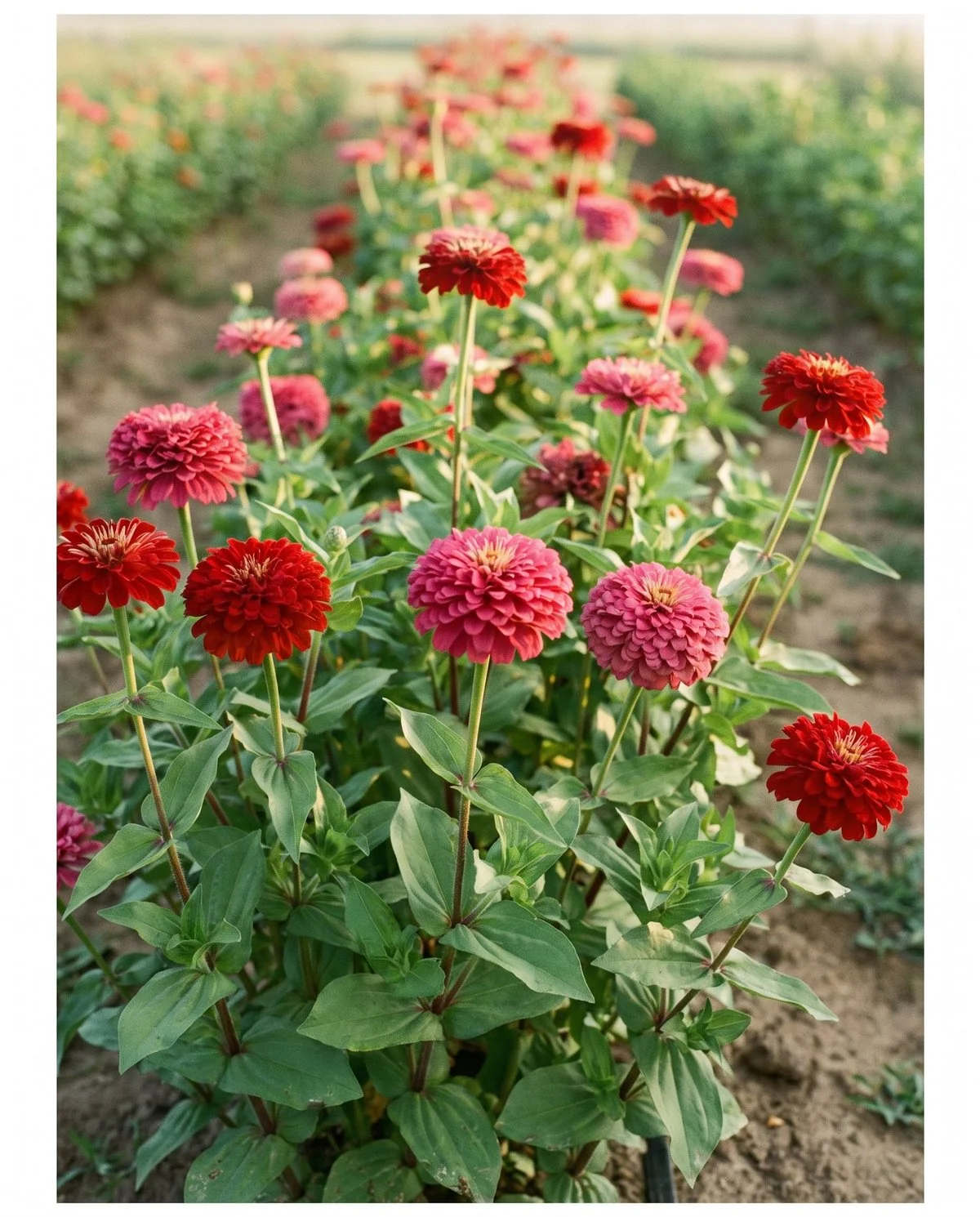
Knowing the group matters more than knowing the species, because flower size, height, and disease resistance all follow from it, and the whole decision is flower form weighed against how clean the foliage stays once humidity climbs. Zinnia elegans, the common zinnia, is the group behind almost every florist bloom, growing 1 to 4 feet tall and carrying large flowers in single, semi-double, and fully double form across most colors. It is what to plant for cutting and for the back of a border, and within it the cutting series sort themselves by stem. Benary's Giant reaches well over three feet with five-inch double flowers bred for the vase, while State Fair, Oklahoma, and Queeny give strong stems with better-than-average mildew tolerance for their group. That tolerance is relative, because mildew resistance across elegans as a whole runs lower than in either of the other two groups, so the biggest blooms on the longest stems are paid for with foliage that needs generous spacing, dry leaves, and a watchful eye to stay presentable into late summer.
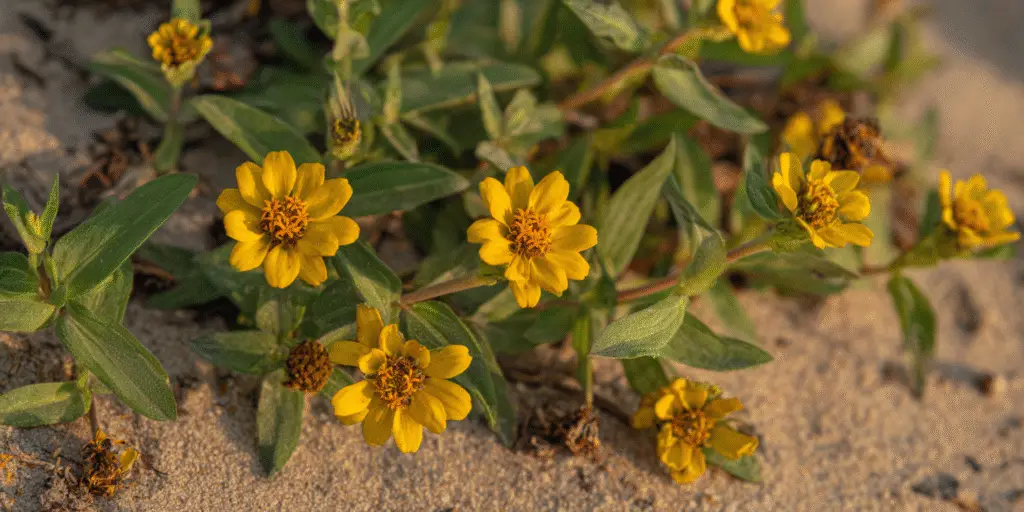
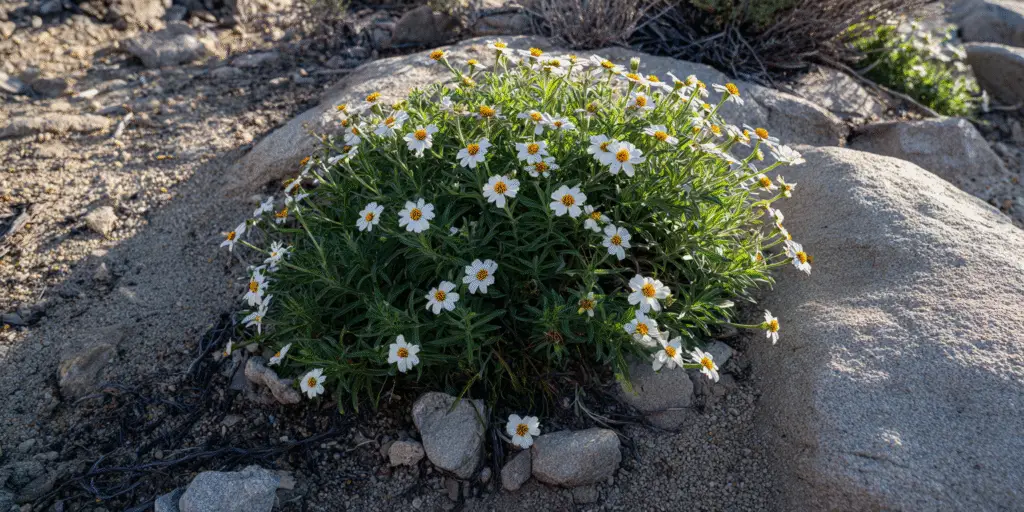
The other two groups trade flower size for clean leaves. Zinnia angustifolia, the narrow-leaf species, builds a smaller plant of 8 to 16 inches covered in small single flowers in a short palette of orange, white, and yellow, and its resistance to mildew and leaf spot is high, which is what recommends it for edging, containers, and tough sites where a fussier annual struggles. The interspecific hybrids, sold as the Profusion and Zahara series, are the deliberate cross that carries that resistance into a fuller color range: mounds 12 to 18 inches tall, small to mid-size blooms that are single or double depending on the selection, resistance as high as the narrow-leaf parent, and a self-cleaning habit suited to low-care bedding and mass color rather than to the vase. Neither of the two offers a long stem or a five-inch flower, so a bed planted for cutting and a bed planted to look after itself are rarely the same planting. As one of the easiest flowers to grow from seed for beginners, zinnia rewards a simple choice matched to the spot: big blooms for cutting, tough compact hybrids for color that takes care of itself.
Six series, and the graded resistance ratings behind them
Zinnia resistance is published as a graded, per-series rating rather than as a reputation, and two sources do the grading. The Pacific Northwest Plant Disease Management Handbook, published jointly by Oregon State and Washington State, states for bacterial leaf spot that the Crystal and Star series are highly resistant while the Profusion series are moderately resistant, and separately that Alternaria hits all Zinnia elegans selections moderately to highly while Zinnia angustifolia is highly resistant. Wisconsin Extension names tolerant cultivars inside the elegans group, and Utah State's 2019 field trial and Minnesota's WCROC trial add measured yields and performance ratings. The badge below follows whether a named source rates that series resistant.
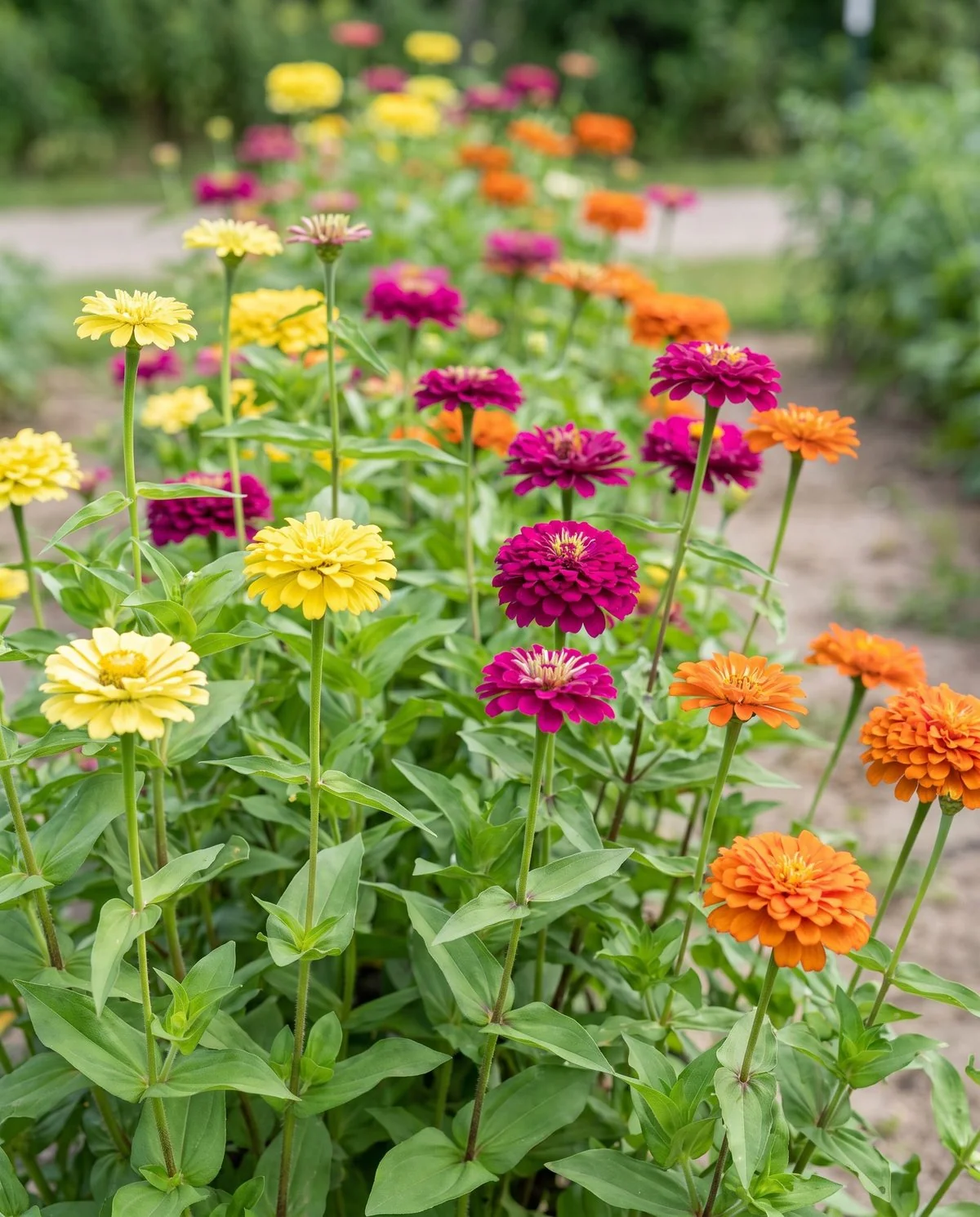
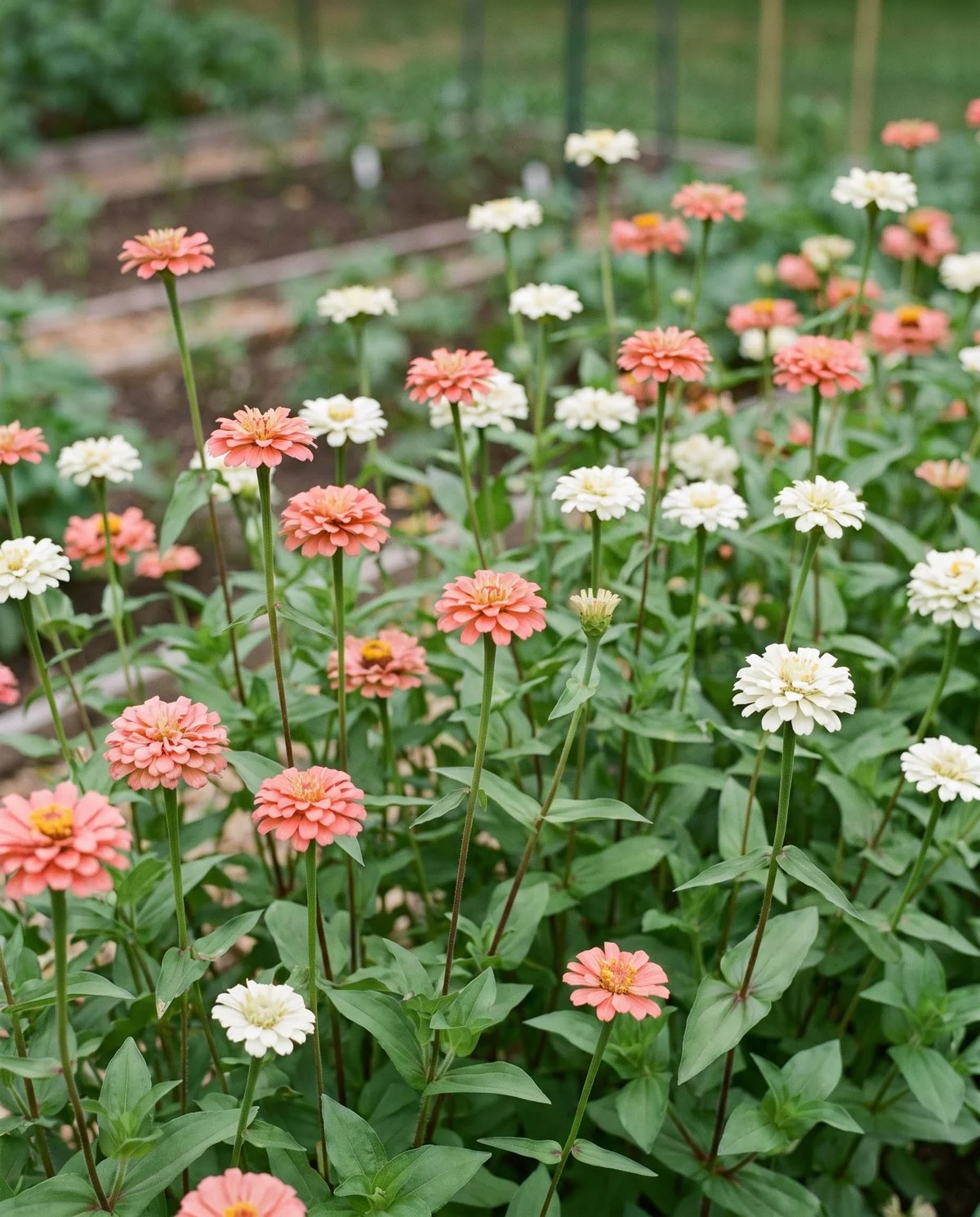
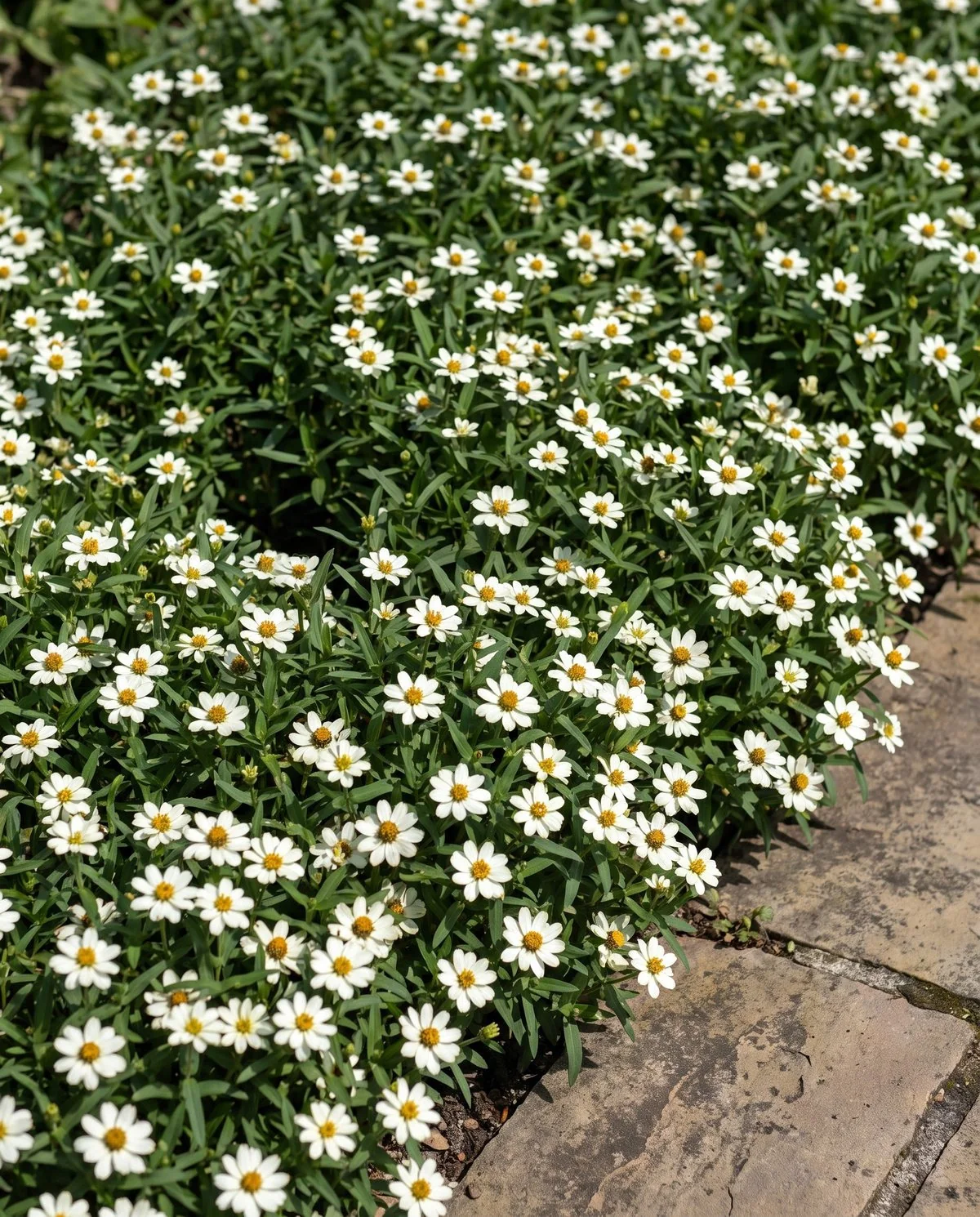
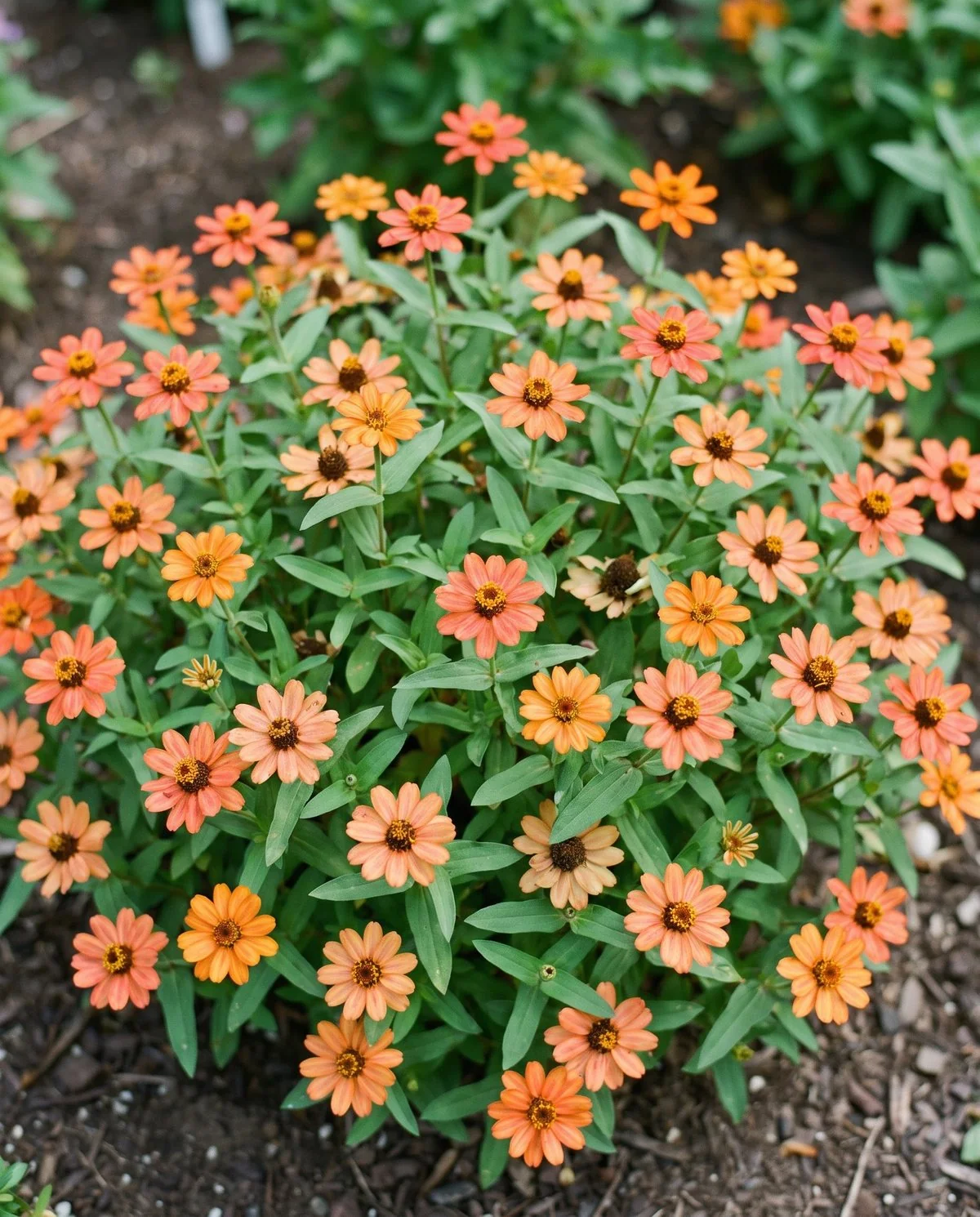
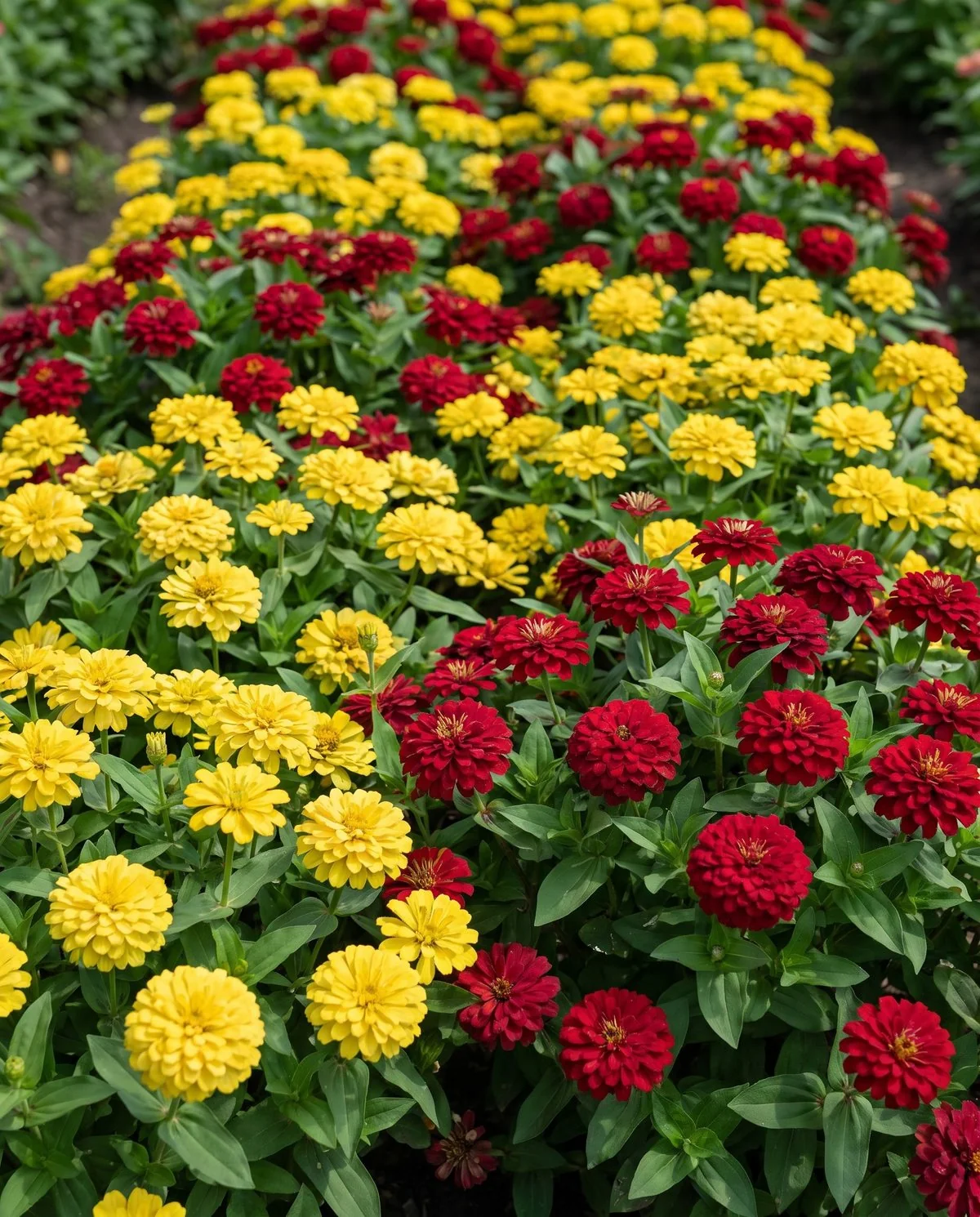
Two entries sit off the grid on purpose. Zinnia grandiflora, the prairie zinnia, is the one true hardy perennial in the genus, rated to zone 4a by Wisconsin, native across Arizona, Colorado, Kansas, New Mexico, Oklahoma and Texas, drought and high-pH adapted and sold as 'Gold on Blue' through Colorado Plant Select or as the Texas Tech-bred 'Raider Gold'. It is a different plant from every garden zinnia above and is almost never what someone searching for zinnias wants. Zinnia haageana, the Mexican zinnia behind the Persian Carpet, Aztec and Jazzy series, is a minor narrow-leaved heat-tolerant bicolour group with no independent disease-resistance sourcing in this pack, so it gets a name here rather than a rating it cannot support. Among the cutting series, Wisconsin gives Queeny a height of 30 to 40 in and no resistance rating, so none is claimed for it.
Bloom time
Zinnias open their first flowers roughly two months after sowing, usually by early to midsummer, and then bloom without a real pause until the first hard frost ends the season. Each plant keeps producing as long as the spent flowers come off, because a zinnia left to set seed slows down and turns its energy toward ripening rather than budding. This long, dependable run is what sets zinnia apart from perennials with a short defined window, and it lands exactly when many gardens start to tire in high summer. Gardeners after an uninterrupted show often sow a second and third batch a few weeks apart so that younger plants come into flower as the first sowing begins to fade. Zinnias sit comfortably among the flowers that bloom all summer long, carrying bold color from July heat into the cool mornings of fall.

One season, with real dates, and what carries over to the next
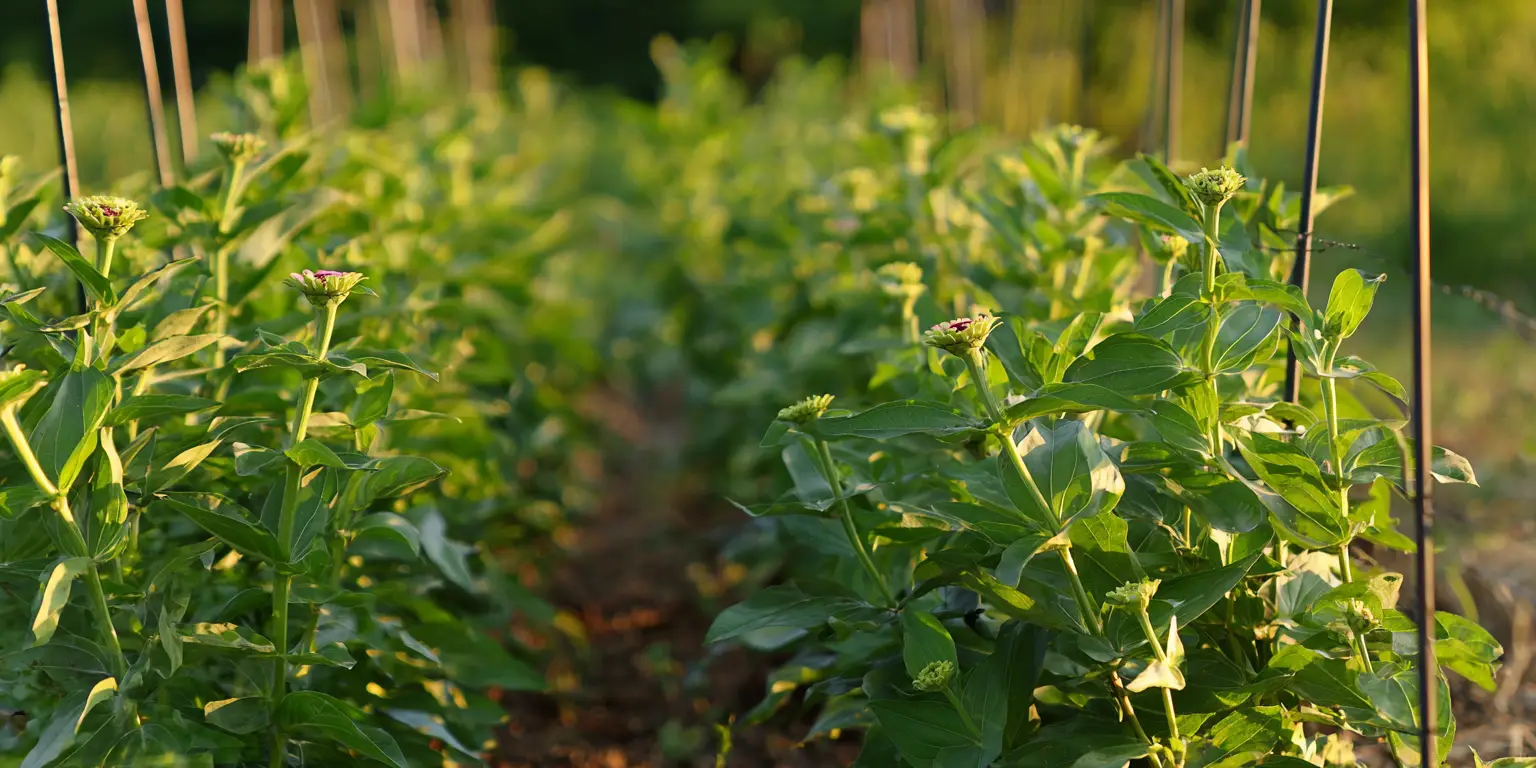
Year one has real numbers behind it rather than a rounded two months, and they come from Utah State's 2019 trial in zone 5 Utah: first harvest landed anywhere from July 23 to July 31 depending on method and series, for seed either direct-sown in early June or transplanted in mid-May, a spread of about one week between the two methods. Yield across the season is uneven rather than a flat curve, and the trial's own week-by-week data shows each series ramping to a first peak, dipping, and in several cases rising to a second peak later on, with peak harvest dates spread from July 29 for 'State Fair' to September 9 for four of the six series. Which series was planted changes the result more than anything a grower does afterwards: 'State Fair' delivered the highest yield with the lowest cull rate at 5.6 marketable stems per plant against 3.3 culls, while 'Cupcake' delivered the lowest yield with the highest cull rate at 1.4 marketable against 8.8 culls, and the trial names a specific failure mode behind numbers like that, stress from transplanting, heat or uneven irrigation causing reversion to less desirable single blooms rather than merely a smaller crop. One season is the whole story for the garden types, since no elegans, angustifolia or marylandica cultivar in this pack survives a winter anywhere in the continental US, which makes this timeline a different shape from a tulip's or an Oriental poppy's: there is no multi-year decline curve to document because there is no second year for any individual plant. What does carry over is self-sowing, and it produces the most interesting finding in this section. Open-pollinated mixes left to drop seed volunteer the following year, and those second-generation volunteers can segregate into colours and forms the original mix never showed, because a commercial colour mix is itself a blend of separately bred lines whose genetics reassort once open pollination takes over. Two real examples sit in this pack's corpus: a psychedelically patterned volunteer from a solid-colour State Fair mix planted the year before, at 122 points, and a quieter case of volunteers coming up consistently orange beside one bed and consistently pink beside another from the same original planting. The mechanism is standard plant-breeding behaviour rather than an invented explanation, and no source gathered here studies this specific zinnia case, so it stands as informed inference on real repeated observation. The sourced caveat that goes with it is Wisconsin's: hybrid series such as Profusion and Zahara will not breed true from saved seed, so only the open-pollinated elegans types are worth saving seed from at all.
Height and spread
Size depends entirely on the variety, which ranges from six-inch dwarf mounds to rangy plants three to four feet tall. Most garden zinnias land somewhere in the middle, one to three feet, forming an upright, branching clump about one to two feet wide. Spacing follows the use. In a bed, eight to eighteen inches between plants gives each one room and, more importantly, lets air move through the foliage, which is the single best defense against powdery mildew. Cut-flower growers often plant tighter, around six to nine inches apart, which nudges each plant to send up longer, straighter single stems that are easier to arrange. Either way, avoid crowding, since zinnias packed shoulder to shoulder trap humidity against their leaves and invite the fungal problems covered further down.
Light
Zinnias need full sun, meaning at least six hours of direct light a day and ideally more. Sun is what drives the sturdy stems, the heavy bud set, and the deep flower color, and it is also what keeps the plants healthy, because foliage that dries quickly after rain or dew resists mildew far better than foliage that stays damp in shade. Planted in too little light, zinnias stretch and grow leggy, bloom sparsely, and hold moisture on their leaves longer, which raises the disease risk. In an area with punishing afternoon heat they will accept a little light shade late in the day, but as a rule the sunniest, most open spot in the garden produces the best zinnias. If a planting stops flowering well, too little sun is the first thing to rule out.

Water
Zinnias want about one inch of water a week, delivered as a deep soak at the base rather than frequent light sprinkling. They are more drought-tolerant than most annuals once their roots take hold, but a long dry spell still thins the bloom and wilts the plants, so steady moisture through the heat of summer pays off. The habit that matters most is keeping water off the leaves. Wet foliage is what powdery mildew and leaf spot need to take hold, so a soaker hose, drip line, or a can aimed at the soil beats overhead watering every time, ideally in the morning so any splash dries fast in the sun. Let the top inch of soil dry between waterings, since constantly soggy ground brings on root rot and weak, floppy growth.
Four claims, two of them measured and one of them fabricated
The myth: Zinnias are too mildew-prone to be worth growing in a humid climate.
The reality: False, and entirely series-dependent. NC State's structured problem fields tell two different stories for two species in one genus: Zinnia elegans lists powdery mildew, leaf spots, root rots, blights, Southern bacterial wilt and Southern blight, while Zinnia angustifolia's own page reads no significant problems and excellent resistance to fungal diseases: powdery mildew, leaf spots and Phytophthora. The Pacific Northwest handbook then grades inside that, naming Crystal and Star highly resistant to bacterial leaf spot against Profusion moderately resistant. The real decision is which series to plant, not whether to plant the genus.
The myth: Deadheading is required or the plants stop blooming.
The reality: Beneficial and genuinely optional, depending on the series, and this pack will not invent the number that would settle it. The self-cleaning hybrid series drop their own spent petals unaided; the larger-flowered elegans cutting types produce more and for longer with active deadheading, or better with harvest-cutting, since Utah State's own instruction to cut 2 to 4 nodes below the bloom makes the harvest and the pruning one action. No university source gathered for this pack quantifies how much bloom is lost by skipping it on a non-self-cleaning series, which is why no percentage appears here, and 32 posts of real uncertainty sit behind the question.
The myth: Transplanted zinnias bloom about eleven days later and give roughly a quarter fewer flowers than direct-sown ones, according to a university field trial.
The reality: There is no such trial in reach. That paired claim surfaced repeatedly in this research attached to a named university extension service, and across three separate attempts no citation ever resolved to any .edu page; every link returned pointed at consumer gardening content instead. The real measured comparison says something different and more useful: in Utah State's 2019 trial the direct-seeded field crop went in June 3 and reached first harvest July 31 while the transplanted high-tunnel crop went in May 20 and reached first harvest July 23 to 30, and Utah State's own conclusion is that direct-seeded harvest began only one week later. The genuine transplant risk it does document is a different one, that double-blooming zinnias may revert to singles if the transplant is root bound or the roots are heavily disturbed.
The myth: Zinnias can take a few light frosts if they are established.
The reality: Every university source in this pack says no cold tolerance at all, and Utah State's trial ended when a killing frost took it on October 1 in zone 5. This pack's own corpus carries the same lesson at 1,083 points, in a grower whose 'Benary's Giant' plants reached six foot five and were gone after one hard freeze. The honest complication is a second forum report, at 78 points, describing plants coming through three nights of 32 F lasting two to four hours each. Nothing gathered here explains that, the likeliest reading being a brief dip or a sheltered microclimate rather than a sustained freeze, and it is recorded rather than either dismissed or promoted into a fact.
Soil and pH
Zinnias are not fussy about soil, which is part of why they suit beginners, but they do best in a well-drained bed enriched with compost or other organic matter. Good drainage is the one non-negotiable, because roots left in soggy ground rot or simply stall. On pH they are adaptable, growing well anywhere from mildly acidic to slightly alkaline, roughly 5.5 to 7.5, so most garden soil suits them without adjustment. They even flower in lean ground, though a light feeding helps in truly poor dirt. The mistake to avoid is overfeeding with nitrogen: rich, heavily manured beds push lush green leaves at the expense of flowers, so moderate fertility gives the best balance of healthy foliage and heavy bloom.

USDA hardiness
Because they grow as annuals, zinnias are not rated for winter survival the way perennials are; they run as warm-season annuals across essentially all zones, roughly USDA 2 through 11, completing their whole life between the last spring frost and the first fall freeze. They carry no cold dormancy, so any freeze, even a light one, ends the plant, and even in frost-free zones 10 and 11 gardeners tend to replant each season for the best show. For zinnia, hardiness really means heat tolerance, and on that measure it excels: the plant thrives in the hot, bright conditions that stall many annuals, resists deer browsing thanks to its coarse leaves, and even tolerates the juglone that black walnut trees release into nearby soil. Wait until the frost date has safely passed, then sow.
Every threshold, with the trial it came from
Almost all of this comes from two real trials rather than from consensus: Utah State's 2019 field trial at the Greenville Research Farm in North Logan, zone 5 Utah, which compared direct-seeded field production against transplanted high-tunnel production across six named series, and University of Minnesota Extension's own figures. One row exists specifically to replace a fabricated statistic the pack caught and excluded, a claimed University of New Hampshire trial whose citation never resolved to any .edu page across three search attempts.
Propagation and longevity
Zinnias are grown from seed, and few flowers make it easier. The seeds are large, arrowhead-shaped, and quick to sprout, germinating in about five to ten days once the soil is warm, around 65 to 70 degrees Fahrenheit. Direct sowing straight into the garden after the last frost is the preferred method, because zinnias resent having their roots disturbed and a directly sown plant never suffers transplant shock. Set seeds about a quarter inch deep, keep the ground moist until they emerge, then thin the seedlings to their spacing. Gardeners who want a head start can sow indoors four to six weeks before the last frost, but only in cell trays or peat pots that let the whole root ball go into the ground undisturbed, and even then the outdoor-sown plants often catch up fast. From sowing to the first open flower runs about 60 to 70 days, roughly two months, so even a short summer leaves plenty of time for a full display.
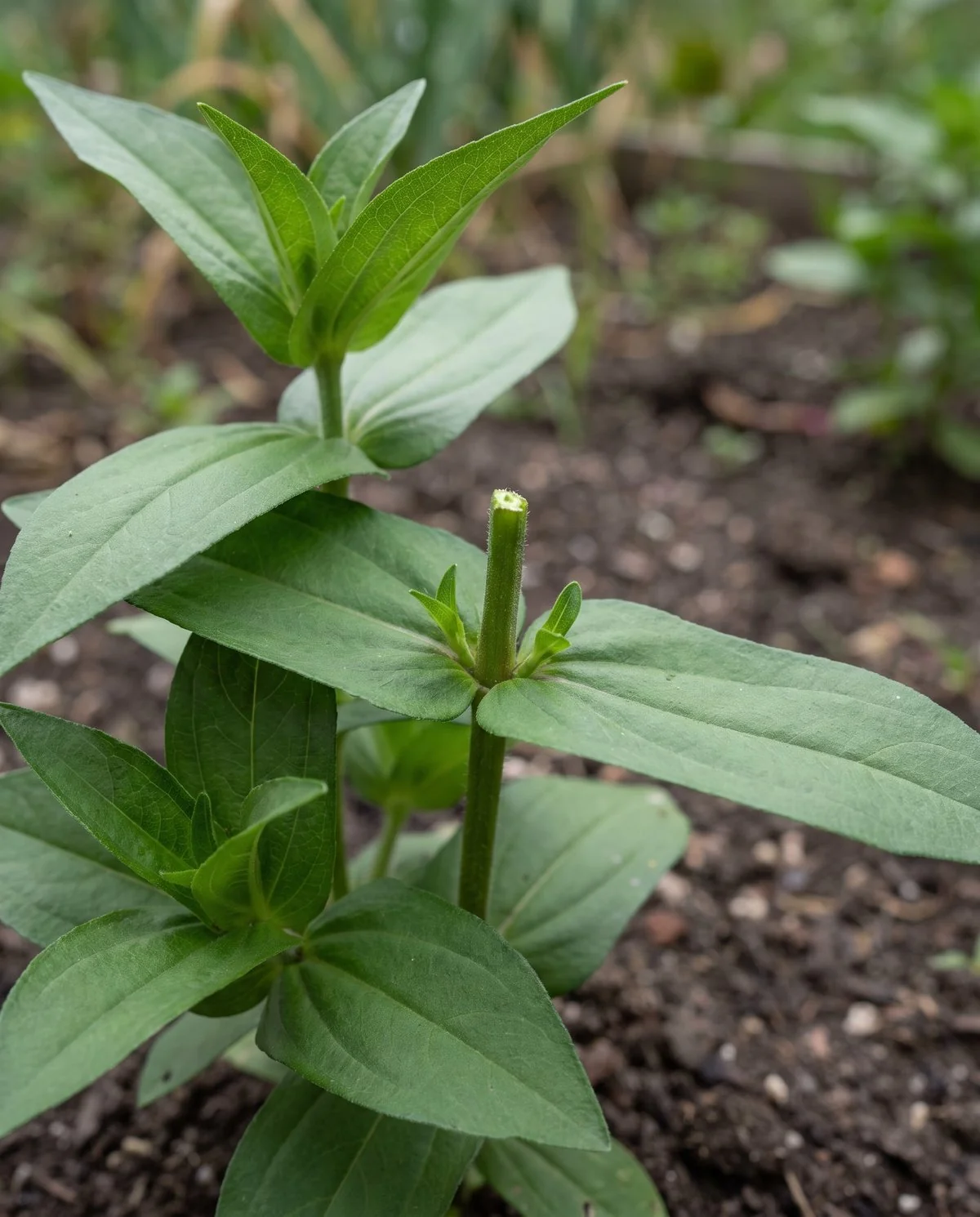
Pinching early is the one technique that changes the whole plant. When a seedling reaches eight to twelve inches with a few sets of leaves, snip out the growing tip just above a leaf pair, and the plant responds by branching into several stems instead of one, which means more flowers and, for cut-flower growers, more usable stems. Each zinnia lives a single season, but within it a well-tended plant produces dozens of blooms. Deadheading and regular cutting stretch that run, and any flower heads left to dry may drop seed that sprouts the next year. Seed saved from a dry, brown head keeps easily, though seed from hybrid series will not come true to the parent, so named Profusion or Zahara plants are best bought fresh each year.

Two paths, worked in order
Both paths belong to the first six weeks, because that is where this flower's real difficulty sits: seedling-stage problems are 10.8 percent of a 1,254-post sample, more than every disease theme in it combined, on a plant sold as the easy one.
Fragrance
Zinnias carry little to no scent, offering bold color and form in place of perfume. That is not a shortcoming so much as a design: the flat, open flowers evolved to pull in butterflies and bees by sight, and they do it without any of the heavy fragrance that can overwhelm a small room or a sensitive nose. For a scented bed or bouquet, pair zinnias with something aromatic nearby, such as sweet alyssum along the edge or a few sprigs of scented herb tucked into the vase, and let each plant do what it does best.
Toxicity and pet safety
Zinnias are non-toxic to cats, dogs, and horses according to the ASPCA, so a curious pet that nibbles a leaf or a fallen flower faces no poisoning risk. As with any plant, a large mouthful might cause mild, passing stomach upset, but zinnias contain no dangerous compounds, carry no thorns, and have no irritant sap, which makes them one of the safer choices for a garden shared with animals and small children. That safety is worth weighing against showier but genuinely hazardous plants; true lilies, for instance, are beautiful and deadly to cats, so a bed of zinnias buys bright color without the worry. For a fuller picture of what is safe to plant around animals, see the guide to flowers safe for cats and dogs.

Vase life
Zinnias are one of the best cut flowers a home garden can grow, lasting seven to ten days in the vase and sometimes closer to two weeks with good handling. The point that trips up beginners is that a zinnia does not keep opening after it is cut, so a stem taken as a tight bud stays a tight bud; harvest only flowers that are fully open. Growers confirm ripeness with the wiggle test: grip the stem about eight inches below the flower and give it a gentle shake, and a stem that stays stiff is ready while one that flops just under the head is not. Cut deep into the plant with clean, sharp snips, taking a long stem and leaving two or three leaf pairs behind, because that deep cut doubles as the pruning that pushes out fresh branches, the cut-and-come-again habit that keeps a row producing for weeks. Strip every leaf that would sit underwater. Zinnia stems are hollow and cloud the water with bacteria quickly, so use a clean vase, add a floral preservative or a single drop of household bleach, and refresh the water every day or two. Cutting in the cool of the morning and then conditioning the stems in deep water in a dark, cool place for a few hours before arranging noticeably extends how long they last. Their range of color and form makes them a natural with other summer cut flowers, from orange-toned blooms to airy fillers.
Nineteen days in plain water, and two things that shortened it
Two institutions measured cut zinnias and this block keeps both, because they measured different things. NC State's postharvest lab, in American Floral Endowment Special Research Report 428 by Fanelli, Dole, Fonteno, Harden and Blankenship, ran a controlled trial on two named cultivars. Utah State's 2020 grower publication and Mississippi State's farmer-florist publication give practical guidance across most varieties. Where they differ, both numbers appear with what each actually tested.
Floral foam is fine for zinnias, the way it is for most cut flowers.
Measured, and the opposite. NC State recorded stems held in floral foam at 9 to 10 days against 12 to 15 days in water only in the same comparison. Foam actively shortened the life of the flower rather than merely failing to extend it.
A sugar pulse before arranging gives the stems more days.
Measured, and it went backwards. A 24-hour pulse at 10 percent or 20 percent sucrose decreased vase life in both cultivars NC State tested, which is the reverse of what sugar-water folklore predicts for most other cut flowers.
Keep cut zinnias in the fridge to hold them fresh.
False, and damaging, confirmed twice by two institutions. NC State found stems could not be cold stored for one week at 34 F, with both cultivars losing turgidity and showing visible cold damage, yellow patching on the petals of 'Benary's Giant Scarlet' and outright browning and stem collapse on 'Sun Gold', whether stored wet or dry. Utah State's separate 2020 publication reaches the same threshold independently: do not store below 40 F, as cooler temperatures can damage the blooms. The cross-confirmed range is roughly 38 to 42 F, which is warmer than a refrigerator crisper.
Pests and diseases
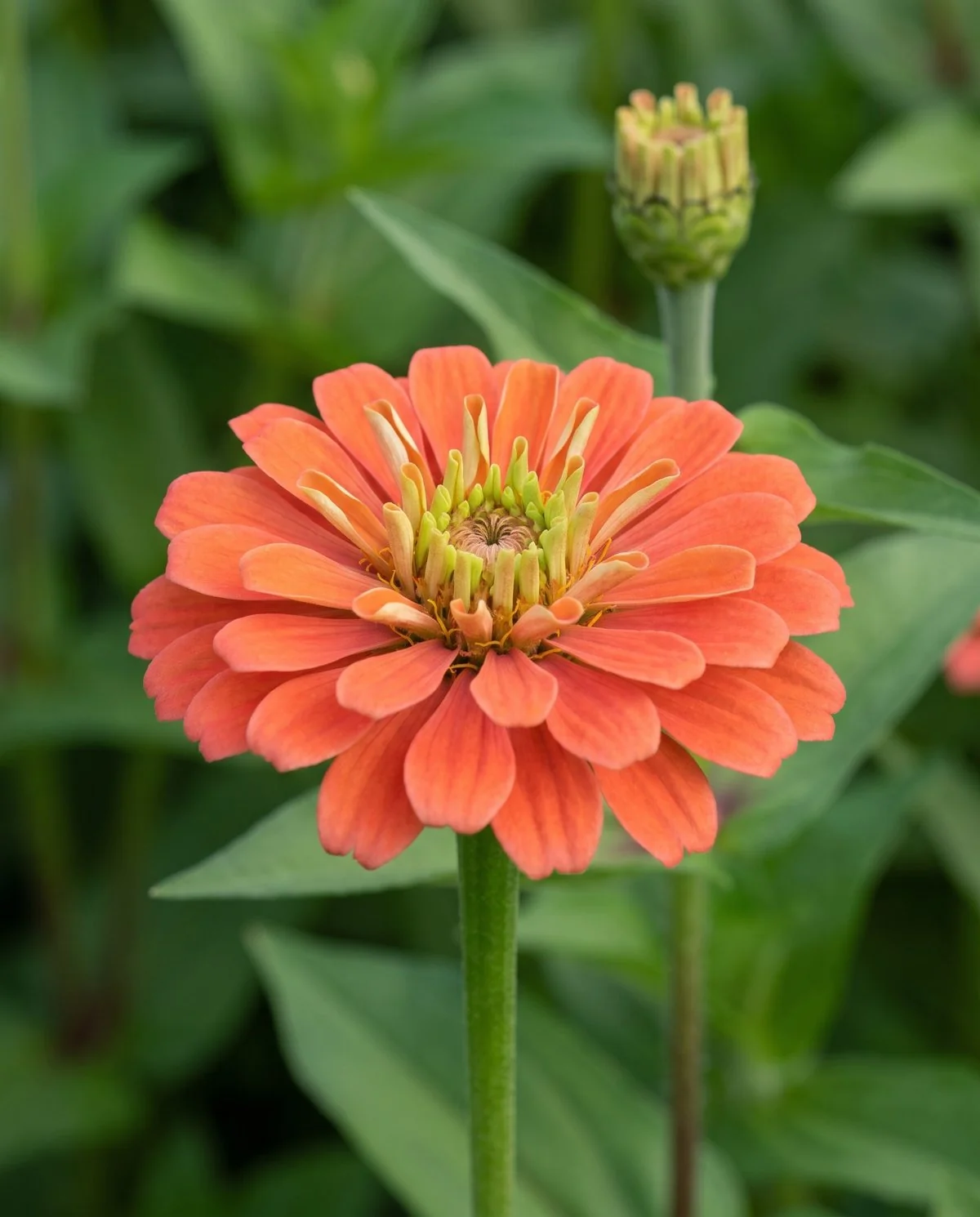
Powdery mildew is the signature zinnia problem, a fungal disease that coats the leaves in a white, dusty film, usually from late summer as humidity climbs and air stagnates. It rarely kills a plant outright, but it disfigures the foliage and weakens bloom, and once it takes hold it is hard to reverse. Prevention is nearly all cultural: full sun, generous spacing for airflow, and watering at the base rather than overhead so the leaves stay dry. Variety choice is the other half of the answer. The cleanest zinnias, the Profusion and Zahara hybrids and the narrow-leaf species, get their resistance from the Zinnia angustifolia parent in their background, and the trade for that clean foliage is smaller single blooms on shorter stems. The big-bloom elegans cutting types carry more mildew risk in exchange for their florist flowers, though State Fair and Oklahoma are the more tolerant choices within that group. Where mildew already has a foothold, removing the worst leaves and, if needed, treating with neem oil or a labeled fungicide keeps it in check. Alongside mildew, zinnias can pick up Alternaria and bacterial leaf spots, seen as brown or black blotches, and the same dry-leaf, good-airflow, clean-up-the-debris approach holds them back. The table pairs the common troubles with what actually fixes them.
| Problem | What you see | Cause | Fix |
|---|---|---|---|
| Powdery mildew | White dusty film on leaves, late summer | Fungus, humidity, poor airflow | Full sun, wider spacing, water at base, resistant series |
| Alternaria or bacterial leaf spot | Brown to black spots, yellowing leaves | Fungi or bacteria, wet foliage | Keep leaves dry, clear debris, avoid overhead water |
| Aphids | Clusters of soft insects on buds and tips | Sap-sucking insects | Blast off with water, insecticidal soap, encourage ladybugs |
| Spider mites | Fine stippling, faint webbing underneath | Mites in hot, dry spells | Rinse leaf undersides, keep plants watered |
| Japanese beetles | Chewed petals and skeletonized leaves | Beetles in midsummer | Hand-pick into soapy water |
Frequent inspection is the real defense, since a few aphids or the first patch of mildew is easy to handle while a full outbreak is not. Most zinnia trouble traces back to wet leaves and crowding, so the sun, spacing, and base-watering habits above prevent more disease than any spray. Compared with fussier flowers like dahlias or roses, zinnias ask very little and forgive a great deal.
Photo pairs, and the four disease sides left unphotographed on purpose
Insect stippling, chew damage, leaf burn, drought wilt, ordinary ageing and a normally spent bloom are safe to photograph and are here. Four disease signatures are not, and they are the ones people photograph most: powdery mildew's spore texture, Alternaria's reddish-brown spots with grey centres, bacterial leaf spot's yellow halo and the ringspot pattern of tomato spotted wilt virus. The halo is the clearest reason for the rule, since it is the single detail separating two diseases and a generated image could invert it.
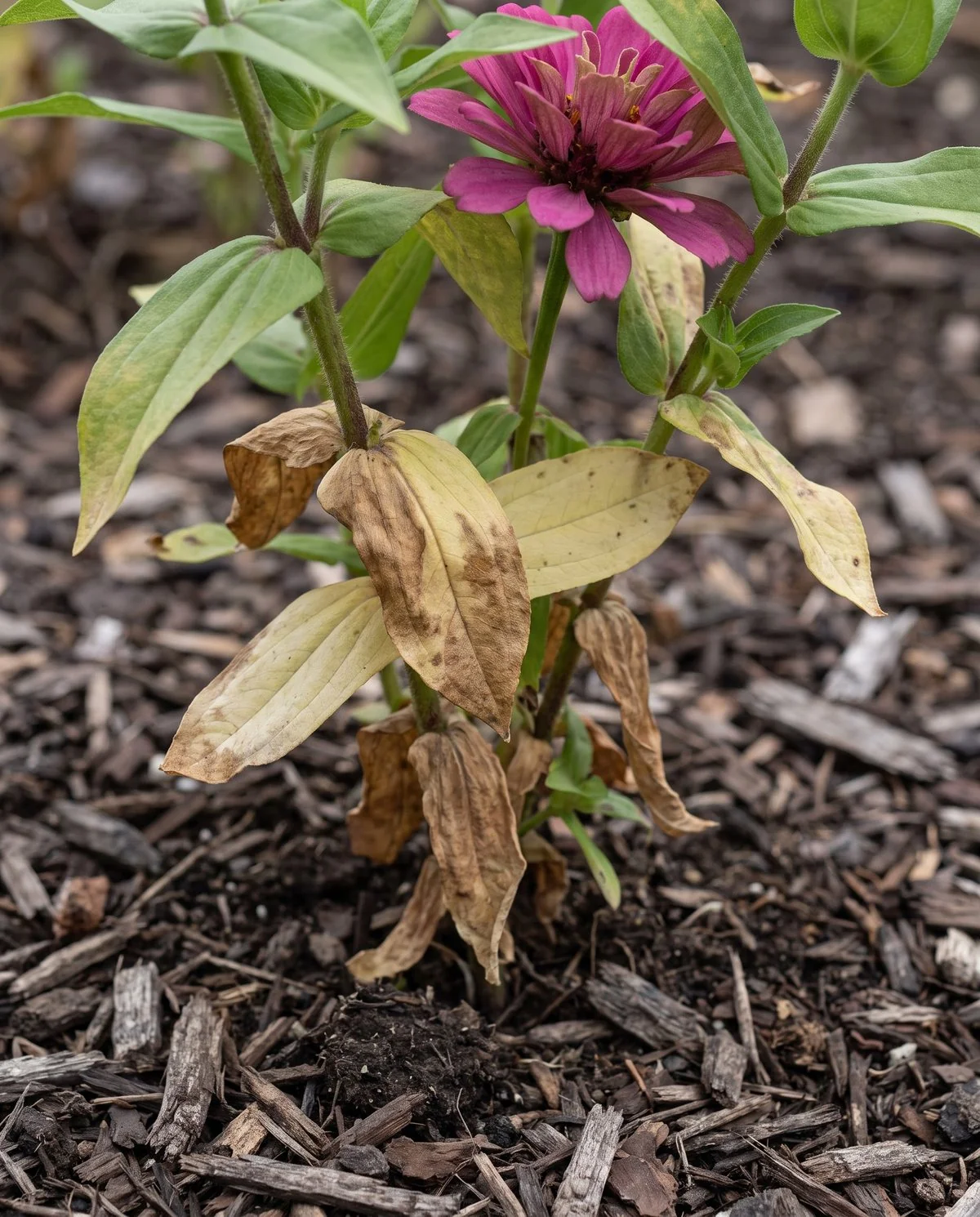
Look for a surface texture, not just a colour. The Pacific Northwest handbook describes white powdery fungal growth on leaves, flowers or stems, especially late in the season in partially shaded locations, with leaves dying from the base of the plant upwards and plants losing vigour and stopping growth, and Mississippi State puts the same thing in plainer terms, a white film that looks as though the plant has been dusted with flour. Ordinary ageing yellows and dries the lower and older leaves gradually as the plant diverts energy to bloom, with no fine dusty surface and no base-upward march of dying leaves. Only the ageing side is photographed here.
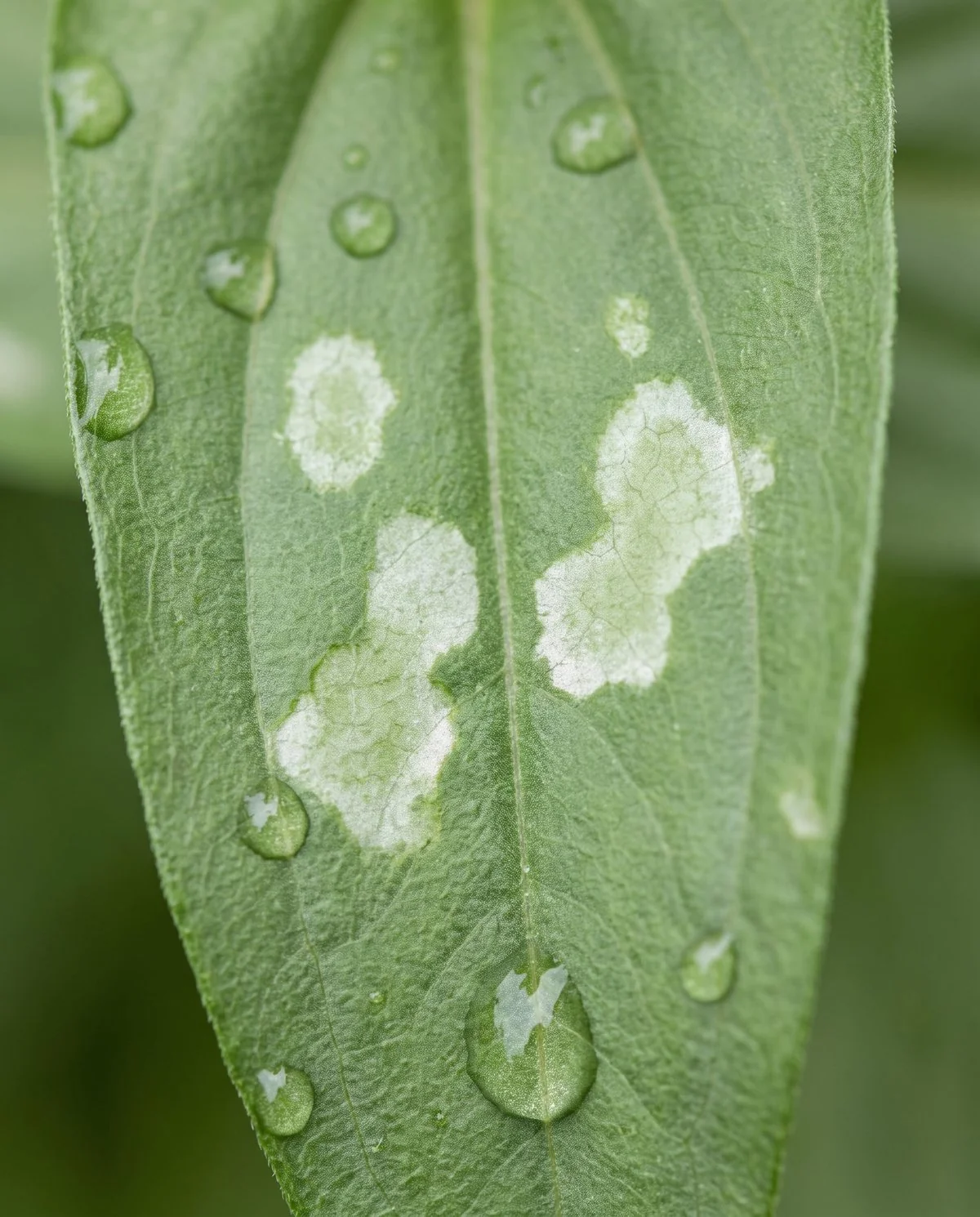
Check for a yellow halo, and accept that this is a three-way call. Alternaria zinniae is described near-identically by the Pacific Northwest handbook and Missouri Botanical Garden as small, circular, reddish-brown spots with grayish-white centres that rapidly become irregular, from 2 to 10 mm or larger, with no yellow halo, able to girdle stems into dark cankers near the soil line. Bacterial leaf spot begins as dull gray water-soaked areas on lower leaves that turn yellow or tan, often with a yellow halo around individual lesions, before going brown and angular, at which point the handbook itself notes it could then be confused with Alternaria and states the key difference is the halo. Simple water damage is irregular, wet-looking, carries neither signature and improves once watering is corrected. Only the water-damage side is photographed.
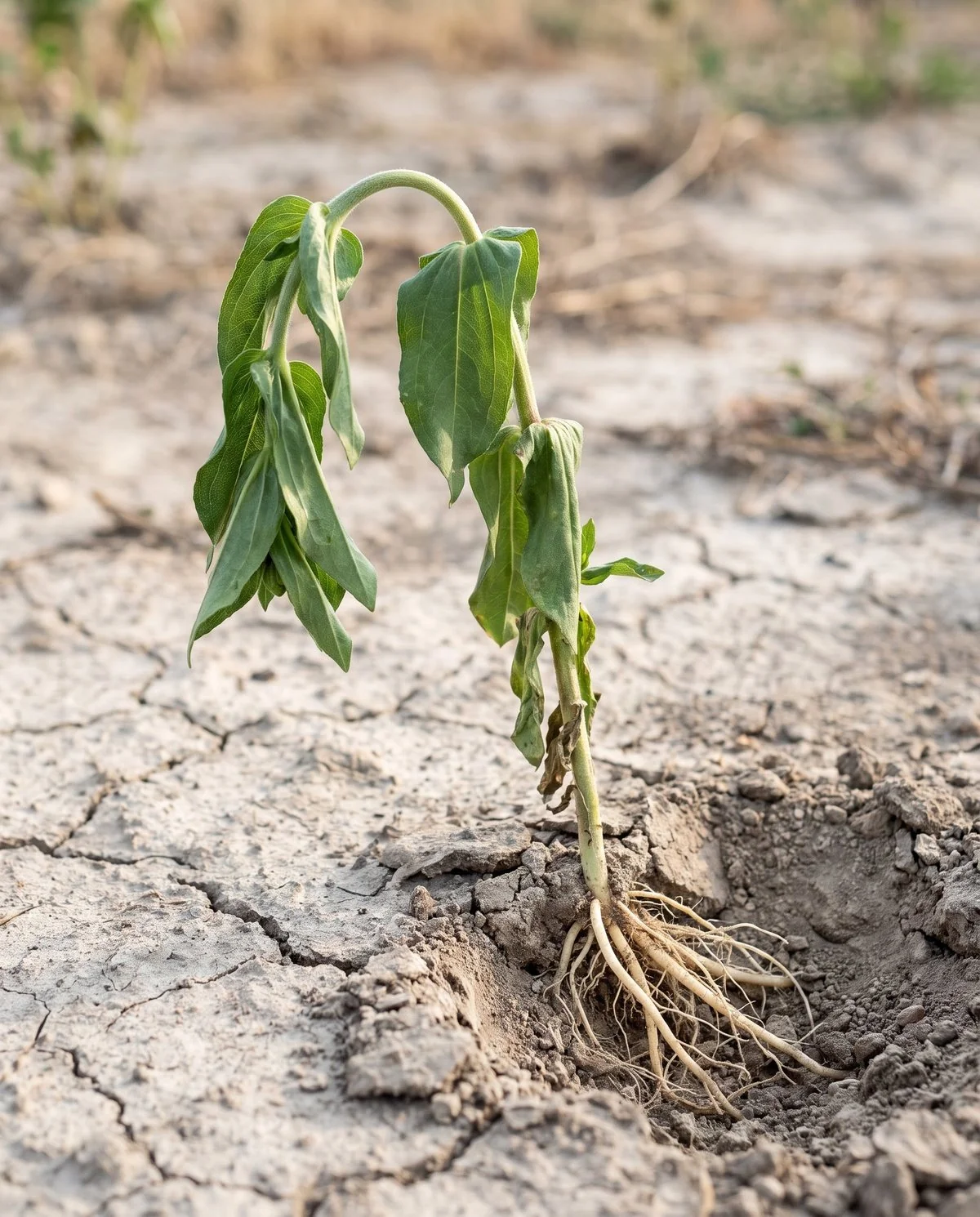
Water it and come back in a few hours, then lift one plant. Drought wilt droops and recovers turgidity within hours of watering, and the roots stay firm and pale when checked. Utah State's own trial disease table describes the alternative: dull-coloured foliage or wilting followed by yellowing of plants, plants stunted and then eventually dying, with roots dark, soft or decayed. This pack's sample carries the aftermath of the second one directly, in zinnias that fell over after a flood in a planter that would not drain. Only the recoverable drought-wilt side is photographed.
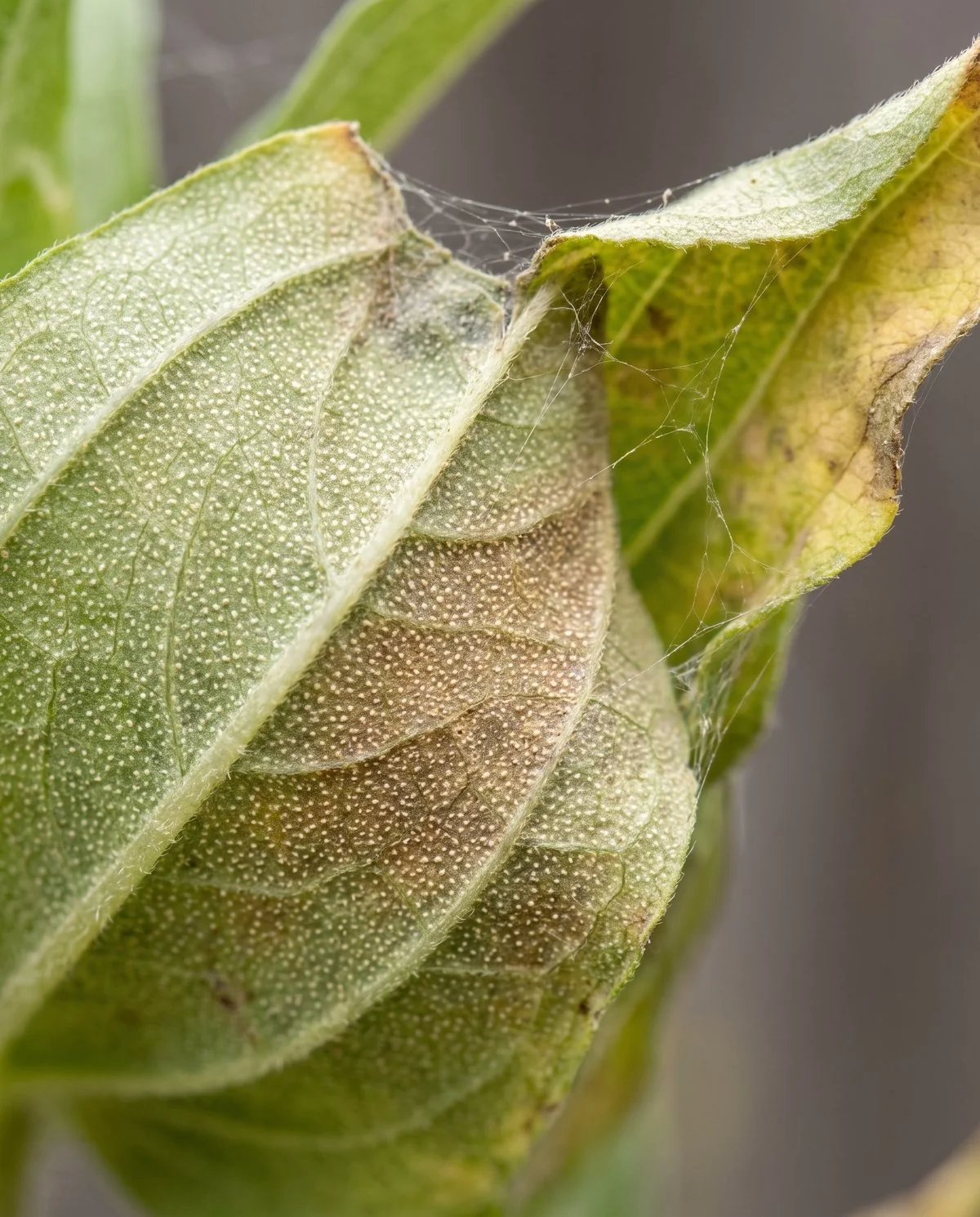
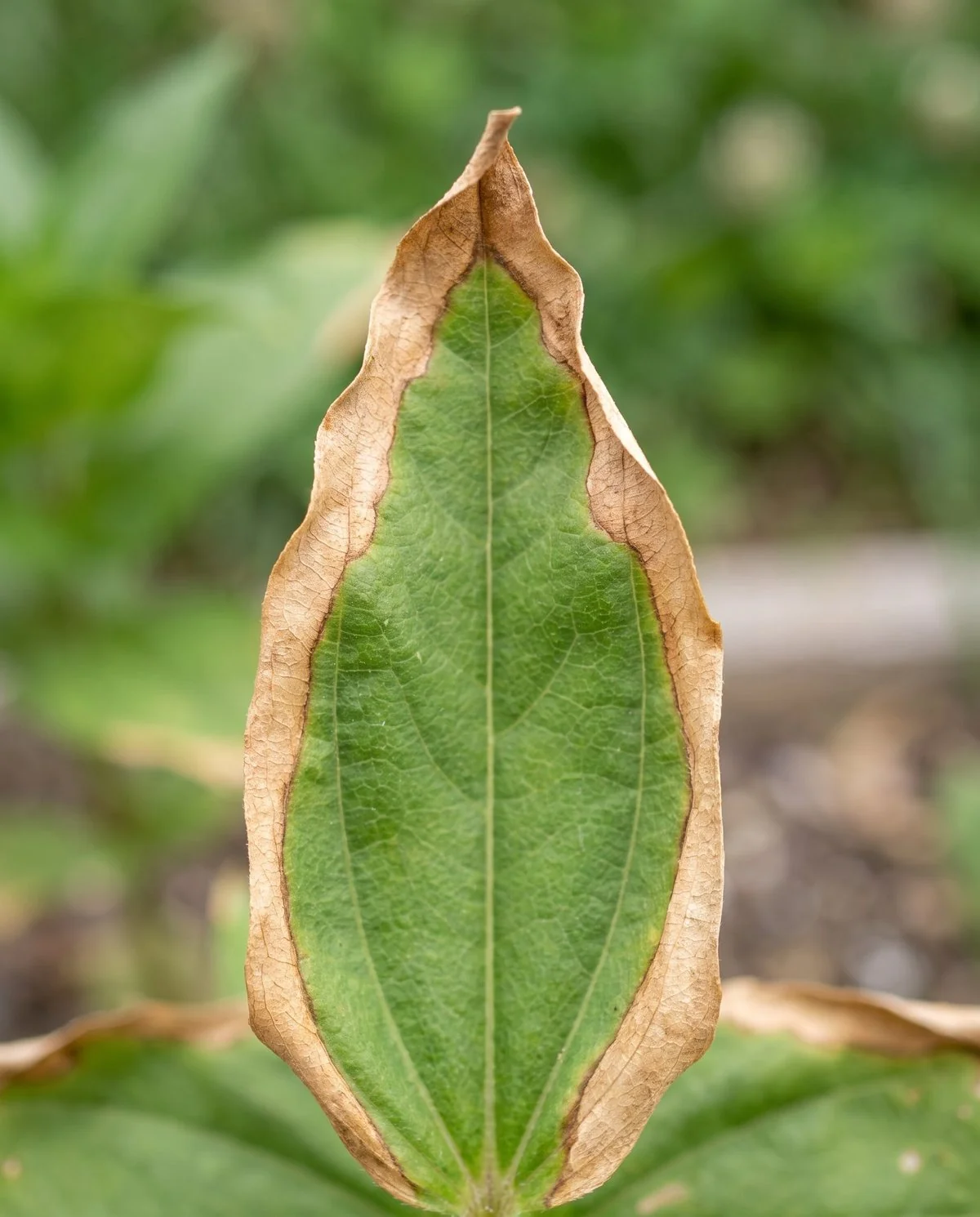
Turn the leaf over and look for webbing. Utah State's trial table carries its own look-alike warning: the mites are very small at 0.02 in, feed primarily on the underside of leaves and cause stippling, light dots, on the leaves that turn bronze then brown and fall off, they are sometimes confused for leaf burn, and they form webbing that covers leaves. Leaf burn is uniform scorching that starts at the leaf tip or edge, follows heat, sun exposure or fertiliser concentration, and produces no webbing and no speckling. Both sides are photographed; a macro of the webbing itself would read better from a real photograph.
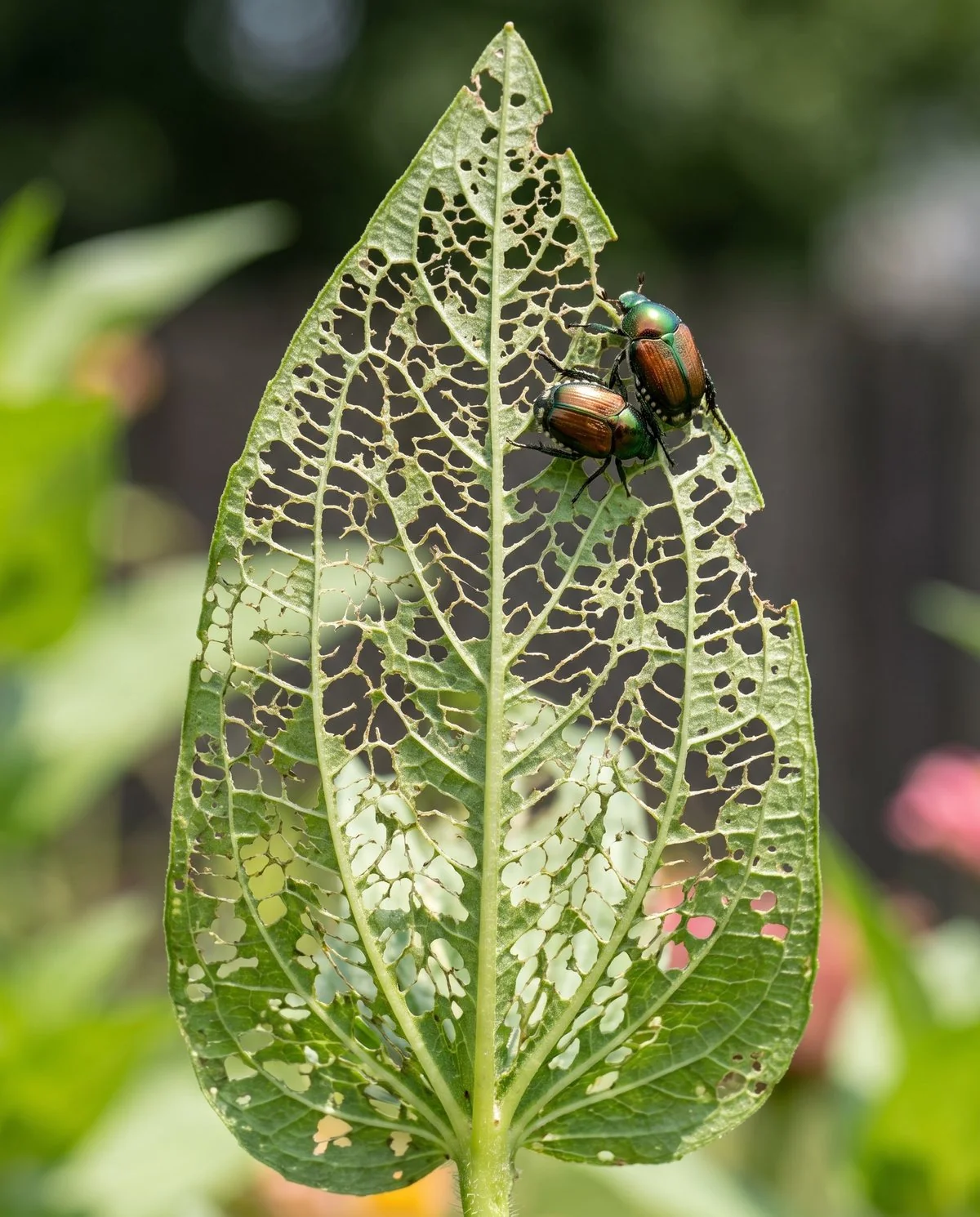
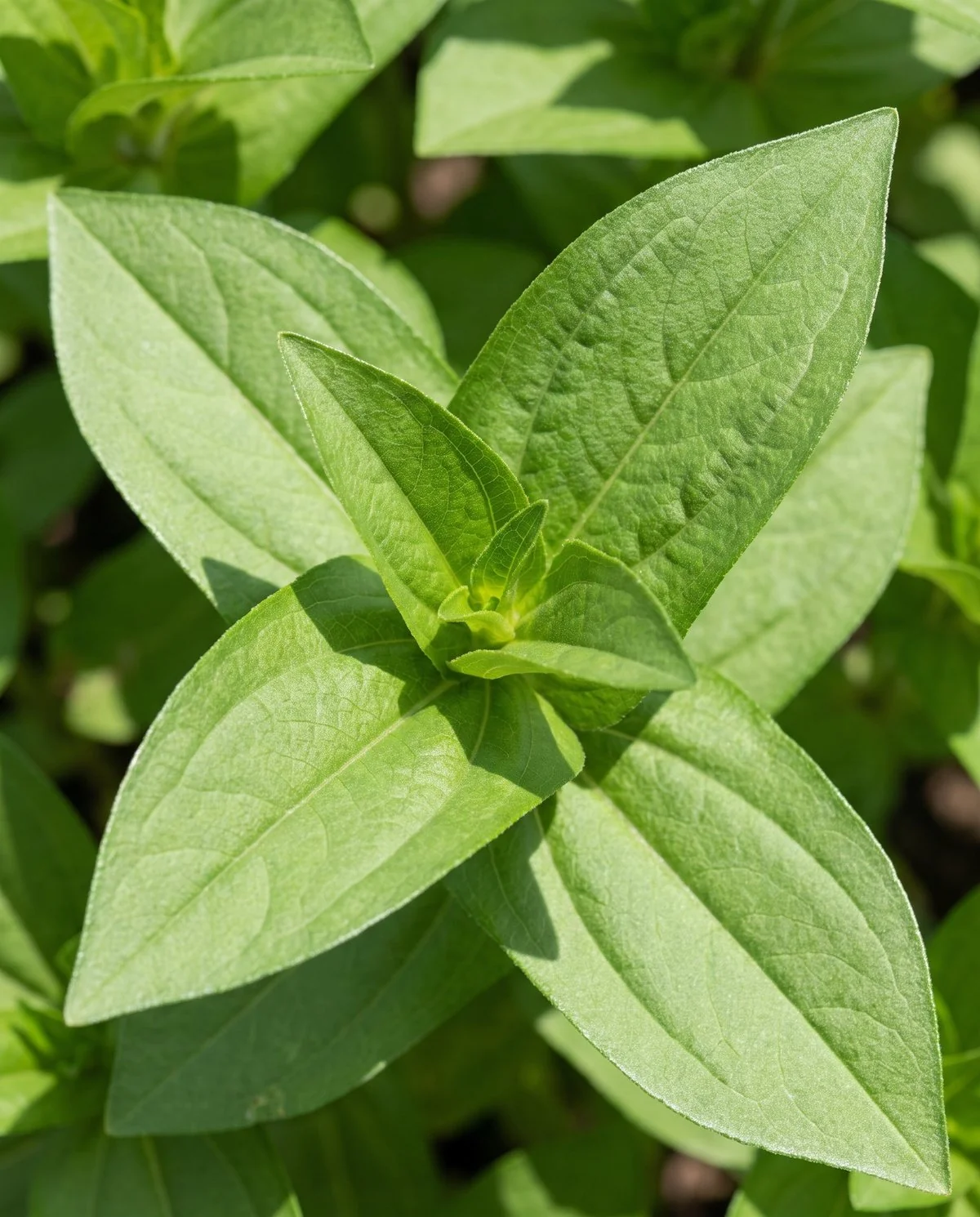
Look at what is left and when you can catch it. Beetle damage skeletonises the leaf, taking the tissue between the veins and leaving the vein network standing, along with ragged holes, and the beetles themselves are often visible clustered on upper leaves in daylight. Healthy foliage keeps intact margins and no skeletonisation. The distinction that matters in this pack's sample is timing: one poster explicitly ruled out any visible insect in daylight and suspected nocturnal feeders, which is a slug or earwig problem rather than a beetle one, and the two want different answers.
Look at the shape of the mark rather than its colour. Utah State's trial table describes tomato spotted wilt virus as a viral disease with a wide host range that causes yellow ringspots on leaves which can turn brown or black, spread by thrips. Alternaria and bacterial leaf spot produce solid, non-ringed lesions instead. This pair is not photographed at all, because a ringspot pattern is a checkable viral fingerprint and inventing one risks a reader either pulling a plant that had a treatable fungal problem or keeping one that has a virus with no cure.
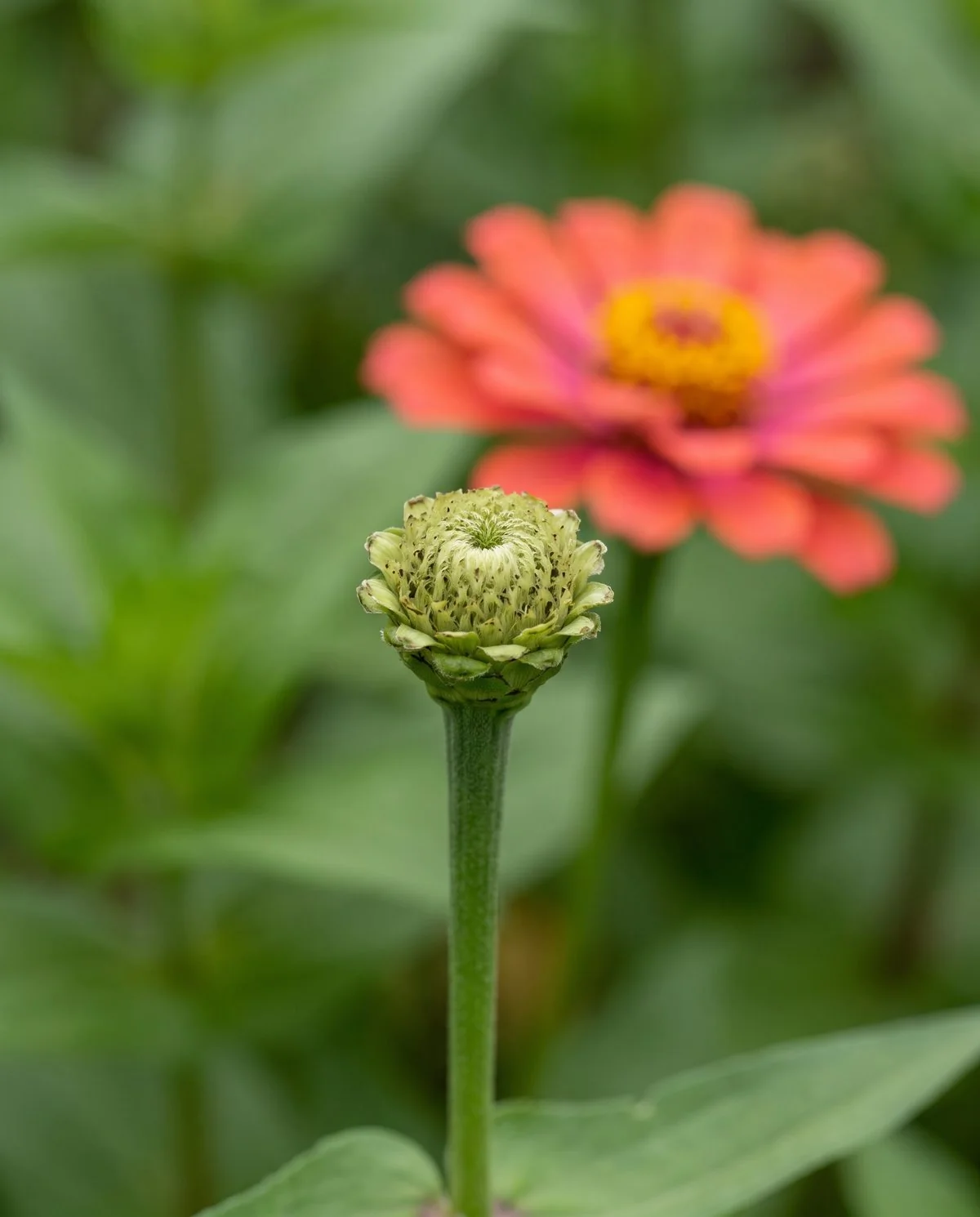
Look at what is left behind after the petals go. On the self-cleaning hybrid series the petals drop cleanly on their own and leave a plain, undamaged central disk and calyx, neither decayed nor spotted, which is why those series need no deadheading. The Pacific Northwest handbook describes the other case under bacterial leaf spot: small brown spots may form on the ray flowers, and if severe, flower heads can be disfigured and completely decay. Only the normal spent bloom is photographed.
What zinnia growers actually ask about, ranked by frequency
1,254 unique posts from r/gardening and r/plantclinic, deduplicated by Reddit post ID, counted by a keyword pass over full title and body text and spot-checked by hand. This is the largest sample in this research series, and the title-filtered base completed across both subreddits before the harvest was cut off, so the ranking is usable even though 14 of 20 planned theme queries never ran; the rows that depend on those are marked as floors. The shape of the list is the finding: zinnia's biggest real problem is not a disease or an animal, it is the first few weeks of a plant marketed as foolproof. Themes overlap and do not add to 100.
Light first, then the cell size. This is the largest theme in the corpus by a wide margin and it is structurally different from what the tulip and poppy samples produced, because a lot of genuinely first-time gardeners choose zinnia specifically for being easy. The causes that recur, in rough order of frequency in this sample, are insufficient light causing legginess, inconsistent watering, and being left in a small cell too long before transplanting or thinning.
Whether the plant was ever pinched, and how much sun it gets. The recurring pattern here is almost comic: multiple posters grow tall, beautiful, floppy plants with one or two flowers and only afterwards discover pinching. Utah State's own figure is specific, at 8 to 12 in tall remove the top 3 to 4 in to force branching.
Abiotic causes before disease. This row tangles transplant timing and watering uncertainty rather than resolving to one clean cause, and Utah State's own trial notes the specific transplant risk behind part of it, that double-blooming zinnias may revert to singles if the transplant is root bound or the roots are heavily disturbed.
The roots, by lifting one plant. Utah State's trial disease table describes the rot as dull-coloured foliage or wilting followed by yellowing, plants stunted and then eventually dying, with roots dark, soft or decayed. Drought wilt looks similar above ground and recovers turgidity within hours of watering, with roots that stay firm and pale.
Which series it is, because that changes whether it is needed at all. Self-cleaning hybrid series drop their own spent petals; the larger-flowered elegans cutting types produce more and longer with active deadheading or, better, harvest-cutting. Thirty-two posts of genuine uncertainty here are mostly about where on the stem to cut rather than whether to bother.
Mostly nothing, since most of this row is celebratory bouquet posts rather than complaints, including one at 2,491 points from a grower who sowed dollar-store seed with no expectations. The one repeatable complaint inside it is worth separating out: stems bending and flopping in the vase, which is a harvest-timing failure against the two-rows-of-petals criterion rather than a vase-life failure.
The leaf undersides, with a hand lens. Utah State's own table puts twospotted spider mites at 0.02 in, feeding primarily on leaf undersides and causing stippling that turns bronze then brown, and states outright that this is sometimes confused for leaf burn. Several posters here explicitly rule out visible insects in daylight and suspect nocturnal feeders instead.
Whether the spots have a yellow halo, which is the one detail that separates the two candidates. The Pacific Northwest handbook spells it out because the pair confuses professionals too: bacterial leaf spot has a yellow halo while Alternaria leaf spot does not. One grower in this row was spraying both fungicide and bactericide every 7 to 10 days and still could not say which disease they had.
Which series is planted, before reaching for anything. The Pacific Northwest handbook describes white powdery growth on leaves, flowers or stems especially late in the season in partially shaded locations, with leaves dying from the base of the plant upwards. One post in this row asks the exact question the varieties grid answers, for mildew-resistant varieties in humid zone 8a North Carolina.
The pattern of the damage, which separates it from the mite row by insect size: ragged holes and skeletonised leaves with veins left standing, rather than fine stippling.
That the confusion is real rather than the reader's fault. UMN states plainly that zinnias need darkness to germinate and recommends a black plastic cover; no second university source in this pack addresses the question at all, and a poster in this row describes exactly that collision, having read that sites say darkness while people say light after failing multiple times to germinate a seed sold as easy.
The frost date, since there is no tolerance to work with. Read this row as a floor because its theme query never ran. It contains one of the highest-engagement posts in the whole corpus at 1,083 points, a grower whose 'Benary's Giant' plants reached their own height of six foot five before the first hard freeze took them in a night.
Read this one backwards too. Four posts is a floor, since the dedicated series queries never ran, and it is also the real buying decision that the graded resistance data in the varieties grid exists to answer, which is a reminder that forum volume measures what gets photographed rather than what gets decided.
Flower photos


FAQ
Are zinnias annuals or perennials?
Grown almost everywhere as annuals. A zinnia completes its whole life in one season and dies at the first frost, since it has no cold hardiness. In frost-free climates a plant may linger longer, but even there gardeners usually resow each year for the best bloom. Plan to plant fresh seed each spring.
When should I plant zinnias?
After the last frost has passed and the soil has warmed, usually late spring, often May or early June. Zinnias need warmth to germinate and grow, and cold soil only rots the seed or stalls the seedlings. For a head start, sow indoors four to six weeks before the last frost in cell trays, then transplant carefully without disturbing the roots.
How long do zinnias take to bloom from seed?
About 60 to 70 days from sowing to the first open flower, roughly two months, depending on variety and warmth. The large seeds germinate in five to ten days in warm soil, and the plants grow fast from there, which is why zinnia gives a full season of color even where summers are short.
How do I cut zinnias so they last?
Harvest only fully open flowers, because a zinnia will not open further once cut, and confirm ripeness with the wiggle test: a stiff stem is ready, a floppy one is not. Cut deep and leave two or three leaf pairs, strip any leaves below the waterline, use a clean vase with preservative or a drop of bleach, and change the water often. Expect seven to ten days.
How do I prevent powdery mildew on zinnias?
Give full sun, space plants for airflow, and water at the base in the morning so leaves stay dry. Choose resistant series such as Profusion or Zahara, or the narrow-leaf species, where mildew is a regular problem. If it appears, strip the worst leaves and treat with neem oil or a labeled fungicide if needed. Good airflow does most of the work.
Which zinnias are the most disease-resistant?
The Profusion and Zahara hybrids and the narrow-leaf Zinnia angustifolia resist mildew and leaf spot best, thanks to their tough parent species, though their blooms are smaller and single. Among the big-bloom cutting types, State Fair and Oklahoma hold up better than most. The trade is real: cleaner foliage or bigger flowers, rarely both at once.
Do zinnias attract butterflies and bees?
Strongly. The flat, open flower heads make an easy landing pad, and butterflies such as monarchs and swallowtails, along with honeybees and native bees, work zinnia patches steadily for nectar and pollen. A block of mixed colors in full sun, kept free of pesticides, becomes a dependable feeding station.
Can I grow zinnias in containers?
Yes, in a pot with good drainage set in full sun. Compact varieties such as the Profusion and Zahara series or dwarf types suit pots best, since tall cutting zinnias can grow top-heavy. Container soil dries faster than a bed, so water when the top inch feels dry, and feed lightly through the season.
Do zinnias need to be deadheaded?
Deadheading (removing spent flowers) is highly recommended for zinnias. Regularly snipping off the old, faded blooms tricks the plant into producing more flowers for a longer period. If old flowers are left on, the plant will put energy into developing seeds and flowering will slow down. By deadheading weekly, or anytime you see browning petals, you encourage the zinnia to keep blooming profusely. As a bonus, cutting those spent blooms (or even fresh blooms for bouquets) causes the plant to branch and create new bud sites, resulting in a bushier, fuller zinnia plant.
Can I grow zinnias in pots or containers?
Yes. Zinnias can be grown successfully in pots, planters, or other containers provided the container is large enough and placed in a sunny spot. Choose a pot with good drainage holes, and use a well-draining potting mix. Dwarf or medium-height zinnia varieties tend to perform best in containers (for example, the Profusion or Dreamland series, which stay compact). Ensure the potted zinnias receive full sun for most of the day. Water container zinnias more frequently, as pots can dry out faster than garden soil. Usually water when the top inch of soil feels dry. With proper care, potted zinnias will bloom just as cheerfully as those in the ground.
How do I save seeds from my zinnias?
Saving zinnia seeds is easy and a great way to grow them again next year. To collect seeds, allow some healthy flowers to fully mature on the plant instead of deadheading them. The blooms will dry out, the petals will turn brown and papery, and the center of the flower will darken. Once the flower head is thoroughly dry and crisp, snip it off and pull it apart over a tray or paper. You’ll find the zinnia seeds attached to the base of the dry petals. They are arrowhead-shaped, somewhat flat seeds. Let the collected seeds air-dry for a few days to ensure no moisture remains (this prevents mold in storage). Then store the seeds in a paper envelope or small jar in a cool, dry place until planting time. Keep in mind that seeds from hybrid zinnia varieties may not produce plants exactly like the parent, but many gardeners still enjoy the surprises that come from home-saved seed.
Will deer or rabbits eat zinnias?
Zinnias are not the first choice for grazing animals, and they are often described as deer-resistant. The plants have coarse, rough leaves that deer tend to find unpalatable, and the bitter taste of the foliage can deter browsing. In many gardens, deer will pass by zinnias in favor of tastier plants. However, no plant is completely deer-proof. A very hungry deer (or rabbits, for that matter) might still take a nibble if food is scarce. Generally, though, gardeners in deer-prone areas report that zinnias are seldom bothered compared to more vulnerable blooms. Planting zinnias alongside other deer-deterring flowers like marigolds or strong-scented herbs can further discourage wildlife from sampling your flower beds.
Do you sow your zinnias in light or darkness?
One university source in this pack answers it and no second one confirms or contradicts it, which is the honest state of the question. University of Minnesota Extension states that zinnias need darkness to germinate and recommends a black plastic cover over the tray. The confusion in the question is real rather than careless: 13 posts in this pack's sample describe reading that sites say darkness while people say light, in several cases after repeatedly failing to germinate a seed sold as one of the easiest there is.
Why are my zinnia seedlings dying, or leggy, or just not growing?
Most often too little light, which produces legginess specifically, then inconsistent watering, then being left in a small cell too long before transplanting or thinning. It is worth saying plainly that this is the hardest part of growing a zinnia rather than the easiest: seedling-stage problems are the largest theme in a 1,254-post sample, at 10.8 percent, more than every disease and pest theme in it combined.
Should I refrigerate my cut zinnias to keep them fresh longer?
No, and two separate trials agree on why. NC State found stems could not be held for one week at 34 F, with real visible cold damage, yellow patching on 'Benary's Giant Scarlet' and browning and stem collapse on 'Sun Gold', wet or dry. Utah State independently states not to store below 40 F. The cross-confirmed safe range is roughly 38 to 42 F for a matter of days, and 41 F for up to four days with a holding preservative brought vase life back to 14 to 16 days in the NC State trial.
Does starting them indoors cost me bloom time?
About a week, in the one real trial that ran both side by side, and in the opposite direction to what is usually claimed. Utah State's 2019 trial direct-seeded a field crop on June 3 that reached first harvest July 31, and transplanted a high-tunnel crop on May 20 that reached first harvest July 23 to 30, concluding that direct-seeded harvest began only one week later. A widely repeated claim of an eleven-day delay and roughly a quarter fewer flowers is attached to a university trial whose citation never resolved to any .edu page across three attempts, and it is not used here. The real transplant risk the trial does name is different: double-blooming zinnias may revert to singles if the transplant is root bound or the roots are heavily disturbed.
Why did my volunteer zinnias come up a different colour from what I planted?
Because a commercial colour mix is a blend of separately bred lines, and once open pollination takes over, those genetics reassort in the seed that drops. Two cases sit in this pack's own corpus: a strikingly patterned volunteer from a solid-colour State Fair mix planted the previous year, and volunteers coming up consistently orange beside one bed and pink beside another from one original planting. The mechanism is standard plant-breeding behaviour and no source gathered here studies this specific zinnia case, so it is stated as informed inference on repeated real observation. Hybrid series such as Profusion and Zahara will not breed true from saved seed at all, per Wisconsin Extension, so only the open-pollinated elegans types are worth saving.
Interesting tips
The two habits that most change a zinnia planting both come down to cutting. Pinch out the growing tip when a seedling reaches eight to twelve inches, and the plant branches into several stems rather than one, which multiplies both the flowers and the usable cutting stems for the rest of the season. Then cut, and cut deep, all summer: taking long stems back into the plant is the same signal as pinching and keeps new branches coming, so the more you harvest the more it blooms. Feed with a light touch, since too much nitrogen trades flowers for leaves, and if the bed already holds compost the plants may need no feeding at all. Water the soil and not the foliage, in the morning when possible, to keep the leaves dry and mildew at bay. For an unbroken show from summer into fall, sow a fresh batch of seed every couple of weeks through early summer, so a young planting is always coming into bloom as an older one begins to fade.
- Pinch for bushier plants: When zinnia seedlings reach about 6 inches tall, pinch off the very top of the stem (the growing tip). This encourages the plant to branch out. Pinched zinnias develop two or more main stems instead of one, leading to a bushier shape and more flowering sites. This simple technique results in a sturdier plant with a greater number of blooms over the season.
- Sow in succession for continuous blooms: To enjoy zinnias all summer and fall, try planting in intervals. Instead of sowing all your zinnia seeds at once, plant a second batch of seeds a few weeks after the first planting, and even a third batch a few weeks after that. These staggered plantings (succession sowing) ensure that as early-planted zinnias begin to slow down later in the season, newer plants will be coming into bloom. The result is a longer overall display of flowers in your garden.
- Water the soil, not the leaves: Zinnias prefer their roots to stay evenly moist, but their leaves and blossoms dry. To achieve this, water at the base of the plant. Using drip irrigation, a soaker hose, or simply directing your watering can at the soil will help deliver moisture right to the roots and keep the foliage dry. Avoiding overhead sprinkling, especially in the evening, can greatly reduce the chances of fungal diseases. Water in the morning if possible, so any stray droplets on leaves dry out quickly in the sun.
- Go easy on fertilizer: Too much fertilizer, particularly high-nitrogen fertilizer, can cause zinnias to grow overly lush foliage at the expense of flowers. If your soil is moderately rich or has been amended with compost, additional fertilizer may not be necessary at all. If you do feed your zinnias, use a balanced, slow-release fertilizer sparingly. A light feeding when buds first form can be helpful, but avoid heavy, frequent fertilizing. The goal is to support steady bloom production, not force excessive leafy growth.
- Harvest flowers regularly: Frequent cutting of zinnia blooms for indoor arrangements doubles as a form of pruning that keeps the plants blooming. For the longest vase life, cut flowers in the cool early morning. Choose stems that are firm (the "wiggle test" helps: the stem should not flop over when gently shaken). Use clean, sharp shears and immediately place the cut stems in water. By harvesting often, you’ll enjoy beautiful bouquets and also signal the plant to keep producing new flower buds, giving you more blossoms over time.
Related Guides & Flowers
Cosmos
Feathery foliage, nonstop summer color, and easy direct-sow; a classic cut-flower buddy for zinnias.
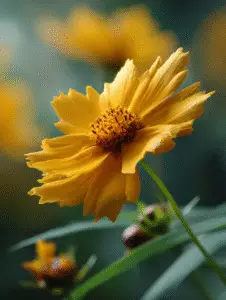
Coreopsis
Sunny, daisy-like blooms with excellent drought tolerance; great for long, bright drifts.
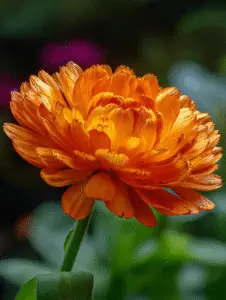
Calendula
Cool-season workhorse for early and late color; pairs well with zinnia warm-season displays.
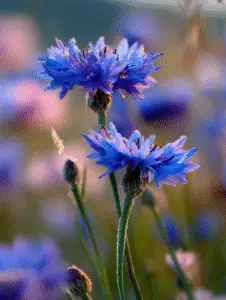
Cornflowers
(Bachelor’s Button) – True-blue stems for bouquets; thrives in cooler windows zinnias don’t cover.
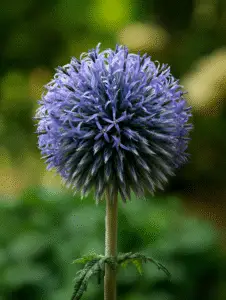
Globe Thistle
(Echinops) – Architectural blue spheres; drought-hardy pollinator magnet that contrasts zinnia forms.
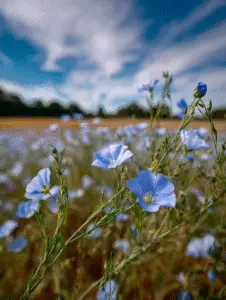
Blue Flax
Light, fluttery sky-blue flowers that weave through beds and soften bold zinnia blocks.
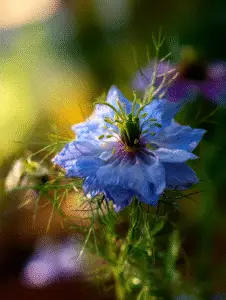
Love-in-a-Mist
(Nigella) – Whimsical flowers and decorative seed pods; excellent fresh or dried with zinnias.
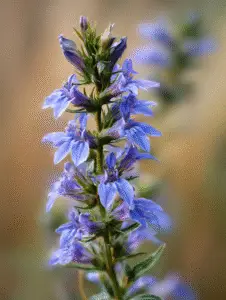
Great Blue Lobelia
Vertical blue spikes for moist spots; a cool-tone counterpoint to hot zinnia palettes.
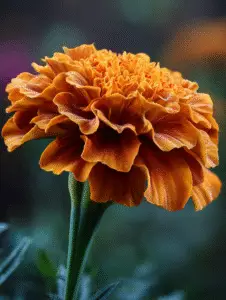
Marigolds
(Tagetes) – Heat-loving annuals with similar care; classic companions in mixed borders and cutting beds.
References
- NC State Extension Plant Toolbox – Zinnia elegans – Habitat, culture, disease notes, and non-toxicity tags for dogs, cats, and horses.
- University of Minnesota Extension – Zinnia – Quick facts, pollinator value, soil pH range, and practical growing guidance.
- University of Wisconsin-Madison Extension – Zinnias – Growth habits, powdery-mildew management, and notes on Profusion/Zahara disease-resistant series.
- Missouri Botanical Garden – Plant Finder (Zinnia elegans) – Cultural details, bloom window, height/spread, and common problems.
- Kew – Plants of the World Online (Zinnia elegans) – Taxonomy and native range (Mexico to Nicaragua).
Enjoying our flower guides? Add YourFlowersGuide as a preferred source on Google. It helps more readers find us.
Add to Preferred Sources