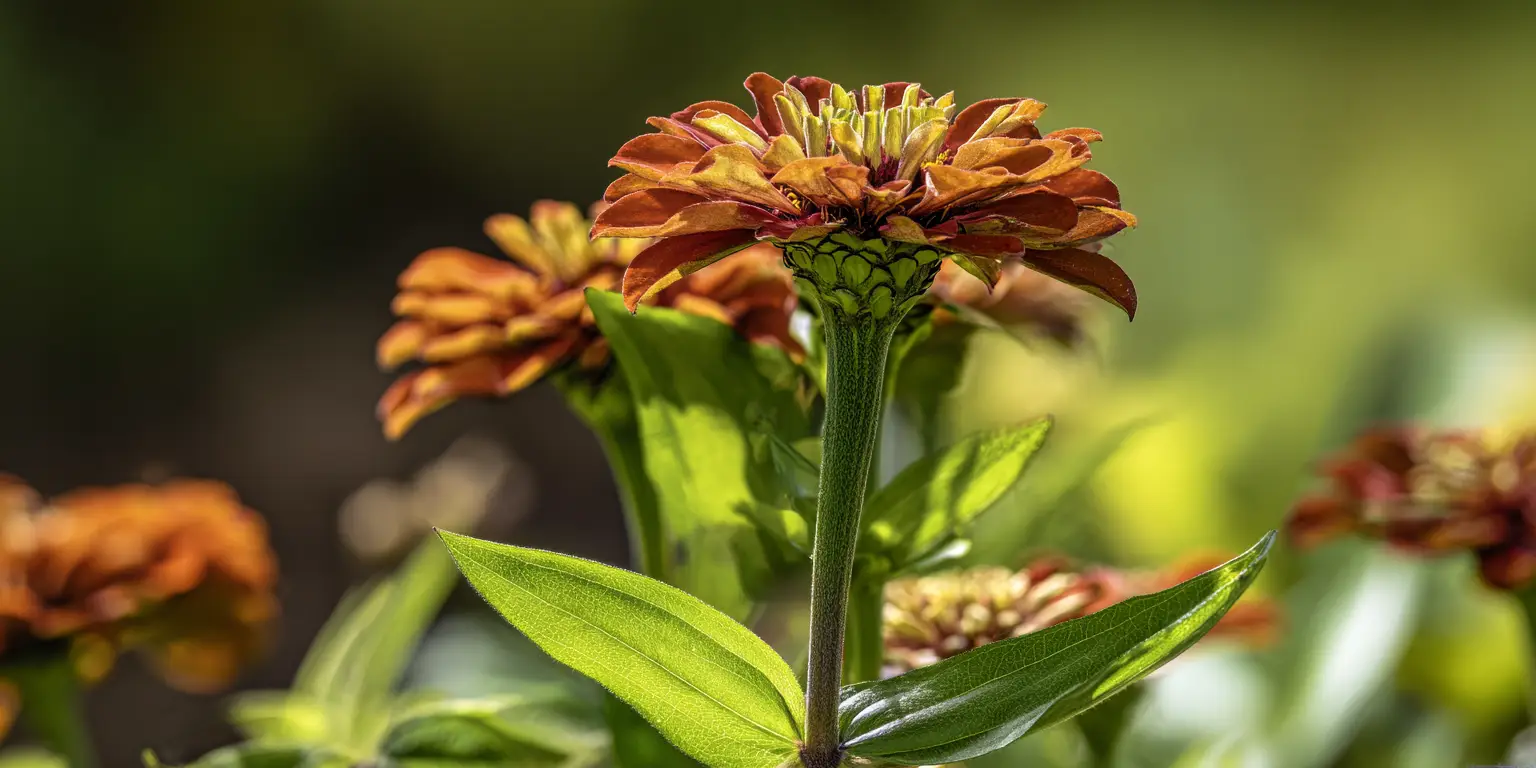
in bloom
now
through Oct
Bloom calendar
Zinnia haageana
annual species
At‑a‑glance
- Group/Class: annual species
- Height × spread: 12 to 18 in (30 to 45 cm) × 6 to 12 in (15 to 30 cm)
- Bloom window: summer to frost
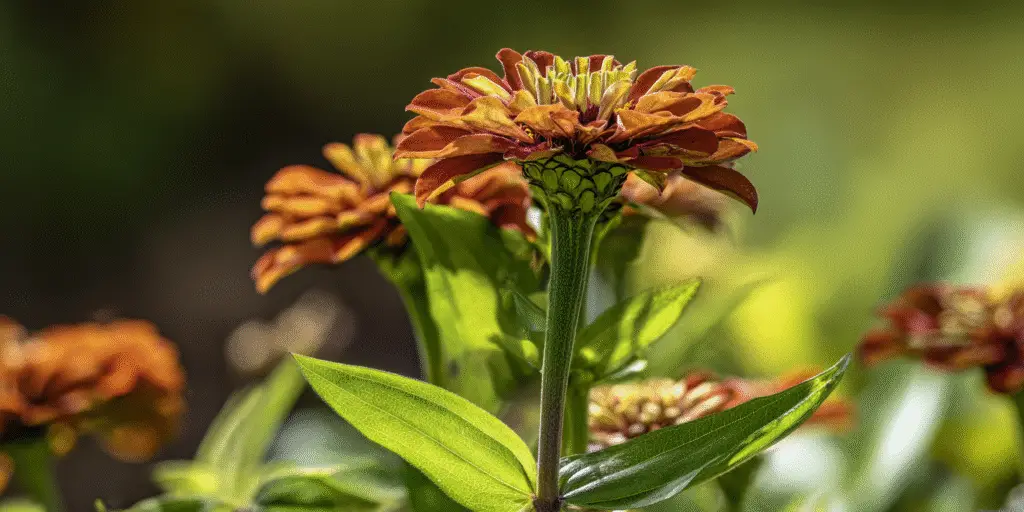
- Color & flower form: yellow to orange to red; single to semi‑double; many bicolors
- Fragrance: 0 none
- USDA hardiness: grown as annual in all zones
- Breeder / Year / Origin: unknown
- Cut‑flower notes: short stems for posies; good cut quality reported
- Pet safety: safe
How it differs
- Smaller daisies than Z. elegans
- Often better mildew resistance than common zinnia
- Bicolors and two‑tone blooms are common
- Narrow foliage gives a finer texture in beds
Strengths
- Heat and drought tolerant once established
- Long flowering without strict deadheading
- Attracts bees, butterflies, and hummingbirds
- Useful for edging and mass color
Care in one minute
Full sun to very light afternoon shade in hot areas.
Soil: well‑drained loam or sandy loam.
Water when the top inch dries; avoid overhead irrigation late day.
Feed lightly; too much nitrogen lowers flower count.
No staking needed; pinch once to branch if desired.
Frost sensitive; re‑sow after last frost.
Watch‑outs
- Seedlings need sun; shade reduces bloom
- Wet foliage can still invite leaf spots in rainy spells
Best uses (tags)
Provenance note
Native to Mexico; species epithet honors J. H. Haage, a German seed grower.
References
- NC State Extension Plant Toolbox – Zinnia haageana
- Kew – Plants of the World Online: Zinnia haageana
- ASPCA – Zinnia (non‑toxic to pets)
Similar Flowers
Enjoying our flower guides? Add YourFlowersGuide as a preferred source on Google. It helps more readers find us.
Add to Preferred Sources