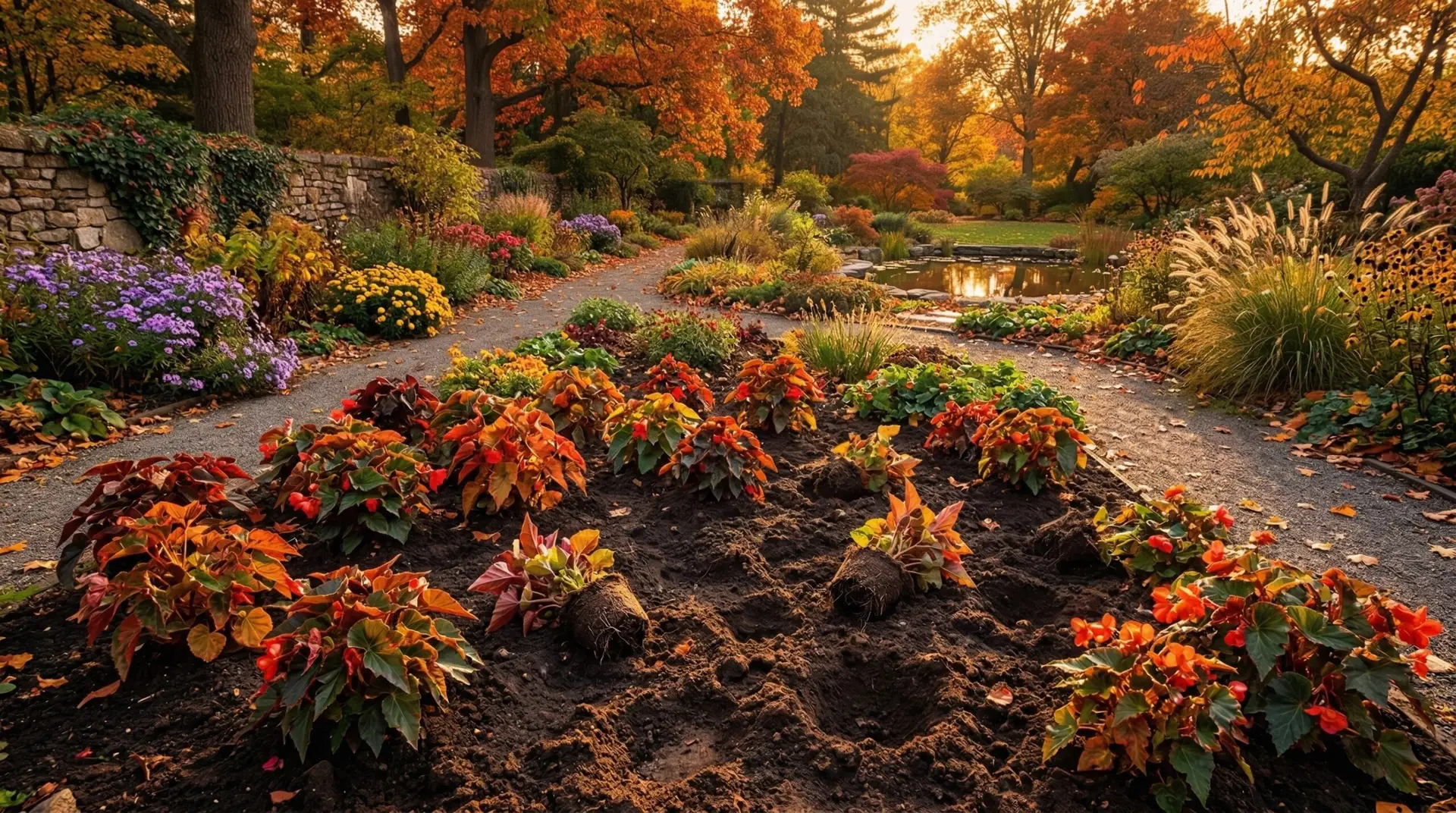
The waning days of late summer bring a golden light that stretches shadows long across the lawn. Begonias are often at their absolute peak right now, heavy with lush foliage and bright blooms. The nights carry a slight chill that signals the changing season. Geese begin to move in loose V formations overhead. You know the growing season is winding down, but the begonias push out their final flush of flowers. This is the moment when overwintering begonias becomes a quiet thought in the back of your mind. You watch the weather forecast, waiting for that first real dip in temperature. The garden is preparing to sleep, and your plants will need your help to survive the coming cold.
The transition from active growth to dormancy is a slow fade rather than a sudden stop. The leaves might lose a bit of their deep green luster as the soil cools down. You stop fertilizing, letting the plant know it is time to slow its pace. The garden smells earthy and damp in the mornings, heavy with dew that takes hours to burn off.
Contents 4 sections
The first frost and lifting the tubers
When the first hard frost finally settles over the garden, it leaves a stark mark. You will wake up to find the begonia foliage blackened and limp, draped sadly over the edges of pots or the garden bed. This is not a failure, but the natural signal that the active year has ended. The plant has pulled its remaining energy down into the tuber beneath the soil. Wait a few days after this frost to let the transfer finish completely. Then, on a dry afternoon, take a small trowel and carefully loosen the earth around the base of the plant. Lift the tuber gently, keeping a good clump of soil attached to the roots to protect them from breaking. The tuber itself will feel firm and heavy, a concentrated package of next year’s potential.
Storing begonia tubers requires a period of curing to prepare them for the long months indoors. Lay the freshly dug tubers on newspaper in a dry, frost-free place like a garage or a covered porch. The air should circulate freely around them while the attached soil slowly dries out. Over the next two to three weeks, the remaining stems will shrivel and detach easily from the tuber with a gentle twist. Brush away the dried soil with your hands or a soft brush, revealing the rough, dark surface of the tuber. Inspect each one closely for soft spots or signs of rot, keeping only the firm, healthy specimens. Much like saving the underground structures of a dahlia, this careful curing process prevents moisture from trapped soil from causing decay during storage.
The curing period bridges the gap between the active garden and the dormant winter storage. The smell of drying soil fills the garage, a lingering memory of the summer beds. Outside, the trees drop their final leaves and the ground begins to freeze solid. You gather your cleaned tubers, ready to tuck them away before the deep cold sets in.
The quiet rest of winter storage
Proper begonia winter care requires mimicking the cool, dry sleep of a mild winter underground. Nest the clean tubers in shallow cardboard boxes or wooden crates, burying them in dry peat moss, vermiculite, or wood shavings. They should not touch each other, ensuring that if one happens to spoil, the rot will not spread to its neighbors. Place the boxes in a cool, dark basement or closet where the temperature hovers steadily in the upper forties or low fifties. While the garden outside is buried under snow, these tubers sit quietly in the dark. Set a reminder to check on them every month or so during the deep winter. If the tubers look excessively shriveled, a very light misting of water on the packing material will keep them viable. If any feel squishy, remove them immediately to protect the rest of your collection.
Winter stretches on, and the garden exists only in catalogs and memory. The tubers remain completely still in their boxes, showing no outward signs of life. Yet, deep inside those rough brown shapes, chemical changes are slowly preparing the plant for the coming spring. You wait for the days to lengthen noticeably before disturbing their rest.
Waking up and dividing for spring
Late winter brings a subtle shift in the light, and the red-winged blackbirds return to the marshes. This is the time to bring your begonia tubers out of the dark and start the waking process. Much like coaxing an amaryllis back into bloom, you must provide warmth and a little moisture to break their dormancy. Place the tubers hollow side up in shallow trays filled with lightly moistened potting soil. Set the trays in a warm, bright room, but keep them out of direct, harsh sunlight. Within a few weeks, tiny pink buds will begin to swell in the concave depression of each tuber. These buds are the first promise of the lush foliage and heavy flowers to come. The smell of damp potting soil in the house is a welcome preview of the spring garden.
As the pink buds grow into small shoots, you have the opportunity to multiply your collection. Large, older tubers that have developed multiple eyes can be divided to create entirely new plants. Use a clean, sharp knife to cut the tuber into sections, ensuring that each piece has at least one strong, healthy bud. Dust the cut surfaces with a fungicide or powdered sulfur to prevent rot, and let them dry on the counter for a couple of days. Once the cuts have callused over, plant each division in its own pot, covering it with just a half inch of soil. The roots will begin to stretch down into the fresh compost while the green shoots push upward toward the light. By the time the spring peepers start their nightly chorus, your indoor windowsill will be crowded with active, growing plants.
The transition from the windowsill to the outdoor garden requires patience and a careful eye on the weather. Spring temperatures can be fickle, jumping from warm afternoons to freezing nights. You must harden off the young plants slowly, placing them in a sheltered spot outside for a few hours each day. This gradual exposure toughens their stems and prepares them for the wind and unfiltered sun.
The return to the summer garden
When the danger of frost has entirely passed and the soil has warmed, the begonias are ready to return to their summer homes. Plant them in rich, well-draining soil in the dappled shade of larger trees or on a covered patio. Because you took the time to overwinter and start them early, they will establish themselves quickly in the garden beds. The familiar thick, waxy leaves will unfurl, followed soon after by the heavy, drooping flower clusters. Similar to the bold summer presence of a canna lily, these mature begonias anchor the shaded borders with their reliable color. They will grow larger and more robust than they did the previous year, drawing on the increased mass of the older tuber. You will water them through the heat of July and August, watching the bees visit the open blooms.
The cycle of the year brings a deep satisfaction to the gardener who saves their plants from season to season. You learn the specific habits of your begonias, recognizing exactly how much water they need and when they look their best. The plant is no longer a disposable summer purchase, but a permanent resident of your garden with its own history. As the days begin to shorten again, you will notice the familiar golden slant of the late summer sun. The flowers will continue to bloom brightly against the cooling air. You will watch the weather forecast, waiting for that first frost to signal the harvest once again. And then, just as the cold blackens the last leaves, the roots below are already storing energy for the next spring.
More About Begonia
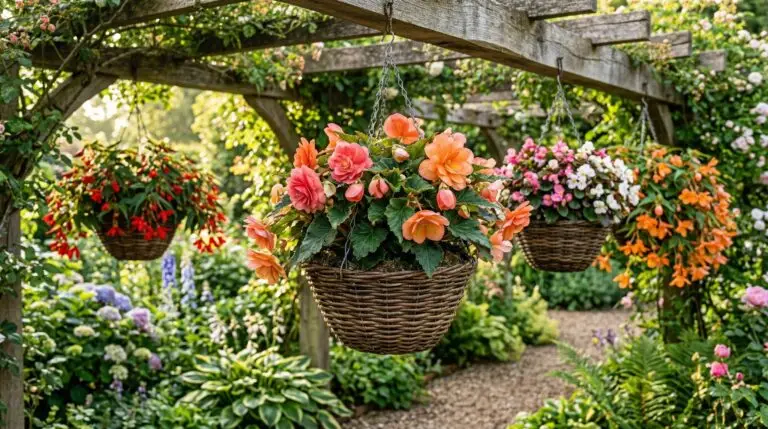
Growing tuberous begonias in hanging baskets for cascading summer color
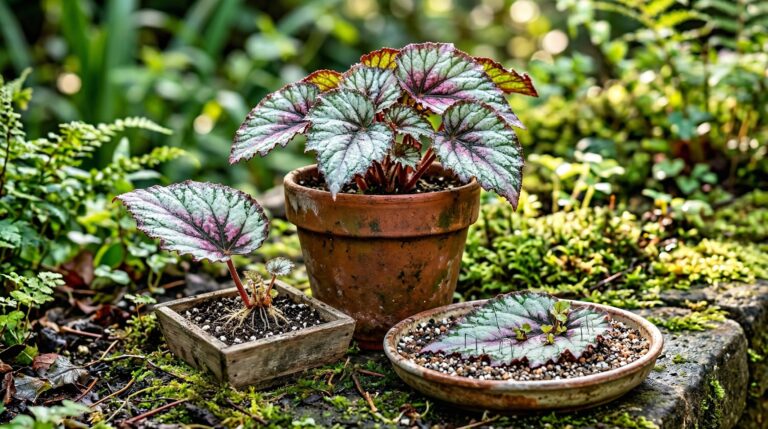
How to propagate begonias from leaf cuttings and stem cuttings step by step
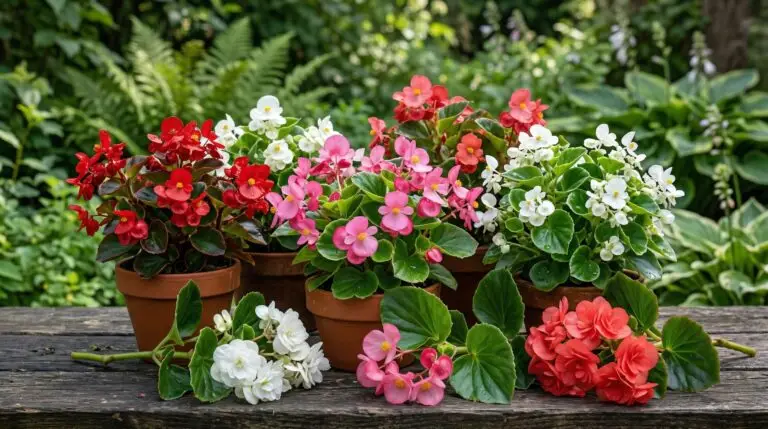
Best begonia varieties for shade gardens that add color where sun rarely reaches
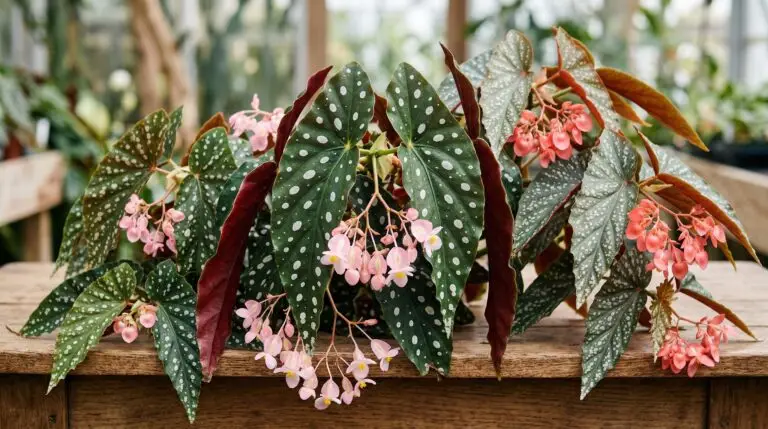
Angel wing begonias as statement houseplants with polka dot leaves and hanging clusters
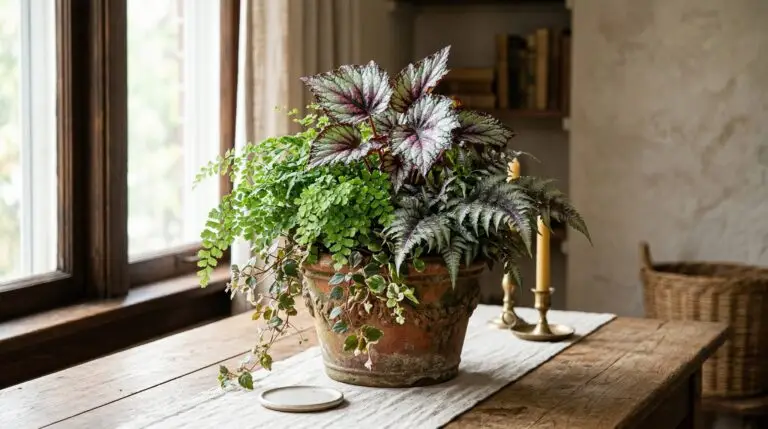
Begonia container combinations that look gorgeous on a shaded front porch
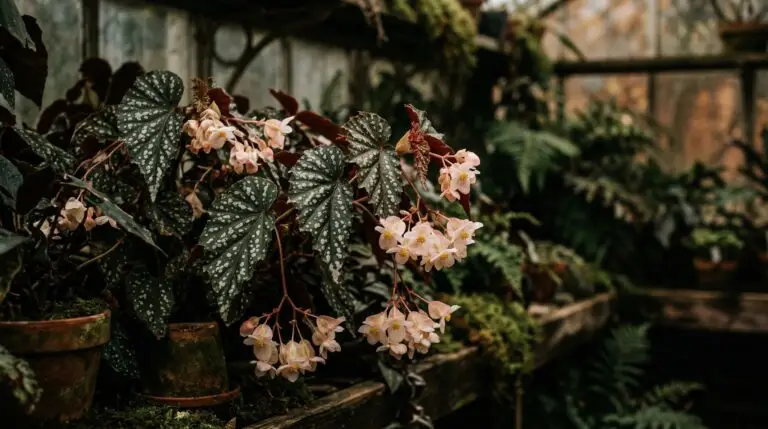
Begonia flower meaning and the Victorian message of caution and gratitude
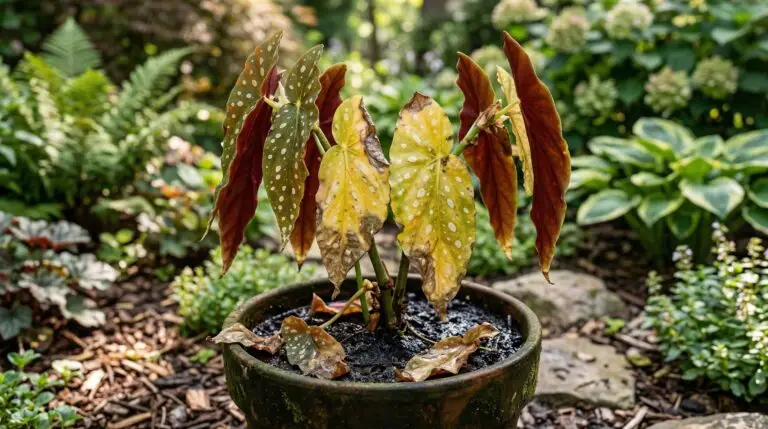
Why begonia leaves are curling dropping or developing brown spots
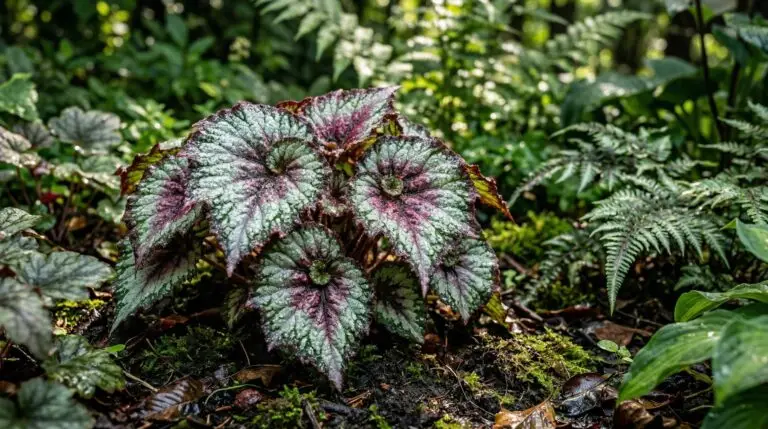
How to care for rex begonia and keep its dramatic foliage looking stunning
Enjoying our flower guides? Add YourFlowersGuide as a preferred source on Google. It helps more readers find us.
Add to Preferred Sources