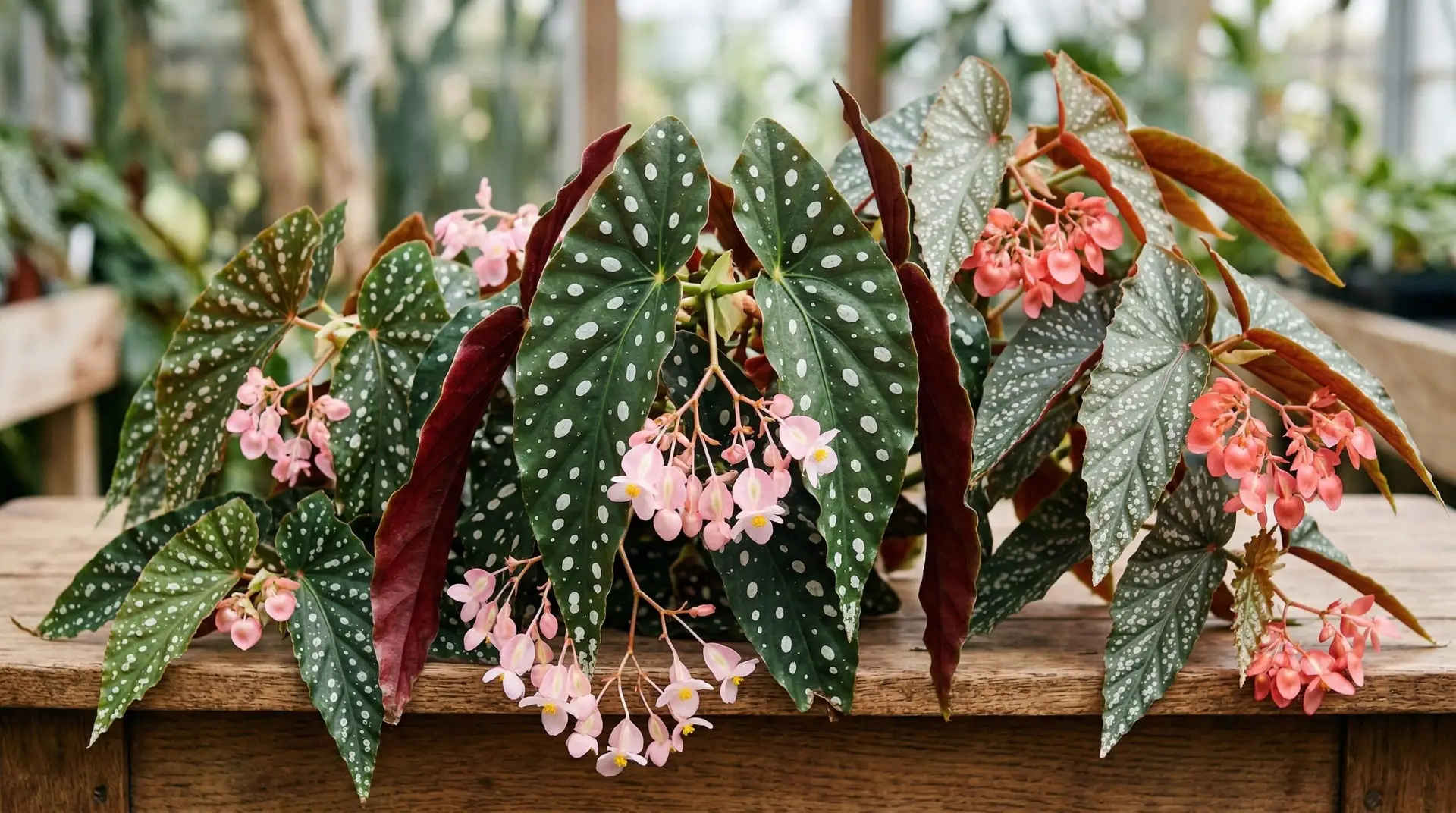
I remember the exact moment I realized I needed an angel wing begonia in my life. I was visiting a local greenhouse and saw a massive plant tucked in the corner, its asymmetrical leaves marked with perfect silver circles and its stems reaching almost four feet high. It was a Begonia maculata, and it looked completely different from the small, soft-leaved bedding begonias I had seen before. These plants have a structural presence that commands attention in a room, growing tall on thick, bamboo-like stems. Getting one of these fast-growing plants to thrive and reach its full potential is one of the most satisfying experiences you can have as an indoor grower. When you finally see a new leaf unfurl, revealing its deep red underside and fresh silver spots, it is easy to understand why so many of us become entirely obsessed with collecting them.
The term angel wing begonia is often used as a catchall for various cane begonias, named for the distinct shape of their elongated, uneven leaves. These plants belong to a group defined by their upright growth habit and those sturdy, jointed stems that give them the cane designation. While many houseplants are grown strictly for their foliage, cane begonias offer a genuine dual reward. Under the right conditions, they push out heavy, hanging clusters of flowers in shades of pink, red, or white. The blossoms look like tiny wax droplets suspended from delicate stems, adding a completely different texture to the rigid canes and bold leaves. Finding a plant that offers both dramatic foliage and reliable indoor blooms is rare, making the angel wing begonia a permanent fixture in my plant room.
Contents 4 sections
Understanding the appeal of cane begonias
The true draw of a cane begonia lies in its vigorous, almost aggressive growth during the spring and summer months. When these plants are happy, you can practically watch them grow, with new canes shooting up from the soil line and rapidly extending toward the light. The foliage itself is endlessly fascinating to examine up close. The polka dot begonia, in particular, features metallic silver spots that look like they were painted on by hand, contrasting sharply with the olive green surface and the dark maroon backs of the leaves. This dramatic coloration rivals the exotic appeal of an anthurium, but the begonia grows much faster and provides constant visual changes. Every new leaf emerges tightly rolled and pale, slowly expanding and darkening over a few days until it matches the mature foliage.
The flowering process brings an entirely new level of enjoyment to growing these plants. Cane begonias bloom in pendulous clusters that hang down heavy from the leaf nodes, sometimes weighing the branches down with their mass. Getting an indoor plant to bloom usually feels like a monumental task, often requiring precise temperature drops or strict light deprivation. With an angel wing begonia, the blooms arrive naturally and generously as long as the plant receives enough bright, filtered sunlight. The flowers last for weeks, slowly dropping their petals and creating a colorful mess on the floor that I honestly do not mind cleaning up. It is a completely different kind of floral satisfaction than coaxing a stubborn moth orchid into blooming, feeling much more spontaneous and wild.
Finding the right variety for your space
Once you start looking into cane begonias, you quickly realize how much variety exists within this single group of plants. Begonia maculata is usually the gateway plant for most people, famous for its bold silver spots and deep red leaf undersides. It is an incredibly rewarding plant to grow, but it can be notoriously fussy about humidity, often developing crispy brown tips if the air in your home is too dry. I have learned to accept a few crispy edges as part of the reality of growing a maculata indoors, focusing instead on its rapid growth and frequent blooms. If you want something a bit more forgiving, Begonia coccinea is an excellent choice that produces massive clusters of bright red flowers. The leaves on coccinea are usually solid green without the silver spots, but the sheer volume of blooms it produces more than makes up for the simpler foliage.
My personal favorite for absolute reliability is the classic Begonia lucerna, a heritage variety that has been passed down between gardeners for generations. Lucerna is an absolute tank of a houseplant that will tolerate missed waterings, lower light, and dry winter air much better than its more delicate cousins. It features large, olive-green leaves mottled with subtle silver splashes, and it grows so vigorously that it can easily reach the ceiling if left to its own devices. I inherited my first lucerna as a cutting from a friend, and it quickly outgrew its spot on the windowsill, demanding a large floor pot. There is a deep satisfaction in growing a plant that wants to live this badly, pushing out new growth even when you neglect it for a few weeks. It is the perfect confidence builder for anyone who feels intimidated by the more demanding begonia varieties.
Pruning and staking for a full plant
Left completely to their own devices, cane begonias will grow straight up until they become entirely top-heavy and eventually snap under their own weight. This means that staking is a structural requirement for keeping your plant healthy. I like to use thick bamboo stakes, gently tying the main canes to the support with soft plant velcro or green garden twine. You have to be careful when handling the canes, as they are surprisingly brittle and will snap clean off if you bend them too far. Tying the plant up properly transforms it from a sprawling, messy bush into a towering, elegant column of foliage. The process of staking forces you to interact closely with your plant, observing the new growth points and adjusting the ties as the stems thicken and harden.
The hardest lesson I had to learn with angel wing begonias was the absolute necessity of aggressive pruning. It feels incredibly wrong to take a pair of scissors to a healthy, growing cane, but cutting the plant back is the only way to achieve that lush, full look. When you cut the top off a cane, you force the plant to activate dormant buds lower down on the stem, resulting in two or three new branches instead of one long, leggy shoot. I usually do my heavy pruning in the early spring, cutting the tallest canes back by a third or even half their height. Within a few weeks, tiny green nubs appear at the leaf joints, swelling until they burst into fresh branches. Watching a single, awkward stem transform into a dense, branching canopy over a single growing season is immensely rewarding.
Managing light and water for continuous growth
Finding the right spot in your home is the secret to getting those dark leaves and heavy flower clusters. Cane begonias crave bright, indirect light, and they will tell you very quickly if they are not getting enough of it. In low light, the stems become weak and elongated, the silver spots fade, and the plant will refuse to produce any flowers. I keep my most prized begonias right up against an east-facing window, where they get a few hours of gentle morning sun and bright ambient light for the rest of the day. The morning sun warms the leaves and brings out the deep red coloration on the undersides, making the whole plant glow when the light hits it from behind. You do have to watch out for harsh afternoon sun, which will bleach the leaves and scorch the delicate edges within a matter of days.
Watering a cane begonia requires a bit of observation, as they prefer a very specific balance between moisture and air at their roots. I wait until the top few inches of the soil feel completely dry to the touch before giving them a thorough soaking. If you water them too frequently, the fleshy canes will rot from the base up, collapsing entirely and destroying years of growth. On the other hand, if you let the plant dry out completely, it will throw a dramatic fit and drop its lower leaves, leaving you with bare, ugly stems at the bottom of the pot. Finding that sweet spot where the plant stays hydrated but never soggy takes a bit of practice, but the plant responds so quickly to good care that you learn its rhythm fast. During the summer, I add a diluted liquid fertilizer to the water every few weeks, which fuels the rapid cane growth and provides the energy needed for those heavy flower clusters.
What keeps me coming back to cane begonias, despite the occasional crispy leaf or dropped lower foliage, is how generously they share their growth. Every time I prune my plants, I end up with a handful of healthy cuttings that root incredibly fast in a simple glass of water. Within a few weeks, thick white roots burst from the nodes, giving me a brand new plant to pot up and pass along to a friend. Giving away a piece of a plant that you have nurtured and shaped yourself is a deeply satisfying experience, connecting you to a long tradition of indoor gardeners sharing their favorite varieties. These begonias are not passive decorations that sit quietly in a corner. They are dynamic, fast-growing companions that demand interaction, reward your attention with bold foliage, and constantly remind you why you started growing plants in the first place.
More About Begonia
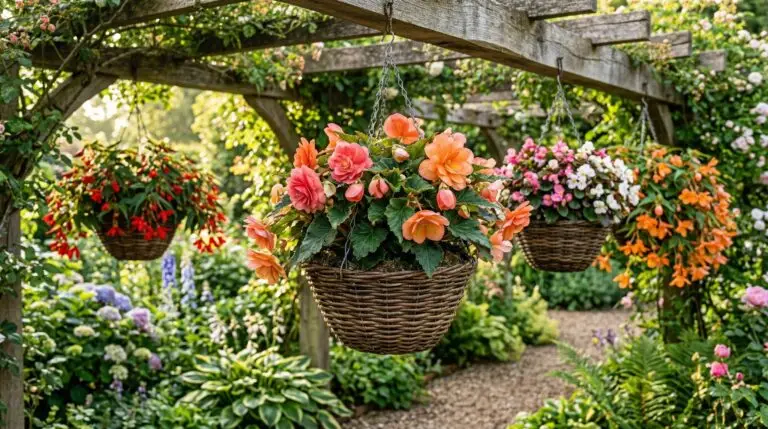
Growing tuberous begonias in hanging baskets for cascading summer color
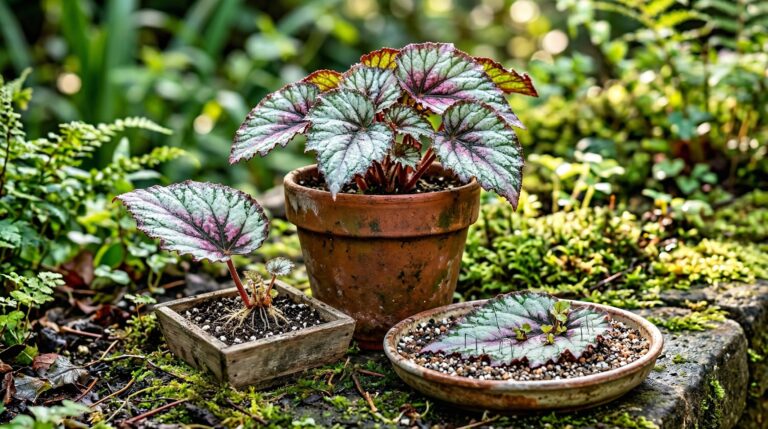
How to propagate begonias from leaf cuttings and stem cuttings step by step
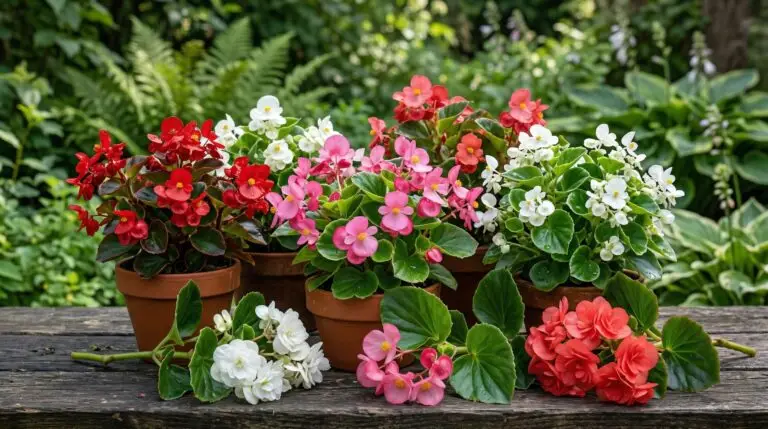
Best begonia varieties for shade gardens that add color where sun rarely reaches

How to overwinter begonia tubers and bring them back bigger next summer
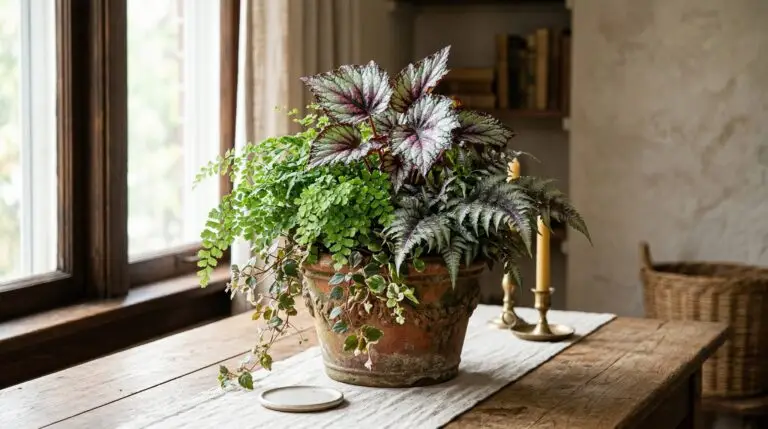
Begonia container combinations that look gorgeous on a shaded front porch
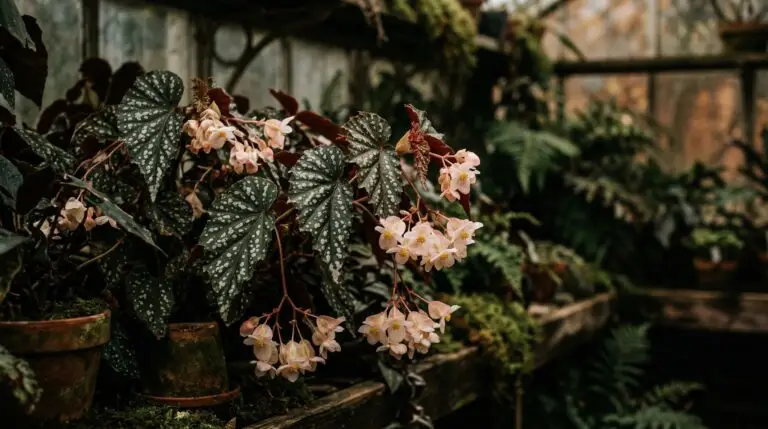
Begonia flower meaning and the Victorian message of caution and gratitude
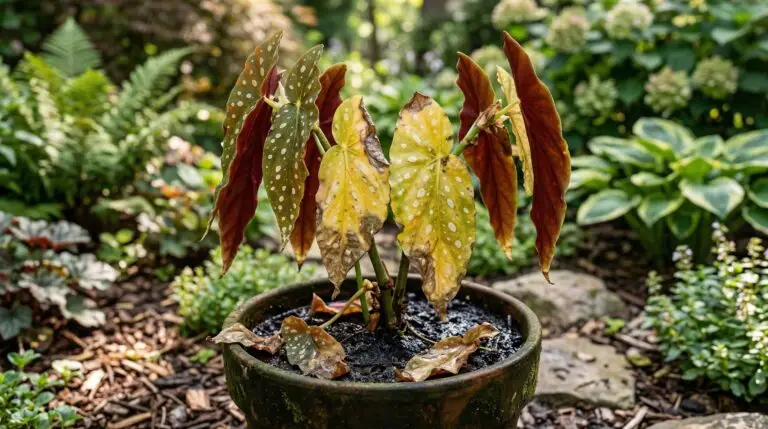
Why begonia leaves are curling dropping or developing brown spots
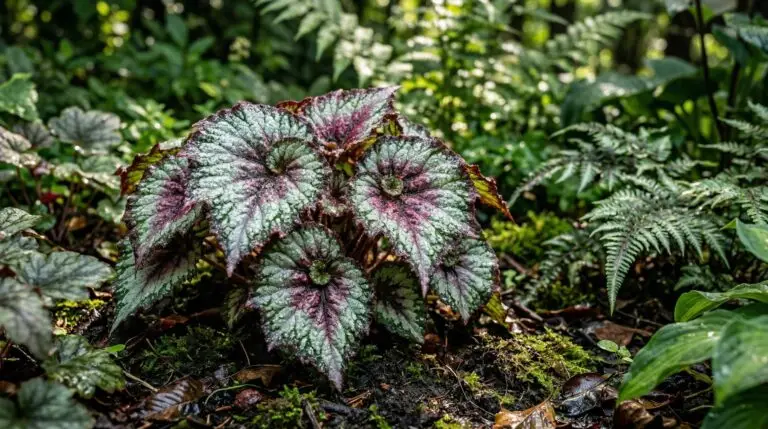
How to care for rex begonia and keep its dramatic foliage looking stunning
Enjoying our flower guides? Add YourFlowersGuide as a preferred source on Google. It helps more readers find us.
Add to Preferred Sources