
in bloom
now
through Oct
Bloom calendar
Begonia maculata
Cane begonia (species) · Raddi, 1820, Brazil (southeast)
At‑a‑glance
- Group/Class: Cane begonia (species)
- Height × spread: 24-40 in × 12-20 in (60-100 cm × 30-50 cm)
- Bloom window: summer
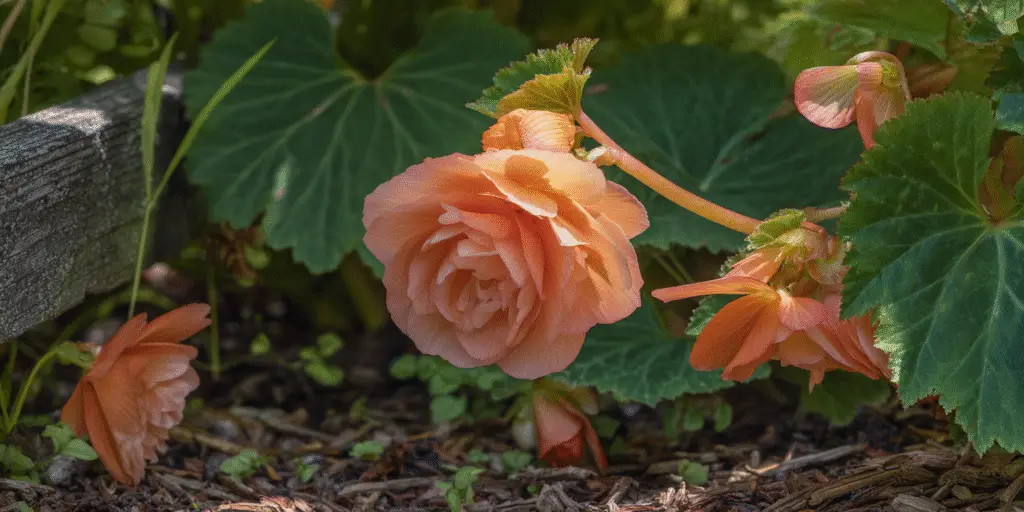
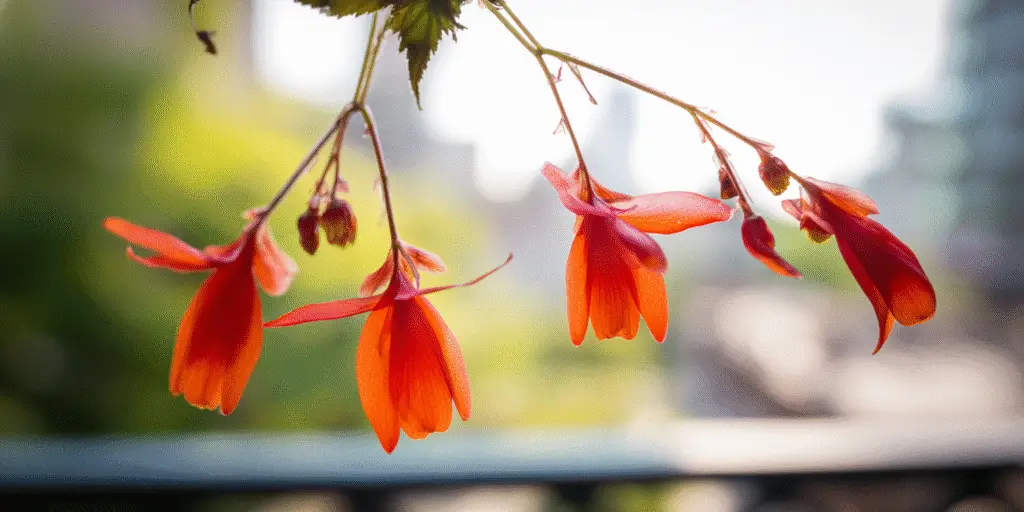
- Color & flower form: Pendulous clusters of white to pale pink, single flowers
- Fragrance: 0 none
- USDA hardiness: grown indoors in most regions; outdoor only in zones 10-11
- Breeder / Year / Origin: Raddi, 1820, Brazil (southeast)
- Pet safety: avoid
How it differs
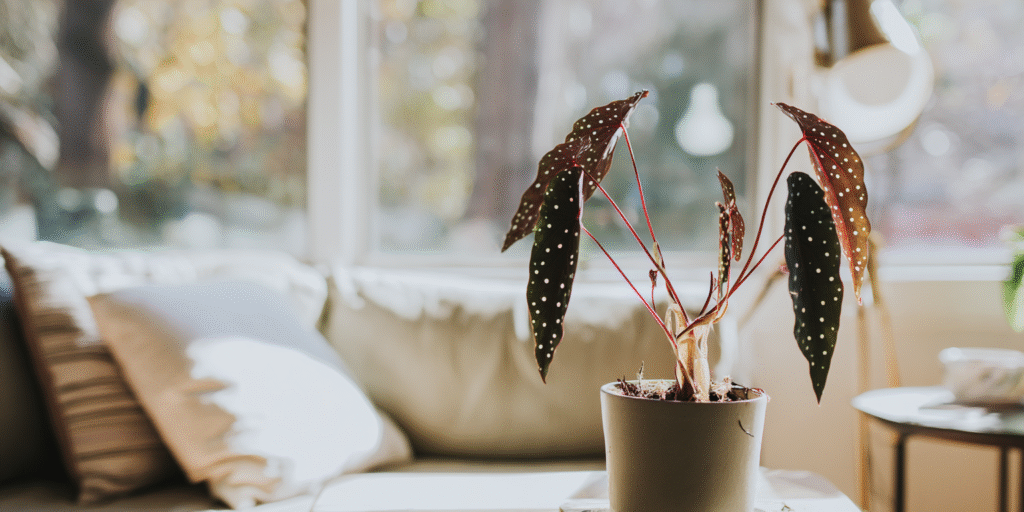
- Cane‑forming habit with upright, segmented stems.
- Spotted foliage and red leaf undersides for strong visual contrast.
- Taller stature than many begonias; may need staking indoors.
- Flowers in clusters rather than large singles or doubles.
Strengths
- Architectural foliage for indoor displays and shaded patios.
- Responds well to pruning and stem‑cutting propagation.
- Performs in bright, indirect light where many flowering plants struggle.
Care in one minute
Site: bright, indirect light; protect from hot sun.
Soil and pH: well‑drained potting mix; neutral to slightly acidic.
Water: keep evenly moist; let the top inch dry slightly between waterings.
Feeding: balanced liquid feed at low strength during active growth.
Grooming: pinch tips to branch; stake taller canes as needed.
Overwintering: grow indoors except in zones 10-11.
Watch‑outs
- Leaves scorch in direct afternoon sun.
- Powdery mildew risk in stagnant air; provide circulation.
- Canes may flop without support as plants gain height.
Best uses (tags)
Provenance note
A Brazilian Atlantic Forest native described by Giuseppe Raddi in 1820; now widely grown indoors for its distinctive spotted leaves.
References
Similar Flowers
Enjoying our flower guides? Add YourFlowersGuide as a preferred source on Google. It helps more readers find us.
Add to Preferred Sources