
returns in
184
days
Bloom calendar
Galanthus nivalis
Species
At‑a‑glance
- Group/Class: Species
- Height × spread: 6–9 in × 3–6 in (15–23 cm × 8–15 cm)
- Bloom window: February to March
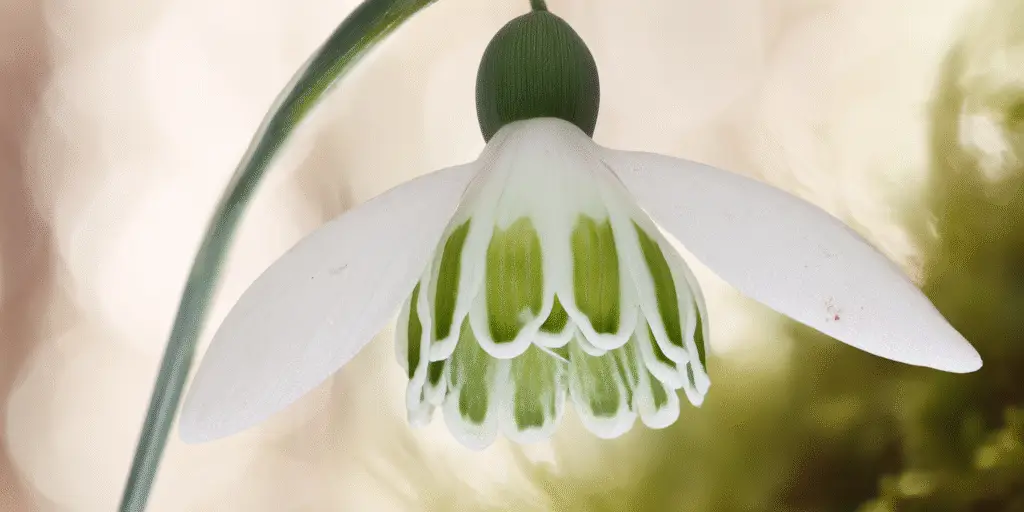
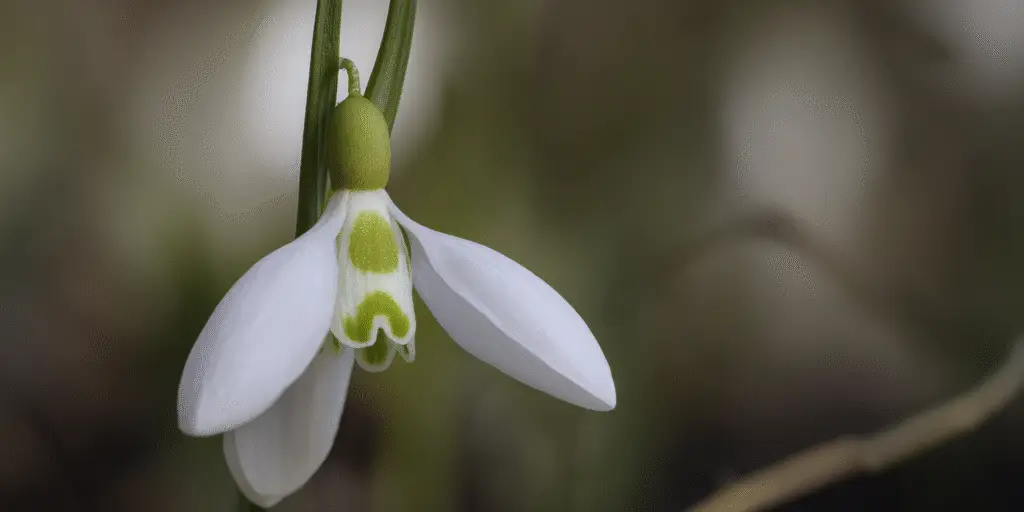
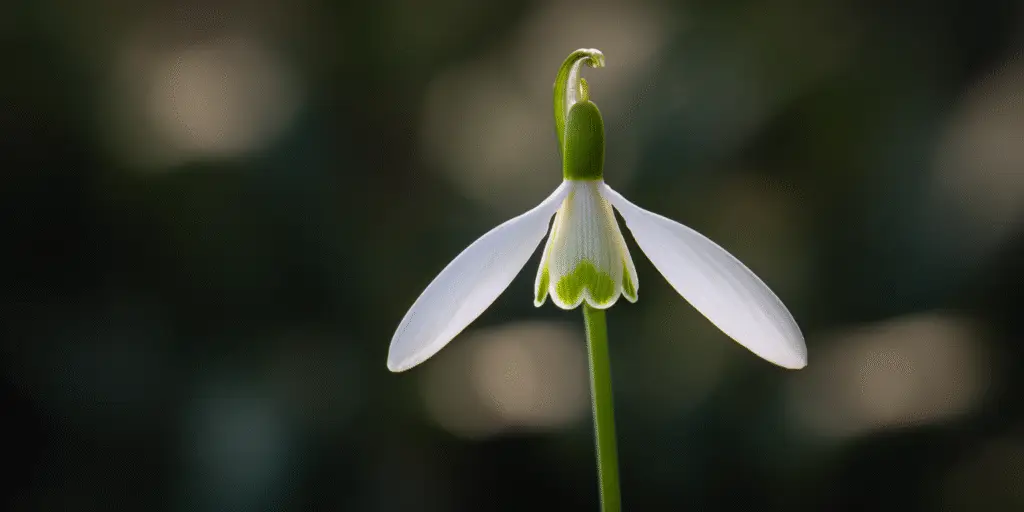
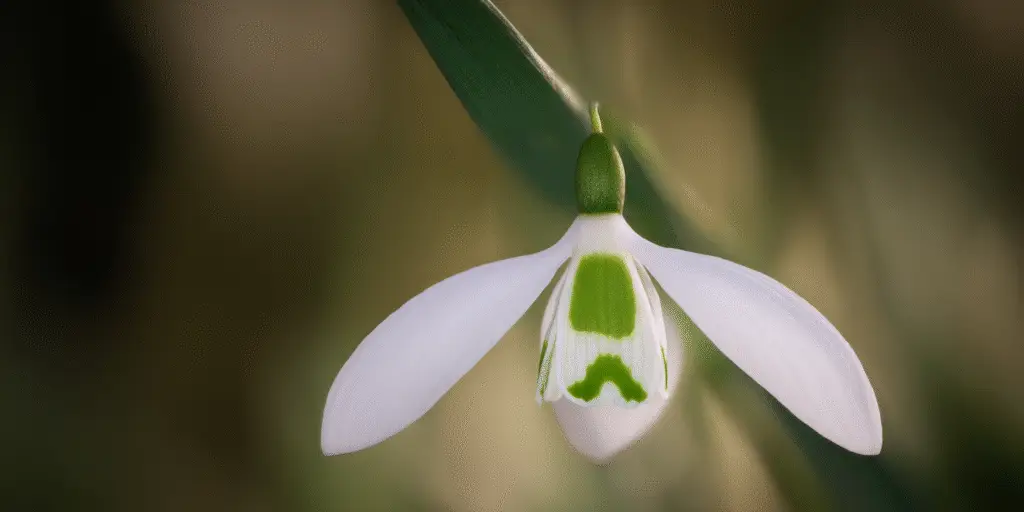
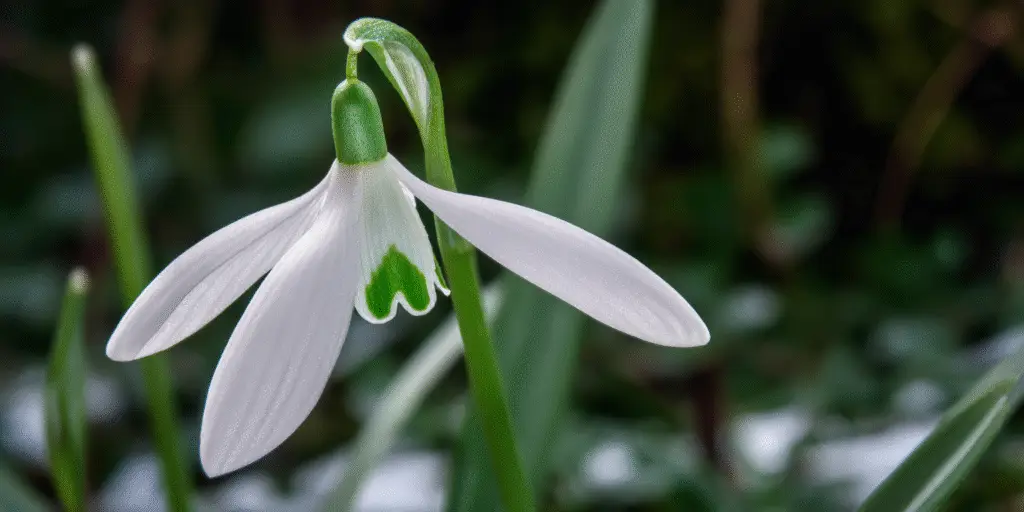
- Color & flower form: White single, inner segments with green mark
- Fragrance: 2 noticeable
- USDA hardiness: zones 3–7
- Breeder / Year / Origin: unknown
- Awards/registration: RHS Award of Garden Merit
- Pet safety: avoid
How it differs
- Typical size and timing for a snowdrop; a baseline for comparisons
- Smaller flowers than the larger greater snowdrop and many cultivars
- Grey‑green leaves rather than the bright green leaves of Galanthus woronowii
- Moderate scent compared with strongly scented selections like ‘S. Arnott’
Strengths
- Naturalizes well from offsets and seed in suitable sites
- Cold‑tolerant and reliable in snow and freeze‑thaw
- Generally deer and rodent resistant
- Tolerates clay and black walnut where drainage is good
Care in one minute
Choose partial shade with winter sun and cool soil.
Provide moist, well‑drained, humus‑rich soil; neutral to slightly alkaline is fine.
Plant bulbs in fall 2 to 3 in deep and 2 to 3 in apart.
Water after planting and during dry spells in fall while roots form.
Do not remove leaves until they yellow; top‑dress with compost after bloom.
Divide clumps only when they thin or flower less.
Watch‑outs
- Often short‑lived south of Zone 7
- Bulbs dislike waterlogged soil; rot can follow poor drainage
- Can be attacked by narcissus bulb fly
Best uses (tags)
Provenance note
Native to Europe; widely naturalized in parts of eastern North America.
References
- Royal Horticultural Society – Galanthus nivalis
- Missouri Botanical Garden – Galanthus nivalis
- Kew: Plants of the World – Common snowdrop
- NC State Extension – Galanthus nivalis (toxicity note)
Similar Flowers

Enjoying our flower guides? Add YourFlowersGuide as a preferred source on Google. It helps more readers find us.
Add to Preferred Sources