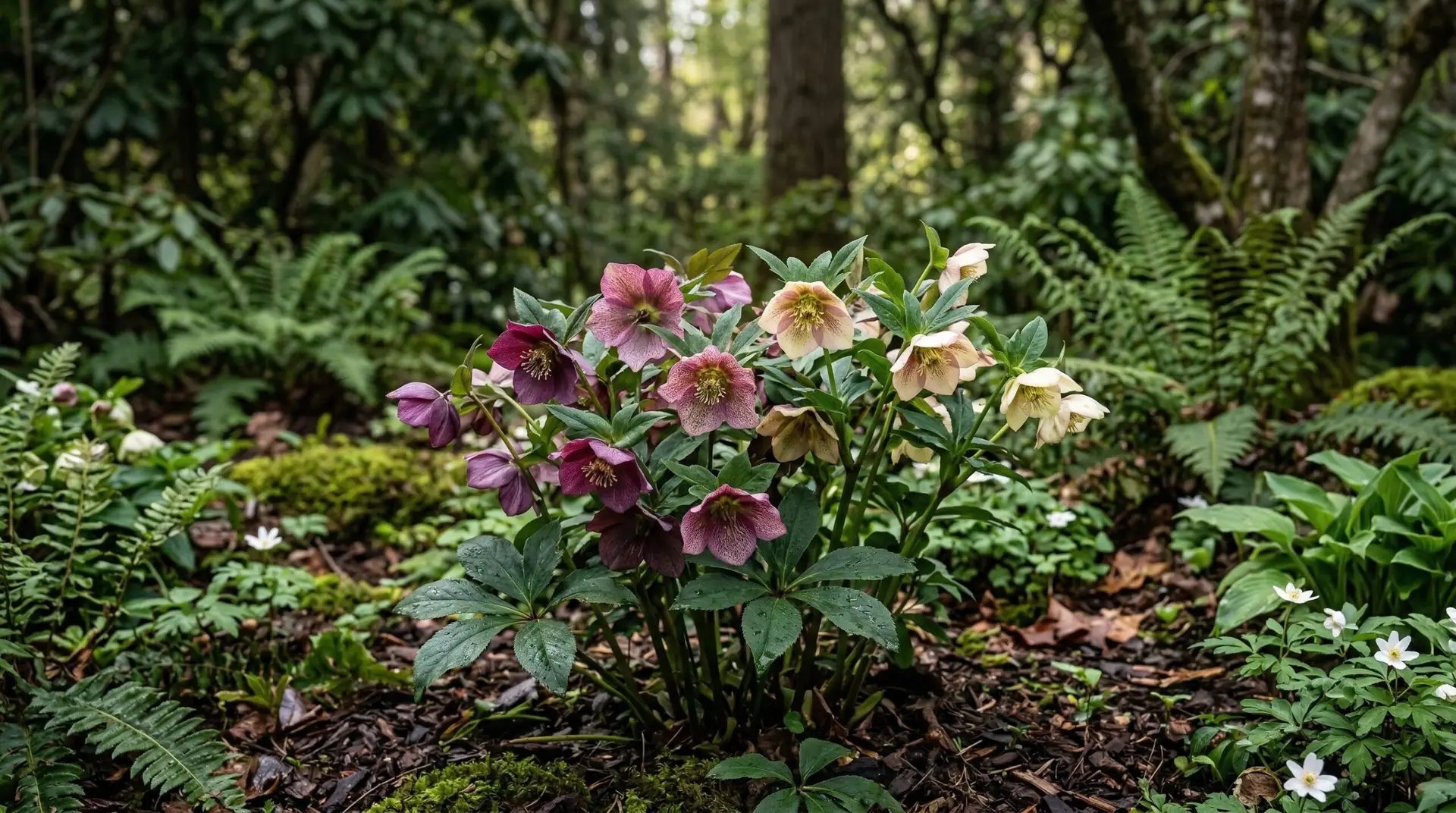
Most gardeners look at a blooming hellebore and admire its large, colorful petals, completely unaware that they are actually looking at leaves. The showy parts of flowers in the genus Helleborus are modified calyx lobes known as sepals. True petals have evolved into tiny, tubular structures called nectaries that sit in a ring around the base of the stamens. This botanical adaptation is a brilliant survival mechanism for a plant that blooms in the dead of winter. While delicate petals would easily freeze and shatter in February winds, these thick, waxy sepals endure freezing temperatures with ease. When the ground thaws just enough for early emerging insects to fly, the hellebore is already waiting with open blooms and rich nectar.
Growing hellebores successfully starts with understanding exactly what these plants are built to do. Often called the Lenten rose because Helleborus orientalis and its hybrids bloom during the Christian season of Lent, these plants are not related to roses at all. They belong to the Ranunculaceae family, placing them in the same lineage as buttercups and anemones. Their biology is distinctly adapted to exploit a very specific ecological window. By flowering when the canopy above them is completely bare, they capture maximum sunlight before the larger trees leaf out and plunge the forest floor into deep shade.
Contents 4 sections
Understanding the woodland origins of hellebores
The wild ancestors of our modern garden hellebores evolved in the deciduous woodlands and scrublands of Europe and western Asia. This origin story explains their deep preference for dappled shade and rich, leaf-littered soil. In their native habitats, they spend the summer months in the cool shade of large trees, protected from the scorching sun that would burn their leathery leaves. When autumn arrives and the trees drop their leaves, the hellebore is suddenly exposed to full winter sunlight. This sudden increase in light triggers the plant to begin developing its floral buds just below the soil surface. You can often see this same biological rhythm in other early bloomers like the snowdrop, which similarly capitalizes on the bare winter canopy to complete its life cycle.
Replicating this woodland environment is the secret to proper Lenten rose care in the home garden. They thrive when planted under deciduous trees like oaks or maples, where they receive the exact seasonal light shifts they evolved to expect. If you plant them under dense evergreen conifers, they will survive but often produce far fewer flowers because they never receive that critical winter sunlight. The soil in a deciduous woodland is also constantly replenished by decaying leaves, creating a loose, humus-rich layer that holds moisture without becoming waterlogged. Amending your garden soil with generous amounts of leaf mold or compost mimics this natural environment and provides the exact fungal networks their roots prefer.
Root architecture and soil preferences
Beneath the soil, a hellebore develops a massive, woody root system that acts as an energy reservoir. Unlike plants with shallow, fibrous roots that can be easily dug up and moved, mature hellebores send thick, fleshy roots deep into the earth. This underground architecture allows them to store immense amounts of carbohydrates over the summer, which they then burn through rapidly to push up flowers during the coldest months of the year. Because these roots are so extensive and brittle, hellebores deeply resent being transplanted or divided once they are established. Understanding this biology means you should choose their planting location carefully, knowing they will perform best if left completely undisturbed for decades.
The depth of their root system also dictates their watering needs and drought tolerance. During their first year in the garden, a young plant requires consistent moisture while those thick roots navigate down through the soil profile. Once established, they become remarkably drought tolerant during the summer months, surviving purely on the moisture trapped deep underground. They do, however, demand excellent drainage, particularly in the winter. If their fleshy roots sit in heavy, waterlogged clay during their active winter growth period, they are highly susceptible to crown rot and fungal pathogens. Planting them on a slight slope or in raised beds ensures that excess winter rain flows away from the crown.
The chemistry behind deer resistance and longevity
One of the most common reasons gardeners turn to hellebores is their absolute immunity to deer and rabbit browsing. This resistance is a chemical defense mechanism honed over millions of years of evolution. Every part of the hellebore plant contains toxic alkaloids, most notably helleborin and ranunculin. When an animal bites into the leaf, these compounds cause a severe burning sensation in the mouth and throat. Herbivores learn very quickly to leave these plants entirely alone, even in the late winter when food sources are incredibly scarce. You can safely plant them alongside early blooming daffodils to create a completely deer-proof spring display.
This chemical defense extends to the foliage, which remains evergreen throughout the winter in most climates. The thick, leathery texture of the leaves is an adaptation designed to retain moisture when the ground is frozen and water is unavailable to the roots. By the time the flower buds begin to emerge from the soil in late winter, last year’s foliage is often battered, torn, and harboring fungal spores. Plant scientists and experienced growers recommend cutting all the old leaves down to the ground just as the new flower stalks begin to push up. This prevents diseases like hellebore black death from spreading to the new growth and allows the flowers to be seen clearly.
Post-pollination biology and seed production
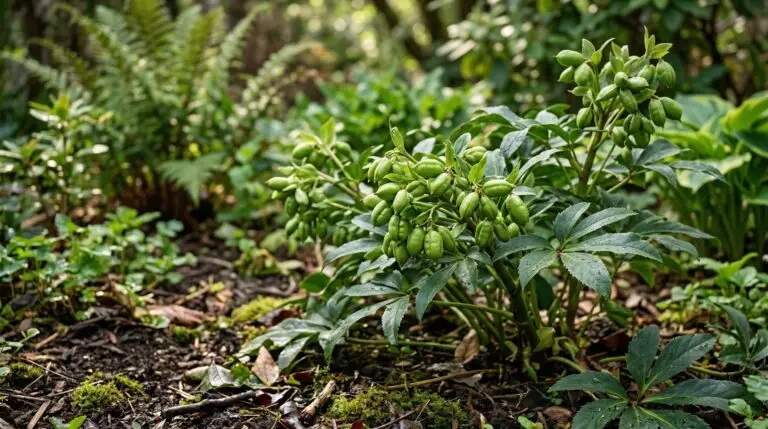
The reproductive cycle of the hellebore is a fascinating display of botanical efficiency. When a bumblebee visits the flower, it crawls over the prominent cluster of stamens to reach the ring of nectaries at the base. Once the flower is successfully pollinated, the plant undergoes a dramatic physical transformation. The tiny nectaries and the pollen-bearing stamens detach and fall away, having served their biological purpose. Unlike a camellia that drops its entire flower once pollinated, the hellebore holds onto its large sepals. The seed pods begin to swell in the center of the bloom, protected by the tough outer sepals that remain attached to the stem.
This is where the hellebore reveals its final biological trick. As the seed pods mature, the colorful sepals that once served as bright billboards for pollinators begin to change color, slowly fading to a deep, vegetative green. They undergo a cellular shift, developing chlorophyll and essentially turning back into leaves. Instead of dropping off and wasting the energy used to grow them, these green sepals begin photosynthesizing. They actively generate the sugars needed to fuel the development of the heavy seed pods they surround. Looking closely at a faded green hellebore flower in late spring is not looking at a dying bloom, but rather observing a highly efficient solar panel actively feeding the next generation of plants.
More About Hellebore
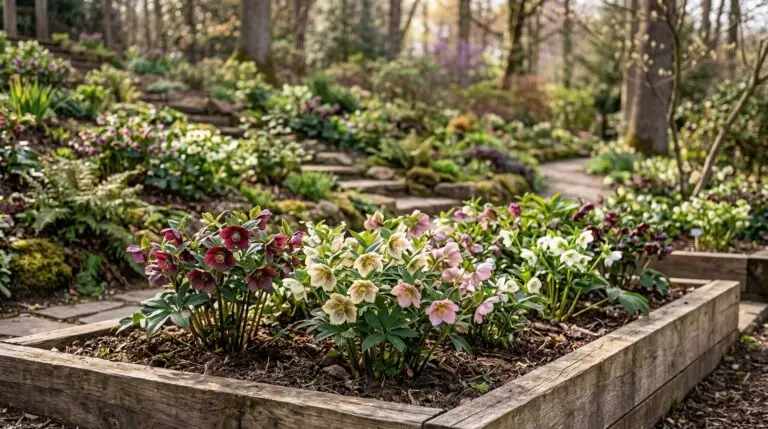
Why hellebore flowers face downward and how to display their hidden beauty
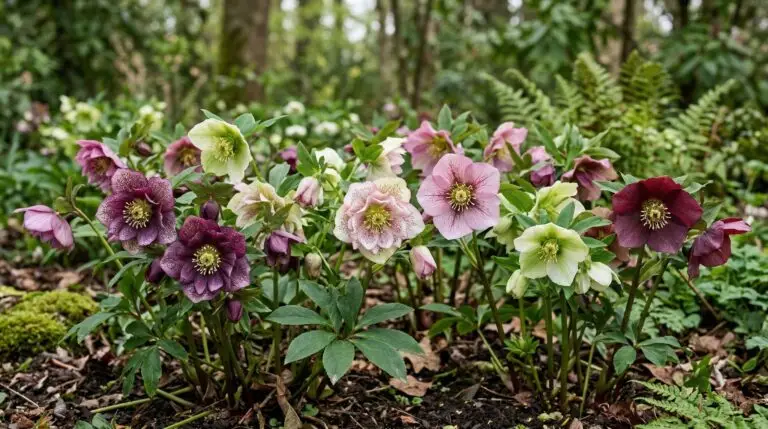
Best hellebore varieties from single-color classics to double-flowered showstoppers
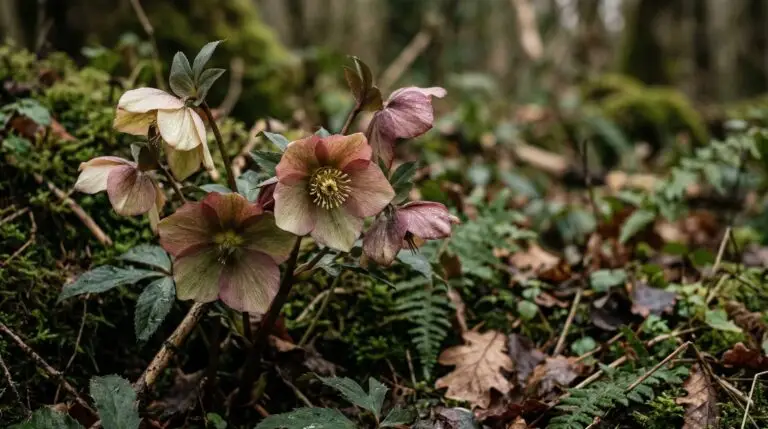
Hellebore flower meaning and the dark legends surrounding the Christmas rose
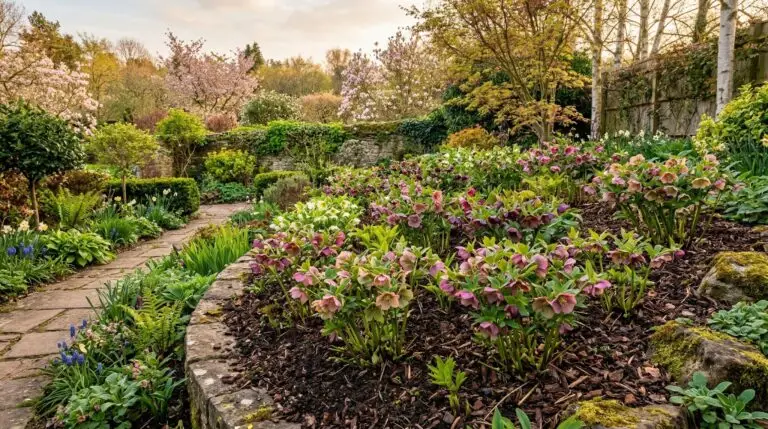
How to clean up hellebore foliage in late winter for the best flower display
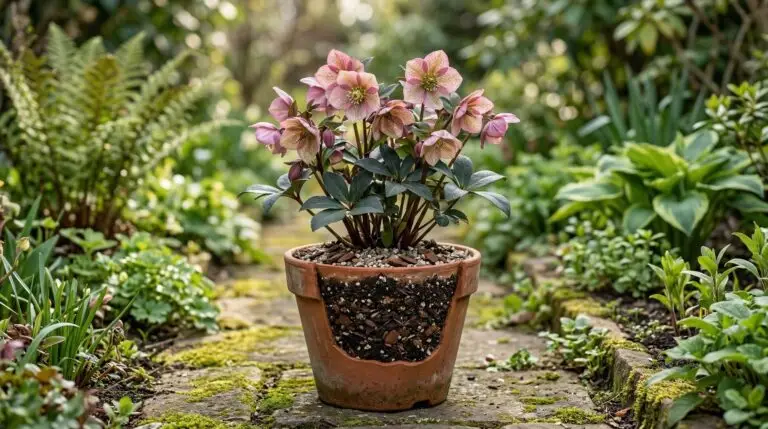
Hellebores in containers for winter interest on patios and doorsteps
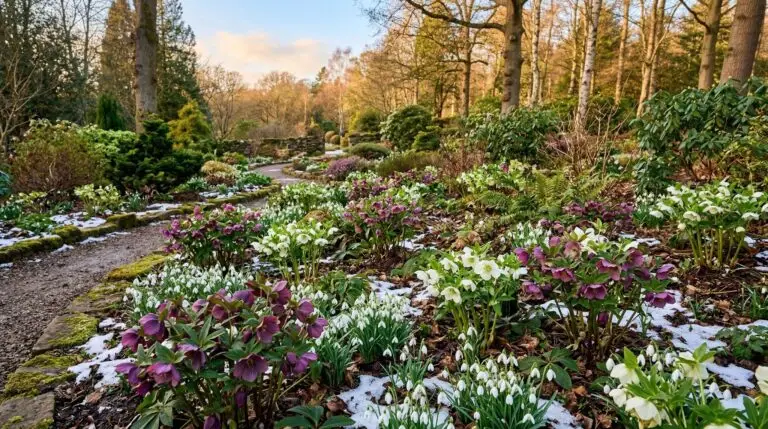
Companion plants for hellebore: what to grow, what to avoid
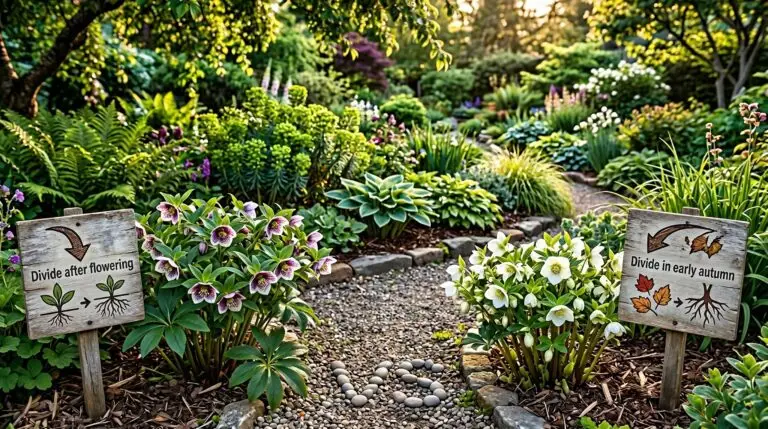
Dividing hellebores and the right time to split mature clumps without killing them
Growing hellebores from seed and the two-year journey to your first blooms
Enjoying our flower guides? Add YourFlowersGuide as a preferred source on Google. It helps more readers find us.
Add to Preferred Sources