Contents 5 sections
Understanding the nodding nature of hellebores
One of the first things gardeners ask when they start growing hellebores is why such spectacular flowers insist on staring at the dirt. You wait all winter for these blooms to appear, only to find that you have to get down on your hands and knees to appreciate their complex patterns. The reason for these hellebore nodding flowers comes down to simple survival in harsh late winter weather. Hellebores bloom when rain, sleet, and snow are common occurrences in the garden. By facing downward, the flower creates a natural umbrella that protects its precious pollen from being washed away or ruined by freezing moisture. This same clever evolutionary trick is used by the early blooming snowdrop to protect its reproductive parts during the wettest months of the year. The downward angle also helps keep the nectar dry for the few early foraging bees brave enough to venture out on mild winter days.
Planting strategies for better visibility
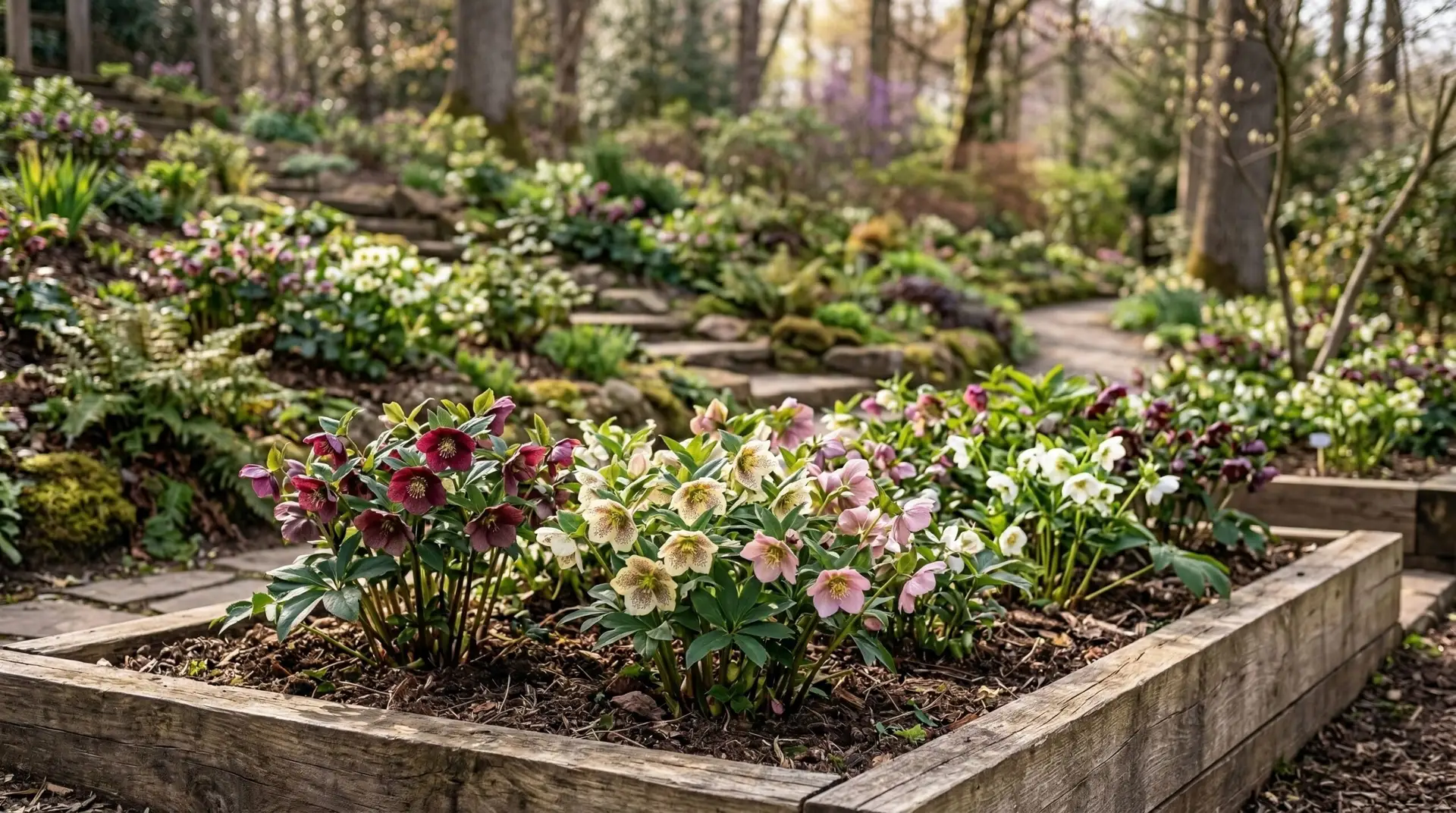
The natural follow-up question is whether you are just doomed to never seeing hellebore blooms without crawling through the winter mud. The secret to enjoying these shy flowers is entirely about placement in your yard. If you plant a hellebore on flat ground right next to a walking path, you will only ever see the backs of the petals. Instead, you should look for areas in your garden that naturally elevate the plant to eye level or at least knee level. Planting them on the side of a steep slope or woodland bank allows you to look up into the flowers as you walk by. Raised beds and the tops of retaining walls are also perfect locations for these winter bloomers. When the plant is positioned a few feet above your typical viewing angle, the drooping heads suddenly become an asset rather than a frustration.
Bringing the flowers indoors for display
This leads to something many growers wonder about when they see a particularly beautiful pattern on a bloom, which is how to bring that color indoors. You might be tempted to cut a long stem and put it in a traditional vase, but you will quickly find that the heavy flower head continues to nod, leaving you looking at the back of the bloom on your dining table. The absolute best way to display cut hellebores is to snip the flower head off entirely, leaving just an inch or two of stem. You then fill a shallow glass or ceramic bowl with water and float the blooms face up on the surface. This floating bowl method completely solves the problem of the hellebore facing down while keeping the flowers hydrated and fresh for several days. It allows you to closely examine the delicate freckles, striking veins, and contrasting nectaries that make these blooms so fascinating to look at up close.
Using light to reveal hidden details
By the way, there is a rather unconventional trick for enjoying the flowers outdoors that you probably never considered. Some dedicated hellebore enthusiasts actually place small mirrors on the ground directly underneath their most prized plants. While this might sound a bit eccentric, the mirror catches the available winter sunlight and bounces it directly up into the center of the dark flower. This upward reflection illuminates the detailed spotting and deep colors that would otherwise be lost in the shadows of the drooping petals. It is a temporary display tactic, usually just done when you are having guests over or spending a mild afternoon on the patio. Similar tricks are sometimes used by growers of the cyclamen to highlight the interesting patterns hiding under their low foliage. It turns a shaded, hidden bloom into a glowing focal point in the winter garden without requiring any permanent yard changes.
The shift toward upward-facing varieties
All of this careful positioning and floating might make you wonder if breeders will ever just develop a hellebore that looks up at you. Plant breeders have actually been asking this same question for decades, and they have recently made significant progress in changing the architecture of the plant. Modern breeding programs have successfully introduced several new varieties that produce outward or even upward-facing blooms. These newer hybrids have thicker, sturdier stems that hold the heavy flower heads erect, completely changing how the plant presents itself in the garden. While these upright varieties eliminate the need for raised beds or floating bowls, they do lose a bit of the classic charm that defines the traditional plant. The heavy, nodding bell shape has protected these flowers through centuries of harsh winters, and there is something deeply satisfying about gently lifting a frost-covered bloom to discover the hidden beauty inside.
More About Hellebore
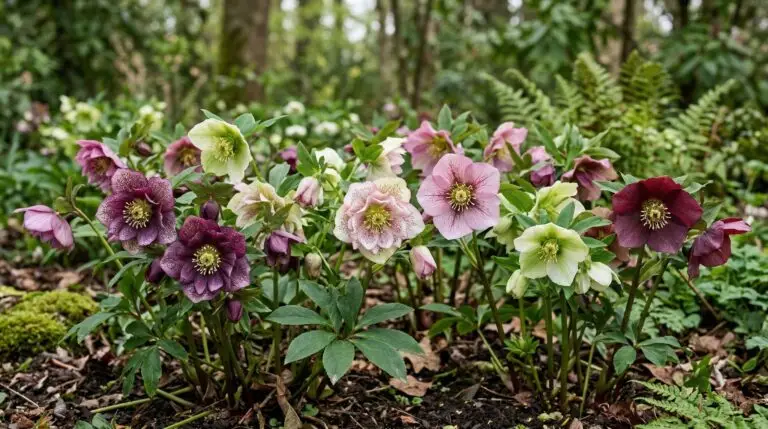
Best hellebore varieties from single-color classics to double-flowered showstoppers
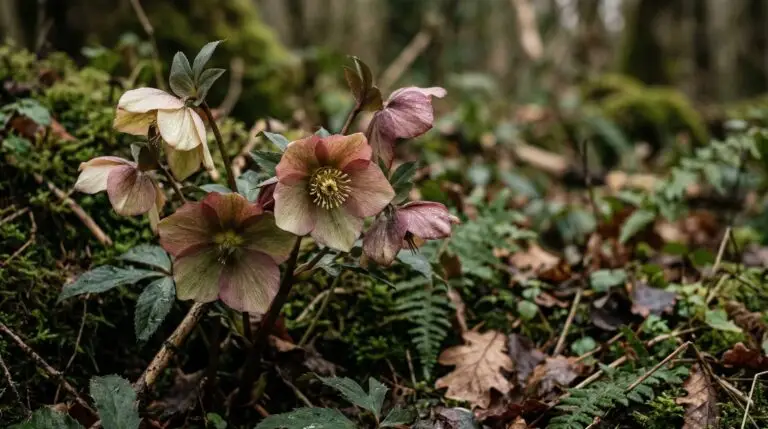
Hellebore flower meaning and the dark legends surrounding the Christmas rose
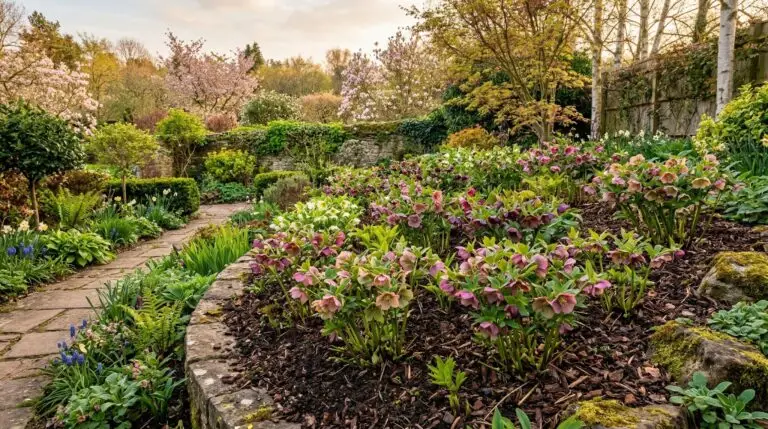
How to clean up hellebore foliage in late winter for the best flower display
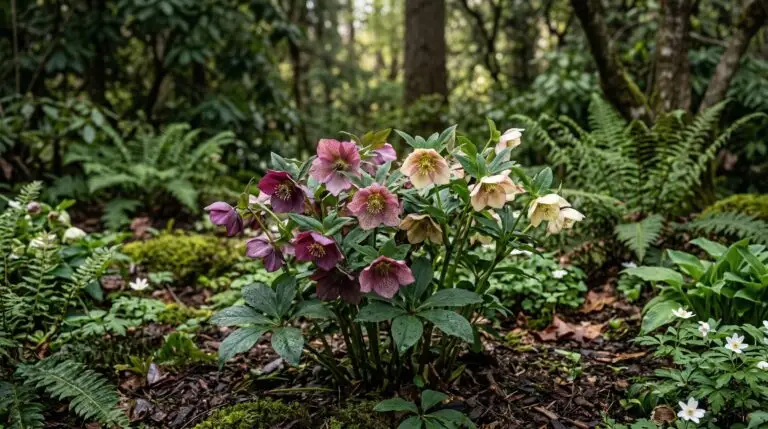
How to grow hellebores for elegant flowers that bloom in the dead of winter
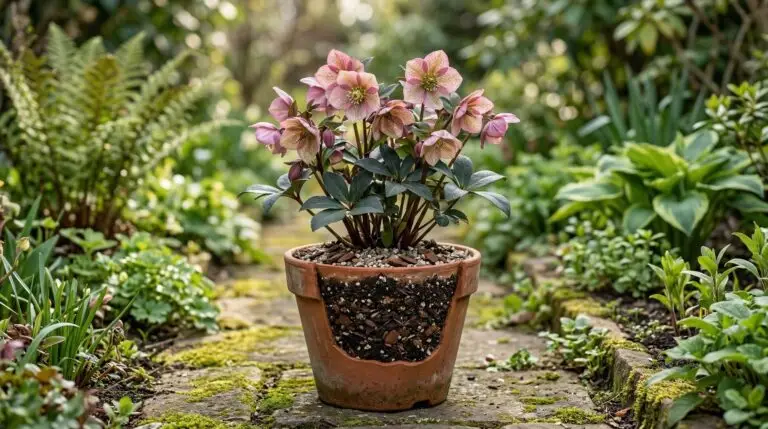
Hellebores in containers for winter interest on patios and doorsteps
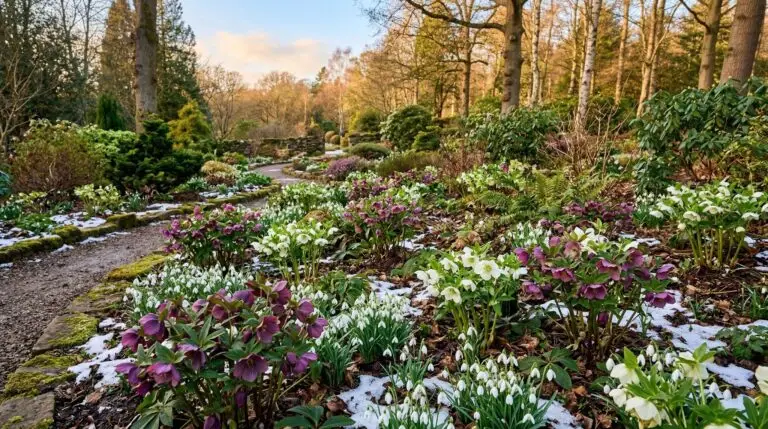
Companion plants for hellebore: what to grow, what to avoid
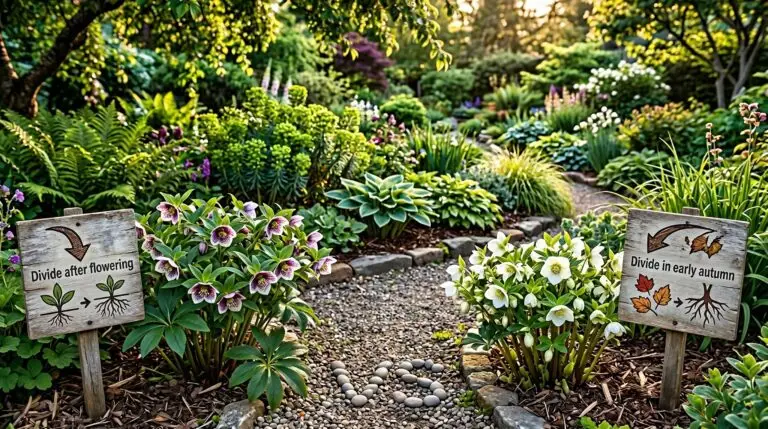
Dividing hellebores and the right time to split mature clumps without killing them
Growing hellebores from seed and the two-year journey to your first blooms
Enjoying our flower guides? Add YourFlowersGuide as a preferred source on Google. It helps more readers find us.
Add to Preferred Sources