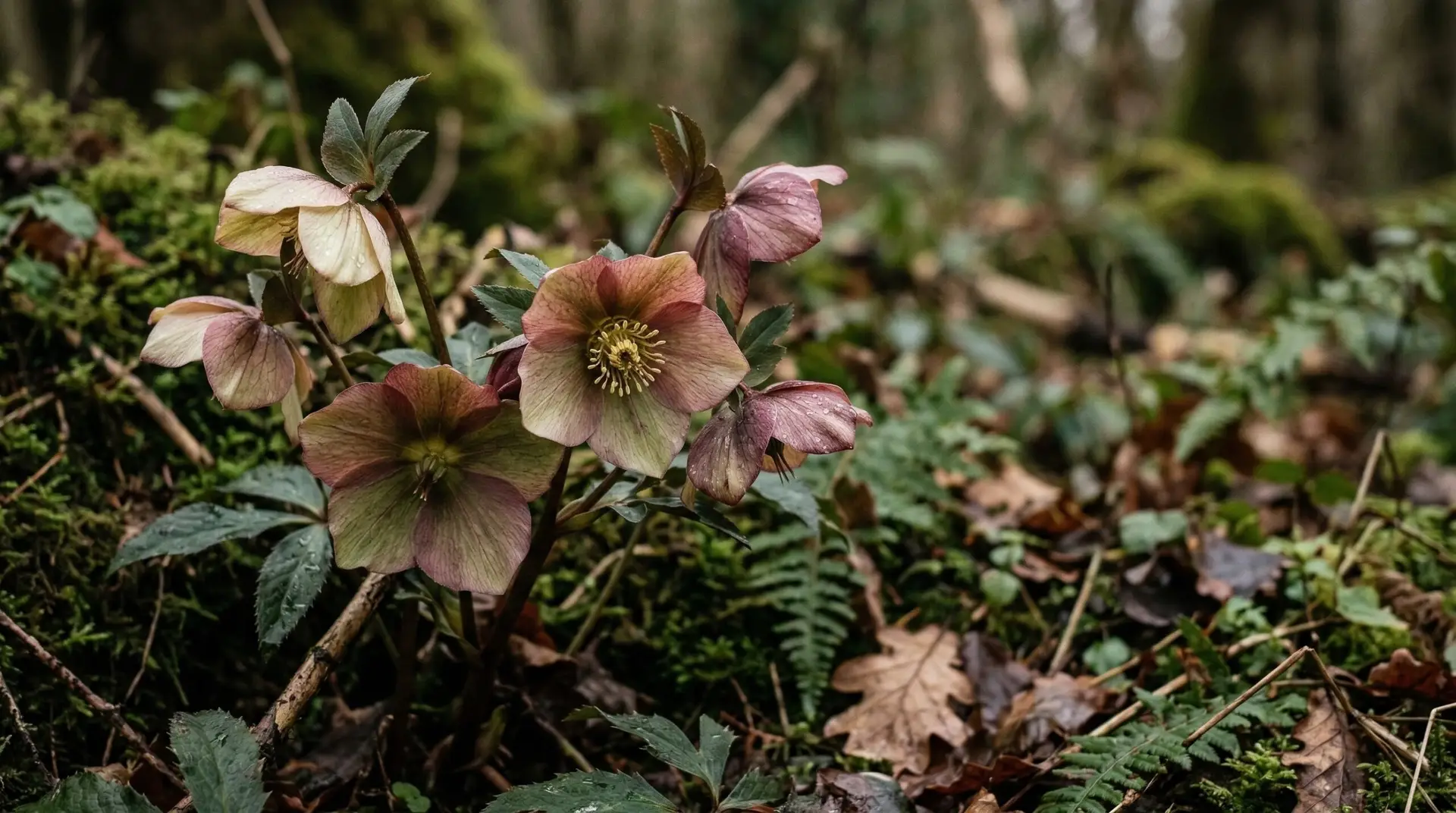
Long ago, according to a quiet European legend, a young shepherd girl named Madelon traveled to Bethlehem in the dead of winter. She followed the wise men and shepherds to the manger, but she stood outside the stable weeping in the cold. The others carried gold, frankincense, and warm blankets, while her hands were entirely empty. As her tears fell onto the frozen soil, an angel brushed the snow aside to reveal a pure white flower blooming in the ice. Madelon gathered these winter blossoms and presented them to the infant, establishing the core Christmas rose meaning that we still recognize today. This delicate but resilient plant pushes through the frost when the rest of the earth is asleep, carrying a message of light breaking through the longest nights.
Long before it became tied to winter holidays, the hellebore held a much darker and more potent reputation in the ancient world. The Greeks knew the plant intimately, though they approached it with a mixture of reverence and deep caution. In their medical traditions, the thick, black roots of the plant contained powerful compounds that could purge the body of ailments, provided the healer knew exactly what they were doing. The line between medicine and poison was incredibly thin, and a slight miscalculation meant the difference between a cured patient and a dead one. Ancient herbalists would draw a circle around the plant with a sword before digging it up, believing that the eagle, a bird sacred to Zeus, would cause them to die if it saw them harvesting the root. They washed the roots in wine and dried them in the shade to prepare their potent, dangerous remedies.
Contents 4 sections
The madness of kings and ancient healers
The most famous story of hellebore meaning in Greek mythology centers on a healer named Melampus and the royal family of Argos. King Proetus had three daughters who offended the god Dionysus, and as punishment, they were struck with a terrible madness. The princesses lost their minds, believing they were cows, and fled into the wild mountains where they roamed for months. Melampus observed that local goats ate the leaves of the hellebore plant and experienced a strange, purging effect. He gathered the roots, steeped them in milk, and fed the concoction to the wild princesses. The powerful medicine cured their madness and restored their human minds. This myth became so widely accepted that the ancients routinely prescribed the plant as a cure for insanity and a bringer of mental clarity.
Witchcraft and the language of flowers
As centuries passed and the Roman Empire gave way to the Middle Ages, the hellebore retained its dual identity as a savior and a killer. Medieval gardeners planted it near their doors to ward off evil spirits, believing the toxic roots created an invisible barrier against witchcraft and curses. People would scatter the dried, powdered leaves on the floors of their homes to drive away dark magic, or bless their farm animals with the smoke of burning hellebore to keep them safe from disease. Yet, the same plant was a known ingredient in the dark arts, used by poisoners and assassins who understood how to extract its deadly sap. Alchemists and apothecaries kept it locked away in wooden cabinets, treating it with the utmost respect. This tension between protection and danger made it a fixture in the enclosed, walled gardens of European monasteries.
By the time the Victorian era arrived, the harsh medical uses of the plant faded, and a new layer of hellebore symbolism emerged in the language of flowers. Victorians assigned complex emotional messages to the plants in their gardens, using them to communicate feelings they could not speak aloud. In this strict social code, handing someone a hellebore was a warning to calm their anxieties or a plea for them to relieve the giver’s distress. The flower became a symbol of scandal and calumny, likely because of its poisonous history and its habit of blooming in the gloomy, dangerous months of winter. A bouquet containing these winter blooms carried a heavy, serious message, far removed from the cheerful declarations of spring daisies or summer lilies.
Watching the winter garden wake up
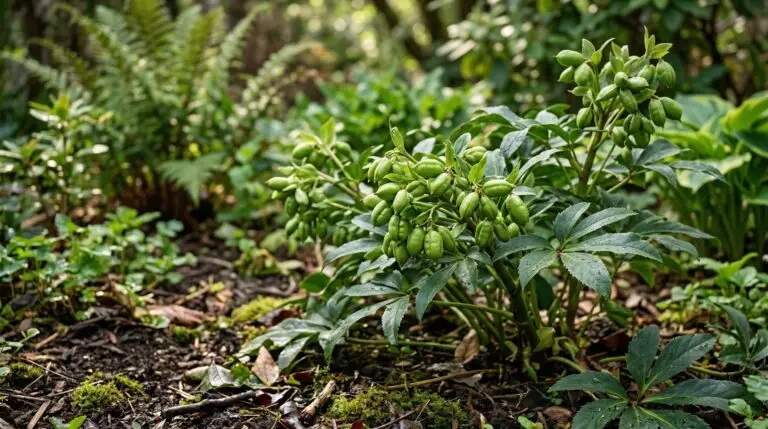
To understand the true character of the plant today, you have to watch it move through its natural seasons. In late autumn, when the deciduous trees are completely bare and the soil hardens, the hellebore holds onto its thick, leathery, evergreen leaves. As January arrives and the frost deepens, thick flower stalks begin to push their way up from the crown of the plant, often lifting chunks of ice and snow out of their way. The buds swell in the freezing air, remaining tightly closed until the pale winter sun provides just enough warmth to coax them open. They often bloom right alongside the early snowdrop, and together they create a quiet, cold-weather garden that thrives while the rest of the world waits for spring.
Despite its common name, the Christmas rose is not related to the traditional summer rose at all, but rather belongs to the buttercup family. The flowers nod downward, a protective posture that keeps winter rain and snow from ruining their delicate reproductive parts. Their petals are actually modified leaves called sepals, which allows them to last for months on the stem without dropping or fading. As the weeks pass and winter turns into early spring, the crisp white or deep purple faces of the flowers slowly fade to a muted, papery green. They hold this green form well into the summer, watching the rest of the garden wake up around them before finally dropping their seeds into the warming soil.
Finding hope in the frozen earth
Planting a hellebore is an act of faith in the darkest part of the year. When you walk out into your yard in February, bundled against the wind, the sight of those nodding, pale green or spotted purple heads changes how you view the season. They do not demand the heat of July or the long daylight hours of June to show their beauty. Instead, they ask you to appreciate the quiet resilience required to bloom in the ice. These winter flowers remind us that life continues even when the ground feels like stone, and they offer a steady, quiet reassurance that the light will eventually return.
More About Hellebore
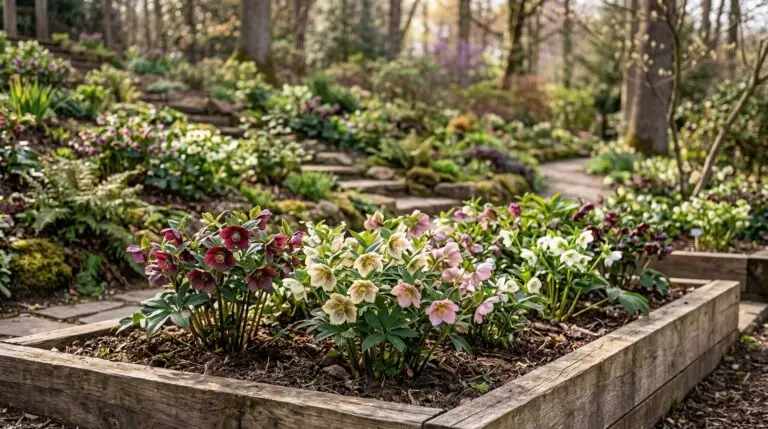
Why hellebore flowers face downward and how to display their hidden beauty
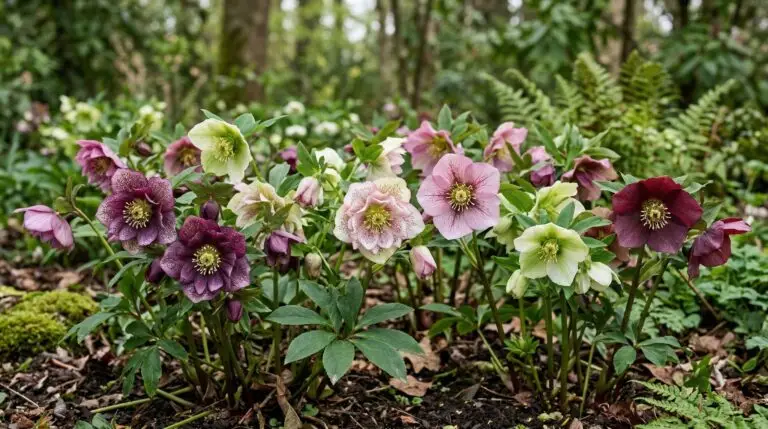
Best hellebore varieties from single-color classics to double-flowered showstoppers
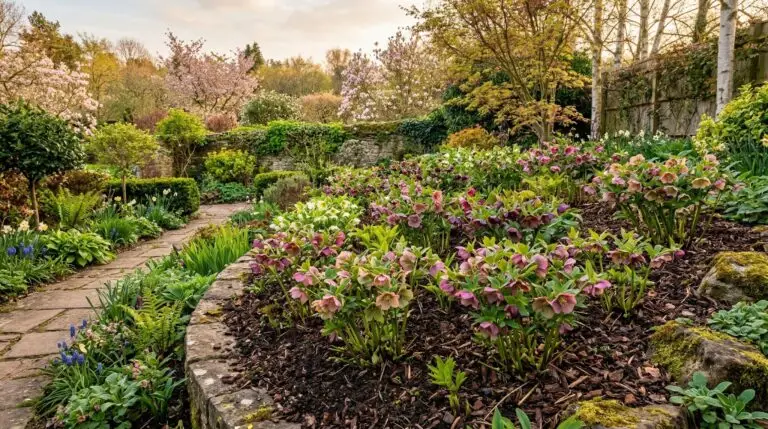
How to clean up hellebore foliage in late winter for the best flower display
How to grow hellebores for elegant flowers that bloom in the dead of winter
Hellebores in containers for winter interest on patios and doorsteps
Companion plants for hellebore: what to grow, what to avoid
Dividing hellebores and the right time to split mature clumps without killing them
Growing hellebores from seed and the two-year journey to your first blooms
Enjoying our flower guides? Add YourFlowersGuide as a preferred source on Google. It helps more readers find us.
Add to Preferred Sources