The pairing · pick a flower
 Calla lily+
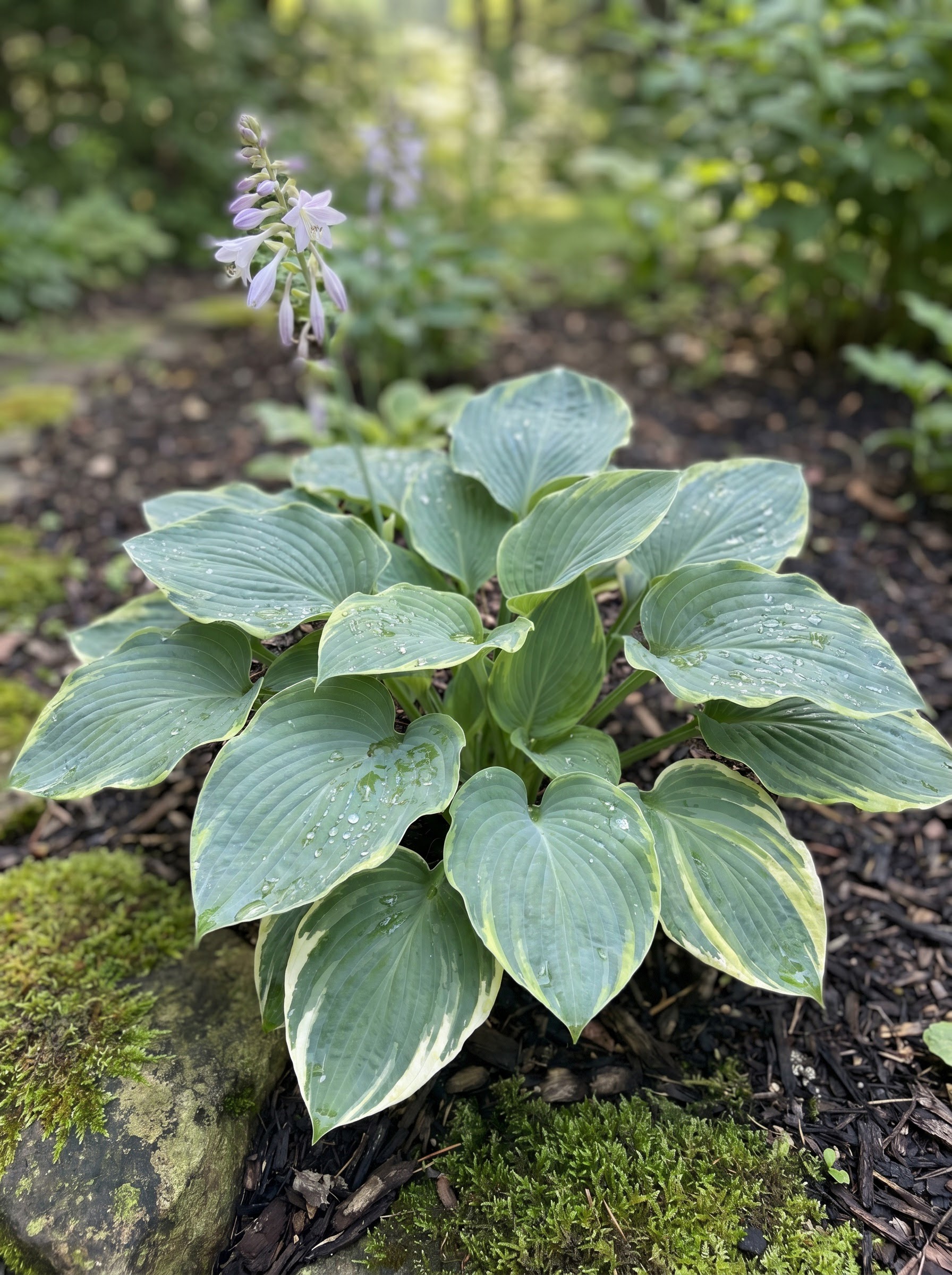 HostaProven
Broad, mounding leaves want the same shade-to-part-shade, moist, humus-rich bed calla lily needs, and their rounded bulk sets off the calla's slim upright form; the most repeated calla pairing across independent sources.
Calla lily+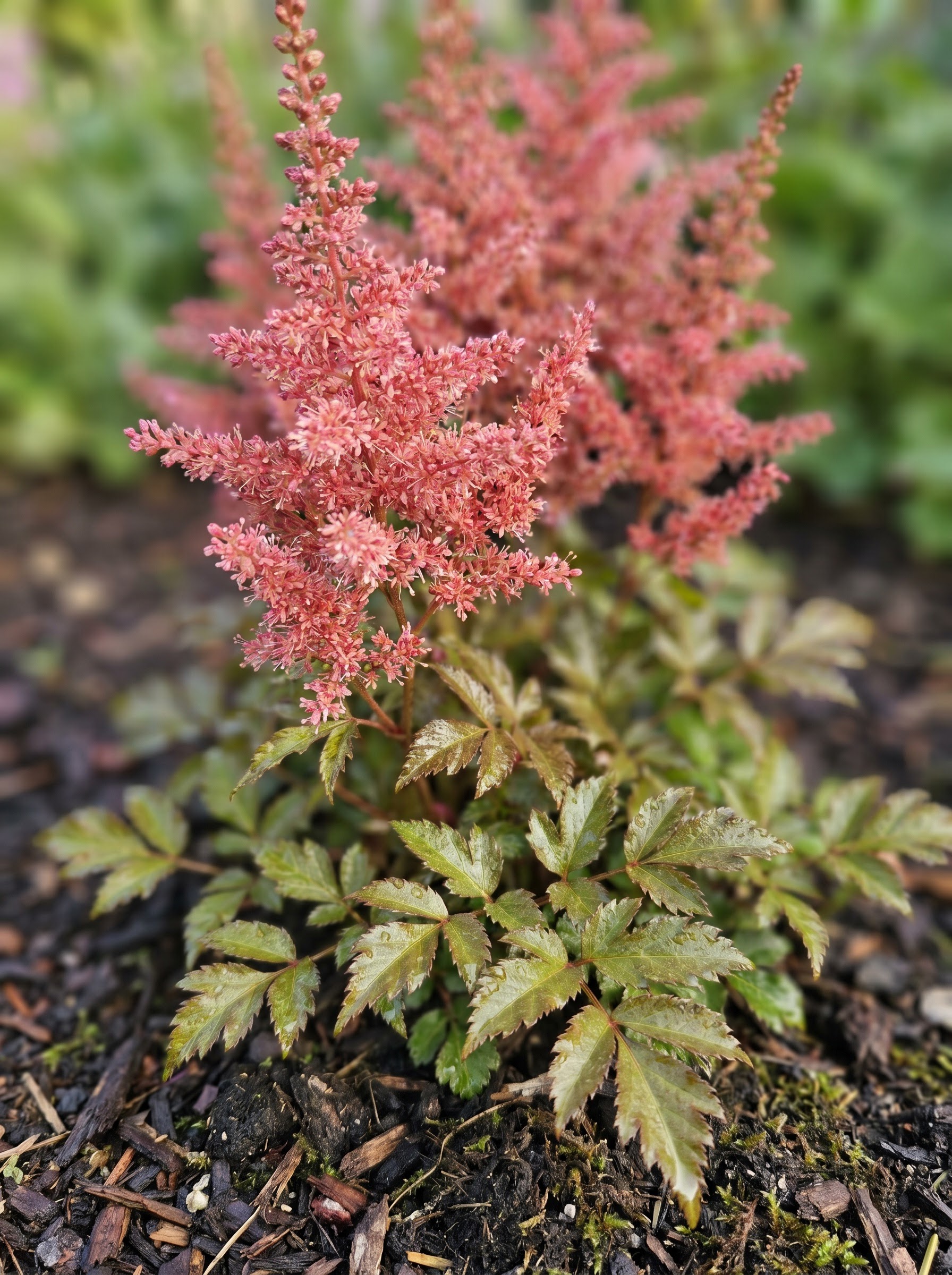 AstilbeProven
Wants the same constantly moist, humus-rich soil and part shade as calla lily, and its feathery upright plumes are the clearest textural foil to the calla's smooth, glossy trumpet blooms.
Calla lily+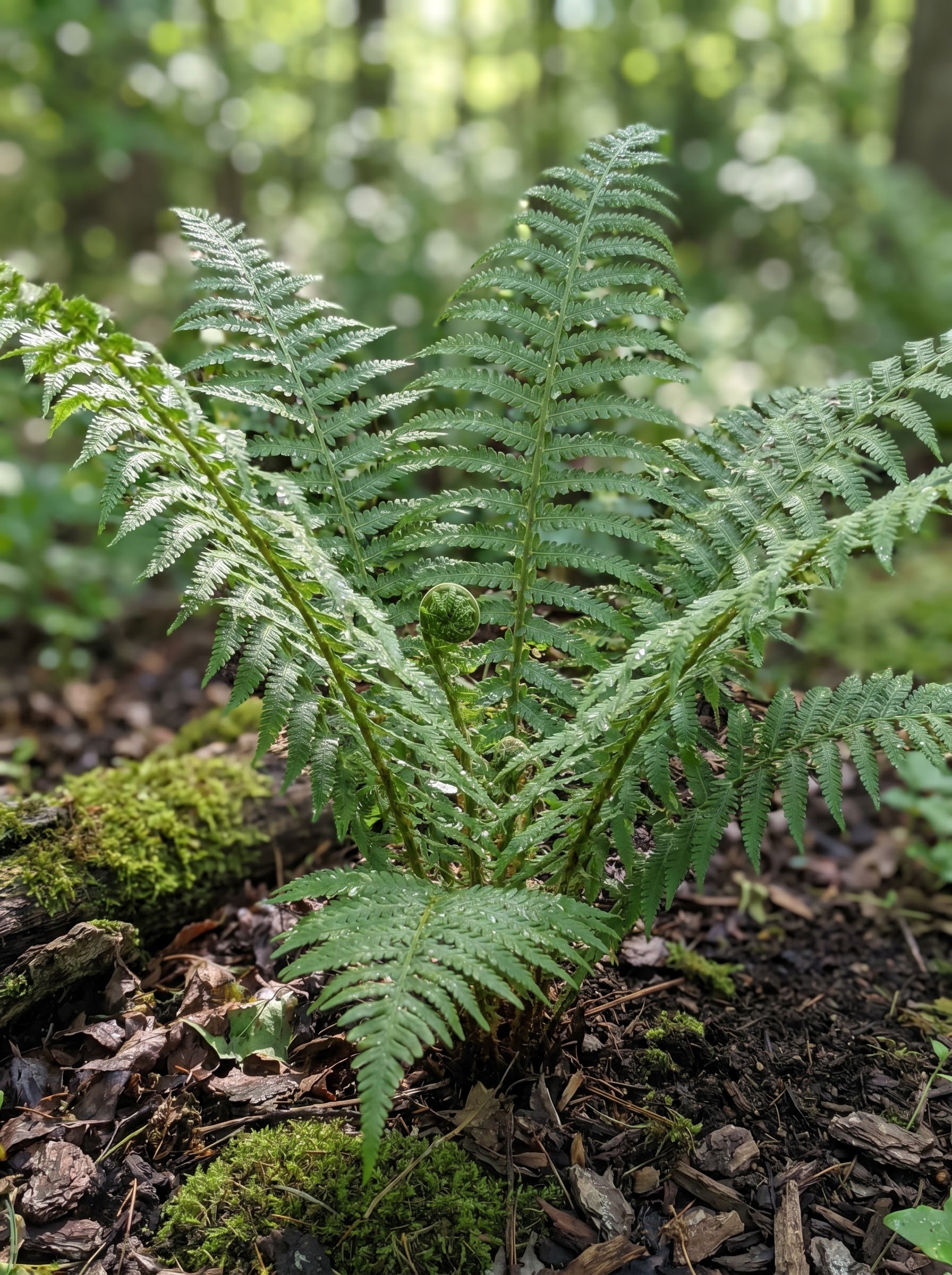 Moisture-loving fernProven
Ferns sited in dappled shade with consistently damp, organically rich soil match calla lily's conditions closely, and their fine, cut fronds are the strongest textural contrast to the calla's smooth, broad, arrow-shaped leaf.
Calla lily+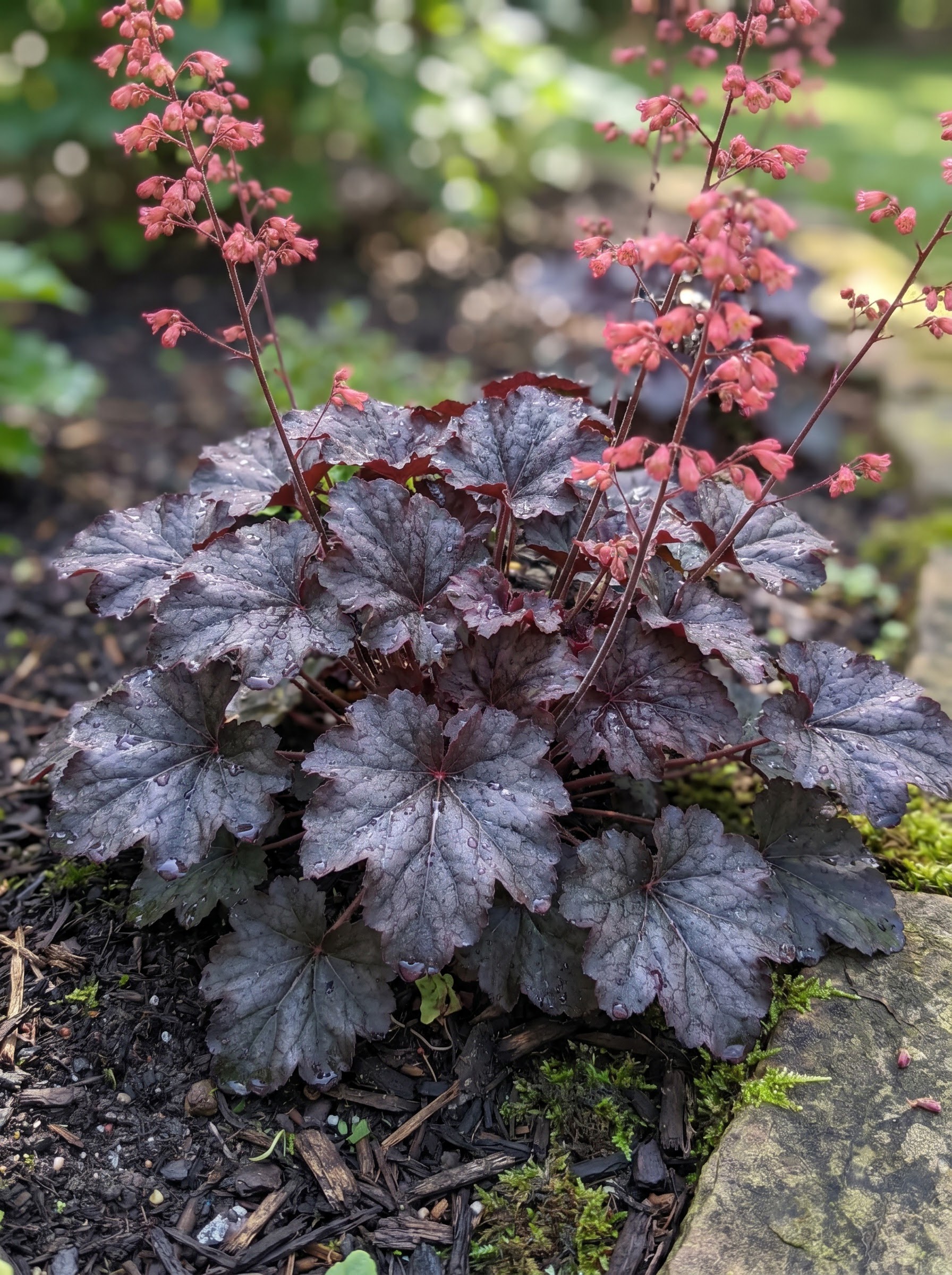 HeucheraProven
Grows best in partial shade with consistent moisture in organically enriched soil, close enough to calla lily's needs to sit at the front of the same bed, and its colored foliage echoes or contrasts white or colored calla blooms.
Calla lily+ AgapanthusPartial
Deciduous types are grown as tender roots on a comparable fall-store, spring-replant calendar in cold zones, and its strappy foliage and globe blooms contrast the calla's broad leaves and trumpet flowers, but established agapanthus tolerates drier soil than calla lily wants, so it wants the drier side of the bed.
Calla lily+ DahliaPartial
Named alongside calla lily constantly for cutting gardens because both are tender bulbs on the same dig-in-fall, replant-in-spring schedule, though dahlia tolerates drier soil than calla lily wants for a permanent bed, so this pairing is strongest in a cutting row, not a wet border.
Calla lily+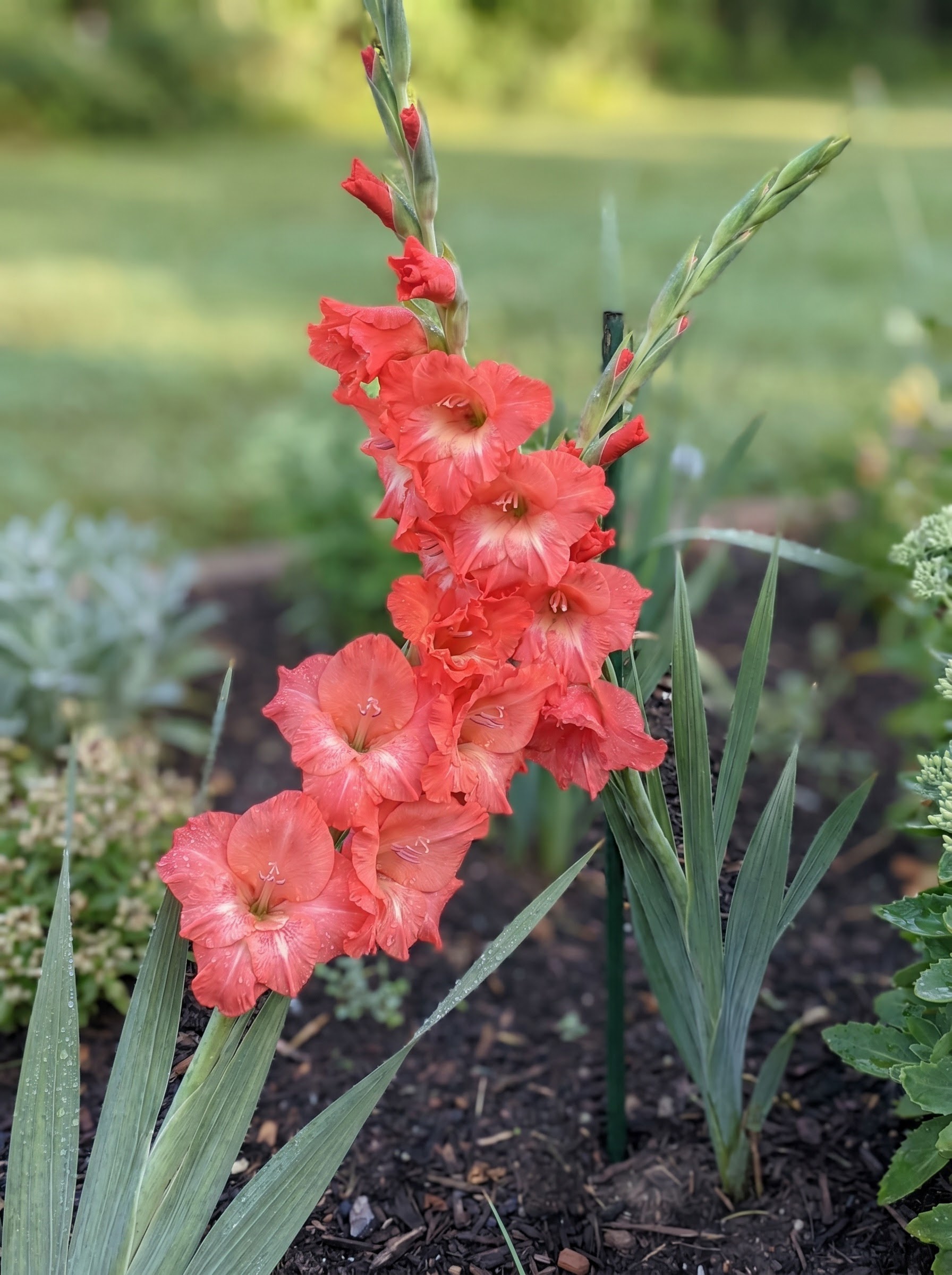 GladiolusPartial
Shares the same tender-corm lift-and-store calendar as calla lily and supplies the tall vertical spike calla lily lacks, a repeated named pairing for cutting gardens, though gladiolus also tolerates drier soil than a permanent wet calla bed offers.
Calla lily+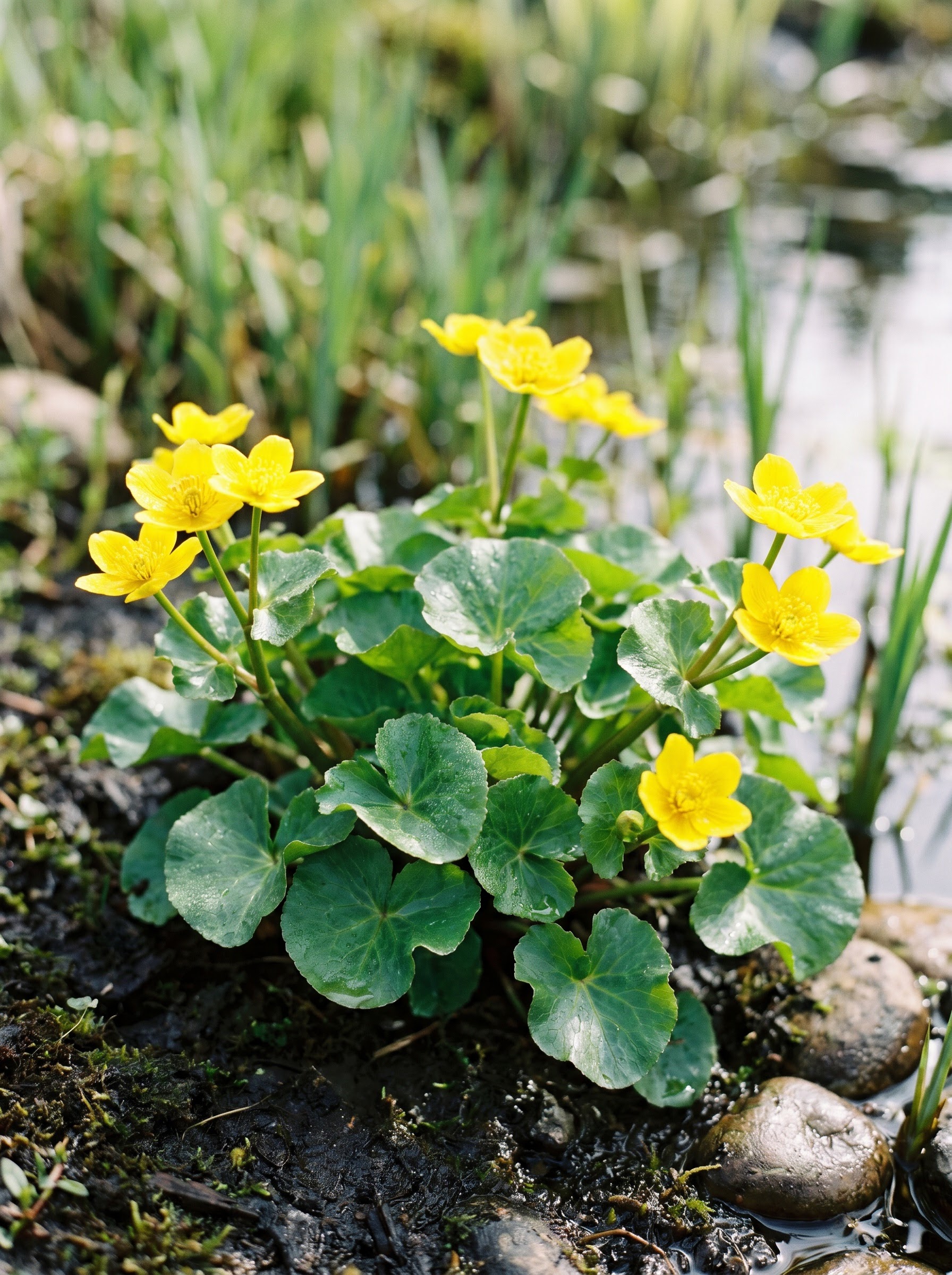 Marsh marigoldProven
One of the few true bog companions that shares calla lily's tolerance for standing water at a pond margin or rain garden, an extreme-moisture niche few other border flowers occupy, and its early spring gold blooms open well ahead of the calla's summer display.
Calla lily+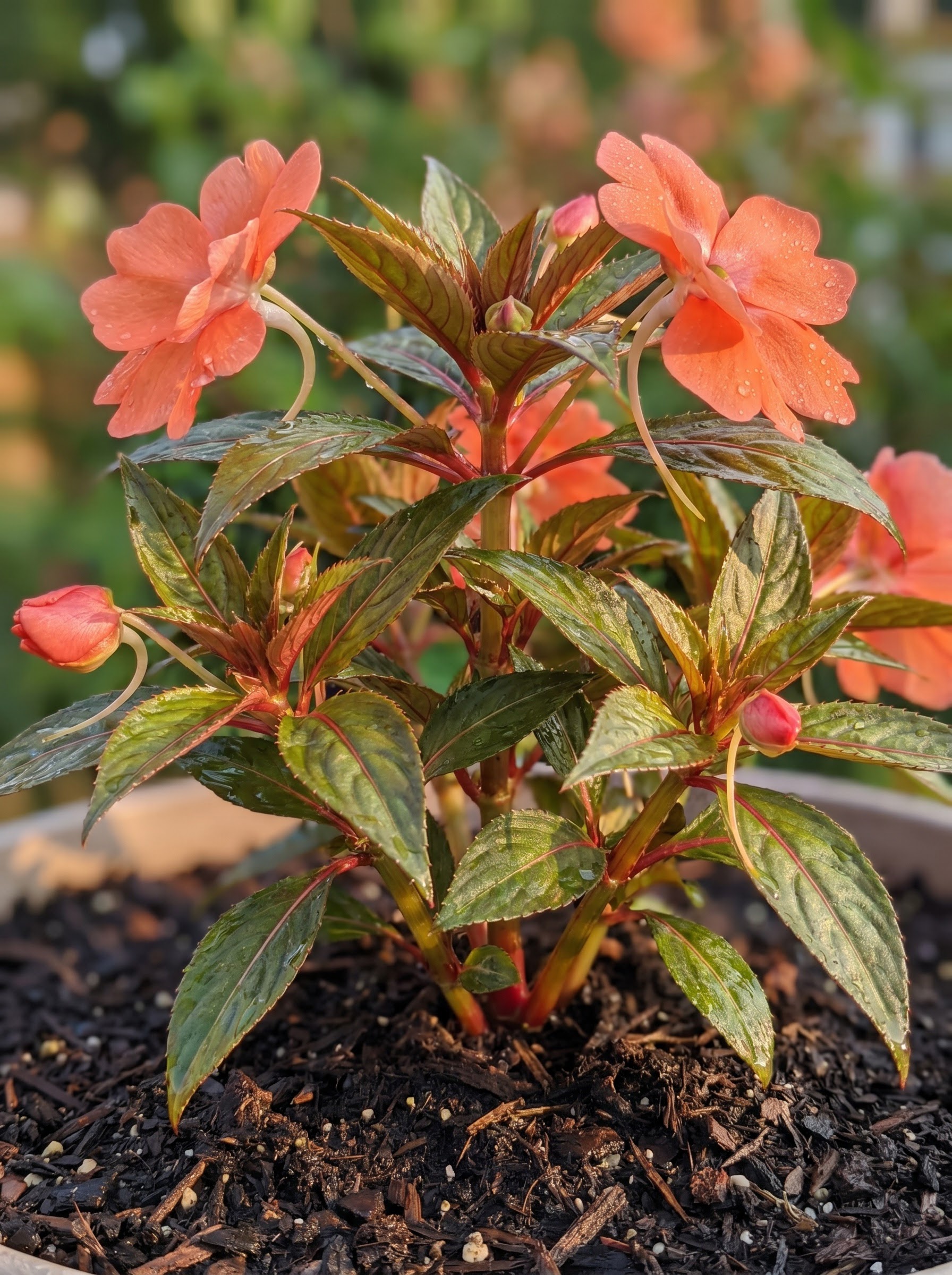 New GuineaFolklore
A shade-tolerant bedding annual that shares calla lily's need for consistent moisture and hides the bare lower stems with a season-long carpet of color, though as an annual it is a lower-commitment, less-tested pairing than the perennial leads above.
All calla lily companions
9 flower companions, best match first
What not to plant near calla lily
Most bad neighbours are not evil, they just want the opposite light, water or root run. Here is what to keep away, and what to do instead.
Xeric and drought-tolerant plants (sedum, yucca, cactus, most ornamental grasses, aloe)
These plants need to dry out between waterings and rot or decline in wet soil, the direct opposite of calla lily's need to stay constantly moist; keeping calla lily watered enough to bloom will drown a xeric neighbor, and holding back water to suit the xeric plant will stall and wilt the calla.
Mediterranean dry-soil herbs (lavender, rosemary, sage, thyme, Russian sage)
Lavender and its Mediterranean relatives want full sun and sharply drained, dry-to-average soil and struggle or rot in heavy or consistently wet ground, exactly the bed calla lily requires; crowding the two together traps water that neither plant can use well.
Lean-soil meadow perennials (yarrow, coneflower, black-eyed Susan)
Yarrow is the clearest case: it wants sandy, poor-to-average soil, and fertile ground makes it throw too much leafy growth with leggy stems that flop over, the opposite of what calla lily's rich, damp bed encourages. Coneflower and black-eyed Susan are gentler versions of the same pattern, both content in average garden soil and not documented to need calla lily's heavy feeding.
Boxwood planted tight against the rhizome
Boxwood has shallow, easily disturbed roots that extension sources caution against crowding with other root systems, but this is general boxwood-underplanting advice rather than a mechanism unique to calla lily, and boxwood's water needs are closer to calla lily's than a true xeric plant's.
Other bulbs and rhizomes crowded too close
Calla lily is a genuine heavy feeder with a spreading, vigorous rhizome, and packing other bulbs directly against it sets up ordinary nutrient and space competition rather than any calla-specific conflict.
The best companions for calla lily, explained
Calla lily asks for one thing above all else: a bed that never dries out. Everything about a good companion pairing traces back to that single fact, since calla lily tolerates standing water up to about 12 inches and sulks or wilts the moment the soil dries between waterings, a much narrower drought tolerance than most border flowers carry. Hosta sits at the top of nearly every independent list of calla companions for a reason: its broad, mounding leaves want the same shade-to-part-shade, moist, humus-rich bed, and the rounded bulk of a hosta clump sets off the calla’s slim, upright trumpets without competing for the spotlight. Astilbe and moisture-loving ferns follow close behind, both content in the same damp, richly amended soil, and both bringing a texture the calla cannot supply on its own, feathery plumes from astilbe and fine-cut fronds from ferns against the calla’s smooth, glossy, arrow-shaped leaf.
Heuchera, sold as coral bells, earns a slightly lower tier only because its crown can rot if water pools directly around it, so it works best tucked at the front edge of the bed rather than mixed in among the calla rhizomes. Agapanthus, dahlia, and gladiolus round out the list for a different reason entirely: all three are commonly grown as tender bulbs lifted and stored over winter in cold zones, the same fall-dig, spring-plant calendar calla lily follows, which makes them natural partners in a cutting garden even though their soil preferences run a touch drier than a calla’s permanent bed. For gardeners with a pond edge or a rain garden, marsh marigold is the standout, one of the few true bog plants that shares calla lily’s tolerance for standing water, a genuine specialist pairing rather than a general design suggestion. For the reader whose calla lily lives entirely in a pot on a bright windowsill, most sources recommend growing it alone: a single calla in its own container avoids competing for water and nutrients in a confined root zone, though a shallow-rooted, moisture-loving trailer like New Guinea impatiens can share a large outdoor container without much trouble.
What not to plant near calla lily
The single biggest mistake is pairing calla lily with anything that needs to dry out between waterings. Sedum, yucca, most ornamental grasses, aloe, and true desert cacti are built to shed excess water and rot in consistently damp soil, the exact opposite of what calla lily demands to keep blooming; put the two together and one of them loses, either the calla wilting from under-watering or the xeric plant declining from root rot. The same logic rules out lavender, rosemary, sage, thyme, and Russian sage, Mediterranean natives that want full sun and soil dry enough to reflect their native hillsides. This water-need collision is basic physiology, repeated everywhere calla lily and xeric plants are discussed side by side, and it is the cleanest, most teachable rule on this page.
A softer mismatch runs the other direction. Coneflower, yarrow, and black-eyed Susan thrive in lean, average-to-poor soil and can flop or decline when planted in ground rich and moist enough to satisfy a calla lily’s heavy feeding habit. This is real horticultural logic, though it deserves a lighter touch than the xeric-plant rule, since some of these same meadow perennials show up on generic companion lists without calla-specific testing behind the claim. Two other frequently repeated avoids do not hold up well under scrutiny. Boxwood is sometimes flagged for root competition, but that caution traces back to general advice about boxwood’s shallow roots near any dense planting rather than any mechanism unique to calla lily, and boxwood’s water needs sit much closer to a calla’s than a true xeric plant’s; treated as a structural edge at a deliberate distance, boxwood works fine. Crowding other bulbs or rhizomes too close to the calla’s own spreading rhizome is ordinary bulb-spacing advice dressed up as a calla-specific warning, worth a spacing note but hardly a firm rule.
Do they like the same conditions?
Calla lily’s growing window is genuinely wide on two axes and genuinely narrow on a third, and understanding which is which is what makes a companion choice honest instead of decorative. On light, calla lily is flexible: full sun to partial shade both work, with afternoon shade recommended in hot-summer regions purely to prevent leaf scorch rather than out of any real need for shade to survive. On soil pH, calla lily is even more forgiving, tolerating acidic through alkaline soil without any measurable effect on bloom or health, which means pH-matching is simply not a constraint worth worrying about here, unlike a flower such as hydrangea where soil acidity changes the bloom color itself.
Water and soil richness are where the real ruler lives. Calla lily wants soil that stays consistently moist to wet, rich with organic matter from leaf mold, rotted manure, or humus, and it is a genuine heavy feeder that stops flowering without regular fertilizing through the growing season. That combination, constant dampness plus constant richness, rules out far more common garden plants than most flowers on this site, because so many popular perennials are bred or selected specifically for average or lean soil and moderate watering. A companion that shares calla lily’s shade tolerance but wants to dry out between waterings, like most ornamental grasses, still fails the match; a companion that shares its moisture needs but expects poor, sandy soil still fails too. The plants that actually pass both tests, hosta, astilbe, moisture-loving ferns, heuchera, and true bog plants like marsh marigold, are the ones that belong in the same bed.
How to plant them together
Space perennial companions 12 to 18 inches from the calla lily’s rhizome clump, enough room for both plants to reach mature width without one shading out the other’s crown. Because calla lily is a spreading, vigorous, nutrient-hungry rhizome, and is even flagged as an aggressive spreader in warm, wet regions of the world, give companions either their own root space or expect to divide the calla clump every few years to keep it from crowding weaker neighbors. Layer by height and texture rather than by bloom time alone: low heuchera or New Guinea impatiens at the front edge, the calla lily and hosta or astilbe at mid-height, and any taller cutting-garden partners like gladiolus toward the back or in their own row.
For a pond margin or bog garden, plant marsh marigold at the same damp edge where the calla lily will eventually sit in standing water, and note that marsh marigold is hardy to much colder zones, so in many gardens it becomes the permanent planting that frames a calla lily lifted fresh each spring. In containers, the simplest approach is to give calla lily its own pot; if a second plant is wanted, choose a shallow-rooted, moisture-tolerant trailer and expect to feed and water more often than a solo calla would need. In USDA zones 3 through 7, where the rhizome cannot survive winter in the ground, treat calla lily like dahlia and gladiolus: dig it after the foliage yellows in fall, cure briefly, and store the rhizome dry until spring, which is also why those three bulbs are so often planted together in the first place.
Does companion planting actually work for calla lily?
Some of it, yes, and some of it is closer to a design habit than a tested horticultural claim. The moisture-and-richness match between calla lily and shade perennials like hosta, astilbe, and ferns earns a genuine Proven tier: multiple university extension sources independently describe the same growing conditions for calla lily and for each of these companions, so the overlap reflects the same physiological requirement stated twice rather than two popular plants sharing a listicle. The avoid-list logic around xeric plants and Mediterranean dry-soil herbs is equally solid, a straightforward water-need collision that does not require any special pleading to justify.
Weaker ground shows up in a few specific claims. The idea that boxwood specifically competes with calla lily’s roots traces back to general advice about boxwood’s shallow root system near any planting rather than a documented calla-specific conflict, and it does not survive comparison with boxwood’s actual water needs, which sit much closer to a calla’s than to a xeric plant’s. Coneflower and yarrow as avoids are real but softer than the xeric-plant rule, since both also appear on "good companion" lists elsewhere without any calla-specific verification, which suggests some of that advice is recycled from generic soil-richness guidance rather than tested against calla lily directly. The dahlia and gladiolus pairing, while a genuinely useful cutting-garden calendar match, works better filed under shared bulb-storage logistics than shared soil needs.
Frequently asked questions
What can I plant in front of calla lily?
Heuchera and New Guinea impatiens both work as a low front edge, sharing the calla’s need for consistent moisture while staying short enough not to hide the trumpet blooms; give heuchera slightly better drainage than the calla itself gets, since its crown can rot in standing water.
What should you not plant near calla lily?
Anything built to dry out between waterings: sedum, yucca, ornamental grasses, cacti, and Mediterranean herbs like lavender and rosemary. The water-need collision is the single most reliable avoid-rule on this page.
Is calla lily an aggressive spreader?
In warm, wet USDA zones 8 through 10, yes, and Zantedeschia aethiopica is flagged by the California Invasive Plant Council as a spreader in riparian settings internationally, forming dense stands along stream banks in parts of the world outside its native range. In most home gardens it is manageable with periodic division, but it is genuinely more vigorous than a typical border perennial.
Can I grow calla lily in a pot with other plants?
Most guidance leans toward growing calla lily alone in a container, since it wants consistent, generous watering and rich soil that a shared pot makes harder to deliver evenly; if pairing, choose a shallow-rooted moisture lover and feed more than a solo plant would need.
Is calla lily safe for pets?
It causes oral and gastrointestinal irritation from calcium oxalate crystals, the same family mechanism found in peace lily and philodendron. That is a different, less dangerous mechanism than the fatal kidney-failure risk that true lilies (Lilium and Hemerocallis) pose to cats, though it is still painful and worth preventing.
Sources
- NC State Extension Gardener Plant Toolbox: Zantedeschia aethiopica
- NC State Extension Gardener Plant Toolbox: Hosta
- NC State Extension Gardener Plant Toolbox: Caltha palustris (marsh marigold)
- NC State Extension Gardener Plant Toolbox: Sedum
- NC State Extension Gardener Plant Toolbox: Echinacea purpurea (coneflower)
- Iowa State University Extension and Outreach: Growing Astilbe in Iowa
- University of Illinois Extension: Ferns Add Texture to a Shade Garden
- Clemson Cooperative Extension HGIC: Heuchera, Coral Bells
- Wisconsin Horticulture Extension: Agapanthus
- Wisconsin Horticulture Extension: Storing Tender Bulbs for Winter