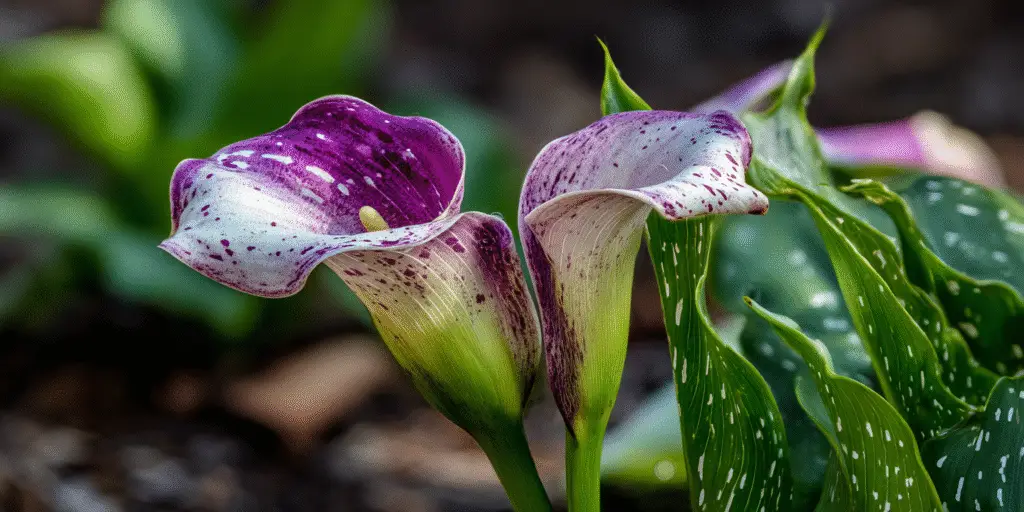
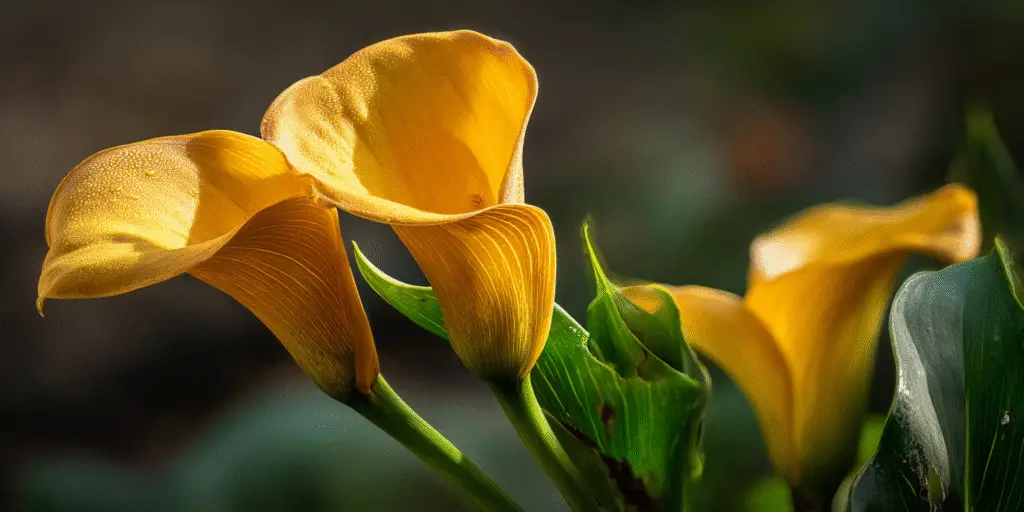
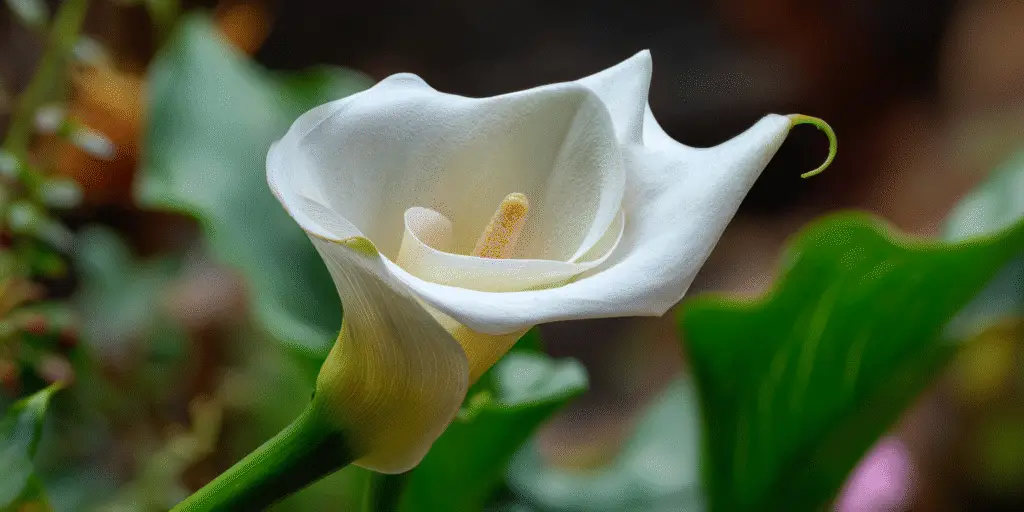
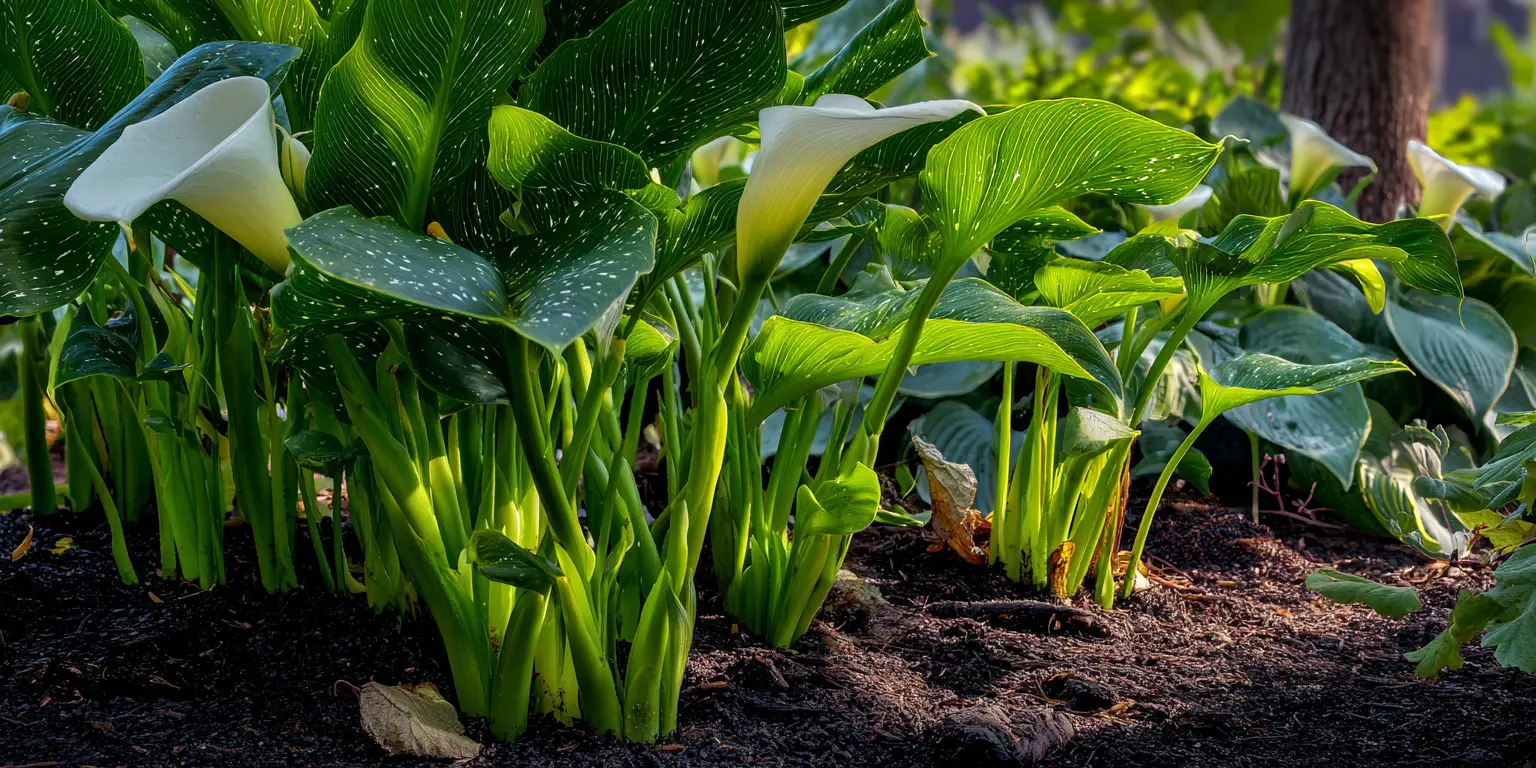

Taxonomy and origin
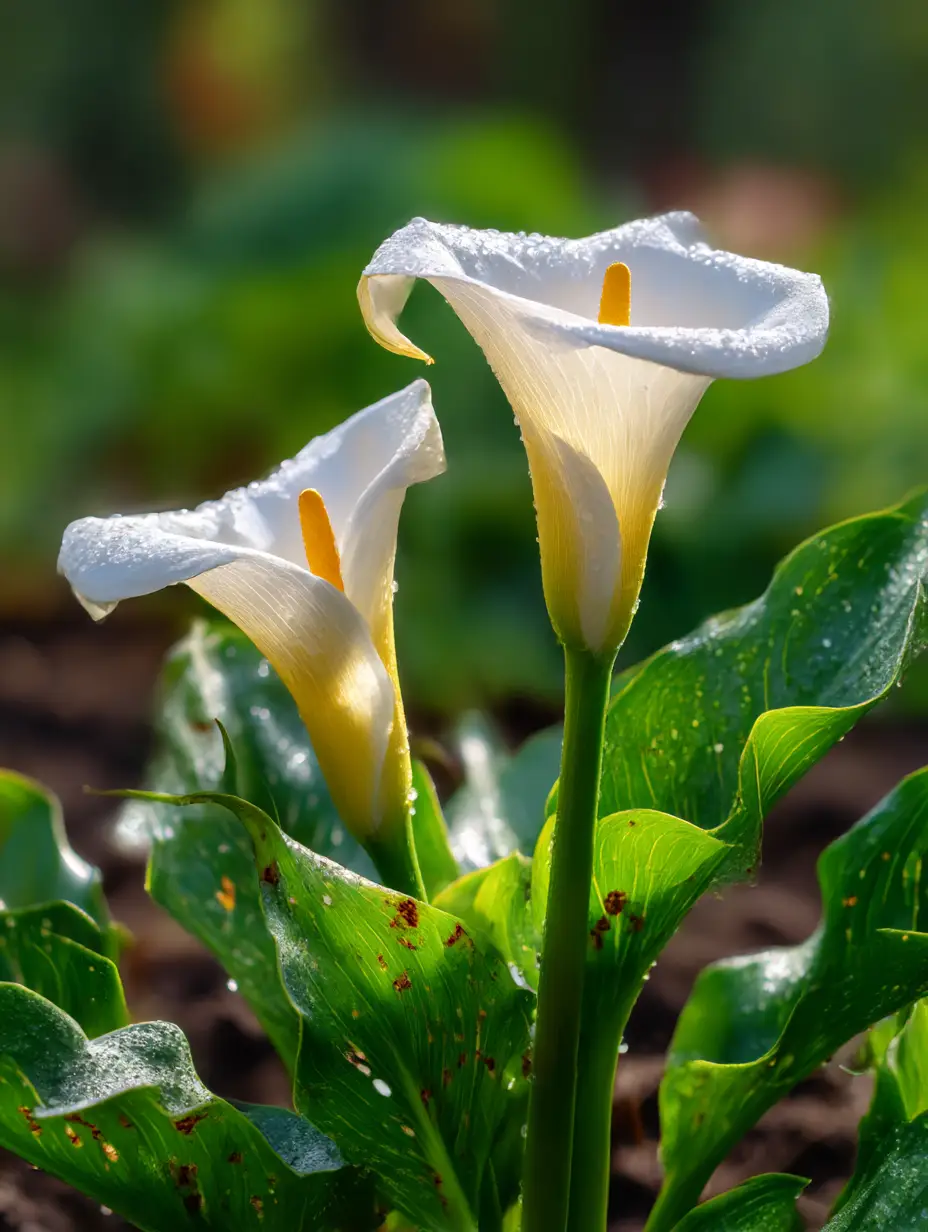
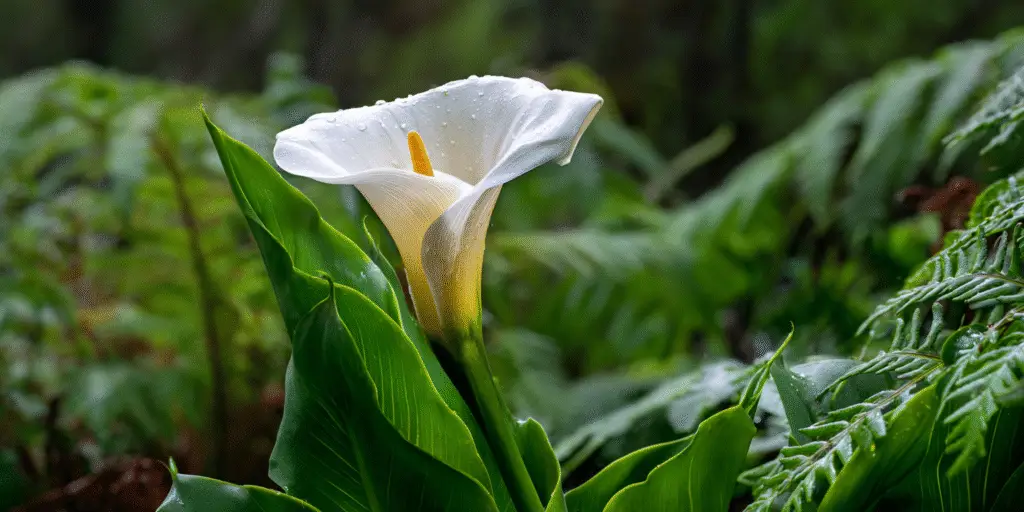
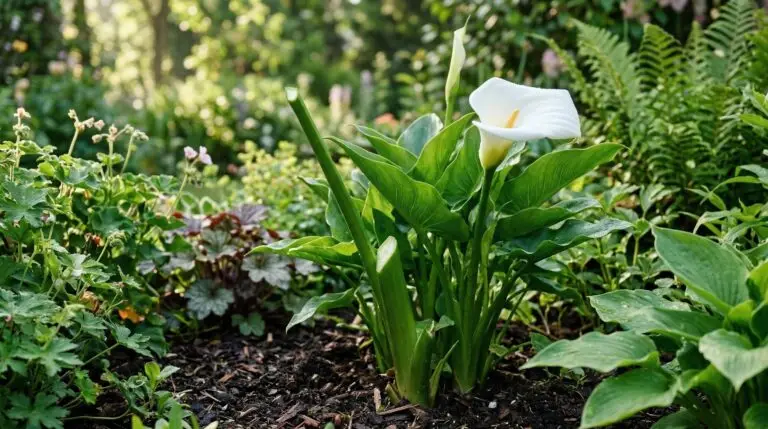
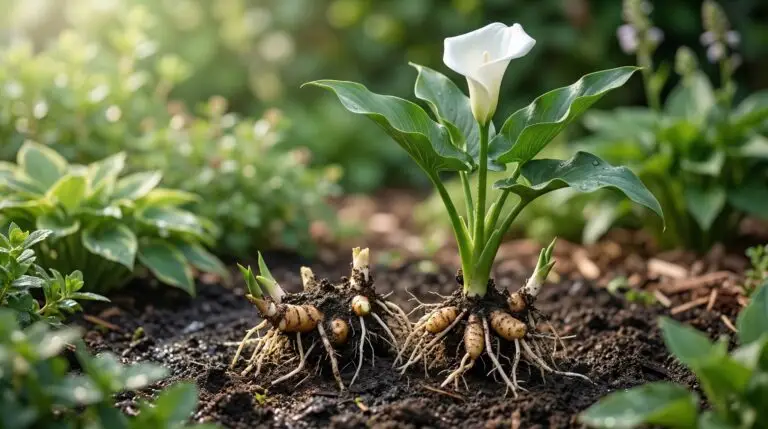
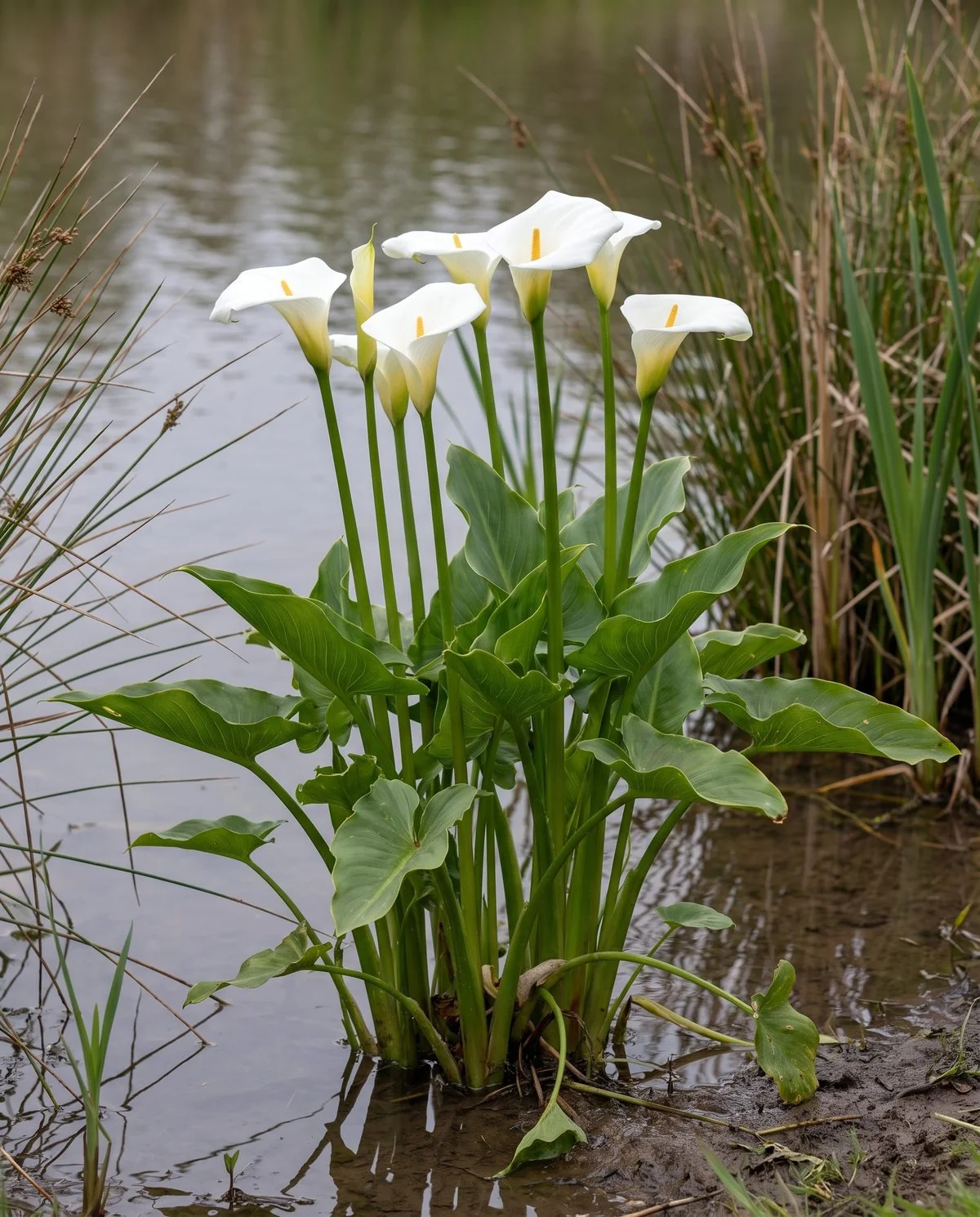
The calla lily is the genus Zantedeschia in the arum family, Araceae, the same family as the peace lily and the anthurium, which share its odd spathe-and-spadix structure where the real flowers are the tiny ones packed on the central spike. It is not a true lily; true lilies belong to the genus Lilium in the family Liliaceae and grow from scaly bulbs, while a calla grows from a fleshy rhizome. The genus is native to southern Africa, where the white Zantedeschia aethiopica grows wild in marshes and along stream banks through South Africa, Lesotho, and Eswatini. The name calla comes from the Greek kallos, meaning beauty, and the genus name honors the nineteenth-century Italian botanist Giovanni Zantedeschi.
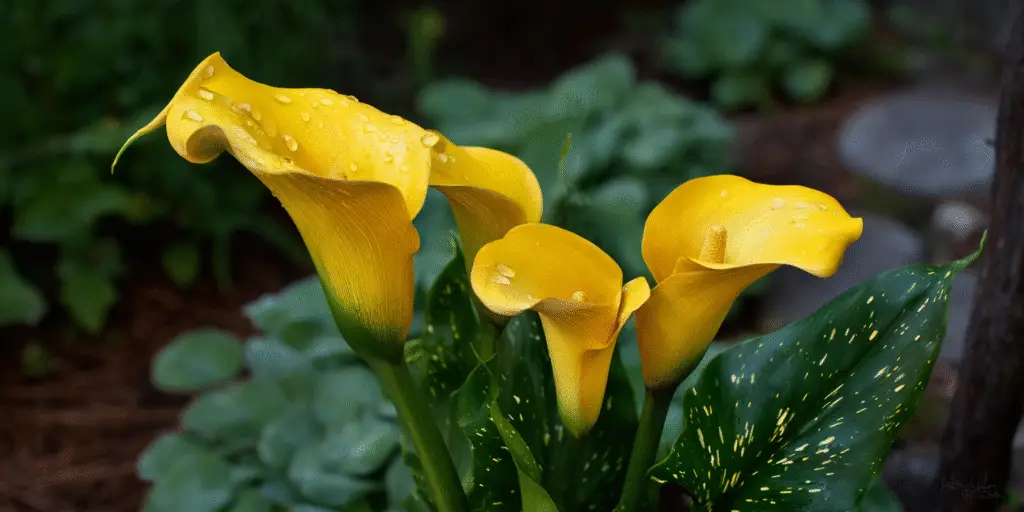
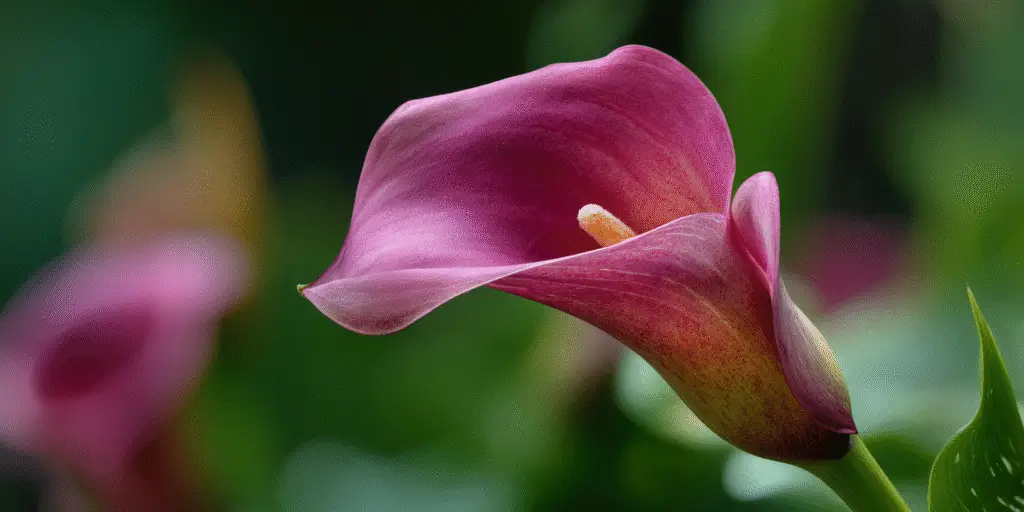
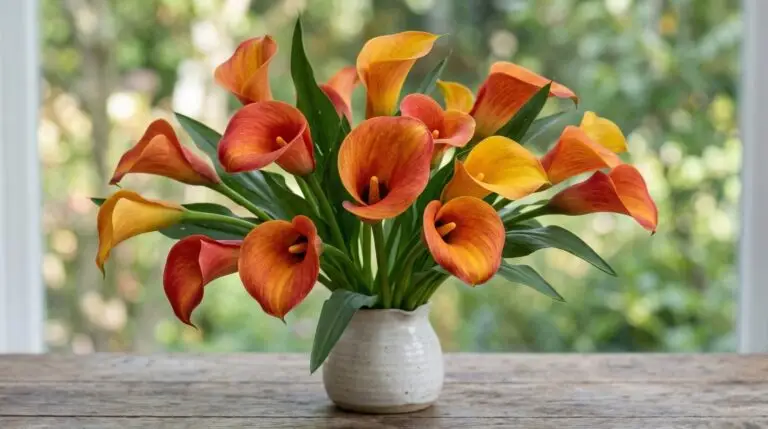
Knowing which of the two callas you have matters more than the botany, because it decides how you water and overwinter the plant. The white species is the hardy, bog-loving parent; the colored garden callas descend mostly from the golden Zantedeschia elliottiana and the pink Zantedeschia rehmannii, along with species such as pentlandii and albomaculata, and they are tenderer and less tolerant of wet, cold soil. The table below sorts the practical differences.
One fork, then the cut-flower cultivars a real trial put numbers on
Calla lily has no long list of trade divisions. It has a single fork, the white species against the coloured hybrids, and then a set of named cultivars that a university-run field trial actually measured. The three cultivar cards below come from the 2023 ASCFG calla trial run by John Dole of NC State's Department of Horticultural Science with ASCFG's Judy Laushman, grown by three named growers: Linda Bradley of Purple Tuteur Farm in South Carolina, Claude Gauthier of Floriculture Gauthier in Quebec, and Jen Syme of Syme Family Farm in Connecticut.
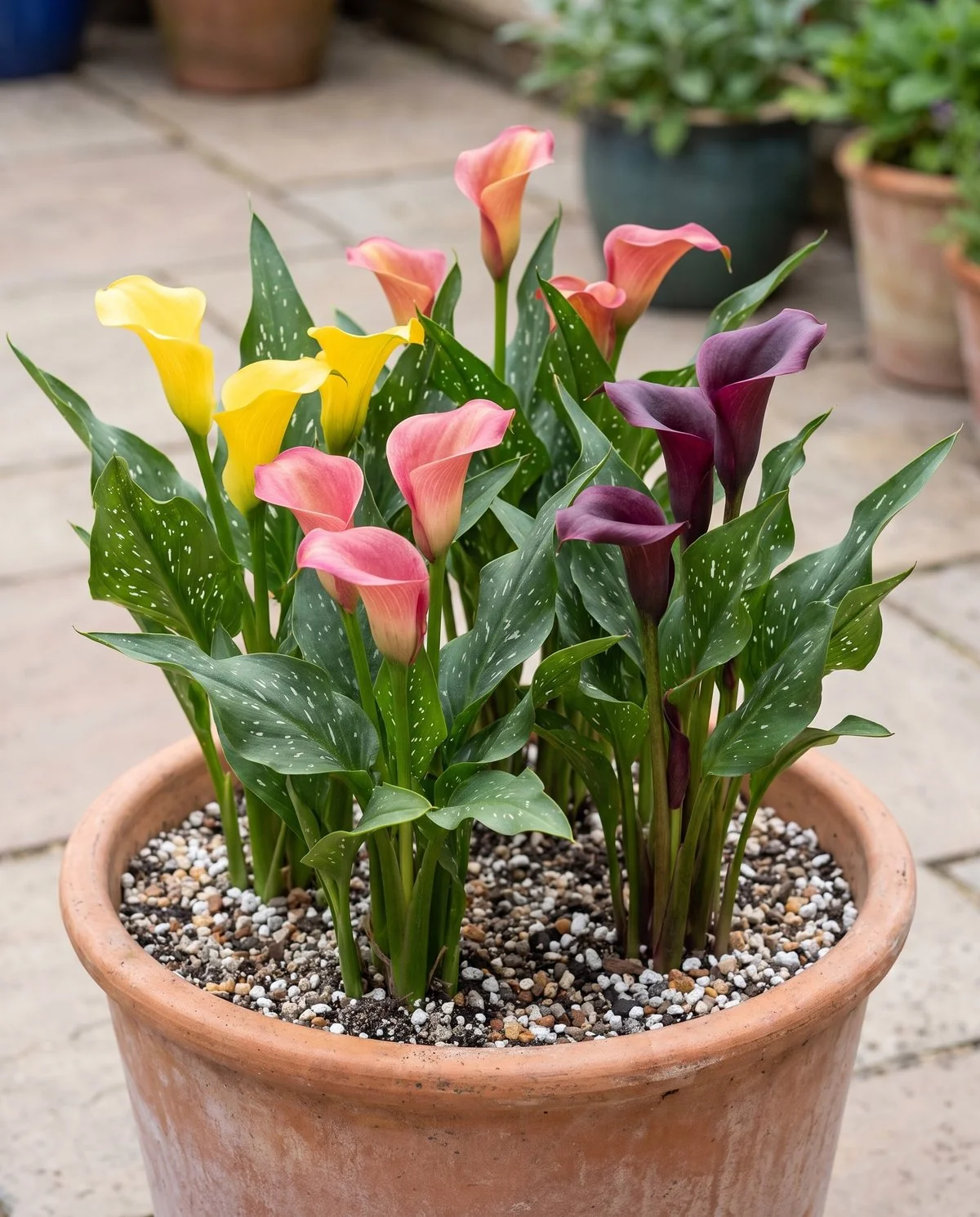
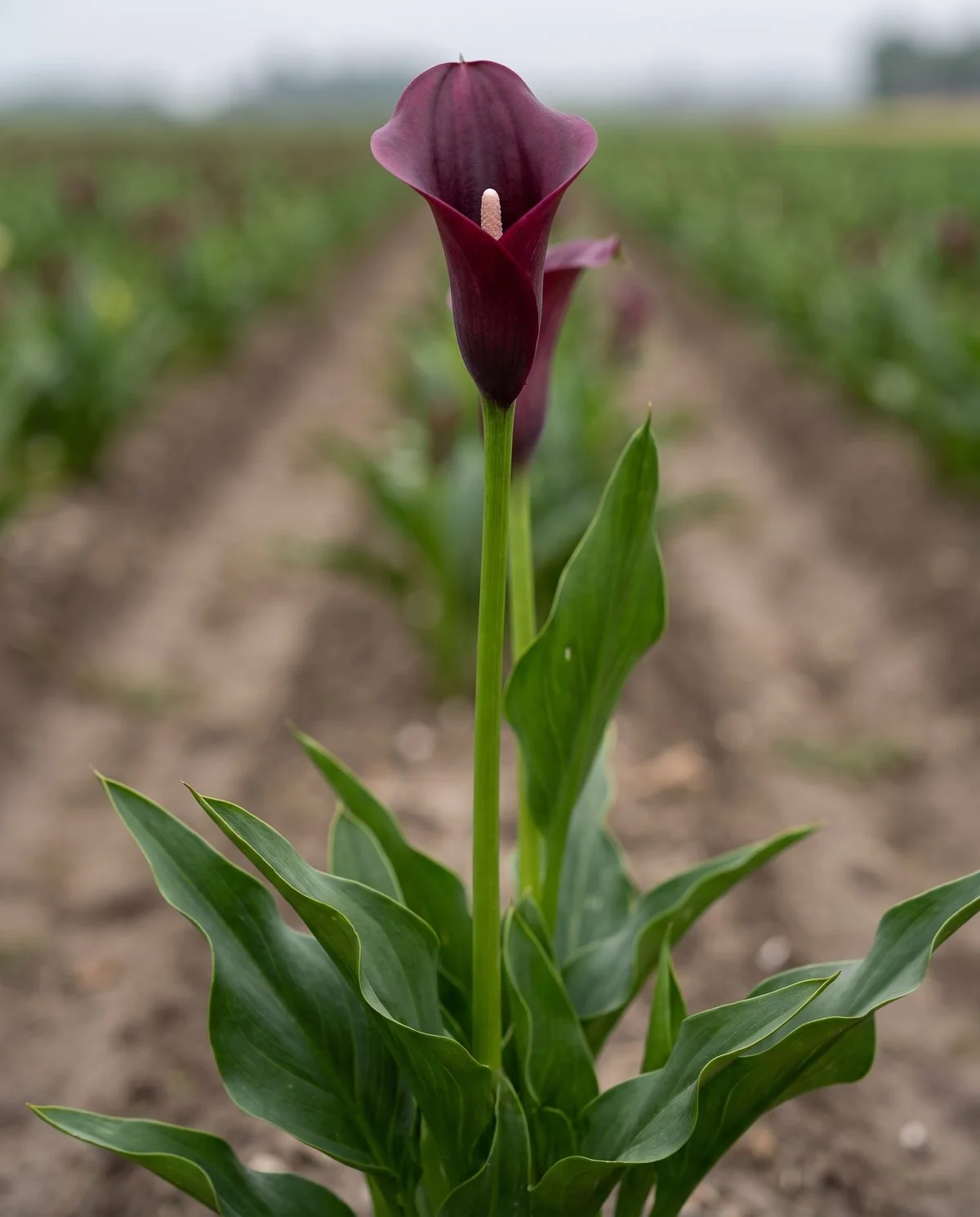
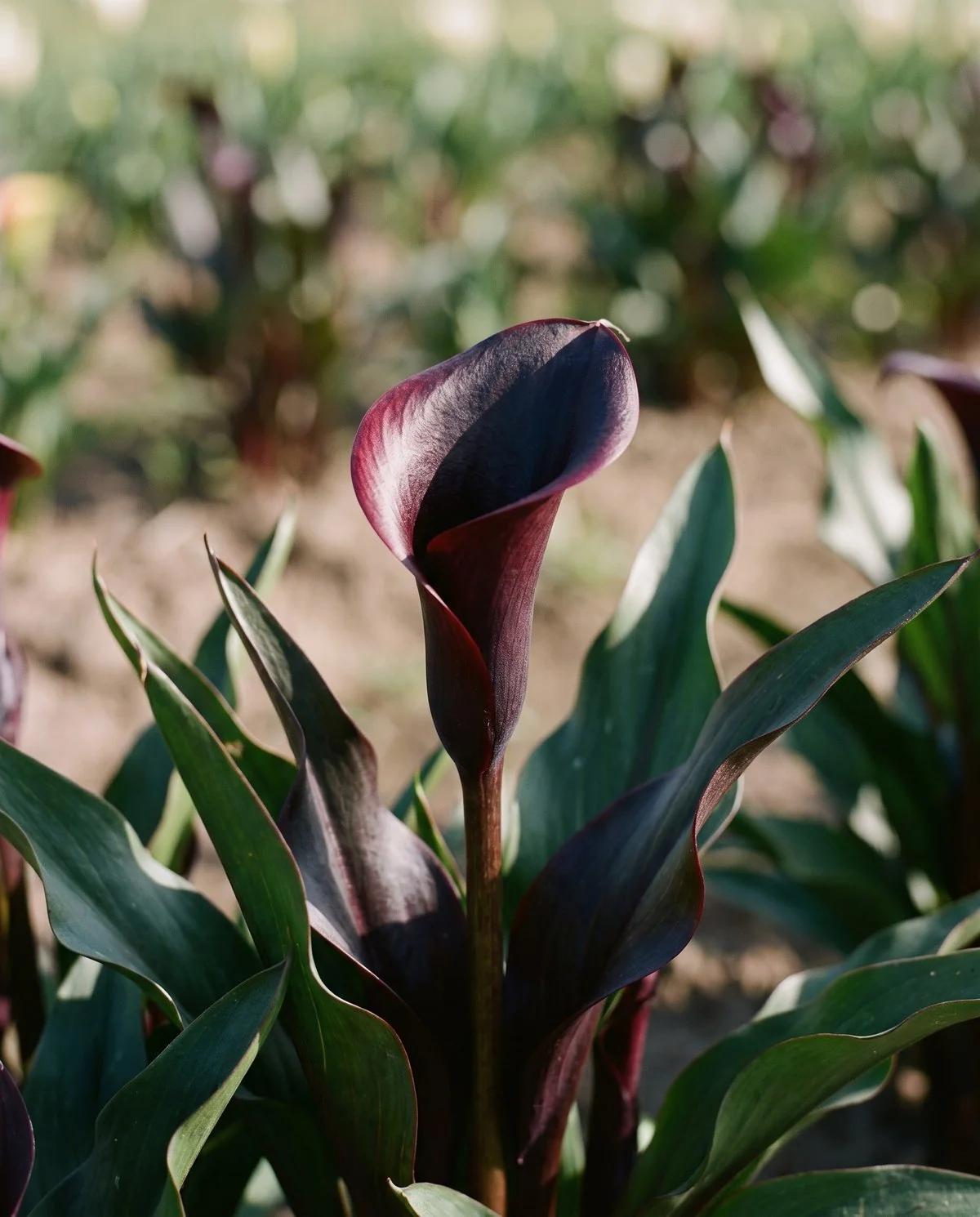
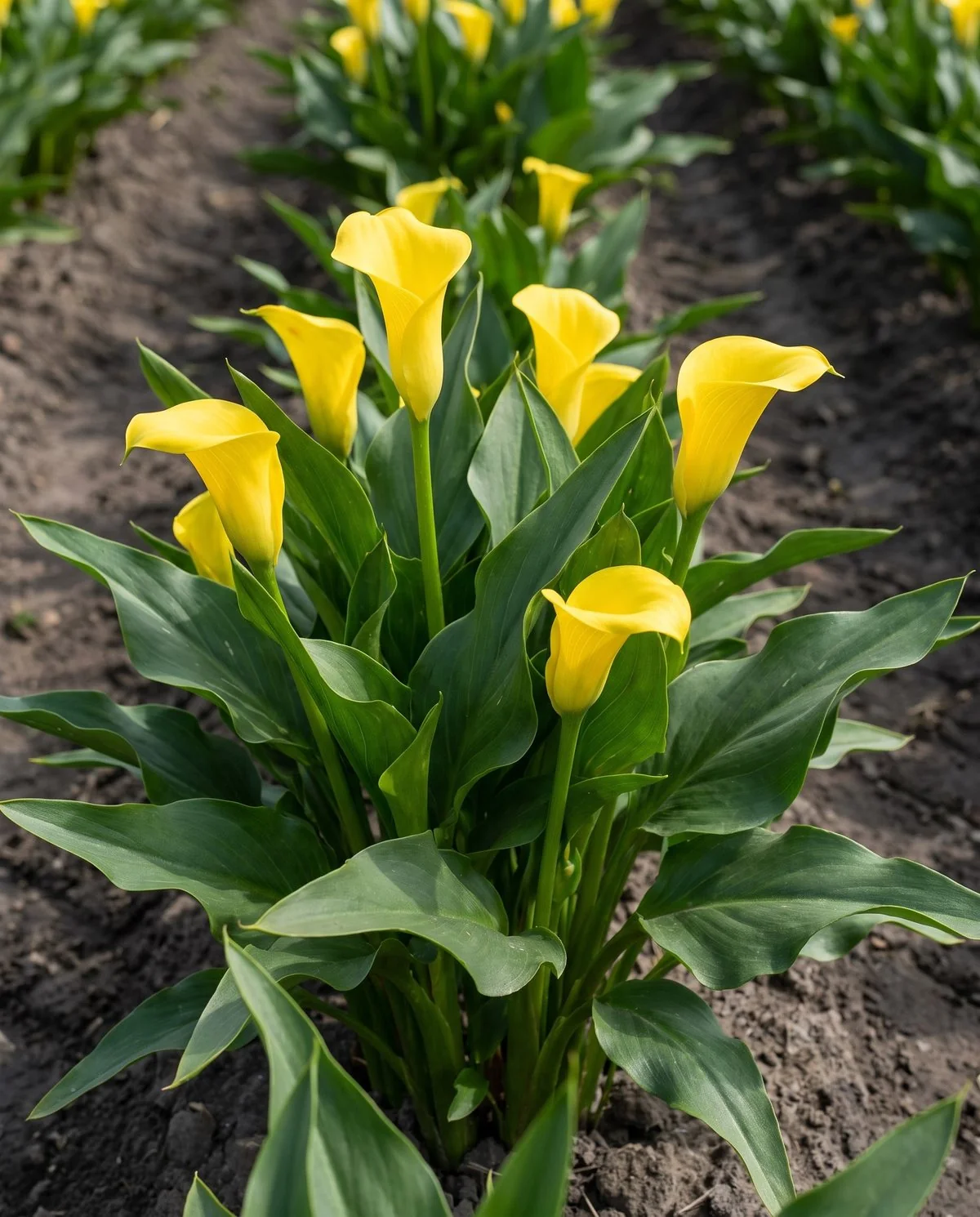
Two more cultivars from the same trial are named here rather than photographed, because the report describes their colour only in part: Captain Promise averaged 4.5 stems per plant, a 19.0 inch stem and 53.5 days to flower, the fastest of the five, with its grower noting very nice colour; Captain Hollywood, a red-pink-orange blend its grower called not quite a red, not quite a pink, averaged 6.3 stems, 10.6 inches and 64.3 days and was flagged as too short. NC State's own cultivar list for the genus separately names Galaxy, Golden Sun, Lavender Petite, Pink Persuasion and Whipped Cream. One finding from the trial is carried without a cause because the trial named none: darker colours showed spotting on petals, making some stems unusable.
Bloom time
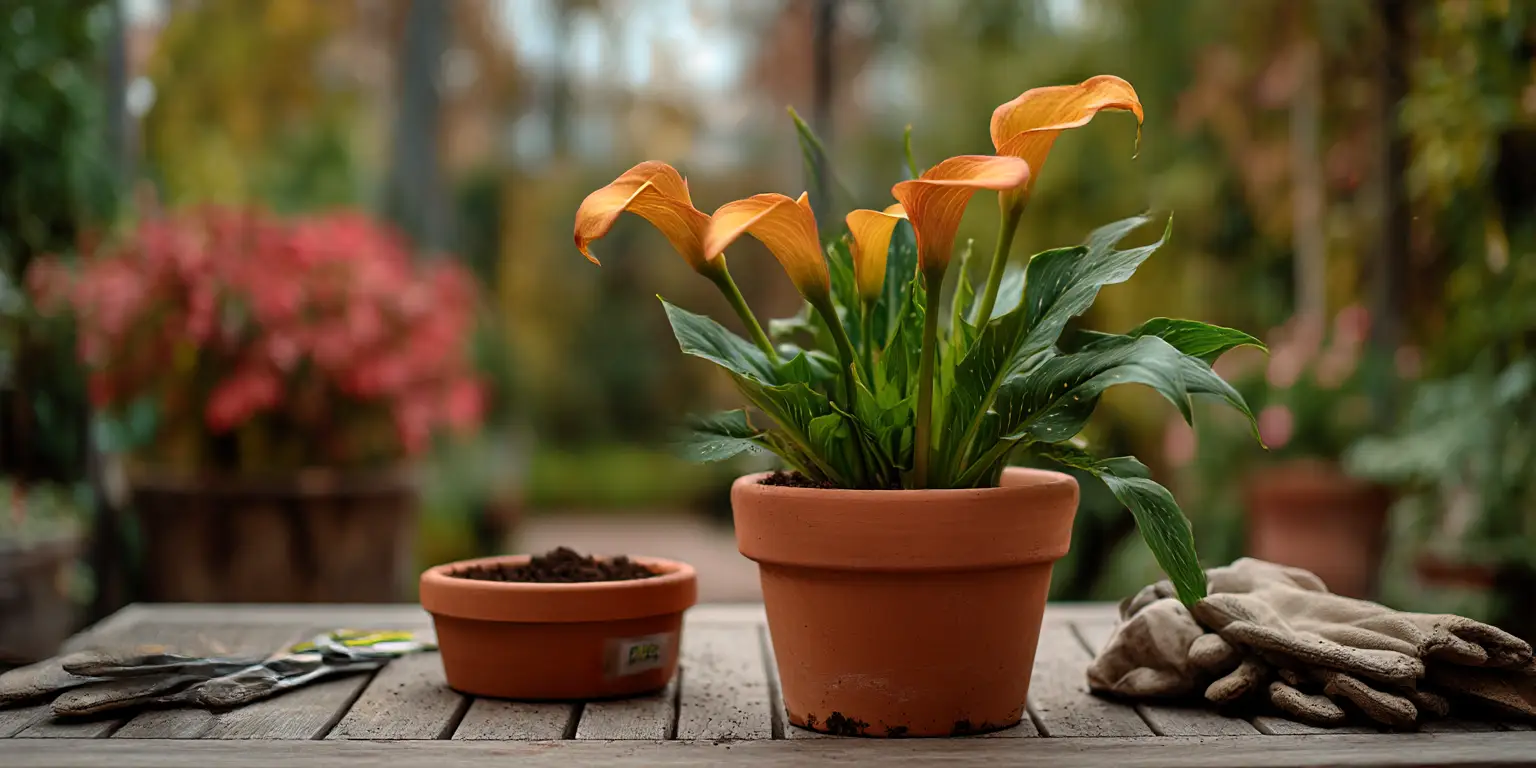
Calla lilies flower in early to mid-summer across most temperate gardens, with buds pushing up in late spring and the display running from roughly June through July. Timing shifts with variety and climate: the hardy white calla, given warmth and steady moisture, often starts earlier and flowers on and off well past midsummer, and a spring-planted colored hybrid usually blooms about two to three months after the rhizome goes in. What reads as one flower is the colored spathe curved around the central yellow spadix, and each one stays handsome for several weeks. Because new blooms open in succession rather than all at once, a healthy clump carries flowers over a long stretch rather than in a single burst. As a spathe ages past its peak it commonly fades toward green, which is ordinary maturity rather than a fault. Once flowering winds down the foliage keeps working for a while, banking energy in the rhizome before the plant slips into its dormant rest.
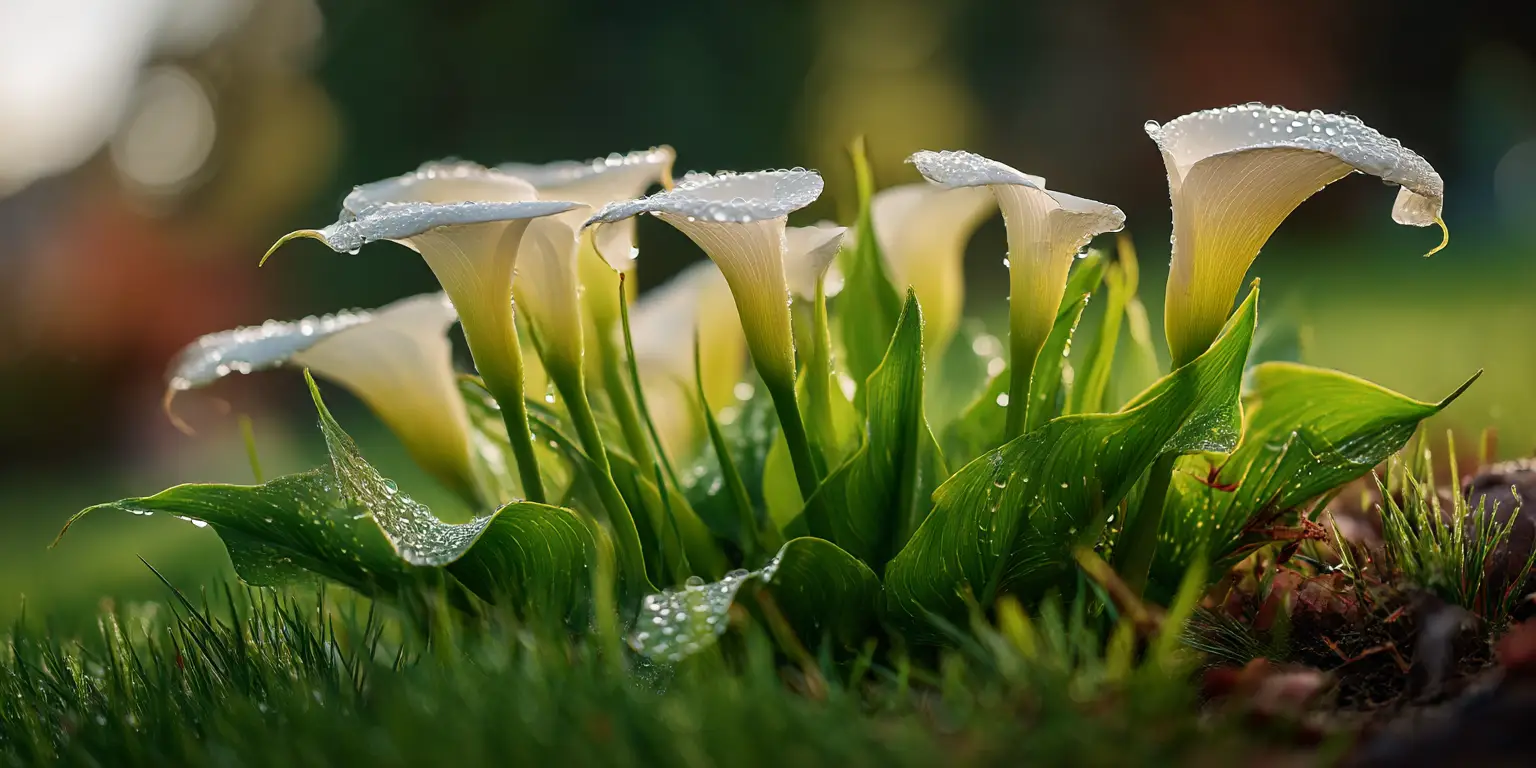
Year one is measured. Year two depends on which calla you bought.
Year one is the part with real numbers behind it. In the 2023 ASCFG trial the five Captain cultivars averaged between 53.5 and 64.3 days from planting to flower, with the individual grower reports spread wider, from 43 to 79 days, so a spring-planted hybrid rhizome flowers the same season under ordinary handling, and so does a purchased white-species rhizome or an established houseplant. Year two is where the two callas separate, and this is the honest core of the timeline. The white species, in the range where it is hardy, runs evergreen to semi-evergreen and, per the horticultural sourcing behind this page, keeps flowering under good conditions without the strict annual dormancy the hybrids need, which makes it the closer thing to a perennial. The coloured hybrids need the annual lift, cure, store and replant cycle wherever winters freeze, and the odds of a stored rhizome coming back were not found quantified by any source in this research, so no survival percentage is offered here. What the sourced material does support qualitatively is narrower and more useful than a number: cure the rhizome dry before storing it, because an improperly dried rhizome is a rot risk, keep it cool rather than warm, since maceration by the main soft-rot bacterium was measurably worse from 25 C upward, and do not replant into cold wet spring soil early. Both types can be divided in spring as they emerge, which implies offsets accumulate over successful years the way other rhizomatous plants multiply, though again no source quantifies the rate for calla specifically. The realistic version, stated plainly: somebody who keeps a coloured hybrid gift plant alive through dormancy and storage has done the harder and less guaranteed version of calla keeping, and somebody who plants the white species in a permanently damp spot in a warm enough garden has taken by far the easier path to a plant that returns on its own.
Height and spread
Calla lilies keep a modest, upright shape. Most stand between 1 and 3 feet tall, with the classic white Zantedeschia aethiopica reaching 2 to 3 feet in bloom and the popular mini hybrids topping out around 12 to 18 inches, which makes them tidy container plants. Each plant rises as a clump of long-stemmed, arrowhead leaves from a fleshy rhizome, and on the larger types a single leaf can run close to a foot long, often flecked with translucent white spots. A clump spreads to about 1 to 2 feet across and widens slowly as the rhizomes multiply underground, so give each rhizome 12 to 18 inches of room at planting for airflow and future growth. Every few years a crowded clump can be lifted and divided, which keeps it flowering well and yields new plants in the bargain.
Light
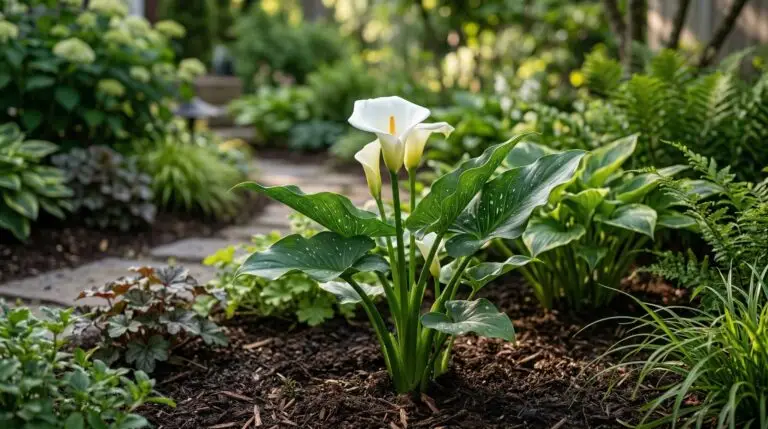
Calla lilies want bright light, and how much direct sun they can take depends on the climate. In cool-summer regions they flower best in full sun, which keeps growth compact and bloom heavy. Where summers run hot, especially with fierce afternoon sun, full exposure scorches the leaf edges and wilts the flowers, so the dependable formula is morning sun with light shade through the worst of the afternoon heat. Aim for at least half a day of sun, or bright light all day; too much shade is the usual reason a calla grows tall and leafy but stingy with flowers. Indoors, set the pot at a bright window but out of the harsh, magnified sun that pours straight through glass, which can bake the leaves.
Water
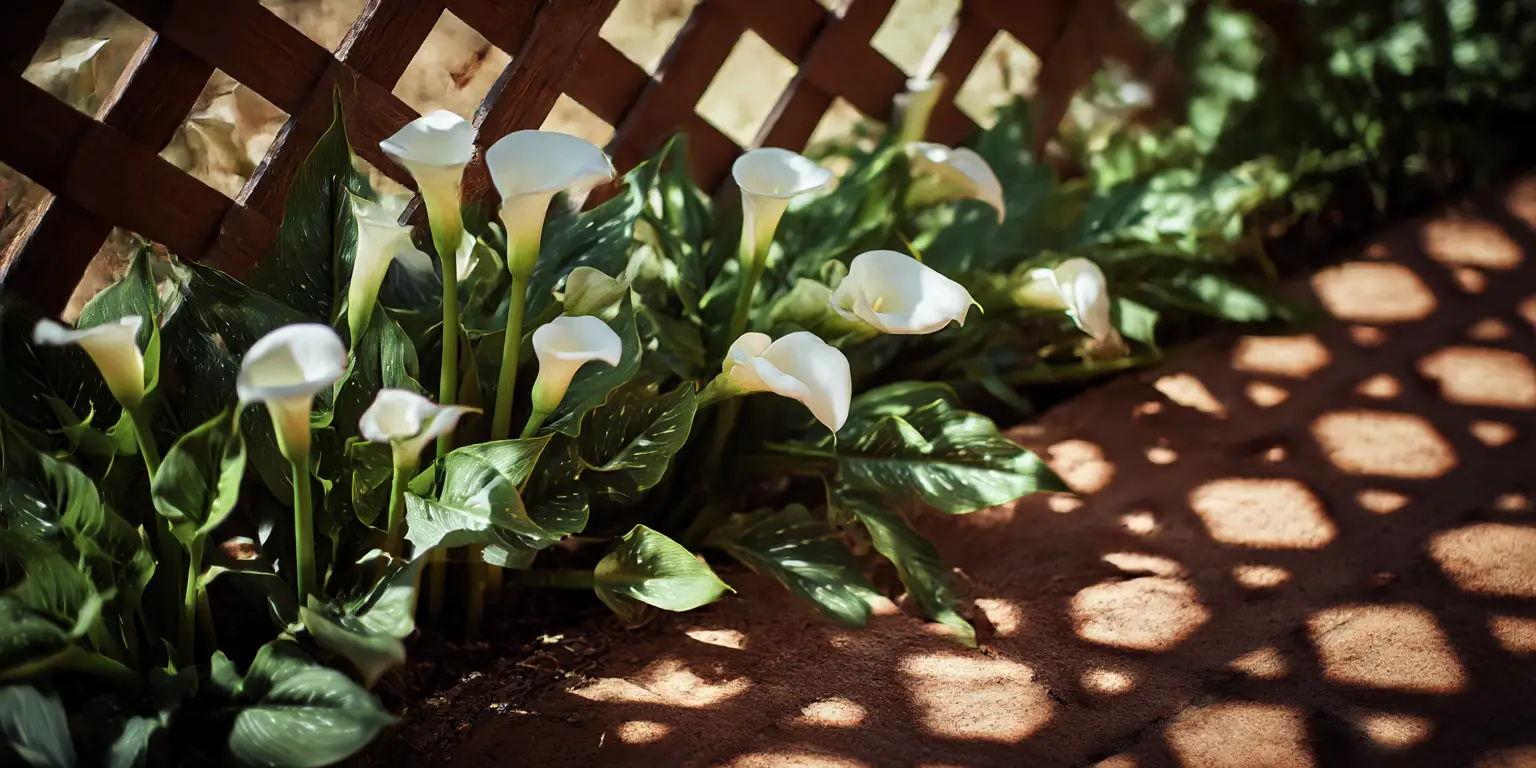
Moisture is what a calla lily lives for. These are plants of marsh edges and stream banks, and they want soil that stays evenly damp through the growing and blooming season rather than drying out between waterings; let them get too dry and they sulk, slowing down or dropping into an early dormancy that cuts the bloom short. The hardy white calla is the most water-loving of all and will grow at a pond margin in ground that never really dries. Moist is not the same as waterlogged, though, and cold, standing water around the rhizomes is the fastest way to rot them, a particular risk with the colored hybrids. In a pot, use a container with drainage holes and water when the top inch of soil feels slightly dry. As the flowers finish and the plant heads toward dormancy, taper the watering off and let the soil dry more between drinks.
Two things said about callas, one about water and one that a cat owner needs exactly right
The myth: Callas are bog plants, so more water is always better.
The reality: True for one calla and actively harmful for the other. Zantedeschia aethiopica genuinely tolerates standing water and boggy soil, and Plant Delights describes it as a marginal pond plant that will stand in water up to 8 inches deep. The coloured hybrids are described by the same source as not naturally bog plants, needing drainage and a dry dormancy, and they are specifically vulnerable to bacterial soft rot in wet conditions, where the bacteria enter through wounds and moist conditions favour them. Taking advice written for the white species and applying it to a coloured hybrid rhizome is a plausible real-world cause of the rot problem readers ask about.
The myth: A calla lily is a lily, so it is as dangerous to cats as an Easter lily.
The reality: It is neither, and the precision matters. Calla lily is Zantedeschia, in the arum family Araceae, related to peace lily and jack-in-the-pulpit rather than to Lilium. Acute kidney failure in cats is documented for the genus Lilium, the true lilies, and Hemerocallis, the daylilies, and those two genera only. The ASPCA's own calla lily entry names insoluble calcium oxalates as the toxic principle and lists oral irritation, drooling, vomiting and difficulty swallowing, with no kidney-failure language anywhere in it. Insoluble oxalate raphides injure mechanically when crystal-bearing cells rupture in the mouth: genuinely painful, sometimes a vet visit, and a fundamentally different mechanism from the one that kills cats.
Two paths, and both of them start with which calla you own
The single most useful fact on this page is that the standard advice about water is correct for one calla and actively harmful for the other, and almost no consumer source separates them. That is why both lists below open on identification rather than on a symptom.
Soil and pH
Give calla lilies a rich, moisture-holding soil that still drains, the combination a marsh-edge plant expects. A loam worked with plenty of compost or leaf mold holds water and feeds the heavy demand of those big leaves and stems without turning to sludge. Heavy clay should be opened up with compost or coarse grit so water moves through it instead of pooling around the rhizomes. On pH the plant is easygoing, doing well anywhere from slightly acidic to neutral, roughly 6.0 to 7.0, and only extremes cause trouble by locking up nutrients. One feeding point carries straight over from the problems further down the page: go easy on nitrogen. A balanced or bloom-leaning fertilizer supports flowers, while a nitrogen-heavy one pushes lush leaves, weak floppy stems, and greener blooms at the expense of the display you planted it for.
USDA hardiness
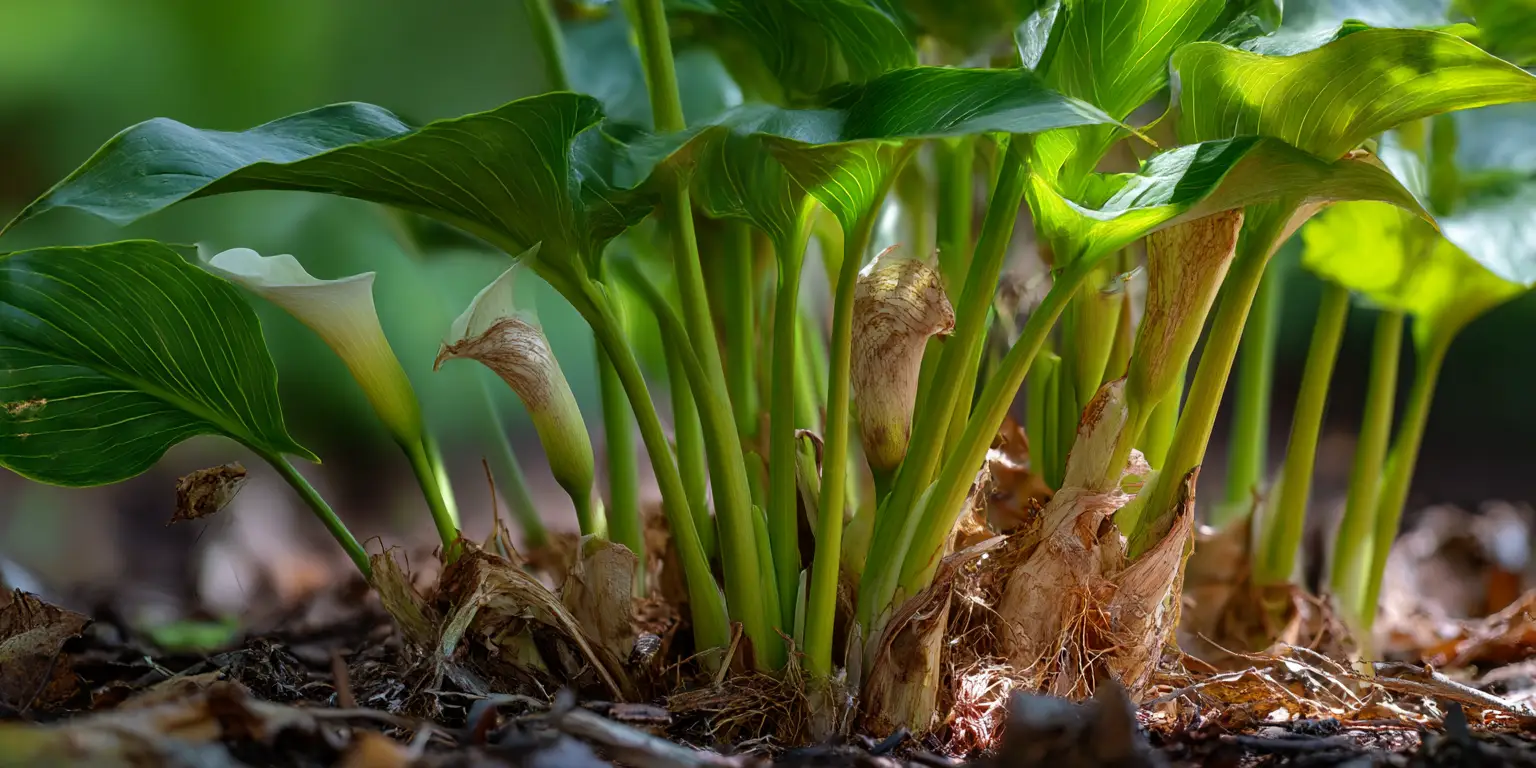
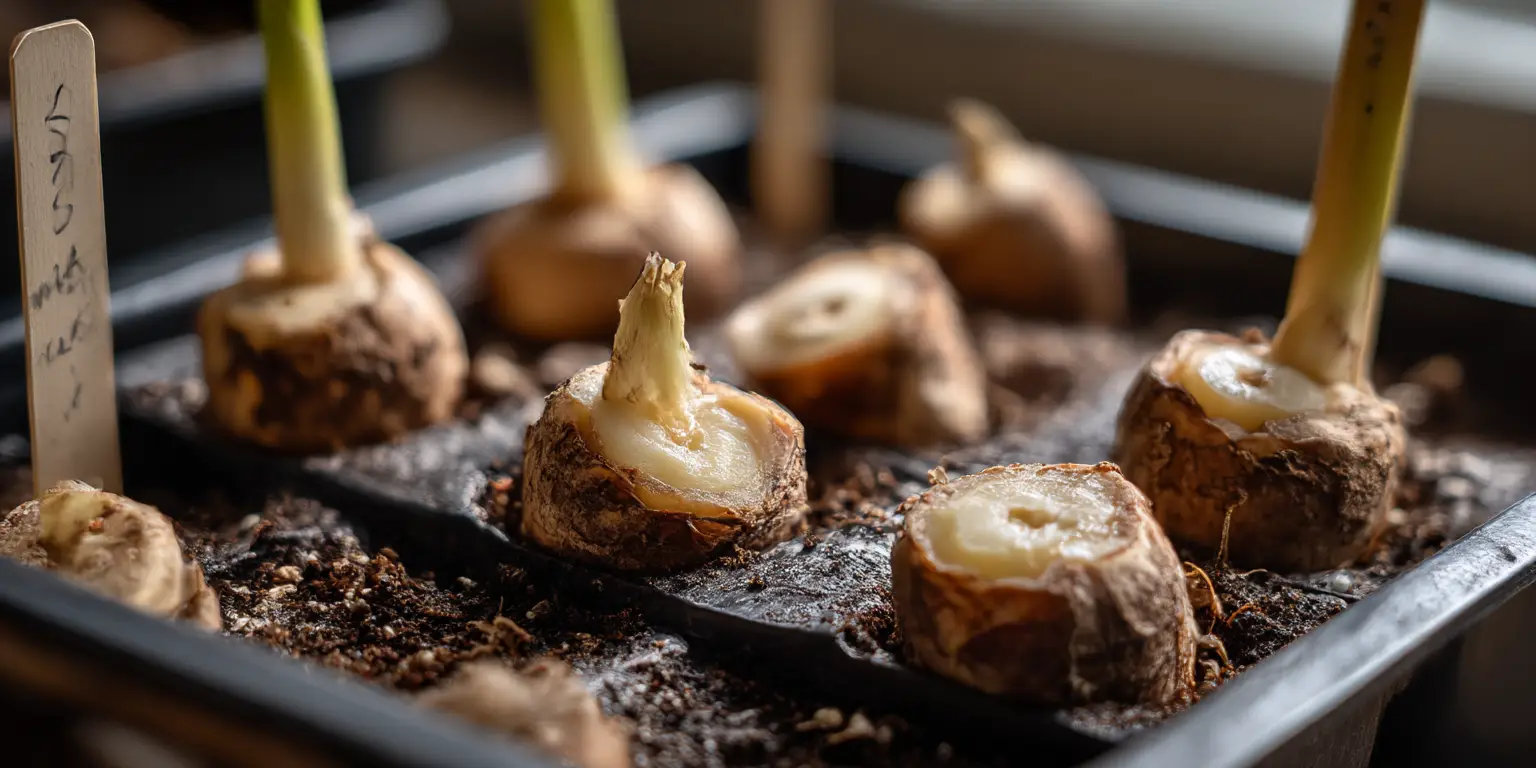
Cold tolerance is where the two callas part ways. The hardy white Zantedeschia aethiopica returns outdoors year after year in USDA zones 8 through 10, where the rhizomes can stay in the ground, die back over winter, and resprout in spring; in zone 7 it is a gamble that a deep mulch or a warm, sheltered corner sometimes wins. The colored hybrids are less cold-hardy and are usually treated as summer bulbs. Plant rhizomes in spring once frost is past and the soil has warmed, roughly when daytime temperatures hold above the low 70s, and expect flowers about two to three months later. Where winters freeze, lift the rhizomes in fall after the foliage has yellowed and died back but before a hard freeze, brush off the soil, let them air dry for a day or two, then store them somewhere cool, dark, and dry, around 40 to 50 F, in a box of dry peat or wood shavings so they do not touch and spread rot. Replant the following spring once the danger of frost has passed.
The dated jobs, and an honest note about the one nobody has published
This is the block where calla lily's literature is thinnest, and that is worth saying outright. No source found in this research reconciles a zone-by-zone planting calendar for calla the way the bulb trade does for tulips; the regional guidance that exists is qualitative rather than date-driven. What follows separates what an extension service actually states from what only retailers do.
Propagation and longevity
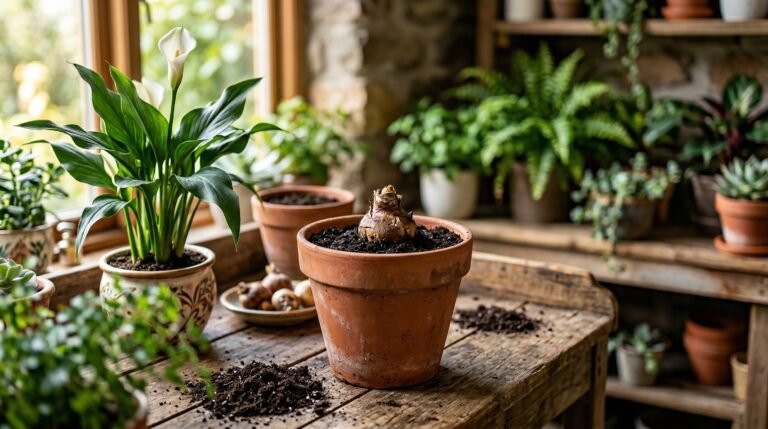
Calla lilies multiply from their rhizomes, and division is both how the clump renews itself and the reliable way to make more plants. Do it while the plant is dormant, in late summer after flowering or in early spring before growth restarts: lift the clump, pull or cut the rhizomes apart so each piece carries at least one growing eye, let the cuts dry for a day to callus over, then replant at the same depth. Seed is possible but slow and unrewarding for most gardeners, taking two to three years to reach flowering size, and hybrid seedlings rarely resemble the parent. A healthy rhizome will bloom for many years. The part that unsettles people is dormancy: after the flowers finish, a calla often yellows and dies back to bare soil, and in a pot this looks exactly like death. It is not. The plant is resting, especially the colored hybrids, which want a dry dormant spell of a couple of months before they will bloom again. Ease off the water, let it rest somewhere cool, and resume normal care when new leaves appear.
Fragrance
Calla lilies are grown for line and color, not scent. Most are effectively fragrance-free; press your nose to the spadix of a white Zantedeschia aethiopica and you may catch a faint, sweet note, but the colored hybrids offer almost nothing, which suits scent-sensitive rooms and events where a heavy perfume would be unwelcome. This is a flower for the eye rather than the nose, and its quiet is part of the appeal.
Toxicity and pet safety
Every part of a calla lily is toxic if eaten, so it is not a plant to leave within reach of pets or small children. The tissue is loaded with insoluble calcium oxalate crystals, microscopic needle-like structures that drive into the soft lining of the mouth and throat the moment they are chewed. A cat or dog that bites a leaf or spathe gets an immediate burning pain, drools, paws at its mouth, and may retch or refuse food, and the ASPCA lists the calla as toxic to cats, dogs, and horses on exactly this basis. The pain usually stops an animal after the first bite, which is why serious poisoning is uncommon, though a bad reaction still warrants a call to the vet. Here the not-a-true-lily point stops being trivia and starts to matter. The true lilies of the genus Lilium, along with daylilies, sit in a different league of danger for cats, where a few leaves or even the pollen can trigger fatal kidney failure. A calla causes mouth and stomach irritation, not kidney damage, so while it is genuinely toxic it is far less deadly than the flower it gets confused with. The sap can also redden or itch sensitive skin, so it is worth wearing gloves when you cut or divide the plants.
Vase life
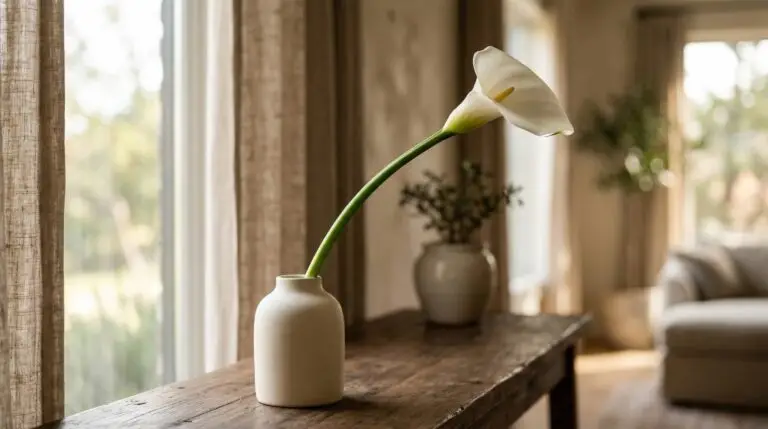
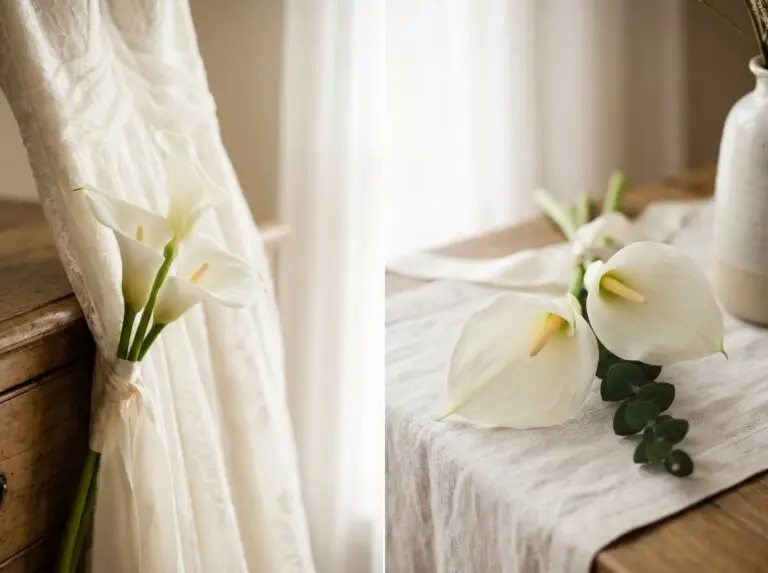
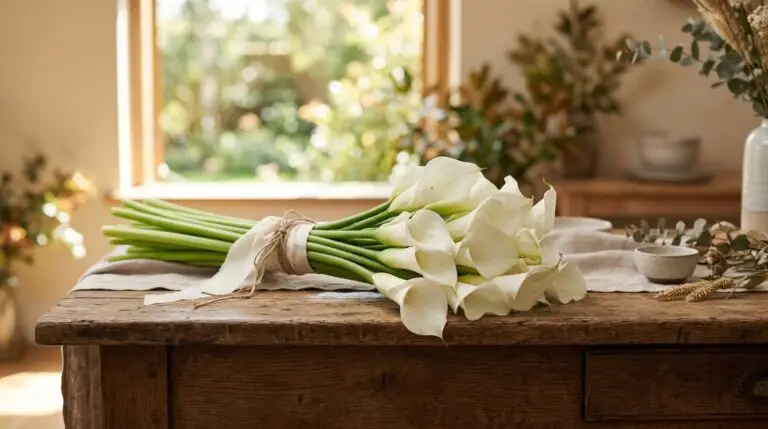
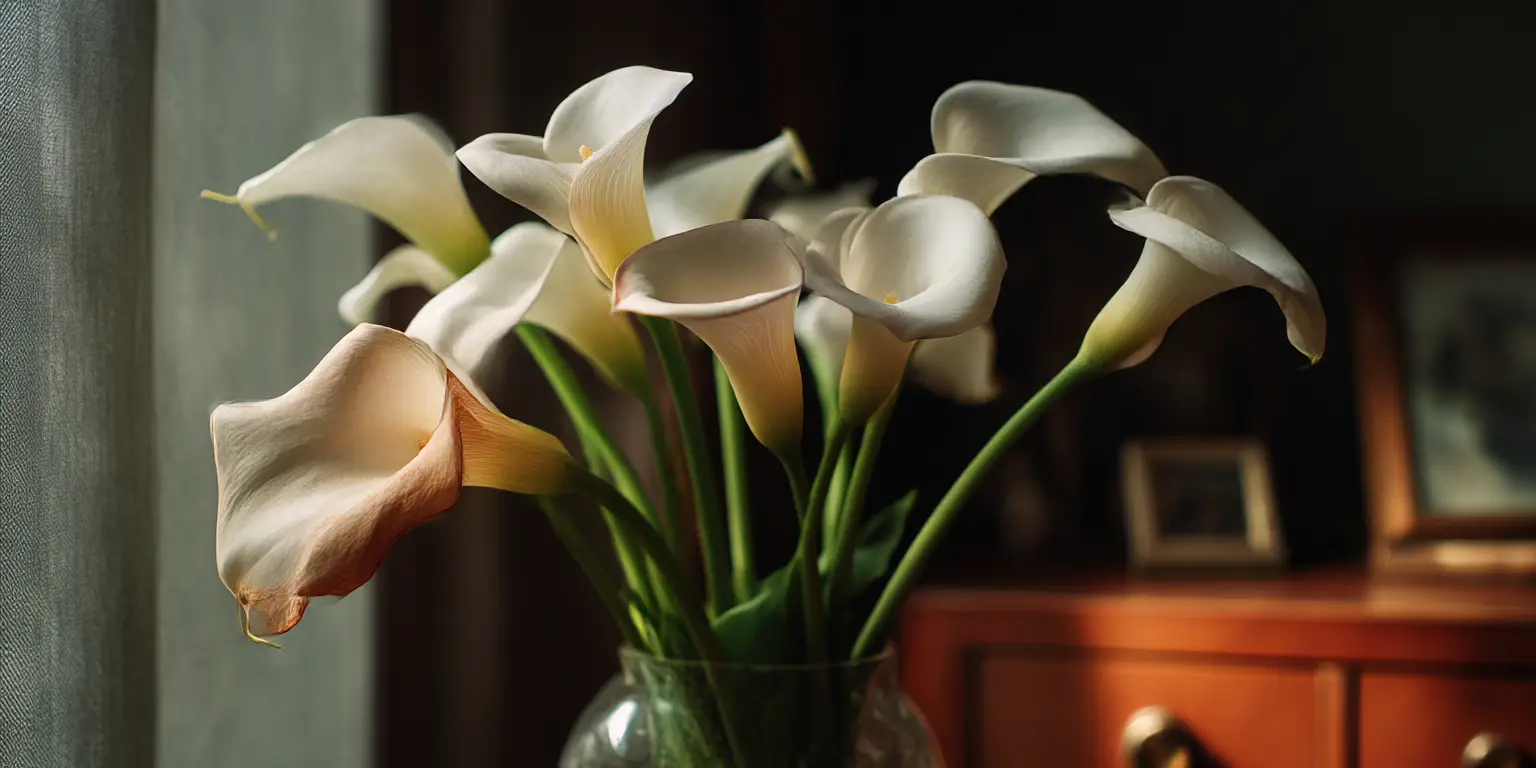
Few flowers earn their place in a vase the way a calla does. Cut at the right stage and looked after, the stems hold 7 to 14 days, and a full fortnight is realistic in a cool room, though a bloom cut late or left in fouled water fades closer to a week. Cut or buy stems whose spathes have just unfurled, slice the ends at an angle with clean shears, and stand them straight into fresh water. Calla stems are thick and a little sappy, and they tend to cloud the water, so change it every couple of days and trim a small piece off each stem when you do. Keep the vase out of direct sun and away from heat vents and cold drafts. Unlike a rose or a tulip, a calla does not shatter and scatter petals; the spathe simply softens and deepens in color as it ages, so you can pull one spent stem and leave the rest looking fresh. That poise and staying power are why the calla is a fixture in wedding flowers and in the clean, minimal arrangements that show off a single sculptural bloom.
Measured vase life, and the stem length nobody advertises
The figures here come from the 2023 ASCFG and NC State calla trial rather than from florist copy, which means named growers measured them on field-grown stems.
Anything sold as a cut calla has that tall elegant stem.
Three of the five cultivars in the trial averaged only 10.6 to 12.2 inches, and the shortest, Captain Solo, was described by its own trialer as barely 6-inches tall, seemed more suitable for sale as a potted plant instead of a cut flower. Only Captain Promise and Captain Romance reached the 18 to 19 inch range. Not every calla sold as a cut flower performs like one.
A calla stem curls because it was cut badly.
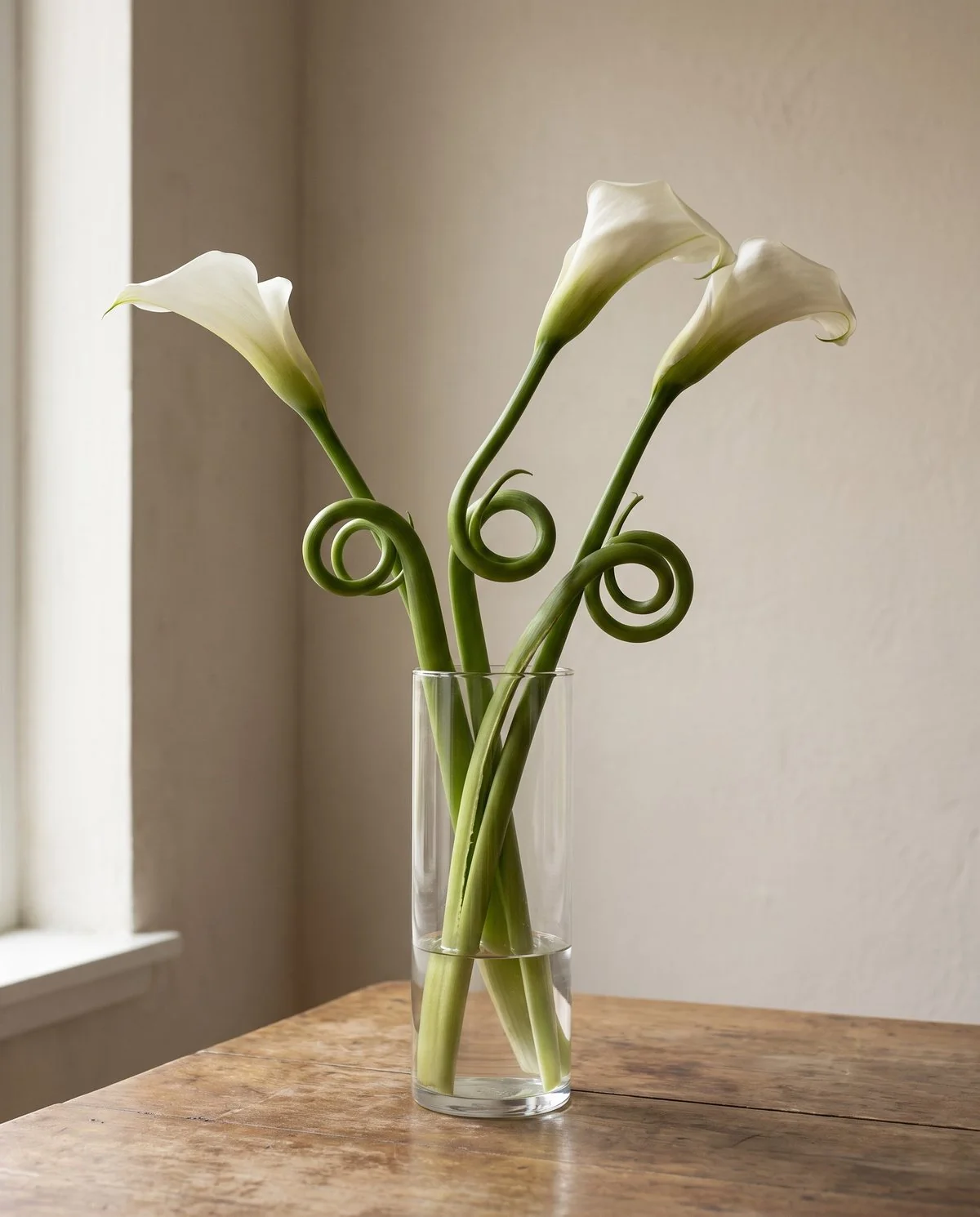
It curls because of what the stem is. Calla stems are hollow and fleshy and lack the internal rigidity to resist water moving into them once cut, so water is drawn up, the tissue swells, sometimes splits, and the stem visibly curls or corkscrews. The trade's fixes, recutting under water at an angle and keeping only 2 to 3 inches of water in the vase so the fleshy stem is not standing in it, are florist-tier practice and were not confirmed by an academic postharvest study in this research.
Pests and diseases
Calla lilies are tough plants, and most of their troubles come down to water and a short list of pests. The single biggest threat is rot: in cold, waterlogged soil, fungal organisms such as Pythium and Phytophthora, along with bacterial soft rot, turn the rhizome mushy and collapse the leaves into a yellow heap. Prevention is all in the drainage and restraint, moist soil rather than saturated, raised beds or grit in heavy ground, and never leaving rhizomes to sit cold and wet. On the pest side, aphids cluster on new shoots and leave sticky honeydew, spider mites stipple the leaves in hot dry air and indoors, and mealybugs show up as white cottony specks on greenhouse and potted plants; a strong jet of water followed by insecticidal soap handles all three. Outdoors, slugs and snails chew ragged holes in the tender leaves in damp shade, and Japanese beetles, voles, and squirrels each take their turn at the foliage or the rhizomes. A quick weekly look-over catches nearly everything while it is still small. Beyond the pests, the everyday complaints follow a short, readable pattern, and the table below traces each symptom back to its cause and its fix.
| Symptom | Likely cause | Fix |
|---|---|---|
| Flopping or drooping stems | Overwatering and soft rhizome rot, too much nitrogen forcing weak growth, or heat and dry soil wilting the leaves | Ease off water and check the rhizome is firm, feed a lower-nitrogen bloom fertilizer, and shade the plant from harsh afternoon heat |
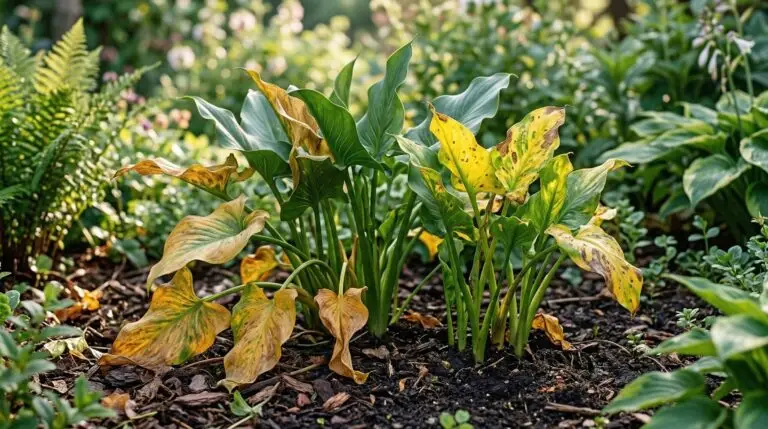
| Yellowing leaves | Waterlogged soil and rot, or the natural dieback as the plant enters dormancy after bloom | Improve drainage and let the top inch dry between waterings; if it follows flowering, it is normal rest, so cut back the water |
| White spathe turning green | Natural aging once the bloom passes its peak, sometimes exaggerated by overly rich, high-nitrogen feeding | Nothing to fix on an aging bloom; cut it and switch to a balanced, lower-nitrogen fertilizer |
| Mushy rhizome, no sprouting | Rot from cold, wet storage or planting into cold soggy ground | Discard soft rhizomes, plant only firm ones once spring soil warms, and store them dry over winter |
| Few or no flowers | Too much shade, too much nitrogen, or a rhizome that never got a dormant rest | Give a half day of sun, feed for bloom rather than leaf, and allow a dry dormant period before restarting |
Photo pairs, and the one texture that waits for a real photograph
Normal dieback, a plant that makes leaves and no flower, and droplets at a leaf margin are all safe to photograph. Bacterial soft rot is not: the slimy, discoloured, foul-smelling tissue at a wound is a checkable pathogen texture, and the decision a reader makes from that image is whether to plant a rhizome or throw it away.
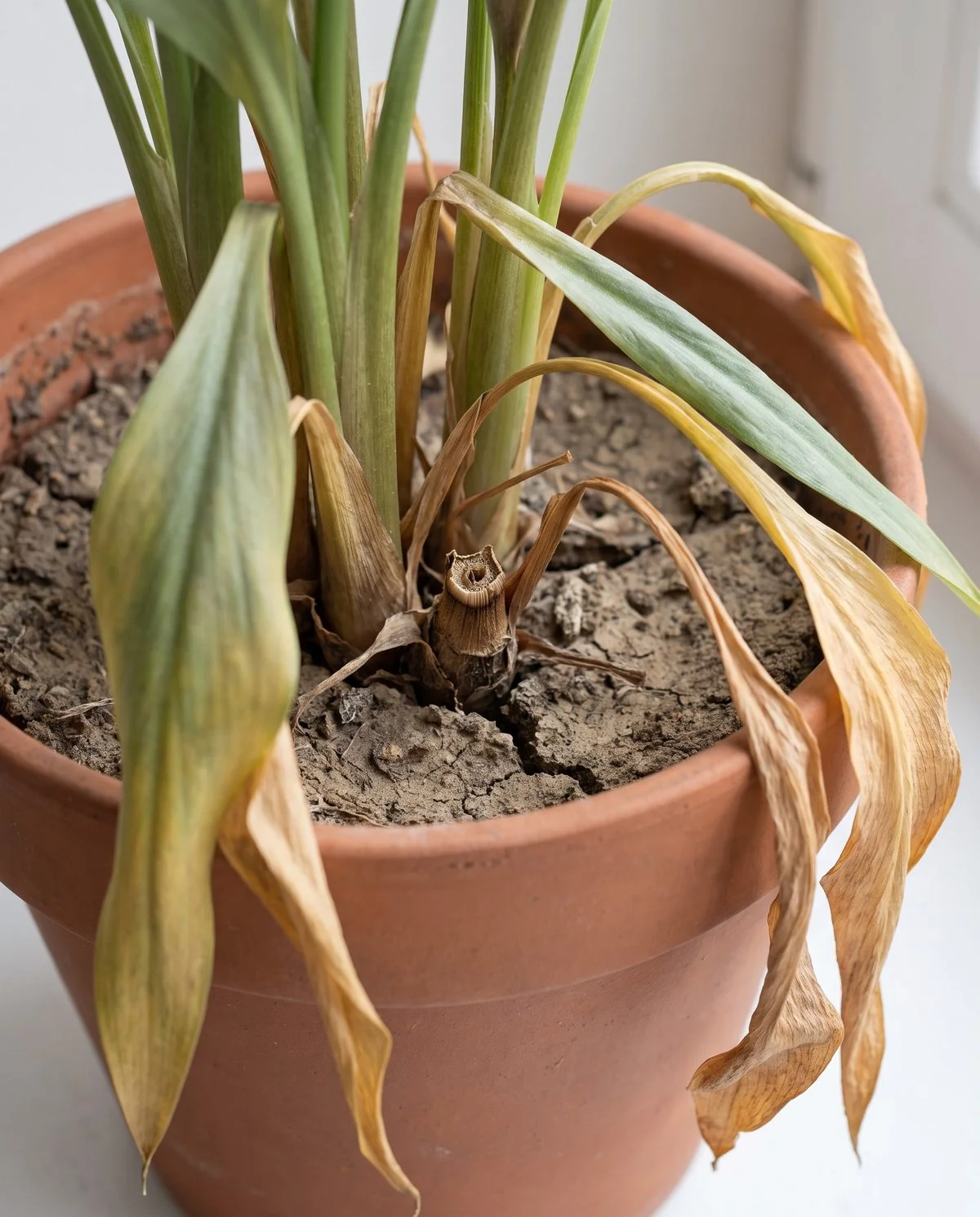
Timing and pattern separate them before texture does. Normal dormancy in the coloured hybrids arrives after flowering has finished, moves gradually and evenly through the foliage, and leaves the rhizome firm underneath, which is the whole reason the hybrids get lifted each year. Rot collapses foliage before or during active growth rather than as an end-of-season event, tends to be patchy with some plants hit and their neighbours fine, and comes with soft discoloured tissue at the base of the plant. Only the normal dieback is photographed here.
Feel and smell it, and note where the wound is. The tissue becomes soft and slimy, generally at the base of the leaves or anywhere on the rhizome, and the bacteria enter through wounds, physical damage during digging or damage from insects or fungi, with moist conditions favouring them. Several organisms are documented, Pectobacterium carotovorum named as the most common and important, along with Erwinia chrysanthemi, Pseudomonas marginalis and the more recently described Pectobacterium zantedeschiae. One controlled result is worth carrying into a storage decision: tissue maceration was significantly less at 22 C than at 25 to 32 C, with 28 C producing the most macerated tissue, so a rotting rhizome spreads faster in warm storage than in cool. Neither side is photographed here.
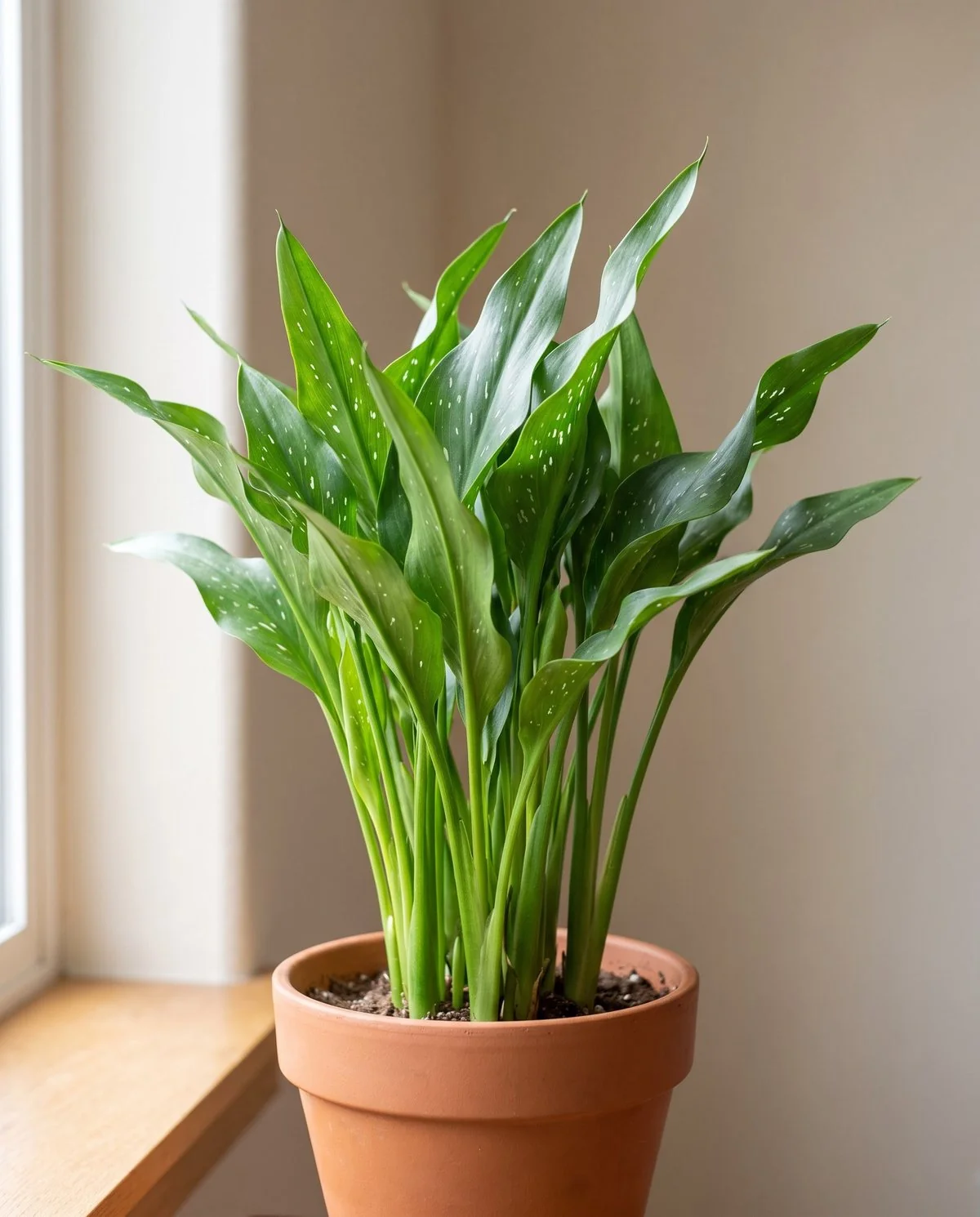
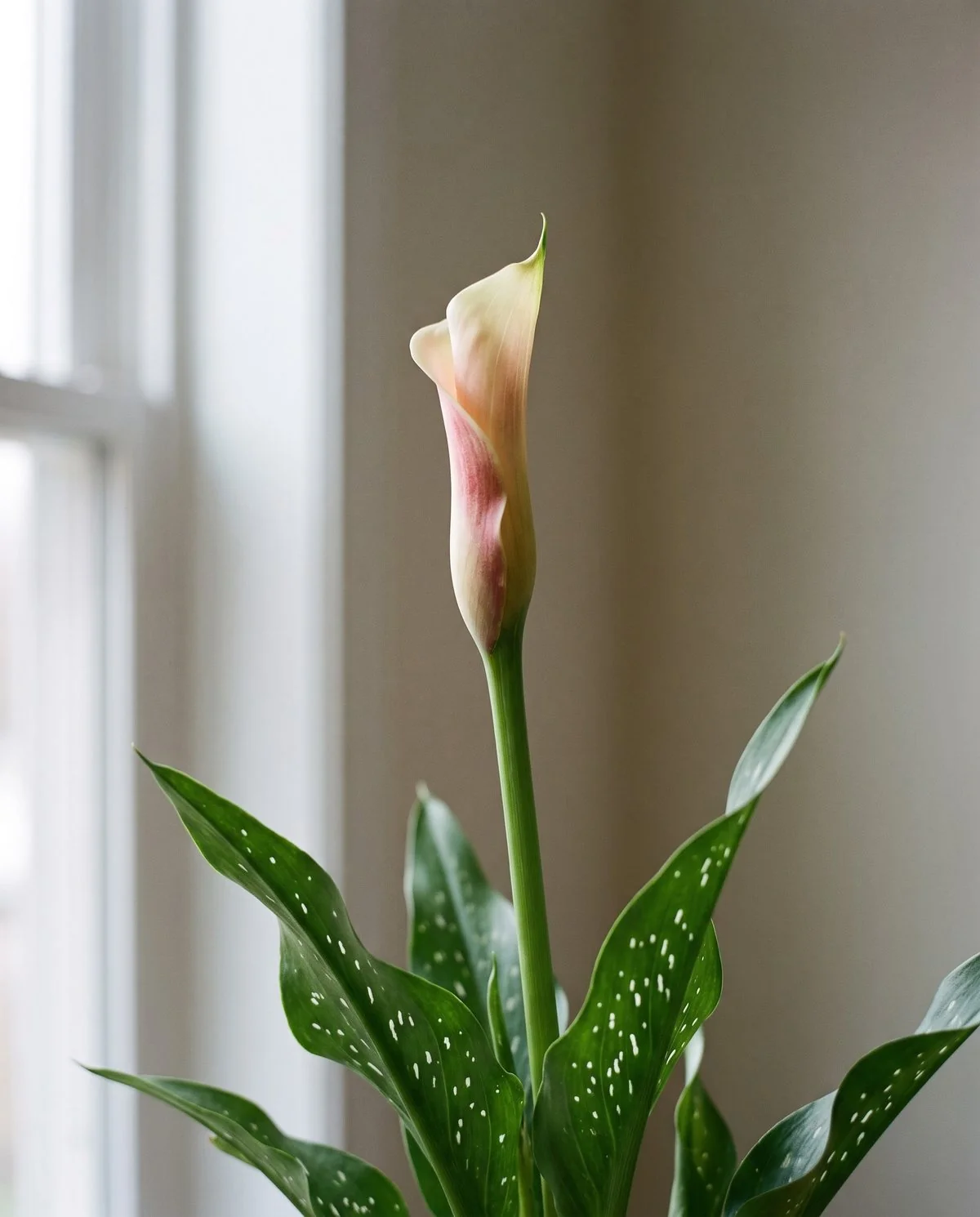
Look for a spathe forming at all. A blind plant pushes normal foliage and looks green and healthy while no flower spike ever appears, or a stunted spike aborts before opening; a plant on its way to bloom carries a visibly swelling spathe that keeps developing toward opening. The real texture is in this page's own sample: when we bought them I think they were yellow and white then nothing.
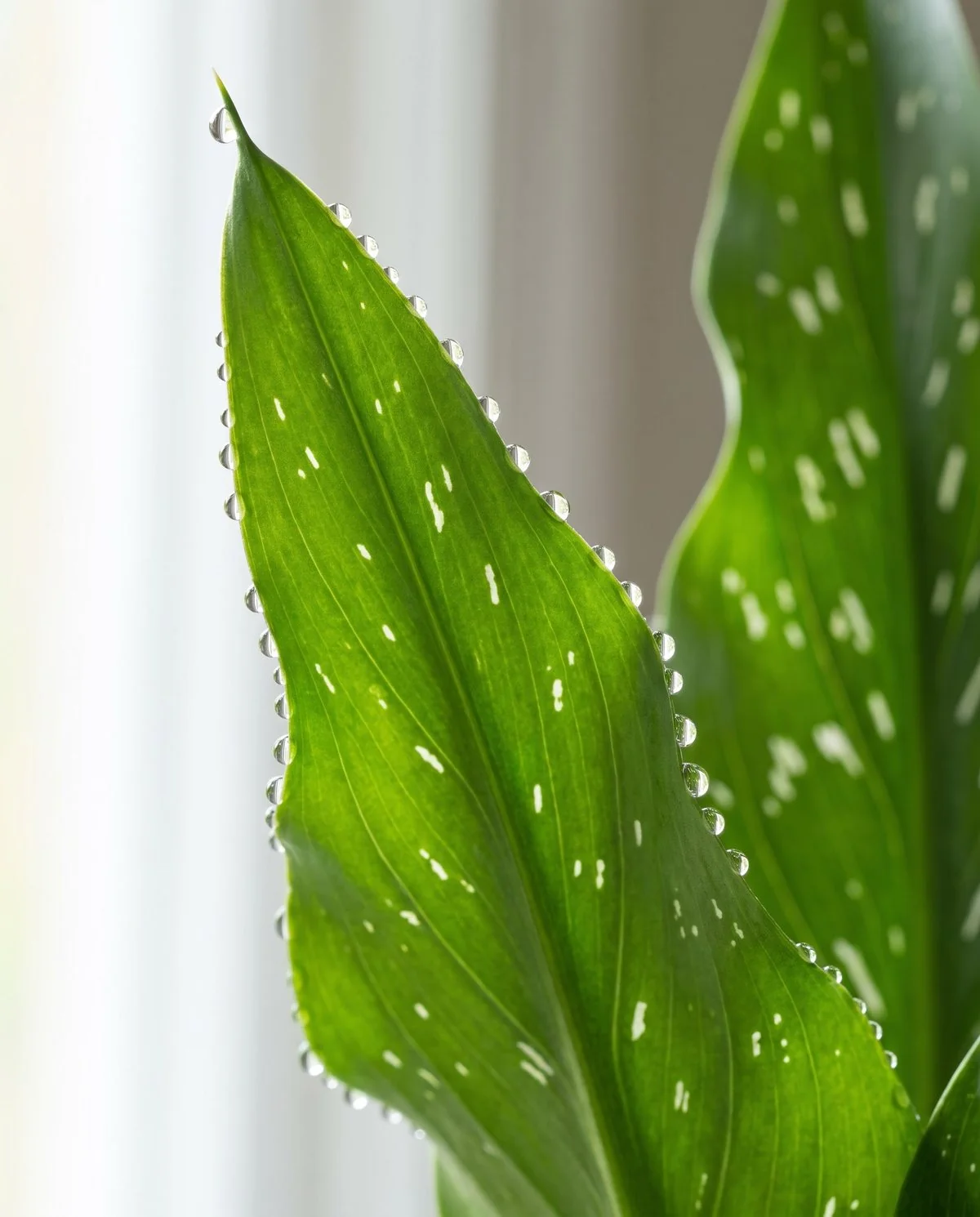
Check whether it is even. Guttation puts small clear droplets at the leaf tips or margins, typically after watering and most visible in the morning or in humid air, with the leaf tissue itself green and undamaged; the watering may be heavy-handed but the plant is not diseased. What breaks the pattern is liquid or discolouration confined to one specific area rather than spread evenly, especially with spotting, wilting or a bad smell alongside it, which is worth checking for a pest or disease instead. This framing is consumer-tier: the underlying botany of guttation is well established, but no university source discussing it specifically on Zantedeschia was found in this research.
What calla owners actually post about, ranked, from a small and clearly gift-shaped sample
65 posts, hand-read rather than keyword-scanned: 26 from r/gardening, 20 from r/plantclinic and 19 from r/houseplants, deduplicated by post id. No dedicated calla subreddit exists, and the sample is small for a structural reason worth stating rather than hiding: on these forums calla lily is overwhelmingly a gift and houseplant subject, not a mass garden crop with its own growing community. The modal poster is a beginner who has never owned a rhizome-grown plant. Themes overlap and do not add to 100.
Whether the plant has just finished flowering, and then whether the rhizome is still firm. This theme dominates the sample and its texture is unmistakably gift-shaped: my mother gifted me, my husband gave me this, got this for Mother's Day, my boss gifted us a bouquet for Easter.
Nothing on the plant. These posts carry no symptom, only I have no idea what I am doing and I am a bad plant mom, which is real signal that calla lily is frequently somebody's first houseplant rather than a considered purchase.
The order of events. Yellowing that follows flowering is the start of a normal rest; yellowing during active growth is a different question, and the two get asked in identical words.
Which of the two callas you own, because the answer genuinely differs and almost none of these posters know. One asks it plainly: will my lily rebloom, I read that you are supposed to let it go dormant, should I quit watering it?
Whether the plant lives in a pot or a bed. This theme is smaller here than in comparable bulb research because most of this sample is potted calla rather than garden-bed calla exposed to deer and rodents. One outdoor post lists a whole season at once: fought spider mites, squirrels, ants, the sun scorching my plants.
Whether the plant was ever given a dry rest. Several of these overlap the dormancy row, since no second bloom and is it supposed to go dormant are frequently the same question asked two ways. One poster: I have had it for about 10 months, initially it had a beautiful purple flower, which withered after about 1.5 months, and no flower since.
Whether anyone has lifted the rhizome. Read this row as a floor: a mushy rhizome is a slow, unphotogenic problem found by digging, so it never generates the traffic a wilted gift plant does. One poster stacked four guesses at once, writing that they thought they had overwatered, given it too little sun, frozen it, and that it might also have developed some kind of fungus.
Whether the droplets are spread evenly along the leaf edges. Two separate posters used the word sweating for what is not a disease at all.
Flower photos

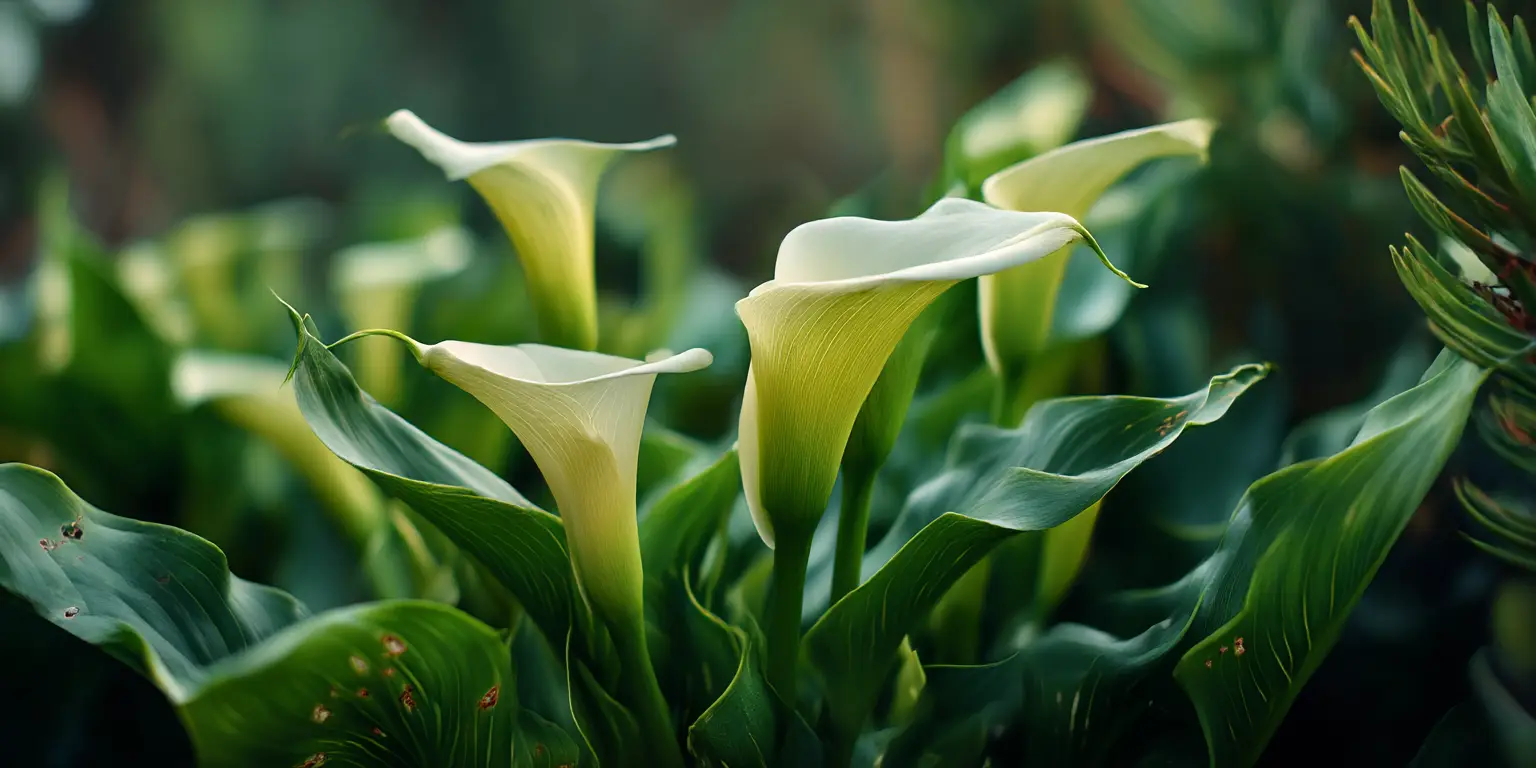
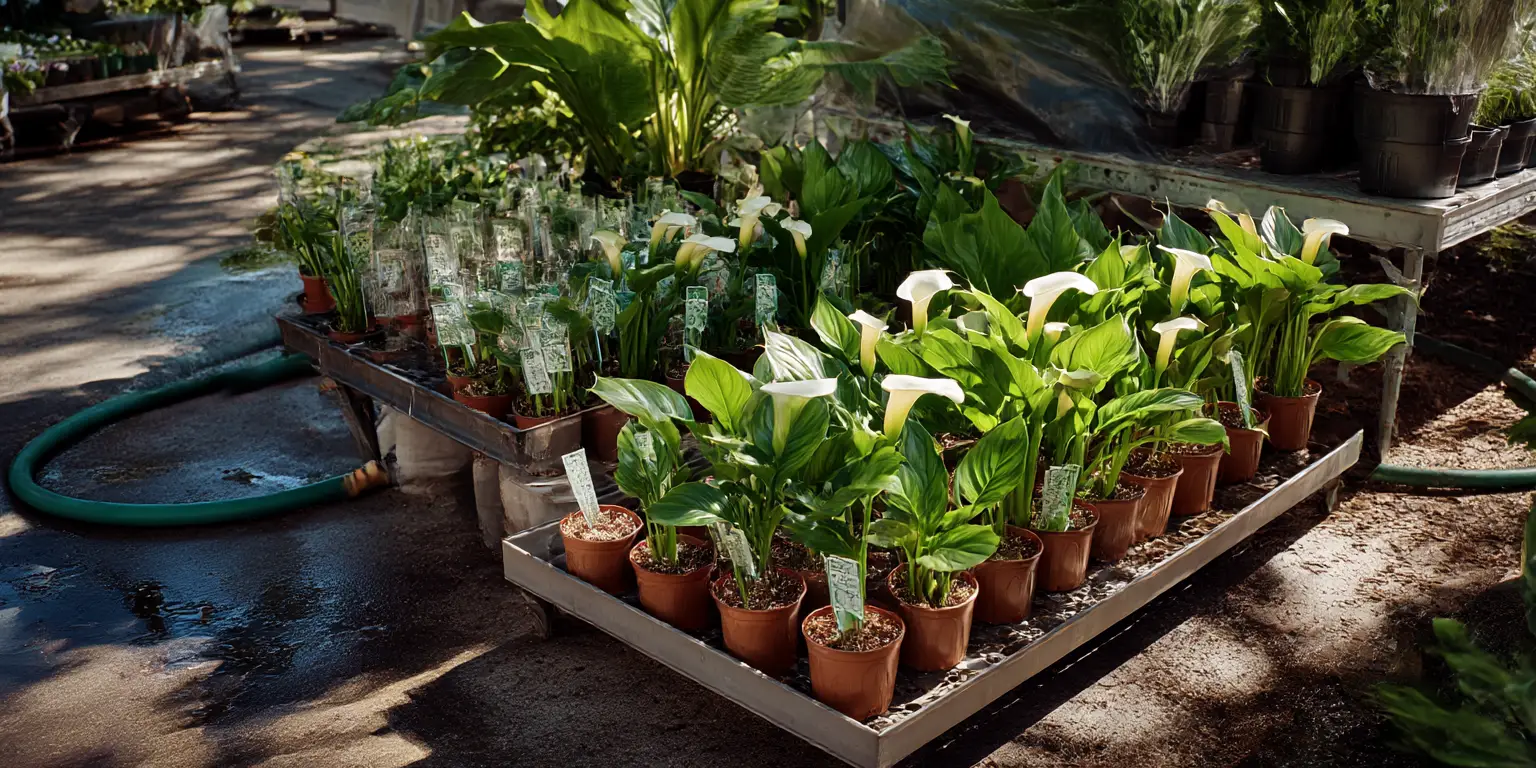
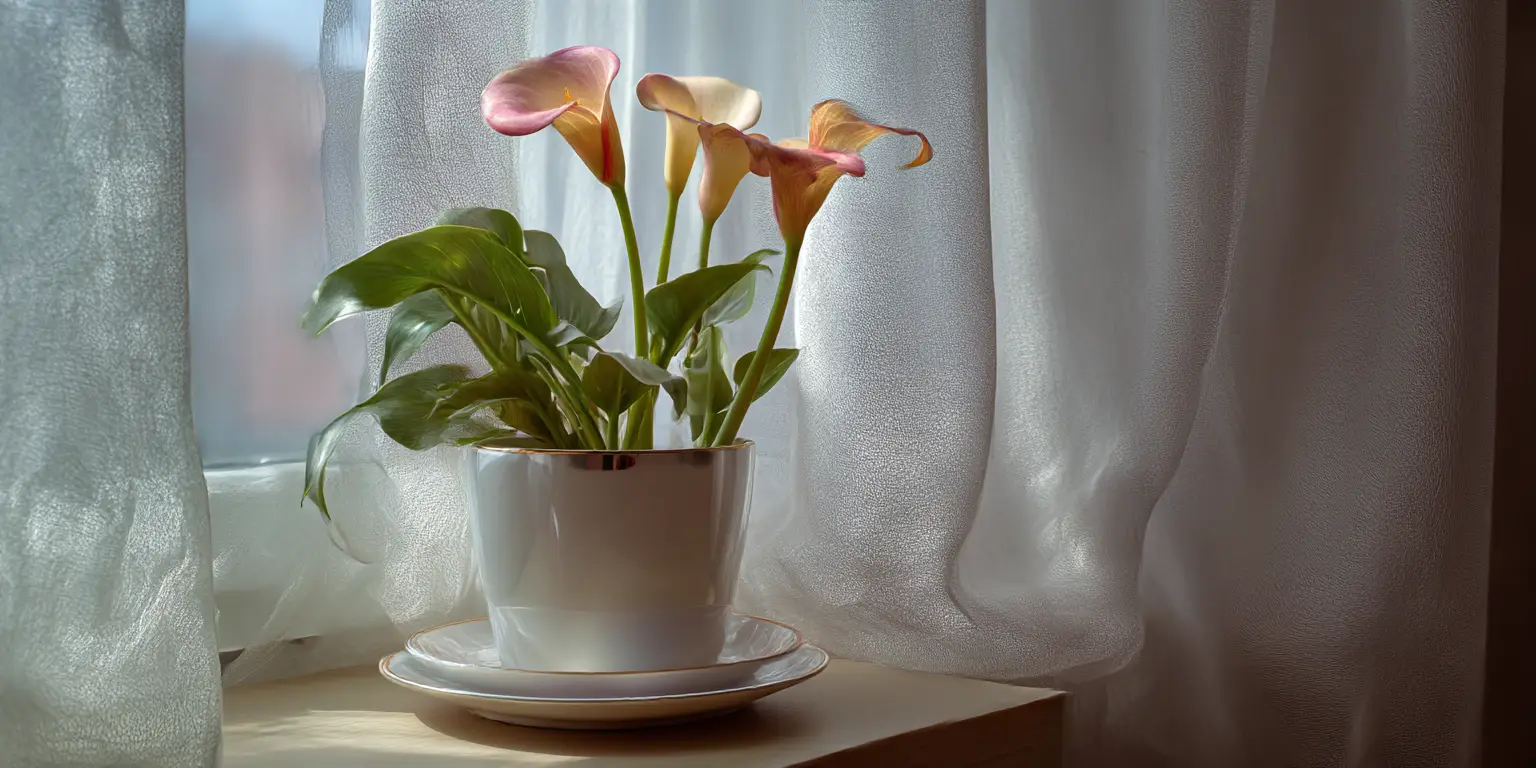
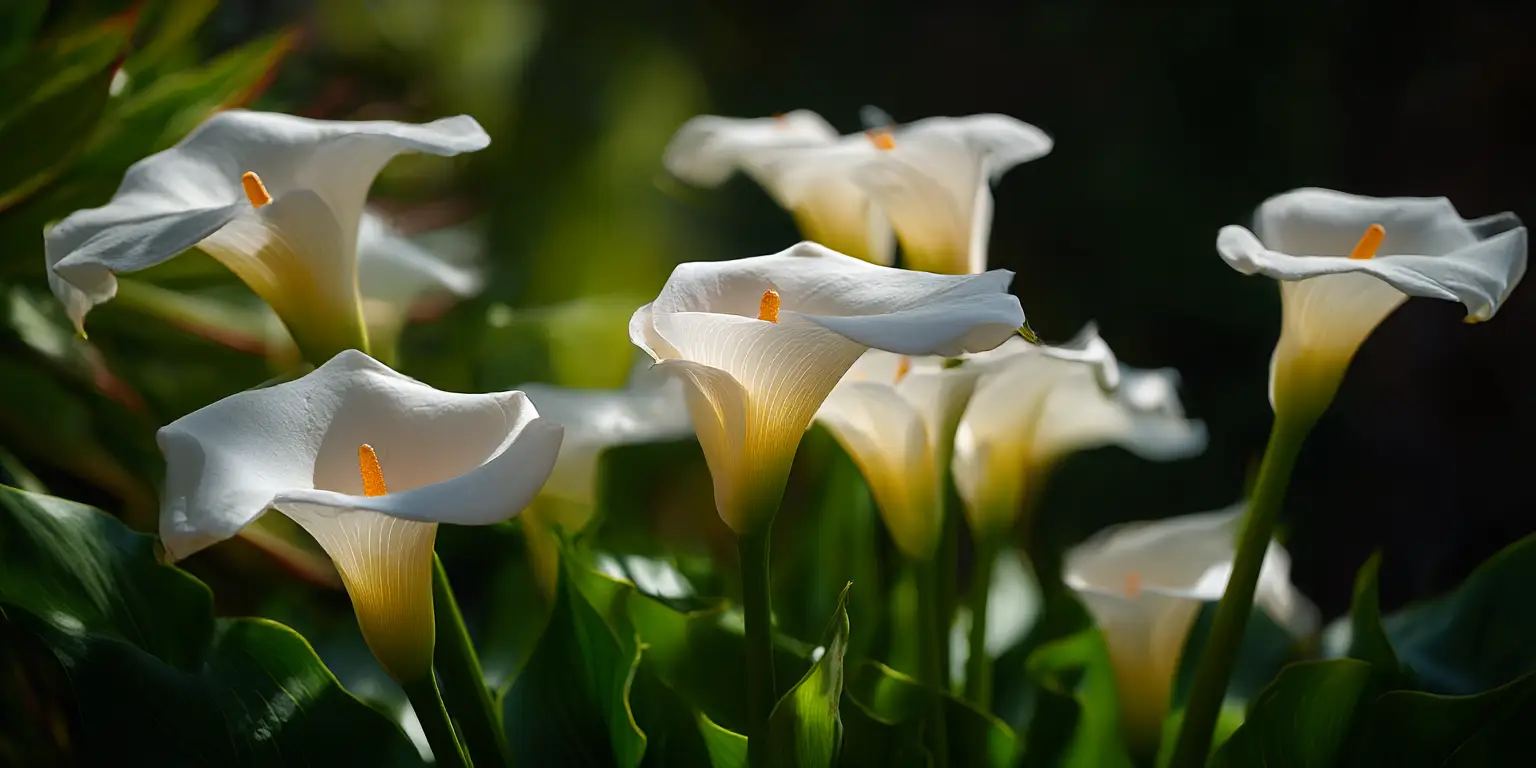
FAQ
Are calla lilies true lilies?
No. Despite the name they are Zantedeschia in the arum family, Araceae, not the genus Lilium in the lily family. They grow from rhizomes rather than true bulbs, and what looks like a petal is a spathe wrapped around a spadix of tiny real flowers. The name stuck because the bloom has a lily-like shape, but botanically the two are unrelated, which is also why true lilies are often heavily fragrant and deadly to cats while callas are nearly scentless and only irritating.
Are calla lilies poisonous to cats and dogs?
Yes, but not in the way true lilies are. Calla tissue holds insoluble calcium oxalate crystals that irritate the mouth and throat, causing pain, drooling, and sometimes vomiting if a pet chews it. The discomfort usually stops an animal quickly, so serious poisoning is uncommon, though a vet call is wise if symptoms are strong. Crucially, a calla does not cause the kidney failure that Lilium lilies and daylilies inflict on cats. Keep it out of reach anyway, and for blooms you can leave within a pet's world, see the guide to flowers safe for cats and dogs.
Do calla lilies come back every year?
In the right climate, yes. The hardy white calla is a perennial in USDA zones 8 and warmer, where the rhizomes stay in the ground and resprout each spring. In colder regions the rhizomes will not survive a freeze outdoors, so gardeners either lift and store them over winter or treat the plant as an annual and start fresh. Whether a calla behaves as a perennial or an annual comes down to your zone and how you handle the rhizomes.
How do I overwinter calla lily rhizomes?
Where the ground freezes, lift them in fall after the foliage has died back but before a hard freeze. Brush off the soil, let the rhizomes air dry for a day or two, then pack them in dry peat, wood shavings, or newspaper so they do not touch, and store them in a cool, dark, frost-free spot around 40 to 50 F, such as a basement or an unheated garage. Replant outdoors in spring once frost has passed and the soil has warmed, and they will sprout as the weather turns.
Why is my calla lily drooping or turning yellow?
Usually water. Soggy soil rots the rhizome and softens the stems until they flop, so check that the rhizome is still firm and improve the drainage. Too much nitrogen has a similar effect, forcing lush, weak growth that cannot hold itself up, which is a reason to feed for bloom rather than leaf. Heat and dry soil can wilt a calla too, and afternoon shade helps in hot climates. If the leaves yellow after the flowers have finished, that is not a problem at all; it is the plant going dormant on schedule, and the cure is simply to water less and let it rest.
Why has my white calla lily turned green?
Most often because the bloom is aging. A white spathe naturally shifts toward green as it matures past its peak, and there is nothing to fix beyond removing the spent flower. When green tinting shows up early or across many blooms, overly rich feeding is the usual culprit, since a high-nitrogen fertilizer pushes green pigment and leafy growth, so easing back to a balanced, lower-nitrogen feed keeps future spathes cleaner in color.
Can I grow calla lilies indoors in pots?
Yes. Give a potted calla a bright window, cool to moderate room temperatures around 60 to 75 F, and a mix kept evenly moist but never soggy in a pot that drains freely. Many gardeners start rhizomes in pots indoors in late winter to get a jump on the season, then move them outside in spring. Expect the plant to take a dormant rest for a couple of months after it blooms, when it may die back and look finished; water it lightly through the lull and normal growth returns when new leaves push up.
Are calla lilies poisonous to pets or children?
Yes. Calla lilies contain calcium oxalate crystals that can irritate the mouth and throat if chewed or eaten by pets (cats, dogs) or children. Symptoms often include immediate mouth pain, drooling, and difficulty swallowing, and possibly vomiting. The good news is that this intense irritation usually prevents most animals or kids from ingesting a lot, so serious poisoning is uncommon. However, it can be quite painful, and it’s important to keep calla lilies out of reach to be safe. If a pet or child does chew on a calla lily, rinse out their mouth with water if possible and seek medical or veterinary advice for further instructions.
What do calla lilies symbolize?
Calla lilies have a rich symbolic history in various cultures. Generally, they are associated with purity, holiness, and faithfulness. This is one reason white calla lilies are popular at weddings. They symbolize the purity of marital devotion. They are also commonly seen at funerals, as they can represent resurrection and rebirth (the idea of the soul rising, much like the calla lily’s flower rising from a dormant bulb). In addition, calla lilies have long been admired as a symbol of beauty (the word "calla" comes from the Greek kallos, meaning beauty). Their elegant, pristine appearance has made them an emblem of sophistication and elegance in floral arrangements. Of course, the meaning can vary slightly depending on context and color. For instance, a pink calla lily might symbolize appreciation or admiration. But overall, calla lilies carry positive connotations of purity, life, and beauty.
Related Guides & Flowers
Agapanthus (African Lily)
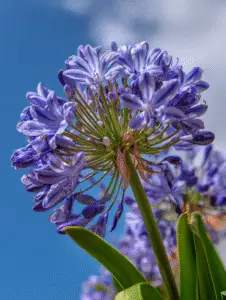
Sculptural umbels on sleek stems; pairs well with calla lilies in modern bouquets.

Irises
Strong, architectural foliage and elegant blooms; good companion for moist-border plantings and wedding work.
Lily
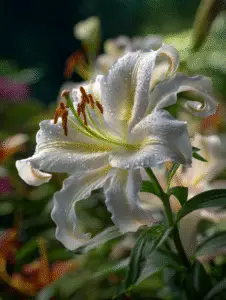
(true lilies, Lilium) – Classic cut flower with tall trumpets; a "namesake neighbor" to callas though unrelated botanically.
Oncidium Orchid
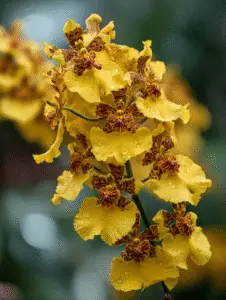
(Dancing Lady) – Airy sprays that contrast beautifully with the bold calla spathe in arrangements.
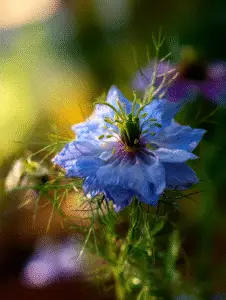
Love-in-a-Mist (Nigella damascena)
Ethereal "misty" bracts for romantic, garden-style designs around callas.
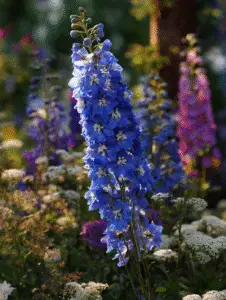
Delphinium elatum
Tall, stately spires that give vertical drama behind calla stems.
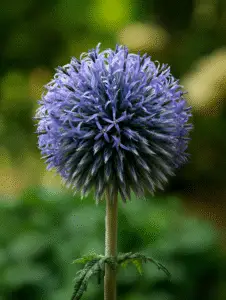
Globe Thistle (Echinops)
Bold, spherical accents that play nicely with the clean geometry of calla blooms.
References
- Clemson Extension – "Calla Lily | HGIC" – Practical care, planting, and cultivar notes for Zantedeschia.
- NC State Extension Plant Toolbox – "Zantedeschia (Calla Lily)" – Botanical profile, bloom window, and toxicity note.
- UC ANR IPM – "Calla" (Floriculture & Ornamental Nurseries) – Key pests and diseases affecting callas with management guidance.
- ASPCA – "Calla Lily" – Pet toxicity (insoluble calcium oxalates) with clinical signs for dogs and cats.
- Missouri Botanical Garden – "Zantedeschia aethiopica" – Authoritative non-profit profile with origin, size, and cultural notes.
Enjoying our flower guides? Add YourFlowersGuide as a preferred source on Google. It helps more readers find us.
Add to Preferred SourcesHow deep do I plant a calla rhizome?
Nobody has settled this, and pretending otherwise would be inventing precision. Across the sources checked in this research the figures ran 2 inches, 3 to 5 inches and 4 to 6 inches, and no authority reconciles them the way university extensions have reconciled tulip bulb depth. The range is real; the single number is not available.
Do calla rhizomes need a cold winter the way spring bulbs do?
No. Arkansas Cooperative Extension states it directly: calla lilies are summer blooming bulbs and do not need winter chilling. What the coloured hybrids need instead is a dry rest between flowerings, which is a different requirement entirely and is met by withholding water rather than by cold.
Will a rhizome I stored actually bloom again next year?
No source in this research puts odds on it, and that absence is worth knowing before you count on it. What the sourced material does support is the handling: cure the rhizome dry before storage, since an improperly dried one is a rot risk, store it cool rather than warm, because the main soft-rot bacterium macerated tissue measurably faster from 25 C upward, and hold off replanting into cold wet spring soil.
Why did my dark calla's petals come out spotted?
A real field trial recorded exactly that and did not identify a cause. The 2023 ASCFG calla trial reported that darker colours showed spotting on petals, making some stems unusable, and its report does not attribute it to Botrytis, sun scorch, water contact or any cultivar trait, nor did any other source in this research investigate calla petal spotting. So it is a documented, named problem with no diagnosis attached, and this page will not supply a plausible-sounding one.