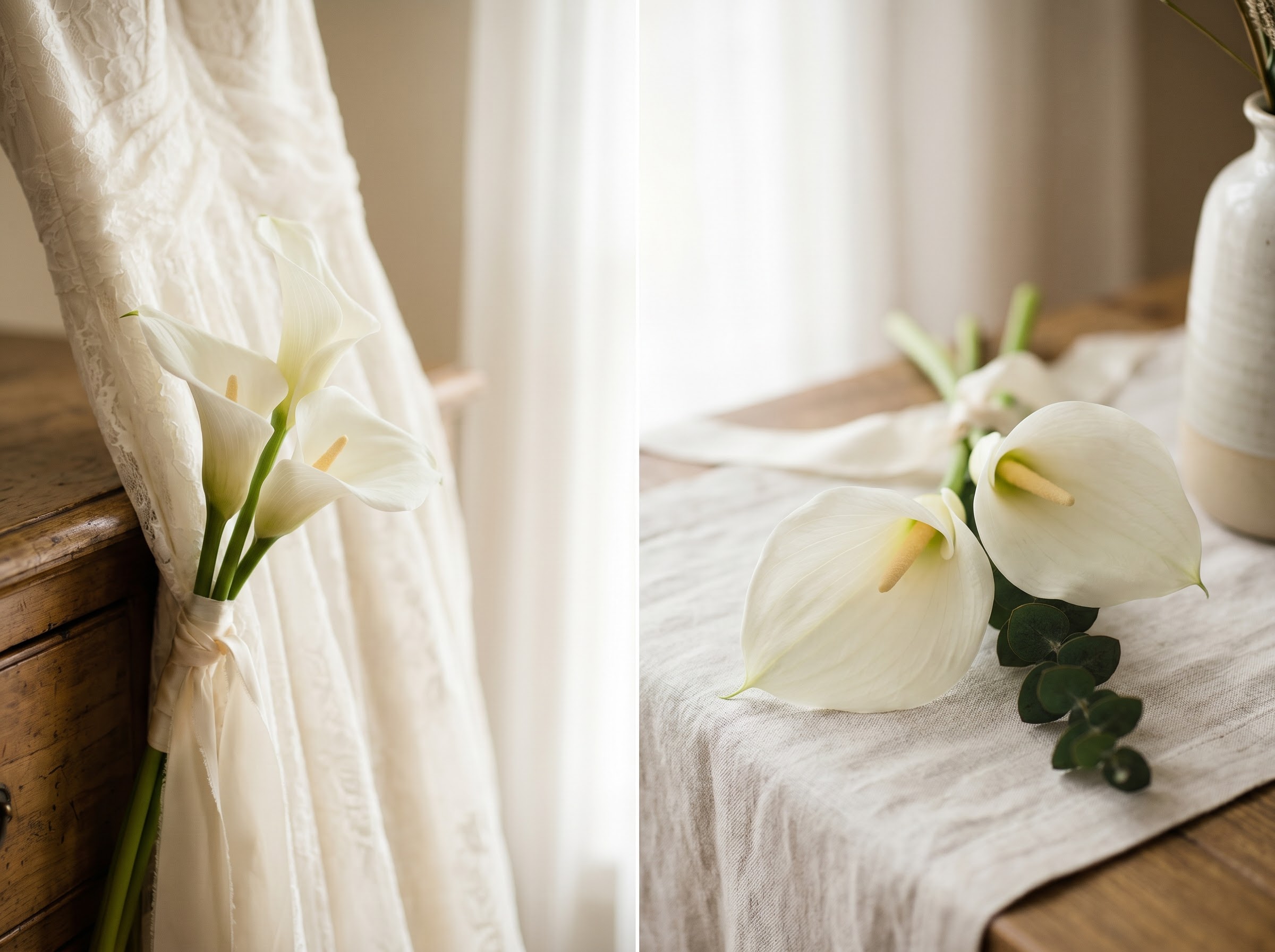
Most common today
calla lily means magnificent beauty, purity, and overwhelming, give-yourself-completely devotion, plus rebirth, the renewal note that lets the same flower suit both a wedding and a funeral with the occasion deciding which side shows.
The Victorian reading
In the Victorian language of flowers the calla lily had only a short, narrow entry: magnificent beauty, a tribute to its striking looks rather than any coded romantic message. The purity, devotion, and rebirth layers we attach to it today came later, as florist convention rather than old tradition.
What to write on the card
For a wedding: “Beautifully, completely yours.” (for sympathy, write toward rebirth and a peace that follows rather than the loss).
The calla lily turns up in a bride’s hands and on a casket spray, and it means both at once without any mix-up. A calla lily stands for magnificent beauty, purity, and a kind of complete, overwhelming devotion, and it also stands for rebirth, which is exactly why one sculptural white bloom can say “I am wholly yours” at a wedding and “this is not the end” at a funeral. The flower does not change; the occasion finishes the sentence. Below you will find the honest reading of what a calla lily means, why the wedding and the funeral are not a contradiction but the same idea aimed at very different days, what the white and the deep purple kinds say, and a plain note on what to write when you give one.
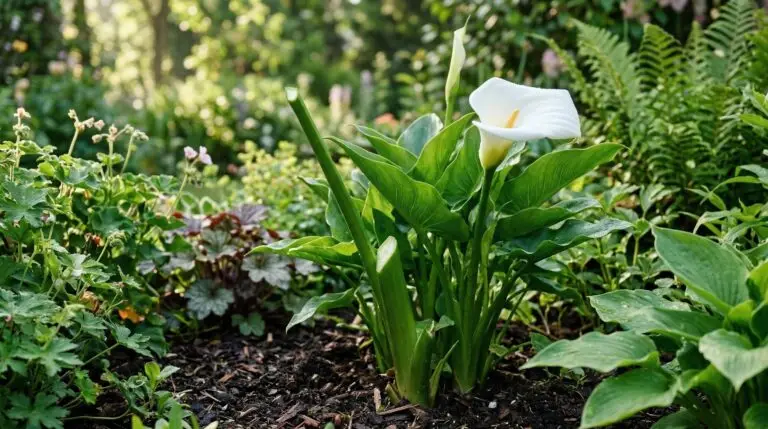
Start with the name, because it is a polite lie. The calla lily is not actually a true lily at all. Botanically it is usually placed in the genus Zantedeschia in the arum family rather than among the true lilies, and the elegant “flower” is really a single curved leaf, called a spathe, that wraps around the slim central column carrying the tiny true flowers. None of that changes the meaning people give it, but it does explain the calla’s signature look, that smooth, unbroken trumpet, which is half the reason it reads as so pure and so refined. If you want to see how it sits beside its almost-namesakes, our pages on lily meaning and lily of the valley meaning cover the two flowers it gets quietly confused with.
What a calla lily means
At its center the calla lily means magnificent beauty. That is the oldest and steadiest part of the meaning, and everything else grew out of it. The flower is so clean in its lines, so close to sculpture, that the symbolism followed the shape. Over time the modern reading layered on purity, which comes from the classic white form, and a sense of overwhelming devotion, the feeling of giving yourself completely rather than halfway. The fourth note is rebirth, the idea of life renewed, and that one is doing quiet but important work, because it is the bridge between the joyful uses and the solemn ones.
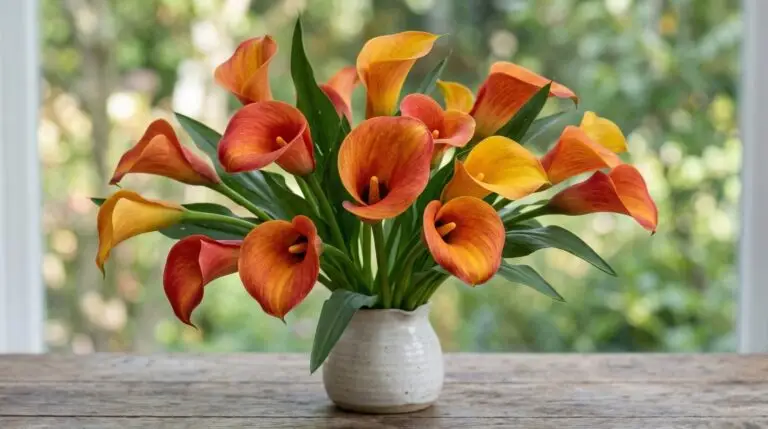
Read the meaning as one arc rather than a list and the flower makes sense. Beauty came first, purity grew from the white form, devotion from the sense of giving yourself whole, and rebirth from its long service at both ends of a life. A wedding leans on the first three. A funeral leans on purity and rebirth, the soul made clean and the promise that something continues. So when someone asks what a calla lily symbolizes, the truest answer is that it symbolizes a beautiful, complete devotion and a fresh start, and then lets the moment decide whether that fresh start is a marriage or a passing. The white calla is the one that carries this core meaning most fully, which is why it is the default in both settings. Coloured callas, the deep purples and the near-black cultivars, are a more recent florist arrival, and as far as we can tell they read first as drama and richness rather than as any settled separate message. If you want the flower itself, the varieties and how to keep those trumpet blooms looking sharp, our guide on how to grow calla lily goes into the plant rather than the symbolism.
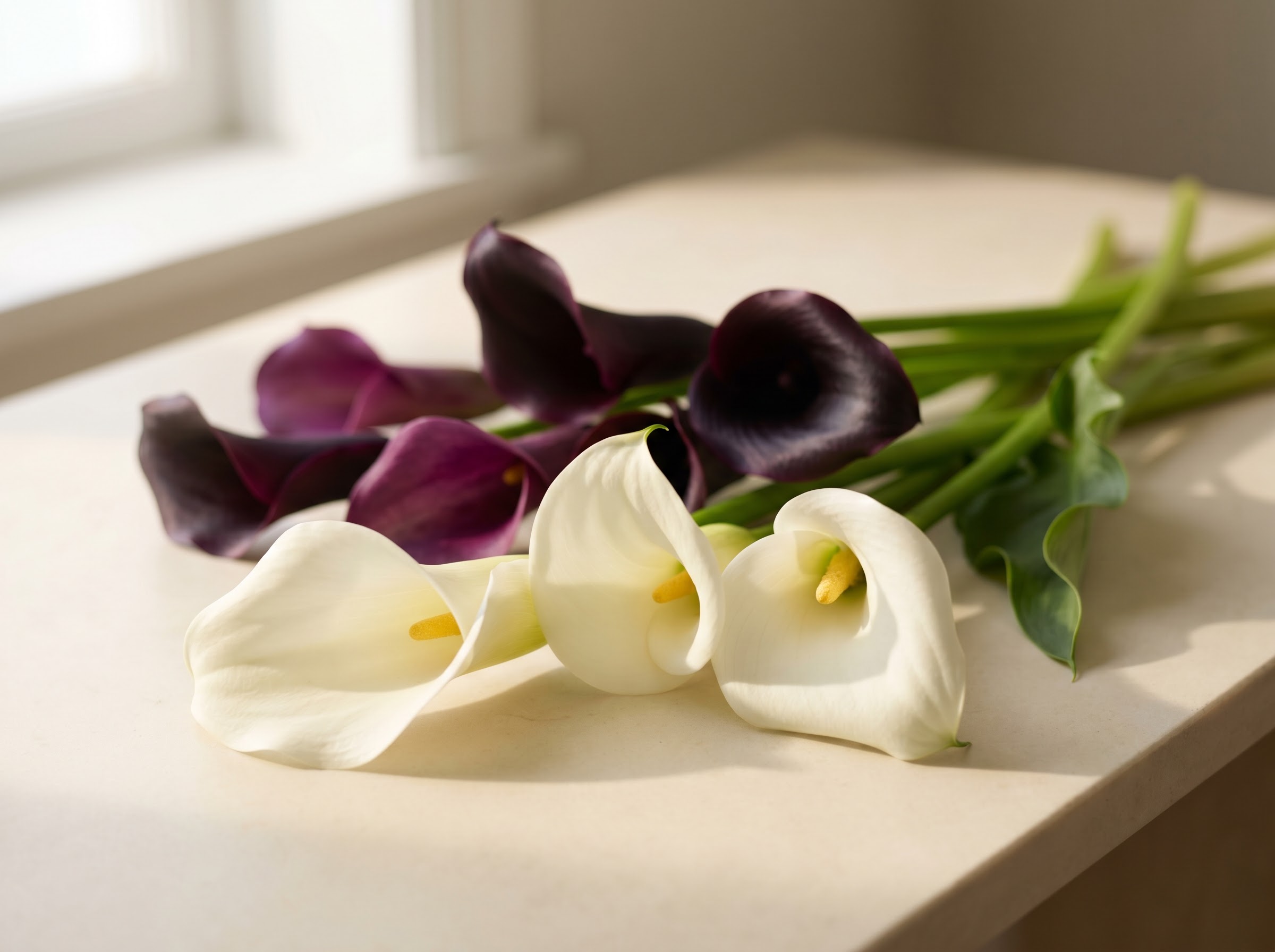
Calla lily in love, devotion, and gifting
In love and relationships the calla lily is not a casual flower. It does not say a light, early crush the way a few tulips might. It says something fuller. The devotion it carries is the all-in kind, which is precisely why it became a wedding staple and why a bouquet of calla lilies reads as a serious statement of beauty and commitment rather than a flirt. Give callas to a partner and you are reaching for elegance and depth, not playfulness. That weight is a feature when the moment is big, an anniversary, a proposal, a wedding, and a slight mismatch when the moment is small.
For friendship and admiration the calla still works, because the beauty reading is so strong and so unfussy. A single tall white calla, or a small handful, makes a graceful gift to someone you respect or want to honor, and most people will simply receive it as “this is striking and lovely,” which it is. The one place to think twice is the funeral association. In some circles, especially where callas show up often at memorials, an all-white calla arrangement can carry a faint solemn echo even outside that setting. It is not a strong effect, and the wedding use is at least as common, so this is a soft note to be aware of rather than a rule to obey. If you are choosing a flower to match a specific feeling, our guide to what flowers mean by feeling lines up beauty, devotion, and renewal against the rest of the emotional palette.
How the meaning grew without ever flipping
In the Victorian language of flowers the calla lily had a short, clean entry: magnificent beauty. That was it. Where a rose or a carnation carried a tangle of sub-meanings tuned by colour, the calla mostly stood for its own splendor, an admission of how arresting it is to look at. The elaborate flower vocabulary the Victorians prized had largely been built up in France before it became a British craze, and within that vocabulary the calla earned a place on the strength of pure beauty rather than any coded romantic errand.
What shifted is not that the old meaning was overturned, but that it was expanded. The modern reading kept “beauty” intact and grew the rest, purity from the white bloom, devotion from the way the flower gives the impression of total, ungrudging fullness, and rebirth from its long use at both christenings and graves. So the calla is unusual among flowers in having a fairly smooth history. There is no dramatic flip here, no flower that meant one harsh thing and now means a warm one. The trajectory ran from a narrow “magnificent beauty” to a broader cluster around beauty, purity, devotion, and renewal, and you can trust the whole cluster today.
| Reading | What the calla lily meant | Which to trust |
|---|---|---|
| Victorian language of flowers | Magnificent beauty, and little else; a tribute to its striking looks | Accurate but narrow. The core, not the whole story. |
| Today | Beauty, purity, overwhelming devotion, and rebirth | The fuller and more useful reading. Trust this one for any modern gift. |
| At a wedding | Purity, beauty, and complete devotion; “beautifully, completely yours” | A genuine, common use. Safe and lovely. |
| At a funeral | Rebirth, sympathy, and the soul restored; consolation, not despair | Equally genuine. The same flower, read for renewal rather than romance. |
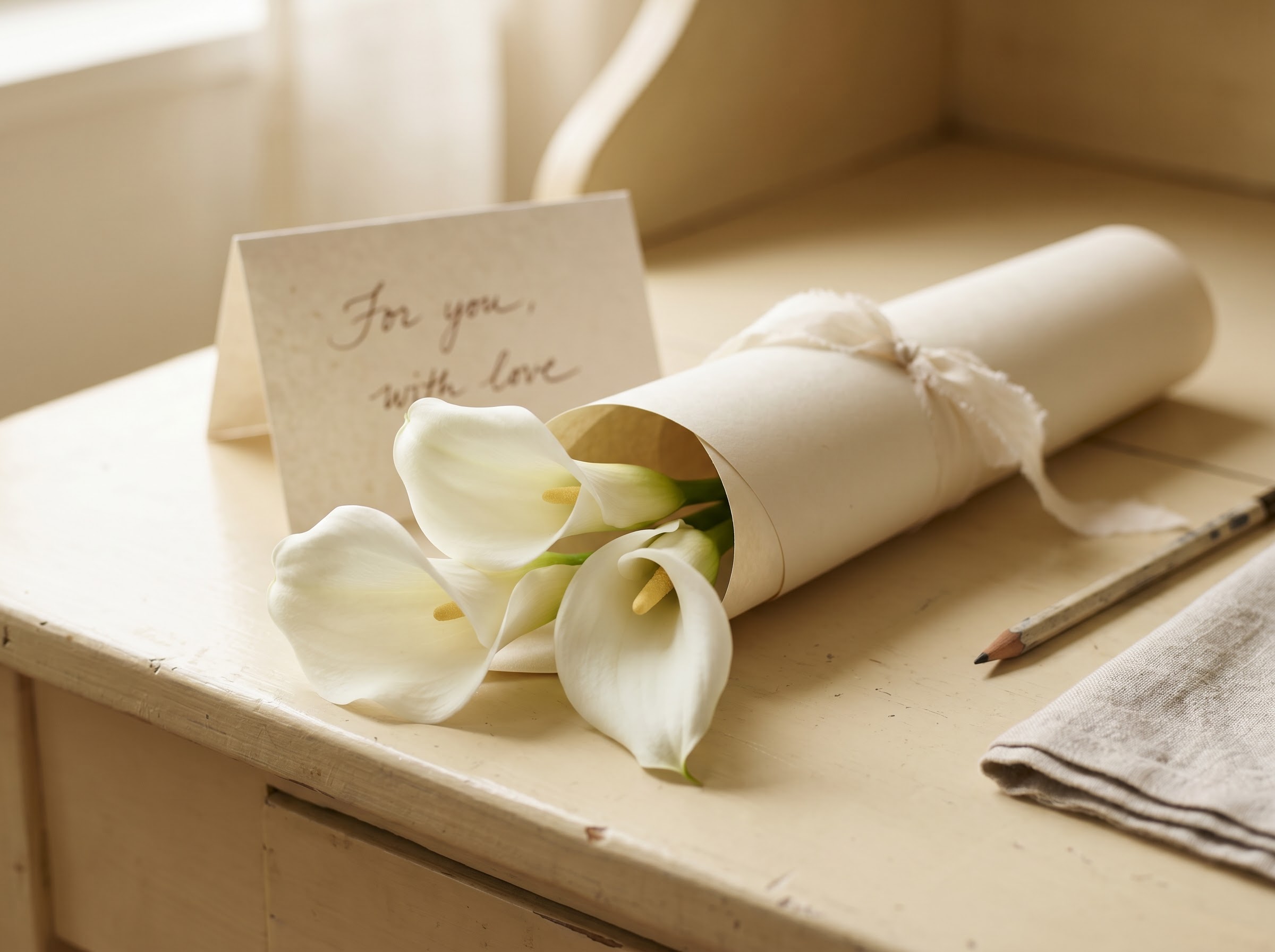
Wedding flower or funeral flower, and why both are right
The thing people most want settled about the calla is whether it is a wedding flower or a funeral flower, since lists will tell you both with equal confidence. Both are right. The wedding reading pulls on beauty, purity, and devotion. The funeral reading pulls on rebirth and sympathy, the calla as a quiet promise that something continues past the loss. These are not two sources contradicting each other so much as one flower whose meaning is broad enough to serve a beginning and an ending, with the setting telling you which face is showing. A white calla in a bridal bouquet and a white calla in a sympathy spray are saying closely related things about purity and renewal, just aimed at very different days.
None of this, it should be said, is written down anywhere official, and the calla is a clean example of why. The way Iowa State University Extension frames it in its own guide to flowers and their meanings, the information comes from several sources and a single flower can carry more than one meaning at once. The calla’s wedding-and-funeral double life is simply that truth made visible. So lean on the core with confidence, since beauty, purity, devotion, and rebirth are well attested and widely shared, and treat the finer claims, the supposed separate meanings of a purple or near-black calla, or a fixed reading for a calla lily tattoo, as softer florist convention rather than fixed law. If a tattoo is what brings you here, our guide to flower tattoo meanings handles the calla’s usual elegance reading alongside the rest. The calla means something real; it just does not mean one single thing, and that is the honest version worth knowing.
Sending calla lilies, from weddings to sympathy
For a wedding or an engagement, let the card match the flower’s all-in devotion: “Beautifully, completely yours.” That is the calla’s native register, full feeling stated plainly, and it suits the white blooms perfectly. For an anniversary, something steady works, a line about a love that has only grown more sure. When you are giving callas as a sympathy flower, write toward the rebirth meaning rather than the loss, a few words about a life that mattered and a peace that follows, since the flower is already carrying the consolation for you. For a friend or someone you admire, keep it simple and let the beauty speak: a note that you saw something this elegant and thought of them.
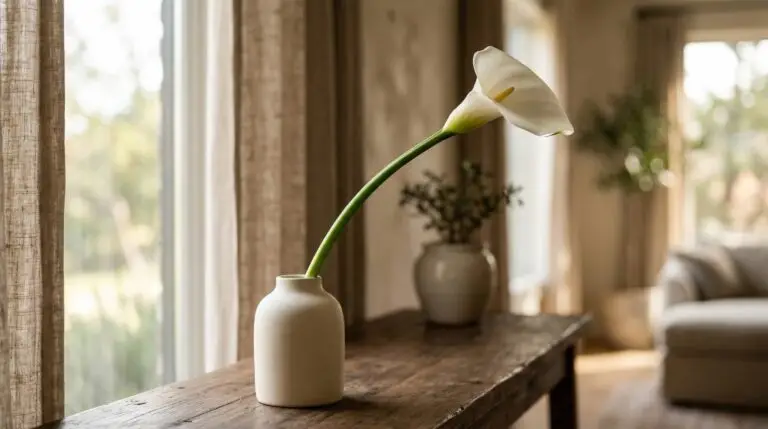
On timing, callas are at their freshest from spring into summer, though as a florist staple you can usually find them year round, which is part of why they turn up at so many weddings and services regardless of season. Reach for the classic white when you want the meaning to read clearly, since it carries the full purity-and-devotion message that made the flower famous. Save the deep purple and the dramatic dark cultivars for when you want striking and modern over traditional and clear, because their look does more talking than their symbolism does. Whichever you pick, the calla rewards a little restraint; one tall stem or a small, clean bunch says more than a crowded arrangement, which is fitting for a flower whose whole meaning is built on elegance. And if the wedding-and-funeral double life leaves you wondering how any flower comes to mean two things at once, our meaning of flowers hub lays out where these readings came from and why they keep moving.
Sources
- Cornell University, Written in Petals: The Language of Flowers, on the history of floriography.
- Iowa State University Extension, Flowers and Their Meanings, on why sources disagree.
More flower meanings
 LilyAt its core a lily means purity, devotion, and renewal, with the colour tuning the message; the…
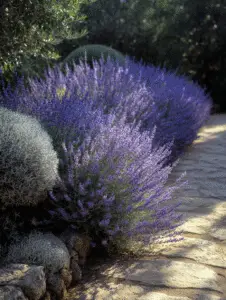 LavenderCalm above all: serenity, rest, healing, and a soft, steady devotion, the love of long care…
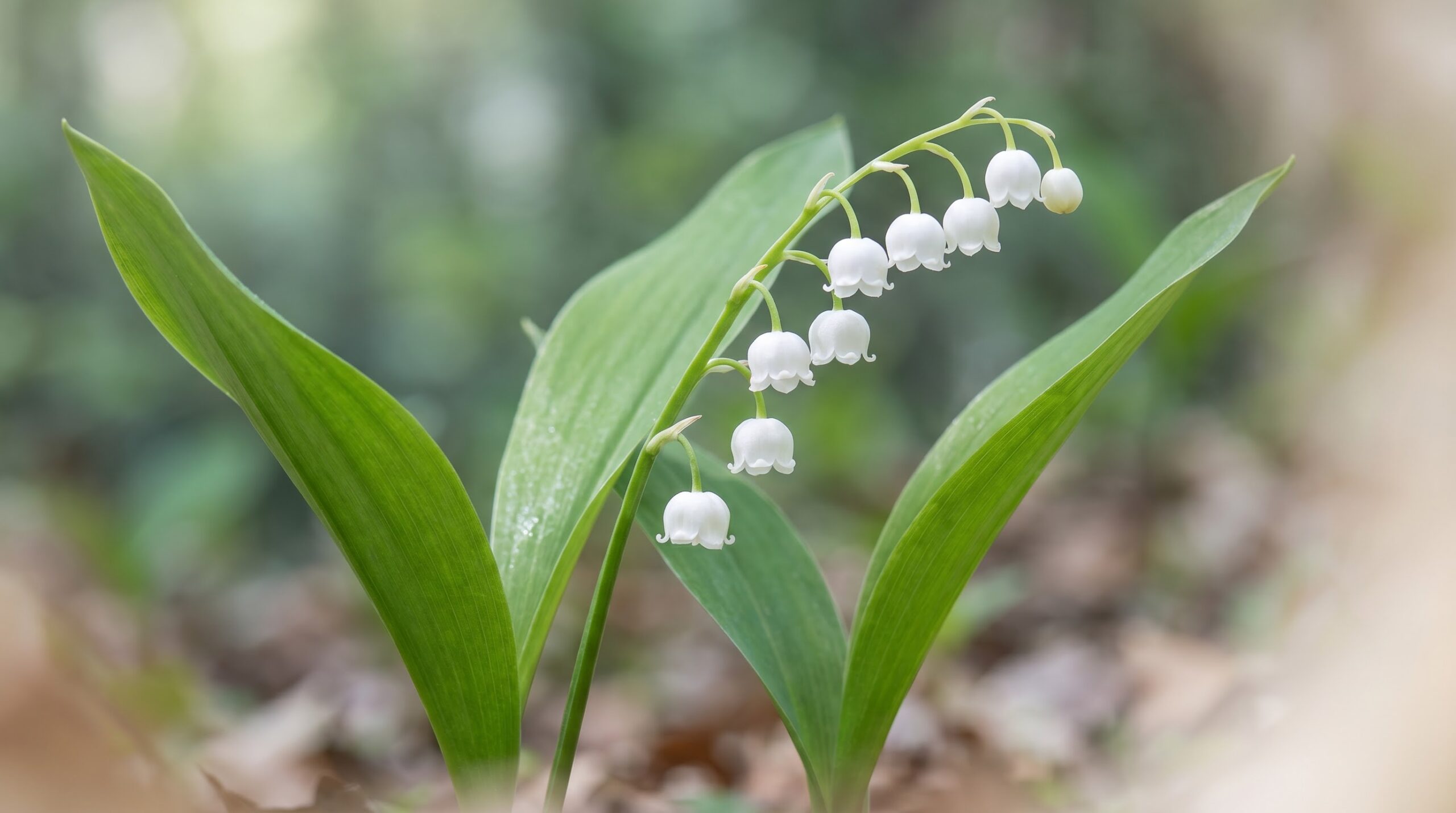 Lily of the valleyThe return of happiness, with sweetness and humility close behind, and at its warmest the…
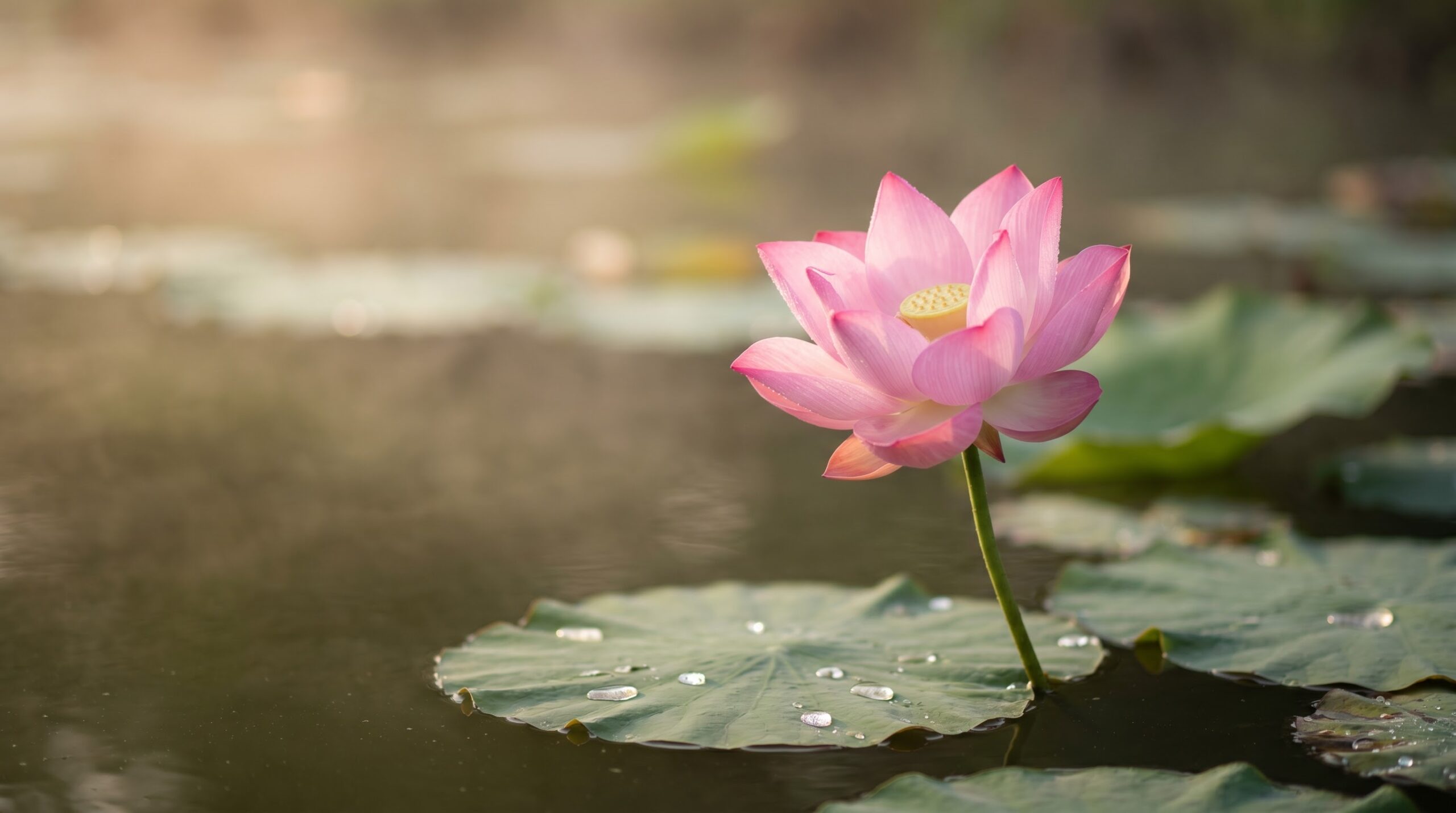 LotusPurity, enlightenment, and rebirth. The lotus roots in pond mud, pushes up through murky water,…
More meaning guides
More About Calla Lily
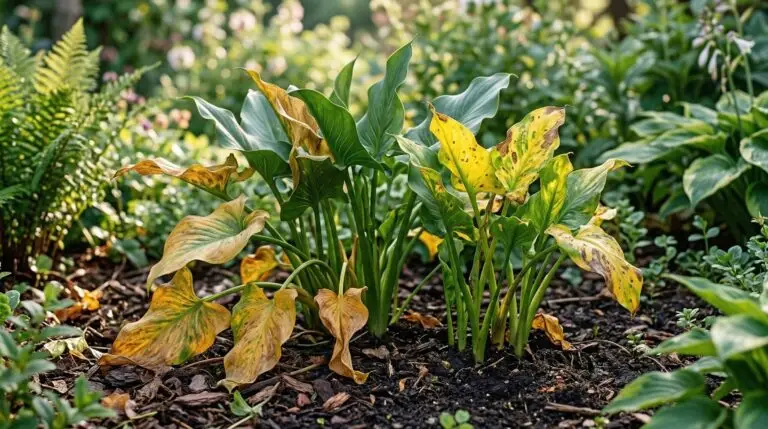 Why calla lily leaves are turning yellow and how to revive your plant
 Calla lily as a cut flower and how to make arrangements that last over a week
 How to store calla lily bulbs over winter and replant them in spring
 Using calla lilies in modern minimalist floral arrangements that make a statement
 Colorful calla lily varieties that go far beyond the classic white trumpet
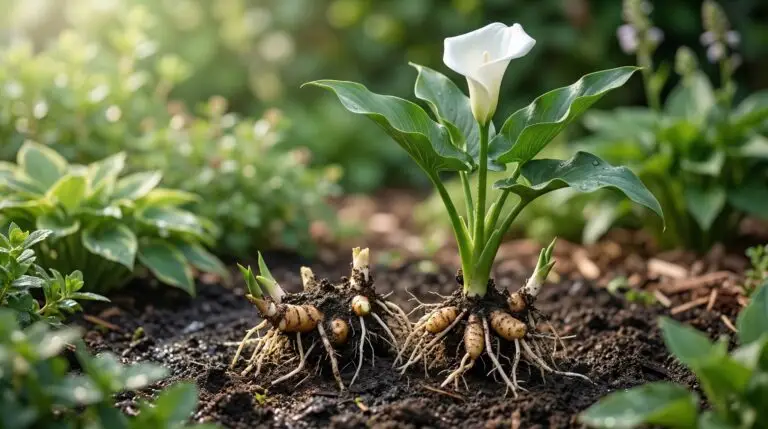 Calla lily propagation by dividing rhizomes for more plants every season
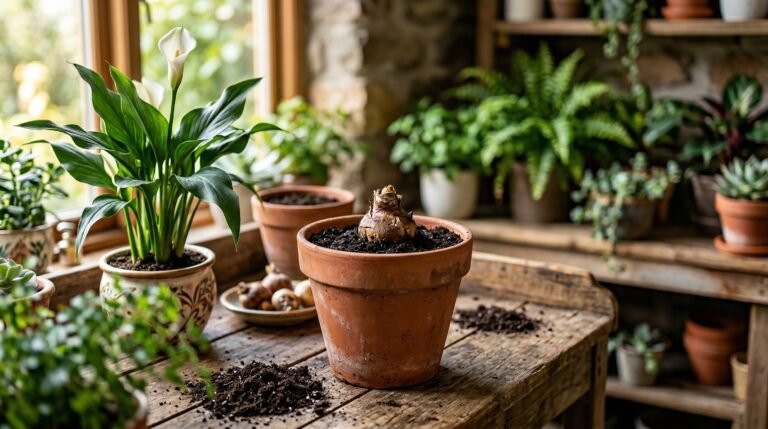 How to grow calla lilies in pots indoors for elegant year-round blooms
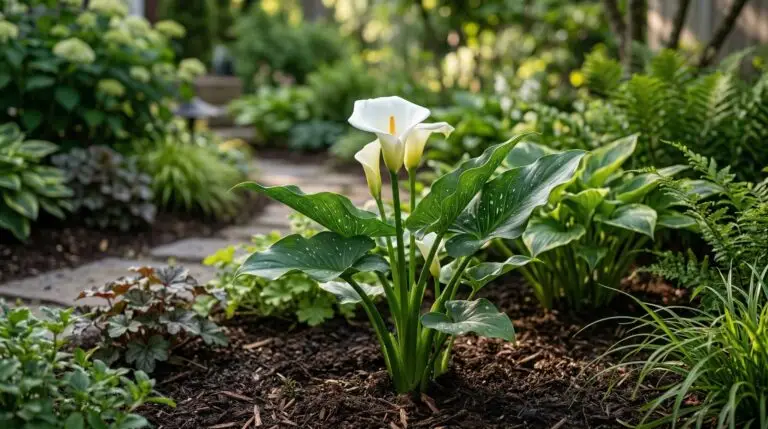 Growing calla lilies outdoors in garden beds as a summer focal point
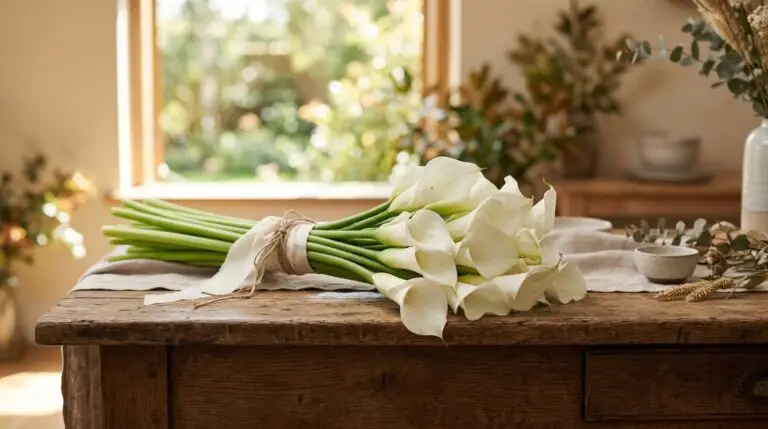 Calla lily wedding bouquets and why brides have loved them for generations
Enjoying our flower guides? Add YourFlowersGuide as a preferred source on Google. It helps more readers find us.
Add to Preferred Sources