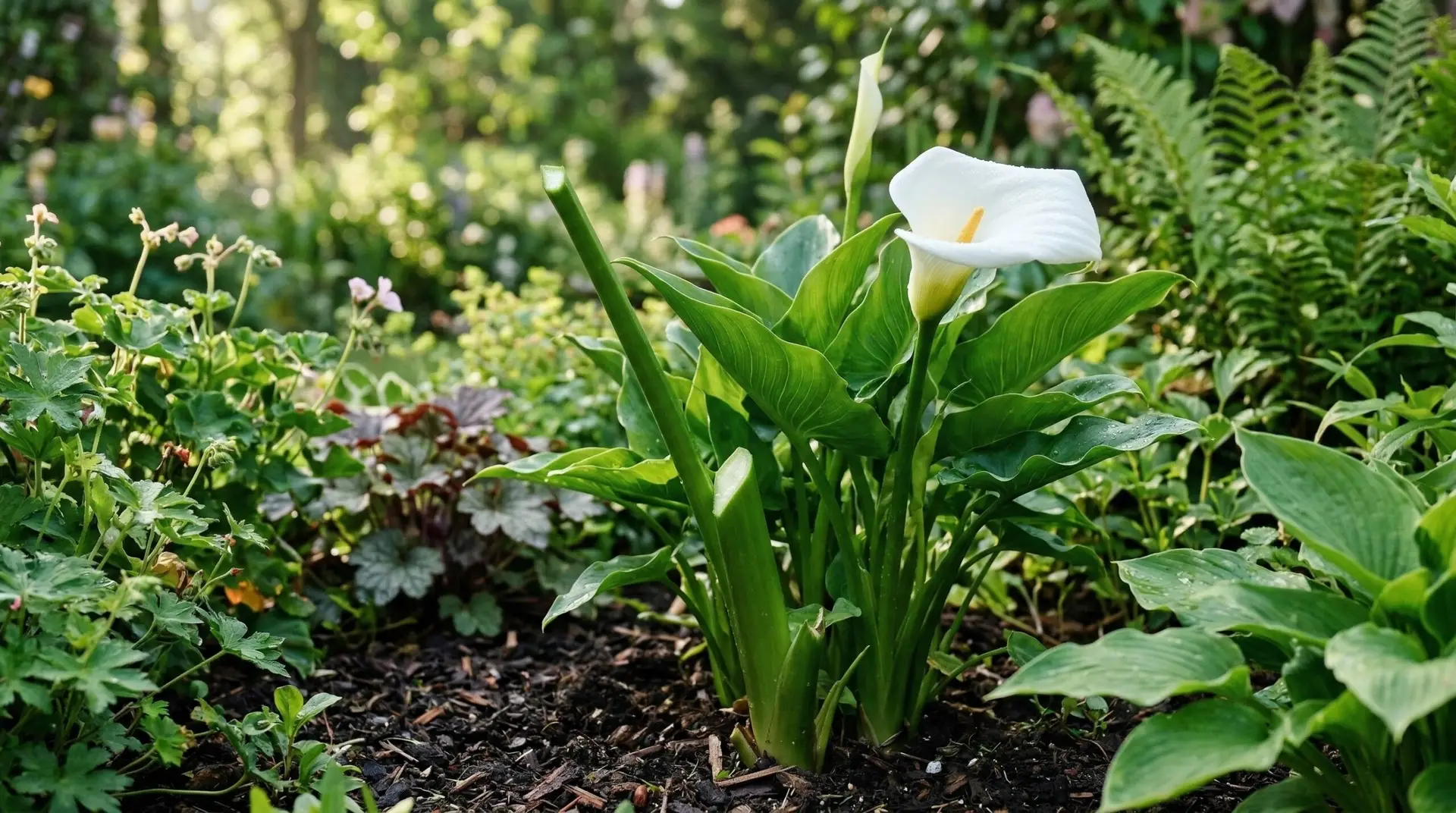
Calla lilies rot before they wilt if you put them in a full vase of water. The thick, spongy stems break down rapidly when submerged deep in liquid, turning the water foul and collapsing the heavy flower head. To maximize your lily display, you must keep the water level at exactly one to two inches deep. Proper handling at every stage dictates how long do calla lilies last in the home environment. A freshly harvested stem placed in shallow, clean water will easily remain pristine for seven to ten days. You must treat them differently than woody stems or thin-stemmed annuals that require deep hydration. Mastering this single variable transforms the calla lily from a frustrating, short-lived bloom into a reliable staple for indoor arrangements. The cellular structure of the stem acts like a sponge, pulling up moisture constantly, which means controlling the water supply is the only way to control the decay process.
Contents 4 sections
Harvesting and initial stem preparation
Harvest a calla lily cut flower when the spathe has fully unrolled but before the central spadix begins shedding visible yellow pollen. Once the pollen drops, the flower has reached its final stage of maturity and will not last long in a vase. Unlike most cut flowers that demand a sharp forty-five-degree angle to maximize surface area, calla stems require a perfectly flat, horizontal cut. An angled cut creates a fragile, tapered tip that quickly curls, splits, and rots under the weight of the heavy bloom above it. Use a sterilized, unserrated knife rather than scissors to slice through the fleshy tissue, because scissors pinch the capillaries shut and prevent the flower from drinking. Once cut, dip the bottom inch of the stems in a hydrating solution or plain water mixed with a single drop of liquid bleach to halt immediate bacterial growth. Allow the stems to rest in a cool, dark room for two hours before moving them into their final display vessel. This resting period lets the cut ends harden slightly, sealing the outer edges and reducing the risk of splitting when you finally arrange them.
Managing water depth and vase life
The primary threat to calla lily vase life is bacterial stem rot driven by excessive water depth and poor sanitation. Fill your display vase with no more than two inches of cold tap water mixed with half the recommended dose of commercial floral preservative. Full-strength preservative contains too much sugar for these specific flowers, often accelerating bacterial growth rather than feeding the bloom. You must empty the vase, wash it with soap, and refill it with fresh water every single day. During this daily water change, slice exactly one quarter of an inch off the bottom of each stem using your flat cutting technique. If you notice the submerged portion of the stem turning translucent or feeling slimy, cut above the damaged tissue immediately to stop the rot from spreading upward. Many sources claim these flowers need warm water to open fully, but a calla lily is already open when harvested and warm water only accelerates bacterial decay. Keeping the water cold and shallow guarantees the stems remain firm enough to support the heavy blooms for over a week.
Executing the stem curving trick
The pliable, water-filled stems of calla lilies allow you to bend and shape them into dramatic architectural curves that remain fixed in place. To achieve this effect without snapping the stem, leave the flowers out of water for exactly one hour so they become slightly flaccid. Hold the stem in both hands and use your thumbs to gently massage the tissue along the inside of your planned curve. Work slowly from the base up to the neck, applying even pressure to warm the plant cells and increase their flexibility. Never pinch the stem or apply sharp pressure to a single point, as breaking the outer skin ruins the structural integrity of the entire flower. Once you achieve the desired arc, place the flower into a tall, narrow container filled with two inches of water. The stem will rehydrate in its new curved position over the next few hours and harden into that exact shape permanently. You can use this technique to weave multiple stems together or force them to spiral inside a clear cylinder vase, a manipulation florists rely on to build modern centerpieces without floral foam.
Designing mono-flower arrangements
Calla lilies possess enough structural presence that they look best standing completely alone without any filler foliage or secondary blooms. A tight cluster of five to seven stems cut to identical heights creates a dense, modern display that highlights the sculptural quality of the spathes. When mixing colors, group them in distinct blocks rather than scattering them evenly throughout the vase to maintain visual impact. While a classic rose arrangement relies on volume and intersecting stems to hold its shape, calla lilies require clear space to show off their smooth, sweeping lines. The thick stems displace a significant amount of water, so you must account for this rise in water level when placing them in your vase to keep the depth under two inches. You can achieve a similar minimalist effect to a tulip display by placing a small pin frog at the bottom of a shallow ceramic bowl and pressing the flat-cut ends directly into the pins. Keep the final arrangement away from direct sunlight, heating vents, and ripening fruit to prevent premature aging of the spathes. The simplest display of three stems in a clear glass cylinder remains the most effective way to present these specific flowers.
More About Calla Lily
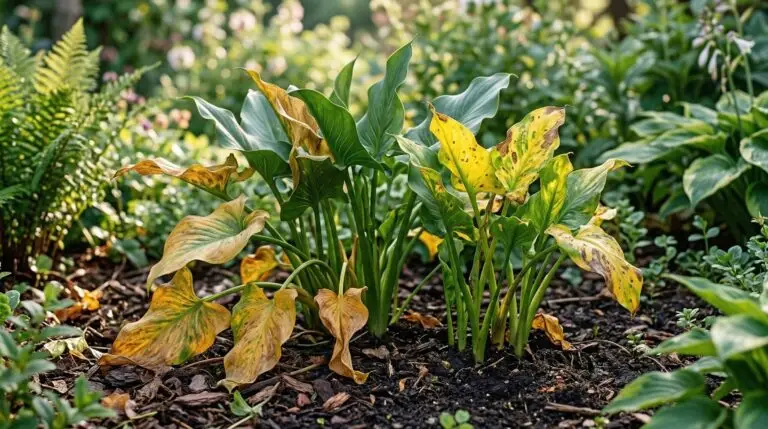
Why calla lily leaves are turning yellow and how to revive your plant

How to store calla lily bulbs over winter and replant them in spring
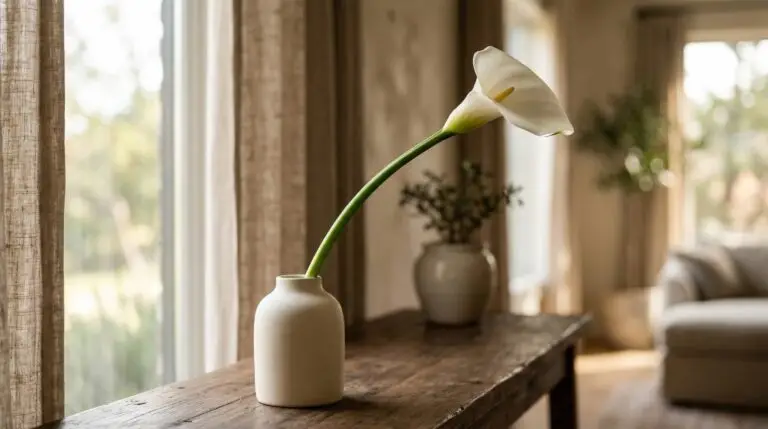
Using calla lilies in modern minimalist floral arrangements that make a statement
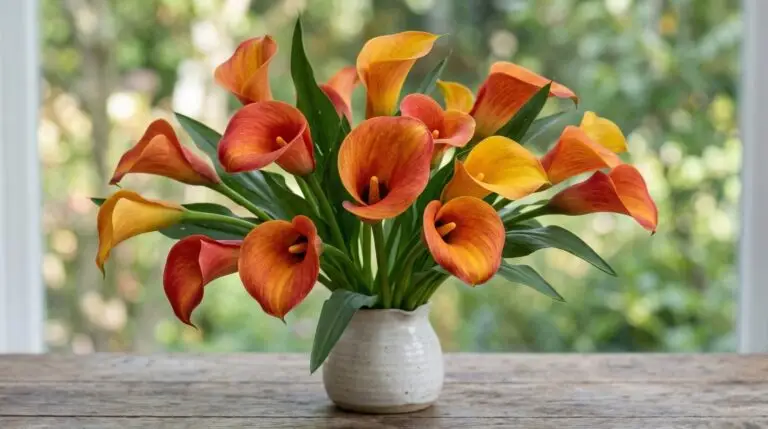
Colorful calla lily varieties that go far beyond the classic white trumpet
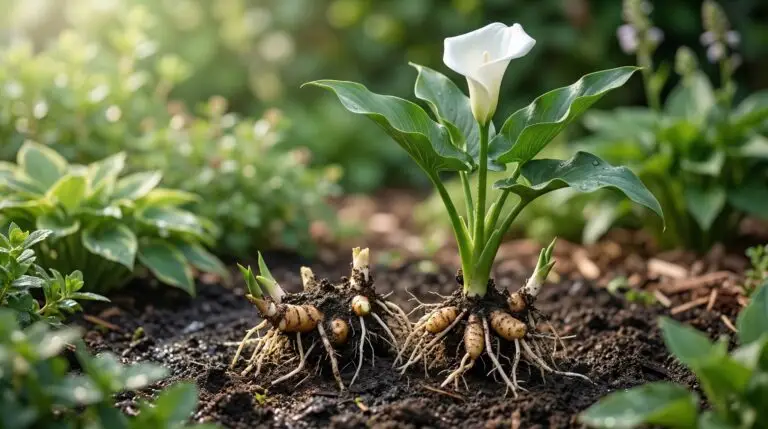
Calla lily propagation by dividing rhizomes for more plants every season
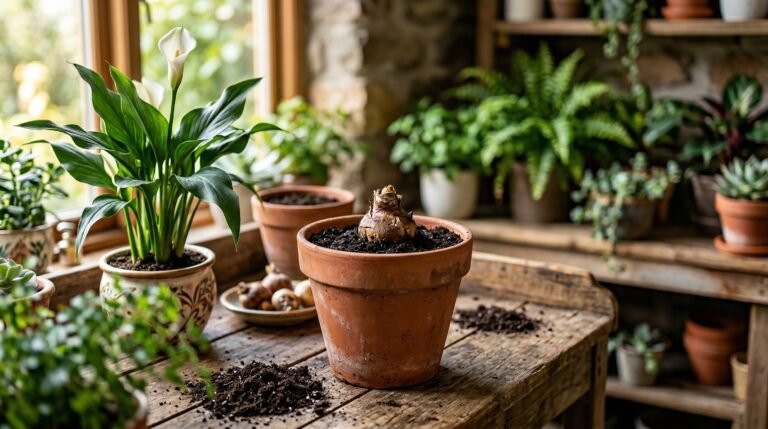
How to grow calla lilies in pots indoors for elegant year-round blooms
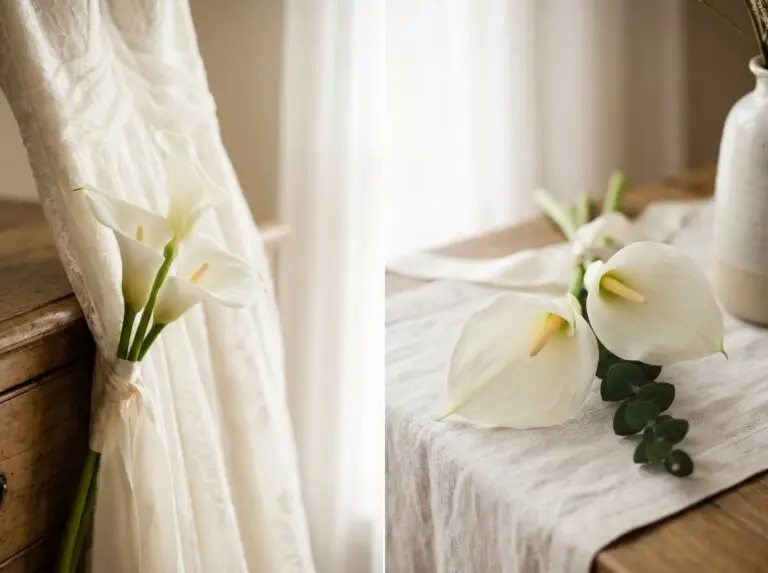
Calla lily meaning, from weddings to funerals, honestly explained
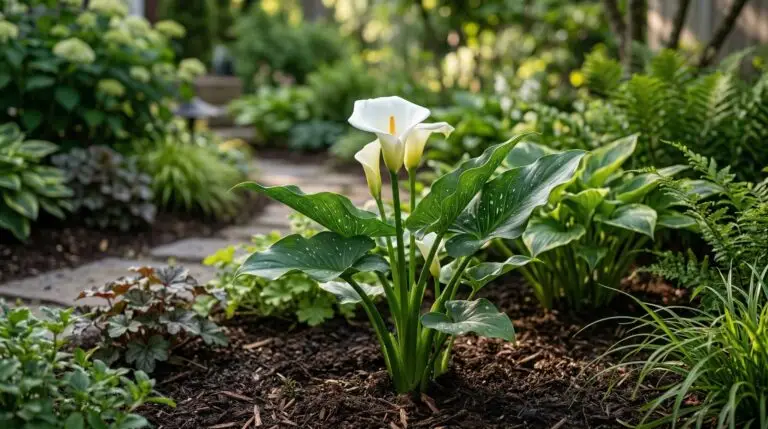
Growing calla lilies outdoors in garden beds as a summer focal point
Calla lily wedding bouquets and why brides have loved them for generations
Enjoying our flower guides? Add YourFlowersGuide as a preferred source on Google. It helps more readers find us.
Add to Preferred Sources